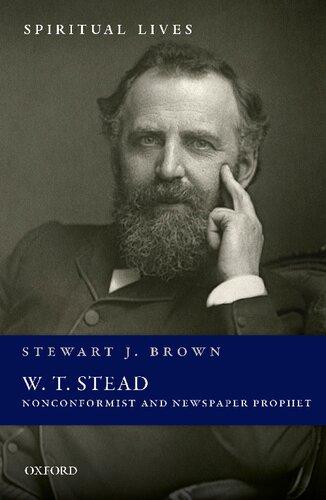
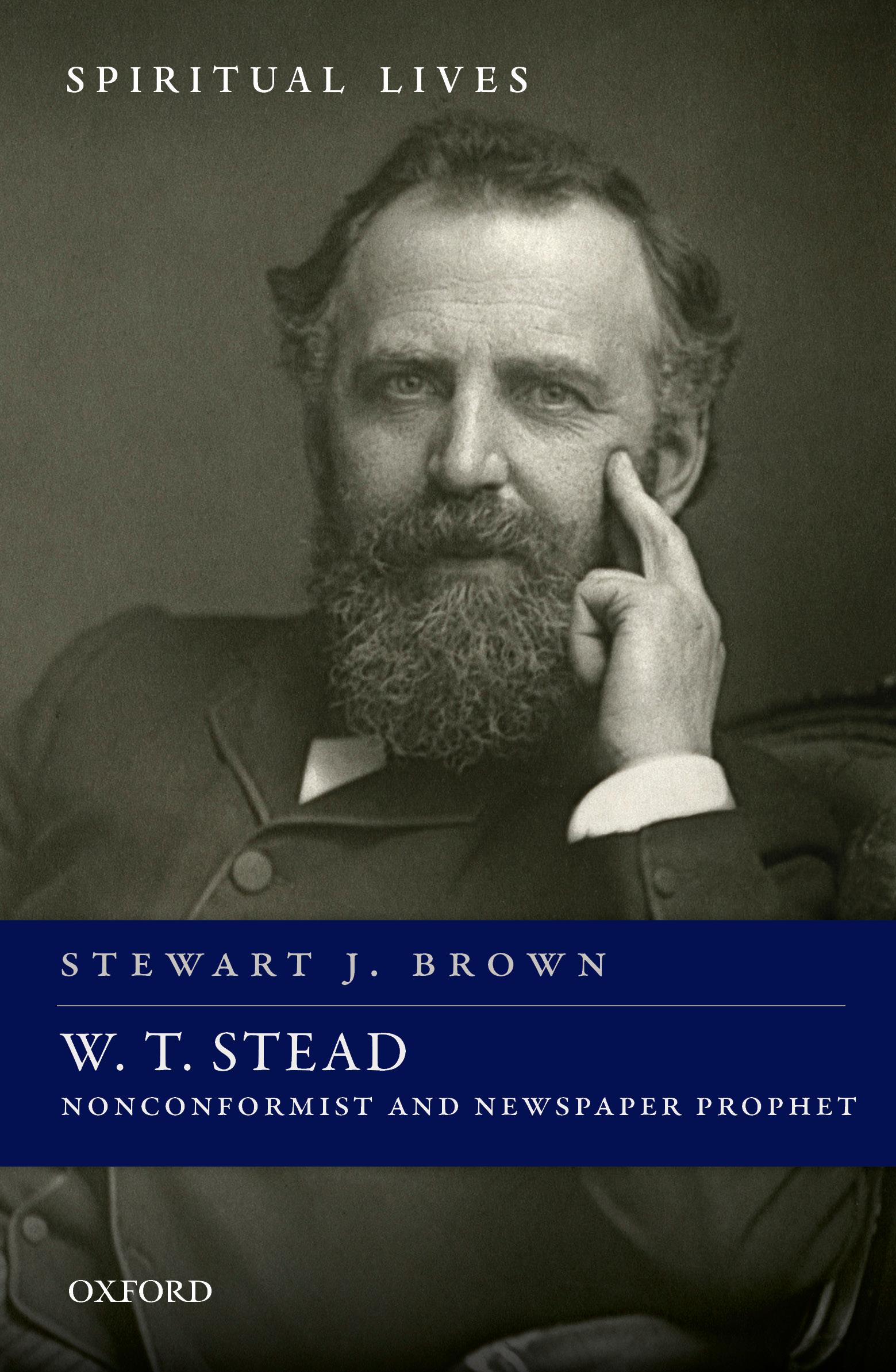
W.T.Stead
NonconformistandNewspaper Prophet
STEWARTJ.BROWN
GreatClarendonStreet,Oxford,OX26DP, UnitedKingdom
OxfordUniversityPressisadepartmentoftheUniversityofOxford. ItfurtherstheUniversity’sobjectiveofexcellenceinresearch,scholarship, andeducationbypublishingworldwide.Oxfordisaregisteredtrademarkof OxfordUniversityPressintheUKandincertainothercountries
# StewartJ.Brown2019
Themoralrightsoftheauthorhavebeenasserted
FirstEditionpublishedin2019
Impression:1
Allrightsreserved.Nopartofthispublicationmaybereproduced,storedin aretrievalsystem,ortransmitted,inanyformorbyanymeans,withoutthe priorpermissioninwritingofOxfordUniversityPress,orasexpresslypermitted bylaw,bylicenceorundertermsagreedwiththeappropriatereprographics rightsorganization.Enquiriesconcerningreproductionoutsidethescopeofthe aboveshouldbesenttotheRightsDepartment,OxfordUniversityPress,atthe addressabove
Youmustnotcirculatethisworkinanyotherform andyoumustimposethissameconditiononanyacquirer
PublishedintheUnitedStatesofAmericabyOxfordUniversityPress 198MadisonAvenue,NewYork,NY10016,UnitedStatesofAmerica
BritishLibraryCataloguinginPublicationData Dataavailable
LibraryofCongressControlNumber:2019940329
ISBN978–0–19–883253–9
PrintedandboundinGreatBritainby ClaysLtd,ElcografS.p.A.
Preface
AtthecrowdedMemorialServiceforW.T.Steadon25April1912in London ’sWestminsterChapel,hisclosefriendofovertwenty-five years,thevenerableBaptistChristianSocialistDrJohnClifford withlong,patriarchalwhitebeard deliveredthemainaddress. Stead,hesaid,wasthemostprominentBritisheditorofthe1880s and1890s,andhehadtransformedjournalism.Asajournalist,Stead was ‘brilliant,rapid,unconventional,accomplished...hisresources apparentlyexhaustless,andhisenergywithoutbounds’.Anditwasa journalisminfusedwithahigherpurpose. ‘Hewasajournalist,buta journalistasPaulwasanApostleandKnoxaReformer,andwoeto himifhedidnotpreachandmakepotentthegoodnewsGodgave him.’ WhatwasmostimportanttoSteadwasGod’sdivineplanfor humankind;whatdefinedhimwashisbeliefthatGoddirectlycalled himtoservethatplan. ‘Tome,’ Clifforddeclared, ‘hewasasa prophetwhohadcomestraightoutoftheOldTestamentintoour modernstorm-sweptlife.’ SteadhadsoughttoproclaimGod’swill throughjournalismtoanincreasinglysecularandmaterialistworld; forhim,thenewspaperwas ‘aswordtocutdownthefoesofrighteousness,aplatformfromwhichtoheartenandinspirethearmiesof theLord,apulpitfromwhichtopreachhiscrusades,adeskatwhich hecouldexpoundhispolicyformakinganewheavenandanew earth.Hewasamanwithamission,andjournalismwastheorgan throughwhichhewroughtatit.’ Aboveallelse,Stead ‘wasaprophet withaprophet’sinsight’ anda ‘prophet’sfearlessness’ .
WilliamThomasStead,newspapereditor,author,socialreformer, women ’srightsadvocate,peacecampaigner,andspiritualist,wasone ofthebest-knownpublic figuresinlateVictorianandEdwardian Britain.ThesonofaCongregationalminister,Steademergedto nationalprominenceinthe1870s,when,astheyoungeditorofthe Darlington NorthernEcho,hebecamealeadingvoiceofthe ‘NonconformistConscience ’,supportingtheeffortsofProtestantDissentersto reshapeBritishpoliticsandsocietyaroundChristianmoralstandards. In1881,hebecameassistanteditorofLondon’sevening PallMall
Gazette,andthen,from1883,thenewspaper ’seditor.Atthe PallMall, hepioneeredwhatbecameknowninBritainasthe ‘NewJournalism’ , withemphasisoninvestigativejournalism,sensationalistnewsstories, interviewsofprominent figures,special ‘extra’ issues,moralcrusades, boldheadlines,andabundantillustrations.In1885,hegainedinternationalprominence,andaprisonsentence,forhishighlycontroversial ‘MaidenTributeofModernBabylon’ newspapercampaign directedagainstthesextraffickingofgirlsandyoungwomenin London.In1890Steadleftthe PallMall andbecamefounder-editor ofthesuccessfulLondon-basedmonthly, TheReviewofReviews,which providedreaderswithadigestofarticlesfromtheworld ’spress,and promotedbothglobalperspectivesandtheunityofEnglish-speaking peoples.In1893,hefoundedandedited Borderland,aquarterlyjournal topromotethestudyofpsychicphenomena;hisvolumeof Lettersfrom Julia, firstpublishedin Borderland anddescribedasmessagesfromthe afterlife,wentthroughnumerouseditionsandwastranslatedintoa numberoflanguages.Steadbecameamajorvoiceofthe ‘social gospel’ inBritainandtheUnitedStatesfollowingthepublicationin 1894ofhisbest-selling IfChristCametoChicago! withitscallforthe redemptionofthemoderncity.Hewas,moreover,aleadingproponentandpublicistoftheHaguepeaceconferencesof1899and1907, andthearbitrationofinternationaldisputes.Laudedbymanyforhis journalisticcrusadesandChristiansocialethics,hewasdespisedby othersforhissensationalismandself-promotion.
Stead’sremarkable,oftenhighlycontentiouspubliccareerhas generatedarichbiographicalliterature.Twohighlysympathetic memoirsofSteadappearedshortlyafterhisdeath: MyFather (1913) byhisdaughter,Estelle,and Stead:TheMan (1914)byhisassistant, EdithHarper bothauthorsplacingemphasisonStead’sspiritualism.Thestandardtwo-volumebiographyofStead,FredericWhyte’ s TheLifeofW.T.Stead,waspublishedin1925.Ajournalistwhohad workedunderStead,Whytewroteabiographywhichwasrichin insightsonbothStead’sjournalisticcareerandthebroadercultural context,althoughWhytehadlittleinterestinStead’sNonconformist roots,religiousconceptions,orspiritualistwritings.J.W.Robertson Scott,anotherjournalistwhohadworkedunderStead,provideda lengthybiographicalstudyofSteadinhis LifeandDeathofaNewspaper (astudyofthe PallMallGazette),publishedin1952.Hisaccount
drewheavilyfromStead’sprivatejournalsandofferedbalanced assessmentsofStead ’ sachievementsandcharacter.In1972the historianRaymondL.Schultsproducedathoroughlyresearched monographonStead’syearsatthe PallMallGazette, exploringhis contributionstothe ‘NewJournalism’ andthedevelopmentofthe modernnewspaper.In TheInventionofTelepathy of2002,thecultural historian,RogerLuckhurst,includedavaluablechapteronStead’ s interestsintelepathiccommunicationsandengagementwithpsychical researchers.Theliteraryscholar,GraceEckley,publishedanimpressivelyresearched,highlylaudatorybiographyofSteadin2007.The centenaryofStead’sdeathin2012broughtarevivalofinterest,witha lively,engagingbiographyofStead, Muckraker:TheScandalousLifeand TimesofW.T.Stead, bythejournalist,W.SydneyRobinson;asthetitle suggests,RobinsonemphasizedStead’ssensationalistjournalistic campaignsandallegedsexualliaisons.2012alsosawaninternational conferenceattheBritishLibraryinLondon,whichledtoavolumeof essays, W.T.Stead:NewspaperRevolutionary,editedbyLaurelBrake,Ed King,RogerLuckhurst,andJamesMussell.Theessaysmainly exploredStead’sjournalism,withsomecontributionsonhisspiritualism.ThemostimportantmodernscholarofSteadwasthehistorian, JosephBaylen,whoexploredStead’svariedcareerinaseriesofwellresearched,insightful,andauthoritativearticles.Ihadtheopportunity tomeetProfessorBaylenwhenhewasnearingretirementatGeorgia StateUniversityandIwasteachingattheUniversityofGeorgia,and Irememberwellhisgraciousmannerandwarmencouragementtoa youngerscholar.Hedidnot,unfortunately,managetocompletethe definitivebiographyofSteadforwhichwehadhoped.
ThisbookisareligiousbiographyofStead.Whatinterestsmeasan historianofmodernChristianityishowforStead,andformanyofhis readers,thelatenineteenth-centurynewspapertookoncertainroles previously filledbythechurch,proclaimingahighsocialethics, exposinganddenouncingsin,seekingtodiscernthedirectionofthe historyanddestinyofhumankind,andformingparticipatorynetworksofreadersformoralaction.Mybiographygivesparticular attentiontoStead’sconceptionofjournalism,atatimeofgrowing massliteracy,asameanstocommunicateasocialgospel,andhisview oftheeditor’sdeskasamodernpulpit,fromwhichtheeditor/ preachercouldreachacongregationoftensofthousands.Thebook
Preface
exploreshowhisNonconformistConscienceandsenseofdivine callinginfusedhisnewspapercrusades,anditexamineshisefforts, throughformsofparticipatoryjournalism,tocreatea ‘unionofall wholoveintheserviceofallwhosuffer’ andwhathecalleda ‘Civic Church’.Itconsidershisgrowinginterestinspiritualismandthe occultashesearchedfortheproofofanafterlifethathehoped woulddrawpeopleinanincreasinglysecularsocietybacktofaith.It discusseshisimperialismandhisbeliefthattheEnglish-speaking peoplesoftheBritishEmpireandAmericanRepublicwereGod’ s newchosenpeopleforfulfillingthedivinepurpose,anditalsoconsidershowhisgrowingunderstandingofotherfaithsandcultures,and hismoralrevulsionovertheSouthAfricanWarof1899–1902, broughthimtoquestionthatbelief.Finally,itassessestheinfluence ofreligiousfaithonhislatercampaignsforworldpeacethroughthe arbitrationofinternationaldisputes.Towhatextentcanwediscern continuitiesinStead’spersonalbeliefs,astheymovefromtheevangelicalNonconformityofhisyouthtothoseofasocialgospel reformer,broadchurchimperialist,andadvocateofpsychicalexploration?HowshouldweevaluateStead’sclaimstobeaprophetfora newera,andapreacherinanewspaperpulpit?Stead,tobesure,was notaserioustheologianorprofoundreligiousthinker.Rather,hewas agiftedjournalistand fluent,engagingwriter,whosereligiousjourney reflectedthechallengesofpreservingaChristianwitnessatatimeof increasingsecularization.
Ihavemanydebtsofgratitudetorecord.TimothyLarsen,the generaleditorofthe ‘SpiritualLives’ series,welcomedmyproposalfor areligiousbiographyofStead,andwasconsistentlysupportive.Sir BrianHarrison firstsuggestedthatIwriteareligiouslifeofStead,and DavidBebbingtonencouragedtheprojectandwasgenerousinsharinghisexpertiseonbothmodernBritishevangelicalismandthe NonconformistConscience.TheHistoryofChristianityResearch SeminarattheUniversityofEdinburghandtheEcclesiasticalHistory SeminarattheUniversityofCambridgeheardsectionsofthebook, andwerehelpfulwithcommentsandsuggestions.Myworkonboth Steadandhishistoricalcontexthasbenefitedfromtheconversation andsuggestionsofEmilyBaylor,DuncanBell,ClydeBinfield,Jane Dawson,SusanHardmanMoore,LauraMair,HughMcLeod,Jolyon Mitchell,SaraParvis,PaulParvis,KeithRobbins,BrianStanley,
StephenSutcliffe,DavidThompson,andJowitaThor.Allwhowork onSteadmustexpressgratitudetoOwenMulpetre,whosince2001 hasgenerouslymaintainedthe ‘W.T.SteadResourceSite’,providing scholarswithaccesstoawealthofsourcesonStead’slifeandwork. TheUniversityofEdinburghprovidedasemester’sresearchleaveand aresearchgrantfromtheMorayEndowmentFund.OwenDudley Edwardshasreadtheentiretext,andhiscommentsandsuggestions havebeenimmenselyhelpful;itiswithdeepgratitudeforthemany yearsoffriendshipandsupportthatIdedicatethebooktohim.My wife,Teri,andmyfamilyhavebornewithStead,oftenwithbemused smilesthatSteadwouldhaveappreciated.
Abbreviations xv
1.AVoiceoftheNonconformistConscience,1849–801
2.ToBeaChrist:StrivingforRighteousnessatthe PallMallGazette,1880–841
3.TheCityofGodandtheCivicChurch,1888–9491
4.SpiritualismandtheOtherWorld,1880–1912135
5.TheGreatPacifist,1894–1912165
Abbreviations
BLBritishLibrary
BrycePapersViscountBrycePapers,BodleianLibrary,Oxford, MSBryce140
NENorthernEcho
Novikoff-SteadCorr.CorrespondenceofOlgaNovikoffandW.T.Stead, BodleianLibrary,Oxford,MS.Eng.misc.d.182
PMGPallMallGazette
RoRTheReviewofReviews
SteadPapersSteadPapers,ChurchillCollege,Cambridge
Conscience,1849–80
‘Iwasachildofthemanse’,Steadwrotewheninhismid-fifties. ‘My fatherwasanIndependentminister,andbothmyparentswere earnest,devotedEvangelicalChristians.Independentssixtyyears agoweremoreCalvinisticthanaretheirpresent-dayrepresentatives, andasenseoftheexceedingsinfulnessofsinandofthegrimreality ofthewrathofGodpermeatedtheatmosphereofourhome.’1 WilliamThomasSteadwasbornon5July1849intheoldmanseof thePresbyterianchurchintheNorthumberlandcoastalvillageof Embleton.HewasthesecondchildofWilliamStead,thenaminister inthePresbyterianChurchofEngland,andhiswife,Isabella.His father,bornin1814inCrookes,nearSheffield,wasthesonofacutler, orknife-maker.Apiousladwithevangelicalconvictions,William SteadalsobecameacutlerinSheffield,butin1839,attheageof twenty-five,hewasacceptedasastudentofAiredaleTheological College,asmall,IndependentdissentingacademyinBradford, wherestudentsreceivedroom,board,andtuitionfreeofcharge. Completinghisstudiesin1844,hewasordainedministerofthe EmbletonPresbyterianChurchin1845.(Atthistime,EnglishPresbyteriancongregationswerepermittedtoselectministerswithouta specificallyPresbyteriantraining,providedtheministeracceptedthe PresbyteriansystemofChurchgovernment.)Thefollowingyearhe marriedIsabellaJobson,thetwenty-two-year-olddaughterofa Northumberlandfarmer.
Latein1849,WilliamSteadreturnedtotheCongregational denomination,acceptingacalltobecomeministeroftheIndependent churchinHowdon,anindustrialsettlementonthebanksofthe Tyne,about fivemilesfromNewcastle.Hemovedwithhisfamilyto
amodestmanseinHowdon,andhereheministeredforthenext thirty-fouryears,untilhisdeathin1884.Itwas,accordingtohisson,a ‘grimyspot,befouledandbemired,poisonedbychemicalfumes,and darkenedbythesmokeofinnumerablechimneys’ . 2 TheIndependent, orCongregationalistdenominationwasbroadlyReformed,orCalvinistintheology,witharespectforalearnedministryandabelief thateachcongregationshouldbeself-governing,recognizingonly ChristasheadoftheChurchandseekinginworshiptoreflectthe simplicityoftheearlyChurch.Theywerepartofwhatwasknownas ‘OldDissent’,ProtestantNonconformistswhocherishedasturdy independenceofcharacter,disciplinedlives,andhardworkasa meansofhonouringGod;theywereheirstotheseventeenth-century EnglishPuritans.Inthemid-nineteenthcentury,Congregationalists wereleft-leaningWhigorevenRadicalintheirpolitics,opposingthe establishedChurchofEnglandandanyconnectionofChurchand State,aswellasprivilegeorpoliticalfavouritism.
AsCongregationalministerinHowdon,WilliamSteadwasactive inhomemission,includinghouse-to-housevisiting,organizinghouse prayermeetings,andvisitingshipseverySundayatHowdondock, withagroupofhelpers,todistributepioustractsandinvitethesailors toworshipathischurch.Heservedoncivicbodies,andtooka particularinterestinextendingpopulareducation.Followingthe EducationActof1870,hewaselectedtotheWallsendSchool Boardandin1878hetooktheleadingroleinfoundingtheHowdon’ s MechanicsInstitute,aneducationalandrecreationalclubforworking men. ‘Hedidnotpreachmuchabouttheobligationofdoingour duty,’ hissonwouldlaterrecall, ‘heonlymadeusfeelthattoneglect doingourdutywasas flata flyinginthefaceofthelawoftheuniverse astheneglecttobreathe.’‘Hewasemphaticallyahealthyman healthyandwhole-souled,withasovereignhatredofshamsand fine phrases,whichwaskeptfrombeingrancorousbya finespiritof charityandaheartyhumansympathy.Ithinkhewastheheartiest laugherIeverknew.’ Hehadagreatloveofliterature,withagoodsizedlibraryathismanse.Hischildhoodpovertyandlimitedformal educationlefthimcautious,diffident,andself-effacing,asalabouring mannowinalearnedprofession.Hecouldbedismissedbyhis congregationiftheybecamedispleasedwithhim,inwhichcasehe wouldhavelittlehopeof findinganotherpositionasaminister. ‘The
meekestandmildestofmen,’ hissonobserved, ‘Ihaveseenhimbear insultswhichmademelong,boyasIwas,tosmitetheinsultertothe ground...Modestandreserved,heneverpushedhimself.’ Littleis knownofhistheology,asheorderedthathisseveralthousandmanuscriptsermonsbeburnedafewdaysbeforehisdeath.Whilenotan eloquentorpopularpreacher,heearnedrespectasadedicatedpastor andheformedacongregationwitharegularattendanceofsometwo hundredpeople,alongwithasuccessfulSundaySchoolforchildren. Hisincomeneverexceeded£150ayear,butwithamanseinaddition totheincome,hewasabletosupporthisfamilyinreasonablecomfort. Stead’smother,Isabella,saidtohave ‘passedthroughmuchdomestic afflictionprevioustohermarriage’,foundconsolationinadeep evangelicalfaith.Shewasknownasapeace-maker,everreadyto intervenetomediatequarrels.Onewhoknewherwelldescribedher lifeas ‘verysimple,veryplacidinits “deedsofweekdayholiness”’ . 3 Herinfluenceuponhim,Steadlaterwrote, ‘wasconstantandabiding’ . 4 Shediedafterabriefillnessinthespringof1875.
ARemarkableNonconformistFamily
WilliamandIsabellaSteadhadninechildren;ofthesethreediedin infancyorintheir firstyears,whileanother,Joseph,diedofscarlet feverin1868aged fifteen.Theparentslargelyschooledtheirchildren athomeandencouragedfreeandopendiscussionsonmostmatters. ForSundaymorningbreakfasts,eachfamilymemberwouldmemorizeabiblicalverseandofferaninterpretation,fromwhichtheconversationwouldthenrangewidelyoverquestionsofreligionand morality.Theywerearemarkablefamily.Ofthe fivechildrenwho reachedmaturity,theeldest,MaryIsabella,bornin1847,becamean educator,socialwelfareactivist,temperancereformer,Liberalpolitician,andfeminist.Sheco-foundedthe firstLeicesterbranchofthe YoungWomen’sChristianAssociation,ranamissiontothepoorat BalhaminSouthLondon,conductedasoupkitcheninLondon duringthebitterwinterof1894–5,co-organizedamissionatRedcar inYorkshire,andservedaspresidentoftheRedcarWomen’sLiberal Association.Thethirdchild,JohnEdward,bornin1851,achievedan internationalreputationasametallurgist,establishingasuccessful firmofanalyticalchemists, ‘PattinsonandStead’,in1876and
publishingnumerousscientificpapers.HewasawardedtheBessemer GoldMedaloftheIronandSteelInstitute(metallurgy ’shighest honour)in1901,waselectedafellowoftheRoyalSocietyin1903, andreceivedthreehonorarydoctorates.Thefourthchild,Sarah Anne,marriedGeorgeStrachan;shediedin1896,agedforty.The fifthchild,FrancisHerbertStead,bornin1857,becameaprominent Congregationalminister,peacecampaignerandsocialgospelactivist. EducatedatOwensCollege,Manchester,AiredaleTheologicalCollege,GlasgowUniversity,andseveralGermanuniversities,Herbert servedforsixyearsasaCongregationalministerinLeicester,and thenaswardenoftheBrowningSettlementinadepriveddistrictof London,whereheworkedforslumclearance,legislativehelpforthe unemployed,nationalhomesfortheaged,oldagepensions,women’ s rights,andinternationalpeace.5
Inhisearlyyears,WilliamThomasSteadwastaughtathomebyhis fatheralongsidehiseldersister,withthetwosetincompetitionin learningtheirlessons.TheyweretaughtLatinfromayoungage, learningLatingrammarbeforeEnglishgrammar.Theirfatheralso taughtthemtoread,butnottospeakFrench.Familylifewasonthe wholehappy,withgamesinthegardenandlongwalks,buttherewas alsoastrictNonconformistmorality. ‘Iwasbornandbroughtup,’ Steadlaterrecalled, ‘inahomewherelifewasregardedeverasthe vestibuleofEternity,andwhereeverythingthattendedtowastetime, whichislifeininstalments,wasregardedasanevilthing.’‘Hence,’ he continued, ‘inourNorthCountrymanseasevereinterdictwaslaid uponalltime-wastingamusementswhichdidnotdirectlyministerto therestorationofmoral,orphysicalenergy,andespeciallywasthe interdictsevereuponthosemethodsofdissipationwhichwereso fascinatingastomakethemdangerousrivalstotheclaimsofduty.’ Ofthesetemptations,headded, ‘the firstwastheTheatre,whichwas theDevil’sChapel;thesecondwasCards,whichweretheDevil’ s PrayerBook;andthethirdwastheNovel,whichwasregardedasa kindofDevil’sBible.’6 Hewas,however,permittedtoreadSirWalter Scott’snovels,regardedasofahighmoralstandard.
Hisfather’sardentsermons,thefamily’sstrictpiety,andthedifficultiesinmeetingthehighmoralexpectationsthrewsomedark shadowsoverStead’schildhood.Inhisfather ’sfaith,therewas, alongsidehopeofsalvationandeverlastinglifewithChrist,alsoa
realhellofeverlastingtorment,andadivinejusticeunderwhichthe reprobateshouldsuffereternalpunishment.Thisfaithcouldinstil anuncompromisingmorality,butcouldalsoarouseterror.Stead recalledbeingstruckattheageofelevenwithanoverpowering senseofhissinfulnessandtheconvictionthat ‘Ideservedtobe damned ’ . ‘Isobbedandcriedinthedarkness,’ heremembered, ‘withavaguesenseofmyownsinandoftheterribledoomwhich awaitedme.’ Hismotherheardhiscries,tookhiminherarmsand comfortedhimwithwordsabouttheloveofGod,untilintimehis terrorpassed.Fortherestofhislifeherememberedthatnightasa ‘thunderstorm’ . 7
His ‘FirstConversion’
InJuly1861,attheageoftwelve,SteadwassenttoSilcoatesboarding schoolforCongregationalistboys,locatednearWake fi eld.Its fiftyboyswereagedbetweentenandseventeen.Theheadmaster, DrJamesBewglass,a flamboyantteacherandanIrishman,roused theinterestoftheboyswithaccountsoftheearlybattlesofthe AmericanCivilWarandthehistoricinjusticesofBritishrulein Ireland.Stead’sarrivalattheschoolcoincidedwiththe finalstages oftheevangelicalrevivalmovementthathadbeensweepingthrough BritainandIrelandsince1858–9,affectinghundredsofthousands.In August1861,someoftheSilcoatesboys,includingStead,began holdingprayermeetingsandspeakingearnestlyaboutthestateof theirsouls.Stead,whowashomesickanddistressed,nowexperienced whathedescribedasanevangelicalconversion,bringingasudden convictionthathehadalwaysbeensavedfromhissinsbyChrist’ s sacrifice,andgivinghim ‘asenseofgreatpeaceanddeliverance ’.It was,atonelevel,aschoolboyepisode,inwhichSteadandtheother boys,enthusedbythelargerrevivalmovement,triedtoemulateits languageandbehaviour.ButSteadbelievedthathisconversionwasa realchange,withalastingimpactonhislife. ‘Whatevermaybethe objectiverealityofthealteredrelationswhichIthenrecognisedas existingbetweenmysoulanditsMaker,’ Steadwrotein1905, ‘thereis absolutelynoquestionastotheabidingnatureofthechangeit effectedinmylife.Itisforty-threeyearssincethatRevivalatschool. Thewholeofmylifeduringtheseforty-threeyearshasbeen
influencedbythatchangewhichmencallconversionwhichoccurred withmewhenIwastwelve.’8 Followingthisconversion,agedtwelve, hejoinedtheCongregationalChurchatWakefield,andheremained amemberofaCongregationalchurchforallhislife. ‘Norhas anything,’ helaterwrote, ‘occurredinallmysubsequentwanderings, spiritualorotherwise,toleadmetowishtoabandonthatposition.’9
HisparentsremovedSteadfromSilcoatesSchoolinJune1863,just beforehisfourteenthbirthday,apprenticinghimasaclerkwiththe firmofCharlesSeptimusSmith,awine,spirits,timber,andleather merchantatQuayside,Newcastle-upon-Tyne,andRussianviceconsul.Steadhadenjoyedhistimeattheschool,writingforthe schoolpaperanddevelopingaloveforcricket.Thetwoyearsat Silcoateswerehisonlyformaleducation,andhewouldbesensitive aboutthisthroughouthislife,protesting(abittooloudlyattimes)that hislimitedformaleducationhadneverharmedhisprospects.His parents’ decisiontoremovehimprobablyresultedfrom financial pressuresamidageneraleconomicdownturn.TheAmericanCivil Warhadbroughtacollapseinimportsofrawcotton,whichhada devastatingimpactonthetextileindustryandtheBritisheconomyas awhole,presumablyaffectingcongregationalcontributionstothe Howdonchurchandthushisfather’sincome.ForaCongregational ministertoapprenticehissontoamerchantdealinginwineand spiritsappearsincongruous,butthereisnoevidencethattheelder Steadwasatotalabstainerfromalcohol,andSmithwasarespected merchant.Stead,whosoonrosetothepositionofsalariedclerk,lived athome,commutedbytraintoNewcastletowork,andmostofhis earningswenttothefamily.
Shortlyafterleavingschool,hefelthislifetransformedbyThomas Carlyle’ s LettersandSpeechesofOliverCromwell (1845),withitsemotive portrayalofCromwellastheheroic ‘God’sEnglishman’,raisedupby hisreligiousfaithanduncompromisingmorality,andimposingGod’ s moralorderuponadistractedandtroubledpeople,whodesperately neededaleader.Carlyle’sCromwellinfusedtheyoungclerkwiththe hopeofdoingsomethingextraordinarywithhislife.Steadvenerated Carlyle’shighmoraltone,celebrationoftheheroic,energetic,sermonizingstyle,painstakinghistoricalresearch,andabilitytoforman intimatepersonalconnectionwithhisreaders.Carlylewas,according toStead’sbiographer,FredericWhyte, ‘thewriterwhoperhapsmore
thananyotherwastoinfluencehiswholelife’ 10 Alongwithmany VictorianNonconformists,especiallyCongregationalists,Steadwas alsodrawntoCarlyle ’sCromwellasachampionagainsttheperceived oppressionofanestablishedChurch. ‘ThememoryofCromwell,’ Steadwrotein1899, ‘hasfrommyearliestboyhoodbeentheinspirationofmylife.Thatwasnotsurprising,forIwasthesonofan Independentminister.’ HisadmirationofCromwell, ‘theuncrowned kingofEnglishPuritanism ’,reachedthelevelofreligiousdevotion, whichforatimeovershadowedevenhisdevotiontoChrist. ‘Icanto thisdayremember,’ hecontinued, ‘theserioussearchingsofheart IexperiencedwhenIwokeuptoaconsciousnessofthefactthatIfelta farkeenerandmorepassionatepersonalloveforOliverCromwell, thanIdidevenforthedivine figureofJesusofNazareth.Cromwell wassonear,sohuman,andsoreal.’11
His ‘SecondConversion’
SteadnowimmersedhimselfinreadingonCromwell,EnglishPuritanism,andtheEnglishCivilWar,anddreamedofliteraryfameas anhistorianofseventeenth-centuryEnglishPuritanism.Readinglate intheevenings,duringlunchbreaksandonthetrain,hegainedan appreciationforhistorythatremainedwithhimforlife.Butamajor historyofPuritanismwastoovastaprojectforaclerk,withlittle education,time,orlibraryresources.In1868seriouseyestrain endangeredhisvision,andforatimehisphysicianvetoedhisreading outsidetheoffice.Hetookthisthreatenedblindnessasasignfrom Godthathe ‘mustputawayallideaofeverwritingthebook,orof makinganameformyself,andmustsimplysettoworkandlabourfor thosewhowerearoundme’ . 12
Thisperceiveddivinecalltosocialservice,andespeciallyserviceto thepoor,formedwhatSteadcalledhis ‘secondconversion’.Inembracingthecalltoservice,hefoundspecialinspirationfromanother figure,whoalongsideCarlyleandCromwell,wouldhaveasignificant influenceonhislife.ThiswastheNewEnglandpoet,essayist,magazineeditor,andAbolitionist,JamesRussellLowell(1819–91).Stead was fifteenwhenhefoundbychancea ‘yellow-backedshillingedition’ ofLowellpoems.Afewyearslater,in1867,hisessayonCromwell, signed ‘W.T.Silcoates’ andsubmittedtothe BoysOwnMagazine,won
himsomeprizebooks,amongwhichhechoseanotherbookofLowell poetry.13 ‘Thatlittlevolume,’ hewrotein1891, ‘withitsgreenpaper cover,liesbeforemenow,thumbedalmosttopieces,underscored, andmarkedinthemarginthroughout...Ithasbeenwithmeeverywhere;inRussia,inIreland,inRome,inprison,ithasbeenmy constantcompanion.’14 ‘Insomeofthecriticalmomentsofmylife,’ henoted,amidatellingjuxtapositionoftexts, ‘IfoundinLowell helpsuchasIfoundinnoneotheroutsideCarlyle’ s “Cromwell” andHolyWrit.’15
FromLowell,Steadderivedanenthusiasmforhumanityandsense ofChristianityasalivingforceforgoodintheworld.Lowell,Stead insisted,was ‘aPuritanbyheredity’ forwhomthe ‘moralfervourof themenofthe Mayflower waswroughtintotheinmost fibreofhis being’ . 16 HisPuritanismhadbroughtLowelltostruggleforGod’ s justiceandrighteousorder, fightingthroughverseandprosetofree America ’sblackslaves.ForLowell,theCivilWaranditsmany martyrsforfreedombecame ‘God’snewMessiah’ . 17 Lowell ’spoetry celebratedaJesuswhohadsacrificedhislifeinservicetohumanity, andwhocalledhisfollowerstodothesame. ‘Itwasinthusharmonising,’ Steadexplained, ‘thebroadesthumanitarianismwiththestrictest orthodoxtheoriesofthedivinemissionofChristthatMr.Lowellwas mosthelpfultome;forheenabledmetohitchonallthatwasbestand noblestinhumanendeavourtotheold,olddoctrineofCalvary.He hasbeen,andlongwillbe,themostpotentpreacheroftheliving Christthatthiscenturyhasproduced. ’ SteadbelievedthatforLowell theessenceofChristianityinvolvedthequestion: ‘“Whatareyou doingwiththeleastofthesemybrethren? ” Doctrine,ritual,sacrament allthesemaybeunimpeachablycorrect;butifthese “little ones ” arebeingcrucified,whatdoesitavail?’18
ThroughLowell’sinfluenceSteadbegantoconsiderjournalismasa career.AlthoughStead’sfathersometimesquotedtheLondonCongregationalminister,ThomasBinney,totheeffectthatifStPaulwere aliveinthemid-nineteenthcentury,hewouldeditadailynewspaper, Steadhadnotpreviouslybeenattractedtojournalism.Newspapers didnot ‘stirthesympathyofaladfullofdaydreamsfromthepoets andhighimaginingsdrawnfromthetraditionsofthePuritanand Covenantingstrugglesoftheseventeenthcentury’.ButLowell’swritingsopenedStead’smindtothepotentialofjournalismtobringsocial
andreligiouschange.HewasprofoundlymovedbyLowell’ sprose prefacetohispoem, ‘ThePiousEditor’sCreed’,whichportrayedthe newspapereditorasareligiousprophet,whileregrettingthatmost Christianpreachers, ‘insteadofbeingalivingforce’,merelyvocalized ‘certaintheologicaldogmas’ andadorned ‘christenings,weddings, andfunerals’.Thesepreachersmightreachafewhundredwith theirSundaysermons.Butnewspapereditorspreachedtothemasses andwerebecomingtheprophetsofthenew,moredemocraticera. ‘Seewhatapulpittheeditormountsdaily,’ Lowellenthused, ‘ sometimeswithacongregationof fiftythousand,withinreachofhisvoice.’ ‘AndfromwhataBible,’ hecontinued, ‘canhechoosehistext a Biblewhichneedsnotranslation,andwhichnopriestcraftcanshut andclaspfromthelaity theopenvolumeoftheworld,uponwhich, withapenofsunshineordestroying fire,theinspiredPresentiseven nowwritingtheannalsofGod!’19
Outsidehisworkinghours,Steadthrewhimselfintoeducational andsocialwork,becomingasortof ‘ unpaidcurate’ tohisfather inHowdon,whilealsoactiveinvoluntaryphilanthropicworkin Newcastle.HetaughtintheHowdonSundaySchool,wassecretary oftheHowdonTractSociety,ledacottageprayermeeting,and chairedaYoungMen’sMutualImprovementSociety,whichincluded managingitscricketclub. ‘Itwasinthosehumbleagencies,’ helater wrote, ‘andnotincollegeclassoruniversitylecturerooms,that IlearnedallthatIknowoftheartandscienceofhumanlife.’20 Yearslater,accordingtohissisterMary,localpeoplewould ‘telltales oftheharumscarumladwhoworkedhimselfnearlytodeathtosave theladsofthevillage’ . 21 Steadwasimpressedwiththeformationin 1869oftheCharityOrganisationSociety,whichpromotedmore rationalandinformedapproachestocharity,includingthecareful investigationofapplicants’ needforreliefandtheformationofeducationalprogrammesdesignedtohelpreliefrecipients findemployment andgainindependence.Earlyin1870,hehelpedtoformaNewcastle MendicitySocietyonthismodelandbecameits firstsecretary.
AppointmentasEditorofthe NorthernEcho
Healsobeganwritingarticlesonsocialandpoliticalquestionsfor newspapers,especiallythe NorthernEcho, ahalf-pennydailynewspaper