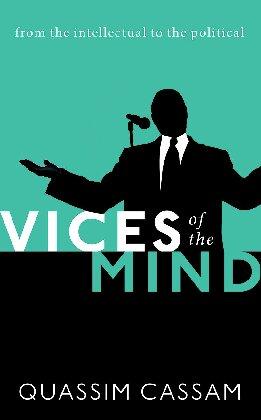
VicesoftheMind
FromtheIntellectual tothePolitical
QuassimCassam
GreatClarendonStreet,Oxford,OX26DP, UnitedKingdom
OxfordUniversityPressisadepartmentoftheUniversityofOxford. ItfurtherstheUniversity’sobjectiveofexcellenceinresearch,scholarship, andeducationbypublishingworldwide.Oxfordisaregisteredtrademarkof OxfordUniversityPressintheUKandincertainothercountries
©QuassimCassam2019
Themoralrightsoftheauthorhavebeenasserted
FirstEditionpublishedin2019
Impression:1
Allrightsreserved.Nopartofthispublicationmaybereproduced,storedin aretrievalsystem,ortransmitted,inanyformorbyanymeans,withoutthe priorpermissioninwritingofOxfordUniversityPress,orasexpresslypermitted bylaw,bylicenceorundertermsagreedwiththeappropriatereprographics rightsorganization.Enquiriesconcerningreproductionoutsidethescopeofthe aboveshouldbesenttotheRightsDepartment,OxfordUniversityPress,atthe addressabove
Youmustnotcirculatethisworkinanyotherform andyoumustimposethissameconditiononanyacquirer
PublishedintheUnitedStatesofAmericabyOxfordUniversityPress 198MadisonAvenue,NewYork,NY10016,UnitedStatesofAmerica
BritishLibraryCataloguinginPublicationData
Dataavailable
LibraryofCongressControlNumber:2018957720
ISBN978–0–19–882690–3
PrintedandboundinGreatBritainby ClaysLtd,ElcografS.p.A.
LinkstothirdpartywebsitesareprovidedbyOxfordingoodfaithand forinformationonly.Oxforddisclaimsanyresponsibilityforthematerials containedinanythirdpartywebsitereferencedinthiswork.
ForDeborah
Preface
Inherbook ThinkingtoSomePurpose,publishedin1939,Susan Stebbingwrote, ‘Thereisanurgentneedtodayforthecitizensofa democracytothinkwell.Itisnotenoughtohavefreedomofthepress andparliamentaryinstitutions. ’ Ourdifficulties,shesuggested, ‘aredue partlytoourownstupidity,partlytotheexploitationofthatstupidity, andpartlytoourownprejudicesandpersonaldesires’.Perhapsitdidn’t needsayingin1939whichdifficultiesshewasreferringto.Herbookisan attempttoencourageherreaderstoimprovetheirthinkingbyalerting themtosomeofthevarietiesof flawedthinkingtowhichweareprone. Forexample,thereiswhatStebbingcalls ‘twistedthinking’.Mythinking istwisted ‘whenIbelieveIamthinkingeffectivelyandhavediscovered soundreasonsformyconclusionbutammistakeninthisbelief ’ . Stebbing’stechniqueistoillustratethisandothertypesof flawedthinkingwithexamplestakenfromthepoliticaldebatesofherday,andthis givesherbookapracticalfocustowhichsheobviouslyattached greatimportance.
Itisn’thardtounderstandwhy,writingontheeveofaworldwar, Stebbingthoughtitwasimportanttoidentifytheintellectualvicesthat contributedtothedisastersofthe1930s.Itwouldbenaïvetosuppose thatimprovedthinkingwouldhavebeenenoughtoaverttheriseof fascismbuttheideathat ‘ourdifficulties’ atthattimewerepartlydueto ourintellectualdefectsandpartlytotheexploitationofthosedefectsis onethatwillresonatewithmanyreaderstoday.Itcertainlyresonated withmewhenIsatdowntowritethisbookin2016.Itwouldbefatuous tocomparethehistoricalsignificanceof2016withthatof1939,though onemightalsotaketheviewthatit’stooearlytotell.Nevertheless,from myperspectiveandIsuspecttheperspectiveofmanyreadersofthis book,2016wasaverybadyear,atrue annushorribilis whichsawtherise ofextremisminEuropeandAmerica,thepoliticaldisintegrationofparts oftheMiddleEast,theBrexitvoteintheUK,andtheelectionofDonald J.Trumpasthe45thpresidentoftheUnitedStates.
Readerswhoareunconcernedaboutthesedevelopmentswillprobably seenoreasonwhytheyshouldbeofanygreatphilosophical,asdistinct
frompolitical,interest.If,likeme,youviewthesedevelopmentswith dismaythereisapressingandobviousquestion:howonearthcould suchthingshavehappened?Theanswertothisquestionisnodoubt complexbut andthisisinthespiritofStebbing it’shardnottothink thatstupidityandtheexploitationofthatstupidityhavesomethingto dowithit.Stupidityinthiscontextmeansfoolishness,notlackof intelligence.ItisoneoftheintellectualvicesthatStebbingidentifies. Othersincludeprejudiceandclosed-mindedness.Prejudiceisanattitude whereasclosed-mindednessismostnaturallyunderstoodasacharacter trait.Intellectualvicescomeinseveraldifferentvarietiesandarenot confinedto flawedthinking.Therelationshipbetweenthinkingstyles, attitudes,andcharactertraitswillcomeupseveraltimesinthisbook.
Intellectualvicesor,asIprefertocallthem, ‘epistemic’ vicesare systematicallyharmfulwaysofthinking,attitudes,orcharactertraits. Epistemicvicesare, firstandforemost, epistemically harmfulandthe otherharmstheycause includingpoliticalharms areaconsequence oftheirepistemicharms.Epistemicvicesgetinthewayofknowledge. Theyobstructthegaining,keeping,andsharingofknowledgeandit’ s becausetheydothatthattheycanhavedisastrousconsequencesinthe politicalrealm.Theeightchaptersthatfollowgiveexamplesofsomeof theseconsequences.Eachchapterbeginswithadetaileddescriptionofa significanteventordevelopment oftenapoliticallysignificanteventor development intheunfoldingofwhichepistemicvicesofonetypeor anotherappeartohaveplayedanotinsignificantrole.LikeStebbing, Iusereal-worldeventstobuildanunderstandingofthenatureof epistemicvices.Viceepistemologyisthephilosophicalstudyofthe nature,identity,andepistemologicalsignificanceofepistemicvices.In theseterms,thisbookisanexerciseinviceepistemology,butnota purelyabstractphilosophicalexercise.Understandingepistemicvices helpsustounderstandourworldandourselves.
Indeed,itwasaninterestinself-knowledge,ratherthananinterestin politics,thatgotmegoingonthetopicofepistemicvice.Inmylastbook, Self-KnowledgeforHumans (2014),Imadethepointthatwedon’t alwaysknowwhywebelievethethingswebelieve.Igavetheexample ofOliver,abelieverinoutlandishconspiracytheories,whothinkshe believeshisconspiracytheoriesbecausehehasgoodreasonstobelieve them.Inreality,hisbizarrebeliefsaremoreareflectionofhisintellectual vices,hisgullibilityforexample,thantheevidence.IquotedLinda
Zagzebski ’slistofintellectualvices: ‘intellectualpride,negligence,idleness,cowardice,conformity,carelessness,rigidity,prejudice,wishful thinking,closed-mindedness,insensitivitytodetail,obtuseness,and lackofthoroughness’.Iknewthestudyofintellectualorepistemic virtues wasathrivingphilosophicalcottageindustryandIassumedthatthose whohadwrittensomuchaboutvirtuesofthemindwouldhavequitea bittosayaboutvicesofthemind.Notso.Incomparisontothevast literatureonepistemicvirtuethephilosophicalliteratureonepistemic viceisminiscule,thoughitdoesincludesomeexcellentcontributionsby JasonBaehr,HeatherBattaly,MirandaFricker,IanJamesKidd,and AlessandraTanesini,amongothers.
Therelativeunpopularityofepistemicviceasatopicinphilosophy cameasasurpriseasitseemedobvioustomethatwithoutaproper understandingofourepistemicvicesthereislittlehopeofarealistic understandingofhowmosthumansactuallythink,reason,andinquire. Forexample, findinganswerstoquestionsisafundamentalhuman activitythatgoesmoreorlesswelldependingontheextenttowhich howwegoaboutdoingthisisinfluencedbyourepistemicvices.In Chapter1IgivetheexampleofthedisastrousattemptsbyseniormembersoftheBushadministrationto figureouthowmanytroopswouldbe neededaftertheinvasionofIraqin2003.Arroganceandovercon fidence weretwoofthefactorsthatcausedDonaldRumsfeldandhiscolleagues togosobadlywrongintheirthinkingandplanning.Arroganceand overcon fidenceareepistemicvicesandtheIraq fiascoisanobjectlesson inhowvicesofthemindcanobstructourattemptstoknowthings.
Icallmyviewofepistemicvice ‘obstructivism’ toemphasizethefact thatepistemicvicesgetinthewayofknowledge.Butnoteverythingthat getsinthewayofknowledgeisanepistemicvice.Epistemicvicesare intellectual defectsthatgetinthewayofknowledge,andthepointof callingthem vices istosuggestthattheyareblameworthyorinsome othersensereprehensible.Intheseterms,theintellectualarrogancethat contributedtotheIraq fiascowasanepistemicvicebutinsomniaisnot evenifchroniclackofsleepmakesusworseatgainingorretaining knowledge.Insomniaisneitheranintellectualdefectnor,atleastinmost cases,blameworthy.Eveninthecaseofepistemicvicesforwhichblame doesn’tseemappropriate,theremustberoomforcriticism.Intellectual flawsforwhichapersoncanbeneitherblamednorcriticizedaremere defectsratherthan vices.
Oneofthedangersofusingpoliticalexamplestoillustratephilosophicalpointsisthatitdoesn’ttakelongfortheseexamplestobecome outdated.OneofStebbing’searlyexamplesisaspeechgivenbythethen BritishforeignsecretaryAustenChamberlainin1925.ReadingStebbing’saccounttoday,shemightaswellhavebeendescribingeventson Mars.PoliticsisbestavoidedifoneiswritingforposteritybutI’mnot doingthatanymorethanStebbingwas.Anotherconcernabouttryingto explainpoliticalorhistoricaleventsbyreferencetotheepistemicvices ofparticularindividualsisthatsuchexplanationsaretoopersonaland neglectmoreimportantstructuralfactors.Structuraliststhinkthat peopleoccupyplacesincomplexnetworksofsocialrelationsandthat this,ratherthanpersonalfactors,explainstheirconduct.Anotherview isthat flawedthinkinghasmoretodowith ‘sub-personal’ cognitive biases thesortofthingdescribedbyDanielKahnemaninhisbook
Thinking,FastandSlow thanwithso-calledepistemicvices.
Icertainlydon’twanttodownplaytheexplanatorysignificanceof structuralfactorsorcognitivebiases.Norisitmyintentiontosuggest thattheeventsdescribedinthisbookcanbeadequatelyunderstoodjust byreferencetoepistemicvices.Satisfyingexplanationsofourintellectual conductareusuallymultidimensional,andstructuralandsub-personal factorsareoftenapartoftheexplanatorystory.Butso,inmanycases,are epistemicvices.ThereismoreaboutthisattheendofChapter1.As Iarguethere,whenourthinkinggoeswrongorourinquiriesfailto uncoverobvioustruthstheexplanation is sometimespersonal.Having saidthat,IshouldalsosaythattheexamplesIgiveareforillustrative purposesonly,andthatreaderswhodisagreewithmyreadingofthem shouldstillbeabletoseetheirphilosophicalpoint.Icanwellimagine somereadersdetectinginmydiscussionsomeoftheverysamevicesthat Iattributetoothers.Idon’tclaimtobefreeoftheepistemicvices describedbelow.
Theplanforthisbookisverysimple.Chapter1sketchesthefundamentaltenetsofobstructivism.Chapter2isastudyoftheviceofclosedmindedness.Itakethistobeacharactervice anepistemicvicethat takestheformofacharactertrait andtheexampleIgiveistheclosedmindednessthatledintelligenceofficersinIsraeltodismissevidenceof animpendingattackbyEgyptandSyriain1973.Chapter3isabout thinkingvices,asillustratedbysomejudicialthinkinginthecaseofthe BirminghamSix,whowerewronglyconvictedforterroristoutragesin
the1970s.Chapter4focusesonepistemicvicesthatareattitudesrather thancharactertraits.Onesuchattitude,whichwasondisplayintherunuptoBrexit,isepistemicinsouciance,whichisakindofindifferenceto truth.Chapter5givesanaccountofknowledgeandhowepistemicvices getinthewayofknowledge.Akeyquestionhereiswhetherepistemic viceslikedogmatismcanprotectourknowledgewhenitisunderattack. IfoundithelpfultothinkaboutHolocaustdenialinthisconnection. Chapter6askswhetherourepistemicvicesareblameworthyorotherwisereprehensible.Chapter7isaboutstealthyvices,epistemicvicesthat areinherentlyhardtodetect.Thisstealthinessiswhataccountsforthe difficultythatmostofushaveinknowingourepistemicvices.Finally,in Chapter8,Iconcludewithamoderatelyoptimisticaccountoftheprospectsofself-improvementinrespectofourepistemicvices.
MaterialfromChapter4hasappearedpreviouslyinmypaper ‘EpistemicInsouciance’,publishedinthe JournalofPhilosophicalResearch , volume43(2018).Chapter7isbasedonmypaper ‘StealthyVices’ , publishedin SocialEpistemologyReviewandReplyCollective,volume4 (2015).Ithanktheeditorsofbothjournalsforpermissiontoreusethis material.Thepaperthatgotmestartedonviceepistemologywasmy article ‘ViceEpistemology’,whichcameoutin TheMonist,volume99 (2016).
ALeadershipFellowshipawardedbytheArtsandHumanities ResearchCouncilgavemethetimetowritethisbook.Ithankthe AHRCforitsgeneroussupport.IalsothanktheUniversityofWarwick forsomeextrastudyleavethatmadeallthedifference.Forhelpful discussionsandcommentsIthankMarkAlfano,HeatherBattaly, NaomiEilan,JonathanFreedland,FleurJongepier,IanJamesKidd, BrentMadison,andFabiennePeter.IalsothankAlessandraTanesini andananonymoussecondreviewerforreadingandcommentingonthe typescriptonbehalfofOxfordUniversityPress.Thisismy fifthbookfor Oxford.My firstbookcameoutin1997,andithasbeenapleasure workingwithPeterMomtchiloffforovertwodecades.
1 TheAnatomyofVice
AtapressconferenceaftertheUSinvasionofIraqin2003,defense secretaryDonaldRumsfeldwasquestionedaboutthescenesofchaosand lootinginBaghdad. ‘Stuffhappens’ washisresponsetoindicationsthat thingsweren’texactlygoingaccordingtoplan.Aseventsunfoldeditwas becomingincreasinglyclearthatthearchitectsoftheinvasion Rumsfeld,PresidentGeorgeW.Bush,Vice-PresidentDickCheney, anddeputydefensesecretaryPaulWolfowitz hadseriouslyunderestimatedthepotentialforanIraqiinsurgencyandthetroopnumbers neededtocontainit.
Howcouldtheyhavebeensowrong?Onestudysuggeststherewas littleplanningformaintainingorderandstabilityaftertheinvasion becauseitwasthoughtthatthetaskwouldbeeasy.¹TheBushadministrationassumedthatIraq2003wouldbeacakewalkbuttherealitywas different.²Senioradministration figuresbelievedthatAmericansoldiers wouldbewelcomedwithopenarmsbytheIraqisandthatlocalsecurity forceswouldwillinglyassisttheoccupationoftheirowncountrybya foreignpower.³Evenatthetimetheseassumptionsseemedabarely credibleexerciseinwishfulthinking,andtheirnaïvetywasdemonstrated bythedisasterthatunfoldedaftertheinvasion.HowcouldRumsfeldand othermembersoftheadministrationhavebelievedthatthingswouldbe soeasy?Whatweretheythinking?
Inhisaccount,ThomasE.Rickspointsoutthatsenior figuresinthe military,includingarmychiefofstaffGeneralEricShinseki,hadargued
¹ThiswasastudybytheRandCorporationquotedinRicks2007:78–9.I’vedrawn extensivelyonRicks’ bookinthischapter.I’mawarethatnotallreaderswillagreewith RicksaboutIraq.
²Theadministration’sattitudewaswellexpressedbya2002 WashingtonPost columnby KennethAdelman.Thetitleofthecolumnwas ‘CakewalkinIraq’ ³SeeRicks2007:110–11.
thatatleast300,000troopswouldbeneededtopacifyIraq.⁴ Wolfowitz andRumsfeldthoughttheyknewbetterandinsistedonamuchlower number,below40,000.⁵ Theydidn’tjustignoreShinseki’sadvice,they deridedit.AccordingtoWolfowitz,claimsthatseveralhundredthousandUStroopswouldbeneededwere ‘wildlyoffthemark’,anditwasn’t crediblethatmoresoldierswouldbeneededtokeeporderafterthe invasionthantoinvadeIraqinthe firstplace.⁶ Hegothisway,and whenthelootinginBaghdadstartedtheUSmilitarylackedtheresources todoanythingaboutit.ItseemsobviousinretrospectthatWolfowitz andRumsfeldshouldhavelistenedtoShinseki.Whydidn’tthey?
Thisiswhere,inRicks’ account,thingsstarttogetpersonal.Thestory, ashetellsit,isthatBush,Cheney,Rumsfeld,andWolfowitz,thefour horsemenoftheIraqiapocalypse,actedastheydidbecausetheywere ‘arrogant’ , ‘impervioustoevidence ’,and ‘unabletodealwithmistakes’ . ⁷ Thepresidentwasincompetent,Wolfowitzwasaknow-it-allwhodidn’t knowitall,andRumsfeld’ s ‘Stuffhappens’ remarkwasoneamongmany indicationsofhishubrisandarrogance.Ricksalsomentionswhathe calls ‘systemic’ factors,buttheoverallimpressionisthattheIraq fiasco wasdueinlargeparttothe personal failingsofPresidentBushandsome ofhisseniorcolleagues.
Myconcernhereisn’twithwhetherRicks’ analysisiscorrect this isn’tabookabouttheIraqwar butthenatureofthepersonal failingshedrawsontoexplaintheIraq fiasco.So-called ‘virtuesofthe mind’—open-mindedness,thoroughness,humility,andsoon have beenextensivelydiscussedbyphilosophers.⁸ Arrogance,imperviousness toevidence,andaninabilitytodealwithmistakesarevicesofthemind. Thedictionarydefinitionof ‘vice’ is ‘evilorgrosslyimmoralconduct’ . Thisisn’tthesenseinwhichvicesofthemindarevices. ‘Vice’ isfromthe Latin vitium,whichisafaultoradefect.Vicesofthemindarepersonal intellectualfailingsthathaveanegativeimpactonourintellectualconduct. ⁹ IfRicksisrightthenarrogance,imperviousnesstoevidence,and
⁴ Ricks2007.
⁵ SeeRicks2007:68–74andalsochapter8ofAndrewCockburn2007.
⁶ SeetheaccountinRicks2007:97–8.
⁷ ThesedescriptionsareallfromRicks2007.
⁸ Book-lengthdiscussionsofintellectualvirtuesincludeKvanvig1992,Montmarquet 1993,Zagzebski1996,RobertsandWood2007,Baehr2011,andBattaly2015.
⁹ SeethediscussionbelowonwhyIprefer ‘failing’ to ‘defect’ .
aninabilitytodealwithmistakeswereamongtheintellectualfailings thatpreventedRumsfeldfromcomingtoknowtheanswerstocertain ratherpertinentquestions,suchas:howmanyAmericantroopswillbe neededaftertheinvasion?Rumsfeld’svicespreventedhimfromlistening tomilitaryadvisorswhoknewtheanswertothisquestionbetterthanhe did.Asaresulthegotitwrong.
I’musingthisexamplenotinordertomakeapoliticalpointbut becauseitperfectlyillustrateshowvicesofthemindareobstaclesto knowledgeorhow,asJoséMedinaputsit,they ‘getinthewayof knowledge’ (2013:30).TherewasknowledgetobehadbutRumsfeld missedoutonitbecauseofhisattitudetowardsthosewhohadit. SupposethatShinsekiknewwhathewastalkingaboutandtriedto sharehisknowledgewithRumsfeld.Hewaspreventedfromdoingso byRumsfeld’sunwillingnesstolistenandhisunfoundedconvictionthat heknewbetter.ForRumsfeld, ‘militarydissentaboutIraqhadtobe consideredtheresultofignorance ’ (Ricks2007:42)andheshowedhis disdainforShinsekibynaminghissuccessorfourteenmonthspriorto hisretirement.ThisisthekindofbehaviourthatledJohnBatiste,who turneddownthepositionofcommanderofUSforcesinIraq,tocomment: ‘ThetroublewithDonRumsfeldisthathe’scontemptuous,he’ s dismissive,he’sarrogantandhedoesn’tlisten’ (Cockburn2007:215).
AlistoftheintellectualvicesthatcontributedtotheIraq fiascowould alsoincludedogmatism,closed-mindedness,prejudice,wishfulthinking, overcon fidence,andgullibility.It’seasytodetectoverconfidenceand wishfulthinkingintheassumptionthatIraqcouldbesubjugatedwith just40,000soldiers.¹⁰ Rumsfeld’sunwillingnesstotoleratedissentis evidenceofclosed-mindednessanddogmatism.Seniormembersofthe administrationweregullibleiftheybelievedreportsofIraqiweaponsof massdestruction(WMD).Andsoon.
Intellectualvicesareobstaclestoknowledge,butnotallobstaclesto knowledgeareintellectualvices.Forexample,supposethatacuteinsomniamakespeoplewhosufferfromitforgetfulandinattentiveduring wakinghours.Thatwouldbeareasontoclassifyinsomniaasanobstacle toknowledge,butnotasanintellectualviceunlessoneispreparedto
¹⁰ Ontheroleofoverconfidenceinpromotingwar,seeJohnson2004.AsJohnsonpoints out, ‘ overconfidencecontributestocausingwar’ (2004:5).The2003IraqWarisatextbook exampleofthisphenomenon.
viewitasan intellectual defect.Thedistinctionbetweenintellectual andotherdefectsishardtodefinebut,atanintuitivelevel,conditions likeinsomniaaren’tconditionsoftheintellecteventhoughtheyundoubtedlyhaveintellectualconsequences.¹¹Forgetfulnessandinattentiveness soundmorelikeintellectualdefectsbuttheyaren’tintellectualvicesfora differentreason:theyaren’tdefectsforwhichapersoncanreasonablybe criticized,atleastwheretheyarecausedbyinsomnia.Defectsthatdon’t meritcriticismaren’tintellectual vices regardlessofwhethertheygetin thewayofknowledge.Someintellectualvicesareseverelycriticized. Othersareseenasonlymildlyreprehensible,butthereisnosuchthing asanintellectualvicethatmeritsnocriticismatall.¹²
Sometimesit’sdifficulttoknowwhetheratraitisaviceornotbecause itisdifficulttoknowwhetheritgetsinthewayofknowledge.For example,theclassi ficationofclosed-mindednessasanepistemicvice canbechallengedonthegroundsthatthistraitcanprotectaperson’ s knowledgebymakingthemlesssusceptibletobeingmisledbypeople whoknowlessthantheydo.Thissortofworrycanbedealtwithby stipulatingthattheclassi ficationofclosed-mindednessasaviceofthe minddependsonwhetherit normally or systematically getsinthewayof knowledge,notonwhetheritinvariablydoesso.¹³Inthecaseofstupidity,anotherdefectthatwasonprominentdisplayinRicks’ story,the questionisnotwhetheritgetsinthewayofknowledge itobviously does butwhetheritisgenuinelyreprehensible.Isaperson’sstupidity somethingforwhichtheycanreasonablybecriticized?Notifstupidityis understoodaslackofintelligence,butitcanalsobeunderstoodas foolishnessorlackofcommonsense.¹⁴ Stupidityinthissenseisa reprehensibleobstacletoknowledge,agenuineintellectual vice.
¹¹ThepointI’mmakinghereissimilartoonethatCaseySwankmakesinahelpful discussion.WhatIhavesofarbeencallingintellectualvirtuesandvicesSwankcalls ‘epistemic’ virtuesandvices.Swankpointsoutthat ‘ithasalwaysjustgonewithoutsaying that(whateverelsetheymightbe)epistemicvirtuesandvicesare,tobeginwith,epistemic traits’ (2000:197).However,althoughthedistinctionisoftenclear,inpracticeit’sprobably afool’serrandtryingtocomeupwithnecessaryandsufficientconditionsforatraitor defecttobespecificallyepistemicorintellectual.
¹² ‘Reprehensible’ issometimesdefinedas ‘deservingofstrongcriticism’.Itakeitto mean ‘deservingofsomecriticism’ ‘Mildlyreprehensible’ isnotanoxymoron.
¹³SeeDriver2001:82ontheimportanceofthequalification ‘systematically’.However, sheismainlyconcernedwithmoralratherthanintellectualvirtuesandvices.
¹⁴ OnthedistinctionbetweenthesetwokindsofstupidityseeMulligan2014.
Anotherlabelforintellectualviceis ‘epistemicvice’.Ipreferthislabel becauseithighlightsthefactthatthesevicesgetinthewayofknowledge. Ineffect,RicksattributesabunchofepistemicvicestoRumsfeldand hiscolleaguesandexplainstheirintellectualandotherconductpartly byreferencetothesevices.Such ‘viceexplanations ’ arefamiliarenough inpoliticsandhistory,andinlaterchaptersI’llgiveotherexamples thatcastlightonthenotionofanepistemicvice.Anobjectiontovice explanationsisthattheyaretoopersonalandignoremoreimportant factors,includingthesystemicfactorsthatRicksmentions.It’shardto assessthissuggestionwithoutgreaterclarityaboutthenatureofsystemicandotheralternativestoviceexplanations.Plainly,aconvincing accountoftheeventsdescribedbyRicksneedstobemultidimensional. FromaviceperspectivetheimportantpointisnotthatRumsfeld’ s decisionscanbeexplainedbyreferencetoanysinglefactorbutthat,if Ricksistobebelieved,epistemicvicesareamongthefactorsthathelp ustomakesenseofhisthinkingandhisdecisions.
Becauseofitsemphasisontheroleofepistemicvicesinobstructing knowledgeIcallmyaccount obstructivism.Theemphasisinobstructivismisonthe consequences ofepistemicvicesforourknowledgerather thanontheir motives.Thecontrastiswithmotivationalaccountsof epistemicvice,whicharebasedonmotivationalaccountsofepistemic virtue.Theseseetheepistemicvirtuesas ‘rootedinadeepandabiding desireforknowledge’ (Baehr2011:4).Whetherornotthisviewof epistemicvirtuehasanythinggoingforit,epistemicvicesaren’trooted inadesireforignoranceandneedn’thaveepistemicmotivesthataccount fortheirbadness.Forobstructivism,epistemicvicesdon’thavetohavebad motivesandaren’tvicesbecausetheyhavebadmotives.Forexample, closed-mindednessismotivatedbyadesirefor firmanswersratherthan confusionorambiguity,butitisfarfromobviousthatsuchadesireisabad motiveoronethataccountsforthebadnessofclosed-mindedness.
It’shardtotalkaboutepistemicorotherviceswithoutmentioning Aristotle.Aswillsoonbecomeapparent,therearemanydisagreements betweenobstructivismandaccountsofepistemicviceinspiredbyAristotle, butthereareacoupleofpointsonwhichagreementispossible.Oneis thatvicesareharmful.Aristotelianaccountsemphasizetheharmfulnessofvicesfortheirpossessor.¹ ⁵ Forobstructivismepistemicvicesare
¹⁵ Taylor2006isagoodexampleofthisapproach.
epistemically harmfultotheirpossessor.Thatis,theyareharmfultous as knowers andthisisthesenseinwhich,likevicesgenerally,theyare ‘ destructiveoftheselfandpreventits fl ourishing ’ (Taylor2006:1). ReadingRicksitmightseemstrangetoputtheemphasisonthewaysin whichRumsfeld ’sepistemicviceswereharmfulto him ,butthepointis nottodenythataperson ’ svicescanbeharmfultoothers.Thewaysin whichRumsfeldandhiscolleagueswereharmedbytheirepistemic vicesresultedinpoliciesthatwereimmenselyharmful(andnotjust epistemically)toothers,butthequestiononekeepscomingbacktois: howcouldtheirjudgementhavebeensopoor?Thisisthequestionto whichobstructivismoffersananswer.
Aristotelianviewsandobstructivismalsoagreethatepistemicvicesare reprehensibletosomedegree.Onesuggestionisthat ‘merelytousethe labels “virtue” and “vice” indicatescandidatesforpraiseandblame’ (Taylor2006:6).Somehavequestionedwhetherwehavethekindof responsibilityforourepistemicvicesthatisrequiredforthemtobe blameworthy.However,blameisnottheonlyformofcriticism,anditis possibletobe critical ofaperson’sepistemicviceswithout blaming them.¹⁶ Whetherornotadeeplyarrogantpersondeservesblamefor beingthatway,theycancertainlybecriticizedfortheirarrogance.One issueinsuchcasesiswhetherwhatisbeingcriticizedistheviceitselfor ifthereisadifference thepersonwhoseviceitis.Regardless,itdoes seemthatsomeformofappropriatelytargetedcensuremustbeinorder whereviceisconcerned.
Obstructivismraisesmanyquestions.Herearethemostpressingones:
1.I’vesaidthatepistemicvicesareobstaclestoknowledge,buthow exactlydotheygetinthewayofknowledge?Whatisthemechanism,andwhatisthesignificanceoftheconcessionthattheydon’t invariably getinthewayofknowledge?Forthatmatter,whatis obstructivism ’sconceptionofknowledge?
2.Whatkindof thing areepistemicvices?TheexamplesIhavegiven areamixedbag.Some,suchasclosed-mindedness,arecharacter traits.However,othersmightbetterbedescribedasattitudes.Itwas Rumsfeld’sarrogant attitude thatwashisundoing,andthisraisesa moregeneralquestionabouttherelationshipbetweencharacter
¹⁶ OnthedistinctionbetweenblamingandcriticizingseeDriver2000:132.
traitsandattitudes.Tomakethingsevenmorecomplicated,some epistemicvicesareneithercharactertraitsnorattitudesbutwaysof thinking.Onesuchepistemicviceiswishfulthinking.Arethereany morevarietiesofepistemicvice?Whichtypeofvice,ifany,isthe mostfundamental?
3.Isitplausiblethatepistemicvicesdon’tneedamotivationalcomponent?Evenifitisn’ttheirmotivationalcomponentthataccounts fortheirbadness,musteachvicehaveaspecificmotivationthat makesittheviceitis?
4.Inwhatsenseareepistemicvicesreprehensible?Aretheyblameworthyormerelyopentocriticism?Whataretheconditionsunder whichacharactertrait,attitude,orwayofthinkingisblameworthy, anddoepistemicvicessatisfytheseconditions?
5.Whatarethestrengthsandlimitationsofviceexplanations?What are ‘systemic’ orotheralternativesandhowdothesealternatives relatetoviceexplanations?Inwhatsensemightviceexplanations be ‘toopersonal’?
Therestofthischapterwillbrieflyaddresseachofthesequestionsin ordertosetthestageforthemoredetaileddiscussionoflaterchapters. Knowledgeissomethingthatwecanacquire,retain,andtransmit.Put moresimply,itissomethingthatwecangain,keep,andshare.Soone waytoseehowepistemicvicesgetinthewayofknowledgeistoseehow theyobstructtheacquisition,retention,andtransmissionofknowledge. Forexample,animportantsourceofknowledgeis inquiry,definedasthe attemptto findthingsout,to ‘extendourknowledgebycarryingout investigationsdirectedatansweringquestions,andtorefineourknowledgebyconsideringquestionsaboutthingswecurrentlyholdtrue’ (Hookway1994:211).Inquiryisanactivityinwhichweareallengaged atleastsomeofthetime.Itisbyinquiringthatwelookforanswerstoour questions,rangingfromthetrivial(‘Wherearemysocks?’)tothe momentous(‘Whatarethecausesofglobalwarming?’).Inquirycanbe moreorlesseffective,thatistosay,moreorlessknowledge-conducive. Coulditbe,then,thatepistemicvicesobstructtheacquisitionofknowledgebyimpedingeffectiveinquiry?
Togetasenseofhowanepistemicvicemightdothis,consideronce againtheviceofarrogance.Anarrogantpersonhasanintellectual superioritycomplexandisdismissiveoftheviewsandperspectivesof
otherpeople.Itiseasytoseewhythatissobadforone’sabilitytoacquire knowledgebyinquiry.Intherealworldinquiryisrarelyasolitary activity,atleastinrelationtocomplexquestions.Thereisusuallythe needtolearnfromothersandtorelyontheirexpertise.Thismeansbeing willingtodefertoothersandacknowledgethatonedoesn’tknowitall. Thesearealldifferentwaysofsayingthateffectiveinquiryrequiresa degreeofintellectualhumility.Effectiveinquirersaregoodlisteners;they canownuptotheirmistakesandlearnfromthem.Arroganceisa problemforeffectiveinquirybecauseittendstomakeoneapoorlistener andunwillingtolearnfromothersorfromone’sownmistakes.Thiswas Rumsfeld’sproblem,andhisarrogancedidhimnogoodatallinhis inquiries.¹ ⁷
Inquiryis,ofcourse,nottheonlysourceofknowledge.Itisalso possibletoacquireknowledgebyperception,andinthesecasesitis lessobvioushowepistemicvicescangetinthewayofknowledge.For example,ifIlookoutofthewindowandseethatitisraining,howcan Ibepreventedbyanepistemicvicefromknowingthatitisraining?What epistemicvicewouldthatbe?Itistruethatepistemicvicesarelessofa threattoknowledgebyperceptionthanknowledgebyinquiry,buteven whenitcomestoperceptualknowledgeepistemicvicescanmaketheir presencefelt.Forexample,apersonwitnessesacrimebutmisidentifies theperpetratorasaresultofprejudice.Theyliterallycan’tbelievetheir eyesandsoaredeprivedoftheknowledgetheywouldotherwisehave had.Whatoneseesisaffectedbyone’sbeliefsandbackgroundassumptions.Itisn’tjustamatteroftakinginwhatisinfrontofone’seyes,and thiscreatesanopeningforviceslikeprejudicetoobstructtheacquisition ofknowledgebyperception.Aslongastheintellectplaysarolein knowledge-acquisition,whetherbythesensesorothermeans,intellectualvicescangetintheway.
Whenitcomestounderstandingtheroleofepistemicvicesin obstructingthesharingofknowledge,Ricksprovidessomeusefulillustrations.I’vealreadymentionedShinseki’sfailedattemptstosharehis knowledgewithRumsfeld,wherethefailurewasduetothelatter’ s unwillingnesstolisten.Sometimes,notbeingwillingtolistenisnotan
¹⁷ AsTiberiusandWalkerpointout,a ‘dismissiveattitudetowardstheviewsand perspectivesofothers’ is ‘attheheartofarrogance’ (1998:382).Tanesini2016argues convincinglythatarroganceproducesignorancebysilencingothers.
epistemicvice.Thereisnoobligationtolistentothosewhoareplainly ill-informedaboutthetopicathandanddon’tknowwhattheyare talkingabout.Insuchcasesepistemicvicesdon’timpedethesharingof knowledgebecausethereisnoknowledgetobeshared.Theproblematic caseiswhereepistemicvicespreventapersonwhoknowsfromsharing theirknowledgewithapersonwhodoesn’t.Theepistemicvicesthat obstructthesharingofknowledgemightbethevicesoftheputative recipientofknowledge,thevicesoftheknowledgetransmitter,orboth. Inonescenariothepersontryingtosharetheirknowledgeisanexpert whoisn’tbelievedbecausewhattheyhavetosayisatoddswiththe prejudicesoftheiraudience.Inanothercasetheproblemisthatthe expert’sdogmatismandarrogancearesooff-puttingthattheymake non-expertsunwillingtolisten.Thesharingofknowledgerequires bothsidesintheexchangetobevirtuousatleasttosomedegree.¹ ⁸
Anepistemicvicethatthreatenstheretentionorpreservationofpreexistingknowledgeisgullibility.Imagineanintelligenceanalystwho believes,withjustification,thatIraqdoesn’tpossessWMD.Assuming hisbeliefistrue,hecanbecreditedwithknowingthatIraqdoesn’t possessWMD.¹⁹ Heistheninformedbyapatentlyuntrustworthysource thatIraqhasWMD.Becausetheanalystisgulliblehechangeshismind andisnowoftheopinionthatIraqhasWMD.Hehasgonefrom knowingsomething(thatIraqdoesn’thaveWMD)tonotknowingit, andhislossofknowledgeisduetohisgullibility.Ifhehadbeenless gulliblehewouldhaveignoredthesourceandcontinuedtoknowthe truth.Whatismore,theanalystcanreasonablybecriticizedforhis gullibility:heshouldhaveknownbetterthantotrustthatsource.
It’sinstructivetocomparethisscenariowithoneinwhichaperson failstoretainanimportantpieceofknowledgeasaresultofforgetfulness.Thedifferenceisthatforgetfulnessisnot,assuch,anepistemicvice. Apersoncan’treasonablybecriticizedforbeingforgetfulunlesstheir forgetfulnessistakenasanindicationofcarelessnessorillwill.²⁰ Thatcan happen,butinthesecasesitisthecarelessnessorillwillthatiscriticized. Forgetfulness,perse,isn’treprehensibleeventhoughindividualinstances
¹⁸ Fricker2007istheclassicaccountofhowtheepistemicviceofprejudicecanprevent thesharingofknowledge.
¹⁹ ThisisnottheplacetobeworryingaboutGettiercases.
²⁰ SeeSmith2005.
offorgettingcanbe.Itisn’tclear,inanycase,thatallthingsconsidered, forgetfulnessisanobstacletoknowledge.Knowledgecanbelostby forgetting,butwithoutforgettingtherewouldbenoroomfornewknowledge.Inthissenseforgetting abets knowledgebymakingroomfornew knowledge.It’sworthaddingthatmuchoftheknowledgethatislostby forgettingisuselessknowledge.Forgettingisonlyproblematicincases whereapersonforgetswhattheyreallyneedtorememberoroughtto remember.
Obstructivismiscompatiblewithmorethanoneviewofknowledge. Myviewassumesthatknowledgerequirestruebelief:ifPisthepropositionthatonlyasmallnumberoftroopswouldbeneededtosubjugate IraqthenRumsfeldknewthatPonlyifPwastrue,whichitwasn’t,and hebelievedthatP,whichhedid.Morecontroversially,Itakeitthatin ordertoknowthatPonemustbereasonablyconfidentthatP.²¹Itmay be,asTimothyWilliamsonnotes,that ‘modestpeopleknowmanythings withoutbeingespeciallyconfidentofthem’ (2009b:297).Still,withoutan appropriatedegreeofconfidencethatPonedoesn’tknowthatP.One alsodoesn’tknowPifone’ sconfidenceisunjustifiedormisplaced. RumsfeldwasconfidentthatPbuthisconfidencewasunjusti fied.To putitanotherway,hedidn’thavetherighttobeconfident.²²
Whatlevelofconfidenceisrequiredforknowledgeandhowthatlevel ofconfidencecanbejustifiedaredifficultquestions.Formypurposes herethefollowingobservationswillsuf fice:thedegreeofconfidence requiredforknowledgeislessthancertaintybutapersonwhoknows, andsobelieves,thatPmustbepreparedtorelyonPintheirpractical reasoning.Rumsfeldevidentlysatisfiedthiscondition:inhispractical reasoningaboutIraqhetookitforgrantedthatonlyasmallnumberof
²¹Howconfidentis ‘reasonablyconfident’?Atleastconfidentenoughtocountas believingthatP.However,the ‘reasonably’ in ‘reasonablyconfident’ doesn’tjustreferto one ’sdegreeofconfidence.Italsoindicatesthatone’ sconfidencemustitselfbereasonable (asopposedtounreasonable).MirandaFrickernotesthat ‘manyconceptionsofknowledge castsomesortofepistemicconfidenceconditionasaconditionofknowledge’ (2007:49). OnthenotionthatinordertoknowthatPonemustbe ‘reasonablyconfident’ thatPsee Williamson2000:97.
²²AdaptinganexamplefromA.J.Ayer,asuperstitiouspersonwhoinadvertentlywalks underaladdermightbeconfidentthathewasabouttosufferamisfortune.Evenifhe is abouttosufferamisfortune,hedidn’tknowthatthiswasgoingtobesobecausehedidn’t havethe right tobeconfident.InAyer’sterminology,hedidn’thave ‘therighttobesure’ . Onereasonisthat ‘hearrivedathisbeliefbyaprocessofreasoningwhichwouldnotbe generallyreliable’ (1956:31).ForadiscussionofAyer’sviewseeFoster1985:85–125.
troopswouldbeneededtogetthejobdone.Whatittakesforone’ s confidencetobejustifiedispartlyanobjectiveandpartlyasubjective matter.IfonearrivesatthebeliefthatPusinganunreliablemethodthen one ’ sconfidencethatPis defacto unjusti fied.Thisisthe ‘objective’ dimensionofjustifiedconfidence.Ifthemethodisreliablebutonehas norationalbasisforrelyingonitthenone’ sconfidenceisstillunjustified. Whatisneededforknowledgeisboththatone’ sconfidenceisreliably basedandreasonable.
Thisaccountofknowledgemeansthatthereareseveraldifferentways forepistemicvicestogetinthewayofknowledge.Oneisbyreducingthe likelihoodthattheaffectedindividual’sbeliefswillbetrue.Anarrogant andclosed-mindedinquirerismuchmorelikelytoendupwithfalse beliefsthanahumbleandopen-mindedinquirer,andthatisonereason forcategorizingtheformerpairasepistemicvicesandthelatterpairas epistemicvirtues.Alternatively,oradditionally,anepistemicvicecanget inthewayofknowledgebygettinginthewayofbelief.Forexample,the rarelyrecognizedviceofunderconfidencedisposesonetoabandonone’ s beliefsfartooeasily,evenbeliefsthataretrue,rational,andreliably based.Tothisextentundercon fidencehasatleastasgoodaclaimtobe classifiedasanepistemicviceasRumsfeldianoverconfidence.Athird possibilityisthatepistemicvicesgetinthewayofknowledgebyunderminingone’srighttobeconfidentinone’sbeliefs.Apersonwhose arroganceandclosed-mindednessledhimtobelievethatP,orwhose beliefissustainedbythesevices,mightbeveryconfidentthatPbuttheir confidenceisunjustified.
Obstructivismisaformofconsequentialism.Theconsequentialism Ihaveinmindissimilartoconsequentialismaboutmoralvirtuesand vices.²³Thisviewsaysthat ‘avirtueisacharactertraitthatproduces moregood(intheactualworld)thannot systematically’ (Driver 2001:82).²⁴ Moralvicessystematicallyproducebadstatesofaffairs. Worldsinwhichbenevolencesystematicallyhasbadconsequences wouldbeonesinwhichbenevolenceisn’tamoralvirtue,butinthe
²³See,forexample,Driver2001.Obstructivismis,inmanyrespects,theepistemic analogueofDriver’sconsequentialismaboutmoralvirtuesandvices.
²⁴ So,forexample, ‘forjusticetobeavirtueitmustsystematicallyleadtogood,orleadto goodonbalanceandnonaccidentally’ (Driver2001:xviii).Thisquotationhelpstoclarify whatDrivermeansby ‘systematically’ .