A Sketch of the World After the COVID-19 Crisis: Essays on Political Authority, The Future of Globalization, and the Rise of China 1st ed. Edition Jean-François Caron
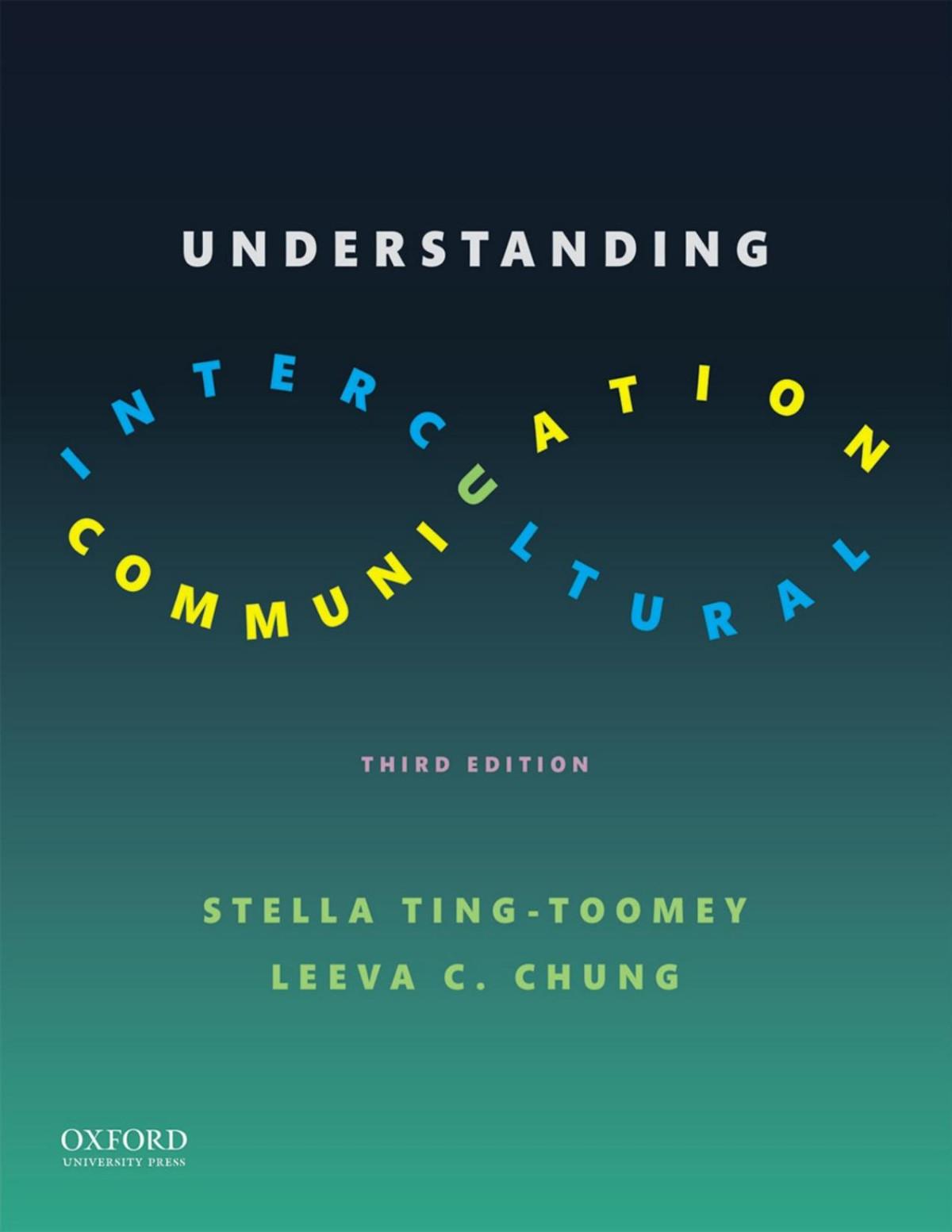
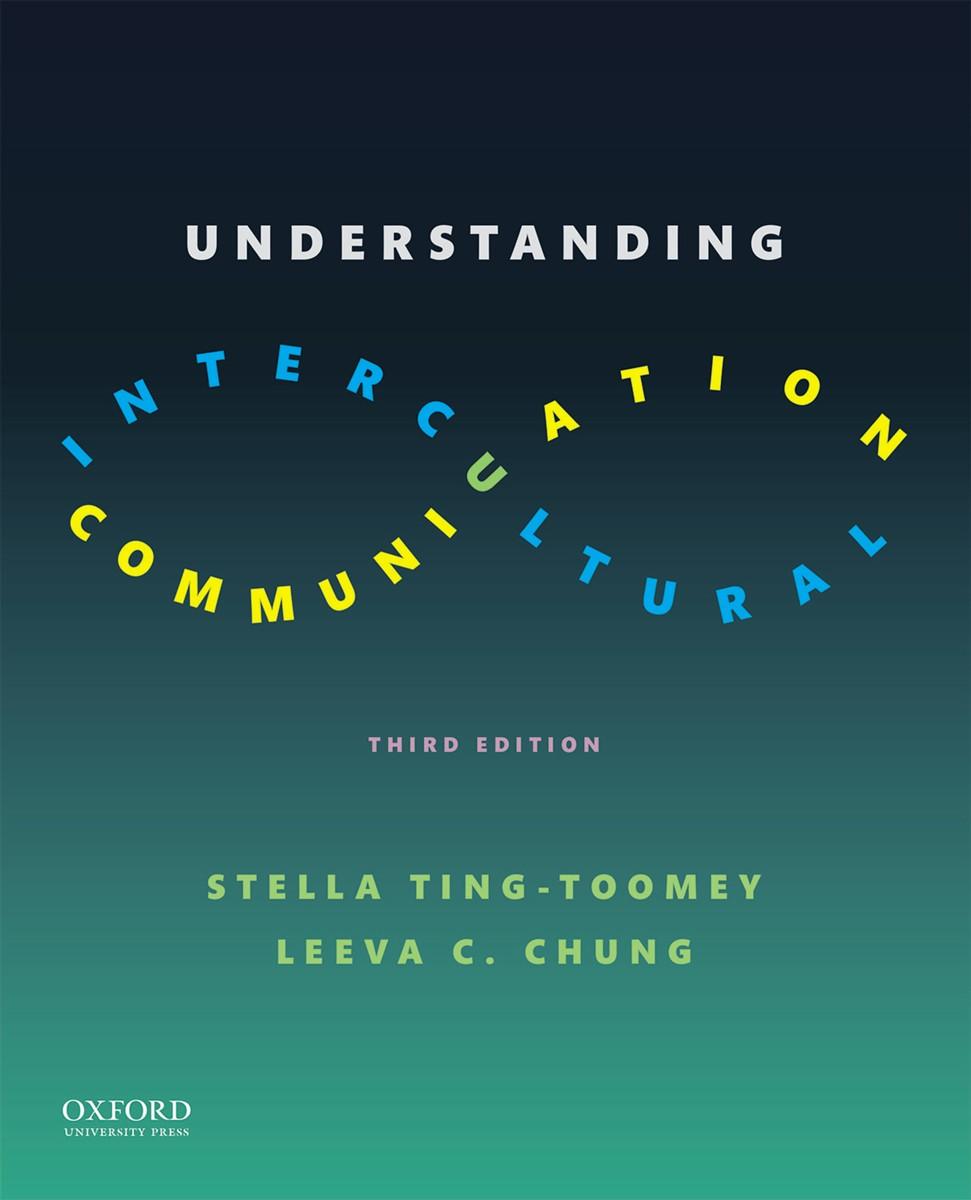
This image shows the cover of Understanding Intercultural Communication
Understanding Intercultural Communication
Third Edition
Stella Ting-Toomey
California State University, Fullerton
Leeva C. Chung
University of San Diego
New York Oxford
Oxford University Press
Oxford University Press is a department of the University of Oxford. It furthers the University’s objective of excellence in research, scholarship, and education by publishing worldwide. Oxford is a registered trade mark of Oxford University Press in the UK and certain other countries.
Published in the United States of America by Oxford University Press 198 Madison Avenue, New York, NY 10016, United States of America.
For titles covered by Section 112 of the US Higher Education Opportunity Act, please visit www.oup.com/us/he for the latest information about pricing and alternate formats.
All rights reserved. No part of this publication may be reproduced, stored in a retrieval system, or transmitted, in any form or by any means, without the prior permission in writing of Oxford University Press, or as expressly permitted by law, by license, or under terms agreed with the appropriate reproduction rights organization. Inquiries concerning reproduction outside the scope of the above should be sent to the Rights Department, Oxford University Press, at the address above.
You must not circulate this work in any other form and you must impose this same condition on any acquirer.
Library of Congress Cataloging-in-Publication Data
LC record available at https://lccn.loc.gov/2021004717
LC ebook record available at https://lccn.loc.gov/2021004718
Printing number: 987654321
Printed by LSC Communications Inc., United States of America
Created on: 30 June 2021 at 11:00 p.m.
Dedication to our Beloved Parents
Stella Ting-Toomey
California State University, Fullerton
Leeva C. Chung
University of San Diego
獻給我最摯愛的父母親
To my resilient parents: Ting Chun Yen and Wang Shu Chin, this book is dedicated to you. For all your love, sacrifices, graceful spirit, and a lifetime of hard work—I thank you for teaching me caring, other-centeredness, and adaptability wherever I go. I love you and appreciate your “letting go” of me at a young age and letting me come to America and study. Whatever I’ve accomplished, I’m an extension of your love and gentle grace.
丁允珠
—Stella Ting-Toomey Wun Chu
This book is dedicated to my artistic and visionary parents, Chung Dai Tau and Pang Tak Wai—who taught me to use my voice, live life with creative energy, trust intuition, stand tall no matter the
uncertainty, and be happy. Each day, I am grateful and simply thankful to be your third daughter.
程麗華
—Leeva C. Chung (Ching) Lai Wah
Preface
Stella Ting-Toomey
California State University, Fullerton
Leeva C. Chung
University of San Diego
This text, Understanding Intercultural Communication, Third Edition (UIC3), is written for you to increase your appreciation, knowledge, and skills about intercultural communication. With increased globalization, technology, and demographic changes in the United States, it is inevitable that you will be communicating with people who are culturally different—whether face to face or through social media. Developing constructive, quality, intercultural relationships makes life enriching and exciting for yourself and those around you.
This is an introductory book designed for undergraduate students, teachers, and practitioners searching for a user-friendly textbook on the fundamentals of intercultural communication. With the lens of flexible intercultural communication, we thread through an abundance of intercultural material with a very practical theme.
UIC3 emphasizes a perspective that integrates intersectional identity complexity with a strong values orientation in shaping intercultural
contact. We address contemporary issues such as the important roles and effects of technology in our everyday intercultural lives. This edition captures the struggles and challenges that we confront in this fast-paced, ever-changing world and how we deal with “unfamiliar selves” within us and the “unfamiliar others” surrounding us.
This book is distinctive because of its well-balanced focus on both global/intercultural communication issues and U.S. domestic diversity issues. Our pedagogical approach to this book emphasizes a student-empowering philosophy that invites curiosity and motivation to learn more about intercultural communication. Through a tight integration of culture-sensitive knowledge, attitude checkpoints, and doable communication skills, we hope both students and teachers find this book enjoyable to read, easy to digest, and also practical to implement.
“News” and New Special
Features in the Third Edition
What are the changes or “news” in this UIC3? Based on the thoughtful feedback of students, instructors, reviewers, researchers, practitioners, and our own experience using this text for intercultural training and teaching in the United States, Mexico, Canada, France, Germany, Portugal, Switzerland, South Africa, China, Hong Kong, Japan, and South Korea, we now identify the top-twenty changes or selected highlights. In this innovative third edition, we have
• called attention throughout the text to the important role of technology in affecting intercultural communication message exchange and meaning construction processes;
• added “Learning Objectives” for students in each chapter for focus and clarity;
• relabeled some of the chapters’ headings and subheadings to reflect how identity complexity drives the process of our contemporary intercultural encounters;
• added new opening stories (a favorite of many of the students and teachers) in several chapters;
• emphasized the importance of adaptability and creativity in cultivating intercultural communication flexibility in this
globally turbulent, changing time;
• in UIC3 Chapter 1 (Why): significantly updated Chapter 1 to include new reasons to study intercultural communication, such as adapting to the “new norm” of family formation, global health care issues, and personal empowerment and social advocacy;
• in Chapter 2 (What): reemphasized the importance of grasping the staircase model to develop intercultural communication flexibility more deeply and with agility;
• in Chapter 3 (Values): added more global examples and included the new uncertainty-oriented personality type versus the certainty-oriented personality type to pair with the weak uncertainty avoidance and strong uncertainty avoidance value spectrum;
• in Chapter 4 (Identity): engaged in a major update on acculturation processes among immigrants and their struggles, group membership and identity affiliation issues, multiracial and biracial identity formation patterns, and intergroup adaptive strategies;
• in Chapter 5 (Culture Shock): introduced new concepts, such as global workplace transferees and global mobility families, third culture kids/global nomads, international tourism issues, and the perpetual question for many of us: “Where is home?” New international and U.S. students’ voices were added to illustrate the W-shaped adjustment model;
• in Chapter 6 (Verbal): added a new grid model on verbal
conversational style that integrates the verbal variation of direct and indirect style and compact and verbose style, infused the chapter with new gendered and social media language to illustrate technology-based communication and misunderstandings, highlighted human language as an optimal instrument for human creativity and imaginative potential;
• in Chapter 7 (Nonverbal): redesigned the chapter from a functional perspective and aligned the different forms (e.g., facial expressions and tone of voice) of nonverbal communication across cultures and along various functions, such as expressing emotions and attitudes and regulating conversation with diverse hand gestures—which often lead to intercultural misunderstandings;
• in Chapter 8 (Bias): imbued Chapter 8 with many of the recent Black Lives Matter (BLM) stories and examples and elaborated on concepts such as power, privilege, and microaggressions; included recommendations for doable concrete intergroup strategies to reduce prejudice and racism in our everyday diversity lives;
• in Chapter 9 (Conflict): explained conflict face-negotiation theory (FNT) in more depth and included the background story of how Stella created the conflict FNT; discussed the different cultural conflict lenses and face concern facets; emphasized the skillsets needed (i.e., facework management, mindful listening, mindful reframing, and adaptive code-switching) to promote competent conflict communication practice;
• in Chapter 10 (Intimate): examined the various stages of online
dating attraction and relationship development and also took a closer look at intercultural and interfaith intimate relationship ebbs and flows; proposed a set of specific guidelines in facilitating the development of a secure bicultural or multicultural identity in self or others in our close network;
• in Chapter 11 (Global Identity): updated the entire Chapter 11 and explored topics such as “glocal” living through the lens of television streaming, video gaming, and the appeal of influencers; did a deep dive into digital multitrack communicators and monotrack communicators, considering how they can learn to adapt and get along;
• in the final chapter, Chapter 12 (Ethics): incorporated the concepts of universalistic and particularistic decision-making cultural tendencies; reinforced the skillsets that we mentioned from Chapters 2–11 as a metaphorical backpack we can carry with us at all times as we cross cultural boundaries; offered very specific ethical inquiry questions to guide students toward making mindful decisions and moving toward being a selfempowering change catalyst on campus, in the community, or in the larger sociocultural world in which they live;
• throughout Chapters 1–12: added an abundance of contemporary intercultural stories, news clips, and real-life diversity experiences to connect and resonate with the students; and we encourage them to share their stories and identity struggles, challenges, resilience, and triumphs;
• updated and included numerous special features that offer students opportunities to increase their self-awareness, engage
in deeper reflection on the concepts and principles taught, and understand how they apply in individuals’ intercultural experiences (see next section, “A Fusion Outlook,” for details);
• for each chapter in this third edition, we created meaningful endpoint discussion and practical application questions for students and teachers to generate productive dialogue about flexible (or inflexible) intercultural communication practice as lifelong learners of all things intercultural.
Between the UIC2 (2nd ed.) and UIC3: A Fusion Outlook
Based on the enthusiastic feedback from students, teachers, and intercultural practitioners, we are keenly aware of all the special features you loved in the second edition. Consider the following as a GPS or a compass to help you to find your favorite features under the “new labels” in UIC3:
• QuikTrendz [= former Jeopardy Box]: Almost all QuikTrendz have been updated to reflect the latest demographics, social media, language trends, nonverbal trends, etc.;
• QuikClip [= former blog.post]: Many of the QuikClip stories are new, mixed with UIC2 stories that many students and instructors found compelling and useful for class discussion and dialogue;
• QuikChat [= former L-chat]: We sharpened the realistic tone of intercultural verbal and nonverbal misunderstandings or conflict interactions and reinforced the importance of understanding low-context and high-context collisions in the diverse workplace and classroom interactions;
• QuikChoice [= former my.blog]: Retained all your favorite survey assessment tools on the various concepts across different chapters and with the twin goals of (a) increasing your
cultural and personal self-awareness quotient, and (b) generating a deeper dialogue and listening session between you and your classmates or newfound friends;
• QuikPoll [= former hit-or-miss]: Retained some from UIC2 and created or modified some items especially in relating to global identity topics;
• QuikPix [= former blog.pic]: A fusion category, retaining some of your favorite images from UIC2 and adding plenty of new and fresh pics for UIC3;
• Intercultural Reality Check: Doables [same as UIC2 label]: No change to this title, although we have updated the practical skills-based recommendations included in this feature;
• Discussion and Practical Application Questions: A newly created section for this third edition;
• Tables and Figures: Retained almost all from UIC2 and added one new figure in Chapter 6 (Verbal) and modified and updated some wordings on several tables;
• Supplementary Instructional Resources: We offer a trio of rich resources to help instructors to plan their intercultural lessons ahead of time and teach mindfully:
1. The carefully curated (password-protected) Instructor’s Manual contains numerous Interactive Learning exercises including step-by-step instructions and debriefing questions; Intercultural Teaching Challenges and Tips in which we offer our answers to common
questions and guidance on situations that may challenge an intercultural communication instructor; a full UIC3 Test Bank, including various forms of multiple choice and essay questions; plus detailed chapter outlines; discussion questions designed for both classroom and online; recommended online resources, class handouts, and more.
2. The updated, beautifully designed PowerPoint slides highlight the key topics and concepts in each chapter; these slides are editable so that instructors can create further individualized lesson plans to connect with their particular student population.
3. The informative and accessible online Interactive Student Study Guide, available to both instructors and students, includes a variety of chapter-by-chapter outlines and self-guided quizzes to reinforce learning; recommended online resources to enhance appreciation for the concepts taught; and “Intercultural Tours,” which offer intercultural stories and scenarios along with probing questions for students to make tighter connections between conceptual learning and real-life application.
Writing this Third Edition: Three Assumptions
Three initial assumptions guided the development of the third edition. First, the recurring topic is intercultural communication flexibility. We believe that in this fast-paced, technological world, change is the “new norm.” Students need to train themselves to develop a flexible mindset, strong communication skills, and the capacity to adapt to the constantly changing global world—whether in their career choice, friendship development, or any future dreams. Through our advocacy for a self-empowered learning process, at each step in our chapter writing, we try to encourage students to take risks, to experiment, and to be fearless regardless of detours, struggles, or roadblocks to practicing competent intercultural communication.
Second, we want students to actually enjoy learning various concepts of intercultural communication . We intentionally integrated carefully chosen international case studies and real-life personal stories to highlight various intercultural concepts. We wanted to signal to students that there is no “perfect” way to do flexible intercultural communication in the 21st century. Instead, it is taking the initiative: The first step toward developing a new intercultural sensibility and wakefulness is to place yourself mindfully in authentic connection with globally and culturally distinctive others.
Third, we promised each other to maintain a sense of humor writing this book despite life’s tragedies and curveballs coming our way—as a way of celebrating our 30+ year friendship on a continuous and lighthearted basis. As we approach the end of this humorously monumental writing journey together, we kept our promise with much laughter, joy, and exhilaration! Yippee!
Book Design and Organization
This book is organized in three sections. In the first section (Chapters 1 4), we lay the foundational framework and concepts of intercultural communication. The reasons for studying intercultural communication and practicing flexible intercultural skills are articulated. In this third edition, we emphasize the importance of paying extraordinary attention to intersecting identity complexity perspectives and its potential implication for adaptive and creative intercultural communication connections.
In the second section (Chapters 5 7), we emphasize the process of crossing cultural boundaries and the dynamic process of intercultural verbal and nonverbal exchange encounters. Topics such as developmental culture shock, language functions, and diverse cultural verbal styles, as well as fun topics such as nonverbal space violations and cross-cultural hand gestures, are discussed and accompanied with lively intercultural examples.
In the third section (Chapters 8 12), we focus on interculturalinterpersonal relationships. Important factors such as ESP-P-P (i.e., ethnocentrism, stereotypes, prejudice, and power-privilege) are discussed in depth. Practical knowledge and skills to manage intercultural conflict flexibly are proposed. Many animated conflict QuikChat conversation examples are used to illustrate workplace and intimate relationship collisions. The contemporary topic of a
morphing global-local identity is addressed. We also discuss the impact of technology and pop culture and its effect on our shifting value patterns. Finally, we round out the book with a cornerstone theme: becoming an ethical and flexible intercultural communicator.
Throughout this book, personal stories, poems, news cases, QuikPix images, fun quizzes, global trend statistics, ethical dilemmas, and practical skill “doables” are offered to empower students to engage in active learning and to master the foundational concepts of intercultural communication. At the same time, we believe it is important that first-time students have an accurate and enjoyable basic text to learn about intercultural communication. We want students to finish strong, to leave with a special appreciation for the mindful effort and the artful skills it takes to communicate across cultures adaptively and creatively. We want them to resonate with the complex identity struggles in various forms as expressed by the diverse voices of multiple individuals in many of the special feature stories and to know the steps needed to become an ally.
As you turn the page and begin to read this text, it is our hope that we succeeded in motivating students and teachers to discover and explore together an unfamiliar world and some unfamiliar words; the slippery slope and the diverse terrain; the vulnerable faces; and multivocal stories and voices that come alive and are waiting to be affirmed and listened to—from within and beyond the classroom instructional setting. Let’s get started.
About the Authors
Stella Ting-Toomey
California State University, Fullerton
Leeva C. Chung
University of San Diego
Dr. Stella Ting-Toomey, PhD, is Professor of Human Communication Studies at California State University (CSU), Fullerton. Her teaching passions include intercultural communication theory and training and interpersonal conflict management. She is the author or editor of 18 scholarly books. Her recent books include Communicating Across Cultures, Second Edition (with Tenzin Dorjee; Guilford Press); and the edited volume, The Sage Handbook of Conflict Communication, Second Edition (with John G. Oetzel; Sage). She has also published more than 130 research articles and chapters in prestigious communication journals and handbooks. Dr. Ting-Toomey has delivered major keynote speeches on mindful intercultural communication in the United States and internationally. She has also conducted a variety of intercultural conflict competence training workshops for corporations and nonprofit institutes. She is the 2008 recipient of the 23 campus-wide CSU Wang Family Excellence Award, and the 2007–2008 recipient of the CSU-Fullerton Outstanding Professor Award in recognition of superlative teaching, research, and service.
Dr. Ting-Toomey’s sojourning and immigrant experience—as an international student departing from Hong Kong and arriving at Iowa City, and from Iowa City to Seattle, and then from Seattle onward to New Brunswick, Tempe, and Fullerton—together with her daily contact with culturally diverse students, enriched her teaching and writing journey as reflected in this coauthored text, Understanding Intercultural Communication, Third Edition. Stella is a fervent Netflix K-drama fan, and she also plays the piano for fun and enjoyment.
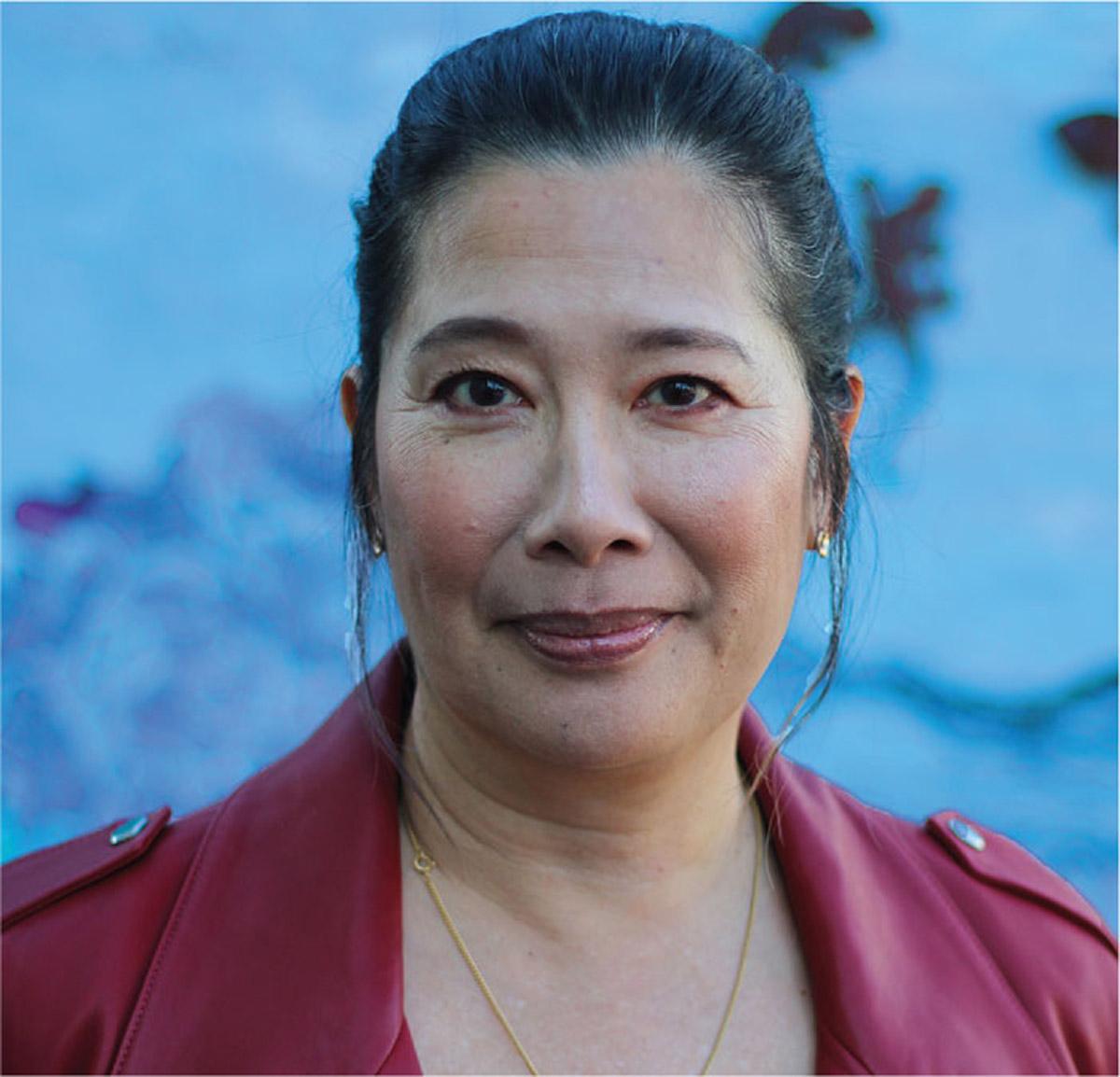
Dr. Leeva C. Chung is Professor at the University of San Diego (USD). She received her PhD at the University of Oklahoma in 1998. At USD, she teaches in the Department of Communication Studies and is the recipient of numerous teaching and mentoring awards on campus. The City of San Diego proclaimed December 16, 2015, as “Dr. Leeva Chung Day” for her global engagement and active involvement with her students in the community. In addition to teaching abroad, Leeva teaches a variety of communication courses including global teams. Her research interests include cultural, ethnic, and global identity; aging across cultures; and pop culture. Her recent publications include a book chapter in Cross-Cultural
Psychology: A Contemporary Reader. Leeva has published articles for the American Academy for Colleges and Universities and in the Journal for Intercultural Communication Research, International Journal of Intercultural Relations, and Communication Research Reports. In the San Diego community, she serves as a founding member of the San Diego Asian Film Foundation Festival. Leeva is proud to be a native San Franciscan.
Acknowledgments
If it takes a village to write a book and an entire symphony to make beautiful music, then crafting Understanding Intercultural Communication, Third Edition, has been an orchestrated celebration. We are grateful to the many individuals who encouraged and motivated us to bring this work to fruition. First and foremost, we want to thank our many students who have contributed their voices and shared their intercultural experiences with us. Without their unique voices, this book would have been too abstract. We also want to thank our colleagues and our respective departments at the California State University at Fullerton (CSUF) and the University of San Diego (USD) for providing a supportive environment in which to conduct our writing.
Second, we want to thank John Challice, former Vice President and Publisher at Oxford University Press, for his patience and good humor in waiting for the birth of this third edition. We thank Steve Helba, Executive Editor of the Communication Series at Oxford University Press, for his timely support and confidence on the important contribution of this book on intercultural communication flexibility. A big warm THANK YOU to Alyssa Quinones, Lisa Ball, Linda Westerhoff, Ken Hassman, and the entire production staff at Oxford for their professional help and their determination to make this book the “shining star” in the intercultural market. A special big “shout-out” goes to Deanna Hegle—for her meticulous copyediting