https://ebookmass.com/product/tropical-forests-inprehistory-history-and-modernity-patrick-roberts/
Instant digital products (PDF, ePub, MOBI) ready for you
Download now and discover formats that fit your needs...
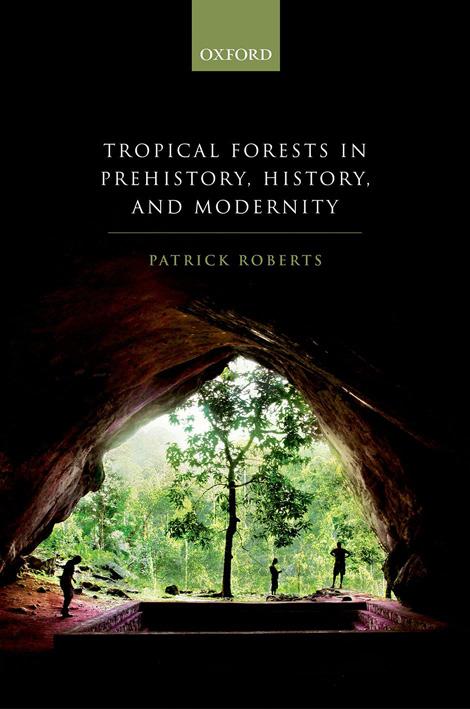
Tropical Forests in Human Prehistory, History, and Modernity Patrick Roberts
https://ebookmass.com/product/tropical-forests-in-human-prehistoryhistory-and-modernity-patrick-roberts/
ebookmass.com
Crying Forests: Political Ecology in the DPRK 1st Edition Liu Jinlong
https://ebookmass.com/product/crying-forests-political-ecology-in-thedprk-1st-edition-liu-jinlong/
ebookmass.com
Nordicism and Modernity Gregers Einer Forssling
https://ebookmass.com/product/nordicism-and-modernity-gregers-einerforssling/
ebookmass.com
Meanings as species First Edition. Edition Richard
https://ebookmass.com/product/meanings-as-species-first-editionedition-richard/
ebookmass.com
Japan’s Long Stagnation, Deflation, and Abenomics: Mechanisms and Lessons 1st ed. Edition Kenji Aramaki
https://ebookmass.com/product/japans-long-stagnation-deflation-andabenomics-mechanisms-and-lessons-1st-ed-edition-kenji-aramaki/
ebookmass.com
Regionalizing Global Human Rights Norms in Southeast Asia 1st ed. Edition Dwi Ardhanariswari Sundrijo
https://ebookmass.com/product/regionalizing-global-human-rights-normsin-southeast-asia-1st-ed-edition-dwi-ardhanariswari-sundrijo/
ebookmass.com
Understanding Child Development 10th Edition, (Ebook PDF)
https://ebookmass.com/product/understanding-child-development-10thedition-ebook-pdf/
ebookmass.com
Enhancing Creativity Through Story-Telling: Innovative Training Programs for School Settings 1st ed. Edition
Alessandro Antonietti
https://ebookmass.com/product/enhancing-creativity-through-storytelling-innovative-training-programs-for-school-settings-1st-ededition-alessandro-antonietti/ ebookmass.com
Pedagogical Stylistics in the 21st Century Sonia Zyngier
https://ebookmass.com/product/pedagogical-stylistics-in-the-21stcentury-sonia-zyngier/
ebookmass.com
Stripped by the Sinner (Underworld Sinners Book 5) Hayley Faiman
https://ebookmass.com/product/stripped-by-the-sinner-underworldsinners-book-5-hayley-faiman/
ebookmass.com
TROPICALFORESTSINPREHISTORY, HISTORY,ANDMODERNITY TropicalForestsin Prehistory,History, andModernity PATRICKROBERTS GreatClarendonStreet,Oxford,OX26DP, UnitedKingdom
OxfordUniversityPressisadepartmentoftheUniversityofOxford. ItfurtherstheUniversity’sobjectiveofexcellenceinresearch,scholarship, andeducationbypublishingworldwide.Oxfordisaregisteredtrademarkof OxfordUniversityPressintheUKandincertainothercountries
©PatrickRoberts2019
Themoralrightsoftheauthorhavebeenasserted
FirstEditionpublishedin2019
Impression:1
Allrightsreserved.Nopartofthispublicationmaybereproduced,storedin aretrievalsystem,ortransmitted,inanyformorbyanymeans,withoutthe priorpermissioninwritingofOxfordUniversityPress,orasexpresslypermitted bylaw,bylicenceorundertermsagreedwiththeappropriatereprographics rightsorganization.Enquiriesconcerningreproductionoutsidethescopeofthe aboveshouldbesenttotheRightsDepartment,OxfordUniversityPress,atthe addressabove
Youmustnotcirculatethisworkinanyotherform andyoumustimposethissameconditiononanyacquirer
PublishedintheUnitedStatesofAmericabyOxfordUniversityPress 198MadisonAvenue,NewYork,NY10016,UnitedStatesofAmerica
BritishLibraryCataloguinginPublicationData Dataavailable
LibraryofCongressControlNumber:2018950701
ISBN978–0–19–881849–6
Printedandboundby CPIGroup(UK)Ltd,Croydon,CR04YY
LinkstothirdpartywebsitesareprovidedbyOxfordingoodfaithand forinformationonly.Oxforddisclaimsanyresponsibilityforthematerials containedinanythirdpartywebsitereferencedinthiswork.
Myndallan
FürJana,Livia,Ida,Julia,Neil,Tom(Bob),and Ali proofthathumanscanalwaysmakenewhomes.
Acknowledgements Althoughbynowboredofmeconstantlytalkingaboutforests,itisMichael Petragliathatmusttakethecredit,whetherhewouldliketoornot,forgetting meinvolvedinmultidisciplinaryresearchintotropicalforests.Workingwithhim inSriLanka,Iwasstruckbythefactthatthearrivalofhumansontheislandwas apparentlyassociatedwithrapid,specializedadaptationtotropicalevergreen rainforests,environmentsthatmanypalaeoanthropologistsandarchaeologists hadconsidered ‘barriers’ tohumandispersalandlong-termoccupation.Ihave alsobeenluckyenoughtointeractwithavarietyofenthusiasticscholarsdemonstratingsignificanthunter-gatherermanipulation,thedevelopmentofagricultural practice,andeventheriseofurbanformsinthesesettings.Thegrowingtemporal andgeographicdiversityofthisevidence,alongsideitsgeneralneglectinpalaeoanthropology,archaeology,conservationscience,ecology,anthropology,and amongstthewiderpublic,haveledmetothewritingofthisbook.
Thisbookistheproductoftheworkofthegrowingnumberofteamsand multidisciplinaryspecialistsworkingintropicalforestsettingsoverthelasttwo decades.Moreover,itstandsasatestamenttothegenerosityandopennessofthe peopleinhabitingthenascentsub- fieldof ‘tropicalarchaeology’.Ahugenumber ofpeoplehavecontributedtothe finalformofthismanuscript,readingchapters, discussingideas,andprovidingimages.SpecialthanksgotoPeterMitchellfor sendingmedowntheperilouspathofbookwritinginthe firstplace(itmustalso besaidthathedidreadandcommentonthewholething).Iamalsoimmensely gratefultoJuliaLee-Thorp,JayStock,MattSponheimer,NicholasTaylor,Michael Petraglia,RobinDennell,ChristopherHunt,JabouryGhazoul,CarlosSierra,Glenn Summerhayes,AlisonCrowther,RobertSpengler,AnabelFord,RolandFletcher, LisaLucero,NuriaSanz,EtiennePatin,ScottFitzpatrick,DouglasSheil,andKathy Morrisonforreadingandprovidingcommentonthevariouschapters.
Anumberofthesecolleagues,aswellasahugevarietyofothers,alsoprovided picturesforuseinthe figuresofthisbook(andIhavehighlightedtheircontributioninthisregardthroughout).Inparticular,thanksgotomybrotherThomas Robertsforbeautifyingthecoverphotograph,aswellastoMichelleO’Reilly, HansSell,NilsVanwezer,andUlrikeThueringfortheircreationofavarietyof schematicsandmapsusedinthisbook.ThanksalsototheMaxPlanckSocietyfor theirfundingofthisbook;itfeels fittingthatIhave finisheditlessthanakilometre awayfromwhereAlexandervonHumboldtdiscussedanumberofhistheories aboutthenaturalworldbasedonexplorationofthetropics.Iamalsoimmensely gratefultoNicoleBoivinforgivingmetheopportunitytowritethisbook. Withoutherfriendship,patience,aswellasthewillingnesstofundthelast thingshethoughtshewouldprobablyeverendupfunding,thiswouldnothave beenpossible.Furthermore,withoutthegracioussupportofSiranDeraniyagala andOshanWedage,aswellasthepeopleofSriLankamorewidely,mylong journeytowardsthecompletionofthisbookwouldneverhavebegun.Ittrulyis the ‘ResplendentIsle’ .
Iamindebtedtomyparentsforcontinuingtosupportmyacademicendeavours sincethemomentI firstexpressedaninterestinvisitinganarchaeological monumentattheageof5.Eventheoften-reluctanttrudgingstepsofmybrother towardsthatmonumenthavebeencrucial.Althoughlifehasitsupsanddowns, theyhaveallcontributedtomycareermorethantheycaneverknow.Ialsoknow thatKayisuptherelookingoninamazementthat ‘trees ’ and ‘soil’ werewhat ‘Iwantedtodowithmylife’ butthatshesupportsitnonetheless.Finally,the biggestthankyougoestoJana,Livia,andIdaforshowingmethatalthough academiaisoneofthemostfascinatingandprivilegedcareerssomeonecanever have,itisnoteverything.Iapologizefornotbeingabletobeahorseorprincess moreofteninthepastyear,butIpromisetomakeupforthatinthefuture.Ihope thattheawe-inspiringhabitatsandhumansitesdiscussedthroughoutthisbook arestillthereforthemtoseeintheyearstocome.
3.CradleUndertheCanopy:TheForestOriginsofourApe andHomininAncestorsandtheTropicalForestForaysof
4.IntotheWoods:Early
5.TropicalBounties:TheEmergenceofTropicalForestAgricultures
6. ‘Ruins’ oftheForest:SocialComplexityandTropicalCities
DefiningUrbanismandtheChallengeof ‘Low-DensityAgrarian-Based
ForestAdaptation?
Agrarian-Based,Low-DensityUrbanism:AUniformRecord ofCollapseandLessonsfortheFuture?
7.TheLastinaLongLine:HistoricalandEthnographicTropical
8.TheTropical ‘Anthropocene’:AModernBattleground oraLong-TermFramework?
9.ForestsofPlenty?ComparisonsandConclusions
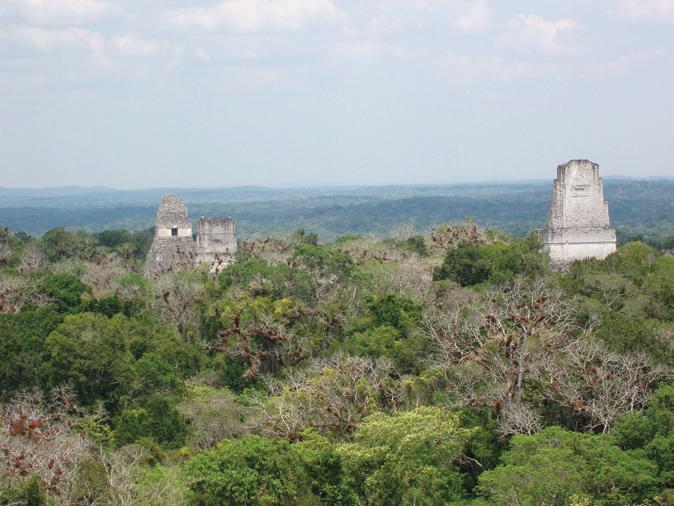
ListofFigures 1.1TheClassicMayasiteofTikal(Tik’al),Guatemalaemergingfromdry tropicalforest.2
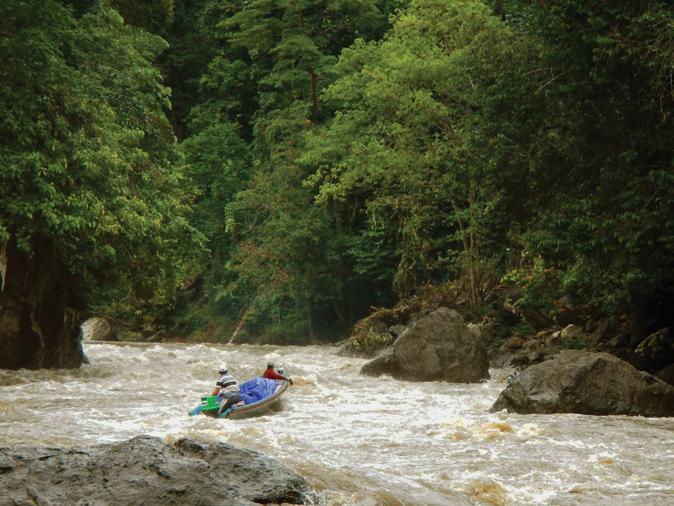
1.2Archaeologicalexpeditiontransferringequipmentbyboatalongthe KapuasRiverintheinteriorofequatorialKalimantan,Borneo.3
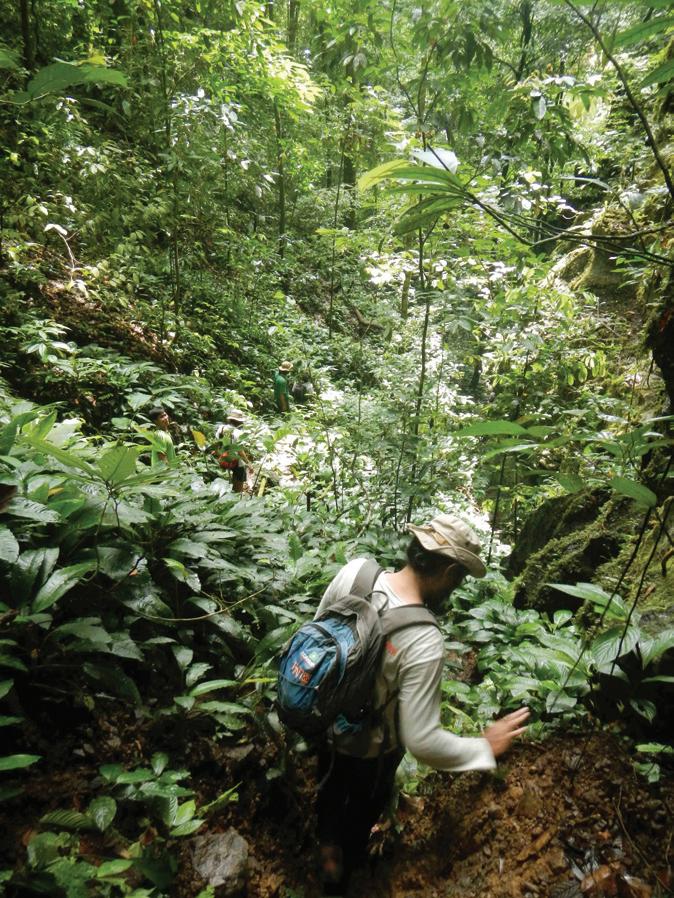
1.3Archaeologicalexpeditionenteringevergreenrainforestinequatorial Kalimantan,Borneoforreconnaissancesurvey.4
1.4TropicalforestontheislandofMindanao,thePhilippineswherethe supposedly ‘isolated’ Tasadaypeoplewere ‘discovered’.6
1.5Easternchimpanzee(Pantroglodytesschweinfurthii )intheKibaleForest NationalPark,Uganda. 9
1.6Mapoftheextentoftheworld’stropicalforestsdeterminedbythe MODIS(ModerateResolutionImagingSpectroradiometer)LandCover MCD12Q1majoritylandcovertype1,class2for2012(spatial resolutionof500m). 11
1.7EvergreenlowlandrainforestinthevicinityofthesiteofBatadombalenaintheWetZoneofSriLanka. 12
1.8ObliqueperspectiveofthecentreofAngkorThom,Cambodiawith layerscreatedfromLiDAR(lightdetectionandranging)data.
2.1ExtentofNeotropicalforestbasedontheMODIS(ModerateResolution ImagingSpectroradiometer)LandCoverMCD12Q1majorityland covertype1,class2for2012(spatialresolutionof500m).
27
2.2ExtentoftropicalforestinSouthAsia,SoutheastAsia,andMelanesia basedontheMODIS(ModerateResolutionImagingSpectroradiometer) LandCoverMCD12Q1majoritylandcovertype1,class2for2012 (spatialresolutionof500m). 27
2.3ExtentoftropicalforestinAfricabasedontheMODIS(Moderate ResolutionImagingSpectroradiometer)LandCoverMCD12Q1majority landcovertype1,class2for2012(spatialresolutionof500m). 28
2.4SchematicofthebreakingupofGondwanalandandtheformationof currentcontinentaldistributions. 29
2.5PhotographsoffossilDipterocarpaceaeleavesfromtheCerrejon FormationdatedtotheLatePalaeocene(60–58Ma). 30
2.6Schematicofthedistributionofplantandanimalresources,aswellas conditionsrelevanttohumansubsistence,inatropicalforest. 32
2.7Schematicofgapformationandforestsuccessioninanevergreen tropicalrainforest.
2.8Mapofdifferenttropicalforestdistributions.
2.9Tropicalforestformationsdiscussedinthetext.
2.10MapofElNiñoregionalimpacts.
34
35
36
50
2.11MajoreventsdiscussedinthetextduringtheMiocenebetween23–6Ma plottedagainstastableoxygenisotopecurvefrombenthicforaminifera.53
2.12MajoreventsdiscussedinthetextduringtheMiocene-Middle Pleistocene(6–0.12Ma)plottedagainstastableoxygenisotopecurve frombenthicforaminifera.54
2.13MajoreventsdiscussedinthetextduringtheLatePleistocene-Holocene (100–0ka)plottedagainstastableoxygenisotopecurvefrombenthic foraminifera.56
3.1Schematicoftherelationshipbetweenhominoids,hominids, andhominins. 60
3.2Stablecarbonisotope(δ¹³C)valuesofEastandCentralAfricanplants collectedbetween1997and2006and δ¹³CvaluesofplantsfromMongolia, Argentina,Utah,Zaire,andKenyacollectedbetween1962and1997.
3.3Variationinstablecarbonisotope(δ¹³C)valuesofC₃ plantsin atropicalforestcontext.
3.4MapofMioceneAfrica,theMiddleEast,andEurasiafromDeepTime Mapswithkeyhominoidsitesmentionedinthetextplotted.
3.5Stablecarbonisotope(δ¹³C)datafromthetoothenamelofthehominoid Sivapithecus fromSiwalikdepositsinPakistanand Gigantopithecus blackii andfossilorang-utan(genus Pongo)fromPlio-Pleistocenesitesin southernChinaandThailand.
3.6Schematicofevolutionarydivergencedatesbasedonmoderngreat apegenetics.
3.7MapofmajorPlioceneandPleistocenehomininsitesinAfrica discussedinthetextplottedagainsttropicalforestdistributions estimatedonthebasisoftheMODIS(ModerateResolutionImaging Spectroradiometer)LandCoverMCD12Q1majoritylandcovertype1, class2for2012(spatialresolutionof500m).
3.8 Ardipithecusramidus fossilskeletonhousedintheNationalMuseumof Ethiopia,AddisAbaba.
3.9Comparativeanalysisofthe ‘Ardi’ handboneswithamodernhuman andchimpanzeeattheFSF-sponsoredPaleoanthropologyLaboratory, NationalMuseumofEthiopia,AddisAbaba,1995.
3.10 Australopithecusafarensis ‘Lucy’ originalfossilskeletonhousedinthe NationalMuseumofEthiopia,AddisAbaba.
3.11Stablecarbonisotope(δ¹³C)dataofhominintoothenamelfromsouthern, eastern,andcentralAfricaplottedbygenus/species.
3.12MapofmajorPleistocenehomininsitesinIslandSoutheastAsia discussedinthetextplottedagainsttropicalforestdistributions estimatedonthebasisoftheMODIS(ModerateResolutionImaging Spectroradiometer)LandCoverMCD12Q1majoritylandcovertype1, class2for2012(spatialresolutionof500m).
3.13AviewoutofLiangBuaCave,Flores,and Homo floresiensis fossils recoveredfromMiddleandLatePleistocenelevelsatLiangBua.
4.1Stateofknowledgeofgeneticdivergencedatesof Homosapiens, Homo neanderthalensis,andtheDenisovanhominins,aswellasgenetic admixtureandinterbreedingeventsbetween ‘archaic’ and ‘modern’ hominintaxa.
4.2MapofmajorMiddleandLatePleistocenearchaeologicalandfossil sitesinAfricadiscussedinthetextplottedagainsttropicalforest distributionsestimatedonthebasisoftheMODIS(ModerateResolution
64
65
68
69
70
73
75
76
78
79
83
85
91
ImagingSpectroradiometer)LandCoverMCD12Q1majoritylandcover type1,class2for2012(spatialresolutionof500m).93
4.3 Homosapiensidaltu fossil(BOU-VP-16/1),BouriHerto,adult.Housed intheNationalMuseumofEthiopia,AddisAbaba.94
4.4PhotographoftwobifacialLupembanstonetoolsfromthesiteof MosumuinEquatorialGuinea.97
4.5ThedistributionofLupembansitesplottedagainstthecontemporary extentofrainforestecosystemsfortheyear2000.99
4.6ThelocationofkeyarchaeologicalsitesinSriLankadiscussedinthetext relativetoelevation,precipitation,andvegetationboundaries.103
4.7PhotographsofthesiteofBatadomba-lenaintheWetZoneofSriLanka, apurple-facedleafmonkey(Trachypithecusvetulus)huntedbyLate PleistocenehumansatthesiteofBatadomba-lena,double-pointedbone toolsfromthesiteofBatadomba-lena,andmicrolithtechnologiesfrom thesiteofBatadomba-lena.
4.8Stablecarbon(δ¹³C)andoxygen(δ¹⁸O)isotopemeasurementsoffaunafrom theTerminalPleistocene/HolocenedepositsofFaHien-lena,Balangoda Kuragala,andBellan-bandiPalassa;TerminalPleistocene/EarlyHolocene human δ¹³Cand δ¹⁸OmeasurementsfromBalangodaKuragalaand FaHien-lena; δ¹³Cand δ¹⁸Ovaluesofhumanandfaunalspecimens fromLayer6atBatadomba-lena; δ¹³Cand δ¹⁸Ovaluesofhumanand faunalspecimensfromLayer7catBatadomba-lena.
4.9MapofmajorLatePleistocenearchaeologicalandfossilsitesinSoutheast Asiadiscussedinthetextplottedagainsttropicalforestdistributions estimatedonthebasisoftheMODIS(ModerateResolutionImaging Spectroradiometer)LandCoverMCD12Q1majoritylandcovertype1, class2for2012(spatialresolutionof500m).
4.10AviewoutoftheGreatMouthCaveoftheNiahCaves,lithicmaterial fromtheGreatMouthCaveoftheNiahCaves,abonetoolwithuse-wear fromLobangHangusCaveoftheNiahCaves,aviewoftheenvironment surroundingtheNiahCaves,andaclose-upofstarchgranulesfoundon lithicsattheNiahCaves.
4.11MapofmajorLatePleistocenearchaeologicalandfossilsitesinMelanesia andAustraliadiscussedinthetextplottedagainsttropicalforest distributionsestimatedonthebasisoftheMODIS(ModerateResolution ImagingSpectroradiometer)LandCoverMCD12Q1majoritylandcover type1,class2for2012(spatialresolutionof500m).
4.12MapoftheIvaneValleysitesinthehighlandsofPapuaNewGuinea, photographoflithicsfoundatthesiteofKosipeintheIvane Valley,photographofmontanerainforestintheIvaneValleytoday,and photographofstratigraphicsectionofKosipeintheIvaneValley.
4.13MapofmajorLatePleistocenearchaeologicalsitesinSouthAmerica discussedinthetextplottedagainsttropicalforestdistributions estimatedonthebasisoftheMODIS(ModerateResolutionImaging Spectroradiometer)LandCoverMCD12Q1majoritylandcovertype1, class2for2012(spatialresolutionof500m).
4.14Photographofthetemperateevergreenrainforestinthevicinityof MonteVerde,Chile.
104
106
107
109
110
111
114
115
5.1Schematicoftheprocessofdomesticationandagriculturalpractice.
5.2TropicalAustralasiashowingsiteswithreasonablycertainhuman presence,siteswherethereisvegetationdisturbanceby fireatypicalofthe longerPleistocenerecord,orwherehumansaredirectlyimplicated,and locationswithevidenceforeconomicallyusefulplantsfoundbothsides ofthebiogeographicaldiscontinuityoftheWallaceLine.
5.3MapofmainregionsdiscussedinChapter5.
5.4DiagramofpalaeochannelsandlandscapeusesduringPhases1,2,and3 ofKukSwampintheHighlandsofPapuaNewGuinea.
5.5TerminalPleistocenetoLateHolocenecompositepollendiagramof archaeologicalandstratigraphiccontextsatKukSwamp,primarilyof EarlyandMiddleHoloceneage.
5.6PhotographofasagogroveatPa’Dalih,Borneo.
5.7Photographofswampwaterbuffalo(Bubalusarnee spp. carabensi) ineasternIndia.
5.8ThreecentresforthedomesticationofchickensinAsiabasedon geneticdata.
5.9Oilpalm(Elaeisguineensis)treeontheTshuapariverbanks,Democratic RepublicofCongoandoilpalmmacroremainsfromtheupperlayersof anexcavationintheDemocraticRepublicofCongo.
5.10PhotographsofXihuatoxtlarockshelterintheBalsasRiverBasinof MexicoandgroundstonetoolsfromtheXihuatoxtlarockshelter.
5.11Selectionofbotanicalremainsrecoveredfromraisedagricultural fields andassociateddomesticsitesinSouthAmerica.
5.12Photographsofamanioc(Manihotesculenta)plotintheVersalles ItonamaIndigenouscommunity,ItenezRiver,Bolivia,andsilicified secretorycellsfrommanioc(Manihotesculenta)TriunfoAmazonian DarkEarth,Itenenz,Bolivia.
5.13Photographofaricepadi fieldinBario,Borneo. 144
5.14MapoftheCaribbeanshowingmajorprehistoricpopulationdispersals andsomeceramicstylezones.
6.1MapofmainareasdiscussedinChapter6.
6.2SchematicofalargebuildingexcavatedinMoundBofJemdetNasr, 100kilometressouthofBaghdad,between1926and1928,andimpression ofacitysealrepresentingJemdetNasr.AN1926.608Tablet,UrukIII (c.3,200–3,000 BC), findspot:JamdatNasr.
6.3MapofthelocationofthePredynasticsettlementofHierakonpolis,Egypt, andevidenceforaspecializedbrewerylocation(HK11CbreweryOpB) withinHierakonpolis.
6.4AerialviewofurbancommunityonCaribbeancoast,Vargasstate,north ofCaracas,Venezuelashowingapartmentbuildingsthatweredamagedby floodwatersanddebris flowsassociatedwitharareandmassivestorm, December1999.
6.5PhotographofTemple2attheGreatPlazaofTikal,Guatemala,with Temples3and4inthebackground.
6.6Mapoftheextensiveterracingandcausewayednetworkofmonumental nodesattheClassicMayasiteofCaracol,Belize.
146
151
153
155
157
158
160
6.7IllustrationshowingtraditionalEurocentricideasofMayalandscape modificationsanda ‘ForestGarden’ landscapewhere ‘milpa’ agriculture takesintoaccountnaturalforestsuccessioncycles. 161
6.8PhotographofthecentralareaofBagan,Myanmar. 163
6.9MapoftheurbancoreofGreaterAngkor,northwesternCambodia. 165
6.10Obliqueperspectiveshowingtheabilityofairbornelaserscanning,or LiDAR,tovirtuallystripawaylandcovertorevealarchaeological topography,includingelementsofthemedievalcityofMahendraparvata, intheGreaterAngkorregion. 166
6.11Mapshowingtheextensivedistributionofmonasticsitesandsettlements intheAnuradhapuraregionintheDryZoneofSriLanka,andphotograph ofamonumentalBuddhiststupaatthecentreofamonasticareain Anuradhapura,SriLanka. 169
6.12Mapofthedistributionofidentified terrasprettas sitesinthe AmazonBasin. 171
6.13AerialphotographofMarajóIsland,Brazil,andplateshowingaclassic rattle figurecombiningmaleandfemaleelementsdiscoveredduring excavationsatMarajóIsland,Brazil. 173
6.14MapofLapahashowingthelocationoftheroyaltombsandprehistoric featuresoftheancientTonganstate,andphotographoftheroyal tombs(langi). 176
6.15Graphshowingthedurationofurbansettlementsrelativetotheirarea.184
7.1Sectionofthe ‘TabulaPeutingeriana’,anillustratedroadmapshowingthe layoutoftheroadnetworkoftheRomanEmpire. 188
7.2Schematicofsocialevolutionarytheoryinanthropologyandarchaeology.189
7.3AncientMayanhieroglyphsonthewallofabuildingattheClassicMaya siteofCopan,Honduras. 191
7.4BenjaminWest’sportrayaloftheNativeAmericanin ‘Thedeath ofWolfe’ paintedin1770. 192
7.5PhotographofaforestpathwayintheShirakamiSanchiWorldHeritage Reserve,Japan. 195
7.6PhotographofAgtamen floatinghardwooddownriverfromtheSierra MadreMountains. 196
7.7Ademographicmodelofpygmyandnon-pygmypopulationsfrom CentralAfricabasedonmoderngeneticinformation. 198
7.8Mapsummarizingmajorprehistorictranslocationsofeconomicplants betweenSoutheastAsiaandSouthAsia. 201
7.9MapofAtlanticCoastcolonialeratradingpostsinWestandCentralAfrica.202
7.10PhotographsofElminaCastle,Ghana,beadsexcavatedatthesite ofSavi,Bénin,andpipestemsexcavatedatthesiteofSavi,Bénin. 204
8.1PhotographoftheMadagascanperiwinkle(CatharanthusRoseus)used inthetreatmentofvariousformsofcancer. 215
8.2SatelliteimageofdeforestationintheAmazonBasin. 219
8.3Photographofanoilpalmplantationandcorrespondingdeforestation ofthesurroundingevergreenrainforestinSoutheastAsia. 219
8.4Loggingyardoftropicalrainforesthardwoodonthebankofthe MahakamriverbankinBorneo,Indonesia.
8.5Easternlesserbamboolemurs(Hapalemurgriseus)killedforbushmeat innortheasternMadagascarin2010.
8.6Mapofmulti-modelmeanofannualmeansurfacewarming(surfaceair temperaturechange, C)fordifferentscenariosandtimeperiods.
8.7Peakland-useintropicalforestspriorto AD 1750calculatedusingthe KK10modelandtimingofpeakpre-industrialland-use.
8.8PhotographsofKurandascenicrailwayinnortheasternQueensland, Australia,andIndigenousperformanceatKurandainnortheastern Queensland,Australia.
8.9Photographofahikingtrailalongoldrailwaytrackswithinthereserve ofBukitTimah,Singapore.
8.10Mountaingorillas(Gorillagberingeiberingei)inBwindiNational Park,Uganda.
8.11CoffeepickerworkingintheCiudadBarrioscooperativeinElSalvador, certifiedbytheRainforestAlliance.
8.12REDD+fundingandreceivingamountsbasedondatareportedby fundingcountries.
9.1AmemberoftheMbuti-Efegroupclimbsatreetocollecthoney intheIturiForestoftheDemocraticRepublicofCongo.
1 IntroducingTropicalForestsin Prehistory,History,andModernity Itgivesmetheimpressionofaprimevalforestfullofthemostremarkable things,amonstrousandboundlessthicket,withnowayofescape,intowhich onemaywelldreadtoenter.
FriedrichWöhler LettertoJ.J.Berzelius(28Jan.1835).In BulletinoftheAtomicScientists (Nov.1949),310.DateofletterasgiveninMackay(1991:267).
FriedrichWöhlerwasreferringtothe fieldoforganicchemistryduringtheearly 1800swhenhewrotetheabovebuthiscommentswouldnotbeoutofplaceinthe contextofembarkinguponaglobalstudyofpastandpresenthumanrelationships withtropicalforests.Densevegetation,difficultyofnavigation,issuesofpreservation,politicalandhealthconcerns,poisonousplants,animals,andinsects,andthe prospectofcarryingoutsamplingorexcavationinhighhumidityhaveallmeant thatourknowledgeofhumanhistoryandprehistoryintheseenvironmentsis under-developedrelativetotemperate,arid,orevenpolarhabitats.Therehave beentheoreticalquestionsastowhatkindofhumanactivityonewouldevenexpect to findintropicalforestenvironments,whichseemhostiletohumanforaging (HartandHart,1986;Baileyetal.,1989)letalonethrivingagriculturalorurban settlements(Meggers,1971,1977,1987).Thishas,untilrelativelyrecently,leftthe stateofarchaeologicaltropicalforestresearchinasimilarpositiontopopular conceptionsoftheseenvironments untouched,primevalwilderness.
Publicideasofanarchaeologistinvestigatingatropicalforestareprobably synonymouswithsomeoneinashabby-lookingleatherhatbeingchased,ifnot byalargestoneboulderthenbyagroupofIndigenouspeoplewithblowpipes,as theywadethroughdenseundergrowthandvineswhileclutchingagoldendiscoverythathasbeenlosttothewesternworldforthousandsofyears(Spielberg, 1981).Themorerecentdevelopmentofthebest-selling Uncharted videogame serieshasdonelittletochangetheseideasamongstthenextgenerationofmedia consumers,withplayerstakingontheroleofFrancisDrake’smythicalancestorin searchoflonglosttreasure,frequentlyhiddenwithincavesandruinssurrounded byvinesanddensecanopies(NaughtyDogetal.,2016).Theideaoftreasure hiddenwithintropicalforestisalsonotamodernconception.Thelong-term mythof ElDorado,acitycoveredingold,fuelledexplorationofthetropicalforests ofSouthAmericabyrenownedindividuals,includingSirWalterRaleigh,fromthe sixteenthtothenineteenthcenturies(Nicholl,1995).
2 TropicalForestsinPrehistory,History,andModernity
TheClassicMayasiteofTikal(Tik’al),Guatemalaemergingfromdrytropical forest.Takenby,andusedwithpermissionfrom,LisaLucero.
Albeitwithconsiderablylessgoldatstake,thesedepictionsarenotsofarbeyond realityintermsofthecommonarchaeologicalfocusintropicalforestregions.Fora longperiod,tropicalforestarchaeologicalresearchcentredonthedescriptionand evaluationof ‘lost’ cities(Figure1.1).Inthecaseoftheparticularlyevocative exampleoftheMaya,followingintensemonumentalconstructionduringthe ‘Classic’ (AD 250–900)andearly ‘Post-Classic’ (AD 900–1539)periods,urbansites wereabandonedatvariouspointsintime,bothpre-andpost-Spanisharrival (Demarest,2004).Intheabsenceofhumanclearanceandmaintenance,thisleft theseareasoflandtobereclaimedbytropicalforestandallowedaspateof archaeological ‘rediscovery’ overthecourseofthenineteenthcentury.Eventoday, the2015 findingofsimilarlycomplexurbannetworksintheHonduranrainforest, includingthe ‘legendaryCityoftheMonkeyGod’,wasattributedto ‘explorers’ ratherthan ‘archaeologists’ bythemedia(Preston,2015)(Figures1.2and1.3).
Thisideaof ‘discovery ’ isalsoassociatedwithpeoplewhostilldwellasforagers withintropicalforests.Despitetheclearpresenceofancientcitiesinsometropical forests,Nativepeopleslivingintheseenvironmentshaveoftenbeenpublicly presentedas ‘pristine ’ untiltheunrelentingmachineofmodernurbanism,industrialization,andglobaltradehonedintoview(Stiles,1992;Rowland,2004). Environmentalactivistshavedrawnontheseperceptionstoportraythesegroups asareiterationofthe ‘noblesavage’,caretakersofenvironmentsthatarenow underthreatbycapitalism,agriculture,andincreasinglydensehumanpopulations.TelevisiondocumentariessuchasBruceParry’ s Amazon (BBC,2007)and Sting’sAmazonpublicitydriveinthelate1990s(Syler,2011)haveonlyreinforced
Figure1.1.
Figure1.2. ArchaeologicalexpeditiontransferringequipmentbyboatalongtheKapuas RiverintheinteriorofequatorialKalimantan,Borneo.Takenby,andusedwithpermission from,VidaKusmartono.
theseideas,whilelocalcommunitieshavealsooccasionallyencouragedthese perspectivesaspartofpoliticalstrategiestomaintaintheirownlandrights.In 2007,theBraziliangovernmentofficiallyrecognizedatotalofsixty-seven ‘ uncontactedtribalgroups’,highlightingtheideathatmanypopulationsstillremaintobe discoveredinthetropics(GhazoulandShiel,2010).
Togetherwiththeirinhabitantsandruins,tropicalforestshavethemselvescome tobeseenaspristine,unchanging ‘wildernesses’.Inliterature,theseenvironments frequentlyprovidethestiflingbackgroundstoindividualturmoil.Inperhapsthe mostvividofVictoriancolonialdramas, HeartofDarkness,itistheCongolese tropicalrainforestthatformstheoppressive,dark,maddeningbackgroundtoone man ’sgrapplingwiththeconceptof ‘civilization’ (Conrad,1999).Theterm ‘jungle’,oftenusedincommonreferencetotropicalforests,comesfromthe Hindiword jangal whichhaslongbeenusedinreferencetountouched,impenetrableforestssurroundinghumansettlements(Whitmore,1998;Ghazoul,2015). Suchperspectiveshaveevenbeenadoptedinarchaeologicalandpalaeoenvironmentalreviews,withequatorialregions,andtheirresidenttropicalforests,being consideredasrelativelystaticcomparedtootherglobalenvironments(e.g.,Basell, 2008).Indeed,despitetheromanticconceptionsof ‘discovery’ notedabove,these environments,andtheirprehistoricinhabitants,haveremainedsomewhat impenetrable,untilrecently,toarchaeologicalandhistoricalresearch.
Certainly,weshouldnotunderestimatethehuge,novelimpacttheunrelenting industrialandurbanpowersofthemodernworldarehavingontropicalforest
Figure1.3. Archaeologicalexpeditionenteringevergreenrainforestintheinteriorof equatorialKalimantan,Borneoforreconnaissancesurvey.Takenby,andusedwith permissionfrom,VidaKusmartono.
environmentsrelativetoprevioushumanactivities.Everyday c. 320km²oftropical rainforestaredestroyed,and135plant,animal,andinsectspeciesalongwithit (ScientificAmerican,2009),asaresultofexpandinghumanpopulations,monocultureplantationsandlivestocksystems,increasingdemandforwoodandmineral resources,andhumaninducedclimatechange(Shuklaetal.,1990;Bruenig,1996; Goldsmith,1998;GhazoulandShiel,2010).Thesealterationsthreatenecosystems
thatarecentraltothestabilityofEarth ’ satmosphereandclimate(Houghton etal.,2015).However,despitepopularbelief,signi fi canthumanmanipulation andalterationoftropicalforestsarenotrecentphenomena(Willisetal.,2004; Boivinetal.,2016;Robertsetal.,2017a),anditisincreasinglyrecognizedthat eachforestis,infact,adynamic ‘ artefact ’ ofmillenniaofhumaninteractions (Bartonetal.,2012).
Thisbookisanattempttohighlighttropicalforestsasan ongoing partofhuman evolutionary,cultural,demographic,andeconomicprehistoryandhistory.From beingblanksonthearchaeologicalmap,tropicalforestsacrosstheglobearenow beingincreasinglyinvestigatedbyarchaeologists,anthropologists,conservationists, climatescientists,andecologistsinmoresystematicwaysthanprevioussearchesfor asingle,monumentaldiscovery.Thisworkisrevealingthesheertime-depthofour species’,anditsancestors’,interactionwiththeseenvironments.Moreover,itis highlightingthegeographicalandtemporaldiversityoftropicalforests,whichhas beenpreviouslyneglectedinarchaeology,aswellashumanresponsesto,and impactson,thisdiversity.Combiningdatafromstateoftheart,developingmethods withtraditionalexcavationandsurvey,Iwillenterthis ‘monstrousandboundless thicket’ withamultidisciplinarytoolkitinthehopeofescapingwithacomprehensive,structuredanalysisoftropicalforestsasakeypartofthehumanstory andevaluationastohowwecancontinuetolivesustainablywithinthem.
FORESTSOFPLENTYOR ‘ GREENDESERTS ’ ? Thecharacterizationoftropicalforestsinarchaeologicalandanthropological discoursehasbeenintimatelytiedupwithideasregardingthenatureoftheir ethnographicinhabitants.In1971ManuelElizalde theheadofaPhilippine governmentagencytaskedwithprotectingtheinterestsofculturalminorities reportedthediscoveryofa ‘tribe’ livingcompletelyseparatedfromtherestof Philippinesociety.Isolatedinatropicalforestenvironmentthistribewasknown astheTasaday.Livingincaves,withnowordsfor ‘ war ’,theTasadaypeoplewere characterizedastheepitomeofthe ‘noblesavage’.Furthermore,onthecoverof NationalGeographic,thesubjectofpopular films,andthefocusofthebook, The GentleTasaday:AStoneAgePeopleinthePhilippineRainforest (Nance,1975),the Tasadayweredescribedasanunchangedrelicofpasthumansociety.Yetthis idyllicpicturewassoondisruptedbyclaimsthatElizalde,andmembersofthe Tasaday,hadcreatedahoaxinordertoobtainpoliticalandeconomiccapital (Iten,1986;Headland,1993;Hemley,2003)(Figure1.4).Today,whilethe Tasadayareconsideredtolegitimatelyrepresentlong-termtropicalforest hunter-gatherers,theconceptofthemhavinghadnocontactwithneighbouring agriculturalgroupshasbeendiscredited(Reid,1992;Headland,1993).
TheTasadaydebatewasthefocusofmy firsteverundergraduateArchaeology andAnthropologyessay,actingasaclassicwarningthatanthropologicalbeginnersshouldforgetanywesternpreconceptionsthatsocialandculturalanthropologicalresearchdealsonlywithpristine,primitive,uncontactedsocieties.The Tasadaywerenotthelastexampleofhighprofiledebateofthiskind.In2008, SurvivalInternational wasatthecentreofcontroversywhenitportrayedpainted
Figure1.4. TropicalforestontheislandofMindanao,thePhilippineswherethesupposedly ‘isolated’ Tasadaypeoplewere ‘discovered’.Suchenvironmentshavetraditionallyprovideda backdropforclaimsaboutuncontactedpopulationsaroundtheworld.Picturetakenby KeystonePicturesUSA/AlamyStockPhoto.ReproducedwithpermissionfromAlamy.com.
peopleintheAmazonaspartofan ‘uncontactedtribe’.Consequently,abarrageof mediadescribingthisgroupas ‘lost’ or ‘ancient’ appeared,forcing Survival International toquicklycounterthat ‘uncontacted’ bythewesternmediawas notnecessarilythesameasapopulationhavingnosocialconnectionswiththe outsideworld.Inboththeseinstances,whileundergraduateanthropologyessays invariablyfocusonthequestionablecharacterizationofthepeople,itisinteresting forourpurposestonotethewayinwhichtropicalforestsactasanunquestioned settingfortheisolationoftimelessculture.Inthesecasesthepotentialofthese environmentstohost ‘pristine’ groupswasnotindoubt.
Thereactiontosuchideasofforest ‘tribes’ as ‘pristineprimitives’ alsodirectly informedanthropologicalandecologicalcharacterizationoftheviabilityoftropicalforestsforlong-termhumanoccupation.Inthe1980sandearly1990s ThomasHeadland,RobertBailey,andLawrenceReiddemonstratedthatmany, ifnotall,supposedlyisolatedtropicalforestforagershadrecordedevidenceof historicalorethnographiccontactwithlocalagriculturalsocieties(Baileyetal., 1989;HeadlandandReid,1989).Theyarguedthatintheabsenceofthistrade,for agriculturalproduceandmetalmaterials,long-termhumanforagerhabitationof tropicalforestswasimpossible(Baileyetal.,1989;BaileyandHeadland,1991). Subsistencebasedpurelyonforagingwasconsideredimpracticalduetothe scarcity,andseasonalavailability,ofenergy-richwildfoods,suchasfat-rich animals,oil-richseeds,andcarbohydrate-richtuberssuchasthoseofwildyams (HartandHart,1986).Whencombinedwiththeperceivedbarrierofdense tropicalforestvegetationtohumanmovement(Hutterer,1983),thelikelihood
ofanypopulationexistinginthese ‘greendeserts ’ withoutexternalcontactor farmingbasedonintroducedresourcesappearedslim.
Inarchaeology,theviabilityoftropicalforestsoilstosupportdenseagricultural populationshadalreadybeenquestioned(Meggers,1971,1977,1987).The eventualcollapseoftheurbansettlementsoftheMayainGuatemala,Belize, Honduras,andMexicowasarguedtobearesultoftheinherentvulnerabilityof tropicalforestenvironments(HarrisonandTurner,1978;RiceandRice,1984) andtheinevitablyunsustainablesoilerosionresultingfromdenseagricultural occupation(Deeveyetal.,1979).Theseideaswerealsorelatedtothefactthat groupslivingintropicalforestsdescribedbycolonialpowersinthetwentieth centurywereinevitablysmall-scalehunter-gatherersorcultivators(Roosevelt, 1999).However,theanthropologicaldebatesurrounding ‘pristine ’ huntergatherersocietiesevenledtothedoubtinarchaeologyastowhethersmall-scale foragers,includingearlymembersofourspeciesanditshomininancestors, migratingbeyondAfrica,couldliveintropicalforesthabitats(Gamble,1993). Combinedwithtaphonomicresearchhighlightingtheunlikelihoodoforganic remainsbeingpreservedintheseenvironments(Tappen,1994),archaeological researchintropicalforests,beyondthesearchforabandonedtemplesandmonumentalstructures,wassomewhatputonhold.
RespondingtoBaileyandHeadland(1991),inparticular,anthropologistsand ecologistsrapidlyrefutedtheimpossibilityoftropicalforestforaging.Bahuchet etal.(1991)useddirectassessmentsoftheecologicalandnutritionalavailabilityof wildyamsinthewesternCongoBasintodemonstrate,amongothers(Brosius, 1991;DwyerandMinnegal,1991;EndicottandBellwood,1991),thatit is nutritionallypossibleforethnographicforagerstoliveoffwildresourcesaloneina rainforest.Moreover,manyothercarbohydrate-richplantresourcesexistin tropicalforests,includinghoneyandpalmstarch,whiletropicalgamecanbe bothfat-andprotein-rich(Brosius,1991;Dentan,1991).Itwasalsodemonstrated thathistoricalandethnographictropicalforestforagersarenotsimplypassive caretakersofa ‘natural’ forestbutoftenactivelyaltertheirenvironments,burning foresttoencourageanabundanceofsub-canopyplantgrowthanditsconsumers (Posey,1984;HillandBaird,2003),relocatingimportantplantresources(Ichikawa, 1999;Yasuoka,2009),andevencorrallinghigh-proteinfreshwaterresourcessuchas fishandturtles(ColinvauxandBush,1991;Hemming,2009)(seeChapter2). Specializedtropicalforestforagingcompletelyindependentofagriculturehasnow beendefinitivelydemonstrated(Hewlett,2014).
Nevertheless,theviabilityoftropicalforestoccupation,farming,andextensive settlementhastakensometimeto filterthroughintoarchaeology.Despitethe long-heldknowledgeofMayacities,andsuggestionsofearlytropicalforestplant domesticationandlandmodi ficationinNewGuinea(Golson,1989),itisonlyin thelasttwodecadesthatthescaleofprehistoricmodificationoftropicalforests hasbeguntobeunderstood.Thepre-ColumbianAmazonhasnowemergedasan importantcentreofplantdomestication(Clementetal.,2010,2015)andurban development(Heckenbergeretal.,2008;HeckenbergerandNeves,2009),anddeforestationiscontinuouslyrevealinglarge-scaleprehistoriclandscapemodification andmanagement(Rostain,2014).Indeed,itisnowevidentthattheonlyreason small-scaleforagingcommunitiesremainthesoleIndigenousoccupantsofthe AmazonBasin,forexample,isduetodisease,genocide,andslaverycommencing
withthearrivalofEuropeancolonialpowersintheAmericas(Roosevelt,1999;Lewis andMaslin,2015).Nevertheless,thelong-termsustainabilityofprehistoricagriculturalandurbanexistenceintropicalforestsremainsasourceofpersistentdebate (Beachetal.,2006;Pennyetal.,2014;Grollemundetal.,2015).
WhilehomininoccupationofAfricanrainforestswashintedatdecadesearlier (Clark,1963,1971,1988),theworkofLarryBarham(2001,2002)andJulio Mercader(2002a,2002b)hasalsorecentlystimulatedinterestinMiddleandLate Pleistocene Homosapiens’‘rainforestprehistory’ withinAfrica.Evidencediscovered inthelastdecadehas,furthermore,extendedthehumanuseandoccupationof tropicalforestsbacktoatleast45,000yearsagoinSoutheastAsiaandMelanesia,and 38,000yearsagoinSouthAsia(Barkeretal.,2007;Summerhayesetal.,2010;Perera etal.,2011;RobertsandPetraglia,2015).Despitethis,manystillseetropicalforests asmarginal,particularlyinthecontextof H.sapiens’ homininancestors(Dennell andRoebroeks,2005).Inpre-Holocenearchaeologyandpalaeoanthropologytropicalforestsarefrequentlyperceivedasbarrierstohomininsubsistence,occupation, andmigration.Studiescitedifficultiesofnavigation,thermoregulation,limitedlarge gameopportunities,andalackofeasily-processedfoods,inlabellingthesehabitatsas unattractive,atleastwithoutsignificantadvancesintechnology(Birdetal.,2005; DennellandRoebroeks,2005;Cosgroveetal.,2007;Boivinetal.,2013).Thisis despitethefactthattheearliesthomininspeciesinAfricaandourclosestrelatives, thenon-humangreatapes,evolvedwithinapredominantlytropicalforestsetting.
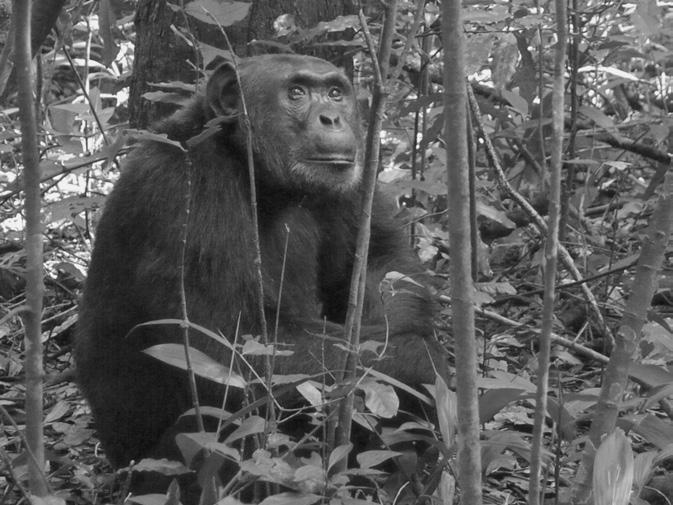
ANCESTRALFORESTS Extantnon-humangreatapes,asourclosestlivingrelatives,havefrequentlybeen usedasanaloguesfor ‘ancestral’ locomotion,subsistence,andculturalbehaviours inearlyhomininsand,inparticular,theLastCommonAncestor(LCA)ofthe non-humangreatapesand H.sapiens (Tuttle,2014).Associationofallthree modernnon-humangreatapegenera orangutans(Pongo spp.),gorillas(Gorilla spp.),chimpanzees,andbonobos(Pan spp.) withprimaryandsecondarytropical forestshas,inturn,ledtotheseenvironmentsbeingconsideredaprimevalpartof homininevolution(Figure1.5).Theoriesconcerningearlyformsofbipedallocomotion,forestsubsistence,relianceonplantfoods,andsmall,isolatedhominin populationshavebeenlargelybaseduponmodelsofextantnon-humangreatapes (Tuttle,2014),aswellastheirrelationshiptoevergreenandsemi-evergreenforestsof AfricaandSoutheastAsiathathavebeenconceivedofasbroadlyhomogeneous. Furthermore,theexpansion,andthendiversification,ofMiocene(23.1–5.3Ma)ape populationshasbeenlinkedtotheexpansionoftropicalforestbiomesacrossvast swathesofAfricaandEurasiaasaresultofwarmertemperaturesandanincreased partialpressureofcarbondioxideintheatmosphere(Hamonetal.,2012).
IthasbeendifficulttodeterminethelocomotionandsubsistenceoftheLCAdue tothevarietyofecologicaladaptations,independentevolutionofknucklewalking, differentformsofbipedalism,andculturalvariabilityseenamongthemodern non-humangreatapes(e.g.,KivellandSchmitt,2009).Nevertheless,itappears thattheearliestmembersofthehominincladeevolvedhabitualbipedalism whileretainingformsoflocomotionthatwererelevanttoforestecosystems. Forexample,the Orrorintugenensis (6.1–5.7Ma)femurfromKenyahasalong, 8
Easternchimpanzee(Pantroglodytesschweinfurthii)intheKibaleForest NationalPark,Uganda.PicturetakenbyBernardDupontandusedwithpermission fromwww.flickr.com.
narrowneckandawideproximaldiaphysis,featuressharedwithlaterbipedal Australopithecines(RichmondandJungers,2008),yetthestructureofthe humerusandtheshapeofthephalangeshavebeenlinkedtotreeclimbing (Senutetal.,2001).Similarly,thelowerlimbproportionsandthehandand footmorphologyof Ardipithecusramidus ( c. 4.4Ma)fossilsfromEthiopiahave beenassociatedwithtreeclimbing,whileitspelvicmorphologyislinkedto ground-basedbipedalwalking(Whiteetal.,2009;Kimbeletal.,2014).
Yet,aswillbeseeninChapter3,despitetheseearlyoriginsintropicalforest settings,theemergenceofthehominincladeandthegenus Homo aremost prominentlylinkedtomoreopenenvironments.Theincreasinglyspecialized adaptationtoterrestrialbipedalmovement(Harcourt-SmithandAiello,2004; Ruff,2009),thedevelopmentofstonetooltechnology(Harmandetal.,2015),and anapparentgrowingrelianceonthemeatoflargegame(Bunn,2001)appearto occurduringtheperiod4–2MainAfricawhentropicalforestsretreatedand fragmentedinthefaceofexpanding ‘ savanna ’ environments(Reed,1997;Uno etal.,2011,2016).Fromthispointonward,tropicalforeststendtobeneglected,if notcompletelyignored,intheevolutionandexpansionofourgenuswithinand beyondAfricaduringtheEarly-MiddlePleistocene.Thisisinspiteofthefactthat someoftheearliest Homo fossilsbeyondtheAfricancontinentoccurinSoutheast Asiainaregionthatisarguedtohavebeendominatedbytropicalforestduring thisperiod,justasitistoday(Sémahetal.,2002;SémahandSémah,2012).
Figure1.5.