ListofAbbreviations
ACABQ AdvisoryCommitteeonAdministrativeandBudgetaryQuestions
ATS AntarcticTreatySystem
DAC DevelopmentAssistanceCommittee(OECD)
DANIDA DanishInternationalDevelopmentAgency
ECHR EuropeanConventiononHumanRights
ECtHR EuropeanCourtofHumanRights
ECOSOC EconomicandSocialCouncil
EPTA ExpandedProgramforTechnicalAssistance
FAO FoodandAgricultureOrganization
FRUS ForeignRelationsoftheUnitedStates
GATT GeneralAgreementonTariffsandTrade
IBRD InternationalBankforReconstructionandDevelopment
ICJ InternationalCourtofJustice
IDA InternationalDevelopmentAgency
IHL InternationalHumanitarianLaw
ILO InternationalLaborOrganization
IMF InternationalMonetaryFund
IRS InternalRevenueService(US)
JIU JointInspectionsUnit
MDTF Multi-DonorTrustFund
NIEO NewInternationalEconomicOrder
NORAD NorwegianAgencyforDevelopmentCooperation
OCHA OfficefortheCoordinationofHumanitarianAffairs
ODI OverseasDevelopmentInstitute
OECD OrganizationforEconomicCo-operationandDevelopment
ONUC UnitedNationsOperationintheCongo
RAF RoyalAirForce(UK)
SADCC SouthernAfricanDevelopmentCooperationConference
SDGs SustainableDevelopmentGoals
SF SpecialFund
SIDA SwedishInternationalDevelopmentAgency
SUNFED SpecialUNFundforEconomicDevelopment
TA TechnicalAssistance
TAA TechnicalAssistanceAdministration
TAB TechnicalAssistanceBoard
TAC TechnicalAssistanceCommittee
UNCDF UnitedNationsCapitalDevelopmentFund
UNCTAD UnitedNationsConferenceonTradeandDevelopment
UNDP UnitedNationsDevelopmentProgram
UNDS UnitedNationsDevelopmentSystem
UNEF UnitedNationsEmergencyForce
UNEP UnitedNationsEnvironmentProgram
UNESCO UnitedNationsEducational,Scientific,andCulturalOrganization
UNFPA UnitedNationsPopulationFund
UNFSSTD UNFinancingSysteminScienceandTechnologyDevelopment
UNGA UnitedNationsGeneralAssembly
UN-HABITAT UnitedNationsHumanSettlementProgram
UNHCR UnitedNationsHighCommissionerforRefugees
UNICEF UnitedNationsChildren’sFund
UNIDO UnitedNationsIndustrialDevelopmentOrganization
UNODC UnitedNationsOfficeonDrugsandCrime
UNOPS UnitedNationsOfficeforProjectServices
UNRRA UnitedNationsReliefandRehabilitationAdministration
UNSC UnitedNationsSecurityCouncil
UN-WOMEN UNEntityforGenderEqualityandtheEmpowermentofWomen
USAF UnitedStatesAirForce
USAID UnitedStatesAgencyforInternationalDevelopment
USUN UnitedStatesMissiontotheUnitedNations
VCLT ViennaConventionontheLawoftheTreaties
WFP WorldFoodProgram
WHO WorldHealthOrganization
WTO WorldTradeOrganization
Introduction
AmongthedocumentsincludedintheUnitedNationsQuadrennialComprehensivePolicyReviewin2016wasareportfromRomeshMuttukumaru,aveteranof theUnitedNationsDevelopmentSystem(UNDS).Thereport’saimwastoproposehowUnitedNationsentitiesmightencouragememberstatestoreducethe conditionstheyplacedonfinancialcontributionstotheUnitedNationssystem. Expansiveuseofthese“conditions”led,forexample,to75percentoftheUScontributionstotheUNDevelopmentProgrambeingusedintwocountries,Iraqand Afghanistan.¹ Itled,forexample,tocontributionsfromtheFrenchGovernment skewingtowarditsformercolonialpossessions(theCentralAfricanRepublic, Vietnam,andHaiti).² Inshort,itoftenledtheUnitedNationstolooklikeacontractagencyforbilateralaid.AmongthepurposesoftheMuttukumaruReport wastodevelopasetofstrategiesthatwouldencouragememberstatestoprovidea largershareoftheircontributionsintheformof“core”resources,withoutstrings attached.
Thetopicwasafamiliarone;by2016,75percentofthemoneyflowingthrough UNDScameintheformof“non-core”resourcesthatwereearmarkedbythedonor foraspecificuse.Forthemostpart,thesewerenotlargepotsofmoneywith multipledonors.Nearly90percentofearmarkedcontributionstoUNDSwere single-donororsingle-projectcontributions.³ DisproportionaterelianceonearmarkedfundinghadbecomeasourceofconcernacrosstheUNsystem.Often expressedwithanaudienceofdonorsinmind,theseconcernsweretypically couchedinthelanguageofeffectiveness.TheJointInspectionsUnit,themainevaluationarmoftheUnitedNationssystem,hadconcludednineyearsearlierin2007 thatearmarkedcontributions“inhibitedsecretariatsoftheorganizationsintheir effortstodelivermandatedprograms.”⁴In2012,theEconomicandSocialCouncil releasedareportstatingthatearmarkedfunding“isoftenseenaspotentiallydistortingprogrampriorities.”⁵ TheWorldFoodProgramreportedthatearmarked aidpreventedtheorganizationfromcomplyingwithitsmandatetoprioritize
¹ UNDP,“TheUnitedStatesandUNDP:APartnershipthatAdvancesUSInterests.”See https:// www.undp.org/funding/core-donors/UnitedStates (accessedJuly11,2022).
² SeeUnitedNationsMulti-donorTrustFundOffice,availableat http://mptf.undp.org/factsheet/ donor/00112 (accessedApril7,2020).
³ UnitedNationsMulti-donorTrustFundOffice2016,30.
⁴ Yusefetal.2007,ii.
⁵ UNGeneralAssemblyandECOSOC2012,12.
TransformingInternationalInstitutions.ErinR.Graham,OxfordUniversityPress.©ErinR.Graham(2023). DOI:10.1093/oso/9780198877936.003.0001
least-developedandlow-incomefood-deficitcountries.⁶ AttheOfficeforthe CoordinationofHumanitarianAffairs(OCHA),earmarksledsomeemergencies tobeoverfundedwhileotherswereleftwithoutresources.⁷ AndtheUNDevelopmentProgramitself—thecenterpieceofUNDS—identified“theearmarkednature offunds”as“amajorreasonfornon-deliveryofplannedoutputs.”⁸Eachstatement aimedtocommunicate,explicitlyorimplicitly,thatearmarkedfundingcauseda divergencebetweentheagreed-uponprioritiesofUNprograms,whetherthematic orgeographic,andtheworkthatUNentitiessupportedinpractice.
Thesourceofthisdivergencebetweenmultilateralprioritiesandresourceallocationlayinthegovernanceofearmarkedfunds,whichthevariousreportsalso sometimesmentioned,butoftenintechnical,bureaucraticlanguage.Earmarked fundsare“designedandimplementedoutsidetheorganisations’formalgoverningsystems(…),”⁹ theyare“notsubjecttodirectprogrammaticcontrolbythe governingbodiesofUnitedNationsentities,”¹⁰ andtheyare“notdirectlyregulatedbyintergovernmentalbodiesandprocesses.”¹¹ Reportslikethesetended nottoruminateonwhatitmeantthat75percentofUNDSresourceswere notsubjecttocontrolbyintergovernmentalbodies.Itwasherethatthe2016 MuttukumaruReportwasdistinct.DrawingadirectlinebetweenearmarkedcontributionsandUNgovernance,thereportconveyedtherealityinclearterms:“the continuingerosionofUNDScorefundingandtheresultingdependenceonnoncoreresourcestofinanceevenitsbasicmandatedactivities mayunderminethe multilateralcharacteranddemocraticnatureofthesystemasperitsCharter.”¹²
TheMuttukumaruReportwasnotthefirsttosuggesttheeffectsofearmarked contributionsextendedtofundamentalprinciplesofUNgovernance.In2010, TimoMahnoftheGermanDevelopmentInstituteauthoredabriefingpaper thatbegan:“ChangesinthefinancingofUnitedNationsdevelopmentcooperationaregraduallyerodingthemultilateralcharacterofUNdevelopmentaid.”¹³ Later,in2019,theUNsystemwouldspeakmoreclearlywhenadoptingitsFundingCompactaimedataddressingearmarkedfunds,aboutwhichtheCompact states:“Ultimately,theyunderminethemultilateralnatureofUnitedNations’” supportfordevelopment.¹⁴ Butthe2016Reportwasamongthefirstemanating frominsideTurtleBaytoproposethatwhat,formany,remainedatechnicalissue offundingmodalitieswasalteringthefundamentalnatureoftheUNsystem.Ifthe UNwasreluctanttoacknowledgethelink,itisunderstandable.Themultilateral
⁶ ExecutiveBoardoftheWorldFoodProgram2000.
⁷ Yusefetal.2007,13.JIU/REP/20071.
⁸ ExecutiveBoardoftheUNDP2013,4.
⁹ DANIDA2013,iii.
¹⁰ UNSecretary-General2012,20.
¹¹ UNGeneralAssemblyandECOSOC2012,12.
¹² Muttukumaru2016.Emphasisadded.
¹³ Mahn2012
¹⁴ UNGeneralAssembly2019,3(A/74/73/Add.1-E/2019/4/Add.1).
characteroftheUNisfundamentaltoitsidentity,tohowtheworldseesthe institutionandhowtheinstitutionseesitself.Morethanthat,theUNisidentifiedwithaparticularlyegalitarianvarietyofmultilateralism.OutsidetheSecurity Council,whererulesreflectpowerasymmetries,theegalitarianmultilateralismof theGeneralAssembly—one-country-one-vote—iscarvedinstoneintheUnited NationsCharter.ItisreplicatedacrossUNprogramsliketheUNDevelopment Program(UNDP),theUNEnvironmentProgram(UNEP),theUNChildren’s Fund(UNICEF),andtheWorldFoodProgram(WFP).EgalitarianmultilateralismdistinguishestheUNDSfromitsBrettonWoodscounterpart,theWorldBank, wherevotesaredistributedbasedoneconomicmight.ItalsomakestheUNthe preferredinstitutionalhomefordevelopingstates,whoenjoystrongmajorities, andisoftenaforumtobeavoidedbyitswealthiestmemberstates,whodonot.
TheseconceptionsoftheUnitedNationssystemhavenotchangedsignificantly inpastdecadesineitherthepopularimaginationorscholarlyresearch,yetthe systemhasquietlyundergonearemarkabletransformation.TheegalitarianmultilateralismsofundamentaltotheCharter,andtobasicunderstandingsofwhatthe UN is andhowitoperates,isstillpresentontherulebooksandinthedecisionmakingprocessesofvariousUNgoverningbodies.Butitdoesnotgovernthe vastmajorityofmoneythatflowsthroughthesystem.Multilateralbodiesdonot exercisedirectauthorityoverearmarkedcontributions.Astheproportionofearmarkedfundinggrows,theegalitarianmultilateralismofUNgoverningbodies controlsanever-shrinkingportionoftheUN’soperationalwork.BilateralcontractsnegotiatedbetweendonorsandUNentitiesgovernearmarkedfundsand sidestepegalitarianmultilateralism.
ThenatureoftheUN’stransformationposesaseriesofquestionsforinternationalrelations(IR)scholars.TheUNisoftendepictedasrigidandincapableof change.¹⁵ TheCharterwaslastamendedin1971.Thelegalbarrierstochange, whichrequiretwo-thirdsoftheGeneralAssemblytoapproveandratifyamendments,includingallpermanentmembersoftheSecurityCouncil,areprohibitively high.TheimpressionthattheUNhasnotchanged,andcannotchange,isreflected andreinforcedbyroutinecriticismfromtheUnitedStatesandotherscalling forreformstoimproveefficiencyandcoordinationyearafteryearwithoutever conveyingsatisfactionwiththeresults.Expressingawidelysharedview,onecommentatorquippedthattheCharter“bearslittlemoreresemblancetothemodern worldthandoesaMagellanmap.”¹⁶ YettodayUNfinancingbearslittleresemblancetoCharterrulesthatremainonthebooks.HowdidUNfinancingchangeso
¹⁵ E.g., IdrisandBartolo2000,85–86; Lipscy2017,18; HosliandDo¨rfler2019.HowardLaFranchi, “TheUnitedNations:IndispensableorIrrelevant?” ChristianScienceMonitor,September18,2020.
¹⁶ Citedin Buga2018,298–299.Foranexception,see Schlesinger(1997,50) whocallsthestandard critique,thattheUN“isaninflexibleinstitutionsetinitswaysandunwillingtochange,”a“mythworth exploding.”
radically?Equallyimportant,howwasegalitarianmultilateralism—afundamental principleofUNgovernance—compromisedandsidelinedalmostwithoutnotice?
Thesequestionsmotivatethebook.Iofferaframeworktounderstandtransformationalchangeininternationalinstitutionswheretransformationisdefinedas thereorganizationofrelationshipsamongkeyactorsandprinciplesofgovernance. ToexplaintheUN’stransformationfromaninstitutiondesignedwithrulesthat produceegalitarianmultilateralismtoonethatoperatesasystemofgovernance bybilateralcontract,Idevelopatheoreticalframeworkthatemphasizesthegradual,subterranean,anduncoordinatednatureoftransformation.IntheUNcase, Iarguethatincrementalchangesinfinancingrulesmadeinthelate1940s,and mostimportant,inthe1960s,madepossibleatransformationinUNgovernance inthe2000s.Often,thosewhoactedinearlierdecadesdidnotforeseeorintend theiractionstoenablethistransformation.
Despiteanextensiveliteratureoninternationalorganizations(IOs)inpolitical science,scholarlyinquiryintoquestionsoffinancingisrelativelynew.Thereare exceptions.TheUNfundingcrisisofthe1960s,withtheproximatecausebeingthe SovietUnion’srefusaltopayduesfortwopeacekeepingmissions,provokedscholarlyinterest.ProminentUNscholarChadwickAlgerpersuasivelyarguedin1973 thattheUSpreferredvoluntarycontributionstoenhanceitsinfluenceoverUN programs.¹⁷ DriveninlargepartbythegrowthinearmarkedfundingacrossIOs, sometimesreferredtoasmulti-biaid,non-core,orrestrictedfunding,IOfinancingscholarshipreemergedinthe2010s.¹⁸ Thisresearchilluminatesthebreadthof earmarkingtrendsacrossIOs,andtacklesquestionsaboutwhyearmarkedfundingissooftenthepreferredmodalityofstatesandprivateactors.Forthemostpart, thisliteraturefocusesonexplainingvariationinthecontemporarymomentrather thanchangeovertime.ButconsistentwithAlger’searlywork,manystudiesthat explainvariationinearmarkingbehaviorinagivensnapshotimplyanintuitive hypothesisaboutchange:Donorswantmorecontrolovertheircontributionsto IOsandearmarksareawaytoachievethis.
Onthesurface,thetimingoftheshifttoincreasedearmarkingappearsfavorable tothishypothesis.Moststudiesidentifythe1990sorearly2000sasthedecades earmarkstookoff.¹⁹ ThiscameontheheelsofwaningWesternsupportduring the1980swhentheGenevaGroup—agroupofUNmemberstatesthateachcontributemorethan1percentoftheUNregularbudget—enforcedapolicyofzero realgrowthacrosstheUNsystemformostofthedecade.Earmarksappearto answerwealthystates’frustrationwithwhattheyperceivedasinsufficientcontrol
¹⁷ Alger1973.
¹⁸ E.g., SridharandWoods2013; Graham2015; BayramandGraham2017; EichenauerandReinsberg2017; Graham2017; Michaelowaetal.2017; Reinsberg2017; Reinsbergetal.2017; Eichenauer andHug2018; Baumann2021; GrahamandSerdaru2020; Schmidetal.2021; Thorvaldsdottiretal. 2022.
¹⁹ E.g.,SridharandWoods2013,328–329;JenksandTopping2016;EichenauerandReinsberg2017, 172; Schmidetal.2021,435.
overtheircontributions.Inthistelling,theuptickinwealthystates’behaviorwould reflecttheirdesiretoexertcontrol.Butuponfurtherinterrogationthehypothesis isunsatisfyingintwoways.Itsfirstoversightistoignoretheimportanceofrules inenablingwealthystates’behavior.Thehistoricalrecorddemonstratesthatrule changeprecededsignificantbehavioralchange—bydecades.Voluntaryfunding ruleswerelayeredalongsidemandatoryones.Mandatoryruleswereinterpreted inmorerestrictiveways.Voluntaryrulesinitiallyprohibitedearmarks,butlater cametopermitthem.Inshort,thehypothesisthatpowerfuldonorssoughtto reassertcontrolinthe1990smakessenseasfarasitgoes,butwhywererules altereddecadesearliertopermitdonorearmarks?Didthesamestatespushfor rulechangeatthattime,onlytowaitdecadestotakeadvantage?Thispointstothe secondshortcomingofthehypothesis:theUN’smostpowerfulmemberstatesand largestsuppliersofmandatoryduesduringthetwentiethcentury,liketheUnited States,UnitedKingdom,Japan,andothers,didnotadvocateforrulechangesthat wouldpermitearmarks.Rather,thesechangescameatthebehestofothermember statesandnon-stateactors,oftenthoseassociatedwithapro-UNorientationlike Sweden,theNetherlands,andtheUNOfficeofLegalAffairs.Thesearenotthe actorswewouldtypicallysuspectofconspiringtoupendegalitarianmultilateralismattheUN.Infact,theydidnotconspiretodoso,buttheiractionssubstantially contributedtothatoutcome.
Focusingonpowerfulstates’assertionofcontrolthroughearmarkinginthe 1990smistakestheendoftheUN’stransformationforitsbeginning.Iarguethat theUN’stransformationwasgradual,takingplaceoverdecades.Incontrastto theconventionalnarrativethattracestheriseofearmarkedfundingtothe1990s, Iidentifyincrementalchangestofundingpolicyin1949,reinforcedin1958asthe beginningofagradualchangeprocess.Ilocatethedecadeofthe1960sasthecriticalperiodwheninstitutionalgroundworkthatenableddonors’behavioralchanges waslaid.Thesechangesinthemiddleofthetwentiethcenturycontributedto thetransformationofUNfinancingthatgatheredsteaminthe1990s.Ifurther arguethatthetransformativeprocesswasuncoordinatedovertimewithasubterraneandynamic.Byuncoordinated,Imeanthatactorswhomadedecisionsearly intheprocessthatprovedcriticaltotransformation,didnotforeseeoranticipatea transformativeoutcome,oractivelyworkwithactorswhowouldcarrytheprocess forwardatsubsequentmoments.Theprocessissubterraneanfromtheperspectiveofthosekeyactors.Inretrospect,thosewhoareidentifiedasenactingpivotal changeinthetransformationprocess,can,atthemomenttheyenactchange, genuinelyintendtheacttobe only incremental.Agradual,uncoordinatedchange processallowsthatthosewhosettransformationinmotioncandosounknowingly,andcandosoeveniftheywouldopposethedownstream,transformative effectsofthechangestheyenact.
Thisargumentrestsonaparticularsetofassumptionsaboutinstitutional design,rules,andagents.IncontrasttoprominentapproachesinIRthatfocus onthedesignchallengesposedbyrisk,theframeworkassumesthatinstitutional
architectsoperateindecision-makingenvironmentsthatarealsocharacterizedby genuineuncertainty.Thisassumptionisimportantconceptuallybecauseitrenderspassableunintentionalchangepathwaysthatwouldotherwisebeclosedoffor confinedtotheerrorterm.Buttheassumptionalsosquareswithempiricalreality. Asinternationalinstitutionsage,itbecomesmoredifficulttomaintainanassumptionthatactorswhoinitiallydesignedtherulescouldbereasonablyexpectedto anticipateallrelevantfuturestatesoftheworldandassignprobabilitiestothelikelihoodtheywouldoccur.Mostoftheinternationalorganizationsdesignedinthe periodbetween1945and1949persistinthetwenty-firstcentury,butfewwould maintainthatinstitutionalarchitectsofthateracould see twenty-first-century statesoftheworldfromtheirimmediatepostwarperch.Asearlyas1965,Rupert Emersonwrotethat“TheUnitedNationstwodecadesafterSanFranciscoisavery differentbodyfromtheoneitscreatorsfashioned,anditisareasonablepresumptionthattherewerenoneorvirtuallynonewhopresidedoveritscreationwho foresawevendimlywhatitwouldbecomeinthespanoftwentyyears.”²⁰ When evenamedium-termmetricoftwoorthreedecadesisused,institutionaldesignersoftencannotanticipatetheeffectsoftheirchoices,letalonedesigninstitutions forfuturestatesoftheworldtheycannotanticipate.
Thedownstreameffectsofinstitutionalrulesaresubjecttogenuineuncertaintybuttheyalsocontributetoit.Inadditiontotheirstandardfunctionas constraintsthatregulatebehavior,theframeworkofferedheretreatsrulesasinherentlypermissive.Thispermissivenessisnotonlytheproductofintentionaldesign asaccountsofstrategicambiguitysuggest,butisrootedinanunavoidablelinguisticindeterminacy.²¹ Itisalsoaidedbythepassageoftime;interpretationsand purposesthatwerenotconjuredinitiallycanbeinspiredbylatercontexts.Armed withrulepermissiveness,motivatedagentsarecapableofunpredictableaction. Theyforwardreinterpretationsandredeployrulesinwaysthatservetheircontemporaryendsbutwerenotanticipatedbythosewhodesignedtherulesand mayevenbeatoddswiththepurposestheyintended.
Thissetofassumptionsopensspaceforrethinkinghowinternationalrules change.Inmanyinternationalorganizations,negotiatingtherevision,amendment oroutrightreplacementofformalrulesisextremelydifficult,andnotinfrequently prohibitivelyso.Thesameisoftentrueforbodiesofinternationallaw.Yetinterstatenegotiationinwhichmemberstatesdebate,persuade,coerce,orbribeone anothertoenactmultilateralagreementremainsthedefaultmethodforthinkingabouthowchangeoccursinIOsorinternationaltreaties.Inthistraditional conception,whentherulesonthebooksarenotrevised,amended,orremoved, itiseasytoconcludethattheruleshavenotchanged.Scholarsofinternationallaw
²⁰ Emerson1965,484.
²¹ Greenstone1986; Schauer1991; Putnam2020,32.
pointoutthatempiricallythisissimplynotthecase.²²Thelawchangesmoreoften throughevolutivetreatyinterpretation,andsubsequentpracticethanthrough multilateral(re)negotiation.²³ Ifweexcludethesemechanismsofchangefromour conceptualtoolboxwemaymissnotonlyincrementalchange,buttransformation.
Inchaptertwo,Iintegratemechanismsofchangefrominternationallawwith historicalinstitutionalistthinkingongradualchange.IcontributetothehistoricalinstitutionalistresearchprograminIRbyarticulatingwhyandhowchangeof thissortoftenhasanunder-the-radar,subterraneandynamic.Drawingonmultiplearchivesacrosssixdecadesofthepostwartwentiethcentury,thebooktracks howfinancingruleswereaddedandreinterpretedatdifferentmomentsintime andfordistinctpurposesinwaysthatultimatelyfacilitatedashiftfromegalitarian multilateralismtogovernancebybilateralcontract,allwithoutanyrenegotiation ofCharterrulesthatgovernUNfunding.
WhyFundingMattersforMultilateralism
Pressedforwhichrulesaremostimportantfortheoperationofmultilateralism atinternationalorganizations,mostwouldreplybyfocusingonrepresentation ordecisionrules.²⁴ Inconventionalterms,multilateralisminvolvescollective decision-makingamongagroupofactors.Representationrulesdeterminewhich statesorotheractorsarerepresentedingoverningbodiesandallocatevotesacross representedparties.Decisionrulesdeterminethethresholdthatresolutionsor otherdecisionsrequireforpassage(e.g.,majority,supermajority,unanimity)and indoingsofacilitatecollectivedecision-making.Itisworthnotingthatthetwo pieces—agroupofactorsandcollectivedecision-making—gotogether.Whether onethinks20actorsengagedincollectivedecision-makingis more multilateral than10actorsdoingsoisopenfordebate,butneitherthe10northe20is“doing” multilateralismiftheymakeindependentdecisionsratherthancollectiveones.
Multilateralismiswidelyunderstoodtooperateasa“levelingprinciple”that, whilenoteliminatingpowerpolitics,hasarestrainingeffect.²⁵ Incontrasttoad hocbargaining,votingandrepresentationrulesensurevoiceopportunitiesand influencetoweakeractors.²⁶ Theserulesalsosignalegalitarianandinegalitarian“varieties”ofmultilateralism.²⁷ Egalitarianrulesallocatevotesequallyacross memberstates,regardlessofeconomicmightorotherfactors.Inegalitarianrules, likethoseattheInternationalMonetaryFund,orinternationaldevelopment
²² See Nolte2013,3; Buga2018
²³ Buga2018,4.
²⁴ E.g.,ThisviewispresentinprominentIRscholarshiponinstitutionaldesign,including Koremenosetal.2001,772; BlakeandPayton2015; Kaya2015,9; Lipscy2017,49.
²⁵ Ikenberry2003; Finnemore2005
²⁶ Kahler1992,681–682.
²⁷ Bayeretal.2015; Graham2015; Iannantuonietal.2021.
banks,allocategreatervoicetolargereconomiesandlesstosmallerones.Outside theSecurityCouncil,theUNsystemisamodelofegalitarianmultilateralism. Governingbodiesacrossitsprogramsandspecializedagenciesmakecollective decisionsbasedontheone-country-one-voteprinciple.
Ifrepresentationandvotingrulesaresoobviouslycentraltotheproduction ofmultilateralismatIOs,whydofundingrulesrequireattention?Theansweris thatfundingrulesdeterminewhethermultilateralgoverningbodiescontrolthe resourceallocationprocess.Nofundingruledeniesthatgoverningbodiesoperate inwaysconsistentwithmultilateralism,butwhilesomefundingrulesensurethat thosegoverningbodiescontrolresourceallocation,othersdonot.Inparticular, fundingrulesthatpermitearmarksallowforresourceallocationtobedetached frommultilateralcontrol.Thatcontrolshiftsfromthemultilateralbodytotheindividualdonor,whocandictatehowitscontributionisused.Putdifferently,funding rulesdetermine(andcanlimit)thereachofmultilateralgovernance.Basiclimits ondonordiscretionremain.IntheUNsystem,allfinancialcontributionsmust beusedforpurposesconsistentwiththoseoftherelevantorganizationorprogram,butthisleavesawideberthfordonorstofundbilateralpriorities,whether programmatic,geostrategic,orboth.Aslaterchaptersinthebookwilldemonstrate,rulesthatpermitearmarksdonotensurethatearmarkingitselfwillbea commonpractice.Itremainedrelativelyinfrequentformostmemberstatesuntil the1990s.Butwhilepermissiondoesnotensurethepopularityofthepractice, italsodoesnotlimititsuse.Rulesthatpermitearmarksgenerallydonotrestrict theportionofIOfundsthat can besubjecttoearmarks.Inshort,theymakepossibleasituationinwhichcontroloverresourceallocationistransferredentirely frommultilateralgoverningbodiestoindividualdonors.Suchanoutcomewould beextreme,butmostUNprogramsreceivemorethanhalfoftheircontributions intheformofearmarkedfunding,andforafewtheportionexceeds80percent. EarmarkedfundinglevelsatUnitedNationsagenciesandprogramsexceedthe levelsofotherIOs,includingtheWorldBankGroup.²⁸
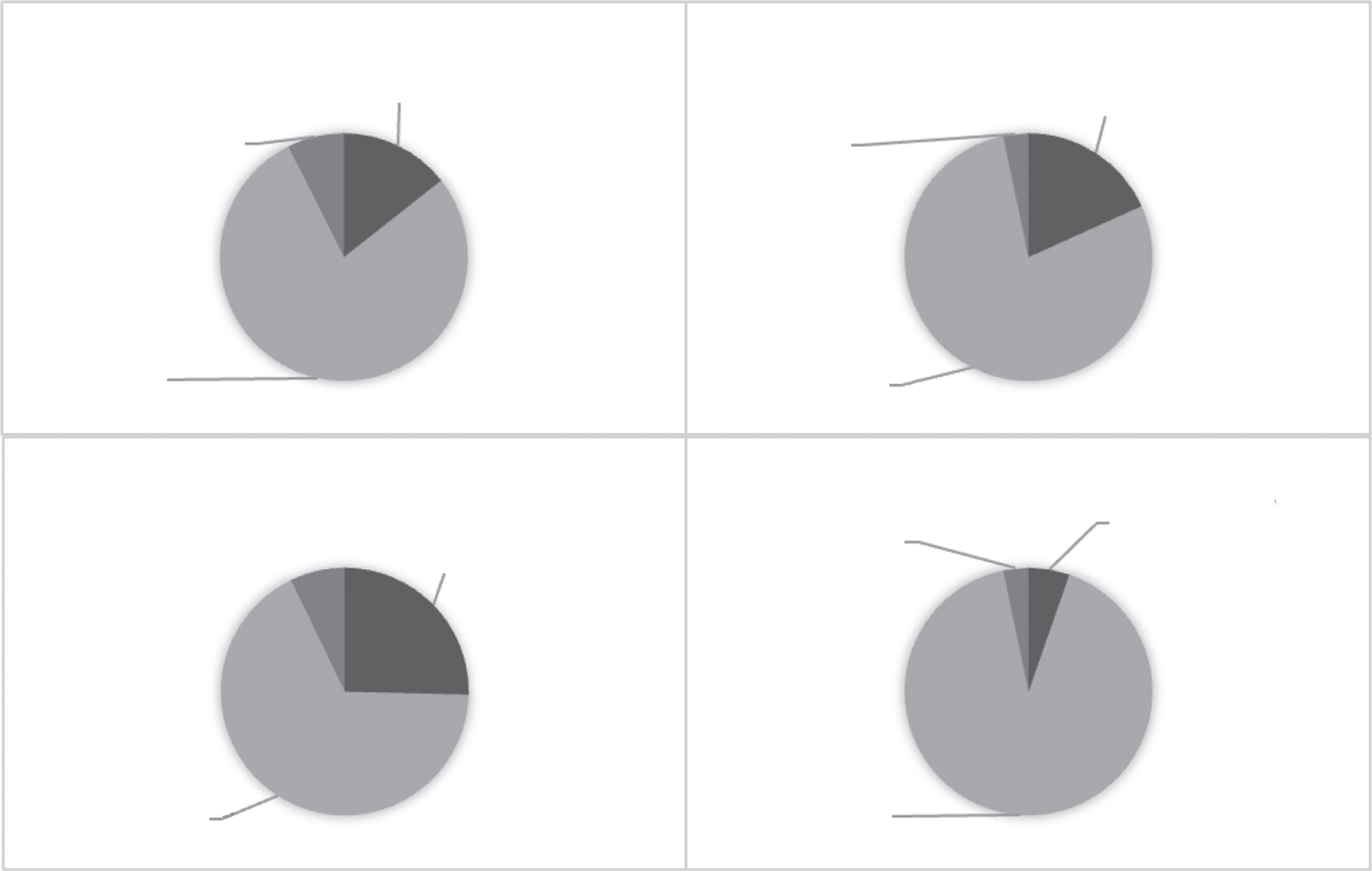
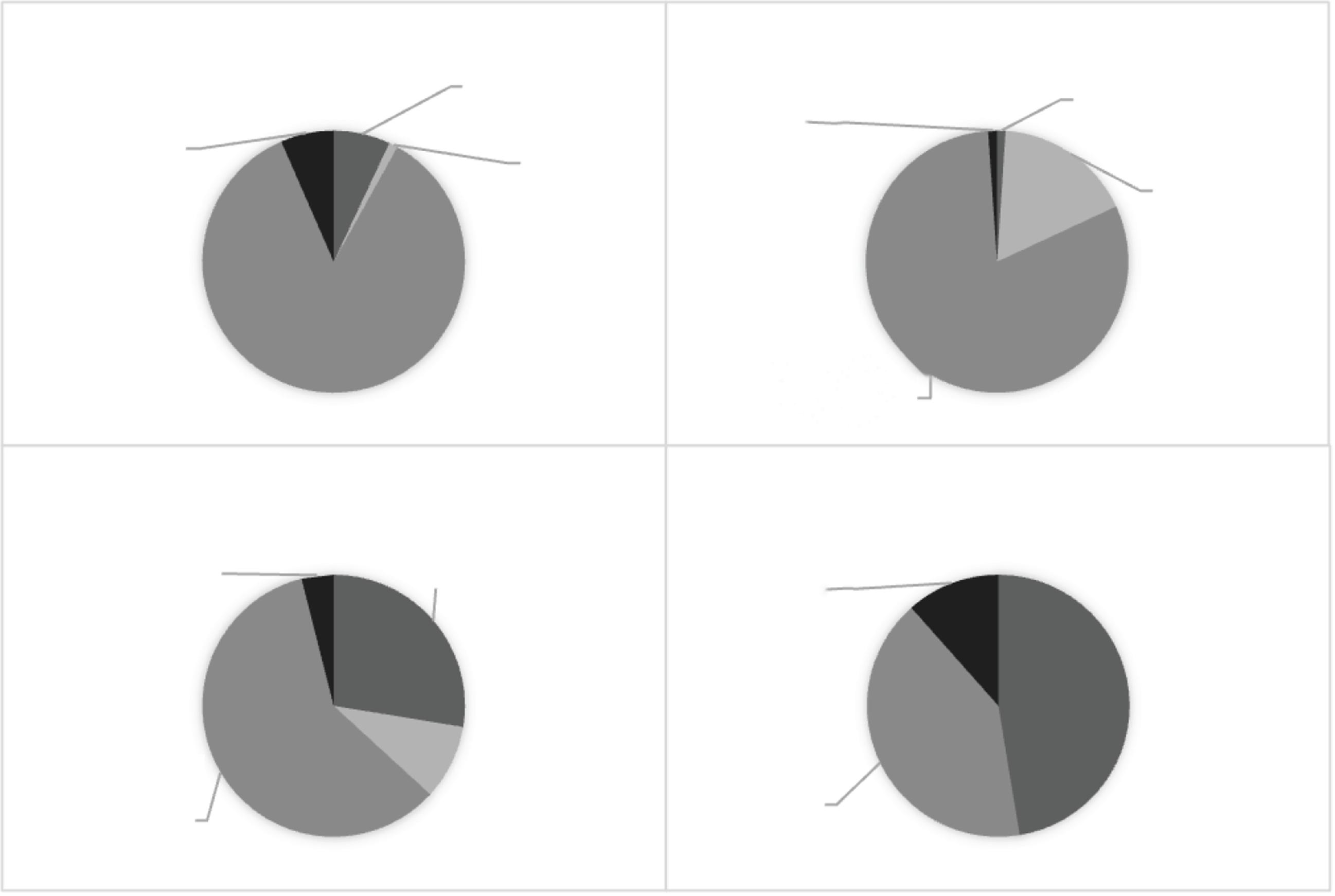
Figure 1.1 depictsfundingatfourmajorUNvoluntaryprograms:UNDP,the UnitedNationsChildren’sFund(UNICEF),theUNPopulationFund(UNFPA), andtheWFP.²⁹ Noneoftheseprogramsreceivesmoneyunderthemandatory assessmentsregimegovernedbyArticle17oftheUNCharter.Allcontributions frommemberstates(orfromotheractors)arevoluntary.Althoughtheportion varies,earmarkedfundingfarexceedsanyotherfundingtypeacrosstheprograms. Itrepresents93percentofallfundingtoWFP,82percenttoUNDP,73percentto UNICEF,and65percentofallfundingtoUNFPA.Itisonlytheremainingportion offunds,acombinationofvoluntarycoreresourcesandfees(7percentatWFP,
²⁸ Weinlichetal.2020,30.
²⁹ DataforFigures 1.1 and 1.2 arefoundin ToppingandJenks2021,31.
Figure1.1 FundingatSelectedUNVoluntaryPrograms.
Source: ToppingandJenks2021,31.
18percentatUNDP,27percentatUNICEF,and35percentatUNFPA)thatis governeddirectlybymultilateralbodies.
OtherUNprogramsreceivemoneyfromthemandatoryassessmentssystem governedbyArticle17oftheUNCharterbutthisgenerallyrepresentsasmall portionoftheirfunds(seeFigure 1.2).Forinstance,earmarkedfundingrepresents86percentofallcontributionstotheUNOfficeonDrugsandCrime (UNODC),and83percentofthecontributionstotheUNHighCommissioner forRefugees(UNHCR).WhenUNprogramslikeUNODCandUNHCRareeligibleformandatorycontributions,theiruseistypicallyconfinedtoadministrative costsratherthanoperationalactivities.TheUNEnvironmentProgramstandsout; itsproportionofearmarkedfundsstandsatjust57percentalongside33percentin mandatorydues,and9percentfromvoluntarycorecontributions.³⁰ Remarkably, evenattheUNSecretariat,theprimaryrecipientofmandatoryfundsfromthe regularbudget,earmarkedcontributionsaccountfornearlyhalf(48percent)of allfunding.
Thesefiguresmakeclearthatearmarkedfundingisaprevalent,andevendominantfundingmodalityacrosstheUNsystem.TheyalsoclarifythattheUN’s multilateralismgovernsarelativelysmallportionofthemoneythatflowsthrough
³⁰ UNEPremainsasmallprogramrelativetoitsdevelopmentcounterparts($742millionversus $5517millionatUNDP);italsobenefitsfromanagreementbetweentheGeneralAssemblyandthe UNEPGoverningCouncilin2012toreversetheriseofearmarksand“shifttowardsunearmarked funding.”Sincethattime,UNEP’sregularbudgetallocationhasgrownfrom$12.1millionin2012–13 to$247millionin2018–19.
Figure1.2 FundingatSelectedUNProgramsThatReceiveMandatory Contributions.
Source: ToppingandJenks2021,31.
thatsystem.Mostfundsaregovernedbycontractsdesignednotbymultilateral governingbodies,butbydonorsinnegotiationwithUNofficials.Thesearecustomizedtofitthepreferencesofthedonor(ordonors)regardingnotonlythe purposeandproject,butalsotermsofsupport,reportingrequirements,andevaluationmetrics.OfthesametypeofearmarkedtrustfundsattheWorldBank, Reinsbergexplainsthat,“donorshavegreatleverageinthedesignstage(…)donors cannegotiateindicativepreferencesintotheadministrativeagreementthatBank stafftryto(andusuallydo)satisfy.”³¹ Manycomparethegovernanceofearmarked fundingtobilateralaid,essentiallymakingtheUNacontractagencyforthedonor government.ThisisreflectedinthelanguageusedbyUNprogramsanddonor governmentstorefertoearmarkedfunds.Denmark’saidagency(DANIDA)distinguishesbetween“assistancetomultilateralorganizations(corefunding)”and “bilateralassistancethroughmultilateralorganizations(earmarkedfunding).”³²
TheWorldFoodProgramreferstoitsearmarkedfoodaidas“restrictedforusein specificprovincessupportedbilaterallybythedonorconcerned.”³³ Incontrastto multilateralaidwhereresourcesarepooledandtheidentityofindividualdonors disappears,earmarkedfunding“preservesthenationalidentityofagrantor
³¹ Reinsberg2017,91.
³² DANIDA2013,emphasisadded.
³³ ExecutiveBoardoftheWorldFoodProgramme,2000,36.
concessionaryloan.The‘lightofsight’fromsourcetoresultsensuresthatcontributionscanatalltimesbeconnectedtothedonorthroughplanningframeworks, accountabilitymechanisms,andvisibility(…)”³⁴
PermissivefundingrulesareafeatureofthecontemporaryUN’sinstitutional design.Thoserulesmakepossiblethestatusquo:thatamassofindividualized contractsgoverntheworkofUNoperationalprograms.Thiswasnotalways thecase.Technicalassistanceprograms,thepredecessorsof“socialandeconomicdevelopment”workattheUN,wereinitiallyfundedbymandatoryassessmentsundertheregularbudget.WhenearlyUNdevelopmentprograms,likethe ExpandedProgramforTechnicalAssistance(EPTA)andtheUNSpecialFund wereestablishedtorelyonvoluntarycontributions,rulesprohibiteddonorsfrom placingearmarksontheircontributions,ensuringthatmultilateralbodiescontrolledresourceallocation.³⁵ Earmarkprohibitionsbegantodisappearonlyinthe mid-1960s.Thetransitiontodisproportionaterelianceonearmarkedcontributionscamedecadeslater.Thisshiftoccurreddespitenochangewhatsoeverinthe votingandrepresentationrulesthataresocloselyassociatedwiththeproductionofmultilateralismattheUNandotherinternationalorganizations.Thatthe changeoccurredthroughfundingrulesmeantthatitwassubterranean,occurring belowthesurface,whiledecision-makinginUNgoverningbodies—thosebastions ofegalitarianmultilateralism—continuedundisturbed.
RethinkingHowInternationalRulesChange
Thisbookisinterestedintwotypesofchange:changeinformalinternational rules,andthetransformationoffundamentalprinciplesembeddedininternationalorganizations.InconventionalaccountsinIR,internationalruleschange throughnegotiation,followedbyamendmentorreplacement.Forinstance, DeBruyneetal.articulateandoperationalizerulechangeintheconventional way:“Whilethemajorityoftreatiestendtoremainunchanged,othersarerenegotiatedovertime,eithergraduallybytreatyamendmentorabruptlybytreaty replacement.”³⁶HaftelandThompsonsimilarlyequaterenegotiationwithchange: “Whilesomeagreementshaveremainedintactaftertheirinitialconclusion,othersareamended,updated,orreplaced.Whyaresomeinternationalagreements renegotiatedwhileothersremainstable?”³⁷ Inthisconception,changeissynonymouswithamendmentorreplacementandrulesremainunchanged,“stable,”
³⁴ Weinlichetal.2020,27.
³⁵ ECOSOC1949.Resolution222(IX),pp.7–8.August14–15,1949.ECOSOCresolutionadopted bytheGeneralAssemblyestablishingEPTAinResolution304(IV)November16,1949.Seealso:UN Yearbook1948–49,444. https://www.un.org/en/yearbook
³⁶ DeBruyneetal.2020,321.Theconventionalconceptionofhowchangeoccursisoftenimplicit andtakenforgrantedratherthanexplicitlystated.
³⁷ HaftelandThompson2018,25.
whentheseactsdonotoccur.Thechangeprocessisfurthercharacterizedbytwo features,oftentakenforgrantedratherthanexplicitlystated.First,itisunderstood tobeintentional,thatis,actorsdesignandredesignrulesinresponsetoproblems, withtheaimofsolvingormitigatingthoseproblems.Second,theprocessandoutcomearerelativelytransparent.BythisIdonotmeanthatthepublicisprivyto privateconversationsofdiplomatsthatmaymakeorbreaknegotiations,butrather thatrulechangeitselfisvisibleonthepage.Putanotherway,whenwetreatrules asontologicallyclosed,rulemeaningremainsstaticabsentaliteralrewritingof therulesthroughrevisionoramendment.
Ifrulesareinsteadtreatedasinherentlypermissive—ontologicallyopen—then meaningcanchangeevenifthewrittenwordsdonot.Decipheringrulemeaning requiresinterpretationandcannotbededucedfromwordsalone.³⁸ Thismeans boththatasinglewrittenrulecansupportmultipleinterpretationsatanygiven moment,andthatmeaningmaychangeovertime.Equatingchangewithrenegotiationandidentifyingchangeasamendmentorrevisionislikelytomissmuchof theaction.Thistreatmentofinternationalrulesaspermissiveisconsistentwitha newbodyofworkattheintersectionofIRandinternationallawthatunderstands internationallawasunsettled,“momentaryachievements,”thatcan“remainsubjecttocontestation”aftertheyarecodified.³⁹ Itsimilarlyallowsthatthesame rulemightbeusedformultiplepurposes,apremiseofhistoricalinstitutionalist scholarshipontransformationalchange.⁴⁰
Howdomeaningandpurposechangeabsentrenegotiation?Internationallegal scholarshipilluminateshowrulesoftenchangethroughreinterpretationrather thannegotiation.Theseinterpretivetoolsincludeevolutivetreatyinterpretation, subsequentpractice,andreadingonebodyoflawthroughanother.TheUnited NationsCharterincludesjustoneArticle,Article17,thatpertainsexplicitlyto funding.Itgovernsthemandatoryassessmentssystem,obligatingmemberstates topay“theexpensesoftheOrganization.”SubsequentpracticehasbeenparticularlyimportanttoreinterpretingArticle17tolimittheexpansionofthemandatory system.TheViennaConventionontheLawoftheTreaties(VCLT)codifiedsubsequentstatepractice,thatis,statebehaviorrelatedtothelawinquestion,asan interpretivetool.Subsequentpracticeisusedtoinferstatesparties’understandingoftreatyobligations.Ifsubsequentpracticeevolvesovertime,sotoocan treatyobligationsevolvetoreflectstates’understandings,asinferredfromtheir behavior.Subsequentpracticesquareswiththeframework’sassumptions.Asan interpretivetool,itisintendedtobeusedwhenstatespartiesintendtheirbehaviortoreflecttheirunderstandingofthelaw.Inpractice,ofcourse,whetherastate intendeditsbehaviortosignalitsunderstandingofthelawisdifficulttoevaluate.
³⁸ Putnam2020
³⁹ Mantilla2020,9.
⁴⁰ Hacker2002; Pierson2003; Thelen2003, 2004; MahoneyandThelen2010; St.John2018.
Legalanalysisrevealsthatruleinterpreters,whetherinternationalcourts,orstates partiesforwardinginterpretations,makeargumentsandrenderdecisionsbased onsubsequentpracticeevenwhenstatesengagedinthepracticedidnotexplicitly intendtheirbehaviortosignaltheirinterpretation.⁴¹ Legalargumentstojustify withholdingduestotheUN,madetoconsiderablesuccessinthe1970sand 1980sasWesternsupportfortheUNdeclined,reliedonsubsequentpracticeto reinterprettheChartertorestrictthereachofArticle17.Thisconstrainedthe UN’strajectory.Argumentsinfavoroflegalwithholdingeffectivelysealedoffthe mandatoryassessmentssystemasasourceofgrowthfortheUN,makingany futuregrowthreliantonvoluntarycontributionsbydefault.
Permissiveearmarkrulesalsochangedovertime,butrepurposingratherthan reinterpretationservedastherelevantmechanism.Underliningtheimportance ofgenuineuncertaintyinmakingchangepossible,repurposinginvolvesusing existingrulestoachieveendsthatarenewanddistinctfromthoseimaginedby theiroriginaldesigners.AfirststepinthisprocessoccurredwhentheUNOffice ofLegalAffairsrepurposedrulesdesignedtoprovidetheSecretary-Generalwith discretiontoacceptcontributionsforspecificpurposesfromprivateactors,and redeployedthemtoallowtheUNDPtoacceptearmarkedresourcesfromamemberstate.ThesecondstepoccurredwhentheUnitedStatesrepurposedearmark rulesoriginallydesignedtoprovideadditional,supplementaryfundingtoUN programs,toconstrainthoseprogramsandlimitmultilateralcontrol.Thebook makesthecasethatreinterpretationandrepurposingareasimportanttounderstandingchangeininternationalrulesasrenegotiationandrevision.Theydo notinvolvechangesinwrittentext,renderingthemlessvisible,butarenoless importanttoinstitutionaldevelopment.
Ultimately,thebookisinterestednotonlyinchangesinindividualrulesbutin howthosechangestransformedUNgovernance.Itscentralargumentisthatthe UN’stransformationwasmadepossiblebytherelativeinvisibilityoftheprocess. Unlikerepresentationandvotingrules,fundingruleswerenotwidelyperceived tohaveadirectrelationshiptomultilateralism.Inpartbecauseofthis,andinpart becausechangestofundingrules—whetherreinterpretationsofArticle17,the introductionofvoluntaryrules,orthedisappearanceofearmarkprohibitions— wereinitiallymadeforreasonsunrelatedtomultilateralism,thetransformation hadasubterraneandynamic.Itwasnotforeseenuntilitwaswellunderway. Lowvisibilitymeantthatchangestofundingrulesdidnotimmediatelymobilize oppositionfromthosewithastakeinthepersistenceofegalitarianmultilateralismattheUN—agroupthatincludesmostdevelopingcountriesandmakesup
⁴¹ Forthegeneralargumentsee Nolte2013; Buga2018.Forspecificcases: Hassanv.UnitedKingdom (EuropeanCourtofHumanRights); CertainExpensesAdvisoryOpinion (InternationalCourtof Justice).