TheSublimityofDocument:CinemaasDiorama (Avant-Doc2)ScottMacdonald(Editor)
https://ebookmass.com/product/the-sublimity-of-documentcinema-as-diorama-avant-doc-2-scott-macdonald-editor/
Instant digital products (PDF, ePub, MOBI) ready for you
Download now and discover formats that fit your needs...
Trapped: Brides of the Kindred Book 29 Faith Anderson
https://ebookmass.com/product/trapped-brides-of-the-kindredbook-29-faith-anderson/
ebookmass.com
Gifts, Glamping, & Glocks (A Camper & Criminals Cozy Mystery Series Book 29) Tonya Kappes
https://ebookmass.com/product/gifts-glamping-glocks-a-campercriminals-cozy-mystery-series-book-29-tonya-kappes/
ebookmass.com
Neuroscience for Neurosurgeons (Feb 29, 2024)_(110883146X)_(Cambridge University Press) 1st Edition Farhana Akter
https://ebookmass.com/product/neuroscience-for-neurosurgeonsfeb-29-2024_110883146x_cambridge-university-press-1st-edition-farhanaakter/ ebookmass.com
Building AI Driven Marketing Capabilities:
Understand Customer Needs and Deliver Value Through AI 1st Edition
Neha Zaidi
https://ebookmass.com/product/building-ai-driven-marketingcapabilities-understand-customer-needs-and-deliver-value-throughai-1st-edition-neha-zaidi/ ebookmass.com
Chipless RFID Authentication: Design, Realization and Characterization Zeshan Ali
https://ebookmass.com/product/chipless-rfid-authentication-designrealization-and-characterization-zeshan-ali/
ebookmass.com
Ruzak's Claim: Sci-fi Alien Romance (Mitran Warlord Protectors Book 1) Ella Blake
https://ebookmass.com/product/ruzaks-claim-sci-fi-alien-romancemitran-warlord-protectors-book-1-ella-blake/
ebookmass.com
Chapel and Haeney's Essentials of Clinical Immunology (Jan 12, 2023)_(1119542383)_(Wiley-Blackwell) 7th Edition Spickett
https://ebookmass.com/product/chapel-and-haeneys-essentials-ofclinical-immunology-jan-12-2023_1119542383_wiley-blackwell-7thedition-spickett/ ebookmass.com
ACSM’s Resources for the Personal Trainer 5th Edition, (Ebook PDF)
https://ebookmass.com/product/acsms-resources-for-the-personaltrainer-5th-edition-ebook-pdf/
ebookmass.com
Birth Of The State: The Place Of The Body In Crafting Modern Politics 1st Edition Edition Charlotte Epstein
https://ebookmass.com/product/birth-of-the-state-the-place-of-thebody-in-crafting-modern-politics-1st-edition-edition-charlotteepstein/ ebookmass.com
Home for the Holidays Terry Spear
https://ebookmass.com/product/home-for-the-holidays-terry-spear-2/
ebookmass.com
The Sublimity of Document
Cinema as Diorama (Avant-Doc 2)
Scott MacDonald
Oxford University Press is a department of the University of Oxford. It furthers the University’s objective of excellence in research, scholarship, and education by publishing worldwide. Oxford is a registered trade mark of Oxford University Press in the UK and certain other countries.
Published in the United States of America by Oxford University Press 198 Madison Avenue, New York, NY 10016, United States of America.
© Oxford University Press 2019
All rights reserved. No part of this publication may be reproduced, stored in a retrieval system, or transmitted, in any form or by any means, without the prior permission in writing of Oxford University Press, or as expressly permitted by law, by license, or under terms agreed with the appropriate reproduction rights organization. Inquiries concerning reproduction outside the scope of the above should be sent to the Rights Department, Oxford University Press, at the address above.
You must not circulate this work in any other form and you must impose this same condition on any acquirer.
Library of Congress Cataloging-in-Publication Data
Names: MacDonald, Scott, 1942– author.
Title: The sublimity of document : cinema as diorama : (avant-doc 2) /Scott MacDonald.
Description: New York : Oxford University Press, [2019] | Includes bibliographical references, filmography, and index.
Identifiers: LCCN 2018051605 (print) | LCCN 2019004385 (ebook) | ISBN 9780190052140 (updf) | ISBN 9780190052157 (epub) | ISBN 9780190052164 (oso) | ISBN 9780190052126 (cloth :alk. paper) | ISBN 9780190052133 (paperback :alk. paper)
Subjects: LCSH: Documentary films—History and criticism. | Experimental films—History and criticism. | Motion picture producers and directors—Interviews.
Classification: LCC PN1995.9.D6 (ebook) | LCC PN1995.9.D6 M316 2019 (print) | DDC 070.1/8—dc23
LC record available at https://lccn.loc.gov/2018051605
9 8 7 6 5 4 3 2 1
Paperback printed by WebCom, Inc., Canada
Hardback printed by Bridgeport National Bindery, Inc., United States of America
(Véréna Paravel, J. P. Sniadecki, Stephanie Spray, Joshua Bonnetta, and Libbie Dina Cohn)
■ ACKNOWLEDGMENTS
Any extensive project requires many kinds of support. Of course, this interview project was only possible because of the generous support of the filmmakers and others interviewed, who gave of their time and energy, often over and over, to see the interviews to completion. And any extensive film historical project is dependent on a range of organizations, and on curators, scholars, and colleagues, as well as people who can help confront the challenges of our continually changing technological circumstances.
Thanks to Anthology Film Archives (and John Mhiripiri and Jed Rapfogel) for making DVDs of Nikolaus Geyrhalter’s films available to me, years ago, and for other kinds of assistance over the years; to Dan Streible and the Orphans Symposium, for drawing my attention to Bill Morrison; to Mark McElhatten and the New York Film Festival’s “Views from the Avant-Garde,” for making me aware of Lois Patiño’s work; to “Wavelengths” at the 2009 Toronto International Film Festival, for making me aware of Ben Russell’s films; to the LEF Foundation in Cambridge, Massachusetts, for organizing my interview with Fred Wiseman; to the Film and Electronic Arts Department at Bard College, for organizing my interview with Abbas Kiarostami; and to my Hamilton College colleague Katharine Kuharic, for introducing me to the work of Janet Biggs.
Thanks to Haden Guest at the Harvard Film Archive and Ray Hemenez, for helping me make contact with Ron Fricke; to Gustav Deutsch and Alexander Horwath, for helping me be in touch with Nikolaus Geyrhalter; and to the Flaherty Film Seminars (especially programmers Josetxo Cerdan and Nuno Lisboa), for providing opportunities to reconnect with Lois Patiño, and meet Laura Poitras and Dominic Gagnon.
Closer to home, I’ve had continuing support from Hamilton College. Thanks to the Dean of Faculty Office at Hamilton College (especially Margaret Gentry, and the late and deeply missed Sam Pellman) for several travel grants that facilitated this project, and (especially Nathan Goodale and Onno Oerlemans) for granting me a subvention in 2018 and a course reduction during spring 2019 to allow me to complete this project.
Thanks to Ben Salzman for always having my technological back, and to Bret Olsen and Ben Thomas for coming to my aid when my limited capacities for working digitally have stymied me. Thanks to those who were part of my 2017 and 2018 Cinema and Media Studies Senior Seminars—Annie Berman, Bridget Braley, Samantha Donahue, Nicole Lyons, Paula Ortiz, Melodie Rosen; Ghada Emish, Paige Pendergrast, Brandon Raciti—for helping me think through the
films of Patiño, Poitras, Adriano, Gagnon . . . Thanks to Alina R. van den Berg for help with Portuguese translation.
Thanks to Gregory Rami at the American Museum of Natural History for facilitating my use of several images of the Akeley Hall of African Mammals; to Frank Aveni at Documentary Educational Resources, for supplying imagery of the executive directors and staff of DER; and, again, to Ben Salzman for assistance in preparing the imagery for publication. Finally, thanks to Ernie Gehr and Myrel Glick for making possible the photograph of Gehr and Laura Poitras—that image means a good deal to me.
Several interviews were published in advance of this volume—and re-edited and in most cases expanded for publication here. The interview with Carlos Adriano was published in Found Footage Magazine (Spain): 5 (Spring 2019). The interview with James Benning was published as “Benning Goes Digital” in Found Footage Magazine 3 (March 2017). The Sue Cabezas and Cynthia Close sections of the interview with the executive directors of Documentary Educational Resources were published in Film History 25, no. 4 (2013). One section of the Gustav Deutsch interview has been excerpted (and re-edited) from Wilberg Brainin-Donnenberg and Michael Loebenstein, eds., Gustav Deutsch (Vienna: Österreichisches Filmmuseum, 2009); the section on Deutsch’s Shirley—Visions of Reality, from Found Footage Magazine 2 (May 2016).
The interview with Yance Ford on Strong Island (“In His Face: An Interview with Yance Ford on Strong Island”) was published as an online “web exclusive” by Cineaste in fall 2017. Portions of the interview with Bill Morrison were published in three parts: the first section, as “The Orpheus of Nitrate: The Emergence of Bill Morrison,” in Framework 57, no. 2 (Fall 2016); the second, as “Interview with Bill Morrison: 6 Recent Films,” in Millennium Film Journal 64 (Fall 2016); the third, as “The Filmmaker as Miner: An Interview with Bill Morrison,” Cineaste 43, no. 1 (Winter 2016). Four parts of “Sensory Ethnography Lab, Part 2” were published in Framework 54, no. 2 (Fall 2013). The interview with Brett Story was published in Film Quarterly 72, no. 1 (Fall 2018).
And, as always, special thanks to Patricia Reichgott O’Connor for her patience, support, and enthusiasm—and for her invaluable coaching—all these years.
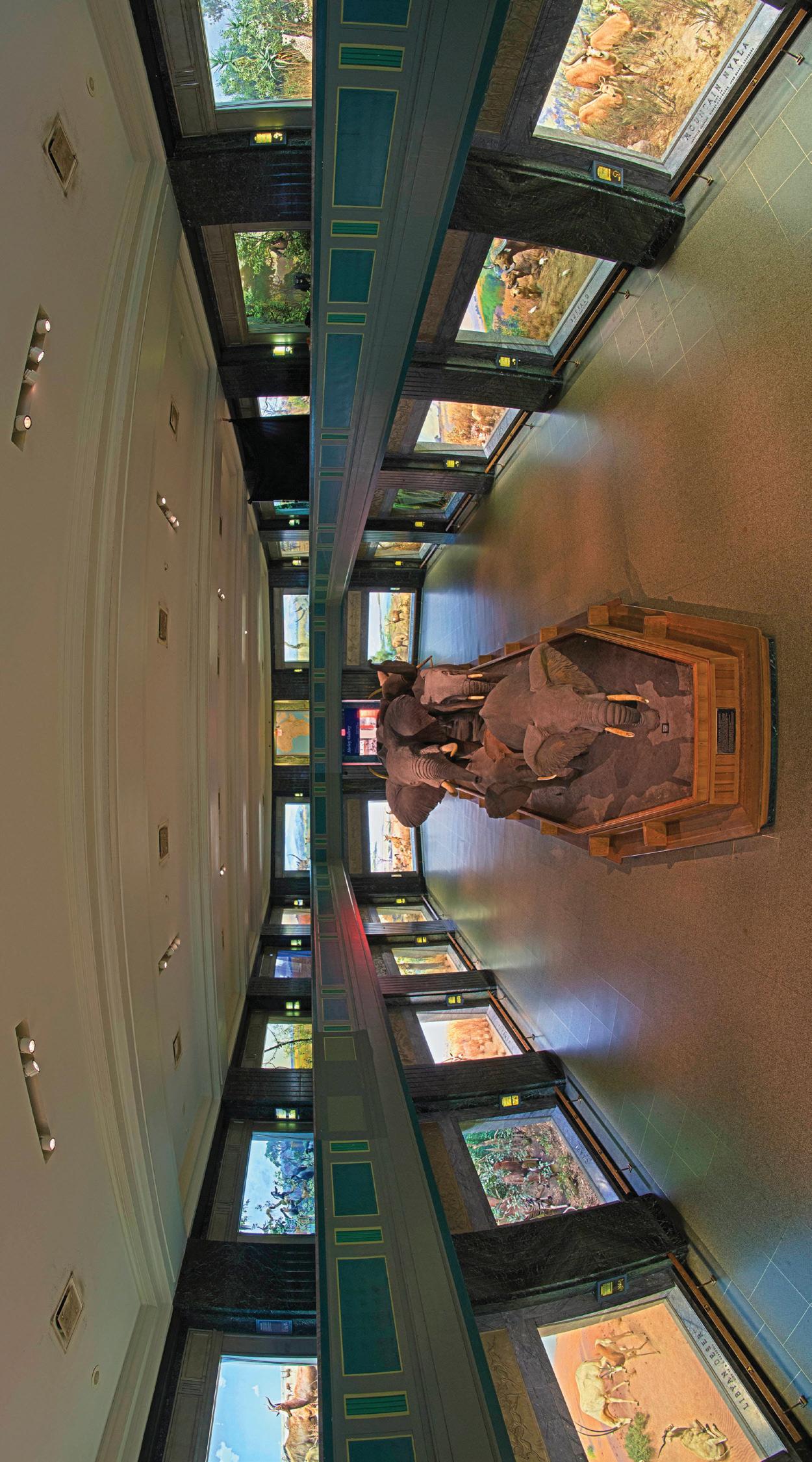
Color Figure 1 The Akeley Hall of African Mammals at the American
160120_ 6387edit.jpg.
Museum of Natural History. American Museum of Natural History Library.
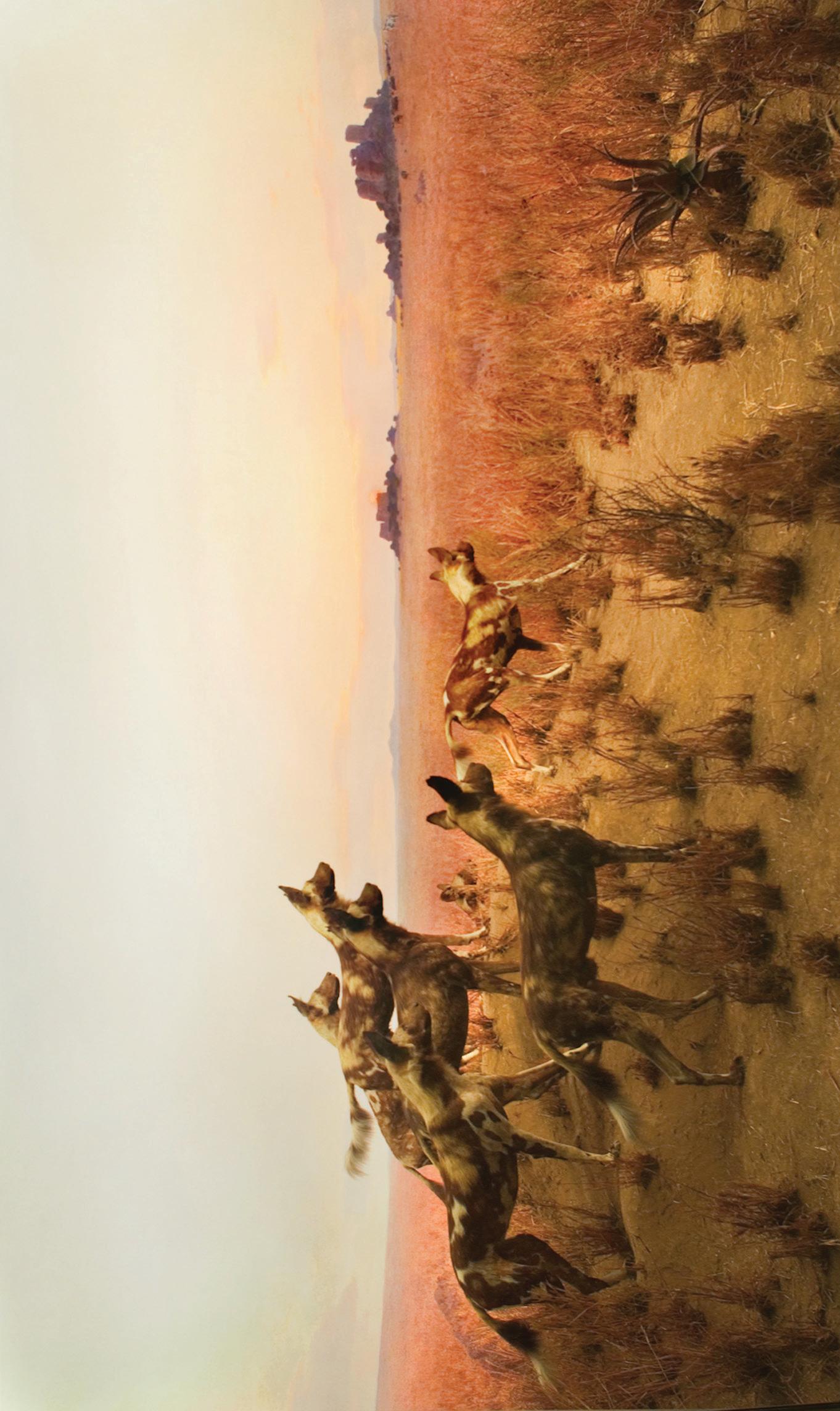
Color Figure 2 The “Hunting Dogs” diorama at the American Museum of Natural History.
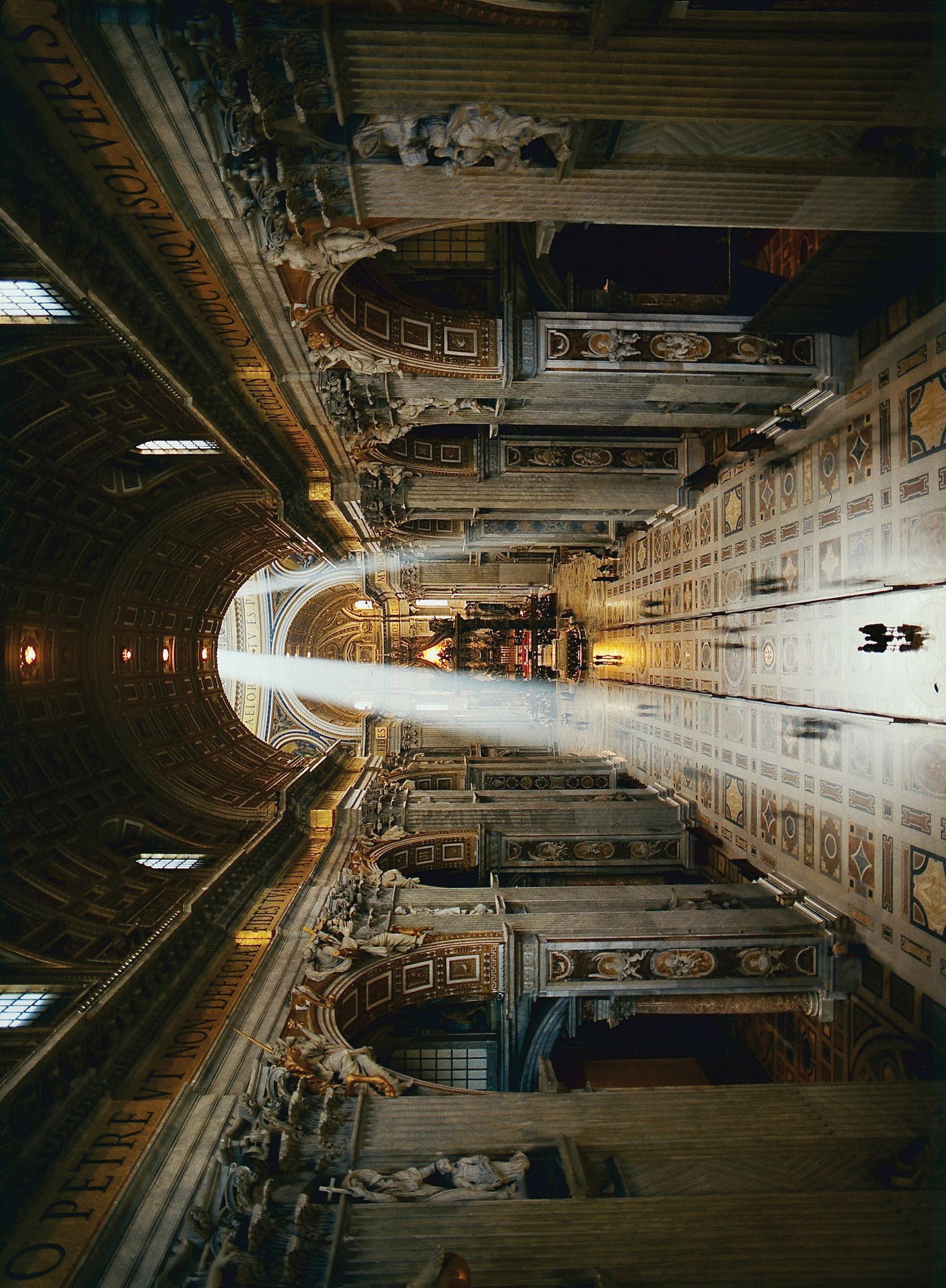
Color Figure 3 Inside St. Peter’s Basilica at the Vatican in Rome, from Ron Fricke’s Samsara (2011).
Courtesy Ron Fricke.
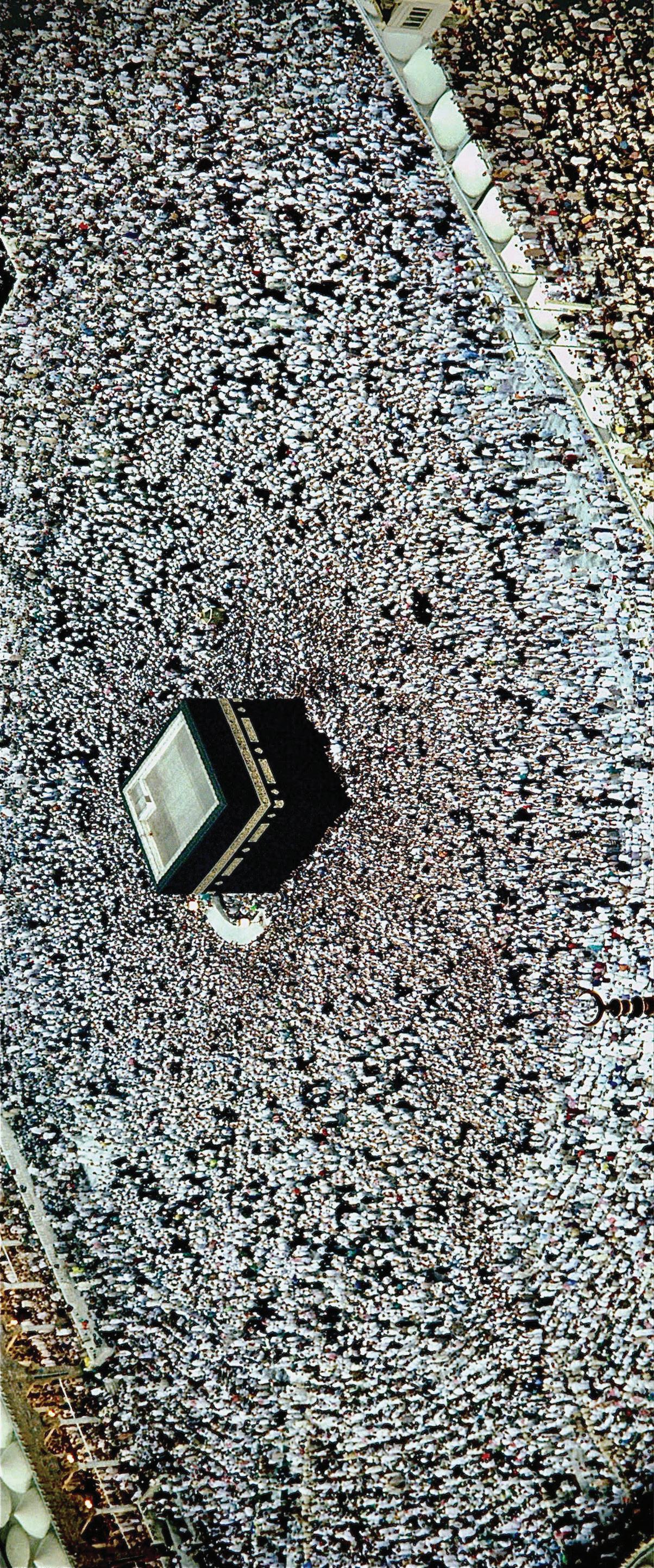
Color Figure 4 The hajj at the Masjid AlHaram Mosque, Mecca, Saudi Arabia, filmed from the top of the Makkah Royal Clock Tower hotel (built by the Saudi Binladen Group), in Ron Fricke’s Samsara (2011). Courtesy Ron Fricke.
(a)
(b)
(c)
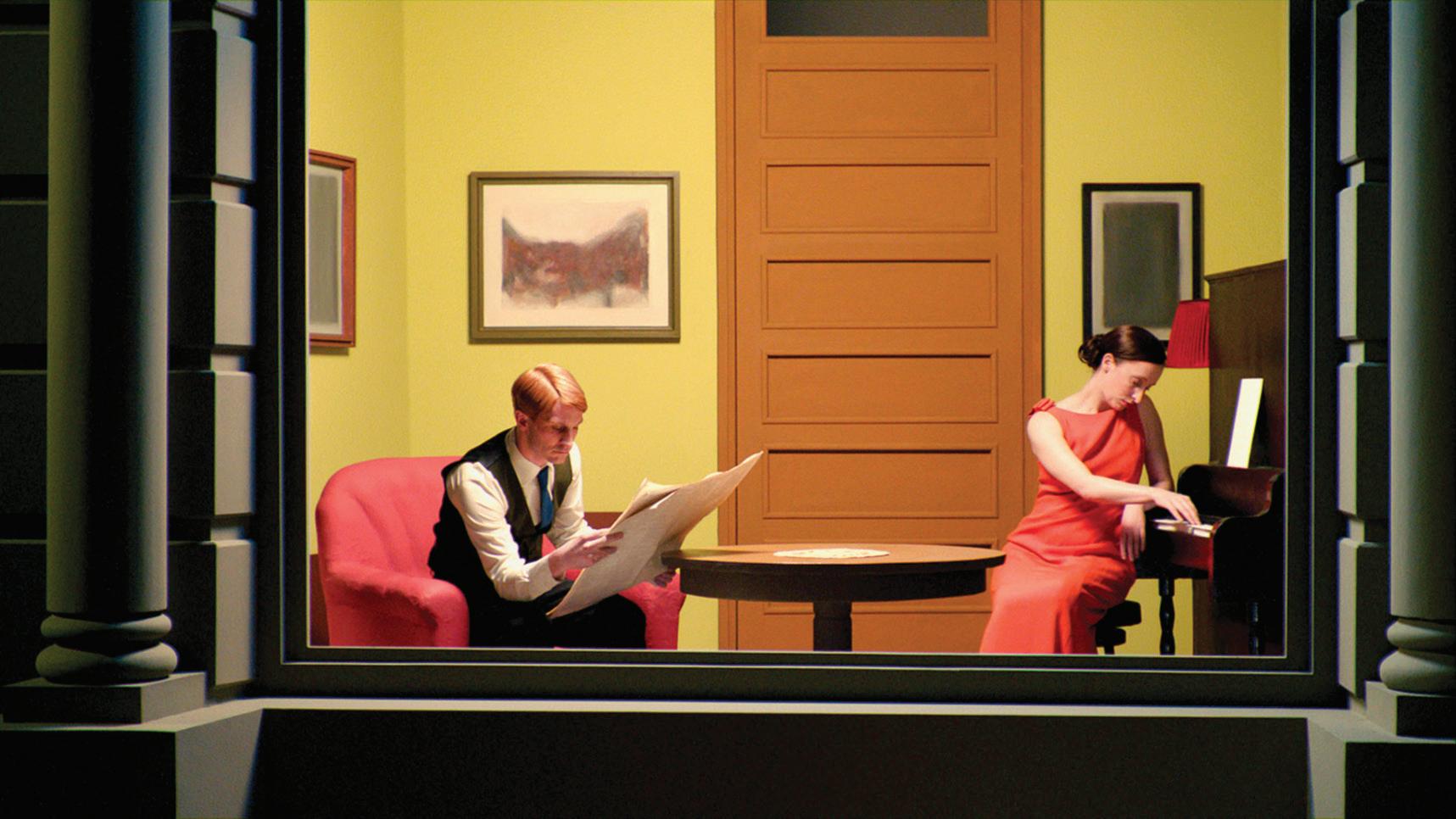
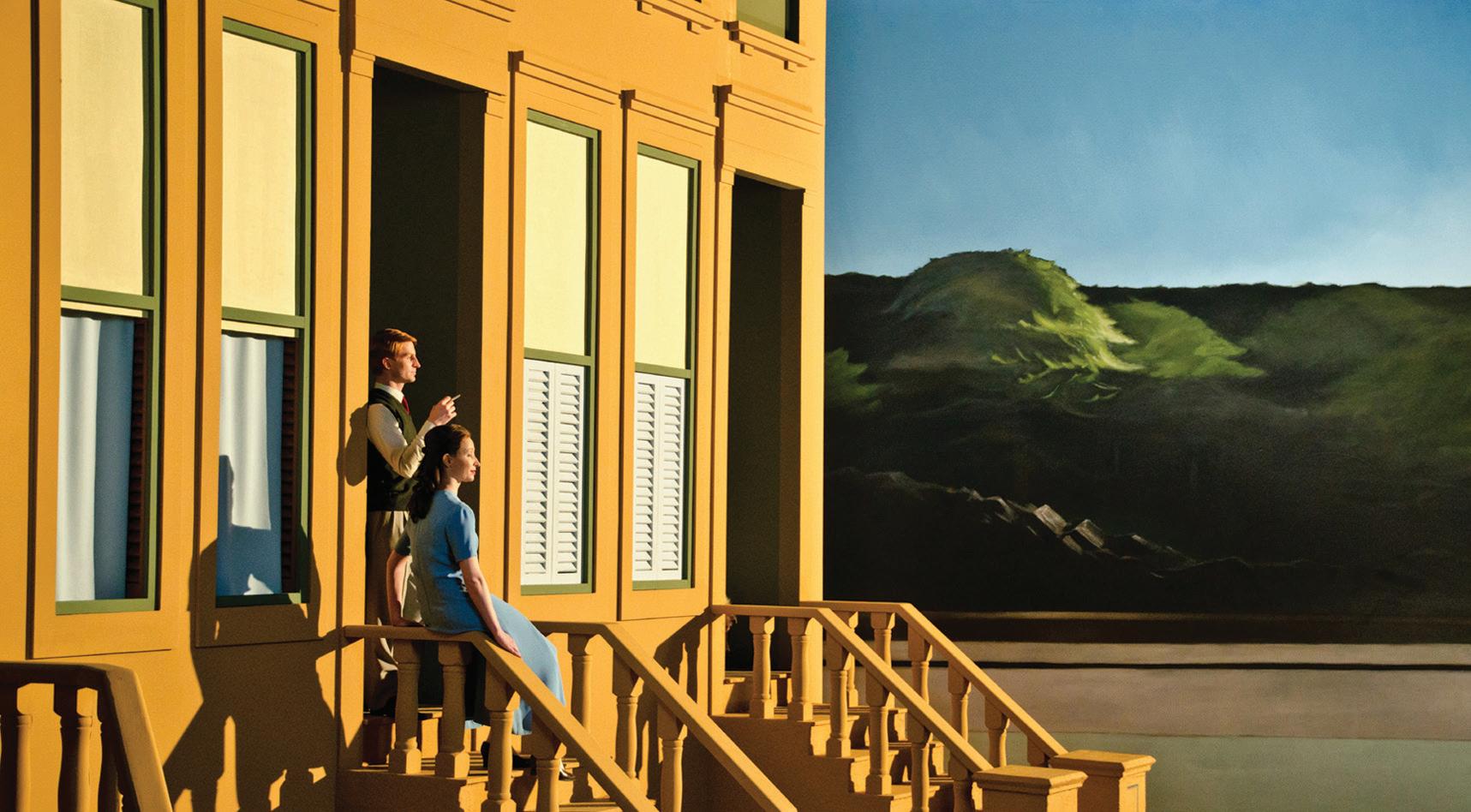
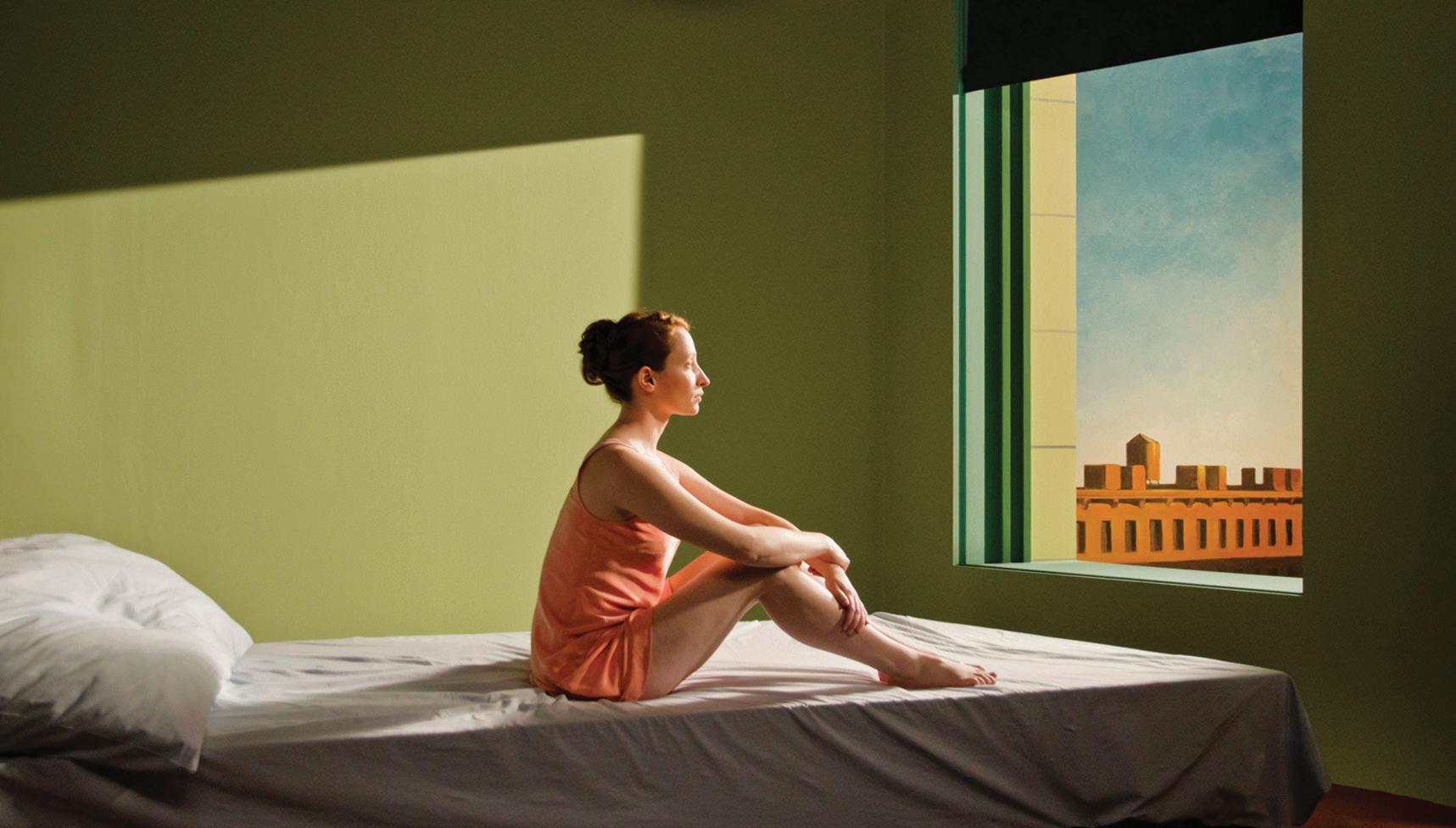
Color Figures 5a,b,c Cinematic versions of three Edward Hopper paintings, in Gustav Deutsch’s Shirley—Visions of Reality (2013). Courtesy Gustav Deutsch.
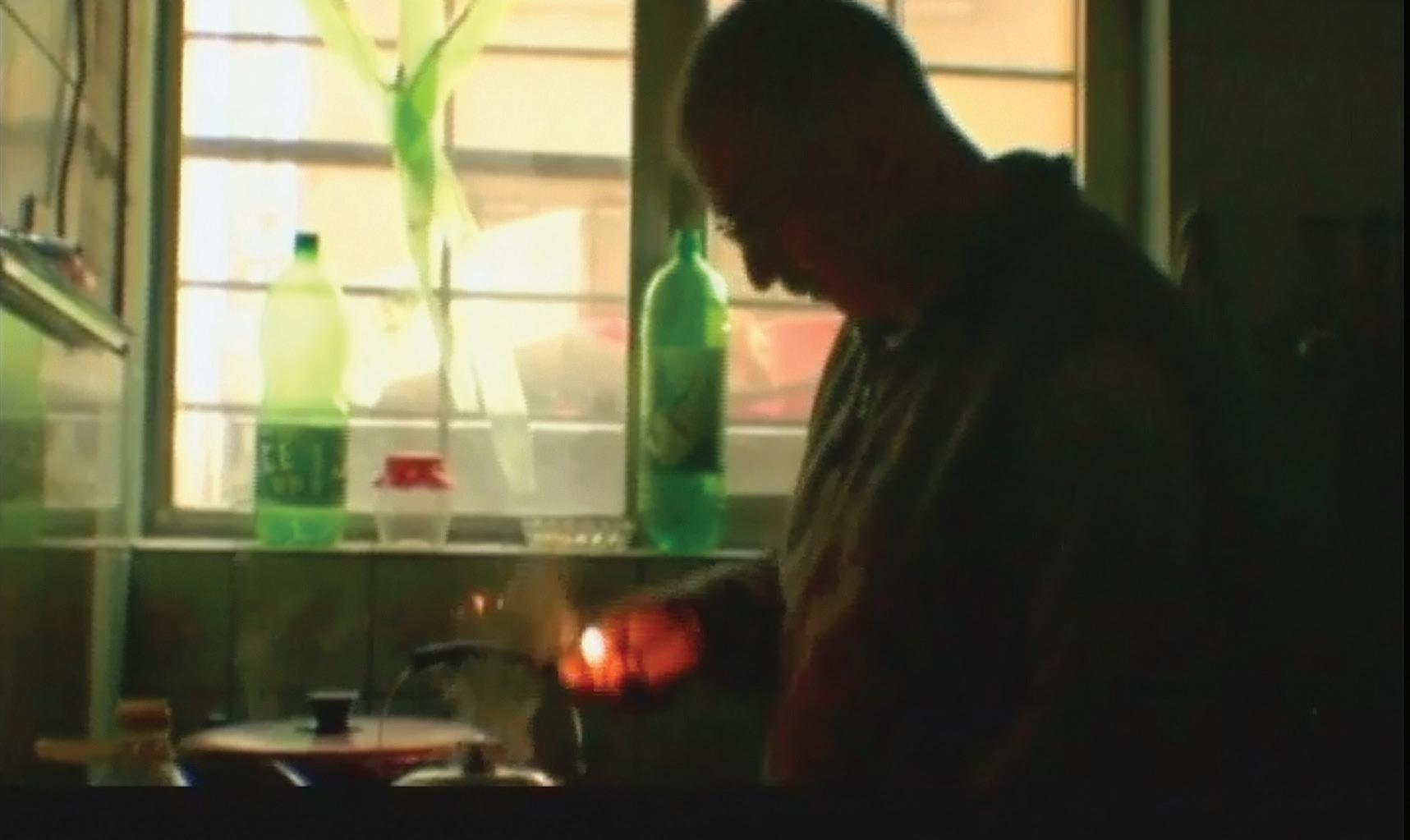
Color Figures 6a,b (above) Dr. Riyadh making tea on the morning of the Iraqi election, in Laura Poitras’s My Country, My Country (2006); (below) Lindsay Mills and Ed Snowden in their Moscow apartment, at the end of CITIZENFOUR (2014). Courtesy Laura Poitras.
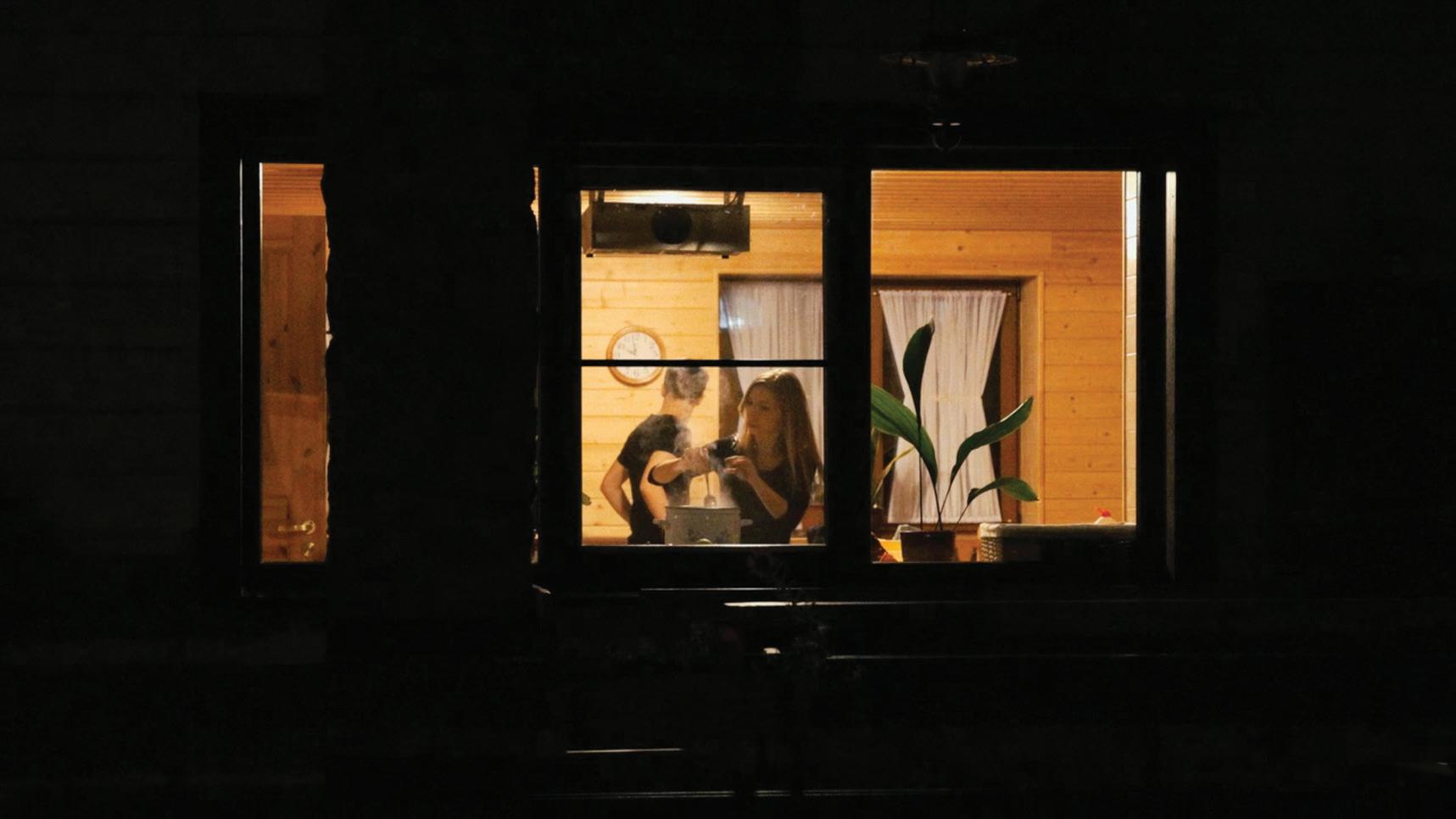
Color Figure 7 From Geyrhalter’s Homo Sapiens (2016). Courtesy Nikolaus Geyrhalter.
(a)
(b)
(c)
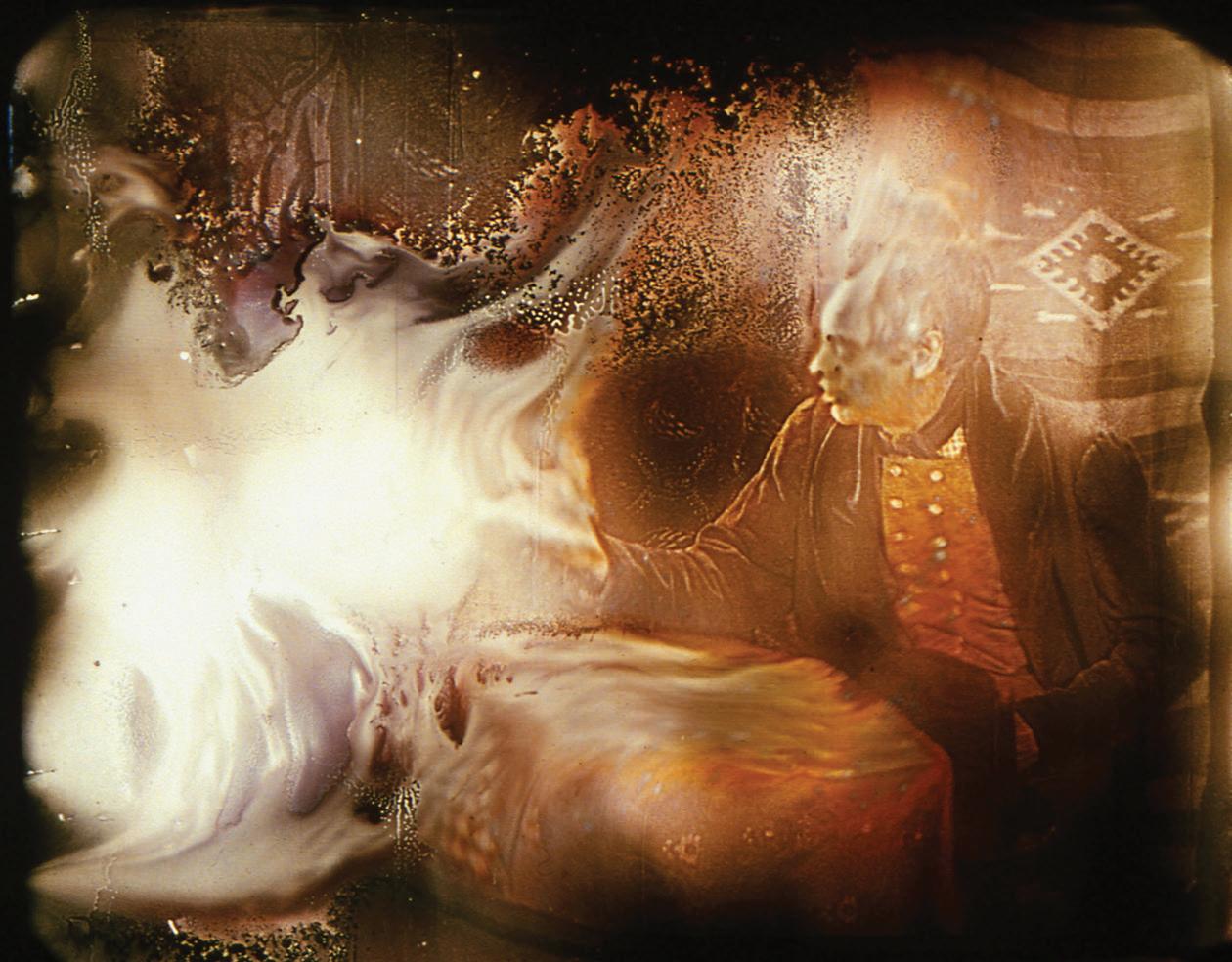
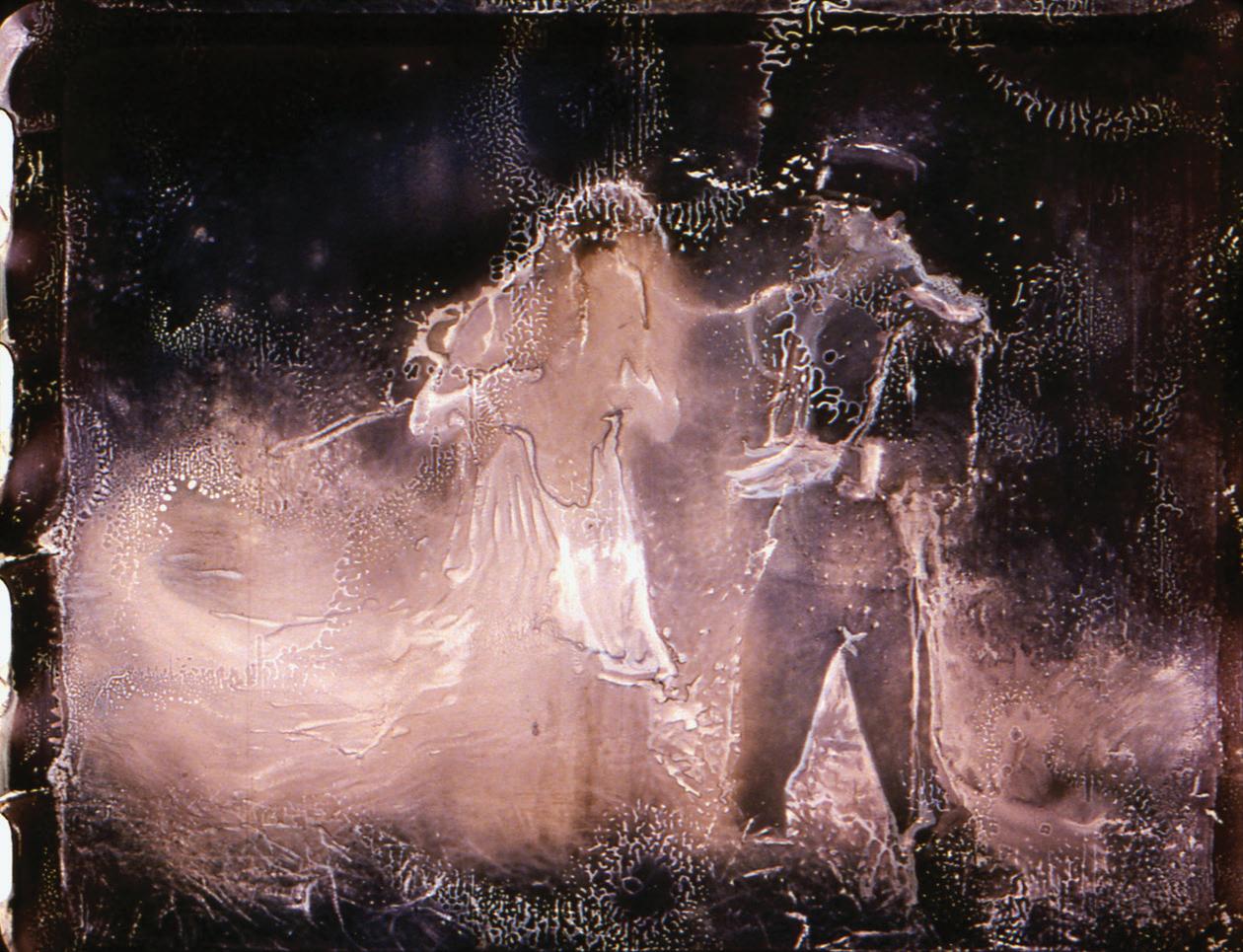
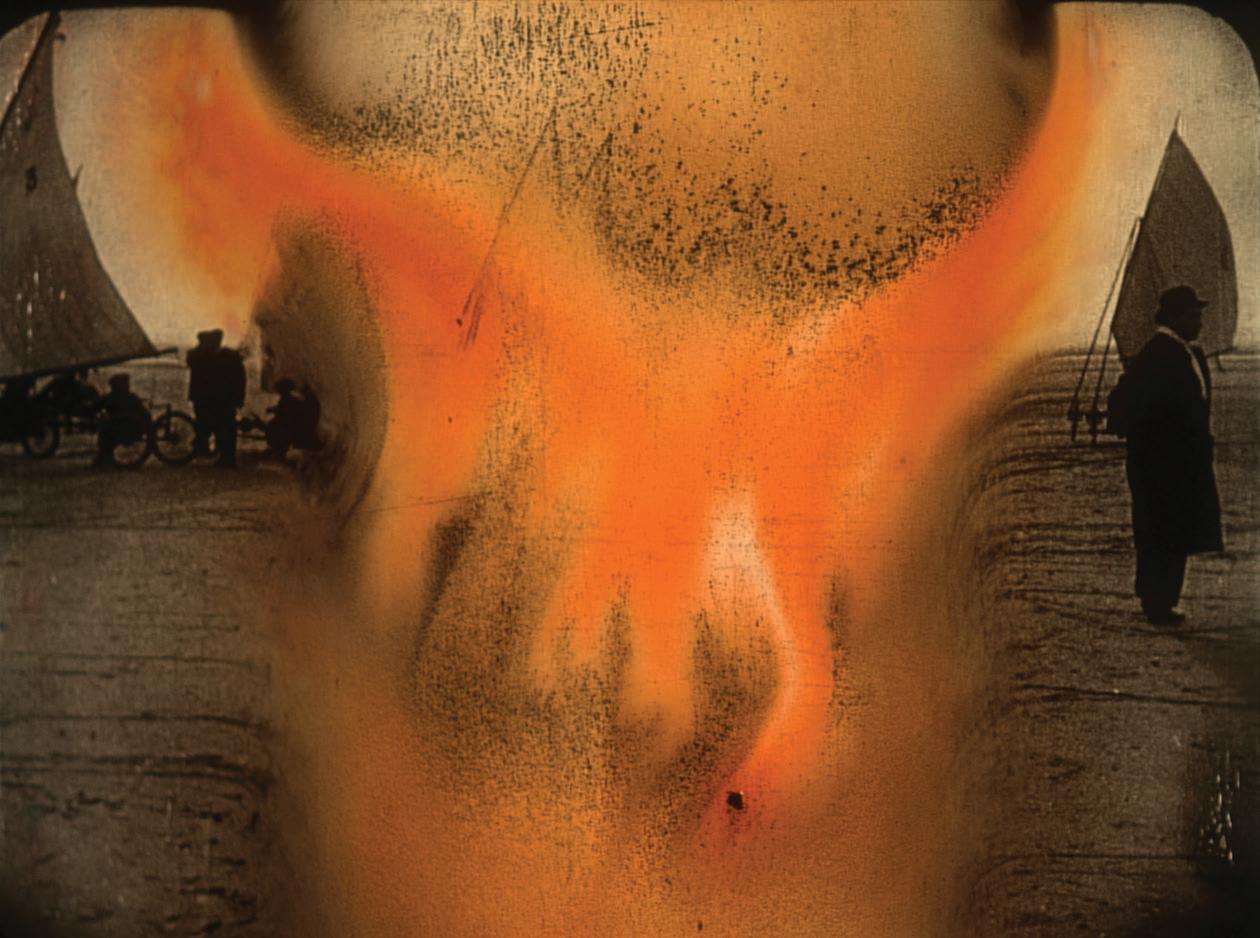
Color Figures 8a,b,c Time-damaged frames in Bill Morrison’s The Mesmerist (2003), Light Is Calling (2004), and Tributes—Pulse (2011). Courtesy Bill Morrison.
(a)
(b)
(c)
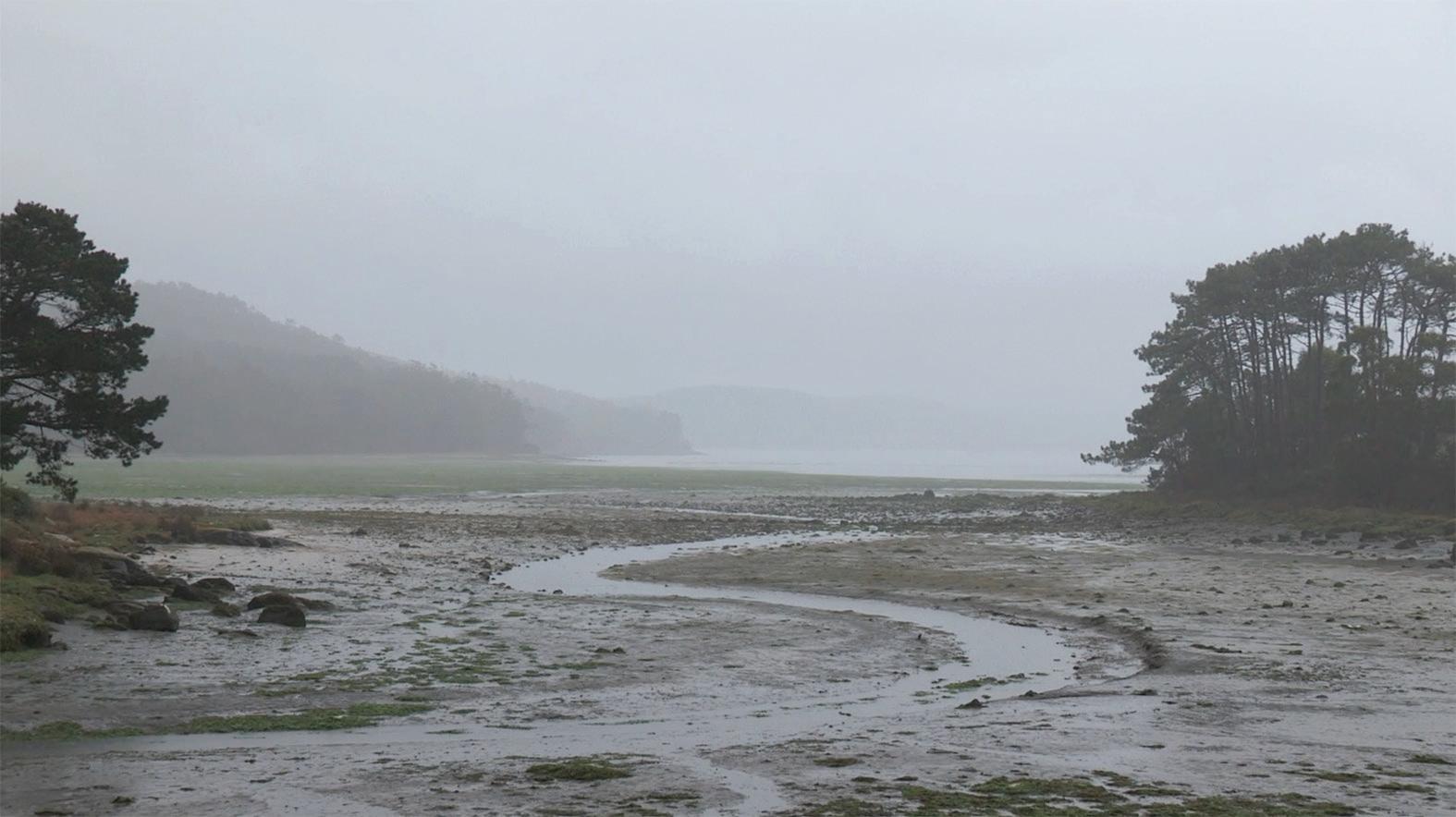
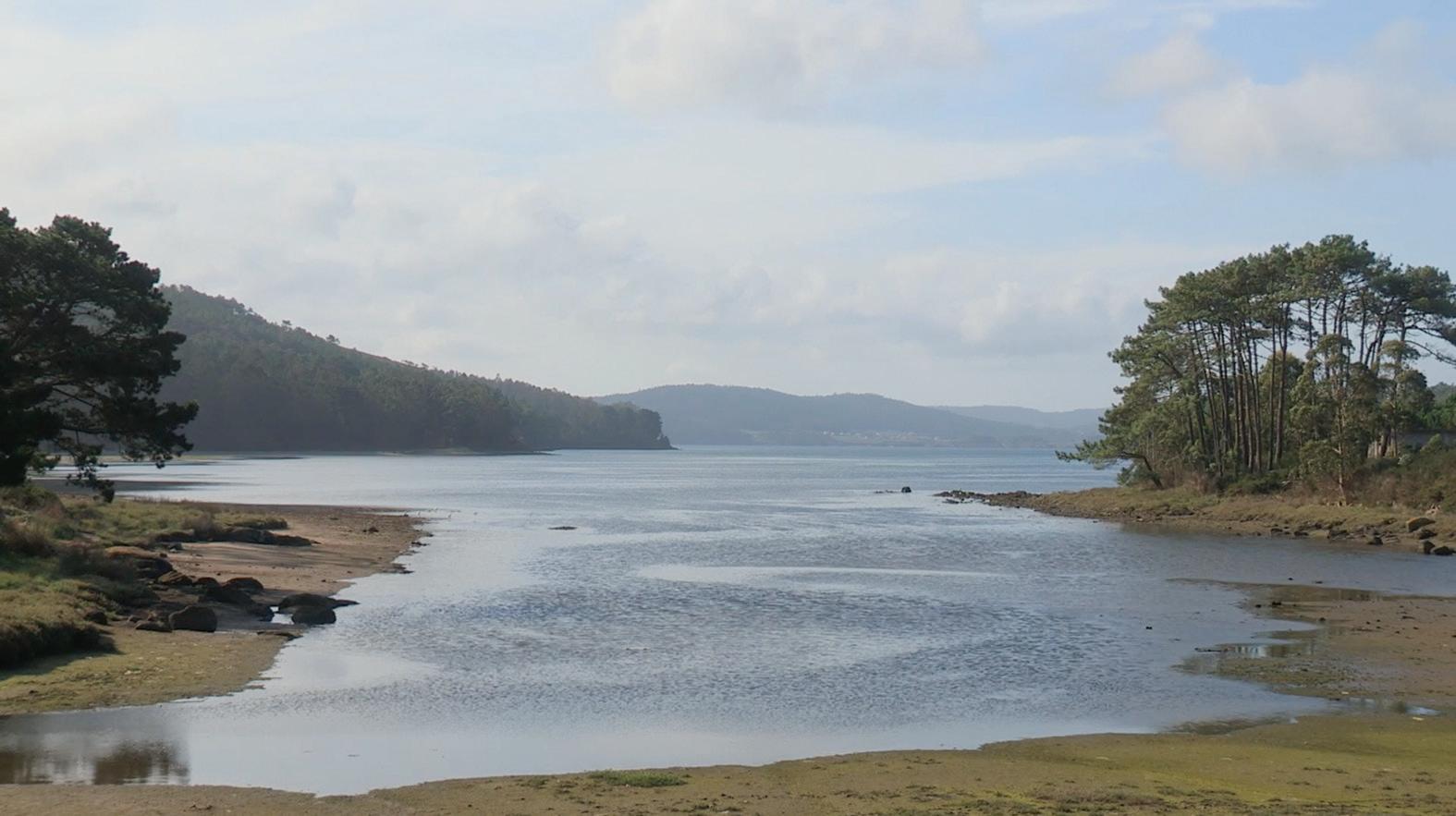
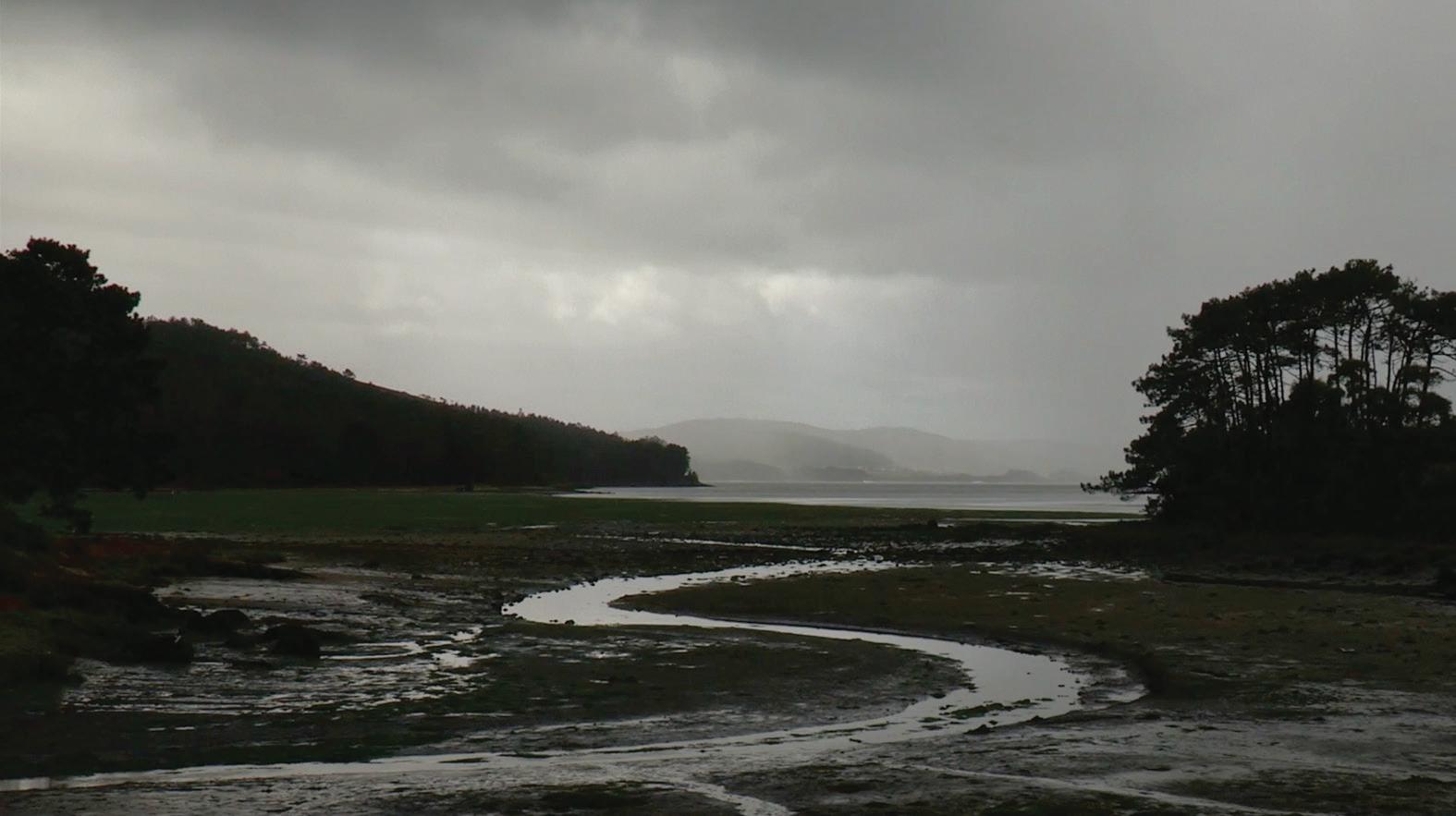
Color Figure 9a,b,c Changing Galician landscape, an homage to Sharon Lockhart’s Double Tide (2009), in Lois Patiño’s Costa da muerte (2013). Courtesy Lois Patiño.
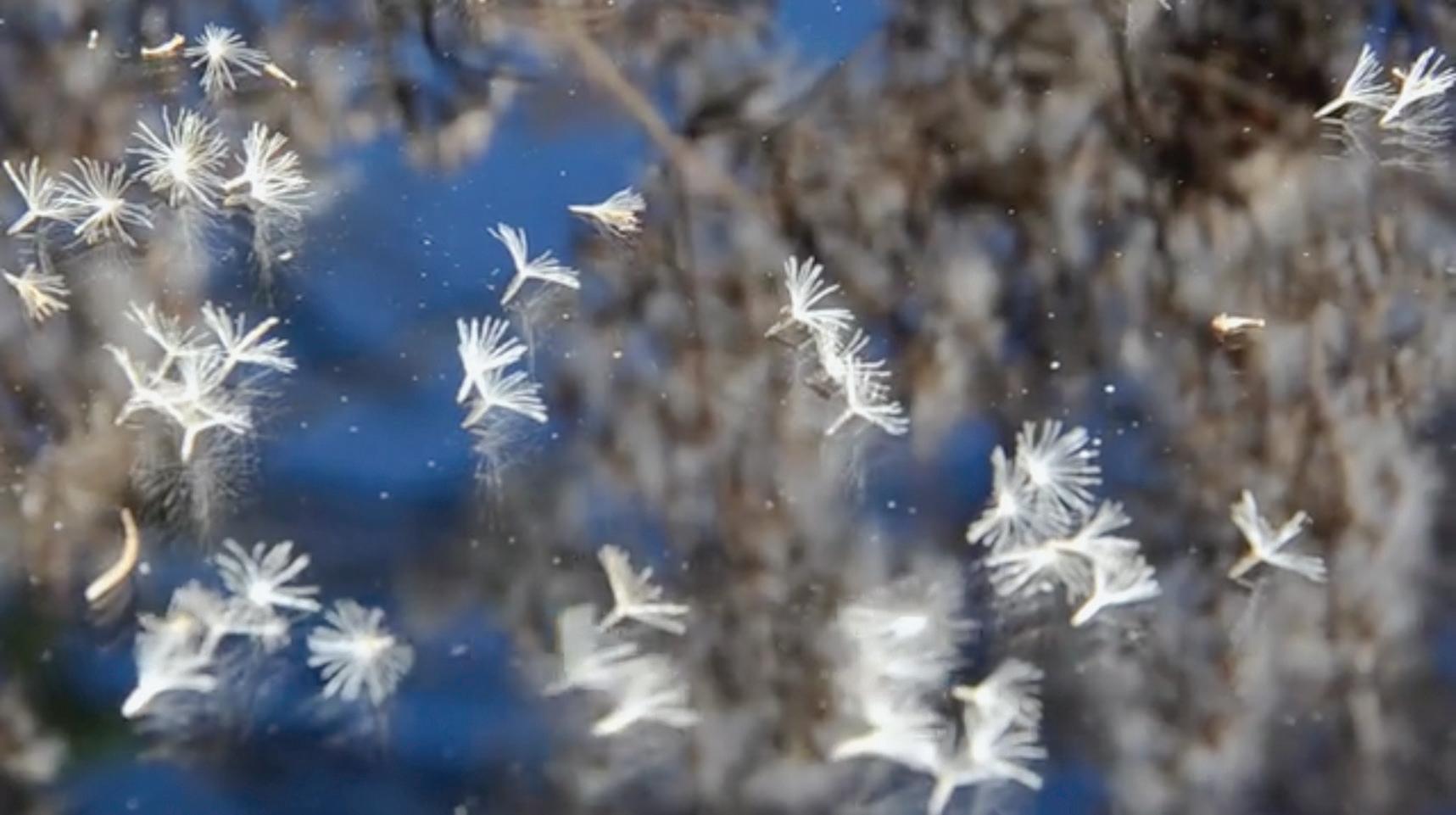
Color Figures 10a,b Images filmed by Erin Espelie, using her iPad as a reflecting mirror, in The Lanthanide Series (2014). Courtesy Erin Espelie.
(a)
(b)
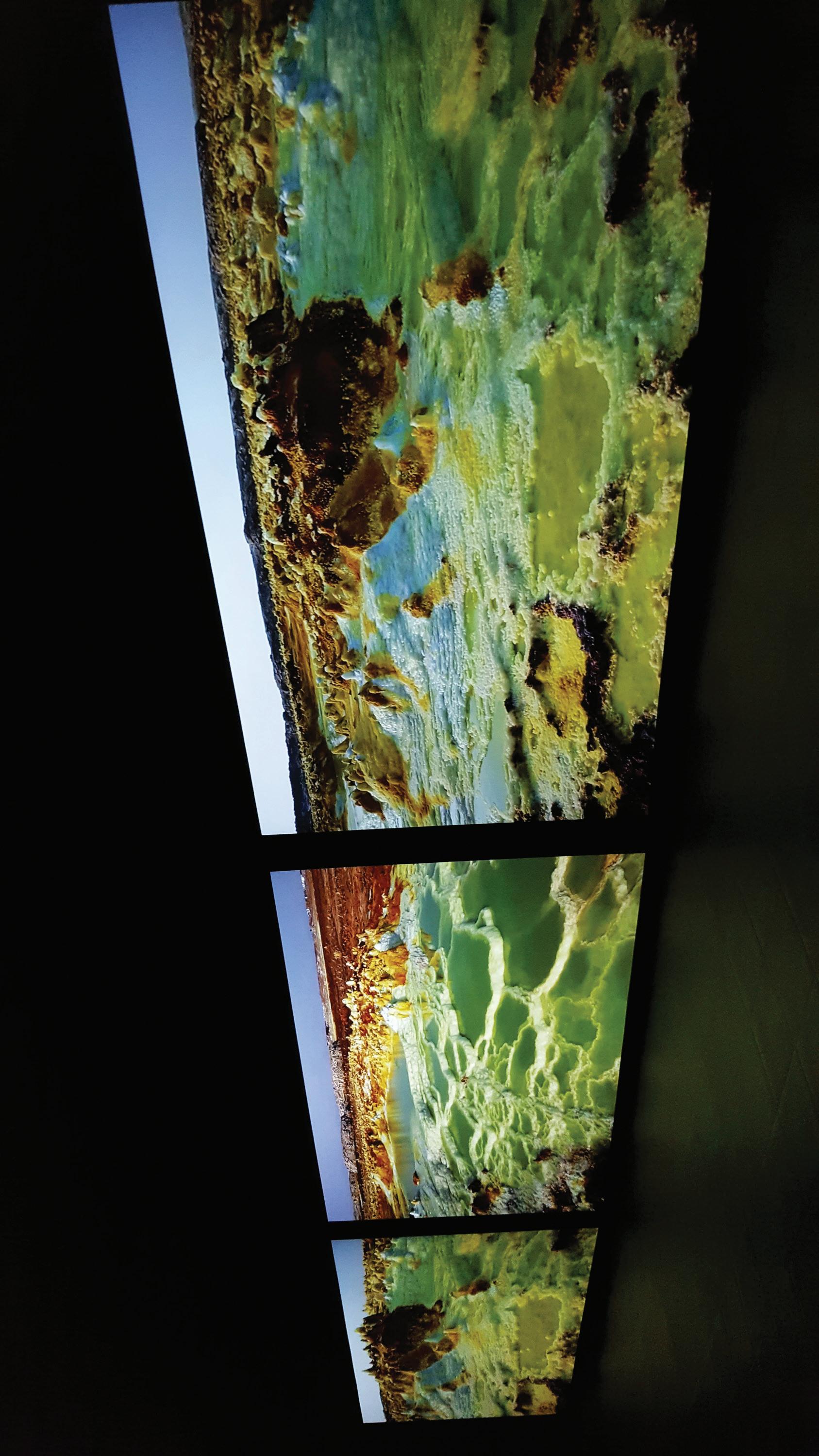
Color Figure 11 Installation of Janet Biggs’s Afar (2016), produced for the SCAD Museum of Art in Savannah, Georgia. Courtesy Janet Biggs.
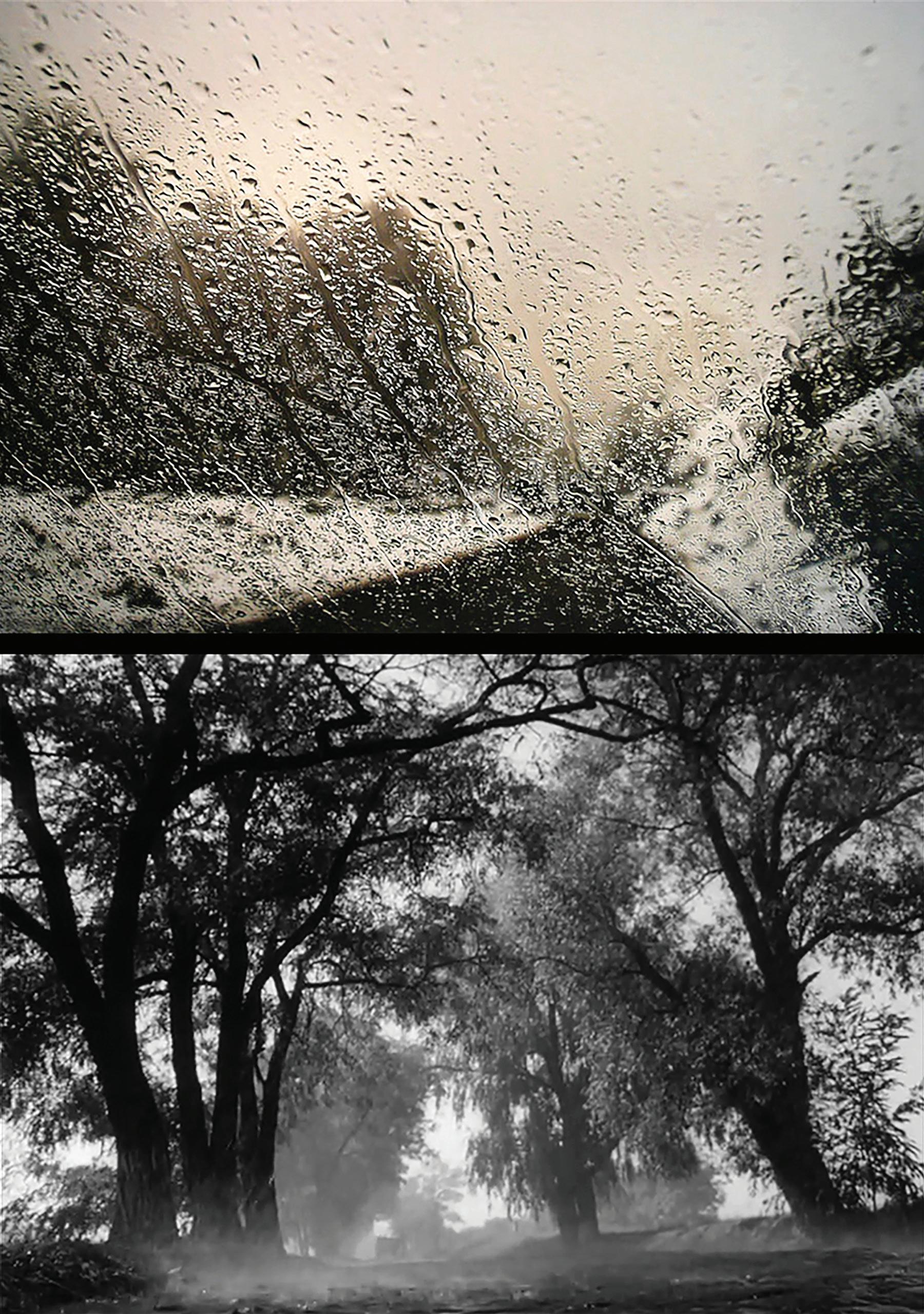
Color Figure 12 Successive images from Carlos Adriano’s Sem Título #4: Apesar dos Pesares, na Chuva há de Cantares (2018, Despite the Sorrows, Sing in the Rain): (above) a photograph by Kiarostami; (below) a frame from Andrei Tarkovsky’s Ivan’s Childhood (1962). Courtesy Carlos Adriano.
(b)
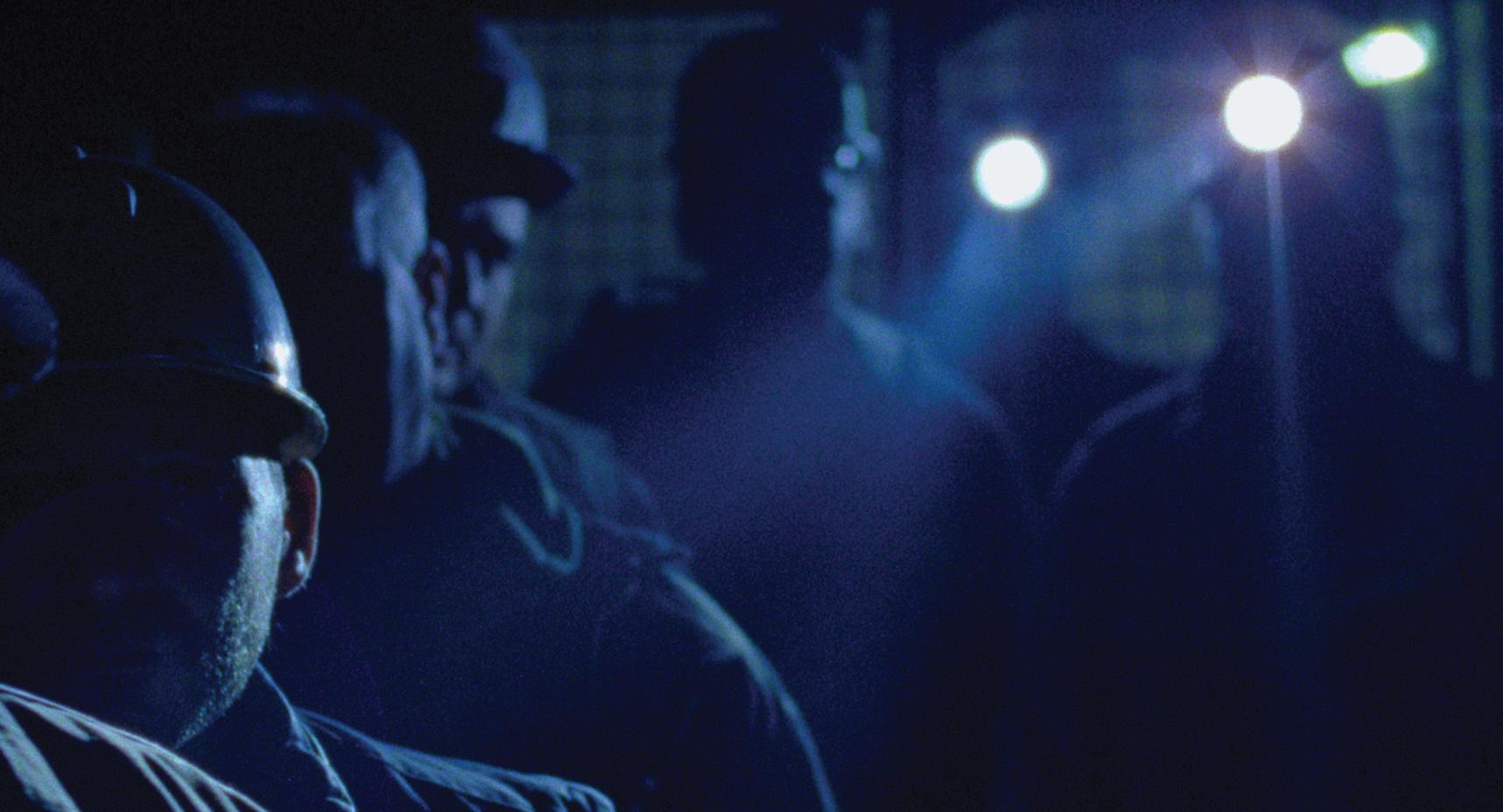
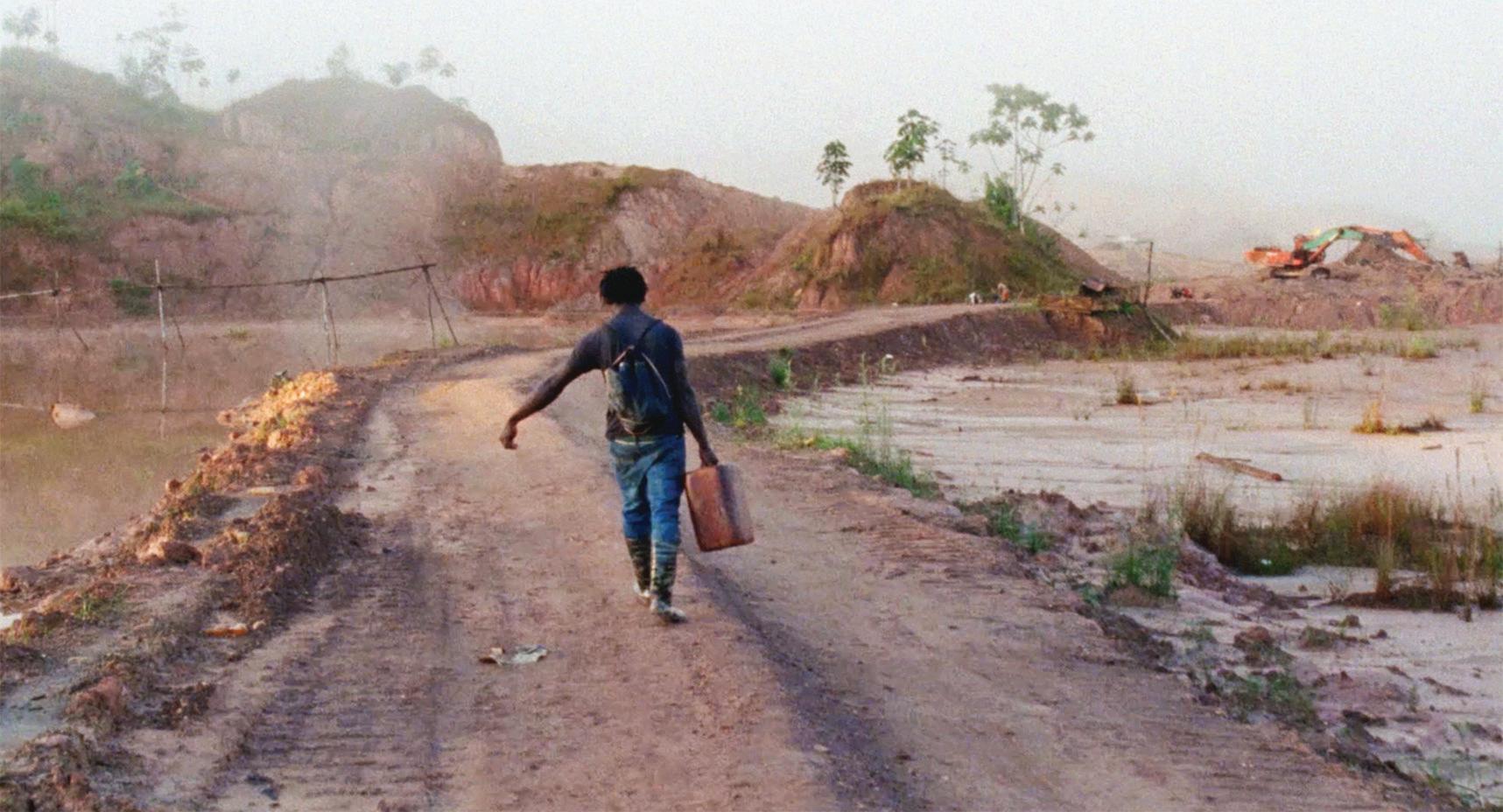
Color Figures 13a,b (above) Workers on an elevator in the underground RTB Bor copper mine in Serbia; (below) worker arriving at the Kiiki Negi surface gold mine in Suriname, in Ben Russell’s Good Luck (2018). Courtesy Ben Russell.
(a)
(b)
(c)
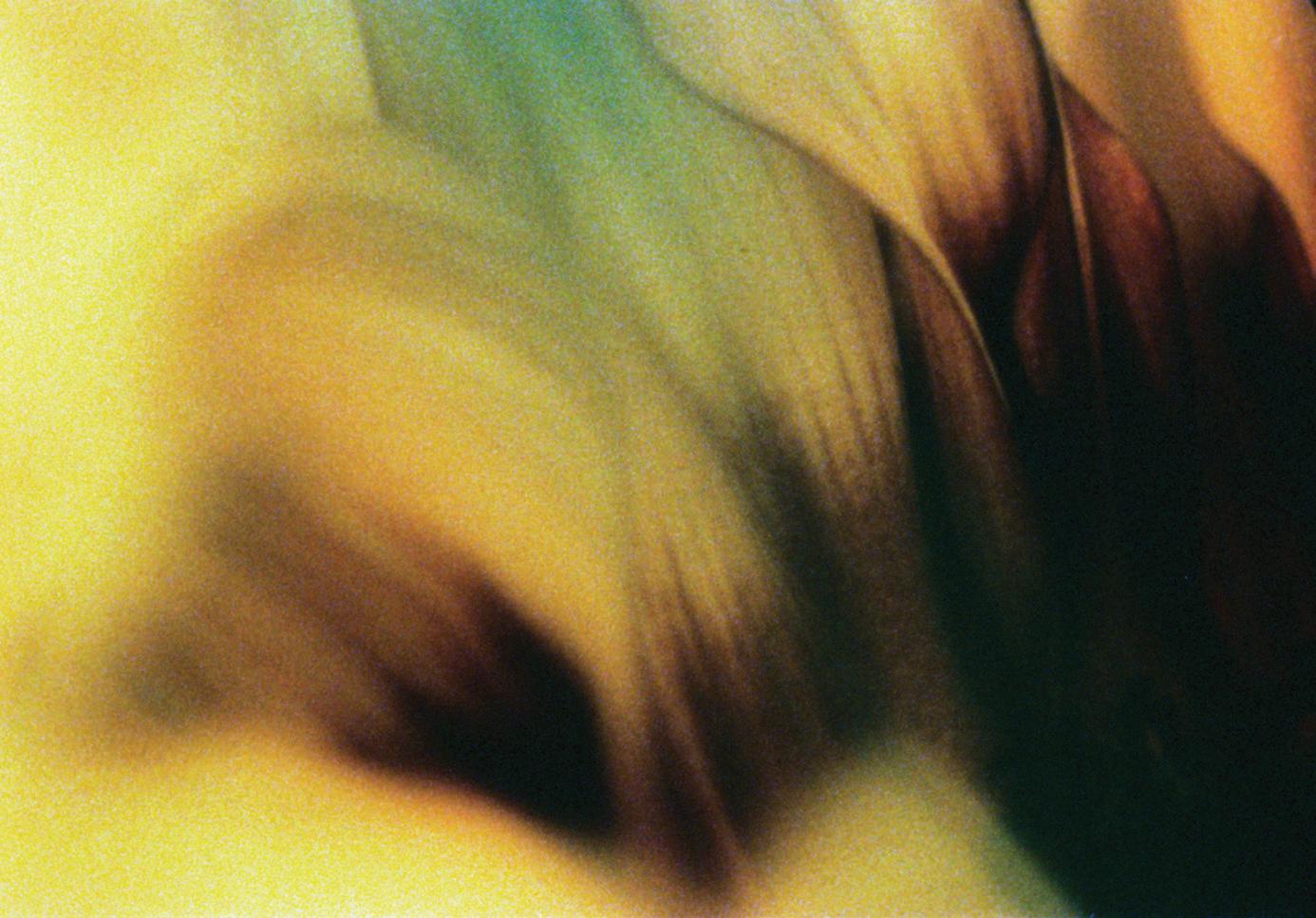
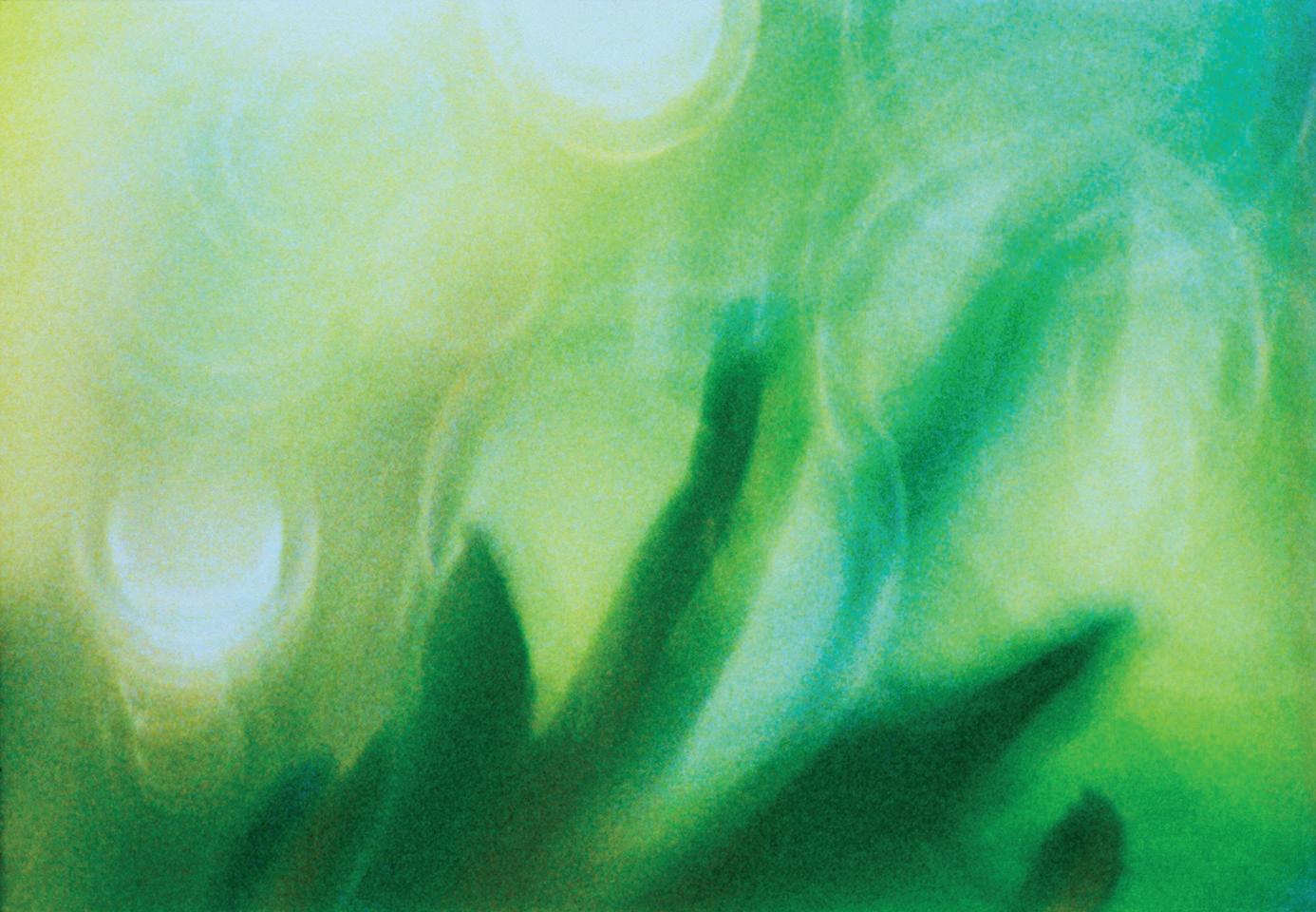
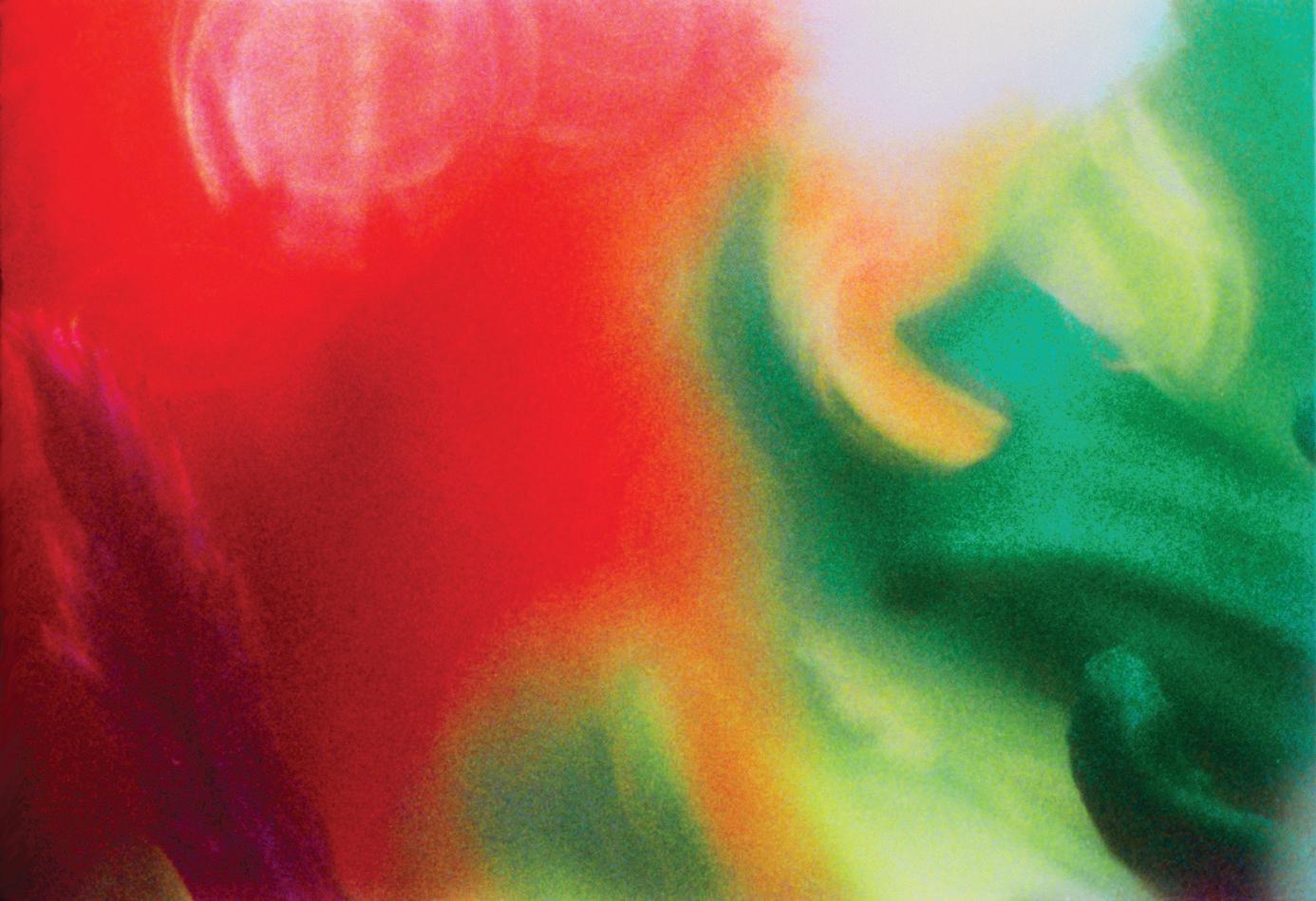
Color Figures 14a,b,c From Betzy Bromberg’s Glide of Transparency (2017). Courtesy Betzy Bromberg.
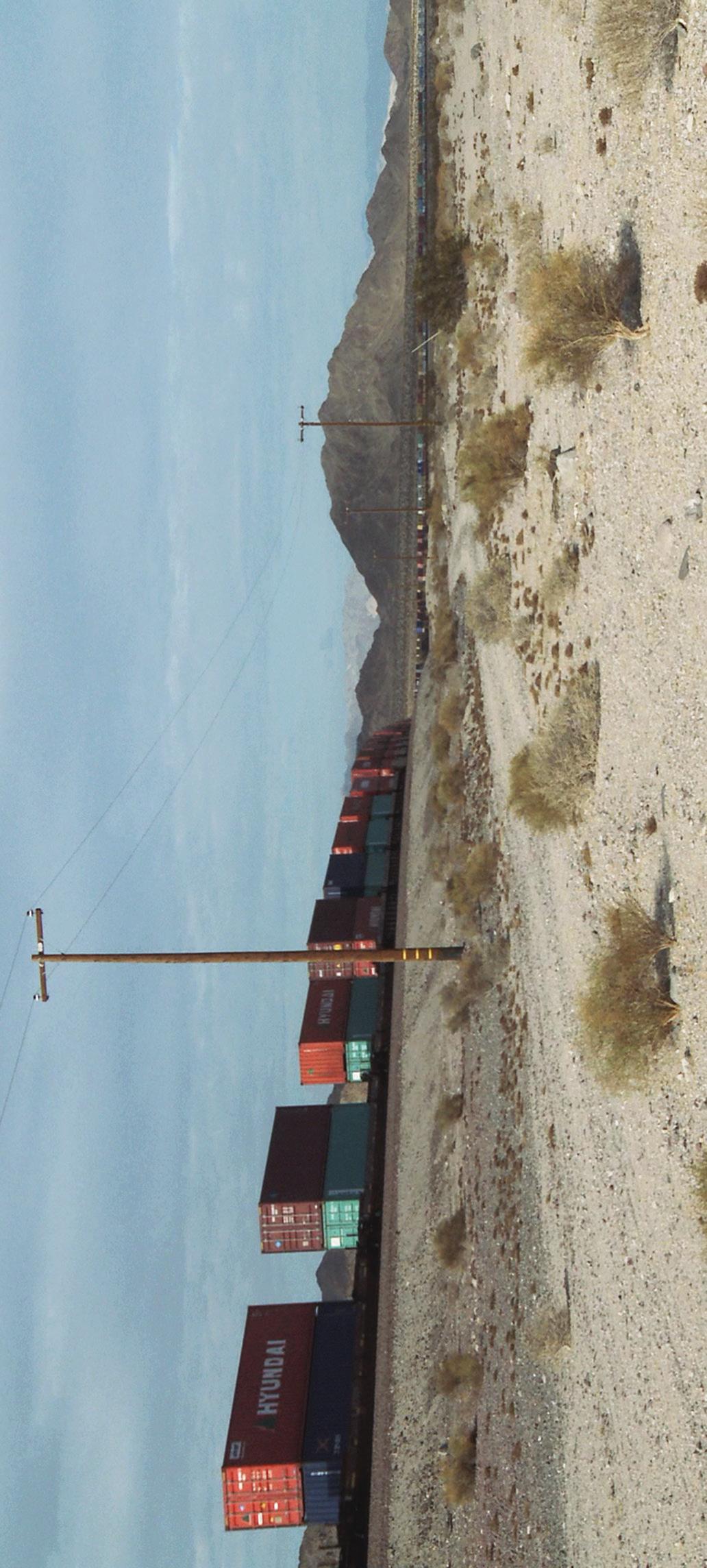
Color Figure 15 The California desert landscape in James Benning’s BNFS (2012). Courtesy James Benning.
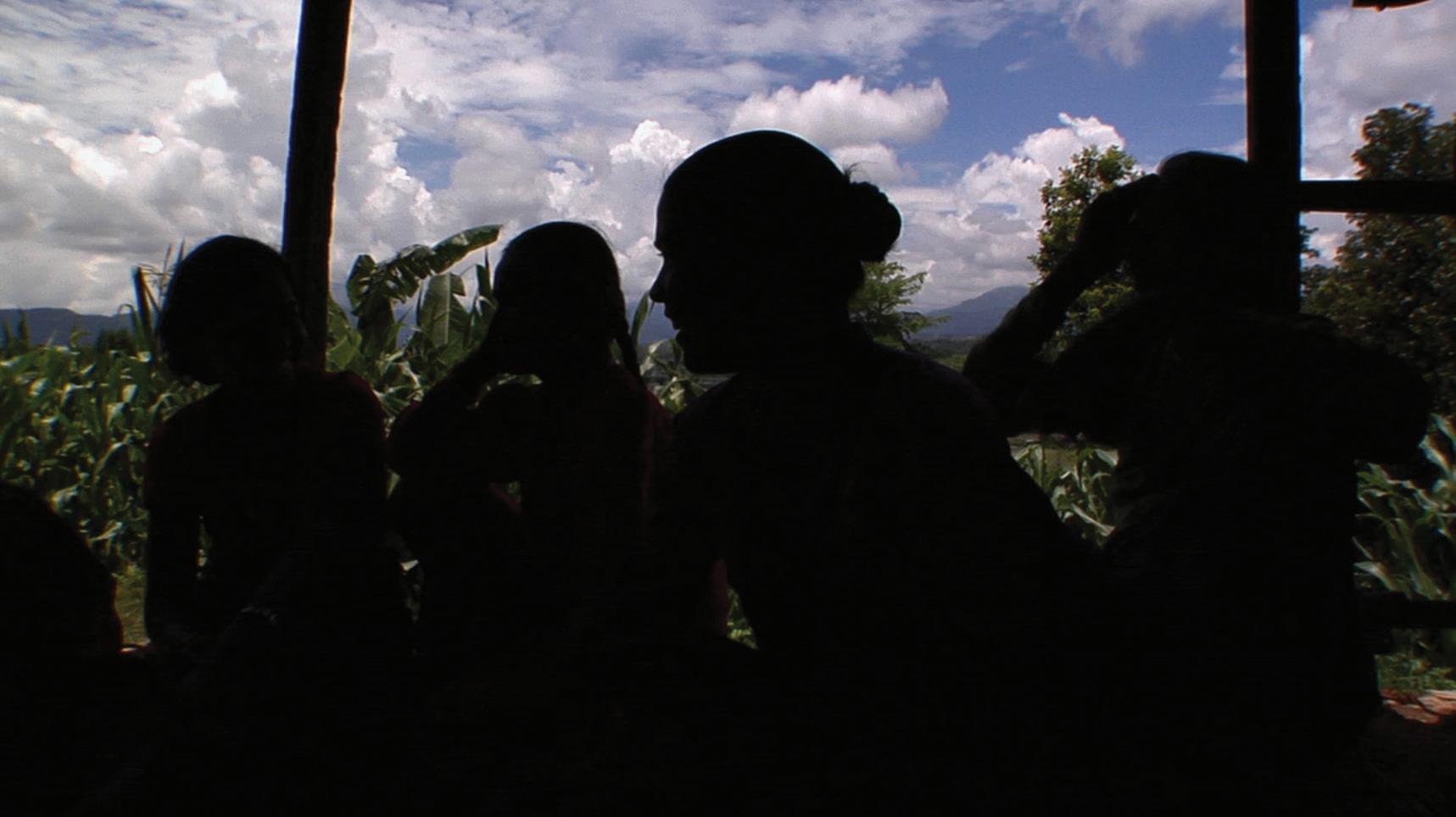
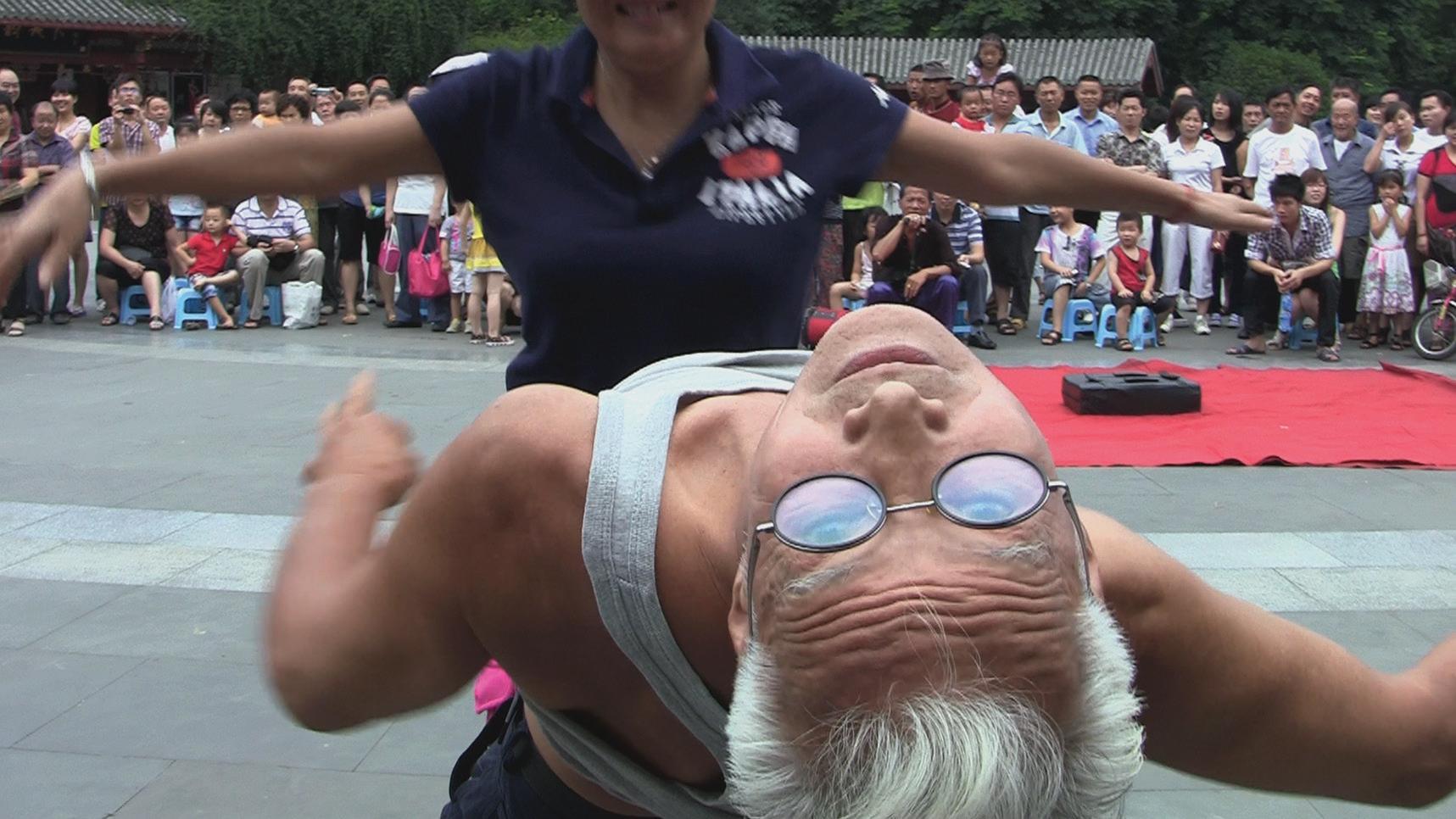
Color Figures 16a,b (above) Nepalese women talking about dildos in Stephanie Spray’s As Long as There’s Breath (2009). Courtesy Stephanie Spray. (below) Final image in J. P. Sniadecki and Libbie Dina Cohn’s People’s Park (2012). Courtesy J. P. Sniadecki, Libbie Dina Cohn.
(a)
(b)
Introduction
Perhaps the term is unsatisfactory, but for me the distinction between the words document and documentary is quite clear.
Joris Ivens , The Camera and I1
Rather than limit consideration to the obvious contemporary examples of immersive and interactive spectating, it’s more important I believe to search for historical precursors and architectural spaces that have informed current screen practices and technological attractions.
Alison Griffiths , Shivers Down Your Spine2
It’s not a highway we’re traveling in my films; it’s often a very small, narrow road. But at the same time, we’re also aware of the highway. We don't ignore the highway. It’s very hard to be independent and experimental and totally forget about the highway. The highway gives us the opportunity to know where we are: we look at the highway so that we don't get lost.
Abbas Kiarostami
Those of us who are veterans of the arrival of cinema studies in American academe during the late sixties and early seventies brought with us not just a fascination with film and a hunger to know more about film history, but a demand that cinema and cinema studies be useful, a force for social and political progress. We felt we were in the midst of a cultural revolution, and cinema seemed a part of this. The half-century of dominance of Hollywood entertainment that preceded this moment made our excitement about cinema feel like a guilty pleasure. Conventional entertainment, we’d realized, was propaganda for the status quo. Not surprisingly, we admired European (and Indian, Japanese . . .) art cinema and what was coming to be called American art cinema, because these films seemed more than just entertainment: they were forms of cine-narrative that built on the centuries-old traditions of literary narrative that had contributed to our awareness of human psychology, dramatized social issues, and often modeled progressive human development and action. Many of us were also becoming fascinated with what was variously called “experimental film,” “underground film,” “avant-garde film” because these films offered in-theater critiques of conventional film and television entertainment. My coining of “critical cinema” for a series of interviews with these
1. Joris Ivens, The Camera and I (New York: International Publishers, 1974): 137.
2. Alison Griffiths, introduction to Shivers Down Your Spine: Cinema, Museums, and the Immersive View (New York: Columbia University Press, 2008): 2.