ForI.B.
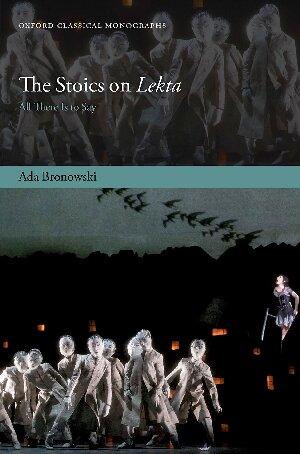
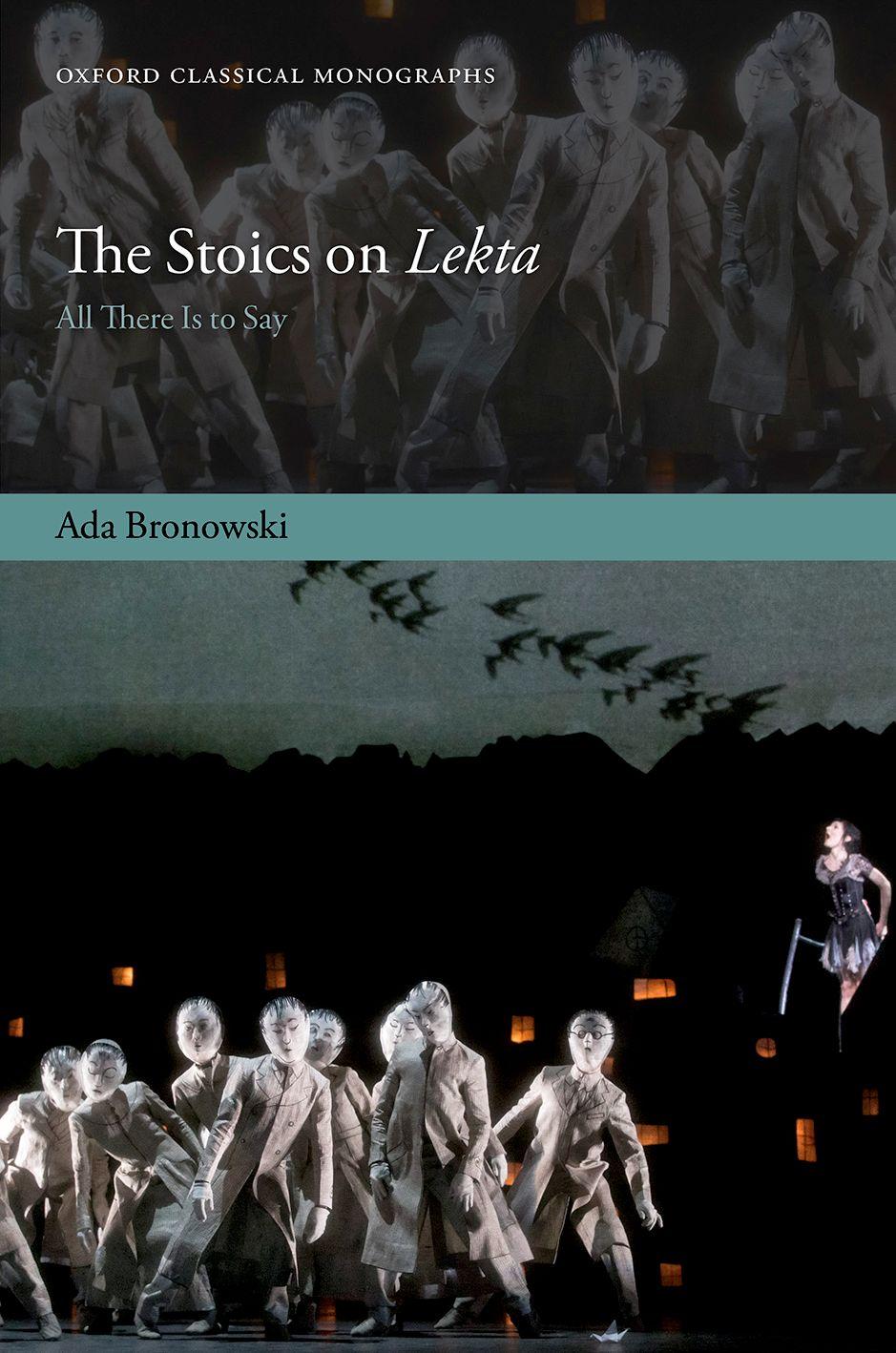
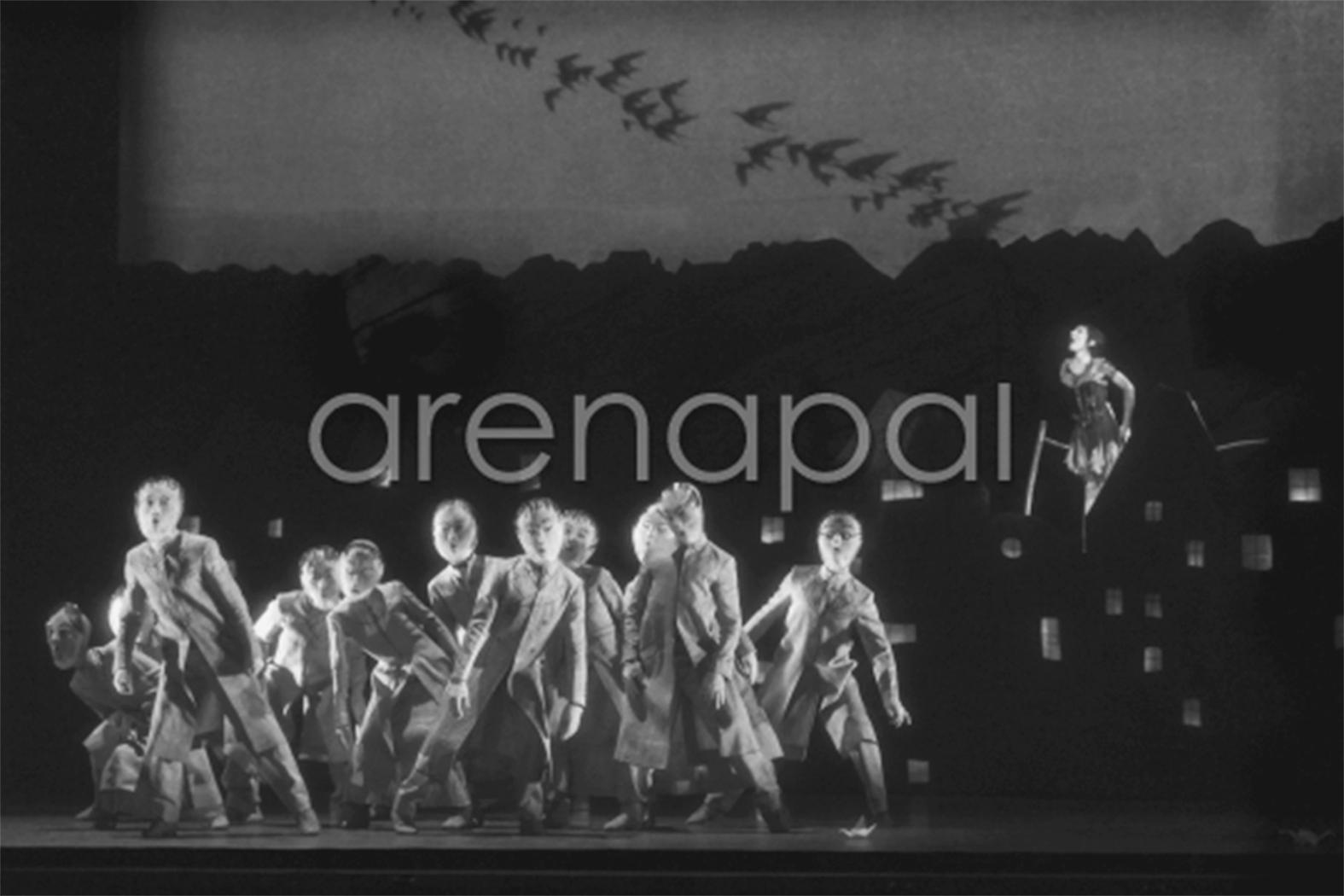
Stillfrom RavenGirl,balletcreatedbyWayneMcGregorfortheRoyalBalletin2013.
Acknowledgements
Thisbookisarevisedversionofmydoctoralthesis.Itbeganunderthe supervisionofMichaelFredewhowasanawe-inspiringmodel,notonlyfor hisownstudents,butforanyonestudyingancientphilosophy.Iwaslucky enoughtobehislaststudent.Histragicdeathdevolvedontomethesenseofa responsibility,an officium asCicerowouldsay,tocarryouttheunfinished workbegununderhisguidance.TheworkcontinuedthankstoJonathan Barnes,whowasmorethangenerousintakingovertheroleofsupervisor. Iwasprivilegedtoprofitfromhisunlimitedknowledgeandhisidiosyncratic combinationofkindnessandsharpnessofmind.
Ireceivedprobingandhelpfulquestionsandcommentsfrommydoctoral examinersBenjaminMorisonandTobiasReinhardt,whosesupportand encouragementhavebeeninvaluable.SusanneBobzienrananOckham’ s razorthroughthe firstversionofthemanuscript.Icannotthankherenough forthatinitialreading,towhichmuchofthepresentbookisanattemptto respond.
DiscussionsonvariouspartsandideasinthebookwithRickBenitez, CharlesBrittain,PaoloFait,Jean-BaptisteGourinat,VanessadeHarven,and ChristopherShieldshavehelpedmegreatlyinclarifyingthem.Theerudition andenduringfriendshipofmy firstteacherofancientphilosophy,Carlos Levy,havebeenpriceless,asalsothemanyjoyousandinspiringencounters withLauraAnstee,PhilipBullock,DamienCaluori,AnnaCorrias,Stefano Evangelista,LukeFischer,VeroniqueFischer,StephenGaukroger,Daniela Helbig,PatrickJane,ErasmusMayr,CharlotteMurgier,DaliaNassar, NickOwen,HenryPower,ChristopherTietjens,EmiTakeshiTull,Anna Tropia,AnikWaldow,PippaWildwood,andFoscaMarianiZini.Lastbut notleast,Icouldnothavedoneanythingwithouttheconstantsupportofmy belovedfamily.
1.TheInventionoftheSystem:ASystemisaSystemisaSystem17
1.1.TheCritiqueofTripartitioning:ThreePartsdonotMakeaSystem
1.1.1.TripartitioningofWhat?
1.1.2.TheAnalogiesforTripartition
1.1.3.ADiscourseaboutPhilosophyvs.Philosophy Simpliciter: fromPlutarchtoHadot
1.1.4.ChrysippusVindicated,orTripartitionTrivialized
1.1.8.TripartitionintoParts,Topics,orSpecies?
1.2.1.SextusEmpiricus:aHistorianofPhilosophywithanAgenda
andthePeripatetics:WhatisaWhole?
1.3.3.The
1.3.4.The Systēma asStructureoftheCosmos:theCosmicCity
1.3.4.1.TheLocalCityandtheCosmicCity
1.3.4.2.The Systēma,ortheLogicalPrincipleofthe CosmicCity
1.3.5.The Systēma asStructureoftheCosmos:Unityand CosmicSympathy
1.3.6.The Systēma andthePartsofPhilosophy
1.3.7.The Systēma and Lekta
2. Lekta intheStoicOntologicalFramework81
2.1.TheMapoftheLogicalStructure
2.1.1. Logos-reasonand Logos-speech
2.1.1.1.ThereisnoSpecificQuestionofLanguage
2.1.2.TheLogicalStructureofthe Systēma:theDistinction betweenRhetoricandDialectic
2.2.Dialectic
2.2.1.TheDistinctionbetweenSignifierandSignified
2.2.2.TwoKindsof Sēmainomena:Impressionsand Lekta
2.2.3.RationalandIrrationalImpressions
2.2.4.PropositionalContent
2.2.4.1.CanaDoghave Logos?
2.2.4.2.PropositionalContentandPropositions: theRoleof Logos-reason
2.2.4.3.PropositionalContentandPropositions: theRoleofAssent
2.2.5.PropositionalContentandVerbalization:Stoicsand Epicureans
2.2.6. Lekta andImpressions
2.2.7.WhyareImpressionsand Lekta both Sēmainomena?
2.2.7.1.AlternativeConfigurationsoftheLogicalStructure
2.2.7.2.The Sēmainomenon isSaidinManyWays
3.1.BeingaBody
3.1.1.BodyasActiveandPassive
3.1.2.OnaDoxographicalTraditionofthePassivityofBody
3.1.3.TheStoicDefenceofthePassivityofBody
3.1.3.1.BeingConjoined:onBrunschwig’ s ‘GraftofCorporeality’
3.1.3.2.BeingConjoined:ActiveandPassiveTogether
3.1.3.3.ToActorOtherwisebeActedupon,isthatthe QuestionofConjunction?
3.2.TheStoicCriterionforCorporealityandthePlaceof IncorporealsinOntology
3.2.1.TheStoicsandtheGigantomachia
3.2.2.CorporealizationofBeing
3.2.3.IncorporealsinReality:WhatisatStake?
3.2.4.SomethingsandNot-somethings:inDefenceoftheReality ofIncorporeals
3.3.TheRolesofthePlatonicIdeasRedistributedinStoicOntology
3.3.1.WhatisTaught:Something
3.3.2.WhatisTaught:anIncorporeal
3.3.3.Incorporeality:fromPlato’sIdeastotheStoicFour Incorporeals
4.RationalityinStoicThought:Grasping Lekta
4.1.OrdinaryTeaching:anAdditionalNote
4.2.WhatisTaught: Lekta
4.3. Lekta andtheMind
4.4.WheredoImpressionsComefrom?
4.4.1.TheGymnasticsTeacher
4.4.2. Epi and Hupo Impressions:aDifferenceinKind?
4.4.3.The Epi Impressionsas ‘ContactfromaDistance’:Schubert’ s Un
nishedMelody
4.4.4.The Epi Impression:PayingAttentionto Lekta
5. Lekta:AllThereIstoSay195
5.1. Lekta andLanguage:Distinctions
5.1.1.Saying:LessonsfromPlato
5.1.2.TheModalNuanceoftheVerbalAdjective ‘Lekton’
5.1.3.SayingandUttering
5.1.3.1.SpeakersandParrots
5.1.3.2.WhatisUttered
5.1.3.3. PeriPhōnēs,OnVoice:aQuestionofDialectic, notRhetoric
5.1.3.4.CanWeAlwaysSayWhatWeThink?
5.2.A Lekton isOne,andtheWordsareMany
6.OntheRealityof Lekta
6.1. Lekta asAdditionalItemsinOntology
6.1.1.AdditionalisnottheSameasSeparated
6.1.2.TheKindsof Lekta:aQuestionofLanguageorOntology?
6.2. Lekta andSpeechActs
6.2.1. Lekta andUs
6.2.2.OrdinaryLanguage:HavetheStoicsAlwaysbeen Misunderstood?
6.2.3.ContextandContent:theStoicsandtheModerns
6.2.4.ActorsandFake-talk
6.2.5. Lekta,Can’tLiveWithThem,Can’tLiveWithoutThem
6.3.PeripateticPerplexities
6.3.1.Ammonius:TraditionalPeripateticSemantics
6.3.2.Simplicius, OntheCategories:theStoicInfluence
6.3.3.ACertain espritd’ouverture,WithinBounds 254
6.4.TheEpicureansonWhatisWrongwith Lekta
6.4.1.BetweenWordsandThings,NoPlacefor lekta
6.4.2.OntologicalStatus
6.4.3.TheIntangibleorIncorporealNatureofEpicureanVoid 264
6.4.3.1.Lucretius1.433–40:theDistinctionbetween ExtensionandResistance
6.4.3.2.IncorporealityasanEpicureanProperty:Epicurus vs.Lucretius 267
6.4.4.EpicureansandStoics:FundamentalIncompatibilities 271
6.4.4.1.PropertiesandBodies 271
6.4.4.2. ‘Incorporeal’ isSaidinManyWays:aQuestion ofTime
6.5.Conclusion:IncorporealityasanOntologicalStatus 276
6.5.1.Stoicsvs.EpicureansontheMarkerofOntologicalStatus
6.5.2.TheCanonicalFour:onSurfaceandLimits
6.5.3.NoLaterAdditions 284
7.Causation287
7.1.TheValidationoftheOntologicalDistinctionbetween aBodyanda Katēgorēmata
7.1.1.DoctrinalConsistencyabouttheFoundationalReality of Katēgorēmata
7.1.2.WhatComesFirst:the Katēgorēma ortheCause? Answer:WrongQuestion
7.1.3.From Katēgorēmata to Lekta:aDevelopmentalStory?
7.2.ACauseCausesa Katēgorēma toObtain
7.2.1.TheFuzzyConsensusonCausesbeingThatBecauseofWhich
7.2.2.BeyondConsensus:the Only ActiveCauseisaSpecificBody
7.2.3.TheOneCause,andtheOthers
7.3.WhataCauseisof:Stoicsvs.Peripatetics
7.3.1.The katēgorēma isUncategorizableforthePeripatetics
7.3.2.TheDistinctionbetweenWisdomandbeingWise
7.3.3.ACategoryDistinction
7.4.ComplexitiesandRelations:the Katēgorēma andtheConjoinedPair
7.5.TheCausalSchema
7.5.1.AStructuralPrincipleofOntology
7.5.2.ActionandCausation
7.6.TobeReal
7.6.1.TheCausalRelationasRevelatory,butnotGenerative ofOntologicalDistinction
7.6.2.TheDependenceTheory
7.6.3.ToObtainandtoSubsist
7.6.4.Conclusions
8. Lekta andtheFoundationsofaTheoryofLanguage341
8.1.From Katēgorēma to Axiōma
8.1.1.BeingSaidofSomething:anOntologicalStructure
8.1.2.The Axiōma
8.1.3.InLanguage ‘ThreeThingsareYokedTogether’,S.E. M.8.11–12
8.1.3.1.The Tunchanon:aPeculiarTerm
8.1.3.2.The Tunchanon andtheExternalObject
8.1.3.3.The Tunchanon isDependentonthe Lekton
8.1.3.4.S.E. M.8.12:aGreyArea
8.1.3.5.Language,States-of-affairs,andthePlaceofMan
8.1.3.5.1.IsTranslationPossible?
8.1.3.5.2.IsaLanguageLimited?
8.2.TheUnityofthe Lekton
8.2.1.IncompleteandSelf-complete
8.2.2.HowtoExpressa Katēgorēma
8.2.2.1.TheInfinitiveFormandtheConjugatedForm 369
8.2.2.2.Clement’sTestimony:aMisleadingAccountof Ptōsis
8.2.2.3.Conclusion:thePivotalRoleofthe Katēgorēma fortheUnityofthe Lekton
9.TheSyntaxof Lekta
9.1.TheSentence:thePlatonicTraditionvs.theStoics
9.1.1.OntheNotionoftheFinishedSentence 384
9.1.2.ThePlatonic-PeripateticTraditionvs.theStoicsonthe PartsofSpeech 387
9.1.3.ThePartsofSpeechand Lekta 390
9.1.4.TheSyntaxofthe Lekton:theStoicNotionofCompletion 392
9.1.5.The Axiōmatic StructureasOntologicallyConstitutional 394
9.1.6.TheIncomplete Lekton:TrivialorSpecial? 397
9.1.7.MinimalPartsandtheInventionofSyntax:theStoic Incomplete Lekton vs.Frege’sUnsaturatedConcept 401
9.2.GrammarontheStoics’ Terms 403
9.2.1.TheKindsof Axiōmata andtheRightCombination 403
9.2.2.TheExternalObject
9.2.3.TheCase-ptōsis anditsCounterpart,the Tunchanon 408
9.2.4.BearingtheCase-ptōsis andConstructingtheConcept 410
9.2.5.The Tunchanon’sDoubleRequirement 413
9.2.6.RIPDion 416
9.2.7.TheCase-ptōsis:theParticularCaseofaGenericConcept 419
9.2.8.TheCase-ptōsis:NeitherBodynor Lekton 422
9.2.9.ObliqueCases:SurfaceGrammarAfterAll? 423
9.2.10.TheVerbandthe(Un)combined Kat
Introduction
Thisbookisabouttheintroductionof lekta bytheStoicsintotheirsystematic accountofreality,asrealitemsinontology.Thisaffirmationaloneisliableto raiseafeweyebrows:insome,becausetheywillhaveneverheardof lekta,in others,becausethisisnotquiteconsonantwithhow lekta areoftenpresented. Inmany,ormost,studiesof lekta,orinwhich lekta arediscussed,theyare considerednotasitemsbelongingtotheaccountofreality,butrather,as belongingtothemorerestrictedcontextoftheproductionofmeaningful speech.Accordingly lekta areoftendiscussedaspartofanexaminationofa Stoictheoryofmeaning,andasanoriginalcomponentinaburgeoning philosophyoflanguage.Inthisrespect,theGreekterm ‘λεκτόν’ isoften translatedas ‘sayable’ inEnglish,inwhatisintendedtobeacalquefromthe Greek.TheGreekterm ‘lekton’ isderivedfromtheGreekverb ‘legein’ , ‘tosay’ . ItisinfacttheformoftheGreekverbaladjective,whichhasconnotationsof bothpassivityandmodality,bothcapturedbytheEnglish ‘sayable’:itiswhat issaid,orcanbesaid,undercertainconditions.Inoneimportantsource-text wearetold: ‘wegetthingssaid,whichareinfact lekta’.¹Thesearecontrasted, intheverysamepassage,withsoundswhichweutter,butemphaticallydonot say. Lekta arethuswhatwegetsaidwhenweutterutterances.But,itfollows, notanykindofutterance,onlytheutteranceswhichgeta lekton said thatis thecondition. Lekta arethussayables,thesortofthingswhichgetsaid,and canonlygetsaidbyutteringcertainkindsofexpressions,whosecharacteristics areyettobedetermined.
Alongsidethisroleinlanguage,however,anumberofconcurringtexts reportthat lekta ‘subsistincorrespondencewithrationalimpressions’.²This tendstosuggest,beforeanyfurtherinterpretation,that lekta arenotboundto aroleintheproductionoflanguage,butthattheycontributetoourthought processes.Stillothertextsreportthat lekta arewhatistrueorfalse,incontrast torivalviewswhichidentifytruthandfalsehoodeitherinutterancesorin thought.³Thisagaintendstosuggestthat lekta areconsideredbytheStoicsto
bedistinctfromquestionsofspeech,asalsofromquestionspertainingtothe contentsofourthoughts.Instillothertexts, lekta aresaidtobetheeffectof causes,orwhatcausesareof.⁴ Thecontextofdiscussionintheselattertextsis evenfurtherremovedfromquestionsaboutlanguageormentaloperations, andsuggeststhat lekta areitemsinontologyandphysics.Theeffectofacause, whateveritmaybe,hasbeencausedtobeortohappen,andistherebyproved tobearealthing,whoseoriginisparsedincausalterms;itthereforehassome sortofontologicalstatus,andassuchdeservestobecountedamongstthe constituentsofreality.
Suchavarietyofcontextsofdiscussioncallsintoquestionthetraditional firstassociationof lekta withlanguage.Themajorclaimofthisbookis preciselythis,that lekta arenotlinguisticitems,butitemswithanontological status,whichlanguagecanexpress.Theirrelationtolanguageistherelation languagehastoreality,orrathertherelationrealityhaswithlanguage,namely thatrealityhasastructure,whichlanguageiscapableofgraspingandexpressing. Lekta arepartofthecomplexconfigurationswhichmakeupthisstructure.Itisonefeatureoftheseconfigurationsthattheyarewhatlanguage expresses.Theseconfigurationsarethuswhatissaid,orwhatthereistosay, andareavailabletolanguage;buttheyarenotdeterminedbylanguage.The worldistheretobesaid.Thisleadstoenvisagingtheroleoflanguageas instrumentalinaccessingitscontent,ratherthanproductiveofit.Forif lekta areindeedwhatwegetsaidwhenwemaketherelevantutterances the utterances,thatis,whicharemorethanmeresounds thenlanguageisthe means,whichcertainrationalbeingspossess(inparticularhumanbeings⁵)in ordertoaccessthisstructure.Itisthusthetheoryoflanguage,andnotthe theoryof lekta,whichbelongstoarestrictedcontextofdiscussionwithin thesystematicaccountofreality.Toargueforthisviewof lekta,thewhole systematicaccountwillneedtobeappraised,andre-appraised,oncecertain historiographicalsimplificationsandassumptionshavebeenexposedand challenged.
Inthislight,a firstmethodologicalpointwillbetokeeptothetransliterated form ‘lekton’ andresisttranslatingtheGreekterm ‘λεκτόν’ as ‘asayable’.This willalsobethecasewithanumberofkeytermswhichwillfeatureinrelation to lekta,andwhichweshallrefertoalsointransliteratedform,suchas ‘katēgorēma ’ , ‘axiōma ’ , ‘ptōsis’,andalsotheterm ‘systēma ’,which,weshall see,isusedbytheStoicsinsuchadistinctwaythataseeminglystraightforwardtranslationas ‘system’ confusesratherthanilluminatestheStoicunderstandingoftheterm.Thechoiceoftransliterationresults,notfromatastefor preciosityorantiquarianism,butfromadesiretoapproachthetexts,andthe
⁴ S.E. M.9.211;Stob. Ecl.1.13.1c.3–19;Clem. Strom.8.9.26.4.
⁵ Thereareotherrationalbeings,suchasthestarsandtheplanets,whichdonothaverecourse tolanguagetoliveouttheirrationality,see1.3.3n.111below.
theoriestheytransmit,withtheleastpossiblepre-establishedassumptionsor expectations.Fortermssuchas ‘proposition’,oftenusedtotranslatetheGreek ‘axiōma ’ ,or ‘predicate’,for ‘katēgorēma ’,areloadedwithlayersofconnotationsacquiredoverthecenturiesofphilosophicalanalysisthatseparateus fromtheStoics.ButthesetermsareoftenusedappositelybytheStoics,inways whichareinnovativeandoftenpuzzlingfortheirowncontemporaries andsuccessivecommentatorsandcriticsthroughoutantiquity.Thatthe katēgorēma literally,thatwhichissaidofsomething makesitsearliest appearanceintheStoiccorpusoftextsastheeffectofacause,andnotasa logicalpredicate,whichtheAristotelianresonancesofthetermmaysuggest,is oneexampleofhowfreeofpreconceivedexpectationsareadermustbein approachingthesetermsandtheirusagebytheStoics.Alreadyinantiquity, frustrationwithStoicterminologyandsubsequentincomprehensionofthe usageoftermspunctuatethecriticaldebatesarisingfromStoictheoriesinall domains,particularlyinrelationto lekta andtheconstellationofnotions surroundingthem.Asweshallseeindetailinthesectionsofthebookdevoted tothesedebates,⁶ thereisanideologicalprejudiceamongstancientcommentators.TheyattempttopresenttheStoicsasmerelyintroducingterminological coinagesforthingsthatPlatoorAristotlehadalreadydiscussed,usingdifferentterms.Itispartlythroughtheinfluenceofthesecommentatorsthatthe specificityandoriginalityofStoicdoctrinebecameblurred,ifnoteradicated. Inmanyrespects,theStoicshavebeenthevictimsofthecomplexityoftheir philosophicalaccount,startingwithterminologicalsubtleties.
Thisleadsustoasecondmethodologicalquestion,thatoftheapproachto thesource-texts.Itiswellknownthatthereisatragicpaucityoforiginaltexts whenitcomestotheStoics.Thedifficultiesthatfollowareoftwomainkinds: first,thatofreconstructingadoctrinewhichhascomedowntousinfragmentaryform,thoughanoverwhelmingnumberofthosefragmentsassureus thatStoicdoctrineiseminentlysystematic.Itiscelebratedassuchinantiquity, bybothdefendersanddetractors,inthatitpresumestogiveacomplete accountforallthereis,forallthereistoknow,forallthereistosay,andfor allthereistodo,intermsofadeeplyinterrelatedandconsistentworldview. Thesecondwell-knowndifficultyisthatofdiscerningadevelopmentin thoughtcorrespondingtoaperiodizationmarkedbythedifferent figureheads oftheStoicschool.Thereareaboutsixcenturiesofself-proclaimedactive Stoicphilosophers,withthelater figureheads,inparticularEpictetusand MarcusAurelius,appealingdirectlytotheauthorityofthefounding fathers,inparticularZenoofCitiumandChrysippus.However,especially withregardtothesefoundingtheories whatissometimesreferredtoasStoic orthodoxy whosaidwhat,andwhy,areforthemostpartquestionswithout
⁶ Seeinparticular3.2,3.3,6.3,7.3,8.2.2.2,and9.1.2below.
answers.Andyet,wheneverwedohaveasnippetofprecisionaboutthisor thatthinker,onthisorthattopic,weseehowimportanttheinternaldebates areinshapingandhoningalineofthoughtwithintheschool.
Thestateofthesourcesthusposestwointerconnectedchallenges:onthe onehand,thatofidentifyingtheelementswhichcharacterizetheunified, ordered,andall-inclusiveaccountwhichiswhateachgenerationofStoic philosopherstandsforandappealsto.⁷ Inthisperspective,thelonevoices whosenamesarementionedinpassingarerecordedasoddities,preciselyfor havingsetthemselvesapartfromastandardStoicline.Forexample,Aristoof Chios,acontemporaryandfollowerofZenoofCitium,thefounderofthe Stoicschool,standsoutforhavingrejectedthestudyoflogicandphysics, advocatingonlythatofsomebranchesofethics;oracertainBasilides, otherwisebewilderinglyunknown,whoseclaimtofameisalonelymention bySextusEmpiricus,asaStoicwhoclaimedthat ‘nothingincorporealexists’ . ⁸
Whattheseisolatedvoicescontributeistoratifyandconfirm,bycontrast,the uniformityandsolidityoftheschool’sdoctrine.
Ontheotherhand,itisclearthatthisdoctrineevolves,ifonlyinresponseto itscritics.Oursourcesaregenerousenoughtoattesttothiswhenwe find aligned,forexample,Zeno’sformulationofthegoaloflifeas ‘livingin agreement’,followedbyChrysippus’ interpretationas ‘livinginagreement withnature’,itselffollowedbyotherformulaeofferedbyanumberofsuccessive figuresfromlatergenerations,eachaddingtoandamplifyingtheoriginal viewheldbyZeno.⁹ Thus,whilsttheelaborationofaconsistentanduniform StoiclineofthoughtistheconcernofeverygenerationofStoicphilosophers, thedevelopmentsofdoctrinewhichfollowfromexplanationsandclarificationsofoneortheotherquestionareinevitable andsuchdevelopmentsare duetospecificcontributionsfromspecific figures.Indeed,somecontributions aresooverwhelminglyinnovativeanddecisiveforStoicismthattheyarenot somuchturning-pointsaspointsofnoreturn,becomingdefinitiveofStoic doctrine.ThecontributionscreditedtoChrysippusinquestionsoflogic, physics,andepistemologyareonesuchmomentinthedevelopmentof Stoicdoctrine.Fromthisperspective,thechallengeisthereforetodistinguish atransformativecontributionfromanexplanationofdoctrine,andan
⁷ Thiscanproduceinterestingformsofdoctrinalschizophrenia.Senecawillbeonesuchan exampleinourinvestigations:weshallencounterhiminthepagesofthisbookastornbetween anall-dominating ‘ us ’,theStoicschool,andhisownattempts,notsomuchatcuttingloose,but atre-orderingprioritieswhichshouldbe ‘ our ’ mainconcern.
⁸ OnAristoseeS.E. M.7.12andD.L.7.160.Onthehyper-materialistBasilidesseeS.E. M 8.258.Nothingelseisknownofthis figure,andtherearenoconcretegroundstothinkheisthe BasilidesofScythopolislistedinlaterchronicles,whomayormaynothavebeenateacherof MarcusAurelius,thoughMarcushimselfnevermentionshim;seeGOULET 1994p.90entry14 andfurtherspeculativesuggestioninentry15.
⁹ InStob. Ecl.2.7.6a.
explanationfromagroundingprinciple,whichiseitherexplicitlyattestedasa pillarofthesystemestablishedbyZenohimself,orissufficientlyacceptedand widelyrepeatedindifferentandvarioussourcesastosuggestthatitisapillar ofthesystem.
Whenitcomesto lekta,thesetwoperspectivesplayanimportantrole.For textswhichreportdiscussionsof lekta arefew.Whatismore,asmentioned brieflyabove,thediscussionsbelong,orseemtobelong,todifferentcontexts: causation,logic,language,mind,impulse,andaction.Anumberofthe relevanttextshaveequalclaimsofauthorityforrelayingcoredoctrine.Thus boththequestionofasystematic,uniformaccountandthepossibilityofa developmentinthetheoryof lekta areparticularlyurgent,andparticularly complex.Forthedifferentcontextsofdiscussionof lekta belongtocoreStoic doctrine.Fromthisauthoritativegroupoftextswelearn, firstly,that lekta are oneofthefourincorporealswhichconstitute,alongsidethecorporeals,all thereis;¹⁰ secondly,that lekta havearelationofcorrespondencetothecontent ofourthoughts,asalreadynoted;thirdly,thata katēgorēma istheincorporeal effectofacorporealcause;fourthly,that lekta arewhatgetssaidwhenwe speak.Therearevariousramificationstotheseclaims,connectedalsotothe criticaldebateofwhichtheyarepart;theywillbeexaminedindepthinthe pagesthatfollow.Itissufficientheretosetoutthesefourcardinaldirections, sinceitistheclashbetweentheirdisparityandthesystematicitytowhichthey aresupposedtocontributethathasdeterminedtheapproachto lekta in ancienthistoriographyandinmodernscholarship.
Thisdisparityhasjustifieddevelopmentalreadingsthattakeoneorthe othercontextasoriginal,andtherestasderivativeandinsertedalongtheway to fillgapsinthetheory.Mostnotably,asadumbratedabove,aprevalent readinghastakenasitsrootthelinguisticcharacterof lekta.Thishasshaped anaccountof lekta asthefulcrumofasemantictheorywhich,withvarying degreesofsustainedanalysisinthescholarship,hasproducedsometimes refinedaccountsofStoicepistemologywherebyourmentaloperationsare essentiallyboundtoourlinguisticcapacities.Thelinguisticreadingthustakes thedescriptionsof lekta ascorrespondingtothecontentofthoughts,asa furtherdevelopmentfromapriorandbindingaccountoftheproductionof meaningfullanguage.Anotherparallelinterpretationtakesthecausalroleof lekta aspriorandtheroleof lekta inlanguageasalaterdevelopment.Again, theseareroughsketchesofdirectionsforinterpretation.Theseinterpretations areanalysedindepthinthisbook,withdueattentiontodetail,successes, failures,andaims.Onepointthatcanbenotedwithoutgoingintodetailisthat adevelopmentalreadingimposesahierarchyofauthorityonoursource-texts. Butthis,infact,isanextremelydelicatematter.
¹⁰ E.g.S.E. M.10.218.
Givensimilarclaimsforauthorityofthetextsrelayingdescriptionsof lekta whichpertaintothefourcontextsofdiscussionpresentedabove,thereisa moreneutralapproachthanassumingthedisparityistheresultofadevelopmentalgrowthfromonecontexttoanother.Themoreneutralapproachisto thinkthatitisalwaysoneandthesamesortofitemthatisbeingdescribed, whetherfromthepointofviewofitsontologicalstatusasanincorporealthing constitutiveofreality,togetherwiththeotherincorporealsandthecorporeals; orasthatwhichcorrespondstothecontentofourthoughts;orasthatwhich getssaidwhenweuselanguage;orasthatwhichgetscaused.
Beforesuccumbing,therefore,tocertainexpeditiouscompromisesrequired byadevelopmentalaccount,therearetwodecisivebarrierstoface ifonly eventually,ifnothinggives,toretreatbeforethem.Forthekindoftextsatour disposalnotonlylegitimatebutnecessitatethat, firstly,weapproachthem withoutassumingthereisaprivilegedcontextofdiscussionof lekta amongst them,and,secondly,anyeventualclaimsreachedwithregardtoananalysisof oneofthecontextsofdiscussionmustbegaugedagainsttheanalysisofthe othercontexts.Thatistosaythat,aslongastherearenoreasonstodiscredit theauthorityofatext,eachcontextofdiscussionconstitutesasafeguard againstover-hastyconclusionsinanothercontextthatwouldcontradict thosereachedinthe first.Thus,ifcausescause lekta,thena firstclashwhich itseemsnecessaryforustoavoidistheassumptionthat lekta,asthatwhich getssaidwhenwespeak,aretheequivalentofthemeaningsofwords.Since causescausethingstohappenregardlessofwordshavingmeaningsor,forthat matter,anyone’sutteranceofsignifyingwords,causesdonotcausemeanings.
Thedevelopmentalapproachleadstotheoverallmarginalizationofthe notionofthe lekton:the lekton remainsaStoicoddity,whichsurfacesin pointed,(over-)complicated butcircumscribed theories,whichultimately donothaveanydecisiverepercussionsonthebroaderandmoreimportant questionsineitherofthethreemaindomainsofphilosophy:logic,physics,or ethics.Itiseventheseeminglymultifariousroles lekta areshowntoplaythat wouldconfirmtheirrestrictedimportance.Theyaregap-fillers.Inshort,the presenceof lekta neitherthreatensnorcontributestothesystematicaccount thatisotherwisenotdeniedtotheStoics.Thisrevealsanevendeeperbiasin thescholarship,ancientandmodern,aboutthenatureofthesystematic accounttowhichtheStoicsaresupposedtohaveadhered.
AlreadyinantiquitysomeoftheStoics’ criticsaccept,andindeedcelebrate, theStoiccontributiontotheformalizationofwhatacompletephilosophical accountshouldinvolve.Famously,thiscomesdowntodividingphilosophy intothreemaindomainsofinquiry(logic,physics,andethics),andproducing answerstothedifferentquestionstheseinquiriesleadto.Thesamecritics,in criticaldiscussionsoftheStoic lekta,emphasizehowthesupposedrealityof lekta hasnoweightinanyofthequestionsrelevanttotheinquirieswhich makeuptheStoicsystem.Intheirwake,modernscholarshiphasunanimously
acceptedtheStoicinfluenceinestablishingthetripartitionofphilosophyas thebasisforanyself-respectingancientphilosophicalsystem.Especiallyin viewofthefragmentarycorpusoftexts,theanchor-pointsoftripartitionplay astabilizingroleaccordingtowhichtextsandcontextsofdiscussioncanbe ordered.Thus,aslongasanotionortheoryhasitsplacesomewherewithinthe ramificationsstemmingfromthethreemainparts,thesystemispreserved.In particular,certaindiscussionsandtextsconcerning lekta canbeneatlynested underonesub-partoflogic,orwhat,moreprecisely,theStoicscalldialectic, withoutwhatissaidabout lekta beingofanysignificancetootherpartsofthe system.
Thisisconvenientandneat.Itis,moreover,thecasethat lekta arediscussed withrelationtoacertainnumberofnotionsbelongingundertheheading ofdialectic.Thislocalizationonthemapofphilosophicalinquiryisuseful. However,acloseexaminationofwhatpreciselytheStoicssayaboutthe tripartitionofphilosophywillshowthatitisnotthetripartitionwhich guaranteessystematicity.Tripartitionwillbeshowntobeatbestonewayof describingorcommentingontheStoicsystem,butitinnowayrootsor foundsit.TheStoicsconsiderthattherearethreedifferentkindsofentry pointintothephilosophicalinvestigationofreality,butitisnotthesethree differentaspectsoftheinvestigationthatmakerealitysystematic,oraswe shallstartsaying: systēmatic (shifting,thatis,tothetransliteratedGreek for ‘ συστηματικόν ’,todistinguishtheStoicnotionfromthemisleadingconnotationsandamalgamationscoveredbytheEnglishword).Byreconsidering, radically,theoriginsandgroundsfora systēmatic accountofrealityin Stoicism,whatcomestotheforeisacommitmentnotmerelytoeverynotion orthingdiscussedhavingaplaceonthemap,buttoeachandeverythingon themapbeingrelatedtoeveryotherthingonthemap,inamoreorlessdirect webofinterrelations.Onthisreadingofthe systēma,thereisnotsomuchroom fordevelopmentalgrowthsoftheories,sincealterationsinoneareaimpact directlyonotherareas.The systēma isthusa fine-tunedstructure.Itisonthe waysinwhichtheconstituentsareinterrelatedthattheoriescanbecomeincreasinglypreciseanddevelop.Butnocomponentofthisstructurecanbe isolatedandrelegatedtoacircumscribedarea.Inthislight, lekta,whichseem toappearindisparatecontextsofdiscussions,aresuddenlyrevealed,notas marginaleccentricities,butasproperlyemblematicoftheStoic systēma
Afullaccountofthestatusandroleof lekta willsolidifyastheinquiry deepensandextendstoeachandeverycontextofdiscussionthroughoutthe book.Butthisaccountof lekta followsfromathoroughreappraisalofsomeof thepillarsofcoreStoicdoctrine.Itisnotbychancethat lekta appearinmany andmostofthefoundationalStoictheories.Neitherisitbychancethatthey appeartobeplayinganumberofdifferentroles inphysics,aseffectsof causes;inepistemology,ascharacterizingourrelationtothecontentofour thoughts;inlanguage,aswhatthereistosay,andwhatwegetsaid.Theyare
structuralitems;bythisImeanthattheyarepartofthestructureofreality.Itis layingbarethisstructurewhichistheprimaryaimofthisbook.Inanalysing thepeculiar,idiosyncratic,andcomplexaccountofthisstructure,thenature, role,andcentralplaceof lekta isrevealed.
OnepointofentrywillbetoanalysetheuniqueStoicreactiontoPlatonic Forms,because,generationaftergeneration,theStoicskeepthedebateabout themalive.Thisreactionisoftensingledoutasa flatrejectionoftheForms. Thisrejection,however,mustbeplacedinabroadercontextofdiscussion, acontextinwhichtherejectionoftheFormsleavesgapingholesina comprehensiveaccountofreality,whichtheStoicswill fillwiththenewly discovered lekta.ThecriticaldialoguewithPlatonismthusconstitutesa crucialbackgroundfromwhichthenotionofa lekton develops.Inthis perspective,the lekta aretheStoics’ answertothePlatonicForms.Though theStoicsrejecttherealityoftheForms,theStoicanalysisofthevariousroles andfoundationalcontributionsoftheFormstotheframeworkofrealityleads tothere-interpretationofthatframeworkwiththeintroductionof lekta into ontology.Theintroductionof lekta asontologicalitemsleadstheStoicsto tacklecomplexities,someofwhicharebornoutoftheneedtoremedyor overcomethedifficultiesmetbythepresenceofPlatonicForms.Forthis reasonitisnotsurprisingthatthroughoutantiquity,especiallyindoxographicalreports,theStoicsareidentifiedashavingintroduced lekta intoontology,incontrastwithPlato,whoischaracterizedthroughhisintroductionof theForms,andAristotle,characterizedthroughhisintroductionofsubstances.Thesereportsarecondensedandthereforeappearascaricatural highlightsofdoctrines.Yettheyprovidesufficientindicationsthatthehistory ofphilosophyinantiquityrecognizes lekta asonapar,intermsofontological innovation(orevenrevolution howeverabortedorsuccessfultherevolution mightbesubsequentlyjudged),withPlato’sForms,orAristotle’ssubstances.If the lekta aretotheStoicswhattheFormsaretoPlatoandPlatonism,theyare indeedfundamentalelementsoftheStoicaccountofreality.Thecloseexaminationofawidevarietyoftextsandcontextsofdiscussioninthisbookwill corroboratethedoxographers’ summary.Atthesametimeitwillexposethe greatcomplexitywhichhidesbehindtheseemingsimplicityofwhatispresentedasstereotypicalofStoicdoctrine.
0.1.ABRIEFOVERVIEWOFTHEMAINTEXTS
Itisthetextswhichbringthisviewtolight.Themainsource-textsatour disposalarecompendiaofdoctrine,writtenandcollatedmanycenturiesafter thethird-century BC establishmentoftheStoicschool,thatistosay,ofStoic doctrine.ThereisaconsistencyofStoicdoctrinethroughthegenerationsof
theschool’ s figureheads:thisisreflectedbothwhen,intheancient commentatorsandcritics,astandarddoctrineisdescribedunderthebanner of ‘TheStoicssaythat’,andalsowhen,intheverysamewitness-authors, differentnamesareattachedtospecifictheorieswhichconsolidateStoic doctrine.Thustheconsistencyofthedoctrinereliesontheprinciplesof systematicitysetoutfromtheveryfoundationsoftheschool.Thatiswhyit isnotcompletelyhopelesstoreadalatesecond-century AD compendiumof Stoicphilosophyinordertoestablishareliablebasisforthedoctrineofthirdcentury BC philosophers.
Atthesametime,tocounterthetragiclossofthemanyhundredsofbooks andtreatisesbyZeno,Cleanthes,Chrysippus,andSphaerus,tonamethe foundingfathersoftheStoicschool bookswhosetitlesareknowntous thankstolaterbibliographies wehaveavastnumberofquotationsfrom theseworks,withspecificattributions.Throughoutthisbook,wheneveritis possibletoidentifythespecificcontributionofonephilosopherinparticular, weshallbeabletoquestionandanalysetherelationofthiscontributionto whatisreportedof ‘TheStoics’ ingeneral.Thequotationsfromnamedworks andauthors,alongwiththecommentsmadedirectlyontheminthetextsin whichtheyappear,with adhominem attacks,helpconsolidateapicturein whichcoretenetsareexplainedandinterpreted.Thesepreciousquotations confirm,andalsoputinperspective,theauthorityofthecompendiaof doctrine,astheyenableustomeasurethedistancebetweenastandard establishedviewandthedebatesaroundit which,inmanyormost cases,includediscussionsofhowaparticulartenet fitsintothesystematic account.InmanycasestheattacksontheStoicstargetpreciselythislatter question,namelyhowaspecificpointortheoryseemstoclashanddisruptthe consistencyofthewhole.Becausethisisarepeatedpointofattack andalso becauseveryoftenwhatwehaveisonlythecritics’ sideofthedebateandtheir attemptstomufflethevoiceoftheStoics webegintosee,throughfamiliarity withthetextsandauthors,thatconsistencywiththe systēma iscrucialforthe Stoics.Whethertheyaresuccessfulornotatmaintainingitisonequestion. Butthattheywereintentonitisanaspectoftheirdoctrinethat,whenitcomes toexaminingthetheoryof lekta,canneverbeside-lined.
Thus,ifwe findinDiogenesLaertiussuch-and-suchaclaimheldby ‘The Stoics’,whichisthenechoedinothertexts,creditedtoaspecificphilosopher, inwhatappearstobeaquotationwithaddedcommentary,providingboth moredetailandacontextofcriticaldebate,itisilluminatingthrougha mechanismofmutualreflections.Forweareabletoascertainwhatisstandard,andwhyitbecamestandard.Furthermore,inthelightoftheelementsnot foundinDiogenes,wecanseewhatigniteddebate,andwhatthespecific philosopherinquestion oftenChrysippus wasconcernedtoclarifyand expandthatled,initslaterreception,toquestionsanddoubtsaboutconsistencyandviability.
DiogenesLaertius’ LifeandDoctrineofIllustriousPhilosophers intenbooks (D.L.forshort)composedtowardstheendofthesecondcentury AD,isoneof thesepreciouscompendiaofdoctrine.Inthepagesthatfollow,theinitials D.L.willcropupconstantly.D.L.book7isnotpreciousbecauseofany detailedargumentationitprovides:itprovideshardlyany.Butwhatitdoes giveusarethemainstreamtenetsandthegroundsfortheconsistencybinding differentcontextsofdiscussionandtopics.D.L.himselfsaysheiscopyingor reportingpresentationsofdoctrinefromaclusterof,ifnotdirect,then genealogicallyreliableStoicsources.¹¹AlongsideD.L.,anotherpairofinitials whichpepperalmosteverypageofthisbookareS.E.,whichstandforSextus Empiricus,probablyagenerationorsoolderthanD.L.,enoughforthelatterto nameS.E.asoneofthemostrecentScepticphilosophersinagenealogyof Sceptics,fromteachertopupil,whichD.L.givesattheendofhisbook9 devotedtotheSceptics.¹²S.E.launchesathoroughattackonthepositionsof allthe ‘dogmatist’ philosophers,whoareallthenon-scepticalphilosophers, andamongstwhomaretheStoics.Particularlywithreferencetodiscussionsof lekta,manypassagesinS.E.echopassagesfromD.L.,differingonlyinthat whereD.L.givesusthemainelementsofdoctrine,S.E.moreoftenpresents theminorderallthebettertoattackthem.
Thestrategiesandsuccessoftheseattacksvaryfrompointtopoint.Itis thereader’sresponsibilitytobeparticularlyalerttothebreaking-pointsat whichdoctrineisinfusedwithinterpretationfromtheoutside,derived fromideologicalantagonism,and/oramovetowardssimplificationand amalgamationwithother ‘dogmatic’ theories;attimes,thetextsbearevidence ofplainmisunderstandingoftheoriginalStoictheory.Acorpusoftexts presentingsimilarchallengesarecertainworksbyPlutarch,whorevealspreciseknowledgeofStoicdoctrineanddirectknowledgeofworksbyspecific philosophers hequotesagreatdealfromChrysippus.Butheisonideological overchargeindiscussingStoicdoctrine,defendingPlatonismandattempting tocornertheStoicsateverystepforinconsistencyandlessoriginalitythan advertised.PlutarchaimstounmasktheStoicsasmuchclosertoPlatothan theyclaim.
Anothergroupoftexts,whichiscrucialandatthesametimecannotbe takenasdirecttestimonialsofacoreStoicdoctrine,aretheRomanauthors,in particularCiceroandSeneca,whohavedifferentrelationstotheGreekStoics: the firstasaninterestedanderuditehistorianofphilosophyandcommentator onthehistoryofphilosophy;thesecondasanimportant figureheadofthe Stoicschool.Seneca’stextsareopenbattlegroundsinwhichhisinterpretations ofandcontributionstodoctrinearemoreorlesscovertattemptstobreak
¹¹ForasuccinctandcomprehensiveoverviewofD.L.’ssourcesseeGOULET 1999pp.775–88. ¹²SeeD.L.9.116andforanoverviewofwhatweknowofS.E.’ s floruit seeANNAS &BARNES 2000intro. esp.pp.xi–xiv.
loosefromaStoicmould,towhich,atthesametime,hiscommitmentsto Stoicdoctrineconfinehim.Heexemplifiesanddiscussesexplicitlyhowthese commitmentsincludearespectforthesystematicityoftheaccountandhow certainproposalsandalterationsdestroyit.Seneca’sdiscussionof lekta,which ismainlytobefoundin Letter117toLucilius,willbediscussedindetailhere. InlightofSeneca’sattemptstominimizetheimportanceofthedistinctstatus of lekta,thecrisisoftheviabilityof lekta isamplified,asitisposedfromwithin theStoicranks.
Therearetwoothergroupsoftextswhichplayaroleinthickeningand consolidatingthedebatesaround lekta andthestructureofrealitywhichthey ground.TheyarethedoxographicaltextsandtheAristoteliancommentaries. The firstarecollectionsofquotations,orcollectionsofcollections,and summariesofspecifictheories.ThenameofStobaeus(Stob.),whoisJohnof Stobiandwhose floruit issetindeterminatelywithinthe fifthcentury AD, appearsofteninthesepages,asalsodoreferencestoacollectionentitled Placita (i.e.tenets,oropinions)collatedbyPseudo-Plutarch,someofwhich arealsoattributedtoAetius.Theaccountsfoundinbothtextsaresometimes parallelandoftencompleteoneanotherwithasurplusofdetailinoneorthe othertext.Thesecompilationsofelementsofdoctrineoneverytopicof philosophyoftenprovideuswithnamesofphilosophersandtheirspecific contributions.Theyarelistedwithplethoricaccumulation,suchastogive weightto,andconfirm,schooltenets,whichareshowntobeexpandedon bythemembersoftheschool.¹³ThelastlargegroupoftextsisthecommentariesonAristotle.Thediscussionof lekta inthiscorpusisdoublycomplex andrich,sincethroughit,itisalsothePeripatetics’ relationtoPlatonismwhich isarticulated,inacriticalresponsetohowtheStoicspositionthemselvesina criticaldebatewithPlatonism.TheStoicsdonotstraightforwardlyrejectthe Platonicframework,neitherintermsofitslogicalandontologicalprinciples,nor withregardtoPlato’spioneeringworkonsemantictheory,inparticularinthe Sophist.ButthePeripateticsreclaimPlatototheirowntraditionofthoughtby assimilatingandreshapingPlatonictenets.Someofthisworkofre-elaboration andadaptationissetagainsttheStoicapproachtoPlato,especially(forour purposeshere)whenitcomestonotionsofincorporeality,thestatusofproperties,andtheproductionofmeaningfulspeech,includingthestatusandcompositionoftheproposition.Thesenodalpointsofdebateconstitutecentral debatesinthebookfromwhichtheroletheStoicsgiveto lekta comesoutas muchmoreimportantandrelevantthanithasbeendeemedinpaststudies.
Onelastauthordeservestobenamedhereasheplaysaroleinour investigationasaclearcontrasttotheStoics;thisisEpicurus,alongwithhis followers.Ancienthistoriography,fromearlyon,pairstheEpicureanswiththe
¹³SeeMANSFELD &RUNIA 2009pp.3–16on ‘StrategiesofPresentation’ .