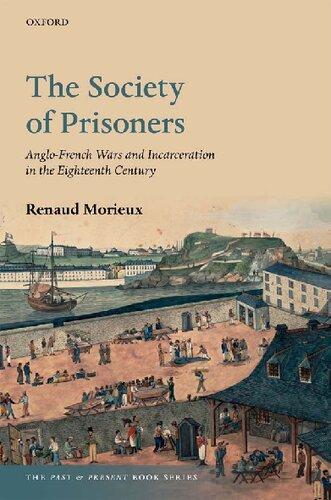
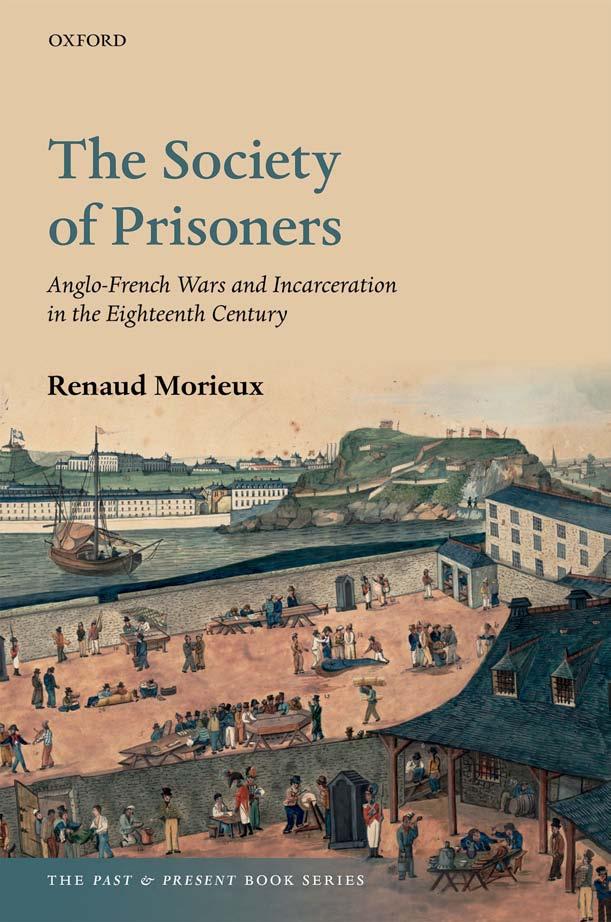
TheSocietyofPrisoners:Anglo-FrenchWarsand IncarcerationintheEighteenthCenturyRenaud Morieux
https://ebookmass.com/product/the-society-of-prisonersanglo-french-wars-and-incarceration-in-the-eighteenthcentury-renaud-morieux/
Instant digital products (PDF, ePub, MOBI) ready for you
Download now and discover formats that fit your needs...
Kingship, Society, and the Church in Anglo-Saxon Yorkshire Thomas Pickles
https://ebookmass.com/product/kingship-society-and-the-church-inanglo-saxon-yorkshire-thomas-pickles/
ebookmass.com
The Art of the Actress (Elements in Eighteenth-Century Connections) Engel
https://ebookmass.com/product/the-art-of-the-actress-elements-ineighteenth-century-connections-engel/
ebookmass.com
The Naval Government of Newfoundland in the French Wars: 1793–1815 John Morrow
https://ebookmass.com/product/the-naval-government-of-newfoundland-inthe-french-wars-1793-1815-john-morrow/
ebookmass.com
The Challenge of CMC Regulatory Compliance for Biopharmaceuticals, 4th 4th Edition John Geigert
https://ebookmass.com/product/the-challenge-of-cmc-regulatorycompliance-for-biopharmaceuticals-4th-4th-edition-john-geigert/
ebookmass.com
Let’s https://ebookmass.com/product/lets-get-this-potty-started-roserossner/
ebookmass.com
The Getaway Kinney
https://ebookmass.com/product/the-getaway-kinney/
ebookmass.com
Representing the Dynasty in Flavian Rome: The Case of Josephus' Jewish War (Oxford Classical Monographs) Dr
Jonathan Davies
https://ebookmass.com/product/representing-the-dynasty-in-flavianrome-the-case-of-josephus-jewish-war-oxford-classical-monographs-drjonathan-davies/ ebookmass.com
Modern Characterization of Electromagnetic Systems and its Associated Metrology (Wiley - IEEE) 1st Edition Tapan K. Sarkar
https://ebookmass.com/product/modern-characterization-ofelectromagnetic-systems-and-its-associated-metrology-wiley-ieee-1stedition-tapan-k-sarkar/ ebookmass.com
CompTIA A+ Practice Questions Exam Cram Core 1 (220-1001) and Core 2 (220-1002) Premium Edition and Practice Test
David L. Prowse
https://ebookmass.com/product/comptia-a-practice-questions-exam-cramcore-1-220-1001-and-core-2-220-1002-premium-edition-and-practice-testdavid-l-prowse/ ebookmass.com
Coronavirus y Cristo John Piper https://ebookmass.com/product/coronavirus-y-cristo-john-piper/
ebookmass.com
THE PAST&PRESENT BOOKSERIES GeneralEditor ALICERIO TheSocietyofPrisoners TheSocietyofPrisoners Anglo-FrenchWarsandIncarceration intheEighteenthCentury RENAUDMORIEUX GreatClarendonStreet,Oxford,OX26DP, UnitedKingdom
OxfordUniversityPressisadepartmentoftheUniversityofOxford. ItfurtherstheUniversity’sobjectiveofexcellenceinresearch,scholarship, andeducationbypublishingworldwide.Oxfordisaregisteredtrademarkof OxfordUniversityPressintheUKandincertainothercountries
©RenaudMorieux2019
Themoralrightsoftheauthorhavebeenasserted FirstEditionpublishedin2019
Impression:1
Allrightsreserved.Nopartofthispublicationmaybereproduced,storedin aretrievalsystem,ortransmitted,inanyformorbyanymeans,withoutthe priorpermissioninwritingofOxfordUniversityPress,orasexpresslypermitted bylaw,bylicenceorundertermsagreedwiththeappropriatereprographics rightsorganization.Enquiriesconcerningreproductionoutsidethescopeofthe aboveshouldbesenttotheRightsDepartment,OxfordUniversityPress,atthe addressabove
Youmustnotcirculatethisworkinanyotherform andyoumustimposethissameconditiononanyacquirer
PublishedintheUnitedStatesofAmericabyOxfordUniversityPress 198MadisonAvenue,NewYork,NY10016,UnitedStatesofAmerica
BritishLibraryCataloguinginPublicationData Dataavailable
LibraryofCongressControlNumber:2019941124
ISBN978–0–19–872358–5
DOI:10.1093/oso/9780198723585.001.0001
Printedandboundby CPIGroup(UK)Ltd,Croydon,CR04YY
LinkstothirdpartywebsitesareprovidedbyOxfordingoodfaithand forinformationonly.Oxforddisclaimsanyresponsibilityforthematerials containedinanythirdpartywebsitereferencedinthiswork.
Acknowledgements Theprocessofpreparingthisbookhasbeenlengthy,tortuous,anduneven.The projecthasbeenwithme,moreorless,foroveradecade.Iwouldliketothinkthat ItookmytimebecauseIwasmaturing,likeanoldwhisky,buttherealityisthat manythings(mostlygoodthings!)gotintheway,onthepersonalandprofessionalfronts.
Inmyexperience,thehistoryofabookisnecessarilyalsothehistoryofthe peopleoneencounters.Inthissense,thisbookhasbeenahugelyrewarding endeavour.Ioweagreatdebttocountlessfriendsandcolleagues.
Firstofalltherearethosewhohavereadthewholemanuscript,whose commentsandsuggestionshavebeeninvaluable:QuentinDeluermoz,Joanna Innes,Jean-PierreJessenne,AntoineLilti,andthethreeanonymousreadersfrom OUPandthe Past&Present series.IalsowanttothanktheserieseditorAliceRio andOUPeditorCathrynSteele,whohavebeenapleasuretoworkwith.
Iamgratefultootothosewhohavereadandcommentedonsubstantialpartsof thebook:CatherineArnold,AndrewArsan,GarethAtkins,DavidBell,ChristopherBurlinson,BenCrewe,PeterGarnsey,PaulHalliday,JulianHoppit,Margaret Hunt,PieterJudson,MaryLaven,PeterMandler,NatividadPlanas,Surabhi Ranganathan,andCharlesWalton.Overtheyears,Ihavediscussedmyproject withmany,including(andtherewereothers):JohnArnold,EyalBenvenisti, MaxineBerg,JohnBrewer,VincentBrown,AlainCabantous,EricaCharters, ChrisClark,LindaColley,StephenConway,MichaelEdwards,Catherine Evans,BronwenEverill,JoelFelix,JoelIsaac,SamJames,ColinJones,Sara Johnson,DuncanKelly,LarryKlein,IsaacNakhimovsky,SurabhiRanganathan, NickRay,JakeRichards,JohnRobertson,EmmaRothschild,HamishScott, SimonSchaffer,SujitSivasundaram,LeighShaw-Taylor,HillaryTaylor,Frank Trentmann,RichardTuck,MichaelWaibel,AlexWalsham,DanielWidener, NualaZahedieh,andJean-PaulZuniga.Ialsowanttoexpressmygratitudeto theresearcherswhohavegenerouslysharedsourcesorreferenceswithme:Callum Easton,LindaandMarshaFrey,BenGilding,AaronGraham,JulianHoppit, SimonMcDonald,AnnikaRaapke,NickRay,MichaelRoberts,JohnShovlin, andAndrewThompson.ColleaguesandfriendsattheCambridgeFacultyof HistoryandatJesusCollegehaveprovidedmewithconstantsupport.
IhavepresentedpapersonthetopicattheModernBritishHistoryandthe ModernCulturalHistoryseminarsinCambridge,theDiasporaStudiesseminarin Edinburgh,theEuropeanUniversityInstituteinFlorence,theCentreforHistory
andEconomicsseminarinHarvard,theEconomicandSocialHistoryandthe FrenchHistoryseminarsattheInstituteofHistoricalResearchinLondon,the GraduateSeminarinHistoryinOxford,the ‘Histoiretransnationaleetglobalede laFrance’ seminarattheEcoleNormaleSupérieureinParis,theEighteenthCenturyseminaratPrinceton,theReformationandEarlyModernseminarat StAndrews,andtheGlobalHistoryseminaratWarwick.Iwouldliketothankthe organizersandtheaudienceswhoseinsightfulcommentshavehelpedmerefine myarguments.
IwasfortunatetohavebeenawardedaPhilipLeverhulmePrizein2014,which allowedmetotakearesearchsabbaticalfortwoyears.Iamverygratefultothe LeverhulmeTrustforthisopportunitytoconductmyresearchinprivileged conditions.IhavebeenabletousetheexpertiseofresearchassistantsBaptiste Bonnefoy,SaraCaputo,PhilipLoft,DrishtiRamdewa,andHannaWoods:Igive themmywarmthanks.IspenttwoveryproductivemonthsattheCentrefor HistoryandEconomicsatHarvard,whereIwasaVisitingFellowinthespringof 2017,thankstothesupportofEmmaRothschild.Ialsobene fitedfromanearlycareerfellowshipatCRASSHinCambridgein2014.
Finally,IwanttothankmysonOscar,whosetirelesscuriosityforprisoners’ escapeswouldworryanyotherparent,andPhilippine,whogentlyandlovingly nudgedmeacrossthe finishingline.
Partsofchapters2,5,and6havepreviouslyappearedinprint,inthe Historical Journal,56(2013),inLaurentBourquinetal.(eds.), Lepatriotismeparlesarmes (2014),andinJohnArnoldetal.(eds.), HistoryafterHobsbawm (2017).
Contents Listofillustrations ix
ListofAbbreviations xi
NoteonText xiii
Introduction1
I.WarCaptivity:A ‘Fragile’ SocialInstitution2
II.WhatWasaPrisonerofWar?TheNormativeFramework andItsLimitations3
III.TheStateatWar10
IV.TheWarPrison20
1.DefiningthePrisonerofWarinInternationalLaw: AComparativeApproach30 I.Introduction30
II.Can ‘Civilians’ bePrisonersofWar?31
III.TraitorsandRebels40
IV.PrivateandPublicPrisoners54 V.Conclusion75
2.HateorLoveThyEnemy?HumanitarianPatriotism77 I.Introduction77
II.TheDutytoTreattheEnemywith ‘Humanity’ 78
III.The ‘Inhuman’ TreatmentofPrisonersofWarinTheir OwnWords88
IV.The1759–60PhilanthropicCampaign99
V.TheRevolutionaryandNapoleonicWars115 VI.Conclusion127
3.TheMultipleGeographiesofWarCaptivity131 I.Introduction131
II.TheCaribbeanCirculatoryRegime133
III.AtlanticCrossings147
IV.EuropeanMobility160 V.Conclusion180
4.TheAnatomyoftheWarPrison183 I.Introduction183
II.EmergencyBuildings(LateSeventeenth Century–AmericanWarofIndependence)185
III.PrisonersofWarin ‘ReformedPrisons ’:TheBritishCase197
Listofillustrations Bookcover Gueydon,Henryde, Vuedel’intérieuredeMill-PrisondePlymouthetde sesenvironsen1798 (1798).AnneS.K.BrownMilitaryCollection,Brown UniversityLibrary.
2.1. TheContrast [1758].CourtesyoftheLewisWalpoleLibrary, YaleUniversity. 129
2.2. FrenchaliasCorsicanVillainyorthecontrasttoEnglishhumanity (1804). AnneS.K.BrownMilitaryCollection,BrownUniversityLibrary. 130
3.1.Carez, Cartegéographique,statistiqueethistoriquedelaJamaïque (1825). Wikimedia.org. 139
4.1.Frézier, PlanetprofilduchâteaudeSolidor...,quel’onproposederendre habitablepourylogerdesprisonniersdeguerre,dontilenpourracontenir 350ou400,Brest,27November1744.ArchivesNationales(Paris),MARINE MAP/G//210/10. 191
4.2. DartmoorPrison&EnglishBarracks (1810).©TheBritishLibraryBoard, KTopXI113. 207
5.1.ThomasRowlandson, FrenchprisonersofwaronparoleatBodmin,Cornwall (1795).YaleCentreforBritishArt. 252
6.1. ‘SissinghurstCastlewiththeKillingofaGroupofFrenchPrisonersat SissinghurstCastleGarden,Kent’ [1761].NationalTrust. 308
6.2.ThomasRowlandson, EscapeofFrenchPrisoners (undated).TheCleveland MuseumofArt. 329
6.3.ArthurClaudeCooke, FrenchPlaitMerchantsTradingwithFrenchPrisoners ofWaratNormanCrossorYaxleyCamp,Cambridgeshire,1806–1815 (1906). WardownParkMuseum,Luton. 338
7.1.W.Fry,afterH.J.Phelps, TheGiftofaGreatPrincetoaLittleEmperor (London:J.Jenkins,20September1817).CambridgeUniversityLibrary, RCMS190/36. 372
Charts
1.1.Totalnumberofprisonersofwardetainedperwar. 12
1.2.Numberofseamenmusteredinnavyships. 14
3.1.MortalityofFrenchprisonersinJamaica,1782. 152
3.2.MortalityofFrenchprisonersinJamaica,1783. 153
ListofAbbreviations BFBSBritishandForeignBibleSociety
CTPCouncilofTradeandPlantations
LCALordsoftheAdmiralty
S&WOfficeoftheCommissionersfortheSick&WoundedSeamenand PrisonersofWar(Sick&WoundedBoard)
SSMSecrétaired’EtatdelaMarine
TBTransportBoard
TOTransportOffice
NoteonText Emphasisandpunctuationasinoriginalunlessotherwisestated. AlltranslationsfromtheFrencharemineunlessotherwisestated.
Introduction AfewdaysafterwarwasdeclaredbetweenFranceandBritain,inFebruary1793, theinhabitantsoftheDevontownofAshburtondecidedtorewardthoseoftheir parishionerswhowouldvoluntarilyenlistinthenavyorthearmybygivingthem abounty.Themoney,whichwastoberaisedbysubscription,wouldbedivided amongthewidowsandchildrenofthemenwhomightbekilledduringthewar. Theinhabitantsproclaimedtheirpatriotism,expressingtheirdesire ‘toavengeina signalmannertheCauseofJusticeandhumanitywhichhasbeensocruelly insulted’ byFrance,andhopedthatotherBritishcitieswouldemulateAshburton’ s example.Seventy-oneindividuals,includingsevenwomen,signedtheresolution, whichwassenttotheBritishgovernmentandpublishedinlocalandnational papers.¹Fouryearslater,whenthewarwasstillraging,apetitionfromthe ‘PrincipalInhabitants’ ofAshburton,dated4September1797,wasaddressedto theCommissionersoftheTransportBoard,theadministrationinchargeof prisonersofwar.²Thetwenty-sevenindividualswhosignedthisdocument, includingmanywhohadwrittenthe1793resolution,objectedtothegovernment’sdecisiontoremovetheprisonersonparoleinAshburtontoTiverton.They outlinedavarietyofreasonstojustifykeepingtheseforeignersinthelocal community.Inparticular,thepetitionerspraisedthebehaviouroftheFrenchmen:
NotwithstandingtheverygreatnumberofFrenchprisonershereonparolethe majorityofwhom,aremenofthelowestClassperfectlyilliterate,suchhasbeen theregeneralDemeanourthatsofarfromhavinghadreasontocomplainof them,thatonalateoccasioninconsequenceofadreadfull firetakingplacehere inthecourseofthenight,suchweretheiractiveExertionsandsuchtheir Services,thatweconvey’dtothemourpublicThanksfortheirConduct,asthe onlyrecompenceswecouldwithproprietymakethem.
Theseprisonersalsorepresentedavaluableresourceinatimeofscarcity. Ashburton,itwasargued,hadexperienced ‘considerablediminutionofitsTrade’ duetothewar.Shouldtheprisonersberemoved, ‘alargeClassofPeople ’,whowere
¹ ‘BountiestoSeamenAtAshburton’,16February1793, DevonNotes,pp.197–8. ²Becausethisbookarguesthattheformthisinstitutiontookintheeighteenthcenturyisoriginal, andtoavoidimplicitanalogieswiththetwentiethcentury,Iavoidthecontemporaryacronym ‘POW’ throughout.
TheSocietyofPrisoners:Anglo-FrenchWarsandIncarcerationintheEighteenthCentury.RenaudMorieux, OxfordUniversityPress(2019).©RenaudMorieux.DOI:10.1093/oso/9780198723585.001.0001
notreceivingparochialassistance,wouldbedeprivedofthesupplementaryincome theymadebyhiringtheirlodgingstotheFrenchmen.³TheTransportBoard repliedthatitsdecisionhadbeenmotivatedbysecurityissues,asthetownwas judgedtobetooclosetoPlymouth,oneofthetwomainportsandshipyardsinthe country.TheotherreasonputforwardbytheBoardwas ‘toremoveentirelyall furtherGroundofthoseDisputesandComplaints,whichhaveoflateunpleasantly existedrelativetothePrisoners&theirSituation’ . ⁴ TheinhabitantsaskedtheBoard toreconsideritsdecision.TheypointedoutthatAshburtonhadaccommodated prisonersonparoleinpreviousconflictsanddefendedthemselvesagainstthe accusationthattheyhad ‘anyprivateattachmenttoFrenchmenorFrenchPrinciples’,arguingthatthepublicgoodwastheironlypreoccupation,underliningthe successofthesubscriptionforsailorsstartedin1793.⁵
Asthisexampleillustrates,theprisonerofwarinhabitsathirdspacebetween friendshipandenmity,atwilightzonebetweentwoworlds.⁶ PhilosopherMichael Walzerwritesabout ‘thelimboofstatelessness’,ametaphorwhichsuggestsastate ofin-betweenness.⁷ Thisbookaimsatunderstandingthispeculiarsocialinstitution,andthespecificformittookintheeighteenthcentury.
I.WarCaptivity:A ‘Fragile’ SocialInstitution Definingthesocialboundariesofwarcaptivitydependedonhowonedefinedboth warandtheenemy.Forthisreason,decidingwhichgroupswerelegitimate prisonersofwarwasalwayscontested.Warcaptivity,asasocialinstitution,was thusinherently ‘fragile’⁸—notbecauseitwasimperfect,butbecausethesestructuraltensionsranwithinit.
Theperspectivechosenhereechoes,withoutstrictlyreplicating,ahistoriographicalchangethathasbeendescribedasthemovefrommilitaryhistorytothe historyofwar.Theselabelsdesignateageneralshiftinscholarship,withthefocus turningtotheimpactofwaronsocieties,andnotsimplythe(much-maligned) studyofgrandstrategy,battles,andthearmedforces.Thescholarlyattention giventotheexperienceofcivilianshas,forinstance,ledtoareconsiderationofthe relationsbetweenthehomefrontandthecombatzone,withafocusonveteransor women,deserters,andthewounded.⁹ Captivityisaparticularlyfruitfuldomainof
³Copyofpetitionfromthe ‘ PrincipalInhabitants ’ ofAshburtontoTransportOf fice(TO), 4September1797,TheNationalArchives,Kew(TNA),ADM1/5125.
⁴ TO,7September1797,ibid.Ananonymousletterwasapparentlythecauseoftheseallegations.
⁵ HenryGervis(oneofthepetitioners),toTransportBoard,19September1797,ibid.Seealso ‘AMemorialoftheClergyChiefMagistrates,andotherprincipalInhabitantsoftheTownofAshburton intheCountyofDevon’ toLordsoftheAdmiralty(LCA),19September1797,ibid.
⁶ Calloway, ‘Indiancaptivities’,p.208. ⁷ Walzer, ‘Prisonersofwar’ , APSR,p.777.
⁸ Douglas, HowInstitutions,p.49.
⁹ Kroener, ‘Modernstate’;Charters,Rosenhaft,andSmith, Civilians
researchthathasbeenopenedupbythisnewsocio-culturalapproachtothe historyofwarinthetwentiethcentury.¹⁰
Bycomparison,thestudyofprisonersofwarintheeighteenthcenturyhaslong beendominatedby ‘traditional’ militaryhistory.Therulesofexchangeofprisonersthatwereinstitutionalizedinbilateralmeetingshavebeenstudiedfromthe perspectiveoftheirimpactonstrategy,whiletheadministrativehistoryofspecific stateinstitutionsdealingwithprisonersofwarhasalsobeenundertaken.¹¹The ‘FrenchWars’ of1793–1815predominatehistoriesofwarfareoverthistimespan,¹²withanever-endingfascinationforthesinisterhulks(theprison-ships whichheldtheFrenchprisoners)andNapoleon’scrueltytowardshiscaptives.¹³ Morerecently,theAmericanWarofIndependencehasalsoattractedtheattention ofhistorians,whohaveusedwarimprisonmentasalensthroughwhichtostudy theriseofapatrioticconsciousnessamongtheinsurgents.¹⁴ The fieldisundoubtedlychanging,withnewandexcitingworkbeingconductedonliteracy,cultures ofhonour,thehistoryofmedicine,andconfinement.¹⁵
SociologistSinišaMalešević defineswarfareasa ‘socialinstitutionthatinvolves organisation,ritualism,groupmobilisation,socialhierarchyandmanyothersocial prerequisites’.¹⁶ Applyingthislabeltowarcaptivityintheeighteenthcenturymakes sense.WhilethisbookfocusesonFranco-Britishwars,ithas,Ihope,broader implications.Warcaptivityisanidealobservatorytoaddressthreeinterrelated questions.First,isitsoclearwhataprisonerofwarwasintheeighteenthcentury, fromalegalviewpoint?Second,warcaptivityisastateinstitution:whatdoesittellus aboutwhattheeighteenth-centurystatewas,howittransformeditself,andwhyit endured?Thethirdapproachcouldbetermedasocialhistoryofinternational relations.Theaimhereistounderstandhoweighteenth-centurysocietieswere affectedbywar:howthedetentionofforeignenemiesonhomesoilrevealedand challengedsocialvalues,representations,hierarchies,andpractices.
II.WhatWasaPrisonerofWar?TheNormative FrameworkandItsLimitations
Theperspectivechoseninthisbookinvolvesfocusingonthemurkybackground before modernunderstandingsofinternationallaw.Idonotproposeabasic
¹⁰ Becker, Oubliés;Cochet, Soldats;Fishman, WeWillWait;Jones, Violence;Rachamimov, POWs; MacKenzie, ‘Treatment’
¹¹Anderson, ‘Establishment’;Charters, ‘Administration’;Wilson, ‘Prisoners’;Lagadec,LePrat,and Perréon, ‘Unaspect’
¹²See,forexample,Chamberlain, Hell;Daly, ‘Lostlegions’;LeCarvèse, ‘Prisonniers’;Marquis, ‘Convention’.FrancisAbell’sbookcoversalongerperiod,buthedoesnotindicateitssources: PrisonersofWar
¹³Lewis, Napoleon;Masson, Sépulcres.
¹⁴ See,forexample,Knight, ‘Prisonerexchange’;Miller, DangerousGuests;Burrows, ForgottenPatriots
¹⁵ Charters, Disease;Duché, ‘Passage’;Leunig,vanLottum,andPoulsen, ‘Surprisinglygentle’ .
¹⁶ Malešević, SociologyofWar,p.92.
diachronicaccountofthedevelopmentofthat ‘law’—documentingthe ‘birth’ of the ‘POW’,fromGrotiusthroughVattelandtheLieberCodeontheproper treatmentofciviliansandprisonersofwar(1860),allthewaytotheHague (1907)andGenevaConventions(1864and1906).¹⁷ Inotherwords,ratherthan animpliedmoderntelos,whichseesthemoderninternationallawwithrespectto prisonersofwarunfoldfromtheeighteenthcenturyonwards,thisisanaccount thatassumesthatthestate,andespeciallythestate-at-war,remainsfullofcontradictions,reversals,andhybridarrangements,evenuptothepresentday.¹⁸ This approachisinfluencedbytheworkoflegalhistorianssuchasLaurenBentonand PaulHalliday,whoemphasizetheneedtoguardourselvesagainsttriumphalist andpurelynormativelegalhistories.¹⁹
Thehistoryofthelawsofwarandthelawsofnationintheeighteenthcenturyis well-troddenground.Thisisnottheplacetorewritethishistory;mypurposeis rathertoshedlightonaprocessbeginninginthesixteenthcentury,whichshaped the figureoftheprisonerofwarasitcametobeunderstoodintheeighteenth century,asaprotectedstatus.Thisperiodhasbeendescribedastheheydayofthe humanizationortamingofwar,illustratingtheEnlightenment ‘ consensus ’ on cosmopolitanism.²⁰ Theintellectualoriginsofthisprocessarelinkedtothelawsof war,astheywereformulatedbyscholasticjuristsinthesixteenthandseventeenth centuries.Thesemendisplayednewsensibilitiesaboutcrueltytotheenemyand, moregenerally,tounarmedpersonssuchaswomen,travellers,orclergymen thosewhomAlbericoGentilicalled innocentes .²¹Thedeclineofjustwartheory, whichwassidelinedbytheemerginglawofnations,gaverisetothebeliefthat civilizednationsshould fight ‘humane’ or ‘moderate ’ warfare.Bytheeighteenth century,thisideahadbecomeconsensualamonglegalwritersandphilosophers.²² Theconceptoftheprisonerofwar,asitemergedinthisperiod,meantthatonce defeatedenemycombatantshadlaiddowntheirweapons,theyshouldnormally notbekilledorenslaved;theymustbekeptincustody(inprisonornot),and shouldbeexchangedduringthewarorreleasedattheendofwar.²³AsEmerde Vattelputitin1760, ‘prisonersmaybeputintoconfinement,andevenfetteredif therebereasontoapprehendthattheywillriseontheircaptors,ormaketheir escape.Buttheyarenottobetreatedharshly’,because ‘theyaremen,and unfortunate’.²⁴ Thelifeoftheprisonerwasplaced,asitwere,inthehandsof thecaptorstate,whichenteredintoacontractualagreementwiththeenemystate, basedonreciprocalobligationstotreatprisoners ‘humanely’
¹⁷ Witt, Lincoln’sCode.¹⁸ Rosas, LegalStatus
¹⁹ Benton, Search;Halliday, HabeasCorpus
²⁰ Best, Humanity,p.46;Howard, LawsofWar.²¹Duchhardt, ‘War’,pp.286–8.
²²Zurbuchen, ‘Vattel’ s lawofnations’;Tuck, RightsofWar,pp.67,171–2.
²³Theideathatacaptivetakeninajustwarwasalegitimateslaveprevailedforcenturies:Witt, Lincoln’sCode,pp.29–31;Drescher, Abolition,pp.10–14,16–17,19.
²⁴ Vattel, LawofNations,bookIII,ch.8,par.150.
Theonlylegitimateagents,inthelawofnations,weresovereignstates.By contrastwiththeMiddleAges,whenwarwasanextensionofprivatefeuds,itwas nowdescribedasarelationshipbetweenstatesandprofessionalarmies.² ⁵ Monarchicalstateshadmanagedtomonopolizeviolence.²⁶ Theconsequencesforprisonersofwarweremanifold.Theywerenottobeheldresponsiblefordecisions madebytheirsovereigns:theywereneither ‘guilty’ nor ‘criminals ’.Andtheywere nolongertheprivatepropertyoftheircaptors.²⁷ Itwasthestate’sdutytoprotect thelifeof ‘their’ prisonersandcareforthem.Itisoftenconsideredthattheseideas, despitesomeinitialuncertainties,begantobeimplementedatthestartofthe early-modernera,whenarmiesbecamemoreprofessional,disciplined,and respectfulofcivilianpopulations.²⁸
Thisaccountisproblematic, firstly,becausethecoherenceofthelawofnations shouldnotbeoveremphasized.Notalllegalwritersagreedwithregardtothe actualrightsthatshouldbegrantedtoprisonersofwar.Grotius’ writingsonthe topicwere ‘fullofcontradictionsandlogicalinconsistencies’,arguingontheone handthat ‘aconsiderabledegreeofarbitraryaction’ towardsprisonerswas allowable,whilealsocallingfor ‘temperedwarfare’ andrestraints.²⁹ Inourperiod, thelawsofwarbelongedtotherealmofcustomarylaw,ratherthanthelaw codifiedintreatiesbetweenstates,andtheywerearguablyamessofcontingencies andexceptions.HerschLauterpachtthuswrotethat ‘ifinternationallawis,in someways,atthevanishingpointoflaw,thelawofwaris,perhapsevenmore conspicuously,atthevanishingpointofinternationallaw’.³⁰ Thelawofthesea, whichwasastrandofthelawofnations,wasnotoriouslycomplexanddifficultto understand.Intheend,morethanthewritingsoflegalwriters,thecodesof conductadoptedbysoldiersandsailorsthemselvesmayhavebeenthemain driverbehindthelimitationofviolence.³¹
Thereisastrongcase,then,forre-examiningthelegalnormsthatgovernedthe treatmentofcaptives.Emphasismustbeplacedonhowwarcaptivityactually worked,andnotonlyhowitwaslegitimized.³²Thecategorizationofcaptiveswas averypracticalissue;fromthisperspective,wasthereadistinctivenatureof warimprisonmentvis-à-visotherformsofcaptivity?Iarguethatprisoners ofwarneedtobeplacedalongsideother,cognatecategories.Wemustalso questionthespecificityofaEuropeanorperhapsFranco-Britishcultureofwarfare andcaptivity insteadofassumingitsexistenceattheoutset byexaminingthe spacesandscalesofcaptivity.Whenonelooksatactualsituationsofdetention,the definitionsofwarandpeacethemselvescanbequestioned.
²⁵ Duchhardt, ‘War’,p.280;Neff, War,p.101;Whitman, Verdict
²⁶ Whitman, Verdict,pp.133–71.²⁷ Neff, War,pp.114–15.
²⁸ Duffy, MilitaryExperience.²⁹ Duchhardt, ‘War’,pp.288,291.
³⁰ Lauterpacht, ‘Problem’,p.382.³¹Donagan, ‘Codes’
³²Thisisnottosaythatlegaltheoryandlegalpracticesandcustomsarenecessarilyantithetical: Benton, Search,pp.121,157–60;Halliday, ‘Law’shistories’
A.CategorizingthePrisonerofWar Whowas,effectively,madeaprisonerofwar,accordingtowhatcriteria,anddid thesedefinitionsevolveoverthecourseofthecentury?Whilethedistinctions betweenforeignerandnationalandbetweencombatantandnon-combatantare central,incontemporarydefinitions,indeterminingwhocanbelabelledasa prisonerofwar,intheeighteenthcenturythisveryvocabularywasemergingand changing.Forexample,theparoleofhonour,oneoftheprivilegesawardedto someprisoners,wasnotapurereplicationofamedievalpractice:beyondofficers, manygroupsaspiredtothisprivilege,anditssocialperimeters fluctuateddependingontheperiod.
Atanygiventime,theprisonerofwarcouldsignifydifferentthingsfordifferent people.TherichhistoriographyofMediterraneancontactsbetweenChristians andMuslimsinthesixteenthandtheseventeenthcenturies,focusingonthe exchangeofcaptives,hasdemonstratedthatthemeaningofstatusessuchas ‘slave’ , ‘captive’ ,or ‘pirate’ changedwiththecontext.³³Inthesameway,historians ofslaveryhavelongemphasizedthatratherthanopposing ‘freedom ’ and ‘unfreedom’,itoftenmakesmoresensetothinkintermsofaspectrum:legalstatuses wereporous,andsocialpracticesrarelymirroredlegalnorms.³⁴ Followingthis premise,wemustscrutinizethecontextsinwhichthecategoryoftheprisonerof warandthoseofthepenalprisoner,theslave,andthetraitorwerenot compartmentalized.
Categorizationwasasocialaswellasanintellectualandpoliticalproblem.The firstassignmentofalabeltoacaptivewasmadeonthespot,forinstance,bythe captainofaprivateer,whodecidedthatashipwashislegitimateprize,andthat thecapturedcrewwerelawfulprisonersofwarwhowouldbebroughttoshoreto bedeliveredtothestateadministrationanddetained.Inthissense,despitehislack oflegaltraining,aship’scaptain,justlikeacolonialgovernororanadmiral, playedapartinimplementingthelawsofwar.³⁵ WasanIrishJacobitesailor servingintheFrenchnavytobetreatedlikearebelorlikeaprisonerofwaronce hewascapturedbytheBritish?Theanswertothisquestiondependedonhow legitimatethechoiceto fightforaforeignprincewasconsideredtobe,andthis waswidelydebatedthroughouttheeighteenthcentury.Whiletherewasanormativeconsensusabouttheexistenceofthecategoryoftheprisonerofwar,the exactcontentofthecategory,anditsboundarieswithothercategories,were impossibletodetermineinprinciple.
Thenarrative,withregardtothecategory,isthereforeoneofcontinuity.As Iwillshow,whentheBritishandFrenchstoriesdiffered,itwaslargelydueto politicalfactors.Wheninternationalwarsintersectedwith ‘civilwars’,thisblurred
³³Tarruell, ‘Prisoners’;Hershenzon, ‘Politicaleconomy’;Fontenay, ‘Esclaves’;Weiss, Captives. ³⁴ Drescher, Abolition,pp.4–5,20–21.³⁵ Forthisargument,seeBenton, Search,p.24.
allegiancesandcomplicatedtheassignationofcategoriesandtheircomparability. Thiswasthecasebetweenthe1690sandthe1740s,whenreligiousminorities,the JacobitesandtheHuguenots,wagedwaragainsttheirsovereignstates.Thiswasa periodofintensereflectiononthestatusoftheprisonerofwar.TheAmerican WarofIndependence,ontheBritishside,andtheFrenchWars,ontheFrench side,werealsoturning-points,forpoliticalandideologicalreasons.
B.SpacesandScales IsthisaspecificallyFranco-Britishand ‘European’ story?Ontheonehand,the ideawasdeeplyingrainedinEuropeanthoughtthatwesternEuropesharedaset oflegalinstitutionsandpoliticalandculturalvalues,suchascivility,theruleof law,andthelawofnations,whichwereembodiedinwhatVattelcalled ‘the humanityoftheEuropeans’.³⁶ Asalreadymentioned,Europeansalsoshareda similarcultureofwarfare,basedonthesame ‘grammarofviolence’.³⁷ What happenedwhentheseconflictstookplaceoutsideEurope,onthehighseasorin thecolonies?AspointedoutbyEligaGould,thecustomarylawofnations regardingthecaptureandtreatmentofprisonersofwarcouldsimplybeoverlookedinterritoriesconsideredtobebeyondthepaleofcivilization.³⁸ Similarly, LaurenBentonstatesthat ‘thewholeoftheimperialworldrepresentedazoneof legalanomalyvis-à-visthemetropole’.Thisisnottosay,sheargues,thatthe extra-Europeanworldandoceanicspaceswerezonesoflawlessness,butrather thattheywerespacesoflegalinnovationandcreativity.³⁹‘Distinctlegalregions’ couldthuscoexistwithinasingleempire.⁴⁰ Thesameindividualscouldbe categorizedasprisonersofwarifcapturedinEuropeanwaters,andaspiratesor slavesifcapturedintheWestIndies.⁴¹Legalstatuswasthereforepartlylinkedto geography.Thecaptivesthemselvestriedtomanipulatethelabelsthatwere ascribedtothem,activelyengaginginthegameofclassification.
Wemustpaycloseattentiontotheselegalasymmetries.Whetheracapture tookplaceinEuropeorinthecolonies,onthehighseasoronland,theline betweenlegalityandillegalitycouldbeblurred,asthelawsofwar,orthelawofthe sea,orthecommonlaw,couldvariouslybeactivated,involvingdifferentactors.In thisbook,wewillfocusonliminalspaces:spaceswherelegalregimescould overlapandcollide,affectingtheformsofthesocialinstitution.Attheglobalregionalscale,theAtlanticOcean,asakeyzoneofpredation,willprovideuswith suchanobservatory.Adoptingamaritimefocusisallthemoreimportantbecause sovereigntiesatseawereentangledandlegalspacesmany-layered,afactwhichis
³⁶ Vattel, LawofNations,bookIII,ch.8,par.150.³⁷ Lee, Barbarians,p.8.
³⁸ Gould, ‘Zones’,p.483.³⁹ Benton, Search,p.28. ⁴⁰ Ibid.,p.137.
⁴¹Gould, ‘Zones’,p.506.
oftenignoredinnarrativesabouteighteenth-centurywars.⁴²Butlegalgeography isnotjustanissueofcolonyversusmetropole,norisitsolelyanoceanicproblem. TheterritoriesofEuropeanstateswerealsocharacterizedbymultiplelegalities. ⁴³ Border-crossingaffectedlegalstatus.Forexample,anenemyprivateercouldbe labelledapirateifcapturedwhilenavigatingupariver.⁴⁴ Theoccupantsofprisonshipsandparolezonesweresubjectedtomultiplekindsoflaw,whichcould conflictwithoneanother.Knowingexactlybywhatrightstheprisonersofwar shouldberecognizedwasalwaysdebated.Focusingonsuchliminalzonesthus raisesthequestionofthegeographicalreachofthelaw.
Thesespatialandlegalheterogeneitiesalsomeantthatitwaspossiblefortwo Europeancountriestobeofficiallyatpeacewhilebeingengagedindisguised, indirect,andquasi-permanenthostilitiesfarawayfromEurope.⁴⁵ Peacetreaties divideduptheworld’soceansintozonesofcessationofhostilitiesatseaand determinedwhetheraprizewaslegalornot.⁴⁶ Decidingwhenwarhadbegunand peacehadendedcouldbecontroversial,anditcreatedtheconditionsfordisputes overthespatialandtemporalcoordinatesofaspecificcapture,and,byimplication, itslegality.⁴⁷ Thefactthatthetemporalitiesofwarandpeacevariedacrossspacealso meansthatthedichotomybetweenwarandpeacecannotbetakenforgranted.
C.PeaceandWar,PeaceinWar Thestudyofwarcaptivityleadsustoreflectonthemeaningofwar.While concedingthatthereisnouniversaldefinitionofwar,StephenNeffproposes fourkeycriteriathatseemtoapplyeverywhere.⁴⁸ First,bycontrastwithinterpersonalviolence,waropposescollectivities,suchasstates.Theconceptofthe prisonerofwardoesnotmakesenseinaconflictwithso-calledpiratesorbandits. Wesaw,however,thattheuseoftheselabelsdependsagreatdealoncontext. Second,awariswagedagainstforeigners,notdomesticenemies.Doesthismean thatsubjectsofakingwhoserveinforeignarmiesandnavies,orsubjectsrebelling againsttheirlegitimatesovereigns,arerefusedthestatusofprisonersofwar?
Whiletheanswertothesequestionsseemstobestraightforwardtoday,inthe eighteenthcenturythiswasnotthecase,becausesubjecthood,nationhood,and allegiancedidnotalwaysoverlap.Third,warisarule-governedactivity.Thisrelies
⁴²Waratseawasandisfundamentallydifferentfromwaronland:BenvenistiandCohen, ‘War’ , pp.1384–5.Forthesereasons,DavidBellleavesitoutsidetheremitofhisstudy: FirstTotalWar,p.17.
⁴³Benton, Search,p.9.
⁴⁴ CommissaireLempereurtoSecrétaired’Etatdela Marine (SSM),20August1695:Archives Nationales,Paris(AN),MAR/B3/88,fo.90.
⁴⁵ Gould, ‘Zones’,pp.479–82.
⁴⁶ Morieux, Channel,pp.160–7;Steele, EnglishAtlantic,pp.189–98.
⁴⁷ Neff, War,p.178. ⁴⁸ Ibid.,p.15.
onthenotionthat ‘therewasasubstantialsetofsharedvalues...betweenthe opposingsides’ . ⁴⁹ Thequestionhereistoknowwhathappenswhenthereisa breakdowninthissharedculture.Whentheenemystopsabidingbytherulesof war,whathappenstoitsprisoners?Andwhathappenswhenthereisadisagreementaboutthemeaningofthesenorms?
Fourth,theconceptofwarreliesona ‘moreorlessdefiniteboundarybetween timesofwarandtimesofpeace’ . ⁵⁰ Thismustalsobeunpacked.Grotius’sfamous statement, ‘interbellumetpacemnihilestmedium’ , ⁵¹wasonlytrueonanormative level.Manywars,especiallyafterthemiddleoftheeighteenthcentury,werefought withoutapreliminarydeclaration.⁵²
Inturn,theseuneasyconceptualandtemporaldistinctionsbetweenwarand peacecouldcomplicatethecategorizationoftheenemy.Theprisonerofwarwas theoreticallyreleasedwhenthewarended.Butifthewarwasdescribedas permanentandendemic,becauseitwaswagedagainst hostishumanigeneris, peacewiththemwasimpossible.Inotherwords,dependingonwhetheranarmed confrontationwascharacterizedasa ‘ war ’ ornot,thiswouldmodifythestatusof theprisoners.Asweknow,inthepost-9/11world,talkingaboutapermanentwar against ‘barbarism’ oressentializedenemiesopensthepossibilityofdetaining ‘unlawfulenemycombatants’ sinedie. ⁵³Refusingtogranttheenemythestatus ofprisonersofwarisanotherwaytodenythelegitimacyoftheirstruggle,and potentiallytoextendtheirdetentionafterthewarends.
Thisdiscussionchimesinwiththeanalysisofsociologistsofwarandpolitical scientists,whohaveemphasized,especiallywithreferencetotheso-called ‘ new wars ’ thathaveemergedafter1945,thatthedistinctionbetweenthestateofwar andthestateofpeacehaslostitssignificance.AsarguedbyDominiqueLinhardt andCédricMoreaudeBellaing,itisimperativeto
Breakwithaprioridefinitions,accordingtowhichwarandpeacerefertoideal andabsoluteconceptions allthemoreidealandabsoluteinthattheydefine clearlyseparateandopposedstates toadoptinsteadanapproachbydegrees, theonlyonecapableofdetermininghow,accordingtowhichmodalitiesand processes,therecanbewarinpeaceandpeaceinwar.⁵⁴
Thelengthofanywarisalwayshighlyunpredictable,whichhasconsequencesfor theprisonersaswellasthestates.Oneofthepainsofimprisonmentisthelossof temporalpointsofreference,andparticularlytheuncertaintyregardingone’ s
⁴⁹ Ibid.,p.23. ⁵⁰ Ibid.,pp.15–23.
⁵¹ DeIureBelliacPacis,citedinGreenwood, ‘Concept’,p.285.
⁵²Maurice, Hostilities;Neff, War,pp.110,120,121,179.
⁵³GrossandNiAolain, Law,p.179.
⁵⁴ LinhardtandMoreaudeBellaing, ‘Niguerre’,pp.19–20.SeealsoMarchal, ‘Frontières’.Similarly, juristsdisagreeoverthedefinitionofwar:Greenwood, ‘Concept’
momentofliberation.⁵⁵ Thistormentwasevenmoreacuteforprisonersofwar whocould,inprinciple,remainindetentionuntiltheendofthewar,a terminus adquem whichwasbydefinitionunknown.⁵⁶ Someprisonerswentmad,and otherscommittedsuicide.⁵⁷
Whilewarcaptivityexempli fiestheextensionofFranco-Britishrivalrytothe worldintheeighteenthcentury,italsoshowsthepersistenceofnon-conflictual relationswithinwar.Aftertheyarecaptured,theprisonersofwarenterintoa moralcontractnottocontinuethe fight.⁵⁸ Warcaptivityputsantagonistic groups notinthesenseofaquasi-atavisticreligiousornationalhostility,but becausetheirsovereignsareengagedinawar inpeacefulcontactwitheach other,suspendingviolenceasitwere.Thisstatementdoesnotentailanirenicview oftheeighteenthcentury,whichwouldignoretheviolenceofwar.Thisisnota bookabouthumannature,either,suchasmightarguethathumanbeingsare inherently ‘peaceful’.Butifwarcaptivityisconsideredasasocialphenomenon, thenprisonersofwarandtheirtreatmentprovideuswithawindowintothe diversewaysinwhichsocietiesintheeighteenthcenturydealtwitharmedconflict. Theaimisultimatelytoreconceptualizethefar-too-neatdividinglineoftendrawn betweenwarandpeace,bypayingattentiontosituationsinwhichthestatusofthe enemywasundecided,unclear,orever-changing.Thisseemstoturnthelogicof whatisconventionallyunderstoodas ‘ war ’ onitshead.
III.TheStateatWar Thestudyofwarcaptivity,then,cantellussomethingimportantaboutthe developmentalhistoryofinternationallegalideasandpractices.Suchafocus, andthisisthesecondargument,providesavantagepointfromwhichwecanreexaminethehistoryofthestateatwarinthelongeighteenthcentury.Theforms andfunctionsofwarcaptivityreflectsocialandpoliticalstructuresatagiventime. Inseventeenth-andeighteenth-centuryEurope,theroleplayedbywarinthe buildingorformationofthemodernstatewascrucial. ⁵⁹ IfEuropeanwarcaptivity wassignificantlydifferent,thisisprobablytobetracedtodistinctivefeaturesof EuropeanstatesandtheEuropeanstatesystem.Thatsystemwasstructured aroundsubstantiallyautonomousstates,manyofwhichwerepronetoengagein
⁵⁵ Goffman, Asylums,p.67.Onthepsychologicalconsequencesofdetentionwithoutbounds,see Bosworth, InsideImmigration,pp.165–9.
⁵⁶ Forexample,in1711,twoEnglishprisonersdetainedinDinanaskedtobefreed,afternineyears ofdetention:LempereurtoSSM,19July1711,AN,MAR/B3/195,fos.192–v.Outofpity,Lempereur allowedthemtoresideinthetownontheirparole:ibid.,18August1711,fo.238.Theyescaped: 11October1711,fo.303v.
⁵⁷ Crowhurst, FrenchWar,p.191. ⁵⁸ Walzer, ‘Prisoners’,p.779.
⁵⁹ See,forexample,Stone, ImperialState;Asch, ‘War’;Rommelse, ‘Earlymodernnavalrevolution’ . Specificallyonprisonersofwar:RommelseandDowning, ‘Stateformation’
hostilefashionwithotherstates.Warinturnshapedthesestates,settingthemon whathasbeentermeda fiscal-militarypathofdevelopment.⁶⁰ ButifEuropean stateswereaffectedandtransformedbywar,differentstatesproduceddifferent typesofwarandwarcaptivity.
Amoralambiguitylayattheheartofeighteenth-centuryconceptionsofwar:it wasdescribedbothasdespicableandasanecessaryevilinordertoattainpeace.⁶¹ Whatwastheaimofmakingprisonersofwar?Fromthestate’sperspective,the lifeofcombatantshadtobepreservedbecausetheyweretoovaluabletobe slaughteredonthebattlefield.Theyhadtobeexchangedandsentbacktowage war.WarcaptivitywasinthissenseasocialmechanisminventedbyEuropean statestocontrolthemodesofrelationsbetweencombatants,allowingforthe conservationofthis fightingforce.AsnotedbyStephenNeff,thetreatiesfor theexchangesofprisonersofwar,whichbecamecustomaryfromthelateseventeenthcenturyonwards,partlyresultedfromcallsfor ‘greaterhumanityin warfare’,buttheywerealsolinkedtosheerdemographicfactors,namelythe state’sconstantthirstformanpower.⁶²TheEuropeanpracticeoftheexchange ofprisonersduringorafterthewarseemedparticularlystrangetoAmerindians. ⁶³ Infact,theexchangeofprisonersduringthewar,whichwasnormalineighteenthcenturyEuropeanwars,hadbecomeobsoletebytheearlytwentiethcentury.⁶⁴ Thisremindsusthatthemeaningandfunctionofprisonersofwarvarywiththe culturesandsocieties;withinagivensociety,orinthecontextofalongconflict withthesameenemy,itcouldalsoshiftovertime.
Howquantitativelysignificantwasprisoner-takinginthewarsbetweenBritain andFrance?Howmanypeoplearewetalkingabout?Thescaleandcostof eighteenth-centurywarswasunprecedented.⁶⁵ After1650,thesizeofthearmies rose.⁶⁶ Navalwarfarewasalsofoughtonalargerscale,involvingonaveragebigger armiesandheavier fleetsofbattleships,whichneededtobemannedbymoresailors. Aseventy-four-gunshipcarriedupto750men,andahundred-gunshipmorethan 1,000.Besidespettyofficersandtrainedseamen,whoconstitutedmorethanhalfof thecrews,onboardwerealsomarines,gunners,soldiers,andotherlandsmen.⁶⁷ Whenoneofthesehugenavalsuperstructureswascaptured,thenumberof prisonersofwarwhohadtobefoundaccommodationwasverysignificant.These aresomeofthereasonsbehindthegreaternumbersofprisonersthatweretakenin
⁶⁰ Brewer, Sinews;Storrs, Fiscal-MilitaryState
⁶¹Malešević, Sociology,pp.267–73;Bell, TotalWar,ch.1;Kroener, ‘Modernstate’,pp.217–19.
⁶²Neff, War,p.295.
⁶³Lee, Barbarians,pp.156–7;Starkey, War,pp.191–4;Steele, ‘Surrenderingrites’,pp.155–6; Richter, ‘War’,p.535.
⁶⁴ Jones, Violence,p.14.
⁶⁵ Between3,000and4,000prisonersofwarwereperhapsdetainedinEnglandattheendofthe first Anglo-Dutchwar:RommelseandDowning, ‘Stateformation’,p.156.
⁶⁶ Parker, MilitaryRevolution;Rodger, MilitaryRevolution.
⁶⁷ Baugh, BritishNavalAdministration,pp.188–9.