Instant digital products (PDF, ePub, MOBI) ready for you
Download now and discover formats that fit your needs...
Goldman-Cecil Medicine, 2-Volume Set (Cecil Textbook of Medicine) 26th
https://ebookmass.com/product/goldman-cecil-medicine-2-volume-setcecil-textbook-of-medicine-26th/
ebookmass.com
Cecil Essentials of Medicine (Cecil Medicine) 10th Edition
Edward J. Wing Md Facp Fidsa (Editor)
https://ebookmass.com/product/cecil-essentials-of-medicine-cecilmedicine-10th-edition-edward-j-wing-md-facp-fidsa-editor/
ebookmass.com
The Meaning of If Justin Khoo
https://ebookmass.com/product/the-meaning-of-if-justin-khoo/
ebookmass.com
Populism
and Populist Discourse in North America Marcia Macaulay
https://ebookmass.com/product/populism-and-populist-discourse-innorth-america-marcia-macaulay/
ebookmass.com
The Hermit on the Hill: A small town grump and sunshine romance (Catalpa Creek Book 6) Katharine Sadler
https://ebookmass.com/product/the-hermit-on-the-hill-a-small-towngrump-and-sunshine-romance-catalpa-creek-book-6-katharine-sadler/ ebookmass.com
Practical Spring Cloud Function: Developing Cloud-Native Functions for Multi-Cloud and Hybrid-Cloud Environments
1st Edition Banu Parasuraman
https://ebookmass.com/product/practical-spring-cloud-functiondeveloping-cloud-native-functions-for-multi-cloud-and-hybrid-cloudenvironments-1st-edition-banu-parasuraman-2/ ebookmass.com
How To Thrive in the Virtual Workplace Robert Glazer
https://ebookmass.com/product/how-to-thrive-in-the-virtual-workplacerobert-glazer/
ebookmass.com
Transformation of Higher Education in the Age of Society 5.0: Trends in International Higher Education 1st Edition
Reiko Yamada
https://ebookmass.com/product/transformation-of-higher-education-inthe-age-of-society-5-0-trends-in-international-higher-education-1stedition-reiko-yamada/ ebookmass.com
Cellular and Molecular Immunology 10th Edition Abul K. Abbas
https://ebookmass.com/product/cellular-and-molecular-immunology-10thedition-abul-k-abbas/
ebookmass.com
Violent Intimacies: The Trans Everyday and the Making of an Urban World Zengin
https://ebookmass.com/product/violent-intimacies-the-trans-everydayand-the-making-of-an-urban-world-zengin/
ebookmass.com
TheMeaningofTerrorism
TheMeaningof Terrorism
C.A.J.COADY
GreatClarendonStreet,Oxford,OX26DP, UnitedKingdom
OxfordUniversityPressisadepartmentoftheUniversityofOxford. ItfurtherstheUniversity’sobjectiveofexcellenceinresearch,scholarship, andeducationbypublishingworldwide.Oxfordisaregisteredtrademarkof OxfordUniversityPressintheUKandincertainothercountries
©C.A.J.Coady2021
Themoralrightsoftheauthorhavebeenasserted FirstEditionpublishedin2021
Impression:1
Allrightsreserved.Nopartofthispublicationmaybereproduced,storedin aretrievalsystem,ortransmitted,inanyformorbyanymeans,withoutthe priorpermissioninwritingofOxfordUniversityPress,orasexpresslypermitted bylaw,bylicenceorundertermsagreedwiththeappropriatereprographics rightsorganization.Enquiriesconcerningreproductionoutsidethescopeofthe aboveshouldbesenttotheRightsDepartment,OxfordUniversityPress,atthe addressabove
Youmustnotcirculatethisworkinanyotherform andyoumustimposethissameconditiononanyacquirer
PublishedintheUnitedStatesofAmericabyOxfordUniversityPress 198MadisonAvenue,NewYork,NY10016,UnitedStatesofAmerica
BritishLibraryCataloguinginPublicationData Dataavailable
LibraryofCongressControlNumber:2021932110
ISBN978–0–19–960396–1
DOI:10.1093/oso/9780199603961.001.0001
PrintedandboundintheUKby TJBooksLimited
LinkstothirdpartywebsitesareprovidedbyOxfordingoodfaithand forinformationonly.Oxforddisclaimsanyresponsibilityforthematerials containedinanythirdpartywebsitereferencedinthiswork.
ForSamuelandRosaCoadyinthehopethattheirfutureliesinaworldin whichthevaluesofpeaceandjusticeareatlastgenuinelyrespected.
1.ShapingaConceptofTerroristActs:AClarifyingProposal10
2.FurtherObjections:TheTacticalDefinitionTooBroad? TooNarrow?33
3.TerrorismandItsClaimsto “DistinctiveSignificance ” 54
4.Combatants,Non-Combatants,andtheQuestionofInnocence81
5.JustifyingTerrorism:FourAttempts110
6.JustifyingTerrorism:ThreeMoreAttempts129
7.Counter-TerrorismandItsEthicalHazards149
8.Religion,War,andTerrorism176
Acknowledgments
Philosopherswritingonandoftendiscussingtogetherurgentissuesrelated towarandterrorismformarelativelylarge,ifinternationallydispersed, communityofconcern.Mythinkinghasprofitedgreatlyfrombothpersonal andnon-personalinteractionwithmanyofitsmembers.Unreliablememoryandspacelimitationdonotpermitacknowledgmentofallthoseinthe communitytowhosestimulationinpersonorinprintIoweintellectual debtsinthematterofdiscussingterrorism,sowhatfollowsisanecessarily selectlist(inboththehonorificandthechoicesenses).TheReferenceswill indicateotherinfluences.
SuchalistshouldbeginwithMichaelWalzer,ofcourse,whoseinfluence ispervasiveinphilosophicaldiscussionsandbeyondthem,andwhosevisit totheUniversityofMelbourneforaworkshopIhadthepleasureofhosting; HenryShue,along-standingfriendwhomImetbacktothe1960sin Oxford,andwithwhomIbeganexchangesonwar-relatedethicsinthe mid-1980swheninvolvedwithhiminaprojectonnuclearweaponsatthe (then)UniversityofMarylandInstituteforPhilosophyandPublicPolicy (wehavehadmanyintensiveandhelpfuldiscussionsofmoralityand politicalviolencesince,andIlaterenlistedhiminaprojectonarmed humanitarianinterventionattheUniversityofMelbourne);Robert Fullinwider,DavidLuban,andJudithLichtenberg,alsocolleaguesatthe MarylandInstituteaswellasvisitorstotheUniversityofMelbourneinthe 1990s;mycolleaguesattheUniversityofMelbourneovermanyyears Igor Primoratz,ofcourse,alongwithAndrewAlexandra,SagarSanyal,Ned Dobos,andSagarSanyal,wereinvaluable;verymuchhasalsobeenlearned inpersonandinprintfromJeffMcMahan,CecileFabre,HelenFrowe, DavidRodin,TonyCoates,StevenLee,ChristopherFinlay,SeumasMiller, JohnLanganS.J.,SethLazar,VirginiaHeld,StephenNathanson,Cheyney Ryan,LarryMay,andothersfromthatcommunitymentionedabove.Kieran McInerneygavemevaluableresearchassistanceandfeedbackonthebook. Correctionsto,anddevelopmentsof,mythinkingonthistopichavefollowedfromhelpfulandchallengingcommentsfromaudiencesatpapersand lecturesgivenovertheyearsonthetopic.Localesforsomeofthose audienceshavebeen:UniversityofMelbourne,AustralianCatholic
University,UniversityofSydney,UniversityofAdelaide,University ofOxford,UniversityofGlasgow,UniversityofWarwick,Universityof Bradford,UniversityofBonn,UniversityofLeipzig,Universityof Bielefeld,Mt.HolyokeCollege,MA,UniversityofArizona,GeorgiaState University,HiroshimaPeaceInstitute,RockefellerCenterinBellagio,Italy, Oxford-Australia-ChinaSummerSchoolonPoliticalPhilosophyinSuzhou, HuazhongUniversityofScienceandTechnology,andNanjingUniversity. MythankstothoseinstitutionsandtotheAustralianResearchCouncilfor anARCGranton “ContemporaryTerrorism:EthicalandConceptual Perspectives,” andalsoforsupportingmeforworkinthisareaandothers for fiveyearsasanARCSeniorResearchFellow.
Ishouldalsoacknowledgevariouspermissionstousecopyrightedmaterial inepigraphsinthebookandforthepaintingdisplayedonitscover:
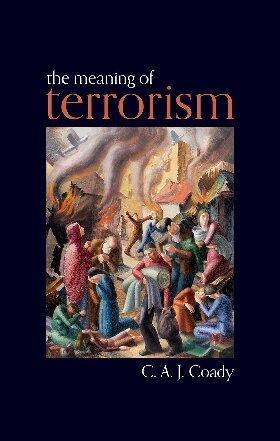
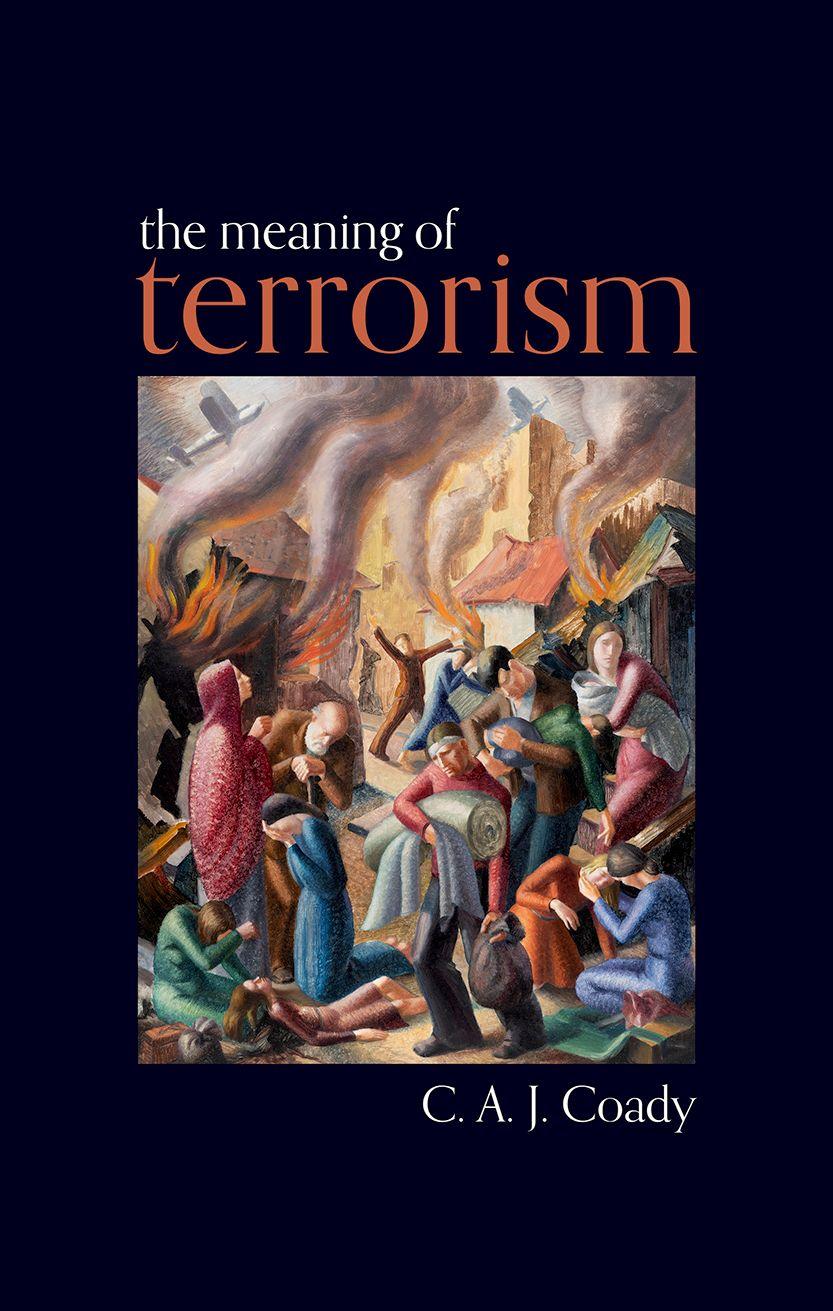
Thepainting “Civilised ” byNewZealandartist,A.LoisWhite,reproducedcourtesyofSueDisbroweandothermembersofthefamilyof theartist.
ExtractfromAileenKelly, “Aftershock:1.Thecity,burning, ” reproducedcourtesyoftheKellyfamily.
Extractfrom AlgerianChronicles byAlbertCamus,editedandwithan introductionbyAliceKaplan,translatedbyArthurGoldhammer, Cambridge,MA:TheBelknapPressofHarvardUniversityPress, Copyright©2013bythePresidentandFellowsofHarvardCollege.
ExtractfromBruceDawe, “Travelogue,” reproducedcourtesyofthe estateofBruceDawe.
ExtractfromJohnLahr,column “QuestionsforJohnLahr,” courtesyof Lahrand TheNewYorker.
Extractfrom TheAmericanHeretic’sDictionary,courtesyofauthor ChazBufe.
TheEarthquakes,theearth shakesthechild.Forus itwasbombs.Wehuddledinshelter. Theearthshook,theair howledand flamed.
Thecityburned. AileenKelly, “Aftershock:1.Thecity,burning”
Introduction
Aswitnessedbythearrivalandcontinuedpresenceofthe “waronterror,” the threatofterrorismhasbeenparticularlyprominentinpublicconsciousness andinpoliticalrhetoricandactionduringtheearlyyearsofthetwenty-first century.Fortherelativelycomfortable,economicallyadvancedcountriesof whatis(somewhatcuriously)called “theWest,” thisattentionowesmuchto theattacksofSeptember11,2001onNewYorkandWashington,DC.These attacks,andtheiraftermaths,evenresonatedinmanylessaffluentcountries whereterroristattackswereassociatedmorewithnationaldisintegrationand civilwars.The9/11attackskilledjustover3,000peopleandresultedin militaryretaliationsinAfghanistanandIraqthatkilledvastlymorethousandsandhadpoliticalandmilitaryeffects,manyofthemdire,thatcontinue still.ThearrivaloftheCovid-19pandemicin2020hadtheeffectofdisplacing thisapprehensionfromtheforegroundofattentioninthosemoreaffluent countries,thoughthehordesofdamagedanddisplacedvictimsofday-to-day terroristactsbystateandsub-stateagentsinpartsoftheMiddleEastand Africasufferedmuchlessofashiftinfocus, findinginthepandemicjustone moregraveanxietytobesiegethem.
Thepandemichasindeedbeenacalamityonadreadfulscalethroughout theworld,withdeathsinNewYorkCityintheearlydaysofthedisease’ s spread,forinstance,rapidlycomingtooutstripthenumberkilledinthe9/11 attacksandthencareeringbeyond.Theshiftinperspectivewasnotonly imaginativelyunderstandable,butitalsohadonesalutaryaspectinsuggestinghowthethreatofterrorism,orsomeformsofit,canitselftooreadily displaceattentionfromotherimportantthoughlessdirectlydramaticdangerstocivillifefrommultiplediseasesandpovertythroughtoenvironmentaldegradation.
Evenso,contemporaryterrorismcertainlyposesnotonlygenuine,continuingthreatstolivesandexpectations,butalsoimportantchallengesto ourintellectualcomprehension,moralunderstanding,andcapacityto respondandcounterthethreatswithoutpanicoroverreactionordamaging compromisetomoral,legal,andpoliticalvalues.Itmustbeaddedthat
terroristactsunderstandablyarouseaparticularsortofapprehension becausetheymakeaspecialimpactonusinexhibitinghumanintentionality ingrossharming.Thevirus,bycontrast,ifweignorefancifultheoriesabout Chinesemalevolenceinsomehowcreatingit,sprangfromnothingofthe sort,thoughitsspreadmaywellhavebeenhelpedbyhumannegligence, incompetence,orstubbornignorance.Tobringoutthesignificanceofthe perceptionofintentioninourreactiontoterroristacts,wemightconsider howourattitudestoroadfatalitiesandinjuriesmightbeaffectedbyadding anelementofintention.Mostofusarerightlycarefulaboutourdriving becauseoftherealriskofaccidentalharmsontheroad,butourcautionand senseofdangerwouldbevastlygreaterifitwasknownthattherewasevena smallpercentageofdriversouttherewhowerenotmerelyirresponsibly negligent,butbentuponkillingotherdrivers.
PhilosophyandTerrorism
Althoughphilosophershaveeventuallydevotedagreatdealofattentionto terrorism,especially,thoughnotexclusively,since9/11,therewasverylittle toconsultofphilosophicalmaterialdirectlydealingwithitwhenI firstcame toconcentrateonthetopicintheearly1980s.MichaelWalzer,whose HarvardseminarIhadattendedin1978,hadabrief,stimulatingchapter (ofninepages)inhisimportantbook JustandUnjustWars publishedthe yearbefore,buthewasoneoftheveryfewphilosopherstoaddressthis questionaroundthattime.¹Thisisparticularlysurprisinggiventhatthere hadbeenplentyofpublicfocusonterroristactsinNorthernIrelandandin Englandthroughoutthe1970s,aswellasonothers,includingthe1972 MunichOlympickillingsofelevenJewishathletesandaGermanpoliceman. Therehadalsobeennumerousspectacularhijackingsofcivilianairplanesin the1970s,manyofthempoliticallymotivated,andanumberofthem involvingkillingsorinjuries.
Initially,myownstimulustowriteonthetopiccamepartlyfromthis surprisingdearthofphilosophicaltreatmentsandpartlyfromastartling exchangeofviewswhenIwasrunninganInterdisciplinaryProgrammeon ProblemsofPeaceandConflictattheUniversityofMelbourneinthelate
¹CarlWellmanandMartinHugheswerenotablefordoingso,andIdiscusssomeoftheir viewsinthisbook.SeeCarlWellman, “OnTerrorismItself,” JournalofValueInquiry,vol.13, no.4(1979);MartinHughes, “TerrorismandNationalSecurity,” Philosophy,vol.57(1982).
1970stoearly1980s.Atacommitteemeetingwithcolleaguesintheprogram somethingcameupaboutterrorism,andseveralofmyfriendsfromother disciplines,notablyEnglish,Politics,andHistory,objectedwithpuzzlement andacertaindegreeofscorntomyproposeddefinitionofterroristacts,and evenmoresototheideaofusingmoralphilosophyinthediscussionofsuch acts.Nodoubtmyearlyattemptatdefinitionneededrefinement,buttheir reactionsshowedtwothingsthathadalreadybeguntotroubleme.The first wasafuzzinessaboutwhatterrorismorterroristactscouldbe,afuzziness thatwasareflectionofastateofconfusioninthepublicdebateatlargeabout whatwasactuallybeingdiscussed,condemned,excused,orevenjustifiedin talkaboutterrorismandterroristacts.Thisconfusion,whichisstillrampant today,meantthatpeoplewereoftenatcross-purposesindiscussionsof terrorismwithregardtoitsmoralstatus,significance,andneedforcountermeasures.Thesecondwastheirscornabouttheprospectsforphilosophical clarificationoftheconceptandforbringingmoralconsiderationstobear uponthephenomenonofterrorism,especiallymoralconsiderations informedbyphilosophicalreflection.Whenthiswasnotcynicismabout philosophicalpretensionsorpoliticsgenerally,itseemedadimreflectionof thosepoliticaltheoriesandpracticalpolicies,knownaspoliticalrealism, whichapparentlydenyorstronglydownplayaroleformoralityinmatters ofthedeploymentofpoliticalviolenceandmuchelseinpolitics,insisting insteadontheideaofnationalinterestasthesoleorprimaryrelevant normativeconsideration.²Thesethingshelpedpromptmywritingthe paper “TheMoralityofTerrorism,” publishedin Philosophy in1985,and laterrepublishedinvariousplaces.
Inthefollowingyears,Ihavewrittenandspokenfrequentlyonthesubject ofterrorismandsoughttomeetsomeoftheobjectionstomyviewsandto heedwhatotherphilosophersandtheoristshavehadtosayaboutthesubject initsvariousaspects.Revising,developing,andintegratingmypositionon thematterhasnowproducedthisbook.Ihavecalledit TheMeaningof Terrorism partlybecauseIhavetriedtofashionaconceptofterrorismthat reflectstoanimportantextentasemanticcoreinreports,arguments,and responsestoterroristactsthatwillbeusefulinclearinguptheconfusions mentionedaboveand,moreover,inconnectingmoraljudgmentaboutsuch actswithphilosophicaltheoryand,toadegree,withwhatSidgwickcalled “common-sensemorality.” ButIalsohaveattemptedtoaddressquestionsof
²IhavediscussedpoliticalrealismatsomelengthinC.A.J.Coady, MessyMorality:The ChallengeofPolitics (Oxford:OxfordUniversityPress,2008).
themeaningofterrorism,inasensebroaderthanthatofconceptual analysis,semantics,orevenfruitfulconceptualtidiness.Thisisthesense inwhichweusetheword “meaning” toscrutinizethesignificanceof activities,policies,connections,institutions,work,andeven,atthelimit, lifeitself.Thissenseof “meaning” appliestoaconcernforafocusonbad thingsaswellasgood.Insuchscrutiny,weareinvolvedbothindescription andinnormativeexamination,justas,forinstance,indiscussingthe meaningofwork,weneednotonlyanaccountofwhatwork(initsmanifold forms)is,butalsowhatitcouldandshouldbe,andwhythatmatters.By contrastwithaconceptlikework(assumingthatworkproperlyunderstood canbeconsideredagoodthing),anidealikeracismwouldrequireinan explorationofitsmeaningnotonlyclari ficationofwhatitwas,butalsoof themoralstatusofitseffectsonthosesubjecttoitsoperation,effectsthat mightrangefromthesubtletothegross,andapartfromdirectracistacts, suchanexplorationwouldattendtothenormativedimensionsofthe entrenchmentofracistattitudesinsocialandpoliticalinstitutions.
TheMeaningofTerrorism isthenatitletoindicateavoyageintothe territoryofthosevariousdimensionsoftheideaofmeaning.Bycontrast withtheearlierphilosophicalneglectofthetopic,theamountofinkspilled onaspectsofterrorism,terrorists,andterroristactsoverthepastfortyyears byphilosophersandindeedtheoristsfrommanyotherdisciplinesand beyondacademiaisenormous,andImakenopretenseofhavingheeded allofit.NorindeedhaveIdealtwithalltherelevantphilosophicalliterature, thoughIhaveconcentrateduponanumberofprominentauthors,and Ihavetriedtoutilizeideas,inbothacriticalandappreciativespirit,from selectednon-philosophicalsources,suchaspoliticaltheory,history,law, journalism,andeventheology.
ABriefOutlineofThemesintheBook’sChapters
Chapter1isconcernedwithbringingsomeclaritytothewidespreadconceptualconfusionaroundwhattermslike “terrorist,”“terroristact,” and “terrorism ” mean.Withoutbeingtoorigidaboutdefinition,itisimportant tooperatewithsomeagreeddefinitionalclarityinthearea.Idefendthe valueofsuchadefinitionalenterpriseandthenprovidewhatIcallatactical definitionofaterroristactthataimstocaptureacentralcoreinvolvedin talkaboutterrorismandopensdiscussionofterroristactstocogent moralassessment.Myde finitionofaterroristactis: “Apoliticalact,
ordinarilycommittedorinspiredbyanorganizedgroup,inwhichviolence isintentionallydirectedatnon-combatants(or ‘innocents’ inasuitable sense)ortheirsignificantproperty,inordertocausethemseriousharm.” Therestofthechapterdiscussesadvantagesofthedefinitionandcriticizesa numberofobjectionstoit.
IntherestofChapter1,IdiscusswhatIseeasconspicuousadvantagesof thedefinition,particularlythatittreatsterrorismasaspecificmeanstoward politicalgoalsandhenceavailabletoanysortofagent,includingstates,not merelytoinsurgentsorothersub-stateagents.Italsoleavesitopenwhether revolutionaries,counter-revolutionaries,orothergroupscanemploypoliticalviolence,whetherjustifiedornot,withoutusingterroristtactics.Ithen proffersixclarificationsanddefensesoftheexpandeddefinition’skeyterms: thenormativestatusofthetacticaldefinitionwithrespecttomoralneutralityorcommitment;theimplicationsofthereferenceto “seriousharm” init; whetherthreatsorplansshouldhavebeenincluded;thediscussionofthe phrase “ordinarilycommittedorinspiredbyanorganizedgroup” andthe issueofthe “lonewolf” terrorist;thescopeoftheterm “political”;and whether,inphilosophicalterminology,theobjectoftheintentioninthe definitionshouldbereadasopaqueortransparent,i.e.,towhatdegreeis thedeterminationthatanactisterroristdecidedbytheagent’sbeliefabout thestatusoftheirvictimortheobjectivefactsaboutthatstatus?
InChapter2,anumberofobjectionstothedefinitionarediscussedthat criticizeiteitherforbeingtoonarrowortoobroad.Thenarrownesscriticismsobjectthat(a)thereareterroristactsthattargetcombatants,(b)there areterroristactsthatdonotinvolveapoliticalmotive,e.g.,certaincriminal orreligiousacts,and(c)certainnon-intentionalviolenceafflictingnoncombatants,basicallysomeofthosecoveredbythephrase “collateraldamage, ” shouldbeencompassedbythedefinition.The “toobroad” categoryof objectionsarguesthat(a)thetacticaldefinitionshouldberestrictedbythe inclusionofaningredientofintentionallyprovokingfear,andsometimes addthattheinducementoffearshouldbedirectedatothersthanthose attacked,(b)thedefinition’sextendingtostatesthepossibilityofcommitting terroristactsismistaken,(c)theinclusionofnon-combatantpropertyinthe definitionismistaken,and(d)myapproachsimplydefinesterroristactsas murderandloseswhatisdistinctiveofsuchacts.Theseobjectionsare criticizedandrejectedforthemostpart,thoughsomeelicitconcessional commentsabouttheirpossibleancillarybenefitsinrelationtothepreferred tacticaldefinition.
Chapter3addressesfourphilosophicalattemptstoshow,mostlywithout dependenceonadefinitionalaccountofterroristacts,thatterroristattacks haveaspecialmoralsignificance.Indoingso,intheirverydifferentways, thesephilosophersarticulateaconcernaboutterrorismthatiswidelyheld amongstnon-specialists.Thephilosopherswhoaddresstheideaofspecial significancemostdirectlyareSamuelScheffler,JeremyWaldron,andLionel McPherson.Waldrondoesnotusethephrase “specialmoralsignificance, ” buttheideaofsuchisprettyclearlyatworkinhisdiscussion.Thefourthis KarenJones,whoalsodoesnotusethelanguageof “specialsignificance, ” butherdiscussionof “basalsecurity,” thedisruptionofwhich “makesa reallyefficient” terroristcampaignwork,seemstofunctioninthesameline ofterritoryasmarkingsomeparticularlydistinctivefeatureofterrorismin additiontoitsbeingatacticdistinguishedbyitscommitmenttoattacking non-combatants.³Theclaimshemakesisworthaddressinginthiscontext. Iarguethatthesevariousattemptsfailtomakethestrongcasethatthey promise,andthatthefailureisinstructivefortheunderstandingofterrorism andforpoliciestodealwithit.
Chapter4tacklesthedifficultissuessurroundingtheconceptofcombatant/non-combatant,andtherelatednotionsofguilt/innocenceandthe connectionofthesetothesoldier/civiliandistinction.Theinvestigationis partlyconceptual,butitalsoinevitablyraisesmoralquestionsandtheir significance,sincethetacticaldefinition’srelianceuponsuchconcepts relatesimmediatelytothemoralassessmentsenshrinedinthejustwar principleofdiscriminationwhichprohibitsthedirectionoflethalviolence uponnon-combatants,andreflectsawidermoralprinciplethatprohibits violenceagainsttheinnocent.Whetheroneorbothoftheseprinciples shouldberejected,modified,orallowofexceptionsarefurtherquestions thatareaddressedinChapters5and6.Thefactthattheyneedtobeso addressediswhymytacticaldefinitionisinasensemorallyneutral,though itpointstowardtheimmoralityofterroristacts.Thechapterrequires extendeddiscussionofcontemporarydebateswithinthecomplexjustwar tradition,particularlybetweenthoselooselystyled “traditionalist” and “revisionist.” Iofferajudgmentonthedebate,anddiscussitsrelationtomy accountofthenatureofterroristacts.
³KarenJones, “TrustandTerror,” in MoralPsychology:FeministEthicsandSocialTheory, editedbyPeggyDesAutelsandMargaretUrbanWalker(Lanham,MD:RowmanandLittlefield Publishers,2004).
Chapters5and6provideanextensivediscussionofsevenphilosophical positionsthatattempttojustifyterroristactsincertaincircumstances.Each one,indifferentways,reflectslessformalandlesscarefullyarticulatedviews thatareproclaimednotonlybyactiveterroristsbutalsomanymembersof thegeneralpublicthroughouttheworld,especiallywhentheactspurporting tobejustifiedarecommittedbytheirownpeopleorotherswithwhomthey sympathize.InChapter5,fourcategoriesofattemptedjustificationare examined:utilitarian/consequentialistargumentsthatmayrejecttheprincipleofdiscriminationoutright;theargumentfromself-defense;thetit-fortatargument;andtheargumentfromtheneedfora fightingchance.In Chapter6,threemorecategoriesarescrutinized:theargumentfromcollectiveresponsibility;theargumentfromredistributivejustice;andtheargumentfromsupremeemergency.Allsevenoftheseattemptedjustifications raiseamoregeneralandverychallengingissueaboutthedifficultiesof moralphilosophizinginthefaceofabsolutemoralprohibitions.
Chapter7discussessomeoftheproblemsposedbycontemporaryterrorismforcounter-terrorismmeasures.Thediscussionisprimarilyfocusedon reactionsofstatestosub-stateterrorismbroadlyunderstood.Thereisan initialdiscussionofissuestodowithwhether,andifsowhen,terrorists shouldbetreatedascombatantsorcriminals,whichraisestherelations betweenmilitaryandnon-militaryformsofcounter-terrorism.Problems withmilitaryresponsesconnectedwiththeinflammatoryslogan “thewaron terror, ” includingthoseresponsesentitled “targetedkilling,” arealsodiscussed.Thereafter,thechapterdealsmostlywithnon-militaryresponses andtheirmoralandpoliticalhazards.Theseareexaminedunderthethree categoriesof:(1)domesticandtosomeextentinternationallegaland regulatorymeasures,especiallythoseintroducedspecificallytodealwith terrorism;(2)diplomaticmeasures,bothinternalandexternal;(3)measures toremoveordealwiththegrievance.Under(1),thedifficultiesconnected withlegaldefinitionsofterrorism,andthestrongtendenciesoflegislationto promoteabusesofpoweranddamagetocivilliberties,areexploredwiththe aidofmanyexamples,andthedifficultiesofthepreventiveimperativein legalcontextsisanalyzed;under(2)and(3)thepathofpoliticaldiplomacy thattakesaccountofgrievances,genuineorpurported,issupported,but obstaclestoitssuccessinpracticearediscussed,includingissuesofconceptualconfusionandproblemstodowithbadfaith.
Chapter8isconcernedwithcommonviews,amountingtosomethinglike presuppositions,affirminglinksbetweenreligionandterroristacts.One suchviewisthatreligionitselfhasaninherent,distinctive,possiblyunique
tendencytopromoteviolentactsandhencealsoterroristacts;anotheris that,whatevermaybethecaseaboutsuchageneraltendency,manypast andpresentwarsandterroristactswereinfactwhollycausedbyspecific religiouscommitments;yetanotheristhatwhateverthefullstoryabout causesmaybe,religioninevitablypromotesparticularlybadfeaturesofwar andterrorism,suchastheirferocityandduration.Theseviewsandsome importantdifficultieswiththemareanalyzedandcriticallyassessed,anditis arguedthatthecommonviewsoversimplifyandoftenexaggeratethe importanceofreligiouselementsinviolentconflicts.Asaresultofthis, notonlyarepositiveaspectsofmanyreligioustraditionsofcondemning wrongfulresorttoviolenceneglected,butthefocusonreligionalsooften leadstoignoringthepoliticalandnon-religiousideologiesthatdriveso muchwarandterrorism.Thechapterexaminesclaimsandargumentsbya rangeoftheorists,boththoseinfavorofthestrongcausalconnections betweenreligionandpoliticalviolenceandthoseagainst.Interestingly, religiousandnon-religiouspeoplecanbefoundonbothsidesofthedebate. Asageneralpointaboutmydefinitionofterroristactsandthemoral discussionthatfollowsit,Ishouldnoteherethatlikemanyotherswhowrite aboutwarandterrorism,suchas,tonameonlytwoprominentphilosophical figures,JeffMcMahanandCecileFabre,Irelyupontheimportantrole ofintentionindiscussingthemoralityofmanyacts,andrelatedly,tosome extent,uponwhatiscalledthedoctrineofdoubleeffect(DDE).Isay “to someextent” partlybecauseitdoesnotexplicitly figureheavilyinmytext, butalsobecause,asIdiscussbrieflyinChapter2andhaveinmoredetail elsewhere,Ihavereservationsabouttheactualandpossibleabusesofthe DDEin,forexample,someoftherecoursestoitinthepracticeandtheoryof “collateraldamage.”⁴ Itis,however,importanttoacknowledgethatthereis considerablecontroversyincontemporaryphilosophyaboutboththeDDE andconnecteddistinctions,suchasthatbetweendoingandallowing.Some ofthecritiquesoftheDDEandrelatedmattersevenextendmoresurprisingly(tome,atleast)totheveryroleofintentionatallinassessingactsand theirmoralpermissibility.Thesecritiqueshavebeenprominentinsomeof thephilosopherswhowriteonterrorismandwar,butafulldiscussion examiningthiscomplexofissuesistoolargeaprojectformypurposesin thisbook.Iwould,however,stronglyrecommendJeffMcMahan ’ spaperon “Intention,Permissibility,Terrorism,andWar” (PhilosophicalPerspectives,
⁴ SeeC.A.J.Coady, “CollateralDamage,” TheInternationalEncyclopediaofEthics,editedby HughLaFollette(Chichester:Wiley-Blackwell,revised2019).
23,2009)asathoroughaccountofthedebateandastrongdefenseofthe significanceofintentionintheassessmentofpermissibleacts,andalsoofthe suitabilityofsomeversionoftheDDEtothediscussionofterrorismand war.⁵ Intentionmaynotbeallthatneedconcernusinthemoralandlegal assessmentofhumanacts theirpermissibility,condemnation,praiseworthiness,ordesirability butitremainscruciallyimportanttothattask,and thephilosophicalexplorationofterroristactsisimperiledbyitsneglector diminishment.
⁵ JeffMcMahan, “Intention,Permissibility,Terrorism,andWar,” PhilosophicalPerspectives, vol.23,no.1(2009).
ShapingaConceptofTerroristActs
AClarifyingProposal
TERRORIST, n.Onewhousesviolenceinamannercontraryto theinterestsofUSbasedmultinationalcorporations.
TheAmericanHeretic’sDictionary¹
AttheheightoftheColdWar(andbeyond),admittingtohavingbeena memberoftheCommunistPartywasverylikelytodisqualifyanimmigrant fromlegallyenteringtheUnitedStates.Thisbarrierwasmuchdebated,and anotherquestionthatmorerecentlycontinuedonapplicationformsfora non-immigrantvisatotheUSasked: “DoyouseektoentertheUnitedStates toengageinexportcontrolviolations,subversiveorterroristactivitiesorany unlawfulpurpose?”,towhichavisitorbentonsubversion,etc.isunlikely toanswer “Yes.” Fromthepointofviewofsubversionorterrorism,membershipofal-QaedaorISISislikelytobemorepertinenttodaythan membershipoftheCommunistParty,thoughevenmoreunlikelytobe admitted.Inanycase,manypeoplecomplainedaboutthesesortsofquestionsforvariousreasons,butatleastsomeofthequestionswererelatively clearintheirownterms,especiallythe first:membershipornon-membership oftheCommunistPartywasaprettystraightforwardcategory.Atthe heightoftheColdWarmuchvaguertermswereofcourseincurrency, suchas “fellow-traveler,”“communistsympathizer,”“pinko, ” and “ neocommunist,” andthevaguenessofthesecategoriescouldhavepernicious consequences.Butthevisaquestionswerenotvagueinquitetheseways.
Today,terrorismhasreplacedcommunismas(inthephrasingofMarx andEngels) “thespecter” thatishauntingmuchoftheworldandwehavea newcold,andinsomepartsoftheworlddistinctlyhot,waronterror.But whatterrorismiscanbemuchmoreopaquethantheparallelquestionabout communism,particularlyinsomelegalandquasi-legalformulations.
¹ChazBufe, TheAmericanHeretic’sDictionary:RevisedandExpanded (Tucson,AZ:Sharp Press,2016).
Consider,forinstance,thequestionIhadtoanswerin2012onmyapplicationforavisatotheUK.ItformedpartoftheUKBorderProtection QuestionnaireforobtainingaUKvisa:Itsaid:
Haveyouever,byanymeansormedium,expressedviewsthatjustifyor glorifyterroristviolenceorthatencourageorthatmayencourageothersto terroristactsorotherseriouscriminalacts?
Ianswered “No” inallsincerity,butIwonderedwhattheymeantby “terroristviolence,” nottomention “ mayencourage, ” becauseIwassure thatmanyofmyphilosophicalcolleaguesfromvariousWesterncountries couldnotanswerthejustificationquestioninthenegativeashonestlyas IthoughtIcould,givenmyownunderstandingof “terroristviolence.” This ispartlybecausesomeofthemunderstandtheterm “terrorist” differently, butevensomewhothinkofterrorisminthesamewaythatIdomight struggletoanswer “No” honestly.NorcouldIhaveansweredhonestlyhad Iacceptedsomeotherunderstandingsoftheterm.²InChapter7Iwill addresssomeoftheconceptualdifficultiesoflegaldefinitionsandprohibitionsofterroristactsandrelatedmatters.InChapters5and6,Iwillalso addresssomeoftheproblemsinattemptedjustificationsofterroristacts. ThoseIwillconsiderareadvancedbyacademics,mostlyphilosophers,but theyembodyindifferentwaysjustificationsthatarenotonlyadvancedby otheracademicsbutthatarealsocommoninmoreeverydaydiscourse.
WhyBotherwithaDefinition?
Asthequotationfromthevisaapplicationformsuggests,andasconsultationoftheterrorismliterature learned,popular,andhistorical reveals, politicians,philosophers,politicaltheorists,andlawyershaveofferedand stillofferabewilderingvarietyofdefinitionsofterrorismorterroristacts; andmuchofthisdisarrayafflictstheunderstandingofthewordandits cognatesinnon-specialistspeechanddiscussion.Forinstance,theUK PreventionofTerrorism(TemporaryProvisions)Act1989definesaterroristactas: “theuseofviolenceforpoliticalends,andincludesanyuseof
²Asforthe “ mayencourage ” clause,thatissimplypreposteroussinceallmannerof otherwiseharmlessorpositivelyhealthyviewscanbetakenasencouragementtobadbehavior; forexample,publicationofstatisticsabouttheeconomicprosperityofonecountrymay encourageillegalmigrationfromanother.
12
violenceforthepurposeofputtingthepublicoranysectionofthepublicin fear,”³whereastheUSStateDepartmentdefinesitatonepointas “ premeditated,politicallymotivatedviolenceperpetratedagainstnoncombatant targetsbysubnationalgroupsorclandestineagents.”⁴ TheUKdefinition makesnodistinctionbetweenthetypeofagentswhomaycommitterrorist acts,whereastheUSdefinitionrestrictsagentstosubnationalorclandestine groups,andtheUKstatementplacesnorestrictiononthetypeoftargets againstwhichtheactsmaybedirected,whereastheUSdefinitionrestricts thetargetstonon-combatants.Thesedifferencesareamongstthosethatare ofthe firstimportanceinpracticeandtheoryandtheirsignificancewillbe discussedinwhatfollows.Atthispoint,weshouldjustnotethattheUK approachwouldallowforstatestocommitterroristacts,whereastheUS definitiondoesnot.Bothemphasizepoliticalmotivation,butpurposely creatingfearisinvolvedinthe firstbutnotthesecond.
Therearemanyotherconfusionsamongstlegalandpoliticalandpopular understandingsofterrorismandterroristacts;indeed,WalterLaqueurhas claimedconvincinglythatthereareaboutonehundredsuchdefinitionsin theterroristliterature,soIwon’tattempttosortoutallthisconfusionbitby bit.⁵ Ishall,however,trytoprovidearelativelycleardefinitionthatdoestwo things.Itwillaimtocapturesomethingcentralaboutterrorismthatmost peopleseemtohaveinmindwhentheytalkaboutthetopic,anditshould contributetothepossibilitiesofsaneandcoherentthinkingaboutthe moralityofterrorismandalsothemoralissuesinvolvedinrespondingto thethreatorthreatsofterrorism.Thereisinevitablyadegreeofstipulation aboutanysuchapproachsincenotonlydoes “terrorism” sharewithmost politicalconceptsamessyshape,butitsuseincommondiscourseisalso morethanusuallyloadedwithrhetoricalandpolemicalbaggage.Thisis evidentinthewayrepressivegovernmentsofvarioustypesrushtolabelthe criticsorprotestorsagainsttheirpolicies “terrorists, ” ascanbeseenin,for justoneinstance,theEgyptiangovernment ’sarrestofeightpeoplethey accused,amongstotherthings,ofjoiningaterroristgroupbecauseoftheir merelycommittingsuchactsasplayingasongonacarvideo fiercely satirizingtheEgyptianPresidentAbdelFattahal-Sisi.Oneoftheeight, AbdelShadyHabash,atwenty-four-year-old film-maker,diedtwoyears
³PreventionofTerrorism(TemporaryProvisions)Act1989,Section20(1). ⁴ Title22Chapter38U.S.Code§2656f,(d)(2) “AnnualCountryReportsonTerrorism.” ⁵ WalterLaqueur, TheNewTerrorism:FanaticismandtheArmsofMassDestruction (NewYork:OxfordUniversityPress,1999),5.
laterinprisonafterneverhavingbeenbroughttotrial.Thesongwaswritten byanexiledEgyptiandissidenttowhommostofthosearrestedhadlittle connection.⁶ Anawarenessofsuchdistortingeffectsofpoliticalmanipulationandexploitationshouldmotivateasearchformoreclarityaboutwhata claimaboutterroristactivityshouldreallymean,sinceweareinevitably madetopayaheftyconceptualandmoralcostforsuchexploitationofthe concept’sfuzziness.
Evenso,suspicionofstipulationandawarenessofthemessinessof ordinaryandsophisticatedtalkofterrorismhasmovedquiteafewtheorists toshundefinitionaltogether.VirginiaHeld,RussellHardin,Samuel Scheffler,andJeremyWaldronarejustfourwho,indifferentways,tryto avoiddefiningterrorism.⁷ Suchreactionsareunderstandable,andIhave sympathywiththedesiretoavoiddefinition-mongeringandthesearchfor excessivelysharpboundariestodiscussion.Badgeringpeopleaboutdefinitioncanbetiresomeandevencounter-productive,asillustratedbyan exchangeinJohnUpdike’snovel Couples whenthevictimofsuchbadgering respondstoitbydemanding: “Define ‘define ’!”⁸ Nonetheless,theopponents ofdefinitionhavetheirownproblems,sincethosewhoworkwithno definitionalconstraintscanelideimportantdistinctionsandofferconclusionspronetoambiguitythatcanpromoteunfortunatepolicyandmisleadingmoraljudgments.VirginiaHeld’sargumentforthepermissibilityof terroristactsinsomecircumstancesasjustdistributionrestsinpart,asIwill laterargue,onanunwittingconflationoftwodistinctcategoriesofviolence undertheoneheadingof “terrorist.”⁹ Held’sargumentwillbeanalyzed morefullyinChapter6.WhatIwouldtakefromthecritics’ skepticism aboutdefinitionisthatanydefinitionofterrorismshouldbeunderstoodasa stipulationthatproducescertainbenefitsforsocial,political,andevenlegal discussion,capturessomethingcentraltowhatiscontainedincommon usage,andremains flexibleaboutsomevariationsfromthedefinition.Ofthe moreplausibleofthesevariations,itshouldbeabletogiveexplanationsfor
⁶ ForareportoftheseeventsseeRuthMichaelson, “EgyptianFilm-MakerWhoWorkedon VideoMockingPresidentDiesinJail,” TheGuardian (May3,2020).https://www.theguardian. com/world/2020/may/02/egyptian-filmmaker-who-mocked-president-dies-in-cairo-jail.
⁷ SeeVirginiaHeld, HowTerrorismIsWrong:MoralityandPoliticalViolence (NewYork: OxfordUniversityPress,2009);RussellHardin, “CivilLibertiesintheEraofMassTerrorism,” JournalofEthics,vol.8,no.1(2004);SamuelScheffler, “IsTerrorismMorallyDistinctive?” , JournalofPoliticalPhilosophy,vol.14,no.1(2006);JeremyWaldron, “TerrorismandtheUses ofTerror,” TheJournalofEthics,vol.8,no.1(2004).
⁸ JohnUpdike, Couples (NewYork:Knopf,1968).
⁹ VirginiaHeld, “TerrorismandWar,” TheJournalofEthics,vol.8,no.1(2004).