TheHistoryofScottishTheology,VolumeI:Celtic OriginstoReformedOrthodoxyDavidFergusson
https://ebookmass.com/product/the-history-of-scottishtheology-volume-i-celtic-origins-to-reformed-orthodoxydavid-fergusson/
Instant digital products (PDF, ePub, MOBI) ready for you
Download now and discover formats that fit your needs...
The History of Scottish Theology, Volume III: The Long Twentieth Century David Fergusson
https://ebookmass.com/product/the-history-of-scottish-theology-volumeiii-the-long-twentieth-century-david-fergusson/
ebookmass.com
The History of Scottish Theology, Volume II: From the Early Enlightenment to the Late Victorian Era David Fergusson
https://ebookmass.com/product/the-history-of-scottish-theology-volumeii-from-the-early-enlightenment-to-the-late-victorian-era-davidfergusson/
ebookmass.com
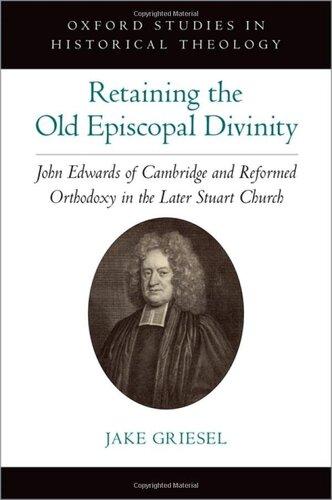
Retaining the Old Episcopal Divinity: John Edwards of Cambridge and Reformed Orthodoxy in the Later Stuart Church (Oxford Studies in Historical Theology) Jake Griesel
https://ebookmass.com/product/retaining-the-old-episcopal-divinityjohn-edwards-of-cambridge-and-reformed-orthodoxy-in-the-later-stuartchurch-oxford-studies-in-historical-theology-jake-griesel/ ebookmass.com
Public Law Directions Dennett
https://ebookmass.com/product/public-law-directions-dennett/
ebookmass.com
MIKE: Voodoo Guardians: Book Seventeen Mary Kennedy https://ebookmass.com/product/mike-voodoo-guardians-book-seventeenmary-kennedy/ ebookmass.com
IoT Product Design and Development: Best Practices for Industrial, Consumer, and Business Applications Ahmad Fattahi
https://ebookmass.com/product/iot-product-design-and-development-bestpractices-for-industrial-consumer-and-business-applications-ahmadfattahi/ ebookmass.com
The Hawkes: Beauties With Blades Book 4 Laurel O'Donnell
https://ebookmass.com/product/the-hawkes-beauties-with-bladesbook-4-laurel-odonnell/
ebookmass.com
Learn Azure Synapse Data Explorer: A guide to building real-time analytics solutions to unlock log and telemetry data Rocha
https://ebookmass.com/product/learn-azure-synapse-data-explorer-aguide-to-building-real-time-analytics-solutions-to-unlock-log-andtelemetry-data-rocha/ ebookmass.com
Complete Physics for Cambridge Secondary 1 Student Book: For Cambridge Checkpoint and beyond Reynolds
https://ebookmass.com/product/complete-physics-for-cambridgesecondary-1-student-book-for-cambridge-checkpoint-and-beyond-reynolds/ ebookmass.com
Willard and Spackman’s Occupational Therapy Thirteenth, North American
https://ebookmass.com/product/willard-and-spackmans-occupationaltherapy-thirteenth-north-american/
ebookmass.com
THEHISTORYOFSCOTTISHTHEOLOGY TheHistoryofScottishTheology,VolumeI CelticOriginstoReformedOrthodoxy
TheHistoryofScottishTheology,VolumeII TheEarlyEnlightenmenttotheLateVictorianEra
TheHistoryofScottishTheology,VolumeIII TheLongTwentiethCentury
EDITORIALADVISORYBOARD
PROFESSORALEXANDERBROADIE (UniversityofGlasgow)
PROFESSORSTEWARTJ.BROWN (UniversityofEdinburgh)
PROFESSORSUSANHARDMANMOORE (UniversityofEdinburgh)
PROFESSORCOLINKIDD (UniversityofStAndrews)
PROFESSORDONALDMACLEOD (EdinburghTheologicalSeminary)
PROFESSORCHARLOTTEMETHUEN (UniversityofGlasgow)
PROFESSORMARGOTODD (UniversityofPennsylvania)
PROFESSORIAINTORRANCE (UniversityofAberdeen)
TheHistoryofScottish Theology VolumeI CelticOriginstoReformedOrthodoxy Editedby DAVIDFERGUSSON and MARKW.ELLIOTT
GreatClarendonStreet,Oxford,OX26DP, UnitedKingdom
OxfordUniversityPressisadepartmentoftheUniversityofOxford. ItfurtherstheUniversity’sobjectiveofexcellenceinresearch,scholarship, andeducationbypublishingworldwide.Oxfordisaregisteredtrademarkof OxfordUniversityPressintheUKandincertainothercountries
©OxfordUniversityPress2019
Themoralrightsoftheauthorshavebeenasserted FirstEditionpublishedin2019
Impression:1
Allrightsreserved.Nopartofthispublicationmaybereproduced,storedin aretrievalsystem,ortransmitted,inanyformorbyanymeans,withoutthe priorpermissioninwritingofOxfordUniversityPress,orasexpresslypermitted bylaw,bylicenceorundertermsagreedwiththeappropriatereprographics rightsorganization.Enquiriesconcerningreproductionoutsidethescopeofthe aboveshouldbesenttotheRightsDepartment,OxfordUniversityPress,atthe addressabove
Youmustnotcirculatethisworkinanyotherform andyoumustimposethissameconditiononanyacquirer
PublishedintheUnitedStatesofAmericabyOxfordUniversityPress 198MadisonAvenue,NewYork,NY10016,UnitedStatesofAmerica
BritishLibraryCataloguinginPublicationData Dataavailable
LibraryofCongressControlNumber:2019938275
ISBN978–0–19–875933–1
PrintedandboundinGreatBritainby ClaysLtd,ElcografS.p.A.
LinkstothirdpartywebsitesareprovidedbyOxfordingoodfaithand forinformationonly.Oxforddisclaimsanyresponsibilityforthematerials containedinanythirdpartywebsitereferencedinthiswork.
Acknowledgements Wewishtorecordourthankstoseveralpeoplewhohaveassistedwiththe productionofthisthree-volumework.DrSandyForsythhasprovidedvaluable supportwithcontracts,organizationofconferences,andregularcommunication withauthors.Asassociateeditor,hehascontributedmuchtothisprojectandwe aregreatlyindebtedtohimforhislabours.Initialcopyeditingwasundertakenby DrCoryBrock,RevdCraigMeek,andDrLauraMair.Threeconferenceswere heldwhichenabledcontributorstopresentinitialdraftsoftheirwork;thesewere heldin2016–17atPrincetonTheologicalSeminaryandNewCollege,Edinburgh with financialsupportfromtheUKArtsandHumanitiesResearchCouncil.We arealsogratefultothemembersoftheEditorialAdvisoryBoardfortheiradvice andencouragement,particularlyduringtheearlystagesoftheproject.
DavidFergussonandMarkW.Elliott
ListofContributors AlexanderBroadie isanhonoraryprofessorialresearchfellowatGlasgowUniversityand FellowoftheRoyalSocietyofEdinburgh.HehasbeenHenryDuncanprizelecturerin ScottishstudiesattheRoyalSocietyofEdinburgh,GiffordLecturerinNaturalTheologyat AberdeenUniversity,andProfessorofLogicandRhetoricatGlasgowUniversity.Heisthe authorofsometwentybooks,mostofthemontheScottishphilosophicaltradition.
SimonJ.G.Burton istheJohnLaingSeniorLecturerinReformationHistoryatthe UniversityofEdinburgh.Hispublishedworkincludes TheHallowingofLogic:TheTrinitarianMethodofRichardBaxter’sMethodusTheologiae (2012).Hehasalsoco-edited NicholasofCusaandtheMakingoftheEarlyModernWorld (2019)andpublishedarticles injournalssuchas ReformationandRenaissanceReview, Ecclesiology,and Historyof Universities,aswellasanumberofbookchapters.
EuanCameron isHenryLuceIIIProfessorofReformationChurchHistoryatUnion TheologicalSeminaryinNewYorkCity,andProfessorofReligionatColumbiaUniversity. Hisbooksinclude TheEuropeanReformation (1991,2ndedition2012), Waldenses (2000), InterpretingChristianHistory (2005), EnchantedEurope (2010),andtheeditedworks Early ModernEurope:AnOxfordHistory (1999), TheNewCambridgeHistoryoftheBiblevol.III (2016),and TheAnnotatedLuthervol.6:TheInterpretationofScripture (2017).Heisa priestintheEpiscopalChurchoftheUSA.
RichardCross hasbeenJohnA.O’BrienProfessorofPhilosophyattheUniversityofNotre Damesince2007.Beforethat,hewasProfessorofMedievalTheologyattheUniversityof Oxford,andaFellowofOrielCollege.Heistheauthorofsevenmonographsonmedieval philosophyandonthehistoryoftheology,including TheMetaphysicsoftheIncarnation: ThomasAquinastoDunsScotus (2002)and DunsScotusonGod (2005).Hehasalsowritten overonehundredarticlesonsubjectsrangingfromPatristictheologytoDisabilityStudies.
PeterDamian-Grint isamemberoftheAdamofDryburghresearchgroupatthe UniversityofGlasgow.HeisalsoanhonoraryresearchfellowinhistoryattheUniversity ofStAndrews.Hisworksinclude TheNewHistoriansoftheTwelfth-CenturyRenaissance: InventingVernacularAuthority (1999).
AaronClayDenlinger isDepartmentChairinLatinatArmaDeiAcademy,Coloradoand AdjunctProfessorofChurchHistoryatWestminsterTheologicalSeminary,Pennsylvania. Hispublicationsincludetheeditedvolume ReformedOrthodoxyinScotland:Essayson ScottishTheology1560–1775 (2015).
MartinHoltDotterweich isProfessorofHistoryatKingUniversityinBristol,Tennessee, wherehealsoservesasDirectoroftheKingInstituteforFaithandCulture.Amonghis publicationsontheearlyScottishReformationistheeditedbooklet GeorgeWishart QuincentennialConferenceProceedings (2014).
JamesEglinton isMeldrumLecturerinReformedTheologyatNewCollege,Universityof Edinburgh.Heholdsdegreesinlawandtheology,andaPhDinsystematictheology.Heis theauthorof TrinityandOrganism (2012)andworksprimarilyontheDutchneo-Calvinist tradition.
Marie-LuiseEhrenschwendtner waseducatedatMunichandTübingenUniversities.At Tübingen,shewroteherPhDthesison TheEducationofDominicanSistersinSouthern GermanyfromtheThirteenthtotheFifteenthCenturies (DieBildungderDominikanerinnen inSüddeutschlandvom13.bis15.Jahrhundert).SheisLecturerinChurchHistoryatthe UniversityofAberdeen.Hermainresearchareaismedievalfemalemonasticpietyand practicaldevotion.Inrecentyears,shehasalsoexploredthespiritualityoftheologiansin north-eastScotland,whoweredeeplyinfluencedbymedievalandearlymoderncontinental mysticism.
MarkW.Elliott,formerlyProfessorofHistoricalandBiblicalTheologyattheUniversityof StAndrewsatStMary’sCollege,SchoolofDivinityhasbeensinceFebruary2019Professor ofDivinityattheUniversityofGlasgow.Glaswegianbybirth,hewasfurthereducatedat Oxford,Aberdeen,andCambridge,wherehewroteaPhDonTheSongofSongsand ChristologyintheEarlyChurch.Hismainfocusistherelationshipbetweenbiblical exegesisandChristiandoctrine,bothancientandmodern,buthasaparticularinterestin Scottishtheologyinitsinternationalcontext.
DavidFergusson isProfessorofDivinityattheUniversityofEdinburgh.HeisaFellowof theRoyalSocietyofEdinburghandaFellowoftheBritishAcademy.Hispublications include TheProvidenceofGod:APolyphonicApproach (2018).
WhitneyG.Gamble isAssociateProfessorofBiblicalandTheologicalStudiesatProvidenceChristianCollegeinPasadena,CA.ShereceivedherPhDinHistoricalandSystematicTheologyfromtheUniversityofEdinburgh.Herpublishedworkincludes Christand theLaw:AntinomianismattheWestminsterAssembly (2018).
GiovanniGellera isapostdoctoralresearcherattheUniversityofLausanne.Hereceivedhis PhDfromtheUniversityofGlasgowin2012,andwasaVisitingFellowattheUniversityof FribourgandtheUniversityofEdinburgh.Hisresearchexpertiseisintherelationsbetween scholasticismandearlymodernphilosophy,fromtheRenaissancetotheEnlightenment. Hismajorworkisthecriticaleditionandtranslationofthemanuscript IdeaPhilosophiae Moralis (1679)byJamesDundas(forthcoming,withAlexanderBroadie).
ThomasM.Green isaformerpostgraduateanddoctoralcandidateattheSchoolof Divinity,UniversityofEdinburgh,aformerBritishAcademyPostdoctoralFellowattheSchool ofLaw,UniversityofEdinburgh,andaformerHonoraryResearchFellowattheSchoolofLaw, UniversityofGlasgow.
IanHazlett waseducatedinhistoryanddivinityatuniversitiesinBelfast,StAndrews, Strasbourg,andMünster(Westphalia)wherehedidhisdoctorateintheology.After researchpostsinGenevaandParis,followedbyalectureshipinchurchhistoryatAberdeen, hemovedtoGlasgowwherehelaterbecameProfessorofEcclesiasticalHistory,and PrincipalofTrinityCollege.CurrentlyHonoraryProfessorialResearchFellowatGlasgow
University,hisresearchinterestsandpublicationshavebeenmostlyintheareaof Reformationhistoryandtheology,especiallytext-criticaleditingofprimarysourcesincludingonesfortheOperaLatinaofMartinBucer, ReformierteBekenntisschriften,andthenew expandededitionof Conciliorumoecumenicorumgeneraliunquedecreta. Heischiefeditor oftheinternationaljournal, Reformation&RenaissanceReview.
StephenMarkHolmes isRectorofPadstow,StMerrynandStIsseywithStPetrocMinorin Cornwall,anHonoraryFellowatEdinburghUniversitySchoolofDivinity,andteachesat theScottishEpiscopalInstitute.HeisagraduateoftheuniversitiesofStAndrews, Maynooth,andEdinburghandhaspublishedbooksandarticlesonchurchhistory,liturgy, andhistoricaltheology.
DavidG.Mullan retiredattheendof2016asProfessorofHistoryandReligiousStudies fromCapeBretonUniversityinSydney,NovaScotia.Heistheauthororeditorofeight books,including ScottishPuritanism (2000)and NarrativesoftheReligiousSelfinEarlyModernScotland (2010).Hehasalsopreparedsixteenjournalarticlesandbookchapters inmulti-authoredvolumes.Inretirement,heliveswithhiswifeandneartheirfamilyin StAlbert,Alberta.
StephenG.Myers isProfessorofHistoricalTheologyatPuritanReformedTheological SeminaryinGrandRapids,Michigan,USA.Previously,heservedasapastorinthe AssociateReformedPresbyterianChurch.Hispublicationsinclude ScottishFederalism andCovenantalisminTransition:TheTheologyofEbenezerErskine (2015).
ThomasO’Loughlin isProfessorofHistoricalTheologyintheUniversityofNottingham andaspecialistintracinghowLatintheologydevelopedintheaftermathofAugustine.In thisquesthehaspaidparticularattentiontothepracticeoftheologyintheBritishIslesand howwritersreceivedtheologicalquestionsandmodelsfromlateantiquity,transformed them,andthenbequeathedthemtotheuniversitytheologians.HeistheDirectorof Studia TraditionisTheologiae.
GuyM.Richard isExecutiveDirectorandAssistantProfessorofSystematicTheologyat ReformedTheologicalSeminaryinAtlanta,GA.HeholdsaB.I.E.fromAuburnUniversity, aM.Div.fromRTS,andaPhDfromtheUniversityofEdinburgh.Beforemovingintohis currentposition,heservedastheSeniorMinisteroftheFirstPresbyterianChurchin Gulfport,Mississippi(PCA),foralmosttwelveyears.Heistheauthorofthreebooks, including TheSupremacyofGodintheTheologyofSamuelRutherford (2008)andmany articlesonReformationandPost-Reformationtheology.
LydiaSchumacher isReaderinHistoricalandPhilosophicalTheologyintheDepartment ofTheologyandReligiousStudiesatKing’sCollegeLondon.From2017–2021sheholdsa majorgrantfromtheEuropeanResearchCouncilforresearchontheearlyFranciscan intellectualtradition.Previously,sheheldpostsattheUniversityofEdinburghand UniversityofOxford,whereshewasalsoaBritishAcademyPostdoctoralFellow.Shehas writtenfourmonographs: TheologicalPhilosophy (2015), RationalityasVirtue (2015), DivineIllumination:TheHistoryandFutureofAugustine’sTheoryofKnowledge (2011), and AuthorityandInnovationinEarlyFranciscanThought (2019).
JohnT.Slotemaker isAssociateProfessorofMedievalChristianityatFairfieldUniversity. Hehasco-authored RobertHolcot (2016)andco-edited ACompaniontotheTheologyof JohnMair (2015)and AugustineinLateMedievalPhilosophyandTheology (2017)with
JeffreyC.Witt.ProfessorSlotemakerrecentlycompleted AnselmofCanterburyandthe SearchforGod (2018).Thefocusofhisresearchisthedevelopmentoflatemedieval Trinitariantheologyandtheinfluenceofmedievalthoughtonthesixteenth-centuryera ofReform.
R.ScottSpurlock isSeniorLecturerinScottishReligiousCulturesattheUniversityof Glasgow,theonlydesignatedScottishchurchhistorypostintheworld.Heiseditorofthe peer-reviewedjournal ScottishChurchHistory,co-editorofthebookseries ScottishReligiousCultures:HistoricalPerspectives (EdinburghUniversityPress)and Christianitiesinthe Trans-AtlanticWorld (2016),andauthorof CromwellandScotland:ConquestandReligion, 1650–1660 (2007).
IainR.Torrance ishonoraryprofessorinEarlyChristianDoctrineandEthicsatthe UniversityofEdinburgh.HeisaprofessoremeritusofPrincetonTheologicalSeminary,a formermoderatoroftheGeneralAssemblyoftheChurchofScotland,andpresident emeritusofPrincetonTheologicalSeminary.Heistheauthorofseveralbooksincluding ChristologyafterChalcedon (1998).Hewasalsotheco-editorofthe ScottishJournalof Theology from1982–2015.
1 ScottishTheology ContextsandTraditions DavidFergussonandMarkW.Elliott
Thisthree-volumestudyofthehistoryofScottishtheologybeginswiththe monasticperiodpriortothefoundationoftheuniversitiesandconcludesaround theendofthetwentiethcentury.Incovering fifteenhundredyearsoftheological work,wehavesoughttocombinebreadthofcoveragewithselectionofkeythemes andwriters.Inevitably,thishasresultedinsomedifficultdecisionsaboutinclusion andexclusion;butourcentralaimhasbeentoprovideasynopticviewofScottish theologythatismorecomprehensiveanddiversethananypreviousscholarly effort.Wehaveresistedthetemptationtoworkwitha ‘greatmen’ approachto thesubjectbyconcentratingoncontexts,themes,andtexts.Someofthose contextsarefarfromwellknown,formanymajormovementsandtrendsin Scottishchurchhistoryandhistoryremainunder-researched.However,the pointofourprojectisnottoforegroundchurchhistoryas resgestae butinstead tosituateScottishtheologythroughthegenerations.Whilecontextualworkis necessarytounderstandthemeaningofthekeyconceptsandthemesinthetext, wehavesoughtwhereverpossibletoletthetextsastheologicalworksspeakfor themselves.
Hitherto,wehavelackedausefultextbooktreatmentofScottishtheology thataffordsaclearandscholarlyguidetothevariousmovements,controversies, figures,andoutputs.Nowaperiodpiece,JamesWalker ’ s TheTheologyand TheologiansofScotland,chieflyoftheseventeenthandeighteenthcenturies (CunninghamLectures;revisededition,Edinburgh:T&TClark,1888)isalmost partofthehistoryitself.SomeofWalker’sinsightsonemightcharacterizeas ‘antinomianevangelical’,e.g.hecriticizesJamesFraserofBreaandtheMarrowmenforbelievingthatGodwas ‘necessitated’ toatoneforsin.Althoughthereare otherimportantone-volumestudiestowhichweremainindebted(Macleod1943; DrummondandBulloch1973,1975,1978),thehistoryofScottishtheologyhas notbeenproperlynarratedwithsufficientattentiontoitsdiversityandbreadth, norupdatedforatleastageneration.And,giventheprogressthathasbeenmade inthestudyofotherareasofScottishculture history,literature,and philosophy thetimeisnowoverdueforasimilarlyconcertedtreatmentofour theologicaltraditions.
David Fergusson and Mark W. Elliott, ScottishTheology:ContextsandTraditions. In: TheHistory ofScottishTheologyVolumeI:CelticOriginstoReformedOrthodoxy. Edited by David Fergusson and Mark W. Elliott, Oxford University Press (2019). © Oxford University Press. DOI: 10.1093/oso/9780198759331.003.0001
Threerecentmodelshavealsohelpedshapeourthinking.First,T.F.Torrance’ s ScottishTheology (1996)offersabook-lengthtreatmentofthecontinuousstream ofScottishtheologyoveralmostfourcenturies,whilealsobringingtolightlongburiedtreasures.AttheheartoftheScottishReformation,notleastinthe Scots Confession of1560,TorrancediscernsadevoutandpronouncedChristocentrism. Yetwithinagenerationthetrulyevangelicalstream(asTorrancewouldseeit)had gonelargelyunderground,thoughitwasstillobservableinJohnDavidsonof Saltoun’sCatechism,theAberdeenForbeses,insomeoftheworksofSamuel RutherfordandJamesFraserofBrea(d.1689) awarriorinthelistsagainst ‘limitedatonement ’—theMarrowmen,andthosewhomightbecalled ‘Romantic Presbyterians’ suchasThomasErskine,EdwardIrving,andJohnMcLeodCampbell.Torrancehimselfburrowedintothetextsofthistraditionandhismethod displaysacommendablecriticalempathywithhisownScottishtheologicalheritage.Hefounditregrettablethatsooften ‘thefocusisnotsomuchuponChrist himselfasupon(a)doctrines,withattentiongiventoreasoningouttheirinner connectionswithaviewtodeepeningandclarifyingbelievers’ graspoftheirtruth onthesolidgroundoffour “warrantstobelieve”,and(b)uponprobingintothe groundandsincerityofpersonalconvictionsandtestingwhethertheyreveal evidencesoftruefaithinthesoulandoftheirpersonalreconciliationwithGod’ (Torrance1996:121).ThisintenseandpugnaciousengagementofScottishtheologicaltraditionsismuchindebtedtobiblicalinterpretation,spirituality,anda strongmissiologicalimpulse.Butitsuffersarguablyfromabinarydistinction betweenapureReformedtraditionanditslaterdeclensioninReformedorthodoxy.SincetheappearanceofTorrance’swork,therehasbeenare-evaluationnot onlyof ‘Puritantheology’ (byRichardMulleretal.),butalsoofEnlightenment theology,inwhichreasonandfaithareviewedashavingamoreharmonious relationship,togetherwitharevisioningoftheRomanticism(andIdealism)that buoyedScottishtheologyinits ‘silverage’ throughthenineteenthandintothe twentiethcentury.Inanycase,whileTorrance’sworkbeginsintheearlymodern eraandconcludesinthemid-Victorianage,thispresentworkwillcovera significantlybroaderchronologicalspan.
Asecondprecursorwastheproductionofthe DictionaryofScottishChurchand Theology (1993),largelythroughtheleadershipandscholarlyacumenofDavid F.Wright.Althoughitsstylewasmoreakintoreportage,partlybecauseofits genreasaworkofreference,itincludedlongerandmoreevaluativeessays (e.g.AndrewWalls’ magisterialsurveyof ‘missions’).Yetitswelcomeexposure ofthebreadthandrichnessofScottishtheologyhassetdownamarkerforfurther scholarlyactivity,evenifitsslantwastowardsPresbyterianism,withonlyafew worthwhilebuthardlysufficientnodstoCatholicismandEpiscopalianism.Our presentprojectismorein-depthandselective,yetwithgreaterecumenical breadth.Itsmultipleanddiverseauthorshiphasensuredtheabsenceofasingle historyofonegrandnarrative,whetherofriseandfall,progressivematurationor
prolongedstrugglebetweenorthodoxandheterodoxtrends.Thedictionaryand editedcollectionformatsarecomplementaryinmanyrespectsandourhopeis thattheemergenceofthispresentcollectionmayeventuallyfacilitateanew editionofthe Dictionary byT&TClark.
Third,recentworkonthehistoryofScottishphilosophy,alsopublishedby OxfordUniversityPress(GarrettandHarris2015;Graham2015),hasrevealedthe extentofacademicinterestinthinkersmanyofwhomhadcloselinkswiththe Scottishchurchinoneorotherofitsbranches.ThisappliesnotonlytoThomas Reidandhisassociates,butalsotootherscholars,includingDavidHumewhose morescepticalworkcannotbeunderstoodapartfromtheproximityofScottish philosophytotheKirk.Onemightconcludethatarevealedtheologystructured aroundtheBibleandthe WestminsterConfession wassupplantedbyanaturalor moraltheologyconcentratedonpracticalmatters.Insteadofelection,sin,atonement,andeffectualcalling,thefocusshiftedtoprovidence,ethics,andanafterlife ofrewardandpunishment.Yetthemoderatetheologythatemergedinthe EnlightenmentreflecteddistinctiveReformedelements,inparticularitsethical preoccupationsandstressonourepistemologicallimitations.Thoughinsome waysdistinct,thestoriesoftheologyandofphilosophyhavelargelybeenintertwinedformostoftheperiodunderreview.
Theconstructionofourthreevolumeshasbeengovernedbyseveraleditorial decisions.First,wehaveresolvedtointerpret ‘Scottish’ withadegreeoflatitude. Asaresult,wehavesoughttoincludeallsignificantworkthathasbeenundertakenwithinScotland(i.e.anythingundertakennorthoftheRiverTweedtothe OrkneyandShetlandIslands),theworkofthosewhocamefromScotlandbut pliedtheirtheologicaltradeelsewhere(e.g.RichardofStVictor,DunsScotus, P.T.Forsyth,andJohnMacquarrie),theextensivecrossoverwithIreland,and alsothosewhodividedtheircareersbetweenScotlandandotherpartsofthe world.Inparticular,weexploreinlatervolumestheScottishdiasporainother English-speakinglocations(AustralasiaandNorthAmerica)andinmissionary activityinAsia,LatinAmerica,andAfrica.Second,wehavesoughttoavoidan exclusiveconcentrationontheuniversities.Muchimportanttheologicalworkhas takenplaceoutsidethestate-fundedinstitutionsincolleges,churches,manses, andbyfreelancewriters.Lessfamiliarvoicesneedtobeheard,includingthoseof womenwhowerepreventedfrompreachingandteachingbutwhosetheological convictionswereexpressedinpoetryandhymnody.Third,wehavebecome increasinglymindfuloftheimportanceoflookingbacktotherichnessofthe medievalperiodandbeyondthepost-ReformationPresbyterianchurchesto considerothertraditions.TomMcInallyhasdescribedtheScotsCollegesin EuropeasScotland’ssixthuniversity,areminderthatScottishCatholicsfound theirtheologicalvoiceoftenoutsideScotlandbutinwaysthatweresignificantfor theenrichmentofchurchlifeonhomesoil(McInally2011).Hence,other traditions independent,Episcopalian,andCongregational arealsoconsidered.
Fourth,wehavesoughttobalanceastressonkeytheological figureswiththestudy ofmovements,themes,andchallenges.Soforexamplewhileweprofilefamiliar figuressuchasScotus,Mair,Knox,Melville,Rutherford,McLeodCampbell, RobertsonSmith,andTorrancewealsoconsider interalia thesacraments, spiritualpractice,theatonement,biblicalcriticism,Darwinism,slavery,the GiffordLectures,andfeminism.Finally,wehaveresolvedtoconsidermore popularexpressionsoftheologythathadawideimpactuponchurchandsociety, perhapsmoresothansomeacademicefforts.Severalessaysaredevotedto theologicalmedia Bibletranslation,liturgy,art,referenceworks,popularwriting,andsomeofthemostimportant figuresinthecanonofScottishliterature all ofwhichrepresenttheexpressionandreceptionoftheology.
OnequestionthatarisesiswhetherthereisadistinctivelyScottishtheology, analogoustoScottishphilosophy.GordonGrahamandAlexanderBroadiehave pointedtowaysinwhichthereisacontinuousScottishphilosophicaltradition fromthetimeofHumeandReiduntilatleasttheearlytwentiethcentury(Broadie 2009:1–6;Graham2015:303–22).Thiscanbedefinednarrowlyorbroadly. Ononereckoning,itcanbeconsideredintermsofallegiancetoasingledoctrine regardingtheso-calledprinciplesofcommonsense —‘aspiritualisticphilosophy, cautiousandmeasured,designedtomeetscepticism’ (Davidson1925:261) orto asharedsetofconvictionsthatexcludeidealismandotherspeculativetrends (McCosh1875:2–6).Morecapaciouslyunderstood,Scottishphilosophyrepresentsatraditionspanningatimeperiodfromaboutthelateseventeenthcentury (whenthe firstchairofphilosophywasestablishedinGlasgow)toaboutthe middleofthetwentiethcentury.Withinthismorebroadlyconceivedtradition, philosophyischaracterizedbyacommonsetofquestions,anacknowledgedsetof resources,andaninstitutionalcontextinwhichitsstudywasarequiredcomponentwithinabroadcurriculum.Asamoralproject,moreover,philosophywas taskedwithequippingstudentswithskillsofknowledgeandwisdomthatwould servethemwellinavarietyofprofessions.Hence,therewasatimewhenmany peopleenteringthemedical,legal,orteachingprofessionswouldhaveundergone someinstructioninphilosophy.Muchofthisworkwascloselyalignedboth institutionallyandintellectuallywiththeScottishKirk.Grahamnotesthatin T.E.Jessop’sreviewofseventy-ninedistinctivelyScottishphilosophers,abouthalf werealsoclergy(Jessop1938:75–184;Graham2015:315).Notunexpectedly,this fusionofreligiousandphilosophicalinterestsalsogeneratedatheologicalclimate thatwasmarkedbytheconstraintsofphilosophicalwork,aconfidenceinthe powerofreasonalliedtoanawarenessofitslimitations,acommitmenttothe unityofchurchandsociety,andapathwayintoministrythatoftenrequireda priortraininginclassicsandphilosophy.Althoughthismilieuallowedagooddeal ofdiversityinrelationtomethodandcontent,theinstitutionalsettingofmuch (thoughnotall)theologywithitsproximitytootherdisciplinesshapedmuchof theoutputofthedivinityprofessoriate.Itisnotsurprisingthereforetodiscover
thatMcCosh,inhissurveyofScottishphilosophy,judgesThomasChalmersnot onlythegreatestpreacherofhisagebutalsotheforemostexponentoftheunityof philosophyandtheology.Forexample,withhiscommitmenttothedesign argument,especiallywithreferencetothehumanmind,Chalmersestablishesa theisticphilosophyofconsciencewhichisstrikinglymatchedwiththeChristian doctrineoftheforgivenessofsins(McCosh1875:393).
Notwithstandingthiscontext,asfarastheologyisconcernedweseelittle evidenceofasingle,distinctivetraditionwithleadingauthoritiesandmethods ofstudy.Inthisrespect,ScottishtheologydoesnottrackScottishphilosophy. Whileplanningthesevolumes,therefore,wehavenotassumedthatwearedealing atanystagewithademarcatedtraditioninthesenseofabodyofthinkerswhose workacknowledgesdiscreteauthoritiesandmagisterialtextsasapointofreference,oronesetofcommonproblems,orasingleuniverseofdiscourseorasocial purposethatsetsScottishtheologiansapartfromothertraditions.Although Scottishtheologyhasbeenmarkedbyrecurrentthemes,influences,andorientation,itdoesnotconstituteasingletraditionofenquiryintheMacIntyreansense (MacIntyre1988).Obviously,theReformedtraditionhasbeentheprovinceof manyScottishthinkerssincethemiddleofthesixteenthcenturybutnottothe exclusionofothertrends.Inanycase,theReformedtraditionitselfisvery capacious,tothepointthatsomehaveaccuseditofbendinginthedirectionof everyprevailingculturalbreeze.WithinScotland,ReformedtheologyhascomprehendedAmyrauldianthinkersintheseventeenthcentury,themoderatesofthe eighteenthcentury,theliberalevangelicalsofthelateVictorianperiod,aswellas thosewhomightbecharacterizedasneo-orthodox,existentialist,andliberationist inthetwentiethcentury.And,althoughthe WestminsterConfessionofFaith (1646)mayhavecommandedwidespreadsubscriptionamongstallthePresbyterianchurches,ithardlyinducedtheologicaluniformity.
AnotherhallmarkofScottishtheologyisthestrongcontinentalinfluence especiallyfromSwitzerland,theNetherlands,andGermany.Muchhasbeen writtenonthisanditcharacterizesScottishtheologythroughouttheentireperiod underreview.Butthesethreevolumesalsodisplaytheverysignificantinfluence ofEnglishinfluencesuponmuchofwhathasbeenwritten.TheReformation wassupportedbyEnglishalliesand,asJaneDawson’srecentbiographyshows, KnoxwasbothaScottishandaBritish figure(Dawson2016). TheWestminster Confession wasproducedinLondon,aswasthe MarrowofModernDivinity. DeisminfluencedtheModerates.Newtonianscience,theCambridgePlatonists, andthenaturaltheologiesofButlerandPaleylefttheirmarkonScottishtheologiansincludingChalmersandFlint.Fromtheseventeenthcentury,Episcopalian theologyandspiritualitymadeadistinctivecontributionevenwhenrepresenting onlyasmallminority.Morerecently,JohnBaillie’ s DiaryofPrivatePrayer (1936), probablythebest-sellingworkbyanyScottishtheologian,revealsthesteady influenceoftheBookofCommonPrayer.Onecan findmanymoreexamplesof
AnglicaninfluencesinScotlandandweshouldnotdisregardthesebysingular concentrationonthecontinentalimpact,importantthoughthisremains.
Intermsofitsorientation,Scottishtheologyhasgenerallybeendirected towardstheendsoftheChurchandthereforethenation.Mosttheologianswere ordainedandpreachedregularly.Someofthemproducedimportantdevotional books.Theirworkassumedanacademicandpublicinfluencethatcanbedifficult tounderstandtoday.Writingforaninformedandengagedpublic,theiroutput wasnotdirectedexclusivelytoaspecialistaudience.Ifwe,forourpart,might wonderathowtheywouldhavefaredinaresearchassessmentexercise,they wouldsurelyhavebeenpuzzled,evendismayed,bytheextenttowhichcontemporaryacademicwritingissoinaccessibletoawideraudience.
Largelyforpresentationalreasons,thethreevolumesaredividedchronologically (i)fromthemiddleagestotheearlyEnlightenment;(ii)fromtheEnlightenmenttothemid-nineteenthcentury;and(iii)fromthelatenineteenthcentury untiltheveryearlytwenty-firstcentury.Buttheseboundariesareintendedtobe porousandwefullyrecognizethattheyaresomewhatarbitrary.Inanycase,some essaysintentionallyofferbroaderperspectivesthattraversetwoormoreperiods.
Fittingly,thishasbeenaninternationaleffortingatheringscholarsfromseveral continentstocoordinatecurrentexpertiseinthe field.Conferenceswereheldin PrincetonandEdinburghtofacilitatediscussionofearlydraftsofpapers.These eventsinturnrevealedsignificantgapsintheinitialplanandenabledusto commissionadditionalessaysandscholars.
Eachessaymustspeakforitself,butseveralthemeshavecomemoreclearlyinto focusthroughthiscollectiveendeavour.Thoughlesswellknown,themedieval periodhasemergedasaricheraintermsofitstheologicalartefacts,monastic traditions,andthefoundationofthreeuniversities.Muchofthisearlierperiod revealsatheologythatwaspresentedlessbytextandmorethrougharchitecture, images,ritualpractices,andliturgicalforms.Andevenwhilewrittenmanuscripts andprintedbooksdominatedlaterScottishtheology,othermediaremained important,notleastinthewiderreceptionoftheologies.Severalinfluential figures achievedprominenceinmedievalEuropeincludingJohnDunsScotus,Richard ofStVictor,andJohnMair.Muchofwhatwasachievedinthesecenturieswas inflectedratherthanabolishedintheReformation,aprocessitselfthatwas gradualandsharedagooddealwithotherreformingmovementsinthelate middleages.
GivenitsindebtednesstothecatholictraditionsoftheChurch,weshouldnot besurprisedthatsomuchScottishtheologyreflectedacommitmenttospiritual practice;itsimageasrelentlesslycerebral,hair-splitting,andaridnowneedstobe debunked.FromHenryScougal’ s LifeofGodintheSoulofMan,throughthe poetryofGaelicwomenandthehymnsoftheBorthwicksisters,toJohnBaillie’ s Diary,Scottishtheologiansprovedcapableofgeneratingspiritualclassicsthat revealedadevotionalintensityborderingontheerotic,aswellasdeeppastoral
bondswiththepeopletheyserved.And,althoughtherelationshipofthe Reformedchurchestotheartscouldbefraughtandcomplex,thiswasnever simplyiconoclasticorrepressiveinthewaythatsomecriticsofCalvinismhave suggested.One-sided fictionalcaricaturesoftheScottishclergynowneedtobe discardedinfavourofmorehistoricallyalertandnuancedportraits.
ProducedinLondon,the WestminsterConfessionofFaith hasshapedmuchof ScottishReformedtheologywhetherthroughallegiance,contestedinterpretation, ortheoutrightoppositionithasgenerated.From1647,itbecamethesubordinate standardinthePresbyterianchurches,thoughsomedissentsurroundingits teachingontheroleofthemagistrate,thedestinyofthe ‘heathen’,anddouble predestinationemergedinsucceedingcenturies.Thedifferentwaysinwhichithas beenread,defended,andaccommodatedhaveprovidedapointofreferencefor severalessaysinthesevolumes.Asthecompaniondocumenttothe Confession, the ShorterCatechism,wasarguablymoreinfluentialinshapingthemind-setof successivegenerationsofScotsthroughrecitationandtesting,untilthemidtwentiethcentury.ItstheologywasthusinternalizedbymuchScottishProtestant culture.Whilemoreattentiontoitsinfluenceisnowrequiredinhistoricalstudy, whatseemscleartousisthattherehasseldombeenatimeinwhenthistheological paradigmhascommandeduniversalconsentthroughouttheScottishPresbyterian churches.Tothisextent,itsdurabilityisitselfquiteremarkableandconfirmsthe absenceofanyotherinfluentialReformedconfessioninScotlandafter1647.
Asalreadynoted,aprominentfeatureofScottishtheologythroughoutits historyhasbeenitsEuropeandimension.Thishasplayedoutindifferentways. Thecommerceofideasisapparentfromtheearlymiddleagesandcontinuesinto theReformationwithimportantFrench,Swiss,andDutchinfluencesallapparent intotheseventeenthcentury.Scottishtheologiansthemselvesmadetheirwayto thecontinentwhethertotakeadvantageofopportunitiestostudyandteachoras exiles.Thisisapparentnotonlyduringthepoliticalturbulenceandreligious fermentofthesixteenthandseventeenthcenturiesbutalsothroughtheachievementsofbeleagueredScottishCatholicswhomaintainedcollegesacrossEurope forthetrainingofpriests.Giventhesecontexts,itwasinevitablethatScottish theologywouldbeEuropeanincharacter.Thiscontinuedintothelaternineteenthcenturyandbeyondwiththe ‘Scottishcaravan’ thattravelledtoGermany eachsummer,thusensuringthattheworksofSchleiermacher,Hegel,Ritschl, Herrmann,Barth,Brunner,Bultmann,andBonhoefferwouldbecometranslated andthereafterlinethewallsofmansesthroughoutthecountry.
ButtheEuropeandimensionofScottishtheologyshouldnotobscurethelinks withotherpartsoftheUKandIreland.TheconnectionsbetweenPresbyteriansin ScotlandandIrelandensuredasteady flowofstudentsacrosstheIrishSeato Glasgowandothercentresoflearning,whilemanyofthetheologicaldisputesthat dividedScotlandintheeighteenthandnineteenthcenturieswereplayedout, albeitratherdifferently,inIreland.Theaforementionedinfluenceoftheologians
inEnglandisalsoapparentfromtheverybeginningsothatthemoreinclusive term ‘insular’ maybepreferredto ‘English’ or ‘Scottish’ incharacterizingthe theologyoftheBritishIslesinthepre-scholasticera.Theselinkscontinued throughtheReformation KnoxhadministeredtoEnglishexilesinFrankfurt andGeneva,andofcourseitwastheEnglishBiblethatwasadoptedinScotland. FurtherinfluencescanbediscernedduringtheeraofthePuritans,theEnlightenment,andtheOxfordMovementwhichhadasignificantimpactuponScottish Episcopalianism.
Bythe1830s,amajorityofScotswerealreadyworshippingoutsidethe establishedchurch(Brown1987:61).Muchofthispluralitybothre fl ectedand generateddivisionsnotonlywithinthePresbyterianchurch,butamongst Episcopalians,RomanCatholics,andavarietyofevangelicalgroups.Eachof thesemanifesteddifferenttheologicaltendenciesandsocialcontextswhich requiresomeconsideration.OthervoicesonthemarginsoftheChurchand inalternativespiritualitieshavenotreceivedadequatescholarlyattentionbutwe seektoregistertheirpresenceinsomeoftheseessays.
TheextenttowhichtheologyhasshapedScottishsociety,contributingtoits ethos,mind-set,andoverseasexport,isconsideredbyseveralcontributors.Tom Devinehaswrittenofthe ‘parishstate ’ thatemergedintheeighteenthcenturyas anenablingconditionoftheScottishEnlightenment(Devine1999:84 –102). Thismayapply afortiori tomuchofthenineteenthcenturyintheworkof scientists,architects,politicians,diplomats,andscholars.Thoughunderstated andunpretentious,aPresbyterianself-confi denceseemstohavemanifested itselfinacommitmenttoeducation,industriousness,andsocialimprovement. Disseminatedthroughpara-churchorganizationssuchastheBoys’ Brigade,this wasapowerfulforcethroughScottishsociety.Muchofthearchitectureinour townsandcitiescontinuestoattestthis,albeitinmarkedlydifferentsocialand religiousmilieux.Eventoday,theobituarynoticesofthosesteepedinthis culture(untilaboutthemiddleofthetwentiethcentury)continuetorevealits formativein fluence.ThesocialtheologyoftheScottishchurchesre flectsan ethoslargelyshapedbythedominanceofaPresbyterianculture,thoughadmittedlythiscouldmanifestitselfinverydifferentwaysincludingpoliticalquietism, acommitmenttosocialjustice,boutsofsectarianism,andareadiness,asinthe caseofthewartimeBaillieCommission,tocommittoaprogrammeofreform forbothchurchandsociety.
Thesethreevolumestellthestoryuntilaround2000.Asahistoricalproject, ourworkdoesnotattempttotakethepulseofScottishtheologytodayortooffer aprescriptionforitsfuture.Butafewcommentsmaybeinorderhere.Charted byCallumBrown,therapiddechristianizationofBritishsocietysincethe1960s, putsthechurchesandtheirtheologiansinadifferentsocialspace(Brown2001). Withtheshiftfromacultureofobligationtooneofconsumption(Davie2015: 133–74),thereisamuchgreaterdegreeofpluralityevidentinthestudyoftheology
andreligion.Thishasgeneratedanecumenicalandmulti-faithdimensioninthe universitiesaccompaniedbytherelativedeclineoftheChurchofScotlandasthe nationalchurch.Onesignificantinstitutionalindicatoristhequietdisappearance ofthestatutorycommitteescomprisingequalnumbersofchurchanduniversity representativestoappointprofessorsintheDivinityFaculties.Whileseveralfaithbasedtheologicalcollegescontinuetosurviveandprosper,theuniversitieshave increasinglycombinedtheirtraditionaltheologicalpursuitswithmorecomparativeandlessconfessionalapproachestothestudyofreligion.Thishascoincided withthearrivalofscholarsrepresentingotherfaithtraditions MonaSiddiquiis oneprominentexample whoseworksuggeststhatmorecomparativeapproaches willprevailinthefuture.Fromthisvantagepoint,itissurprisinghowlittle attentionwasdevotedtothestudyofotherfaithsbyScottishtheologians,though theywerehardlyegregiousinthisrespect.Occasionalattemptsweremadetoshow thatthepractitionersofdifferentfaithscouldbeincludedintheeconomyof salvation,butthesewerelargelyintra-Christianexercisesintendedtosolvean intellectualandmoralpuzzle.Inpart,thisdearthofreflectionmayreflectthe relativelylateappearanceofotherfaithcommunitiesinScotland notuntilthe earlynineteenthcenturyisthereevidenceofaJewishcommunityinEdinburgh (Daiches1929).Contactwithotherfaithsbeingmoreevidentthroughmissionary activity,thisresultedinattemptstopresentChristianityasthefulfilment,correction,orclarificationofwhatcouldbediscernedinotherculturalcontexts. AfulfilmentmodelenabledScottishtheologianstoseedifferentfaithsonasimilar path,butwithChristianitysurpassingtheothers.Intheprocessofencounter, however,theChristianfaithwoulddevelopthroughtheenrichmentofferedby othertraditions ‘asagradualprocessofabsorptionratherthananabruptoneof confrontation’ (Stanley2009:246).Thiswastheapproachfavouredin1910atthe WorldMissionaryConferenceinEdinburgh.ChairedbyDavidS.Cairnsof Aberdeen,CommissionIVattractedagooddealofattentioninadvocatingthis model,thoughasStanleynotesthesuccessoftheapproachwaslimited,particularlyinrelationtoIslamwhichdidnotseemto fitthemodelatall.While missionaryendeavourcontinued,itbecamemoreeffectivewhenChristianity waspresentedasa novum ratherthanasthedevelopmentofwhatwasalready present(Stanley2009:247).Academicworkthatinvolvedgreaterreferencetothe empiricalstudyofotherreligionssimilarlyresultedinChristianitybeingpresented inHegelianmannerasthesublimationofotherfaithsorintreatingtheincarnation asthehighpointofreligiousself-consciousness(Caird1893).Morefocused reflectionhastakenplaceontheempiricalstudyofreligion,partlythroughthe GiffordLectureships(Hick1989;Pannikar2010),butthishaslargelybeenthe workofscholarsfromothercontextsusingparadigmslessrecognizablyHegelian. Thefutureislikelytoinvolvemoreworkincomparativemode,perhapsonamuch lessambitiousscale,astheologiansfromdifferentfaithtraditionsidentifyproblems,themes,andquestionsforcommonexploration.
DespitetheapparentsecularizationofScotlandwhereasignificantmajority nowself-identifyasbelongingto ‘noreligion’,theFaculties(nowSchools)of DivinityintheancientuniversitiesofScotlandappeartoattractmorestudents thanatanyothertimeintheirhistory.Inpart,thisreflectsaperennialfascination withreligion.Butitisalsoindicativeofthestrengthoffaithcommunitiesinother partsoftheworld.Withstaffandstudentsincreasinglyrecruitedfromotherparts oftheworld,Scottishtheologyisnowmuchmoreofanetimporterthanan exporter.Forthefuture,thispresentsbothanopportunityandachallenge.The opportunityisintheexcitementgeneratedbyamorediverseandinternational body.Meanwhile,forfaithcommunitiesinScotland,thechallengeistonurture scholarswho,inalteredcircumstances,cancontinuetheworkoftheirpredecessors.Butperhapsitwaseverthus.IfH.R.MacIntoshwasevenhalf-rightwhenhe said(allegedly)thattheologyiscreatedinGermany,corruptedinAmerica,and correctedinScotland,thenScotlandmightseeitselftodaynotonlyasabridge betweenEuropeandNorthAmerica,butalsotoandfromotherglobalplaces,and notallofthesebyformercolonialchurchesandnations.Evenifthestatusof ScottishtheologyisnolongerasinternationallysignificantasitwasforMacIntosh intheearlytwentiethcentury,Scotlandanditstheologianscancontinuetoplaya facilitatingrole.Moreover,bothinitspoliticalandcross-culturaltheological endeavourandinitsresoluteattempttokeepbiblicalstudies,churchhistory, andtheology(whetherhistorical,systematic,orpractical)onthebooksofthe universities,Scotlandisfairlyunique.Thismayevenensurethattheologywill continuetonegotiateitsplacealongsideother fieldsofknowledgeandformsof enquiryasaintegrativeprojectthathasbeenconsistentlypursuedinScotland sincethemiddleages.
Bibliography Broadie,Alexander(2009). AHistoryofScottishPhilosophy.Edinburgh:Edinburgh UniversityPress.
Brown,Callum(1987). TheSocialHistoryofReligioninScotlandSince1730.London: Methuen. Brown,Callum(2001). TheDeathofChristianBritain.London:Routledge. Caird,Edward(1893). TheEvolutionofReligion,2vols.Glasgow:Maclehose. Cameron,NigelM.deS.(ed.)(1993). DictionaryofScottishChurchHistoryand Theology.Edinburgh:T&TClark. Daiches,Salis(1929). ‘TheJewinScotland’ , RecordsoftheScottishChurchHistory Society 3:196–209. Davidson,WilliamL.(1925). ‘ScottishPhilosophy’,inJamesHastings(ed.), EncyclopaediaofReligionandEthics,vol.XI.Edinburgh:T&TClark,261–71.
Davie,Grace(2015). ReligioninBritain:APersistentParadox.Oxford:Wiley. Dawson,Jane(2016). JohnKnox.NewHaven,CT:YaleUniversityPress. Devine,Tom(1999). TheScottishNation1700–2000.Harmondsworth:Penguin. Drummond,AndrewL.andJamesBulloch(1973). TheScottishChurch1688–1843: TheAgeoftheModerates.Edinburgh:ScottishAcademicPress. Drummond,AndrewL.andJamesBulloch(1975). TheChurchinVictorianScotland 1843–1874.Edinburgh:ScottishAcademicPress. Drummond,AndrewL.andJamesBulloch(1978). TheChurchinLateVictorian Scotland1874–1900.Edinburgh:ScottishAcademicPress. Garrett,AaronandJamesHarris(eds.)(2015). ScottishPhilosophyintheEighteenth Century,vol.1.Oxford:OxfordUniversityPress. Graham,Gordon(2015). ‘TheIntegrityofScottishPhilosophyandtheIdeaofa NationalTradition’,inGordonGraham(ed.), ScottishPhilosophyinthe19thand 20thCenturies.Oxford:OxfordUniversityPress,303–22. Hick,John(1989). AnInterpretationofReligion.London:Macmillan. Jessop,T.E.(1938). ABibliographyofDavidHumeandofScottishPhilosophyfrom FrancisHutchesontoLordBalfour.London:A.BrownandSons.
McCoshJames(1875). TheScottishPhilosophy.London:Macmillan. McInally,Tom(2011). TheSixthScottishUniversity:TheScotsCollegesAbroad, 1575–1799.Leiden:Brill. MacIntyre,Alasdair(1988). WhoseJustice?WhichRationality? London:Duckworth. Macleod,John(1943). ScottishTheologyinRelationtoChurchHistorysincethe Reformation.Edinburgh:FreeChurchofScotland.
Pannikar,Raimon(2010). TheRhythmofBeing:TheGiffordLectures.Maryknoll, NY:Orbis.
Stanley,Brian(2009). TheWorldMissionaryConference,Edinburgh1910.Grand Rapids,MI:Eerdmans.
Torrance,ThomasF.(1996). ScottishTheology:FromJohnKnoxtoJohnMcLeod Campbell.Edinburgh:T&TClark.
2 TheologyinScotlandbefore Scholasticism ThomasO’Loughlin
Thebeginningsofmosthistoriesoftheologyareshroudedinfog.Asacollection ofdisciplines,theology’smodernpracticeisnomorethanacoupleofcenturies old,thoughitisclearlyrecognizablefromthetwelfthcenturyonwards:learned works,displayingspecificformatswhichinvestigatethecontentofChristianfaith andtheproblemsthrownupbythatfaith.However,fortheperiodbeforethe twelfthcentury,itisfarmoredifficulttoidentify ‘theology’ anditisclearthatone doesnotencounteranythinglikethelaterformalized,academicendeavour.
Twootherfactorsbringfurtherconfusion.Latertheologians,almostdownto ourownday,explicitlysawthemselvesasstandinginthetraditionoftheologians stretchingbacktoearlyChristianity,mostfamouslytoAugustineofHippo (354–430),andsoitwasmeaningfultousetheword ‘theology’ tocoverboth themodernacademicpracticeandtheverydifferentstylesofthinkingandwriting foundbeforethescholastics andweshouldnotethatsomeexpressions,most notablythebiblicalcommentary,remainedremarkablysimilarbothinformand inspirationfromthefourthtotheeighteenthcentury.Butonthiscriterionthe onlyinsularwriterswhocouldbeassuredofthestatusof ‘theologian’ wouldbe Bede(c.673–735)andEriugena(c.810–c.877)inthattheirworkscouldbeseenas analogoustothoseoflateracademics.ButtoplaceAdomnánofIona(c.624–704) ortheanonymouscompilerofasystematiccollectionofcanonsonaparwith Jerome(c.345–420),Bede,DunsScotus(c.1265–1308),orJohnKnox(c.1513–72) seemedtobestretchingthatnotionof ‘theologian ’ asanauthoritativeauthorof continuingsignificancetobreakingpoint.Formany,Adomnánmightbeasaint andan ‘ecclesiasticalauthor’ buthewasnotthoughtofas ‘atheologian’.Onsucha reckoning,pre-scholasticScotlandwouldbeatheology-freezone.
Theotherfactorworksinalmosttheoppositedirection.Recentmodern theologyhasaltereditsself-perceptionofitspresencebothnowandinthepast byseeing ‘theology’ asawayofdoing:therearetheologies ‘atwork’ inmany writersandinpractices.Butthattheologytakesmanyshapesandislatentwithin otherartefacts;andithastobeuncoveredbypatientscholarship.Onthis reckoningtheRuthwellCross(probablyeighthcentury)isnotsimplyasignificant Christianartefactbutanexpressionofthetheologicaloutlookofitscreators and
Thomas O’Loughlin, TheologyinScotlandbeforeScholasticism. In: TheHistoryofScottish TheologyVolumeI:CelticOriginstoReformedOrthodoxy. Edited by David Fergusson and Mark W. Elliott, Oxford University Press (2019). © Oxford University Press. DOI: 10.1093/oso/9780198759331.003.0002
fromitonecanrecoveratheologyoftheCrossandatheologyofredemption (HerrenandBrown2002;ÓCarragáin2005).Similarly,worklikeAdomnán’ s VitasanctiColumbae (AndersonandAnderson1961)isnotmerelyarecordof thefounderofIona(ifitisthat),noranexpressionofamythicviewofholiness dividedintobooksofvisions,wonders,andprophecies(secondpreface,3b), butmanifestsatheologyofdiscipleship,anunderstandingofgrace,andan ecclesiology andthemodernexegetecanextendthatrecoverybyingenuity anddiligence.Ifthisassessmentseemstoascribetoomuchtoaworklikethe Vita,onehasbuttothinkofthetheologicalprofundityofAdomnán’sotherwork: the Delocissanctis.Inthatbook,AdomnáncombinesadescriptionoftheHoly Placesofthebiblicalstorywhichrespondstoourhumancuriosity,withan exegeticalmanualthatshowshowgeographicalknowledgecanbeusedtoresolve contradictionsinthesacredtexts,whilealsoestablishingthatthedomainof theincarnateLogosiscontiguouswiththeworldofordinaryexperience.Itislittle wonderthatthisworkwaswidelycopiedduringthemiddleagesacrossEuropeand itsauthordeemedtobean ‘illustrious’ (O’Loughlin2007).Onthisreckoning anyartefactfromasingleinscribedgraveslabtotheruinsofamonastery,orfrom aglossofafewwordsinabiblicalmanuscripttolengthymartyrologycanbe usedasawitnesstoanearlierera’stheologywhichcanthenbesourced,compared withothertheologies,andtrackedastoitsinfluence.Itisthisperspectiveand methodthatmakesthischapterpossible,butthereinliesthedifficulty.Whilethis approach’soriginscanbetracedtothenineteenthcenturyintheworkofWilliam Reeves(1815–92)onColumba(Reeves1857;O’Loughlin2017),hehadfew successorsuntilveryrecently;anditwasonlyinthelatterpartofthetwentieth centurythattheologiansbegantoacceptthatsuchhistoricalinvestigationsyielded reallysignificantcontributionstoourunderstandingofhowChristianthought evolved,sometimesexpandingandsometimescontracting,inthepastwhichwas ownedbythemastheirmemory.Theresultisthatwearestillintheexploratory stageofalong,slowprocess.Moreover,whilemostinvestigatorsengagewiththese religiousartefactsandseektocontextualizethemwithintheChristianityoftheir placeandtime,itisafarsmallernumberthatengagewiththemwiththepurposeof seeingthemasexpressionsofthetheologyoftheirmakersorofthosewho subsequentlyusedorvaluedthem.Thischapteris,therefore,moreasketchmap forwould-beexplorersthanacampaignmapofachievements.
Asecondpreliminarydifficultyrelatestowhatismeantby ‘Scotland’ inthe periodbefore1100.Thattherewere ‘Scotti’ inthelandareaofpresent-day Scotlandformanycenturiesbeforethattimeisnotindoubt,butwhendoes Scottus ceasetorefertoaninhabitantofIrelandandbecomeaScot?Forourpurposesitis atsomepointbetweenJohnScottusEriugena(literally: ‘borninÉriu’/Ireland) andJohnDunsScotus,themosteminentScottishscholastic.Likewise,whendoes itbegin?WeknowthatmanyinhabitantsoftheislandofBritainwhoseselfidentificationwouldhavebeenas ciuesRomani wereChristians Patrick(? fifth
century)isthemostfamousexample andthattherewereChristiansamong theScottiforquitesometimebefore431(Charles-Edwards1993),andthatneither theseanorthevariouswallswerebarriersforChristianity.Thetraditionalanswer, foundedinBede(HistoriaecclesiasticagentisAnglorum 3,4),isofStNinianand Whithorn(Candidacasa)succeededbyaseventh-centurymissionarypincer movementfromIonaandAnglo-SaxonEnglandwhich finallyconvertedthe Picts(ColgraveandMynors1969:220–5).Buttherealityiscertainlymore complexandwegetbuttantalizingglimpsesofwhatwashappening.Take,for example,the2010discoveryofaRomanshrinefortheworshipofMithras (aMithraeum)inEastLothianatInveresk.Theshrinehadbeendismantledin antiquity,but ‘[t]hetwoaltarshadbeencarefullyplacedparallelonawest-east alignmentwiththeirtopstotheeast’ lyingfacedown(Hunteretal.2016:122).
Doesthisactionofthoughtfullyburyingthealtars clearlytheworkofpeoplewho hadreverenceforthem simplyrepresentthedepartureoftheRomangarrison stationedthereorthearrivalofthenewreligionamongthemwhichrenderedthese altarsobsolete?Ifthelatteristhecase andthecareexhibitedinthedisposal makesthisseemprobable thenwehaveamostinterestingmanifestationofa theology.AltarsdedicatedtotheSunandMithraswerenolongertobetolerated alongsidetheirreplacements:Christianaltars asEucharistictableswereinvariablyunderstoodintheperiod.However,thosewhonowhadnewaltarsfortheir publicworshipstillappreciatedthesanctity andprobablythepower(uirtus) of theolderorderandsoratherthandestroythemorrecyclethestone,theylaidthem downwithrespect.Attheveryleast,itremindsusthatChristianityneverentereda religious tabularasa norwasitimmunefromreligiousinsightsofacommunity’ s memories.Whileanearliergenerationofscholarswouldhaveviewedthisas ‘syncretism ’,indicativeofafailureofconversion,ora ‘pagansurvival’ showing thatChristianitywasbutveneer,theprocessesofChristianizationwereslowand lackedthecleardemarcationsoflaterinvestigatorstrainedsystematicallyin doctrine.Christianityembeddeditselfwithinacultureasrichinideasasitself anditinvolvedreimaginingthatculture(anditspast)aswellasChristianitybeing reimaginedwithinthatculturebythatculture.Indeed,itisthislocalslantwithin thelargerpatternoftheologyintheLatinWest,ratherthansomeexoticand unique ‘Celtic’ element,thatmakesthestudyofthosetheologiesworthwhile,anda contributiontothelargerdiscipline.
SimilarlywherewasScotlandforthischapter?Wecanthinkaboutthisby analogy:oneproblemthathasdoggedmanyofthedebatesaboutthegreatgospel booksrelatestowhethertheyare ‘Anglo-Saxon ’ or ‘Irish’—orinthecaseofthe BookofKells(Dublin,TrinityCollege,58)whetheritcamefromIonaandsofrom ‘Scotland’.Therealityisthatwhendefinitelocalizationisnotpresentwithinan artefact,thenitissafesttodescribeitas ‘insular’.Thisisnotsimplyacaseof academicindecision,butcorrespondstothelocationwhichthecreatorsofthese booksgavetothemselvesasgroupsofpeople(definedbynativelanguage)situated
ontheislands ‘intheOcean’ butwithacommonbondoffaithandtheuseofLatin astheircommonmedium: ‘thereare fivelanguagesinBritain...alldevotedto seekingoutandsettingforthoneandthesamekindofwisdom ...namelyEnglish, British[Welsh],Irish,Pictish,aswellastheLatinlanguages;throughthestudy ofthescriptures,Latinisingeneraluseamongthemall’ (Bede, Historia 1,1 (ColgraveandMynors1969:17)).Andintheseislandspeople,books,skills,and ideasmovedfreelyfromplacetoplace:therewereEnglishmonksoffthecoast ofMayoandIrishmonksoffthecoastofNorthumbria.Bookspassedfrom EnglandtoIrelandbywayofIona,andviceversa.Soifwethinkofaninsular continuumwithKerryatitswesternpoleandKentasitseasternpole,then ‘Scotland ’ iswheretheIrishblendintothePictsandtheEnglish,andwhere EnglishblendintothePictsandtheIrish.Itisanimageoffuzzybordersthat seekstorecognizethe then perceiveddifferenceswhilerespectingboth fl uidity andthesenseoflargeridentity.
Landscape ThetwomostdistinguishingfeaturesofChristianityinScotland,incomparison withGraeco-RomanoreventheFrankishworld,wereitsnon-urbanenvironment anditsrelianceonanon-nativelanguage,Latin.BothwerenoveltiesforWestern Christiansandweremoresignificantthanwhetherornotaparticularplacewas onceontheRomanornon-Romansideofawall.Christianityhademergedwithin anurbansociety(Meeks2003)anditsmemorywas filledwithreferencestocities: thebiblicalJerusalem,Bethlehem,andNineveh,andtheseesofAlexandriaand Rome.Perhapsmoresignificantly,itwasatcouncilsinthecitiesofsouthernGaul inthe fifthcentury(Munier1963)thatapastoralparadigmemergedthatwould dominateWesternpracticeuntiltheReformation(Klingshirn1993).Whenthese decisionswerebeingreadinScotland(asweknowtheywerebyCúchuimneon Ionaintheearlyeighthcentury)theycouldonlybegivenmeaningbymeansof drastic,ifpossiblyunwitting,culturaltranslation.Conversely,theyimaginedthe structuresspeci ficallyneededwithintheirownsocietiesthroughanimported urbanimagery.So,forexample,theneedforrefuges(inallprobabilitythese weremonasticsettlements)thatcouldterminatefeudsbetweenfamilieswere legislatedforwithintheirinsularcanonicalpracticeasnew ‘CitiesofRefuge’ echoingthoseinJosh20(O’Loughlin2005).
Thefocusofreligionwasnotthetownorvillage,butthefarmstead (ÓCarragáinandTurner2016)andtheservicesthatthestructuresofthecity provided alocationforabishop,afocusforclergy,andaplaceoflearningand books hadto findanotherexpression.Theplaceofthedioceseseemstohave beenreplacedwiththewiderkinshipgroupofthelocalkingdom,whilethe physicalcentrebecamethemonastery.Inturn,themonasterywasimaginedas
acity,notonlyacentreofmonasticholinessbutsupplyingtheneedsofthe Christianswithinthatterritory(Jenkins2010).Itis,therefore,moreaccurateto seeamonasterylikeIonaasfunctionallymoreakintoepiscopalcitiessuchTours orMarseillesthantoamonasterywhichiswithdrawnfromthebusinessofcity lifesuchMonteCassino(Benedict(c.480–c.550))orVivarium(Cassiodorus (485–c.580));whilethespecificfeaturesofislandmonasteries(suchasweseein Lérins)canbeseenintherelationshipofmonasticsettlementsontheislandsnear IonatothemainmonasteryonIona(MacDonald2010).
Thelandscapealsocontainedatheologicalvalue.Withtheapparentauthority ofMatt.13:38—‘The fieldisthisworld’—andahermeneuticderivedfrom EucheriusofLyons(d. c.450)theirsurroundingscouldbe ‘decoded’ asabookof naturerevealingtheworkofthecreator(O’Loughlin1995a).Whilethispractice mayhavebeenattunedtoaninheritedsacralviewofthelandscape,itwasnot(as hasbeensuggestedbysomemoderncommentatorson ‘CelticChristianity’)an inherentsacralitybutratheraviewofthecreationastheparallelofthebook:and astheaccountsofobjectsinGenesiswasreadphysically,allegorically,and teleologically,socouldtheobjectsthemselves.Theactualsacralitywithinthe landscapecamefromthefactofawell(wells,sovaluableasasourceofclean water,wereveryfrequentlyseenasthegiftofalocalholymanandunderhis protection sometimesthededicationisouronlyrecordofthatsaint;onother occasionsthewellbearsaknownnameandonsuchoccasionswehaveevidence ofacult’sdiffusion)orachurch andthedispersedsettlementpatternresulted inverymanysmallchurches beingdedicatedtoasaintwho,inturn,took thatchurchorwellunderhisorherpatronageandprotection.Thissensethat thesaintscareforthepeoplecanbeseenintheresponsesofcommunitiesto plaguesthroughtakingrelicsoncircuitandusinglitaniestocallforprotection (O’Loughlin2000:147–65).BedesuppliesamissiologicalrationaleforthisChristeningofthelandscapeandpresenteditasanovelidea(Historiaecclesiastica 1,30),butthewidespreadonomastic(e.g.Kilbride= ‘StBridget’schurch ’ ,or Kilmarnock= ‘StMarnóg’schurch’)andhagiographicalevidence(e.g.Columba beingpresentedbyAdomnán(VitaColumbae 2,27)asofferingprotectionatthe RiverNess(Borsje1996))showsthatitwasdeeprooted.
Sowheredidtheyimaginethemselveslocatedwithintheworld?Ironically, whilewehavedifficultyinknowinghowtheywouldhavenamedthelandaround them,wecanbeverypreciseregardinghowtheysawthemselvesglobally.Based onreferencesreflectingtheirusageofmapsintheworksofIsidoreofSeville,we knowthattheysawthemselvesonagroupofislandsintheoceanoffthenorthwestextremityofEurope,andthatonewouldheadinlandtowards ‘thecentre’ of theinhabitedworld,pastRome,pastConstantinople,untilonereachedJerusalem at ‘thecentreofthenations’ (Ezek.5:5)(Adomnán, Delocissanctis 1,11(Meehan 1958:11)).Whiletheywereexplicitlyconsciousoftheirownpositiononthe fines terrae,thiswasnotequivalenttoasenseofperipherality.Rather,theywerejust