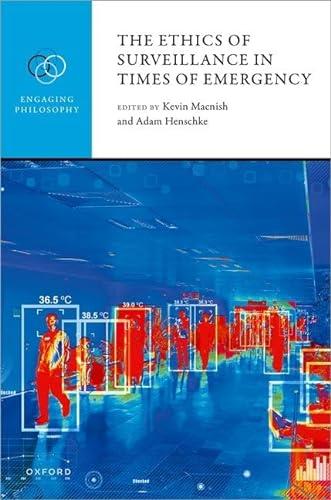
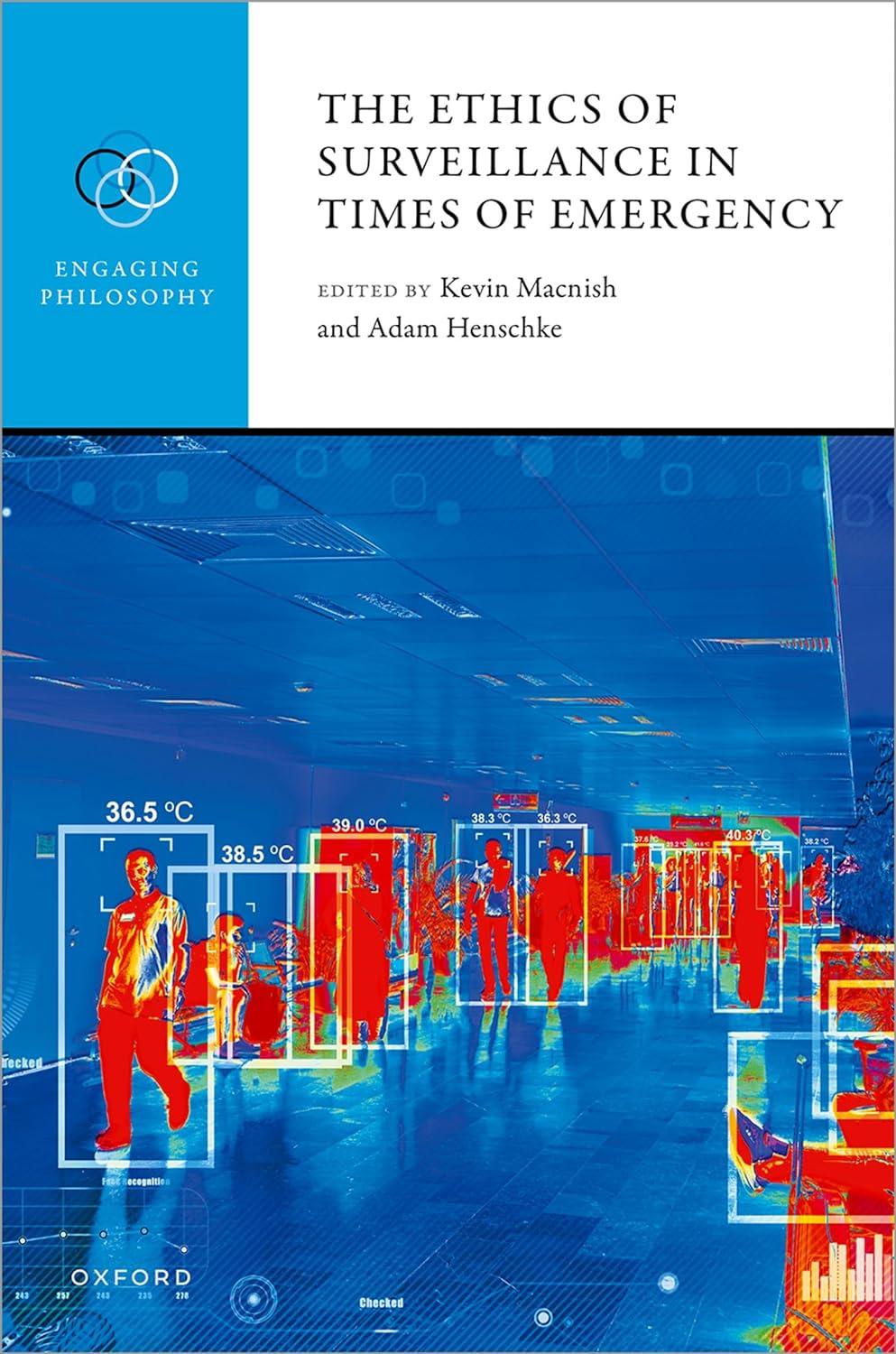
TheEthicsof SurveillanceinTimes ofEmergency
Editedby KEVINMACNISHANDADAMHENSCHKE
GreatClarendonStreet,Oxford,OX26DP, UnitedKingdom
OxfordUniversityPressisadepartmentoftheUniversityofOxford. ItfurtherstheUniversity’sobjectiveofexcellenceinresearch,scholarship, andeducationbypublishingworldwide.Oxfordisaregisteredtrademarkof OxfordUniversityPressintheUKandincertainothercountries
©OxfordUniversityPress2023
Chapter10, ‘EthicalRequirementsforDigitalSystemsforContactTracinginPandemics: ASolutiontotheContextualLimitsofEthicalGuidelines’ isavailableonlineanddistributed underthetermsofaCreativeCommonsAttribution – NonCommercial – NoDerivatives4.0 Internationallicence(CCBY-NC-ND4.0),acopyofwhichisavailableat http://creativecommons.org/licenses/by-nc-nd/4.0/.
Themoralrightsoftheauthorshavebeenasserted Somerightsreserved.Nopartofthispublicationmaybereproduced,storedin aretrievalsystem,ortransmitted,inanyformorbyanymeans,forcommercialpurposes, withoutthepriorpermissioninwritingofOxfordUniversityPress,orasexpressly permittedbylaw,bylicenceorundertermsagreedwiththeappropriate reprographicsrightsorganization.
Thisisanopenaccesspublication,availableonlineanddistributedunderthetermsofa CreativeCommonsAttribution – NonCommercial – NoDerivatives4.0 Internationallicence(CCBY-NC-ND4.0),acopyofwhichisavailableat http://creativecommons.org/licenses/by-nc-nd/4.0/.
Enquiriesconcerningreproductionoutsidethescopeofthislicence shouldbesenttotheRightsDepartment,OxfordUniversityPress,attheaddressabove
PublishedintheUnitedStatesofAmericabyOxfordUniversityPress 198MadisonAvenue,NewYork,NY10016,UnitedStatesofAmerica
BritishLibraryCataloguinginPublicationData Dataavailable
LibraryofCongressControlNumber:2023938527
ISBN978–0–19–286491–8
DOI:10.1093/oso/9780192864918.001.0001
PrintedandboundintheUKby ClaysLtd,ElcografS.p.A.
LinkstothirdpartywebsitesareprovidedbyOxfordingoodfaithand forinformationonly.Oxforddisclaimsanyresponsibilityforthematerials containedinanythirdpartywebsitereferencedinthiswork.
Acknowledgement vii
ListofContributors ix Introduction 1
KevinMacnishandAdamHenschke
PARTIDEMOCRACYINTIMESOFEMERGENCY
1.PandemicPopulationSurveillance:PrivacyandLife-Saving 15 TomSorell
2.NoStatesofException:ANeo-RepublicanTheoryofJust EmergencyPowers 30 PatrickTaylorSmith
3.CombatingCovid-19:Surveillance,Autonomy,andCollective Responsibility 47 SeumasMillerandMarcusSmith
4.BigDataasTrackingTechnologyandProblemsoftheGroup andItsMembers 60 HalehAsgarinia
5.EpistemicDimensionsofSurveillanceinPublicHealth Emergencies:RisksofEpistemicInjusticeandDysfunctionsofTrust76 KatrinaHutchisonandJaneJohnson
PARTIIETHICSINTIMESOFEMERGENCY
6.Surveillancewithout ‘Baddies’:LiabilityandConsentin Non-AntagonisticSurveillanceEthics 95 KasperLippert-RasmussenandKiraVristRønn
7.DigitalContactTracingApplications(DCTAs):PublicHealth EthicsandEmergencySurveillance 111 SaharLatheef
8.Surveillance,Democracy,andProtestinaTimeofClimateCrisis132 KaterinaHadjimatheou
9.TheDynamicsofPublicHealthEthics:Covid-19andSurveillance as JustifiablebutAbnormal 150 AdamHenschke
PARTIIIETHICSBYDESIGNIN SURVEILLANCEPROGRAMMES
10.EthicalRequirementsforDigitalSystemsforContactTracing inPandemics:ASolutiontotheContextualLimitsofEthical Guidelines
BjörnLundgren
11.AnUnexceptionalTheoryofMorallyProportional SurveillanceinExceptionalCircumstances 186 FrejKlemThomsen
12.TechnofixingSurveillance:AProportionateResponse?
KevinMacnish
Acknowledgement
ThisworkispartoftheresearchprogrammeEthicsofSociallyDisruptive Technologies,whichisfundedthroughtheGravitationprogrammeofthe DutchMinistryofEducation,Culture,andScienceandtheNetherlands OrganizationforScientificResearch(NWOgrantnumber024.004.031)
ListofContributors
HalehAsgarinia isaPhDcandidateattheUniversityofTwente.HerPhDprojectinvolves theanalysisofprivacyissuesinthecontextoflargedataset,AI-drivenmedicalresearch. HerprojectispartoftheMarieSkłodowska-CurieInnovativeTrainingNetwork ‘PROTECT ProtectingPersonalDataAmidstBigDataInnovation’,fundedbythe EuropeanCommission’sHorizon2020programme,grantagreementNo.813497.
DrKaterinaHadjimatheou isaSeniorLecturerinCriminologyandEthicsatthe UniversityofEssex,UK.Herresearchfocusesontheethicsofpolicing,ofsurveillance, andofbigdataandAIinasecuritycontext.Shealsoworksonthepolicingofviolence againstwomenandgirls.
DrAdamHenschke isanAssistantProfessorwiththePhilosophySectionattheUniversity ofTwente.Heworksprimarilyintheethicsoftechnology,withmuchofhisworkfocusing onsecurity.Hehaswrittenontheethicsofsurveillance,theinternetofthings,human militaryenhancement,justwar,counter-terrorism,andintelligence.Recentpublications includetheco-editedbooks Counter-Terrorism,EthicsandTechnology:Emerging ChallengesattheFrontiersofCounter-Terrorism (Springer), ThePalgraveHandbookof NationalSecurity (Palgrave),and Counter-Terrorism:TheEthicalIssues (EdwardElgar).
DrKatrinaHutchison isaSeniorLecturerintheDepartmentofPhilosophyatMacquarie University.Herrecentworkhasfocusedonissuesofepistemicinjustice,genderbias,and innovation.KatrinahasbeentherecipientofanAustraliaResearchCouncil ‘Discovery EarlyCareerResearcherAward’,andwaspartofthedevelopmentoftheMacquarie SurgicalInnovationIdentificationTool(MSIIT)whichhasbeenusedtoinformpolicyon safelyintroducingsurgicalinnovations.
DrJaneJohnson isa fieldphilosopherandLecturerintheDepartmentofPhilosophyat MacquarieUniversity.Herresearchfocusesonquestionsinscienceandmedicine,particularlyaroundtheethicsofemerginginfectiousdiseases,animalethicsandepistemology,and theethicsofsurgicalinnovation.
SaharLatheef isadoctoralcandidateinInternational,PoliticalandStrategicStudies,atthe DepartmentofInternationalRelations,AustralianNationalUniversity.Herresearch explorestheethicalissuesinvolvedinusinghumanenhancementapplicationsinthe military,focusingoncognitiveenhancementsandneurotechnology.Saharhasabackgroundinbiomedicalengineering,neuroscience,andsecuritystudies.Shehasresearch experienceinneurosciencefocusingoncognitivedisordersandcurrentlyworksatthe DepartmentofDefence.
ProfessorKasperLippert-Rasmussen isProfessorinPoliticalTheoryatUniversityof Aarhus,Denmark,ProfessorIIinPhilosophyatUniversityofTromsø,Norwayand DirectorofTheCenterfortheExperimental-PhilosophicalStudyofDiscrimination.His
mainresearchinterestsareaffirmativeaction,discrimination,equality,andethicsofblame. Hismostrecentbookis TheBeamandtheMote (NewYork:OxfordUniversityPress).
DrBjörnLundgren isapostdocatUtrechtUniversity,workingonaprojectonmethodologicalissuesraisedbysociallydisruptivetechnologies.Lundgrenhaswrittenabout AIethics,self-drivingvehicles,privacy,anonymity,information,informationsecurity, decisionunderriskanduncertainty,andmanyotherissues.
DrKevinMacnish isHeadofEthicsConsultingatSopraSteriaLtd.Hewasformerly AssistantProfessorinethicsandtechnologyattheUniversityofTwente.Hehaspublished widelyinethicsandsurveillance,privacyandsecurity.Recentbooksinclude TheEthicsof Surveillance:AnIntroduction (Routledge,2018)and,co-editedwithJaiGalliott, BigData andSociety (EdinburghUniversityPress,2020).
ProfessorSeumasMiller isProfessorofPhilosophyattheAustralianGraduateSchoolof PolicingandSecurityatCharlesSturtUniversityandDistinguishedResearchFellowatthe UehiroCentreforPracticalEthicsattheUniversityofOxford.Heistheauthoroftwentytwobooks,including TheEthicsofCybersecurity (withT.Bossomaier)(OxfordUniversity Press,2023),andover250academicarticles.
DrKiraVristRønn isAssociateProfessoratDepartmentofPoliticalScienceandPublic Management,UniversityofSouthernDenmarkandProgrammeDirectorfortheMasterin IntelligenceandCyberStudies.Rønn’sprimaryresearchinterestsareethicalissuesrelated topolicing,surveillance,andsecuritystudies.
DrMarcusSmith isAssociateProfessorinLawatCharlesSturtUniversity.HeholdsaPhD inlawfromtheAustralianNationalUniversity.Hehaspublishedwidelyontechnologylaw andregulation.Recentbooksinclude: TechnologyLaw (CambridgeUniversityPress,2021) and BiometricIdentification,LawandEthics (Springer,2021).
DrPatrickTaylorSmith isResidentFellowattheStockdaleCenterforEthicalLeadership attheUnitedStatesNavalAcademy.HewaspreviouslyAssistantProfessorofPhilosophy attheUniversityofTwentefrom2018to2022,andPostdoctoralFellowattheMcCoy CenterforEthicsinSocietyatStanfordUniversity.Heworksprimarilyinsocialand politicalphilosophy,withaspecialinterestinthenon-idealapplicationofneo-republican politicaltheorytoemergingtechnologies.
ProfessorTomSorell isProfessorofPoliticsandPhilosophyandHeadofthe InterdisciplinaryEthicsResearchGroupatWarwickUniversity.HewasanRCUKGlobal UncertaintiesLeadershipFellow(2013–2016).HewasTangChun-IVisitingProfessorin PhilosophyattheChineseUniversityofHongKongin2013.Previously,hewasJohn FergusonProfessorofGlobalEthicsandDirectoroftheCentrefortheStudyofGlobal Ethics,UniversityofBirmingham.
DrFrejKlemThomsen isChiefConsultantwiththeDanishDataethicsCouncilatthe DanishNationalCentreforEthicsininCopenhagen,Denmark.Hespecializesincriminal justiceethics,theethicsofdiscrimination,surveillanceethics,anddataethics.
Introduction
KevinMacnishandAdamHenschke
TheappearanceofCovid-19,andthedeclarationbytheWHOofitsstatusasa pandemic,ledtothemostwidespreadinstitutionofstatesofemergencyaround theglobeinhistory(Adhanom2020;Greene2020).Mostgovernmentsinstituted someformoflockdown,suspendingbusinessesandallbutessentialtravel.Asthe lockdownslifted,withaviewtorestartingtheglobaleconomy,statesengagedin large-scalesurveillancetotrackandtracethespreadofthevirus(Tsang2020; Gershgorn2020).Theseeffortspredominantlyfocusedontechnologicalsolutions, usuallyintheformofapplicationstobehostedoncitizens ’ smartphones.The advantagewithsuchsolutionsbeingthattheycouldcopewiththelargevolumes ofpeopleinvolved,crunchthedataquicklyandeffectivelytokeepabreastofthe spreadofthevirusincountry,andalertuserstothepossibilitythattheyhad contractedthevirus.
Whatevertheefficacyofsuchapplications,andthishasbeenquestioned (Soltani,Calo,andBergstrom2020),theproposalandinstitutionofsuchwidespreadsurveillanceraisesseriousethicalissues.Thisisparticularlytruefor liberaldemocracies,inwhichindividualfreedoms,includingthehumanrightof non-absoluteprivacy,areparticularlyimportant.Withinthisliberaldemocratic context,theethicalanalysisofsurveillancehasgenerallyfocused,forobvious reasons,onstateandcorporatesurveillanceofindividualsandgroupsinsociety (surveillanceascontrol).Thishasforthemostpartbeencritical,withanemphasis placedonresistancetoexercisesofpower(Bakir2015;Gilliom2001;Marx2003). Despitethisfocus,somehaveconsideredtheethicsofsurveillanceascare(Lyon 2007;Stoddart2012),whileothershaveattemptedtoseekbalanceinstateand corporateactsofsurveillanceoverthemorecriticalapproaches(Macnish2014; Marx1998;A.L.Allen2008;Henschke2017).
TheappearanceandrapidglobaltransmissionofCovid-19in2019–20thereforeledtoashiftofemphasis,forsomeatleast,fromsurveillanceascontrolto surveillanceascare.Theobvioushealthcareimplicationsofaviruswhichthreatenedtooverwhelmnationalhealthsystemsandkilledoveramillionpeoplewere suchthatsurveillancebecameseenasmoreacceptable,orevenadutyofgovernmentswhenitcametoprotectingtheircitizens.
KevinMacnishandAdamHenschke, Introduction In: TheEthicsofSurveillanceinTimesofEmergency. Editedby:KevinMacnishandAdamHenschke,OxfordUniversityPress.©OxfordUniversityPress2023. DOI:10.1093/oso/9780192864918.003.0001
Attheheartoftheseissuesisthequestionoftherelationshipbetweenthe individualandthestateinaliberaldemocracyduringstatesofemergency (Agamben2005).Duringwartime,itisoftenacceptedthatcertaincivilliberties (andevensomehumanrights)shouldbeputonholdforthedurationofthewar toaidthestateinprotectingitscitizens(Walzer2015;Bellamy2008).However, anddespitethepoliticalrhetoricinsomequarters,whilearesponsetoavirusmay insomewaysresembleawar,therearesignificantdifferencesbetween fighting peopleand ‘fighting’ avirus.Peoplehaveintentionswhilevirusesdonot;people, unlikeviruses,respondtorumourandintelligence;andthedistributionand natureoftheharmsofwar,particularlywhenfoughtonoroverdomesticsoil, aredistinctfromthoseofavirus.Thisraisesquestionsaboutlegitimatelevelsof secrecyandtransparencywhenitcomestostateresponsestotheoccasioning crisis.
Thisisnottosaythatstatesofemergencyarenotappropriateinresponseto pandemics.Rather,itistoaddnuancetothetemptationtoengageextremeand unjusti fiedresponses.Itisoverlysimplistictodrawonhistoricalwartimeanalogiestoseewhatisappropriate.Furthermore,thehistoryofcitizens’ relationship withtheirgovernmentshaschangedsinceanylarge-scalestatesofemergency weredeclared,atleastintheglobalNorth(Waldron2003;Sagar2007).Trustin governmenthasdeclinedsignificantlysince1945,forinstance,andparticularlyso inthewakeoftheMPsexpensescandalintheUK,thepolarizationofpoliticsin theUS,and9/11andthesubsequentSnowdenrevelations.Functioncreepof governmentpowersisarelated,widelyrecognizedproblem,withspecialpowers giventotheUSgovernmentinthewakeof9/11remaininginplacedespitethe demiseoftheoriginalenemyagainstwhomtheywereinstituted(Philips1984;Rijt 2011).
Furthermore,eveninstatesofemergency,liberaldemocracieshavesoughtto distancethemselvesfromauthoritarianstatesbystressingthevoluntarynatureof theproposedsurveillance.Yettheproposedtrackandtraceapplicationswere originallyestimatedtorequireadoptionby60percentofthepopulationtobe successful(Clarke2020).Giventhat,itisnotclearhowsuchanadoptionratecan beguaranteedintheabsenceofcoercion,especiallygiventhedeclineintrustof governments.Withoutthislevelofadoption,shouldthetechnologybeabandoned orcontinuetomonitortheactivitiesofafewvirtuousadopteesevenwhileithas nochanceofsuccess,atleastaccordingtoitsoriginalterms?Alternatively,should liberaldemocraticgovernmentsabandontheprincipleofconsentinthisissueand followauthoritarianregimesincoercingadoption?
Itmaybethatprivacyisaminorvaluetosacrificeintheaimofsavinglives. Furthermore,thetrackandtracetechnologywillnot(always)collectinformation relatingtoconversations,oreven(necessarily)locationdata,henceprotecting users ’ privacytosomedegree.Nonetheless,locationalprivacyremainsaconcern, andmanyoftheproposedapplicationscouldbeusedtoidentifygatheringsof
individuals(andpotentiallyidentifythoseindividuals)whichwouldbeofinterest togovernmentsforotherreasons,suchastrackingactivistsorgroupsof ‘undesirables ’.Locationalprivacyisinthepublicinterestaswellasthehealthof thenationandneedstobebalancedagainstpublichealthconcernsmorecarefully thanthroughmereappealsto ‘ifyouhavedonenothingwrong,youwillhave nothingtohide’ (Macnish2018;Solove2007).
Itmayalsobethatdigitaldividesinsocietydeepenbecauseofthetechnology used.Accesstosmartphonesisnotuniversal,withsomestrugglingtoaffordthese phonesandotherslackingthementalcompetenceordexteritytousethem (Himma2007;AbbeyandHyde2009).Insuchcases,furthertechnicalsolutions havebeenproposed,suchassmartcardsorwearables,thatwouldstillmonitorthe person ’swhereaboutswithoutrequiringasmartphone.Evenhere,though,the Collingridgedilemmaholds,wherebywecannotknowallthesocietalimpactsof newtechnologiesuntilthosetechnologieshavebeenimplemented,andbythenit isoftentoolatetoreversethoseimpacts(Collingridge1982).Suchimpactscould includepublic –privatelock-in,wherebygovernmentsusingtechnologiesdesigned bycorporationsbecomereliantonthosetechnologies,andhencethosecorporations;andnormalizationofsurveillanceinsocietysuchthatmostwillaccept heightenedlevelsofsurveillancecontinuingaftertheemergencyhasreceded.
Thesearebynomeansalltheethicalissuesraisedbythecurrentappealto technologicalresponsestotheCovid-19pandemic,buttheyaresuf ficientto establishtheimportanceofethicalreflection.Beyondthis,manyoftheseissues willapplyforotherstatesofemergency,betheycausedbyviruses,humans,or naturaldisasters.TheCovid-19pandemic,andtheproposedresponse,therefore providesapowerfulimpetustoaskwhen,andtowhatextent,surveillancecanbe justifiedduringstatesofemergency.
Thisbookhencedrawsfromtheuseofsurveillancetechnologiesintroduced duringtheCovid-19pandemictoexploreasetofissuesandchallengesfacing decisionmakersanddesignersintimesofemergency:howdowerespondto emergenciesinwaysthatarebothconsistentwithdemocraticandcommunity principles,andthatareethicallyjustifiable?Emergencieslikepublichealth pandemicsnotonlyplacestressonexistinginfrastructureandcommunitiesbut putsignificantpressureonourdecision-making.Whileanunsophisticatedconsequentialismwillsimplysuggestthatwechoosetheoptionthatsavesthemost livesorfavourssomeotherlarge-scalegoodoutcome,thepolitical,ethical,and practicalrealitiesare,asalreadynoted,farmorecomplexandrequiremuch greaternuance.Theuseofsurveillancetechnologiesduringpublichealthcrises isavitalframetoexplorethechallengeofactingintimesofemergency.Moreover, asanexerciseinreflectiveappliedethics,thechaptersdonotjustseektoapplya giventheoryorprincipletotheproblemofsurveillanceintimesofemergencybut usethechallengesfacingustocriticallyengagewith,reflectupon,anddevelop thosetheoriesandprinciples.
Thebook’sauthorsrecognizethischallenge isitpossibletorespondto exceptionalconditionsinwaysthatpreserveourcorevalues,ormustthese corevaluesbesubsumedundertheneedtorespondtotheparticularemergency? Ontheonehand,thepluralismthatisthreadedthroughliberaldemocracies, andevenmanymodernnon-liberaldemocraticnations,holdsthatwetake multiplevaluesseriously.Ontheotherhand,aswehaveseenwiththeCovid-19 pandemic,tofulfiltheirresponsibilitytokeeppeoplesafe,governmentseverywherehaveengagedinarangeofpolicies,practices,andapplicationsofexisting technologiesthatwouldhavebeenimpermissibleinnormalcircumstances. Thebookoffersresponsestothischallengebylookingatthreeinterrelatedways thatthatchallengecanmanifest: first,thedemocraticchallenges;second,the ethicalchallenges;andthirdthedesignchallengesfacedindevelopingethical solutions.
DemocracyinTimesofEmergency
PartIlooksatthewaysthatdemocraticvaluesareplacedunderstressintimesof emergency.Liberaldemocraciesgenerallyholdtoasetofvaluesthatseethe individualashavingpriorityinhowdecisionsoughttobemade,butwhenthere arelargenumbersoflivesatstake,andtimeislimited,decisionmakersmust find waystoprotectthelivesandlibertiesoftheirpeople,whilstretainingthatwhich makesliberaldemocracieswhattheyare.This firstsectionofthebookplacesthe globalpandemicinacontextofpoliticalresponsibility:whatmustdecision makersdo,andhowdoesthissquarewiththeircommitmenttoliberaldemocratic values?Surveillanceisausefulwaytoframethesecorepoliticalchallengesasit placestheneedforthestatetohaveoversightofwhatishappening,intension withbasicprincipleslikeprivacyandfreemovement.Asissooftenthecase,such extremeconditionsthatcallforincreasedsurveillancecanshedsignificantlighton democraticideals,theories,andpractices.
TomSorrell’schaptersetsthescenebylookingathowemergenciesand surveillancethreatenbasicnotionsoflibertyandfreedomindemocraciesbut arguesthatsuchthreatsmaybejustified.Heholdsthatpandemicsurveillance shouldnotbeseenasone more instanceofcentralizedstatesurveillanceof populations,asifitwereanintensificationofasingletrendstartedwithbulk collectionbytheNSAandGCHQforcounter-terroristpurposes.Onthecontrary, heclaims,insomeofitsintenseformsitisstronglydisanalogousmorallytobulk collectionanditsassociateddataanalyticsforpreventingterroristattacks.Rather, pandemicsurveillanceisopentoastrongmoraljustification,tiedtothestatusof virologyandepidemiologyassciences,andthestrongindependentjustifiabilityof publichealthmeasures,includingthosethattemporarilyrestrictliberty.Isolation andelectronicsurveillanceforcontacttracingmayarguablysavemanymorelives
andpreventmuchmoreharmthannetworkanalysisbytheintelligenceservices, asthequick flatteningofdeathratesinhigh-surveillancejurisdictionsshowswhen comparedtoexponentialrisesinothercountries,andwhensurveillanceeffects alongtheselinesarecomparedwithcredibleestimatesofnumbersoflivessaved bycounter-terrorism.Hencetheethicsofsurveillanceduringpandemicsisnot primarilytobejudgedbyprivacyconsiderations,butbyitsconnectionsto sufficientlyinclusive,properlytimed,andaccuratetestsofthepresenceofthe virus.Whenatestingregimeisinadequate,theintrusivenessorprivacyprotection oftheassociatedelectronicsurveillanceisofsecondaryimportancemorally.
PatrickTaylorSmithusesaneo-republicanapproachtoarguethatintimesof emergency,suchasapandemic,democraciesmightbepermittedtoenteraform oflimiteddictatorship.Hischaptermakesthreerelatedpoints.First,heoffersan accountofemergencythatisnormativelyrelevant:anemergencyoccurswhen thereisarapidshiftintherelativerisksofprivateandpublicdominationthat disruptsanexistinginstitutionalequilibrium.Second,hearguesthat contraryto standardviews weshouldunderstandthatinstitutionscannotchangeinstantly andthatemergenciesshouldnotbeunderstoodasjustifyingapermissively consequentialistpoliticalmorality.Rather,usingtheRomanconceptof ‘dictator’ asexample,heholdsthatneo-republicansshouldcreateregulatedspacesfor controlledemergencyreasoning.Thatis,likespecialprosecutorsorinspectors general,theideaistocreateinstitutionsthatmakeitpossiblefornimblepolicy reactionsthatarenonethelessconstrainedinscope,duration,andresources.This createsasetofchecksonthoseactors.Finally,heappliesthisaccounttothe questionofsurveillanceinthecaseofseriousglobalhealthemergencies.
SeumasMillerandMarcusSmithlookatthecollectiveresponsibilityfor citizenstoengageinsurveillanceprocessesliketrackandtrace.Asalready noted,strategiesforcombatingCovid-19involveacomplexsetofoftencompeting,andsometimesinterconnected(e.g.,someprivacyrights,suchascontrolover personaldata,arethemselvesaspectsofautonomy)moralconsiderations,andso hardchoicesmustbemade.However,theideaofacollectiveresponsibilityonthe partofindividualstojointlysuffersomecosts,e.g.,lossofprivacyrights,infavour ofacollectivegood(eliminatingorcontainingthespreadofCovid-19)liesatthe heartofallsucheffectivestrategies.Thisideaprovidesthetheoreticalframework fortheirchapter.Accordingly,theyprovideananalysisoftheappropriatenotion ofcollectiveresponsibility.Thistheoreticalframeworkisappliedtoavarietyof surveillancetools,includingphonemetadatatracking,usedtocombatCovid-19. However,indoingsothewidercontextoftheso-called ‘surveillancesociety ’ is considered,asarearangeofpotentiallycompetingcollectivegoods,i.e.,not merelyaggregatelossoflifebecauseofthepandemic.
HalehAsgariniatakesadifferentangleinconsideringtheplacingofgroups undersurveillance.Shenotesthat,tocontroloutbreaksofdisease,quarantine decisionsmaybetakenbasedontrackingthetransmissionofthediseaseonthe
grouplevel.However,targetinggroupsaspotentialcarriersofadisease,rather thanaddressingindividualsaspatients,givesrisetoquestionsregardingthe privacyofgroups.Insuchcases,thecluster-typegroupingsdesignedbydata analyticsaresourcesofinformationformakingpolicydecisionswithoutfocusing onindividualidentifiability.Sinceprivacyconcernsontheindividuallevelarise whenindividualsaremadeidentifiable,groupsdesignedbyalgorithmsormodels mayexposethecrowdtoprivacyharmswhichtheywouldnototherwiseexperience.Atthesametime,obligationsorregulationsdevelopedtoprotectindividuals fromthemisuseoftheirdataarenothelpfulatthelevelofthegroup. Furthermore,dataprotectionrulescannotprotectgroupsagainstpossibleprivacy harmsbecausemanyoftheusesofdatathatinvolvealgorithmicgroupingsare usedforthepurposeofscienti ficresearchandimprovingpublichealth.These suggestthatwhiletherearerulesandobligationsforprivacyanddataprotectionat theleveloftheindividual,thereisagrowingneedtoprotectgroupsasentities. Thisrequiresadeeperexaminationofgroupprivacyandhowtheprivacyofthe groupisconsideredinthecontextofdataprotection.
Inasimilarmanner,KatrinaHutchisonandJaneJohnsonargueintheir chapterthatthetypeofknowledgeaimedatbysurveillancemaydifferfrom thatderivedfromotherkindsofknowledge.HencepeoplediagnosedwithCovid19givecontacttracersadifferentkindofknowledgefromtechnologicallyderived datasuchasthatfromaphone’sGPSormoresociallymandatedandtechnologicallymediateddatageneratedfromaphoneapp’ssign-indata.Having outlinedthesedifferences,theylookatsomeoftheethicaldimensionsthatarise fromthewaysthatthisknowledgeisgeneratedandused,particularlylookingat therisksofepistemicinjustice.
EthicsinTimesofEmergency
PartIIlooksatparticularethicalchallengesfacedintimesofemergency.Theuse ofsurveillancetechnologies,andtheirimpactonbasicfreedoms,arenotonlyof politicalimportancebutspeaktodeeperethicaldiscussionsaroundthevery natureofwhatonecanandshoulddoinemergencies.Bylookingattheways thatdifferentsurveillancetechnologieshavebeenusedtorespondtoCovid-19,we areforcedtoconsiderwhomweholdresponsible,forhowlong,andwhatrights canbejustifiablylimited?
KasperLippert-RasmussenandKiraVristRønnopenPartIIbydrawingfrom recentdiscussionsinthejustwartraditiontoexploretherelationsbetweenthe liabilityforrisksthatanindividualposestoothersintimesofpandemicswiththe notionofinformedconsentandsurveillance.Theynotethat,inthecaseof pandemicsatleast,thereisnohuman aggressor andthustheantagonisticrelationshipbetween thesurveillant and thesurveilled,whichiscommonlyassumedto
obtaininmuchoftheliteratureonsurveillanceethics,doesnotexistinthis context.Yetmanyscholarshavedrawnondistinctionsfromjustwartheoryto developaframeworkforsurveillanceethicswhichfocusonconsiderationsregardingthe liability ofthesurveilledandhowitaffectsthemoralpermissibilityof surveillance.Intheirchaptertheyaddressthequestionofwhetherandinwhat formliabilityshouldplayaroleinsurveillanceethicsinthecontextofpandemics. Heretheyidentifythedilemmabetweenthedevelopersandhealthauthoritiesin manycountries,emphasizingthat voluntariness onthesideoftheusersofthese appsarekeyattributesandtheneedforwidespreaduseoftheapptoobtainthe desiredeffect.However,suchlevelsofusageareunlikelytobeachievedif voluntarinessisrespected.Thisprovidesanopportunitytoexploretheroleof voluntarinessinnon-antagonisticsurveillanceethics.
SaharLatheefalsoconsidersvoluntarinessthroughthelensofinformedconsent,andhowpublicsurveillancemayleadtotrade-offsinthiscontext.She assessesthesalientfeaturesoftrackandtraceappstodeterminewhetherthese introducenovelconcernsregardinginformedconsentandindividualrights, particularlyinthecaseoffeatureswhichallowappstoidentifyandcommunicate withotherproximatedevices.Inthiscase,sheholds,anindividualisconsentingto allowaccesstotheirinformationand,tosomeextentatleast,totheaccessof informationofotherpeoplewithinaspecificproximity.Thisleadstoaconsiderationofinter-agencydatasharingandhowthedatacollectedcouldbeusedfor purposesotherthancontacttracing(forexampleincriminalinvestigations).As such,thechapterprovidesanunderstandingofthenecessarytrade-offsmadewith regardstoindividualrightstoinformedconsenttoachieveavitalpublic healthgoal.
KaterinaHadjimatheouconsidershowsurveillanceshouldbeusedtopolice protestduringemergencies.FollowingannouncementsbypoliceinEnglandand Walestointensifysurveillance,usinginformantsandundercoverpolice,against groupsprotestingclimatechange,Hadjimatheouusesthisrelationshipashercase study.AswithAsgarinia,shenotesthatthenatureofthesegroupsmeanthatthey cannotbereducedtoaggregateexercisesofindividuals’ rights,andsosuchastudy mustlookattheimpactofsurveillanceonthegroupsthemselves.Inthis,she considerstwoangles:the firstistheimpactofcoverthumansurveillance(aka undercoverpolicing),whilethesecondistheconceptualizationofthatimpact throughdevelopingthenotionof ‘chill’.Whilechillingeffectsareoftenreferenced (Macnish2015;ColumbiaLawReview1969;KaminskiandWitnov2015)theyare rarelyevidenced,withsomenotableexceptions(PENInternational2014).This chapteraddressesthatlack.Basedonthisevidence,shearguesthattheimpactof chillingeffectsneedstobeunderstoodatthegrouplevelaswellastheindividual. Assuch,chillingeffectsarisingfromsurveillancecanbedetrimentaltothose undersurveillance,particularlyprotestors,andthosewhomaybenefitfromtheir protestsinademocraticenvironment.
AdamHenschkethenlooksattheneedtoensurethatethicalnormsreturnto pre-emergencyconditions.Hearguesthatsituationssuchaspublichealthemergenciesrelyonadynamicethicsand,assuch,considerationmustbegivenonhow toreversesocialnormsthatariseduringtheseemergencies.First,onadynamic view,emergencies,andtheexceptionaljustificationsarisingthroughsuchemergencies,docometoanend.Whileagreatdealofethicaldiscussionlooksatthe conditionsaboutwhenan ‘emergencyethics’ becomesoperational,muchlesshas beensaidabouttheendperiod.Second,pickingupfromtheimportanceofwhat happenswhenanemergencyends,whilecertainpoliciesandpracticesmightbe justifiableinresponsetotheCovid-19pandemic,heholdsthereisaneedtoensure thatsuchpoliciesarereversedoncetheemergencyhasreceded,andthatthesocial normsaroundparticularsurveillancepracticesandpoliciesreturntopreemergencystate.Thisisespeciallythecasewhenconsideringthesurveillance policiesandtechnologiesthatwereintroducedduringtheCovid-19pandemic. Whilemanyotheremergencypoliciesareobviouslyandpersistentlyintrusive, manyofthesurveillancepoliciesandtechnologiesthatwereintroducedduringthe Covid-19emergencyweresubtle,invisible,andpervasive.Thismeansthatthe socialnormsaroundsurveillancearelesslikelytoreturntopre-emergencynorms andassuch,thesurveillancepracticesduringtheemergencyhaveasignificant capacitynotonlytopersistoncetheemergencyendsbuttoinfluenceanddrive othersocialnormsaroundsurveillance.Giventhesepoints,hearguesthatthe surveillancepoliciesandtechnologiesintroducedduringtheCovid-19pandemic showthatemergencysurveillanceoughttobeconsideredasjustifiablebutabnormalandhegivessuggestionsonhowtoensurethatthesurveillancejusti fiedby publichealthethicsremainsabnormal.
EthicsbyDesigninSurveillanceProgrammes
The finalpartofthebookclosesoffbylookingatthewaysthatethicalprinciples canhelpdesignsurveillanceprogrammes,andaidindecision-makingintimesof emergencymoregenerally.Afoundationalethicalprinciple,proportionality,is frequentlydrawnupontojustifyparticularresponses.Atitssimplest,proportionalityisaveryusefulandintuitiveprinciple inseekingtorespondtoanemergency,howsignificantaretheimpactsoftheemergency,andwhataretheeffects ofdifferentresponses.Again,withregardtosurveillancetechnologiesandpractices,wecanseethepivotalrolethatproportionalityplaysinemergencysituations.Moreover,thecontributionsinthissectionusesurveillancetechnologiesto shedlightontheconceptofproportionality,andthewaysthatthisprincipleis designedintotechnologies.
Lundgrenbeginsthis finalpartofthebookwithanexplorationofthepracticalityofquestionsthathavebeenproposedtoensurewelldesignedpandemic
surveillanceprogrammes,andthatsuchaprogrammeshouldberolledout globally,whilealsoprovidingasetofethicalguidelinesforcontacttracingapps. LikeHenschke,hearguesthatemergencysurveillancemustbetemporary.Yet temporarylawscanbecomepermanent,evenwithso-calledsunsetclauses. Moreover,temporarymeasuresthatarewidelyadaptedcanchangenorms,such asthespeedwithwhichsocialmediahaschangedmanypeople’snormsof informationdistribution.Thus,eventemporaryusageofemergencysurveillance canhavepermanenteffects.Itisalsoimportanttoaskwhateffectsincreased surveillanceinademocraticsocietywillhaveonsurveillanceinnon-democratic societies.Forexample,PresidentTrump’sbehaviourandrhetoricabout ‘fake news ’ havebeenusedbyoppressiveregimesandthereis,similarly,ariskthat emergencysurveillanceinliberaldemocraciescaninfluencetheabilityofoppressiveregimestouseandabusesurveillancefreefromchallenge.
FrejKlemThomsenlooksattherolethattheprincipleofproportionalityplays inmorallypermissiblesurveillance.Hearguesthattheonlydifferencebetween statesofemergencyandordinarycircumstancesisthatthestakesaregreaterina stateofemergency.Thisentailsthatanaccountofmorallypermissiblesurveillanceshouldbeunexceptional:thereisnoclear-cutseparationbetweenordinary circumstancesandemergencies,butratheraspectrumbetweenthem(Statman 2012).Hethensketchesan unexceptional theoryofpermissiblesurveillancein exceptional circumstances,offeringdefinitionsofkeyprinciplesanddiscussing certainfeaturesofparticularinterest.Hetoorecognizesthatanimportantriskfor theuseofsurveillancetosupportthecontainmentofpandemicsisthedangerof functioncreepornormalizationoftheexception,wherepracticesofsurveillance thatarepermissibleduringtheemergencyaresustainedafterthereturnto ordinarycircumstances.Inresponse,hearguesthatthesituationwithrespectto thisriskislikelytragic:thesituationsinwhichthereisagenuineriskarealsothose situationsinwhichstateagentsaremostlikelytopursuesurveillanceregardless oftherisk.
Finally,KevinMacnishshedslightonfurtherchallengesaroundproportionalitybyaskingifwearetoofocussedontechnological fixestothingslikepandemics, overlookingnon-technologicaloptionsinourproportionalitycalculations. Consistentwiththispartofthebook,hebeginswithadiscussionofproportionality,whichdemonstratesthattherearedifferentwaysofunderstandingandusing theterm,whichinturnleadstoconfusioninthepublicdebate.Hethenexamines howthetechnologyusedinemergencysurveillance,intryingtosquaretheliberal democraticcirclesofprivacyandsurveillanceaswellasvoluntarinessandaneed forhighadoption,mayleadtofalsepositiveandfalsenegatives.Thesecome togethertodemonstratethattechnologymaybeseenasproportionateinthelight ofoneapproachandyetdisproportionateinthelightofalternativeapproaches. Hesuggeststhatthesealternativesareoftennotpresentedtothepublicdebate owingtoatendencytowardstechno-fetishism,adefaultassumptioninfavourof
technical fixesovernon-technicalalternatives.Heconcludesthattheformof surveillanceundertakenbymanysuchtechnical fixes,carefulastheymaybe,may nonethelessbedisproportionateresponsestothecrisestheyseektoaddress.
References
Abbey,Ruth,andSarahHyde.2009. ‘NoCountryforOlderPeople?Ageandthe DigitalDivide’ . JournalofInformation,CommunicationandEthicsinSociety 7(4): 225–42.https://doi.org/10.1108/14779960911004480.
Adam,Henschke.2018. ‘AreTheCostsOfMetadataWorthIt?Conceptualising ProportionalityAndItsRelationToMetadata’.In IntelligenceandtheFunctionof Government,editedbyDanielBaldinoandRhysCrawley.MelbourneUniversityPress. Adhanom,Tedros.2020. ‘WHODirector-General’sOpeningRemarksattheMedia BriefingonCOVID-19-11March2020’.11March2020.https://www.who.int/dg/ speeches/detail/who-director-general-s -opening-remarks-at-the-media-brie fi ngon-covid-19 11-march-2020.
Agamben,Giorgio.2005. StateofException.Chicago:UniversityofChicagoPress. Allen,AnitaL.2008. ‘TheVirtuousSpy:PrivacyasanEthicalLimit’ . TheMonist 91(1):3–22.
Bakir,Viand.2015. ‘“VeillantPanopticAssemblage”:MutualWatchingand ResistancetoMassSurveillanceafterSnowden’ MediaandCommunication 3(3): 12–25.
Bellamy,AlexJ.2008. ‘TheEthicsofTerrorBombing:BeyondSupremeEmergency’ . JournalofMilitaryEthics 7(1):41–65.https://doi.org/10.1080/15027570801953448. Clarke,Laurie.2020. ‘HowWilltheNHSCovid-19ContactTracingAppWorkand WhenWillItGoLive?’ NSTech (blog).5May2020.https://tech.newstatesman. com/security/nhs-covid-19-contact-tracing-app-rollout. Collingridge,David.1982. SocialControlofTechnology.London:Continuum InternationalPublishingGroupLtd. ColumbiaLawReview.1969. ‘TheChillingEffectinConstitutionalLaw’ . Columbia LawReview 69(5):808–42.
Gershgorn,Dave.2020. ‘WeMappedHowtheCoronavirusIsDrivingNew SurveillanceProgramsAroundtheWorld’.Medium.19May2020.https:// onezero.medium.com/the-pandemic-is-a-trojan-horse-for-surveillance-programsaround-the-world-887fa6f12ec9.
Gilliom,John.2001. OverseersofthePoor:Surveillance,Resistance,AndTheLimitsOf Privacy.1edition.Chicago:UniversityofChicagoPress. Greene,Alan.2020. ‘StateofEmergency:HowDifferentCountriesAreInvokingExtra PowerstoStoptheCoronavirus’.TheConversation.30March2020.http:// theconversation.com/state-of-emergency-how-different-countries-are-invokingextra-powers-to-stop-the-coronavirus-134495.
Henschke,Adam.2017. EthicsinanAgeofSurveillance:PersonalInformationand VirtualIdentities.NewYork:CambridgeUniversityPress.
Himma,KennethEinar.2007. ‘TheInformationGap,theDigitalDivide,andthe ObligationsofAffluentNations’ . InternationalReviewofInformationEthics 7(9): 3–4.
Kaminski,MargotE.,andShaneWitnov.2015. ‘TheConformingEffect:First AmendmentImplicationsofSurveillance,BeyondChillingSpeech’.SSRN ScholarlyPaperID2550385.Rochester,NY:SocialScienceResearchNetwork. http://papers.ssrn.com/abstract=2550385.
Lyon,David.2007. SurveillanceStudies:AnOverview.1edition.Cambridge,UK; Malden,MA:PolityPress.
Macnish,Kevin.2014. ‘JustSurveillance?TowardsaNormativeTheoryof Surveillance’ . SurveillanceandSociety 12(1):142–53.
Macnish,Kevin.2015. ‘AnEyeforanEye:ProportionalityandSurveillance’ . Ethical TheoryandMoralPractice 18(3):529–48.https://doi.org/10.1007/s10677-0149537-5.
Macnish,Kevin.2018. TheEthicsofSurveillance:AnIntroduction.1edition.London: NewYork:Routledge.
Marx,GaryT.1998. ‘EthicsfortheNewSurveillance’ TheInformationSociety 14: 171–85.
Marx,GaryT.2003. ‘ATackintheShoe:NeutralizingandResistingtheNew Surveillance’ . JournalofSocialIssues 59(2):369–90.https://doi.org/10.1111/15404560.00069.
PENInternational.2014. ‘GlobalChilling:TheImpactofMassSurveillanceon InternationalWriters’.PENAmericanCenter.
Philips,Michael.1984. ‘AreCoercedAgreementsInvoluntary?’ LawandPhilosophy 3(1):133–45.https://doi.org/10.1007/BF00211227.
Rijt,Jan-Willemvander.2011. ‘CoerciveInterferenceandMoralJudgment’ Ethical TheoryandMoralPractice 14(5):549–67.https://doi.org/10.1007/s10677-011-9262-2. Sagar,Rahul.2007. ‘OnCombatingtheAbuseofStateSecrecy*’ . JournalofPolitical Philosophy 15(4):404–27.https://doi.org/10.1111/j.1467-9760.2007.00283.x.
Solove,DanielJ.2007. ‘“I’veGotNothingtoHide” andOtherMisunderstandingsof Privacy’ SanDiegoLawReview 44:745–72.
Soltani,Ashkan,RyanCalo,andCarlBergstrom.2020. ‘Contact-TracingAppsAre NotaSolutiontotheCOVID-19Crisis’ . Brookings (blog).27April2020.https:// www.brookings.edu/techstream/inaccurate-and-insecure-why-contact-tracingapps-could-be-a-disaster/.
Statman,D.2012. ‘SupremeEmergenciesandtheContinuumProblem’.Journalof MilitaryEthics11(4):287–98.
Stoddart,Eric.2012. ‘ASurveillanceofCare’.In RoutledgeHandbookofSurveillance Studies,editedbyKirstieBall,KevinHaggerty,andDavidLyon,369–76.Abingdon, Oxon;NewYork:Routledge.
Tsang,Samantha.2020. ‘HereAretheContactTracingAppsBeingDeployedaround theWorld’.28April2020.https://iapp.org/news/a/here-are-the-contact-tracingapps-being-employed-around-the-world/.
Waldron,Jeremy.2003. ‘SecurityandLiberty:TheImageofBalance’ . Journalof PoliticalPhilosophy 11(2):191–210.https://doi.org/10.1111/1467-9760.00174.
Walzer,Michael.2015. JustandUnjustWars:AMoralArgumentwithHistorical Illustrations.5thed.BasicBooks.