ListofFigures
1.DirckdeBray, Peopleinabookshop,seventeenthcentury,reproduced withpermissionfromtheRijksmuseum,Amsterdam. 3
2.JanLuyken, Thebookprinter,inJanandCasparLuyken, Het menselykbedryf,1694,reproducedwithpermissionfromthe Rijksmuseum,Amsterdam. 7
3.JanMienseMolenaer, Folksingerssellingtheirsongs,1630–1635,reproduced withpermissionfromtheRKD NetherlandsInstituteforArtHistory. 18
4.Firstpageof Trueaccountofwhathappenedduringthepersecutionsand massacrescarriedoutthisyearagainsttheReformedchurchesofPiedmont, 1655,reproducedwithpermissionfromGhentUniversityLibrary. 32
5.PortraitofPierreJurieu(1637–1713)byJacobGole,reproducedwith permissionfromtheRijksmuseum,Amsterdam. 69
6.RomeyndeHooghe, TyranniesagainsttheReformedinFrance,1686, reproducedwithpermissionfromtheRijksmuseum,Amsterdam. 101
7.Firstpageof ManifestooftheinhabitantsoftheCevennes,1703,Dutch translation,reproducedwithpermissionfromtheRoyalLibrary,TheHague.120
8.PietervandenBerge(attributedto), ThebloodthirstoftheJesuits,revealed intheoppressionofthePolishChurch,1724–1726,reproducedwith permissionfromtheRijksmuseum,Amsterdam. 145
Introduction
AttheturnoftheeighteenthcenturyAmsterdamwasagatewaytotheworldin morethanonesense.NotonlydidthecityhaveoneofEurope’sbiggestportsfrom whichshipssailedtoallcornersoftheknownworld,itwasalsohometoabout150 printersandbooksellers,whoproducedandsoldallsortsofliteraturecovering whatwasgoingonbeyondthebordersoftheDutchRepublic.¹Oneofthese printerswasJohannesDouci,whoseshopwaswellsituatedonajunctionofthe busySingel,notfarfromDamSquare,thecity’sbeatingheart.Customersbrowsingtheshop’sstockin1714werelikelytostumbleuponasmallbookcalled Story ofthetormentsinflictedupontheReformedonthegalleysofFrance,writtenbythe FrenchmanJean-FrançoisBion.Incasethetitledidnotimmediatelyattract potentialreaders,thecoverfurtherexplainedwhytheyshouldbuythework:it hadbeentranslatedfromFrenchintoDutchforthe “commongood,butespecially forthosewhotaketheoppressionofZiontoheart.”²
In Storyofthetorments,Bionsharedwiththeworldhisexperiencesaboardthe royalgalley LaSuperbe,onwhichhehadbeenchaplainsince1703.³Remarkably, mostofthe forçats,thegalleyslaveswhoformedthemajorityoftheship’ screw, werenotfellowCatholics.OverhalfofthemwereHuguenotsfromtheCévennes, amountainousregioninsouth-easternFrancethatwasplaguedbyadestructive religiouscivilwaragainsttheCrown.⁴ TheothergalleyslavesincludedTurks, deserters,highwaymen,andpeasantsmugglers.Biondescribedthehorrendous circumstancesonboard,wheretheslaveswerereducedtoalifeofbeatings,rotting food,andphysicallaborsoarduousthatitquicklyruinedtheirhealth.One Sunday,afterthechaplainhadsungMass,the comitre commanderoftheslave crew orderedthattheHuguenotsweretoreceiveafootwhipping,aspunishment forrefusingtokneeltotheHolySacrament.Struckbyguiltandpity,Bionrealized thatthemenenduredtheirfatesolelyforhavingchosentoobeyGodratherthan ¹J.GruysandC.deWolf, Thesaurus1473–1800.Nederlandseboekdrukkersenboekverkopers (Utrecht,1989).
²J.-F.Bion, Verhaaldertormentendiemendegereformeerde,welkeopdegallyenvanVrankrykzyn, heeftdoenondergaan (Amsterdam:JohannesDouci,1714),p.1;alltranslationsofprimaryand secondaryliteratureinthisworkaretheauthor’ s.
³FormorebiographicalinformationonBionseeP.M.Conlon, Jean-FrançoisBionetsarelationdes tourmentssouffertsparlesforçatsprotestants (Geneva,1966),pp.13–56.
⁴ SeeChapter4.
TheEarlyModernDutchPressinanAgeofReligiousPersecution:TheMakingofHumanitarianism.DaviddeBoer, OxfordUniversityPress.©DaviddeBoer2023.DOI:10.1093/oso/9780198876809.003.0001
2
men.Inadramaticreversalofroles,thepriestconvertedtotheReformedreligion and fledtoGeneva.⁵
Therefugee’saccountoftheenslavementofHuguenotrebels,engulfedina religiouswaragainsttheirsovereignLouisXIV,remindsusthatsixtyyearsafter theendoftheThirtyYearsWar(1618–1648),Europehadnotshakenoffthe specterofreligiousviolence.ThefateoftheCévennesHuguenotsexempli fiesthat thesecularizationofpoliticsthatmanyhistoriansandpoliticalscientistsbelieveto havecomeinthewakeofthegreatwarsofreligionwasarockyroadatbest. Throughoutmuchofthetwentiethcentury,littlehistoriographicalattentionwas paidtopersecutionsafter1648.Theyweretreatedashistoricalanomalies,irrelevantdisturbanceswithinthelargernarrativeofpoliticalmodernization.Overthe lastfewdecades,historianshavebeguntorevisethispicture,demonstratingthat politicsremainedrifewithconfessionalantagonisminthecenturyafterthePeace ofWestphalia.⁶ Still,howvictimsandtheinternationalcommunityreactedto instancesofreligiousviolenceremainslargelyoverlooked.
Bion’spamphletalsoillustrates,however,thatinatimewhenconsumingnews becameaneverydaypracticeformanyEuropeans,victimsofpersecutionandtheir advocatesincreasinglymanagedtoraiseinternationalattentionforreligiously inspiredmaltreatments,executions,andmassacres.Oppressingrulersoften triedtomanageorcontaininformationaboutthereligiousconflictswithintheir realms.⁷ Butdespitetheirattemptstomonopolizepublicpoliticalcommunication throughcensorship,monarchshadfewmeanstostopforeignpublishersfrom coveringtheirpersecutorymeasures.Forthem,thebacklashintheinternational pressagainstthemaltreatmentofreligiousminoritiesincreasinglybecameaforce tobereckonedwith.
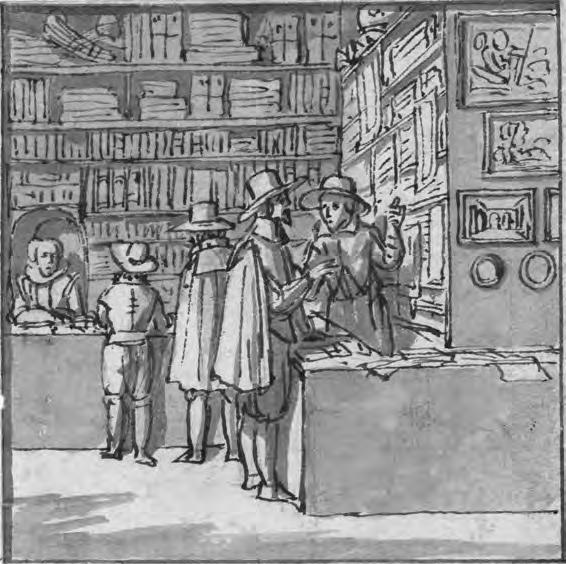
Thisbookarguesthatreligiousminoritiesandtheiradvocates,insearchof internationalsupport,playedafoundationalroleintheemergenceofahumanitariancultureinEurope.EspeciallyinthewealthyandurbanizedDutchRepublic, theperiod’sdominantinternationalnewshubandarenownedsafehavenfor religiousrefugeesofvariousstripes,authorsfoundarelativelycomfortableclimate toemployprintmediaintheireffortstoraisetransnationalsolidarity(Figure1).
⁵ Conlon, Jean-FrançoisBion,p.26;thebookdidnotdescribeBion’ s flighttoGeneva.
⁶ B.J.Kaplan, Dividedbyfaith:Religiousconflictandthepracticeoftolerationinearlymodern Europe (Cambridge,MAandLondon,2007);fortheroleofreligiousconflictinDutchforeignpolicy seeD.Haks, Vaderlandenvrede1672–1713:PubliciteitoverdeNederlandseRepubliekinoorlog (Hilversum,2013),pp.86–114;D.Onnekink, ReinterpretingtheDutchFortyYearsWar,1672–1713 (London,2016);forBritainseeT.Claydon, EuropeandthemakingofEngland,1660–1750 (Cambridge, 2007);A.C.Thompson, Britain,HanoverandtheProtestantinterest,1688–1756 (Woodbridge,2006); A.C.Thompson, “TheProtestantinterestandthehistoryofhumanitarianintervention,c.1685–c. 1756,” inB.SimmsandD.J.B.Trim(eds.), Humanitarianintervention:Ahistory (Cambridge,2011), pp.67–88;forothercountriesseethecontributionsinD.Onnekink(ed.), Warandreligionafter Westphalia,1648–1713 (Farnham,2009).
⁷ SeeM.Griesse, “FrühneuzeitlicheRevoltenalsKommunikationsereignisse.DieKrisedes17. JahrhundertsalsProduktderMedienrevolution” (unpublishedHabilitationsschrift,2015).
Figure1. DirckdeBray, Peopleinabookshop,seventeenthcentury,reproducedwith permissionfromtheRijksmuseum,Amsterdam.
Theybenefitedfromagenuineinterestininformationaboutreligiouspersecutionsamongdifferentstrataofearlymodernsociety,andpublishersinDutch citieswerekeentomeetthisinternationaldemand.Byusingtheprintingpress, victimsofpersecutionandtheiralliesrepeatedlymanagedtoturntheirplightinto internationalmediaevents. Storyofthetorments toobecameaninternational success.Afterthe firsteditioninFrenchitwassoontranslatedintoDutch,English, andGerman;⁸ andsevenyearsafterthe firstDutch-languageeditionDoucistill sawenoughpotentialinthestorytopublishitagain.⁹
Toreachandaffecttheiraudiences,opinionmakershadtoaddressafundamentalquestion,onethatwestillgrapplewithtoday: Howtomakepeoplecare aboutdistantsuffering? Bion’spamphletdemonstratesthatevenindividual authorsdevelopeddifferentanswerstothatquestion.Ontheonehand,the converttoldatypicalstoryaboutpersecutionandreligioustruth.Hisaccountof
⁸ ForalistofalleditionsseeConlon, Jean-FrançoisBion,pp.57–66.
⁹ J.-F.Bion, Verhaaldertormentendiemendegereformeerde,welkeopdegaleyenvanVrankrykzyn, heeftdoenondergaan (Amsterdam:JohannesDouci,1721).
4
spiritualsteadfastnessinalifeofhopelesssuffering,andhisreligiousenlightenmentthatwasitsconsequence,musthavestruckasensitivechordamonga Reformedreadership.PeoplewholivedcloseenoughtoEurope’stheological frontlineshadbeenconfrontedwithsimilarstoriesforalmosttwohundred years.NarrativesaboutviolencecommittedagainsttrueChristianshadbeen partandparcelofthepropagandawarssurroundingtheProtestantand CatholicReformations.Forallthedeepreligiousdivisions,apologistsonall sidesoftheconfessionaldivideagreedthatGod’sChurchwasapersecuted church.Clearly,thisgenrehadnotlostcurrencybytheeighteenthcentury.
Ontheotherhand,Bionalsoemployedamuchmoreinclusivelanguageof compassion.Inthepreface,hewarnedhisreadersthathewouldnotonlydiscuss thefateoftheReformedbutpayattentiontotheother forçats aswell.¹⁰ He elaboratedonpoorpeasantsonthegalleywhohadresortedtosmugglingsaltto feedtheirfamilies.¹¹Readerslearnedaboutdeserterswho,whileguiltyofan inexcusablecrime,couldnotbutincitepityas “youngmen,whohavebeenraised tenderlyinthearmsoftheirparents,[who]live...alifeahundredtimesmore cruelthandeath.”¹²TheformerpriestalsopaidampleattentiontotheMuslim galleyslaveswhomhedescribedasmenwho,likeallenslavedpeople,continuedto longfortheirfreedom.Indeed,hepraisedthemfortakinggoodcareofone anotherandforthefaithfulnesstheyshowedtowardtheirreligion,evenrefusing torelievetheirpainwithwine.¹³Inotherwords,CatholicpeasantsandMuslims alsoinvokedpity,despitetheirutterreligiousotherness.Theywereportrayedas fellowhumanbeings,withhumandesiresforfreedom,affection,andcompanionship,andthereforeworthyofthereader’ssympathy.Bion,hence,usedtwo languagesofcompassion oneconfessional,theothermoreinclusive encouraging hisreaderstoidentifywiththe forçats indifferentways.
TheRiseofPrintasaHumanitarianTool
Ifwewanttolocatethisdoubleappealtoreligiousandhumansolidarityin history,twohistoriographiescomeintoviewthatdonotusuallyoverlap.Calls forconfessionalsolidarity,ontheoneside,canbeseenasanexpressionofwhat earlymodernistscall “Protestantinternationalism,” atransnationalsenseofreligiouscommunitywhichstructuredhowcontemporariesviewedinternational relations.¹
⁴ ConfrontedwiththedisastroussectarianviolenceoftheYugoslav WarsandtheSeptember11attacks,scholarshaverehabilitatedreligionascrucial
¹⁰ Bion, Verhaaldertormenten,p.5.¹¹Ibid.,pp.23–24.¹²Ibid.,p.24.
¹³Ibid.,pp.19–20.
¹
⁴ Somehistorianshaverephrasedthetermmorerestrictivelyas “Calvinistinternationalism.” Fora recentoverviewseeM.P.Holt, “InternationalCalvinism,” inR.W.Holder(ed.), JohnCalvinincontext (Cambridge,2020),pp.375–382.SeealsoO.P.Grell, BrethreninChrist:ACalvinistnetworkin
forunderstandingpresentandpastinternationalpolitics.Reevaluatingconfessionalideology,historiansoftheBritishIslesandtheDutchRepublichave consequentlybeguntopayattentiontothemutualconstitutionofforeignpolicy andthevernacularpress.Wenowknowthata “masternarrativeofconfessional strife” betweenProtestantismandCatholicismcontinuedtoshapetheboundaries ofdebateonforeignpoliticsuntilwellintothe firsthalfoftheeighteenth century.¹⁵ AsBenjaminKaplanconcludedinhisseminalsynthesisofearly modernreligiousconflictandtoleration,bytheearlyeighteenthcentury “the ageofreligiouswarshadnotyetended.”¹⁶
Universalizingappealstocompassion,ontheotherside,arecommonly approachedbyscholarsasachapterinthehistoryofhumanitarianismand humanrights.Historianstacklingthedeephistoryofhumanitarianengagement usuallyidentifyappealsto “commonhumanity” asfundamentallyoppositeto confessionalidentification.¹⁷ Theyeitherdescribehowtheconcepttookform throughagradualdisentanglingfromreligiousassociations,orapproachitasan explicit alternative toreligiousnorms.LynnHunthasfamouslyarguedthatwith theproliferationofthenovelinthesecondhalfoftheeighteenthcentury,people firstlearnedtosympathizewithpeopleacrossthesocialboundariesthatseparated them.Theprintedencouragementofpsychologicalidentificationwithunfamiliar individualssubsequentlyledtoanewpoliticalorderthatsaw “ordinarysecularlife asthefoundationofmorality.”¹⁸
ReformationEurope (Cambridge,2012);M.Prestwich(ed.), InternationalCalvinism1541–1715 (Oxford,1987);D.J.B.Trim, “CalvinistinternationalismandtheEnglishofficercorps,1562–1642,” HistoryCompass 4.6(2006),pp.1024–1048;Claydon, EuropeandthemakingofEngland
¹⁵ Claydon, EuropeandthemakingofEngland.SeealsoOnnekink(ed.), Warandreligion; Thompson, Britain,Hanover;Thompson, “Protestantinterest”;Haks, Vaderlandenvrede; Onnekink, ReinterpretingtheDutchFortyYearsWar;J.Stern, OrangismintheDutchRepublicin wordandimage,1650–75 (ManchesterandNewYork,NY,2010).
¹⁶ Kaplan, Dividedbyfaith,p.343.
¹⁷ M.-D.Grigore, “Humanismandhumanitas:Thetransitionfromthehumanitaschristianato humanitaspoliticainthepoliticalwritingsofErasmus,” inF.KloseandM.Thulin(eds.), Humanity: AhistoryofEuropeanconceptsinpracticefromthesixteenthcenturytothepresent (Göttingen,2016), pp.73–90;J.Headley, TheEuropeanizationoftheworld (Princeton,NJandOxford,2008),esp. pp.63–148;M.Delgado, “‘Allpeoplehavereasonandfreewill’:Thecontroversyoverthenatureof theIndiansinthesixteenthcentury,” inKloseandThulin(eds.), Humanity,pp.91–106;seealso A.Pagden, Thefallofnaturalman:TheAmericanIndianandtheoriginsofcomparativeethnology (Cambridge,1982),esp.pp.119–145;P.Stamatov, Theoriginsofglobalhumanitarianism (Cambridge, 2013);seealsoM.Halme-TuomisaariandP.Slotte, “Revisitingtheoriginsofhumanrights: Introduction,” inM.Halme-TuomisaariandP.Slotte(eds.), Revisitingtheoriginsofhumanrights (Cambridge,2015),pp.1–36.
¹⁸ L.Hunt, Inventinghumanrights:Ahistory (NewYork,NY,2008),pp.38,57.MichaelFrazerhas similarlyarguedthattheEnlightenmentwasanintellectualrevolutioncharacterizedbytwocurrents. Alongsidethecelebrationofrationalism,therewasalsoasentimentalistrevolution,whichfocusedon “ reflectivelyrefinedfeelingssharedamongindividualsviatheall-importantfacultyofsympathy” ; M.L.Frazer, TheEnlightenmentofsympathy:Justiceandthemoralsentimentsintheeighteenthcentury andtoday (Oxford,2010),p.4;seealsoR.S.Crane, “Suggestionstowardagenealogyofthe ‘manof feeling,’” JournalofEnglishLiteraryHistory 1.3(1934),pp.205–230.
6
Somestudentsofhumanitarianismhavetriedtopushbackthistimeline.They pointoutthatalreadyinthesixteenthcentury,BartolomédelasCasasandsome ofhiscontemporarieslobbiedagainstthecruelsubjugationofthenativepopulationoftheAmericas,withrecoursetotheuniversalizingprinciplethat “allpeople intheworldarehumans.”¹⁹ WhiledelasCasas’ tirelessadvocacyhadsomelevelof success,itishardtodenythatsucheffortswereextremelypatchyonawiderscale. Itwouldtaketwomorecenturiesbeforethestructuralviolencecommittedagainst subjugatedandenslavedpeopleintheAmericasbecamewidelycontestedbythose livingintheempires’ metropoles.Mosthistoriansthereforesticktothelate eighteenth-centurytimeframe,identifyingtheimpressivecampaignsagainstthe slavetradeasoneofthe firsthumanitarianpractices.²⁰
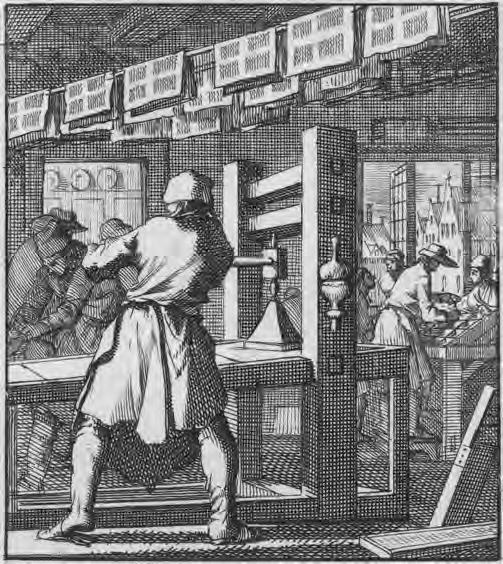
TheaccountsofpersecutedminoritiesthatcirculatedthroughoutEuropethus appeartobestuckbetweentwohistoriographicalnarratives,respectivelyconcerningaconfessionalandamoresecularageinEuropeanhistory.Atthesametime, theysuggestthatthedistinctionbetweenthesetwoformsofconcernforthe sufferingofdistantstrangersshouldnotbeoverdrawn.Thepresentstudy advancestheargumentthatregardlessoftheirconfessionaloruniversalargumentation,opinionmakerswritingaboutforeignpersecutionssharedasimilar convictionthattheycouldmakeadifferencebyraisingawarenessthroughprint media.Aninsightintowhenandwhyopinionmakersappealedtoconfessionally boundedormoreinclusivesolidaritywithsufferingstrangers beforeregardingit asreflectiveofacertainzeitgeist mayinfacthelpustobetterunderstandthe extenttowhichtheprintingpressdroveaprocessofpoliticalsecularizationinthe centurythatfollowedthegreatwarsofreligion(Figure2).
TheMakingofHumanitarianism investigatestheseventeenth-andeighteenthcenturypressasacrucialsiteofexperimentinwhichthetechniquesandlanguages ofhumanitarianismweredeveloped.Whilethetermshumanrightsandhumanitarianismareoftenconflated,scholarshaverecentlymadeastrongcasethatthe latterconceptismorepractice-orientedandrestrictiveinscope,andthereforehas adeeperhistory.²¹Humanitarianismpertainstoconcernsaboutforeignatrocities andtheimmediateneedsofsufferingstrangers.Assuch,itdoesnotnecessarily
¹
⁹ Stamatov, Theoriginsofglobalhumanitarianism;Delgado, “‘Allpeoplehavereasonandfree will’”;Pagden, Thefallofnaturalman,esp.pp.119–145.QuotationfromDelgado, “‘Allpeoplehave reasonandfreewill,’” p.93.
²⁰ SeeforinstanceS.Moyn, “Humanrightsandhumanitarianization,” inM.Barnett(ed.), Humanitarianismandhumanrights:Aworldofdifferences? (Cambridge,2020),pp.33–48; T.W.Laqueur, “Mourning,pity,andtheworkofnarrativeinthemakingof ‘humanity,’” in R.A.WilsonandR.D.Brown(eds.), Humanitarianismandsuffering:Themobilizationofempathy (Cambridge,2008),pp.31–57;A.Moniz, Fromempiretohumanity:TheAmericanRevolutionandthe originsofhumanitarianism (Oxford,2016).Foragoodintroductiontoabolitionistcampaignssee J.R.Oldfield, PopularpoliticsandBritishanti-slavery:Themobilizationofpublicopinionagainstthe slavetrade,1787–1807 (London,1998).
²¹M.Barnett, “Humanrights,humanitarianism,andthepracticesofhumanity,” International Theory 10.3(2018),pp.314–319;M.Geyer, “Humanitarianismandhumanrights:Atroubled
Figure2. JanLuyken, Thebookprinter,inJanandCasparLuyken, Hetmenselyk bedryf,1694,reproducedwithpermissionfromtheRijksmuseum,Amsterdam.
requirethekindofEnlightenmentuniversalismwithwhichitiscommonly associated.²²Asustainedandbroad-basedEuropeantraditionofengagement withdistantsufferingthuscomesintoview,whichdevelopedasaconsequence ofthereligiousconflictsthathadplaguedthecontinentsincetheProtestant Reformations.Thesehumanitarianpracticesweremorelimitedinscopethan laterabolitionistcampaigns,buttheirmobilizingpotentialshouldnotbe underestimated.
Thisnew-foundconcernwithdistantsufferingcanbetracedtothesecondhalf ofthesixteenthcentury,whenCatholics,Lutherans,Calvinists,andAnabaptists
rapport,” inF.Klose(ed.), Theemergenceofhumanitarianintervention:Ideasandpracticefromthe nineteenthcenturytothepresent (Cambridge,2016),pp.31–55;S.Moyn, “Substance,scale,and salience:Therecenthistoriographyofhumanrights,” AnnualReviewofLawandSocialScience 8 (2012),pp.123–140;A.HeraclidesandA.Dialla, Humanitarianinterventioninthelongnineteenth century:Settingtheprecedent (Manchester,2015);K.Cmiel, “Therecenthistoryofhumanrights,” AmericanHistoricalReview 109.1(2004),pp.117–135.
²²Barnett, “Humanrights”;D.J.B.TrimandB.Simms, “Towardsahistoryofhumanitarian intervention,” inSimmsandTrim(eds.), Humanitarianintervention,pp.1–24.
8
allbegantocanonizestoriesabouttheviolentdeathsoftheirrespectivemartyrs, thuscreatingaconfessionalculturalmemorywhichtranscendedstateborders.²³ Thistransnationalsentimentofreligiousbelongingwasreinforcedbytheharsh realitiesofforcedmigration,whichreligiousintolerancecontinuedtobringinits wake.²⁴ Subsequentgenerationsofexilescultivatedtheirhistoryofpersecutionas acentralpartoftheirreligiousandcivicidentity.²⁵ Thecherishedmemoryof persecutionrecurrentlyinspiredpeopletoaction.Throughouttheseventeenth andeighteenthcenturies,Protestants,Catholics,Anabaptists,andJewsalltried toputthefateofoppressedbrethreninthefaithonpoliticalagendasand raisedfundsforthem,whichtraveledalongconfessionaltradingnetworks.²⁶ Stateswouldsometimesoffermilitaryordiplomaticsupporttopersecuted co-religionists,whichsomehistorianshaveidentifiedasthe firsthumanitarian interventions.²⁷ Peoplemaynothaveusedthetermuntilthenineteenthcentury, butthegoalsandmeans avertingorstoppingatrocitythroughdiplomaticor militarypressure wereverysimilar.²⁸
Thisbooktellsthestoryofhowopinionmakersspurredpeopleandtheir governmentsintoactionandhowtheycreatedaninternationalstageonwhich theyputupreligiouspersecutionsforpublicscrutiny.Investigatingtheriseof printasahumanitariantool,itasks first,whichpoliticalnormswereinvokedto communicatereligiouspersecution.Thisquestionhasnotreceivedtheattentionit
²³B.S.Gregory, Salvationatstake:ChristianmartyrdominearlymodernEurope (Cambridge, 1999).
²
⁴ ForarecentoverviewseeN.Terpstra, Religiousrefugeesintheearlymodernworld:Analternative historyoftheReformation (Cambridge,2015).
²
⁵ J.Müller, ExilememoriesandtheDutchRevolt:Thenarrateddiaspora,1550–1750 (Leidenand Boston,MA,2016);D.vanderLinden, Experiencingexile:HuguenotrefugeesintheDutchRepublic, 1680–1700 (Farnham,2015).FortheDutchRevoltandCatholicexperiencesofexileseeG.H.Janssen, TheDutchRevoltandCatholicexileinearlymodernEurope (Cambridge,2014).
²⁶ SeeG.H.Janssen, “Thelegacyofexileandtheriseofhumanitarianism,” inB.Cummings,C.Law, K.Riley,andA.Walsham(eds.), RememberingtheReformation (Abingdon,2020),pp.226–242.For ReformedcharitycampaignsseeGrell, BrethreninChrist;A.Schunka, “Immigrantpetitionlettersin earlymodernSaxony,” inB.S.Elliott,D.A.Gerber,andS.M.Sinke(eds.), Lettersacrossborders:The epistolarypracticesofinternationalmigrants (London,2006),pp.271–290;E.Boersma, “Noodhulp zondernatiestaat.BovenlokaalgeefgedragindeNederlandseRepubliek,1620–circa1800” (unpublishedPhDthesis,2021).BoersmaalsoexploresAnabaptistcharitycampaigns.ForJewish long-distancecharityseeA.Teller, Rescuethesurvivingsouls:ThegreatJewishrefugeecrisisofthe seventeenthcentury (Princeton,NJ,2020);D.Kaplan, Thepatronsandtheirpoor:Jewishcommunityand publiccharityinearlymodernGermany (Philadelphia,PA,2020).ForCatholicsseeD.Hershenzon, Thecaptivesea:Slavery,communication,andcommerceinearlymodernSpainandtheMediterranean (Philadelphia,PA,2018);Janssen, TheDutchRevolt.Alsoinearliertimes,somereligiousgroups organizedlong-distancecharitycampaigns,includingtheearlyChristians.SeeC.W.Concannon, AssemblingearlyChristianity:Trade,networks,andthelettersofDionysiosofCorinth (Cambridge, 2017),pp.155–177.
²
⁷ D.J.B.Trim, “‘Ifaprinceusetyrannietowardshispeople’:Interventionsonbehalfofforeign populationsinearlymodernEurope,” inSimmsandTrim(eds.), Humanitarianintervention; Thompson, “Protestantinterest”;seealsoT.Weller, “Humanitarianismbeforehumanitarianism? Spanishdiscoursesonslaveryfromthesixteenthtothenineteenthcentury,” inKloseandThulin (eds.), Humanity,pp.151–168.
²⁸ TrimandSimms, “Towardsahistoryofhumanitarianintervention.”
deserves,ashistorianstoooftenreducenarrativesofpersecutiontoconfessional propaganda.Thisassessmentalsogoesalongwayinexplainingwhysuch expressionsoftransnationalsolidarityhavelongremaineddisregardedasa formofhumanitarianism;theyaredismissedasexpressionsofconfessional tribalism.Aswillbecomeclear,however,printmediaplayedafundamentalrole inthecautiousdeconfessionalizationofhumanitarianpractices.
Second,thisstudyidentifieswhichstakeholderswereengagedintheinternationalproductionoftopicalpersecutionliterature,andexamineswhomthey believedtobetheiraudience;onemightexpectthatpreachers,forinstance,would usuallygivereligiousmeaningtonewsaboutthepersecutionofbrethreninthe faithwhereaspoliticalofficeholdersmightbemoreinclinedtoprovideamore worldlyevaluation.Whetherthiswasactuallythecase,however,isaquestionthat begstobeanswered.Finally,thepresentstudyexplorestherolewhichtopical persecutionliteraturehopedtoplayindomesticandinternationalpolitics. Thenascenthistoriographyonearlymodern “publicdiplomacy ” hashighlighted howdiplomatsusedthepresstoinfluenceforeignaudiencesandshapeinternationalrelations.²⁹ Yettheywerecertainlynottheonlyactorstoengageinsuch practices.³⁰ Howdidreligiousminoritiesandtheirprotectorsinfluenceforeign policybyemployingtheprintingpress?Andhowdidrulersrespondtothe internationalpublicstageonwhichtheirpolicieswerecriticized?
TheTermsofDebate
Whilemakingoccasionalreferencestocanonicalphilosophersforcontext,comparison,orclari fication andofcoursewhenevertheyarereferredtointhe sources thisbookdealswithpoliticalargumentationratherthantheory,and withephemeraltextsratherthanfull-blownworksofphilosophyandhigh scholarship.Indoingso,itspeakstotherelativelyrecentinsightthatlocal event-orientedcommunicationofgovernancebypoliticalagentsandcommentatorsplayedadecisiveroleinthenegotiationandconceptualizationofpolitical order.Ifonestudiesconceptualchangeoveralongerperiodoftime,asLuise Schorn-Schüttesuggests,politicallanguagesbecome “justastangibleinlocal conflictsasintheoreticaltreatisesandthetextsthatinstitutedlegalnorms.”³¹
²⁹ H.J.Helmers, “PublicdiplomacyinearlymodernEurope,” MediaHistory 22.3–4(2016), pp.402–403;N.LamalandK.VanGelder, “Addressingaudiencesabroad:Culturalandpublic diplomacyinseventeenth-centuryEurope,” TheSeventeenthCentury 36.3(2001),pp.367–387.
³⁰ SeeHelmers, “PublicdiplomacyinearlymodernEurope,” p.402.Forareflectiononnon-state actorsandpublicdiplomacyfromtheperspectiveoftoday’sworldseealsoT.LaPorte, “Theimpactof ‘intermestic’ non-stateactorsontheconceptualframeworkofpublicdiplomacy,” TheHagueJournalof Diplomacy 7(2012),pp.449–450.
³¹L.Schorn-Schütte, GottesWortundMenschenherrschafft.Politisch-TheologischeSprachenim EuropaderFrühenNeuzeit (Munich,2015),p.14.
10
Investigatinghowopinionmakersengagedtheiraudienceswithacutepolitical crises,thisstudycoversasmallareainthevastrealmofearlymodern politicalcommunication.Yetitwasaparticularlyversatilearea.Decisionsto punishdissentingreligiousgroupswereamongthemostcontroversialandconsequentialpoliciesofearlymodernrulers.Theygaverisetoaremarkablydynamic printeddebatethatinvokedmany,ifnotall,ofthemainnormsunderlying Europe’spoliticalorder except,perhaps,therelationbetweengenderand power.Thepredicamentofreligiousminoritiesthusprovidedunmatchedoccasionsforopinionmakerstodiscussfundamentalquestionsabouthumansand theirattitudetowardfellowmenandwomen,aboutprinces’ bondswiththeir subjects,aswellasabouttherelationsbetweendifferentrulers.Inotherwords, religiouspersecutionsacutelylaidbarequestionsabouthowsocietyisbestand mostjustlyorderedandmaintained.
Likeallevaluationsofpoliticaldecision-making,thepubliccommunicationof decisionstopenalizeareligiousminoritylargelyrevolvedaroundeitherjustifying orrejectingitinreferencetothecommongood.InearlymodernEuropethis usuallypertainedtocommunalwelfareorthesharedbenefitofpeopleinagiven society,andincreasinglyappliedtothestate.³²Cuttingthroughdifferentpolitical ideologies,includingruler-centeredtheoriesofabsolutism,thecommongoodwas regardedasthehighestattainableendofagovernment’spolicybyawiderangeof politicalphilosophers,includingHobbes,Locke,andRousseau,aswellasmany lowerprofilethinkers.³³YetthereexisteddivergingreligiousandpoliticaldiscoursesinearlymodernEuropeonhowthecommongoodwasbest attained ina religiouslydividedsociety.Opinionmakershadtonavigatethesediscoursesin theireffortstoturnlocalstrugglesintomattersoftransnationalconcern.
First,andperhapsforemost,wasthechallengethattransnationalsupportfor persecutedminoritiesposedtosovereignty.Thequestiontowhatextentforeign actorshavetherighttointerveneindomesticconflicts stillahottopicsurroundinghumanitarianismtoday can,infact,betracedbacktotheearlymodern period.Itusedtobeacommontropeamonghistorians,andremainsoneamong
³²SeeH.MünklerandH.Bluhm, “Einleitung.GemeinwohlundGemeinsinnalspolitisch–soziale Leitbegriffe,” inH.MünklerandH.Bluhm(eds.), GemeinwohlundGemeinsinn.Historische SemantikenpolitischerLeitbegriffe (Berlin,2001),esp.pp.17–22.Fortherudimentarystabledefinition of “commongood” assharedbenefitseeG.BurgessandM.Knights, “Commonwealth:Thesocial, cultural,andconceptualcontextsofanearlymodernkeyword,” TheHistoricalJournal 54.3(2011), p.662;alternativetermsforthe “commongood” include “commoninterest,”“publicgood,”“public welfare,” and “publicfelicity.”
³³B.J.Diggs, “Thecommongoodasareasonforpoliticalaction,” Ethics 83.4(1973),p.283; P.Wilson, AbsolutisminCentralEurope (Abingdon,2000),esp.p.50.InEngland,bycontrast,theterm “commonwealth” developedintoanideologicaloppositeofabsolutism;seeC.CutticaandG.Burgess, “Introduction:MonarchismandabsolutisminearlymodernEurope,” inC.CutticaandG.Burgess (eds.), MonarchismandabsolutisminearlymodernEurope (LondonandNewYork,NY,2012), pp.1–18;G.Burgess, “Tyrants,absolutistkings,arbitraryrulersandthecommonwealthofEngland: Somereflectionsonseventeenth-centuryEnglishpoliticalvocabulary,” inCutticaandBurgess(eds.), Monarchismandabsolutism,pp.147–158.
politicalscientists,thattobringa finalendtogenerationsofreligiouswarfare, thePeaceofWestphaliaelevateddomesticandexternalsovereigntytobecomethe carryingprincipleofahorizontallyconceptualizedandnon-interventionist Europeanorder.³⁴ This “Westphalianmyth” hasbeendebunked.³⁵ Therecognitionofaruler’sabsoluteauthoritydidnotsuddenlyresolveallconfessional conflicts within Europeansocieties,nordidWestphaliaprecludeforeignmeddling ininternalaffairs.Infact,thepeaceprovidedEuropewithamodelinwhichthe rightsofconfessionalminoritieswerelegallyprotectedbyforeignpowersthrough internationalpeacetreaties.³⁶
Weshouldkeepinmind,however,thatnon-interferencewasthenormwhile interventionwastheexception.³⁷ Sovereigntymaynothavesuddenlybecomethe soleruleunderpinningEurope’spoliticallandscape,butitcouldnotbetaken lightlyeither.Byallaccounts,mostpeoplecryingoutagainstpersecutionsinprint mediawerenotprinceswithalegalprerogativetoalleviatethesufferingofforeign subjects.³⁸ Astheanalysisinthisstudywillshow,transnationaladvocatesoften foundthemselvesonthinicecriticizingthepolicyoftheirownorforeignrulerson aninternationalstage.Manyofthemhencesawtheneedtocarefullynegotiate whatrighttheyortheiraudiencehadtoexpresstransnationalsolidarityinthe first place.Studyinghowtheydidthiscan,infact,giveusaclearersenseofthe perceivedboundarybetweenlegitimateconcernandunjustinterferencebeyond thecrudeforceofmilitaryintervention.
Asecondmainissuethathumanitarianopinionmakershadtoconfront wasthestillwidespreadbeliefthatahealthypolitydependedontheuniform
³⁴ H.Steiger, “KonkreterFriedeundallgemeineOrdnung.ZurrechtlichenBedeutungderVerträge vom24.Oktober1648,” inK.BußmannandH.Schilling(eds.), 1648.KriegundFriedeninEuropa,2 vols.(Münster,1998),vol.1,pp.437–446;D.Philpott, Revolutionsinsovereignty:Howideasshaped moderninternationalrelations (Princeton,NJ,2001),pp.437–446;D.Grim, Sovereignty:Theorigin andfutureofapoliticalandlegalconcept (NewYork,NY,2015);D.Philpott, “Thereligiousrootsof moderninternationalrelations,” WorldPolitics 52.2(2000),pp.206–245;Philpott, Revolutionsin sovereignty;V.Gerhardt, “ZurhistorischenBedeutungdesWestfälischenFriedens.ZwölfThesen,” in BußmannandSchilling(eds.), 1648,vol1.,pp.485–489.
³⁵ A.Osiander, “Sovereignty,internationalrelations,andtheWestphalianmyth,” International Organization 55.2(2001),pp.251–287;S.D.Krasner, “Rethinkingthesovereignstatemodel,” ReviewofInternationalStudies 27(2001),p.17;S.Beaulac, Thepoweroflanguageinthemakingof internationallaw:ThewordsovereigntyinBodinandVattelandthemythofWestphalia (Leidenand Boston,MA,2004),pp.127–183;B.Teschke, “TheorizingtheWestphaliansystemofstates: Internationalrelationsfromabsolutismtocapitalism,” EuropeanJournalofInternationalRelations 8.1(2002),pp.5–48;H.Duchhardt, “WestfälischerFriedeundinternationalesSystemimAncien Régime,” HistorischeZeitschrift 249.3(1989),pp.529–543.
³⁶ R.Lesaffer, “Peacetreatiesandtheformationofinternationallaw,” inB.FassbenderandA.Peters (eds.), TheOxfordhandbookofthehistoryofinternationallaw (Oxford,2012),esp.pp.72–89; A.Osiander, ThestatessystemofEurope,1640–1990:Peacemakingandtheconditionsof internationalstability (Oxford,1994);seealsoB.deCarvalhoandA.Paras, “Sovereigntyand solidarity:Moralobligation,confessionalEngland,andtheHuguenots,” InternationalHistoryReview 37.1(2014),pp.1–21.
³
⁷ Krasner, “Rethinkingthesovereignstatemodel.”
³⁸ ForanelaboratediscussionoftherightofinterventionseeChapter1;forsovereigntyand interventionismseealsodeCarvalhoandParas, “Sovereigntyandsolidarity.”
12
adherenceofitspeopletothetruereligion,whichrulershadthedutytoprotect andenforce.³⁹ Ofcourse,mostdissidentsbelievedthattheirswasthetruefaith andthattheyweretherefore ipsofacto unjustlypersecuted.Asmostadvocates realized,however,loudlyproclaimingone’sreligiousrighteousnessandcallingfor internationalconfessionalsolidaritymightbeagoodstrategytomoveforeign brethreninthefaith,butwoulddolittletoconvincethepersecutingauthoritiesin question.Onthecontrary,itcouldquicklyalienatepotentialalliesacrossthe confessionaldivide.
ToreachabroaderaudienceinareligiouslydividedEurope,advocatesthus oftenhadtooptforuniversalizingargumentativestrategies.Oneimportant strategywastoappealtotheruleoflaw.Fromthesixteenthcentury,theposition ofmanyreligiousminoritieshadbeenformalizedinsomekindofreligiouspeace treatyoredict.Thesedocumentswerepragmaticcompromisesgranted often grudgingly toreligiousdissentersuntiltheidealofreligiousunitycouldonce againbeachieved.⁴⁰ Nevertheless,religiouspeacetreatiesandedictsturnedconfessionaldeviantsintolegalentities.⁴¹Despitetheirnon-ideologicalorigins,they imposedandlegitimateda “secular ‘ruleoflaw’ inspheresoflifepreviouslygoverned byreligion.”⁴²Opinionmakerscouldthusanalyzewhetherviolencecommitted againstareligiousminorityhadbeenlawfulwithinthespecificlegalframeworkof thecountryinquestion,withoutlapsingintothestalemateoftheologicalpolemic.
Apartfromthepositivelawsofthepolityinquestion,theycouldalso invokenaturallaw.Intheseventeenthcentury,politicalphilosophersbeganto developsecularconceptsofnaturallawand itscounterpartfortheinternational stage thelawofnations.⁴³Theybuiltuponthelegalsettlementsthatendedthe
³⁹ Kaplan, DividedbyFaith,pp.99–126.
⁴⁰ R.Forst, ToleranzimKonflikt.Geschichte,GehaltundGegenwarteinesumstrittenenBegriffs (Berlin,2003).
⁴¹J.-F.Missfelder, “Verrechtlichung,Verräumlichung,Souveränität.ZurpolitischenKulturder PazifikationindenfranzösischenReligionskriegen(1562–1629),” inD.Hückler,Y.Kleinmann,and M.Thomsen(eds.), RedenundSchweigenüberreligiöseDifferenz.Toleriereninepochen–übergreifender Perspektive (Göttingen,2013),pp.139–140.
⁴²W.P.teBrake, ReligiouswarandreligiouspeaceinearlymodernEurope (Cambridge,2017); M.Stolleis, “ThelegitimationoflawthroughGod,tradition,will,natureandconstitution,” inL.Daston andM.Stolleis(eds.), Nature,lawandnaturallawinearlymodernEurope:Jurisprudence,theology, moralandnaturalphilosophy (Farnham,2008),pp.45–56;D.Saunders, “Juridificationsandreligionin earlymodernEurope:Thechallengeofacontextualhistoryoflaw,” LawandCritique 15.2(2004),p.99. Fortheconceptof “juridification” asaformofpoliticalsecularizationseeM.Heckel, “Reichsrechtund ‘ZweiteReformation’.Theologisch–juristischeProblemederreformiertenKonfessionalisierung,” in H.Schilling(ed.), DiereformierteKonfessionalisierunginDeutschland.DasProblemder “Zweiten Reformation.” WissenschaftlichesSymposiondesVereinsfürReformationsgeschichte (Gütersloh, 1985),pp.11–43;W.Schulze, “‘GebenAufruhrundAufstandAnlaßzuneuenheilsamenGesetzen’ . BeobachtungenüberdieWirkungenbäuerlichenWiderstandsinderFrühenNeuzeit,” inW.Schulze (ed.), Aufstände,Revolten,Prozesse.BeiträgezubäuerlichenWiderstandsbewegungenim frühneuzeitlichenEuropa (Gerlingen,1983),pp.261–285;seealsoA.DeBenedictisandK.Härter (eds.), RevoltenundpolitischeVerbrechenzwischendem12.und19.Jahrhundert (Frankfurt,2013).
⁴³L.DastonandM.Stolleis, “Introduction:Nature,lawandnaturallawinearlymodernEurope,” in DastonandStolleis(eds.), Nature,lawandnaturallaw,pp.1–12.
warsofreligionanduniversalizedthem,givingthesecularstateandreligious coexistencetheoreticalandideologicalcurrency.Becomingincreasinglypopular inthe1680sand findingitspoliticalzenithintheeighteenthcentury,naturallaw aimedtosettheuniversalboundariesforpeopletoliveinsocietywithother people,withoutbeingconcernedwiththeirsalvationafterdeath.⁴⁴ Mostpolitical philosophersbelievedthatprincestooweresubjectedtonaturallaw,although theydisagreedabouttheextenttowhichtheycouldrightfullyberesistedifthey didnotupholdit.⁴⁵ Beingawideintellectualmovement,naturallawthinking defiesaneasydefinition,butasAnthonyPagdensuccinctlysummarizes,it typicallyestablishes “rationallyconceived,andthusuniversallyacceptable, first principles.”⁴⁶
Thisbringsustoanothermainargumentativestrategywhichpersecuted minoritiesandtheiradvocatescoulduseto findalliesacrosssocialboundaries, namelybyappealingtothehumancapacitytoreason.⁴⁷ Whileoftenassociated withtheEnlightenment,Europehadbeenhometorichvernacularliterary cultureswhichcelebratednaturalreasonasamoralguidesinceatleastthe sixteenthcentury.⁴⁸ Andwhereastheuseofreasoninpoliticswasinitially associatedwithmoral flexibilityorrelativism,seventeenth-centuryphilosophers begantoreconcileorevenconflateitwithjustice.⁴⁹ Indeed,inthecourseofthe earlymodernperiod,manyEuropeanthinkerswouldcometoelevatereasonas theprincipaltoolbywhichhumanscouldmakesenseof,order,andrestructurethe politicalworldinwhichtheylived,increasinglyindependentofdogmatictradition, superstition,andunquestionedauthority.Inthislight,JürgenHabermasfamously regarded “rationaldebate” asthebedrockoftheemergingpublicsphere.⁵⁰
⁴⁴ Saunders, “Juridificationsandreligion,” pp.101–102.
⁴⁵ B.Straumanm, “Earlymodernsovereigntyanditslimits,” TheoreticalInquiriesinLaw 12.2 (2015),pp.423–446;C.Cuttica, “Anabsolutisttriointheearly1630s:SirRobertFilmer,Jean-Louis GuezdeBalzac,CardinleBretandtheirmodelsofmonarchicalpower,” inCutticaandBurgess(eds.), Monarchismandabsolutism,p.133;R.Y.Jennings, “Sovereigntyandinternationallaw,” inG.Kreijen, M.Brus,J.Duursma,E.DeVos,andJ.Dugard(eds.), State,sovereignty,andinternationalgovernance (Oxford,2012),p.28.
⁴⁶ A.Pagden, “Introduction,” inA.Pagden(ed.), Thelanguagesofpoliticaltheoryinearly-modern Europe (Cambridge,1987),p.4.
⁴⁷ Althoughthetriumphofreasonafteranageofreligiouswarfareisoneofthecentralleitmotifsof Europe’sturntowardmodernity,fewtermsinconceptualhistoryremainaselusiveasreason.For instance,inBrunner,Conze,andKoselleck’ smagnumopus GeschichtlicheGrundbegriffe,anarticle dedicatedtoreasonisconspicuousbyitsabsence.
⁴⁸ TheLowCountries,especially,hadarichtraditionofrationalistmoralphilosopherswhocatered tobroadaudiencesbywritinginthevernacular.SeeR.Buys, Sparksofreason:Vernacularrationalism intheLowCountries (Hilversum,2015).
⁴⁹ M.Viroli, Frompoliticstoreasonofstate:Theacquisitionandtransformationofthelanguageof politics (Cambridge,1992);H.Höpfl, “Orthodoxyandreasonofstate,” HistoryofPoliticalThought 23.2 (2002),pp.211–237;J.R.Snyder, DissimulationandthecultureofsecrecyinearlymodernEurope (Berkeley,CA,2012);L.Kattenberg, Thepowerofnecessity:ReasonofstateintheSpanishmonarchy, c.1590–1650 (Cambridge,2023);Q.Skinner, ReasonandrhetoricinthephilosophyofHobbes (Cambridge,1997).
⁵⁰ J.Habermas, Thestructuraltransformationofthepublicsphere:Aninquiryintoacategoryof bourgeoissociety,trans.T.Burger(Cambridge,1992).