https://ebookmass.com/product/the-beginnings-of-the-cult-of-
Instant digital products (PDF, ePub, MOBI) ready for you
Download now and discover formats that fit your needs...
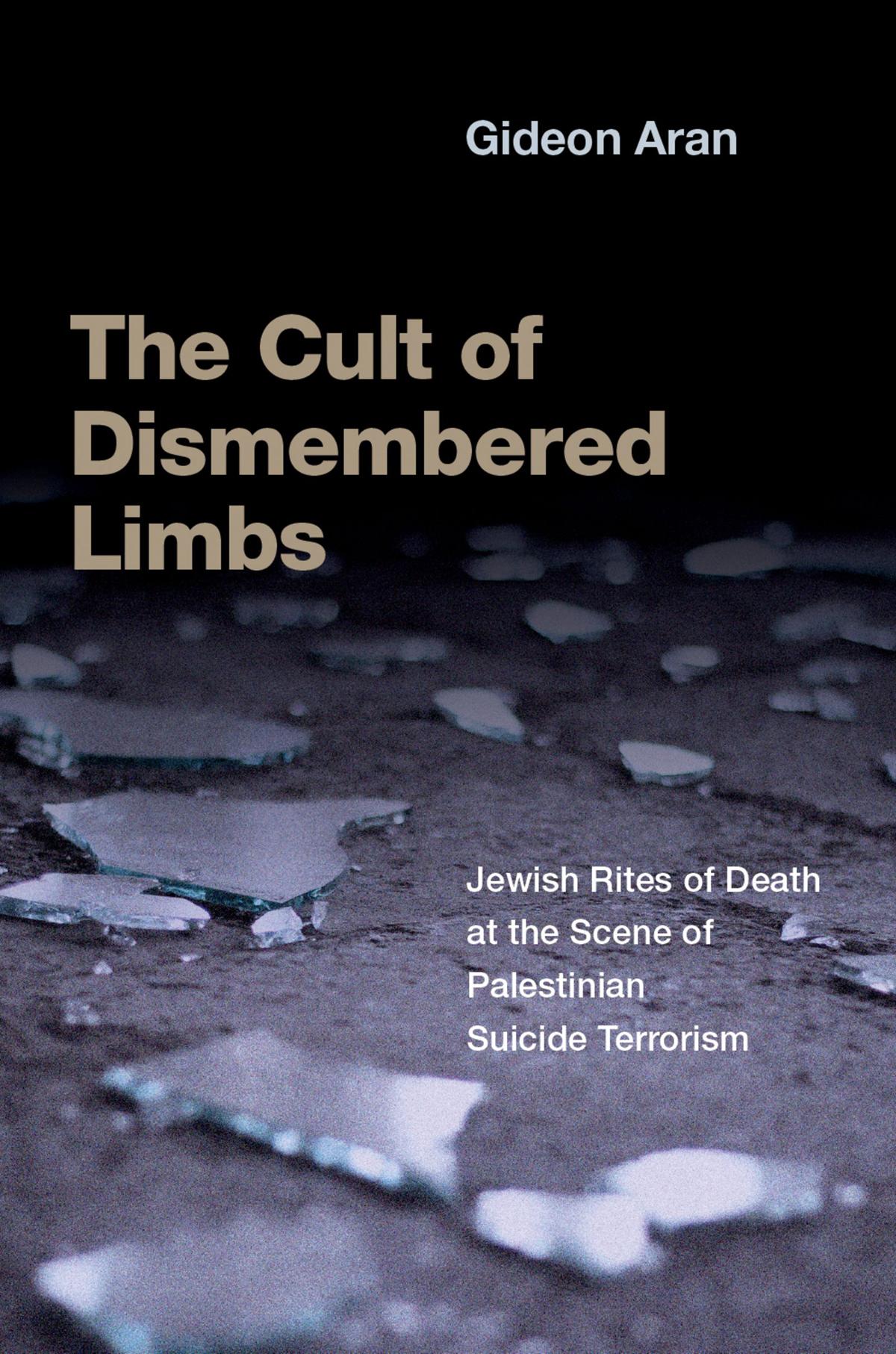
The Cult of Dismembered Limbs Gideon Aran
https://ebookmass.com/product/the-cult-of-dismembered-limbs-gideonaran/
ebookmass.com
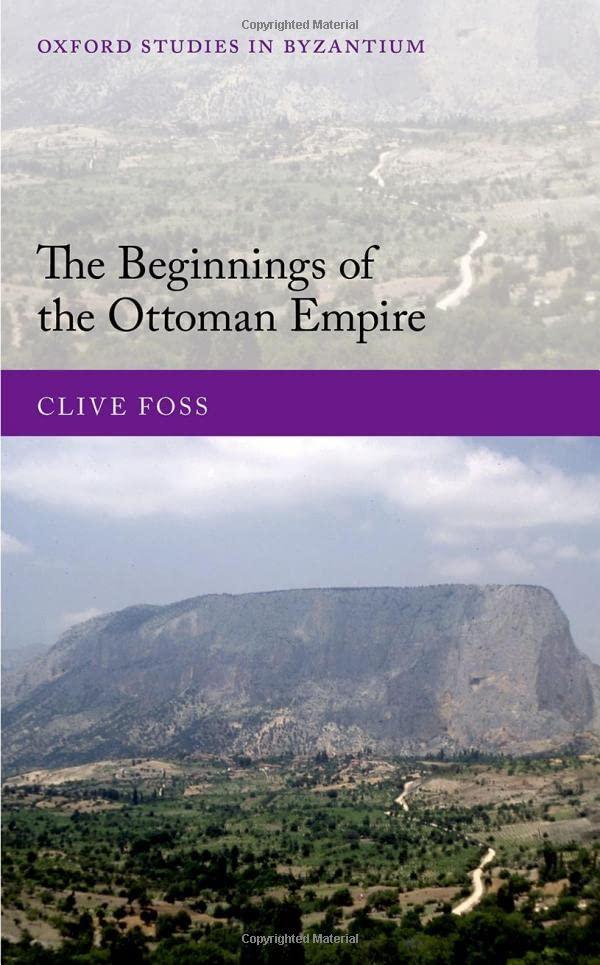
The Beginnings of the Ottoman Empire Clive. Foss
https://ebookmass.com/product/the-beginnings-of-the-ottoman-empireclive-foss/
ebookmass.com
The Grift: The Downward Spiral of Black Republicans from the Party of Lincoln to the Cult of Trump Clay Cane
https://ebookmass.com/product/the-grift-the-downward-spiral-of-blackrepublicans-from-the-party-of-lincoln-to-the-cult-of-trump-clay-cane/
ebookmass.com
Basic Income, Disability Pensions and the Australian Political Economy: Envisioning Egalitarian Transformation, Funding and Sustainability 1st ed. 2020 Edition Jennifer Mays
https://ebookmass.com/product/basic-income-disability-pensions-andthe-australian-political-economy-envisioning-egalitariantransformation-funding-and-sustainability-1st-ed-2020-editionjennifer-mays/ ebookmass.com
Adoptez l'esprit Proofmaking Mathias Béjean & Stéphane
Gauthier & Constance Leterrier & Matthieu Cesano
https://ebookmass.com/product/adoptez-lesprit-proofmaking-mathiasbejean-stephane-gauthier-constance-leterrier-matthieu-cesano/ ebookmass.com
Internationalism Toward Diplomatic Crisis : The Second International and French, German and Italian Socialists 1st Edition Elisa Marcobelli
https://ebookmass.com/product/internationalism-toward-diplomaticcrisis-the-second-international-and-french-german-and-italiansocialists-1st-edition-elisa-marcobelli/ ebookmass.com
Infants, Toddlers, and Caregivers 11th Edition – Ebook PDF Version
https://ebookmass.com/product/infants-toddlers-and-caregivers-11thedition-ebook-pdf-version/
ebookmass.com
Technical, Economic and Societal Effects of Manufacturing 4.0: Automation, Adaption and Manufacturing in Finland and Beyond 1st ed. Edition Mikael Collan
https://ebookmass.com/product/technical-economic-and-societal-effectsof-manufacturing-4-0-automation-adaption-and-manufacturing-in-finlandand-beyond-1st-ed-edition-mikael-collan/ ebookmass.com
Generative AI: How ChatGPT and Other AI Tools Will Revolutionize Business 1st Edition Tom Taulli
https://ebookmass.com/product/generative-ai-how-chatgpt-and-other-aitools-will-revolutionize-business-1st-edition-tom-taulli/ ebookmass.com
High Power Impulse Magnetron Sputtering: Fundamentals, Technologies, Challenges and Applications 1st Edition Daniel
Lundin
https://ebookmass.com/product/high-power-impulse-magnetron-sputteringfundamentals-technologies-challenges-and-applications-1st-editiondaniel-lundin/
ebookmass.com
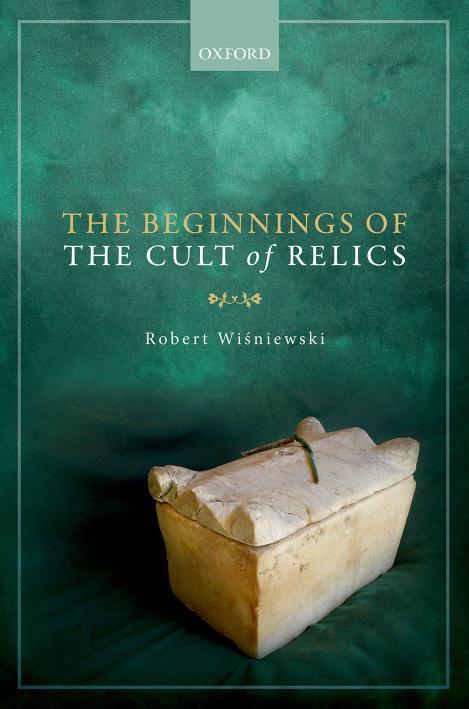
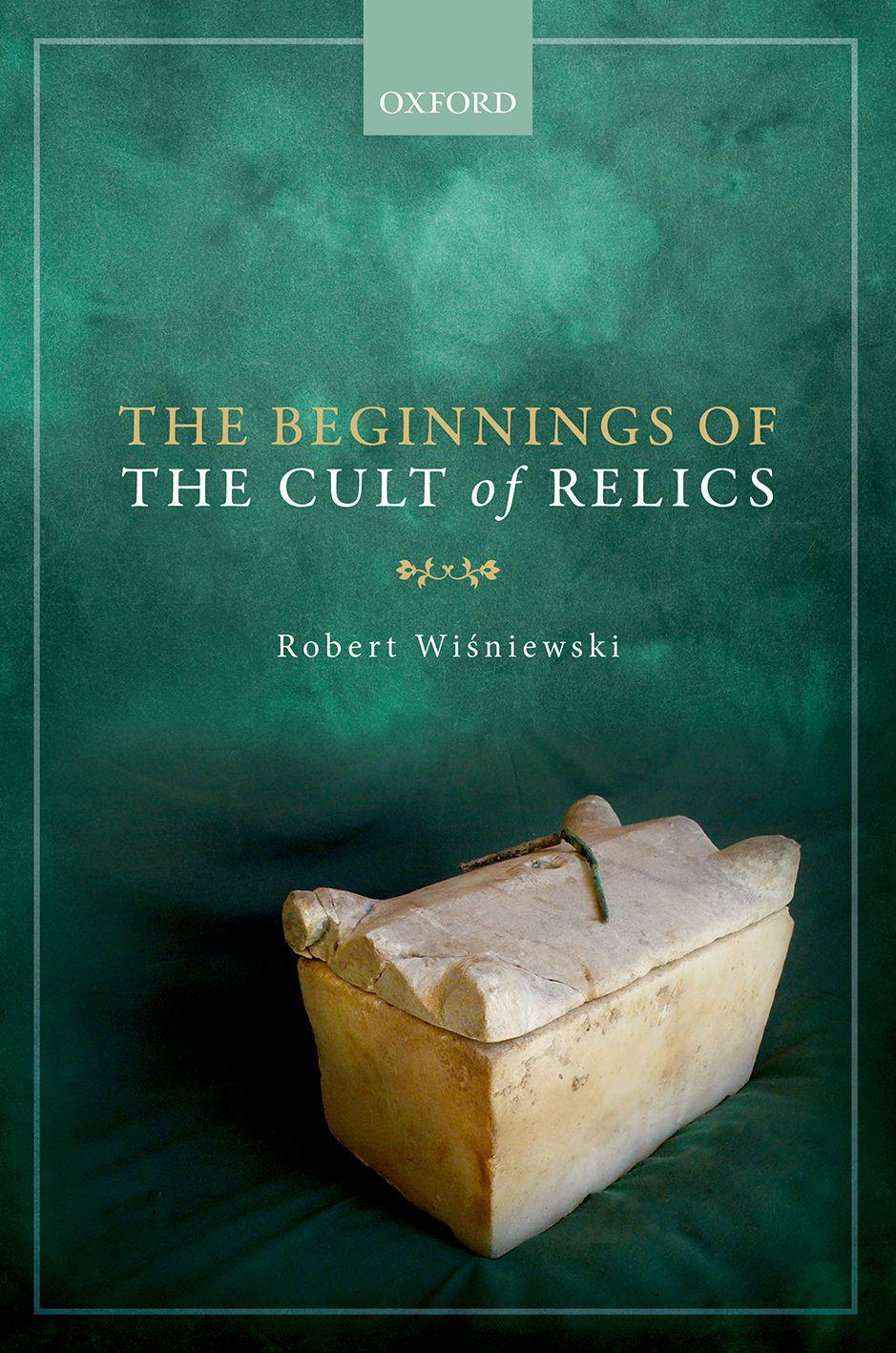
THEBEGINNINGSOFTHECULTOFRELICS TheBeginningsofthe CultofRelics ROBERTWI Ś NIEWSKI GreatClarendonStreet,Oxford,OX26DP, UnitedKingdom
OxfordUniversityPressisadepartmentoftheUniversityofOxford. ItfurtherstheUniversity’sobjectiveofexcellenceinresearch,scholarship, andeducationbypublishingworldwide.Oxfordisaregisteredtrademarkof OxfordUniversityPressintheUKandincertainothercountries
©RobertWiśniewski2019
Themoralrightsoftheauthorhavebeenasserted
FirstEditionpublishedin2019
Impression:1
Allrightsreserved.Nopartofthispublicationmaybereproduced,storedin aretrievalsystem,ortransmitted,inanyformorbyanymeans,withoutthe priorpermissioninwritingofOxfordUniversityPress,orasexpresslypermitted bylaw,bylicenceorundertermsagreedwiththeappropriatereprographics rightsorganization.Enquiriesconcerningreproductionoutsidethescopeofthe aboveshouldbesenttotheRightsDepartment,OxfordUniversityPress,atthe addressabove
Youmustnotcirculatethisworkinanyotherform andyoumustimposethissameconditiononanyacquirer
PublishedintheUnitedStatesofAmericabyOxfordUniversityPress 198MadisonAvenue,NewYork,NY10016,UnitedStatesofAmerica
BritishLibraryCataloguinginPublicationData
Dataavailable
LibraryofCongressControlNumber:2018949487
ISBN978–0–19–967556–2 Printedandboundby CPIGroup(UK)Ltd,Croydon,CR04YY
LinkstothirdpartywebsitesareprovidedbyOxfordingoodfaithand forinformationonly.Oxforddisclaimsanyresponsibilityforthematerials containedinanythirdpartywebsitereferencedinthiswork.
TomywifeMarta Acknowledgements TheresearchforthisbookwaspossiblethankstothegrantthatIreceived fromtheNationalScienceCentre(Poland:Grant2011/01/B/HS3/00736)and alsothankstotheCultofSaintsProjectfundedbygrantfromtheEuropean ResearchCouncilandrunbyBryanWard-Perkins(ERCAdvancedGrant 340540)butIamalsogratefultootherinstitutionswhichhelpedmetowork onseveralchaptersofthisbookinascholarlyandcomfortableatmosphere. AllSoulsandTrinitycolleges(Oxford),theInstituteforAdvancedStudyatthe CentralEuropeanUniversity,theKosciuszkoFoundation,andtheLanckorońskiFoundationgrantedmescholarshipsforresearchstaysinOxford, Budapest,andPrinceton.
ListofFigures 5.1AtombofunnamedsaintsinthechurchoftherueMalaval (Marseilles),encircledbyindividualgraves.Photocourtesyof ManuelMoliner. 91
7.1Tombslabwithlibationholes(Rome).Marble,secondcentury (CIL06.07010/1).DrawingbyMagdaRóżycka. 128
7.2Reliquarycasketwiththetracesofalock.EasternMediterranean, sixthcentury.NewYork,MetropolitanMuseumofArt, publicdomain. 135
7.3Stonereliquaryfoundintheapseofthesouthernnaveofthe churchinHippos,Palestine(inv.St00.14).Theinteriorisdivided intothreecompartments,oneofwhichcontainedaglassphialwith tinyparticlesofbones(inv.G1008.01).PhotocourtesyofJolanta Młynarczyk. 135
7.4MarbleslaboverthetombofStPaulinSanPaulofuorile Mura(Rome),withopeningsleadingtothesarcophagus. DrawingbyMagdaRóżycka. 136
7.5Stonereliquarywithanopeninginthelid,discoveredinthe southernpastophoriumofthechurchinHippos,Palestine (inv.St03.08).Whenfound,thestickwasstillstuckintheopening. PhotocourtesyofJolantaMłynarczyk. 138
8.1BoxwithstonesfromtheHolyLand(Vatican,Museo Sacro61883ab).Photo©GovernatoratoSCV DirezionedeiMusei. 148
8.2Silvercasket,knownastheCapsellaofBrivio,withtherepresentation oftheraisingofLazarusfromtheMuséeduLouvre. Photo©RMN-GrandPalais(MuséeduLouvre)/GérardBlot. 151
8.3 CapsellaAfricana.Vatican,MuseoSacrodellaBibliotecaApostolica (inv.no.60859).Photo©GovernatoratoSCV DirezionedeiMusei. 152
8.4SilvercasketwiththeCross flankedbyPeterandPaul. Photo©Toronto,RoyalOntarioMuseum. 153
11.1InsideofthetombofthesaintsfromthechurchofrueMalaval (Marseilles),withabronzepipethroughwhichoilwaspouredinto thetomb.PhotocourtesyofManuelMoliner. 208
Abbreviations AASSActaSanctorum(Brussels)
BHGBibliothecaHagiographicaGraeca(Brussels1895,1909²,1957³; BibliothecaeHagiographicaeGraecaeActuarium,ed.F.Halkin (Brussels,1961)
BHLBibliothecaHagiographicaLatina,Brussels1949(2ndedition); BibliothecaeHagiographicaeLatinaeNovumSupplementum,ed. H.Fros(Brussels,1986)
CCGCorpusChristianorum.SeriesGraeca(Turnhout)
CCLCorpusChristianorum.SeriesLatina(Turnhout)
CILCorpusInscriptionumLatinarum(Berlin)
CSCOCorpusScriptorumChristianorumOrientalium(Leuven)
CSELCorpusScriptorumEcclesiasticorumLatinorum(Vienna)
CSLATheCultofSaintsinLateAntiquityDatabase: <http://csla.history.ox.ac.uk>
GCSDieGriechischenChristlichenSchriftstellerderersten(drei) Jahrhunderte(Berlin)
ILChVInscriptionesLatinaeChristianaeVeteres,ed.E.Diehl,vols13 (Berlin,1961,2ndedn)
LCLLoebClassicalLibrary(Cambridge,MA,andLondon)
MGHAAMonumentaGermaniaeHistorica.AuctoresAntiquissimi(Hanover)
MGHSRMMonumentaGermaniaeHistorica.ScriptoresRerumMerovingicarum (Hanover)
OECTOxfordEarlyChristianTexts(Oxford)
PGPatrologiaeCursusCompletus,seriesGraeca(Paris,1844–55)
PLPatrologiaeCursusCompletusSeriesLatina(Paris,1841–9)
PLREProsopographyoftheLaterRomanEmpire,ed.A.H.MJones, J.R.Martindale,andJ.Morris(Cambridge,1971–92)
SCSourceschrétiennes(Paris)
SEGSupplementumEpigraphicumGraecum(AmsterdamandLeiden)
SHSubsidiaHagiographica(Brussels)
TeubnerBibliothecaTeubneriana(Leipzig)
TUTexteundUntersuchungenzurGeschichtederaltchristlichenLiteratur (Berlin)
Otherabbreviationsfollowthesiglaof L’Annéephilologique
Introduction Thisbookisaboutthevenerationofthebonesofsaints,aboutthebeliefin theirpower,andaboutthewaysofcontactwiththem.Thephenomenon knownasthecultofrelicsappearedinChristianityinthefourthcentury, spreadquickly,andbecameacommonandalmostobvioustraitofChristian piety.ItwaspresentinallcurrentsofChristianityuntiltheearlymodern period,whentherejectionofthecultofrelicsbecameadistinguishingfeature oftheReformedChurches.ItisstilloneoftheissuesonwhichCatholics, Orthodox,andancientEasternChristiansdifferfromProtestants.¹Inthe modernworld,however,thisphenomenonhardlyraisesdiscussionssimilar tothosewhichareprovokedbysuchquestionsasthepriesthoodofwomenor papalprimacy.Amongthosewhodonotveneraterelicstheircultmayarouse puzzlement,butrarelyoutrage.Somerelicsattractamusedinterest.TheHoly Prepuce,ortheforeskinofJesus,themilkofMary,thetwoskullsofJohnthe Baptist(oneofthemwhenhewas8),oranimalbonesfoundinareliquary, mentionedatalectureonlateantiqueormedievalpiety,invariablyenliventhe audience,whichusuallyexpectsmoreofthesame(andoftenmoredoes follow).Beyondthisamusement,however,thereareusuallyquestions:did peoplereallybelievethattheserelicsweretrueandheldpowerabletohealthe sick,checktheenemy,orappeasethesea?Didtheythinkthattouching, kissing,and,sometimes,eatingrelicswasanactofpiety?Andifso,howdid thisbeliefandthesepracticesbegin?
Alltheseareimportantissues.Theriseofthecultofrelicswasreallyan astonishingphenomenonandthepurposeofthisbookistoexplainits beginnings.Itdealswithsuchquestionsas:Whenexactlydidthecultofrelics begin?Howdiditspread?Howstrongandcommonwasit?Whatwerethe relicsexpectedtodo?Andwhatdidpeopledowiththem?Withtheexception ofChapter1,whichtracestheprehistoryofthecultofrelics,thechaptersthat
¹ItwaslongbelievedthatasimilarattitudegainedmomentumduringtheIconoclasticcrisis, butJohnWortleyconvincinglyarguesthatthereisnoreliableevidenceofthehostilityof iconoclasticemperorstowardrelics:seeWortley, ‘IconoclasmandLeipsanoclasm:LeoIII, ConstantineVandtheRelics’,inWortley2009,253–79.
followdealwithspecificaspectsofthisphenomenon,andnotwiththe subsequentstagesofitsdevelopment.Chapters2–5arefocusedonbeliefs, Chapters6–10onpractices.Chapter11addressesthequestionofhowuniform thecultofrelicswas.
Thustheconstructionofthebookisthematic,butthestudyhasbeen foundeduponastrongconvictionthatthecultofrelicshaditshistory²and thatinordertobeunderstood,itmustbestudiedwithaconstantawarenessof itschronology.Thisaspectoftheresearch,seeminglyobvioustoahistorian,is oftenabsentfromstudiesdealingwiththecultofrelics.Thisphenomenonis usuallypresentedeitherashavingexistedinChristianityfromthebeginning, atleastinembryo,orashavingappearedsuddenlyinLateAntiquityinitsfully matureform,likeAthenawhosprangfullygrownandarmedfromtheheadof Zeus.Inconsequence,snippetsofevidencefromtheentireperiod c.300–600 (andevenlater)areoftenusedtoreconstructthepictureofthisphenomenon, ontheassumptionthattheyarepiecesofthesamepuzzle.Thisassumption,if notabsurd,ishazardous.Thisbookwillshowmorethanoncethatthecultof relicsexplodedratherthandeveloped,butalsothatnotallofitselements appearedatthesametime,andwecantracetheoriginsandevolutionofat leastsomeofthem.
Inordertotracethisdevelopment,thisbooktakesabroad,butlimited, chronologicalperspective,examiningthegrowthofthecultofrelicsuntilit hadgainedamatureandstableform,whichinmostaspectstookplacebefore theendofthe fifthcentury,inothersattheendofthesixthcentury.Only occasionallywillIrefertolaterevidence.Thisevidencecomesfromdiverse partsandlanguagesofancientChristianity,becausethisistheonlywayto observeinteractionswithinastillunifiedworld,andtoavoideasyjudgements aboutdifferencesofcustombetweenEasternandWesternChristendom.
Thebookisabouttherelics,thatis,corporealremainsorotherobjects connectedwithpeopleconsideredtobesaints.Theircult,however,canbe seenasapartoftwowiderphenomena,namelythecultofsaints(whichdid notalwaysrequirerelics)andthevenerationofholyobjects(whichdidnot havetobelinkedwithsaints).Consequently,thecultofsaintswillbeconstantlypresentinthebackground,andfrequentlyIwillbeaskingquestions abouttherelationsbetweenthesaintsandtheirrelics.Also,Iwillrefertoother sacredobjectsandplaceswhichpeopleveneratedandinwhosepowerthey believed,bothpagan,suchastombsofheroes,protectingstatues,talismans, andmagicalartefacts,andChristian,suchassouvenirsfromtheHolyLand, fragmentsoftheTrueCross,holybooks,andsacredsprings.
Theterm ‘relics’,whichwecomeacrossinmostmodernEuropean languages,comesfromtheLatin reliquiae.InLateAntiquitythiswordwas ²Brown1981.
widelyusedinreferencetotheremainsofsaints.Itisimportant,however,to saythatthisterm,aswellasitsequivalentsinotherlanguagesofancient Christendom,wasnotentirelytechnical.Ontheonehand,itcouldsignify remainsofanymanorwoman;justastheterm corpus,whichwasused withoutdistinctionforthebodiesofthedead,holyornot.Ontheother hand,inthecontextofthecultofsaintstheword reliquiae coveredanentire spectrumofobjects,fromentirebodiestoashes,tostripsofclothwhich touchedthetombsofsaintsandwhichweusuallyqualifyascontactrelics. Evenmoregenericwastheterm memoriae,orsouvenirs,whichcouldbeused inreferencetotheshrinesofmartyrs,reliquaries,aswellascorporealand contactrelicsofanysort,nottomentionthefeastsofsaints.Aswewillsee,this usagereflectsawidespreadconvictionthatallthesematerialremainscanhave similarfunctionsandpower.Greekterminologywasslightlymoreprecise,as itdistinguishedbetweenbodilyandcontactrelics.Theformerwerecalled leipsana (remains)or sōma (body);thelatterwereusuallyreferredtoas eulogiai (blessings).³InSyriacthestandardtermsforrelicsare pagrā (body) and garmē (bones),minorrelicswerealsoreferredtoas margānītā (pearls), anddustfromthedwellingplaceortombofasaint,mixedwithoilandwater, wascalled hnana (grace).InCoptic,whosereligiousvocabularywasbasedon Greek,weusuallycomeacrosstheterm psoma (Greek sōma,body).In Georgianastandardwordwas nacili,inArmenian nšxar,bothmeaning ‘fragments’.Thesemantic fieldsofthesetermsdidnotoverlapexactly,but inalltheregionsofChristendombothcorporealremainsofsaintsandcontact relicswereobjectsofveneration.Theobjectswhichremainedinphysical contactwithsaintsintheirlifetimeorafterdeathincludedpiecesofcloth, instrumentsoftorture,oroilfromlampsburningovertheirtombs.Allwere consideredtotransferthepowerwhichdweltinthebodiesofthesaints.⁴ In thisbookallthesecategorieswillbediscussed,butspecialattentionwillbe paidtocorporealrelics,becausecontactrelicswereconsideredtheirsubstitutes,andbecausethenewattitudetodeadbodieswasthemostsignificantand interestingchangeinlateantiquementality.
Onceitemerged,thecultofrelicsarousedsomecriticism,butmuchmore enthusiasm.Bothattitudeswereexpressedinwritings,although,asultimately
³Theterm eulogia coverednotonlyvariousobjectsconnectedwithsaints,butalsotheirhair andnails:Antonius, SymeonisStylitaeVitaGraeca 29; VitaSymeonisStylitaeIunioris 130.9, 232.24.Theonlypassageknowntomeinwhich leípsana mightsignifycontactrelicsis Callinicus’ VitaHypatii 8.4,whichsaysthatFlaviusRufinusdepositedinRouphinianai leípsana ofPeterandPaul.FromwhatweknowofthecustomoftheChurchofRomethese leípsana must havebeennon-corporealremains(seepp.134–5).This,however,isanisolatedtestimony; moreover,itseemsthatCallinicus,whowroteacenturyafterthededicationofthisshrine, simplydidnotknowwhatsortofrelicsitpossessed.
⁴ Seee.g. VitaDanielisStylitae 82;Gerontius, VitaMelaniae 69;GregoryofTours, Historiarumlibri 4.36.
allthedoubtswererejected,theenthusiastshadmuchmorechancetoleavea traceintheevidence.Relicsappearquiteofteninlateantiqueliterature.We canobviously findtheminhagiography,buttheyarealsomentionedinother narrativesourcesandotherliterarygenres.Preachersrefertotheirpower, pilgrimsnotetheplacesinwhichtheyweredeposited,andauthorsofletters writeaboutsendingthemtotheircorrespondents.Occasionalmentionscan befoundalsoinotherwritingsinanylanguageofancientChristianity.This evidencemakesitpossibletoconstructaliteraryhistoryofrelics.Itis necessary,however,toemphasizethatinthisbook,inthereconstructionof beliefsandpracticesconcerningrelics,thechronologyofthesourceswillbe followedmuchmorecloselythanthatoftheeventstheydescribe:asixthcenturyauthordescribingasupposedlyfourth-centurycustomwillbeconsideredawitnessofhisowntimesratherthanofthefourthcentury.Thebulk ofthetextualevidencestudiedinthisbook,drawnfromeverygenreand languageoflateantiqueliterature,isquitewellknowntoscholars,andonly rarelywillIhaveoccasiontoanalysetextsnotquotedinearlierstudies,butmy essentialaimisnottobringoutnewsources,butrathertoasknewquestions orproposenewanswers.
BeingahistorianbytrainingIammoreateasewhenworkingwithtextual evidence.Butthecultofrelicsleftmanymaterialtraceswhichmustbestudied carefully;otherwisethepictureofthephenomenonwillbenotjustincomplete, butsimplyfalse.Itisonlythepapyrologicalevidence,forinstance,thatshows aformofdivinationwhichconsistedindrawinglotsclosetothegravesof saints;itisonlyepigraphythatatteststhepresenceofrelicsofPeterandPaul inAfrica;itisthematerialevidencethatpermitsustotracetheevolutionof thephysicalaccesstorelics.Lastbutnotleast,whilethecorpusofthetextual evidenceismoreorlessclosed,theamountofaccessiblematerialevidenceis stillgrowing.Ofcourse,materialevidencecannotbeconsideredtobea windowthroughwhichwecaneasilyseetheworldasitreallywas.First,the datingofthisevidenceisoftenuncertainandsoitisdifficulttouseitin reconstructingthedynamicsofthedevelopmentofthephenomenon.Secondly, theinterpretationofthearchaeological findsisveryoftendifficult.A flaconof perfume,forinstance,andanampoulewiththebloodofamartyrlookvery muchthesame.Thirdly,whilearchaeologicalevidenceisessentialforunderstandingpractices,onehastobecautiousinusingittoreconstructbeliefs. Gravesfoundaroundatombofamartyrshowthatpeoplewantedtobeburied closetothesaints,buttheydonotsaywhy.Havingallthisinmind,Ihave triedtofollowthefairlyobviousmethodologicalpostulateofusingallkindsof accessibleevidence,keepinginmindlimitsandtrapspropertoeachofthem. Thecultofrelicsstartedtoattractscholarlyinterestalreadyintheearly modernperiod,whenthecultofsaintsbecameanobjectoflivelydiscussion betweentheCatholicsandProtestants.Thelatterconsidereditanapparent resultofaswift ‘paganization’ ofpost-ConstantinianChristianity;theformer,
itsnearlyoriginalfeature.Thisdiscussionwasusuallyled cumiraetstudio,but itdidinspireseriousresearch.Atthebeginningoftheseventeenthcentury,the BollandistSociety,agroupofJesuitscholars,laidthefoundationsforthe criticalstudyofhagiography,providinguswithcriticaleditionsandtoolsto studythetextualevidenceofthecultofsaints.⁵ Atthebeginningofthe twentiethcentury,HippolyteDelehaye,amemberofthislearnedsociety, begantostudythecultitself.⁶ Theinterestinthisphenomenongreweven strongerinthelastquarterofthetwentiethcentury,notonlyamongthe Bollandists.AndréGrabar,GilbertDagron,AlbaMariaOrselli,tonamejusta few,studiedparticularcults,typesofcultsandcult-sites,andspecificaspectsof cult.AstrongboostforthosestudiescamefromthebookofPeterBrown, The CultoftheSaints,publishedin1981,whicharguedthatthisphenomenonwas notjustanewmanifestationofaperennialpopularreligion,butdevelopedin specifichistoricalconditionsandassuchcouldbeanobjectofhistorical research.BrownanalysedthesituationintheLatinWest.Sincethenseveral authorshavefocusedtheirinterestonparticularregionsofthelateantique world.YvetteDuvalandVictorSaxerstudiedthecultofsaintsinLatinAfrica, AriettaPapaconstantinouinEgypt,BrigitteBeaujardinGaul,JohnWortley inConstantinople,andElisabethKeyFowdenthesanctuaryofStSergiusin Resapha.PierreMaravalpresentedanextensivesurveyonpilgrimagesitesin theEast,mostofwhichwererelatedtothecultofsaints.
Allthesestudiespaidconsiderableattentiontorelics.However,sincethe relicswerenotthemainobjectoftheiranalysis,certainquestions,forexample concerningphysicalcontactwithrelics,dividingbodiesofsaints,development offaithintheprotectivepowerofrelics,differencesbetweenWestandEast, eitherhavenotbeenaskedordidnotproducesatisfactoryanswers.The studiesdealingspecificallywithrelicsarefew.InoneofthemArnoldAngenendtexaminedthedevelopmentofthecultofrelicsfromthebeginninguntil theearlymodernera.However,LateAntiquitywasforhimjustaprehistory fortheperiodhewasmostinterestedin.⁷ AndreasHartmannstudiedthe attitudetowardphysical,althoughnotnecessarilycorporeal,remainsofheroes andotherimportantpeopleinthewholeofclassicalAntiquity,butstoppedin thefourthcentury,anddidnotdealwiththeChristiancultofrelics.⁸ Both workscanbeusefulinprovidingparallelsandlaterdevelopments,buttheir centresofgravitylie firmlyoutsidetheperiodIamstudying.
Interestingly,moreresearchhasbeendoneonreliquariesthanonrelics. HelmutBuschhausen,AlexanderMintschev,GalitNoga-Banai,AnjaKalinowski, AyseAydin,andCynthiaHahnstudieddiversetypesof ‘ relic-containers ’ ,but theevidencewhichtheyhavecollectedhasmadeitpossibletostudythecult
⁵ ForthehistoryoftheBollandists,seeGoddingetal.2007.
⁶ Delehaye1933(the firsteditionwaspublishedin1912). ⁷ Angenendt1994.
⁸ Hartmann2010.
ofrelicsmuchmoresystematicallythan before.Thisinterestinthematerial aspectofthecultofrelicsisgrowingstrongerinrecentscholarship.Alan ThackerandAnne-MarieYasinshowedhowrelicsorganizedspaceoflate antiquechurches.JuliaSmithfocuse dontheaccesstoandphysicalcontact withrelics,askingseveralquestiontowhichIamtryingto fi ndanswers, focusingonaslightlyearlierperiodthantheonewhichistheprimaryobject ofherresearch.
Thestudiesoftheauthorsnamedaboveprovidetheevidencewithoutwhich thepresentbookcouldhavehardlybeenwritten.Evenmoreimportantly, whilenowandagainthefollowing<printonly>pageswillengageinapolemic withspecificthesespresentedinthesestudies,theideasthatIfoundinthem mademethinkaboutissuesthatotherwiseIwouldnothavebeenawareof.
Thisbookwaswritteninmanyplacesanditwouldnothavebeenwrittenat allwithoutthefriendlyencouragement,help,andcriticismofmanypeopleto whomIwanttoexpressmygratitude.Myinterestinthereligiousphenomena oflateantiqueChristianityhasbeendevelopingforyearsatthelateantique seminarconvenedattheUniversityofWarsawbyEwaWipszycka,the first personwhotaughtmehowtostudythesaints.Atherseminaragroupof friendsandcolleagues,historians,archaeologists,papyrologists,epigraphists, andRomanjuristshavealwaysbeeneagertodiscussanyissueconcerning martyrsandholymonks,theirtombs,cults,andcorporealremains.Tothis groupbelongStanisławAdamiak,TomaszDerda,Paweł Janiszewski,Elżbieta Jastrzębowska,Adam Łajtar,KrystynaStebnicka,JakubUrbanik,AdamZiółkowski,andmanyotherswhosequestionsandremarkshaveoftenhada profoundimpactonmyresearch.Theideaofwritingthisbookemerged whenIwasgivingaseriesoflecturesontheearlycultofrelicsinParisat theÉcolePratiquedesHautesÉtudes,attheinvitationofBernardFlusin.Ihad manyoccasionstotalkeitherafterthelecturesorattheCentred’Histoireet CivilisationdeByzancewithBernardandalsoMoniqueAlexandre,Béatrice Caseau,EstelleCronnier,VincentDéroche,andCatherineJolivet-Levy.Most chaptersofthisbookhavebeeneitherwrittenorpresentedduringmystaysin Oxford, firstinTrinityCollegeandtheninAllSouls.Enjoyingallthe privileges,butunencumberedbyanyusualobligations,ofthefellowsof thesecolleges,Ihadalotoftimetoread,think,talk,andwrite.Oxford,with itsseverallateantiqueseminarsgatheringeveryweek,hasanumberof scholarsmosthappytotalkaboutrelics,andattractsmanymorefromall overtheworld.Letmenamejustafewofthem.MyspecialthanksgotoBryan Ward-Perkins,whosefriendshipandsupporthelpedmetocompletethisbook andwhosequicklydevelopingenthusiasmforthestudyofthecultofsaints resultedinestablishingaresearchgroupworkingonthisphenomenon.The membersofthisgroup,NikolozAleksidze,JuliaDoroszewska,DavidLambert, SergeyMinov,Paweł Nowakowski,AriettaPapaconstantinou,FranMurray, MatthieuPignot,GezaShenke,MartaSzada,EfthymiosRizos,DavidTaylor,
MartaTycner,TheovanLint,MarijanaVuković,andKatarzynaWojtalik,will easily findinthefollowingpagesanumberofreferencesandsuggestions whichIowethem.TherearealsootherpeopleatOxfordwhohostedmeat seminars,orlunches,eagerlytalkingaboutrelics:PhilBooth,KateCooper,Jaś Elsner,IneJacobs,JamesHoward-Johnston,GeorgeKazan,ConradLeyser, NeilMcLynn,andespeciallyJuliaSmithareamongthem.Inotherplacesof theworldpartsofthisbookhavebeendiscussedwithPhilippeBlaudeau,Peter Brown,BożenaIwaszkiewicz-Wronikowska,GáborKlaniczay,WilliamKlingshirn,JohanLeemans,AnneMarieLuijendijk,PeterVanNuffelen,andMarianneSághy.Needlesstosay,thislistisfarfrombeingcomplete.Itdoesnot containthosewithwhomIrarelytalkedaboutrelics,butwhosesympathyand supportIhavefeltinmyacademiclife,whocopiedformearticles,replaced meatclasses,anddiscussedtopicswhich,seeminglynotconnecteddirectly withmyresearch,turnedouttobetobeessentialforinformingmythinking aboutLateAntiquity.Twopersonshavetobenamedforprovidingmaterial support:ManuelMolinerandJolantaMłynarczykverygenerouslysharedwith meimagesofmostinterestingreliquariesfoundduringtheexcavationsat HipposandMarseilles.Myveryspecialthanksgotomyformerstudentsin Warsaw,towhomIamdeeplyindebtedfortheircuriosity,questions,ideas, andsympathy.OutofthemIhavetonameKatarzynaParys,MariaWięckowska,andBognaWłodarczyk,who,overadozenyearsago,enthusiastically startedtotranslatewithmeJerome’ s AgainstVigilantius,amostmalicious treatiseattackinganadversaryofthecultofrelics,thusgivingastrongboostto myinterestinthisphenomenonandshowingmethatitcanbeinterestingfor others.Lastbutnotleast,IamdeeplygratefultoDamianJasińskiand,once again,BryanWard-Perkins,who,withpatienceandgoodhumour,mademy Englishreadable,andtoJackiePritchard,thecopy-editorofthisbook,who keptmefrommessingitupagainandsavedmefromseveralerrors.
1 PrehistoryandEarlyChronology oftheCultofRelics Thisbookwillarguethatinthemid-fourthcenturyChristianitywitnessedan entirelynewphenomenon:inthespaceofnomorethanonegeneration, peoplebornintoasocietywhichaccordedduerespecttothephysicalremains ofthedead,butnonethelesscommonlyshudderedattheverythoughtof touchingthem,cametoseekphysicalclosenesstothebodiesofmartyrsinthe newlyformedbeliefthatthesewereendowedwithasupernaturalpower.This newphenomenon,however,hadnotcomeoutofnothing.Certainfeaturesof Christianitypreconditionedtheemergenceofthecultofrelics,evenifthey didnotleadontheirowntoitsrise.Someofthem,suchasadmirationforthe martyrsandthebeliefintheresurrectionofthebody,canbetracedback totheveryearlyperiodofChristianhistory.Others,suchasthebeliefsin thesanctityandpowerofcertainmaterialobjectsandplacesaswellasinthe intercessionofthesaints,developedatlaterdatesbutstillbeforethemidfourthcentury.
Thereisoneotherreasonwhichmakesmefocusinthischapteronamore distantpast.Thebulkoftheevidenceforthecultofrelicsdatesbacktothe periodstartinginthe350s,buttherearesourceswhichseemtosuggestthatat leastsomeelementsofthisphenomenonmayhaveappearedearlier.The sourcesinquestionmightevenindicatethatwearedealingwithbeliefsand practicesforwhichoursurvivingevidenceisrelativelylate,butwhichwere actuallypresentinChristianreligiosityfromaveryearlydate.Inthischapter Iwillanalysethesepiecesofevidenceinordertoseewhichfeaturesofthecult ofrelicscanbetracedtothepre-Constantinianperiod.Then,Iwilldiscussthe fourth-centuryevidenceoftheemergingphenomenonuptothe360s.This evidence,presentedinchronologicalorder,willdemonstratewhenthenew beliefsandpracticesstartedtoappear.Thetriggermechanismoftheshiftin mentality theshiftthatmarksthebeginningofthecultofrelics willbe discussedinChapter2.
THEBIBLICALBACKGROUND Beforeweturntotheevidenceconcerningthesecondandthirdcenturies,itis importanttorefertothescripturalbackgroundofthecultofrelics.Itwillserve notsomuchtostudyanearlyphaseofitsdevelopment,forthereishardlyany continuityinthisrespectbetweenbiblicaltimesandLateAntiquity,buttosee whatthelateantiquereadercouldhavefoundinthetextsnormativefor Christianbeliefsandcustoms.
Thecultofrelics,asaregularpractice,isabsentfromtheBible,butafew intriguingpassagescouldhaveprovidedascripturaljustificationforthis phenomenon.Firstofall,twoshortOldTestamentepisodesseemtoshow thatthebonesofprophetscouldhavebeenendowedwithspecialpower. AccordingtotheFirstBookofKings,amaninstructedhissonstoburyhim inthetomboftheprophetwhohadforetoldthefallofthesanctuaryinBethel. Hegavethefollowingreasonforthis:
laymebyhisbones, thatmybonesmaybepreservedwithhisbones.Fortheword willsurelycometopasswhichhespokebythewordoftheLordagainstthealtar inBethel,andagainstthehighhousesinSamaria.¹
ThewordsinitalicscanbefoundonlyintheSeptuagintandinitsLatin translationknownastheVetusLatina.TheyareabsentfromJerome’sVulgate (andlikewisefromthemoderntranslationsbasedontheMasoreticHebrew text).Still,lateantiqueChristiansknewthispassageintheversionquoted above.However,thesequelofthestory,whichcanbefoundintheSecond BookofKings,²showsthatifthebonesoftheprophetactuallysurvivedthe destructionofBethel,itdidnothappenbecausetheyhadanysortofintrinsic power.ThereasonwasthatKingJosiah,whodemolishedtheschismatic sanctuaryandthesurroundinggraves,decidednottodestroythetombof theprophetwhohadforetoldhisdeed.Thus,thephrasereadincontextdoes notreallytestifytoabeliefinthesupernaturalpoweroftheprophet’sbody andnothingsuggeststhatlateantiqueChristiansshouldhavethought otherwise.³
AmorerelevantpassagecanbefoundintheSecondBookofKings: AndElishadied,andtheyburiedhim.AndthebandsoftheMoabitescameinto theland,atthebeginningoftheyear.Anditcametopassastheywereburyinga man,thatbehold,theysawaband[ofmen],andtheycastthemanintothegrave ofElisha:andassoonashetouchedthebonesofElisha,herevivedandstoodup onhisfeet.⁴
¹1Kings13:31–2.²2Kings23:15–18.
³ThiscanbeseenintheresultsofthesearchintheBibliaPatristica,theindexofscriptural quotationsinlateantiqueliterature,nowaccessibleonline:<http://www.biblindex.info>.
⁴ 2Kings13:20–1(Septuagint).
Thisepisodestronglysuggeststhatthehealingpowerremainedinthebonesof thefamousprophetwhohadperformeddiversemiraclesinhislifetime.Even ifthereisnootherpassagelikethisintheOldTestament,thesewordswere readasatestimonytothepoweroftherelicsofsaints.Suchareadingofthis passage,however,appearsonlyattheendofthefourthcentury;earlierauthors considerthisstorytobetrueandinteresting,butisolated,anddonotexpecta similarthingtohappenagain.⁵
IntheNewTestamentwecanhardly findasuggestionthatthephysical remainsofanypersoncouldholdanysortofsupernaturalpower,ofcourse withtheimportantexceptionoftheresurrectedbodyofChrist,which,however,canhardlybequalifiedasarelic.Yettwoepisodesmentionakindof contactrelic.Awomanhavinganissueofbloodishealedhavingtouched Jesus’ garment,and ‘handkerchiefsandaprons’ ofPaultheApostlecure illnessesandchaseawayevilspirits.⁶ Ofcourse,neitherofthesepassages tellsaboutthepowerofadeadbodyand,aswewillseelateron,forover twocenturiesfollowingthecompositionoftheNewTestament,wecannotsee anycontinuityinthepracticeoftouchingtheclothesofholypeopleinthe hopeofregaininghealthwhichwoulddatebacktoapostolictimes.Still,thisis animportantpieceofevidence,asittestifiestotheexistenceofabeliefthat miraculouspowercanbetransmittedinaphysicalway suchabeliefwas indeedessentialforthedevelopmentofthecultofrelics.Inthisshortsection, however,Ihavecoveredallinstancesofbiblicalreferencestorelics orrather thelistofbiblicalpassageswhichcametobeusedwithreferencetothecultof relicsonlyafterthephenomenoninquestionwasalreadywellinplace.
PRE-CONSTANTINIANCHRISTIANITY:FOURCASES Forpost-NewTestamentChristianityofthesecondandthirdcenturieswe havenorecordofanestablishedcustomofunearthingthebodiesofmartyrsor lookingforhealingattheirgraves.Yet,ashasbeensaidabove,thereareafew piecesofevidencewhichdatebackoratleastrefertothisperiodandtellabout episodeswhichstrangelyresemblethepracticesofthelatercenturies.Their credibility,interpretation,andsignificancehavetobeexamined.
The firstpassagecallingforareflectioninthiscontextcomesfromthe MartyrdomofPolycarp,bishopofSmyrna,whowasburntatthestakearound
⁵ Forthelatefourthcentury,seee.g.Ambrose, DeexcessufratrisSatyri 2.83;earlierauthors: Origen, InLeviticumhomiliae 3.3;Athanasius, Depatientia 6;forotherquotations,see Biblia Patristica
⁶ Mark5:25–34,Acts19:12.
themiddleofthesecondcentury.Intheclosingparagraphsofthe Martyrdom wereadthefollowing:
Thuswelaterpickeduphisbones,whicharedearerthanpreciousstonesand finerthangold,andlaidthemtorestwhereitwasappropriate.TheLordwill grantthatwe,asfaraswecan,shallgatherthereinjoyandgladness,andcelebrate thebirthdayofhismartyrdom,bothinremembranceofthosewhohavealready foughtthecontest,andforthetrainingandpreparationofthosewhowilldosoin thefuture.⁷
Theauthorofthe MartyrdomofPolycarp presentshimselfasaneyewitness. Yetthedatingofthistext,andparticularlyofthequotedpassage,hasgivenrise tosomevigorouslydiscussedcontroversies.Somescholarsconsideredthe entireaccounttobeathird-centurycomposition,whileothersthoughtthat thepassageinquestionwasinterpolatedinthethirdcentury,stillothers believedthatitwasagenuineaccount,writtenshortlyafterPolycarp’ s death.⁸ Forourpurpose,itisimportanttosaythatwheneverthe Martyrdom ofPolycarp waswritten,atthebeginningofthefourthcenturyEusebiusof Caesareaquoteditintheformcitedabove,sowearedealingwithatestimony whichcertainlypre-datesthedevelopmentofthephenomenoninthemidfourthcentury,althoughitisnotentirelyclearbyhowmuch.
ThediscussiononthedatingofthepassagedealingwithPolycarp’sburial hasbeencloselyconnectedwiththedebateonthebeginningofthecultof relics.Thosewhopropoundedthetheoryofitsearlystarttakeitasastrong argumentinfavouroftheirview,whiletheiradversariesconsiderittobean interpolation.However,thequestionwhichneedstobeaskedinthiscontextis whethertheattitudeoftheauthortothebodyofthemartyrwasreally differentfromthetraditionalGreekattitudetowardthebodiesofheroes whodiedincombat.Christiansdidnotinventrespectforandcareofthe bodiesofthedead,especiallyofthosewhodiedaheroicdeath.Suchan attitudewasentirelynormalnotjustamongtheJews,Greeks,andRomans, butalsoinmostcivilizationsthatweknowof.Itsufficestomentionallthe painsthatweretakentorecoverthepreciousbodiesofthosewhofellinbattle describedinthe Iliad.Onehastobecautiousandrefrainfrominterpreting everysinglemanifestationofrespectpaidtothedeceasedasasignofthecult ofrelics.True,theauthorinquestionnotonlytellsaboutthecareforthebody ofthebishop,butalsoannouncesthattheanniversaryofhismartyrdomwill becelebratedathistomb.Still,nothingsuggeststhathebelievedthatPolycarp ’sremainswouldbeatanypointtakenoutofthegraveor,evenmore
⁷ MartyriumPolycarpi 18(trans.E.Rizos).Seealsotherecordinthe CultofSaintsinLate Antiquity database:E.Rizos,CSLAE00087.
⁸ Seethediscussionandbibliographyintherecordquotedaboveandespecially Campenhausen1957,whoconsidersthepassagetobeinterpolated,andDehandschutter1993, whoarguesitisoriginal.