https://ebookmass.com/product/sustainable-polylactide-basedblends-suprakas-sinha-ray/
Instant digital products (PDF, ePub, MOBI) ready for you
Download now and discover formats that fit your needs...
Biopolymer-Based Metal Nanoparticle Chemistry for Sustainable Applications Mahmoud Nasrollahzadeh
https://ebookmass.com/product/biopolymer-based-metal-nanoparticlechemistry-for-sustainable-applications-mahmoud-nasrollahzadeh/
ebookmass.com
Elastomer Blends and Composites: Principles, Characterization, Advances, and Applications Sanjay Mavinkere Rangappa
https://ebookmass.com/product/elastomer-blends-and-compositesprinciples-characterization-advances-and-applications-sanjaymavinkere-rangappa/
ebookmass.com
Micro and nano fibrillar composites (MFCs and NFCs) from polymer blends Kalarikkal
https://ebookmass.com/product/micro-and-nano-fibrillar-compositesmfcs-and-nfcs-from-polymer-blends-kalarikkal/
ebookmass.com
Binding and Unbinding Kink: Pain,
Pleasure, and Empowerment in
Theory and Practice Amber R. CliffordNapoleone
https://ebookmass.com/product/binding-and-unbinding-kink-painpleasure-and-empowerment-in-theory-and-practice-amber-r-cliffordnapoleone/ ebookmass.com
Future Energy: Improved, Sustainable and Clean Options for Our Planet 3rd Edition
Trevor M. Letcher (Editor)
https://ebookmass.com/product/future-energy-improved-sustainable-andclean-options-for-our-planet-3rd-edition-trevor-m-letcher-editor/
ebookmass.com
History, Disrupted: How Social Media and the World Wide Web Have Changed the Past Jason Steinhauer
https://ebookmass.com/product/history-disrupted-how-social-media-andthe-world-wide-web-have-changed-the-past-jason-steinhauer/
ebookmass.com
School Counseling to Close the Achievement Gap: A Social Justice Framework
https://ebookmass.com/product/school-counseling-to-close-theachievement-gap-a-social-justice-framework/
ebookmass.com
Strategic Management: Competitiveness and Globalisation, 7th Asia-Pacific Edition Dallas Hanson
https://ebookmass.com/product/strategic-management-competitivenessand-globalisation-7th-asia-pacific-edition-dallas-hanson/
ebookmass.com
A King So Savage (The Savage Duet Book 1) April Moran
https://ebookmass.com/product/a-king-so-savage-the-savage-duetbook-1-april-moran/
ebookmass.com
Stay With Me: A Best Friend's Brother Small Town Romance
(Sugarland Creek Book 2) Brooke Montgomery & Brooke Cumberland
https://ebookmass.com/product/stay-with-me-a-best-friends-brothersmall-town-romance-sugarland-creek-book-2-brooke-montgomery-brookecumberland/
ebookmass.com
SustainablePolylactideBasedBlends SustainablePolylactideBasedBlends SuprakasSinhaRay
CentreforNanostructuresandAdvancedMaterials,DSI-CSIRNanotechnology InnovationCentre,CouncilforScientificandIndustrialResearch, Pretoria,SouthAfrica DepartmentofChemicalSciences,UniversityofJohannesburg,Doornfontein, Johannesburg,SouthAfrica
RitimaBanerjee DepartmentofChemicalEngineering,CalcuttaInstituteofTechnology, Howrah,India DepartmentofChemicalSciences,UniversityofJohannesburg, DoornfonteinCampus,Johannesburg,SouthAfrica
Elsevier
Radarweg29,POBox211,1000AEAmsterdam,Netherlands TheBoulevard,LangfordLane,Kidlington,OxfordOX51GB,UnitedKingdom 50HampshireStreet,5thFloor,Cambridge,MA02139,UnitedStates
Copyright©2022ElsevierInc.Allrightsreserved.
Nopartofthispublicationmaybereproducedortransmittedinanyformorbyanymeans,electronic ormechanical,includingphotocopying,recording,oranyinformationstorageandretrievalsystem,without permissioninwritingfromthepublisher.Detailsonhowtoseekpermission,furtherinformationaboutthe Publisher’spermissionspoliciesandourarrangementswithorganizationssuchastheCopyrightClearance CenterandtheCopyrightLicensingAgency,canbefoundatourwebsite: www.elsevier.com/permissions.
ThisbookandtheindividualcontributionscontainedinitareprotectedundercopyrightbythePublisher (otherthanasmaybenotedherein).
Notices
Knowledgeandbestpracticeinthisfieldareconstantlychanging.Asnewresearchandexperiencebroadenour understanding,changesinresearchmethods,professionalpractices,ormedicaltreatmentmaybecome necessary.
Practitionersandresearchersmustalwaysrelyontheirownexperienceandknowledgeinevaluatingandusing anyinformation,methods,compounds,orexperimentsdescribedherein.Inusingsuchinformationormethods theyshouldbemindfuloftheirownsafetyandthesafetyofothers,includingpartiesforwhomtheyhavea professionalresponsibility.
Tothefullestextentofthelaw,neitherthePublishernortheauthors,contributors,oreditors,assumeanyliability foranyinjuryand/ordamagetopersonsorpropertyasamatterofproductsliability,negligenceorotherwise,or fromanyuseoroperationofanymethods,products,instructions,orideascontainedinthematerialherein.
LibraryofCongressCataloging-in-PublicationData
AcatalogrecordforthisbookisavailablefromtheLibraryofCongress
BritishLibraryCataloguing-in-PublicationData
AcataloguerecordforthisbookisavailablefromtheBritishLibrary
ISBN:978-0-323-85868-7
ForinformationonallElsevierpublications visitourwebsiteat https://www.elsevier.com/books-and-journals
Publisher: MatthewDeans
AcquisitionsEditor: EdwardPayne
EditorialProjectManager: JohnLeonard
ProductionProjectManager: PoulouseJoseph
CoverDesigner: GregHarris
TypesetbySTRAIVE,India
Dedicatedtoourparents. Abouttheauthorsxv
Prefacexvii
Acknowledgmentsxix
1.Introduction1
1.1Backgroundandmotivation1
1.2Polylactide:Advantagesandchallenges4
1.3Polymerblendtechnology5
1.4Polylactideblendsresearchoutputs10
1.5Sustainability10
1.6Scopeofthebook13 References13
2.Terminologyanddimensionsofsustainability,lifecycle assessment,andcharacteristicsofsustainablepolymer materials17
2.1Terminology17
2.2Thethreedimensionsofsustainability20
2.3Lifecycleassessment21
2.4Characteristicsofsustainablepolymers23
2.5Conclusions26 References27
3.Scienceandtechnologyofpolylactide31
3.1Introduction31
3.2ChemistryandsynthesisofPLAs32
3.3Properties37 3.4Applications40
3.5Biodegradation41
3.6LifecycleassessmentofPLAandPLA-based materials42
3.7Conclusion44 References45
4.Synthesis,properties,advantages,andchallengesof bio-basedandbiodegradablepolymersusedforthe preparationofblendswithpolylactide51
4.1Introduction51
4.2Definitionandcharacteristicsofbio-basedand biodegradablepolymers52
4.3Polymersderivedfromrenewableresources54
4.4Environmentallyfriendlypolymersderivedfrom fossil-fuelresources63
4.5Advantagesofbiopolymers67
4.6Challengesandopportunitiesof biopolymers68
4.7Biopolymersmarket69
4.8Conclusion72 References73
5.Fundamentalsofpolymerblendtechnology79
5.1Basicsofpolymerblends79
5.2Interphaseandcompatibilization81
5.3Blendmorphologydevelopment88
5.4Effectofprocessingconditionsonblend morphology111
5.5Conclusions116 References116
6.Processingtechnologiesforpolylactide-basedblends127
6.1Blendingmethodsandequipment127
6.2Conclusions137 References137
7.Techniquesforstructuralandmorphological characterizationofpolymerblends139
7.1Opticalmicroscopy139
7.2Scanningelectronmicroscopy140
7.3Transmissionelectronmicroscopy145
7.4Atomicforcemicroscopy145
7.5Wide-angleX-raydiffraction148
7.6Small-angleX-rayscattering152
7.7Nuclearmagneticresonance167
7.8Infraredspectroscopy169
7.9Rheology170
7.10Conclusions173 References173
8.Mechanicalmodelsforpolymerblends179
8.1Backgroundofmechanicalmodels179
8.2Conclusions185 References185
9.Polylactidestereocomplex187
9.1BasicsofstereocomplexPLA187
9.2Processingandstructuralcharacterizationof stereocomplexPLA192
9.3DegradabilityofstereocomplexPLA203
9.4MechanicalpropertiesofSCPLA204
9.5ApplicationsofSCPLA205
9.6Conclusions205 References207
10.Polylactide/naturalrubberblends213
10.1Processingandstructuralcharacterizationof PLA/naturalrubberblends213
10.2ThermalcharacterizationofPLA/NRblends221
10.3MechanicalpropertiesofPLA/NRblends222
10.4DegradabilityofPLA/NRblends223
10.5ApplicationsofPLA/NRblends226
10.6Conclusions226
References226
11.Polylactide/starchblends229
11.1Basicsofstarch229
11.2Processingandstructuralcharacterizationof PLA/starchblends230
11.3ThermalcharacterizationofPLA/starchblends238
11.4MechanicalpropertiesofPLA/starchblends242
11.5DegradabilityofPLA/starchblends244
11.6ApplicationsofPLA/starchblends246
11.7Conclusions246
References246
12.Polylactide/chitosanblends251
12.1Basicsofchitosan251
12.2Processingandstructuralcharacterizationof PLA/chitosanblends252
12.3ThermalcharacterizationofPLA/chitosanblends258
12.4MechanicalpropertiesofPLA/chitosanblends263
12.5DegradabilityofPLA/chitosanblends266
12.6ApplicationsofPLA/chitosanblends267
12.7Conclusions268
References268
13.Polylactide/poly(hydroxyalkanoate)blends271
13.1Basicsofpoly(hydroxyalkanoate)271
13.2Processingandstructuralcharacterizationof PLA/PHAblends272
13.3ThermalcharacterizationofPLA/PHAblends281
13.4MechanicalpropertiesofPLA/PHAblends282
13.5DegradabilityofPLA/PHAblends285
13.6ApplicationsofPLA/PHAblends286
13.7Conclusions287 References287
14.Polylactide/ligninblends291
14.1Basicsofligninandpolymer/ligninblends291
14.2Processingandstructuralcharacterizationof PLA/ligninblends294
14.3ThermalcharacterizationofPLA/ligninblends299
14.4MechanicalpropertiesofPLA/ligninblends302
14.5DegradabilityofPLA/ligninblends305
14.6ApplicationsofPLA/ligninblends307
14.7Conclusions308 References309
15.Polylactide/naturaloilblends313
15.1Processingandstructuralcharacterizationof PLA/naturaloilblends313
15.2ThermalcharacterizationofPLA/naturaloilblends321
15.3MechanicalpropertiesofPLA/naturaloilblends323
15.4DegradabilityofPLA/naturaloilblends324
15.5ApplicationsofPLA/naturaloilblends324
15.6Conclusions327 References327
16.Polylactide/poly(butylenesuccinate)blends329
16.1Processingandstructuralcharacterizationof PLA/PBSblends329
16.2Thermalpropertyandcrystallizationmodification337 16.3Mechanicalproperties339
16.4Biodegradability,recycling,andapplications341
16.5Conclusions348 References349
17.Polylactide/poly[(butylenesuccinate)-co-adipate] blends353
17.1Processingandstructuralcharacterizationof PLA/PBSAblendsystems353
17.2Thermalproperties,crystallizationmodification, andthermalstability363
17.3Mechanicalproperties365
17.4Biodegradationandapplications370 17.5Conclusion371 References372
18.Polylactide/poly(ε-caprolactone)blends375
18.1Processingandstructuralcharacterizationof PLA/PCLblends375
18.2ThermalcharacterizationofPLA/PCLblends382
18.3MechanicalpropertiesofPLA/PCLblends386
18.4BiodegradabilityofPLA/PCLblends391
18.5ApplicationsofPLA/PCLblends394
18.6Conclusions395 References395
19.Polylactide/poly(butyleneadipateterephthalate) blends399
19.1Processingandstructuralcharacterizationof PLA/PBATblends399
19.2ThermalcharacterizationofPLA/PBATblends405
19.3MechanicalpropertiesofPLA/PBATblends407
19.4DegradabilityofPLA/PBATblends407
19.5ApplicationsofPLA/PBATblends409
19.6Conclusions410 References410
20.Market,currentandfutureapplications413 20.1Market413
20.2Applications416 References418
21.Conclusions,challenges,andfutureoutlook423 21.1Conclusions423 21.2Challenges423 21.3Futureoutlook425 References426 Index429
Abouttheauthors SuprakasSinhaRay isChiefResearcherandManageroftheCentreforNanostructures andAdvancedMaterials,DSI-CSIRNanotechnologyInnovationCentre,CouncilforScientificandIndustrialResearch(CSIR),Pretoria,SouthAfrica.HereceivedhisPhDinphysical chemistryfromtheUniversityofCalcutta,India,in2001.Prof.Ray’scurrentresearch focusesontheapplicationsofpolymer-basedadvancedmaterials.Heisoneofthemost activeandhighlycitedauthorsinthefieldofpolymernanocompositematerials,andhe hasrecentlybeenratedbyThomsonReutersasoneoftheTop1%mostimpactfuland influentialscientistsandTop50highimpactchemists(outof2millionchemists worldwide).
Prof.Rayistheauthorof7books,coauthorof5books,35bookchaptersonvarious aspectsofpolymer-basednanostructuredmaterialsandtheirapplications,andauthor andcoauthorof450articlesinhigh-impactinternationaljournalsaswellas37articles innationalandinternationalconferenceproceedings.Healsohas6patents(including applications)and7newdemonstrated(commercialized)technologiessharedwithcolleagues,collaborators,andindustrialpartners.Sofarhisteamcommercialized19differentproducts.HishonorsandawardsincludeSouthAfrica’smostPrestigious2016 NationalScienceandTechnologyAward(NSTF),Prestigious2020CSIR-wideCareer AchievementsAward,Prestigious2014CSIR-wideLeadershipAward,Prestigious2014 CSIRHumanCapitalDevelopmentAward,andPrestigious2013MorandLamblaAward (topawardinthefieldofpolymerprocessingworldwide),InternationalPolymerProcessingSociety,UnitedStates.HehasalsobeenappointedasExtraordinaryProfessor,UniversityofPretoriaandDistinguishedVisitingProfessor,UniversityofJohannesburg. Currently,heisservingasAssociateEditor/EditorialBoardMemberofthe RSCAdvances (AssociateEditor), ACSOmega, InternationalJournalofPlasticFilmsandSheeting,and MacromolecularMaterialsandEngineering.
RitimaBanerjee completedhermaster’sdegreeinpolymerscience&technologyfrom theIndianInstituteofTechnology,Delhi(IITD).Afterworkinginthepolymerindustry(GE PlasticsandSABIC)for7years,shereturnedtoacademia.ShetaughtatDelhiTechnologicalUniversityfor2yearsandsubsequentlycompletedherPhDfromtheDepartmentof MaterialsScience&Engineering,IITD,theareaofherworkbeingmicrocellularprocessingofthermoplasticelastomer-basedblendsandnanocomposites.SheispresentlyafacultymemberintheDepartmentofChemicalEngineeringatCalcuttaInstituteof Technology,India.Herresearchinterestsincludemicrocellularprocessingandthe structure-property-processingrelationshipofpolymericmaterials.
Preface Fossil-basedsyntheticcommoditypolymershavebecomeindispensableformodernlife andtheglobaleconomy.Theamountofplastic-basedproductsconsumedyearlyinindustryandhouseholdshasbeengrowingimmenselyduetotheirproperties.Mostplasticbasedproductsdevelopedfromsyntheticpolymersarenonbiodegradableand,therefore, remainintheenvironmentforatleastdecades,probablycenturiesifnotmillennia.Ithas beenprojectedthattheconsumptionofsyntheticplastic-basedproductswilldoubletheir sizeby2034;therefore,plasticwasteisestimatedtogrowexponentially.
Inrecentyears,plasticwastegeneratedfromtheindustryandhouseholdshasbecome aneyesoreintheenvironment.Afterhavingserveditsuseanddiscardedintotheenvironment,plasticwastebecomesanenvironmentalhazard.Inaddition,theomnipresenceof plasticwastenegativelyimpactshumanhealthandwildlifeastheyarebecoming entangledwithpolymers,whichresultsininjuriesanddeathinsomecases.Therefore, thelineareconomicmodelofsyntheticplastics,“take,make,use,anddispose,”failsto addressend-of-lifeissuesofafter-useplasticproduct-basedwastesandmakesthecurrent productionanduseofsyntheticplastic-basedproductsinsocietyunsustainable.
Toaddressthepersistentplasticpollutiononlandandinwaterways,researchersare focusingonthedevelopmentofsustainablepolymers.Asustainablematerialcanbe definedaseither“amaterialderivedfromrenewablefeedstocksthataresafeinboth productionanduse,andthatcanberecycledordisposedofinwaysthatareenvironmentallyinnocuous”or“aclassofmaterialsthatarederivedfromrenewablefeedstocks andexhibitclosed-looplifecycle.”Therefore,incontrasttothelineareconomymodel, acircularmaterialseconomyframework,i.e.,make,use,andrecycle/decompose,has beendeveloped.
Inthisdirection,polylactide(PLA)isoneofthemostimportantandusefulsustainable polymersbecauseofitsrenewableorigin,controlledsynthesis,goodmechanicalproperties,andinherentbiodegradability/biocompatibility.However,itsbrittleness,poormelt strength,andslowcrystallizationratehavelimiteditsapplicationandprocessability. TheblendingofPLAwithothersustainableaswellasbiodegradable(bothbio-based andfossilfuel-based)polymershavinghigherflexibilityandhighermeltstrengthisan economicallyefficientstrategyforthedevelopmentofPLA-basedmaterialswithdesired properties.Overthepastfewyears,manyarticlesandpatentshavebeenpublishedinthis area;however,therapidevolutioninthisareaisyettoberealized.Twomainissuesare drivingextensiveworldwideresearchtowardthedevelopmentofPLA-basedblends: (i)thedependenceonfossilfuel-basedresourcesand(ii)thegrowingconcernabout
theenvironmentalpollutioncausedbytheincreasingproduction,use,anddisposalof nondegradableconventionalsyntheticpolymers.
Mostchemicallydifferentbio-basedandbiodegradablepolymersareimmiscibleand blendingthemwithPLAleadstophase-separatedmorphologieswithweakinterfacial adhesionandthuspoormechanicalperformances.Sincethefinalpropertiesoftheblends aredirectlydependentonthemorphologies,manyattemptshavebeenmadetotunethe morphologiestowardthedesiredapplication.Thestudiesreportedtodatehaveshown thatvariousmorphologiescanbedevelopedbysimplyalteringthedynamicandkinetic parameterssuchastheblendratio,viscosityratio,compatibilization,mixingtime,and mixertype.Thisbookfocusesonrecentresearchefforts,processingtechniques,andcriticalresearchchallengesindevelopingPLA-basedsustainablematerialsforuseinloadbearingtoflexiblepackagingapplications.
ThisbookprovidesathoroughandcriticaloverviewofstateoftheartinPLA-based blends,includingsignificantpastandrecentadvances.Thefollowingarekeyfeatures ofthisbook:
• Anintroductiontosustainabilityandcharacteristicsofsustainablepolymers
• ScienceandtechnologyofPLA
• Theoreticalmodelingofimmisciblepolymerblends-kineticsandthermodynamic
• Fundamentalunderstandingofvariousavailableandupcomingprocessing technologiesforPLA-basedpolymerblends
• Fundamentalsoncharacterizationtechniquesandpropertymeasurementsofpolymer blendsinparticular
• Acriticalreviewofmostcrucialpolylactide-basedpolymer(bio-basedand biodegradable)blendsystems
• Biodegradationandlife-cycleassessmentofPLAanditsblends
• Mainchallengesandoutlook
• Applicationsandmarketpotential
Thisbookisidealforpolymerscientistsandengineers,materialscientists,researchers, engineers,includingunder-andpostgraduatestudentsinterestedinthisexcitingfield ofresearch.ThebookwillalsohelpindustrialresearchersandR&Dmanagerstobring advancedPLA-basedsustainableproductsintothemarket.
SuprakasSinhaRay
CentreforNanostructuresandAdvancedMaterials,DSI-CSIRNanotechnology InnovationCentre,CouncilforScientificandIndustrialResearch,Pretoria, SouthAfrica
DepartmentofChemicalSciences,UniversityofJohannesburg,DoornfonteinCampus, Johannesburg,SouthAfrica
RitimaBanerjee
DepartmentofChemicalEngineering,CalcuttaInstituteofTechnology, Howrah,India
DepartmentofChemicalSciences,UniversityofJohannesburg, DoornfonteinCampus,Johannesburg,SouthAfrica
Acknowledgments SuprakasSinhaRaythankstheDepartmentofScienceandInnovation,theCouncilforScientificandIndustrialResearch,andtheUniversityofJohannesburgforofferingfinancial support.Hefurtherexpresseshissincerestappreciationtoallcolleagues,postdoctoralfellows,andstudents(particularlyDrVincentOjijo)fortheirvaluablecontributionsto developthisfieldattheCouncilforScientificandIndustrialResearch.Wewouldliketo thankthereviewersfortheircriticalevaluationoftheproposalandchapters.Wethank alltheauthorsandpublishersforprovidingpermissiontoreproducetheirpublished figuresandtables.OurspecialthanksgotoEdwardPayneandJohnLeonardatElsevier fortheiradvice,support,andsuggestionsduringthevariousphasesofconceptdesign, organization,andproductionofthisbook.Finally,wethankourfamiliesfortheirtireless supportandencouragement.
Introduction Polylactide(PLA)-basedblendsarearelativelynewclassofmaterialsforsustainable futuredevelopment.Thischapterprovidesthebackgroundandmotivationtodevelop PLA-basedblendscontainingbio-basedandbiodegradablepolymers.Moreover,this chapterbrieflyintroducespolymerblendtechnologyincludingcharacteristicsofsustainablepolymermaterials.Finally,ascopeofthisbookisprovidedinthischapter.
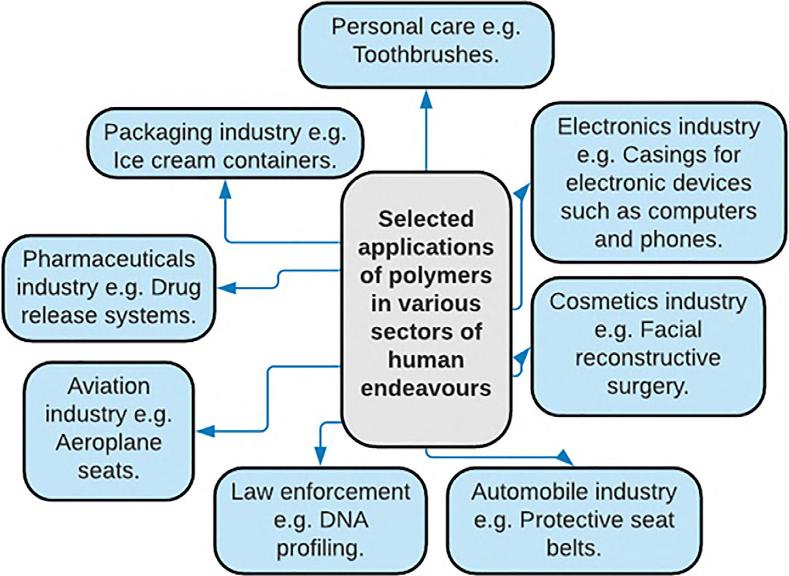
1.1Backgroundandmotivation Advancesinpolymerscienceandengineeringovertheyearshaveledtothediscoveryand commercializationofvariouspolymerssuchaspolypropylene,polyethylene,polycarbonates,nylons,polyimides,polyurethanes,andliquidcrystals,whichhavefoundvarious domesticandindustrialapplicationsthatshapeourworldandadvanceourqualityoflife. Polymersfeatureprominentlyinalmosteverysectoroftheeconomy,fromindustriesthat manufacturepharmaceuticals,composites,tires,tolaboratoriesthatperformDNAprofilingforcriminalinvestigationsbylawenforcementagencies,demonstratingthatpolymersandpolymersciencehaveandcontinuetocontributetocivilization;additional examplesarepresentedin Fig.1.1[1–4].OwingtogreatmindssuchasHermannStaudinger(1881–1965),WallaceHumeCarothers(1896–1937),PaulJ.Flory(1910–1985), andStephanieL.Kwolek(1923–2014)advancingthefieldofpolymerscienceandengineering;plasticsareconsideredoneofman’sgreatestfeatsinthefieldofscienceandtechnology [5,6].In1962,FredWallaceBillmeyerJr.(1919–2004)predictedthat,withadvances inpolymerscienceandengineering,plasticswouldbecomethedominantmaterialsofthe future,surpassingsteel,aluminum,andcopper [7].Morethanhalfacenturylater,that predictionseemsaccurateas,inrecenttimes,plasticshaveoutperformedcompeting materials,includingwood,metal,andglass,asthematerialofchoiceindiversedomestic andindustrialapplications;theproductionofplasticsexceeded8billionMtbetween1950 and2015 [8,9].
Owingtotheirflexibility,adaptabilityforvariousapplications,lightweight,moisture resistance,corrosionresistance,andlowcost,plasticsaresought-aftermaterialsfor multipleapplications [10].Commodityplasticssuchaspolypropylene,whichisavery cost-effectivepolymericmaterialthatcanbeblow-molded,extruded,thermoformed, orinjection-molded;arepopularforthefabricationofproductssuchaspackagingfilms, plasticcratesusedforgoodstransportation,storagecontainers(e.g.,icecreamcontainers andyogurtcontainers),plasticcaps,jerrycans,andhaircombs.Otherwell-known commodityplasticsincludepoly(vinylchloride)(generallyknownasPVCandemployed
FIG.1.1 Theimmensecontributionsofpolymerstohumanadvancementandcivilizationcannotbeoverstated; polymersfeatureheavilyinalmosteverysectoroftheeconomy. ReproducedfromIroegbuAOC,RaySS,MbaraneV, BordadoJC,SardinhaJP.Plasticpollution:aperspectiveonmattersarising:challengesandopportunities.ACSOmega 2021;6:19343–55.Thisisanopen-accessarticledistributedunderthetermsandconditionsoftheCreativeCommons Attribution(CCBY)license.
inpipingandinsulationsystems),polyethylene(generallyemployedinpackagingfilms), andpoly(ethyleneterephthalate)(PET;generallyemployedinbeveragepackaging) [2,11]. Sinceourrelianceonpolymersincreasesinstepwithadvancesinscienceandtechnology (e.g.,robotics,artificialintelligence,syntheticorgans,insulationforenergyconservation, andsmartmaterials),afuturethatisnotenrichedandheavilydependentonplastics seemsunlikely [11–13].
Therefore,thereisnogainsayingthatplasticshavecontributedimmenselytotheriseof humancivilization;however,amajorquestionhasalwaysbeenontheirsustainableuse andthenegativeimpactontheenvironment.Plastic-linkedpollutionchangesthedynamicsofsystemsandenvironmentswithconsequentialimpactsonthenaturalcharacteristicsoftheirlivingandnon-livingcomponents.Mostusedcommodityandengineering plasticsarenotformulatedtodegrade.Therefore,theaccumulationofvisibleplasticbasedproductssuchascarry-bags,bottles,foodpackagingstuff,etc.,inlandfields, oceans,andwaterwayshascapturedtheattentionofeverypartofoursociety.Recently, ithasbeenfoundthattheaccumulationofnon-visibleplastics,suchasmicroplastics andnanoplastics,willhavemoredireconsequences,particularlytohumanhealth.The entrainmentofnanoplasticsintothehumangutholdsphysiologicalconsequences.For example,ithasbeenshownthatnanoplasticsimpactnegativelyonthecomposition anddiversityofmicrobialcommunitiesinthehumangut,consideringthatemerging researchevidencingthestrongrelationshipbetweenthegutandneuralnetworksinthe
braincouldnegativelyimpacttheendocrine,immune,andnervoussystems [14].Thegenotoxicityofmicro-andnanoplasticstoDNAhasbeenestablished.Ithasbeendemonstratedthatiftheplasticmatterissmallenoughtocrossthenuclearmembrane surroundingtheDNA,damagecanoccur,impairingtheDNAstructureorforminglesions which,unrepairedormisrepaired,cancausemutagenicprocessesthatareconsideredto playaroleinthecarcinogenesisofcells.
Inaddition,itwasfoundthatthetypeandlevelofdamageofDNAdependonthe shape,functionalgroups,andchemicalcompositionoftheplasticdebris [15].Thehuman airwayisakeypathwayforplasticfiberentrainmentintothelungs,andthebiopersistence ofthefibersdependsontheirlength,structure,andchemicalcomposition.Moreover,at certainexposurelimits,allplasticfibersarelikelytoproduceinflammation,whichcan leadtolungchallengessuchastheformationofreactiveoxygenspecieswiththepotential toinitiatecancerousgrowthsthroughsecondarygenotoxicity [16].Althoughtherearefew studiesontheextentofthedamagethatprolongedexposuretoplasticparticlescancause tothehumanbody,itisacceptedthatindustryworkersattextilefacilitieshaveahighrisk ofcontractingoccupationaldiseasesarisingfromhighexposuretotextilefibers [17].
Factorsmilitatingagainsteffortstomanageandlimitthenegativeenvironmental impactsofplastic-linkedpollutionarenumerousandmultifaceted;theyincludeeconomicandpoliticalfactors,alackofcommitmentbygovernmentsandglobalplastic economystakeholders,dissentingopinionsofscientists,andunderreportedand/oroverlookedpolluters [8,18–21].
Therefore,tomitigateplastic-linkedpollution,alternativethinkinghasbeentodevelop newpolymericmaterialsthathavenoorlesseradverseimpactontheenvironmentand/or arebio-sourced.Thisgroupofpolymersisknownas“sustainablepolymers.”Eventhough “sustainablepolymers”aregenerallyacceptedtomeaneitherbiodegradablepolymers (derivedfrombio-resourcesorfossilfuel)orjustpolymersproducedfromarenewable source,whichcouldbenon-biodegradable,however,biodegradablepolymersarepreferable,sincetheyaremoreenvironmentallybenign,consideringtheirbio-aidedmineralization(returningintonaturewithoutleavingavisibleresidue)attheendoftheirlifecycle. Limitedfossilfuel,innovationsinthedevelopmentofsustainablepolymermaterialsfrom biodegradablepolymers,completebiologicaldegradability,thereductioninthevolumeof garbageandcompostabilityinthenaturalcycle,protectionoftheclimatethroughthe reductionincarbondioxidereleased,stringentgovernmentandmunicipallegislations, fastdevelopmentofenvironmentallyconscioussocietiesandtheapplicationpossibilities ofagriculturalresourcesfortheproductionofbiodegradablepolymers,aresomeofthe reasonswhysuchmaterialshaveattractedimmenseacademicandindustrialinterests.
Onefundamentalpolymerinthisregardispolylactide(PLA),whichcanbesourced fromrenewablefeedstocks,andatthesametime,isbiodegradable,makingitsusenot onlysustainablebutalsohavingalessnegativeimpactontheenvironment.Itistheoldest andpotentiallyoneofthemostexcitingandvaluablebio-basedbiodegradablepolymers. Thisisbecauseofitsrenewableorigin,controlledsynthesis,goodmechanicalproperties, inherentbiodegradability,andbiocompatibility.
1.2Polylactide:Advantagesandchallenges Polylactide(PLA)isaversatilebio-basedbiodegradablepolymerandhigh-molecularPLA generallyproducedbythering-openingpolymerizationoflactide.Poly(lacticacid)and polylactidearethesamechemicalproducts,andbothareabbreviatedasPLA.Theonly differencebetweenthesepolymersishowtheyareproduced [22–27].Whencompared tootherpolymers,suchashigh-densitypolyethylene(HDPE),polystyrene(PS),PP,and PET,PLAhasgoodmechanical,optical,physical,andbarrierproperties.Thetensile strengthofPLAliesbetween44and82MPa,andisclosetothatofPS.Thedetailsregarding thescienceandtechnologyofPLAcanbefoundin Chapter3.Asaresultofthebrightmarketprojectionsandrelativelygoodproperties,PLAisconsideredtobeasustainablealternativetotraditionalpetroleum-basedplastics.
Despitethegoodproperties,PLAhaslowflexibility(elongation-at-breakofPLAis between2.5%and6%),lowimpactstrength,andlowthermalstability-especiallyfor melt-processedmaterialswhencomparedtootherconventionalpolymers,whichlimits itsapplications [22–27].Likewise,itsbarrierpropertiesarenotgoodenoughforcertain applications,forexample,thepackagingoffoodproductswithhighmoisturecontent underamodifiedenvironment.Itsthermalstabilityisrelativelylowcomparedtoconventionalthermoplastics,andhencelossofmolecularweightusuallyoccurswhenmeltprocessed.Duetothethermalinstability,recyclingPLAorcombiningitwithotherpolymers inrecyclestreamisnotadvisable.Thereisamarketrequirementforanewgenerationof PLAmaterialsthatcanwithstandhightemperaturesandaresuitableformicrowavable foodpackagingandbottleswithhigherbarrierpropertiesforoxygen-sensitivefoodand beverages.Duetotheseconcerns,aconcertedresearchefforthasbeenfocusedonthe modificationofthepropertiesofPLAtosuitspecificrequirements.
VariousresearchershaveemployedvariousstrategiestoaddressthementionedchallengesofPLAthatincludebrittleness,lowimpactresistance,lowthermalstabilityfor melt-processedarticles,highwatervaporpermeability,relativelylowheatdistortiontemperature,andlowcrystallizationrate,assummarizedin Fig.1.2[28].Dependingonthe particularapplication,anyofthesepropertiesmaybetargetedforimprovement.The strategiesemployedinthemodificationofPLAareeitheratthepelletmanufacturing stage,i.e.,controlofstereochemistryandco-polymerization,oratthearticleprocessing andproductdevelopmentstage,i.e.,plasticization,reactiveprocessingwithcoupling agentstoincreasethemolecularweight,blendingwithsofterpolymersandincorporation ofnanoparticlestoformbionanocomposites.Eachofthesestrategieshasitsprosandcons inthatimprovementincertainpropertiesmayleadtodeteriorationinothers,asillustratedin Fig.1.2.
Inthisdirection,acheaperwaytomodifyPLAforbetterpropertiesisbyblendingwith currentlyexistingpolymers,especiallybiodegradablepolymers,toimproveflexibilityand impactstrengthratherthandevelopingnewpolymericmaterialstogether.Inthisregard, severalresearchershaveembarkedonblendingPLAwithvariousbio-basedbiodegradable polymerssuchasstarch,chitosan,vegetableoils,lignin,naturalrubber,etc.,and
Challenges of PLA
Brittleness/low impact resistance
Thermal instability
Barrier properties
Heat deflection
temperature (HDT)
Low crystallization rate
Strategies of PLA modification
Stereochemistry control
Co-polymerization
Plasticization
Reactive processing with
agent
Blending with softer polymers
Nanocomposites technology
(e.g. use of nanoclay)
Consequences
• Low modulus
• Higher modulus
• Improved tensile strength
• Improved impact resistance/ductility
• Higher HDT
• Improved scratch resistance
• Controlled biodegradation rate
• Improved barrier properties
• Improved thermal stability
• Improved crystallization rate
• Improved flame retardancy
• Lower thermal stability
Scope of the current study
FIG.1.2 ChallengesandthemodificationstrategiesandtheireffectonthepropertiesofPLA. ReproducedfromOjijo V.Developmentofenvironmentally-friendlypolymericmaterialsbasedonpolylactideandpoly[(butylenesuccinate)co-adipate]blends[PhDthesis].TUT;2013.Thisisanopen-accessthesisdistributedunderthetermsandconditionsof theCreativeCommonsAttribution(CCBY)license.
fossil-basedbiodegradableandyetsofterpolymerssuchaspoly(ε-caprolactone), poly(butylenesuccinate),poly[(butylenesuccinate)-co-adipate],etc.Thesynthesis,characterization,andpropertiesofthemostimportantbio-basedandfossil-basedbiodegradablepolymersusedforthepreparationofblendswithPLAarereportedin Chapter4.
1.3Polymerblendtechnology Apolymerblendisamixtureofatleasttwomacromolecularsubstances,polymersor copolymers,inwhichtheingredientcontentisabove2% [29].Thebenefitsofpolymer blendsaremulti-foldandhaveevolvedovertheyears.Inthe1960s,blendingwascarried toenhanceaspecificpropertyofapolymer,mostlyimpactstrength.Inthenextdecade, blendingwasusedfordilutingengineeringpolymerswithcommoditypolymersfor loweringcosts.Inthe1980s,blendingwasusedforenhancingtheprocessibilityof high-temperaturespecialtyresins.Intoday’sworld,blendingiscarriedouttoachievea specificsetofpropertiesforaparticularapplication.Forexample,thematerialusedfor automotivebodypanelsshouldbeeasytomoldtoaccuratedimensions,shouldretain itsshapeupto85°C,shouldbeimpactresistantattemperaturesaslowas 40°C,have resistancetogasoline,motoroil,andsoapsolution,shouldbepaintable,cost-effective, recyclableandsoon.Itisnotpossibletomeetallrequirementsusingasinglepolymer. Theonlysolutionistocombinethecharacteristicsofseveralpolymersbypreparinga polymerblend [30].
Theessentialcharacteristicofapolymerblendisthephasebehavior,sincetheperformanceoftheblendsdependsonthepropertiesofpolymericcomponentsandhowthey arearrangedinspace.Thespatialarrangementiscontrolledbythermodynamicsand flow-inducedmorphology.
Polymerblendscanexhibitmiscibilityorphaseseparationatvariouslevelsofmixing inbetweentheextremes,forexample,partialmiscibility.Homogeneousmiscibilityin polymerblendsrequiresnegativefreeenergyofmixing:
where ΔGmix, ΔHmix, ΔSmix,and T arethechangesinthefreeenergyofmixing,enthalpy, entropy,andabsolutetemperature,respectively. ΔGmix mustbe <0.
Amisciblepolymerblendisapolymerblendthatishomogeneousdowntothemolecularlevel.Itisassociatedwithanegativevalueoffreeenergyofmixing:
andapositivevalueofthesecondderivative:
Animmisciblepolymerblendisonewithapositivevalueoffreeenergyofmixing [1]:
Miscibleblendsusuallyexhibitpropertiesthatareanaverageofthoseoftheblend components.Themiscibleblendofpoly(phenyleneoxide)(PPO)withpolystyrene(PS) exhibitsalowerprocessingtemperatureandcostthanthatofPPOandahigherheat distortiontemperaturethanthatofPS.Incontrast,animmiscibleblendcanexhibitpropertiesthataresuperiortothoseofeithercomponent.Themostcommonexampleisthe enhancementofthetoughnessofpolymersbyblendingwith10%–20%ofan elastomer [31].
MixingPLAwithotherbio-basedandbiodegradablepolymersusuallyresultsinan immisciblesystemcharacterizedbyacoarse,unstablemorphologyandpooradhesion betweenthephases.Suchblendshavelarge-sizeddomainsofthedispersedphaseand pooradhesionbetweenthephases,whichleadstoinferiorandirreproducibleperformance,theirreproducibilityoriginatingfromtheinstabilityofmorphology.Theperformanceofimmiscibleblendsisenhancedbycompatibilization.Compatibilizationisthe processofmodificationoftheinterfacialpropertiesinimmisciblepolymerblends,resultingintheloweringoftheinterfacialtensioncoefficientandstabilizationofthedesired morphology,thuscreatingapolymeralloy.Apolymeralloyisanimmiscible,compatibilizedpolymerblendpossessingamodifiedinterfaceandmorphology.Therearethree objectivesofthecompatibilizationprocess:(1)adjustmentoftheinterfacialtensionso astoachievethedesireddegreeofdispersion;(2)ensuringthatthemorphologygenerated duringthealloyingstagewillresultintheoptimumstructureduringtheformingstage;
and(3)increasingtheadhesionbetweenthephasesinthesolid-state,thusfacilitatingthe stresstransferandenhancingperformance [32].
Compatibilizationisusuallyaccomplishedby(i)additionofasmallamountofa co-solventwhichismiscibleinbothphases,(ii)additionofacopolymer,onepartofwhich ismiscibleinonephaseandanotherpartintheotherphase,(iii)reactivecompoundingso astomodifyatleastonepolymerfordevelopingregionsoflocalmiscibility,and (iv)additionofalargeamountofacore-shellcopolymerwhichactsasanimpactmodifier aswellasacompatibilizer [29].Thesestrategiesresultindifferentalloyspossessingdifferentsetsofproperties.Forexample,theadditionofasmallamountofblockcopolymer mostlyinfluencestheinterfacialtensioncoefficient,andhencethesizeofdispersion,but usually,ithasasmallimpactontheshearsensitivityoftheblendmorphology.Researchon compatibilizationhasmostlyfocusedondi-blockortri-blockcopolymers.Theadditionof alargeamountofacore-shellcopolymerhasbeenfoundtobeparticularlyeffectivein blendsoftwobrittle,immisciblepolymersthatalsoneedimpactmodification.Thethird strategy,reactivecompatibilization,hasbeenfoundtogenerateathickinterphase,which exhibitsexcellentstabilityunderhighstressandstrain,suchasthosegeneratedduring injectionmolding [33]
ForimmisciblePLA-basedblends,thecontrolofprocessingparametersduringmelt blendingprocessplaysanimportantroleintheevolutionofthephasemorphologywhich subsequentlyimpactsontheproperties.Itisessentialtoknowtherheologicalproperties ofthepolymertounderstandthemorphologicaldevelopment,especiallyincaseswhere thecontributionsofthermodynamicstouniformmorphologiesarelow.
Itiswellacceptedthatflow-inducedstructuralevolutioninimmisciblepolymerblends isgovernedbyseveralfactorssuchasthemixingconditions,theinterfacialtension betweenthephases,volumefraction,andviscosityratiooftheconstituentpolymers. Inthisdirection,areviewbyBriscoeetal. [34] ofimmisciblefluidmixing,sinceTaylor’s seminalworkin1934 [35],summarizesthefactorsthatinfluencetheshearstrainrequired toproducebreak-upinasteadylaminarflowas:(i)thedispersedandcontinuousphase viscosities, ηd and ηm,respectively,(ii)theinitialradiusofthedispersedphase, R and (iii)theinterfacialtension, σ .ForNewtonianflow,dropletdeformationisgovernedby twodimensionlessnumbers:theviscosityratio:
andthecapillarynumber, Ca,givenbytheratioofdeformingviscousstresstotherestoring stressfrominterfacialtensioninthefollowingformproposedbyBriscoeetal. [34].
where ηm istheviscosityofthemajormatrix(PLAinthiscase), _ γ istheshearstrainrate, R is theradiusofthedispersedphase(PBSAinthiscase),and σ istheinterfacialtension.The numeratoristhedeformingstresses,whilethedenominatoristherestoringinterfacial stress.
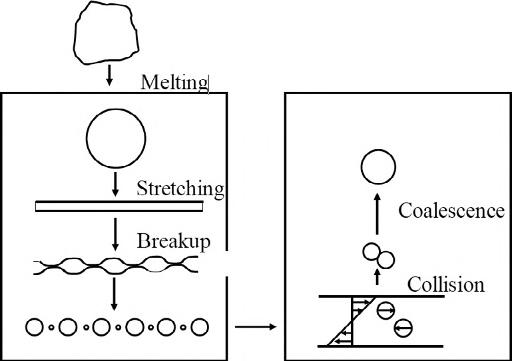
FIG.1.3 Schematicrepresentationoftheprocessesoccurringduringmelt-blendingoftwopolymers. Reproduced withpermissionfromKoningC,VanDuinM,PagnoulleC,JeromeR.Strategiesforcompatibilizationofpolymer blends.ProgPolymSci1998;23:707–57.Copyright1998,ElsevierScienceLtd.
Arepresentationoftheprocessesthatoccurduringmeltblendingoftwopolymerswas givenbyKoningetal. [36],asshownin Fig.1.3.Basically,inthebeginning, Ca issmall,and theinterfacialstresswithstandstheshearstress,andanellipsoidaldropshapepersists.
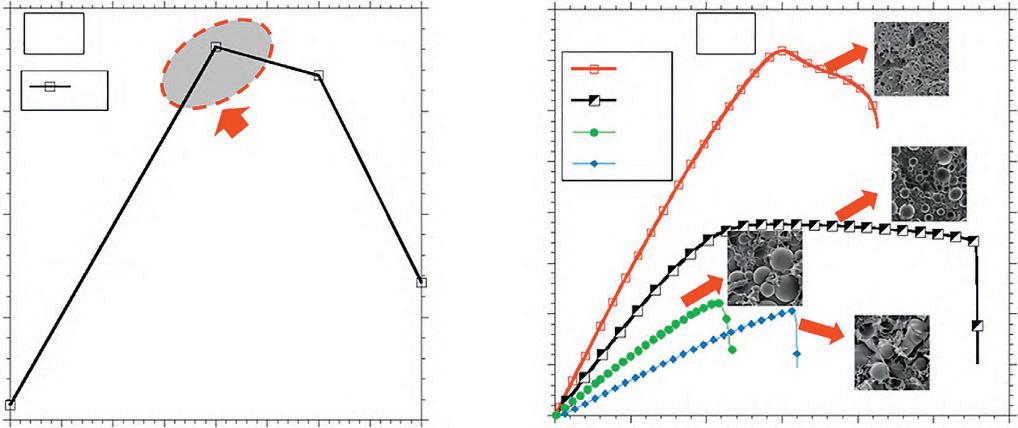
Aboveacriticalvalue, Ca,typicallyattheinitialstageofmixingwhenthedispersed domainsarelarge,theshearstressdominatestheinterfacialstressanddropsarestretched affinely(withvariousotherbiobasedandbiodegradablepolymermatrix)intolongthin threads.Ifthelocalradiusofthethreadbecomessufficientlysmall,interfacial(“Rayleigh”) disturbancesgrowonthethreadandresultinthebreakupoftheseliquidthreadsinto smalldrops.Aboveacertaindiameter,thesesmalldropsmaybestretchedandbroken again.Forverysmalldrops, δ/R ishighenoughtopreventfurtherstretchingandbreakup. Empiricalrelationshipsbetweenthe Ca andviscosityratio, p,havebeendeveloped,and hencethedropletsize,asafunctionofprocessingparameters,maythenbepredicted forlowandconstantconcentrationsofthedispersedphase [36].However,themorphologyofcertainblendsisnotinequilibriumandmaychangedependingonpost-processing treatments.PLAhasaslowcrystallizationrateduringprocessingwhencomparedtoPBSA. Therefore,annealingtheblendstoallowcrystallizationofPLAcomponentswouldleadto aprobablefurtherphaseseparationanddeteriorationofcertainproperties,e.g.,strength. EventhoughPLAandbiodegradablepolymerblendsareimmiscible,somelevelofan interminglingofchainsofbothpolymersattheinterfaceisexpected.Formaximizing thebenefitsfromthetwopolymers,notonlyshouldthesizeofthedispersedphasebe smallbutalsothedropletsurfaceareaperunitvolumeoftheblendvolume,shouldbe maximumasillustratedin Fig.1.4[37]
Therefore,inthecaseofPLA-basedimmiscibleblendsystems,thereexistsverylittle interfacialinteractionbetweenthetwophases.Assuchsomelevelofmiscibilityisonly achievedatcertaincompositionalratiosunderappropriateprocessingconditions.Bearingthisinmind,compatibilizershavebeenusedtomodifytheinterfaceoftheblendcomponents,therebyenablingcontrolofthemorphologyandultimatelyimprovementin properties.
FIG.1.4 (A)SurfaceareaofPBSAdomainsperunitvolumeofblendand(B)typicalstress-straincurvesshowingfailure typeforselectedblends.Theinsetscanningelectronmicroscopyimagesshowthesurfacemorphologyofvarious blends. ReproducedwithpermissionfromOjijoV,RaySS,SadikuR.Roleofthespecificinterfacialareaincontrolling propertiesofimmiscibleblendsofbiodegradablepolylactideandpoly[(butylenesuccinate)-co-adipate].ACSAppl MaterInterfaces2012;4:6690–701.Copyright2012,AmericanChemicalSociety.
Ablendwithdroplet/matrixmorphologywillexhibitsignificantimprovementof impactpropertiesascomparedtomatrixpolymer,ablendwithfibrillarmorphologywill exhibitsuperiorunidirectionaltensilepropertiesandonewithsheet-likeinclusions (lamellarmorphology)willpossesssuperiorbarrierproperties [38–40].Ina co-continuousmorphology,bothcomponentscanfullycontributetothepropertiesof theblend [40].Thetypeofmorphologythatdevelopsdependsonthenatureofthepolymers(interfacialtension,viscosities,andviscosityratios),theirvolumefraction,andthe processingconditionsemployed.Thevolumefractionoftheminorphasecorresponding totheonsetofcontinuityofonephasewithintheother(percolationthreshold)isdependentontheshapeofthedispersedparticles [41].Thiscanbeobservedabove16vol%ofthe minorcomponentincaseofdroplet/matrixmorphology.Incaseoffibrillarmorphology, thevaluemaybemuchlower.However,thepercolationthresholdsimplymarkstheonset ofcontinuityoftheminorphase.Notallmaterialoftheminorphaseisco-continuous then.Asthevolumefractionoftheminorphaseincreases,moreandmorematerialofthis componentbecomesapartofthepercolatingstructure,i.e.,co-continuous,tillastageis reachedwhenafullyco-continuousstructureisformed.Willemseetal. [38] haveshown thatthevolumefractionwhichmarkstheformationofafullyco-continuousstructureisa functionofmatrixviscosity,interfacialtension,andtheshearrateduringblending.Most blendshavedroplet/matrixstructure [42].Thefundamentalofpolymerblendtechnology hasbeenextensivelyreportedin Chapter5.
Theprocessing,morphologydevelopment,properties,andbiodegradabilityofvarious typesofsustainablePLA-basedblendsarecoveredin Chapters9–19.AmongallPLA-based
PLA and Chitosan Blends
PLA and Plant Oil Blends
PLA and PCL Blends
PLA and NR Blends
PLA and PBA Blends
PLA and PBS Blends
PLA and PBAT Blends
PLA and Starch Blends
PLA and Lignin Blends
PLA and PBSA Blends
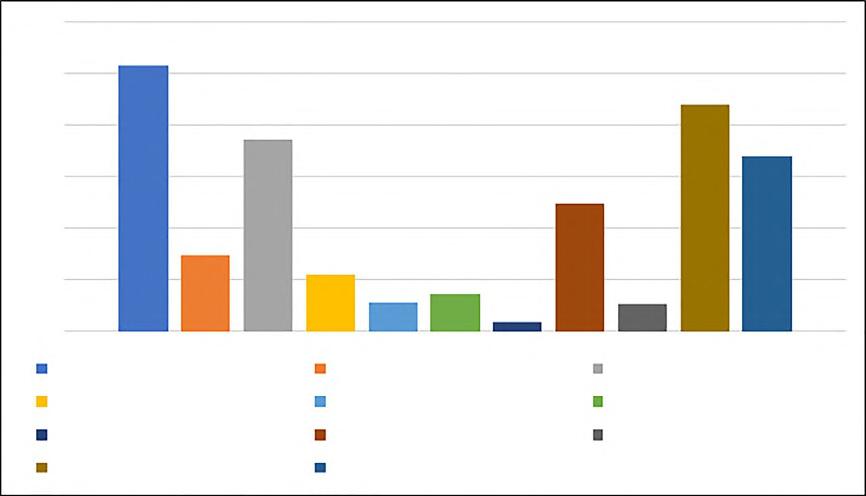
FIG.1.5 ResearchoutputdocumentsofvariousPLA-basedblendsofbio-basedandbiodegradablepolymers. Courtesy Scopus,16thSeptember2021.
blends,PLA-PCL,PLA-PBS,andPLA-PBATblendsareleadingblends(Fig.1.5).Thismay beduetothenatureofinherentcharacteristicsofPCL,PBS,andPBAT,whichareknown fortheirhighflexibility.Therefore,mixingPCL,PBS,andPBATwithPLAimprovesthe elongationatbreakandimpactstrengthofPLA.
1.4Polylactideblendsresearchoutputs ConsistentwiththeincreasingamountoffundingforPLA-basedblendsdevelopment, researchoutput,e.g.,journalarticles,conferencepapers,bookchapters,etc.,havesteadily increasedfrom2001.Thisisreportedin Fig.1.6A,while Fig.1.6Breportsthecomposition oftheseresearchoutputs.Withcontinuedresearchanddevelopmentinterestfromacademiaandindustry,alongwithincreasinguseofPLAinsustainableproducts,increasing researchoutputsisexpectedtocontinue. Fig.1.6Cshowsthatthehighestnumberof researchanddevelopmentoutputsarefromChina.
1.5Sustainability Theconceptofsustainabledevelopmentwasintroducedin1987bytheWorldCommissionofEnvironmentandDevelopment,initsBrundtlandReport,accordingtowhich “sustainabledevelopmentisadevelopmentwhichmeetstheneedsofthepresentwithout compromisingtheabilityofthefuturegenerationstomeettheirownneeds” [43].Sustainabilitycomprisesenvironmental,social,andfinancialdimensions,whichareinterrelated andneedtobeaddressedsimultaneouslyforachievingsustainabledevelopment [44]. PLA Stereocomplex