https://ebookmass.com/product/stahls-essentialpsychopharmacology-neuroscientific-basis-and-practical/
Instant digital products (PDF, ePub, MOBI) ready for you
Download now and discover formats that fit your needs...
Prescriber’s Guide: Stahl’s Essential Psychopharmacology 5th Edition – Ebook PDF Version
https://ebookmass.com/product/prescribers-guide-stahls-essentialpsychopharmacology-5th-edition-ebook-pdf-version/
ebookmass.com
Apathy: Clinical and Neuroscientific Perspectives from Neurology and Psychiatry Krista Lanctot
https://ebookmass.com/product/apathy-clinical-and-neuroscientificperspectives-from-neurology-and-psychiatry-krista-lanctot/
ebookmass.com
Psychopharmacology (Fourth Edition) Jerry Meyer
https://ebookmass.com/product/psychopharmacology-fourth-edition-jerrymeyer/
ebookmass.com
Oxford Textbook of Endocrinology and Diabetes 3rd Edition
John
Wass
https://ebookmass.com/product/oxford-textbook-of-endocrinology-anddiabetes-3rd-edition-john-wass/
ebookmass.com
(eTextbook PDF) for Dyad Leadership and Clinical Integration: Driving Change, Aligning Strategies
https://ebookmass.com/product/etextbook-pdf-for-dyad-leadership-andclinical-integration-driving-change-aligning-strategies/
ebookmass.com
Brain Teasers for Adults: 75 Large Print Puzzles, Riddles, and Games to Keep You on Your Toes Marcel Danesi
https://ebookmass.com/product/brain-teasers-for-adults-75-large-printpuzzles-riddles-and-games-to-keep-you-on-your-toes-marcel-danesi/
ebookmass.com
Salty Santa: Welcome to Kissing Springs, Book 4 Annie Rae & Kissing Springs Book Babes
https://ebookmass.com/product/salty-santa-welcome-to-kissing-springsbook-4-annie-rae-kissing-springs-book-babes/
ebookmass.com
Justice, Crime, and Ethics (Ebook PDF)
https://ebookmass.com/product/justice-crime-and-ethics-ebook-pdf/
ebookmass.com
An Integrative Guide to Consumer Neuroscience Sven Braeutigam
https://ebookmass.com/product/an-integrative-guide-to-consumerneuroscience-sven-braeutigam/
ebookmass.com
Emotional Skills of Relaxation, Visualization and Meditation for Children and Adolescents Mark Pearson https://ebookmass.com/product/emotional-healing-self-esteem-innerlife-skills-of-relaxation-visualization-and-meditation-for-childrenand-adolescents-mark-pearson/ ebookmass.com
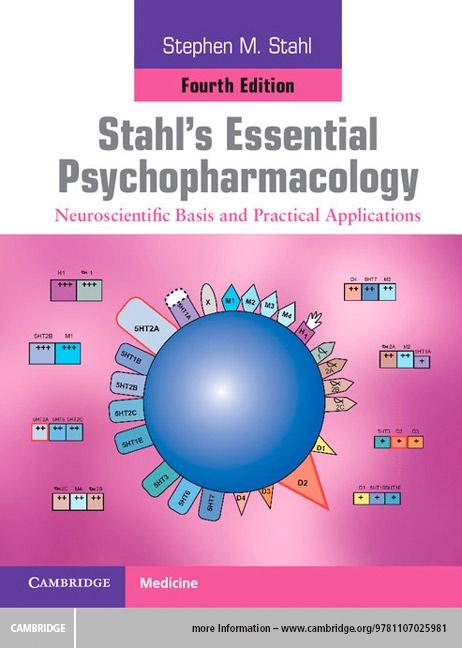
Prefacetothefourthedition Forthisfourtheditionof Stahl’sEssentialPsychopharmacology youwillnoticethereisanewlookandfeel. Withanewlayout,displayedovertwocolumns,and anincreasedpagesizewehaveeliminatedredundanciesacrosschapters,haveaddedsignificantnew material,andyethavedecreasedtheoverallsizeof thebook.
Highlights ofwhathasbeenaddedorchanged sincethe3rdeditioninclude:
Integratingmuchofthebasicneurosciencesinto theclinicalchapters,thusreducingthenumber ofintroductorychapterssolelycoveringbasic neurosciences.
Majorrevisionofthepsychosischapter, includingmuchmoredetailedcoverageofthe neurocircuitryofschizophrenia,theroleof glutamate,genomics,andneuroimaging.
Oneofthemostextensivelyrevisedchaptersis onantipsychotics,whichnowhas: newdiscussionandillustrationsonhowthe currentatypicalantipsychoticsactupon serotonin,dopamine,andglutamatecircuitry newdiscussionoftherolesof neurotransmitterreceptorsinthe mechanismsofactionsofsomebutnotall atypicalantipsychotics
5HT7 receptors
5HT2C receptors α1-adrenergicreceptors
completelyrevampedvisualsfordisplaying therelativebindingpropertiesof17 individualantipsychoticsagents,basedupon logbindingdatamadequalitativeandvisual withnovelgraphics reorganizationoftheknownatypical antipsychoticsas the “pines” (peens) the “dones”
two “pips” anda “rip”
inclusionofseveralnewantipsychotics
iloperidone(Fanapt) asenapine(Saphris) lurasidone(Latuda)
extensivecoverageofswitchingfromone antipsychotictoanother newideasaboutusinghighdosingand polypharmacyfortreatmentresistanceand violence newantipsychoticsinthepipeline brexpiprazole cariprazine selectiveglycinereuptakeinhibitors (SGRIs,e.g.,bitopertin[RG1678], Org25935,SSR103800)
Themoodchapterhasexpandedcoverageof stress,neurocircuitry,andgenetics.
Theantidepressantandmoodstabilizerchapters have:
newdiscussionandillustrationsoncircadian rhythms
discussionoftherolesofneurotransmitter receptorsinthemechanismsofactionsof someantidepressants
melatoninreceptors
5HT1A receptors
5HT2C receptors
5HT3 receptors
5HT7 receptors
NMDAglutamatereceptors
inclusionofseveralnewantidepressants agomelatine(Valdoxan) vilazodone(Viibryd)
vortioxetine(LuAA21004) ketamine(rapidonsetfortreatment resistance)
Theanxietychapterprovidesnewcoverageof theconceptsoffearconditioning,fear extinction,andreconsolidation,withOCD movedtotheimpulsivitychapter. Thepainchapterupdatesneuropathicpainstates. Thesleep/wakechapterprovidesexpanded coverageofmelatoninandnewdiscussionof orexinpathwaysandorexinreceptors,aswellas newdrugstargetingorexinreceptorsas antagonists,suchas: suvorexant/MK-6096 almorexant SB-649868
TheADHDchapterincludesnewdiscussionon hownorepinephrineanddopaminetunepyramidal neuronsinprefrontalcortex,andexpanded discussiononnewtreatmentssuchas: guanfacineER(Intuniv) lisdexamfetamine(Vyvanse)
Thedementiachapterhasbeenextensively revampedtoemphasizethenewdiagnosticcriteria forAlzheimer’sdisease,andtheintegrationof biomarkersintodiagnosticschemesincluding: Alzheimer’sdiagnostics
CSFAβ andtaulevels amyloidPETscans,FDG-PETscans, structuralMRIscans
multiplenewdrugsinthepipelinetargeting amyloidplaques,tangles,andtau vaccines/immunotherapy(e.g., bapineuzumab,solenezumab, crenezumab),intravenous immunoglobulin
γ-secretaseinhibitors(GSIs,e.g., semagacestat)
β-secretaseinhibitors(e.g.,LY2886721, SCH1381252,CTS21666,others)
Theimpulsivity–compulsivityandaddiction chapterisanotherofthemostextensivelyrevised chaptersinthisfourthedition,significantly expandingthedrugabusechapterofthethird editiontoincludenowalargenumberofrelated “impulsive–compulsive” disordersthat hypotheticallysharethesamebraincircuitry:
neurocircuitryofimpulsivityandreward involvingtheventralstriatum neurocircuitryofcompulsivityandhabits includingdrugaddictionandbehavioral addictioninvolvingthedorsalstriatum “bottom-up” striataldrivesand “top-down” inhibitorycontrolsfromtheprefrontal cortex
updateontheneurobiologyandavailable treatmentsforthedrugaddictions (stimulants,nicotine,alcohol,opioids, hallucinogens,andothers) behavioraladdictions
majornewsectiononobesity,eating disorders,andfoodaddiction,including theroleofhypothalamiccircuitsandnew treatmentsforobesity lorcaserin(Belviq) phentermine/topiramateER(Qsymia) bupropion/naltrexone(Contrave) zonisamide/naltrexone
obsessive–compulsiveandspectrum disorders
gambling,impulsiveviolence,mania, ADHDandmanyothers
Oneofthemajorthemesemphasizedinthisnew editionisthenotionof symptomendophenotypes, ordimensionsofpsychopathologythatcutacross numeroussyndromes.Thisisseenperhapsmostdramaticallyintheorganizationofnumerousdisorders ofimpulsivity/compulsivity,whereimpulsivityand/ orcompulsivityarepresentinmanypsychiatricconditionsandthus “travel” trans-diagnosticallywithout respectingtheDSM(DiagnosticandStatistical Manual)oftheAmericanPsychiatricAssociationor theICD(InternationalClassificationofDiseases).This isthefutureofpsychiatry – thematchingofsymptom endophenotypestohypotheticallymalfunctioning braincircuits,regulatedbygenes,theenvironment, andneurotransmitters.Hypothetically,inefficiencyof informationprocessinginthesebraincircuitscreates symptomexpressioninvariouspsychiatricdisorders thatcanbechangedwithpsychopharmacologic agents.EventheDSMrecognizesthisconceptand callsitResearchDomainCriteria(orRDoC).Thus, impulsivityandcompulsivitycanbeseenasdomains ofpsychopathology;otherdomainsincludemood, cognition,anxiety,motivation,andmanymore.Each chapterinthisfourtheditiondiscusses “symptoms
andcircuits” andhowtoexploitdomainsofpsychopathologybothtobecomeaneurobiologically empoweredpsychopharmacologist,andtoselectand combinetreatmentsforindividualpatientsinpsychopharmacologypractice.
Whathasnotchangedinthisneweditionisthe didacticstyle ofthefirstthreeeditions.Thistext attemptstopresentthefundamentalsofpsychopharmacologyin simplifiedandreadilyreadable form .Weemphasizecurrentformulationsof diseasemechanismsandalsodrugmechanisms. Asinpreviouseditions,thetextisnotextensively referencedtooriginalpapers,butrathertotextbooksandreviewsandafewselectedoriginal papers,withonlyalimitedreadinglistforeach chapter,butpreparingthereadertoconsultmore sophisticatedtextbooksaswellastheprofessional literature.
Theorganizationofinformationcontinuesto applytheprinciplesof programmedlearning for thereader,namelyrepetitionandinteraction, whichhasbeenshowntoenhanceretention.Therefore,itissuggestedthatnovicesfirstapproachthis textbygoingthroughitfrombeginningtoend, reviewingonlythecolorgraphicsandthelegends forthosegraphics.Virtuallyeverythingcoveredin thetextisalsocoveredinthegraphicsandicons. Oncehavinggonethroughallthecolorgraphicsin thesechapters,itisrecommendedthatthereader thengobacktothebeginningofthebook,andread theentiretext,reviewingthegraphicsatthesame time.Afterthetexthasbeenread,theentirebook canberapidlyreviewedagainmerelybyreferring tothevariouscolorgraphicsinthebook.This mechanismofusingthematerialswillcreatea certainamountofprogrammedlearningbyincorporatingtheelementsofrepetition,aswellasinteractionwithvisuallearningthroughgraphics. Hopefully,thevisualconceptslearnedviagraphics willreinforceabstractconceptslearnedfromthe writtentext,especiallyforthoseofyouwhoare primarily “ visuallearners ” (i.e.,thosewhoretain informationbetterfromvisualizingconceptsthan fromreadingaboutthem).Forthoseofyouwho arealreadyfamiliarwithpsychopharmacology,this bookshouldprovideeasyreadingfrombeginning toend.Goingbackandforthbetweenthetextand thegraphicsshouldprovideinteraction.Following reviewofthecompletetext,itshouldbesimpleto reviewtheentirebookbygoingthroughthe graphicsonceagain.
Expansionof EssentialPsychopharmacology books Thisfourtheditionof EssentialPsychopharmacology istheflagship,butnottheentirefleet,asthe Essential Psychopharmacology serieshasexpandednowtoan entiresuiteofproductsfortheinterestedreader.For thoseofyouinterestedinspecificprescribinginformation,therearenowthreeprescriber ’sguides: forpsychotropicdrugs, Stahl’sEssential Psychopharmacology:thePrescriber’sGuide forneurologydrugs, Essential Neuropharmacology:thePrescriber’sGuide forpaindrugs: EssentialPainPharmacology:the Prescriber’sGuide
Forthoseinterestedinhowthetextbookandprescriber’sguidesgetappliedinclinicalpracticethereis abookcovering40casesfrommyownclinical practice:
CaseStudies:Stahl’sEssentialPsychopharmacology Forteachersandstudentswantingtoassessobjectivelytheirstateofexpertise,topursuemaintenance ofcertificationcreditsforboardrecertificationin psychiatryintheUS,andforbackgroundon instructionaldesignandhowtoteachthereare twobooks:
Stahl’sSelf-AssessmentExaminationinPsychiatry: MultipleChoiceQuestionsforClinicians BestPracticesinMedicalTeaching
Forthoseinterestedinexpandedvisualcoverageof specialtytopicsinpsychopharmacology,thereisthe Stahl’sIllustrated series:
Antidepressants
Antipsychotics:TreatingPsychosis,Maniaand Depression,2ndedition
Anxiety,Stress,andPTSD
AttentionDeficitHyperactivityDisorder ChronicPainandFibromyalgia
MoodStabilizers
SubstanceUseandImpulsiveDisorders
Finally,thereisanever-growingeditedseriesofsubspecialtytopics:
NextGenerationAntidepressants
EssentialEvidence-BasedPsychopharmacology, 2ndedition
EssentialCNSDrugDevelopment
EssentialPsychopharmacologyOnline Now,youalsohavetheoptionofaccessingallthese booksplusadditionalfeaturesonlinebygoingto EssentialPsychopharmacologyOnline at www.stahlonline. org.Weareproudtoannouncethecontinuingupdate ofthisnewwebsitewhichallowsyoutosearchonline withintheentire EssentialPsychopharmacology suiteof products.Withpublicationofthefourthedition,two newfeatureswillbecomeavailableonthewebsite: downloadableslidesofallthefiguresinthebook narratedanimationsofseveralfiguresinthe textbook,hyperlinkedtotheonlineversionofthe book,playablewithaclick
Inaddition, www.stahlonline.org isnowlinkedto: ournewjournal CNSSpectrums (www.journals. cambridge.org/CNS),ofwhichIamthenew editor-in-chief,andwhichisnowtheofficial journaloftheNeuroscienceEducationInstitute (NEI),freeonlinetoNEImembers.Thisjournal nowfeaturesreadableandillustratedreviewsof currenttopicsinpsychiatry,mentalhealth, neurology,andtheneurosciencesaswellas psychopharmacology theNEIwebsite, www.neiglobal.com:
forCMEcreditsforreadingthebooksandthe journal,andforcompletingnumerous additionalprogramsbothonlineandlive foraccesstothelivecourseandplayback encorefeaturesfromtheannualNEI PsychopharmacologyCongress foraccesstotheNEIMaster PsychopharmacologyProgram,anonline fellowshipwithcertification plansforexpansiontoaCambridgeUniversity HealthPartnersco-accreditedonlineMasterclass andCertificateinPsychopharmacology,based uponliveprogramsheldoncampusinCambridge andtaughtbyUniversityofCambridgefaculty, includingmyself,havingjoinedthefacultythere asanHonoraryVisitingSeniorFellow
Hopefullythereadercanappreciatethatthisisan incrediblyexcitingtimeforthefieldsofneuroscience andmentalhealth,creatingfascinatingopportunities forclinicianstoutilizecurrenttherapeuticsandto anticipatefuturemedicationsthatarelikelytotransformthefieldofpsychopharmacology.Bestwishes foryourfirststeponthisfascinatingjourney.
StephenM.Stahl,MD,PhD
CMEinformation Release/expirationdates
Releasedate:February1,2013
CMEcreditexpirationdate:January31,2016(if thisdatehaspassed,pleasecontactNEIforupdated information)
Targetaudience
Thisactivityhasbeendevelopedforprescribersspecializinginpsychiatry.Therearenoprerequisites.All otherhealthcareproviderswhoareinterestedinpsychopharmacologyarewelcomeforadvancedstudy, especiallyprimarycarephysicians,nursepractitioners,psychologists,andpharmacists.
Statementofneed
Psychiatricillnesseshaveaneurobiologicalbasisand areprimarilytreatedbypharmacologicalagents; understandingeachofthese,aswellastherelationshipbetweenthem,isessentialinordertoselect appropriatetreatmentforapatient.Thefieldofpsychopharmacologyhasexperiencedincrediblegrowth; ithasalsoexperiencedamajorparadigmshiftfroma limitedfocusonneurotransmittersandreceptorsto anemphasisaswelluponbraincircuits,neuroimaging,genetics,andsignaltransductioncascades.
Thefollowingunmetneedsandprofessionalpracticegapsregardingmentalhealthwererevealed followingacriticalanalysisofactivityfeedback, expertfacultyassessment,literaturereview,and throughnewmedicalknowledge:
Mentaldisordersarehighlyprevalentandcarry substantialburdenthatcanbealleviatedthrough treatment;unfortunately,manypatientswith mentaldisordersdonotreceivetreatmentor receivesuboptimaltreatment.
Thereisadocumentedgapbetweenevidencebasedpracticeguidelinesandactualcarein clinicalpracticeforpatientswithmentalillnesses.
Thisgapisdueatleastinparttolackofclinician confidenceandknowledgeintermsofappropriate usageofthetherapeutictoolsavailabletothem.
Tohelpaddressclinicianperformancegapswith respecttodiagnosisandtreatmentofmentalhealth disorders,qualityimprovementeffortsneedtoprovideeducationregarding(1)thefundamentalsof neurobiologyasitrelatestothemostrecentresearch regardingtheneurobiologyofmentalillnesses;(2) themechanismsofactionoftreatmentoptionsfor mentalillnessesandtherelationshiptothepathophysiologyofthediseasestates;and(3)newtherapeutictoolsandresearchthatarelikelytoaffect clinicalpractice.
Learningobjectives Aftercompletingthisactivity,participantsshouldbe betterableto
applyfundamentalprinciplesofneurobiologyto theassessmentofpsychiatricdiseasestates differentiatetheneurobiologicaltargetsfor psychotropicmedications
linktherelationshipofpsychotropicdrug mechanismofactiontothepathophysiologyof diseasestates
identifynovelresearchandtreatmentapproaches thatareexpectedtoaffectclinicalpractice
Accreditationandcreditdesignationstatements TheNeuroscienceEducationInstitute(NEI)is accreditedbytheAccreditationCouncilforContinuing MedicalEducation(ACCME)toprovidecontinuing medicaleducationforphysicians.
TheNeuroscienceEducationInstitutedesignates thisenduringmaterialforamaximumof67 AMA PRACategory1Credits™.Physiciansshouldclaim onlythecreditcommensuratewiththeextentoftheir participationintheactivity.
Nurses: forallofyourCErequirementsforrecertification,theANCCwillaccept AMAPRACategory1 Credits™ fromorganizationsaccreditedbythe ACCME.
Physicianassistants: theNCCPAaccepts AMAPRA Category1Credits ™ fromorganizationsaccreditedby theAMA(providersaccreditedbytheACCME).
Acertificateofparticipationforcompletingthis activitywillalsobeavailable.
Activityinstructions ThisCMEactivityisintheformofaprintedmonographandincorporatesinstructionaldesignto enhanceyourretentionoftheinformationand pharmacologicalconceptsthatarebeingpresented. Youareadvisedtogothroughthefiguresinthis activityfrombeginningtoend,followedbythetext, andthencompletetheposttestsandevaluations. Theestimatedtimeforcompletionofthisactivityis 67hours.
InstructionsforCMEcredit CertificatesofCMEcreditorparticipationareavailableforeachtopicalsectionofthebook(totalof 12sections).Toreceiveasection-specificcertificate ofCMEcreditorparticipation,pleasecompletethe relevantposttestandevaluation,availableonlyonline at www.neiglobal.com/CME (under “Book”).Ifa passingscoreof70%ormoreisattained(required toreceivecredit),youcanimmediatelyprintyour certificate.Thereisafeeforeachposttest(varies persection),whichiswaivedforNEImembers.If youhavequestions,pleasecall888–535–5600,or emailcustomerservice@neiglobal.com.
NEIdisclosurepolicy ItisthepolicyoftheNeuroscienceEducationInstitutetoensurebalance,independence,objectivity,and scientificrigorinallitseducationalactivities.Therefore,allindividualsinapositiontoinfluenceor controlcontentdevelopmentarerequiredbyNEIto discloseanyfinancialrelationshipsorapparentconflictsofinterest.Althoughpotentialconflictsofinterestareidentifiedandresolvedpriortotheactivity,it remainsfortheaudiencetodeterminewhetheroutsideinterestsreflectapossiblebiasineitherthe expositionortheconclusionspresented.
Thesematerialshavebeenpeer-reviewedtoensure thescientificaccuracyandmedicalrelevanceof informationpresentedanditsindependencefrom
commercialbias.TheNeuroscienceEducationInstitutetakesresponsibilityforthecontent,quality,and scientificintegrityofthisCMEactivity.
Individualdisclosurestatements
Author StephenM.Stahl,MD,PhD
AdjunctProfessor,DepartmentofPsychiatry,University ofCalifornia,SanDiegoSchoolofMedicine HonoraryVisitingSeniorFellow,Universityof Cambridge,UK
Grant/research:AstraZeneca,CeNeRxBioPharma,Forest,Genomind,Lilly,Merck,Neuronetics,Pamlab,Pfizer,Roche,Sunovion,Servier, Shire,Torrent,Trovis
Consultant/advisor:Abbott,ACADIA,AstraZeneca, AVANIR,BioMarin,Bristol-MyersSquibb,CeNeRx, Forest,Genomind,GlaxoSmithKline,Johnson& Johnson,Lilly,Lundbeck,Merck,Mylan(f/k/aDey), Neuronetics,Novartis,Noven,OnoPharma,Orexigen, OtsukaAmerica,Pamlab,Pfizer,RCTLOGIC,Rexahn, Roche,Servier,Shire,Sunovion,Trius,Trovis,Valeant Speakersbureau:ArborScientia,AstraZeneca, Forest,Johnson&Johnson,Lilly,Merck,Pfizer,Servier,Sunovion Boardmember:Genomind
Contenteditors
MeghanGrady
Director,ContentDevelopment,NeuroscienceEducationInstitute,Carlsbad,CA
Nofinancialrelationshipstodisclose
DebbiAnnMorrissette,PhD
AdjunctProfessor,BiologicalSciences,CaliforniaState University,SanMarcos MedicalWriter,NeuroscienceEducationInstitute, Carlsbad,CA
Nofinancialrelationshipstodisclose
Peerreviewers
SteveS.Simring,MD
ClinicalAssociateProfessor,DepartmentofPsychiatry, ColumbiaUniversityCollegeofPhysiciansandSurgeons, NewYorkStatePsychiatricInstitute,NewYorkCity
Nofinancialrelationshipstodisclose
ElectaStern,PharmD ClinicalSupervisor,PharmacyServices,SharpGrossmontHospital,LaMesa,CA
Nofinancialrelationshipstodisclose
RonnieG.Swift,MD
ProfessorandAssociateChairman,Departmentof PsychiatryandBehavioralSciences,NewYorkMedical College,Valhalla
ProfessorofClinicalPublicHealth,SchoolofPublic Health,NewYork;NewYorkMedicalCollege,Valhalla
ChiefofPsychiatryandAssociateMedicalDirector, MetropolitanHospitalCenter,NewYorkCity
Nofinancialrelationshipstodisclose
MarkWilliams,MD
AssistantProfessor,DepartmentofPsychiatryand Psychology,MayoClinic,Rochester,MN
Nofinancialrelationshipstodisclose
Designstaff
NancyMuntner
Director,MedicalIllustrations,NeuroscienceEducationInstitute,Carlsbad,CA
Nofinancialrelationshipstodisclose
Disclosedfinancialrelationshipswithconflicts ofinteresthavebeenreviewedbytheNeuroscience EducationInstituteCMEAdvisoryBoardChairand resolved.Allfacultyandplanningcommitteemembers haveattestedthattheirfinancialrelationships,ifany, donotaffecttheirabilitytopresentwell-balanced, evidence-basedcontentforthisactivity.
Disclosureofoff-labeluse
Thiseducationalactivitymayincludediscussionof unlabeledand/orinvestigationalusesofagentsthat arenotcurrentlylabeledforsuchusebytheFDA. Pleaseconsulttheproductprescribinginformation forfulldisclosureoflabeleduses.
Disclaimer Participantshaveanimpliedresponsibilitytousethe newlyacquiredinformationfromthisactivityto enhancepatientoutcomesandtheirownprofessional development.Theinformationpresentedinthiseducationalactivityisnotmeanttoserveasaguideline forpatientmanagement.Anyprocedures,medications,orothercoursesofdiagnosisortreatment discussedorsuggestedinthiseducationalactivity shouldnotbeusedbyclinicianswithoutevaluation oftheirpatients’ conditionsandpossiblecontraindicationsordangersinuse,reviewofanyapplicable manufacturer’sproductinformation,andcomparison withrecommendationsofotherauthorities.Primary referencesandfullprescribinginformationshouldbe consulted.
Culturalandlinguisticcompetency Avarietyofresourcesaddressingculturalandlinguistic competencycanbefoundat http://cdn.neiglobal.com/ content/cme/regulations/ca_ab_1195_handout_non-ca_ 2008.pdf.
Sponsor
ThisactivityissponsoredbytheNeuroscienceEducation Institute.
Support
Thisactivityissupportedsolelybythesponsor, NeuroscienceEducationInstitute.
1 Chemicalneurotransmission Anatomicalversuschemicalbasisof neurotransmission 1
Principlesofchemicalneurotransmission 5
Neurotransmitters 5
Neurotransmission:classic,retrograde, andvolume 6
Excitation–secretioncoupling 8
Signaltransductioncascades 9
Overview 9
Formingasecondmessenger 11
Beyondthesecondmessenger tophosphoproteinmessengers 13
Modernpsychopharmacologyislargelythestoryof chemicalneurotransmission.Tounderstandtheactions ofdrugsonthebrain,tograsptheimpactofdiseases uponthecentralnervoussystem,andtointerpretthe behavioralconsequencesofpsychiatricmedicines, onemustbefluentinthelanguageandprinciplesof chemicalneurotransmission.Theimportanceofthis factcannotbeoverstatedforthestudentofpsychopharmacology.Thischapterformsthefoundationforthe entirebook,andtheroadmapforone’sjourneythrough oneofthemostexcitingtopicsinsciencetoday,namely theneuroscienceofhowdisordersanddrugsactupon thecentralnervoussystem.
Anatomicalversuschemicalbasis ofneurotransmission Whatisneurotransmission?Neurotransmissioncanbe describedinmanyways:anatomically,chemically,electrically.The anatomical basisofneurotransmissionis neurons(Figures1-1 through 1-3)andtheconnections betweenthem,calledsynapses(Figure1-4),sometimes alsocalledthe anatomicallyaddressed nervoussystem,a complexof “hard-wired” synapticconnectionsbetween
Beyondthesecondmessengertoa phosphoproteincascadetriggeringgene expression 16
Howneurotransmissiontriggersgene expression 18
Molecularmechanismofgeneexpression 18
Epigenetics 24
Whatarethemolecularmechanisms ofepigenetics? 24
Howepigeneticsmaintainsorchanges thestatusquo 26
Summary 26
neurons,notunlikemillionsoftelephonewires withinthousandsuponthousandsofcables.Theanatomicallyaddressedbrainisthusacomplexwiring diagram,ferryingelectricalimpulsestowherever the “ wire” ispluggedin(i.e.,atasynapse).Synapses canformonmanypartsofaneuron,notjustthe dendritesasaxodendriticsynapses,butalsoonthe somaasaxosomaticsynapses,andevenatthebeginningandattheendofaxons(axoaxonicsynapses) (Figure1-2).Suchsynapsesaresaidtobe “asymmetric” sincecommunicationisstructurallydesignedtobein onedirection;thatis,anterogradefromtheaxonofthe firstneurontothedendrite,soma,oraxonofthesecond neuron(Figures1-2 and 1-3).Thismeansthatthereare presynapticelementsthatdifferfrompostsynaptic elements(Figure1-4).Specifically,neurotransmitteris packagedinthepresynapticnerveterminallikeammunitioninaloadedgun,andthenfiredatthepostsynaptic neurontotargetitsreceptors.
Neuronsarethecellsofchemicalcommunication inthebrain.Humanbrainsarecomprisedoftensof billionsofneurons,andeachislinkedtothousands ofotherneurons.Thus,thebrainhastrillionsof specializedconnectionsknownassynapses.Neurons
dendrites dendritic spines havemanysizes,lengths,andshapesthatdetermine theirfunctions.Localizationwithinthebrainalso determinesfunction.Whenneuronsmalfunction, behavioralsymptomsmayoccur.Whendrugsalter neuronalfunction,behavioralsymptomsmaybe relieved,worsened,orproduced.
Generalstructureofaneuron .Althoughthis textbookwilloftenportrayneuronswithageneric structure(suchasthatshownin Figures1-1 through 1-3),thetruthisthatmanyneuronshaveunique structuresdependinguponwhereinthebrainthey arelocatedandwhattheirfunctionis.Allneurons haveacellbodyknownasthesoma,andareset upstructurallytoreceiveinformationfromother
Figure1-1. Generalstructureofa neuron. Thisisanartist’sconceptionof thegenericstructureofaneuron.All neuronshaveacellbodyknownasthe soma,whichisthecommandcenterof thenerveandcontainsthenucleusofthe cell.Allneuronsarealsosetupstructurally tobothsendandreceiveinformation. Neuronssendinformationviaanaxon thatformspresynapticterminalsasthe axonpassesby(enpassant)orasthe axonends.
neuronsthroughdendrites,sometimesviaspines onthedendritesandoftenthroughanelaborately branching “tree” ofdendrites(Figure1-2).Neurons arealsosetupstructurallytosendinformationtoother neuronsviaanaxonthatformspresynapticterminals astheaxonpassesby(enpassant, Figure1-1)orasthe axonends(presynapticaxonterminals, Figures1-1 through 1-4).
Neurotransmissionhasan anatomical infrastructure,butitisfundamentallyaveryelegant chemical operation.Complementarytotheanatomically addressednervoussystemisthe chemicallyaddressed nervoussystem,whichformsthe chemical basisof neurotransmission:namely,howchemicalsignals
cell body (soma)
axon
presynaptic axon terminals
en passant presynaptic axon terminals
dendritic tree
axodendritic synapse
axosomatic synapse
axoaxonic (initial segment) synapse
axon
axoaxonic (terminal) synapse
postsynaptic dendrite
dendritic spines
arecoded,decoded,transduced,andsentalong theway.Understandingtheprinciplesofchemical neurotransmissionisafundamentalrequirementfor graspinghowpsychopharmacologicagentswork, becausetheytargetkeymoleculesinvolvedinneurotransmission.Drugtargetingofspecificchemical sitesthatinfluenceneurotransmissionisdiscussed inChapters2and3.
spine synaptic vesicles
postsynaptic density
dendrite
Figure1-2. Axodendritic, axosomatic,andaxoaxonic connections. Afterneuronsmigrate, theyformsynapses.Asshowninthis figure,synapticconnectionscanform notjustbetweentheaxonand dendritesoftwoneurons(axodendritic) butalsobetweentheaxonandthe soma(axosomatic)ortheaxonsofthe twoneurons(axoaxonic). Communicationisanterogradefrom theaxonofthefirstneurontothe dendrite,soma,oraxonofthesecond neuron.
Understandingthechemicallyaddressednervous systemisalsoaprerequisiteforbecominga “neurobiologicallyinformed” clinician:thatis,beingabletotranslateexcitingnewfindingsonbraincircuitry,functional neuroimaging,andgeneticsintoclinicalpractice,and potentiallyimprovingthemannerinwhichpsychiatric disordersandtheirsymptomsarediagnosedand treated.Thechemistryofneurotransmissioninspecific
Classic Synaptic Neurotransmission reception light
nerve impulse integration chemical encoding electrical encoding signal propagation
neurotransmitter
signal transduction
neurotransmitter
Figure1-3. Classicsynapticneurotransmission. Inclassicsynapticneurotransmission,stimulationofapresynapticneuron(e.g.,by neurotransmitters,light,drugs,hormones,nerveimpulses)causeselectricalimpulsestobesenttoitsaxonterminal.Theseelectricalimpulses arethenconvertedintochemicalmessengersandreleasedtostimulatethereceptorsofapostsynapticneuron.Thus,although communication within aneuroncanbeelectrical,communication between neuronsischemical.
Figure1-4. Enlargedsynapse. Thesynapseisenlargedconceptuallyheretoshowthespecializedstructuresthatenablechemical neurotransmissiontooccur.Specifically,apresynapticneuronsendsitsaxonterminaltoformasynapsewithapostsynapticneuron.Energyfor neurotransmissionfromthepresynapticneuronisprovidedbymitochondriathere.Chemicalneurotransmittersarestoredinsmallvesicles, readyforreleaseuponfiringofthepresynapticneuron.Thesynapticcleftisthegapbetweenthepresynapticneuronandthepostsynaptic neuron;itcontainsproteinsandscaffoldingandmolecularformsof “synapticglue” toreinforcetheconnectionbetweentheneurons. Receptorsarepresentonbothsidesofthiscleftandarekeyelementsofchemicalneurotransmission.
brainregionsandhowtheseprinciplesareappliedto variousspecificpsychiatricdisordersandtreatedwith variousspecificpsychotropicdrugsarediscussed throughouttherestofthebook.
Principlesofchemical neurotransmission Neurotransmitters Therearemorethanadozenknownorsuspectedneurotransmittersinthebrain.Forpsychopharmacologists,it isparticularlyimportanttoknowthesixkeyneurotransmittersystemstargetedbypsychotropicdrugs:
Eachisdiscussedindetailintheclinicalchapters relatedtothespecificdrugsthattargetthem.Other neurotransmittersthatarealsoimportantneurotransmittersandneuromodulators,suchashistamineand variousneuropeptidesandhormones,arementioned inbriefthroughouttherelevantclinicalchaptersin thistextbook.
GABA(γ-aminobutyricacid)
Someneurotransmittersareverysimilartodrugs andhavebeencalled “God’spharmacopeia.” For example,itiswellknownthatthebrainmakesitsown morphine(i.e., β-endorphin)anditsownmarijuana (i.e.,anandamide).Thebrainmayevenmakeitsown antidepressants,anxiolytics,andhallucinogens.Drugs oftenmimicthebrain’snaturalneurotransmitters, andsomedrugshavebeendiscoveredpriortothe naturalneurotransmitter.Thus,morphinewasusedin clinicalpracticebeforethediscoveryof β-endorphin; marijuanawassmokedbeforethediscoveryofcannabinoidreceptorsandanandamide;thebenzodiazepines Valium(diazepam)andXanax(alprazolam)were
mitochondrion
synaptic vesicles
synaptic cleft
postsynaptic neuron vesicles releasing neurotransmitter
presynaptic neuron
prescribedbeforethediscoveryofbenzodiazepine receptors;andtheantidepressantsElavil(amitriptyline) andProzac(fluoxetine)enteredclinicalpracticebefore molecularclarificationoftheserotonintransporter site.Thisunderscoresthepointthatthegreatmajorityofdrugsthatactinthecentralnervoussystemact upontheprocessofneurotransmission.Indeed,this apparentlyoccursattimesinamannerthatcan mimictheactionsofthebrainitself,whenthebrain usesitsownchemicals.
Inputtoanyneuroncaninvolvemanydifferent neurotransmitterscomingfrommanydifferentneuronalcircuits.Understandingtheseinputstoneurons withinfunctioningcircuitscanprovidearationalbasis forselectingandcombiningtherapeuticagents.This themeisdiscussedextensivelyineachchapteronthe variouspsychiatricdisorders.Theideaisthatforthe modernpsychopharmacologisttoinfluenceabnormal neurotransmissioninpatientswithpsychiatricdisorders,itmaybenecessarytotargetneuronsinspecific circuits.Sincethesenetworksofneuronssendand receiveinformationviaavarietyofneurotransmitters, itmaythereforebenotonlyrationalbutnecessaryto usemultipledrugswithmultipleneurotransmitter actionsforpatientswithpsychiatricdisorders,especiallyifsingleagentswithsingleneurotransmitter mechanismsarenoteffectiveinrelievingsymptoms.
Neurotransmission:classic,retrograde, andvolume Classicneurotransmissionbeginswithanelectrical processbywhichneuronssendelectricalimpulses fromonepartofthecelltoanotherpartofthesame cellviatheiraxons(seeneuronAin Figure1-3). However,theseelectricalimpulsesdonotjump directlytootherneurons.Classicneurotransmission betweenneuronsinvolvesoneneuronhurlinga chemicalmessenger,orneurotransmitter,atthe receptorsofasecondneuron(seethesynapse betweenneuronAandneuronBin Figure1-3 ).This happensfrequentlybutnotexclusivelyatthesitesof synapticconnections.Inthehumanbrain,ahundred billionneuronseachmakethousandsofsynapses withotherneuronsforanestimatedtrillionchemicallyneurotransmittingsynapses.
Communication between alltheseneuronsat synapsesischemical,notelectrical.Thatis,anelectricalimpulseinthefirstneuronisconvertedtoa chemicalsignalatthesynapsebetweenitandasecond
neuron,inaprocessknownasexcitation–secretion coupling,thefirststageofchemicalneurotransmission.Thisoccurspredominantlybutnotexclusively inonedirection,fromthe presynaptic axonterminal toasecond postsynaptic neuron(Figures1-2 and 1-3). Finally,neurotransmissioncontinuesinthesecond neuroneitherbyconvertingthechemicalinformation fromthefirstneuronbackintoanelectricalimpulse inthesecondneuron,or,perhapsmoreelegantly,by thechemicalinformationfromthefirstneurontriggeringacascadeoffurtherchemicalmessageswithin thesecondneurontochangethatneuron’smolecular andgeneticfunctioning(Figure1-3).
Aninterestingtwisttochemicalneurotransmissionisthediscoverythatpostsynapticneuronscan also “talkback” totheirpresynapticneurons.They candothisvia retrogradeneurotransmission fromthe secondneurontothefirstatthesynapsebetweenthem (Figure1-5,rightpanel).Chemicalsproducedspecificallyasretrogradeneurotransmittersatsomesynapsesincludetheendocannabinoids(EC,alsoknown as “endogenousmarijuana”),whicharesynthesizedin thepostsynapticneuron.Theyarethenreleasedand diffusetopresynapticcannabinoidreceptorssuchas theCB1orcannabinoid1receptor(Figure1-5,right panel).Anotherretrogradeneurotransmitteristhe gaseousneurotransmitterNO,ornitricoxide,which issynthesizedpostsynapticallyandthendiffusesoutof thepostsynapticmembraneandintothepresynaptic membranetointeractwithcyclicguanosinemonophosphate(cGMP)-sensitivetargetsthere(Figure1-5, rightpanel).AthirdgroupofretrogradeneurotransmitterareneurotrophicfactorssuchasNGF(nerve growthfactor),whichisreleasedfrompostsynaptic sitesandthendiffusestothepresynapticneuron, whereitistakenupintovesiclesandtransportedall thewaybacktothecellnucleusviaretrogradetransportsystemstointeractwiththegenomethere ( Figure1-5 ,rightpanel).Whattheseretrograde neurotransmittershavetosaytothepresynaptic neuronandhowthismodifiesorregulatesthecommunicationbetweenpre-andpostsynapticneuron aresubjectsofintenseactiveinvestigation.
Inadditionto “ reverse ” orretrogradeneurotransmissionatsynapses,someneurotransmissiondoes notneedasynapseatall!Neurotransmissionwithout asynapseiscalled volumeneurotransmission,ornonsynapticdiffusionneurotransmission(examplesare showninFigures 1-6 through 1-8).Chemicalmessengerssentbyoneneurontoanothercanspilloverto
Classic Neurotransmission Versus Retrograde Neurotransmission AFigure1-6. Volumeneurotransmission. Neurotransmission canalsooccurwithoutasynapse;thisiscalledvolume neurotransmissionornonsynapticdiffusion.Inthisfigure,two anatomicallyaddressedsynapses(neuronsAandB)areshown communicatingwiththeircorrespondingpostsynapticreceptors (aandb,arrows1).However,therearealsoreceptorsfor neurotransmitterA,neurotransmitterB,andneurotransmitterC,
Figure1-5. Retrograde neurotransmission. Notallneurotransmission isclassicoranterogradeorfromtoptobottom –namely,presynaptictopostsynaptic(left). Postsynapticneuronsmayalsocommunicate withpresynapticneuronsfromthebottomto thetopviaretrogradeneurotransmission,from postsynapticneurontopresynapticneuron (right).Someneurotransmittersproduced specificallyasretrogradeneurotransmittersat somesynapsesincludetheendocannabinoids (ECs,or “endogenousmarijuana”),which aresynthesizedinthepostsynaptic neuron,released,anddiffusetopresynaptic cannabinoidreceptorssuchasthecannabinoid 1receptor(CB1);thegaseousneurotransmitter nitricoxide(NO),whichissynthesized postsynapticallyandthendiffusesbothoutof thepostsynapticmembraneandintothe presynapticmembranetointeractwithcyclic guanosinemonophosphate(cGMP)-sensitive targetsthere;andneurotrophicfactorssuchas nervegrowthfactor(NGF),whichisreleased frompostsynapticsitesanddiffusestothe presynapticneuron,whereitistakenupinto vesiclesandtransportedallthewaybacktothe cellnucleusviaretrogradetransportsystemsto interactwiththegenomethere.
sitesdistanttothesynapsebydiffusion(Figure1-6). Thus,neurotransmissioncanoccuratanycompatible receptorwithinthediffusionradiusoftheneurotransmitter,notunlikemoderncommunication withcellulartelephones,whichfunctionwithinthe transmittingradiusofagivencelltower(Figure1-6). Thisconceptispartofthechemicallyaddressednervoussystem,andhereneurotransmissionoccursin chemical “puffs” (Figures1-6 through 1-8).Thebrain isthusnotonlyacollectionofwires,butalsoasophisticated “chemicalsoup.” Thechemicallyaddressed
whicharedistantfromthesynapticconnectionsoftheanatomically addressednervoussystem.IfneurotransmitterAorBcandiffuse awayfromitssynapsebeforeitisdestroyed,itwillbeabletointeract withothermatchingreceptorsitesdistantfromitsownsynapse (arrows2).IfneurotransmitterAorBencountersadifferentreceptor notcapableofrecognizingit(receptorc),itwillnotinteractwith thatreceptorevenifitdiffusesthere(arrow3).Thus,achemical messengersentbyoneneurontoanothercanspilloverbydiffusion tositesdistantfromitsownsynapse.Neurotransmissioncan occuratacompatiblereceptorwithinthediffusionradiusof thematchedneurotransmitter.Thisisanalogoustomodern communicationwithcellulartelephones,whichfunctionwithin thetransmittingradiusofagivencell.Thisconceptiscalledthe chemicallyaddressednervoussystem,inwhichneurotransmission occursinchemical “puffs.” Thebrainisthusnotonlyacollectionof wiresbutalsoasophisticated “chemicalsoup.”
nervoussystemisparticularlyimportantinmediating theactionsofdrugsthatactatvariousneurotransmitterreceptors,sincesuchdrugswillactwhereverthere arerelevantreceptors,andnotjustwheresuchreceptorsareinnervatedwithsynapsesbytheanatomically addressednervoussystem.Modifyingvolumeneurotransmissionmayindeedbeamajorwayinwhich severalpsychotropicdrugsworkinthebrain.
Agoodexampleofvolumeneurotransmissionis dopamineactionintheprefrontalcortex.Herethere areveryfewdopaminereuptaketransportpumps(dopaminetransportersorDATs)toterminatetheactionof dopaminereleasedintheprefrontalcortexduringneurotransmission.Thisismuchdifferentfromotherbrain areas,suchasthestriatum,wheredopaminereuptake pumpsarepresentinabundance.Thus,whendopamine neurotransmissionoccursatasynapseintheprefrontal cortex,dopamineisfreetospilloverfromthatsynapse anddiffusetoneighboringdopaminereceptorstostimulatethem,eventhoughthereisnosynapseatthese “spillover” sites(Figure1-7).
Anotherimportantexampleofvolumeneurotransmissionisatthesitesofautoreceptorsonmonoamine
Figure1-7. Volume neurotransmission:dopamine. An exampleofvolumeneurotransmission wouldbethatofdopamineinthe prefrontalcortex.Sincetherearefew dopaminereuptakepumpsinthe prefrontalcortex,dopamineisavailable todiffusetonearbyreceptorsites.Thus, dopaminereleasedfromasynapse (arrow1)targetingpostsynapticneuron Aisfreetodiffusefurtherintheabsence ofareuptakepumpandcanreach dopaminereceptorsonthatsame neuronbutoutsideofthesynapsefrom whichitwasreleased,onneighboring dendrites(arrow2).Shownhereis dopaminealsoreachingextrasynaptic receptorsonaneighboringneuron (arrow3).
neurons(Figure1-8).Atthesomatodendriticendofthe neuron(topoftheneuronsinFigure 1-8)areautoreceptorsthatinhibitthereleaseofneurotransmitterfrom theaxonalendoftheneuron(bottomoftheneuronsin Figure1-8).Althoughsomerecurrentaxoncollaterals andothermonoamineneuronsmaydirectlyinnervate somatodendriticreceptors,theseso-calledsomatodendriticautoreceptorsalsoreceiveneurotransmitterfrom dendriticrelease(Figure1-8,middleandrightpanels). Thereisnosynapsehere,justneurotransmitterleaked fromtheneuronuponitsownreceptors.Thenatureofa neuron ’sregulationbyitssomatodendriticautoreceptorsisasubjectofintenseinterest,andistheoretically linkedtothemechanismofactionofmanyantidepressants,aswillbeexplainedin Chapter7.Thetake-home pointhereisthatnotallchemicalneurotransmission occursatsynapses.
Excitation– secretioncoupling Anelectricalimpulseinthefirst – orpresynaptic –neuronisconvertedintoachemicalsignalatthe synapsebyaprocessknownas excitation–secretion
autoreceptor synaptic vesicles dendritic monoamine
Figure1-8. Volumeneurotransmission:monoamineautoreceptors. Anotherexampleofvolumeneurotransmissioncouldinvolve autoreceptorsonmonoamineneurons.Autoreceptorslocatedonthedendritesandsomaofaneuron(atthetopoftheneuronintheleft panel)normallyinhibitreleaseofneurotransmitterfromtheaxonofthatneuron(atthebottomoftheneuronintheleftpanel),andthus inhibitimpulseflowthroughthatneuronfromtoptobottom.Monoaminesreleasedfromthedendritesofthisneuron(atthetopofthe neuroninthemiddlepanel),thenbindtotheseautoreceptors(atthetopoftheneuronintherightpanel)andwouldinhibitneuronalimpulse flowinthatneuron(fromthebottomoftheneuronintherightpanel).Thisactionoccursduetovolumeneurotransmissionanddespite theabsenceofsynapticneurotransmissioninthesomatodendriticareasoftheseneurons.
coupling.Onceanelectricalimpulseinvadesthe presynapticaxonterminal,itcausesthereleaseof chemicalneurotransmitterstoredthere(Figures1-3 and 1-4).Electricalimpulsesopenionchannels –both voltage-sensitivesodiumchannels (VSSCs)and voltage-sensitivecalciumchannels (VSCCs) – by changingtheionicchargeacrossneuronalmembranes. Assodiumflowsintothepresynapticnervethrough sodiumchannelsintheaxonmembrane,theelectrical chargeoftheactionpotentialmovesalongtheaxon untilitreachesthepresynapticnerveterminal,whereit alsoopenscalciumchannels.Ascalciumflowsintothe presynapticnerveterminal,itcausessynapticvesicles anchoredtotheinnermembranetospilltheirchemical contentsintothesynapse.Thewayispavedfor chemicalcommunicationbyprevioussynthesisof neurotransmitterandstorageofneurotransmitterin thefirstneuron’spresynapticaxonterminal.
Excitation–secretioncouplingisthusthewaythat theneurontransducesanelectricalstimulusintoa
chemicalevent.Thishappensveryquicklyoncethe electricalimpulseentersthepresynapticneuron.Itis alsopossiblefortheneurontotransduceachemical messagefromapresynapticneuronbackintoan electricalchemicalmessageinthepostsynaptic neuronbyopeningionchannelslinkedtoneurotransmittersthere.Thisalsohappensveryquicklywhen chemicalneurotransmittersopenionchannelsthat changetheflowofchargeintotheneuron,andultimately,actionpotentialsinthepostsynapticneuron. Thus,theprocessofneurotransmissionisconstantly transducingchemicalsignalsintoelectricalsignals, andelectricalsignalsbackintochemicalsignals.
Signaltransductioncascades Overview Neurotransmissioncanbeseenaspartofamuch largerprocessthanjustthecommunicationofa presynapticaxonwithapostsynapticneuronatthe
Figure1-9. Signaltransductioncascade. Thecascadeofeventsthatoccursfollowingstimulationofapostsynapticreceptorisknownas signaltransduction.Signaltransductioncascadescanactivatethird-messengerenzymesknownaskinases,whichaddphosphategroups toproteinstocreatephosphoproteins(ontheleft).Othersignaltransductioncascadescanactivatethird-messengerenzymesknownas phosphatases,whichremovephosphatesfromphosphoproteins(ontheright).Thebalancebetweenkinaseandphosphataseactivity, signaledbythebalancebetweenthetwoneurotransmittersthatactivateeachofthem,determinesthedegreeofdownstreamchemical activitythatgetstranslatedintodiversebiologicalresponses,suchasgeneexpressionandsynaptogenesis.
synapsebetweenthem.Thatis,neurotransmission canalsobeseenascommunicationfromthegenome ofthepresynapticneuron(neuronAin Figure1-3 ) tothegenomeofthepostsynapticneuron(neuron Bin Figure1-3),andthenbackfromthegenomeof thepostsynapticneurontothegenomeofthepresynapticneuronviaretrogradeneurotransmission (rightpanelin Figure1-5 ).Suchaprocessinvolves longstringsofchemicalmessageswithinbothpresynapticandpostsynapticneurons,calledsignal transductioncascades.
Signaltransductioncascadestriggeredbychemicalneurotransmissionthusinvolvenumerous molecules,startingwithneurotransmitterfirstmessenger,andproceedingtosecond,third,fourth,and moremessengers(Figures1-9 through 1-30 ).The initialeventsoccurinlessthanasecond,butthe long-termconsequencesaremediatedbydownstreammessengersthattakehourstodaystoactivate,yetcanlastformanydaysorevenforthe lifetimeofasynapseorneuron( Figure1-10 ).Signal transductioncascadesaresomewhatakintoa molecular “ ponyexpress ” withspecializedmolecules actingasasequenceofriders,handingonthemessagetothenextspecializedmolecule,untilthe messagehasreachedafunctionaldestination,such asgeneexpressionoractivationofotherwise “sleeping ” andinactivemolecules(seeforexample, Figures1-9 through 1-19 ).
Anoverviewofsuchamolecular “ ponyexpress, ” fromfirst-messengerneurotransmitterthroughseveral “molecularriders” totheproductionofdiverse biologicalresponses,isshownin Figure1-9.Specifically,afirst-messengerneurotransmitteronthe leftactivatestheproductionofachemicalsecond messengerthatinturnactivatesathirdmessenger, namelyanenzymeknownasakinasethataddsphosphategroupstofourth-messengerproteinstocreate phosphoproteins(Figure1-9,left).Anothersignal transductioncascadeisshownontherightwitha first-messengerneurotransmitteropeninganion channelthatallowscalciumtoentertheneuronand
Time Course of Signal Transduction actasthesecondmessengerforthiscascadesystem (Figure1-9,right).Calciumthenactivatesadifferent thirdmessenger,namelyanenzymeknownasaphosphatasethatremovesphosphategroupsfromfourthmessengerphosphoproteinsandthusreversesthe actionsofthethirdmessengerontheleft.Thebalance betweenkinaseandphosphataseactivity,signaledby thebalancebetweenthetwoneurotransmittersthat activateeachofthem,determinesthedegreeof downstreamchemicalactivitythatgetstranslatedinto activefourthmessengersabletotriggerdiversebiologicalresponses,suchasgeneexpressionandsynaptogenesis(Figure1-9).Eachmolecularsitewithinthe transductioncascadeofchemicalandelectricalmessagesisapotentiallocationforamalfunctionassociatedwithamentalillness;itisalsoapotentialtarget forapsychotropicdrug.Thus,thevariouselementsof multiplesignaltransductioncascadesplayvery importantrolesinpsychopharmacology.
Fourofthemostimportantsignaltransduction cascadesinthebrainareshownin Figure1-11 . TheseincludeG-protein-linkedsystems,ionchannel-linkedsystems, hormone-linkedsystems, andneurotrophin-linkedsystems.Therearemany chemicalmessengersforeachofthesefourcritical signaltransductioncascades;theG-protein-linked andtheion-channel-linkedcascadesaretriggered
Figure1-10. Timecourseofsignal transduction. Thetimecourseofsignal transductionisshownhere.Theprocess beginswithbindingofafirstmessenger (bottom),whichleadstoactivationof ionchannelsorenzymaticformation ofsecondmessengers.This,inturn, cancauseactivationofthirdand fourthmessengers,whichareoften phosphoproteins.Ifgenesare subsequentlyactivated,thisleadstothe synthesisofnewproteins,whichcanalter theneuron’sfunctions.Onceinitiated,the functionalchangesduetoprotein activationornewproteinsynthesiscan lastforatleastmanydaysandpossibly muchlonger.Thus,theultimateeffects ofsignaltransductioncascadestriggered bychemicalneurotransmissionarenot onlydelayedbutalsolong-lasting.
byneurotransmitters( Figure1-11).Manyofthe psychotropicdrugsusedinclinicalpracticetoday targetoneofthesetwosignaltransductioncascades. DrugsthattargettheG-protein-linkedsystemare discussedin Chapter2;drugsthattargettheionchannel-linkedsystemarediscussedin Chapter3 .
Formingasecondmessenger Eachofthefoursignaltransductioncascades (Figure1-11)passesitsmessagefromanextracellular firstmessengertoanintracellularsecondmessenger. InthecaseofG-protein-linkedsystems,thesecond messengerisachemical,butinthecaseofanionchannel-linkedsystem,thesecondmessengercanbe anionsuchascalcium(Figure1-11).Forsome hormone-linkedsystems,asecondmessengeris formedwhenthehormonefindsitsreceptorinthe cytoplasmandbindstoittoformahormone–nuclear receptorcomplex(Figure1-11).Forneurotrophins,a complexsetofvarioussecondmessengersexist (Figure1-11),includingproteinsthatarekinase enzymeswithanalphabetsoupofcomplicatednames. Thetransductionofanextracellularfirstneurotransmitterfromthepresynapticneuronintoan intracellularsecondmessengerinthepostsynaptic neuronisknownindetailforsomesecond-messenger
G-protein-linked neurotransmitter
First Messenger
Second Messenger
Fourth Messenger/ Gene Expression ion-channel-linked neurotransmitter
Third Messenger
Figure1-11. Differentsignaltransductioncascades. Fourofthemostimportantsignaltransductioncascadesinthebrainareshown here.TheseincludeG-protein-linkedsystems,ion-channel-linkedsystems,hormone-linkedsystems,andneurotrophin-linkedsystems.Each beginswithadifferentfirstmessengerbindingtoauniquereceptor,leadingtoactivationofverydifferentdownstreamsecond,third,and subsequentchemicalmessengers.Havingmanydifferentsignaltransductioncascadesallowsneuronstorespondinamazinglydiverse biologicalwaystoawholearrayofchemicalmessagingsystems.Neurotransmitters(NT)activateboththeG-protein-linkedsystemandthe ion-channel-linkedsystemontheleft,andbothofthesesystemsactivategenesinthecellnucleusbyphosphorylatingaproteintherecalled cAMPresponseelement-bindingprotein(CREB).TheG-protein-linkedsystemworksthroughacascadeinvolvingcAMP(cyclicadenosine monophosphate)andproteinkinaseA,whereastheion-channel-linkedsystemworksthroughcalciumanditsabilitytoactivateadifferent kinasecalledcalcium/calmodulin-dependentproteinkinase(CaMK).Certainhormones,suchasestrogenandothersteroids,canenterthe neuron,findtheirreceptorsinthecytoplasm,andbindthemtoformahormone–nuclearreceptorcomplex.Thiscomplexcanthenenter thecellnucleustointeractwithhormoneresponseelements(HRE)theretotriggeractivationofspecificgenes.Finally,theneurotrophin systemonthefarrightactivatesaseriesofkinaseenzymes,withaconfusingalphabetsoupofnames,totriggergeneexpression,whichmay controlsuchfunctionsassynaptogenesisandneuronalsurvival.RasisaGprotein,Rafisakinase,andtheotherelementsinthiscascadeare proteinsaswell(MEKstandsformitogen-activatedproteinkinase/extracellular-signal-regulatedkinase;ERKstandsforextracellular-signalregulatedkinaseitself;RSKisribosomalS6kinase;MAPKisMAPkinaseitself,andGSK-3isglycogensynthasekinase3).
systems,suchasthosethatarelinkedtoGproteins (Figures1-12 through 1-15).Therearefourkeyelementstothissecond-messengersystem: thefirst-messengerneurotransmitter; areceptorfortheneurotransmitterthatbelongsto thereceptorsuperfamilyinwhichallhavethe structureofseventransmembraneregions (designatedbythenumber7onthereceptorin Figures1-12 through 1-15);
aGproteincapableofbindingbothtocertain conformationsoftheneurotransmitterreceptor (7)andtoanenzymesystem(E)thatcan synthesizethesecondmessenger; andfinallytheenzymesystemitselfforthesecond messenger.
Thefirststepistheneurotransmitterbindingtoits receptor(Figure1-13).Thischangestheconformation ofthereceptorsoitcannowfitwiththeGprotein,as
Figure1-12. ElementsofG-protein-linkedsystem. Shownhere arethefourelementsofaG-protein-linkedsecond-messengersystem. Thefirstelementistheneurotransmitteritself,sometimesalsoreferred toasthefirstmessenger.ThesecondelementistheG-protein-linked neurotransmitterreceptor,whichisaproteinwithseven transmembraneregions.Thethirdelement,aGprotein,isaconnecting protein.Thefourthelementofthesecond-messengersystemisan enzyme(E),whichcansynthesizeasecondmessengerwhenactivated.
indicatedbythereceptor(7)turninggreenanditsshape changingatthebottom.Nextcomesthebindingofthe Gproteintothisnewconformationofthereceptor–neurotransmittercomplex(Figure1-14).Thetworeceptorscooperatewitheachother:namely,theneurotransmitterreceptoritselfandtheGprotein,whichcanbe thoughtofasanothertypeofreceptorassociatedwith theinnermembraneofthecell.Thiscooperationis indicatedinFigure 1-14 bytheGproteinturninggreen anditsconformationchangingontherightsoitisnow capableofbindingtoanenzyme(E)thatsynthesizesthe secondmessenger.Finally,theenzyme,inthiscase adenylatecyclase,bindstotheGproteinandsynthesizes cAMP(cyclicadenosinemonophosphate),whichserves assecondmessenger(Figure1-15).Thisisindicatedin Figure1-15 bytheenzymeturninggreenandgenerating cAMP(theiconwithnumber2onit).
Beyondthesecondmessenger tophosphoproteinmessengers Recentresearchhasbeguntoclarifythecomplex molecularlinksbetweenthesecondmessengerandits ultimateeffectsuponcellularfunctions.Theselinksare
The first messenger causes the receptor to change
G protein can now bind to the receptor
Figure1-13. Firstmessenger. Inthisfigure,theneurotransmitter hasdockedintoitsreceptor.Thefirstmessengerdoesitsjob bytransformingtheconformationofthereceptorsothatthereceptor canbindtotheGprotein,indicatedherebythereceptorturningthe samecolorastheneurotransmitterandchangingitsshapeatthe bottominordertomakeitcapableofbindingtotheGprotein.
specificallythethird,fourth,andsubsequentchemical messengersinthesignaltransductioncascadesshown in Figures1-9, 1-11,and 1-16 through 1-30.Eachofthe fourclassesofsignaltransductioncascadesshownin Figure1-11 notonlybeginswithadifferentfirstmessengerbindingtoauniquereceptor,butalsoleadsto activationofverydifferentdownstreamsecond,third, andsubsequentchemicalmessengers.Havingmany differentsignaltransductioncascadesallowsneurons torespondinamazinglydiversebiologicalwaystoa wholearrayofchemicalmessagingsystems.
Whatistheultimatetargetofsignaltransduction? Therearetwomajortargetsofsignaltransduction: phosphoproteinsandgenes.Manyoftheintermediate targetsalongthewaytothegenearephosphoproteins, suchasthefourth-messengerphosphoproteinsshown in Figures1-18 and 1-19 thatliedormantintheneuron untilsignaltransductionwakesthemupandtheycan springintoaction.
Theactionsshownin Figure1-9 onfourthmessengerphosphoproteinsastargetsofsignaltransductioncanbeseeninmoredetailin Figures1-16 through 1-19.Thus,onesignaltransductionpathway canactivateathird-messengerkinasethroughsecondmessengercAMP(Figure1-16),whereasanothersignal transductionpathwaycanactivateathird-messenger phosphatasethroughsecond-messengercalcium
Once bound to the receptor, the G protein changes shape so it can bind to an enzyme capable of synthesizing a second messenger.
Figure1-14. Gprotein. Thenextstageinproducingasecond messengerisforthetransformedneurotransmitterreceptorto bindtotheGprotein,depictedherebytheGproteinturningthe samecolorastheneurotransmitteranditsreceptor.Bindingofthe binaryneurotransmitterreceptorcomplextotheGproteincauses yetanotherconformationalchange,thistimeintheGprotein, representedhereasachangeintheshapeoftheright-handsideof theGprotein.ThispreparestheGproteintobindtotheenzyme capableofsynthesizingthesecondmessenger.
Once this binding takes place, the second messenger will be released.
Figure1-15. Secondmessenger. Thefinalstepinformation ofthesecondmessengerisfortheternarycomplex neurotransmitter–receptor–Gproteintobindtoamessengersynthesizingenzyme,depictedherebytheenzymeturningthe samecolorastheternarycomplex.Oncetheenzymebindstothis ternarycomplex,itbecomesactivatedandcapableofsynthesizing thesecondmessenger.Thus,itisthecooperationofallfour elements,wrappedtogetherasaquaternarycomplex,thatleads totheproductionofthesecondmessenger.Informationfromthe firstmessengerthuspassestothesecondmessengerthroughuseof receptor–Gprotein–enzymeintermediaries.
Activating a Third-Messenger Kinase through Cyclic AMP
Figure1-16. Third-messengerproteinkinase. Thisfigureillustratesactivationofathird-messengerproteinkinasethroughthe second-messengercAMP.Neurotransmittersbegintheprocessofactivatinggenesbyproducingasecondmessenger(cAMP),asshownin Figures 1-12 through 1-15.Somesecondmessengersactivateintracellularenzymesknownasproteinkinases.Thisenzymeisshownhereas inactivewhenitispairedwithanothercopyoftheenzymeplustworegulatoryunits(R).Inthiscase,twocopiesofthesecondmessenger interactwiththeregulatoryunits,dissociatingthemfromtheproteinkinasedimer.Thisdissociationactivateseachproteinkinase,readyingthis enzymetophosphorylateotherproteins.