2 Shipdimensions,form,size,or category
ChapterOutline
Oiltankers13
Bulkcarriers13
Containerships15
IMOoiltankercategories15
Panamacanallimits15
Suezcanallimits16
Someusefulwebsites16
Thehullformofashipmaybedefinedbyanumberofdimensionsandtermsthatare oftenreferredtoduringandafterbuildingthevessel.Anexplanationoftheprincipal termsisgivenbelow:
AfterPerpendicular(AP):Aperpendiculardrawntothewaterlineatthepointwherethe aftersideoftherudderpostmeetsthesummerloadline.Wherenorudderpostisfitteditis takenasthecenterlineoftherudderstock.
ForwardPerpendicular(FP):Aperpendiculardrawntothewaterlineatthepointwherethe fore-sideofthestemmeetsthesummerloadline.
LengthBetweenPerpendiculars(LBP):Thelengthbetweentheforwardandaftperpendicularsmeasuredalongthesummerloadline.
Amidships:Apointmidwaybetweentheafterandforwardperpendiculars.
LengthOverall(LOA):Lengthofvesseltakenoverallextremities.
Lloyd’sLength:UsedforobtainingscantlingsifthevesselisclassedwithLloyd’sRegister. Itisthesameaslengthbetweenperpendicularsexceptthatitmustnotbelessthan96%and neednotbemorethan97%oftheextremelengthonthesummerloadline.Iftheshiphasan unusualstemorsternarrangementthelengthisgivenspecialconsideration.
RegisterLength:Thelengthofshipmeasuredfromthefore-sideoftheheadofthestemto theaftsideoftheheadofthesternpostor,inthecaseofashipnothavingasternpost,tothe fore-sideoftherudderstock.Iftheshipdoesnothaveasternpostorarudderstock,theafter terminalistakentotheaftermostpartofthetransomorsternoftheship.Thislengthisthe officiallengthintheregisterofshipsmaintainedbytheflagstateandappearsonofficial documentsrelatingtoownershipandothermattersconcerningthebusinessoftheship. Anotherimportantlengthmeasurementiswhatmightbereferredtoasthe IMOLength. This lengthisfoundinvariousinternationalconventionssuchastheLoadLine,Tonnage, SOLASandMARPOLconventions,anddeterminestheapplicationofrequirementsof thoseconventionstoaship.Itisdefinedas96%ofthetotallengthonawaterlineat85%of
ShipConstruction.DOI: 10.1016/B978-0-08-097239-8.00002-7 Copyright 2012ElsevierLtd.Allrightsreserved.
theleastmoldeddepthmeasuredfromthetopofkeel,orthelengthfromthefore-sideof stemtotheaxisofrudderstockonthatwaterline,ifthatisgreater.Inshipsdesignedwith arakeofkeelthewaterlineonwhichthislengthismeasuredistakenparalleltothedesign waterline.
Moldeddimensionsareoftenreferredto;thesearetakentotheinsideofplatingon ametalship.
BaseLine:Ahorizontallinedrawnatthetopofthekeelplate.Allverticalmolded dimensionsaremeasuredrelativetothisline.
MoldedBeam:Measuredatthemidshipsection,thisisthemaximummoldedbreadthofthe ship.
MoldedDraft:Measuredfromthebaselinetothesummerloadlineatthemidshipsection. MoldedDepth:Measuredfromthebaselinetotheheeloftheupperdeckbeamattheship’s sideamidships.
ExtremeBeam:Themaximumbeamtakenoverallextremities.
ExtremeDraft:Takenfromthelowestpointofkeeltothesummerloadline.Draftmarks representextremedrafts.
ExtremeDepth:Depthofvesselatship’ssidefromupperdecktolowestpointofkeel.
HalfBreadth:Sinceaship’shullissymmetricalaboutthelongitudinalcentreline,often onlythehalfbeamorhalfbreadthatanysectionisgiven.
Freeboard:Theverticaldistancemeasuredattheship’ssidebetweenthesummerloadline (orservicedraft)andthefreeboarddeck.Thefreeboarddeckisnormallytheuppermost completedeckexposedtoweatherandseathathaspermanentmeansofclosingallopenings,andbelowwhichallopeningsintheship’ssidehavewatertightclosings.
Sheer:Ariseintheheightofthedeck(curvatureorinastraightline)inthelongitudinal direction.Measuredastheheightofdeckatsideatanypointabovetheheightofdeckatside amidships.
Camber(orRoundofBeam):Curvatureofdecksinthetransversedirection.Measuredasthe heightofdeckatcenterabovetheheightofdeckatside.Straightlinecamberisusedon manylargeshipstosimplifyconstruction.
RiseofFloor(orDeadrise):Theriseofthebottomshellplatinglineabovethebaseline. Thisriseismeasuredatthelineofmoldedbeam.Largecargoshipsoftenhavenoriseof floor.
HalfSidingofKeel:Thehorizontalflatportionofthebottomshellmeasuredtoportor starboardoftheship’slongitudinalcenterline.Thisisausefuldimensiontoknowwhendrydocking.
Tumblehome:Theinwardcurvatureofthesideshellabovethesummerloadline.Thisis unusualonmodernships.
Flare:Theoutwardcurvatureofthesideshellabovethewaterline.Itpromotesdrynessand isthereforeassociatedwiththeforeendofship.
StemRake:Inclinationofthestemlinefromthevertical.
KeelRake:Inclinationofthekeellinefromthehorizontal.Trawlersandtugsoftenhave keelsrakedafttogivegreaterdepthaftwherethepropellerdiameterisproportionately largerinthistypeofvessel.Smallcraftoccasionallyhaveforwardrakeofkeeltobring propellersabovethelineofkeel.
TweenDeckHeight:Verticaldistancebetweenadjacentdecksmeasuredfromthetopsof deckbeamsatship’sside.
ParallelMiddleBody:Thelengthoverwhichthemidshipsectionremainsconstantinarea andshape.
Entrance:Theimmersedbodyofthevesselforwardoftheparallelmiddlebody.
Run:Theimmersedbodyofthevesselaftoftheparallelmiddlebody.
Tonnage:Thisisoftenreferredtowhenthesizeofthevesselisdiscussed,andthegross tonnageisquotedfromLloyd’sRegister.Tonnageisameasureoftheenclosedinternal volumeofthevessel(originallycomputedas100cubicfeetperton).Thisisdealtwithin detailinChapter30.
Deadweight:ThisisdefinedinChapter1.Itshouldbenotedthatfortankersdeadweightis oftenquotedin‘longtons’ratherthan‘metrictons(tonnes)’;however,MARPOLregulationsforoiltankersareinmetrictons.
Theprincipaldimensionsoftheshipareillustratedin Figure2.1
TEUandFEU:Indicatethecargo-carryingcapacityofcontainerships.TEU(twenty-foot equivalentunit)indicatesthenumberofstandardshippingcontainersthatmaybecarriedon someshippingroutes;containershipsmaycarrystandardcontainersthatare40feetin length.FEUisforty-footequivalentunit.
Anindicationofthesizebycapacityofoiltankers,bulkcarriers,andcontainerships isoftengivenbythefollowingtypes:
Oiltankers
l ULCC(Ultra-LargeCrudeCarrier)isatankerusuallybetween300,000and550,000tonnes deadweight.
l VLCC(VeryLargeCrudeCarrier)isatankerusuallybetween200,000tonnesand300,000 tonnesdeadweight.
l SuezmaxindicatesthelargestoiltankerthatcantransitthecurrentSuezCanalfullyladen, beingabout150,000tonnesdeadweight.
l Aframaxthestandarddesignationofsmallercrudeoiltankers,beingthelargesttankersize intheAFRAFreightRateAssessmentScaleLargeOneCategory.AFRAstandsfor ‘AmericanFreightRateAssociation’.Variouslyreportedasbeing80,000to115,000tones deadweight.
l Panamaxisthemaximumsizeofoiltanker,withbeamrestrictionof32.2metersandlength restrictionof275meters,thatcantransitthePanamaCanalpriortocompletionofthe plannednewlocks.Typicalsizeisabout55,000–70,000tonnesdeadweight.
l Handysize/Handymaxaretypicalproducttankersofabout35,000–45,000tonnes deadweight.
Bulkcarriers
l CapesizeshipsthataretoolargetotransitthecurrentPanamaCanalandthereforevoyage aroundCapeHorn.Allbulkcarriersabove80,000tonnesdeadweightfallintothiscategory. Mostareupto170,000tonnesdeadweightbutasmallnumberarelargerforspecifictrade routes,thebiggestbeing365,000tonnesdeadweight.
l Panamax—Asforoiltankers.
l Handymaxshipsarebetweenaround35,000and60,000tonnesdeadweight.
l Shipsbetween10,000and35,000tonnesdeadweighthaveformedthemajorityofthefleet formanyyearsandaredesignated‘Handysize’.Inrecentyearsthesizeoftheseshipshas beenincreasingandtheterm‘Handymax’hasbeenappliedtodesignatethelargerbulk carriers.
Sheer
Amidships
Length between perpendiculars (LBP)
Length on waterline (LWL) Length overall (LOA)
Aft perpendicular Ford perpendicular
Camber
Tumblehome
Figure2.1Principalshipdimensions.
Containerships
l Ultra-largecontainerships.Shipswithacapacityofover14,000TEU.Fewhavebeenbuilt todate.Theseshipsaretoolargeforanycanals.
l Post-PanamaxshipsaretoolargetotransitthecurrentPanamaCanalandundertaketransoceanvoyages.Theirsizeistypically5500–8000TEUthoughlargershipswithover10,000 TEUcapacityhavebeenbuilt.
l NewPanamaxships(includingmostPost-Panamaxships)wouldbeabletotransitthe expandedPanamaCanal.Theymaycarryuptoaround12,000TEU.
l PanamaxshipsthatcantransitthecurrentPanamaCanalcarrybetween3000and5000 TEU.
l Feedershipsaresmallervesselsthatdonotundertakeoceanicvoyagesbutaregenerally engagedinshippingcontainers.ThesmallestofthesemayonlycarryseveralhundredTEU. ThereisnospecificsubclassbelowPanamaxsize.
IMOoiltankercategories
l Category1(commonlyknownasPre-MARPOLtankers)includesoiltankersof20,000 tonnesdeadweightandabovecarryingcrudeoil,fueloil,heavydieseloil,orlubricatingoil ascargo,andof30,000tonnesdeadweightandabovecarryingotheroils,whichdonot complywiththerequirementsforprotectivelylocatedsegregatedballasttanks.Theseships havebeenphasedoutunderIMOregulations.
l Category2(commonlyknownasMARPOLtankers)includesoiltankersof20,000tonnes deadweightandabovecarryingcrudeoil,fueloil,orlubricatingoilascargo,andof 30,000tonnesdeadweightandabovecarryingotheroils,whichdocomplywiththe protectivelylocatedsegregatedballasttankrequirements.Theseshipsareduetobe phasedout.
l Category3includesoiltankersof5000tonnesdeadweightandabovebutlessthanthe tonnesdeadweightspecifiedforCategories1and2.Alsoduetobephasedout.
Note: FortankerscarryingHGO(heavygasoil)thelowerlimitsforCategories2and 3fallto600tonnesdeadweight.
Panamacanallimits
Thesearesetbylocksizes.Currentlocksare‘Panamax’.Newlockswillbelargerfor ‘NewPanamax’ships(see Table2.1).
Table2.1 PanamaCanallimits
Suezcanallimits
Therearenolocksandshipsizeislimitedbythecanaldimensions.Thereis amaximumbreadthlimitof75meters.Withnolockstheshiplengthisalsounrestricted.Themaximumdraftis20meters.
TheSaintLawrenceSeawaylinkstheNorthAmericanGreatLakestothe Atlantic.Thelimitsforshipsbasedonthelocksarelength226m,breadth24m,and draft7.92m.
Someusefulwebsites
www.pancanal.com/eng/general FordetailsofPanamaCanal. http://www.suezcanal.gov.eg http://www.greatlakes-seaway.com
3 Developmentofshiptypes
ChapterOutline
Drycargoships17
Containerships21
Barge-carryingships21
Ro-roships21
Hullform23
Cargohandlingequipment23
Bulkcarriers23
Carcarriers26
Oiltankers26
Passengerships30 Furtherreading33
Abreakdownintobroadworkinggroupsofthevarioustypesthattheshipbuilderor shipdesignermightbeconcernedwithareshownin Figure3.1.Thiscoversawide rangeandreflectstheadaptabilityoftheshipbuildingindustry.Itisobviouslynot possibletocovertheconstructionofallthosetypesinasinglevolume.Thedevelopmentofthevesselswithwhichthetextisprimarilyconcerned,namelydrycargo ships(includingcontainershipsanddrybulkcarriers),tankers(oil,liquidgasand chemical)andpassengerships,follows.
Drycargoships
Ifthedevelopmentofthedrycargoshipfromthetimeofintroductionofsteampropulsionisconsidered,thepatternofchangeissimilartothatshownin Figure3.2.The firststeamshipsfollowedinmostrespectsthedesignofthesailingship,havingaflush deckwiththemachineryopeningsprotectedonlybylowcoamingsandglassskylights. Atquiteanearlystageitwasdecidedtoprotectthemachineryopeningswithan enclosedbridgestructure.Erectionsformingaforecastleandpoopwerealsointroduced attheforwardandafterrespectivelyforprotection.Thisresultedinwhatispopularly knownasthe‘threeislandtype’.Anumberofdesignsatthattimealsocombinedbridge andpoop,andafewcombinedbridgeandforecastle,sothatasinglewellwasformed. Anotherformoferectionintroducedwastheraisedquarterdeck.Raisedquarter deckswereoftenassociatedwithsmallerdeadweightcarryingvessels,e.g.colliers.
ShipConstruction.DOI: 10.1016/B978-0-08-097239-8.00003-9 Copyright 2012ElsevierLtd.Allrightsreserved.
High speed craft
Off shore oil vessels
Fishing vessels
Multi-hulls Including wave piercers
Small waterplane area, twin-hull (SWATH)
Surface effect (SES) and Hovercraft ship
Hydrofoil
Wing in ground effect craft (WIG)
Supply ship
Pipe layers
Crane barges
Semi-submersible drill rigs
Trawlers purse seiners
Factory
Harbor/ocean work craft Dry cargo ships Liquid cargo ships Passenger ships
SubmersiblesWarships
Dredgers
Salvage/ buoy vessels
Tenders
Pilot craft
Drill ships
Accommodation barges
Production platforms
Floating storage unit (FSU)
Floating production and storage unit (FPSO)
Figure3.1Shiptypes.
Bulk carriers
Cargo liners
Container vessels
Barge carriers
Liquefied gas carriers
Chemical carriers Liners Cruise ships
Emigrant and pilgrim ships (STPs)’
Cross-channel ferries
Coastal ferries Harbor ferries
Ro-ro ships
Refrigerated cargo ships
Timber carriers
Livestock carriers
Car carriers
Withthemachineryspaceaft,whichisproportionatelylargeinasmallvessel,thereis atendencyforthevesseltotrimbythebowwhenfullyloaded.Byfittingaraised quarterdeckinwayoftheafterholdsthistendencywaseliminated.Araisedquarter deckdoesnothavethefullheightofatweendeck,abovetheupperdeck.
Furtherdeparturesfromthe‘threeislandtype’werebroughtaboutbythecarriage ofcargoandcattleondeck,andthedesignsincludedalightcoveringbuiltoverthe
Figure3.2Developmentofcargoship.
wellsfortheprotectionofthesecargoes.Thisresultedintheawningorspardecktype ofship,thetemporaryenclosedspacesbeingexemptfromtonnagemeasurement sincetheywerenotpermanentlyclosedspaces.Theseawningorspardeckstructures eventuallybecameanintegralpartoftheshipstructurebutretainedalighterstructure thantheupperdeckstructureofothertwo-deckships,laterreferredtoas‘full scantling’vessels.The‘shelterdecktype’,asthisformofvesselbecameknown,apart fromhavingalighterupperstructurewastohavethefreeboardmeasuredfromthe seconddeck,andthetweendeckspacewasexemptfromtonnagemeasurement.This exemptionwasobtainedbytheprovisionofopeningsintheshelterdeckandtween deckbulkheadscomplyingwithcertainstatutoryregulations.
Atalaterdate,whatwereknownasopen/closedshelterdeckshipsweredeveloped.Thesewerefullscantlingshipshavingtheprescribedopeningssothatthetween deckwasexemptfromtonnagemeasurementwhenthevesselwasoperatingataload draftwherethefreeboardwasmeasuredfromtheseconddeck.Itwaspossibletoclose permanentlythesetemporaryopeningsandreassignthefreeboard,itthenbeing measuredfromtheupperdecksothatthevesselmightloadtoadeeperdraft,andthe tweendeckwasnolongerexemptfromtonnagemeasurement.
Openshelterdeckvesselswerepopularwithshipownersforalongperiod. However,duringthattimemuchconsiderationwasgiventotheirsafetyandthe undesirableformoftemporaryopeningsinthemainhullstructure.Eliminatingthese openingswithoutsubstantiallyalteringthetonnagevalueswastheobjectofmuch discussionanddeliberation.Finally,TonnageRegulationsintroducedin1966 providedfortheassignmentofatonnagemark,atastipulateddistancebelowthe seconddeck.Avesselhavinga‘modifiedtonnage’hadtonnagemeasuredtothe seconddeckonly,i.e.thetweendeckwasexempt,butthetonnagemarkwasnottobe submerged.Whereavesselwasassigned‘alternativetonnages’(theequivalentof previousopen/closedshelterdeckship),tonnagewastakenasthattotheseconddeck whenthetonnagemarkwasnotsubmerged.Whenthetonnagemarkwassubmerged, tonnagewastakenasthattotheupperdeck,thefreeboardbeingaminimummeasured fromtheupperdeck.Thetonnagemarkconcepteffectivelydispensedwiththe undesirabletonnageopenings.Furtherchangestotonnagerequirementsin1969ledto theuniversalsystemoftonnagemeasurementwithouttheneedfortonnagemarks, althougholdershipsdidretaintheiroriginaltonnagesupuntil1994(seeChapter30). Originallythemachinerypositionwasamidshipswithpaddlewheelpropulsion. Also,withcoalbeingburntasthepropulsivefuel,bunkerswerethenfavorablyplaced amidshipsfortrimpurposes.Withtheuseofoilfuelthisproblemwasmoreorless overcome,andwithscrewpropulsiontherearedefiniteadvantagesinhavingthe machineryaft.Takingthemachineryrightaftcanproduceanexcessivetrimbythe sterninthelightconditionandthevesselisthenprovidedwithdeeptanksforward. Thismayleadtoalargebendingmomentintheballastcondition,andacompromise isoftenreachedbyplacingthemachinerythree-quartersaft.Thatis,therearesay threeorfourholdsforwardandoneaftofthemachineryspace.Ineitherarrangement theamidshipsportionwithitsbetterstowageshapeisreservedforcargo,andshaft spaceslosttocargoarereduced.Theall-aftcargoshipillustratingthefinalevolution ofthedrycargoshipin Figure3.2 couldrepresentthesophisticatedcargolinersofthe
mid1960s.Bythemid1970smanyofthecargolinertradeshadbeentakenoverby thecontainershipandmuchoftheshorthaultradeundertakenbytheconventional drycargoshiphadpassedtothe‘roll-onroll-off’(ro-ro)typeofvessel.
Containerships
Afeatureofthecontainershipisthestowageoftherectangularcontainerunitswithin thefullerrectangularportionofthehullandtheirarrangementintiersabovethemain decklevel.Inordertofacilitateremovalandplacingofthecontainerunitsofinternationallyagreedstandard(ISO)dimensionsholdandhatchwidthsarecommon.The narrowdeckwidthoutboardofthehatchopeningformsthecrownofadoubleshell spacecontainingwingballasttanksandpassageways(seeFigure17.9).Later containershipdesignsfeaturehatchlessvesselsthatprovideafasterturnaroundin port.Thesemayhavehatchcoversontheforwardholdsonly,ornoneatall,andare providedwithsubstantialstrippingpumpsforremovingrainandgreenwaterfromthe holds.Inrecentyearsthesizeofcontainershipsmakingoceanicvoyageshas substantiallyincreased.ThelargestshipsarethoseoperatedbyMaersk,whichcan carryareported13,500TEU.Theseareunusualandmostlargeshipsarebetween withoneclassificationsocietyreportingmorethan60vesselsofatleast8000TEU classed(see Figure3.3b).
Barge-carryingships
Anotherdevelopmentinthecargolinertradewastheintroductionofthebargecarryingvessel.Anearlyversionofthistypeofshiphadaparticularadvantagein maintainingascheduledservicebetweentheportsatmouthsoflargeriversystems suchasbetweentheMississippiriverintheUSAandtheRhineinEurope.Standard unitcargobarges(sometimesreferredtoasLASH—lighteraboardship—barges)are carriedonboardshipandplacedoverboardorliftedonboardatterminalportsbylarge deck-mountedgantriesorelevatorplatformsinassociationwithtravelingrails.Other designsmakeprovisionforfloatingthebargesinandoutofthecarryingship,which canbeballastedtoaccommodatethem.Thisdevelopmentappearsnottohavebeenas successfulaswasinitiallyenvisagedinthelate1970s,andwhilstthemeritsofthis typeofcraftarestilloftenreferredto,thetypeisnowrarelyseen.
Ro-roships
Theseshipsarecharacterizedbythesternandinsomecasestheboworsidedoors givingaccesstoavehicledeckabovethewaterlinebutbelowtheupperdeck(see Figure3.3a).Accesswithintheshipmaybeprovidedintheformoframpsorlifts leadingfromthisvehicledecktoupperdecksorholdbelow.Ro-roshipsmaybefitted withvariouspatentrampsforloadingthroughtheshelldoorswhennottradingto regularportswherelinkspanandothershore-sidefacilitiesthataredesignedtosuit areavailable.Cargoiscarriedinvehiclesandtrailersorinunitizedformloadedby fork-liftandothertrucks.Inordertopermitthedrive-throughvehicledeck
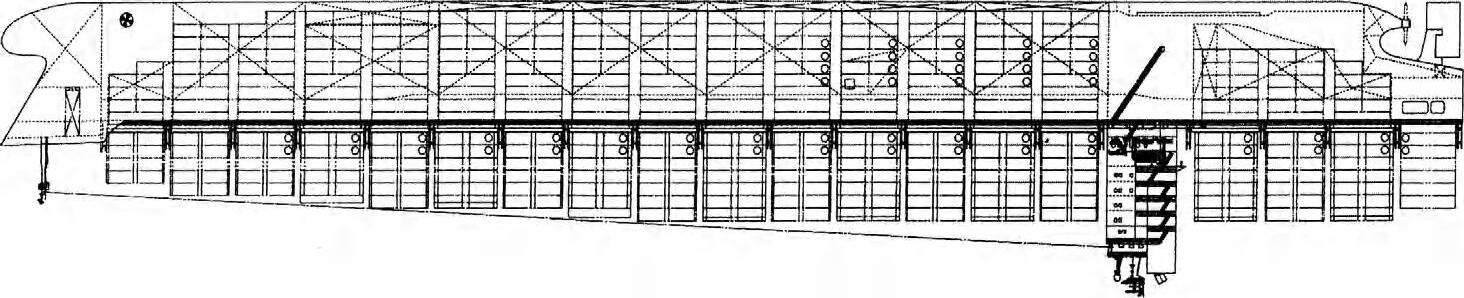
arestrictionisplacedontheheightofthemachineryspaceandthero-roshipwas amongthefirsttopopularizethegearedmedium-speeddieselenginewithalesser heightthanitsslow-speedcounterpart.Thedramaticlossofthero-ropassengerships HeraldofFreeEnterprise in1987and Estonia in1994sawmuchattentiondirectedat thedamagestabilityofthistypeofpassengershipwhenwaterenteredtheopen unsubdivideddeckspace.Thishasresultedininternationalregulationrequiring, amongstotherthings,strengtheningandsurveillanceofbowdoors,surveillanceof internalwatertightdoorsusedatsea,enhanceddamagestabilitycriteria(SOLAS90) andadditionalsimplifiedstabilityinformationforthemaster.The Estonia lossledto furtherstringentdamagestabilityrequirementsadoptedonaregionalbasisby northernEuropeancountries(StockholmAgreement1997).Amidshipsectionof aro-ropassenger/vehicle/trainferrycomplyingwiththerequirementsofthelatter agreementisshowninFigure17.10.
Hullform
Betweenthe1940sand1970therewasasteadyincreaseinthespeedofthedrycargo shipandthiswasreflectedinthehullformofthevessels.Amuchfinerhullis apparentinmodernvessels,particularlyinthoseshipsengagedinthelongercargo linertrades.Bulbousbowformsandopenwatersternsareusedtoadvantageand considerableflaremaybeseeninthebowsofcontainershipstoreducewetnesson deckwherecontainersarestowed.Insomeearlycontainershipsitisthoughtthatthis wasprobablyoverdone,leadingtoanundesirabletendencyforthemainhulltowhip duringperiodswhenthebowspitchedintoheadseas.Largercontainershipsmayhave thehousethree-quartersaftwiththefullbeammaintainedrighttothesterntogivethe largestpossiblecontainercapacity.
Cargohandlingequipment
Cargohandlingequipment,whichremainedrelativelyunchangedforalongperiod,has receivedconsiderableattentionsincethe1960s.Thiswasprimarilybroughtaboutbyan awarenessofthelossofrevenuecausedbythelongperiodsoftimethevesselmayspend inportdischargingandloadingcargoes.Conventionalcargoshipsarenowfittedwith steelfoldingand/orrollingsteelhatchcoversofonepatenttypeoranotherorliftable slabcoversofsteel,whichreducemaintenanceaswellasspeedcargohandling.Various newliftingdevices,derrickforms,andwincheshavebeendesignedandintroducedwith marineshipbornecranesnowalmostcompletelyreplacingriggedderrickinstallations onmodernships.Theseprovidefurtherincreasedratesofloadinganddischarge.
Bulkcarriers
Awiderangeofbulkcommoditiesarecarriedinbulkcarriers,includingcoal,grain, ore,cement,alumina,bauxite,andmineralsandplusshipmentsofproductssuchas packagedsteelandtimber.
ThelargebulkcarrieroriginatedasanorecarrierontheGreatLakesatthe beginningofthetwentiethcentury.FortheperiodoftheSecondWorldWardedicated bulkcarrierswereonlybuiltspasmodicallyforoceantrading,sincealargeamountof thesecargoescouldbecarriedbygeneralcargotrampswiththeadvantageoftheir beingabletotakereturncargoes.
Aseriesofturret-decksteamerswerebuiltforore-carryingpurposesbetween1904 and1910;asectionthroughsuchavesselisillustratedin Figure3.4a.Since1945 asubstantialnumberofocean-goingorecarriershavebeenbuiltofuniformdesign. Thisformoforecarrierwithadoublebottomandsideballasttanksfirstappearedin 1917,onlyatthattimethesidetanksdidnotextendtothefullholddepth(see Figure3.4b).Toovercomethedisadvantagethattheorecarrierwasonlyusefully employedononelegofthevoyage,theoil/orecarrieralsoevolvedatthattime.The lattershiptypecarriedoilinthewingtanks,asshownin Figure3.4c,andhad apassagewayforcrewprotectioninordertoobtainthedeeperdraftpermittedtankers.
Thecommongeneralbulkcarrierthatpredominatedinthelatterhalfofthe twentiethcenturytooktheformshownin Figure3.4dwithdoublebottom,hopper sides,anddeckwingtanks.Theselattertankshavebeenusedforthecarriageoflight graincargoesaswellaswaterballast.Specificvariationsofthistypehavebeenbuilt; Figure3.4eshowsa‘universalbulkcarrier’patentedbytheMcGregorInternational Organizationthatofferedaveryflexiblerangeofcargostowagesolutions.Another type,shownin Figure3.4f,hadalternateholdsofshortlength.Onsinglevoyagesthe vesselcouldcarryhigh-densitycargoesonlyintheshortholdstogiveanacceptable cargodistribution.Suchstowageisnotuncommonongeneralbulkcarrierswith uniformholdlengthswherealternateholdloadingorblockholdloadingmaybe utilizedtostowhigh-densitycargoes.Withsuchloadingarrangementshighshear forcesoccurattheendsoftheholds,requiringadditionalstrengtheningoftheside shellinwayofthebulkheads.
Ageneralarrangementofatypicalbulkcarriershowsacleardeckwithmachinery aft.Largehatcheswithsteelcoversaredesignedtofacilitaterapidloadingand dischargeofthecargo.Sincethebulkcarriermakesmanyvoyagesinballast,alarge ballastcapacityisprovidedtogiveadequateimmersionofthepropeller.Thesizeof thistypeofshiphasalsosteadilyincreasedandthelargestbulkcarriershavereached 365,000tonnesdeadweight.
Shipsofthegeneralbulkcarrierformexperiencedarelativelyhighcasualtyrate duringthelate1980sandearly1990s(between1980and2000some170bulkcarriers weretotallylost),givingrisetoconcernastotheirdesignandconstruction. Throughoutthelate1990sbulkcarriersafetyreceivedconsiderableattentioninthe workofIMO,theclassificationsocietiesandelsewhere.Basedonexperienceof failuresoflesserconsequence,itwasconcludedthatthecasualtiesoccurredthrough localstructuralfailureleadingtolossofwatertightintegrityofthesideshell,followed byprogressivefloodingthroughdamagedbulkheads.Thefloodingresultedeitherin excessivehullbendingstressesorexcessivetrim,andlossoftheship.Muchofthis workconcentratedonthestructuralhulldetails,stressesexperiencedastheresultof loadinganddischargingcargoes(pastexperienceshowedthatshipswereoftenloaded inpatternsnotapprovedintheship’sloadingmanual),damagetostructureand
(a)TURRETTYPE ORE CARRIER 1910
(d) GENERAL BULK CARRIER
ORE CARRIER
CARRIER
Figure3.4Bulkcarriers.
protectivecoatingsarisingfromdischargingcargoes,poormaintenance,andsubsequentinadequateinspectionoftheshipstructure.Theinitialoutcomeofthiswork wastheintroductionofanewChapterXIIofSOLAScoveringdamagestability requirements,structuralstrengthrequirements,andenhancedsurveyproceduresfor bulkcarriers.Atits79thsessioninDecember2004,theMaritimeSafetyCommittee ofIMOadoptedanewtextofChapterXIIofSOLASthatincludedrestrictionson sailingwithanyholdemptyandrequirementsfordouble-skinconstructionasan optionalalternativetosingleside-skinconstruction.Theoptionofdoubleside-skin constructionappliesonlytonewbulkcarriersof150metersormoreinlength, carryingsolidbulkcargoeshavingadensityof1000kg/m3 andabove.These amendmentsenteredintoforceon1July2006.ThemidshipsectionofaHandysize bulkcarrierwithdouble-skinconstructionisshowninFigure17.8.
Carcarriers
TheincreasingvolumeofcarandtruckproductionintheEast(Japan,Korea,and China)andalargecustomerbaseintheWesthasseentheintroductionandrapid increaseinthenumberofshipsspecificallydesignedandbuilttofacilitatethe deliveryofthesevehiclesglobally.
Probablytheugliestshipsafloat,carcarriersarestrictlyfunctional,havingavery highboxlikeformabovethewaterlinetoaccommodateasmanyvehiclesaspossible on,insomecases,asmanyasadozendecks.Whilstmostdeckspacingistosuitcars, sometweendeckheightsmaybegreaterandthedeckstrengthenedtopermitloading ofhigherandheaviervehicles.Withinsuchgreaterdeckspacingliftablecardecks maybefittedforflexibilityofstowage.Thespacingoffixedcardeckscanvaryfrom 1.85to2.3meterstoaccomm odatevaryingshapesandheightsofcars.Transfer arrangementsforvehiclesfromthemaindeckarebymeansofhoistableramps, whichcanbeliftedandloweredwhilstbearingthevehicles.Loadinganddischargingvehiclesontoandofftheshipisviaalargequarterrampatthesternand asideshellorsternramp.Thecrewaccommodationandforwardwheelhouse, providinganadequateviewforward,sitatoptheuppermostcontinuousweather deck.Propulsionmachineryissituatedaftwithbowthruster(s)forwardtoaid mooring/maneuvering.
Theshipshownin Figure3.5 hasanoveralllengthof148meters,abeamof 25meters,andaspeedof19knotsona7.2-meterdraft.Itcancarrysome2140units. Aunitisanoverallstowageareaof8.5squaremeterspercarandrepresentsavehicle 4.125metersinlengthand1.55meterswideplusanall-roundstowagemargin.
Oiltankers
Until1990theformofvesselsspecificallydesignedforthecarriageofoilcargoeshad notundergoneagreatdealofchangesince1880,whenthevesselillustratedin
Deck No. 4
Figure3.5Carcarrier.
Figure3.6awasconstructed,theexpansiontrunkanddoublebottomwithinthecargo spacehavingbeeneliminatedmuchearlier.Thegreatestchangesinthatperiodwere thegrowthinshipsizeandnatureofthestructure(see Figure3.6b).
Thegrowthinsizeofocean-goingvesselsfrom1880totheendoftheSecond WorldWarwasgradual,theaveragedeadweightrisingfrom1500tonnestoabout 12,000tonnes.Sincethentheaveragedeadweightincreasedrapidlytoabout20,000 tonnesin1953andabout30,000tonnesin1959.Todaythereareafloattankers rangingfrom100,000to500,000tonnesdeadweight.Itshouldbemadeclearthatthe largersizeofvesselisthecrudeoilcarrier,andfueloilcarrierstendtoremainwithin thesmallerdeadweights.
Servicespeedsofoiltankershaveshownanincreasesincethelate1940s,going from12to17knots.Theservicespeedisrelatedtotheoptimumeconomicoperation ofthetanker.Also,theoptimumsizeofthetankerisverymuchrelatedtocurrent marketeconomics.Thetankerfleetgrowthincreasedenormouslytomeetthe expandingdemandforoiluntil1973/1974,whentheOPECpriceincreasesslowed thatexpansionandledtoaslumpinthetankermarket.Itisunlikelythatsuch asignificantriseintankersizeandriseinspeedwillbeexperiencedintheforeseeable future.
Structurally,oneofthegreatestdevelopmentshasbeenintheuseofwelding,oil tankersbeingamongstthefirstvesselstoutilizetheapplicationofwelding.Little Length
Figure3.6Oiltankers.
difficultyisexperiencedinmakingandmaintainingoiltightjoints:thesamecannotbe saidofriveting.Weldinghasalsoallowedcheaperfabricationmethodstobeadopted. Longitudinalframingwasadoptedatanearlydateforthelargershipsandrevisionof theconstructionrulesinthelate1960sallowedthelengthoftankspacestobe increased,withasubsequentreductioninsteelweight,makingiteasiertopump dischargecargoes.
Asfarasthegeneralarrangementisconcerned,thereappearsalwaystohavebeen atrendtowardsplacingthemachineryaft.Movingalltheaccommodationandbridge aftwasalaterfeatureandisdesirablefromthefireprotectionpointofview.Location oftheaccommodationinoneareaismoreeconomicfromabuildingpointofview, sinceallservicesareonlytobeprovidedatasinglelocation.
TherequirementsoftheInternationalConventionforthePreventionofPollution fromShips1973(seeChapter29)andparticularlyitsProtocolof1978havegreatly influencedthearrangementofthecargospacesofoiltankers.Amajorfeatureofthe MARPOLConventionanditsProtocolhasbeentheprovisioninlargertankersof cleanwaterballastcapacity.Whilstprimarilyintendedtoreducethepollutionrisk, thefittingofsegregatedwaterballasttanksinthemidshipregionaidsthereductionof thestillwaterbendingmomentwhenthetankerisfullyloaded.Italsoreduces corrosionproblemsassociatedwithtankspaces,whicharesubjecttoalternateoiland seawaterballastcargoes.
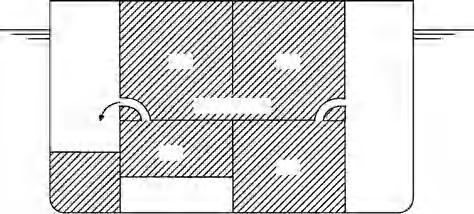
InMarch1989thetanker ExxonValdez,whichcompliedfullywiththethencurrent MARPOLrequirements,ranagroundanddischarged11milliongallonsofcrudeoil intothepristinewatersofPrinceWilliamSoundinAlaska.Thesubsequentpublic outcryledtotheUnitedStatesCongresspassingtheOilPollutionAct1990(OPA90). ThisunilateralactionbytheUnitedStatesgovernmentmadeitarequirementthat existingsingle-hulloiltankersoperatinginUnitedStateswatersweretobephased outbyanearlydate,afterwhichalloiltankersweretohaveadoublehull(see Figures 3.6and22.2).
InNovember1990theUSAsuggestedthattheMARPOLConventionshouldbe amendedtomakedoublehullscompulsoryfornewtankers.Anumberofother IMOmemberstatessuggestedthatalternativedesignsofferingequivalentprotectionagainstaccidentaloilspillsshouldbeaccepted.Inparticular,Japanproposed analternative,themid-decktanker.Thisdesignhassideballasttanksproviding protectionagainstcollisionbutnodoublebottom.Thecargotankspace(see Figure3.6)hadastructuraldeckrunningitsfulllengthatabout0.25–0.5thedepth fromthebottom,whichensuresthatshouldthebottomberupturedtheupward pressureexertedbytheseawouldpreventmostoftheoilfromescapinginto thesea.
In1992IMOadoptedamendmentstoMARPOLthatrequiredtankersof5000 tonnesdeadweightandabovecontractedforafterJuly1993,orwhichcommenced constructionafterJanuary1994,tobeofdouble-hulledormid-deckconstruction,or ofotherdesignofferingequivalentprotectionagainstoilpollution.Existingtankers withsinglehullswithoutsegregatedballasttankswithprotectivelocationweretobe phasedoutbyJune2007.Thosewithsegregatedballasttankswithprotectivelocation weretobephasedoutbyJuly2021.
StudiesbyIMOandtheUSNationalAcademyofSciencesconfirmedtheeffectivenessofthedoublehullinpreventingoilspillscausedbygroundingandcollision wheretheinnerhullisnotbreached.Themid-decktankerwasshowntohavemore favorableoutflowperformanceinextremeaccidentswheretheinnerhullisbreached. TheUnitedStatesauthoritiesconsideredgroundingthemostprevalenttypeof accidentintheirwatersandbelievedonlythedouble-hulltypepreventedspillsfrom tankergroundingsinallbutthemostsevereincidents.Thus,whilstMARPOL providedfortheacceptanceofalternativetankerdesigns,theUnitedStateslegislation didnot,andnoalternativedesignswerebuilt.
Astheresultofthebreak-upofthetanker Erika andsubsequentpollutionofthe Frenchcoastlinein1999,IMOmembersdecidedtoacceleratethephase-outofsinglehulltankers.Asaresult,inApril2001astrictertimetableforthephasingoutof single-hulltankersenteredintoforceinSeptember2003.InDecember2003adecisiontofurtheracceleratethephase-outdatesofsingle-hulltankerswasagreed,PreMARPOLtankersbeingphasedoutin2005andMARPOLtankersandsmalltankers in2010(seeChapter2fordefinitions).
Oiltankersnowgenerallyhaveasinglepumpspaceaft,adjacenttothemachinery, andspecifiedsloptanksintowhichtankwashingsandoilyresiduesarepumped.Tank cleaningmaybeaccomplishedbywater-drivenrotatingmachinesonthesmaller tankersbutfornewcrudeoiltankersof20,000tonnesdeadweightandabovethetank cleaningsystemusescrudeoilwashing.
Passengerships
Earlypassengershipsdidnothavethetiersofsuperstructureassociatedwith modernvessels,andtheyalsohadanarrowerbeaminrelationtotheirlength.The reasonfortheabsenceofsuperstructuredeckswastheMerchantShippingAct 1894,whichlimitedthenumberofpassengerscarriedontheupperdeck.An amendmenttothisActin1906removedthisrestrictionandvesselswerethenbuilt withseveraltiersofsuperstructures.Thisproducedproblemsofstrengthand stability,stabilitybeingimprovedbyanincreaseinbeam.Thetransmission ofstressestothesuperstructurefromthemainhullgirdercreatedmuchdifference ofopinionastothemeansofovercomingtheproblem.Bothlightstructuresof adiscontinuousnature,i.e.fittedwithexpansionjoints,andsuperstructureswithheavierscantlingsabletocontributetothestrengthofthemainhullgirder wereintroduced.Presentpractice,wherethelengthofthesuperstructureis appreciableandhasitssidesattheshipside,doesnotrequirethefittingof expansionjoints.
Theintroductionofaluminumalloysuperstructuresprovidedincreasedpassenger accommodationonthesamedraft,and/oraloweringofthelightweightcenterof gravitywithimprovedstability.Thiswasbroughtaboutbythelighterweightofthe aluminumalloystructure.Subsequentexperience,however,hasshownthatfor passengerliners,thatarerequiredtomaintainaservicespeedinaseaway,the maintenancecostsofaluminumalloysuperstructurescanbehigher.
Afeatureofthegeneralarrangementisthereductioninsizeofthemachinery spaceinthistime.Itiseasytoseethereasonforthisifthe Aquitania,builtin1914and havingdirectdriveturbineswith21double-endedscotchboilers,iscomparedwith the QueenElizabeth2.Thelatterasoriginallybuilthadgeareddriveturbineswith threewatertubeboilers.Manymodernpassengershipshavehadtheirmachinery placedaft;thisgivesoverthebestpartofthevesselamidshipsentirelytopassenger accommodation.Againstthisadvantage,however,allowancemustbemadeforan increasedbendingmomentifasuitabletrimistobeobtained.Themorerecent provisionofelectricpoddedpropulsorsasfittedonthe QueenMary2 has,withthe removalofshaftlines,permittedoptimizationoftheinternalarrangementsofthe passengerlinerandcruiseship.
Passengeraccommodationstandardshaveincreasedsubstantially,thevolumeof spaceallottedperpassengerrisingsteadily.Tweendeckclearancesaregreaterand publicroomsextendthroughtwoormoredecks,whilstenclosedpromenadeand atriumspacesarenowcommoninthesevessels.Theprovisionofair-conditioning andstabilizingdeviceshasalsoaddedtopassengercomfort.Particularattentionhas beenpaidtofiresafetyinthemodernpassengership,structuralmaterialsoflowfire riskbeingutilizedinassociationwithautomaticextinguishinganddetection systems.
Therehasbeenademiseofthelargerpassengerlinerandlargerpassengerships arenoweithercruiseships,short-haulferries,orspecialtradepassenger(STP)ships, thelatterbeingunberthedimmigrantorpilgrimpassengershipsoperatinginthe MiddleEasttoSouthEastAsianregion.
Whilstthesafetyofpassengershipsingeneralhasbeengoodinrecentyears,the growthinthesizeandnumberofcruiseshipshasledIMOtoinitiateareviewof passengershipsafety.Inparticular,itislookingatplacinggreateremphasisonthe preventionofacasualtyfromoccurringinthefirstplace.Thatis,futurepassenger shipsshouldbedesignedforimprovedsurvivabilitysothatintheeventofacasualty passengersandcrewcanstaysafelyonboardastheshipproceedstoport.
Thedevelopmentofhigh-speedpassengerferriesoflightweightconstructionand oftenofradicalhullformand/ornondisplacementmodesofoperationhasbeen notablesincetheearly1980s.Initiallyrelativelysmall,thesecraftmaynowbemore than100metersinlengthandcarryupwardsof500personsplus100cars/30trucksor more.Thelightweightconstructionisusuallyofaluminumalloybutsomehavebeen constructedoflighterhigher-tensilesteels,andfiber-reinforcedplasticsmaybeused inthesuperstructureandaccommodationareas.Withspeedsofupto50knots,many craftareoftwin-hullformandincludeconventionalcatamarans,wavepiercerswith twinhullsandafairedbuoyantbridgingstructureforward,andsmallwaterplane twin-hulled(SWATH)ships.Thelatterhaveahighproportionoftheirtwin-hull buoyancybelowthewaterline(see Figure3.7).Otherhigh-speedcraftinclude hydrofoilsandvarioussurfaceeffectships(SESs)includinghovercraft,which maintainacushionofair,fullyorpartially,betweenthehullandthewatertoreduce drag.Theincreasinguseofthesevesselsledin1994tothepromulgationbyIMOof specificinternationalregulationsconcerningtheirdesign,safety,andoperation.An updatedversionofthisCodeofSafetywasadoptedinDecember2000. Figure3.7
TPECNOC HTAWS
NARAMATAC LLUH-ITLUM
Figure3.7Varioustypesofhigh-speedcraft.
illustratesthevarioustypesofhigh-speedcraft.AlsoseeFigure17.11,whichshows themidshipsectionofahigh-speedwave-piercingcatamaran.
Furtherreading
Bargecarriers—Arevolutioninmarinetransport, TheNavalArchitect,April1973. Bhave,RoyG:Specialtradepassengerships, TheNavalArchitect,January1975.
Burrows:TheNorthSeaplatformsupplyvessel, ImarESTTrans.Part1,1997. CodeofSafetyforSpecialPurposeShips.IMOpublication(IMO-820E).
Designandoperationofbulkcarriers.2005ConferenceProceedings.RoyalInstitutionof NavalArchitectsPublications.
Designandoperationofcontainerships.2003ConferenceProceedings.RoyalInstitutionof NavalArchitectsPublications.
Designandoperationofdoublehulltankers.2004ConferenceProceedings.RoyalInstitution ofNavalArchitectsPublications.
Designandoperationofgascarriers.2004ConferenceProceedings.RoyalInstitutionofNaval ArchitectsPublications.
Farell:Chemicaltankers—Thequietevolution, TheNavalArchitect,July1975. GuidelinesfortheDesignandConstructionofOffshoreSupplyVessels.IMOpublication (IMO-807E).
GuidelinesonEarlyAssessmentofHullDamageandPossibleNeedforAbandonmentofBulk Carriers.IMO—MSC/Circ.1143dated13December2004.
Highspeedcraft.2004ConferenceProceedings.RoyalInstitutionofNavalArchitects Publications.
IMO: InternationalCodeofSafetyforHighSpeedCraft(HSCCode),1994.
Meek:ThefirstOCLcontainership, Trans.RINA,1970.
Moderncarferrydesignanddevelopment, TheNavalArchitect,January1980.
Murray:Merchantships1860–1960, Trans.RINA,1960.
Payne:Theevolutionofthemoderncruiseliner, TheNavalArchitect,1990.
Payne:From Tropicale to Fantasy:Adecadeofcruiseshipdevelopment, Trans.RINA,1993.
Payne:Thereturnofthetrueliner—Adesigncritiqueofthemodernfastcruiseship, The NavalArchitect,September1994.
Safetyofpassengerro-rovessels.1996ConferenceProceedings.RoyalInstitutionofNaval ArchitectsPublications.