RomanReceptions ofSappho
EDITEDBY TheaS.Thorsen andStephenHarrison
GreatClarendonStreet,Oxford,OX26DP, UnitedKingdom
OxfordUniversityPressisadepartmentoftheUniversityofOxford. ItfurtherstheUniversity’sobjectiveofexcellenceinresearch,scholarship, andeducationbypublishingworldwide.Oxfordisaregisteredtrademarkof OxfordUniversityPressintheUKandincertainothercountries
©OxfordUniversityPress2019
Themoralrightsoftheauthorshavebeenasserted
FirstEditionpublishedin2019
Impression:1
Allrightsreserved.Nopartofthispublicationmaybereproduced,storedin aretrievalsystem,ortransmitted,inanyformorbyanymeans,withoutthe priorpermissioninwritingofOxfordUniversityPress,orasexpresslypermitted bylaw,bylicenceorundertermsagreedwiththeappropriatereprographics rightsorganization.Enquiriesconcerningreproductionoutsidethescopeofthe aboveshouldbesenttotheRightsDepartment,OxfordUniversityPress,atthe addressabove
Youmustnotcirculatethisworkinanyotherform andyoumustimposethissameconditiononanyacquirer
PublishedintheUnitedStatesofAmericabyOxfordUniversityPress 198MadisonAvenue,NewYork,NY10016,UnitedStatesofAmerica
BritishLibraryCataloguinginPublicationData
Dataavailable
LibraryofCongressControlNumber:2018954826
ISBN978–0–19–882943–0
Printedandboundby CPIGroup(UK)Ltd,Croydon,CR04YY
LinkstothirdpartywebsitesareprovidedbyOxfordingoodfaithand forinformationonly.Oxforddisclaimsanyresponsibilityforthematerials containedinanythirdpartywebsitereferencedinthiswork.
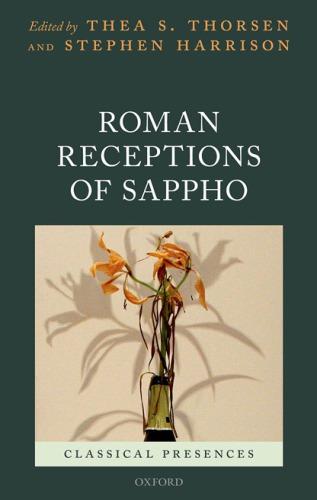
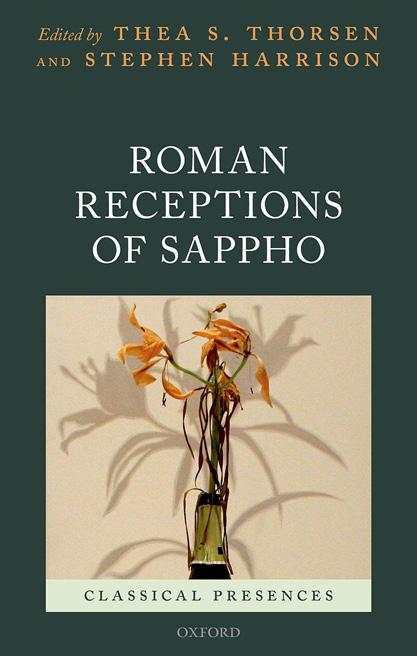
Frontispiece: ‘Detsvundneerendrøm’ (‘Thatwhichisgoneisadream’), photograph,installation,andpaintingbyIngvildKjærTofte
Preface
Sapphoisatowering figureinWesternculture,whoseimportance duringthelastdecadehasbeenconfirmedbythesensationalrecoveries ofnewfragmentsofherpoetry.ThereceptionofSappho’spoetryaswell asofher persona hasavitalandcaptivatinghistoryofmorethantwo thousandyears.Sincethe1980s,significantpartsofSappho’slongstandingreceptionhavebeenthoroughlyexaminedbyscholars.Yet,as DimitriosYatromanolakispointsoutinhis OxfordBibliographies article <www.oxfordbibliographies.com/>onSappho: ‘thehighlycomplexand multileveledreceptionsofboththepoetryandthe figureofSapphoin Antiquityhaveuntilrecentlybeenunderexplored.’ Thepresentvolume joinsscholarssuchasYatromanolakisintakingfurtherstepstowardsthe recoveryofSappho’sancientreceptioninclassicalscholarship.Itisthe firstvolumetodatewhichinitsentiretyisdedicatedtoherinfluenceon Romanauthors.¹Strikingly,therichestpartofSappho’sRomanreceptioncoincideswithwhatisknownasthegoldenageofLatinliterature. Consequently,thepresentvolumetakesusnotonlythroughacritical phaseinthelonghistoryofSappho’sreception,namelythatofancient Rome,butalsothroughsomeofthemostcentraltextsofLatinliterature, whichinturnhavehadgreatinfluenceonthecultureofpost-classical periods,upuntilourowntime.
Thecontributorstothisvolumemeritourheartfeltthanks.Their patienceoverthelastfewyearshasbeenasgenerousastheirchapters areenlightening.WearegratefultoGuidoBastianniniandAngelo CasanovafortheirpermissiontoreprintasourChapter8Richard Hunter’scontributiontotheirjointlyeditedvolume IpapiridiSaffoe diAlceo,attidelConvegnoInternazionalediStudi,Firenze8–9giugno 2006 (2007,Firenze:Istitutopapirologico “G.Vitelli”:pp.213–25), originallyentitled ‘SapphoandLatinPoetry’.Specialthanksarealso duetoArmandD’Angour,DonnchaO’Rourke,andTonyWoodman, whoservedinthecapacityofadvisorsforthisprojectatearlystages.
¹ThedissertationofThévenaz(2010),stilltobepublishedintheformofamonograph, willbeanother.
Morerecently,LlewelynMorganhaskindlyreadthroughthemanuscript andgivenhelpfulcommentsandcriticisms.Theimplementationoftheir kindandlearnedadvicehasgreatlyimprovedthisvolume.Weare gratefultotheResearchCouncilofNorwayforgenerouslyfundingthe conferenceonwhichthisvolumeisbased.ThanksarealsoduetoCorpus ChristiCollege,Oxford,forhostingtheoriginalcolloquiumin2010. StudentassistantsElseMelværFalkensteinandDavidSetaneGyberg havedonemuchgreatworktohelpcompletethevolume,andwewould liketoexpressourheartfeltthankstoboth.Wearealsodeeplygratefulto theserieseditorsLornaHardwickandJamesPorter,aswellastothe anonymousreferees,forhelpfulcommentsandcriticismsatcrucial stagesinthemakingofthisbook.Finally,attheOxfordUniversity PressthanksareduetocommissioningeditorCharlotteLoveridgefor firmandfriendlyguidance,andTimBeckfortakingussafelythrough thelaststagesofcopyediting.
TheaSelliaasThorsen andStephenHarrison Trondheim/Oxford, April2018
Contents
Abbreviations xi
ListofContributors xiii
NotesonTextsandTranslations xv
Introduction:EcceSappho1
TheaS.Thorsen
1.Sappho:TransparencyandObstruction27 TheaS.Thorsen
2.NotesontheAncientReceptionofSappho45 RichardHunter
3.LucretiusandSapphic uoluptas 61 LaurelFulkerson
4.AsImportantasCallimachus?AnEssayonSapphoin CatullusandBeyond77 TheaS.Thorsen
5. Odietamo:OnLesbia’sNameinCatullus95 LarsMortenGram
6.SapphicEchoesinCatullus1–14119 OlivierThévenaz
7.ShadesofSapphoinVergil137 StephenHarrison
8.SapphoandLatinPoetry:TheCaseofHorace151 RichardHunter
9.Sappho,Alcaeus,andtheLiteraryTimingofHorace165 TheaS.Thorsen
10.SapphoinPropertius?185 S.J.Heyworth
11. VatesLesbia:ImagesofSapphointhePoetryofOvid205 JenniferIngleheart
12.SapphoasaPupilofthe praeceptoramoris andSappho as magistraamoris:SomeLessonsofthe Arsamatoria Anticipatedin Heroides 15227 ChiaraElisei
13.TheNewestSappho(2016)andOvid’ s Heroides 15249
TheaS.Thorsen
14.SapphoinRomanEpigram265 GideonNisbet
15.ReceivingReceptionsReceived:ANewCollectionof testimoniaSapphicac.600 BC–AD 1000289
TheaS.ThorsenandRobertEmilBerge
Abbreviations
Namesandtitlesofancientauthors,works,andmodernreferenceworks areabbreviatedaccordingto OxfordClassicalDictionary (OCD).
Titlesofjournalsareabbreviatedaccordingto L’annéephilologique.
EcceSappho
TheaS.Thorsen
Sapphoisanexemplarycaseinthehistoryofclassicalreceptions.There arethreeprominentreasonsforthis.Firstly,Sapphoisassociatedwith someoftheearliestpoetryintheclassicaltradition,whichmakesher receptionhistoryoneofthelongestweknowof,almostrivallingthatof Homer.¹Furthermore,Sappho’spoetrypromotesideologicallychallengingconceptssuchasfemaleauthorityandhomoeroticism,whichhave promptedveryconspicuousexpressionsofstrategiestodealwithissues ofgenderandsexuality,revealingthevaluesofthesocietiesthathave receivedherworksthroughtime.Inthisrespect,Sappho’sreception certainlydoesrivalthatofHomer.Finally,Sappho’slegacyhasbeen, andcontinuestobe,verywellexploredfromtheperspectiveofreception studies:importantinvestigationshavebeenmadeintoresponsesbothto heraspoet-figureandtoherpoetryintheearliestcenturiesfollowingher floruit inGreece,intheEuropeanRenaissance,theearlymodernworld, theeighteenthcentury,andovertheperiodsincethen,withever-growing globalreach throughtoourowntime.²
¹Kivilo(2010,p.187)sumsupthedatingofSappho’slifeasfollows: ‘Ancientauthors synchronizedSapphowiththeEgyptianpharaohsMycerinus,AmasisandPsammetichus, theLydiankingAlyattes,thetyrantPittacusofLesbos,andwiththepoetsAlcaeus, Anacreon,Archilochus,StesichorusandHipponax,placingherthereforeinatimespan betweenca.2500 BC andthesecondpartofthesixthcentury BC.Herabsolutedatesin ancientsourcespinher,however,clearlytotheturnoftheseventhandsixthcentury BC. ’ ²Foracursory,andnowdated,yetwide-rangingsurveyofSappho’sreceptionfromher owntimeupuntiltheendofthenineteenthcentury,seeRobinson(1924);and,briefly,
OneofthefewerasinSappho’slongstandingreceptionhistorythat hasnotbeensystematicallyexploredbeforethisvolumeistheRoman period.³AsRichardHunter,inanarticleoriginallypublishedin2007 andreprintedinthisvolume,pointsout: ‘thereceptionofSapphoin Romanpoetryis,perhapsunexpectedly,astillunder-exploredsubject.’⁴ Andtheomissionis,indeed,somewhatofaparadox.Theneglectof Sappho’sRomanreceptionhasnotbeenduetoanignoranceofthefact thatherpoetrywasinfluentialinancientRome.Onthecontrary,the literaryresponsesofCatullusandHoraceareamongthemostfamous andmoststudiedreceptionsofSappho.Beyondthat,however,research onSappho’sRomanreceptionshasbeenlimitedandsparse.Tomany,it maythereforecomeasasurprisethatreceptionsofSapphocanbetraced inmorethaneighteenRomanpoets,⁵ amongthemmanyofthemost centralauthorsinthehistoryofLatinliterature.Surely,nootherGreek poet,except again Homer,andpossiblyCallimachus,canrivalthe impactofSapphoatRome.Thisfactisextremelyimportant,andcries
Malcovati(1966),cf.alsoPatrick(1912)andSchadewald(1950).Foramoresophisticated generaloverviewofthedynamicsofSappho’sreceptionhistory,seeReynolds(2000)and, morebriefly,Greer(1995b),Most(1996),andJohnson(2007,pp.19–41).Forherearly Greekreception,seeYatromanolakis(2007);forEnglishreceptions,seeTomory(1989), Prins(1999),Andreadis(2001),andReynolds(2003);forherFrenchreception,seeDeJean (1989a);andforSapphoandtheriseofGermannationalism,seeDeJean(1989b),discussing interalia Welcker,Wilamowitz-Moellendorff,andRobinson;seebelow passim.For furtherreceptions,mainlyinGerman,seeRüdiger(1933).SeeGubar(1996)forSappho’ s impactonmodernwriters,aswellasGreene(1996 passim).Saake(1972)providesan overviewofSappho’sscholarlyreceptionfromher editioprinceps byHeinrichusStephanus 1504upuntilSaake’sownbook,inadditiontoanoverviewofdatableelementsinSappho’ s biographyandapresentationofqualitiesofherart.Fabre-Serris(2016)focuseson translationsintoFrenchbetweentheseventeenthandearlytwentiethcentury.
³AnothersuchperiodisthatoftheMiddleAges,duringwhichtheidentificationof Sapphoasawomanandapoetintheextremelyinfluential Etymologies ofIsidoreofSeville musthavebeencrucial,sincethisworkappearstohavebeenalmostaswidelycirculatedas theBible;seeBarney(2006,pp.24–6);cf.ThorsenandBerge,Chapter15,pp.394–5. Furthermore,theByzantinemonkandscholarMichaelPsellus(1017/18–c.1087)refersto Sapphoasapartofascholarlycurriculumat Orationespanegyricae 4.224–38,theByzantine princessAnnaComnena(1083–1153)twicereferstoSapphoinher Alexiad (14.6;15.9),a Byzantinenovelistalludestoher(cf.Cataudella1965,formoreonByzantiumandSappho, seealsoGarzya(1971),andPetrarchseemstoalludetoher(TriumphusCupidinis IV.25, and Bucolicumcarmen 10.89–91,cf.Martellotti(1968,pp.50–1));Boccacciodedicatesa sectiontoherin Demulieribusclaris (XLVII),asdoesChristinedePizaninher Livredela citédesdames (1.30),cf.Brown-Grant(1999,pp.60–1).
⁴ SeeHunter,Chapter8,p.151.Cf.Thévenaz(2010).
⁵ Forthesepoets,seenn.82–93.
outforasystematicapproachtoSappho’sRomanreception.Thisistheaim ofthepresentvolume,⁶ whichfocusesonthepoetryofthecentralperiodof Romanliteraryhistory,fromthetimeofLucretiustothatofMartial. Fundamentaltoclassicalreceptionstudiesistheassumptionthat differenttimesarealivetodifferentaspectsofthepast.Oneofthe greatestscholarlyadvantagesofourtimeisthatitislesshampered thanearlierperiodsbytaboosregardinglove,sex,andgender,andby prejudicesagainstwomenframingthemasinferiortomen.Todaywe easilydismisstheviewsofnineteenth-centuryscholarssuchasFriedrich GottliebWelcker(1784–1868),whoclaimedthatSapphowasnotoneof the ἑταιρίστριαι,adoptingatermtakenfromAristophanes’ speech inPlato’ s Symposium. ⁷ Thisisthetermusedtoreferto ‘“lesbians” in modernidiom’,andthePlatonicallusionis ‘theonlysurvivingpassage fromclassicalAtticliteraturewhichacknowledgestheexistenceoffemale homosexuality’ . ⁸ Inourownday,thesignificanceofthecontributionsof UlrichvonWilamowitz-Moellendorff(1848–1931)tothe fieldofGreek andindeedSapphicscholarshipisuncontested;butwecanscarcelyfollow hisviewthatitis ‘blasphemy’ toconceiveSappho’spoetryashomoerotic.⁹ WemightsmiledismissivelyatDavidM.Robinson’sdefenceofthevirtue ofSapphoinhisbook SapphoandherInfluence (1924),¹⁰ inwhichhe outdoesWelckerbyclaimingthat ‘Sapphoisnevererotic’.¹¹Wemight evenblameStephenBleeckerLuceforbeingtoocautiousinhischallenge toRobinson’sargumentinhisreviewofthebook:
MentionhasbeenmadeofProfessorRobinson’sadmirationforthecharacterof Sappho.Thisleadsustothatpartofthebook,whichismostcertaintoprovoke discussion thedefenceofhervirtue.Astrongcaseisestablishedforthechastity ofherlife;andthereisbitterdenunciationfortheattacksuponhergoodname
⁶ Asisevidentfromthesurveyonp.19,however,theapproachtoSappho’sRoman receptioninthisvolumeisnotexhaustive.
⁷ Welcker(1816,p.76),andPl. Symp. 191e;cf.DeJean(1989b).
⁸ Dover(1980,p.118).
⁹ Wilamowitz-Moellendorff(1913,p.70 ‘esaufmichwieeinefortgesetzteBlasphemie wirkt[daß] P.L.[ouÿs]faßtSapphosDichtungalsTribadenpoesie’).WhenPierreLouÿs (1870–1925)publishedanallegededition(underthepseudonymG.Heim(‘S.Ecret’)of Les chansonsdeBilitis (1894),inwhichawomanwithshorthairand hanchesétroites (‘ narrow hips’)potentiallycouldbeidentifiedasPsappha(poem48),Wilamowitz-Moellendorffwas provokedtowritesubstantialpartsofhis SapphoundSimonides (1913)wherehedefended Sappho’shonour.Cf.DeJean(1989b).
¹⁰ Robinson(1924,pp.43–5).Cf.DeJean(1989b).
¹¹Robinson(1924,p.43).
thathavebeenmadefromantiquitydowntothepresentday.I findmyselfin entireaccordwithProfessorRobinsononthispoint;butitmustbebornein mindthatmuchcanbesaidontheotherside,andthattheargumentthatonly apurewomancouldhaveproducedsuchbeautifulverseisnotnecessarily foundedonfact.Wealladmirethebeautyandpowerof TheBalladofReading Gaol,forexample,butwedonotinquiretoocloselyintotheprivatemoralsof OscarWilde!¹²
ItishoweverarecentprivilegenottohavetorescueSapphobyappealing toherepithalamia,andtoclaimthattheloveshedescribesfromafemale pointofviewisreservedforahusbandinwedlock,whichwasthestrategy ofthosethreegenerationsoflinkedteachersandstudents:Welcker, Wilamowitz-Moellendorff,andRobinson.¹³Itisonlythirtyorforty yearssincelawssuchasthosethatcondemnedOscarWildetoimprisonmentwereabolishedinmanycountries,andalthoughmuchhas happenedsince,ideasoftheequalvalueofhomo-andheterosexualsor ofmenandwomenarestillprecarious.Nevertheless,therelativelywide pocketsofliberalideologyofourtimeprovideuswiththescholarly advantagethatwecanseewhatpreviousgenerationsofphilologistshave notbeenableto or,perhaps,whattheyhavehadtoconsciouslyignore, notleastinthecaseofSapphoandherRomanreception.
Sappho:AClassicalPresenceinAntiquity
ThepresentbookbelongstotheClassicalPresencesseries.Thisseriesis mainlydedicatedtoreceptionsinpostclassicalperiodsofworksand ideasthatweregeneratedduringantiquity.BothSapphoandthe Romanpoetsexploredinthisvolumebelongtoclassicalantiquityitself. So,howdoesthepresentbookdifferfromtraditionalclassicalscholarshipandcontributetothe fieldofclassicalreceptionstudies?The questionisrenderedmoreacutebythefactthatmostoftheliterature referredtointhisbookcomesfromwhatmaybeconsideredthetraditional fieldofclassics.Asshallbecomeclear,however,traditional scholarshipandthetheoreticalawarenessadvancedbyclassicalreceptionstudiesmergeinthisbook,yieldinganovelapproachtoboth
¹²Luce(1925,p.104).
¹³ThislineofsuccessionisattestedinWilamowitz-Moellendorff(1913, passim)andat thebeginningofRobinson(1924).
SapphoandtheRomanpoetsstudied,whichhasthepotentialtoenrich bothtraditionalscholarshipandreceptionstudies.
Toaskwhyparticularauthorsandworkshavebeenchosenforspecial attention,andtoconsiderhowthismayreflecttheculturalcontextof thereceivers theseprocessesarefundamentaltothe fieldofreception studies.Andsuchquestionsareasrelevantinthecaseofthereceptionsof anancientauthorinlaterantiquity,astheyareinthecaseofthereception ofanancientauthorinpostclassicalperiods.Thepotentialenrichment offeredwhenreceptionstudiesareappliedtoancientauthorswithinthe frameworkofantiquityitselfhasalreadybeendemonstratedbyanumber ofpublications,suchasBarbaraGraziosi’ s InventingHomer:TheEarly ReceptionofEpic,¹⁴ MaaritKivilo’ s EarlyGreekPoets’ Lives:TheShaping oftheTradition,¹⁵ andthesecond,revisededitionofMaryLefkowitz’ s milestonestudy TheLivesoftheGreekPoets.¹⁶
Tellingly,in ACompaniontoClassicalReceptions,editedbyLorna HardwickandChristopherStray,JamesPorterdedicatesawholesection to ‘receptioninantiquity’ inhischapteronthefutureprospectsof receptionstudies.¹⁷ Here,Portermakestheimportantpointthat ‘[t]o assumethatreceptionisasymptomofhistoricalbelatednessandonlya latephenomenonintheancientcivilizedworldistomisgaugethe phenomenonaltogether.’¹⁸ Insomerespectsitmayevenbereasonably arguedthatthereceptionofancientauthorswithintheperiodofantiquity isasimportantas,ifnotmoreimportantthan,thereceptionofthesame authorsinpostclassicalperiods,aspostclassicalreceptionstendtobe informednotonlybytheancientauthor,butalsobythatancientauthor’ s ancientreception.
ThisiscertainlytrueformuchofthepostclassicalreceptionofSappho. Indeed,herRomanreceptionhasconditionedmuchofthehistoryof Sapphoscholarship,notleastthatwhichwasproducedduringthe foundingphaseofclassicalphilologyasamodernscholarlydiscipline, fromthe1850sonwards.Thenumerouseditions,commentaries,and othercontributionstotheestablishmentofclassicaltextsthatwere producedduringthisperiodstillconstitutethebedrockofcontemporary classicalstudies.AswillbefurtherexploredinChapter1,thefragments ofSapphoasweknowthemareactuallynotparticularlysexual,whichis
¹⁴ Graziosi(2002).¹⁵ Kivilo(2010).¹⁶ Lefkowitz(2012).
¹⁷ Porter(2008,p.471).¹⁸ Porter(2008,p.473).
whyscholarssuchasWelcker,Wilamowitz-Moellendorff,andRobinson feltjustifiedinvindicatingSappho’schastity inaccordancewiththe idealsoftheirowntimes.¹⁹ Infact,itis firstandforemostSappho ’ s Roman receptionthattellsadifferentstory,inwhichsheisclearly associatedwithhomoerotics,andinwhichpoetryandsexmergeso muchsothatitbecomesimpossibletotellthemapart.Thepoem Heroides 15,alsoknownas EpistulaSapphus (‘Sappho’sletter ’),isexemplaryinthisregard:here,Sapphomentionsallthegirlsthatshe nonsine crimineamaui (Ov. Her. 15.19, ‘lovednotwithoutreproach’)atthesame timeasshereferstopoetry-makingandlovemakingasasingle amoris opus (Ov. Her .15.46, ‘ workoflove ’ ).² ⁰ Tellingly,theauthenticity of Heroides 15,whichOvidclaimstohavewrittenaspartofhis single Heroides (cf. Am .2.18.26),hasbeendisputedformorethana hundredand fi ftyyears.²¹Thehistoryofthedebateoverthispoem’ s authenticitythuscoincideswith andepitomizes ageneraltendency inclassicalscholarship,whichtriestoliberateSapphofromsuch Roman ‘ distortions ’ .²²Butarethesereceptionsreally ‘ distortions ’ in thesenseofmanipulativeinventions?Ordotheypreserveimportant aspectsofthelegacyofSappho?Whatevertheanswerstothesequestions, thefactremainsthattheRomansappeartohaveknownamoreerotic Sapphothanwenowhaveaccesstothroughherextantfragments,which makesaninvestigationintothisparticularpartofherreceptionallthe moreimportant.
Thereare,furthermore,threeotherprincipalreasonsthatSapphomay beconsideredaclassicalpresenceinthelaterperiodofantiquitythatran fromthelateRomanrepublic,whenLucretiuswasactive,tothereignof theemperorTrajan,whenMartialdied.The firstofthesereasonsisthe chronologicalgapbetweenSapphoandtheRomanpoets,whichisconsiderable.ThereisinfactashorterdistanceintimebetweenVergiland Augustine(c.450years)thanbetweenSapphoandLucretius(c.550years), andalongerdistanceintimebetweenSapphoandMartial(c.700years) thanbetweenBoccaccioandthecinematicadaptationofhis Decameron
¹⁹ SeeThorsen,Chapter1,p.39,andIngleheart,Chapter11,p.115,n.38.
²⁰ SeeThorsen,Chapter1,pp.29–30.
²¹Fortheauthenticitydebate,seeThorsen,Chapter1,pp.29– 30,Thorsen(2014a, pp.96 – 122).
²²Seee.g.Welcker(1816),Wilamowitz-Moellendorff(1913),andRobinson(1924).
byPierPaoloPasolini(c.600years).Next,thereisthedifferencein language.NotonlyisthepoetryofSapphoinGreek,adifferentlanguage fromtheLatinoftheRomanpoets;itisinthedifficultAeoliandialect. Finally,thereisadifferencewheregenderisconcerned:Sapphoisfamouslyawomanpoet,whiletheRomanpoetsdiscussedatlengthinthis bookareallmale.
Thereareatleasttwoimportantobservationstobemadefromthis briefoutlineofsomeoftheprominentdifferencesbetweenSapphoand herRomanreceivers.Firstly,thecombinationofthesedifferencesrender Sapphounique:whileanumberofpoetswereactiveinthearchaicperiod, atthesametimeasSappho,andwhileallGreekpoets,bywhommany Romanpoetswereinspired,naturallyusedGreek(andfrequentlyused difficultGreekdialects),andwhilesomeofthesepoetswereevenwomen, onlySapphorepresentsthecombinationofallthesefeatures:ofsucha distantseparationintime,adifficultGreekdialect,andafeminineidentity. Thenext,importantobservationtobemadeisthatwhileonemight easilyassumethatthecombinationofsuchelementswouldhavehamperedSappho’spresenceinlatertimes,thisisclearlynotthecase;on thecontrary,aseachofthechaptersinthisbookdemonstrates,these elementsofdifferenceappeartohavebeenproductivepointsofcontact betweenSapphoandpoetsactiveatRome,especiallyintheperiodbetween LucretiusandMartial.
AncientReceptions:TheoriesandMetaphors
SuchpointsofcontactasthosebetweenSapphoandRomanpoetsmay betheorizedwithinreceptionstudieseitheraccordingtoa ‘push-model’ , whichfocusesonthepreservingtransmissionofclassicaltextsandideas throughtime,²³oraccordingtoa ‘pull-model’,whichfocusesonthe manipulativereceptionofclassicalculturebynewgenerationsinlater historicalsettings.² ⁴ Bothmodelsappearrelevantnotonlytoreceptions ofclassicalauthorsinpostclassicalperiods,butalsotothereceptionofa classicalauthor(suchasSappho)inlaterantiquity(inthiscase,ancient Rome).However,onceaninstanceofreceptionisdetected,itisdifficult toestablishwhetheritshouldbecharacterizedasoneofpushingor
²³SeeMartindale(2005)and(2010).²⁴ Goldhill(2010).
pulling.Thisproblembecomesallthemoreacuteifonereturnstothe basicquestionsofreceptionstudies,suchas ‘whySapphoinancient Rome?’ Onereplymaybethat,forthetimeduringwhichthe ‘Roman culturalrevolution’ tookplace,²⁵ Sappho,perhapsmorethananyother figure,servestoembodythetruthofHorace’sfamousline, Graeciacapta ferumuictoremcepit (Hor. Ep. 2.1.156, ‘capturedGreececapturedher fiercevictor’).²⁶ Now,howarewetodistinguishbetweenthepush-and pull-modelinthiscase?Justasthebasicquestionsinreceptionstudies (e.g. ‘whythisancientauthoratthislaterpointintime?’)arerelevantto thereceptionofancientauthorsinlaterantiquity,soalsoarethetheoreticalissuesunderlyingreceptionsingeneral.Thepush-andpull-theories areapplicable,yetdifficulttodisentangle.Infact,inthewordsofPorter, ‘transmissionandreceptionarenottwofacesofasinglecoin.Ratherthey aretwonamesfortheself-sameactivity.’²⁷
Notably,thetheoryofclassicalreceptionstudieshasrecentlybeen offereda tertiumquid,²⁸ asShaneButlerhasmarkedoutathirdpathfor ‘contextualizingsomeofwhatweallseemtohavebeendoing,all along’:²⁹ DeepClassics.DeepClassicsisfoundedonanexistingconcept ingeology,knownasDeepTime,designedtofathomastaggering paradox:atimespansovastthatmostofitbelongstopre-human history,andatthesametimesoconcretethatitcanappearbeforeus intheformofsedimentarylayersofage-oldstonethatnotonlycanbe touchedbythehumanhand,butcanalsobestudiedand atleastalittle atatime understoodbythehumanmind.Theextant,present,and tangiblestonethatpreservesthedepthoftimeindistinctlayersof sedimentbelongingtoseparateagesthusoffersapowerfulmetaphor forstudiesofthepast,includingclassicalantiquity.³⁰ Itcapturesthe paradoxofstanding ‘facetofacewithalmostunthinkabletime-spans’³¹ andembodiesthesimultaneouspresenceofagesthatinrealitynever
²⁵ Cf.HabinekandSchiesaro(1997).
²⁶ IowethisobservationtoStephenHarrison.
²⁷ Porter(2008,p.473).²⁸ Butler(2016a).²⁹ Butler(2016b,p.3).
³⁰ ButlerpresentsothermetaphorsforDeepClassicsaswell:HeinrichSchliemann’ s diagramoftheexcavationsofTroy,thestemmaofFriedrichRietschl’seditionofDionysius ofHalicarnassus’ ProoimiumantiquitatumRomanorum,andSigmundFreud’scomparison betweentheunconsciousandRome,allofwhich intheirway exemplifythedepthof classics:seeButler(2016b).
³¹Butler(2016b,p.4).
occurredatthesametime,butnowdo anachronistically,asitwere,like onedistinctlayerofstonenexttoanotherinthebedrock.
Themetaphorisappropriatetocertaincrucialaspectsinthehistoryof Sappho,exempli fiedespeciallybytherecoveriesofnewSapphopapyri duringthelastdecade:³²hereapreservedlayerofherpoetry inthe formofrecentlyretrievedorsupplementedpapyri hasremainedpracticallyuntouchedforcenturiesandisnowrevealedforustosee,almost totouch(intheformofreproductions,formostofus),andtoengage withmentally.Evenintermsoflessmateriallyintactformsofreception thantherecoveryofpapyri,suchasthepoeticreceptionofSapphoat Rome,themetaphorholdssometruth,asthereareaspectsthatwillbe lessknowntoustodaythathaveremained ‘untouched’ forsometime, butthatwillneverthelessenrichourunderstandingofourpastand ourselveswhentheyarebroughttolightthroughscholarlyendeavours.
Themetaphorofsedimentarybedrocksuggestssomethinghard,discernible,andscientific,butalsopetrifiedanddead.Bycontrast,even Butler’sowncontributiontohisvolume,entitled ‘Homer’sDeep’,reveals qualitiesofthereceptionprocessthatshowthemselvestobeverymuch alive.Thedynamic,metamorphic,miraculously living embraceofpasts mergingwithpresencesisparticularlyprominentinthecaseofSappho. Ifonlyforthesakeofjuxtaposingamodelthatencompassesthesemore livingaspectsofreceptionswiththegeologicalmetaphorofDeep Classics,Iwouldliketoevokethemetaphorofart,exempli fiedbythe imageinthefrontispieceofthisbook:aworkentitled ‘Thatwhichisgone isadream’ (‘Detsvundneerendrøm’),bytheNorwegian figurativeartist IngvildKjærTofte.Threemainelementsinthisimageareworthpausing overaswecontemplatethetheoreticalissuesunderlyingtheclassical presenceofSapphoinantiquity,inthepostclassicaltraditionandin theSapphoscholarshipoftoday:theshadow,the flower,and, finally,the bottle.Theseelementsaresimultaneouslypresentviaseverallayersof artisticmedia,consistingofphotography,installation,andpainting. Together,thesethreelayersrepresentaconsiderabledepthintime:the installationinvolvesthenon-humancreationofa flower,whichbelongs tothenaturalworld;thepaintingrepresentsanartisticactivity,andone
³²GronewaldandDaniel(2004a),(2004b),Obbink(2009),(2014),(2016a),(2016b), Burris,Fish,andObbink(2014),andBierlandLardinois(2016),seealsoThorsen, Chapter13.