https://ebookmass.com/product/police-ethics/
Instant digital products (PDF, ePub, MOBI) ready for you
Download now and discover formats that fit your needs...
(eBook PDF) Police & Society 8th Edition
https://ebookmass.com/product/ebook-pdf-police-society-8th-edition/ ebookmass.com
The Police in America: An Introduction eBook
https://ebookmass.com/product/the-police-in-america-an-introductionebook/ ebookmass.com
Police in America 1st Edition, (Ebook PDF)
https://ebookmass.com/product/police-in-america-1st-edition-ebook-pdf/ ebookmass.com
Orpheus: A Greek Mythology Gay Retelling (Book 3 of the Mythologay Series) B.J. Irons
https://ebookmass.com/product/orpheus-a-greek-mythology-gay-retellingbook-3-of-the-mythologay-series-b-j-irons/
ebookmass.com
Winner Takes All Sandra Kitt https://ebookmass.com/product/winner-takes-all-sandra-kitt/ ebookmass.com
The Environmental Impact of COVID-19 Deepak Rawtani
https://ebookmass.com/product/the-environmental-impact-ofcovid-19-deepak-rawtani/ ebookmass.com
Moord onder de magnolia's Olivia Hill
https://ebookmass.com/product/moord-onder-de-magnolias-olivia-hill/
ebookmass.com
How to Cowboy Jennie Marts
https://ebookmass.com/product/how-to-cowboy-jennie-marts-2/
ebookmass.com
Wolf Called Casey (Briar Falls Wolfpack Book 1) J.E. Cluney
https://ebookmass.com/product/wolf-called-casey-briar-falls-wolfpackbook-1-j-e-cluney/
ebookmass.com
Cherishing My Chuchunya: A Snow Monster Romance (Snuggling under Snowdrifts Book 3) Marilyn Barr
https://ebookmass.com/product/cherishing-my-chuchunya-a-snow-monsterromance-snuggling-under-snowdrifts-book-3-marilyn-barr/
ebookmass.com
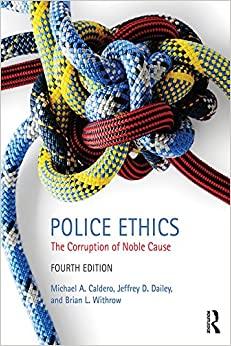
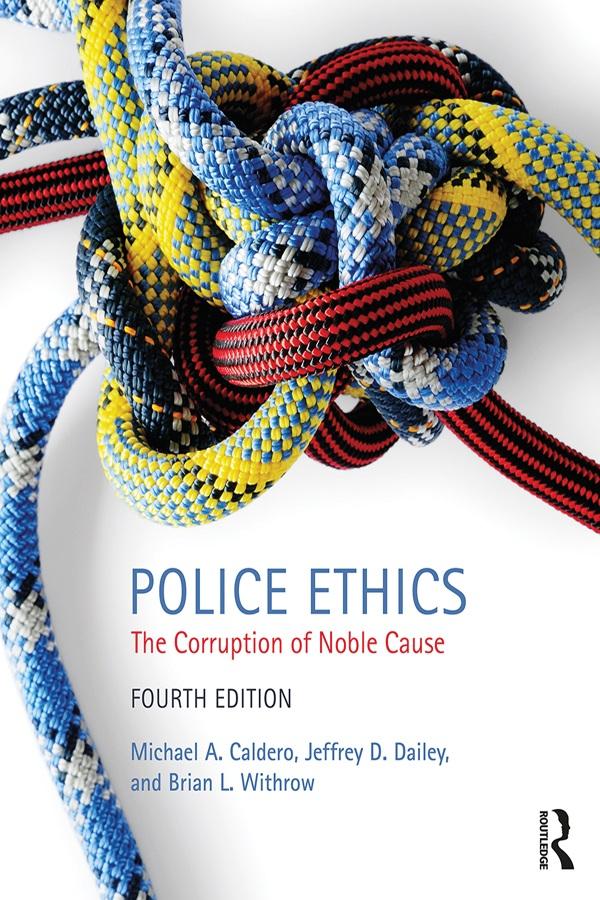
PoliceEthics PoliceEthics,FourthEdition,providesananalysisofcorruptioninlawenforcement organizations.Theauthorsarguethatthenoblecauseacommitmentto“doingsomething aboutbadpeople”isacentral“ends-based”policeethic.Thisfundamentalprincipleofpolice ethicscanparadoxicallyopenthewaytocommunitypolarizationandincreasedviolence, however,whenofficersviolatethelawonbehalfofpersonallyheldmoralvalues.Thisbookis aboutthepowerthatpoliceusetodotheirworkandhowitcanleadpolicetoabusetheir positionsattheindividualandorganizationallevelsItprovidesstudentsofpolicingwitha realisticunderstandingofthekindsofproblemstheywillconfrontinthepracticeofpolice work.
Thistimelyneweditionofferspoliceadministratorsdirectionfordevelopingagency-wide corruptionpreventionstrategies,andare-writtenchapterfurtherexpandsourlevelof understandingofcorruptionbycoveringtheModelofCircumstantialCorruptibilityindetail. Thefourtheditionalsodiscussescriticalethicalissuesrelatingtotherelationshipbetween policedepartmentsandminoritycommunities,includingBlackLivesMatterandotheractivist groups.Inthepost-Fergusonenvironment,thisisacrucialtextforstudents,academicians, andlawenforcementprofessionalsalike.
MichaelA.Calderowasaformerpoliceofficerwhopresentedseminarsonthesubjectof policeethicstopolicecommandersacrosstheUnitedStates.HetaughtintheDepartmentof AdministrationofCriminalJusticeatBellevueCollege.
Dr.JeffreyD.DaileyisanAssociateProfessorofBorderSecurityandIntelligenceatAngelo StateUniversity.Priortothisheperformedclassifiedcomputer-aidedmilitaryintelligence signalanalysis(SIGINT)withactivedutyArmyandAirForceintelligenceunitsinseveral locations.
Dr.BrianL.WithrowisaProfessorofCriminalJusticeatTexasStateUniversity.Priorto joiningtheTexasStateUniversityfacultyin2009,BrianwasanAssociateProfessorand DirectorofForensicSciencesatWichitaStateUniversity.
PoliceEthics TheCorruptionofNobleCause FOURTHEDITION MICHAELA.CALDERO
JEFFREYD.DAILEY
BRIANL.WITHROW
Fourtheditionpublished2018
byRoutledge
711ThirdAvenue,NewYork,NY10017
andbyRoutledge
2ParkSquare,MiltonPark,Abingdon,Oxon,OX144RN
RoutledgeisanimprintoftheTaylor&FrancisGroup,aninformabusiness
©2018Taylor&Francis
TherightofMichaelACaldero,JeffreyDDailey,andBrianLWithrowtobeidentifiedasauthorsofthisworkhasbeen assertedbytheminaccordancewithsections77and78oftheCopyright,DesignsandPatentsAct1988
AllrightsreservedNopartofthisbookmaybereprintedorreproducedorutilisedinanyformorbyanyelectronic, mechanical,orothermeans,nowknownorhereafterinvented,includingphotocopyingandrecording,orinanyinformation storageorretrievalsystem,withoutpermissioninwritingfromthepublishers.
Trademarknotice:Productorcorporatenamesmaybetrademarksorregisteredtrademarks,andareusedonlyfor identificationandexplanationwithoutintenttoinfringe
FirsteditionpublishedbyAndersonPublishing2011 ThirdeditionpublishedbyRoutledge2015
LibraryofCongressCataloging-in-PublicationData
Names:Caldero,MichaelA(MichaelAnthony),1943–author|Dailey,JeffreyD,author| Withrow,BrianL.,author.
Title:Policeethics:thecorruptionofnoblecause/MichaelA.Caldero,JeffreyD.Dailey, BrianLWithrow,JohnPCrank
Description:FourthEdition.|NewYork:Routledge,2018.|RevisededitionofPolice ethics,c2011|Includesbibliographicalreferencesandindex
Identifiers:LCCN2017047136|ISBN9781138061156(hardback)|ISBN9781138061170 (pbk.)|ISBN9781315162591(ebook)
Subjects:LCSH:PoliceUnitedStates|LawenforcementMoralandethicalaspects UnitedStates|PoliceethicsUnitedStates
Classification:LCCHV8138.C67282018|DDC174/.93632dc23
LCrecordavailableathttps://lccnlocgov/2017047136
ISBN:978-1-138-06115-6(hbk)
ISBN:978-1-138-06117-0(pbk)
ISBN:978-1-315-16259-1(ebk)
VisittheeResources:wwwroutledgecom/9781138061170
TableofContents AbouttheAuthors
Preface
Part1
Value-BasedDecision-MakingandtheEthicsofNobleCause
Chapter1
Value-BasedDecision-Making:UnderstandingtheEthicsofNobleCause
Chapter2
Values,Hiring,andEarlyOrganizationalExperiences
Chapter3
ValuesandAdministrativeDilemmas
Chapter4 TheSocialPsychologyofCops’Values
Part2 Noble-CauseCorruption
Chapter5
FromEconomictoNoble-CauseCorruption
Chapter6
Stress,OrganizationalAccountability,andtheNobleCause
Chapter7
EthicsandtheMeans-EndsDilemma
Chapter8
PoliceCulture,EndsOrientation,andNoble-CauseCorruption
Chapter9
PolicingCitizens,PolicingCommunities:TowardanEthicofNegotiatedOrder
Chapter10
TheStakes
Chapter11 Recommendations
Chapter12
Conclusion:TheNobleCause
Bibliography
NameIndex
SubjectIndex
AbouttheAuthors MichaelA.CalderowasaformerPoliceOfficerwhopresentedseminarsonthesubjectof policeethicstopolicecommandersacrosstheUnitedStates.HetaughtintheDepartmentof AdministrationofCriminalJusticeatBellevueCollege.
Dr.JeffreyD.DaileyisanAssociateProfessorofBorderSecurityandIntelligenceatAngelo StateUniversity.Priortothisheperformedclassifiedcomputer-aidedmilitaryintelligence signalanalysis(SIGINT)withactivedutyArmyandAirForceintelligenceunitsinseveral locations,inboththeUnitedStates(NSA/Ft.Meade,Washington,KeyWest)andinEurope (WestGermany)for12years(1982–1994).Hewasassignedatopsecretclearance,undera DepartmentofDefensesectionbillet.In1994hereceivedhisM.A.inCriminalJusticefrom EasternKentuckyUniversityandaPh.D.inCriminalJusticeatSamHoustonStatein Huntsville,Texasin2002.Hehastaughtcriminaljusticeatseveralschoolsandco-authored booksonprobation,bordersecurity,andsexualabuseofinmates.
Dr.BrianL.WithrowisaProfessorofCriminalJusticeatTexasStateUniversity.Priorto joiningtheTexasStateUniversityfacultyin2009,BrianwasanAssociateProfessorand DirectorofForensicSciencesatWichitaStateUniversity.WhileatWichitaState,heserved onetermasMayorofBelAire,Kansas.From1993to1999,Dr.Withrowmanagedapolice leadershipdevelopmentprogramatSamHoustonStateUniversityinHuntsville,Texas.Prior tohisscholarlycareerBrianworkedfortheTexasDepartmentofPublicSafety.Hestartedin 1981asaStateTrooperinaruralpartoftheTexasPanhandle.Duringthe13yearshewasat DPShewaspromotedtotherankofTrainingOfficer,Inspector,andBureauCommander
BrianearnedhisBachelor’sofArtsdegreeinCriminalJusticefromStephenF.AustinState Universityin1981,hisMaster’sofPublicAdministrationfromSouthwestTexasState Universityin1993,andhisPh.D.inCriminalJusticefromSamHoustonStateUniversityin 1999.
Preface Amanhearswhathewantstohearanddisregardstherest
SimonandGarfunkel,TheBoxer
MikeCalderolooksoverhisaudience.Alltheparticipantsarecommandofficers.Hebegins. Doyouunderstandyourofficers?Doyoureallyunderstandthem?Whatthey’reabout?The commanderslookathimThequestionhasnomeaningtothemHelooksathiswatchItwill havemeaninginaboutsevenhours.
I’mgoingtoreadsomething.It’scalledtheLawEnforcementCodeofEthics.It’sthemodel ofethicsdevelopedbytheInternationalAssociationofChiefsofPolice.Youallknowwhatitis. TheLawEnforcementCodeofEthicsiswidelyusedbypoliceorganizationsintheUnited Statesasastandardforpoliceethics.Allbooksonpoliceethicsdiscussthecode.It’sprintedin BoxP.1.
Whatdoesthiscodetellus?Isitastatementoflaw?No.Isitamoralstatement?Yes.Listen againtotheopeningsentence.
Myfundamentaldutyistoservemankind;tosafeguardlivesandproperty;toprotectthe innocentagainstdeception,theweakagainstoppressionorintimidation,andthepeaceful againstviolenceordisorder;andtorespecttheconstitutionalrightsofallmentoliberty, equality,andjustice.
Mikecontinues.Okay,picturethis.Apoliceofficerhastestifiedagainstabadguy.He arrestedthefelonfordrugpossessionandsales.Itwasagoodarrest,plainsight.Hedidn’t mentionthepartwherehispartnerhadtakenthedrugsoutofabagfoundillegallyand scatteredtheminplainsightsohecouldseethem.Hispartnerwillbackupthearrestincourt. Thisgoodofficerthinksaboutthecode.Heremembers,“Myfundamentaldutyistoserve mankind…tosafeguardlivesandproperty…thepeacefulagainstviolenceordisorder…the weakagainstoppression.”Hehasdonehismoralduty.Tonightsocietyhasonelesscreepout onthestreets.Theofficerwillsleepwelltonight.
BoxP.1LawEnforcementCodeofEthics Asalawenforcementofficermyfundamentaldutyistoservemankind;tosafeguard
livesandproperty;toprotecttheinnocentagainstdeception,theweakagainst oppressionorintimidation,andthepeacefulagainstviolenceordisorder;andtorespect theConstitutionalrightsofallmentoliberty,equality,andjustice.
Iwillkeepmyprivatelifeunsulliedasanexampletoall;maintaincourageouscalmin thefaceofdanger,scorn,orridicule;developself-restraint;andbeconstantlymindfulof thewelfareofothers.Iwillbeexemplaryinobeyingthelawsofthelandandthe regulationsofmydepartment.WhateverIseeorhearofaconfidentialnatureorthatis confidedtomeinmyofficialcapacitywillbekepteversecretunlessrevelationis necessaryintheperformanceofmyduty
Iwillneveractofficiouslyorpermitpersonalfeelings,prejudice,animosities,or friendshipstoinfluencemydecisions.Withnocompromiseforcrimeandwithrelentless prosecutionofcriminals,Iwillenforcethelawcourteouslywithoutfearorfavor,malice orillwill,neveremployingunnecessaryforceorviolenceandneveracceptinggratuities.
Irecognizethebadgeofmyofficeasasymbolofpublicfaith,andIacceptitasa publictrusttobeheldsolongasIamtruetotheethicsofthepoliceservice.Iwill constantlystrivetoachievethoseobjectivesandideals,dedicatingmyselfbeforeGodto mychosenprofession…lawenforcement.
FinishreadingthecodeIt’samoralstatementfromstarttofinishThisiswhy,whenyou hireanewrecruit,you’rehiringanauthorizedrepresentativeofamoralstandard,aperson whoabsolutelybelievesinhisorherwork,whowillusethelaw(andhisorhergiven authority,asapoliceofficer)toadvancethenoblecause.Whatyouneedtounderstandisthe moralityofyourofficers,andhowitaffectseverysingledecisiontheymake.It’syour organization,andyouneedtoknowwhyyourstreetofficersmakethedecisionstheydo.
Oneofthecommandersrespondstothis.“Youcantakethefirstparagraphthatway,but theethicscodesaysalotmorethanthat.Itsaystobehonestinthoughtandindeed.To considerthewelfareofothers,andtoenforcethelawfairly.”
Mikeresponds.No.Itdoesn’tsayenforcethelawfairly.Itsaystoenforcethelaw courteously.Inotherwords,smilewhenyoumakeanarrest.Andthiscop,theonethatbenta teenieweenielaw,well,he’sconsideringthewelfareofvictims,andhe’sbeinghonesttohis values.You’vegottorealizethatthisgoodofficerisactingsquarelyfromtheethicscode. Maybehe’shearingwhathewantstohear.Butwhathehearsfitshissenseofthenoblecause getthecrudoffthestreets.Ifhedoesn’tmakethearrest,well,thenhe’sviolatinghisethics and,asheseesit,thelawenforcementcodeaswell.
Mikelooksaroundtheroom.Whatdoyouhearwhentheethicsstatementsaystorespect theConstitution?
Alieutenantresponds.“IthinkweallrespecttheConstitution.It’sliketheflag.It’spartof
ourhistory.”
Mike:HowdoyouusetheConstitutioninyourwork?
Officerslookathim.Nooneanswers.Finallyonesays,“Whatdoyoumean?”
TheConstitutionisbothamoralandalegalstatement.TheBillofRightsandthe Constitution,therightsofpeopletoseekhappiness,they’rewhatwe’reallabout,basically. They’renotjustwordsonapagetobeadmiredinthemuseum.Iwantyoutothinkaboutthe Constitutionasamoralcommitmentfromagovernmenttorespecttherightsofitspeople.It’s alegalobligationtorespectthemasindividuals.AndthenIwantyoutogobackandlookat thecodeagainIt’sstillamoralstatement,butitsmeaningshifts,whenyouthinkaboutit Thisiswhatit’ssupposedtomean.WhenthecodesaysrespecttheConstitution,itmeansthat governmentthat’srepresentedbyyouandyourfellowofficersrespectsthecitizensthatrely onit,anditslegalrepresentatives,forprotection.Respectthelaw.Respectdueprocess. RespecttherulesthatmaketheUnitedStateswork,andrememberthattheBillofRights,the firsttenAmendmentstotheConstitution,werewrittenexpresslytoprotectcitizensfrom theirgovernment.
Butthisisnotwhatofficershear.Whentheyreadthecode,theydonotthinkofdue processandrespectforcitizens.Theythink,wellofcourseIrespecttheConstitution.It’slike theyrespectapplepie.Theydonothearitsmoralrequirementstorespectindividuals,due process,andhumandifferences.Whattheyhearissomewordsembeddedinabroader statementthattellsthemtothattheirmoralresponsibilityistocontributetosocietyby gettingbadguysoffthestreets.Theyhearnoblecause.
TodayI’mheretotalkabouttheethicsofthenoblecause.We’lltalkaboutwhatitmeans foryourlineofficers,andforyouandthedepartmentaswell.Andattheendoftheday,I’ll showyouadifferentwaytothinkaboutpoliceethics.
Value-BasedDecision-MakingandtheEthicsof NobleCause Thepoliceareessentialtodemocracy.Byensuringthatnopersonisabovethelaw,the policeprotectcitizensfromvictimization.Throughtheenforcementofthelaw,policeensure thatnoindividualorgroupviolentlyassertsitswilloverthepublicorder.IntheUnitedStates, wetendtotakethepoliceforgranted.Yet,overthepast50years,wehavewitnessedthe collapseoftheSovietUnionandthedestabilizationofmanycountriesintheMiddleEastand AfricaManynation-stateshavefailed,orarebarelysurviving,withcollapsedinternal securitycontrols.
Democraticcountrieswalkafinelinebetweentheanarchyandcivilviolenceofcollapsed statesandthesuppressivecitizencontrolsexertedbyhighlyauthoritarianregimes.Itis throughthecommitmentofthepolicetothecitizenry,theircapacitytocontrolcrime,and theirabilitytoactaccordingtotherulestheyenforcethattheyalsoarenotabovethelaw thatdemocracysurvives.
Therulesforenforcingthelawandtherulesforprotectingcitizens’rightscanconflictwith eachother.Policeareexpectedtostop,detain,sometimesseize,and,ifnecessary,injureorkill citizenswhentheyareengagedinwrongfulbehavior.Therearemanycomplexrulesof process,bothintermsoflawandintermsofdepartmentpolicy,thatsurroundeachofthese expectationsTheserulesareexpectedtoconformwithcriminalandcivillawinissuesofdue process.Andthereisagreatdealofconfusionandlackofagreementwhenitcomesto holdingpoliceaccountablefortheserules.
Consider,forexample,anillegalsearchofasuspectinordertofindoutifheorsheis carryingdrugs.Isanillegalsearchwrong?Howaboutwhenaninformantcallsthepoliceto tellthemheorsheknowsofasuspectwhohasdrugsinhisorherhouse.Shouldthepolice usetheinformant’sinformationandraidthehouse?Andwhatiftheinformantishimselfa policeofficerwhobelievesthatthesuspectisadrugdealer,wantstolookaroundthehouse, andthen“stiffsinacall”asifhewereacitizen.Isthatalright?Andwhatifthepoliceofficer crashesthedoor,thesuspectdefendshimselfwithaweaponandiskilled,andthereareno drugsinthehouse,onlyahomeownerdefendinghisorherproperty.Isthatalright?
Allofthedescribedactivitiesareactscommittedonbehalfofagoodendgettingbadguys
offthestreets.Someofthemareallalsoillegal.Theyrepresentnoble-causecorruptionwhen anofficerbreaksthelawinordertoachieveagoodend.
Overthepast100years,thepolicehavebeentransformedinimportantways.Economic corruptionhasdiminisheddramatically.Thequalityofpoliceprofessionalismhasincreased. Andthepolicehavebecomemuchkeenerinthewaysofpublic-ordermaintenanceaswe movetowardamulticulturalsociety.Thepolicearecommittedtodoinggood,tofindingand arrestingbadpeople,totheassistanceofvictims,andtoprotectingcommunities;inshort, theyhavebecomeprofessionalinwaysthatmanypolicereformerssoughtthroughoutthe twentiethcentury
Yet,theircommitmenttowhatwecallthenoblecausecarriesaspecialperil.Crimecontrol sometimesseemstorequirebehaviorthatisnotparticularlylegal.Forexample,officersmight “testilie,”whichreferstogivingfalseinformationassworntestimony,inordertotakeafelon offthestreetswhohasanextensive,violentrapsheetandwhomtheofficerbelievestobea communitydanger.Thisisthesortofbehaviorthatwecallnoble-causecorruption.
Thetopicofnoble-causecorruption,liketheexamplesprovidedearlierinthischapter, frequentlyinvolvesbehaviorthatcannotbeeasilydefinedasgoodorbad.Sometimestrying todefinewhatiswrongwithitislikegraspingatsmoke.Ifanofficerconductsasearchinan inappropriateplace,intheprocessuncoversinformationaboutaseriouscrime,andthendoes notmentionthatthesearchwasatthatmomentillegal,isshea“goldenapple”ora“rotten apple”agoodcoporabadcop?Howaboutwhentheofficeraddsdrugstoasearchwarrant tojustifyadetailedsearcheventhoughtheofficerdoesnothaveanyprobablecausethat drugswillbefound,buthasprobablecauseonother,largeritemsacarforexampleand wantstofisharoundabit?Itissometimesdifficulttotellwhatisrightorwrongbehavior, particularlywhenanofficeriscommittedtoagoodoutcome.Itiseasytooverlooksmall proceduraldetailsofthelawintheserviceofgoodends.Yetnoble-causecorruptiongoesto theheartofdemocraticprocessintheUnitedStates.Noble-causecorruptionrepresentsthe authorityofthesovereigntointercedewithimpunityintotheaffairsofthecitizenry,and thereisnodemocracyinthat.
Chapter1providesbackgroundonthenoblecause.Theopeningchapterarguesthatthe properunderstandingofpolicemoralityandethicsbeginsbyunderstandingthattheyare value-baseddecision-makersThismeansthattheyarestronglyaffectedbythevaluesand beliefsthatcharacterizedtheirupbringing,andtheybringthesevaluedispositionstotheir work.Thecentralelementsofvalue-baseddecision-makingarethenoblecauseandtwoofits importantoccupationalelements,describedasthe“smellofthevictim’sblood”and“the tower.”Thecentralthemeofthisbooktheresponsibilityofcommandinnoble-cause corruptionisdiscussedusingexamplesfromdiversesources,includingAbuGhraib.The chapterconcludeswithadiscussionoftheliteraturethathasdevelopedelementsofvaluebaseddecision-makingandthenoblecause.
Chapter2considersthehiringprocess.Wearguethatinmostdepartments,theprocessisa collectionofcomplicatedproceduresthatconvergeonasimplepurposehiringofficerswho haveaparticularsetofvalues.Hiring,weargue,isavalues-basedprocessaimedatensuring thatrecruitscarryvaluessympathetictothenoblecause.Earlyorganizationalexperiences refineandredirectthewayinwhichofficersenacttheirbeliefsinthenoblecause.
Chapter3looksatadministrativedilemmasrelatedtothenoblecause.Thischapter presentsaperspectiveontheprofounddifficultiesencounteredwhenweholdpublicservants accountablefortheirbehavior.Threeaccountabilitydilemmasarepresented.Thechapter concludesthatthereisalimitontheextenttowhichaccountabilityisareachablegoal
Chapter4assesseseffortstomeasurepolicevalues.Itarguesthatpolicevaluesarenot learnedonthejob,butarefullyinplacewhenofficersarehired.Thepsychologyofemotionis presentedtodescribethepowerfulpullthenoblecausehasonindividuals.Thischapter concludeswithare-considerationofpolicemoralityanddiscretion,arguingthatdiscretion amongthepoliceishighlyoverrated.Givenourknowledgeofpolicevalues,itargues,how canwenotknowhowtheywillact?
Value-BasedDecision-Making:Understanding theEthicsofNobleCause KeyTerms AbuGhraib
“TheAsshole” boundedrationality
BritishBroadcastingCompany(BBC)PrisonStudy culture
“DirtyHarry”probleminformalorganization justmeans maturity means-endsconflicts negativeconceptofpoliceculture noblecause passion perspective powerofself
StanfordPrisonExperiment thetower value-baseddecision-making
Apoliceofficeristhewillfulembodimentofthestate’smorality.Anofficer’sactionsare themoralityofthestatemadekinetic,makingsurethatbadpeople(thosewhohavebroken existinglaws,orhavebeenaccusedofdoingso)aredealtwith,publicorderisasserted,and lawsareenforced.Thepowercarriedbyapoliceofficerdefinesthelimitsofindividual freedominamostimmediatesense:theauthorityofthestatetoseizesomeone’sbodyorto initiateaprocessthatcanendinsituationaljustice,jailorprison,and,inrarecases,death.To
dotheirwork,policeplacetheirlivesonthelineforstrangers,theyarrestcriminalsuspects, citeorarrestmisdemeanants,(sometimes)distributeroughjusticefortroublemakers,andthey dealwithvictimswhomaybetraumatizedorgrotesquelywounded.
Todotheirwork,officersenactthemoralityofthestate,representedfaciallybythe existinglawsonthebooks.Theymusthaveaclearandstraightforwardnotionofwhat behaviorisright(legal)orwrong,basedonwhetherornottheexhibitedbehaviorconformsto existinglaw,andwhatkindofapersonisgoodorbad.Everydecisiontheymakeaboutthe conductoftheirworkisvaluebased,enactingthebroadermoralstandardsofthestateinthe wayinwhichtheycontroltheirbeatsTheyareinfactanddeedvalue-baseddecision-makers, andtheirworkismoralswork,throughandthrough.
The(perceived)moralityofthestateiscodifiedinitssystemoflaws.Thiscodeis invigoratedandenlivenedbymanygroupswhoencouragetheharshtreatmentofpeoplethey believearebad.Legislatorsclamorabouthowthecourtsaretoolenient.Citizensrepeatedly calltocomplainaboutneighborswhocreatepublicdisorder.Businesspeoplerailagainstlocal panhandlerswhodotheirworkinfrontoftheirstoreandchaseoffcustomers.Prosecutorsare resolutelyfocusedontheconvictionofsuspects.Judgesareselectedfortheirtoughness towardthoseconvictedofcrimes.“MothersAgainstDrunkDriving”isoneofmanycitizen groupswhoadvocatethepunishmentofparticularclassesofcriminalbehavior.Schoolswant resourceofficerstoprotectkidsfrombullies.Andpoliceorganizationspushforincreased criminalpenaltiesthat,itiswidelybelieved,willdissuadeindividualsfromcommittingcrime (basedonthetheoreticaldeterrenteffectofincreasedpenaltiesforspecificcrimes).
Theethicaldilemmafacedbymanypoliceofficersisinadaptingthepowerstheyare endowedwithbythestatetothewayinwhichtheycarryoutthestate’sjustice.Oneofthe mostcommonmoraldilemmasfacedbyofficersiswhetherornottobendsomeoftherules limitingtheirbehaviorinordertodealwithpeopletheybelievearecriminalsor troublemakers.Officersindeedhaveagreatdealofpower,powertheycanusetoreallyhurt people,byassertingroughorsituationaljustice,butfargreaterpowerbystartingthelegal processthatwillputthem(theperceived“badpeople”)injailorprison.Manyofficers,andthe readermaybeamongthem,haveseencolleaguesengageinlegallyquestionablebehaviorand thatsomeprosecutors,superiors,andjudgeswinkandlooktheotherway.Officersmay pressuresuspectstofindoutwhattheyareupto,sothattheywillnotcauseproblemsontheir beat.Indeed,manyofficersseeacruelworldinwhichgoodcitizensareroutinelyvictimized andacourtsystemthatisunresponsive,andbelievetheyhavefewalternativesotherthanto enacttheirownparticularbrandofextralegaljustice.Thisviewisreinforcedbythe commitmentsofficershavetotheirbeats.Manyofthemareconvincedthatiftheydon’t controlit,noonewill,andthattheymustsometimessetthelawsandpoliciesdesignedto controltheirbehaviorasideinordertodosomethingaboutbadpeople.Policepowershould beusedforthegoodofcitizensandthecommunity,eveniflawsorpoliciesmustbe
sometimesbenttodoso.
Mostethicsbookswilltellanofficertoturnoffthatpower;thatpolicearecreaturesofthe lawandthatdueprocessandadministrativeprotocolsarerulesthatmustalwaysbefollowed. Police,accordingtothisview,aresupposedtobedispassionatelawenforcers,robotsinblue, enforcingthelawequallyandwithoutbiasorpredisposition.Wedon’tbuyit.Wehavea differentperspective.Wedon’ttellpolicetoturnitoffitcan’tbedone.Wecounselinstead thatitbeusedwisely.
Wehaveadifferentwayofthinkingaboutethics.Wecallitvalue-baseddecision-making. Thevaluescarriedbypoliceofficersdeterminetheirdecisionstointerveneinthelivesof citizens,whattheydowhentheyintervene,andthewayinwhichtheybringinterventionsto aconclusion.Andthemostimportantvaluesthatmobilizeofficersareembodiedinthenoble cause.Thenoblecauseis,formostofficers,thetouchstonefromwhichvalue-baseddecisionmakingoccurs.Indeed,valuesarethecornerstoneoftheworkpolicedotheydispensejustice bycontrollingpeople.Sowe’llstartthischapterwithadiscussionofvalue-baseddecisionmakingandwhatitmeanstopolicework.
Value-BasedDecision-Making Thepresentationisinaconvertedmeetingroom,andtentableshavebeensetupforMikeCaldero’spresentation Approximately30commandersandmid-levelsupervisorsarepresent.
Mikelooksateachofficer,aquickscan,briefpauseoneachone.Contact.Hebegins.Whatdoyouthinkofbureaucracies?
“Weworkinabureaucracy”
Oh,IknowyouworkinabureaucracyIspentmywholelifeinthebureaucracyIwasapoliceofficerforalongtimeNow Iteach,whichmeansthatI’mstillinabureaucracy.(Afewofficerssmile).Butwhatdoyouthinkofbureaucracies?Are theyefficient?Aretheyeffective?Letmeputitthisway.Whenyouneedtogetsomethingdone,doesthebureaucracyhelp yougetitdone?
ManyofficersintheroomchuckleOneofficerisnotamusedHeresponds:“Wearethebureaucracy”
OK,Mikethinks,herewegoExactlyAndyouusethebureaucracytogetworkdoneItprovidesasetofrulesand proceduresthatenablethedifferentpartsoftheorganizationtoworktogetherIsn’tthatright?Thisisaclearchallenge forsoearlyinthepresentation.Butunderstandingthenoblecauserequireschallenges,andit’sgoodtogetsomeofthem outofthewayupfront.
Howwelldoyouallworktogether?Doyourdifferentshiftsworkcloselywitheachother?Yourlineofficers,howwelldo theygetalongwithyou?Howaboutpromotions?Doyourofficersfeelgoodabouttheworktheydo?Howabout standardoperatingprocedures?Anycomplaints?
MikegetsstonylooksfromsomeoftheofficersAcaptainresponds“WegetalongfinewithourlineofficersWedon’t havethosekindsofproblemshere”
OK,I’lltakethatWhatifIweretogetagroupofyourlineofficerstogetherandaskedthem?Whatwouldtheysay?
Alieutenantlooksatthecaptain,andthensays“Therearealwayssomeofficersthatcomplain.Someofthemdon’t understandthatbeingapoliceofficerrequiresalotofworkSelf-responsibility”HeisstatingamantraMikehasheardin everydepartment:“Officerstodaydon’tseemtounderstandtheself-responsibilitythatofficersusedtohaveThereare somewhojustdon’twanttodoanywork.”
Ohboy,aren’ttheresomecomplainers!Therearealwayssomeofficerswhocan’tbesatisfied,whocomplainabout everything.Youknow,Ifindthatineverydepartment.Whatdotheycomplainabout?Anysergeantsinhere?Sergeant, whatdotheycomplainabout?
“Well,sometimestheycomplainaboutpromotions”
Howaboutbrass?Administrators?Youguysdocommunitypolicingdotheycomplainaboutthat?Howaboutyou sergeant,doyouthinktheycomplainaboutthewaytheyareevaluated?
“Well,sometimes,sure,allofthatSomearejustcomplainers”ThesergeantshiftsuncomfortablyinhisseatButheis favoredandwillgainpromotionquicklyinthisorganizationHehassomeprotectionfromsayingboldwordsaslongas heknowswhentostop.Thesergeantcontinues,“IknowwhoIcancountontogetworkdone.”
Mikesmilesforthefirsttime.Thankyou.Yes,that’sexactlyright.Youarethebureaucracyandtheydon’ttrustyou.They complainaboutyou.Andyoucomplainaboutthem.Andyouthinkthat,exceptforafew,theylackthekindofselfresponsibilitythatcopsusedtohaveYoucantellmeifI’mgettingitwrongNoonesaysanything
I’mnotsayingthisbecauseIdisrespectyourdepartmentIwouldn’tbehereifIweren’tonyoursideButI’mheretoday toshowyouhowImakesenseoutofthis,andI’mheretotellyouthatthisismorethangrousingaboutadministratorsI betalotofyou,maybeallofyou,complainedaboutadministratorswhenyouwerestartingout.
Acaptainresponds“Yea,andwereplacedthem”Thiscommentbreakstheice,everyonelaughs
Theyoryou,15yearsagotheyandyouarecomplainingaboutthebureaucracyThecomplaintisabouttheway bureaucracyworks,theformalrulesandcomplicatedstandardoperatingproceduresthatlisteveryscrew-upinthepast 100years,thewayinwhichitinterfereswiththeirabilitytodorealpolicework,thewayit’susedsometimestopunish peoplewhoarereallycommittedtopoliceworkMikepausesYouareverystressfultothem,youknowHeletsthe commenthangintheairforamomentWe’lltalkmoreaboutthatlaterWe’lltalkalotaboutthatWhatIamsayingnow isthattheycomplainbecausetheybelieveinpolicework.Justlikeyou.Here’swhy.
Policework,initsheart,isn’taboutbureaucracy,evenifit’sorganizedthatway.Policeworkisaboutvalues.Thisiswhere webegin.Realpolicelineofficerworkisvalue-baseddecision-making.Policeofficersusethebureaucracy,justlikethey usethelaw,astoolstocarryoutvalue-baseddecision-makingThisisthecentralandmostimportantlessontoday:that allofthedecisionsyourofficersmake,onthestreet,doingtheirjob,arevalue-basedMikewritesthephrase“value-based decision-makers”inlargelettersonawhiteboardinthebackoftheroom.Underneath,hewrites:
VALUE-BASEDDECISION-MAKING Organization==means(tools)
Law==means(tools)
Morality==ends(contributetosociety,makethepublicsafe,protectandserve)
Acaptainresponds,“Whatareyoutalkingabout?”MikesmilesagainIftheyhadsaidnothinghewouldbeintrouble Buttheyaretalking,whichmeansthattheyareengagedandinterestedIftheyarecriticalandchallenging,well,that meansthattheyaregoodcops.Theydon’ttakewhattheyhearforgranted.
Mikeshiftsthedirectionofhisdiscussion,cominginfromadifferentangleCaptain,whydidyoubecomeapoliceofficer?
Thecaptainresponds,“ToretirebeforeIwas50”ManyintheroomlaughItiswidelybelievedbypoliceofficersthatthey willnotlivelongafterretirement.“No,I’lltellyou.Iworkedonmyfather’sfarm,itwashardwork.Sometimesa
Sheriff’sdeputywouldcomearound.Oncehehelpedusgetridofsomekidsthatwerebreakingintoashedand vandalizingourpropertyHeintroducedmetotheSheriff,andIwasreallyimpressedItoldhim,‘OnedayI’mgoingto beapoliceofficerlikeyou’AndIamveryproudtohaveendedupapoliceofficer”
IbetIwouldgetastorylikethatfromallofyouAndIbetIwouldgetastorylikethatfromyourlineofficersaswell Somecamefromcopfamilies.Somefrommilitarybackgrounds.Somecamefromsmallcitiesandtownsandsawpolice workasthewayout.Somearethesurvivorsofroughneighborhoods.Theybecamepoliceofficersbecausetheybelievein itOh,sure,forsomeitwastheonlygoodworkthattheycouldgetwithoutacollegedegreeButthatisnotthewhole pictureIt’saboutacommitmenttodoingsomethingmeaningfulwithyourlifeThatmeanshelpingcitizens,dealingwith theworstsortsofpeopletoprotectandserve.It’saboutvalues,fromthestart.Youbecamepoliceofficersbecauseyou believedintheimportanceofthosevalues.IwantsomeonetotellmeI’mwrong.
Youjoinedabureaucracysothatyoucouldactoutthosevalues,andyourofficersusethelawonthestreettoactthose valuesout
GetaroomfullofpoliceofficerstogetherandaskthemwhytheywantedtobecomecopsItdoesn’tmatterifthey’re fromNewMexicoorAlabamaItdoesn’tmatterifthey’reseniorstafforprobationaryofficersIfyouthinkthatthey’ll saythatitwasforthemoney,policeworkisnotforyou.Theansweristhesameeverywhere,variationsonathemeof personalcommitment.“Ibelievedinit.”“Iwantedtocontributetosociety.”“Iwantedtodosomethingimportantwithmy life”TheirreasonsreflectacommitmenttocontributetosocietyinsomemeaningfulwayItisanoccupational predispositionthatunitespoliceofficers
MikecontinuesWhenIthinkofpolice,IthinkofpeopleforwhomvaluesareveryimportantTheydopoliceworkbecause thesevaluesareimportanttothem.Hiringdecisionsareorganizedaroundtheseimportantvalues,andthedailyworkof policeworkisabouttheseimportantvalues.ButonceIbeginthinkingintermsofvalues,Ihavetoaskmyselfwherethese valuescomefromTheycomefromtheirbackgroundsAndthisshowshowimportanttheirculturalbackgroundisin understandingwhatthepoliceareallabout
ValuesandCulture Valuesdon’temergewhole-clothfrompolicetrainingandpolicework.Tounderstandthe occupationalpredispositionsofthepolice,onebeginsbylookingattheirfamilybackgrounds. Policeofficersbringtotheirworkasetofculturalpredispositions,andpoliceworkhasonlya minoreffectonthesepredispositions(Crank,2004a;Caldero,1997;Zhao,HeandLovrich, 1998).Policework,likeallformsofworkinWesternculture,canbedescribedasan occupationalculturemadeupofvaluesimportedfromthebroaderenvironmentfromwhich officersarehired.Theseimportedvaluesaredistilledandfocusedinparticularoccupational settings.
Thenotionofcultureisquitedifferentfrom“rational”notionsofhumanbehavior, accordingtowhichpeoplelogicallyselectfromamongvariouscoursesofactiontodecidethe bestwaytoact.Itmeansthatwehaveboundedrationality:weactrationally,butwedoso onlyinalimitedfashion,afterwetakeintoconsiderationourculturalheritage.Thatcultural heritageincludeswhatwemightcall“givens,”waysofactingintendedtoproducepredictable kindsofreactionsinotherpeople,waysofthinkingthroughproblems,waysofthinkingabout rightandwrong,andawidevarietyofgesturesandnonverbalcommunicationskillsvery
earlyinlife.Thesecometobetakenforgranted.Ourrationalityisboundedbythese“givens,” andtheyareveryhardtochange.
Thenotionofboundedrationalityappliestopoliceofficersjustlikeitappliestoeveryone else.Imagineapoliceofficerrespondingtoacallandfindingacomatose,badlybeaten6-yearoldchild;presentalsoisafather’sbrotherwhobeatthechildwhilebaby-sittingbecausehe thoughtthechildwasnotmindingandneededtobetaughtalesson.Mostofushavea culturalpredispositionthatsuggeststhata6-year-oldchildisnotresponsibleforhisorher actions,andwereversethatnotionforadults.Thisincidentoccurswithinfundamentalbeliefs abouttherightwaytotreatachild,thekindofpersonwhodidsuchanact,andwhatthe personwhodiditdeserves.Apoliceofficer,andindeedmostpeople,areincapableofseeinga beatenchildanddecidingthatthechildhaditcoming.Thatisamorallyunacceptablewayof thinking.Neitherwillanofficerrespondasan“automatoninblue,”withoutemotions,simply recordinginformationinordertoconductarequiredinvestigation.Thefeelingstheofficer feelsaredeterminedbytheirculturalheritage.
WhatIsPoliceCulture? WhatDoesItMeantoBe“Cultural”? CentraltoMike’sdiscussionisthenotionthatpoliceareprofoundlycultural.Butwhatdoes itmeantobe“profoundlycultural”?Inthissection,wewilllookatsomedefinitionsofculture andreturntoMike’scomment.
Earlydefinitionsofpoliceculturewerestatedintermsofthe“informalorganization.”By informalwasmeantthat,inordertoaccomplishday-to-daytasks,policeofficersdeveloped cliquesofcommunication,bothverticallyandhorizontally.Groupsofindividualswhomade upthesecliquesdevelopedinformalrulesforgettingalong.Inthissense,organizational culturerepresentedafunctionalsocialandsemi-professionaladaptationtowhatwasseenasa hierarchical,inefficientbureaucracy.
Laterdefinitionsofcultureoftenfocusedonunpleasantorunpopularelementsofpolice behavioranddevelopedwhatwecallthenegativeconceptofpolicecultureThese definitions,popularinthemedia,tendedtolookatexamplesofpolicewrongdoingandseek localorganizationalcultureasanexplanation.Waddington(1999)arguedthatanegative conceptofpolicecultureworkedbecauseofthecondemnatorypotentialitaffordedcriticsof thepolice.Thepolice,fromthisnotionofculture,couldbeblamedforalltheillsofthe criminaljusticesystem.Fromthisperspectiveculturewasnotsomuchatheoryasan accusation.Albitron(1999:163inWaddington,1999),studyingthistraditioninacademic
research,notedthatpoliceculturewastoblamefor“deviance,secrecy,silence,andcynicism, aswellassuch“pathologicalpersonalitydispositionsassuspiciousness,insularity,brutality, authoritarianism,ultra-conservatism,bigotry,andracism.”
Reviewingperspectivesonpoliceculture,Crank(2004b)arguedthatone’sviewofculture dependedonone’sstandpoint.Heexpandedthisnotionbypresentingsixdifferent standpointsonpoliceculture,eachtiedtoparticulargroupswithaninterestinthepolice.He arguedthatapolicestandpointhademergedthatviewedcultureinpositiveways.He identifiedtenwaysthatculturebenefitedthepolice,amongwhicharethefollowingfour:
1.Cultureenablespolicerecruitstolearnaboutpolicework.
2.Culturefostersasenseofresponsibilityforresponsibilityfortheprotectionforone’s community,actedoutintermsofresponsibilityforone’sbeat.
3.Cultureprovidesacoreoccupationalidentitytoassistofficersduringperiodsof personalgriefandprofessionaltragedy.
4.Cultureprovidesasetofstoriesandoccupationalgambitsthatenableadaptationto anunpredictableworkingenvironment
Inabroadreviewofnotionsofculture,Crank(2004a),alsotookananthropologicalnotion ofcultureandappliedittothepolice.Inthatconceptionhenotedfiveaspects:
First,itisthatpeoplehavewaysofthinkingaboutproblemsthatmakesenseoutoftheirlives(SeeManning,1989). Sensibilitymeansthatifapersondoessuchandsuch,somespecificthingislikelytooccur.Sensibilityincludesasenseof morality,whichidentifiesgoodandbad,orprovideswaysofrecognizinggoodandbadForthepolice,acommitmentto thesocialgood,describedinthisbookasthenoblecause,representsthissensibilitySensibilityalsoincludes“common sense ” or “sixthsensepolicing”suchastheabilitytoidentifypotentiallawbreakersfromtheirappearance.
Second,itincludesbehaviorsthatarelearnedasrightwaysofacting.Trainingprovidesabasicrepertoireofresponsesfor avarietyofcircumstances.TO[trainingofficer]trainingextendsandspecifiesthistrainingtoaparticularbeat.Officers throughtheirexperiencespassontipsandinformalpracticesthatfilloutexpectedbehaviorsonthestreet
Third,culturehasmaterialelementsThismeansthatcultureischaracterizedbytoolmakingandtoolusingAmongthe toolswidelysharedbypoliceofficers,andwhichcarriesagreatdealofvalue,aretheweaponrycarriedbyofficers Weapons,acentralthemeofpolicework,arefamiliartomostpoliceofficersfromwhentheywerechildrenlearningto huntfromtheirparents.Anothermaterialelementthathashadalargeeffectonpolicingisthepatrolcar,whichhas transformedtheoccupationfromanurban-centeredcommunityactivitytoa(non-community-centered)city-widearea patrol
Fourth,culturecarriesa“socialstructural”componentThismeansthatpeoplesurroundthemselveswithacceptableways toorganizetheirlives.Examplesincludethewayinwhichtheorganizationalstructureofshiftworkleadstoasocialand professionalstructureorganizedaroundabeat-shiftunit.Thesmallestunitofsocialstructure,heraldedfromthedaysof thetwo-personpatrolcar,wasthepartnershipandstrongloyaltiesbetweentwoofficersassignedtogetherPoliceofficers whobeginandendashiftataparticulartimedevelopinformalrelationships,shareinformation,anddiscussevents, makingthisthesmallestunitofsocialstructure.Sincesomeinformationistransmittedacrossshifts,allthoseassignedto asectorarealargerunitofsocialstructureMuchlikethemilitary,menandwomenassignedtothesameshifttendtonot onlyworktogether,butsocializetogether,alongwiththeirfamilies
Fifth,cultureisalwaysintheprocessofbeingcreatedandmodifiedForexample,flashlightsweredesignedfor
illumination,yettheweightofbatteriesmadethemusefulassurrogatebatons.Officersdevelopedinformalrulesand techniquesfortheiruse,eventhoughmosttrainingprogramsdonottrainfortheiruseasweaponsNewstoriesinfuse cultureswithdifferentwaysofthinking,thoughthesedifferentwaystendtobeorganizedaroundacommon(and approved,bythegroup)identityasabeatofficer.
Thisbroadandmultifaceteddefinitionofculturemeansthatpolicebringinavarietyof predispositionsthatincludebehaviorstheyhavelearnedathomeandatschool,theirsenseof moralsandtheirwaysofthinkingaboutrighthumanrelations,avarietyoftool-usingskills (forexample,weaponsandcomputerskills),andspeakingandotherkindsofcommunications skills.Theseelementsofculturearemodifiedandmoldedtothespecificneedsofthe occupation.
WhichofthesewaysofthinkingaboutpoliceculturebestcapturesMike’ssentiment?His conceptofpolicecultureseemsclosesttothefirstpartofCrank’sfive-partdefinition,that cultureisthesensibilityoutofwhichpoliceviewtheworldaroundthem.Centraltothat sensibilityisthemoralsensetheybringtotheirtask.Tosaythepoliceareprofoundlycultural doesnot,however,somehowdistinguishthepolicefromotherpeople.Itisthenatureofbeing human,bythisperspective,toseekmeaningintheworld.Indeed,oneofthecentralquestions ofphilosophyiswhyweseekmeaninginauniversethatseemstohavenone.Itisculturethat equalizesus,evenwhilemakingusincomprehensivelydifferent.
Thesearchformeaning,andtheefforttoliveourlivesaccordingtosomemeaningful principle,isirresistible.Welosethatmeaning,andlifelosespurpose.Fortheoccupationof policing,thatmeaningthepurposeofoccupationallifeistiedupinthemoralityofthe noblecausePerhapsthemostsignificantlegacyofthepoliceprofessionalismmovement, policearehiredtodaywithabeliefinwhattheydoandwhyitisimportant.Withoutthe noblecause,policeworkandtheculturalsettingfosteredbyitwouldbequitedifferent.
FromCulturetoValue-BasedDecision-Making Theideathatpolicearevalue-baseddecision-makersmakessensewhenonethinksofthe policeasculturecarriers.Culturalwaysofthinkinganddoingthingsareexpressedinan officer’supbringing,hisorherbeliefofwhat’scorrect,theappropriatewaytomaintaina family,howchildrenshouldbetreated,andasenseoftheabuseofinnocenceThepolice bureaucracyisthesocialstructuralaspectofculturetheofficerhasatherdisposaltocarryout whatshebelievesintheprotectionofinnocents,doingsomethinggoodforsociety.Inthis example,weseewhatMikemeanswhenhesaysthatpoliceworkis“value-baseddecisionmaking.”Thevaluesofficershavecomefromtheirculturalsetting.Theyaresharpenedand fine-tunedintheirtrainingforpoliceworkandtheexperiencestheyencounter.The organizationprovidesabroadsetofremedies,bothintermsofarrest,intermsofnon-arrest practices,andsometimesintermsofstreetjustice,tocarryoutthosevalues.
Withoutvalues,policeworkwouldbemeaningless.Indeed,withoutvalues,humansociety woulditselfbeimpossible.Itisinthevalueshumanscarry,inthefeelingstheyhaveabout others,andinthelessonstheylearnaboutgoodandbad,rightandwrong,thatlifebecomes meaningful.Itisthroughthosevaluesthatpolicearelikeeveryoneelse.Byunderstandingthe culturalrootsofvalue-baseddecision-making,webegintounderstandhowmuchthepolice areliketherestofus.Andwealsobegintoplacepolicebureaucracyinitsappropriaterole.It isthestructuralmechanismbywhichpoliceachieveculturallydesiredgoals.
Mikecontinues.Iwantyoutogowithmenow.Let’ssaythatpolicearevalue-baseddecision-makers.Thenextquestionis “whatarethevaluesthatareimportantforunderstandingthepolice?”Miketurnstothewhiteboardandwritesthe followingonit:
Noblecause(commitmenttogetbadguysoffthestreets)
Smellofthevictim’sblood(sensitivitytovictimharm)
Thetower(willingnesstoputlifeonlineforstrangers)
Thesethreeareallinterrelatedvalues.Theyarecopvalues.Theyarethefine-tuningofthereasonssomeonebecomesa policeofficerManypeopleinsocietysharethesevalueswiththepolice,butamongthepolice,theycarryaspecial intensityTheymakepoliceworkmeaningfulAndtheyarethereasonacopwillbreakthelaworviolatepolicyinorderto dowhatheorshethinksistherightthingtodo.ThemostimportantvalueiswhatIcallthenoblecause,thecommitment todosomethingtomaketheworldabetterplacetolive.Righthere.Miketapsthetoplineonthewhiteboard.Thisvalue comesfromthekindofbackgroundspoliceofficershaveItmotivatesthemtobecomepoliceofficersAnditstayswith themthroughtheircareersOh,sometimestheybecomecynicalabouttheirabilitytodogood,surroundedbythebadthere isintheworld.Buteventheircynicismcannotbeunderstoodwithoutstartingatthebeginningthenoblecause.
TheNobleCause Whatisthenoblecause?Thenoblecauseisamoralcommitmenttomaketheworlda saferplacetolive.Putsimply,itisgettingbadguysoffthestreet.Policearetrainedandarmed toprotecttheinnocentandthinkaboutthatgoalintermsof“keepingthescumoffthe streets”Itisnotsimplyaverbalcommitment,recitedatgraduationatthelocalPeaceOfficer StandardsandTraining(POST)academy.Norisitsomethingpolicehavetolearn.It’s somethingtowhichtheyaremorallycommitted.Thosewhodon’tfeelitarenotdestinedfor policeworkandwillbequicklyliberatedfromthehazardsofacareerinblue.
Baker(1985)sumsitlikethis:
“Iknowitsoundscornyashell,butIreallythoughtIcouldhelppeople.Iwantedtodosomegoodintheworld,you know?”That’swhateverycopanswerswhenaskedwhyhebecameapoliceofficerHe’llprobablysayitwithalaughora touchofbitternessThatdoesn’tmeanitisn’ttrueHejustisn’tarookieanylonger
(Baker,1985:1)
Thenoblecauseisnotsimplyatheoryofpolicework.Itispracticalandimmediate.It’s aboutanofficer’sconductinday-to-daypolicework.Thenoblecauseisthetietothe
fundamentallymoralnatureofpolicework.Itmotivatesanofficer’sbehaviorwithcitizens andmobilizesagreatdealofpolicesolidarity.Police,inthisway,trulyarecreaturesofthe law:properlyunderstood,thismeansthatboththepoliceandthelawembodythemoral commitmentsofthesocietyfromwhichtheycome.Twoaspectsofthenoblecausehelp explainwhypolicefeelitsostronglythesmellofthevictim’sblood,andthetower.
TheSmelloftheVictim’sBlood Copsareacutelyawareofvictims.Thisisanaspectofpolicingthatmanyreformers overlook.Yetitisoneofthecentralcomponentsofthenoblecause.
Mikelooksacrosshisaudience,tryingtofindthewordstoexplaintheemotionsthat underlaythenoblecause.Copscansmellthebloodofvictims.
ThefirsttimeMikereferstothesmellofavictim’sblood,itputsofflisteners.Buthe explains.Victimsmotivatecopsinawaynoothercausedoes.Policeareresolutelyfocusedon theconsequencesofcrimeforvictims.It’sanaspectofourdemocraticheritagethatisdeeply ingrainedinthesympathiesofcontemporarypolice.Guyot(1991)describeshowpolicework forgesabondbetweenpoliceofficersandvictims:
Therelationshipthatcandevelopbetweenanindividualvictimandanindividualrespondingofficerisapersonaltie betweenonewhoissufferingandonewhounderstandssuffering.Theofficer’scalmhelpsthevictimtorecoversome measureofcalm;theofficer’sconcerngivesemotionalandpsychologicalsupport
(Guyot,1991:133)
Thecommitmentofpolicetovictimsmayseemabitoddtooutsiders.Yet,itmobilizesand personifiesmuchofhowthepolicefeelaboutthepublictheyserve.SeeBox1.1.
Box1.1VictimsandtheNobleCause ConsideradeputyinNampa,Idaho,whopatrolsandlivesinanareathatisa Hispaniclaborcamp.ThecampishometotwogroupsofLatinos.Thefirstgroupis madeupoffamilieswhoserootsextendtothehighlandsofCentralMexico,andwho wereinvitedtofarminIdahoduringtheSecondWorldWarlaborshortageand subsequentlysettledin.Thedeputywasborntoafamilyfromthisgroup.Thesecond groupisrepresentedbycontemporarymigrantswhoworkinIdahoduringthesummer andreturntoTexasduringthewinter,atoughercrowdthatischaracterizedbyyoung menwhoseworkseparatesthemfromtheirspousesregularly.
Thedeputyisparticularlyconcernedaboutthechildreninthelaborcampbecause theyareoftenunattendedandplayoutofdoorsHeisprofoundlyconcernedthatoneof
Exploring the Variety of Random Documents with Different Content