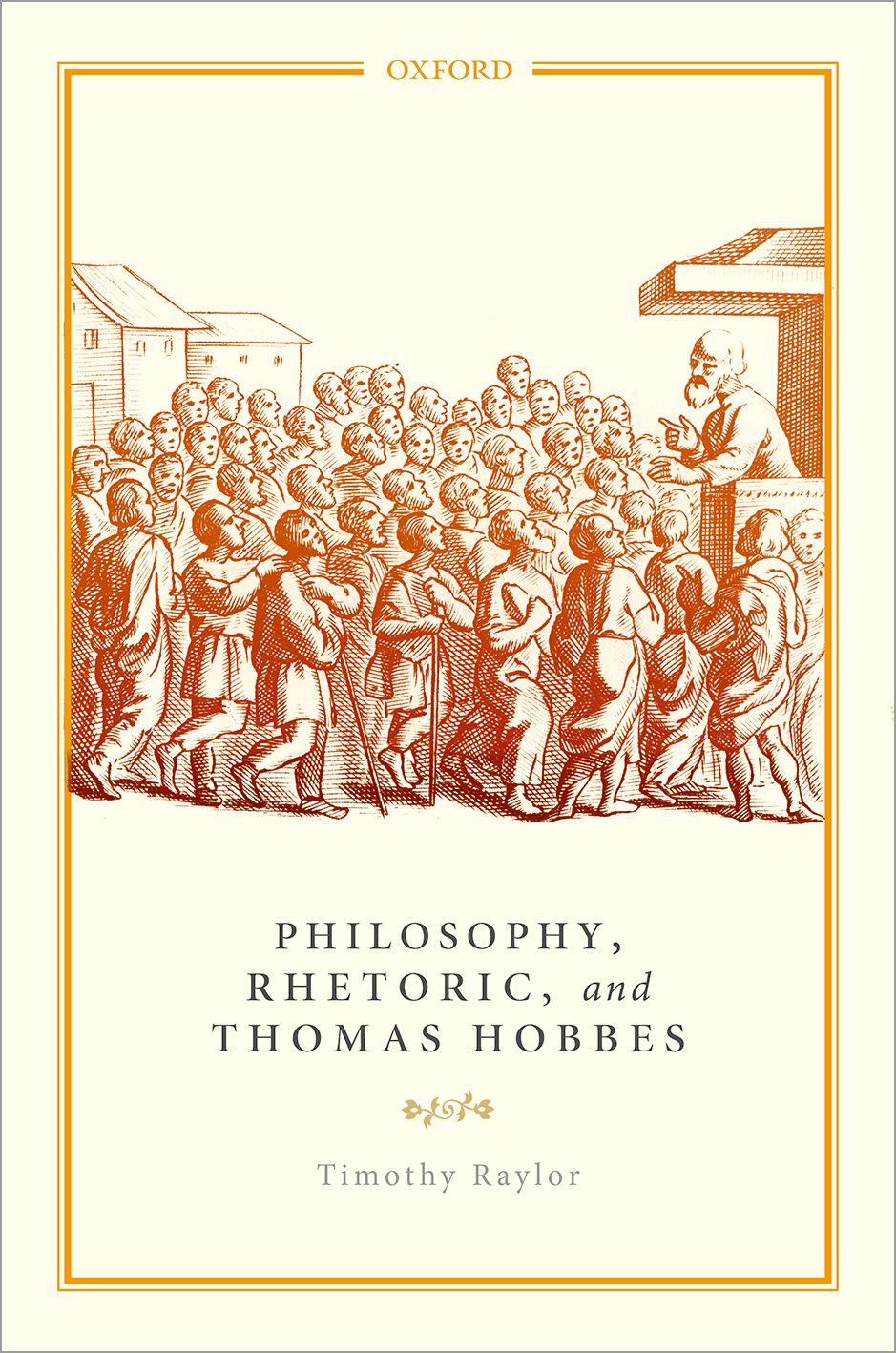
Philosophy, Rhetoric,and ThomasHobbes
TimothyRaylor
GreatClarendonStreet,Oxford,OX26DP, UnitedKingdom
OxfordUniversityPressisadepartmentoftheUniversityofOxford. ItfurtherstheUniversity’sobjectiveofexcellenceinresearch,scholarship, andeducationbypublishingworldwide.Oxfordisaregisteredtrademarkof OxfordUniversityPressintheUKandincertainothercountries
©TimothyRaylor2018
Themoralrightsoftheauthorhavebeenasserted
FirstEditionpublishedin2018
Impression:1
Allrightsreserved.Nopartofthispublicationmaybereproduced,storedin aretrievalsystem,ortransmitted,inanyformorbyanymeans,withoutthe priorpermissioninwritingofOxfordUniversityPress,orasexpresslypermitted bylaw,bylicenceorundertermsagreedwiththeappropriatereprographics rightsorganization.Enquiriesconcerningreproductionoutsidethescopeofthe aboveshouldbesenttotheRightsDepartment,OxfordUniversityPress,atthe addressabove
Youmustnotcirculatethisworkinanyotherform andyoumustimposethissameconditiononanyacquirer
PublishedintheUnitedStatesofAmericabyOxfordUniversityPress 198MadisonAvenue,NewYork,NY10016,UnitedStatesofAmerica
BritishLibraryCataloguinginPublicationData
Dataavailable
LibraryofCongressControlNumber:2018945418
ISBN978–0–19–882969–0
Printedandboundby CPIGroup(UK)Ltd,Croydon,CR04YY
LinkstothirdpartywebsitesareprovidedbyOxfordingoodfaithand forinformationonly.Oxforddisclaimsanyresponsibilityforthematerials containedinanythirdpartywebsitereferencedinthiswork.
ToA.M.R.
Inmemoriam
Acknowledgements
Mythinkingaboutrhetorichasbeenshapedbysomeremarkableteachers.Iwas first introducedtoitshistoricalstudyinaseminartaughtbyGlennBlackandDavid NorbrookintheEnglishFacultyoftheUniversityofOxfordinMichaelmasTerm, 1983.Myunderstandingofthesubjectwasradicallyalteredbytheexperienceof teachingsectionsofEnglish109(‘IntroductiontoRhetoric’)tostudentsatCarleton Collegein1992andthereafter.InthisIwasassistedespeciallybytheunpublished commentaryonAristotle’ s Rhetoric preparedbymylatecolleague,OwenJenkins,for hisstudentsinEnglish375(‘AdvancedRhetoric’),whichhelpedmeunderstand howtoapproachrhetoricasavital,livingart.TrainedbyUniversityofChicago Aristotelians,JenkinswasworkinginanAnglophonetraditionthatcan,Ibelieve,be tracedrightbacktoHobbes ’ s Briefe .TotheworkofmorerecentstudentsofAristotle andtherhetoricaltraditionIamhugelyindebted,especiallythatofGeorgeKennedy, JamesJ.Murphy,BrianVickers,PeterMack,andLawrenceGreen.
MythinkingaboutHobbesandhisapproachtophilosophyhasbeeninfluencedby myfellowHobbesiansaroundtheglobe.Withoutwishingtoimplicateanyofthem inmyarguments,Ihavebenefittedmightilyfromthework(andinsomecases, happily,alsotheconversation)ofDeborahBaumgold,JeffreyCollins,BryanGarsten, KinchHoekstra,DougJesseph,CeesLeijenhorst,JuhanaLemetti,AlMartinich,Eric Nelson,JonParkin,MartinePécharman, RichardSerjeantson,GabriellaSlomp, JessicaWolfe,and nevermoresothanwhenIdisagreewithit thatofthelate KarlSchuhmann.NoonecanthinktodayaboutHobbesandrhetoricwithout owinganenormousdebttoQuentinSkinner,whohastaughtushowtodosoinan historicallyinformedmanner.EvenwhereIdepartfromhislocaljudgementsorarrive atdifferentconclusions,IamconstantlysensiblethatIammovingacrossterritory thathehasopenedupforus.Finally,itisapleasuretoacknowledgethegreatdebt IoweStephenClucasandNoelMalcolmforfriendshipandsupportovermanyyears.
Theprimaryconcernsofthisbookarequestionsaboutphilosophy,rhetoric,and ThomasHobbes;butthesearedevelopedwithinanunderstandingofearly-modern intellectualhistorythathasbeenshapedovermanyyearsbyabroadcommunityof early-modernscholars,includingReidBarbour,PeterBeal,MartinDzelzainis,Paul Hammond,LynnHulse,SarahHutton,HiltonKelliher,NicholasvonMaltzahn, MichaelP.Parker,GrahamParry,NigelSmith,andBlairWorden.
Thanksareowedtoseveralindividualsforparticularkindnesses.PhilipRiden,of NottinghamUniversityandtheVictoriaCountyHistoryProject,sharedwithme unpublishedworkonBaronCavendish.PaulHartlekindlyhostedmeonavisitto Cambridge.JamesKnowlesgavemeaccesstohisworkingnotesontheHardwick accountbooks.StuartBandandAdamRusselladvisedonDerbyshireleadmining. AndValNealsuggestedpossiblesourcesbywhichtoidentifythedeadminers mentionedinHobbes’spoemonthePeak;IamsorrythatIfailedto findthem.
IbeganworkonthisbookwhileholdinganACLSFrederickBurkhardtResidential FellowshipforRecentlyTenuredScholarsattheFolgerShakespeareLibraryinthe
academicyear2004–5.IamverygratefultotheFolgerandtheACLSfortheir support.Gratefulalsoforthecompanionshipoftheotherfellowsinresidenceatthat time,especiallyAnstonBosman,AlixCooper,KathrynEdwards,FredSchurink, RebeccaLaroche,PatriciaParker,andBillSherman.Furthersupportwasprovided byaNationalScienceFoundationScholar’sAward(SES:HistoryandPhilosophyof SET),#0526068(‘TheNaturalPhilosophyofThomasHobbes’).
Inthespringof2009IwashonouredtoserveasDorothyWileyLecturerin RenaissanceCultureattheUniversityofNorthCarolina,ChapelHill.Iamindebted tomyhostsintheDepartmentofEnglish,ReidBarbour,JessicaWolfe,andMary Floyd-Wilson,forextraordinarykindnessesandconviviality.ToJakeBurnett,Kathleen Curtin,andPabloMauretteIamgratefulforprobingdiscussionsoftheentire Hobbesianoeuvre.KathleenhappilydrewmyattentiontoSaunders’svaluableedition oftheessaysfrom Horaesubsecivae,asitsat,neglected,onashelfinourseminarroom.
PartsoftheargumenthavebeenpresentedatconferencesoftheInternational SocietyfortheHistoryofRhetoricinStrasbourg(2007),Chicago(2013),and Tübingen(2015).Ithankmyaudiencesfortheirfeedbackonthoseoccasions.
VersionsofChapters2and3werereadattheUniversityofSheffieldCentrefor EarlyModernStudiesinNovember2016wheremyhosts(IonaHine,TomLeng, MarcusNevitt,TomRutter,AlexTaylor,HannahWalker,PhilWithington,andMike Braddick)offeredawarmandstimulatingwelcome.Themembersofmymaster-class helpedsharpenmyargumentabouttheengravedtitletoHobbes’sThucydides especialthankstoWinnieSmith,forsuggestionsabouttheSpartanpanel.
Forpermissiontouse,inChapter1,somematerialthat firstappearedinmyreview ofTedH.Miller ’ s MortalGods for HobbesStudies,30(2017),pp.109–15,Ithank KoninklijkeBrillNV.
SuccessiveDeansandPresidentsofCarletonCollegehavesupportedmyresearch, andhavemysincerethanks.TomembersofCarleton’sEnglishDepartment(faculty andstaff,pastandpresent) themostcongenialandgenerousofcolleagues Iam gratefulforencouragementofmyextra-disciplinaryinterests,andforteachingme howtoteach.Theinvitationtopresentasketchofmyargumentatadepartmental FacultyResearchTalkinthespringof2013wasavaluablespur.
Beyondmydepartment,IhavereceivedhelpandsupportatCarletoninparticular fromDeborahAppleman,JacksonBryce,LarryCooper,ClaraHardy,AlisonKettering, BillNorth,SusannahOttaway,RogerPaas,PaulPetzschmann,JoelSchlosser(now ofBrynMawrCollege),CathyYandell,andChicoZimmerman.Fordiscussionof Demirabilibuspecci duringthecourseofanindependentstudyofthepoeminspring 2013,IammostgratefultoClaraHardyandRachelPorcher.Carleton’sHumanities CentergenerouslysupportedMsPorcher’sworkonthepoemasaStudentResearch Assistantinthewinterof2012.
Itwouldhavebeenimpossibletoundertaketheresearchforthisbookwithoutthe expertiseoftechnicalandlibrarystaffatmyhomeinstitution.Verymanythanksto RussBauer,CarlyBorn,KevinChapman,RichGraves,PaulaLackie,SandeNissen, andAustinRobinson-CoolidgeinITS,andtoKathyCooper,IrisJastram,Kris Jensen,andKristiWermagerintheGouldLibraryatCarleton.
Iamindebtedalsotothestaffofthenumerouslibrariesandarchivesatwhich Ihaveundertakenresearch:especiallytheBodleianLibrary,Oxford;theBritish
Library,London(inparticular,theManuscriptsRoom);theFolgerShakespeare Library,Washington,DC(especiallyLuEllenDeHavenand {BetsyWalsh);the HuntingtonLibraryinSanMarino,California;LongleatHouse,Bath(especially DrKateHarris);theNationalArchivesatKew;theNationalLibraryofWales, Aberystwyth;StaffordshireRecordOffice,Stafford.IntheNorthMidlands,Ihave receivedassistanceovermanyyearsfromPeterDay,AndrewPeppitt,JamesTowe, andDianeNayloratChatsworth.IammostgratefultoHisGracetheDukeof Devonshire , , andtheChatsworthSettlementTrustforpermissionto quotefromandreproduceimagesfrommanuscriptsintheirpossession.
Ireceivedinvaluablehelpfromseveralscholarswhowerekindenoughtocommentonpartsofthework:JohnHaleonChapter3,IoannisEvrigenisonChapter4, andNoahDauberonseveralchapters.HelenLairdandNoelMalcolmmadetheir waythroughtheentiremanuscriptandmademanyhelpfulsuggestions.Two anonymousreadersforOxfordUniversityPressofferedinsightfulcritiquesfrom whichIgreatlybenefitted.AtthePress,PeterMomtchiloff,AprilPeake,andHannah Chippendalewereencouraging,efficient,andpatient.IthankalsoChristineRanft forpreparingthecopy,LouiseLarchbourneforproof-reading,KarthikeyanAnjandevi foroverseeingtheproductionandtakingsuchcarewiththe figures,andPhilippa Jevonsforpreparingtheindex.Noneoftheaboveareresponsiblefortheerrors, misjudgements,andinfelicitiesthatnodoubtremain.
Myfamilyareandalwayshavebeenasourceofboundlessencouragement, forbearance,laughter,andlove.ToJohnandCaroline;Helen,Jules,andNed;and, aboveall,toVanessa:thankyou!
ListofIllustrations
2.1ThomasCecill,engravedtitlepagetoThomasHobbes(tr.), EightBookesofthePeloponnesianWarrewrittenbyThucydides (London,1629).ReproducedbypermissionoftheFolgerShakespeare Library.75
2.2PanelshowingAthenianoratoratworkonthepopulace(‘hoipolloi’). FromCecill,titlepagetoThomasHobbes(tr.), EightBookesofthe PeloponnesianWarrewrittenbyThucydides (London,1629;2nd impression,1634).ReproducedbycourtesyoftheHenryE.Huntington Library,SanMarino,Calif.76
2.3 ‘TheOrthodoxtrueMinister’ vs. ‘theSeducerandfalseProphet’ . FromT.C., AGlassefortheTimes (London,1648).Reproduced bycourtesyoftheHenryE.HuntingtonLibrary,SanMarino,Calif.77
2.4PanelshowingSpartanaristocracy(‘hoiaristoi’)atwork.FromCecill, titlepagetoThomasHobbes(tr.), EightBookesofthePeloponnesian WarrewrittenbyThucydides (London,1629;2ndimpression,1634). ReproducedbycourtesyoftheHenryE.HuntingtonLibrary, SanMarino,Calif.79
3.1ChristopherSaxton, VniuersiDerbiensiscomitatusgraphica descriptio ([London],1577),detail.Reproducedbycourtesy ofHisGracetheDukeofDevonshire , , and TheChatsworthSettlementTrust.96
3.2BuxtonNewHallandStAnn’sWell.FromJohnSpeed,Derbyshire, in TheatreoftheEmpireofGreatBritaine (London,1611). ReproducedbycourtesyoftheHenryE.HuntingtonLibrary.104
3.3Mineshaftandsecondary fireshaft.FromThomasHobbes, Decorpore,XXX,14.108
3.4WilliamSenior,mapofChatsworthestate,detail.Reproduced bycourtesyofHisGracetheDukeofDevonshire , , andTheChatsworthSettlementTrust.111
3.5aandbWilliamSenior,mapofGreatLongstone.Reproduced bycourtesyofHisGracetheDukeofDevonshire , , andTheChatsworthSettlementTrust.112–13
Abbreviations
ABL J.Aubrey, ‘BriefLives’,chieflyofContemporaries,setdownby JohnAubrey,betweentheyears1669&1696 ,ed.A.Clark,2vols (Oxford,1898)
BLTheBritishLibrary,London
CELMCatalogueofEnglishLiteraryManuscripts,1450 –1700 http://www.celm-ms.org.uk/
ElementsofLaw Hobbes, TheElementsofLaw,NaturalandPolitic,ed.F.Tönnies, ‘2nd’ [=3rd]edn(London,1969).(Allquotationsaretakenfrom thisedition.)
EWTheEnglishWorksofThomasHobbesofMalmesbury,ed. W.Molesworth,11vols(London,1839–45)
HWTheClarendonEditionoftheWorksofThomasHobbes,ed. H.Warrenderetal.,27vols(Oxford,1983–)
Leviathan Hobbes, Leviathan (London,1651).(Allreferencesaretothe paginationofthisedition,withtheadditionofapagereferenceto theeditionin HW;quotationsaretakenfrom HW.)
Liddell&ScottH.G.LiddellandR.Scott, AGreek-EnglishLexicon,rev. H.S.JonesandR.McKenzie(Oxford,1968)
ODNBTheOxfordDictionaryofNationalBiography,ed. H.C.G.Matthew,B.Harrison,60vols(Oxford,2004)
OEDOxfordEnglishDictionary,3rdedn,ed.J.Simpson,www.oed.com
OFBTheOxfordFrancisBacon,ed.G.Rees,B.Vickers,etal.(Oxford, 1996–)
OLOperaphilosophicaquaelatinescripsitomnia ,ed.W.Molesworth, 5vols(London,1839–45)
OLDOxfordLatinDictionary,ed.P.G.W.Glare,2ndedn(Oxford, 2012)
OntheCitizen Hobbes, OntheCitizen,ed.andtr.R.TuckandM.Silverthorne (Cambridge,1998)
STC A.W.PollardandG.R.Redgrave(comps), AShort-TitleCatalogueofBooksPrintedinEngland,Scotland,&Ireland,andof EnglishBooksPrintedAbroad,1475–1640,rev.W.A.Jackson, F.S.Ferguson,andK.F.Pantzer,3vols(London,1976–91)
TNATheNationalArchives,Kew
Introduction 1
IntheEpistleDedicatoryto Decorpore,thefoundationalworkofhistripartite ElementsofPhilosophy,Hobbesclaimedtohaveinventedanewphilosophy.Locating thetruefoundationofnaturalphilosophyintherecentpast,heplacedhimselfasthe latestinashortlistofmodernoriginals.¹FirstcameCopernicus,establishingthe motionoftheearthandwithitthetruescienceofastronomy.ThenGalileo,revealing thetruthaboutbodiesinmotion,therebyopeningthewaytoaproperunderstanding ofnaturalphilosophy.Andafterhim,Harvey,who,uncoveringthemotionofthe blood,establishedthetruescienceofthehumanbody.Cosmology,physics,biology: allnow firmlyestablished.But,Hobbesgoeson,anotherspeciesofphilosophyhas sincebeenrevealed,aphilosophyinstitutedbyimpeccabledemonstrationsfrom certainprinciples:thescienceofcivilphilosophy(‘PhilosophiaCivilis’),laidoutfor the firsttimeinashortbook Decive (firstprinted1642, firstpublished1646).² Copernicus,Galileo,Harvey...AndnowHobbes. Hobbes’sclaimtosuchpre-eminencedidnotgounchallenged.Althoughhe mademuchofthedemonstrativecertaintyandscientificstatusofhisphilosophical system inveighingagainstthecorruptionof firmreasoningbyrhetorical flummery anapparentcon fl ictbetweenHobbes ’sfrequentdisparagementsofrhetoriconthe onehandandhisbrilliantpracticeofitontheotherhaslongandoftenbeen remarked.Thephilosopher’scriticshave,sincetheearliestyears,allegedthatthe authorityofhisoftenunconventional,fr equentlycounter-intuitive,andoccasionallyshockingassertionsismoreapparent thanreal,owingmoretothebrillianceof hisstylethantothesolidityofhisreasoning.TheuniversitydonsSethWardand JohnEachard,writingin1652and1673,respectively,pointedtoHobbes ’suseof themathematicalterm ‘Demonstration ’ tolendthelustreofauthoritytoproofs lackingtherequisiterigour,necessity,anduniversalitytomeritsuchaterm.³ EachardalsogleefullyhighlightedtheclashbetweenHobbes’sapparentdenunciations
¹ Decorpore,Ep.Ded.,sigsA2v–A3r (OL i,pp.xcxiv–xcxv); ConcerningBody,sigsa4v–b1r (EW i,pp.viii–ix).
²Theclaimisofcoursehighlytendentious:theconceptandterm ‘philosophiacivilis’ hadalonghistory, reachingfromCicerotocivichumanism(onwhichseeViroli, FromPoliticstoReasonofState,pp.53–4, 71–5,124–5,177).Mydistinctionbetweenprintingandpublicationisbasedonthefactthatthe first printingwasprivatelycirculated;thesecondmadepubliclyavailable.
³Ward, APhilosophicallEssay,sigsA3r-v;Eachard, SomeOpinions,sigsa4r-v;Eachard, Mr.Hobbs’ s StateofNature,pp.3,24,33(quotedinParkin, TamingtheLeviathan,pp.119,291,292,294).Seealso Eachard, Mr.Hobbs’sStateofNature,pp.7,13,21–2,24,30–1,32–4,71,72,79,81,85;Parkin, Tamingthe Leviathan,p.189.
of figuresofspeechlikesimileandmetaphorandhisrepeatedemploymentofthemin hisphilosophicalwritings.⁴ Thus,forinstance,hisspokesmanin Mr.Hobbs’sStateof NatureConsidered (1672)objectsthathavingpromised,in TheElementsofLaw,a demonstrationofthetruthaboutjusticeandpolicybywayof ‘infallibleandinexpugnablePrinciples ’ Hobbesoffersonlyanextendedanalogy: ‘along race amongstthe passions;where toendeavourisappetite, toturnbackisrepentance, tobeinbreathis hope, tobewearydespair, andtoforsakethecourseistodye’ ⁵ ToEachard,Hobbes’ s ‘MathematicalGovernour’ islessgeometricianthanjockey.
Inthemostextensiveandpenetratingofcontemporarycritiques, ABriefViewand Surveyof ‘Leviathan’ (1676),thephilosopher’serstwhilefriend,EdwardHyde,Earlof Clarendon,arguedthatHobbes’sclaimsforthelogicalimpeccabilityofhisworkare beliedbyitsrelianceuponthedevicesofrhetoricalpersuasion:tendentiousdefinition,vilificationandridicule,perversemisconstructionofauthorities(including, alarmingly,HolyScripture),unjustifiedreferencestopriordemonstrations, ‘imperiousaverment’ , ‘Magisterialdeterminations ’,andwittyturnsandsurprisesdesigned toarrogateauthorityanddeflectareader’sattentionfromthelackoflogicalcoherenceinthetext.⁶ ClarendonassertsaglaringinconsistencybetweenHobbes’ s insistenceonthemathematicalcertaintyofhisreasoningandthesophisticsleight ofhandwithwhichheunfurlshisarguments.
SinceHobbes’ssystemisheldnotonlybyitsauthorbutalsobymanyofhis successorstobeoneofthefoundingstatementsofthedisciplineofpoliticalscience andeven,insomeaccounts,tobeoneofthefoundingstatementsofmodernity thereismuchatstakeindeterminingtherelationshipbetweenphilosophyand rhetoricinhiswritings.Towhatextentarehisclaimsforthegeometricalcertainty ofhisreasoningwarranted?Howfarishisphilosophydependentuponrhetorical strategiesforitscoherenceandpersuasiveness?BywhatmeansdidHobbescometo distinguishrhetoricfromphilosophy?AndwhatroledidthatprocessofdiscriminationplayintheestablishmentofHobbesiancivilphilosophyinparticularand modernpoliticalscienceingeneral?Therehave,overtheyears,beenmanyattempts toaddresssuchmatters.ButquestionsabouttheplaceofrhetoricinHobbes ’ s philosophyanditsroleinhisexpoundingofhispositionshavecome,overthepast quarter-centuryorso,tooccupyacentralplaceinHobbesstudies.
2
ModerninterestinHobbes’sengagementwiththetheoryofrhetoriccanbetraced backtoLeoStrauss’s1936monographontheintellectualfoundationsofHobbes’ s politicaltheory.⁷ Strausswasthe firstscholartogiveseriousattentiontothefactthat HobbespreparedaLatinabstractor ‘digest’ ofAristotle’ s Rhetoric,anEnglishversion
⁴ Parkin, TamingtheLeviathan,p.296,citingEachard, SomeOpinions,pp.165,185–6.
⁵ Eachard, Mr.Hobbs’sStateofNature,p.32,quoting ElementsofLaw,I.ix.21,from HumaneNature (1650),beingthe firstthirteenchaptersof TheElementsofLaw.
⁶ Clarendon, BriefViewandSurveyof ‘Leviathan’,pp.20,42,256,287,289;16–17;40;46,63;21–2,72, 200,205;6,17,26–7,88.
⁷ PoliticalPhilosophyofHobbes
ofwhichwassubsequentlyprintedandpublished.ButStrausswasnotprimarily concernedwithHobbes’sunderstandingofrhetoric;hewasinterested,rather,in Hobbes’spoliticalphilosophyanditsgenesis,andhewasdrawntoAristotle’ s Rhetoric or,moreparticularly,totheaccountofthepassionsinitssecondbook asanimportantsourceforHobbes’sethicaltheories.Thus,whileStrausswasthe first todrawattentiontoHobbes’sinterestinAristotle’ s Rhetoric,hedidnotattendtoits implicationsforourunderstandingofHobbes’stheoryofcommunication.
Thestirringsofanewscholarlyapproachweresignalledintheearly1950s,when theEnglishversionofAristotle’ s Rhetoric aworkpublishedanonymouslyaround 1637as ABriefeoftheArtofRhetorique attractedsomebibliographicalattention,as twoscholarsworkingindependentlyofoneanotherexaminedthetextualfoundationsoftheseveralrhetoricalworksprintedinthestandardmoderneditionof Hobbes’sworks,thatofSirWilliamMolesworth,thepertinentvolumeofwhich waspublishedin1840.⁸ Thesescholars,MsDoddandFatherOng,demonstrated that,intakingashiscopy-texttheeditionofthe Briefe publishedin TheArtof Rhetoric in1681,andinreprintingfromthateditiontwoadditionalitems ashort summaryoftheartentitled TheArtofRhetorickPlainlysetforth andabrief discussionofsophisms Molesworthhadinadvertentlyperpetuatedamisattribution toHobbesoftwoverymuchearlierworksforwhichhewasnotresponsible.These additionalitemswereinfactextractsfromDudleyFenner’sRamist ArtesofLogike andRethorike (1584)whichhadbeenreprintedanonymouslyalongwithHobbes’ s Briefe ina1651 CompendiumoftheArtofLogickeandRhetorick.Thisanonymous collectionhadservedasthebasisfortheeditionof1681inwhichtheattributionof Fenner’sworktoHobbeswas firstmade,underthemistakenassumptionthatitwas somesortofsupplementtothemainwork.⁹
SuchbibliographicalinvestigationsdidnotimmediatelystimulatescholarlyinterestinHobbes’sthinkingaboutrhetoric.Thathadtowaituntiltheearly1980s,when itbegantotakeshapeunderpressurefromtwosomewhatdifferentdirections.Oneof thesewasphilosophicalandhadthreemainsourcesofinspiration.Amongthesewas theapplication,byintellectualhistoriansoftheso-called ‘CambridgeSchool’,ofthe ‘speech-act’ theoriesofJ.L.AustintoHobbes’stexts.Anotherwasthefreshscrutiny byphilosophersoflanguageoftherelationshipbetweenrhetoricandphilosophyin Hobbes’spoliticalwritings.Andathirdsourceofphilosophicalinspirationwaswhat wemight,broadlyspeaking,termtheanti-foundationalismofdeconstructionandthe Foucauldian ‘archaeologyofknowledge’,whichsoughttouncovertheconstructedor (looselyconsidered) ‘rhetorical’ characterofmoderndisciplines,institutions,and systemsofthought.Aseconddirectionwaslessphilosophicalthanhistorical:the reinvigoratedhistoryofrhetoric.AnInternationalSocietyfortheHistoryofRhetoric
⁸ Theworksinquestionappearin EW vi,pp.419–536.
⁹ Fortheattributioninthe1681edition,seethePrefacetoHobbes, ArtofRhetoric,sig.A4r (EW vi, p.422);Ong, ‘HobbesandTalon’sRamistRhetoricinEnglish’;Dodd, ‘TheRhetoricsinMolesworth’ s EditionofHobbes’;andbelow,Appendix.NotallsubsequentstudentsofHobbes’srhetorichaveattended adequatelytotheseimportantbibliographicalstudies:see,forexample,Sacksteder, ‘Hobbes:Philosophical andRhetoricalArtifice ’,whichassumesHobbes’sauthorshipofFenner’stranslationoftheRamist Artof Rhetoric and ArtofSophistry (pp.42–3).
wasincorporatedin1977andbeganpublishingajournalin1983.Workdrawing inspirationfromoneormoreoftheseapproachesbegantoappearinarticlesand monographsintheearly1980s.¹⁰ Bytheendofthatdecadeasmallbodyofscholarly materialonHobbesandrhetorichadappeared,intheformofarticles,bookchapters, andabook-lengthmonograph.¹¹
Suchactivitywasfuelledinlargepartbyanassumption anassumptionnever clearlyexplainedorfullyjustified thatinanunderstandingofthephilosopher’ s shiftingattitudestorhetoriclaythekeytotheintellectualfoundationsofhis vernacularmasterpiece, Leviathan.AnunderstandingofHobbes’sthinkingabout rhetoricwould,accordingtothisassumption,revealthebasisofhispoliticalphilosophyand giventheimportanceofthatphilosophyinestablishingamodern conceptionofpoliticalrelations wouldtherebycastabrightlightonthegenesis ofmodernityitself.Suchscholarshiptendedtoassumethreerelatedpremises.The firstwasthataround1640Hobbesembracedthemethodofausterelylogicalreasoningthatalonecouldgeneratetheabsolutelycertainknowledgehetermed scientia orscience,incontradistinctionfrommerely ‘probable’ ordisputableopinion (opinio).¹²InHobbes ’swritingsreasonwasnow fi rmlyopposedto,anddisplaced, rhetoric.¹³ThesecondwasthatHobbeswas,intheyearspriortohisadoptionof thescienti ficmethod,athoroughgoinghumanist.ThisHobbeswasastudentof classicalmoral,philosophical,literary,andhistoricalwritingswhoregardedthese asanauthoritativebodyofusableknowledgeaboutciviclife:a scientiacivilis,or civilknowledge.Hewasasubscribertotheclassicalviewthatthefoundationof politicallifelayinthedeploymentoftheartsofcommunicationandpersuasionby engagedandactivecitizens.Thethird(andconsequent)premisefromwhichsuch worktendedtosetoutwasthatHobbes’snewmethod, firstexhibitedin The ElementsofLaw (1640)and,soonafterwards,in Decive (1642),involveda rejectionofthetraditionalhumanistapproachtoknowledgeingeneralandof scientiacivilis inparticular,asnotcertain,merelyplausibleorprobable,and thereforenoscienceatall.Suchpremisesgeneratedtheproblemofwhether and,ifso,how Leviathan ,withitsmorediscursivestructureanditswidely admiredstylisticfeatures,alteredthetermsofthatrejection.Despiteitsseveral sharedgoalsandassumptions,thescholarshipofthe1980sgeneratedwidely divergentanswerstothatquestion.
¹⁰ Forexample:Rossini, ‘TheCriticismofRhetoricalHistoriographyandtheIdealofScientificMethod’ (CambridgeSchool);Sacksteder, ‘Hobbes:PhilosophicalandRhetoricalArtifice ’ (philosophyoflanguage); Kahn, Rhetoric,Prudence,andSkepticismintheRenaissance (deconstruction);Zappen, ‘Aristotelianand RamistRhetoric’ (historyofrhetoric).
¹¹ThemonographwasDavidJohnston’sgroundbreakingstudy, TheRhetoricof ‘Leviathan’.Jeffrey Barnouwundertookabriefreviewofsuchmaterialin1988forthe firstofthe ‘BulletinsHobbes’ published by ArchivesdePhilosophie: ‘HobbesauxÉtats-Unis:1.—“RhetoriqueetReligion”’ .
¹²Theterm ‘probable’ isusedthroughoutthisbookinthepre-Pascaliansense,derivedfromtheLatin probabilis: ‘worthyofapproval,commendable,acceptable’ ; ‘plausible,acceptable,credible’ ; ‘Havingthe appearanceoftruth ...likely’ (OLD).Onthissenseofthetermanditsrelationto opinio,seeHacking, EmergenceofProbability,pp.18–30;Serjeantson, ‘ProofandPersuasion’,pp.139–40.
¹³See,forexample,thesubtitleofJohnston’schapteron TheElementsofLaw: ‘ReasonversusRhetoric’ (Rhetoricof ‘Leviathan’,pp.26–65,esp.pp.58–9).
SomeregardedHobbes’sturntoscienceas finalandunequivocal:adecisive repudiationoftherhetoricalandhumanisticstudiesofhisyouth.¹⁴ Othersdetected inHobbes ’ssubsequentworksacovertorparadoxicalreturntorhetoric,inviolation ofitstheoreticalexclusionfromthelegitimateprocessesofphilosophyorscience.¹⁵ Stillothersdeniedthattherewasever,inHobbes’slinguisticpractice,anyactual movefromrhetorictoscienceatall,eitherbecauseHobbes’sself-styledscientificor philosophicalworksdonotactuallymeethisownnarrowcriteriaforphilosophical demonstration,orbecausehissubsequentcriticismsofrhetoricareaimedonlyat itsabuse particularlyinpoliticaloratory.¹⁶ Manystudents,however,foundin Hobbes’smostfamiliarandstylisticallyengagingstatementofhiscivilphilosophy, Leviathan,somesortofrapprochementbetweenrhetoricandphilosophy.¹⁷
Somesawthisrapprochementasbaseduponareformationofrhetoricdesignedto bringitintolinewithHobbes’sphilosophicalpreceptsbypurgingitoftheworstexcesses oftheclassicalhumanisttradition.¹⁸ ToothersitinvolvedareconceptionofHobbes’ s civilscience,which,byrenderingitlessausterelydeductive,clearedspaceforthe legitimateuseoftheartsofeloquencewithintherealmofphilosophy.¹⁹ ToDavid Johnston,itinvolvedinparticularashiftfromarigorousscientificdemonstration aimedattheelitetoapopularpresentationdesignedtoimpresshispoliticalviewson themasses.²⁰ Somewithinthiscampevensuggestedthatrhetoricwasnowarequirement ofHobbes’snewcivilscience.²¹Interpretationsrangedsowidelythatattheendofthe decadeanoteofscepticismaboutthenew ‘rhetorical’ approachtoHobbes’scivilscience wassounded.Inareviewofscholarshipmotivatedbytherhetoricalturn,ConalCondren raisedtwoimportantconcerns.Hepointed firsttothelackofacommondefinitionof rhetoricamonginvestigators,withthetermbeingdeployedbothwidely,todenoteany useoflanguageforpersuasivepurposes,andnarrowly,toregisterahistoricallyspecific setofformulaeandpractices,suchasweretaughtundertheauspicesoftheRenaissance artsofeloquence.²²Theirinconsistentpremises,Condrenargued,helpedexplainthe startlingrangeofrecentinterpretations.ButCondrenthenwentfurther,callinginto questiontheunderlyingassumptionofsuchscholarshipthataproperunderstanding
¹
¹
⁴ Rossini, ‘CriticismofRhetoricalHistoriography’,p.320.
⁵ Whelan, ‘LanguageandItsAbusesinHobbes’ PoliticalPhilosophy’,p.71;Ball, ‘Hobbes’ Linguistic Turn’,p.756;Kahn, Rhetoric,Prudence,andSkepticismintheRenaissance,pp.160–1.
¹⁶ Sacksteder, ‘Hobbes:PhilosophicalandRhetoricalArtifice ’,p.37;Reik, GoldenLands,p.52.
¹
⁷ The firstfullstatementofthisviewwasJohnston, Rhetoricof ‘Leviathan’ (seeesp.pp.24–5).Itis importanttonote,however,thatJohnstondidnotargueforarepudiationoftherhetoricaltraditionin Hobbes’searlierworksofcivilphilosophy;Hobbes’sdoubtsaboutrhetoricwerelong-standing dating backtohishumanistperiod andtheinfluenceofthattraditionremainedstrong;in TheElementsofLaw of1640,Hobbesattemptedtosubordinaterhetorictoscience,but,bytheendofthedecade(andbythe timehebegantoworkon Leviathan),rhetorichadonceagainassumedcentre-stageinhisthinking (Johnston, Rhetoricof ‘Leviathan’,p.23).
¹⁸ Zappen, ‘AristotelianandRamistRhetoric’,pp.90–1;Rayner, ‘HobbesandtheRhetoricians’ , pp.93–4;Sorell, ‘Hobbes’sUnAristotelianPoliticalRhetoric’
¹⁹ Sorell, ‘Hobbes’sPersuasiveCivilScience’,p.350;Johnston, Rhetoricof ‘Leviathan’,p.25.
²⁰ Johnston, Rhetoricof ‘Leviathan’,pp.90–1.
²¹Mathie, ‘ReasonandRhetoricinHobbes’ s Leviathan’,pp.285–6.
²²Condren, ‘OntheRhetoricalFoundationsof Leviathan’,pp.705–12.
ofHobbes’sattitudetorhetoricwouldinfacttellusanythingatallaboutthe intellectualfoundationsof Leviathan.²³
WhileCondren’sarticlewasinpressandatthedawnofafreshdecadeanewphase inthestudyofHobbes’sthinkingaboutrhetoricwasusheredin.On30January1990, QuentinSkinnerdeliveredtheDawesHicksLectureonPhilosophyattheBritish AcademyinLondon.²⁴ Skinner’slecture,entitled ‘ThomasHobbes:TheUnionof RhetoricandPhilosophy’,offeredthe firstglimpseofanaccountofHobbes’ s thinkingonrhetorictobefoundedonaprecise,historically-groundedunderstanding oftheartasitwasunderstoodintheearly-modernperiod.Anexpandedaccountof oneaspectofSkinner’slectureappearedasasubstantialarticleinthefollowingyear, alongwiththepromiseofabookonthesubject.Thatpromisewasfulfilledwiththe publicationin1996ofSkinner’smagisterial ReasonandRhetoricinthePhilosophyof Hobbes,inwhichtheseveraldisciplinaryandtheoreticalapproachestotheproblem ofHobbes’sthinkingaboutrhetoricwereatlast,andmagnificently,reconciled.For Skinner’sworkwasnotonly asonemightexpectfromsodistinguishedarepresentativeoftheCambridgeSchool amasterfulapplicationofAustinianspeech-act theorytoHobbes’smajorworkofpoliticalphilosophy,itwasalsoacharacteristically comprehensive,lucid,andsophisticatedhistoricalstudyofthetheoryandpracticeof rhetoricinsixteenth-andseventeenth-centuryEngland.Itwasalso,inaddition,a thoroughandnuancedstudyofHobbes’sintellectualdevelopment,fromhumanist historiantocivilscientist.
ThecentralargumentofSkinner’sbookwasannouncedinthesubtitleofhis BritishAcademylecture: ‘TheUnionofRhetoricandPhilosophy’.Inhisbook, Skinnerarguedthatduringthe1630sHobbesturnedawayfromatypicalhumanist commitmenttothemarriageofreasonandeloquenceandembracedinsteadthe scientificmethod,whichrequiredtheirdivorce.Hobbes’snew-foundconfidencein thepowerofpurereasontopersuadeledtohisbanishmentofrhetoricfrom The ElementsofLaw and Decive.Butsubsequently,afterthecivilwarledhimtolosefaith inthesuasivepowerofunaidedreason,Hobbesre-embracedrhetoricin Leviathan . Hisnewand finalconclusion thateloquencewas,afterall,requiredtocompel attentionandconsent ledtothereadmissionofrhetoricintothesphereofcivil science:areadmissionannouncedinthe ‘Review,andConclusion’ to Leviathan ,in whichHobbesstatedthat ‘iftherebenotpowerfullEloquence,whichprocureth attentionandConsent,theeffectofReasonwillbelittle’.²⁵
Initsrange,depth,andsophistication, ReasonandRhetoricinthePhilosophyof Hobbes providedunparalleledsupportfortheargumentthatinhisearlywritingsof civilphilosophy,Hobbesrejectedrhetoric,laterestablishingarapprochement betweenitandphilosophyin Leviathan .ButSkinnertookissuewiththeargument ofsomepredecessorsthatthisinvolvedmerelyrecastinganexistingargumentintoa newforminordertoreachawideraudience;inhisaccountitinvolvedafundamentalreconceptionofthatargumentitself,inwhichHobbesrejectedtheunderlying
²³Condren, ‘OntheRhetoricalFoundationsof Leviathan’,pp.704–5.
²⁴ Condren, ‘OntheRhetoricalFoundationsof Leviathan’,p.709n.34;Skinner, ‘ThomasHobbes: RhetoricandtheConstructionofMorality’,p.56n.
²⁵ Hobbes, Leviathan,p.389(HW v,p.1132);Skinner, ReasonandRhetoric,p.346.
assumptionofhisearlierconceptionofcivilsciencebyallowingrhetoricaplace withinit.Notonlythat:Hobbesnowinsistedonthe necessity ofrhetorictocivil science,without,however,allowingthatsuchanadmissionmightcompromisethe firmphilosophicalgroundingofthatscience.²⁶
3
Intheyearssinceitspublication,Skinner’scarefulstudyofthephilosopher’sthinking onrhetorichasenjoyedabroadimpact.Studentsofrhetoricaremorelikelythanever beforetogiveseriousattentiontoHobbes.²⁷ AndstudentsofHobbesarenowmore likelythanbeforetogiveseriousconsiderationtohisthinkingaboutrhetoric.²⁸ RhetorichasnowmovedclosetotheheartofHobbesstudies.
Butdespitetheextraordinaryrangeofitsinfluence,notallscholarshavebeen willingtoendorsethecentralargumentof ReasonandRhetoric aboutHobbes’ s changingviewsonrhetoric.²⁹ Twoparticularlysubstantivecritiquesofthisaspect ofitsargumentemergedfromtheLowCountries.First,inathoroughandinsightful reviewofthebook,thelateKarlSchuhmanncounteredtheviewthat Leviathan representedavolte-faceinHobbes’sattitudetorhetoric,observingthatthemain pieceofpositiveevidenceforit theoft-quotedremarksfromthe ‘Review,and Conclusion’ to Leviathan involvedmistakingHobbes’spresentationoftheview thateloquenceisneededtoprocureconsentforhisownposition.Thisview, Schuhmannargues,isattributedtoanopponentandisinfactoneHobbesgoeson toreject.Schuhmannalsopointedtohistoriographicalproblemswiththeargument foratriangularmove—‘rhetoricalhumanism–science–science-plus-rhetoric’—by isolatingevidencethatdoesnotsquarewithsuchaprocessanditssupporting timeline.³⁰ Inparticular,SchuhmannarguedthatthereislessevidenceforHobbes’ s earlyhumanismthanSkinnerallows;andthatthechronologyofthesupposed rejectionofhumanismisunclear,withworksofthe1630sbeingtreatedinone contextashumanisticandinanotherasanti-humanist.Henotedthattherewere fewerdifferencesbetweentherhetoricalcharacterof TheElementsofLaw ontheone
²⁶ Skinner, ReasonandRhetoric,pp.12,334,426–7.
²⁷ Inthe1990editionofWinifredBryanHorner’ s ThePresentStateofScholarshipinHistoricaland ContemporaryRhetoric HobbesappearsbrieflyundertheauspicesofRenaissanceEnglishtranslatorsof Aristotle(pp.86–7;thoughthereisalsoapassingreferencetohiminanaccountofKahn’ s Rhetoric, Prudence,andSkepticismintheRenaissance,p.90).Inthe2010revisionofthatwork,however,twofull paragraphsaredevotedtoHobbes,whichdiscussSkinner’sbookandthatofBryanGarsten(Gailletwith Horner, ThePresentStateofScholarshipintheHistoryofRhetoric,p.93).SeealsoHobbes’sroleasapivotal figureintheEpiloguetoarecentstudyofrhetoricinpre-revolutionaryEngland(Peltonen, Rhetoric, PoliticsandPopularity,pp.240–2),andhisfrequentappearancesinarecent,popularworkonpolitical rhetoricbythePresidentandCEOofTheNewYorkTimesCompany,MarkThompson(EnoughSaid, pp.20,189,274–5,283–4,288–9).
²
⁸ ThesubstantialscholarlycollectionofessaysonHobbes’svocabularywhichappearedin1992hadno entryonrhetoric:Zarka(ed.), Hobbesetsonvocabulaire;however,thebriefintroductoryguidetothesame subjectwhichappearedin2003didso(Terrel, LevocabulairedeHobbes,pp.53–5).
²⁹ See,forexample,Terrel, Hobbes:viesd’unphilosophe,pp.62–3;Hobbes, Élements,ed.Weber, pp.26–8;Condren, ThomasHobbes,pp.103–5;Zagorin, ‘TwoBooks’,p.367;Vaughan, ‘Skinner’ s Reason andRhetoric’;Vickers, ‘’TistheGoddesseofRhetorick’,p.27.
³⁰‘Skinner’sHobbes’,p.116;cf.Vickers, ‘’TistheGoddesseofRhetorick’,p.27.