https://ebookmass.com/product/pestilence-and-the-body-
Instant digital products (PDF, ePub, MOBI) ready for you
Download now and discover formats that fit your needs...
Modern Death in Irish and Latin American Literature 1st ed. 2020 Edition Jacob L. Bender
https://ebookmass.com/product/modern-death-in-irish-and-latinamerican-literature-1st-ed-2020-edition-jacob-l-bender/
ebookmass.com
Prosthetic Body Parts in Nineteenth-Century Literature and Culture Ryan Sweet
https://ebookmass.com/product/prosthetic-body-parts-in-nineteenthcentury-literature-and-culture-ryan-sweet/
ebookmass.com
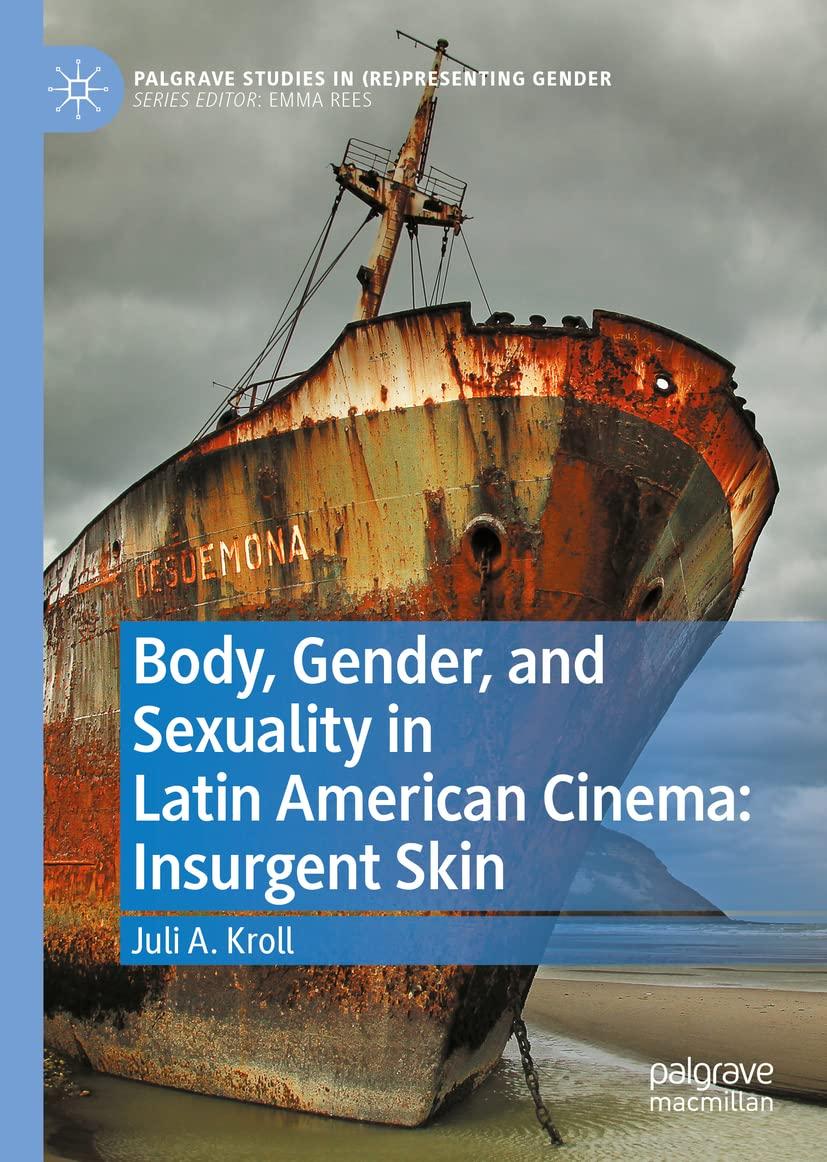
Body, Gender, and Sexuality in Latin American Cinema: Insurgent Skin Juli A. Kroll
https://ebookmass.com/product/body-gender-and-sexuality-in-latinamerican-cinema-insurgent-skin-juli-a-kroll/ ebookmass.com
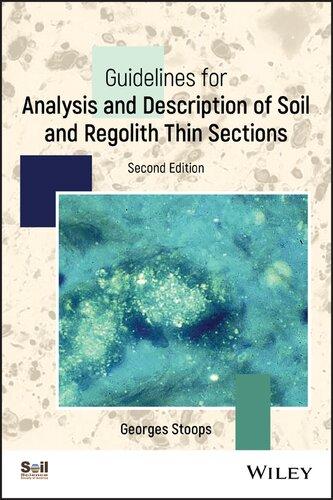
Guidelines for Analysis and Description of Soil and Regolith Thin Sections, 2nd Edition Georges Stoops
https://ebookmass.com/product/guidelines-for-analysis-and-descriptionof-soil-and-regolith-thin-sections-2nd-edition-georges-stoops/ ebookmass.com
Desalination Sustainability. A Technical, Socioeconomic, and Environmental Approach 1st Edition Edition Hassan Arafat (Eds.)
https://ebookmass.com/product/desalination-sustainability-a-technicalsocioeconomic-and-environmental-approach-1st-edition-edition-hassanarafat-eds/
ebookmass.com
Environmental Science and Engineering Benny Joseph
https://ebookmass.com/product/environmental-science-and-engineeringbenny-joseph/
ebookmass.com
Multiphase Fluid Flow in Porous and Fractured Reservoirs 1st Edition Wu
https://ebookmass.com/product/multiphase-fluid-flow-in-porous-andfractured-reservoirs-1st-edition-wu/
ebookmass.com
Tratado de Fisiologia Médica, 13ª Edição John E. Hall & Arthur C. Guyton
https://ebookmass.com/product/tratado-de-fisiologia-medica-13a-edicaojohn-e-hall-arthur-c-guyton/
ebookmass.com
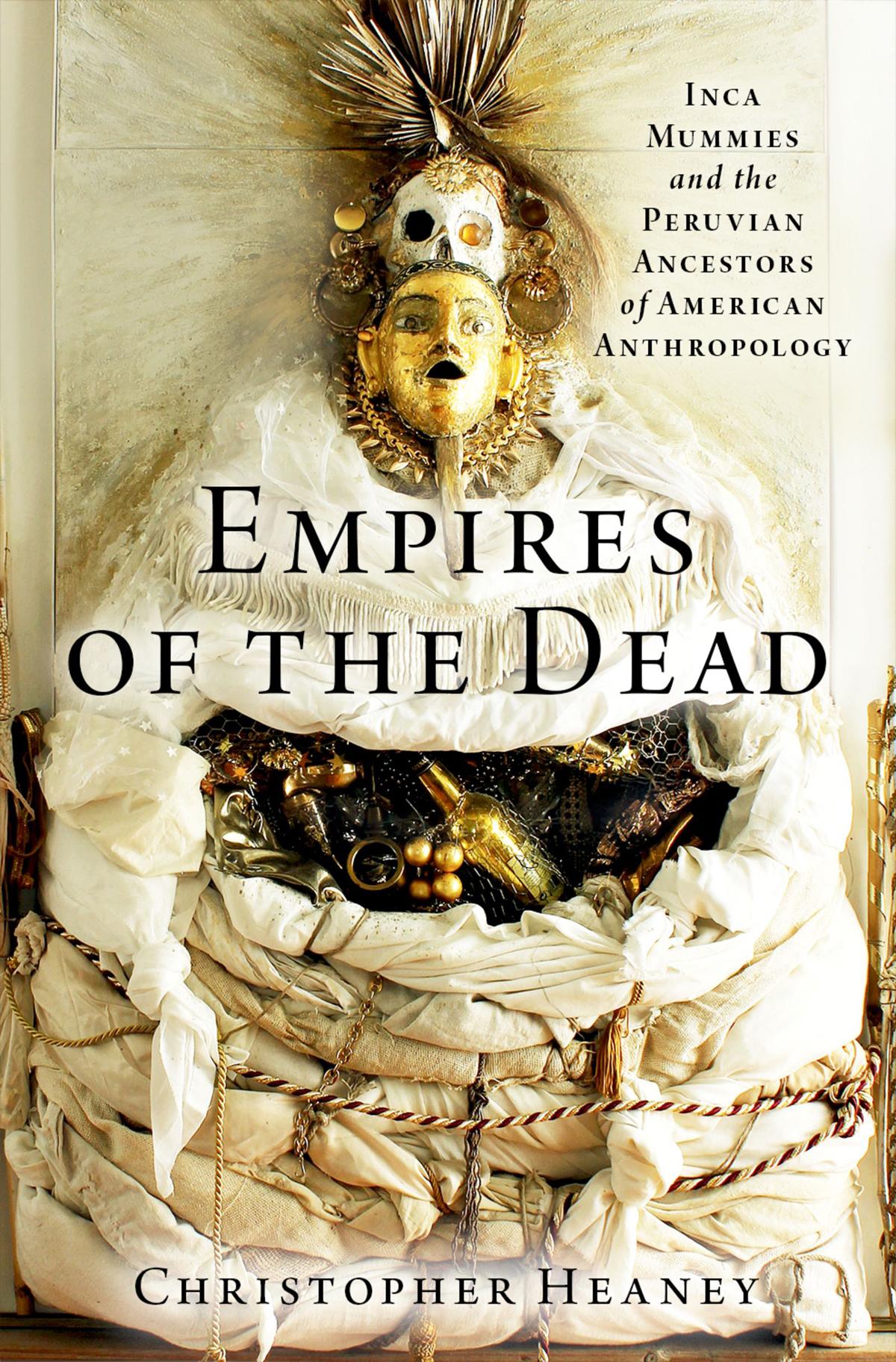
Empires of the Dead: Inca Mummies and the Peruvian Ancestors of American Anthropology Christopher Heaney
https://ebookmass.com/product/empires-of-the-dead-inca-mummies-andthe-peruvian-ancestors-of-american-anthropology-christopher-heaney/
ebookmass.com
Essays https://ebookmass.com/product/essays-in-ancient-epistemology-1stedition-gail-fine/
ebookmass.com
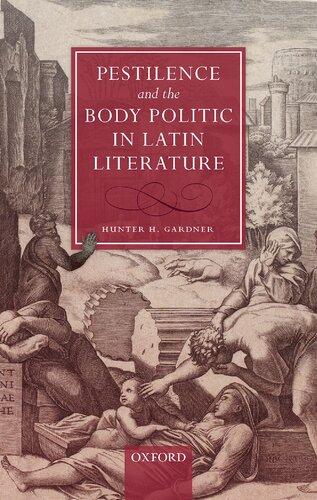
PESTILENCEANDTHEBODYPOLITIC INLATINLITERATURE Pestilenceand theBodyPoliticinLatin Literature HUNTERH.GARDNER GreatClarendonStreet,Oxford,OX26DP, UnitedKingdom
OxfordUniversityPressisadepartmentoftheUniversityofOxford. ItfurtherstheUniversity’sobjectiveofexcellenceinresearch,scholarship, andeducationbypublishingworldwide.Oxfordisaregisteredtrademarkof OxfordUniversityPressintheUKandincertainothercountries ©HunterH.Gardner2019
Themoralrightsoftheauthorhavebeenasserted
FirstEditionpublishedin2019
Impression:1
Allrightsreserved.Nopartofthispublicationmaybereproduced,storedin aretrievalsystem,ortransmitted,inanyformorbyanymeans,withoutthe priorpermissioninwritingofOxfordUniversityPress,orasexpresslypermitted bylaw,bylicenceorundertermsagreedwiththeappropriatereprographics rightsorganization.Enquiriesconcerningreproductionoutsidethescopeofthe aboveshouldbesenttotheRightsDepartment,OxfordUniversityPress,atthe addressabove
Youmustnotcirculatethisworkinanyotherform andyoumustimposethissameconditiononanyacquirer
PublishedintheUnitedStatesofAmericabyOxfordUniversityPress 198MadisonAvenue,NewYork,NY10016,UnitedStatesofAmerica
BritishLibraryCataloguinginPublicationData Dataavailable
LibraryofCongressControlNumber:2019931473
ISBN978–0–19–879642–8 Printedandboundby CPIGroup(UK)Ltd,Croydon,CR04YY
LinkstothirdpartywebsitesareprovidedbyOxfordingoodfaithand forinformationonly.Oxforddisclaimsanyresponsibilityforthematerials containedinanythirdpartywebsitereferencedinthiswork.
ForSyda, filiaecarissimae Acknowledgments Itisthetwentieth-centuryzombie filmthat firstaffordedmethe uniquecombinationofthrillsandmoraldiscomfortinspiredbythe contagionnarrative.Forthatreason,Imust firstgivethanksto GeorgeRomero,andthentomyolderbrother,Jamin,whointroducedmetothegenreandenduredmanylate-nightVHSscreenings withme.Withouthim,Isurelywouldhaverunacrosswhatisnowan oversaturatedmarket,butperhapsnotatsuchanimpressionableage.
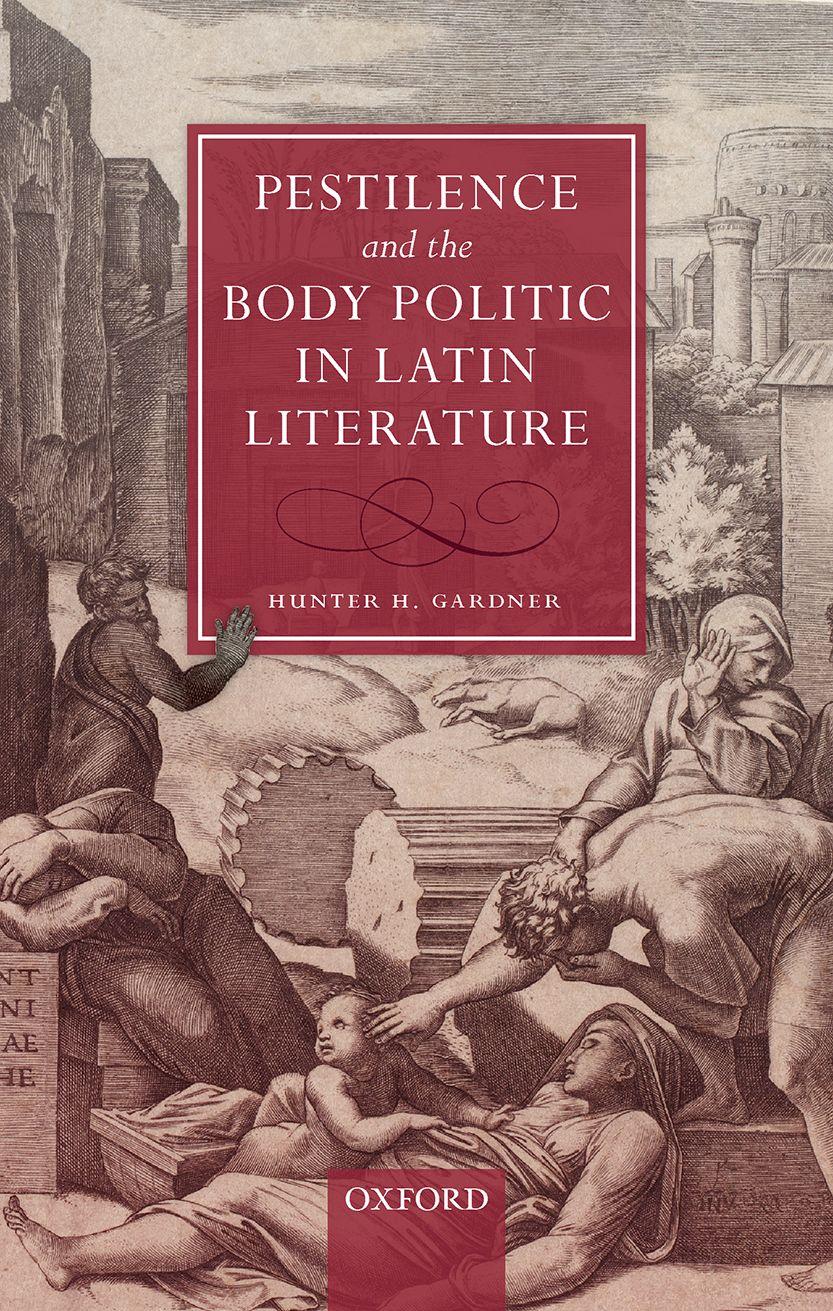
Manyfriendsandcolleagueshavehelpedmeclarifyandstrengthen theargumentsputforthinthisbook:PaulAllenMiller,JimO’Hara, AlisonKeith,DominicMachado,TedGellar-Goad,ChristinePerkell, MeganDrinkwater,andJohnMuckelbauerallreadsectionsofthis projectinvariousstagesofitsdevelopment.Theanonymousreaders forthePressprovidedinvaluablefeedbackonearlierchapterdrafts. ChristineBoecklwasgraciousenoughtohelpme,throughagood dealofwrittencorrespondenceandtelephoneconversation,withmy ideasconcerningtheengravingbyRaimondithatappearsonthe coverofthisvolume.Iamofcoursesolelyresponsibleforanyerrors ofcontentorargumentationthatremain.
GrantsfromtheLoebClassicalLibraryFoundationandtheUniversityofSouthCarolina’sProvost’sOfficeallowedmethetimeand mentalspaceneededtocompletetheproject.FundsfromaPeterand BonnieMcCauslandFellowshipassistedmytraveltovarioussitesin FranceandItaly,whereIwasabletoviewagoodnumberofRenaissanceandBaroqueplaguepaintings.Ioweaspecial graziemille tothe clergyatSanBartolomeoall’ IsolainRome,whereIwasallowedan unscheduledviewingoftheinteriorplaguepaintingbyCarraccias wellasthepreservedfoundationsofthetempleofAsclepiusthat oncestoodonthesite.CharlotteLoveridgeandTomPerridgeat OxfordUniversityPressofferedinvaluablesupportasthismanuscriptdevelopedoverthepastfewyears.GeorginaLeightonshowed remarkablepatienceandguidance(andaconsistentlycheerfuldisposition)inresponsetothemyriademailsIsentherinthe finalstages ofthebook.
Studentsinmyclasses,especiallyOliviaSemler,andimpressive audiencesattheUniversityofNorthCarolina,Hampden-Sydney
Acknowledgments College,andWakeForestUniversityalsoprovidedusefulfeedbackto mypresentationsonepidemicdiseaseinLatinliteratureandits resonanceofcivilwar.
Othershaveprovidedhelpinlessdirectbutnolessessentialways: SharonJames,SarahSpence,mywonderfulcolleaguesinUSC’ s departmentofLanguages,Literatures,andCultures,AndreaHebert, SusanScoven,andHartleyBarber.Icouldnothavemanagedthis withouttheencouragementofmyparents(JackieandBen)andmy daughter,Syda,whoisjustbeginningherownstudyofLatinandto whomthisvolumeisdedicated.
Translationsthroughoutaremineunlessotherwisenoted.
SectionsofChapters4and5wereexcerptedfromanarticle originallypublishedin Vergilius (2014, “Bees,Ants,andtheBody Politic:Vergil’sNoricPlagueandOvid’sOriginoftheMyrmidons.” Vergilius 60:3–31)andarereproducedwithkindpermissionofthe editor.
ListofIllustrations xi
Introduction:ExperimentsinPlagueDiscourse1
PARTI: TABULARASA :ANEWKIND OFPLAGUENARRATIVE 1.RomanPestilence:TenorandVehicle17
1.1.Experiencingandobservingepidemicdiseaseinancient Rome 20
1.2.Theorizing fictionsoftheend 28
1.3.Caveat:onthedangersofinvokingplaguediscourse 40
2.Livy, Pestilentia,andthePathologiesofClassStrife45
2.1.Plagueand seditio ofthe fifthcentury 51 2.2.Pestilenceandthe lectisternium of399
2.3.PlagueandRome’ s ludiscaenici 63
PARTII:EXPERIMENTSINAPOCALYPTIC THINKING 3.HumanandCivic Corpora inLucretius’ AthenianPlague79
3.1.Transgressingthethresholdofdeath
3.2.Repetition,accumulation,anditerativemortality
3.3.Contendingfor “ one ’ sown ”:familialdevotionand civicdiscord
3.4.Terminatingtheinterminable:saecularandliterary evolutions 108
4.Plague,CivilWar,andEpochalEvolutioninVergil’ s Georgics 113
4.1.Plagueandthe(post-)apocalypse:invertingtheages inVergil’sNoricum 116
4.2.Beesandthebodypolitic 135
4.3.Coda:theCretanplagueof Aeneid3 142
5.Ovid’sOriginoftheMyrmidonsandtheNew AugustanOrder147
5.1.NoricuminAegina:Ovid’ s Georgic plague 150
5.2.Thetiesthatbind:familialbondsandtheAeginetanplague 160
5.3.Theold pietas ofAeginaandtheAugustanPrincipate 166
5.4.Towardanewkindof pietas 170
5.5.Antsascitizens:anticipatinganotherdreamofplague 174
5.6.Noonewantsaplague,ofcourse:achancetobeginagain 180
5.7.Coda: Metamorphoses15 182
PARTIII:TRANSMITTINGROMANPLAGUE 6.ImperialReceptions:Lucan,Seneca,andSiliusItalicus187
6.1.Lucanandthe rabies ofcivilwar 189
6.2.Quasi-plagueandfailedclosurein BellumCivile 200
6.3.Seneca’ s Oedipus
6.4.Refractionsofaneworder
6.5. Promiserapietas! 213
6.6.Plague,individualism,andexemplarybehaviorinSilius Italicus’ Punica 221
7.Relapse:TransmittingRomanPlagueintheWest233
7.1.EndelechiusandPaulus:ChristianvisionsofaNew Jerusalem 235
7.2.Visionsofchaos,manifestationsoforder:plague iconographyintheItalianRenaissanceandbeyond 245
7.3.Aneworderfor homosapiens?Frombiopoliticsto bioengineeringinAnglo-American fiction
ListofIllustrations 7.1.MarcantonioRaimondi(afterRaphael), IlMorbetto (ThePlagueofPhrygia), c.1514.NationalGalleryofArt, Washington,DC,giftofW.G.RussellAllen247 CourtesyoftheNationalGalleryofArt,Washington,DC.
7.2.CarloCoppola, ThePestilenceof1656inNaples,after1656. PrincetonUniversityArtMuseum,CarolineG.MatherFund252 Photo:PrincetonUniversityArtMuseum/ArtResource.
7.3.CarloCoppola, PiazzadelMercatoduringthePlague of1656, c.1660.MuseodiS.Martino,Naples254 PhotobyDeAgostini/GettyImages.DEA/A.DAGLIORTI.
7.4.TheCoopers(MarilynEastmanandKarlHardman)attend totheirsickdaughter,Karen(KyraSchon),in Nightofthe LivingDead (GeorgeRomero,1968).ImageTen271
Introduction ExperimentsinPlagueDiscourse Inhissecond-century treatise, HowtoWriteHistory,Lucian commentsontheperniciousspreadofacertaindiseaseamongthe Abderites:
Theysay,mydearPhilo,thatduringthereignofKingLysimachus,a sickness(νόσημα)fellupthepeopleofAbdera.Thesewerethesymptoms: firsteveryoneofthemfellillwithfever,violentandobstinate; aroundtheseventhday,afterthefeverbroke,alotofblood flowedfrom thenose,ortheyexperiencedheavysweating;buttheillnesslefttheir mindsinaridiculousstate theyallwentmadrecitingtragedy! (Hist.Conscr.1,translationmodifiedfromKilburn1913)
TheepidemicLucianreferstointhepassage,adiseasespreadby exposuretothetheater,promptsallAbderitestoquotetragedyuntila changeintheweatheratlastcausesthe νόσημα toabate.Theliterary criticthenturnsfromtragedytoanaccountofasimilarepidemic amongwritersofhistory,andthecontagionthathasinfecteda populationof fledglinghistorianswithpretensionsofrivaling Thucydides,Herodotus,andXenophon.The “Abderite” complaint thusoffersLuciantheopportunityto “drawacomparison” (ἕν ... ἑνὶ παραβαλεῖ ν,2),andthe νόσημα providesamoregeneralmetaphorfor therapidtransmissionofconventions,trends,andtopoiamong writersstakingtheirclaimwithinagivenliterarygenre. Byusingdiseaseasa figureforgeneric(re-)production,Lucian anticipatesby2000yearsthosetheoreticalmodelsthatapplythe metaphorofcontagiontotheinfectivepowerofliterarydiscourses.1
1 SeeCooke(2009,5–6),whofocusesonthecross-contaminationoftermsin metaphorgenerallyspeaking(adiscussionowingmuchtoDerrida’ s Dissemination
2 PestilenceandtheBodyPoliticinLatinLiterature Withinitsimmediatecontextofpreceptsforcomposinghistory, however,Lucian’spolemicagainstbanaltransmissionofconventions cannotbutevokeoneofthemostimitatedpassagesinallofhistoriography,Thucydides’ descriptionoftheAthenianplague.InLucian wesensethesamewearinesswithauthorswhonarratepestilencethat JürgenGrimmsuggestsinhismid-twentiethcenturysurveyof ancientplaguediscourse:afterVergil’srenderingofplaguein NoricumandbeginningsomewherearoundthehistoriesofLivy, pestilencenarrativesbecameoverwroughtwithconventions,and strippedofemotivecapacity(1965,63).2
WhileIdisagreewithGrimm’sdisparagingevaluationandLucian’ s implicitjab,theirassessmentsraisethequestionofwhytheplague narrativemorphedfrompurportedeye-witnessaccountintoaliterary topos,andwhy,ofthemanyhistoriographictrendsLucianmight havecited,hebringsplaguetothefore.Whilewemayconcedethat certainconventionsofnarratingplaguebecametritefromoveruse,a moreproductiveapproachtotheirexcessesistoaskwhypestilence hasprovensuchanirresistiblediscursiveexperiment:whatideologicalworkdoaccountsofplagueperformfortheculturesthatproduce them?Asvariousrecentstudiesoncontagiondiscoursehaveillustrated,theallureofwritingpestilenceliespartlyinitsrepresentational capacityand,morespecifically,inthewaythatinfectionandthe socialproximityitassumesallowwriterstodefinecommunitiesand thenormsthatgovernthem.3 Despitehisattentiontofever,sweating, andbloodynoses,Lucian’saccountofthe “Abderitedisease” saysas muchaboutthevaluesoftheAbderites, flockingtoconveneina [2004]),andoftermsintheplaguemetaphorinparticular.SeealsoSteel(1981, 106–7)onthe “oddaffinitybetweenliteratureandcontagiousdisease.”
2 Quintilianalsoimpliesthefamiliarityofthetoposinhisadvicetoorators concerningargumentsaboutconjecturalcauses(Inst.Orat.7.2.3),wherehereviews commonlycitedcausesofpestilenceinplaguenarratives;seefurther,Chapter6, pp.187–8.
3 TwoespeciallyrichtreatmentsofthetopicarethoseofCooke(2009)andWald (2008),thoughbothdealprimarilywithtwentieth-andtwenty-first-centurydiscourses.Gomel’sarticlelengthstudy(2000)alsooffersusefulinsights,whilefocusing primarilyonthelatetwentieth-centurynovel.Forearlierrepresentationsofplague (beginningwithBoccaccio)andtheirmetaphoricimport,seeLeavy(1992);these studies,alongwiththemoreexplicitlytheoreticalapproachesIoutlineinChapter1, haveplayedimportantrolesinallowingmetoformulatemyideasaboutRoman pestilence.
theaterdominatedbyproductionsofEuripideantragedy(Hist. Concrs.1),asitdoesaboutthenatureofthediseasethatafflictsthem. Associalpathologiesofacommunityevolveovertimeandspace, sotoodothoseconventionsofwritingpestilencebestsuitedto addressthem.Thus,althoughLucretiuspurportstodescribethe samecalamitythatafflictedAthensin430 ,includedinThucydides’ historyofthePeloponnesianwar,heimaginesaverydifferent epidemic:inhisaccount,victimsofdiseasesufferinawaythat addressesthechaoticworldofRomeinthe50s andpromotes hisEpicureanagendaasameansofachievingequanimityintheface ofsuchchaos.WhilecertainfeaturesofThucydides’ descriptionof theAthenianplague theubiquityofdeath,contaminationofthe sacredwiththeprofane,theneglectoftheill reassertthemselvesin Latintreatmentsofepidemicdisease,theRomansintroducedunique physical,moral,andsocialsymptomsascharacteristicsofLatinpestilence,symptomsthatwouldbetteraddressthepathologiesdefining thesocialandculturalcontextinwhichsuchaccountsweregenerated. ThisbookexplorestheconstitutionofdistinctivelyRomanfeaturesof contagion,initiallyastheyevolvedwithinthreeepictreatmentsof plague,thoseofLucretius,Vergil,andOvid,producedduringthelate RepublicandearlyEmpire.
Whenscholarsturntoantiquityforrepresentationslinkingplague tothedisruptionofthesocialbond,theylargelyconfinediscussionto Greekmodels,especiallythoseofferedinSophocles’ OedipusRex and Thucydides’ history(Grimm1965;Girard1974;Cooke2009).4 Alternatively,aresurgenceofinterestinthe firstknownoutbreakof bubonicplague(541–750 )hasshedlightonthehistoriesof ProcopiusandhisGreekmodels(Little2007;Rosen2007).While thesetrendshaveleftthebookendsoftheclassicalpestilencetradition welldocumented,theyhaveneglectedwhattheRomanswere doingwiththattraditioninbetween.5 InturningattentiontoLatin
4 AswillbecomeclearerinmydiscussionofSeneca’ s Oedipus,referencestothe plague(λοιμός,38)thatbefallsThebesinSophocles’ tragedyarehighlysymbolicof (interalia)Oedipus’ pollutedstatus,buttheGreektextcontainsonlythebarest outlineofaplaguenarrativeandlacksdetailedattentiontosymptomatologyand epidemiology.
5 ImportantexceptionsincludeGrimm’smonograph,citedabove,andtheinitial chaptersofRaymondCrawfurd’ s PlagueandPestilenceinLiteratureandArt (1914). Theonlyrecentmonographonplague’srepresentationalcapacityintheancientworld isthatofRobinMitchell-Boyask(2008),whosework,anexplorationoftheresonance
4 PestilenceandtheBodyPoliticinLatinLiterature innovationsindiscoursesofcontagion,Ihaveidentifiedarevival ofplaguenarrativesduringthelateRepublicandearlyEmpire (c.55 –8 ),offeredasself-consciousrepresentations,ratherthan purportedeyewitnessaccounts,ofoutbreaksofpestilence.Iarguethat Lucretius,Vergil,andOvid,relyingonthemetaphoricrelationship betweenthehumanbodyandthebodypolitic,userepresentationsof epidemicstoaddressthecollapseofthesocialorderduetorecurrent episodesofcivildiscordandtoevaluatevariousremediesforrecovery. PlagueassuchfunctionsfrequentlyinRomantextstoenactadramain whichtheconcernsoftheindividualmustbeweighedagainstthoseof thecollective.Asancientandmodernchroniclesoftheperiodhave demonstrated,anindividual’sstrivingforpoliticaladvancement,frequentlytermed ambitio andmobilizedbypopularsupport,often conflictedwithfamilialdevotionandthe respublica’swell-being,and wasdiagnosedasaprimarycauseofcivilstrife.6 Pestilencenarratives, inwhicheffortsforself-preservationmustcompetewithbondsof kinshipand amicitia,allowwriterstoreflectonthechoicesandsacrificesmadeintheeventofacommunallyexperiencedcrisis.Inthe contextofaRepublicbroughtdownbyintensecompetitionforlimited honores,thehomogenizingforceofcontagiousdisease,inwhichall
ofplaguein fifth-centuryAtheniandiscourse,Iinvokeinmycommentson Sophocles’ Oedipus (Chapter6).IntheareaofLatinrepresentationsofplague,there havebeenimportantarticlecontributions,especiallyonthepestilencesdescribedin LucretiusandVergil,butnomonographtreatment.Vallillee’s(1960)dissertationisa usefulstartingpointinsofarasittrackscertaintopoiandliteraryechoesinthe traditionofLatinplaguenarratives,butitdoesnotattempttoaccountforthose traditionseitherintermsofsocialandhistoricalcontextorintermsoftherangeof theoriesemerginginthetwentiethcenturyusedtoexplaincontagiondiscourse.Julia Hawkins’ (2019)monographpromisestoaddmuchtothediscussionofmetaphorsof illnessandhealingintheAugustanperiod.Shelocatestheoriginsofcommunalhealth anditsmanagementintheHellenisticperiodunderPtolemaicruleandarguesthat VergilandOvidappropriateauthorityovercommunalhealthintheirdevelopmentof theimageryofpoetandstatesmanashealersofawar-wearycivicbody.Whilemy overallinterpretationofthepowerassignedtothePrincepsbytheAugustanpoetsto managecommunityhealthisultimatelymorecynical,andproblematizesratherthan confirmstheefficacyofstate-sponsoredapproachestocommunalhealth(seeGardner 2014),weconcuronanumberofsignificantpointsdiscussedinChapters4and5.
6 Ofcourse, ambitio wasnotuniformlycastinanegativelight(e.g.,Quint. Inst 1.2.22).For ambitio asacauseofillwill(invidia)andhostilerivalry,cf.Cic. Sul.1;asa sourceofpoliticalinstability,cf.Tac. Ann.16.23;at AUC 3.35.1Livyusesthetermin itsnarrowersenseofcanvassingforvotes,thoughtheprocesstakesonadecidedly negativevalencethroughitsassociationwiththeDecemvirAppiusClaudius.Lintott (1990)discussesancientviewsthatthecorruptpracticeslinkedtothepursuitofpublic officewereasourceoftheRepublic’sdemise.
succumbequallytodeath,enactsadissolutionofconflict catastrophic forsure,butalsoapreliminarysteptowardsreconstructingapopulace lessatoddswithitself.
Whilerecognitionofverbalallusionsandterminologythatintersectswithcontemporarydiscoursesofcivilwarhasshapedmy understandingofhowplaguenarrativesfunctionduringtheperiod, thisanalysisisalsoinformedbytwentieth-centuryapproachesto representationsofepidemicdisease,thoseofAntoninArtaud,René Girard,SusanSontag,andMichelFoucault,inparticular.Theworkof thesetheoristsregularlyunderscoresthesymboliccleansing,renewal, andreorderingofsocietythatfrequentlyoperatewithinplaguenarratives.Atthesametime,asElanaGomel’smorerecentapproachto contagiousdiseaseremindsus,plaguenarratives,frequentlyposited asprecursorstoapocalypticandpost-apocalypticscenarios,often leaveuswithremainders,discursivelydwellingonthesufferingof survivorsleftintheaftermathofa(notentirely)cleansweep(2000, 408;cf.Berger1999).Suchtheoreticalperspectives,weighingthe expurgatingpowerofplagueagainstitsultimateresistancetoa cleanbreakfromthepast,allowustobetterunderstandRoman fictionsofdiseaseandtheideologicalworktheyperform.
Lucretius’ renderingofAthenianplagueattheendof DeRerum Natura,Vergil’saccountsofplagueamongcattleandapiancommunitiesin Georgics 3and4,andOvid’saccountofpestilenceinAegina in Metamorphoses 7combinethemythicdimensionsoftheHomeric νόσος thatopensthe Iliad withThucydides’ sustainedinterestinthe impactofplagueonthesocialorder.Suchacombination,articulated throughtheepicmeteroften,ifproblematically,associatedwith reges etproelia (Verg. E.6.3),resultsinnarrativesthatcallattentiontotheir fictivestatusasoftenastheyinvokeancientclinicalaccountsof diseaseinhistoriansandmedicalwriters.Epicaccountsofpestilence inLatingeneratemeaningthroughexaggerationandinversionof tropes,shiftsofperspective,vividpathos,andstructuralexperimentation,qualitiesnotaltogetherabsentfromhistoricalandmedical accounts,butwhichoperateunderfewerconstraintswhenprojected withintherealmsofmythandlegend,oreventherelatively “ancient” historyof fifth-centuryAthens.
Fourfeaturesfrequentlydefineimaginativetreatmentsofplaguein Latin:1)Romanpestilenceconfusesprelasparianor “Golden-Age” motifswithapocalypticimagery;plaguerestoressomeaspectsof therelationshipbetweenhumansandabeneficentearth,butonly
aftertheeradication(orseriousmodification)ofhumancivilization.
2)Suchareturntoprimitiveconditions,asitcollapsessocialhierarchiesandstrifebetweenspecies,isarticulatedasaconsequenceof themethodsandsymptomsofthediseasepathogen,whichworksby dissolvingbarriersofthebody,oftenresultinginliquefactionof flesh.
3)Theliquefactionandresultanthomogeneityofthebodyanticipates thedissolutionoftheindividualsubjectandsignalsasimilardissolutioninthebodypolitic.4)Thecollapseofdiscretehumansubjects isoftenmetwithresistance,7 aresistancedramatizedthroughrecognitionoffamilialtiesbetweenparents,children,andsiblings,usually inthemomentofsuccumbingtodiseaseordeath.WhileIarguethat thesefeaturesemergepartlyasaresponsetothecivildiscordofthe lateRepublicandthegradualconstitutionofquasi-monarchical governmentunderAugustus,theywouldhavealastinginfluenceon literarysuccessorswritinginthegenresofepic(LucanandSilius Italicus)andtragedy(Seneca).OutbreaksofRomanplaguealsorecur sporadicallyintheWesterntradition,attestingtothecapacityof Romanidiomsofplaguetoaddresssocialdysfunctionandoffera diseasedfoilagainstwhichahealthiersocialordermightbeimagined.
Ihaveorganizedthisbookintothreeparts,the firstofwhich (“TabulaRasa:ANewKindofPlagueNarrative”)weighsthemetaphoricpotencyofpestilenceagainstitsdiscursivelyconstructedrealityinRome.Chapter1,inconsideringevidenceforthematerial conditionsofRomanepidemics,examineshowdiseaseisdocumented,especiallyamongmedicalwritersandobserversofRome’sculturaldevelopment.Suchanexaminationallowsustoisolatecauses, symptoms,anddemographicconcernsassociatedwithpestilencein thecity(e.g.,foulodors,liquefactionandputrefaction,contagious particles),whichLatinpoetsmanipulateintheir fictionalized accounts.Ithenturntocontemporarytheoristsofdiseasediscourse, particularlythosewhopostulatethe “cleanslate” asone telos ofthe plaguenarrative,inefforttoexplainwhytheprimarilyphysical featuresofepidemicsisolatedinthe firstpartofthechaptermight appealtopoetsattemptingtoaddressdysfunctionwithinthecivic body.Fromdifferentvantagepoints,Artaud,Foucault,Sontag,and Girardallobservethepowerofplaguetopurgeacontaminatedsocial
7 Vergil’sinitialplaguevictimsareofcoursenothuman,butareheavilyanthropomorphized,adistinctionIaddressinChapter4.
orderandshedlightonhowsymptomatologiesandpathologiesof epidemicdiseasefrequentlyalignwithvisionsofaneworder.
Theexpanding scientia ofmedicineanddiseaseoffersonesource ofcommonassumptionsaboutepidemicsinformingthemeaningof plagueinthecorpusofLatinepic.Alternatively,Rome’shistorical masternarratives,asanothersourceofevidenceforthelivedexperienceofRomanplague,offeradifferentsetofassumptionsaboutthe sharedRomanpastthatourpoetsdrawfrominupholdingplagueasa meansofarticulatingpoliticalstrife.Inparticular,Livy’ s AbUrbe Condita,thesubjectofChapter2,frequentlycasts pestilentia asa collectivecrisiswhosealleviation,abatement,orremedymustbe soughtthroughinnovationsinculturalandpoliticalinstitutions, innovationsthatinmanycasesprovesalutaryforthe respublica’ s developingstabilityandhegemonyinItaly.Livy’snarrativesofcontagiondrawpartlyfromthelanguageofmedicalwriters(Dutoit1948) butequallyfromahistoriographictraditionthatcorrelatedadiseased bodywithadiseasedbodypolitic(Woodman2009).CloseexaminationofLivy’slanguageofepidemicdiseaseanditscontextualization withinstrugglesbetweenpoliticalclassesrevealsthehistorian’ sawarenessofplague’smetaphoricpotential,inparticular,itscapacityto illustrateconfusionwithinthesocialorderandreflectondistinctions amongmembersofdifferentpolitical ordines,especiallythe patres/ patricii (highestclassofcitizens)and plebs (lowestclassofcitizens). WhilemostepisodesarerelegatedtotheearlyRepublicanperiod,the historianinvokesmedicallanguageprogrammaticallyinhishistory (Praef.9–10)inwaysthatpromptustoapplythelessonslearnedfrom pastoutbreakstotheailingbodypoliticofthe firstcentury .
PartIIofthisstudyconsistsofthreechapterson “Experimentsin ApocalypticThinking.” Relyingonthemetaphorlinkingthehuman bodytothebodypolitic,accountsofplagueinLucretius,Vergil,and Ovidofferanevolutionofresponsestothebreakdownofanaristocraticallygoverned respublica inthemid-firstcentury andthe eventualreconstitutionofstabilizedgovernmentundertheAugustan Principate.Variousdiscussionsofplaguetextshaveacknowledged howthediscourseencouragesa “dramaoftheselfandother” to unfold(Stephanson1987,239;Leavy1992,7).Whileitwouldbe anachronistictoequatethe “self ” postulatedinmanymoderntreatmentsofplaguewiththe “self ” oflate-RepublicanRome,Latin literatureconsistentlydemonstratesanotionofidentitydeveloped largelyinrelationtolineage,kinshipnetworks,politicalalliances,and
native patria. 8 Inthecontextofcivilwar,thesemarkersofidentityare frequentlyrenderedincompatible,aspoliticalrivalriesoftendivided familiesagainstthemselves(as,e.g.,inthecaseofwarring fratres who populateLucretius’ DeRerumNatura,3.68–73,andVergil’ s Georgics, cf.2.510;2.533).
TreatmentsofplagueinLatinepicreplicateconfusionamong traditionalcategoriesofself-identificationbymagnifyingfamilial conflictsandconfirmationsinthefaceofdisease:familymembers oftenneglecteachotherinamoveforself-preservation,though pietas equallycompelsthemtoattendeachotherastheysuccumbtoillness. Moredrastically,thesetreatmentsofpestilenceinvokealinkbetween humanandcivic corpora (“bodies”),andstagethedissolutionof boundarieswithinandbetween corpora asthemostexplicitphysical manifestationoftheplague.Lucretius’ treatmentoftheAthenian plague,thesubjectofChapter3,usesimageryof corpora toclosehis poem,inamovethat,ontheonehand,underscoresthefutilityof Atheniancitizensclingingtothematerialremnantsofpersonal identity,astheystruggleoverthecorpsesoftheirkin(rixantespotius quamcorporadesererentur,6.1286;cf.Kelly1980);ontheotherhand, thepoet’ssensitivitytobloodrelationswithinthecommunityreconstitutes corpora asindividualswhosehumanityisexpressedthrough theirrelationshipsaschildrenandparents(6.1256–8).
Commager’s(1957)analysisoftheconclusionof DeRerumNatura hasshownthatthepoettransfersthephysicalsufferingbroughtabout byplaguenotonlytothemoralconditionofitsvictimsbuttothe moralconditionoftheunenlightenedhumanrace,anopinionfrequentlyechoedinattemptsto findsymbolicvalueintheepisodesince 1957.9 WhileCommagerdoesnotemphasizecivilwarasasymptom
8 Anotionevidentinthe sphragis thatconcludesanumberofpoetrycollections producedduringtheperiod(e.g.,Prop.1.22;Ov. Am.3.15),aswellas,e.g.,Cicero’ s discussionofthefamilyand domus inrelationtothelargerbodypolitic(DeOff.1.53–4). Ishouldstressthatby “identity” Iamreferringabovealltosociallyperformed identity,inwhichfamily, amicitiae,andbirthplaceallplaykeyroles(cf.Welch 2005,8–9).Withintheparametersofthisproject,Iresistspeculatingontheinterior livesofindividualRomans,thoughsocialmarkersofidentityindeliblyimpactan individual’sself-awareness,asanumberofpsychoanalytictreatmentsofLatinpoetry havedemonstrated;seeesp.Janan(2001)andMiller(2004).
9 Theepisode’ssymbolicvalueisevidentdespitethepoet’sexpressedantipathy towardmetaphors:Lucretiusrejectstheuseofmusicalharmonytodescribethe relationshipbetweenmindandbodyat DRN 3.124–35,citedinSontag(1988, 95–6).Shedescribesthepassageas “theearliestattackIknowonmetaphoricthinking
oftheunenlightenedcondition,recentanalysisofthelanguageof contemporarypoliticalstrugglesinthepoemhasdateditscompletion to49 ,atthecommencementofcivilwarbetweenPompeyand Caesar(Hutchinson2001).10 AsPellinghasemphasized(2010), Thucydides’ accountofthePeloponnesianwar,asawarfought amongGreekstates,hadheavilyinfluencedRomanapproachesto depictingRomancivilwar.Lucretius’ cullingofthehistoryfora primeexampleofhumancalamitywouldthussuggestivelylinkhis plagueofBook6withrecentincidentsofcivilstrife,theCatilinarian conspiracyandthewarsbetweenMariusandSulla,inparticular. ReflectingonthislargercontextofcontentionamongRome’smilitary andpoliticalelite,LucretiusdescribesthesymptomsoftheAthenian plagueinlanguagethatechoeshisearlierpolemicagainstexcessive desiresforpolitical honores (e.g., DRN 3.74–86).Indoingsothepoet primes pestis (or pestilitas)forapplicationasametaphorusedto addressdestructivecompetitionundertakentoaugmentindividual gloria. 11
Vergil’sNoriccattleplaguein Georgics 3,thesubjectofChapter4, developsamoredirectcorrelationbetweencontagiousdiseaseand civildiscord.Theinitiallyconflictingsymptoms(e.g.,excessiveheat andcold)effectedbythediseasesooncollapseintoliquefiedhomogeneity,andtheopen-endedspreadofcontagionthatconcludes Book3looksbacktoLucretius’ visionofthecollapsingAthenian socialorderattheendof DeRerumNatura.Vergil,however,uses heavilyanthropomorphizedcattletoevokeapoignantimageofthe fraternalbond,abondthatiselsewhereinthepoemdepictedas boundtobeseveredthroughcivilstrife.Vergil’suseofGolden-Age motifs,moreover,readiestheNoriclandscapeforafundamentalshift intheorderofthings.Allthesame,thepoet’sresistancetoidentifya culpritofthediseaseandhisfailuretoinstructreadersofitsremedy aboutillnessandhealth” (95).WhileSontag’spointconcerningtheparticularmetaphorshecitesisvalid,Lucretiusnecessarilyemploysmetaphoriclanguagethroughout hispoem,atendencyKelly(1980,96)hassuccinctlydescribedastheuseof resapertae toilluminate rescaecae.
10 Hutchinson’sargument,tentativelyacceptedbySchiesaroin2007’ s Cambridge CompaniontoLucretius,hasbeencounteredbyVolk(2010),whoseargument Iaddressbelow,p.98n.31.
11 SeeCommager(1957,112–13)forlanguageintheplaguethatspecificallyechoes thepoet’spolemicagainstexcessivepoliticalambition.
indicateambivalencetowardprospectsofrecoveryfromcontagionas civilwar.
Whendiseasestrikestheapiancommunityinthefourth Georgic, thecompetitivestrivingsofOrpheusandAristaeusforEurydicemay beinterpretedasaclearersourceofthepestilence(causamorbi, 4.532);theslaughterofsacrificialanimals,includingfourexceptional bulls,recommendedbyCyreneisbysomeaccountsasolutiontothe conflictbetweenthetwomen,allowingAristaeustosecurehisposition asmasterofhisenvironmentandrestorerofadepletedpopulation.Yet violenceinherentintheremedyforthepestilence(institutionalizedin thepracticeofthe bougonia)aswellasthehomogenous,unflaggingly loyaloffspringbornfromitfailtoofferanadequatemodelforhuman existence:significantly,suchamodelcannotaccommodatetheinterpersonal,oftenfamilial,connectionsthatthepoetprivilegesinother partsofthepoem.
WecanbetterunderstandVergil’sequivocationtowarduniformity asananswertothedilemmasofexcessive ambitio byturningto Ovid’saccountofplaguein Metamorphoses 7.490–660,thesubject ofChapter5.InOvid’sepic,thecitizensofAegina,nearlyeradicated fromapestilencesentbyJuno,arereplacedbyant-bornmen,the Myrmidons,characterizedinamannerreminiscentofthecollective spiritanduniformityoftheapiancommunityinthe Georgics.Iargue thattheepisodeshouldbereadasareflectionofOvid’scynical attitudetowardAugustus’ attempttorestoreawar-depletedpopulationbyreplacingitwithanewgenerationofloyalists:theant-born populationofMyrmidons,boundtoserveassoldiersinthewar betweenAthensandCrete,constituteanewcitizenrydreamtinto existencebykingAeacusafterhereceivessignsfromJupiterinthe formofants filingupanearbyoaktree.Theprivileges(grantsofland) andfunctions(servinginwar)awardedtothisnewpopulation effectivelysortouttheconfusedheapsofthoserotting cadavera of kinandacquaintancesleftinthewakeofcontagion,buthardlyoffera sustainablemodelfortheRomancitizenry.Thepoet’snarrativeof recoverythusbroachesthepoliticalutilityofpestilence,insuchaway thatnotonlyreinsintheuncontainedpost-apocalypticvisionsofhis predecessorsin DRN 6and Georgics 3,butalsoquestionstherigorous mechanismsofrecovery,oftenintheformofpopulationcontrols, implementedbytheAugustanPrincipate.
PartIIIofthisstudy, “TransmittingRomanPlague,” exploresthe earlyappropriation,byImperialwriters,oflate-Republicanand
Augustantreatmentsofpestilence,aswellasthereceptionofRoman motifsofcontagionintheWesterntradition.InChapter6,Iexamine Seneca’sversionofOedipus’ tragedy:ratherthanturningtoSophoclesfordepictionoftheThebanepidemic,Senecareliesheavilyon Lucretius,Vergil,andOvidtoarticulatetheconditionsofpestilence. ThislanguagereflectsuponOedipus’ traditionalroleas φαρμακός, bothinfected “carrier” andsaviortotheThebancivicbody,butalso allowsthedramatisttoconjurethepeculiarproblemsfacingaRoman populaceonlyrecentlypacifiedthroughtheimperativesofthe Julio-ClaudianPrincipate.12 Seneca’sreceptionofthosenarratives precedinghimbringsintobetterfocushowcompetingclaimsof individualityandcollectivityhavedeterminedthepathologyofearlier Augustanplagues.Charactersthroughouttheplayanticipatethe conflictbetweenPolyneicesandEteocles,establishingThebesasa templateforcivilwar(e.g.,738–50);andOedipus’ tentativestatusas uniqueorpartofthecollectiveisferventlynegotiatedintheplague passages(cf. Oed.30,76).Seneca’suseofGolden-Agemotifsin particulardrawsfromhispredecessors’ narrativesinordertoconjure anatmosphereofepochalevolutionamidsttheepidemic,anatmospherethatbothrecognizesandquestionsthepotentialofaneworder. TwootherinstancesofImperialreception,theepicsofSilius ItalicusandLucan,invoketheplaguesoftheirpredecessorsincontextsofRomancivildiscord,andbothauthorsusetheplague’ spower toenactthedissolutionofindividualidentityasawayofillustrating thedangersofintensecompetitionforpoliticaldistinction.Lucan reliesonthesymptomatologyofhispredecessorsinhisaccountofthe pestilencethatafflictsPompey’ssoldiersatDyrrachium,butfurther emphasizesthelinkbetweencontagionandinternalconflictbycastingboththediseaseandthefervorforcivilwarafflictingthearmiesof CaesarandPompeyasa rabies (BellumCivile 6.63;6.92).Moreover, Lucan’semphasisonunburied corpora inthecontextofa pestis echoeshisconstantattentiontothosecorpsesscatteredonthebattlefieldasaresultofstrifeandslaughteramong fratres,signalingthe dehumanizingeffectsofconflictwithintheRomansocialorder.
Thecivildiscordofthe Punica islessexplicit,thoughrecentscholarshiphasbroughttolighthowwaragainstaforeignfoeallowsSilius Italicustocommentontheinternaldiscordoftheyear69 that
12 Ontheuncertaintiesofdatingthe Oedipus,seeBoyle(2011,xviii–xix),who tentativelysuggestsaClaudiandate;seefurtherbelow,Chapter6,p.208n.31. Introduction:ExperimentsinPlagueDiscourse
12 PestilenceandtheBodyPoliticinLatinLiterature markedtheendoftheJulio-ClaudianPrincipate.13 Silius’ pestilencein thecontextoftheRomanattempttobesiegeSyracuseduringthe SecondPunicWarbringsaboutwidespread,uniformdestruction.In answertothedehumanizingeffectsofthoseplaguesthathavepreceded him,however,thepoetrecoversthedistinctionor “exemplarity” ofthe RomangeneralMarcelluswithinacceptablelimits(Tipping2010a).In sodoing,heallowsakindofrestrainedindividualitywhosestrivings willnotfracturethecollectiveeffortsofthesoldiery.14 Suchrecuperativereadingsofplague,despitethetendencyofthediscourseto problematizehallmarksofindividualism,alsoanticipatethepossibility ofrenewalthatfollowsinthewakeofanepidemic.
Theseventhand finalchapterofthisprojectdemonstratesthe persistenttransmissionofRomanplagueinliteraryandvisualarts, beginningwiththeearlyChristianperiodandproceedingupthrough thepresentday.Suchademonstrationisnecessarilyselectiverather thanexhaustiveandmeanttoindicatetherangeofinterpretive possibilitiesavailableforreaderswhoaresensitivetotheconventions developedinthehexametertreatmentsofLucretius,Vergil,andOvid. SincetheirinceptionRomanplaguetopoihaveemergedinavariety ofmedia,fromlate-antiquepoetryandprose(e.g.,Endelechius’ fifthcentury CarmendeMortibusBoum;PaulustheDeacon’seighthcentury HistoriaLangobardorum)tomedicaltreatisesandvisualarts oftheItalianRenaissance(e.g.,Raphael’sVergilian PlagueofPhrygia [1520’s])15 tocontemporary filmsandnovels.Iconcentrateonearly Christianliteraryadaptations,paintingsoftheItalianRenaissance, andAnglo-Americannovels.Theseparticularreceptionscrystallize theinterplaybetweencivilstrife,familialdiscord,andepochalevolutionevidentinthepestilencenarrativesexaminedthroughoutthis project,allowingfurtherreflectiononsuchdynamicsastheyare
13 See,e.g.,thearticlesofMarksandFucecchiinthecollectionofessayseditedby Augoustakis(2010).
14 Thepoet’srecognitionofthepositiveimpactofplagueisnotentirelyanomalous;weobserveitbrieflyinGrattius’ late-Augustanpoem, Cynegetica.Thepoem reliesonVergil’ s Georgics initstreatmentofcontagionamongdogs,butinstructsthat pestilenceisremediablewithexperienceanddevotiontothegods;seefurther, Chapter4,p.118n.11.
15 Raphael’sdrawing,adepictionoftheTrojansbesetbypestilencewhenthey attempttosettleonCrete(A.3.132–42),survivesintheformofanengravingby Raimondi.
magnifiedorminimizedindifferentdimensions.16 Inaconcluding Epilogue,Iaddressthepost-millennial,andincreasinglyglobal, fixationoncontagionevidencedinliterature,television,and film. Romanconventionsofrepresentingpestilencehelpusunderstand howvisualandliteraryartsdramatizeatensionbetweentheidealsof autonomyandself-sufficiencyandthosethatfostergroupcohesion andcollectivity.AsRomanplaguetextsdemonstratehowthecrisisof contagionoffersanopportunity “toimagineaswellasregulate” the ancientcommunity,theyalsoallowustoreflectonandbetterparse thediscoursethatgovernscontemporaryoutbreaknarratives both fictionandnon-fiction.17 Narrativesofcontagiousdiseaseshowus notonlyhowweareconnected,but withwhom,evenasthethreatof mortality,andtheimpulsetoself-preservation,strainthoserelationshipstothebreakingpoint.Romanpoetsexploitedthatdiscursive powertothefullestintheirattempttotrackthepathologiesthat drovecitizenstowardafamilially-inflectedcivilwar.Wetoo,as twenty-first-century homosapiens,facedwithequaldrivestoselfdestructionandpreservation,haveindulgedwithaplomb,andoccasionalweariness,inthepowerofcontagiontoexposethefrailtiesof thoserelationshipsthatdefineusasaspecies.
16 AswillbecomeevidentinChapters6and7,myapproachtoreceptionandthe poweroflatertexts(broadlyconceived)toprovideinsightsintoearliertextsis influencedbyMartindale’ s “weak” thesis(1993,7).His “strong” thesis thatany readingofancienttextshasalreadybeenconditionedbyitsvariousreceptions is alsovalidatedthroughmyargument;thefactthatwecannotgetbacktoanoriginary meaningofanytextshouldnotpreventusfromproductivelyspeculatingonwhat plaguemighthavemeanttodifferentRomanswhoencounterednarrativesaboutitin thelateRepublicandearlyPrincipate.
17 SeeWald2008,67.Fornon-fictionaccountsrelyingonmanytropesthatdefine fictiveplaguenarratives,cf.esp. TheHotZone (Preston1995)and TheComingPlague (Garrett1994). Introduction:ExperimentsinPlagueDiscourse