Instant digital products (PDF, ePub, MOBI) ready for you
Download now and discover formats that fit your needs...
Analog 7 (1967) by John W. Campbell (Ed.) John W. & Campbell (Ed.)
https://ebookmass.com/product/analog-7-1967-by-john-w-campbell-edjohn-w-campbell-ed/
ebookmass.com
Political Economy Of Capitalisms 1st Edition Robert Boyer
https://ebookmass.com/product/political-economy-of-capitalisms-1stedition-robert-boyer/
ebookmass.com
John Webster’s Borrowing R. W. Dent
https://ebookmass.com/product/john-websters-borrowing-r-w-dent/
ebookmass.com
When a Moth Loved a Bee: High Fantasy Romance (Destini Chronicles Book 1) Pepper Winters
https://ebookmass.com/product/when-a-moth-loved-a-bee-high-fantasyromance-destini-chronicles-book-1-pepper-winters/
ebookmass.com
A Political History of the International Union of Socialist Youth 1907–1917 Patrizia Dogliani
https://ebookmass.com/product/a-political-history-of-theinternational-union-of-socialist-youth-1907-1917-patrizia-dogliani/
ebookmass.com
The Landscapists 1st Edition Ed Wall
https://ebookmass.com/product/the-landscapists-1st-edition-ed-wall/
ebookmass.com
Wreckless (Moto Grand Prix #2) 1st Edition Katie Golding
https://ebookmass.com/product/wreckless-moto-grand-prix-2-1st-editionkatie-golding/
ebookmass.com
Mecanica de Materiales (Spanish Edition) R. C. Hibbeler
https://ebookmass.com/product/mecanica-de-materiales-spanish-editionr-c-hibbeler/
ebookmass.com
The Diaspora and Returnee Entrepreneurship: Dynamics and Development in Post-Conflict Economies Nick Williams
https://ebookmass.com/product/the-diaspora-and-returneeentrepreneurship-dynamics-and-development-in-post-conflict-economiesnick-williams/
ebookmass.com
Visual
Teruggi Page
https://ebookmass.com/product/visual-communication-insights-andstrategies-janis-teruggi-page/
ebookmass.com
GeneralEditors
LORDBULLOCKANDSIRWILLIAMDEAKIN
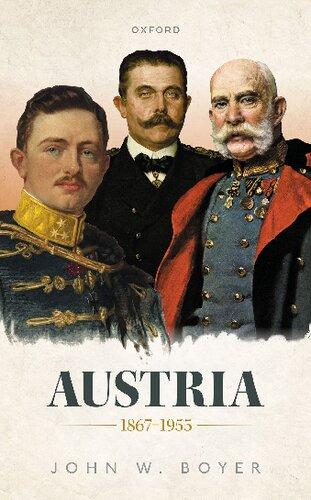
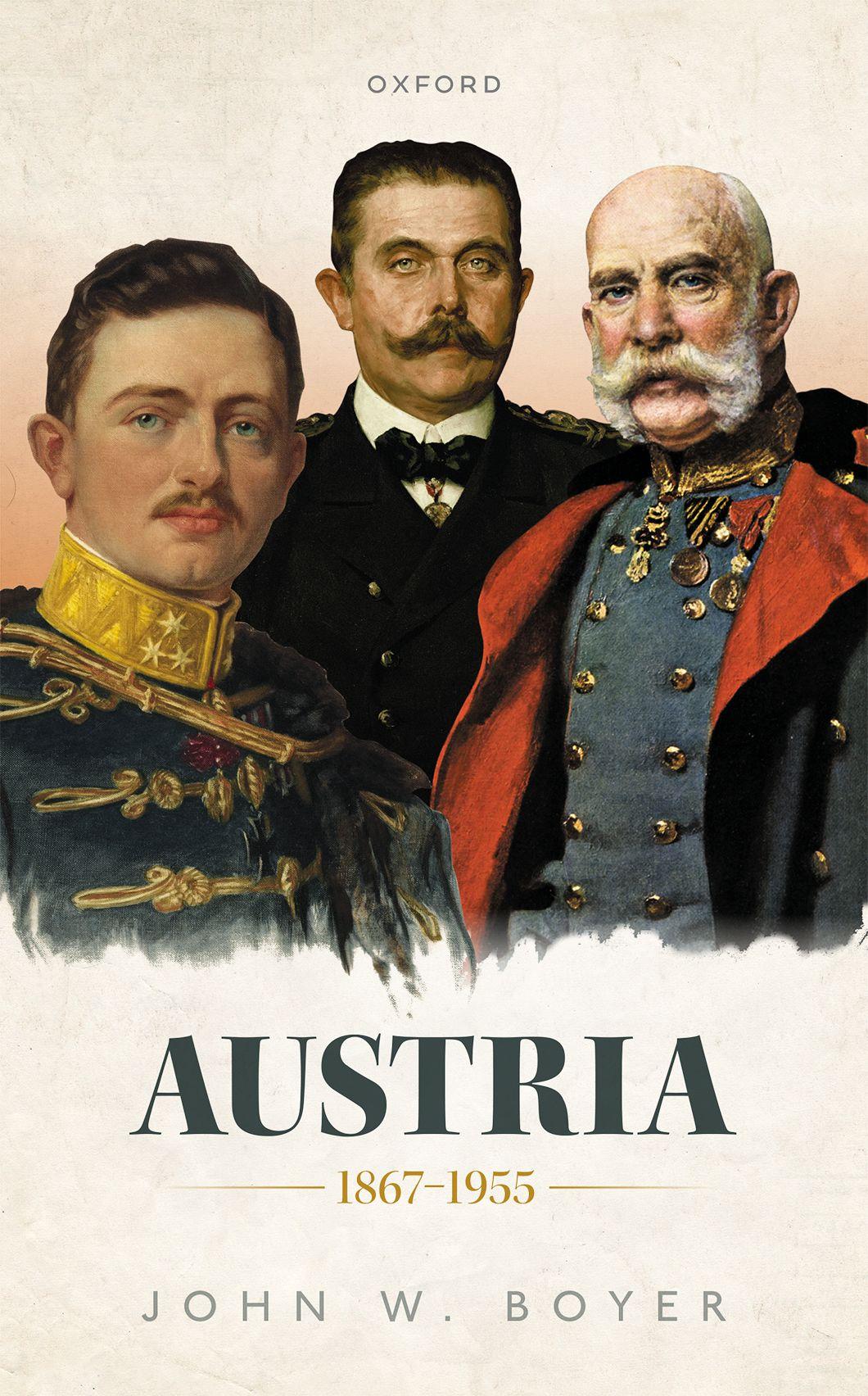
Austria,1867–1955
Austria,1867–1955 connectsthepoliticalhistoryofGerman-speakingprovincesof theHabsburgEmpirebefore1914(ViennaandtheAlpinelands)withthehistory oftheAustrianRepublicthatemergedin1918.JohnW.Boyerpresentsthecaseof modernAustriaasafascinatingexampleofdemocraticnation-building.TheconstructionofanAustrianpoliticalnationbeganin1867underHabsburgImperial auspices,withtheGerman-speakingbourgeoisLiberalsdefiningtheconceptofa politicalpeople(Volk)andgivingthat Volk aconstitutionandaliberallegaland parliamentaryordertoprotecttheirrightsagainsttheCrown.Thedecadesthat followedsawtheadministrativeandjudicialinstitutionsoftheLiberalstatesolidified, butinthe1880sand1890sthemembershipofthe Volk explodedtoincludenew socialandeconomicstratafromthelowerbourgeoisieandtheworkingclasses. Ethnicidentitywasnotthe finalstructuringprincipleofeverydaypolitics,asitwas intheCzechlands.Rathersocialclass,occupationalculture,andreligionbecame moreprominentvariablesinthesortitionofcivicinterests,exemplifiedbythe emergenceoftwogreatideologicalparties,ChristianSocialismandSocial Democracy,inViennainthe1890s.Thewarcrisisof1914/1918explodedthe Empire,withtheCrownself-destructinginthefaceofmilitarydefeat,chronic domesticunrest,andbitternationalpartisanship.Butthiscrisisalsoacceleratedthe emergenceofnewstructuresofdemocraticself-governanceintheGerman-speaking Austrianlands,enshrinedintherepublicanConstitutionof1920.Initialattemptsto makethisnewprojectofdemocraticnation-buildingworkfailedinthe1920sand 1930s,culminatinginthecatastropheofthe1938Nazioccupation.After1945the survivinglegateesoftheRevolutionof1918 reassembledunderthefour-powerAllied occupation,fashioningasharedpoliticalculturewhichprovedsufficiently flexibleto accommodateintensepartisanship,resulting,bythe1970s,inasuccessfulrepublican system.Thissystemwasorganizedundertheaegisofelitedemocraticandcorporatist negotiatingstructures,inwhichtheCatholicsandSocialistslearnedtoembracethe skillsofcollectivebutsharedself-governance.
JohnW.Boyer istheMartinA.RyersonDistinguishedServiceProfessorin HistoryattheUniversityofChicagoandanEditorofthe JournalofModern History.AspecialistinCentralEuropeanhistory,Boyerhaswrittenthreebooksin the fieldofAustrianpoliticalandsocialhistory,mostrecently KarlLueger (1844–1910):ChristlichsozialePolitikalsBeruf,publishedin2010.In2015he published TheUniversityofChicago:AHistory.BoyerhasreceivedtheCrossof HonorforScienceandArt,FirstClass,fromtheRepublicofAustria,inrecognitionofhisscholarlyworkontheHabsburgEmpire.HeisalsoaCorresponding MemberoftheAustrianAcademyofSciences.Since1992hehasservedasDeanof theCollegeattheUniversityofChicago.
OXFORDHISTORYOFMODERNEUROPE
TheShockofAmerica
EuropeandtheChallengeoftheCentury
DavidEllwood
TheTriumphoftheDark
EuropeanInternationalHistory1933–1939
ZaraSteiner
TheLightsthatFailed
EuropeanInternationalHistory1919–1933
ZaraSteiner
Bulgaria
R.J.Crampton
APeopleApart
TheJewsinEurope,1789–1939
DavidVital
Rumania1866–1947
KeithHitchins
GermanHistory,1770–1866
JamesJ.Sheehan
Austria,1867–1955
JOHNW.BOYER
GreatClarendonStreet,Oxford,OX26DP, UnitedKingdom
OxfordUniversityPressisadepartmentoftheUniversityofOxford. ItfurtherstheUniversity’sobjectiveofexcellenceinresearch,scholarship, andeducationbypublishingworldwide.Oxfordisaregisteredtrademarkof OxfordUniversityPressintheUKandincertainothercountries
©JohnW.Boyer2022
Themoralrightsoftheauthorhavebeenasserted FirstEditionpublishedin2022
Impression:1
Allrightsreserved.Nopartofthispublicationmaybereproduced,storedin aretrievalsystem,ortransmitted,inanyformorbyanymeans,withoutthe priorpermissioninwritingofOxfordUniversityPress,orasexpresslypermitted bylaw,bylicenceorundertermsagreedwiththeappropriatereprographics rightsorganization.Enquiriesconcerningreproductionoutsidethescopeofthe aboveshouldbesenttotheRightsDepartment,OxfordUniversityPress,atthe addressabove
Youmustnotcirculatethisworkinanyotherform andyoumustimposethissameconditiononanyacquirer
PublishedintheUnitedStatesofAmericabyOxfordUniversityPress 198MadisonAvenue,NewYork,NY10016,UnitedStatesofAmerica
BritishLibraryCataloguinginPublicationData Dataavailable
LibraryofCongressControlNumber:2022935995
ISBN978–0–19–822129–6
DOI:10.1093/oso/9780198221296.001.0001
Printedandboundby CPIGroup(UK)Ltd,Croydon,CR04YY
LinkstothirdpartywebsitesareprovidedbyOxfordingoodfaithand forinformationonly.Oxforddisclaimsanyresponsibilityforthematerials containedinanythirdpartywebsitereferencedinthiswork.
Thisbookisformychildrenandgrandchildren
Acknowledgments ix
ListofAbbreviations xi
Introduction:TheTermsofAustrianHistory1
1.TheSettlementof1867andtheCreationofaLiberal ConstitutionalOrder40
2.LiberalismAscendant:StatePoliticsandAdministrationin theAustrianLands,1867–1879112
3.TheEraoftheIronRing:StateConsolidationandthe EmergenceofCivicRadicalism,1879–1895187
4.TwoDecadesofConstitutionalUpheaval,1895–1914298
5.LateImperialSocietyandCulture:TheCrucibleofVienna413
6.TheMonarchyintheFirstWorldWar486
7.TheRevolutionof1918–1919585
8.TheFirstAustrianRepublic,1920–1932658
9.TheCatholicDictatorshipandtheNaziOccupation,1933–1945759
10.TheReconstructionofaRepublicanPoliticalSystem,1945–1955861
Conclusion:TheConstructionofaNewPolitical Culture,1955–1983962
Bibliography
Index 1091
Acknowledgments
Thisbookistheresultofmanyyearsofarchivalandlibraryresearch,undertaken inVienna,Oxford,London,Munich,andChicago.AsnotedintheIntroduction, theassignmentwasallthemorechallengingbecausethebookseekstobridgethe traditional(andformidable)boundaryof1918,connectingthehistoryofthe HabsburgEmpirewiththatoftheAustrianRepublicsinasystematicway.
IamgratefultoMargareteGrandner,LotharHöbelt,OliverRathkolb,James Sheehan,GuenterBischof,JohnDeak,JonathanLyon,MattiBunzl,andPhillip Henryforreadingallofthemanuscriptorsomeoftheindividualchaptersandfor offeringsuggestionsforimprovementsandrevisions.
FlorianWenninger,LeoraAuslander,DorisCorradini,HelmutWohnout, MarijaWakounig,JonathanGumz,BertholdMolden,LeopoldKögler,Thomas Grischany,AndreasHuber,andRudolfJeřábekalsohelpedmeobtainvarious archivaldocuments,forwhichIamalsoverygrateful.
FormanystimulatingandenrichingconversationsinViennaaboutAustriaand theHabsburgMonarchyIaminthedebtofGeraldStourzh,MargareteGrandner, LotharHöbelt,OliverRathkolb,PeterBecker,LonnieJohnson,HelmutWohnout, GreteKlingenstein,HansPetschar,OtmarBinder,MitchellAsh,AntonPelinka, ThomasGrischany,BertholdMolden,LucileDreidemy,FlorianWenninger,and thelateFritzFellner.
IntheUnitedStatesIhaveprofitedgreatlyfromfruitfuldiscussionsanddebates aboutAustriawithZacharyBarr,RobertBeachy,MatthewBerg,GuenterBischof, ChristofBrandtner,JamesBjork,GaryCohen,JohnDeak,CateGiustino, JonathanGumz,PaulHanebrink,MaureenHealy,PhillipHenry,Derek Hastings,PatrickHoulihan,Ke-ChinHsia,PieterJudson,DanielKoehler, SuzanneMarchand,PaulSilverman,JonathanSperber,AnthonySteinhoff,and JamesVanHornMelton.
MycolleaguesatChicago,LeoraAuslander,PaulCheney,ConstantinFasolt, MichaelGeyer,JanGoldstein,HannaH.Gray,JonathanLyon,RobertMorrissey, DavidNirenberg,ChristopherWild,TaraZahra,andthelateMoishePostone, havecreatedastimulatingscholarlycommunityinwhichtothinkandwriteabout broadandchallengingproblemsinEuropeanhistory.Ihavealsoprofitedfromthe researchassistanceofanumberofChicagograduatestudents,includingNicholas Huzsvai,MichaelZiegler,IanLewenstein,JillBuccola,EricPhillips,andGerard Siarny.
CathrynSteeleofOxfordUniversityPresshasbeenanunwaveringandmost supportiveeditor,whosepatienceshouldbedeemedlegendary.EdwinPritchard,
JackiePritchard,JoeStupar,MartaSteele,DominicBoyer,DanKoehler,Dina Rashed,GerardSiarny,SarahWalter,ChrisWild,andGayathriVenkatesan providedextraordinaryhelpduringtheproductionprocessforthebook. Finally,mymostprofounddebtistoBarbaraBoyer,whohashelpedmeinso manycrucialanddiscerningwaystobeabletocompletethisproject. Chicago,February2022.
ListofAbbreviations
AAPSSAnnalsoftheAmericanAcademyofPoliticalandSocialScience
ADHIAdministory:ZeitschriftfürVerwaltungsgeschichte
ADÖAußenpolitischeDokumentederRepublikÖsterreich
AdPDWArchivderBundespolizeidirektionWien
AdRArchivderRepublik
AfÖGArchivfürösterreichischeGeschichte
AfSArchivfürSozialgeschichte
AHRAmericanHistoricalReview
AHYAustrianHistoryYearbook
AOKArmee-Oberkommando
AÖRArchivdesöffentlichenRechts
APSRAmericanPoliticalScienceReview
ArZArbeiterinnen-Zeitung
ASAustrianStudies
ASSPArchivfürSozialwissenschaftundSozialpolitik
AVAAllgemeinesVerwaltungsarchiv
AZArbeiter-Zeitung
BoBohemia
BDFABritishDocumentsonForeignAffairs
BGBlBundesgesetzblatt
BJILBerkeleyJournalofInternationalLaw
BMfaABundesministeriumfürauswärtigeAngelegenheiten
BRGÖBeiträgezurRechtsgeschichteÖsterreichs
CASContemporaryAustrianStudies
CBCorrespondenzblattfürdenkatholischenClerusOesterreichs
CDChristlicheDemokratie
CECentralEurope
CEHCentralEuropeanHistory
CJHCanadianJournalofHistory
CPKChristlichsozialerParlamentsklub
CPWChristlichsozialePartei,Wien
CSChristianSocials
CSAZChristlich-sozialeArbeiter-Zeitung
CSPCanadianSlavonicPapers
CVCartellverband
DFDokumentedesFortschritts
DGDemokratieundGeschichte
DGFPDocumentsonGermanForeignPolicy,1918–1945
DHDiplomaticHistory
DNRMDerDonauraum
DÖLZDeutsch-österreichischeLehrer-Zeitung
DÖWDokumentationsarchivdesÖsterreichischenWiderstandes
DRDeutscheRundschau
DReDeutscheRevue
DVDeutschesVolksblatt
DVjsDeutscheVierteljahrsschriftfürLiteraturwissenschaftund Geistesgeschichte
DZDeutscheZeitung
EACEuropeanAdvisoryCommission
ECEEastCentralEurope
EcHREconomicHistoryReview
EEQEastEuropeanQuarterly
EHQEuropeanHistoryQuarterly
EHREnglishHistoricalReview
ERHEuropeanReviewofHistory
ERPEuropeanRecoveryProgram
Eur.J.Int.LawEuropeanJournalofInternationalLaw
Eur.Rev.Econ.Hist.EuropeanReviewofEconomicHistory
FFortschritt
FAFinanz-Archiv
FBFremdenblatt
fl. florin
FMFinanzministerium
FPÖFreiheitlicheParteiÖsterreichs
FRUSForeignRelationsoftheUnitedStates
GGGeschichteundGesellschaft
GHGermanHistory
GLLGermanLifeandLetters
GSRGermanStudiesReview
GuGGeschichteundGegenwart
GVGrazerVolksblatt
HEIHistoryofEconomicIdeas
HEPHigherEducationPolicy
HGSHolocaustandGenocideStudies
HHRHungarianHistoricalReview
HHSAHaus-,Hof-undStaatsarchiv
HJHistoricalJournal
HJbHistorischesJahrbuch
HMHistoryandMemory
HMtmHistoricalMaterialism
HSRHistoricalSocialResearch
HTHistoryandTheory
HZHistorischeZeitschrift
HUSHarvardUkrainianStudies
IAInternationalAffairs
IHRInternationalHistoryReview
IOInternationalOrganization
JbKGJahrbuchfürKommunikationsgeschichte
JbVGStWJahrbuchdesVereinsfürdieGeschichtederStadtWien
JCHJournalofContemporaryHistory
JCWSJournalofColdWarStudies
JEHLJournalonEuropeanHistoryofLaw
JfGJahrbuchfürGeschichte
JfZJahrbuchfürZeitgeschichte
JGPÖJahrbuchfürdieGeschichtedesProtestantismusinÖsterreich
JGVVJahrbuchfürGesetzgebung,VerwaltungundVolkswirtschaftim DeutschenReich
JLNJahrbuchfürLandeskundevonNiederösterreich
JMEHJournalofModernEuropeanHistory
JMHJournalofModernHistory
JMIHJournalofMilitaryHistory
JNSJahrbücherfürNationalökonomieundStatistik
JÖLGJahrbuchderÖsterreichischenLeo-Gesellschaft
JÖRJahrbuchdesöffentlichenRechtsderGegenwart
JPJournalofPolitics
JRPJournalfürRechtspolitik
JRSJournalofRomanStudies
JSHJournalofSocialHistory
JSSJournalofStrategicStudies
JVJuristischeVierteljahresschrift
JZJüdischeZeitung
KDerKampf
KAKriegsarchiv
k.k.kaiserlich-königlich
KPÖKommunistischeParteiÖsterreichs
KVZKonstitutionelleVorstadt-Zeitung
LBYLeoBaeckYearbook
LVLinzerVolksblatt
MCUMinisteriumfürCultusundUnterricht
MdIMinisteriumdesInnern
MIHModernIntellectualHistory
MIÖGMitteilungendesInstitutsfürÖsterreichischeGeschichtsforschung
MJPSMidwestJournalofPoliticalScience
MKFFMilitärkanzleidesGeneralinspektorsdergesamtenbewaffneten
Macht(FranzFerdinand)
MKSMMilitärkanzleiSeinerMajestätdesKaisers
MLRModernLanguageReview
MÖStAMitteilungendesÖsterreichischenStaatsarchivs
MPMorgen-Post
MQRMichiganQuarterlyReview
MSLMitteilungendesSteiermärkischenLandesarchivs
NFPNeueFreiePresse
NLNachlass
NöBNeueösterreichischeBiographie
NÖLANiederösterreichischesLandesarchiv
NPNationalitiesPapers
NPANeuesPolitischesArchiv
NSDAPNationalsozialistischeDeutscheArbeiterpartei
NWJNeuesWienerJournal
NWTNeuesWienerTagblatt
ÖAWÖsterreichischeAkademiederWissenschaften
ÖGBÖsterreichischerGewerkschaftsbund
ÖFZÖsterreichischeFrauen-Zeitung
ÖGLÖsterreichinGeschichteundLiteratur
ÖMHÖsterreichischeMonatshefte
ÖOHÖsterreichischeOsthefte
ÖPZErziehungundUnterricht:ÖsterreichischepädagogischeZeitschrift
ÖRÖsterreichischeRundschau
Oxf.ArtJ.OxfordArtJournal
OxREPOxfordReviewofEconomicPolicy
ÖSÖsterreichischeStatistik
ÖSBZÖsterreichischeStaatsbeamten-Zeitung
ÖVPÖsterreichischeVolkspartei
ÖVZÖsterreichischeVolkszeitung
ÖWÖsterreichischeWochenschrift
ÖZGWÖsterreichischeZeitschriftfürGeschichtswissenschaften
ÖZPÖsterreichischeZeitschriftfürPolitikwissenschaft
PAPolitischesArchiv
PAAAPolitischesArchivdesAuswärtigenAmtes(Berlin)
PERParliaments,EstatesandRepresentation
PJPädagogischerJahresbericht
PLPesterLloyd
PNVStenographischeProtokolleüberdieSitzungenderProvisorischen Nationalversammlung
PPPastandPresent
PrDiePresse
PROPublicRecordOffice
PSQPoliticalScienceQuarterly
PTPragerTagblatt
PVSPolitischeVierteljahresschrift
RAHReviewsinAmericanHistory
RGBlReichsgesetzblatt
RHMRömischeHistorischeMitteilungen
RMReichsmark
RpReichspost
RPReviewofPolitics
SAQSouthAtlanticQuarterly
SDSicherheitsdienst
SdZStimmenderZeit
SEERSlavonicandEastEuropeanReview
SGBlStaatsgesetzblatt
SHPSStudiesinHistoryandPhilosophyofBiologicalandBiomedical Sciences
S:I.M.O.NShoah:Intervention.Methods.Documentation
SiPoSicherheitspolizei
SLRSlavicReview
SMStatistischeMonatsschrift
SOFSüdost-Forschungen
SP(upto1918)StenographischeProtokolleüberdieSitzungendesHausesder Abgeordneten
SP(from1920)StenographischeProtokolleüberdieSitzungendesNationalrates
SPDSozialdemokratischeParteiDeutschlands
SPHStenographischeProtokolleüberdieSitzungendesHerrenhauses
SPKNVStenographischeProtokolleüberdieSitzungender
KonstituierendenNationalversammlung
SPÖSozialdemokratischeParteiÖsterreichs
SRSocialResearch
SRTStaatsrat
SSSchutzstaffel
StředStřed./Centre:JournalforInterdisciplinaryStudiesofCentral Europeinthe19thand20thCenturies
SüASüdostdeutschesArchiv
TAJdGTelAviverJahrbuchfürdeutscheGeschichte
ThPQTheologisch-praktischeQuartalschrift
TRHSTransactionsoftheRoyalHistoricalSociety
UNRRAUnitedNationsReliefandRehabilitationAdministration
UTQUniversityofTorontoQuarterly
VVaterland
VdUVerbandderUnabhängigen
VfSWVierteljahrschriftfürSozial-undWirtschaftsgeschichte
VGABVereinfürGeschichtederArbeiterbewegung
VjZVierteljahrsheftefürZeitgeschichte
VWVolkswohl
VWschrVolkswirtschaftlicheWochenschrift
WDBWienerDiözesanblatt
WEPWestEuropeanPolitics
WGBWienerGeschichtsblätter
WiHWarinHistory
WPWorldPolitics
WPBWienerPolitischeBlätter
WSJWienerSlavistischesJahrbuch
WSLAWienerStadt-undLandesarchiv
WSMZWienerSonn-undMontagszeitung
WWWortundWahrheit
ZDieZeit
ZfGWZeitschriftfürGeschichtswissenschaft
ZfOZeitschriftfürOstmitteleuropa-Forschung
ZfPZeitschriftfürPolitik
ZGZeitgeschichte
ZHFZeitschriftfürHistorischeForschung
ZHVSZeitschriftdesHistorischenVereinesfürSteiermark
ZNRZeitschriftfürNeuereRechtsgeschichte
ZOFZeitschriftfürOstforschung
ZÖRZeitschriftfürdasPrivat-undöffentlicheRechtderGegenwart
ZöRZeitschriftfürÖffentlichesRecht
ZRGZeitschriftderSavigny-StiftungfürRechtsgeschichte
ZVSVZeitschriftfürVolkswirtschaft,SozialpolitikundVerwaltung
Introduction
TheTermsofAustrianHistory
Tobeaskedtocontributethisparticularvolumetothe OxfordHistoryofModern Europe serieswasachallengingassignment,forasLordAlanBullockof St.Catherine’sCollege,OxfordUniversity,observedtotheauthorwhenheissued theinvitationtowritethisbook,theframeworkdependedontheall-important question:whatisAustria?AsBullocktrenchantlyputit,doesonede fi ne Austriafrom1848forward,orfrom1955backward?Giventhatthisbookisa workofselectivesynthesisgroundedin multipleinterpretiveframeworks,it seemedplausibletohonortheoriginalcommissionfromBullock,whowanteda bookthatwouldprovideapoliticalandinstitutionalhistoryofAustriafor thecenturybetween1867and1955,withAu striaexplicitlyreferringtothe German-speakinglandsoftheformerEmpireandespeciallyVienna,buttoset thatstorywithinthecrucibleofdynastic,administrative,andparliamentary institutionsinthegeneralstateandimperialsystem.Hence,thisbooktreats Austriabothasamajorconstitutiveter ritorialelementoftheone-timemultinationalEmpireandasaresoluteand(fromtheperspectiveofthedecadessince 1955)remarkablysuccessfulnationalRepublic,withmanyrupturesandevident disastersconnectingthetworealms.ItwasthuscrucialinAlanBullock ’ smind thatthisbookwouldlinkthecivicwo rldbefore1914withthatwhichcame after1918.Thislinkageisespeciallyim portantnotonlybecausepresent-day Austriaistheresultofacontinuumofin stitutionaltraditionsandpolitical practicesthatpredatethedualwatershedofWorldWarIandtheRevolution of1918,butbecausetheAustriancaseisrelativelyuniqueinthewider landscapeofEuropeinposingthechalle ngeofcreatingandsustainingaliberal andthenaliberal-democraticRechtsstaatinthefaceofbothextremeethnicracialandintensesocial-ideologicaldisharmoniesandcon fl icts.Whenthe youngAustro-Marxisttheoristswroteinthe fi rstissueof DerKampf in1907 that,amongtheirEuropeansocialist compatriots,theyalonehadthetask of “ translatingtheideaofinternationalismintolivingreality, ” whichmade themthe “ constitutionaljuristsoftheInternational, ” theywerealludingto thisdoublecommissionofreconcilin glegalequitywith unyieldingclass andethnicidentities,whilepushingfo rwardstructuresofdemocraticaccess Austria,1867–1955.JohnW.Boyer,OxfordUniversityPress.©JohnW.Boyer2022. DOI:10.1093/oso/9780198221296.003.0001
andopportunity.¹Thiswouldbecomethepreeminentandclassicstruggle confrontingtheAustrianstateitselfinthetwentiethcentury.
Thepresentbookhasbeenlongingestationandreflectsmanynewprimary andsecondarysourcesandcompetingperspectivesinvolvingthewiderhistoryof theEmpireandtheRepublic,butitdoesfocusonthestate-levelpoliticsand administrationinandaroundViennaaskeyelementsofitsnarrative.Thehistory ofsmallAustriaafter1918,emergingaspartoflargeAustriabefore1914,mustbe framedinlightofthemanytensionsbetweenempireandnationhoodthat emergedoverthecourseofthenineteenthcentury.Inrecentyearsmanyscholars havetakenupthesetensionsafreshwithnewcontributionsaboutthewaysin whichtheHabsburgEmpirewasde finedbyethnic/nationalregionsthatdepended ontheEmpire’sterritorialunityfortheirrelativeeconomicwell-being,butwith thoseregionsalsogivingbirthtonationalistandpopulistconstituenciesthat, paradoxically,broughttheEmpiretoitskneesin1918.²Inacontributiontothe longstandingdebateaboutthenatureandscopeoftheAustrianpastArno Strohmeyerhaswiselyobservedthat “thereisno ‘single’ Austrianhistoryatthe presenttime,butratherthishistoryhastobeseenfromtheperspectiveofan ensembleofdifferentspatialnarratives,witheachitsowndevelopmentallogicas toitsoriginsandevolution.”³MaciejJanowskihasarguedthattheHabsburg Crownhadaproteancharacter,withtheEmpireasabundleofnormativelegal principlesseekingterritoriallegitimationinaspecialtimeandplace.Theimperial modeloflegitimation finallyadopted stressingdiversityandmulti-ethnicity wasasplausibleasthenation-statemodel,whenviewedfromthestartingpointof thenineteenthcentury.⁴ ThisinterpretationstandsincontrasttothatofIvan Berend,whoviewseastCentralEuropeasmarkedbybackwardness,laggardness,a crisiszonedominatedbyperipheralconcerns,andmanifestinganeastCentral EuropeanSonderweg,barelyabletoachieveparitywithWesternEuropeand Germany.⁵
ThehistoryoftheEmpireinthelaternineteenthandearlytwentiethcenturies presentsaparticularlychallengingassignmentforanyhistorian,sincethemodels
¹ K,1(1907–8):3–4.ForthedualmeaningofAustriaasthetraditional(andlargelyGermanspeaking) “Erblande” ontheonehandandthewholeoftheEmpireontheother,seetheclassicaccount ofR.J.W.Evans, TheMakingoftheHabsburgMonarchy1550–1700:AnInterpretation (Oxford,1979), pp.157–94.
²FocusingonPieterJudson’soutstandinginterpretivehistoryoftheEmpire,publishedin2016,see LaurenceCole, “VisionsandRevisionsofEmpire:ReflectionsonaNewHistoryoftheHabsburg Monarchy,” AHY,49(2018):261–80.
³ArnoStrohmeyer, “‘Österreichische’ GeschichtederNeuzeitalsmultiperspektivische Raumgeschichte:einVersuch,” inMartinScheutzandArnoStrohmeyer,eds, Washeißt “österreichische” Geschichte?Probleme,PerspektivenundRäumederNeuzeitforschung (Innsbruck, 2008),p.185.
⁴ MaciejJanowski, “JustifyingPoliticalPowerin19thCenturyEurope:TheHabsburgMonarchy andBeyond,” inAlexeiMillerandAlfredJ.Rieber,eds, ImperialRule (Budapest,2004),pp.78–80.
⁵ IvanT.Berend, TheCrisisZoneofEurope:AnInterpretationofEast-CentralEuropeanHistoryin theFirstHalfoftheTwentiethCentury (Cambridge,1986),pp.1–21.
associatedwithclassicnation-statehistorydonoteasilyapply.Conventional narrativesthatascribeaSettembrini-likearcofnationalunity,economicprogress, andrationalenlightenmentwithinaslowlyemergentliberalstateinthenineteenthcenturydonoteasilyresonate,becausethemostpopulousandwealthiest regionsoftheEmpirebetween1867and1914weremarkedbyincreasing levelsofbothdemocraticparticipationandilliberalnationalistpartisanship. Instead,otherwaysofimaginingtheunityandthedistinctivenessoftheEmpire havetobearticulatedthatacknowledge itspolitical-ethnicheterogeneity, powerfulregionalisttraditions,anddivergentstylesofreligiousobservance, aswellastheunifyingforceofitscentr aladministrativeapparatusandofits manyinterconnectednetworksofnon-stateeconomicandsocialinstitutions. ⁶ Habsburghistoriographythusbecomesahomewithmanydifferentrooms, somedecoratedinethnic/nationalcolors,butothersdefi nedbystunning regional/localandideologicalhues,withmanydifferentcross-cuttingand connectingpassageways.
TobeginahistoryofAustrialiterallyin1867wouldneglectahostof fascinatingtransformationsthatsetthestageforwhatcameafter,soitiswell toconsidersomepreliminariesinvolvingthereceivedinstitutionalforebearsof themodernAustrianstateanditshistoriographictraditions,aswellassome re fl ectionsontheroleoftheprincipaldynastandtheCourtwhoseextraordinary claimstosupremeauthorityshapedthehistoryofthewholeofthenineteenth andthe fi rsttwodecadesofthetwentiethcentury.Thesethreedomains the administrativestate,its fi nessedandoftencalculatedhistory,andtheselfidentityofitsprimarypoliticalarchitect arenecessaryareasofinquiryfor comprehendingtherupturesandsurprisingcontinuitiesde fi ningthescopeof thisbookandforexplainingwhyAustrianhistorydoesnot fi teasilywithin conventionalhistoricalbookendsandwhyitdoesnotmirrorthemodelsofother majorEuropeannations.
⁶ See,forexample,AndreaKomlosy, “ImperialCohesion,Nation-Building,andRegional IntegrationintheHabsburgMonarchy,1804‒1918,” inStefanBergerandAlexeiMiller,eds, NationalizingEmpires (Budapest,2015),pp.369–427;FranzLeanderFillafer, “Imperiumoder Kulturstaat?DieHabsburgermonarchieunddieHistorisierungderNationalkulturenim19. Jahrhundert,” inPhilippTher,ed., KulturpolitikundTheater:DiekontinentalenImperieninEuropa imVergleich (Vienna,2012),pp.23–53;BálintVarga, “WritingImperialHistoryintheAgeofHigh Nationalism:ImperialHistoriansontheFringesoftheHabsburgMonarchy,” ERH,24(2017):80–95; PeterBecker, “StolpersteineaufdemWegzumkooperativenImperium:BürokratischePraxis, gesellschaftlicheErwartungenundsozialpolitischeStrategien,” inJanaOsterkamp,ed., Kooperatives Imperium:PolitischeZusammenarbeitinderspätenHabsburgermonarchie (Göttingen,2018), pp.23–53;PeterBecker, “DerStaat:EineösterreichischeGeschichte?,” MIÖG,126(2018):317–40; FredrikLindström, “TheStateandBureaucracyasaKeyFieldofResearchinHabsburgStudies,” in FranzAdlgasserandFredrikLindström,eds, TheHabsburgCivilServiceandBeyond:Bureaucracyand CivilServantsfromtheVormärztotheInter-WarYears (Vienna,2019),pp.13–47;andJohnDeak, “TheGreatWarandtheForgottenRealm:TheHabsburgMonarchyandtheFirstWorldWar,” JMH, 86(2014):336–80.
Myvantagepointhereisneither1867nor1955,butrathertheadministrative, legal, fiscal,andreligious-institutionaltemporalitiesandsystemsthatthe Monarchysetinplaceinthemid-tolateeighteenthcentury,whichgenerated structuraldynamicsthatwouldoutlivetheEmpireandinfluencetheSecond Republic.Thecreationofauniversal,enlightenedMonarchycomplicatedthe categoriesandprocessesofstateformationthatweseeelsewhereinnineteenthcenturyEurope neutralizingsomeconflictswhileexacerbatingothers and presupposedakindofnon-nationalcitizenshipthatwasanchoredinan a-nationalbureaucracyandtheethnic-spatialdiversityoftheEmpireitself.The eighteenth-centuryMonarchyalsoestablishedapre-existingdialecticofheterogeneity,centralization,andregionalparticularismsthatshapedthestoryofthe modernAustrianpastafter1867.
TheideaofAustriaasa “compositemonarchy” asarticulatedrecentlyby WilliamGodsey,KarinSchneider,AndreaKomlosy,JanaOsterkamp,andothers acknowledgesthattheEmpireprovidedalegalanddynasticframeworkforahost ofvenerableregionalcommunities,practicingstylesoflocalelite-drivenpolitics thatoverthecourseofthenineteenthcenturywereredefinedinmorepopulistand national-ethnicmodes.⁷ Theregionaldietsandtheiradministrativeelitesplayeda significantroleafter1861inthisrecalibrationoflocalaristocraticpoliticalprivilegeintonational-ethnicpopulisms.The “nation” ceasedtobeaneutralcorporatistvesselofadministrativeandculturalhegemonydefinedbythelandowning Estates,asitwasunderstoodinthemid-eighteenthcentury,andbecameinsteada collectivitydefinedbyethnicidentitiesarticulatedwithinspeci ficregionsand basedaboveallonthepoliticsoflanguageuse.Incontrasttotheethnicneutralism ofAmericanfederalism,whereIllinoiswasnotaPolishstateandWisconsinnota Germanstate,Austrianfederalismoverthecourseofthenineteenthcenturywas definedbytheassumptionthatone’stownorcityorevenruralGemeindewas envelopedinaregionallyarticulatedethnicidentity,anditwaspreciselyinthe cases(suchasBohemia)wherecompetingregionalnationalidentitieshadtoshare thesameterritorialspacesthatthemostfrictionstookplace.
IfthenineteenthcenturyinEuropeanhistorywasacenturyofstrongadministrativeandeventuallyconstitutionallyorganizedstates,itwasalsothesiteof nationsviewedasobjectsandsubjects,processesandends,mythsandrealities. Thenewnationsofthenineteenthcenturydeployedpatternsofcollectivememory andcollectedhistories,arrayedonbehalfofpublicassociationsbasedonthe
⁷ WilliamD.Godsey, TheSinewsofHabsburgPower. LowerAustriainaFiscal-MilitaryState 1650–1820 (Oxford,2018),pp.16,378,392,396;KarinSchneider, “TheAustrianEmpireasa CompositeMonarchyafter1815,” inMichaelBroersandAmbrogioA.Caiani,eds, AHistoryofthe EuropeanRestorations (2vols,London,2019),1:147–55;JanaOsterkamp, Vielfaltordnen:Dasföderale EuropaderHabsburgermonarchie(Vormärzbis1918) (Göttingen,2020),pp.8–18.
imputationofacommonpast,theavailabilityofcommonlanguage,andthe invocationofcommoncivicsentiments.Manyscholarshavelikenedthese nationalsentimentstoquasi-religiousallegiances,andcertainlynationalism’ s emotiveforceanditsdependenceoncollectiveperformance,culticritual,and officialhistorysharedmanyofthesameoperationalfeaturesasmostnineteenthcenturyreligions.Feelingsofattachmenttothesenewlyimaginedorre-imagined publicassociationsbecameapowerfulcomponentofcivicidentityformationin mostEuropeanstatesafter1848andespeciallyafter1870,althoughtheprocesses bywhichnationsascommunitiesofidentityandmemoryandstatesassitesfor theadministrativeexerciseoflegitimatelegalcoercioncametocohabitthesame civicspaceweredistinctiveacrosstheEuropeancontinent.
InmostinstancesinWesternandCentralEuropethenewliberaladministrativestatesandnewnationalcommunitiesconvergedandbecamecoherentcivic organisms.Forexample,towriteGermanhistoryinthelaternineteenthcenturyis towriteahistoryofacentral,elite-sponsorednationalcultureslowlyimposed overamyriadofregionalandlocalculturaldistinctionsthatwasboundedbya newstateadministrativeapparatusafter1871.AsAlonConfinohasargued, “the unificationof1871...joiningtheGermannation,Germansociety,andaGerman statewithinasingleterritory,redefinedthespatialandhistoricaldimensionsof thenation.”⁸ Ultimatelythetwonarratives stateandnation overlappedand Germany’shegemonicreligion,acuriouscombinationofLutheranandCalvinist Protestantism,playedapowerfulroleincementingthetwotogether.AsHelmut WalserSmithhasbrilliantlyinsisted,GermanProtestantismhelpedtoprovidethe foundingcivicideologyofthe1871Reich.⁹
TherelationshipofnationsandnationhoodtostateandcivicculturefunctionedverydifferentlyinAustria.Inanextraordinary,butnowlittleremembered comparativeessayonAustrianandPrussianbureaucracyintheeighteenthcentury,OttoHintzeremarkedthatAustria’shistoricchallengeingovernancewas “muchmoresevere” thanthatofitsPrussianneighborandoftentimesrival.¹⁰ WhereasPrussia’schallengewastouniteagroupofnorthernandwestern Germanterritoriesofdifferentsocialandeconomicconditionsintoaunified state,butbasedonacommonethnic-nationalidentity,Austriawasforcedto constructastatebasedonradicallydifferenteconomicandculturalregionsthat wereinhabitedbyverydistinctnationalities,andtodosoinawaythatwould acknowledgethehistoric, “universalpower ” oftheHabsburgdynasty.Thus,
⁸ AlonConfino, “FederalismandtheHeimatIdeainImperialGermany,” inMaikenUmbach,ed., GermanFederalism:Past,Present,Future (NewYork,2002),p.76.
⁹ HelmutWalserSmith, GermanNationalismandReligiousConflict:Culture,Ideology,Politics, 1870–1914 (Princeton,1995),pp.19–78;aswellasRudolfLill, “Großdeutschundkleindeutschim SpannungsfeldderKonfessionen,” inAntonRauscher,ed., ProblemedesKonfessionalismusin Deutschlandseit1800 (Paderborn,1984),pp.43–7.
¹
⁰ OttoHintze, “DerösterreichischeundderpreußischeBeamtenstaatim17.und18.Jahrhundert. EinevergleichendeBetrachtung,” HZ,86(1901):410–44,esp.403,439–41.
Austrianhistoryencompassedbothadiversesetofregions,withsturdycorporate andethnicidentities,butalsopowerfultraditionalwavesofimperialruleunder theadministrativeaegisoftheHouseofAustria.
ThelattermissionofuniversalruleinspiredtheHabsburgreformerstomake thesearchforadministrativeunity,formanagerialefficiency,andforcentralizing policycoordinationafundamentalfeatureofthepoliticallandscapeofAustriain themid-andlateeighteenthcentury.Thecentraladministrativestateasan abstractprinciple,asadogmainlaw,andasasetofinterventionist fiscal,military, andlegalpracticeswouldleadtoamorerationallyefficientsociety.¹¹Theidealof theCrown’sKammer(itsprivaterightsasapublicauthoritycomprisingthose policyagendasthatdidnothavetobeapprovedbyorconsultedwiththeEstates, suchascustoms,tolls,regalianrights,revenuefromJewsandfromChurch,and somemonopolies)wastransformedintoageneralstateinterest,withtheCrown viewingitselfasresponsibleforthepublicwealofthewholerealm,notjustits dynastichousehold,andtheroleofthedynastasoneofbureaucratizedleadership, notpatrimonialcontrol.¹²Thepenetrationofsystematicandcodifiedformsoflaw and financialregulationsbecameadynamicfeatureoftheciviclandscape,withthe publicgoodincreasinglydefinedineconomicterms.Serfdomcametobeviewed asabarriertoproductivity,leadingtoanintensepreoccupationwiththe peasantry frompeasantprotectionunderMariaTheresatomoreradicalforms ofeconomicameliorationofthepeasantryunderJosephII.TheChurchasahuge semi-privatecorporationwithdeeprootsinBaroqueconfessionalpracticeshadto submittoandadvancetherational,utilitarianwelfarefunctionsofthestateand proveitselfmoresociallyrelevanttothetimes.
Withtheriseoflargestandingarmiesengagedinintenseperiodsofconstant wartheneedemergedformoreeffectivemilitaryrequisitioning,newcategoriesof directtaxation,andnewformsofmilitaryjustice.Bythelate1740sMariaTheresa realizedthattochangetheadministrationofherrealmshehadtochangethe constitution.ThelogicoftheHaugwitzreformsof1749signaledthatthestate bureaucracy’sprimarytaskwastolookoutexclusivelyfortheCrown’sinterests, deployingageneralconceptionoflawandinterveninginlocalsocietieswith courtsandcivilservantschargedwithimplementingtheCrown’slawandusing theCrown ’sdelegatedpowersagainstlocallandedelites.¹³Officialswhoformerly
¹¹FortheemergenceofthelegalideaofaGesamtstaatintheeighteenthcentury,seeMartin P.Schennach, “Die ‘österreichischeGesamtstaatsidee’:DasVerhältniszwischen ‘Gesamtstaat’ und LändernalsGegenstandrechtshistorischerForschung,” inMartinP.Schennach,ed., Rechtshistorische AspektedesösterreichischenFöderalismus:BeiträgezurTagunganderUniversitätInnsbruckam28.und 29.November2013 (Vienna,2015),pp.1–29.
¹²PeterRauscher, “VerwaltungsgeschichteundFinanzgeschichte:EineSkizzeamBeispielderkaiserlichen Herrschaft(1526‒1740),” inMichaelHochedlingerandThomasWinkelbauer,eds, Herrschaftsverdichtung, Staatsbildung,Bürokratisierung:Verfassungs-,Verwaltungs-undBehördengeschichtederFrühenNeuzeit (Vienna,2010),pp.185–211.
¹³Thesedevelopmentshavegeneratedahugehistoricalliterature.Foraconciseintroduction,see CharlesW.Ingrao, TheHabsburgMonarchy,1618–1815 (3rdedn,Cambridge,2019).
workedfortheEstateswerenowsworninasagentsoftheCrown,becoming cameralofficialswhowereveryaggressiveinexpandingtheCrown’spowersin regulatingmarkets,planningroads,developingforestry,pursuinglocallaw enforcement,settinguniformweightsandmeasures,andprotectingpeasantsso theycouldpaymoretaxes.Before1750eachoftheseveralprovincesunderthe ruleofthearchdukesofAustriasawitselfentitledto “anindividuallawcode,with itsownordinances,customs,habits,andinthiswaysoughttosecureandpreserve theinhabitants’ distinctivewayoflife.”¹⁴ Incontrasttoachaosofrivallegalnorms andjurisdictionsbeforethe1740s,thepublicationofcollectionsoflawsinthe 1770sand1780ssignaledthattheregimeexpectedamoreefficientandinterventionistlevelofjurisprudenceandmoreequitablepatternsofenforcement.
TheeighteenthcenturyintheAustrianlandsthuscomprehendedagreat transitionfromaworldinwhichlocalandprovincialgovernments,controlled bynobleEstates,hadclaimedforthemselvespowerfulconstitutionalauthority, becausethosegovernmentsfunctionedascourtsoflawwithgreatinfluenceover judicialprocedureandpropertyrightsandbecausetheycontrolledenormous financialresources,deployingtheminwaystoensuretheirsocialindependence andtheirculturalprivileges.Theycombinedjusticeandadministration,andthey privatizedtheexerciseofwhatlaterreformerswouldclaimtobepublicpower. Oneofthemaineffortsoftheenlightenedreformerswastobreakthisdoublelink betweenadministrationandjusticeandbetweenprivate,corporaterightsandthe rightsofthesovereignking,queen,oremperor,whoactedonbehalfofan imaginedenlightenedcommonweal.Thepowerofthemodernstateasitemerged inthenineteenthcenturyhadmuchtodowithitsabilitytoseparatejusticeand law-makingfromalllevelsofadministration,butalsotoclaimlaw-makingand thepracticeofjusticeasthesoleconcernandrightofthesovereigncentral government,thuscreatinganewrealmofpubliclawthatwasinitiallysubjectto imperialorroyalprerogativebutwaseventuallycontrolledbytheliberalparliamentarystate.¹⁵ Theoriginsofconceptionsofmodernsovereignty,andeventually evenofmoderncitizenship,werethuscloselyconnectedtothepracticesof modernadministrativereformandjudicialreviewinthelateeighteenthcentury.
Inevitably,thesepolicytrendscollidedwiththecustomaryinterestof thelandedeliteswhodominatedtheAustrianregionswellintotheeighteenth century.¹⁶ Between1740and1780theregionalEstateslostmuchoftheirbusiness, witheachprovincegettingaDeputationorRepresentationtooverseemilitary
¹⁴ GreteKlingenstein, “TheMeaningsof ‘Austria’ and ‘Austrian’ intheEighteenthCentury,” in RobertOresko,G.C.Gibbs,andH.M.Scott,eds, RoyalandRepublicanSovereigntyinEarlyModern Europe:EssaysinMemoryofRagnhildHatton (Cambridge,1997),p.429.
¹⁵ FranzLeanderFillafer, Aufklärunghabsburgisch:Staatsbildung,Wissenskulturund GeschichtspolitikinZentraleuropa1750–1850 (Göttingen,2020),pp.388–400.
¹⁶ WalterDemel, “‘Revolutionenvonoben?’ Verfassungs-undVerwaltungsreformeninderZeitdes AufgeklärtenAbsolutismus,” inHochedlingerandWinkelbauer,eds, Herrschaftsverdichtung, Staatsbildung,Bürokratisierung,pp.213–28.
andtaxbusiness,independentofEstatesinterference.Newcourtsofgeneral jurisdictionunderJosephIIoperatedonthe firstandsecondlevelsofadjudication andappealandignoredständischdifferences;allcitizensbecamesubjecttothe samecriminalcode,withlocalinhabitantshavingatheoreticalrightofappeal frommanorialcourtstotheroyalcourts.Localjudgeswereforcedtoknowthe law,sinceappealstoroyalcourtswerewritten,notoral.TheregionalEstateswere nearlypowerlesstoresist theyhadnoarmy,thegreataristocratshadtorn loyalties,andtheprovincesdidnottrusteachother.
TheintellectualmilieuinwhichthereformsofMariaTheresaandJosephII tookplacewasdifferentfromthatofeighteenth-centuryFrance.TheAustrian Enlightenmentwasregulative,governmental,andsubstantiallyinfluencedby rationalistreligiousandadministrativereforms,notlikeFrance’ssecularand liberty-orientedproject.ItdidnotembraceaRepublicofLetterstypeofpolitical culture representedeitherbytherhetoricalsubversionsofthemagistratesofthe pre-1789 parlements orbytheprogrammaticdisruptionsofpublicintellectuals likeTurgotandDiderot orbysanctioningtheparticipationoffreecitizensin decentralizedpoliticalinstitutions.¹⁷ Austria’swasalateEnlightenment,influencedbyItalyasmuchasFrance,andcomingmorefromcentralgovernment servicethanthefreeprofessions,amorestate-functionalistAufklärungbasedon utilitarianreligiouspractices,amixofmercantilistandphysiocraticeconomic ideals,andnaturallawasastatistandscientificsolventtomitigatecorporatist socialprivileges.TheAustrianEnlightenment’sframeworkofnewcodesof “state sciences” wouldspawnnumerousintellectualclientsandprodigiespursuingrival schemesforliberalandconservativecivictransformationswellintothenineteenth century.¹⁸
Institutionalchangeovertheeighteenthcenturyprovokedlinguisticchangeas well.GreteKlingensteinhascarefullyanalyzedmeaningsoftheword “Austria” in thelateseventeenthandeighteenthcenturiesasitexpandedfromthearchduchies ofUpperandLowerAustriaastheterritorialbaseoftheHouseofAustriatomore generalconceptions.¹⁹ Awiderlearned,commercial,andeducationalculture reflecting “auniformandhomogeneoussociety” beyondthepatrimonialworld oftheLänderbegantoemergeinthemiddleoftheeighteenthcenturywithpeople
¹⁷“Joseph’sdeterminationtolimitpopularparticipationingovernmentwasirreconcilablewith somestrandsofEnlightenment,withtheoriginalaimsoftheFrenchRevolution,andwithnineteenthcenturyreformism.” DerekBeales, JosephII:AgainsttheWorld1780–1790 (Cambridge,2009),p.515. JoachimWhaley’srecentassertionabouttheGermanAufklärungthat “therewasnodistinction betweenintellectualsandadministrators” appliestotheAustriancaseaswell.Seehis “The Transformationofthe Aufklärung:FromtheIdeaofPowertothePowerofIdeas,” inHamishScott andBrendanSimms,eds, CulturesofPowerinEuropeduringtheLongEighteenthCentury (Cambridge, 2007),p.158.
¹
⁸ SeenowFillafer, Aufklärunghabsburgisch,esp.pp.67–76,278–302,513–24;andFranzLeander Fillafer, “DieAufklärunginderHabsburgermonarchieundihrErbe:EinForschungsüberblick,” ZHF, 40(2013):35–97.
¹
⁹ Klingenstein, “TheMeaningsof ‘Austria’ , ” pp.423–78.
using “Austrian ” asageneralculturalmarker.ImagesofAustriaasaunified territorial “state” were firstencounteredinschoolbooks,educationalmaps,and guidesfortravelersinthe1780s.Ineconomics,theworkoftheCameralists, attackinginternaltraderestrictions,necessarilyviewedthe “Monarchy” and “Austria” assomethingmorethanacollectionofterritorialEstates.Thedevelopmentandsuccessfulimpositionofnewformsofadministrativemanagementas wellastheformationofnewpan-territoriallawcodes,especiallytheJosephinist CriminalCodeof1787andtheCivilCodeof1811,werecrucialtoextendingthe word “Austrian” toincludethewholegeographicalrangeofterritories.²⁰ Thestate graduallybecameoneandthusinalienable,itsconstituentpartsindivisible. Slowly,assubjects(Untertanen)becamecitizens(Staatsbürger),theword “Austrian” cametobeappliedtothestate’scitizens.
Yetthisnewstateofenlightenedsocialdisciplineremainednameless,forthe patentofAugust11,1804issuedbyEmperorFranzIcreatingthehereditary emperorshipofAustriadidnotconstituteageneralAustrianstateinpubliclawor ingeographicalscope.RatherthepatentreferredtotheHouseofAustriaandits “independentstates” aswellas “independentkingdomsandstates ” whichwould “retainunchangedtheirprevioustitles,constitutions,rights,andconditionsfrom thistimeforward.”²¹Thus,the1804edictcreatedahereditaryAustrianemperorship,butitdidnotstipulateanewunifiedlegaldesignationforthestate,andit leftpowerfulhostagesforthefuture.²²Somescholarsbelievethatwhatsooncame tobeknownineverydayspeechastheKaisertumÖsterreichwas,conceptually andlegally,aunifiedsovereignstate,andnotmerelyacollectionofunruly particularisticunitsboundtogetherbythesentimentandself-reflectionsofthe dynast.Othersviewitasmorefragile,andasa “monarchicalunionofcorporative states” (OttoBrunner)andthusasanabstractensemblemoreinlegalimagination thaninconstitutionalreality.²³Butthestate’sfunctionalsurvivalwasmortgaged toitshistoricidentities,andsincethoseidentitiesweremultiple,Franzwas understandablycautiousabouttheprecisenatureofthemonarchicalunionasit wasreflectedinhistitleofEmperor.Geopoliticalpressuresalsoinfluenced
²⁰ Ibid.,pp.450–1,460,465.
²¹EdmundBernatzik, DieösterreichischenVerfassungsgesetzemitErläuterungen (2ndedn,Vienna, 1911),pp.49–52;IgnazBeidtel, GeschichtederösterreichischenStaatsverwaltung,1740–1848 (2vols, Innsbruck,1896–8),2:70–3.
²²SeeKarinSchneider, “Zwischen ‘MonarchischerUnionvonStändestaaten’ undGesamtstaat:Die Habsburgermonarchieim18.und19.Jahrhundert,” inSchennach,ed., RechtshistorischeAspektedes österreichischenFöderalismus,pp.36–42.FriedrichvonGentzcalledthedecisiononecharacterizedby thecreationofa “namenloseErbärmlichkeit.” AugustFournier, GentzundCobenzl:Geschichteder österreichischenDiplomatieindenJahren1801–1805.NachneuenQuellen (Vienna,1880),pp.128–9.
²³SeeOttoBrunner, “StaatundGesellschaftimvormärzlichenÖsterreichimSpiegelvonI.Beidtels GeschichtederösterreichischenStaatsverwaltung1740-1848,” inWernerConze,ed., Staatund GesellschaftimdeutschenVormärz1815–1848 (3rdedn,Stuttgart,1978),pp.50–2;OttoBrunner, “Das HausÖsterreichunddieDonaumonarchie,” SOF,14(1955):126–7;andThomasWinkelbauer, “SeparationandSymbiosis:TheHabsburgMonarchyandtheEmpireintheSeventeenthCentury,” in R.J.W.EvansandPeterH.Wilson,eds, TheHolyRomanEmpire,1495–1806 (Leiden,2012),pp.167–83.