Introduction
AWorldwithoutChalcedon?
TheodosiusIIwasthelongestrulingemperorofthe(eastern)RomanEmpire.He wasacclaimedassolerulerinConstantinoplein408andruledforthenextfortytwoyears.Whilehisrulewasextensive,hislifewasnot;hediedbyaccidenton28 July450,aged49.¹Intheweeksfollowinghisdemise,hissisterPulcheriamarried the domesticus Marcian,whoascendedthethroneon25August450.Althoughthe newemperorwasamilitaryman,oneofhis firstconcernswastheconvocationof ageneralcouncil.InhislettertoPopeLeo(440–461),inwhichheannounceshis ascension,Marciansuggestssummoningageneralcouncilinwhichthepope shouldtakethelead.²Thepopeat firstignoredMarcian’ssuggestion,³butthe emperorpersisted,andtheAugustaPulcheriasoughttopersuadethepopeas well.⁴ Theimperialcouplewantedthiscounciltotakeplace;but,on23May451, whenMarciansummonedit,hestilllackedLeo’sexplicitsupport.Theemperor wrote:
Therefore,becausecertaindoubtsappeartohavearisenaboutourorthodox religion,asindeedshownbytheletterofLeo,themostGod-belovedbishopof thegloriouscityofRome,thisinparticularhaspleasedourclemencythataholy councilshouldbeconvenedinthecityofNicaeaintheprovinceofBithynia,in orderthat,whenmindsagreeandthewholetruthhasbeeninvestigated,andafter thecessationofthoseexertionswithwhichsomepeoplehavelatelydisturbedthe holyandorthodoxreligion,ourtruefaithmayberecognizedmoreclearlyforall time,sothathenceforththerecanbenodoubtingordisagreement.⁵
MarcianimaginedhimselfanewConstantineandthereforedesignatedNicaeaas a fittinglocationforthiscouncil,justasConstantinehadsummonedthebishops tothe firstecumenicalcouncil126yearsearlier.Whatlaterwascanonizedasthe
¹TheodosiusIIwasbornin401andcrownedasinfantin402.
²Leo, ep. 73; ACO II.3.1,p.17: ‘percelebrandamsynodumteauctore’;seetranslationin ACC,vol.1, pp.92–3anddiscussioninManuelaKeßler, DieReligionspolitikKaiserMarcianus(450–57) (PhDDiss. Goethe-UniversityFrankfurtamMain,2011),pp.46–7.
³Marcian’snextlettertoLeonotedthatLeohadsentdelegatestoMarcian,buttheyobviouslyhad noinstructionstodiscussageneralcouncilwiththeeasternemperor;seeLeo, ep. 76; ACO II.3.1,p.18.
⁴ Leo, epp. 76and77; ACO II.3.1,p.18andII.3.1,pp.18–19.
⁵ ACO II.1.1,pp.27–8;quotefrom ACC, vol.1,pp.98–9.
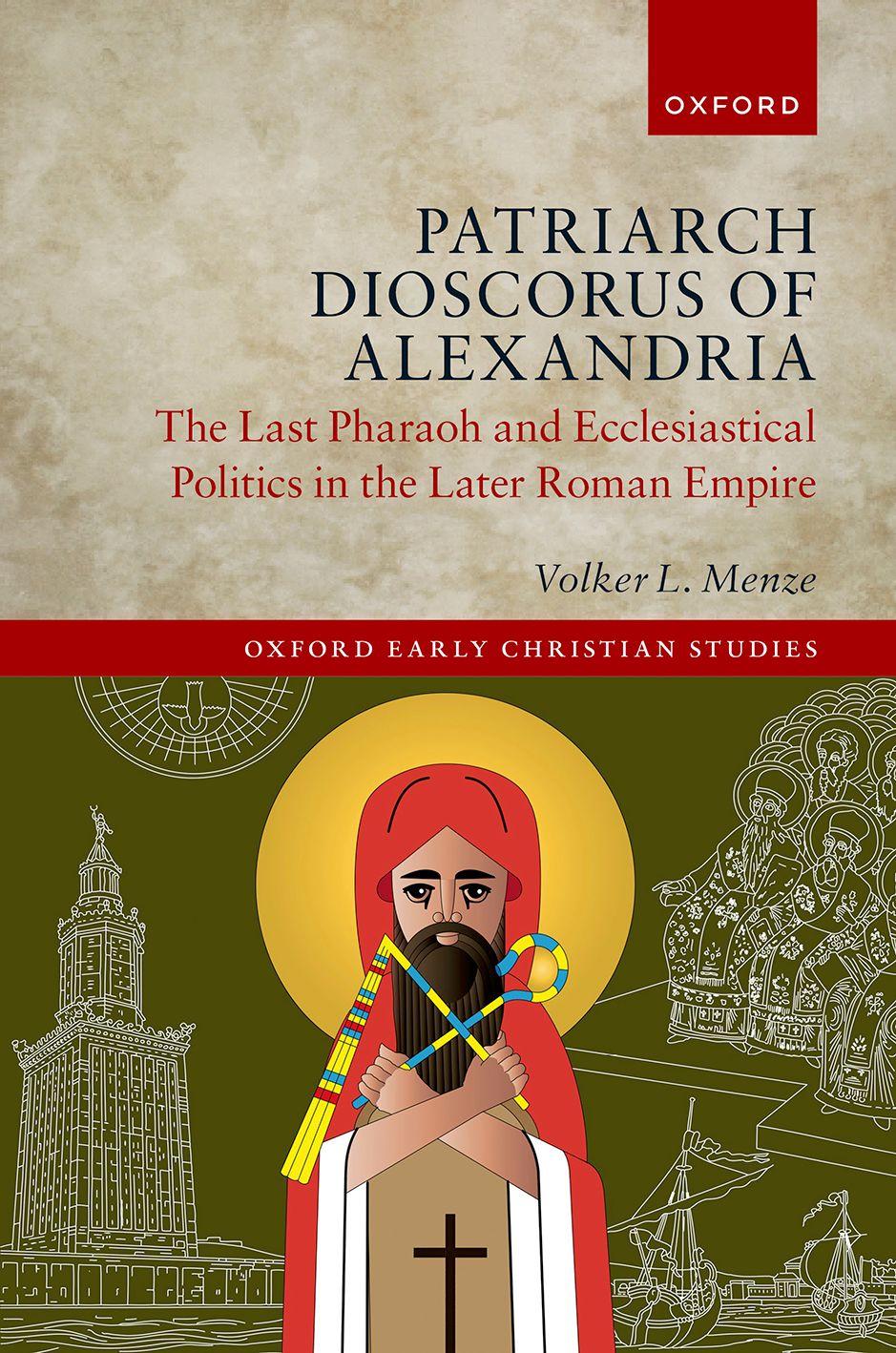
PatriarchDioscorusofAlexandria:TheLastPharaohandEcclesiasticalPoliticsintheLaterRomanEmpire.VolkerL.Menze, OxfordUniversityPress.©VolkerL.Menze2023.DOI:10.1093/oso/9780192871336.003.0001
CouncilofChalcedon becauseitwastransferredfromNicaeatoChalcedon or thefourthecumenicalcouncil,startedinNicaea.AloisGrillmeier,theGerman JesuitscholarandleadingexpertonthiscouncilanditsChristology,notes:
TheearlyhistoryofchristologicaldoctrinenowreacheditsclimaxattheCouncil ofChalcedon,whichwasheldinOctoberoftheyear451.Itwasthepurposeof thosewhowereresponsibleforthesynodtoputanendtothebitterinternal disputeswhichhadoccupiedtheperiodaftertheCouncilofEphesus.For Ephesushadleftunfulfilledataskwhichbythisstageofdevelopmentwaslong overdue:thatofcreatingadogmaticformulawhichmadeitpossibletoexpress theunityandthedistinctioninChristinclearterms.⁶
UponEmperorMarcian’sinsistence,thecouncilestablishedthisnewformulaof faith(notacreedbuta ὅρος,adefinition)andratifieditinitssixthsession.⁷ Most theologiansagreewithGrillmeieronthestateofChristology,buthistoriansmust disagreewiththedeterminismwithwhichhedepictseventsleadingtothe convocationoftheCouncilofChalcedon.Thisdevelopmentwasbynomeansa given.TheodosiusIIwasnotonlythelongestrulingRomanemperorbutalsothe onlyemperorwhosummonedtwoecumenicalcouncilsinhislifetime:in431and againin449,whenhesummonedbishopstoEphesus.Thecouncilof431wasan organizationaldisaster,astwocouncilsmetseparatelyinEphesus,andmutually condemnedtherespectiveprotagonistsCyrilofAlexandria(412–444)and NestoriusofConstantinople(428–431).EventhoughtheoneorganizedbyCyril waslateracceptedasecumenical,ittooktwoyearsbeforethebishopsofAntioch andAlexandriareachedanagreementtobeincommunionagain.Unrestand resistancetotheagreementcontinuedtounsettletheneareasternprovincesfor thefollowingdecadeandahalf.
Theodosiushadlearnedfromthisconciliarmismanagementwhenhesummonedhissecondecumenicalcouncil.Thistimehegaveclearinstructionsto Dioscorus,thepatriarchofAlexandria(444–451),aspresidentoftheCouncil,to proceedagainstFlavianofConstantinople(446–449),TheodoretofCyrrhus (423–455/60),andother ‘Nestorians’.Dioscorusdeliveredwhattheemperor expectedandproceededagainstall ‘Nestorians’ andopponentsofCyril’ s Christology.ThepatriarchofAlexandriainstalledhisformerambassador(apocrisarius)asthenewbishopofConstantinople,whointurnordainedanewbishop
⁶ AloisGrillmeier, ChristinChristianTraditionvol.1:FromtheApostolicAgetoChalcedon(451), trans.JohnBowden,2nded.(Atlanta:JohnKnoxPress,1975),p.541.MorerecentlyalsoSandra Leuenberger-Wenger, DasKonzilvonChalcedonunddieKirche:KonflikteundNormierungsprozesseim 5.und6.Jahrhundert (Leiden:Brill,2019),p.2speaksofa ‘Kulminationspunkt’ .
⁷ GrillmeieralsonotedthattheCouncildidnot findgeneralacceptance,andalargepartofhislater oeuvreisdedicatedtothetheologicaldissentionsthatechoedthroughoutthefollowingcentury.
ofAntioch.Inshort,harmonywasrestoredbetweenthemajoreasternsees,and theemperorhopedthat, finally,the ‘Nestorianheresy’ hadbeen ‘excised’ .
TheodosiusconsideredtheSecondCouncilofEphesustobethethirdecumenicalcouncilanddefendeditagainstallappealsfromtheWest:threeletterstothe westernEmperorValentinianIII(425–455),hismotherGallaPlacidia,andLicinia Eudoxia,Valentinian’swifeanddaughterofTheodosius,respectively,survive fromthe firsthalfof450.Intheseletters,TheodosiusmentionstheSecond CouncilofEphesustogetherwithNicaeaandtheFirstCouncilofEphesus, informinghisaddresseesthathewaspleasedwiththeoutcomeandthatno otherdecisionwouldhavebeenpossible. ⁸ Onlyafewmonthslater,though, Theodosiusdiedunexpectedly:hefelloffhishorseon26July450,andsuccumbed tohisspinalinjurieswithintwodays.⁹ Iftheemperorhadstayedathomethatday insteadofriding,theCouncilofChalcedonwouldhavenevertakenplace.Papal protestsagainstthecouncilmighthavecausedaschismbetweenRomeand Constantinople,liketheAcacianschismafewdecadeslater,butthepopehardly hadenoughpowertoreversedecisionsofanecumenicalcouncilintheEastonhis own.¹⁰
Grillmeierandother(Western)theologiansmaybecorrectthatChristology reacheditsapexwiththeCouncilofChalcedon,butatheologicalapproachis unsatisfactoryforthehistorian,inasmuchasitfailstotakeintoaccount(ecclesiastical)politicsandtheproblemofcontingencyinhistory.Indeed,historians shouldtakepauseandnotsimplyacceptdevelopmentsasagiven.Historiansmust analysethecausalities.Againsthistoricaldeterminismandtheologicalassertions ofChalcedon’sachievementsforthedoctrineoftheChurchinthelongrun,the historianmuststressthat,nonetheless,inthe firsthalfof450,contemporaries wouldhavefounditinconceivablethattherewouldbean(other)ecumenical councilanytimesoon.Towit,asGeorgeBevanargues:
Historiansofthisperiod,bothancientandmodern,havebeenalltooreadyto accepttheevolutionaryschemathatseesthetriumphofthe ‘twonatures’ asthe standardoforthodoxyasfundamentallyright.WhenTheodosiusdieditwasfar fromcertainthatthe ‘twonatures’ wouldeverbeadopted.Thatiteverwaswas theresultlargelyofsecular,notreligiousconcerns.¹¹
⁸ SeeChapter3,p.141.
⁹ ThesourcesdifferonwhetherTheodosiusdiedthesamedayoruptotwodayslater;foradetailed overviewofthesourcesseeRichardW.Burgess, ‘TheAccessionofMarcianintheLightofChalcedonian ApologeticandMonophysitePolemic’ , ByzantinischeZeitschrift 86–87(1994):pp.47–68,here48–9and 61–2.
¹
⁰ Anypotentialcouncilheldafewdecadeslaterwouldnothavedaredtoreversethedecisionsofthe SecondCouncilofEphesusbecauseofitsimpactthecouncilhadmadebythispointonChurchand state.
¹¹GeorgeA.Bevan, TheNewJudas:TheCaseofNestoriusinEcclesiasticalPolitics,428–451CE (Leuven:Peeters,2016),p.315.
Thelastecumenicalcouncilhadjusttakenplaceafewmonthspreviously,anda councillikeChalcedonthatannulledthepreviousecumenicalcouncilwasthe mostunlikelyeventpossible a BlackSwan oflateantiqueecclesiasticalhistory.¹²
Thetwoconclusionsdrawnfromthissketchyoutlinearesimplebutshould sufficetoexplainthepremisesonwhichthisbookiswritten:
(a)Historianscannotlookatthisecclesiasticalcontroversyfromitsend.The CouncilofChalcedonindeedhadagreatimpactonthehistoryof Christiandoctrine,butitsgenesiswasduetoanaccident,notbecause therewereunfulfilledChristologicaltasksthatonlyChalcedonwasdeterminedand/orabletoaccomplish.
(b)MostscholarswhostudytheCouncilofChalcedonpointtothetheologicalcontroversyandtheopposingChristologicalunderstandings. WhileChristologyiscertainlyacrucialingredientoftheChristiandiscourseinthe fifthcentury,thisbookwillarguethatpoliticsismore relevantthantheologytounderstandingthecausalityofeventsleading uptotheCouncilanditsdenouement.
PatriarchDioscorusofAlexandria:TheLastPharaohandEcclesiasticalPolitics intheLaterRomanEmpire thereforediscussesdevelopmentsoftheChurch (includingdoctrineandtheology)aspartoflateantiquepoliticalhistory.It therebyseekstoelucidatethemotivesandactionsofsomeoftheecclesiastical protagonistsofthetime particularlyPatriarchDioscorus.Individualperspectivesareofcoursedifficulttoreconstructbecauseourevidenceislimited,but personaldecisionsoftheprotagonistsgreatlyinfluencedthedevelopmentof ecclesiasticalhistory.Whenitcomesto ‘ecumenical’ councils,itneedstobe stressedthatacouncilconvenedbytheemperorwaspoliticalbydefault.Inthe longrun,theformulaoffaithdecideduponbysuchacouncilestablished orthodoxyfortheChurch(es),butforthebishopsattending,politicswerewhat matteredforthefutureoftheirsee.Thebookisastudyofpoliticalchurchhistory, aslateantiquebishopshadtobepoliticiansiftheywantedtheirtheologyto prevail.
WhyDioscorus?
InhissynodicalletterfromFebruary591tothepatriarchsofConstantinople, Alexandria,Antioch,andJerusalem(aswellastheex-patriarchofAntioch),Pope
¹²NassimNicholasTaleb, TheBlackSwan.TheImpactoftheHighlyImprobable (London:Allen Lane,2007).SeeChapter4,p.183.
GregorytheGreat(590–604)setforthhisprofessionoffaithandunderstandingof orthodoxy:
Itakeupandveneratethefourcouncils,justlikethefourbooksoftheHoly Gospel,thatistosaytheNicenecouncil,whereintheperversedoctrineofAriusis destroyed,thatofConstantinoplealso,whereintheerrorofEunomiusand Macedoniusisrefuted,the firstofEphesusalso,whereintheimpietyof Nestoriusisjudged,andthatofChalcedon,whereinthedepravityofEutyches andDioscorusarereproved.¹³
Nothinginhisstatementsissurprising,presentingasitdoesastandardformula foraChalcedonianChristianinthesixthcentury.Itreferstotheacceptedfour ecumenicalcouncils¹⁴ aswellastothehereticscondemnedbythesecouncils.But whileEutyches,anarchimandritefromConstantinople,hadindeedbeencondemned,¹⁵ Dioscorus pairedherewithEutyches isadifferentmatter.At Chalcedon,hewasheldresponsiblebythemajoritypartyforafancifulbouquet ofmisdeeds,butthecouncilonlydeposedhimwithoutpassingjudgingonhis faith.
Nevertheless,Dioscoruswasregardedasa ‘heretic’ immediatelyafterthe CouncilofChalcedonended.InaletterfromJanuary452,PopeLeonotesto thebishopsofGaulwithsatisfactionthattheCouncilhadfollowedthepapal requestsand ‘hascutofffromGod’sChurchtheseoutrageous fictionswhichare theviewsoftheDevil.Ithascutoffthisabominabledisgraceandlikewise condemnedDioscorusofAlexandriaforhisimpiety,tokeepthatchurchfrom sufferingundeservedcaptivityunderthedominationofaheretic.’¹⁶ Inaletterto TheodoretofCyrrhus,LeocallsDioscorusa ‘asecondPharaoh’ (secundi Pharaonis)andthusensureshiscommemorationasoneofthearchvillainsof Westernchurchhistory.¹⁷
¹³Gregory, ep. I.24; S.GregoriiMagniRegistrumEpistularumLibriI-VII,ed.DagNorberg (Turnhout:Brepols,1982),p.32;translationtakenfrom: TheLettersofGregorytheGreat,trans. JohnR.C.Martyn,vol.1(Toronto:PontificalInstituteofMedievalStudies,2004),p.146;cf.alsohis lettertoqueenTheodelinda,inwhichGregoryprofessedthesamestemmaofcouncilsandheretics/ heresies:Gregory, ep. IV.33; S.GregoriiMagniRegistrumEpistularumLibriI–VII,Norberg,p.253. HereDioscorusisfalselypairedwithNestorius,notwithEutyches.
¹⁴ ThereisnoneedheretodiscusstheecumenicityoftheCouncilofConstantinoplein553inthe LatinWest;PopeGregoryacceptedthataswell.
¹
⁵ EutycheshadbeencondemnedbyalocalsynodinConstantinople448andrestoredtotheChurch byDioscorusattheSecondCouncilofEphesusin449;hiscondemnationof448wastakenforgranted in451.SeeChapter3,pp.98–107and119–21.
¹⁶ Leo, ep. 102; ACO II.4,pp.53–4; St.LeotheGreat:Letters,trans.EdmundHunt(NewYork: FathersoftheChurch,1957),pp.172–6herep.175.
¹⁷ Leo, ep. 120; ACO II.4,pp.78–81,here79;theletterorpartsofithavebeenregardedspurious;see PhilippeBlaudeau, ‘Unarchevêqued’Alexandrieassassin?Retoursuruneincriminationlancéeà l’encontredeDioscore1er’,in ChristianityinEgypt:LiteraryProductionandIntellectualTrends.
Eveninmodernscholarship,pejorativejudgementsofDioscoruspredominate. In1894,AmelliD.Ambrogio,inhisbookonPopeLeo,calledDioscorusthe ‘AttiladellaChiesaOrientale ’.¹⁸ In1926,NormanBaynestookthischaracterizationfurther,concluding: ‘Dioscoros theAttilaoftheEasternChurch,asAmelli hasstyledhim(thoughthissurelyaninsulttoAttila!).’¹⁹ Thesetwoscholarsmay beexceptionalinusingacatchyimagebutnegativejudgementsofDioscorus persistthroughouttwentiethandtwenty-first-centuryscholarship:in1921, EduardSchwartzsawDioscorusasagitatingwith ‘ruthlessbrutality’ (ajudgement largelyacceptedbydeVriesin1975inhisstudyontheSecondCouncilof Ephesus);RichardSellers,inhisbookontheCouncilofChalcedonin1953, regardedhimas ‘oneofthe “violentmen” inthehistoryoftheEarlyChurch’;in 1972WilliamFrend,inhisseminal RiseoftheMonophysiteMovement,pointedto ‘Dioscorus’ tyrannicalconduct’;in2005,RichardPriceandMichaelGaddis judgedhimas ‘ruthlessandambitious’,withthelatterdescribinghiminthe sameyearasanarrogant ‘tyrant-bishop’;CorneliaHornandRobertPhenix attributedtothe ‘fearsome ’ Dioscorusa ‘chaoticvillainy’;andVasilijeVranicin hisstudyonTheodoretofCyrrhusfrom2015,drewapprovinglyuponaquotation from1911thatdescribedDioscorusas ‘violent,rapacious,unscrupulous,and scandalouslyimmoral’.²⁰ Theseareallexcellent someevenground-breaking studiesbyscholarswhoseworksandwordsshouldbetakenseriously.²¹John McGuckin’sstandardstudyonCyrilwarrantsquotingatlength:
StudiesinHonorofTitoOrlandi,ed.AlbertoCamplani(StudieEphemeridisAugustinianum 125) (Rome:Augustinianum,2011),pp.87–100,here94–5.ButDioscoruswasnotthe firstbishopof Alexandriatobecalled ‘pharaoh’;seebelow,p.10.
¹
⁸ GuerrinoAmelli, S.LeoneMagnoel’Oriente (Montecassino:Tipo-LitografiaCassinese,1894), p.8.MorefavourableisAdolfvonHarnack, LehrbuchderDogmengeschichte,2nded.,vol.2(Freiburg: J.C.B.Mohr,1888),pp.370–1,whoregardsDioscorusasaworthysuccessorofAthanasius,nota heretic!
¹
⁹ NormanH.Baynes, ‘AlexandriaandConstantinople:AStudyinEcclesiasticalDiplomacy’ , The JournalofEgyptianArchaeology 12(1926):pp.145–56,here155.
²
⁰ EduardSchwartz, ‘ÜberdieReichskonzilienvonTheodosiusbisJustinian’ , Zeitschriftder Savigny-StiftungfürRechtsgeschichte:KanonistischeAbteilung 42(1921):pp.208–53,here231;see alsoEduardSchwartz, DerProzessdesEutyches (Munich:BayerischeAkademiederWissenschaften 1929),p.54: ‘BrutaleGewaltpolitik’;WilhelmdeVries, ‘DasKonzilvonEphesus449,eine “Räubersynode?”’ , OrientaliaChristianaPeriodica 41(1975):pp.357–98,here363;Richard V.Sellers, TheCouncilofChalcedon:AHistoricalandDoctrinalSurvey (London:SPCK,1953),p.30; W.H.C.Frend, TheRiseoftheMonophysiteMovement:ChaptersintheHistoryoftheChurchinthe FifthandSixthCenturies (Cambridge:CambridgeUniversityPress,1972),p.6; ACC, vol.1,p.30; MichaelGaddis, ThereisnoCrimeforThoseWhoHaveChrist: ReligiousViolenceintheChristian RomanEmpire (Berkeley:UniversityofCaliforniaPress,2005),pp.308–9;CorneliaB.Hornand RobertR.PhenixJrintheirintroductionto JohnRufus:The Lives ofPetertheIberian,Theodosiusof Jerusalem,andtheMonkRomanus (Atlanta:SocietyofBiblicalLiterature,2008),pp.xlvandxlvi; VasilijeVranic, TheConstancyandDevelopmentintheChristologyofTheodoretofCyrrhus (Leiden: Brill,2015),p.57n.167.
²¹PhilipJenkins, JesusWars:HowFourPatriarchs,ThreeQueens,andTwoEmperorsDecidedwhat Christianswouldbelieveforthenext1500Years (NewYork:HarperCollins,2010)andhisthoughton p.210thatDioscorusperhapssufferedfrom ‘somekindofpersonalitydisorder,whichdrovehimto extremesofparanoiaanduncontrollablerage’ shouldbetakenlessseriously.
DioscoruswasdevotedtoCyril’stheologywhichheidentifiedasthesole standardoforthodoxy,thoughwithmuchlesstheologicaljudgment.He regardedallCyril’seffortsofrapprochementwiththeSyriansasthemisguided weaknessofanoldmanwhowassickatthetimePaulofEmesacametodealwith him.HethusdismissedasignificantpartofCyril’stheologysupposedlyinthe nameofCyril.Evenworse,hewasmuchlesspoliticallyskilledthanhismentor. HewouldsoonbringtheAlexandrianchurchintoaruinousdeclinefromwhich itwouldneverre-emergeasthegreatinternationalChristianpowerithadonce been.²²
McGuckinisrightthatDioscoruscontinuedCyril’stheologywithlesspolitical acumen,buthejudgesDioscorusfromtheChalcedonianendofthestory.The lackofdetailedstudiesforthecrucialyears444–451fromanAlexandrian perspectivehasledscholarstomerelyassumeratherthanexamineDioscorus’ statusasanepigoneofCyril.Itisindicativethatscholarshavenotmeditated furtheronwhyandhowDioscorusfailedtobeassuccessfulashispredecessor. WhywerethesentencesoftheSecondCouncilofEphesusabandonedimmediatelyafterthedeathofTheodosius?WasthisbecauseDioscorushadusedphysical violencein449toforcebishopsintoagreement,asmanybishopsatChalcedon wouldgoontoclaimandasmostmodernscholarshaveunquestioningly assumed?IfDioscoruswasanunscrupulous,brutal,andimmoralmanatthe SecondCouncilofEphesusin449,whywouldhewillinglyleaveAlexandriain451 andcometohisowntrialatChalcedonlikesheeptotheslaughter politely acceptingtheimperialrequesttositdownasaculprit?
ThereareafewexceptionstotheprevailingnegativejudgementofDioscorus becauseopponentsoftheCouncilofChalcedonregardedDioscorusasaconfessor offaith.TheCopticChurchinparticularhascommemoratedhimamongtheir saintssincethe fifthandsixthcenturiesuptothepresentday.²³Vilakuvelil C.Samuel,apriestoftheMalankaraOrthodoxSyrianChurch,offersinhis book TheCouncilofChalcedonRe-Examined arevisionistreadingwithobvious sympathiesforDioscorus(‘DioscoruswasfairertoLeothanthelattertothe former’²⁴),which,despiteitsmerits,asanevaluationcannotcompletelysatisfy historians.Asimilarperceptioncanbefoundintheonlyexistingmonographon Dioscorus:KaramKhella’s1963dissertationentitled DioskorosI.von
²²JohnMcGuckin, SaintCyrilofAlexandriaandtheChristologicalControversy:ItsHistory, Theology,andTexts (Leiden:Brill,1994),p.124.
²³SeeforexampleJacobN.Ghaly, ‘St.DioscorusofAlexandria:ACopticOrthodoxPerspective’ , St.NersessTheologicalReview 3(1998):pp.45–53,whichdoesnot,however,offerascholarlyreview. TheArmenianChurchhasamorecomplicatedhistorywhenitcomestoDioscorus.Krikor Maksoudian, ‘ReconciliationofMemories:TheMalignedDioscorus’ , St.NersessTheologicalReview 3(1998):pp.78–94.
²⁴ VilakuvelilCherianSamuel, TheCouncilofChalcedonRe-Examined:AHistoricalandTheological Survey (Madras:TheDiocesanPress,1977),p.70.
Alexandrien.TheologieundKirchenpolitik.Themanuscriptwasleftunpublished afteritssubmissionbutconsiderablepartsofitwerepublishedasacontributionto abookon DieKopten inthe1980s.²⁵ Thedissertationwasprintedforthe firsttime infullbutwithoutanyrevisionsorupdatesin2017.Itisascholarly flawedstudy withnumerousmistakesandanuncriticaltreatmentofsources.²⁶
TheonlycriticalworksonDioscorusthatarenotcondemnatoryareFelix Haase, ‘PatriarchDioskurI.vonAlexandria.NachmonophysitischenQuellen’ from1908,andOttoSeeck,inhis GeschichtedesUntergangsderAntikenWelt (1920),whocharacterizedDioscorus(attheCouncilofChalcedonin451)as ‘the soleman’ among ‘howlingcrones’ who ‘foughthis fightofdesperation’,aswellasa studybyGeoffreydeSte.Croix,whocreditedDioscoruswith ‘ courage ’.²⁷ Notably, inrecentyears,afewstudiesonDioscorus’‘oriental’ sourceshaveputour knowledgeon firmerfooting.SamuelMoawad’sworks,inparticular,arelandmarksfortheoriginsoftheCoptic,Syriac,andArabictextsonDioscorus,but thesestudiesareconcernedwiththelaterecclesiasticaltraditionsandnotwiththe historicalDioscorusortheChristologicalandecclesiasticalcontroversiesofthe fifthcentury.²⁸
AnothergapinthescholarshiponDioscorusisthelackofhistoricalstudieson theCouncilofChalcedonandtheSecondCouncilofEphesus.Thelatterwould needathoroughintroductorystudy,whichcannotbeprovidedinthesepages.²⁹ ThereisnolackofstudiesonChalcedoningeneralbutonlyrecentlyhave historiansstartedtoimmersethemselvesintodetailedtreatmentofthecouncil.³⁰
²
⁵ KaramKhella, DioskorosIvonAlexandrien:TheologieundKirchenpolitik,(Diss.Kiel,1963/68); printedwithoutdiscussionofsources,bibliographyandthechapteronthetheologyofDioscorusin: DieKopten, ed.KoptischeGemeindee.V,vol.2(Hamburg,[nopublisher],1981),pp.9–282and reprintedinfullas DioskorosIvonAlexandrien:TheologieundKirchenpolitik (Hamburg:Verlag TheorieundPraxis,[2017]).
²
⁶ Seemyreviewin sehepunkte 19(2019):http://www.sehepunkte.de/2019/09/32538.html.
²⁷ FelixHaase, ‘PatriarchDioskurI.vonAlexandria.NachmonophysitischenQuellen’ , KirchengeschichtlicheAbhandlungen 6(1908):pp.141–233:mostofhisanalysisandinterpretation, however,isdated;OttoSeeck, GeschichtedesUntergangsderantikenWelt, vol.6(Stuttgart:Metzler, 1920),p.274: ‘Dereinzige,dersichindieserGesellschaftvonheulendenaltenWeibernalsMannerweist, istDioscorus;dieseraberkämpfteeinenKampfderVerzweiflungundwussteganzgenau,dass,auch wennersichduckte,wiedieübrigen,esfürihnkeineGnadegab.Trotzdemistesbewundernswert,wieer, vonallenFreundenverlassenundbeijedemWorte,dasersagt,vonderganzenBandeangebrüllt,doch seinekühneHaltungzubewahrenweiss.’ G.E.M.deSte.Croix, ‘TheCouncilofChalcedon’,in ChristianPersecution,Martyrdom,andOrthodoxy,ed.MichaelWhitbyandJosephStreeter(Oxford: OxfordUniversityPress,2006),pp.259–319,here314–15.
²⁸ The firsttostudyDioscorusbasedonthe ‘oriental’ sourceswasofcourseHaase, ‘Patriarch DioskurI.vonAlexandria.NachmonophysitischenQuellen’ butseenow:SamuelMoawad, UntersuchungenzumPanegyrikosaufMakariosvonTkōouundzuseinerÜberlieferung (Wiesbaden; Reichert,2010); DieArabischeVersionder VitaDioscori,ed.andtrans.SamuelMoawad[PO 246] (Turnhout:Brepols,2016),andfurtherarticles.
²⁹ Areviewofthemanuscriptisneeded,aswellasaninquiryintothequestionsofwhotookthe minutes,howweretheytranslated,thenumberofsessions,etc.
³
⁰ InrecentyearsafewhistorianshavepickeduponChalcedon;seeFergusMillar, AGreekRoman Empire:PowerandBeliefunderTheodosiusII(408–450) (Berkeley:UniversityofCaliforniaPress,2006) andRamsayMacMullen, VotingaboutGodinEarlyChurchCouncils (NewHaven:YaleUniversity
Moststudiesthereforefailtoaddresshistoricalquestionsofhowtounderstand theCouncilofChalcedon,includingthemotivesandstrategiesofthedifferent protagonistsandsoforth.Thepresentbookattemptstoreconstructthehistorical Dioscorusasapreeminentecclesiasticalpoliticianofthe fifthcenturybasedonthe survivingevidenceandhisconflictingcommemorations.Whilesourcesarenot abundantenoughtowriteafullbiography,sufficienttextualevidencesurviveto allowforreconstructingpartsofhiscareerandendeavoursaspatriarchandplace himwithintheecclesiasticalhistoryofAlexandria,theinfluenceofwhichpeaked underhisleadershipin449–50.
Dioscoruscannot,however,befullyunderstoodwithoutregardtothepolitics ofhispredecessor.NotonlyisCyril’stenurebetterdocumentedbutitalsosetsthe stageforsubsequentAlexandrianecclesiasticalpolitics.Cyrilwasashrewdpoliticianwhopushedthroughhisagendaagainstallodds.Hisactionsprovokednot onlyresistanceinConstantinopleandtheeasterndiocesesbutalsounrestamong hisownclergy.ItisthisbackdropagainstwhichDioscorusasCyril’sheiracted, andthereforethe firstchapterofthisbookfocusesonCyril’secclesiasticalpolitics andthelegacyhelefttoDioscorus.Morebroadly,thegoalofthisbookisto introduceDioscorusasmajorprotagonistinhisownrightandtoshowthat,while Dioscoruswasa ‘Cyrillian’ theologically,hewasan ‘anti-Cyrillian ’ politically,one whobrokewiththeCyrillianadministrationattheSeeofAlexandriaand improvedecclesiasticalgovernanceoftheAlexandrianchapter.ThisbookmaintainsthatDioscorusdidnotactivelyengageintheChristologicalcontroversy before448butwasdraggedintothesequarrelsbelatedly.Incontrasttoscholarly consensus,thisstudyalsoshowsthatDioscoruswasnotthemastermindbehind theSecondCouncilofEphesusbuttheemperor’shenchman.
AtthesametimeDioscorus’ speedydownfallmustbeexplained:howcouldhe havebeenacclaimedas ‘universalarchbishop’ inAugust449onlytobedeposed twoyearslater?TheCouncilofChalcedonwasinalllikelihoodnotplannedby EmperorMarcianasacompleteturnofevents.Theemperorintendedtobring aboutareconciliationwithRomeandactivelyshapedanewpositionfortheSeeof Constantinople,butnothingindicatesthathewantedDioscorustobeaccusedand exiled.Further,Dioscoruswasdeposedfromofficebutnotcondemnedforheresy atChalcedon.AlthoughthisshouldbeobviousfromtheactsofChalcedon,this misconceptioncanstillbefoundinstandardhandbooks.³¹Finally,Dioscorusis wronglysingledoutbyscholarsasabrutalvillainandpower-hungrypolitician, Press,2006).SeealsoHagitAmirav, AuthorityandPerformance:SociologicalPerspectivesonthe CouncilofChalcedon(AD451) (Göttingen:Vandenhoeck&Ruprecht,2015);Leuenberger-Wenger, DasKonzilvonChalcedon
³¹SeeforexampleAngelodiBernardino, Patrology:TheEasternFathersfromtheCouncilof Chalcedon(451)toJohnofDamascus(750),trans.AdrianWalford(Cambridge:JamesClark,2006), p.335: ‘WiththeCouncilofChalcedon(451)thebishopricofAlexandrialostprestigeasthetraditional strongholdoforthodoxy,sinceatthatcounciltheAlexandrianbishopDioscoruswascondemnedfor heresy.’
whenhewas,infact,anableadministratorandecclesiasticalreformerevenifhe waspoliticallylessshrewdthanhispredecessorand,sofarasonecandiscern, lackedanygreaterecclesiasticalvision.Aspoliticsdrovetheecclesiasticaland conciliardevelopmentatleastasmuchastheology,thiswasahandicapthatcost Dioscorushissee.
Mybook PatriarchDioscorusofAlexandria thusoffersno finalreadingofthe SecondCouncilofEphesusortheCouncilofChalcedonbutitishopedthatit offersanewperspectiveonthiscrucialperiodofancientecclesiasticaldevelopmentandarevisionoftraditionalaccountsofChurchHistorythataremore drivenbytheologythanpolitics.Itusesthesourcesasitsstartingpointanddoes nottakeanymoderninterpretationforgranted.ThisperspectiveofDioscoruswill raiserelevantquestions questionstowhichmyanswers(whichoftenremain conjectural)willinvitesound contradictiones byhistoriansandtheologiansalike. IamalltooawarethatIwasunabletoread,include,anddiscussallofthe literaturethatscholarshavewrittenonthe ‘NestorianControversy’ andthe CouncilofChalcedon,butIhopetohaveaccountedforandnotedthemost relevantdiscussionsinthestudythatfollows.
Anoteaboutconventions:thebishopsofRomewillbecalled ‘ popes ’,and Dioscorusandsomeotherbishopsofthelaterpatriarchalseesintheeastern Mediterranean ‘patriarchs’.³²Also,Iusetheterm ‘ecumenical’ forgeneralcouncils convenedbytheemperor;thisincludesbydefinitiontheSecondCouncilof Ephesus.Finally,thesubtitle, ‘TheLastPharaoh’,makesuseofpejorativecommentsagainstthebishopsofAlexandriabylateantiquecontemporaries:foremost ofcoursebyLeoagainstDioscorusbutitisalsosaidthatJohnChrysostomas bishopofConstantinoplecomparedDioscorus’ predecessorTheophilus (385–412)tothepharaonicrulers.³³Withoutagreeingwiththederogativenotion ofthisepithet,itmakesacatchytitle,andthedominanceoftheSeeofAlexandria throughouttheeasternMediterraneandidendwithDioscorus who,inthis sense,canberegardedthelast ‘pharaoh’,andperhapsforashortperiodalsothe mostpowerfulpatriarchthatAlexandriaeversaw.
³²SeealsoChapter1,p.13.
³³Sozomen, ChurchHistory VIII.18; Sozomenos:HistoriaEcclesiastica.Kirchengeschichte,ed.and trans.GüntherChristianHansen,vol.4(Turnhout:Brepols,2004),pp.1016–17.
Cyril’sLegacy
BetweenBankruptcyandSanctity
Introduction
EduardSchwartzremainsbestknownformagisteriallyeditingthe fifth-century actsoftheEcumenicalCouncils,the ActaConciliorumOecumenicorum.Healso publishednumerousarticlesandstudiesonancientChurchHistory,thesources ofwhichheknewbetterthananyoneelse.Hisjudgementconcerningthebishops ofAlexandriaandhischaracterizationofthemasrulerswasharsh:
Thisrule,establishedintheseclusionofthelandoftheNilebydomineering characters(‘Herrschernaturen’)createdawillforpowerwhichdidnotrestuntilit subduedtheimperialChurchatleastoftheeasternpart[oftheempire].Never hastheworldencounteredmoreruthlesshierarchsthanthosemenwhosaton thethroneofStMarkintheperiodfromthegreatpersecutiontotheCouncilof Chalcedon.Theyusedallpoliticalmeansunscrupulously,cunningandviolence, bribeandintrigue,andespeciallypartisanpublishing(‘Publizistik’)which as writingmonotonousandgraceless wasanachievementofthe firstrankin termsofitssuccess.¹
Inhisstudy,SchwartzpointstoAthanasius(328–373),Theophilus(385–412), Cyril(412–444),andDioscorus(444–451),allofwhomnotonlyweremajor ecclesiasticalprotagonistsinEgyptbutalsoinfluencedChristianityatlargeinone wayoranother.SamuelRubensonnotesthat,duringhislongtenure,Athanasius established ‘apositionforhisofficethatcouldnotbeneglectedbyanyemperoror council’,andthatbythetimehedied, ‘thepositionasarchbishopofAlexandria hadbecomeacentreofpoliticalandeconomicpowerofitsown’.²Theophilus remainsknowninhistoryforthedestructionofthepaganSerapeumin
¹EduardSchwartz, ‘ÜberdieReichskonzilienvonTheodosiusbisJustinian’ , ZeitschriftderSavignyStiftungfürRechtsgeschichte:KanonistischeAbteilung 42(1921):pp.208–53,here215.
²SamuelRubenson, ‘FromSchooltoPatriarchate:AspectsontheChristianisationofAlexandria’,in Alexandria.ACulturalandReligiousMeltingPot,ed.GeorgeHingeandJensA.Krasilnikoff(Aarhus: AarhusUniversityPress,2009),pp.144–57,here152–3.Evenuntilthetwentiethcentury,Athanasius’ writingsdominatedtheperceptionofthefourthcentury,particularlythroughhisfashioningof ‘Arianism’ .
PatriarchDioscorusofAlexandria:TheLastPharaohandEcclesiasticalPoliticsintheLaterRomanEmpire.VolkerL.Menze, OxfordUniversityPress.©VolkerL.Menze2023.DOI:10.1093/oso/9780192871336.003.0002
AlexandriabuthealsoplayedanactiveroleinecclesiasticalaffairsoutsideEgypt. HeactivelyinterferedinecclesiasticalpoliticsinConstantinopleandwasresponsiblefortheremovalofJohnChrysostom(398–405)asbishopoftheeastern capital.NormanBaynesremarksthat:
whentherelentlessbrutalityofTheophilus,thefoeofChrysostom,hadwith fire andswordstampedouttheoppositionoftheNitrianmonks,therewasnofurther roomforindependenceofthoughtinEgypt;nodeclarationofpapalinfallibility wasneeded:theinfallibilityofthePapaofAlexandriawasforEgyptanaxiom.The patriarchwas fightinghiscountry’sbattles,andhisdespotismwasunchallenged.³
Nevertheless,Alexandria’secclesiasticalinfluenceintheeasternMediterranean increasedevenfurtherafterhisdeathandclimaxedunderTheophilus’ nephewCyril. Cyriltookovertheepiscopatefromhisunclewiththehelpofthemilitary, accordingtotheChurchhistorianSocrates,acontemporaryofCyril.Socrates claimedthat ‘Cyrilcameintopossessionoftheepiscopate,withgreaterpower thanTheophilushadeverexercised.Forfromthattimethebishopricof Alexandriawentbeyondthelimitsofitssacerdotalfunctions,andassumedthe administrationofsecularmatters.’⁴ Socrates’ depictionofCyrilasapowerconsciouspoliticianhasnegativelyinfluencedCyril’sreceptioninmodernscholarship,compellingJohnMcGuckintoassertthat ‘CyrilofAlexandriahasbeenthe victimofagooddealofEuropeanscholarlymyopiainrecentcenturies;mostofit withunacknowledgedimperialistattitudes,andsomeofitnotfreeofitsownkinds ofracistagenda.’⁵ ThisisnottheplaceforareviewofscholarshiponCyrilbutit seemsthatscholarsoften atleastimplicitly separateCyrilthetheologianfrom Cyrilthepolitician.⁶ SomescholarsregardCyrilasarguablythe ‘greatesteastern theologian’ , ⁷ whodeservestobeadmiredforhistheologicalskillsandhisdedication toorthodoxybutrefusetoacceptthat,asbishop,hewasverymuchinvolvedinthe murkybusinessofpoliticsandfarremovedfromtheotherworldlinessofasaint.⁸
³NormanH.Baynes, ‘AlexandriaandConstantinople:AStudyinEcclesiasticalDiplomacy’ , The JournalofEgyptianArchaeology 12(1926):pp.145–56,here148.
⁴ Socrates, ChurchHistory VII.7; Sokrates:Kirchengeschichte,ed.GüntherChristianHansen(Berlin: Akademie,1995),p.353.Translationtakenfrom NPNF2 vol.2,p.156.
⁵ JohnMcGuckin, ‘CyrilofAlexandria:BishopandPastor’,in StCyrilofAlexandria:ACritical Appreciation,ed.ThomasG.WeinandyandDanielA.Keating(London:T&TClark,2003), pp.205–36,here205.SeealsoPaulineAllen, ‘StCyril,BishopofAlexandria,andPastoralCare’,in AlexandrianLegacy:ACriticalAppraisal,ed.DoruCostache,PhilipKariatlis,andMarioBaghos (NewcastleuponTyne:CambridgeScholarsPublishing,2015),pp.228–45,here231,withfurther scholarship.
⁶ Andfurtherless-studiedcategorieslikeCyrilaspastoralcarer,etc.
⁷ MichaelWhitby, ‘TheChurchHistoriansandChalcedon’,in GreekandRomanHistoriographyin LateAntiquity:FourthtoSixthCenturyA.D., ed.GabrieleMarasco(Leiden:Brill,2003),pp.449–95, here449.
⁸ MarioBaghos, ‘EcclesiasticalMemoryandSecularHistoryintheConflictingRepresentationsof StCyrilofAlexandria’,in AlexandrianLegacy:ACriticalAppraisal,ed.DoruCostache,PhilipKariatlis, andMarioBaghos(NewcastleuponTyne:CambridgeScholarsPublishing,2015),pp.246–80isa
WithintheframeworkoftheLaterRomanEmpire,anyepiscopalofficewasof necessityapoliticaloffice.Thefollowingdiscussionthereforetakesforgranted that,foralateantiquebishop,theologyandpoliticsarenotopposingormutually exclusivecategoriesbutrathercomplementaryskills.⁹ Indeed,abishopshouldbe notonlyacompetenttheologianbutalsoabletocommunicatehistheologytohis flock,hiscity,hisdioceseand inthecaseofthebishopofAlexandria thecourt andtheempire.BeingbishopofAlexandriabrought,bydefault,majorresponsibilitiesthatexceededthestrictlyecclesiasticalrealm,andthereisnoreasonto arguewithSocrates’ assertionthatCyrilhadinfluencefarbeyondhisimmediate ecclesiasticalsphere.Inthesepages,astheintroductionnotes,theterm ‘patriarch’ is usedforthebishopofAlexandria,eventhoughpatriarchalseesbecameonly establishedaftertheCouncilofChalcedon451,asthebishopofAlexandriaalready wieldeddefactopatriarchalinfluenceinthetimeofCyril.LateantiqueChristiansin EgyptprobablyregardedthepatriarchofAlexandriaastheirruler,onewhowas morepowerfulthantheRomangovernorofEgypt.¹⁰ Cyrilistheprimeexampleofa theologicallyversedpatriarch and ablepoliticianwhoensured,withallmeansathis disposal,thathisecclesiasticalpoliticswould findareceptiveearatthecourtof Constantinople.¹¹Inthelongrun,thesetalentsbroughthimsainthoodinthe CatholicandOrthodoxtraditions,butintheshortrunitposednumerousproblems tohissuccessor,Dioscorus,whenthelatterbecamepatriarchin444.
TheAftermathoftheCouncilofEphesus(431)
Thecouncilthatwouldlaterberememberedasthethirdecumenicalcouncilfailed miserably.EmperorTheodosiusdecidedtosummonageneralcounciltoEphesus inthesummerof431afterNestorius,thebishopofConstantinople(428–431), hadbeenattackedbyCyrilofAlexandria(412–444)fornotallowingtheVirgin Marytobecalled theotokos inchurch.¹²Cyrilarrivedearlierthantheeastern ratherodd ‘defence’ ofCyril,whileKarlheinzDescher, KriminalgeschichtedesChristentumsvol.2:Die Spätantike,5thed.(Hamburg:Rowohlt,2013)takespleasureineachandeveryscandalthatthesources provide.
⁹ ChristophMarkschies, ‘DiepolitischeDimensiondesBischofsamtesimviertenJahrhundert’,in Recht Macht Gerechtigkeit, ed.JoachimMehlhausen(Gütersloh:GütersloherVerlagshaus,1998), pp.438–69,here451–5,referringtofourth-centurybishopsbutalsomentioningCyril,prefersto speakof ‘kirchenpolitischerSouverän’ ratherthan ‘Kirchenpolitiker’.Evenwhenbishopsclaimedto takeupthe causaDei,however,theycouldnotescapethesphereofworldlypolitics.Foradefinitionof ecclesiasticalpolitics(‘Kirchenpolitik’),seeJoachimMehlhausen, ‘Kirchenpolitik:Erwägungenzueinem undeutlichenWort’ , ZeitschriftfürTheologieundKirche 85,no.3(1988):pp.275–302.
¹⁰ SeethestoryofhowTheophilusofAlexandriaisgreetedaskingofthecountryandthevicarof God: DerPapyruscodexsaecVI–VIIderPhillippsbibliothekinCheltenham:Koptischetheologische Schriften,ed.andtrans.WalterE.Crum(Straßburg:KarlJ.Trübner,1915),p.13(p.67).
¹¹ForotherpoliticalrolesofthepatriarchsofAlexandria liketheanti-paganleadershipof Theophilus,seeEdwardJ.Watts, RiotinAlexandria.TraditionandGroupDynamicsinLateAntique PaganandChristianCommunities (Berkeley:UniversityofCaliforniaPress,2010),pp.157–253.
¹²SeemostrecentlyGeorgeA.Bevan, TheNewJudas:TheCaseofNestoriusinEcclesiasticalPolitics, 428–451CE (Leuven:Peeters,2016),whichprovidesthebasisforthefollowingdiscussion.