Preface
This sixth edition of the Oxford Textbook of Palliative Medicine takes us now into the third decade for this textbook. It appears at a time when palliative medicine is able to celebrate substantial progress but also faces substantial ongoing and new challenges.
The past decade has seen major developments in the increasingly widespread acceptance of palliative medicine as a cardinal public health need. This is increasingly reflected in policies, programme development, and resource allocation. The needs of suffering patients have been given voice and an international leadership has developed, facilitating the further expansion of palliative care services in countries, cities, and hospitals that have hitherto not adequately addressed the needs of the many patients with life-limiting illnesses.
Increasingly, palliative medicine is being recognized as an important specialty, worthy of accredited specialist training programmes for physicians and nurses. Despite the challenges of clinical research in vulnerable populations with serious illnesses and often short life expectancy, there is more clinical research in palliative care than ever before. This research is critical for the development of better and more effective evidence-based treatments needed to improve the functions and well-being of patients suffering from a myriad of physical and psychological symptoms that otherwise continue to compromise severely their quality of life.
The complexities of human physiology, psychology, and social interactions, and the diverse ways in which illnesses impact these interacting systems, necessitate a multidisciplinary approach to the provision of palliative medicine. The breadth of this challenge has many implications. Patients with high levels of distress requiring effective relief are to be found in all parts of medicine, in almost every hospital department and community care. Consequently, all healthcare providers need to have a fundamental understanding and familiarity with the principles of palliative care, and have core skills in the evaluation of distress, in the basic management of common symptoms, and in patient communication. All clinicians need to be familiar with the concept that suffering is multidimensional and that approaches to relieve suffering must address physical, psychological, and social dimensions. There is now widespread recognition that patients with more complex problems or clusters of difficult-to-control physical and/or psychological issues, often require the care of clinicians with a higher level of palliative care skills. Palliative care specialists have an important role in the organization, planning, and supervision of care for this group of patients and their families—in teaching and role modelling palliative care skills, as researchers and advocates.
Our field is not without its controversies. Indeed, the purview and scope of palliative care continues to be in a state of flux, as reflected in the ongoing debates and discussions regarding the scope of services provided, particularly in hospices and inpatient palliative care facilities. It is increasingly clear that fulfilling the
commitment to individualized, goal-focused, patient-centred care may be compromised by service structures with limited diagnostic and therapeutic capacities. Indeed, interventions once considered an anathema to palliative care, such as artificial nutrition supports, interventional radiology, ventilatory assistive devices, and vigorous approaches to rehabilitation are now, justifiably, an increasing part of the therapeutic repertoire.
The purview of palliative care is also challenged by the increasingly widespread legalization of regulated assistance in dying in North America, Europe, and, most recently, Australia. This has been a challenge for palliative medicine practitioners. On the one hand, palliative medicine clinicians have a major role in the evaluation of patients with refractory distress, while on the other hand, many palliative care clinicians adhere to the opinion that elective ending of life, through either assisted suicide or euthanasia, is outside the scope of practice. This opinion, however, is not universally held and, in a small number of centres, elective death has become a part of the therapeutic repertoire of palliative care services. Irrespective, the issue is now very much out of the box. Increasingly, palliative care clinicians already find themselves confronted by patients and family members considering this option and seeking skilled professional counsel.
The crisis of opioid-related deaths, particularly in high-income countries, and the increased awareness of potential harms derived from addiction and misuse of opioids has reignited widespread concern that has resulted in new levels of precautions. In some instances, these precautions and regulatory reforms risk compromising access to opioid therapy even for patients for whom long-term opioid therapy could yield benefits that outweigh harms. While there continues to be strong support for the use of opioids to treat severe cancer pain in patients with active illness, and to manage patients with other advanced diseases in the context of end of life care, there is now a new circumspection in the guidelines for the management of pain in long-term cancer survivors and other patients with indolent chronic illness due to an increasing fear of long-term toxicities and addiction.
Palliative care specialists may be increasingly called upon to manage pain and determine the appropriateness of opioid therapy in populations with life-limiting illness and indeterminate life expectancy. This may lead to a gradual change in the core practices for many in this field, a change that should be anticipated and addressed through education, collaborative practice, and advocacy for treatment informed by an individual assessment of risk and benefit.
In our planning of this sixth edition of the Oxford Textbook of Palliative Medicine, we have aimed to rigorously update the text, highlighting the best current evidence-based practices and collective wisdom from more than 160 experts around the world. This edition has been widely reorganized and restructured incorporating many new chapters and new authors.
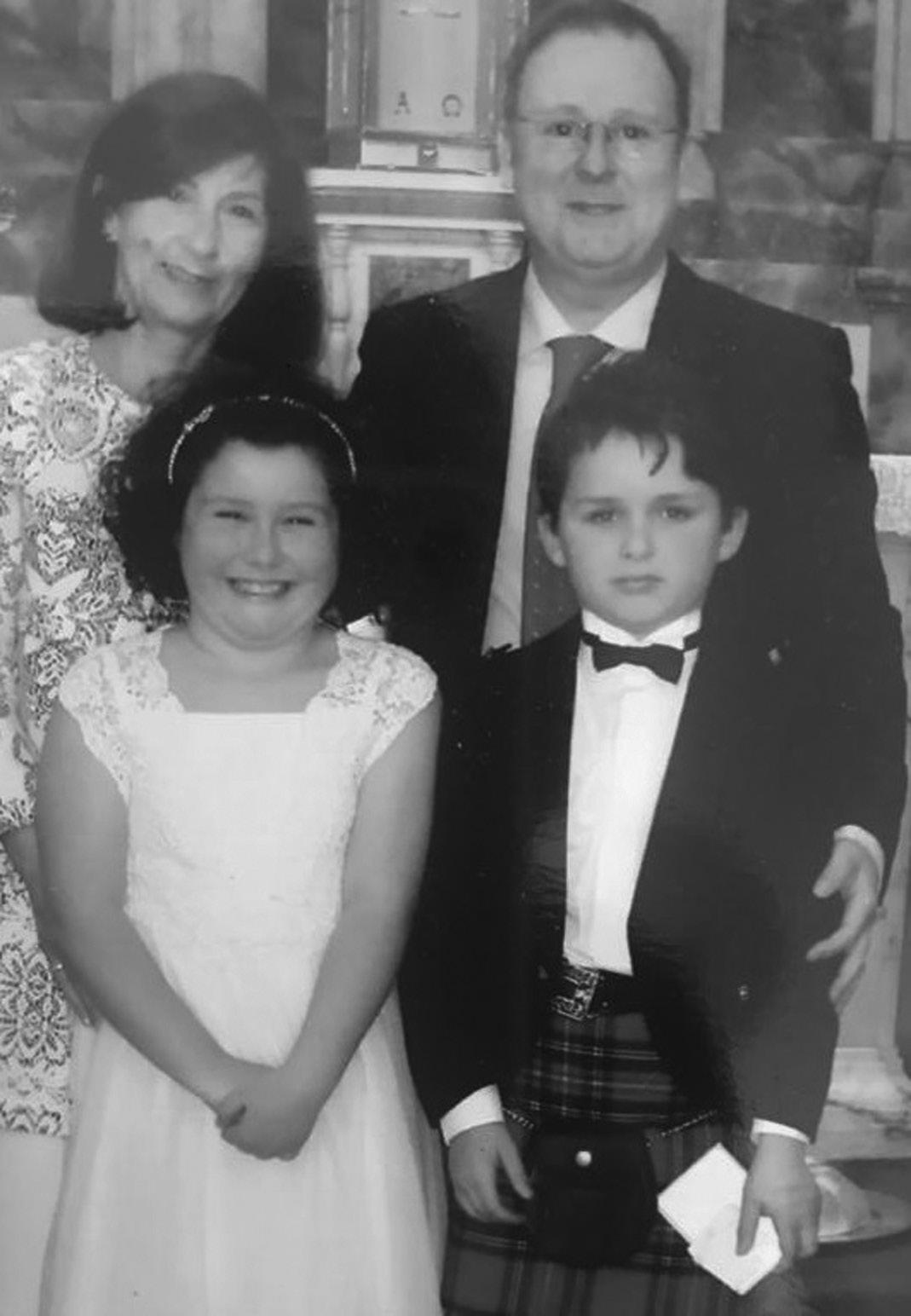
Finally, it is with the heaviest of hearts we dedicate this sixth edition of the Oxford Textbook of Palliative Medicine to the late Professor Kenneth Fearon. Ken, who was the husband of Professor Marie Fallon, was a surgeon who became a world leader in the research and management of anorexia and cachexia. He embodied
characteristics of care, compassion, curiosity, and rigor in his research. He modelled work–life balance that is so critical in our field, with devotion to both his patients and his beloved wife and children, while still enjoying his passions for golf and good wine. He remains an inspiration to all who knew him.
Professor Kenneth Fearon and family. Reproduced courtesy of Marie Fallon and family.
Nathan I. Cherny
Marie T. Fallon
Stein Kassa
Russell K. Portenoy
David C. Currow
Abbreviations xiii
Contributors xvii
SECTION 1
The worldwide status of palliative care
1.1 International progress in the development of palliative medicine 3
Carlos Centeno, Sheila Payne, and Eduardo Garralda
1.2 Essential medicines for palliative care 13
Lukas Radbruch and Liliana De Lima
1.3 Human rights issues 19
Frank Brennan and Liz Gwyther
1.4 Policy in palliative care 26
Stephen R. Connor
SECTION 2
The challenge of palliative medicine
2.1 Building definitional consensus in palliative care 35
Russell K. Portenoy
2.2 Core concepts in palliative care 44
Nathan I. Cherny and Russell K. Portenoy
2.3 The epidemiology of death and symptoms: planning for population-based palliative care 55
Davinia Seah, David Marco, Jennifer Philip, and Megan B. Sands
2.4 Barriers to the delivery of palliative care 69
Barry Laird, Erna Haraldsdottir, and Charlie Hall
2.5 Ethnic and cultural aspects of palliative and end of life care 76
Jonathan Koffman and Natalia Calanzani
2.6 Health economics for palliative care 93
Peter S. Hall, Katharina Diernberger, and Liz Grant
SECTION 3
Service delivery issues in palliative care
3.1 Specialist palliative care along the trajectory of illness: issues in the early integration of palliative care 103
Breffni Hannon, Stein Kaasa, and Camilla Zimmermann
3.2 Palliative care delivery models 111
Irene J. Higginson
3.3 Palliative medicine in the intensive care unit 121
Sharon Einav, Nathan I. Cherny, and J. Randall Curtis
3.4 Palliative care in the emergency department 133
Naomi George and Corita Grudzen
3.5 Palliative care in the nursing home 143
Jane Phillips and Annmarie Hosie
SECTION 4
Healthcare professionals in palliative care
4.1 The core team and the extended team 159
Dagny Faksvåg Haugen, Friedemann Nauck, and Deborah Witt Sherman
4.2 Burnout, compassion fatigue, and moral distress in palliative care 166
Nathan I. Cherny, Batsheva Ziff-Werman, and Michael Kearney
4.3 Nursing education in palliative care 181
Betty R. Ferrell, Polly Mazanec, Pam Malloy, and Rose Virani
4.4 Social work in palliative care 191
Terry Altilio, Bridget Sumser, and Nina Laing
4.5 The role of the chaplain in palliative care 198
George Handzo and Christina Puchalski
4.6 Occupational therapy in palliative care 206
Maria Denise Pessoa Silva, Fiona Rolls, Lynne White, Tamsin Longley, Jane Murphy, and Jill Cooper
4.7 The role of the creative arts in palliative care 213
Nigel Hartley
4.8 The role of the dietitian in palliative care 219
Samantha Cushen and Aoife Ryan
4.9 Physiotherapy in palliative care 225
Lucy Fettes and Matthew Maddocks
4.10 Speech and language therapy in palliative care 231
Tim Luckett and Katherine L. P. Reid
4.11 Clinical psychology in palliative care 241
E. Alessandra Strada
4.12 The contribution of the clinical pharmacist in palliative care 248
Ebtesam Ahmed
4.13 Medical rehabilitation and the palliative care patient 255
Andrew M Cole
SECTION 5
Communication and palliative medicine
5.1 Communication with the patient and family 267
Thomas W LeBlanc and James Tulsky
5.2 Practical considerations including difficult conversations 277
Susan D. Block
5.3 Advance care planning 286
Judith Rietjens, Ida Korfage, and Jane Seymour
SECTION 6
Family and caregiver issues
6.1 Family dynamics in the context of serious illness 295
Carrie Lethborg and David W Kissane
6.2 Caregiver burden and distress 303
Rinat Nissim, Sarah Hales, and Gary Rodin
SECTION 7
Pain
7.1 Definition and assessment of chronic pain in advanced disease 313
Lucy N. Wyld, Clare Rayment, and Mike I. Bennett
7.2 Pathophysiology of pain in cancer and other terminal illnesses 321
Anthony H. Dickenson and Richard Gordon-Williams
7.3 Acute cancer pain syndromes 333
Nathan I. Cherny
7.4 Chronic cancer pain syndromes 345
Nathan I. Cherny
7.5 Principles of drug therapy 364
Ruth Miles, Steven Wanklyn, and Joy Ross
7.6 Opioid therapy: optimizing analgesic outcomes 372
Nathan I. Cherny and Marie T. Fallon
7.7 Opioid therapy: managing risks of abuse, addiction, and diversion 416
Joseph V. Pergolizzi, Jr, Jo Ann LeQuang, Flaminia Coluzzi, Dean Mariano, Andrew Nicolaou, and Christopher Gharibo
7.8 Non-opioid analgesics 424
Per Sjøgren, Frank Elsner, and Stein Kaasa
7.9 Adjuvant analgesics: principles of use 433
Russell K. Portenoy, Ebtesam Ahmed, and Mona Patel
7.10 Interventional approaches for chronic pain 443
Robert A. Swarm, Menelaos Karanikolas, Lesley K. Rao, and Rajiv K. Shah
7.11 Neurostimulation in pain management 454
Helena Knotkova
7.12 Behavioural and psychosocial interventions for pain management 461
Joseph G. Winger, Carolyn E Keeler, and Francis J. Keefe
7.13 Integrative medicine therapies in pain management 471
Noah Samuels and Eran Ben-Arye
7.14 Management issues in bone pain 478
Peter Hoskin
7.15 Management issues in neuropathic pain 485
Lise Ventzel and Nanna Brix Finnerup
7.16 Management issues in visceral pain 491
Victor T. Chang
7.17 Management issues in chronic pain following cancer therapy 499
Judith A. Paice
7.18 Paediatric pain control 506
Renee McCulloch
SECTION 8
Gastrointestinal symptoms and disorders
8.1 Dysphagia, dyspepsia, and hiccups 525
Katherine Clark
8.2 Nausea and vomiting 534
Saskie Dorman
8.3 Constipation and diarrhoea 545
Philip J. Larkin
8.4 Jaundice, ascites, and encephalopathy 556
Alexandra Shingina and Anne M. Larson
8.5 Aetiology, classification, assessment, and treatment of the anorexia-cachexia syndrome 567
Vickie Baracos and Sharon M. Watanabe
8.6 Parenteral nutrition 579
Jann Arends and Florian Strasser
SECTION 9
Cardiorespiratory symptoms and disorders
9.1 Breathlessness and other respiratory symptoms in palliative care 589
Miriam J. Johnson and David C. Currow
9.2 Cough and other pulmonary symptoms 604
Doris Tse and Kin-Sang Chan
SECTION 10
Skin and oral symptoms and disorders
10.1 Skin problems in palliative care 613
Sebastian Probst and Georgina Gethin
10.2 Palliative wound and ostomy care 622
Charles P. Tilley, Mei R. Fu, Janet H. Van Cleave, Allison R. Most, and Christopher Comfort
10.3 Lymphoedema and oedema of advanced disease 648
Vaughan Keeley
10.4 Oral care 656
Andrew N. Davies
SECTION 11
Genitourinary symptoms and disorders
11.1 Dysuria, frequency, and bladder spasm 673
Jennifer G. Rothschild, Noah E. Canvasser, Frederick J. Meyers, and Christopher P. Evans
11.2 Obstructive urinary disorders 677
Noah E. Canvasser, Jennifer G. Rothschild, Frederick J. Meyers, and Christopher P. Evans
SECTION 12
Constitutional symptoms and related disorders
12.1 Fatigue 685
Sriram Yennurajalingam and Eduardo Bruera
12.2 Sexuality in palliative care: discussing patient sexuality and intimacy in palliative care 698
Lauren Kadwell, Jane Ussher, Emilee Gilbert, Janette Perz, and Amanda Hordern
12.3 Sleep disorders 708
Kyriaki Mystakidou, Efi Parpa, and Eleni Tsilika
12.4 Assessment and management of thrombotic complications 717
Simon Noble, Nicola Pease, and Nicolas Chinn-Yee
12.5 Assessment and management of bleeding complications in the medically ill 727
Bill Hulme, Sarah Wilcox, Paul Ashwood, Laura Deacon, Hazel Gilkes, and Victoria Montgomery
SECTION 13
Psychiatric and psychological symptoms and disorders
13.1 Coping and resilience in palliative medicine 739
Tzeela Cohen and Simon Wein
13.2 Depression, demoralization, and suicidality 747
David W Kissane
13.3 Fear, anxiety, and adjustment disorder in palliative care 756
Kerry A. Sherman and Christopher J. Kilby
13.4 Delirium 764
Meera Agar, Yesne Alici, Augusto Caraceni, and William Breitbart
13.5 Bereavement 773
David W. Kissane
SECTION 14
Palliative care in cancer
14.1 The oncologist’s role in delivering palliative care 787
Nathan I. Cherny and Stein Kaasa
14.2 Disease-modifying therapies in advanced cancer: medical treatment 800
Olav Dajani and Karin Jordan
14.3 Radiotherapy in symptom management 808
Peter Hoskin
14.4 The role of general surgery in the palliative care of patients with cancer 829
Robert Krouse and Brian Badgwell
14.5 Orthopaedic surgery in the palliation of cancer 839
Mohamed Yakoub and John Healey
14.6 Integrative oncology in palliative medicine 849
Eran Ben-Arye and Noah Samuels
14.7 Interventional radiology in the palliation of cancer 861
Tarun Sabharwal, Nicos I. Fotiadis, and Andy Adam
14.8 Neurological problems in advanced cancer 872
Augusto Caraceni, Fabio Simonetti, and Cinzia Martini
14.9 Endocrine and metabolic complications of advanced cancer 890
Richella Ryan and Ruth Casey
14.10 Malignant bowel obstruction 904
Jason W. Boland and Elaine G. Boland
14.11 Palliative care issues in head and neck cancers 918
Catriona R. Mayland and Simon N. Rogers
14.12 Palliative care issues in populations with haematological malignancies 927
Thomas W. LeBlanc and Areej El-Jawahri
14.13 Anaemia, cytopenias, and thrombosis in palliative medicine 937
Nancy Zhu and Cynthia Wu
SECTION 15
Issues in populations with non-cancer illnesses
15.1 HIV/AIDS 949
Meera Pahuja and Peter Selwyn
15.2 Advanced diseases of the lung 964
Natasha Smallwood and Nicole Goh
15.3 Advanced heart disease 976
Steven Pantilat, Patricia Davidson, and Mitchell Psotka
15.4 Dementia 987
Eric Widera, Shaida Talebreza, and Rachelle E Bernacki
15.5 Neurological disorders other than dementia 996
Raymond Voltz and Stefan Lorenzl
15.6 Palliative care and end-stage liver disease 1004
Arpan Patel and Anne Walling
15.7 End-stage kidney disease 1010
Fliss E. M. Murtagh
15.8 Palliative care in catastrophic disasters and humanitarian crises 1020
Anne Wilkinson and Marianne Matzo
SECTION 16
Issues of the very young and the very old
16.1 Involving children and families when someone important is dying or has died 1029
Erna Haraldsdottir and Sally Paul
16.2 Care of children with advanced illness 1035
Myra Bluebond-Langner, Richard W. Langner, and Ignasi Clemente
16.3 Palliative medicine and care of the elderly 1046
Meera Agar and Jane Phillips
SECTION 17
Spiritual issues in palliative medicine
17.1 Spiritual issues in palliative medicine 1063
Susan McClement, Genevieve Thompson, and Jamie Penner
17.2 Integration of spiritual care into palliative care service delivery models 1072
Yvan Beaussant, Alexandra Nichipor, and Tracy A Balboni
SECTION 18
The terminal phase
18.1 Predicting survival in patients with advanced disease 1083
Christian T. Sinclair
18.2 Physiology of dying 1094
David Hui and Masanori Mori
18.3 Management of the actively dying patient 1104
Judith Lacey and Nathan I. Cherny
SECTION 19
Ethical issues
19.1 Practical bioethics in the care of patients with advanced illness 1121
Robert C. Macauley
19.2 Requests for futile or inappropriate interventions near the end of life 1132
Alexander A. Kon
19.3 Autonomy and shared decision-making in a multicultural world 1139
Nathan I. Cherny
19.4 Truth telling and consent 1147
Linda Emanuel, Rebecca Johnson, and Lara Boyken
19.5 Ethics in paediatric palliative care 1155
Richard D. W. Hain
19.6 Ethical issues in physician aid-in-dying 1161
Lars Johan Materstvedt
19.7 Withholding and withdrawing life-sustaining treatment (including artificial nutrition and hydration) 1170
Danielle Ko, Hannah Evans-Barns, and Craig Blinderman
19.8 Medical and ethical considerations in palliative sedation at the end of life 1180
Eric L. Krakauer
SECTION 20
Assessment tools and informatics
20.1 Palliative care needs assessment tools 1191
Afaf Girgis, Amy Waller, and Breanne Hobden
20.2 Informatics and literature search 1209
Jennifer Tieman and David C. Currow
20.3 Validated assessment tools for psychological, spiritual, and family issues 1216
Madeline Li, Tracy A. Balboni, Rinat Nissim, and Gary Rodin
SECTION 21
Teaching and training in palliative medicine
21.1 Physicians 1233
Karen Forbes and Jane Gibbins
21.2 Nurses 1242
Geana Paula Kurita and Philip J. Larkin
21.3 Teaching and training in palliative social work, chaplaincy, and pharmacy 1252
Myra Glajchen, George Handzo, and Ebtesam Ahmed
SECTION 22
Research in palliative medicine
22.1 Research in palliative care 1261
Marianne J. Hjermstad and Stein Kaasa
22.2 The principles of evidence-based medicine 1268
Miriam J. Johnson and David C. Currow
22.3 Understanding clinical trials in palliative care research 1279
Pål Klepstad and Stein Kaasa
22.4 Qualitative research 1289
Kate Flemming
22.5 Research into psychosocial issues 1295
David W Kissane, Christopher H Grossman, and Clare O’Callaghan
22.6 Ethical issues in palliative care research 1312
Tyler Tate and David Casarett
22.7 Quality of life and patient-reported outcome measures 1318
Jon Håvard Loge and Stein Kaasa
22.8 Health services research in palliative and end of life care 1328
Tinne Smets and Luc Deliens
22.9 Clinical audit, quality improvement, and safety in palliative medicine 1335
Irene J. Higginson and Mevhibe B. Hocaoglu
Index 1351
Abbreviations
5FU fluorouracil
5-HT 5-hydroxytryptamine (serotonin)
AACN American Association of Colleges of Nursing
ACC adrenocortical carcinoma
ACD anaemia of chronic disease
ACEI angiotensin-converting enzyme inhibitor
ACP advance care planning
ACT acceptance and commitment therapy
ACTH adrenocorticotropic hormone
AD advance directive
ADEPT Advanced Dementia Prognostic Tool
ADF abuse-deterrent formulation
AIDS acquired immune deficiency syndrome
AMA American Medical Association
AML acute myeloid leukaemia
ANA American Nurses Association
ANC absolute neutrophil count
ANH artificial nutrition and hydration
APD atypical parkinsonian disorders
APRN advanced practice registered nurse
ARB angiotensin receptor blocker
ARNI angiotensin receptor–neprilysin inhibitor
ART antiretroviral therapy
ASA acetylsalicylic acid
ASCO American Society of Clinical Oncology
ASHP American Society of Health-System Pharmacists
ASIC acid-sensing ion channel
ATS American Thoracic Society
BIS bispectral index
BMI body mass index
BPI Brief Pain Inventory
CALM Managing Cancer and Living Meaningfully
CAM complementary and alternative medicine
CAT cancer-associated thrombosis
CBT cognitive behavioural therapy
CBT-I cognitive behavioural therapy for insomnia
CES cranial electrical stimulation
CESCR Committee on Economic, Social and Cultural Rights
CGRP calcitonin gene-related peptide
CHF chronic heart failure
CI confidence interval
CIC clean intermittent catheterization
CIM complementary and integrative medicine
CINV chemotherapy-induced nausea and vomiting
CIPN chemotherapy-induced peripheral neuropathy
CKD chronic kidney disease
CLL chronic lymphoid leukaemia
CML chronic myeloid leukaemia
CNS clinical nurse specialist or central nervous system
COMT catecholamine-O-methyl-transferase
COPD chronic obstructive pulmonary disease
COX cyclooxygenase
CPE clinical pastoral education
CPP cerebral perfusion pressure
CPR cardiopulmonary resuscitation
CPS clinician prediction of survival
CRC Convention on the Rights of the Child
CRF cancer-related fatigue
CRP C-reactive protein
CRT cardiac resynchronization therapy
CSF cerebrospinal fluid
CT computed tomography
CYP cytochrome P450 or children and young persons
DBS deep brain stimulation
DHA docosahexaenoic acid
DIC disseminated intravascular coagulation
DILI drug-induced liver injury
DLB dementia with Lewy bodies
DMC decision-making capacity
DNI do not intubate
DNP Doctor of Nursing Practice
DNR do not resuscitate
DOAC direct acting oral anticoagulant
DOR delta opioid receptor
DPS deep palliative sedation
DRE digital rectal examination
DSM-5 Diagnostic and Statistical Manual of Mental Disorders, fifth edition
DVT deep vein thrombosis
EAPC European Association for Palliative Care
EAS ectopic adrenocorticotropic hormone secretion
EBM evidence-based medicine
EBP evidence-based practice
ECOG Eastern Cooperative Oncology Group
ED emergency department
EGF epidermal growth factor
ELNEC End-of-Life Nursing Education Consortium
EM emergency medicine
EML essential medicines list
EORTC European Organisation for Research and Treatment of Cancer
QLQ-C30 Quality of Life Questionnaire Core 30
EPA eicosapentaenoic acid or entrustable professional activity
EPC early palliative care
EPR electronic patient record
ERCP endoscopic retrograde cholangiopancreatography
ESA erythropoietin-stimulating agent
ESAS Edmonton Symptom Assessment Scale
ESLD end-stage liver disease
ESMO European Society of Medical Oncology
FAST Functional Assessment Staging
FFGT family-focused grief therapy
FIM Functional Independence Measure
fMRI functional magnetic resonance imaging
GABA gamma-aminobutyric acid
G-CSF granulocyte colony-stimulating factor
GI gastrointestinal
GMC General Medical Council
GOLD Global Initiative for Chronic Obstructive Lung Disease
GP general practitioner
HAART highly active antiretroviral therapy
HCC hepatocellular carcinoma
HCP healthcare professional
HCV hepatitis C virus
HE hepatic encephalopathy
HF heart failure
HFpEF heart failure with preserved ejection fraction
HFrEF heart failure with reduced ejection fraction
HIT health information technology
HIV human immunodeficiency virus
HL Hodgkin lymphoma
HM haematological malignancies
HPA hypothalamic–pituitary–adrenal
HPNA Hospice and Palliative Nurses Association
HPV human papillomavirus
HRQL health-related quality of life
HRQoL health-related quality of life
IAHPC International Association for Hospice and Palliative Care
IASP International Association for the Study of Pain
ICD implantable cardioverter defibrillator
ICD-11 International Statistical Classification of Diseases and Related Health Problems, eleventh edition
ICER incremental cost-effectiveness ratio
ICP intracranial pressure
IDT interdisciplinary team
IL interleukin
ILD interstitial lung disease
IM intramuscular
INCB International Narcotics Control Board
INR international normalized ratio
IO integrative oncology
IOM Institute of Medicine
IP integrative physician
IPC integrated palliative care
IPF idiopathic pulmonary fibrosis
ISTH International Society of Thrombosis and Hemostasis
IV intravenous
IVC inferior vena cava
KOR kappa opioid receptor
KPS Karnofsky Performance Status
KTU Kennedy terminal ulcer
LMICs low- and middle-income countries
LMWH low-molecular-weight heparin
LP lumbar puncture
LST life-sustaining treatment
LVAD left ventricular assist device
M3G morphine-3-glucuronide
M6G morphine-6-glucuronide
MA megestrol acetate
MAC Mycobacterium avium complex
MAOI monoamine oxidase inhibitor
MARSI medical adhesive-related skin injury
MASD moisture-associated skin damage
MBSR mindfulness-based stress reduction
MCS motor cortex stimulation or minimally conscious state
MDT multidisciplinary team
MELD Model for End-Stage Liver Disease
MLD manual lymphatic drainage
MM multiple myeloma
MMSE Mini-Mental State Examination
MoCA Montreal Cognitive Assessment
MOR mu opioid receptor
MORECare Methods of Researching End of Life Care
MRCP magnetic resonance cholangiopancreatography
MRI magnetic resonance imaging
MS multiple sclerosis
MSA multiple system atrophy
mTOR mammalian target of rapamycin
MUST Malnutrition Universal Screening Tool
NAP national action plan
NASH non-alcoholic steatohepatitis
NCC National Consensus Conference
NCP National Consensus Project
NCPB neurolytic coeliac plexus block
NCSBN National Council of State Boards of Nursing
NG nasogastric
NGF nerve growth factor
NHL non-Hodgkin lymphoma
NHPCO National Hospice and Palliative Care Organization
NIPPV non-invasive positive pressure ventilation
NK neurokinin
NLSB neurolytic lumbar sympathetic block
NMDA N-methyl-D-aspartate
NNH number needed to harm
NNT number needed to treat
NP neuropathic pain
NPUAP National Pressure Ulcer Advisory Panel
NREM non-rapid eye movement
NRS numerical rating scale
NRTI nucleoside reverse transcriptase inhibitor
NSAID non-steroidal anti-inflammatory drug
NTS nucleus tractus solitarius
NYHA New York Heart Association
OAB overactive bladder
OIC opioid-induced constipation
ONS oral nutritional supplement
OUD opioid use disorder
PAD physician aid-in-dying
PAMORA peripherally acting mu-opioid receptor antagonist
PaP Palliative Prognostic
PAS physician-assisted suicide
PC palliative care
P-CaRES Palliative Care and Rapid Emergency Screening
PD Parkinson’s disease
PDE principle of double effect
PDMP prescription drug monitoring programme
PE pulmonary embolism
PET positron emission tomography
PG prostaglandin
PG-SGA Patient-Generated Subjective Global Assessment
PGY1 postgraduate year 1
PGY2 postgraduate year 2
PJP Pneumocystis jirovecii pneumonia
PN parenteral nutrition
PNS peripheral nerve stimulation
POS Palliative care Outcome Scale
PPI proton pump inhibitor
PPS Palliative Performance Scale
PRES posterior reversible encephalopathy syndrome
PRN pro re nata (as needed)
PRO patient-reported outcome
PROM patient-reported outcome measure
PSP progressive supranuclear palsy
PTH parathyroid hormone
PTHrP parathyroid hormone-related protein
PTSD post-traumatic stress disorder
PVS persistent vegetative state
QALY quality-adjusted life year
QES qualitative evidence synthesis
QoL quality of life
RANK receptor activator of nuclear factor kappa B
RANKL receptor activator of nuclear factor kappa B ligand
RCT randomized controlled trial
REM rapid eye movement
RF radiofrequency
RFA radiofrequency ablation
RLS restless legs syndrome
ROSC return of spontaneous circulation
rTMS repetitive transcranial magnetic stimulation
SC subcutaneous
SCCM Society of Critical Care Medicine
SCS spinal cord stimulation
SD standard deviation
SE status epilepticus
SEMS self-expandable metal stent
SF-36 36-Item Short Form Survey
SGD salivary gland dysfunction
SHS serious health-related suffering
SIAD syndrome of inappropriate antidiuresis
SIO Society for Integrative Oncology
SLT speech and language therapy/therapist
SNRI serotonin–norepinephrine reuptake inhibitor
SPCU specialist palliative care unit
SPEED Screen for Palliative and End of Life Care Needs in the Emergency Department
SPT suprapubic tube
SSRI selective serotonin reuptake inhibitor
SUPPORT Study to Understand Prognoses and Preferences for Outcomes and Risks of Treatments
SVCO superior vena cava obstruction
SWS slow-wave sleep
t½ half-life
TACE transarterial chemoembolization
TB-TTI Trombley–Brennan terminal tissue injury
TCA tricyclic antidepressant
TCM traditional Chinese medicine
tDCS transcranial direct current stimulation
TENS transcutaneous electrical nerve stimulation
THC delta-9-tetrahydrocannabinol
TIPS transjugular intrahepatic portosystemic shunt
TRPV transient receptor potential voltage-gated
tVNS transcutaneous vagus nerve stimulation
TXA tranexamic acid
UHC universal health coverage
UN United Nations
UNCRC United Nations Convention on the Rights of the Child
UTI urinary tract infection
VAS visual analogue scale
Vd volume of distribution
VEGF vascular endothelial growth factor
VGCC voltage-gated calcium channel
VTE venous thromboembolism
WBP wound bed preparation
WDR wide dynamic range
WHA World Health Assembly
WHO World Health Organization
WMA World Medical Association
WOCN Wound, Ostomy, and Continence Nurses Society
Contributors
Andy Adam Guy’s and St Thomas’ NHS Foundation Trust, London, UK
Meera Agar Improving Palliative, Aged and Chronic Care through Clinical Research and Translation (IMPACCT), Faculty of Health, University of Technology Sydney; and Department of Palliative Care, South West Sydney Local Health District, Sydney, NSW, Australia
Ebtesam Ahmed St John’s University College of Pharmacy and Health Sciences, Director of Pharmacy Internship, MJHS Institute for Innovation in Palliative Care, New York, NY, USA
Yesne Alici Memorial Sloan Kettering Cancer Center, New York, NY, USA
Terry Altilio Mount Sinai Health System, Division of Palliative Care, Mount Sinai Beth Israel; and Palliative Social Work Consultant, Mt. Kisco, NY, USA
Jann Arends Department of Internal Medicine, Hematology, Oncology, and Stem Cell Transplantation, University of Freiburg, Freiburg, Germany
Paul Ashwood Department of Palliative Medicine, Leeds Teaching Hospital NHS Foundation Trust, Leeds, UK
Brian Badgwell Department of Surgical Oncology, M.D. Anderson Cancer Center, Houston, TX, USA
Tracy A. Balboni Supportive and Palliative Radiation Oncology Service, Dana-Farber/ Brigham and Women’s Cancer Center, Boston, MA, USA
Vickie Baracos Department of Oncology, Faculty of Medicine and Dentistry, University of Alberta, Edmonton, AB, Canada
Yvan Beaussant Department of Psychosocial Oncology and Palliative Care, Dana Farber Cancer Institute, Boston, MA, USA
Eran Ben-Arye Integrative Oncology Program, Lin, Carmel, and Zebulun Medical Centers, Clalit Health Services; and Rappaport Faculty of Medicine, Technion-Israel Institute of Technology, Haifa, Israel
Mike I. Bennett Academic Unit of Palliative Care, Leeds Institute of Health Sciences, University of Leeds, Leeds, UK
Rachelle E. Bernacki Department of Psychosocial Oncology and Palliative Care, Dana- Farber Cancer Institute, Boston, MA, USA
Craig Blinderman Palliative Care Service, Department of Medicine, Columbia University Irving Medical Center/New York-Presbyterian Hospital, New York, NY, USA
Susan D. Block Founding Chair Emerita, Department of Psychosocial Oncology and Palliative Care, Dana- Farber Cancer Institute and Brigham and Women’s Hospital; and Professor of Psychiatry and Medicine, Harvard Medical School, Boston, MA, USA
Myra Bluebond-Langner Louis Dundas Centre for Children’s Palliative Care, UCL Great Ormond Street Institute of Child Health, London, UK; and Rutgers University, Camden, NJ, USA
Elaine G. Boland Department of Palliative Medicine, Hull University Teaching Hospitals NHS Trust, Hull, UK
Jason W. Boland Wolfson Palliative Care Research Centre, Hull York Medical School, University of Hull, Hull, UK
Lara Boyken Department of Preventive Medicine, Feinberg School of Medicine, Northwestern University, Chicago, IL, USA
William Breitbart Department of Psychiatry and Behavioural Sciences, Memorial Sloan Kettering Cancer Center, New York, NY, USA
Frank Brennan Department of Palliative Care, St George and Calvary Hospitals, Sydney, NSW, Australia
Eduardo Bruera Department of Palliative Care, Rehabilitation, and Integrative Medicine, The University of Texas MD Anderson Cancer Center, Houston, TX, USA
Natalia Calanzani The Primary Care Unit, Department of Public Health and Primary Care, University of Cambridge, Cambridge, UK
Noah E. Canvasser Department of Urologic Surgery, University of California, Davis, Sacramento, CA, USA
Augusto Caraceni Department of Palliative Care, Pain Therapy and Rehailitation, Fondazione IRCCS Istituto Nazionale dei Tumori, Milan, Italy
David Casarett Duke University School of Medicine, Durham, NC, USA
Ruth Casey Department of Medical Genetics, University of Cambridge, Cambridge, UK
Carlos Centeno ATLANTES Global Palliative Care Observatory, Institute for Culture and Society, University of Navarra, Pamplona, Spain
Kin-Sang Chan Haven of Hope Hospital, Kowloon, Hong Kong
Victor T. Chang Section Hematology Oncology, VA New Jersey Health Care System, East Orange; and Rutgers New Jersey Medical School, Newark, NJ, USA
Nathan I. Cherny Cancer Pain and Palliative Medicine Service, Department of Oncology, Shaare Zedek Medical Center, Jerusalem, Israel
Nicolas Chin-Yee Saint Michael’s Hospital, University of Toronto, ON, Canada
Katherine Clark Northern Sydney Local Health District Supportive and Palliative Care Network, Sydney; and Northern Clinical School, The University of Sydney, Sydney, NSW, Australia
Ignasi Clemente Department of Anthropology, Hunter College, The City University of New York, New York, NY, USA; and Louis Dundas Centre for Children’s Palliative Care, UCL Great Ormond Street Institute of Child Health, London, UK
Tzeela Cohen Department of Palliative Medicine, Davidoff Cancer Center, Beilinson Hospital, Petach Tikva, Israel
Andrew M. Cole Cancer Rehabilitation Services, HammondCare, Greenwich Hospital, Greenwich; and Hammond University Clinics, University of New South Wales, Sydney, NSW, Australia
Flaminia Coluzzi Department of Medical and Surgical Sciences and Biotechnologies, Sapienza University of Rome; and Unit of Anaesthesia, Intensive Care, and Pain Medicine, Sant’Andrea University Hospital, Rome, Italy
Christopher Comfort Calvary Hospital and Hospice, Bronx, NY, USA
Stephen R. Connor The Worldwide Hospice Palliative Care Alliance, London, UK
Jill Cooper Occupational Therapy Department, The Royal Marsden NHS Foundation Trust, London, UK
David C. Currow Improving Palliative, Aged and Chronic Care through Clinical Research and Translation (IMPACCT), Faculty of Health, University of Technology Sydney, Sydney, NSW, Australia
J. Randall Curtis Division of Pulmonary Critical Care and Sleep Medicine, Harborview Medical Center, Seattle, WA, USA
Samantha Cushen School of Food and Nutritional Sciences, University College Cork, National University of Ireland, Cork, Ireland
Olav Dajani Department of Oncology, Oslo University Hospital, Oslo, Norway
Patricia Davidson School of Nursing, John Hopkins University, Baltimore, MA, USA
Andrew N. Davies Professor of Palliative Medicine, Trinity College Dublin; University College Dublin; and Our Lady’s Hospice, Dublin, Ireland
Liliana De Lima International Association for Hospice and Palliative Care, Houston, TX, USA
Laura Deacon Palliative Medicine, St Gemma’s Hospice, Leeds, UK
Luc Deliens End-of-Life Care Research Group, Vrije Universiteit Brussel (VUB); and Ghent University, Brussels, Belgium
Anthony H. Dickenson Division of Biosciences, University College London, London, UK
Katharina Diernberger Usher Institute of Population Health Sciences and Informatics, University of Edinburgh, Edinburgh, UK
Saskie Dorman Consultant in Palliative Medicine, Forest Holme Hospice, University Hospitals Dorset NHS Foundation Trust, Dorset, UK
Sharon Einav Intensive Care Unit, Shaare Zedek Medical Center, Jerusalem, Israel
Areej El-Jawahri Massachusetts General Hospital Cancer Center, Boston, MA, USA
Frank Elsner Department of Palliative Medicine, Medical Faculty, RWTH Aachen University, Cologne, Germany
Linda Emanuel Department of Internal Medicine, Feinberg School of Medicine, Northwestern University, Chicago, IL, USA
Christopher P. Evans Department of Urologic Surgery, University of California, Davis, Sacramento CA, USA
Hannah Evans-Barns Department of Paediatric Surgery, The Royal Children’s Hospital; and Surgical Research Group, Murdoch Children’s Research Institute, Melbourne, VIC, Australia
Marie T. Fallon St Columba’s Hospice Chair of Palliative Medicine, University of Edinburgh, Edinburgh, UK
Betty R. Ferrell Division of Nursing Research and Education, City of Hope Comprehensive Cancer Center, Duarte, CA, USA
Lucy Fettes Cicely Saunders Institute of Palliative Care, Policy, and Rehabilitation, King’s College London, London, UK
Nanna Brix Finnerup Department of Clinical Medicine, Aarhus University, Aarhus, Denmark
Kate Flemming Professor of Hospice Practice and Evidence Synthesis, Department of Health Sciences, University of York; and Head of Research and Clinical Innovation, Hospice UK, London, UK
Karen Forbes Bristol Medical School, Faculty of Health Sciences, University of Bristol, Bristol, UK
Nicos I. Fotiadis Department of Interventional Radiology, The Royal Marsden NHS Foundation Trust, London, UK
Mei R. Fu William F. Connell School of Nursing, Boston College, Boston, MA, USA
Eduardo Garralda ATLANTES Global Palliative Care Observatory, Institute for Culture and Society, University of Navarra, Pamplona, Spain
Naomi George Department of Emergency Medicine, Brigham and Women’s Hospital, Boston, MA, USA
Georgina Gethin School of Nursing and Midwifery, National University of Ireland; and Alliance for Research and Innovation in Wounds, National University of Ireland, Galway, Ireland
Christopher Gharibo Professor of Anesthesiology and Orthopedics, Medical Director of Pain Medicine, NYU Langone Health, New York, NY, USA
Jane Gibbins Department of Palliative Medicine, Royal Cornwall Hospitals NHS Trust, Truro, Cornwall, UK
Emilee Gilbert School of Psychology, Western Sydney University, NSW, Australia
Hazel Gilkes Palliative Medicine, Sue Ryder Manorlands Hospice, Oxenhope, UK
Afaf Girgis Psycho-oncology Research Group, Centre for Oncology Education and Research Translation (CONCERT), Ingham Institute for Applied Medical Research, South Western Sydney Clinical School, University of New South Wales, Sydney; and Conjoint Professor, University of Western Sydney, University of Queensland, and Griffith University, Australia
Myra Glajchen Department of Family and Social Medicine, Albert Einstein College of Medicine, Bronx; and Director of Medical Education, MJHS Institute for Innovation in Palliative Care, New York, NY, USA
Nicole Goh Department of Respiratory and Sleep Medicine, Austin Hospital, Melbourne; Institute for Breathing and Sleep, Melbourne; and Faculty of Medicine, Dentistry and Health, The University of Melbourne, Melbourne, VIC, Australia
Richard Gordon-Williams Division of Surgery and Interventional Science, University College London Medical School, London, UK
Liz Grant Global Health Academy, University of Edinburgh, Edinburgh, UK
Christopher H. Grossman Calvary Health Care Bethlehem, VIC, Australia
Corita Grudzen Department of Emergency Medicine, NYU Langone Health, New York, NY, USA
Liz Gwyther Division of Family Medicine and Interdisciplinary Palliative Care and Medicine, University of Cape Town, South Africa
Richard D. W. Hain All-Wales Paediatric Palliative Care Network, Noah’s Ark Children’s Hospital for Wales, Cardiff, UK
Sarah Hales Princess Margaret Hospital Cancer Centre, Toronto, ON, Canada
Charlie Hall Institute of Genetics and Molecular Medicine, University of Edinburgh; and St Columba’s Hospice, Edinburgh, UK
Peter S. Hall Edinburgh Cancer Research Centre, University of Edinburgh, Edinburgh, UK
George Handzo HealthCare Chaplaincy Network—Research, New York, NY, USA
Breffni Hannon Department of Supportive Care, Princess Margaret Cancer Centre, Toronto, ON, Canada
Erna Haraldsdottir Education and Research, St Columba’s Hospice, Edinburgh; and Department of Nursing, Queen Margaret University, Musselburgh, UK
Nigel Hartley Mountbatten Hospice Group, London, UK
Dagny Faksvåg Haugen Department of Clinical Medicine K1, University of Bergen, Bergen, Norway
John Healey Orthopaedic Service, Department of Surgery, Memorial Sloan Kettering Cancer Center, New York; and Department of Surgery, Weill Cornell Medical College, New York, NY, USA
Irene J. Higginson Cicely Saunders Institute of Palliative Care and Rehabilitation, Florence Nightingale Faculty of Nursing, Midwifery and Palliative Care, King’s College London, London, UK
Marianne Jensen Hjermstad Regional Advisory Unit for Palliative Care, Department of Oncology, Oslo University Hospital, Oslo, Norway
Breanne Hobden University of Newcastle, Callaghan, NSW, Australia
Mevhibe B. Hocaoglu Cicely Saunders Institute of Palliative Care, Policy & Rehabilitation, Florence Nightingale Faculty of Nursing, Midwifery & Palliative Care, King’s College London, London, UK.
Amanda Hordern Bayside Healthy Living, Melbourne, VIC, Australia
Annmarie Hosie Palliative Care Nursing, School of Nursing Sydney, The University of Notre Dame; and St Vincent’s Health Network Sydney, NSW, Australia
Peter Hoskin Mount Vernon Cancer Centre, Middlesex; and University of Manchester Cancer Research Centre, Manchester, UK
David Hui Department of Palliative Care, MD Anderson Cancer Center, Houston, TX, USA
Bill Hulme St Leonards Hospice, York; and Department of Palliative Medicine, York Teaching Hospital NHS Foundation Trust, York, UK
Miriam J. Johnson Wolfson Palliative Care Research Centre, University of Hull, Hull, UK
Rebecca Johnson Independent Researcher, Formerly Center for Community Health and Department of Medical Social Sciences, Feinberg School of Medicine, Northwestern University, Chicago, IL, USA
Karin Jordan Department of Haematology, Oncology and Rheumatology, University of Heidelberg, Heidelberg, Germany
Stein Kaasa European Palliative Care Research Center (PRC), Department of Oncology, Oslo University Hospital; and University of Oslo, Institute of Clinical Medicine, Oslo, Norway
Lauren Kadwell Translational Health Research Institute, School of Medicine, Western Sydney University, NSW, Australia
Menelaos Karanikolas Division of Pain Management, Department of Anesthesiology, Washington University School of Medicine, Saint Louis, MO, USA
Michael Kearney Palliative Care Consultants of Santa Barbara, Santa Barbara, CA, USA
Francis Keefe Department of Psychiatry and Behavioral Sciences, Duke University Medical Center, Durham, NC, USA
Carolyn E. Keeler Department of Neurosurgery, Duke University Medical Center, Durham, NC, USA
Vaughan Keeley Lymphoedema Clinic, University Hospitals of Derby and Burton NHS Trust, Derby; and University of Nottingham Medical School, Nottingham, UK
Christopher J. Kilby Centre for Emotional Health, Department of Psychology, Macquarie University, Sydney; and School of Counselling, Psychology, and Psychotherapy, The Cairnmillar Institute, Hawthorn East, VIC, Australia
David W. Kissane Melbourne Clinical School, Notre Dame University, Werribee; and Department of Psychiatry, Monash Medical Centre, Monash University, Clayton, VIC, Australia
Pål Klepstad Department of Intensive Care Medicine, St Olavs University Hospital, Trondheim; and Department of Circulation and Medical Imaging, Norwegian University of Science and Technology, Trondheim, Norway
Helena Knotkova MJHS Institute for Innovation in Palliative Care, New York; and Department of Family and Social Medicine, Albert Einstein College of Medicine, Bronx, New York, USA
Danielle Ko Palliative Care Service, Clinical Ethics Unit, Austin Health, Heidelberg, VIC, Australia
Jonathan Koffman Cicely Saunders Institute of Palliative Care, Policy and Rehabilitation, Florence Nightingale Faculty of Nursing, Midwifery and Palliative Care, King’s College London, London, UK
Alexander A. Kon School of Medicine, Department of Pediatrics, University of California San Diego, La Jolla, California; and School of Medicine, Departments of Pediatrics and Bioethics, University of Washington, Seattle, WA, USA
Ida Korfage Department of Public Health, Erasmus MC, Rotterdam, The Netherlands
Eric L. Krakauer Division of Palliative Care and Geriatrics, Massachusetts General, Department of Global Health and Social Medicine, Harvard Medical School, Boston, MA, USA; and Department of Palliative Care, Ho Chi Minh City University of Medicine and Pharmacy, Ho Chi Minh City, Vietnam
Robert Krouse Surgical Services, Corporal Michael J. Crescenz Veterans Affairs Medical Center, Philadelphia; and Department of Surgery, Perelman School of Medicine, University of Pennsylvania, Philadelphia, PA, USA
Geana Paula Kurita Department of Oncology and Multidisciplinary Pain Centre, Rigshospitalet Copenhagen University Hospital, Copenhagen, Denmark
Judith Lacey Supportive Care Department, Chris O’Brien Lifehouse Comprehensive Cancer Centre, Camperdown, Sydney; and Sydney Medical School, University of Sydney, NSW, Australia
Nina Laing Department of Palliative Care, Medstar Washington Hospital Center, Washington, DC, USA
Barry Laird Institute of Genetics and Molecular Medicine, University of Edinburgh, Edinburgh; and St Columba’s Hospice, Edinburgh, UK
Richard W. Langner Louis Dundas Centre for Children’s Palliative Care, UCL Great Ormond Street Institute of Child Health, London, UK
Philip J. Larkin Palliative and Supportive Care Service, University of Lausanne, Lausanne, Switzerland
Anne M. Larson Departments of Gastroenterology and Hepatology, University of Washington, Seattle, WA, USA
Thomas W. LeBlanc Department of Medicine, Duke University School of Medicine; and Duke Cancer Institute, Durham, NC, USA
Jo Ann LeQuang Scientific Communications, NEMA Research Inc., Naples, FL, USA
Carrie Lethborg Department of Social Work, St Vincent’s Hospital, Melbourne, VIC, Australia
Madeline Li Department of Supportive Care, Princess Margaret Hospital Cancer Centre, Toronto, ON, Canada
Jon Håvard Loge Department of Behavioural Medicine, University of Oslo, Oslo, Norway
Tamsin Longley Occupational Therapy Department, The Royal Marsden NHS Foundation Trust, London, UK
Stefan Lorenzl Department of Palliative Care, Paracelsus Medical University, Salzburg, Austria
Tim Luckett Improving Palliative, Aged and Chronic Care through Clinical Research and Translation (IMPACCT), Faculty of Health, University of Technology Sydney, Sydney, NSW, Australia
Robert C. Macauley Department of Pediatrics, Oregon Health and Science University, Portland, OR, USA
Matthew Maddocks Cicely Saunders Institute of Palliative Care, Policy, and Rehabilitation, King’s College London, London, UK
Pam Malloy American Association of Colleges of Nursing, Washington, DC, USA
David Marco Centre for Palliative Care, St Vincent’s Hospital Melbourne, Fitzroy, VIC, Australia
Dean Mariano Clinical Medical Faculty, Frank H. Netter, MD School of Medicine, Quinnipiac University, North Haven, CT, USA
Cinzia Martini Department of Palliative Care, Pain Therapy and Rehailitation, Fondazione IRCCS Istituto Nazionale dei Tumori, Milan, Italy
Lars Johan Materstvedt Department of Philosophy and Religious Studies, Norwegian University of Science and Technology (NTNU), Trondheim, Norway
Marianne Matzo Research, Hospice and Palliative Nurses Association, Pittsburgh, PA, USA
Catriona R. Mayland Department of Oncology and Metabolism, The University of Sheffield; Sheffield; and Palliative Care Institute, University of Liverpool, Cancer Research Centre, Liverpool, UK
Polly Mazanec Frances Payne Bolton School of Nursing, Case Western Reserve University, Cleveland, OH, USA
Susan McClement College of Nursing, Rady Faculty of Health Sciences, University of Manitoba, Winnipeg, MB, Canada
Renee McCulloch The Louis Dundas Centre for Palliative Care, Great Ormond Street Hospital for Children NHS Foundation Trust, London, UK
Frederick J. Meyers Division of Hematology Oncology, Department of Internal Medicine, and Comprehensive Cancer Center, University of California, Davis, Sacramento, CA, USA
Ruth Miles Consultant in Palliative Medicine, Greenwich and Bexley Community Hospice, London, UK
Victoria Montgomery Department of Palliative Medicine, Leeds Teaching Hospital NHS Foundation Trust, Leeds, UK
Masanori Mori Palliative and Supportive Care Division, Seirei Mikatahara General Hospital, Hamamatsu City, Japan
Allison R. Most Department of Otolaryngology— Head and Neck Surgery, Laura and Isaac Perlmutter Cancer Center at NYU Langone Health, New York, NY, USA
Jane Murphy Occupational Therapy Department, The Royal Marsden NHS Foundation Trust, London, UK
Fliss E. M. Murtagh Wolfson Palliative Care Research Centre, University of Hull, Hull, UK
Kyriaki Mystakidou Pain Relief and Palliative Care Unit, Department of Radiology, National and Kapodistrian University of Athens School of Medicine, Athens, Greece
Friedemann Nauck Department of Palliative Medicine, University Medical Center Göttingen, Göttingen, Germany
Alexandra Nichipor Department of Psychosocial Oncology and Palliative Care, Simmons University (MSW Candidate), Dana Farber Cancer Institute, Boston, MA, USA
Andrew Nicolaou Department of Pain Medicine and Anaesthesia, St Georges Hospital, London, UK
Rinat Nissim Princess Margaret Hospital Cancer Centre, Toronto, ON, Canada
Simon Noble Marie Curie Palliative Research Centre, Cardiff University, Cardiff, UK
Clare O’Callaghan Palliative Care Research, Cabrini Institute, Melbourne, VIC, Australia
Meera Pahuja Virginia Commonwealth University, Richmond, VA, USA
Judith A. Paice Division of Hematology-Oncology, Northwestern University, Chicago, IL, USA
Steven Pantilat Division of Palliative Medicine, Department of Medicine, University of California San Francisco, San Francisco, CA, USA
Efi Parpa Pain Relief and Palliative Care Unit, Department of Radiology, National and Kapodistrian University of Athens School of Medicine, Athens, Greece
Arpan Patel Division of Digestive Diseases, University of California, Los Angeles, CA, USA
Mona Patel MJHS Institute for Innovation in Palliative Care, New York, NY, USA
Sally Paul School of Social Work and Social Policy, University of Strathclyde, Glasgow, UK
Sheila Payne Faculty of Health and Medicine, Lancaster University, Lancaster, UK
Nicola Pease Velindre Cancer Centre, Cardiff, UK
Jamie Penner College of Nursing, Rady Faculty of Health Sciences, University of Manitoba, Winnipeg, MB, Canada
Joseph V. Pergolizzi, Jr Clinical Research, NEMA Research Inc., Naples, FL, USA
Janette Perz Translational Health Research Institute, School of Medicine, Western Sydney University, NSW, Australia
Maria Denise Pessoa Silva Occupational Therapy Department, The Royal Marsden NHS Foundation Trust, London, UK
Jennifer Philip Department of Medicine, St Vincent’s Hospital, The University of Melbourne, Fitzroy, VIC, Australia
Jane Phillips Head School of Nursing, Queensland University of Technology, Queensland; and Emeritus Professor Palliative Nursing, Improving Palliative, Aged and Chronic Care through Clinical Research and Translation (IMPACCT), Faculty of Health, University of Technology Sydney, NSW, Australia
Russell K. Portenoy MJHS Institute for Innovation in Palliative Care, New York; and Department of Family and Social Medicine, Albert Einstein College of Medicine, Bronx, NY, USA
Sebastian Probst HES-SO University of Applied Sciences and Arts Western Switzerland, Geneva; and University Hospital Geneva, Geneva, Switzerland
Mitchell Psotka Inova Heart and Vascular Institute, Falls Church, VA, USA
Christina Puchalski Medicine and Health Sciences, The George Washington University School of Medicine and Health Sciences, Washington, DC, USA
Lukas Radbruch Department of Palliative Medicine, University of Bonn, Bonn, Germany
Lesley K. Rao Division of Pain Management, Department of Anesthesiology, Washington University School of Medicine, Saint Louis, MO, USA
Clare Rayment Bradford Teaching Hospitals NHS Trust, Bradford, UK
Katherine L. P. Reid NSW Ministry of Health, Centre for Population Health, Liverpool, NSW, Australia
Judith Rietjens Department of Public Health, Erasmus MC, Rotterdam, The Netherlands
Gary Rodin Princess Margaret Hospital Cancer Centre, Toronto, ON, Canada
Simon N. Rogers Regional Maxillofacial Unit, Aintree University Hospitals NHS Foundation Trust, Liverpool; and Faculty of Health and Social Care, Edge Hill University, Lancashire, UK
Fiona Rolls Occupational Therapy Department, The Royal Marsden NHS Foundation Trust, London, UK
Joy Ross St Christopher’s Hospice, London, UK
Jennifer G. Rothschild Department of Urologic Surgery, University of California, Davis, Sacramento CA, USA
Aoife Ryan School of Food and Nutritional Sciences, University College Cork, National University of Ireland, Cork, Ireland
Richella Ryan Arthur Rank Hospice Charity, Cambridge, UK
Tarun Sabharwal Guy’s and St Thomas’ NHS Foundation Trust, London, UK
Noah Samuels Center for Integrative Complementary Medicine, Shaare Zedek Medical Center, Jerusalem, Israel
Megan B. Sands Faculty of Medicine, Prince of Wales Clinical School, University of New South Wales, Sydney, NSW, Australia
Davinia Seah Sacred Heart Health Service, St Vincent’s Hospital Clinical School, Faculty of Medicine, University of New South Wales, Sydney, NSW, Australia
Peter Selwyn Albert Einstein College of Medicine, Yeshiva University, Bronx, NY, USA
Jane Seymour Health Sciences School, The University of Sheffield, Sheffield, UK
Rajiv K. Shah Division of Pain Management, Department of Anesthesiology, Washington University School of Medicine, Saint Louis, MO, USA
Kerry A. Sherman Centre for Emotional Health, Department of Psychology, Macquarie University, Sydney, NSW, Australia
Alexandra Shingina Departments of Gastroenterology, Hepatology and Nutrition, Vanderbilt University, Nashville, TN, USA
Fabio Simonetti Department of Palliative Care, Pain Therapy and Rehailitation, Fondazione IRCCS
Istituto Nazionale dei Tumori, Milan, Italy
Christian T. Sinclair Division of Palliative Medicine, University of Kansas Medical Center, Kansas City, KS, USA
Per Sjøgren Section of Palliative Medicine, Department of Oncology, Rigshospitalet, Department of Clinical Medicine, University of Copenhagen, Copenhagen, Denmark
Natasha Smallwood Respiratory and Sleep Medicine Department, Royal Melbourne Hospital, Melbourne; and Faculty of Medicine, Dentistry and Health, The University of Melbourne, Melbourne, VIC, Australia
Tinne Smets End-of-Life Care Research Group, Vrije Universiteit Brussel (VUB) and Ghent University, Brussels, Belgium
E. Alessandra Strada Adjunct Faculty, Psychopharmacology Program, Alliant International University, San Francisco, CA, USA
Florian Strasser Cancer Fatigue and Survivorship Clinic, St. Gallen Cantonal Hospital, St. Gallen, Switzerland
Bridget Sumser Division of Palliative Medicine, University of California San Francisco Medical Center, San Francisco, CA, USA
Robert A. Swarm Division of Pain Management, Department of Anesthesiology, Washington University School of Medicine, Saint Louis, MO, USA
Shaida Talebreza Division of Geriatrics, University of Utah, Salt Lake City, UT, USA
Tyler Tate Department of Pediatrics, Oregon Health and Science University, Portland, OR, USA
Genevieve Thompson College of Nursing, Rady Faculty of Health Sciences, University of Manitoba, Winnipeg, MB, Canada
Jennifer Tieman Research Centre for Palliative Care, Death and Dying, College of Nursing and Health Sciences, Flinders University, Adelaide, SA, Australia
Charles P. Tilley Rory Meyers College of Nursing, New York University, New York City, NY, USA
Doris Tse Palliative Care Unit, Department of Medicine and Geriatrics, Caritas Medical Centre, Hong Kong
Eleni Tsilika Department of Radiology, Pain Relief and Palliative Care Unit, National and Kapodistrian University of Athens School of Medicine, Athens, Greece
James Tulsky Department of Psychosocial Oncology and Palliative Care, Dana-Farber Cancer Institute, Boston, MA, USA
Jane Ussher Translational Health Research Institute, School of Medicine, Western Sydney University, NSW, Australia
Janet H. Van Cleave New York University Rory Meyers College of Nursing, New York City, NY, USA
Lise Ventzel Department of Clinical Medicine, Aarhus University, Aarhus, Denmark
Rose Virani City of Hope Comprehensive Cancer Center, Duarte, CA, USA
Raymond Voltz Department of Palliative Medicine, University Hospital Cologne, Cologne, Germany
Amy Waller University of Newcastle, Callaghan, NSW, Australia
Anne Walling Division of General Internal Medicine and Health Services Research, University of California, Los Angeles, CA, USA
Steven Wanklyn Guy’s and St Thomas’ NHS Foundation Trust, London, UK
Sharon M. Watanabe Division of Palliative Care Medicine, Department of Oncology, Faculty of Medicine and Dentistry, University of Alberta, Edmonton, AB, Canada
Simon Wein Department of Palliative Medicine, Davidoff Cancer Center, Beilinson Hospital, Petach Tikva, Israel
Batsheva Ziff-Werman Internal Medicine and Palliative Care, Shaare Zedek Medical Center, Jerusalem, Israel
Lynne White Occupational Therapy Department, The Royal Marsden NHS Foundation Trust, London, UK
Eric Widera Division of Geriatrics, University of California, San Francisco, CA, USA
Sarah Wilcox Pain Relief and Palliative Care Unit, St Leonards Hospice, York, UK
Anne Wilkinson School of Nursing and Midwifery, Edith Cowan University, Joondalup, WA, Australia
Joseph Winger Department of Psychiatry and Behavioral Sciences, Duke University Medical Center, Durham, NC, USA
Deborah Witt Sherman Nicole Wertheim College of Nursing and Health Sciences, Florida International University, Miami, FL, USA
Cynthia Wu Department of Medicine, Division of Hematology, University of Alberta, Edmonton, AB, Canada
Lucy N. Wyld Consultant in Palliative Care, Department of Palliative Care, Leeds Teaching Hospitals Trust, Leeds, GB
Mohamed Yakoub Orthopaedic Service, Department of Surgery, Memorial Sloan Kettering Cancer Center, New York, NY, USA
Sriram Yennurajalingam Department of Palliative Care, Rehabilitation, and Integrative Medicine, The University of Texas MD Anderson Cancer Center, Houston, TX, USA
Nancy Zhu Department of Medicine, Division of Hematology, University of Alberta, Edmonton, AB, Canada
Camilla Zimmermann Department of Supportive Care, Princess Margaret Cancer Centre, Toronto, ON, Canada