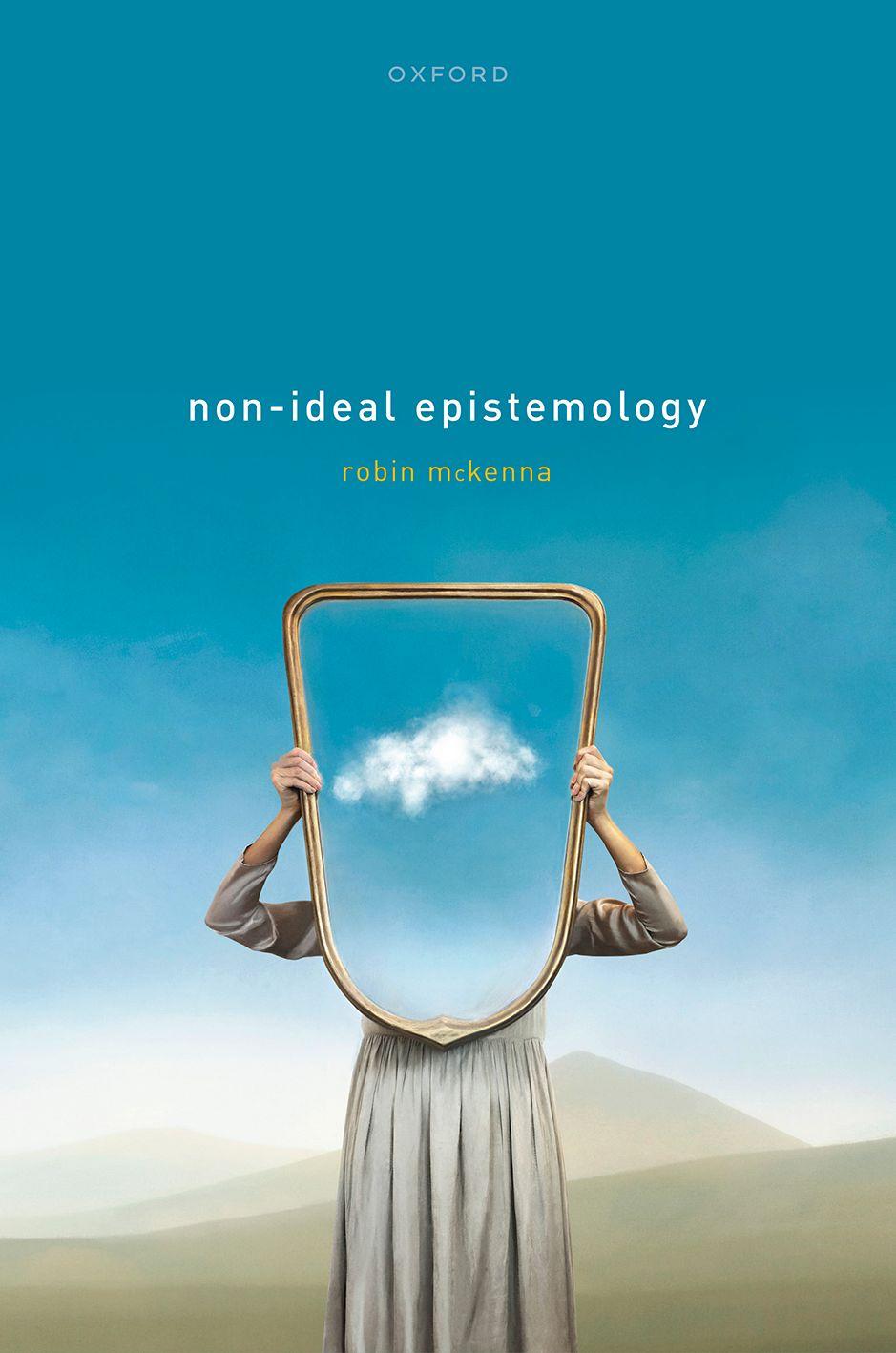
Non-IdealEpistemology
ROBINM C KENNA
GreatClarendonStreet,Oxford,OX26DP, UnitedKingdom
OxfordUniversityPressisadepartmentoftheUniversityofOxford. ItfurtherstheUniversity’sobjectiveofexcellenceinresearch,scholarship, andeducationbypublishingworldwide.Oxfordisaregisteredtrademarkof OxfordUniversityPressintheUKandincertainothercountries
©RobinMcKenna2023
Themoralrightsoftheauthorhavebeenasserted Allrightsreserved.Nopartofthispublicationmaybereproduced,storedin aretrievalsystem,ortransmitted,inanyformorbyanymeans,withoutthe priorpermissioninwritingofOxfordUniversityPress,orasexpresslypermitted bylaw,bylicenceorundertermsagreedwiththeappropriatereprographics rightsorganization.Enquiriesconcerningreproductionoutsidethescopeofthe aboveshouldbesenttotheRightsDepartment,OxfordUniversityPress,atthe addressabove
Youmustnotcirculatethisworkinanyotherform andyoumustimposethissameconditiononanyacquirer
PublishedintheUnitedStatesofAmericabyOxfordUniversityPress 198MadisonAvenue,NewYork,NY10016,UnitedStatesofAmerica
BritishLibraryCataloguinginPublicationData Dataavailable
LibraryofCongressControlNumber:2023930546
ISBN978–0–19–288882–2
DOI:10.1093/oso/9780192888822.001.0001
Printedandboundby CPIGroup(UK)Ltd,Croydon,CR04YY
LinkstothirdpartywebsitesareprovidedbyOxfordingoodfaithand forinformationonly.Oxforddisclaimsanyresponsibilityforthematerials containedinanythirdpartywebsitereferencedinthiswork.
ToSophie,Edie,andHenry Itwouldn’tbeafamilywithoutthem
Preface ix
1.WhatIsNon-IdealEpistemology?1 1.1ThreeAims3
1.2ThreeFacesofNon-IdealEpistemology5
1.3Non-IdealEpistemologyandFeministEpistemology11 1.4Overview15
2.IdealandNon-IdealTheory19
2.1IdealTheoryinEthicsandPolitics22
2.2Fullvs.PartialComplianceTheory28
2.3Utopianvs.RealisticTheory29
2.4MillsandIdealEpistemology31
2.5Objections35
3.AndersonandGoldmanonIdentifyingExperts45
3.1GoldmanonIdentifyingExperts46
3.2GoldmanandIdealTheory49
3.3AndersononIdentifyingExperts50
3.4Goldmanvs.Anderson56
3.5TwoTasksforAnderson59
4.PersuasionandPaternalism61
4.1Non-IdealInstitutionalEpistemology63
4.2GatheringtheEvidence66
4.3EpistemicPaternalismandIntellectualAutonomy70
4.4RileyonNudgingandEpistemicInjustice74
4.5MeehanonNudgingandEpistemicVices78
4.6TsaionRationalPersuasionandPaternalism81
4.7IntellectualAutonomy85
5.IntellectualAutonomy87
5.1WhatIsIntellectualAutonomy?88
5.2AgainstCarteronIntellectualAutonomy92
5.3MoreonMotivatedReasoning96
5.4AgainstRobertsandWoodonIntellectualAutonomy98
5.5IntellectualAutonomyandEpistemicPaternalism100
5.6BecomingIntellectuallyAutonomous102
6.TheObligationtoEngage105
6.1MillontheObligationtoEngage107
6.2CassamontheObligationtoEngage110
6.3TheObligationtoEngageinInhospitableEnvironments112
6.4TheObligationtoEngageandEpistemicExclusion116
6.5Fullvs.PartialComplianceTheory121
6.6Ballantyne,Fantl,andSrinivasan124
6.7TowardsaNon-IdealTheory129
7.LiberatoryVirtueandViceEpistemology133
7.1LiberatoryVirtueEpistemology134
7.2MedinaonIntellectualVirtueandVice138
7.3MakingSenseofResponsibility142
7.4MedinaonEpistemicResponsibility147
7.5IdealTheoryandEpistemicResponsibility153
8.ScepticismMotivated157
8.1EvenMoreonMotivatedReasoning158
8.2TheUnreliabilityofPoliticallyMotivatedReasoning161
8.3PoliticallyMotivatedReasoningandBasing166
8.4DebunkingArguments174
8.5ScepticisminNon-IdealEpistemology175
Preface
ThisbookhasitsoriginsinaclassItaughtonsocialepistemologyatthe UniversityofViennain2016.WhilepreparingtheclassIwasstruckbyadivide betweentwocampsinsocialepistemology.Onecampworkedwithidealized modelsofhumanbeings,thesocialinteractionsbetweenthem,andthesocial spacesinwhichtheyinteracted.Thiscamptendedtofocusonfoundationalissues intheepistemologyoftestimony(underwhatconditionsamIjustifiedinacceptingwhatsomeonetellsme?)anddisagreement(whatshouldIdowhenIlearnthat someonewhomIregardasmyepistemicpeerdisagreeswithme?).Whilethey acknowledgedtheimportanceofsocialinteractions,thiscamptendedtoview socialinteractionsasameansoftransferringepistemicgoods(knowledge,information),andpaidlittleattentiontothewaysinwhichsocialpowerdifferentials colouredandshapedtheseinteractions.
Theothercampdidnotdothesethings.Whentheytalkedaboutthesame issuesasthe firstcamp,theirinterestsseemeddifferent.Theywerelessconcerned withthefoundationalissuesandmoreconcernedwiththewaysinwhichsocial powerdifferentialsshapedtestimonialandothersocialinteractions.Moregenerally,theywantedtoaskdifferentquestions.Inwhatwaysareoursystemsof knowledgeproductionanddisseminationdysfunctional?Howmightweimprove thesesystems?Howdooursocialidentitiesandsituationsinfluencetheevidence towhichwehaveaccess?Canepistemologicalframeworksandsystemsthemselvesbesourcesofoppression?Whyisitthatsomanyofusareignorantofthe realityofoppressionandinjustice?Whatcanepistemologydotohelpusanswer allthesequestions?
Inteachingtheclass,Iusedthisdivideasawayofframingthematerialforthe students.The firstcampdidwhatIcall ‘idealepistemology’.Thesecondcampdid whatIcall,forobviousreasons, ‘non-idealepistemology ’.Isuggestedtomy studentsthatthisdividewas,inmanyways,moreusefulthanthedividebetween ‘traditional’ and ‘social’ epistemology.Whetherornottheyfoundthishelpful, Ihavebeenthinkingaboutthisdivideeversince.Thisbookismyattempttoset outwhatIthinkaboutit.InthepagesthatfollowIarguethatthedividebetween idealandnon-idealepistemologyisas ifnotmore importantasthedivide betweentraditionalandsocialepistemology.However,thisisnotprimarilyawork inphilosophicalmethodology.Mybasicaimistomakethecasefornon-ideal epistemologybydoingit.Iarguethatsomeepistemologicalissuesandproblems callforanon-idealratherthananidealapproach.Thisbookisthereforeadefence ofnon-idealepistemology.
Whilethisbookisadefenceofnon-idealepistemology,itisnotnecessarily,or atleastnotprimarily,acritiqueofidealepistemology.Thepartofthemore generalpictureIhavestruggledthemostwithisthequestionofwhetherideal andnon-idealepistemologyareinoppositiontoeachother.Thisquestionismuch likethequestionofwhethertraditionalandsocialepistemologyareinopposition toeachother.Withtraditionalandsocialepistemology,alargepartofthe differencebetweenthemisjustthattheyareoftenaboutdifferentthings.The samegoesforidealandnon-idealepistemology.Wheretheidealepistemologist mightwanttoknowwhatknowledgeis,thenon-idealepistemologistwantsto knowwhyitisthatsomepeopledonothaveitandwhatwecandoaboutthefact theydonothaveit.
Thatsaid,myviewisthatidealandnon-idealepistemologycancomeinto conflict.Imagineweareinterestedinthequestionofwhetherweallhavean obligationtoengagewithchallengestoourbeliefs.Manyareinclinedtoanswerin theaffirmative,forreasonsfamiliarfromJohnStuartMill’sfamousdiscussionof freedomofexpressionandthevalueofrobustcriticaldebatein OnLiberty.Mill’ s discussionofthesemattersmightstrikethereaderasalittleidealistic.Onewants toagreethatanidealizedversionofdebatemighthavethesortsofbene fitsMill alleges,butmany meincluded areinclinedtodisputewhetheractualdebateis muchliketheidealizedversionofdebateMillseemstohaveinmind.
Now,myclaimisnotthattheidealepistemologist must giveanaffirmative answertothequestionofwhetherweareunderanobligationtoengagewith challenges.Itmaybepossibletoargue,fromanidealperspective,thatweare undernosuchobligation.ButtheMillianpictureofthevalueofrobustcritical debateisparticularlyattractivetosomeonewhoisinclinedtothinkthat,atleastin itsessentialrespects,actualdebateisliketheidealizedversionofitthatMill envisages.Itis,however,notattractivetosomeonewhoisinclinedtothinkthat,at leastwithrespecttocertainissues(e.g.politicallycontentiousissues),andfor certainpeople(e.g.membersofmarginalizedgroups),actualdebateislittlelike howMillimaginesittobe.Asaresult,wecanexpecttheMillianpicturetobe moreattractivefromthestandpointofidealepistemologythanitisfromthe standpointofnon-idealepistemology.Ifyouthink asIdo thattheMillian pictureiswrong,thenthispointstooneplacewhereidealandnon-idealepistemologycancomeintoconflict.Thepagesthatfollowhighlightsomeother places.
However,Iwanttohighlightthat,whileidealandnon-idealepistemologycan comeintoconflict,theyoftendonot.Itmayevenbethattheyusuallydonot.In manyways,then,thesituationwithidealandnon-idealepistemologyparallelsthe situationwithtraditionalandsocialepistemology.Traditionalandsocialepistemologyaretwowaysofdoingepistemologythatcomplementeachother. A ‘complete’ epistemologyneedsboth.Thispointisparticularlyimportant giventhecurrentstateofepistemology.Itisfairtosaythatnon-idealepistemology
isincreasinglypopular.Butidealepistemology,whetherinatraditionalormore socialform,dominatesthesyllabiofstandardepistemologycourses,and atleast untilveryrecently thepagesofthemajorjournals.Ifitreallyistruethatideal andnon-idealepistemologycomplementeachother,andiftheyare asIthink equallydeservingofourtimeandattention,thenthisisanimbalancethatneedsto becorrected.
Severalpeoplehavehelpedshapemythinkingabouttheseissuesovertheyears. IwouldliketotakethisopportunitytothankthemandapologizetoanyoneIhave forgottentomention.
The firstgroupofpeopleIwanttothankarethosewhohavereadand commentedonportionsofthebookatvariousstagesofitsdevelopment. SpecialthanksareduetoVeliMitovaandtotwoanonymousreadersfor OxfordUniversityPress.Thebookismuchimprovedduetotheirmanyinsightful commentsandprobingobjections.ThanksalsotoJoshuaHabgood-Cootefora helpfulsetofcommentsonChapter2,NickHughesforseveralobjectionstononidealepistemologythatIworkthroughinChapter2,themembersoftheOxford EpistemologyGroup(especiallyNickandRachelFraser)fortheirinvaluable commentsonChapter5,DaniellaMeehanforherdetailedcommentsonmy discussionofherworkChapter5,andtoMiriamMcCormickforurgingmeto discussJeremyFantl’sworkonopen-mindednessinChapter6.Finally,thisbook incorporatessomepreviouslypublishedwork(seebelowfordetails),onwhich IreceivedhelpfulcommentsfromGuyAxtell,AmielBernal,JeroendeRidder, MichaelHannon,KirkLougheed,JonMatheson,andreviewersforthe Canadian JournalofPhilosophy andthe JournalofAppliedPhilosophy. ThesecondgroupofpeopleIwouldliketothankarethosewhogaveme commentsonpresentationsofmaterialfromthebook.Ipresentedaversionof Chapter2toJoachimHorvath’sphilosophicalmethodologyresearchgroupatthe Ruhr-UniversityBochum.ThankstoJoachimfortheinvitationandastimulating discussion.ThanksalsotoSteffenKochforaskingaquestionaboutidealandnonidealtheoryinpoliticalphilosophythathelpedmetoreshapethechapter. IpresentedaversionofChapter6totheUniversityofGlasgow’sEpistemology WorkinProgressGroup,organizedbytheCogitoResearchCentre.Thanksto J.AdamCarterfortheinvitationandtotheaudiencefortheirquestions.Icannot recallwhosaidwhat,butthemanyobjectionswerehelpfulin figuringouthowto framethechapterandtheargumentofthebook.(Isuspectthemostforceful objectionswerefromMonaSimionandChrisKelp.)Finally,Ipresentedversions ofChapter7ataworkshoponEpistemicBlameattheUniversityofJohannesburg, organizedbyVeliMitova,andattheEuropeanEpistemologyNetworkatthe UniversityofGlasgow,organizedbytheCogitoResearchCentre.Thankstoboth audiencesfortheirhelpfulcommentsandtoVelifortheinvitation.
ThethirdgroupofpeopleIwouldliketothankarethosewhoIhavehad conversationswithaboutthebookandrelatedissuesovertheyears.Letmesingle
outMartinKuschforspecialthankshere.Martinemployedmeforfouryears,but healsohelpedshapemythinkingaboutepistemologyandphilosophyalotmore thanmightbeapparentfromreadingthisbook.WhileIdidnotstartdraftingthe bookuntilafterIleftVienna,onceIstarteditquicklybecomeclearthatIhadbeen writingwholepartsofitinmyheadwhileIwasinVienna.Iexpectlong conversationswithMartinaboutepistemologyanditstendencytoidealizewere theimpetus.(Ialsoexpecthewillcomplain:whereisthesociologyofscientific knowledgeinallthis?)InVienna,Ialsobenefittedfromlongconversationswith NatalieAlanaAshton,DeliaBelleri,DavidBloor,DirkKindermann,Katherina Kinzel,Anne-KathrinKoch,CarlosNúñez,LydiaPatton,KatherinaSodoma, JohannesSteizinger,NielsWildschut,andDanZeman.Thanksalsoto(thisisa veryincompletelist)KristofferAhlstrom-Vij,CameronBoult,J.AdamCarter, QuassimCassam,KatherineFurman,MikkelGerken,SandyGoldberg,Michael Hannon,AllanHazlett,JonathanJenkinsIchikawa,IanJamesKidd,Aidan McGlynn,AlessandraTanesini,VidSimoniti,andtothemembersoftheSocial EpistemologyNetworkandBoard-CertifiedEpistemologistsFacebookgroups.
Finally,thisbookmakesuseofpreviouslypublishedmaterial,thoughwith severalchanges,andsometimestoendsquitedifferenttothoseoriginally intended.Chapter4incorporatestwobookchapters: ‘PersuasionandEpistemic Paternalism’,publishedinGuyAxtellandAmielBernal(eds), Epistemic Paternalism:Conceptions,JustificationsandImplications (pp.89–104),Lanham: Rowman&Little field,2020,usedwithkindpermissionfromRowman& Littlefield,and ‘PersuasionandIntellectualAutonomy ’,publishedinKirk LougheedandJonMatheson(eds), EpistemicAutonomy (pp.113–31), Abingdon:Routledge,2021,usedwithkindpermissionfromTaylorand Francis.Chapter8incorporatestwojournalarticles: ‘IrrelevantCultural InfluencesonBelief ’,publishedin JournalofAppliedPhilosophy 36(5),(2019) 755–68,usedwithkindpermissionfromJohnWileyandSons,and ‘Skepticism Motivated:OntheSkepticalImportofMotivatedReasoning’,publishedin CanadianJournalofPhilosophy 50(6),(2021)702–18(co-writtenwithJ.Adam Carter),usedwithkindpermissionfromCambridgeUniversityPress.Iwouldlike toexpressmygratitudetomyco-authorandthesejournalsandpublishersfor allowingmetoborrowfromthispreviouslypublishedwork.
WhatIsNon-IdealEpistemology?
Whatisepistemology?Ifyouhavetakenanepistemologyclass,youwerelikely toldthatepistemologyisthe ‘theoryofknowledge’.(Ifyouhavetaughtan epistemologyclass,youperhapstoldyourstudentsitisthetheoryofknowledge.) Sounderstood,epistemologyisconcernedwiththenatureofknowledge,which formanyepistemologistsreallymeanstheconditionsunderwhichsomeone knowssomething(‘Sknowsthatpifandonlyif... ’).
Ifyourepistemologyclass(Iamassumingyouhadanepistemologyclass)was aboutthis,youmighthavehadthenaggingfeelingthattherewassomethingodd aboutthewholething.Youwereprobablyaskedtoconsiderwhatyouwouldsay aboutimaginedscenarioswheresomeonebelievedsomethingtobetrueonwhat seemedtothemlikegoodevidencebut,unbeknownsttothem,somethingoddwas goingon.Perhapsourimaginedindividual letuscallthemSmith wasina field. Smith,youweretold,seessomethingthatlooksalotlikeasheep.Surely,you thought,thatmeansSmith knows thereisasheepinthe field.Butthenyour teachertoldyouthetwist.ThethingSmithislookingatisreallyarockthatlooks likeasheepbutbehindtherockisanactualsheepobscuredfromview.Whatnow? DoesSmithknowthatthereisasheepinthe field?
Itmaybethatyou figuredouthowepistemologistsusuallyansweredthese questions.Maybeyouevengotgoodatconcoctingyourownexamplestotestthe plausibilityofthis-or-thattheoryofknowledge.Ontheotherhand,itmaybethat youdecidedthewholethingwasnotforyou.Eitherway,itwasprobablyclearto youthat,whateverepistemologyis,itisanextremelyabstractandtheoretical enterprise.Youmighthaveaskedwhatrelevanceithastoyourlife.Youmight havewonderedwhetherithasanyapplicationsto ‘realworld’ issuesandproblems.
Ifyouwerefortunateenoughtohavetakenyourintroductoryepistemology classrecently,yourteachermighthavesaidthatthingsaredifferentnow. Epistemologistsdonotjusttalkaboutloneindividuals(orpeoplecalledSmith). Theyalsodonotjusttalkaboutthetheoryofknowledge.Oneexcitingdevelopmentisthattheynowtalkaboutsocialinteractions.Youmighthavebeenasked whatyouthinkaboutexamplesfeaturingtwoindividuals letuscallthemSmith andJones whotelleachotherthings.PerhapsSmithtellsJonesthatthetrain leavesintenminutes.IsJonesjustifiedinbelievingwhatSmithhastoldhim withoutcheckingwhetherSmithistrustworthy first?Maybeyouwerealsoasked toconsiderscenarioswhereSmithandJonesdisagreewitheachother.Perhaps Smithsaysthattherestaurantbillworksoutat£20eachwhereasJonessaysitis£21.
ShouldSmithandJonesredotheirsumsuntiltheycometoanagreement,orshould theyeachconcludethattheotherhasmadeanarithmeticalmistake?
Itmaybethatthesedevelopmentssatis fiedyou.Youmighthavesaidthatat leastyoucanseewhythesequestions might matter.Wehaveallbeeninsituations wherewehadtodecidewhethertobelievewhatsomeonehastoldusandarenot abletocheckwhethertheyaretrustworthyornot.Wehavealsoallhaddisagreementsoverthebill.Alternatively,itmaybethatthesedevelopmentsdidnotsatisfy youatall.Youmighthaveobjectedthatthesesortsofscenariosaretoosimplified tobeofanypracticalrelevance.Youmighthavegotfrustratedaboutthelackof detail.WhywouldJonesapproachastrangertoaskwhenthetrainleaveswhenhe couldjustuseanapponhisphone?HowdoesSmithknowthatJonesisnotjust tryingtotrickhimintopayingmorethanheneedsto?Whycan’ttheyjust calculatetheirsharesofthebillusinganappontheirphones?
Letuscontinueourstory.Imaginethat,despiteyourmisgivings,youendedup doingmoreadvancedcoursesinepistemology.Perhapsyouevenendedupdoing aPhDonthesubjectandteachityourself.Ifnothingelse,thisgaveyouthe vocabularytoarticulatethemisgivingsyouhadalwayshadaboutepistemology. Your firstexposuretoepistemologywastowhatepistemologistsnowoften derisivelyrefertoas ‘Gettierology’,whichisacentraltopicin ‘traditionalepistemology’.Gettierology socalledbecauseitwassparkedbyEdmundGettier’ s 1963paper ‘IsJustifiedTrueBeliefKnowledge?’—istheprojectoftryingto find necessaryandsufficientconditionsforasubjectStoknowsomepropositionp.It turnsoutthat,atleastnowadays,manyprofessionalepistemologistsdonotlike Gettierologyeither.
Youwerethenexposedtowhatiscalled ‘socialepistemology’,whichconsiders theepistemologicalimplicationsofsocialinteraction(GoldmanandO’Connor 2021).However,asyounowrecognize,theproblemwithsocialepistemologyis thatyoucanconsidertheepistemologicalimplicationsofsocialinteractionwhile workingwithhighlyidealizedpicturesofwhatsocialinteraction,andthecreatures whodotheinteracting,arelike.Anydissatisfactionwithyourinitialexposureto socialepistemologywasreallywiththesehighlyidealizedmodels.Yourcomplaint wasthattheseidealizedmodelsdonottellusmuchaboutsocialinteractionsand so,despiteitspromise,socialepistemologyisoffarless ‘realworld’ relevancethan itmightinitiallyappeartobe.
Beforethisveers(toofar)intoautobiography,letmegettothepoint.Thisbook isabouttheidealizedmodelsofhumanbeingsandthesocialinteractionsbetween themfavouredbymanysocialepistemologists.Mycentralaimistoarguethat seriousproblemscanresultfromworkingwiththeseidealizedmodels.Thisbook isthereforeatleastinpartadefenceofthebemusedreactionofourimagined student(ok,me)totheir firstexposurestoepistemology.
Isay ‘inpart’ becauseitisnotacompletedefence.Frustratinglyforour imaginedstudent,Iamnotgoingtocomedownentirelyontheirside.Mybasic
claimisthatwhatwecancall ‘idealepistemology’—thekindofepistemologythat workswiththeseidealizedmodels goeswronginthatwesometimesneedto workwithlessidealizedmodelsofhumanbeingsandofthesocialinteractions betweenthem.Thereis,therefore,aneedforwhatwecancall ‘non-idealepistemology’.Whereidealepistemologyworkswithidealizedmodelsofhumansand socialinteraction,non-idealepistemologyworkswithlessidealized,morerealistic models.
Butletmebeclear.Idonotclaimthatidealepistemologyisfundamentally misguided,orthatitisalwaysamistaketoworkwithidealizedmodelsof epistemicagentsandtheinteractionsbetweenthem.Idealizationcanbeavaluable tool,anditwouldbeagravemistaketoobjecttoidealizationperse,bothin generalandinepistemology.Twosortsofproblemscan,however,arisewhenyou engageinidealization.The firstisthatyoumightendupignoringphenomenathat areofrealinterestbecauseyouworkatalevelofidealizationfromwhichtheyare renderedinvisible.Thesecondproblemariseswhenyouforgetthatidealizationis atoolor stillworse whenyouforgetthatyouareengaginginidealizationinthe firstplace.
1.1ThreeAims
Letmegetintothespecifics.Inthisbook,Isetouttoachievethreethings.First, Idemonstratetheimportanceofdistinguishingbetweenidealandnon-ideal epistemology.Themainobstacletorecognizingtheimportanceofthisdistinction istheexistingdistinctionbetweentraditionalandsocialepistemology.What,you mightask,doesthedistinctionbetweenidealandnon-idealepistemologygiveus thatwedonotalreadygetfromthedistinctionbetweentraditionalandsocial epistemology?Myansweristhatitispossible indeedcommon topursuesocial epistemologyinawaythatishighlyidealized.InthefollowingchaptersIargue thatproblemscanresultwhenwepursuesocialepistemologyinanoverly idealizedfashion.
Myclaimisnotthatthedistinctionbetweenidealandnon-idealepistemology should replace thedistinctionbetweentraditionalandsocialepistemology.My claimisthatweneedto complicate thisdistinctionbyrecognizingthedifferences betweenidealandnon-idealapproachestosocialepistemology.Moregenerally, mycontentionisthatweshouldpausetoconsiderwhattiestogetherthevarious approachesadopted,andissuesconsidered,withintheumbrellaof ‘socialepistemology’.Whatdoesthedebatebetweenreductionistsandanti-reductionistsin theepistemologyoftestimonyhaveincommonwiththeliteratureonepistemic injusticeandoppression?Whatdoesthedebatebetweenconciliationismandthe steadfastviewintheepistemologyofdisagreementhaveincommonwiththe (epistemological)literatureongrouppolarization?Tosaythattheyareall
concernedwiththeepistemologicalimplicationsofsocialinteractionis fine,butit ignoresthemanydifferences.Thesedifferenceshavetodowiththefactthatsome ofthesedebatesarepredicatedoncertainidealizationswhileothersarenot.
Second,Ishowthat,atleastwithrespecttosomeissuesandproblemsof(social) epistemologicalinterest,thenon-idealepistemologist’sapproachispreferableto theidealepistemologist’sapproach.Ihavealreadysaidthisearlier,butitbears emphasis,soIwillsayitagain.Idonotarguethatnon-idealepistemologyis ‘better’ thanidealepistemology(whateverthatmightmean),oreventhatitis usuallytherightapproachtoadopt.Myclaimisjustthatitissometimestheright approachtoadopt.
Thisclaimis,Ithink,modest.Idonotviewthisbookasarguingfora particularlyradicalclaim.However,thereisonesenseinwhichitisalittleless modest.Isuspect thoughhavenoevidencetobackthisup thatmanyepistemologistsaretemptedbytheviewthatidealandnon-idealepistemologyareabout differentthingsandsocannotcomeintoconflictinthewayIthinktheycan.Ialso suspectthatthisattitudeiscommonwhenitcomestofeministepistemology(for moreonthedifferencebetweennon-idealandfeministepistemology,see§1.3). Feministepistemologistshaveidentifiedsomeimportantquestionsandbrought newissuestotheforegroundofepistemology(forexample,epistemicinjustice). But youmightthink thekeycontributionoffeministepistemologyliesinthe waysinwhichitexpandsthe fieldofepistemology,notinthewaysinwhichit critiquescentralassumptionsoftraditional(andmuchsocial)epistemology.
Whetherthisattitudeiscommonornot,Ithinkitismisplaced(Ashtonand McKenna2020;Dotson2014,2018;Toole2019,2022).Inthechaptersthatfollow, Iidentifysomeplaceswhereidealandnon-idealepistemologycan indeed,do comeintoconflict.Ithereforedonotjustintendtoshowthatidealepistemology mustbe supplemented bynon-idealepistemology.Iintendtoshowthat,atleastin certaincases,itmustbe replaced bynon-idealepistemology.
Third,Imakeprogressinseveraldebatesinsocialepistemologybyadoptinga non-idealapproach.Inthechaptersthatfollow,Idefendthefollowingclaims,all ofwhichItaketobecharacteristicofnon-idealepistemology(Isaymoreabout whattiestheseclaimstogetherin§1.2):
(1)Solvingtheproblemofpublicignoranceaboutconsequentialpoliticaland scientificissueslikeglobalwarmingrequirescreatingabetterepistemic environmentandbettersocialinstitutions(Chapter3,Chapter4).
(2)An ‘epistemic’ formofpaternalismis(sometimes)justified(Chapter4, Chapter5).
(3)Weoftenshouldnotstrivetobeintellectuallyautonomous(Chapter5).
(4)Some(e.g.JohnStuartMill)thinkweshouldallengagewithchallengesto ourviews.But, contra Mill,someofusareundernoobligationtoengage with(certain)challengestoourviews.Indeed,sometimeswecandismiss
challengeswithoutengagingatall.Moregenerally,ourobligationsas inquirersdependonandvarywithaspectsofoursocialsituationsuchas oursocialrolesandidentities(Chapter6,Chapter7).
(5)Thecoreideabehind ‘responsibilist’ virtueepistemologyisthatepistemicallyresponsibleagencyinvolvesmanifestingtheintellectualvirtuesand avoidingintellectualvice.Butmakinggoodonthisidearequiresacontextualizedandsocializedconceptionofepistemicagencyandresponsibility(Chapter7).
(6)Ifwetaketheempiricalliteratureonpoliticalcognitionseriously,weare pushedtowardsaformofscepticismaboutwhetherourbeliefsabout politicalandpoliticallyrelevantscientificissuesarejustified(Chapter8).
Thisbookisemphaticallynotjustanexerciseinepistemologicalmethodology.Indeed,Ispendfarmoretimeon fi rst-orderepistemologicalissuesand questionsthanIdoonmethodology.WhileIoffersomebroadmethodological considerations(particularlyinChapter2),myaimisprimarilytomakethecase fornon-idealepistemologyby doingit ratherthanbytalkingaboutdoingit.In theprocess,Ihopethatthedistinctivefeaturesofnon-idealepistemologywill becomeclearer.
Itmight,however,behelpfulifIsayalittlemoreattheoutsetaboutwhatnonidealepistemologyisandwhatItakeitsdistinctivefeaturestobe.Ialsowantto saysomethingabouthowmyapproachinthisbookdiffersfromother approaches,especiallyfeministepistemology,andprovidethereaderwithan overviewofthebook’scontents.Istartwiththetaskofsayingwhatnon-ideal epistemologyisin§1.2,beforeturningtosituatingmyapproachwithrespectto otherapproachesin§1.3andtheoverviewin§1.4.
1.2ThreeFacesofNon-IdealEpistemology
Mydistinctionbetweenidealandnon-idealepistemologyisbasedonCharles Mills’ workonidealandnon-idealtheoryinethicsandpoliticalphilosophy(Mills 2005,2007).FollowingMills,Iunderstandidealepistemologyasanapproachto epistemologicalissuesandquestionsthatinvolvescertaincharacteristicidealizations.Non-idealepistemologyis,then,anapproachtoepistemologicalissuesand questionsthateschewsthesesortsofidealizations.Theidealizationsthatare characteristicofidealepistemologyinclude:
• Idealizationsaboutthenatureandpsychologyofepistemicagentsor inquirers(e.g.abouttheircognitivecapacities).
• Idealizationsabouttheinteractionsbetweeninquirers(e.g.abouttheextent towhichtheyareinfluencedbysocialpowerdifferentials).
• Idealizationsaboutsocialinstitutions(e.g.abouttheircapacitytoproduce anddisseminateknowledge).
• Idealizationsabouttheenvironmentsinwhichinquirersareembedded(e.g. abouttheprevalenceofinformationovermisinformation).
IexpandonthesebriefremarksinChapter2butfornowletmesaytwofurther things.First,itmayoftenbethecasethatidealandnon-idealepistemologydeal withdifferentissuesandquestions.Thisaconsequenceofthefactthatthereisa connectionbetweenthesortsofidealizationsweengageinandtheissuesand questionsthatseemmostpressing.Ifyouworkwithahighlyidealizedpictureof epistemicagentsonwhichyouabstractawayfromaspectsoftheirsocialsituation suchastheirsocialidentityorrole,youarehardlygoingtoconsiderwhetherthere areinterestingepistemologicaldifferencesbetweendifferentlysituatedagents(e.g. dotheyhaveaccesstodifferentbodiesofevidence,asfeministstandpointtheorists suggest?).Ifyouignorethefactthattherearepowerdifferentialsbetweenepistemicagents,youarehardlygoingtoconsidertheepistemologicalconsequences ofsocialpowerdifferentialsbetweenepistemicagents(e.g.doweaffordmore credibilitytoagentswithmoresocialpower?).Whatthistellsusisthatonewayin whichnon-idealepistemologymightimproveonidealepistemologyisbyidentifyingissuesandquestionsthatareofepistemologicalinterestbutobscuredbythe idealizationsthataretypicalofidealepistemology.
Second,thereadermight findituninformativetobetoldthatidealepistemologyisanapproachtoepistemologythatdealsinidealizationswhilenon-ideal epistemologyisanapproachthatavoidsidealizations.Butthisisnolessinformativethanstandardwaysofdistinguishingbetweentraditional(orindividual) epistemologyandsocialepistemology.Ononewayofdrawingthedistinction, traditionalandsocialepistemologydifferinthattraditionalepistemologyfocuses onsociallyisolatedindividualswhilesocialepistemologyfocusesonindividuals embeddedinasocialcontext.Thisisallverywell,butitisnotterriblyinformative. Ifyouwanttobetterunderstandthedistinctionbetweentraditionalandsocial epistemology,youarebestadvisedtolookatconcreteexamplesofsocialepistemologicalprojectsandcomparethemwithconcreteexamplesofmoretraditionalepistemologicalprojects.Similarly,ifyouwanttobetterunderstandthe distinctionbetweenidealandnon-idealepistemology,youneedtolookatconcreteexamplesofnon-idealepistemology.Thechaptersthatfollowsupplyseveral suchexamples.
Overandaboveofferingacharacterizationofidealandnon-idealepistemology, thisbookidentifiesthreekeyaspectsor ‘faces’ ofnon-idealepistemology.The first keyaspectorfaceofnon-idealepistemologyisafocusonsystemsofknowledge productionandthesocialinstitutionsthatplayacrucialroleinthesesystems. Now,afocusonsystemsandinstitutionsisofcoursealsoakeyaspectof socialepistemology.Consider,forexample,whatAlvinGoldman(2010a)calls
‘systems-orientedsocialepistemology’ orwhatElizabethAnderson(2006)calls ‘institutionalepistemology’.Becausetheseapproachesarequitesimilar,Iwill confinemyattentiontoAnderson’sinstitutionalepistemology.ForAnderson, institutionalepistemologyisabranchofsocialepistemologythatlooksatthe epistemicpowersofsocialinstitutions.Itconsidersquestionssuchas:
• Whatsortsofknowledgeresidewithinoursocialinstitutions,andwhatsorts ofproblemsisthisknowledgeneededtosolve?
• Whatproblemsshouldweassigntotheseinstitutions?
• Howcantheseinstitutionsbe(re)designedtoimprovetheirepistemic powers?
Thesequestionscanbeanswered,andtheprogrammeofinstitutionalepistemologycanbepursued,inanidealizedfashionoranon-idealizedfashion.Tomake thingsmoreconcrete,letusfocusonthethirdquestion.Onewayofanswering it awaytypicalofanidealapproachtoinstitutionalepistemology wouldbeto considerwhattheoptimal(epistemic)designofasocialinstitutionlikescience mightbe.Onthisapproach,acentralquestionwouldbesomethinglike ‘how mightwedesignscienceasasocialinstitutionsothatitproducesknowledgeofthe thingswewanttoknowaboutandtacklesthesortsofproblemswewantitto tackle?’ PhilipKitcher’sworkonscienceisaprimeexampleofthissortof approachtoinstitutionalepistemology(Kitcher2001,2011).
Anotherwayofansweringthethirdquestion awaytypicalofnon-ideal epistemology wouldbetostartwiththesocialinstitutionasitcurrentlyisand askwhichconcretestepswecouldtaketoimproveitsepistemicdesign.The proposedmodificationswouldneedtobe evidence-based.Thatis,therewould needtobeevidencethattheproposedmodificationswouldsecurethedesired epistemicimprovement.Inthe firsthalfofthisbook,particularlyinChapters3 and4,Ipursuethisnon-idealapproachtoinstitutionalepistemology.Idothisin thecontextofapressingsocialandpoliticalproblem:sciencedenialism,in particularthevariousformsofglobalwarmingscepticism.Mytaskwillbeto surveytheliteraturesonthecausesandpsychologicaldriversofglobalwarming scepticismandoneffectivestrategiesforpersuadingscepticstochangetheirmind. Basedonasurveyoftheseliteratures,Iwillmakeconcreteproposalsforwhat sciencecommunicatorscandotocombatglobalwarmingscepticism.The first halfofthisbookthereforeillustratestheinstitutionalfaceofnon-ideal epistemology.
Whilenon-idealepistemologypaysparticularattentiontosocialinstitutions,it doesnotignoreindividuals.Thesecondfaceofnon-idealepistemologyisaviewof epistemicagentsorinquirersasdeeplysociallysituated.Aviewofepistemic agentsasinsomesensesociallysituatedisofcoursealsoakeyaspectofsocial epistemology.Butthecrucialquestioniswhichaspectsofsocialsituationare
viewedasofepistemologicalimportance.Itisonethingtoacknowledgethat epistemicagentsaresociallysituatedintheminimalsensethattheydependon eachotherforinformation.Itisquiteanothertoholdthataspectsofsocial situationsuchassocialidentityandrolearerelevanttoourepistemicobligations andresponsibilities.Itisthesecond,deepersenseofsocialsituatednessthatis characteristicofnon-idealepistemology.
Thispointcanbeamplifiedbyconsideringtheliteratureonfeministepistemology(formoreonfeministepistemology,see§1.3).Oneofthecoreideasof feministepistemologiesisthatepistemicagentsaresociallysituatedinprecisely thisdeepersense.Itisstrikingthat,whilemanyoftheclassictextsinfeminist epistemologytakeissuewithtraditionalepistemologyforignoringour ‘social situatedness’,thesamecritiquecanbelevelledatmuchsocialepistemologytoo (seeMills2007).Take,forexample,LorraineCode’s(1991)classic WhatCanShe Know?Code’sexplicittargetiswhatshecalls ‘Sknowsthatpepistemologies’ : theoriesofknowledgethattaketheform ‘Sknowsthatpiff... ’ where ‘S’ standsfor allknowers.Codethinksthese ‘Sknowsthatpepistemologies’ aremistaken becausetheyignorethefactthatdifferentlysociallysituatedknowershaveaccess todifferentbodiesandtypesofevidence,havedifferentcognitivecapacities,and havedifferentepistemicobligationsandresponsibilities.
Ifthisisagoodcriticismof ‘ Sknowsthatpepistemologies ’ ,itisalsoagood criticismofmuchoftheliteratureontheepistemologyoftestimony,the epistemologyofdisagreement,orindeedmanyofthecentraltopicsincontemporarysocialepistemology.Ifweneedto considersocialsituation,wecannot askwhattherationalresponsetotestimonyordisagreementiswithoutspecifyingthesocialsituationsoftherelevantparties(doesoneoccupyamore sociallypowerfulposition thantheotherdoes?).Code ’ sobjectionistherefore notjustanobjectionto ‘ Sknowsthatpepistemologies ’ .Itisanobjectiontoan approachtoepistemologythatabstract sawayfromaspectsofoursocialsituatednessthatmaybeepistemologicallyrelevant.Itisanobjectiontoideal epistemology.
Inthesecondhalfofthisbook,particularlyChapters6and7,Idevelopthis objection.Istart(inChapter6)bylookingatJohnStuartMill’sfamousargument in OnLiberty thatweallhaveanobligationtoengagewithchallengestoour beliefs.Iarguethatwecanexplainbothwhymany findMill’sargumentattractive andwhyitismistakenifweunderstandhisargumentasdrivenbycertain idealizationsthataretypicalofidealepistemology.Further,Iarguethat,once weabandontheseidealizations,adifferentpictureofourepistemicobligations andresponsibilitiesemerges.Onthispicture,thenatureandextentofyour epistemicobligationsandresponsibilitiesdependonwhetheryoucanexpect otherinquirerstosatisfytheirepistemicobligationstoyou.Inquirerswhocannot expectotherinquirerstosatisfytheirobligationstowardsthemmayhavedifferent obligationsthaninquirerswhocanexpectthesethings.
Ithen(inChapter7)developtheviewthatourepistemicobligationsand responsibilitiesaresociallysituatedusingtheframeworkof ‘liberatory’ virtue andviceepistemology.¹IntheprocessIaddressa(ifnotthe)centralchallenge forliberatoryvirtue(andvice)epistemology.Theliberatoryvirtueepistemologist emphasizestheextenttowhichourcharactersaretheproductofoursocial situation.But(youmightthink)acharactertraitonlyquali fi esasavirtue(or vice)ifthepossessorisresponsibleforhavingit,and(youmightalsothink)if ourcharactersaretheproductofoursocialsituationthenwecannotbe responsibleforthem.Iarguethattheversionofliberatoryvirtueepistemology defendedbyJoséMedinainhis2012book TheEpistemologyofResistance hasthe resourcestodealwiththischallenge. Intheprocess,IreconstructMedina ’ s accountofepistemicresponsibility,which isdistinctiveinthatitsociallysituates epistemicagencyandresponsibility.Itis,therefore,anon-idealaccountof epistemicresponsibility.
Thethirdfaceofnon-idea lepistemologyrunsthroughthebookandismore anargumentativestrategythanaclaimorthesis.Severalofthechaptersthat followdevelopageneralobjectiontoidealepistemology.Ratherthanstatingthe objectionintheabstract,letmegiveacompellingexampleofit.(Idonottake upthisexampleinthebook;Ihavenothingtoaddtowhathasbeensaid aboutit.)
Onestrandrunningthroughfeministepistemologyandthephilosophy ofscienceisanobjectiontoacommonwayofthinkingaboutobjectivity (Anderson1995,2017;Harding1995;Longino1997).Onthiswayofthinking, beingobjectiveisamatterofbeingdetach ed,disinterested,andnotemotionally investedintheoutcomeofyourinquiries.Aninquiryisthenobjectiveto theextentthattheinquirersareobjective:theykeeptheirpersonalviews, feelings,andvaluecommitmentsoutoftheirinquiries.Thiswayofthinking aboutobjectivityexpressesanintellectualidealthatIwillcall ‘ objectivityas detachment ’ .Thisidealwas andinsomecirclesstillis commoninthe philosophyofscience.Thethoughtisthatwhatdistinguishesscienti fi cfrom otherformsofinquiryisitscommitment totheidealofobjectivityasdetachment(Lacey1999).
Theobjectiontothiswayofthinkingofobjectivitydevelopedbyfeminist philosophersofsciencecombinestwoclaims.The first,whichisdescriptive,is thattheidealofobjectivityasdetachmentisunattainable.Itisextremelyhard perhapsimpossible togenuinelynotbeemotionallyinvestedintheoutcome ofyourinquiries,ortokeepyourpersonalviewsandvaluesoutofit.Worse,
¹Iusetheterm ‘liberatoryepistemology’ tocoverapproachestoepistemologythataremethodologicallysimilartofeministepistemologybutfocusedonaspectsofsocialidentitybeyondgender. CharlesMills’ workwillbeparticularlyimportantinwhatfollows(especiallyMills2007),aswillJosé Medina’s(especiallyMedina2012).
weareoftenblindtothefactthatweareemotionallyinvestedintheoutcome ofourinquiries,andtothewaysinwhichourviewsandvaluesin fl uence theirdirection.Thisisthepointofseveralin fl uentialworksoffeminist sciencecriticismthatemphasizetheextenttowhichscientistswereblindto theimpactofsexistassumptionsandbi asesontheirwork(seee.g.Fine2010 andKeller1985).
Thesecondclaim,whichisnormative,isthatscientificinquiryisnotimproved bytryingtoapproximatetheidealofobjectivityasdetachment.Youmighthold that,eventhoughitisnotpossibletoremaincompletelydetached,ortokeepall yourpersonalviewsandvaluesoutofinquiry,theidealofobjectivityasdetachmentcanstillfunctionasaregulativeideal.Itisanidealthatweshouldtryto approximateeventhoughweareunlikelytoreachit.²
Thefeministrejoinderisthatweshouldnottrytoapproximatetheidealof objectivityasdetachmentbecauseindoingsoweareliabletoworsenratherthan improveourinquiries.Thethoughtisthatweimproveinquiry makeitmore likelytoproduceknowledge notbytryingtokeepasmanyvaluesoutofitaswe canbutbymakingsureitisinformedbythe right values.Manyworksoffeminist sciencecriticismemphasizethat,incaseswherefeministpoliticalvaluesguided scientificinterventions,theresultwasbetterscience.Forinstance,inherwork ElizabethAndersonhasarguedthatsocialscientificresearchisbetterifitis informedbyfeministpoliticalvalues(e.g.Anderson2004).
Thefollowingchaptersdevelopanobjectiontoidealepistemologythathasa similarstructuretothisobjection.Thatis,theyarguethattheidealepistemologist proposesintellectualidealsandnormsofinquirythatarenotonlyunattainable (thedescriptiveclaim)butalsosuchthat,intryingtoattainthem,weruntherisk ofdoingworseepistemicallythanwewouldifwedidnottrytoattainthem(the normativeclaim).Theclaimisthereforethattheidealsandnormsproposedby theidealepistemologistareoftennotregulativeideals.Weshouldnottryto approximatethematall.Forexample,inChapter5Iarguethat,instrivingto beintellectuallyautonomous,weruntheriskofsacri ficingother,morevaluable, intellectualgoals.Thelessonisthatitisoftenbetternottostrivetobeintellectuallyautonomousbecausedoingsowilloftenworsenratherthanimproveour epistemicsituation.
ThisshouldsufficefornowasanexplanationofwhatImeanbyidealandnonidealepistemologyandofthekeyclaimsImakeinthisbook.Inowwanttoturn tosituatingmyprojectwithrespecttothreeothersthatmightseemsimilarto myown.
²Forinterestingdiscussionsofregulativeideals,seeEmmet(1994)andRescher(1987).Notethat neitherEmmetnorReschersuggeststhatthiswayofthinkingaboutobjectivityisaregulativeideal. Theirpointisthattherecanberegulativeideals idealsthatareunattainablebutstillservetoregulate ourpractices.IagreethattherecanberegulativeidealsbutinthefollowingchaptersItrytoshowthat manyoftheidealsproposedbyidealepistemologistsarenotregulativeideals.
The firstprojectIwanttobrieflysituatemyownwithrespecttoisthesociologyof scientificknowledge,particularlyasdevelopedbythe ‘StrongProgramme’.Key figuresintheStrongProgrammeincludeBarryBarnes,DavidBloor,andHarry Collins(seeBarnes1977;BarnesandBloor1982;Bloor1976;Collins1985).The StrongProgrammeisnotcentrallyconcernedwithepistemologyoridealization withinit(thefocusismoreonphilosophyofscience).Butitiscertainlytruethat itsproponentsviewtraditionalepistemologyasoneofitstargets,andpartofthe reasonwhyitisamongthetargetsisthattraditionallyepistemologistswerenot interestedinthesocialcausesofbelief(Kusch2010).
OneofthecentralprinciplesoftheStrongProgrammeisthe ‘symmetry principle’,whichsaysthatweshouldaskaboutthecausesofbeliefwithoutany regardtowhetherthebeliefsinquestionaretrueorfalse,orrationalorirrational (BarnesandBloor1982).Ifwedothis,andforegroundsociologicalandpsychologicalfactorsinourexplanationsofbeliefs,thenthesortsoffactorsepistemologistsliketocite(reasons,evidence)justwillnotfeature.
Manyepistemologistsviewthesymmetryprincipleandthebroadermethodologyitembodieswithsuspicionb ecausetheyseemtoamounttoanattempt todebunktheauthorityofknowledgebyreducingittosocialinterests andpower(Boghossian2006).Whatevert hemeritsofthiscriticism,the proponentsoftheStrongProgrammeareclearlynotconcernedwiththe normativeassessmentofbelieforprocessesofbelief-formation.Ifwearenot goingtoassessbeliefsfortruthorfalsity,wearenotgoingtobeengaging innormativeassessmentofbeliefsorbelievers.Wearegoingtofocusonthe descriptivequestionofwhypeoplebelievewhattheydo,orwhytheywork withtheepistemicnormsthattheydo,ratherthanthenormativequestion ofwhattheyshouldbelieveorhowtheyshouldconducttheirinquiries.My interestinthisbookisinboththedescriptive and thenormativequestions. WhileIthinkthatanyseriousattempttoanswerthenormativequestionneeds tostartwiththedescriptivequestion(seeChapter4),Idonotthinkthatthe descriptivequestionreplacesthenorma tivequestionormakesitobsolete.My concernsarethereforedifferentfromthoseof ‘ StrongProgrammers ’ andcloser tothoseoftraditionalepistemologists.
ThesecondprojectIwanttosituatemyownwithrespecttoisreallyanother wayofdrawingthedistinctionbetweenidealandnon-idealepistemology.My initialglossofthedistinctionwasthat,whereidealepistemologyinvolvescertain idealizations,non-idealepistemologyavoidstheseidealizations.But,asIwillgo ontodetailinChapter2,therearemanywaysinwhichyoumightidealize. Ihighlightidealizationsabouthumancognitivecapacities,socialinstitutions, socialinteractions,andthesocialenvironment.Anotherwayofdrawingthe distinctionbetweenidealandnon-idealepistemologyfocusesprimarilyon
idealizationsconcerningourcognitivecapacities(Carrforthcoming).Onthisway ofdrawingthedistinction,idealepistemologistsareconcernedwithwhatperfectly rational,cognitivelyunlimitedagentswouldbelievewhilenon-idealepistemologistsareconcernedwiththenormsgoverninghumanswiththeirmanycognitive limitations.
Ihavenoobjectiontothiswayofdrawingthedistinction.Distinctionscanbe drawninmanyways.Butyoucanalwaysask,ofaparticularwayofdrawinga distinction,whetherithighlightsorobscuresthethingsyouareinterestedin.This wayofdrawingthedistinction(intermsofcognitivecapacities)obscuresthe factthatyoucanrecognizeourcognitivelimitationswhilestillmakingallsorts of other idealizations.Forinstance,youmightacknowledgeourcognitivelimitationsyetstillworkwithidealizedpicturesofthesocialinteractionsbetween cognitivelylimitedagents,andabouttheenvironmentinwhichtheydothe interacting.Becausemyaimistoidentifyanidealizingtendencyin social epistemology,Ineedawayofdistinguishingbetweenidealandnon-idealepistemologythatgoesbeyondourcognitivecapacities.Consequently,inthenextchapter Iforegroundidealizationsaboutsocialinteractions,socialinstitutions,andour socialenvironmentaswellasidealizationsaboutourcognitivecapacities.
Theresultisaconceptionofnon-idealepistemologythatisexplicitlyethical andpoliticalinthatitbringsphenomenalikeinjusticeandoppressionintothe purviewofepistemology.Idonotclaimthatnootherconceptionsareavailable. ButIdoclaimthatmyconceptiontiesepistemologyupwithdebatesinsocialand politicalphilosophy.Giventhatdeeperengagementwithsocialandpolitical philosophyisacleartrendintwenty-first-centuryepistemology,myconception ofnon-idealepistemologyiswell-placedtomakesenseof andcontributeto thesedevelopments.
Thethirdand finalprojectIwanttosituateminewithrespecttoisfeminist epistemology.Becausetherearemanysimilarities,Iwillgointosomedetail.As whatIsaidearliershouldalreadymakeclear,inthisbookImakeuseofseveral insightsfromthefeminist(andliberatory)epistemologicalliterature.Inplaces, Ialsotrytocontributetothisliterature(e.g.Chapter7,whereIaddressakey challengeforliberatoryvirtueepistemology).Itis,however,importanttoemphasizethatmydistinctionbetweennon-idealandidealapproachestoepistemology isnotequivalenttothedistinctionbetweenfeministandtraditionalormainstreamepistemology.Thisisfortworeasons.
The firstreasonisthat,insomerespects,mydistinctionis broader thanthat betweenfeministandtraditionalor ‘non-feminist’ epistemology.Recallthatnonidealepistemologyhasthreeaspectsorfaces:afocusoninstitutions,aviewof inquirersasdeeplysociallysituated,andadistinctiveargumentativestrategy.Of thesefaces,onlythesecondisparticularlycharacteristicoffeministepistemology. Non-idealinstitutionalepistemology can bespecificallyfeminist,aswhensocial institutionsareanalysedthrougha ‘feministlens’,orwhenanepistemological
analysisofinstitutionsservesfeministpoliticalgoals.Butinthe firsthalfofthe book(Chapters3,4,and5)Itackletheproblemsraisedby ‘sciencedenialism’ , particularlyglobalwarmingdenialism,withoutadoptingaspeci ficallyfeminist approachtothem.
Thesecondreasonisthat,inotherrespects,myconcernsare narrower thanthe concernsoffeministepistemologists.Oneimportantstrandinfeministepistemologyiswhatwemightcallthe ‘feministtheoryofknowledge’;thefeminist alternativetoCode’ s ‘Sknowsthatpepistemologies’.Inpreviouslypublished workIhavearguedthatthecorefeministcritiqueof ‘Sknowsthatpepistemologies’ isbestunderstoodasmethodologicalratherthanasalliedtoanysubstantive claimsaboutthenatureofknowledge(AshtonandMcKenna2020;McKenna 2020).
Letmebrieflyrehearsethisargument.Theepistemologicaltraditiontreats certainkindsofknowledge thoseamenabletothe ‘Sknowsthatp’ analysis as paradigmatic.Feministepistemologistsinviteustoconsiderwhatatheoryof knowledgewouldlooklikeifitwereconstructedarounddifferentparadigms.As Andersonputsitinherexcellentoverviewoffeministepistemology:
Mainstreamepistemologytakesasparadigmsofknowledgesimplepropositional knowledgeaboutmattersinprincipleequallyaccessibletoanyonewithbasic cognitiveandsensoryapparatus: “2+2=4” ; “grassisgreen” ; “waterquenches thirst.” Feministepistemologydoesnotclaimthatsuchknowledgeisgendered. Payingattentiontogender-situatedknowledgeenablesquestionstobeaddressed thataredifficulttoframeinepistemologiesthatassumethatgenderandother socialsituationsoftheknowerareirrelevanttoknowledge.Arecertainperspectivesepistemicallyprivileged?Canamoreobjectiveperspectivebeconstructed fromdifferentlygenderedperspectives?(Anderson2017)
Thisisacritiqueofakindofidealepistemologythattakestheparadigmcasesof knowledgetobethesimpleones theoneswheresocialsituationseemsirrelevant.Incontrast,thefeministtheoristofknowledgetakestheparadigmcasesof knowledgetobethe ‘ messy ’ ones genderedandmorebroadlysociallysituated formsofknowledge.Anderson’spointisthatyourchoiceofparadigmswill informyourtheoryofknowledge.Ifweviewsimplecasesastheparadigm,we willconstructatheoryofknowledgedesignedtoaccommodatesimplecasesand thentrytoextendittomessierones.(Mostlikely,wewillgetstuckonthesimple casesandnevergettothemessyones.)Ifweviewmessiercasesastheparadigm, wewillendupwithamessytheoryofknowledge,orevenno ‘theory’ ofknowledge atall.
WhileIamsympathetictothiscritique,neitheritnorthekindofideal epistemologyittargetsismyfocusinthisbook.Moregenerally,mytargetin thisbookisnottheepistemologistwhoisinterestedinthetheoryofknowledge,