Readers and Reading Culture in the High Roman Empire: A Study in Elite Communities
William A. Johnson
Apollonius of Rhodes and the Spaces of Hellenism
William G. Thalmann
The Captor’s Image: Greek Culture in Roman Ecphrasis
Basil Dufallo
Aratus and the Astronomical Tradition
Emma Gee
Gift and Gain: How Money Transformed Ancient Rome
Neil Coffee
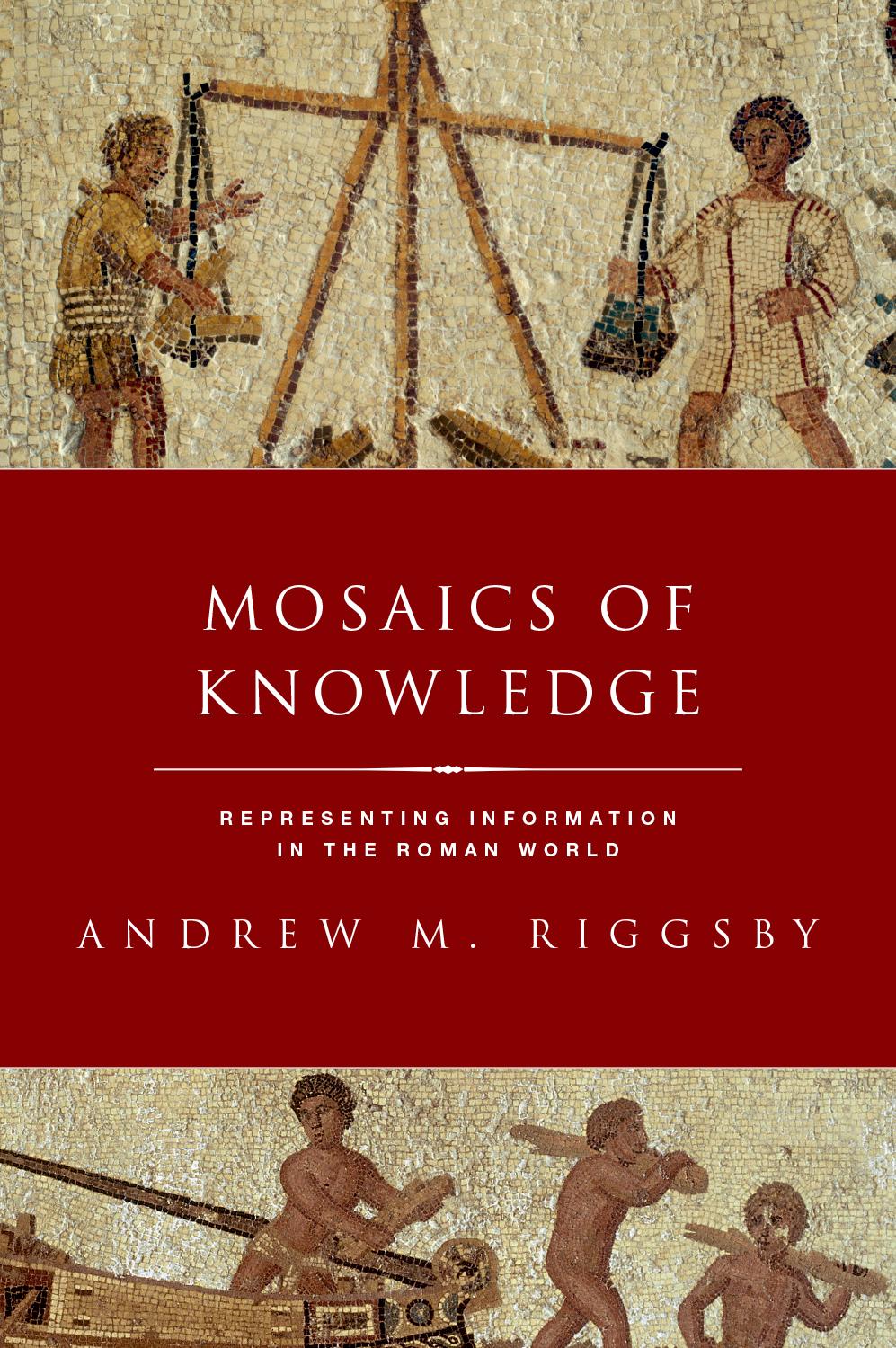
Mosaics of Knowledge: Representing Information in the Roman World
Andrew M. Riggsby
Mosaics of Knowledge Representing Information in the Roman World
Andrew M. Riggsby
Oxford University Press is a department of the University of Oxford. It furthers the University’s objective of excellence in research, scholarship, and education by publishing worldwide. Oxford is a registered trade mark of Oxford University Press in the UK and certain other countries.
Published in the United States of America by Oxford University Press 198 Madison Avenue, New York, NY 10016, United States of America.
All rights reserved. No part of this publication may be reproduced, stored in a retrieval system, or transmitted, in any form or by any means, without the prior permission in writing of Oxford University Press, or as expressly permitted by law, by license, or under terms agreed with the appropriate reproduction rights organization. Inquiries concerning reproduction outside the scope of the above should be sent to the Rights Department, Oxford University Press, at the address above.
You must not circulate this work in any other form and you must impose this same condition on any acquirer.
CIP data is on file at the Library of Congress
ISBN 978–0–19–063250–2
9 8 7 6 5 4 3 2 1
Printed by Sheridan Books, Inc., United States of America
2. Tables and Tabular Organization 42 Actual Tables 50 Not Tables 54 Outliers 70 Conclusions 73
3. Weights and Measures 83 How Does Roman Measurement Work? 85 Standards and Standardization 100 Direct Standardization 107 Indirect Standardization 115 Complications 120 Conclusions 125 Chapter Appendix 129
4. Representing Three Dimensions 130 Perspective and the Theory of Space 131 The Corpora 135 Space in the Landscapes 138 Two Comprehensive Examples 147 Conclusions 149
5. Representing Two Dimensions 154 Data Graphics 154 Plans 164
What Is a “Map”? 172
Ancient Maps 180
Maps as Information Technology 194
Chapter Appendix 201
6. Conclusion 203
Where Are We Now? 203
Going Forward I: Power and Other Topics 210
Going Forward II: An IT Revolution in Late Antiquity? 216
References 223
Index 245
FIGURES
1.1 Supposed theater token from Pompeii 32
1.2 Supposed amphitheater token from Arles 33
1.3 Inscription on a theater seat from Verona; token from the amphitheater at Frosinone 35
2.1 Organization of status theory 43
2.2 Schematic diagram of Roman centuriation 50
2.3 Military duty roster from Egypt 53
2.4 Military duty roster from Egypt 54
2.5 Victorius, Calculus 63
4.1 Landscape from the columbarium of Villa Doria Pamphilj 142
4.2 Landscape from room 14, Villa A, Oplontis 143
4.3 Landscape from the villa under the Farnesina 145
4.4 Fall of Icarus 153
5.1 Roman portable sundial 156
5.2 Schematic illustration from a land-surveying manual 158
5.3 More naturalistic illustration from a land-surveying manual 158
5.4 Inscription detailing rights to draw water 159
5.5 Inscription showing plans for the funerary complex of Claudia Peloris and Ti. Claudius Eutychus 166
5.6 “Map” from Dura Europos 173
5.7 Population-adjusted map illustrating the outcome of the 2016 U.S. presidential election 174
5.8 Stylized map illustrating the outcome of the 2016 U.S. presidential election 175
5.9 Network rendering of places named in Caesar 178
5.10 Schematic, two-dimensional rendering of places named in Caesar 179
5.11 Forma Urbis Romae, detail 182
5.12 Forma Urbis Romae, detail 182
5.13 Scale of FUR implied by individual comparisons with modern measurement and magnitude of each measurement 183
5.14 Fragment of inscribed map depicting the centuriation at Arausio 187
5.15 Tabula Peutingeriana, detail 192
5.16 Tabula Peutingeriana, detail 192
6.1 Jerome, Chronicle 219
TABLES
1.1 Early references to the supposed Arles amphitheater token 34
1.2 Supposed form of reference to a centralized catalog of Roman public statuary 39
1.3 Data about three American cities, arranged in tabular form 41
2.1 Varro illustrates linked proportions with numbers 52
2.2 Varro uses linked proportions to structure the declension of an adjective 52
2.3 Modern declension of the phrase hic Marcus 59
3.1 Multiple meanings of symbols used in systems of measurement 92
3.2 Variations in actual weights with respect to presumed standard values 103
3.3 References to measured lots of grain in TPSulp 117
3.4 Standard reference values for several Roman units of measurement 129
5.1 Concordance of Roman building plans 202
PLATES
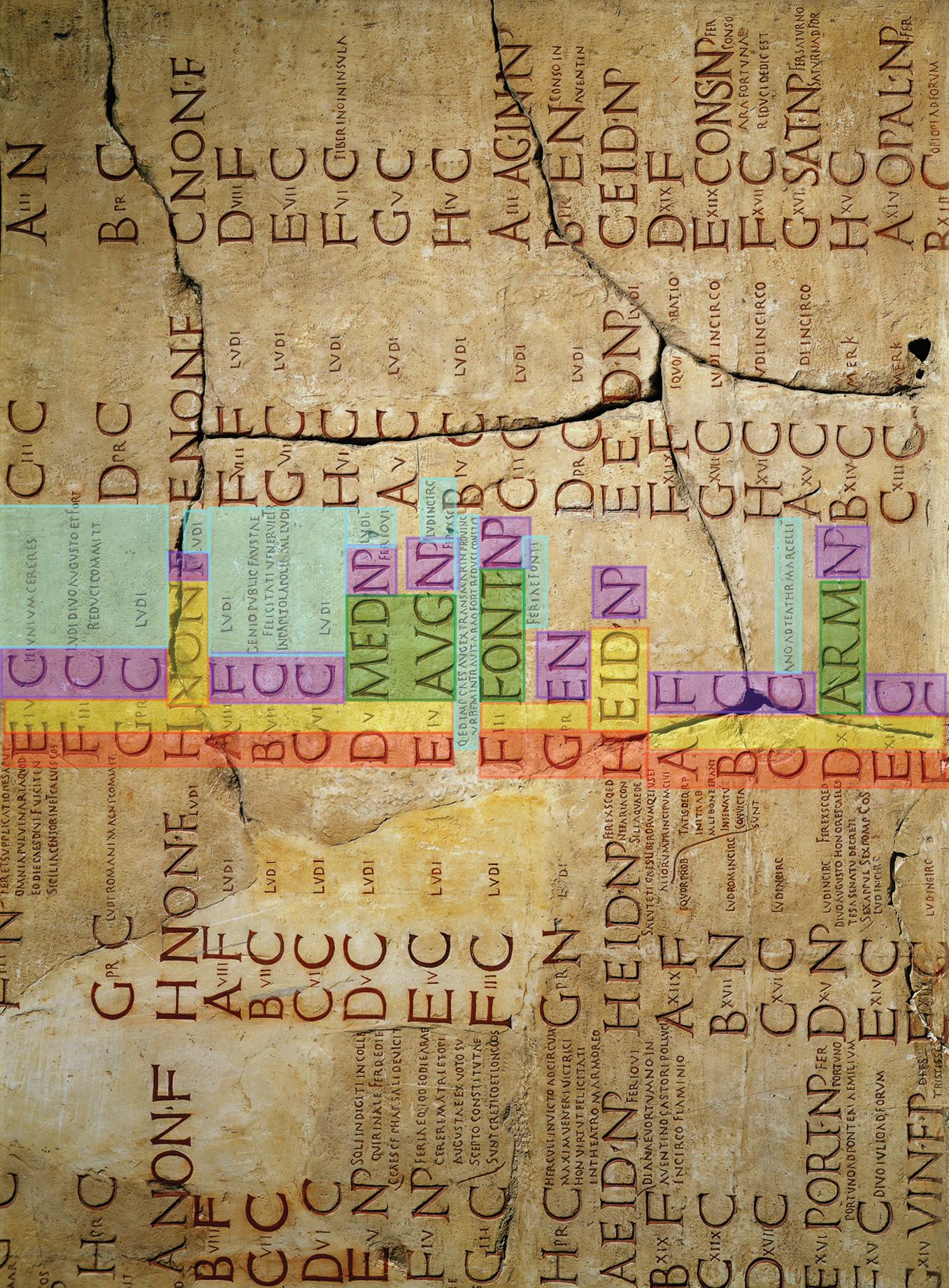
1 Fasti Amiternini, with color coding
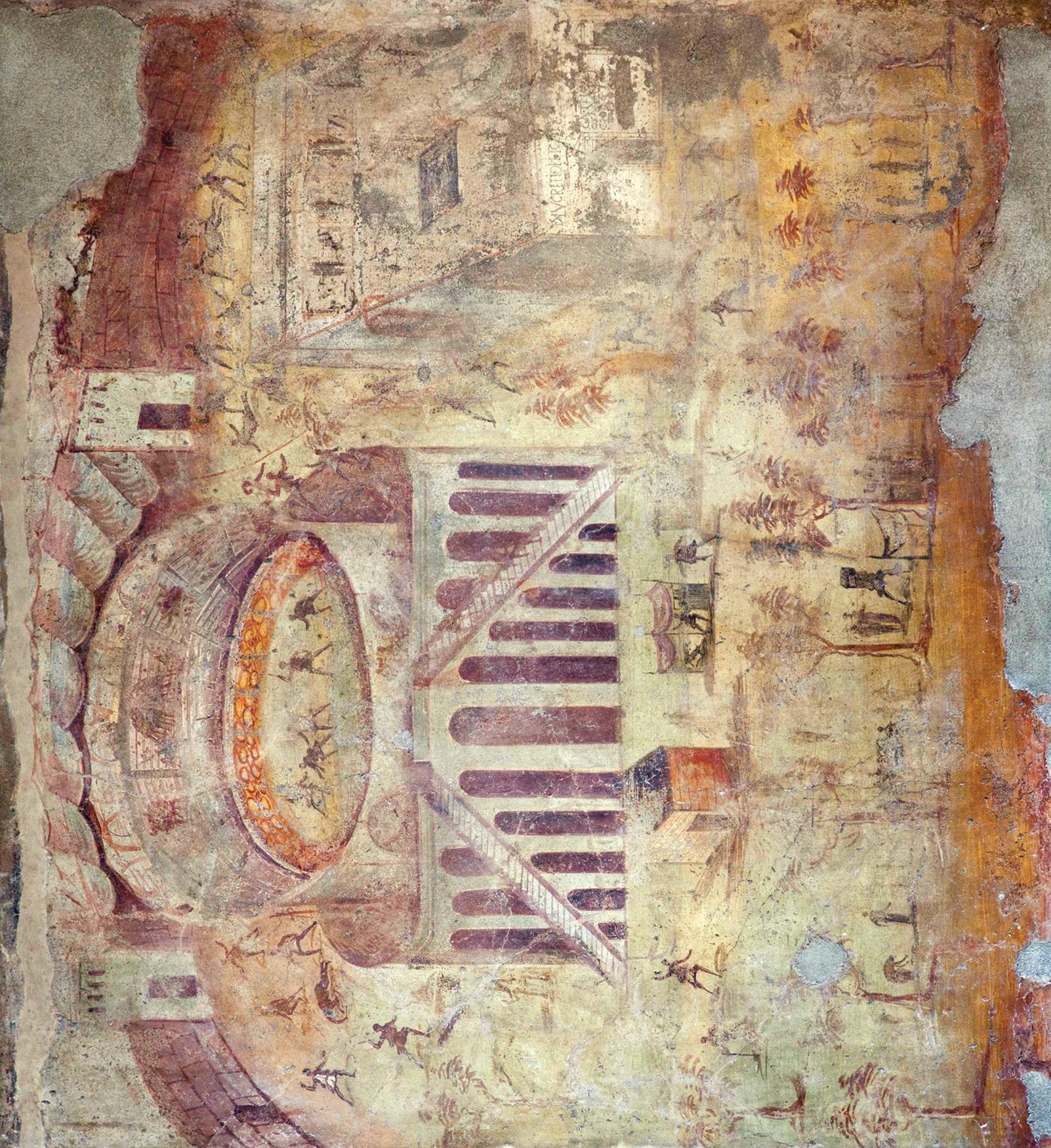
2 Riot in the Amphitheater, Pompeii
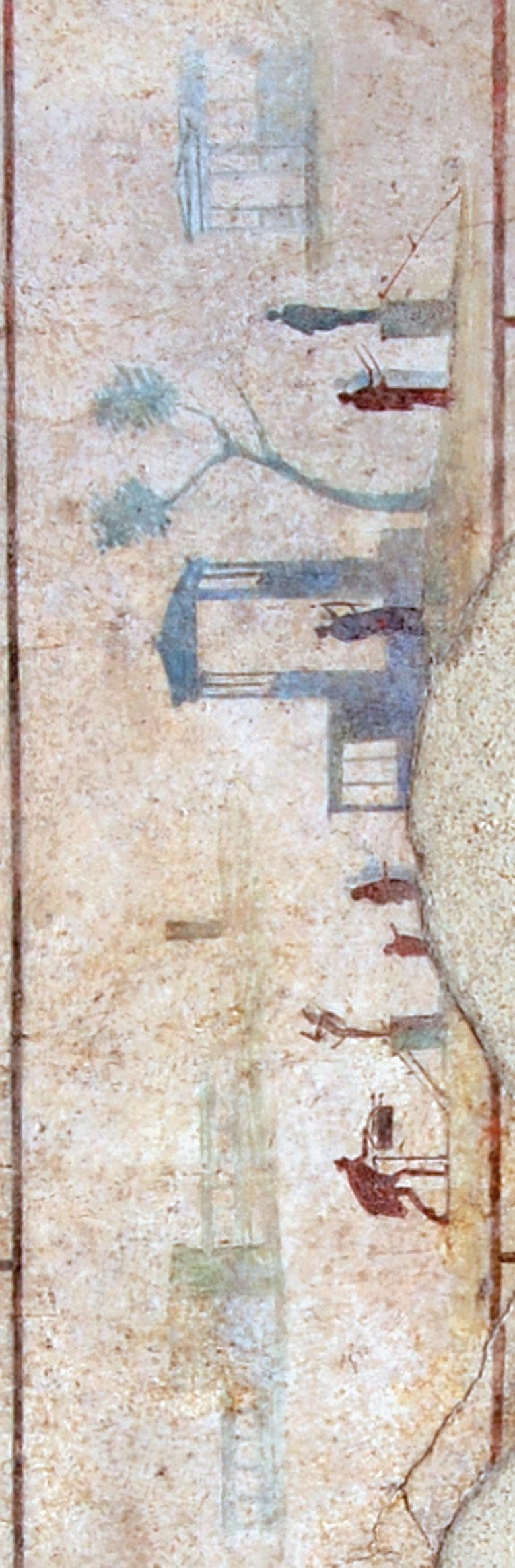
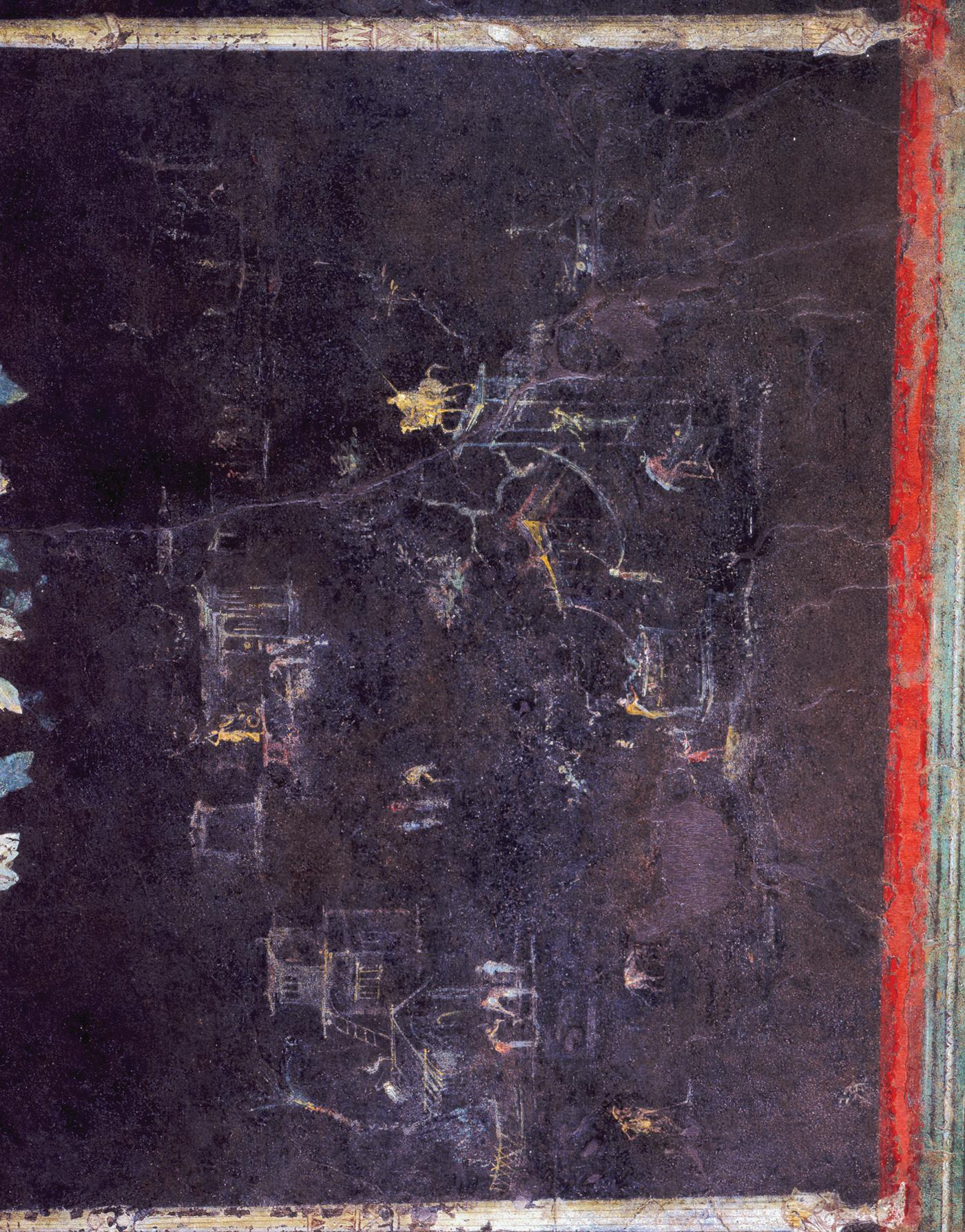
3 Landscape from the columbarium of Villa Doria Pamphilj
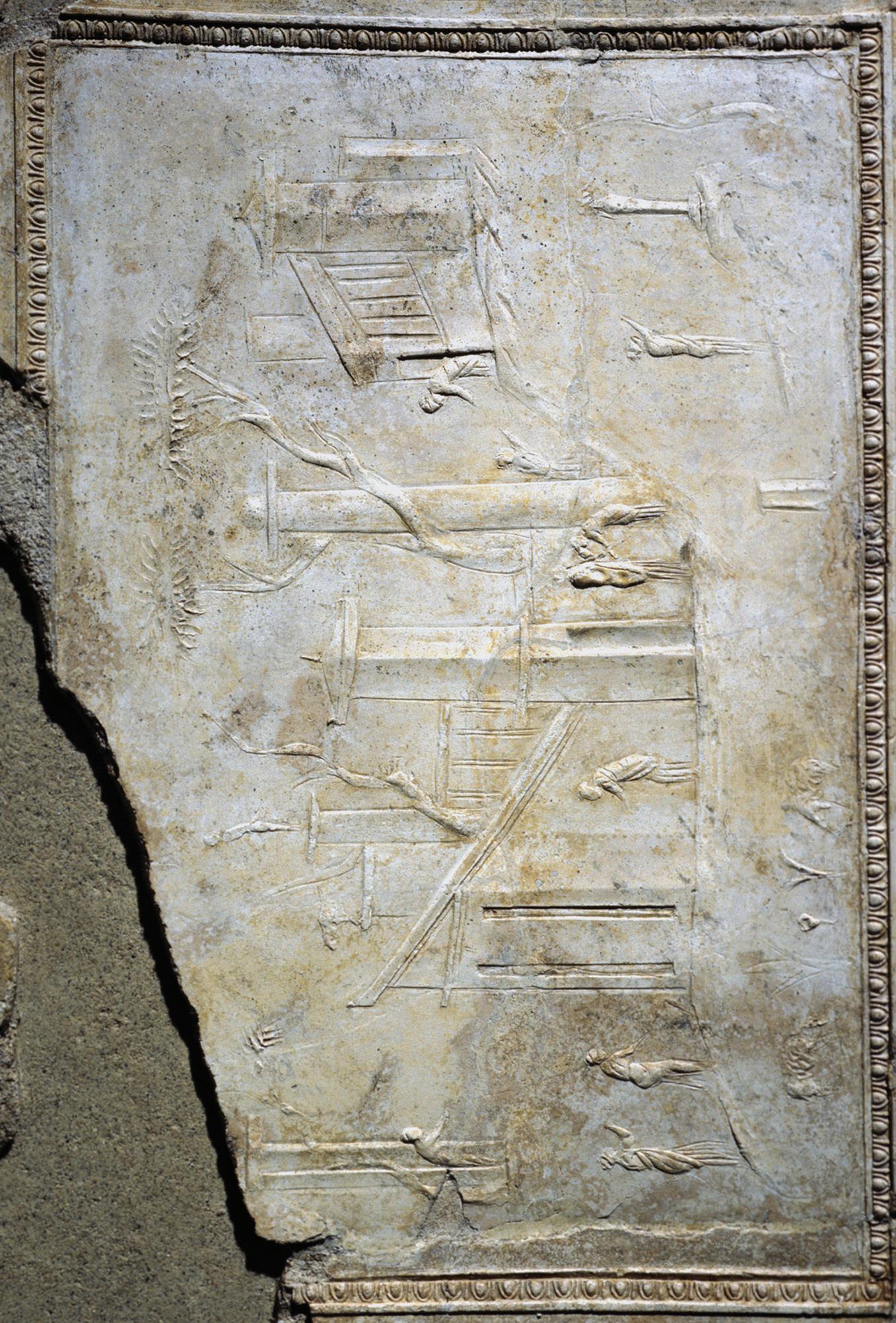
4 Landscape from the villa under the Farnesina, walkway
5 Landscape from the villa under the Farnesina, cubiculum
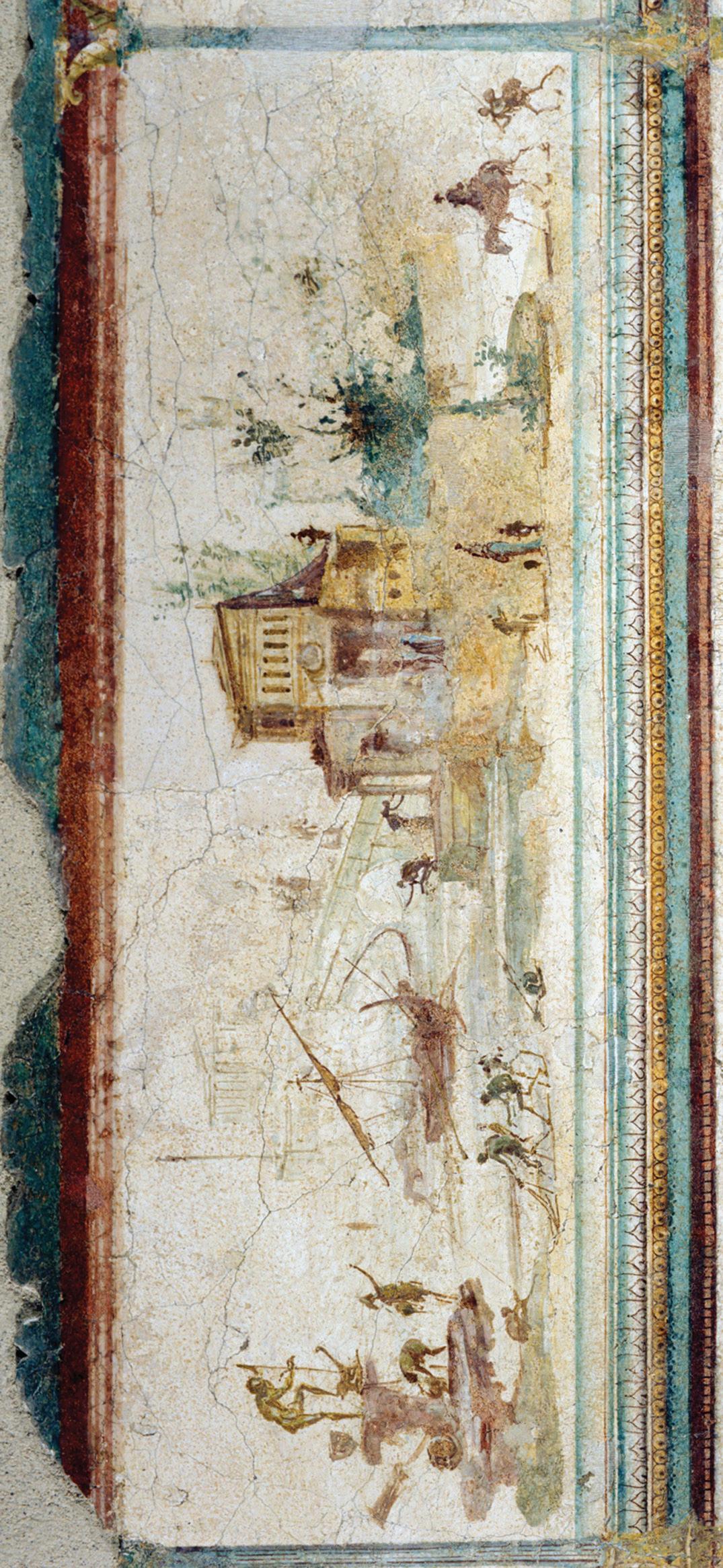
6 Landscape from a villa at Boscotrecase
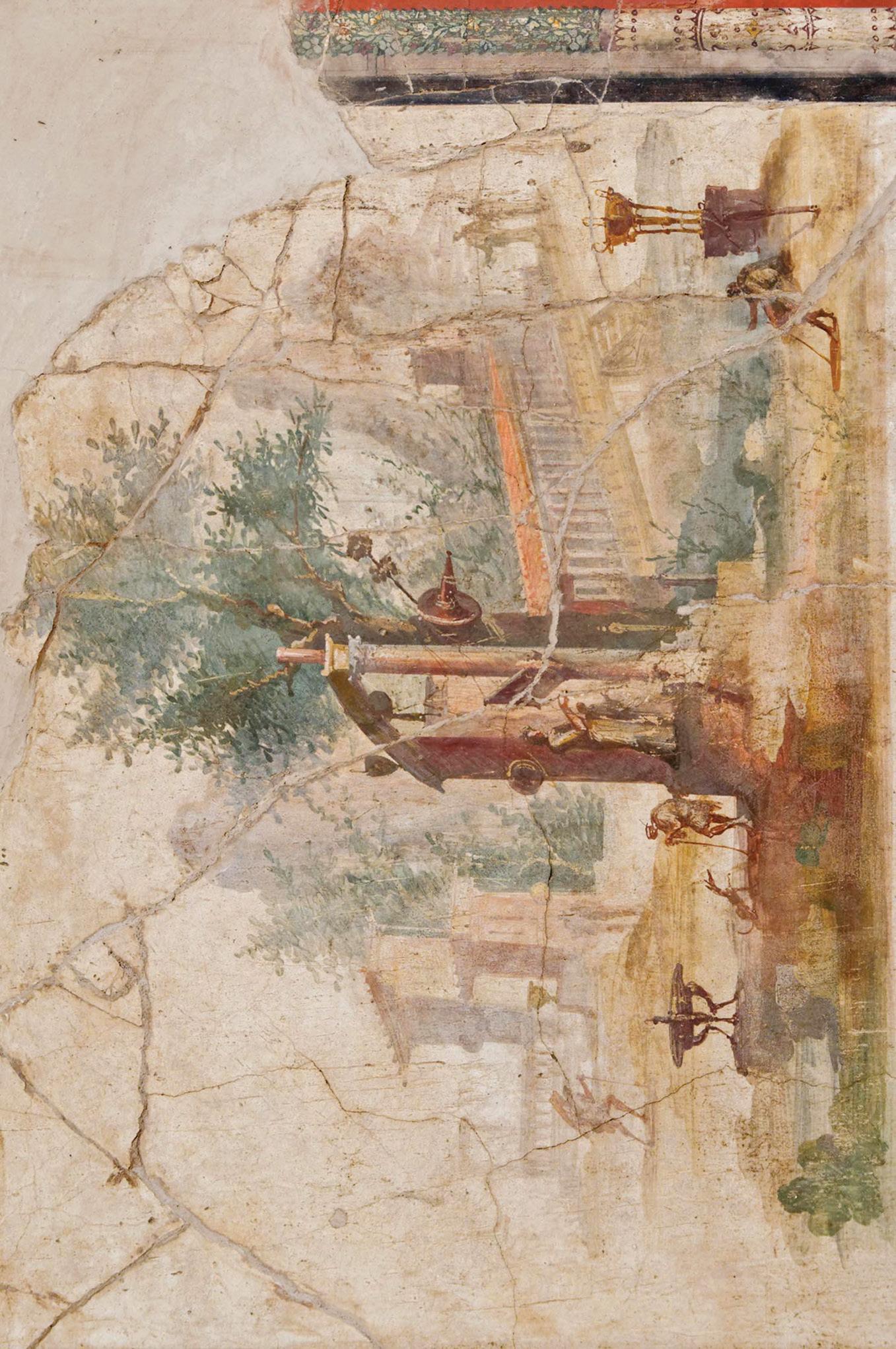
7 Landscape from the villa under the Farnesina, triclinium
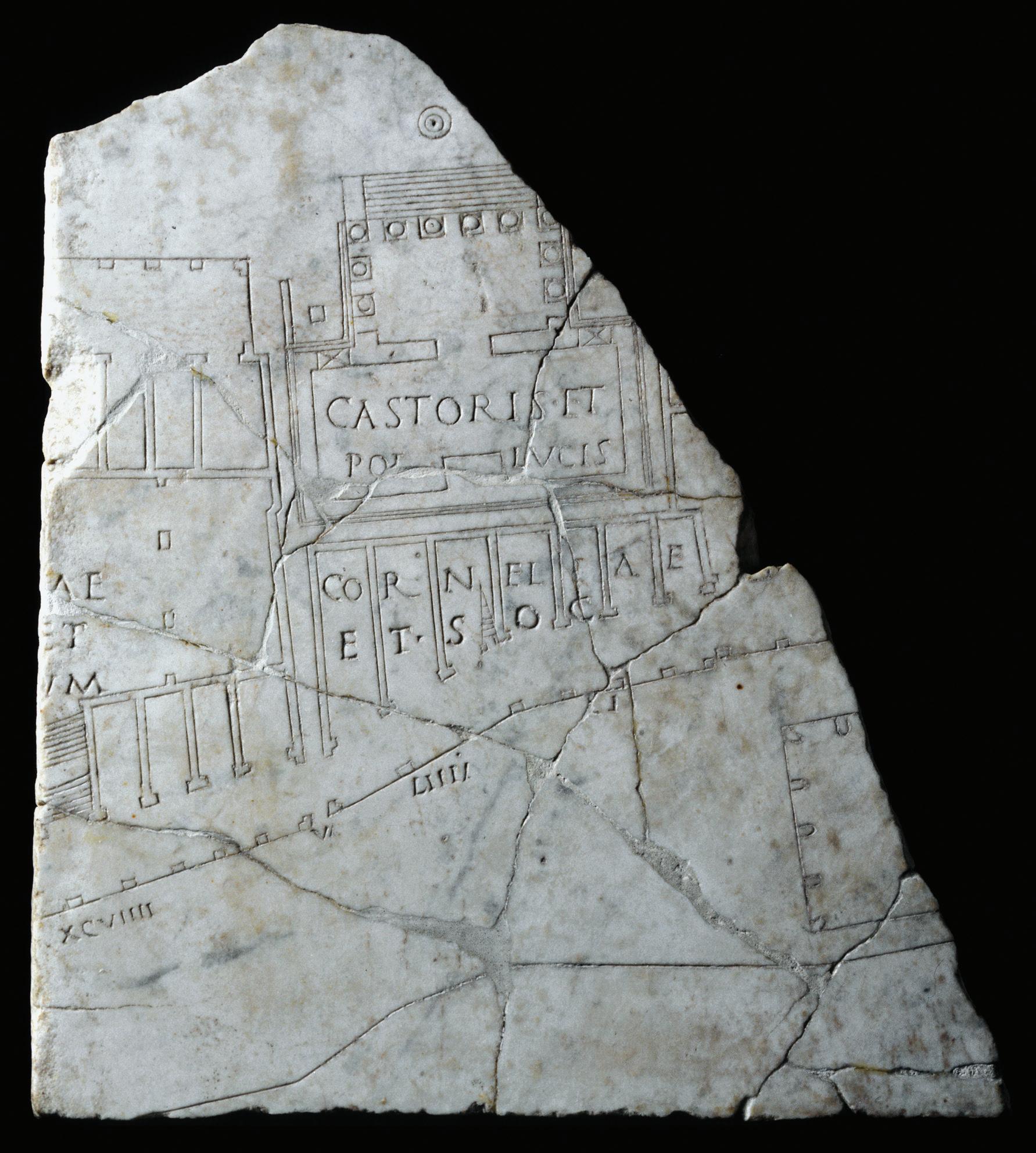
8 Fragment of marble map of Rome (“via Anicia” fragment)
ACKNOWLEDGMENTS
This project, at least some parts of it, dates back a long time. The seminar alluded to at the beginning of chapter 2 was offered in the late 1990s, and I suspect that some of the thoughts here probably first arose before I finished graduate school, while I was reading Edward Tufte’s books from my mother’s book shelf. I have acquired an unusually large number of scholarly debts over that time (and unfortunately have doubtless forgotten others equally important). I got particularly extensive assistance and commentary from Klaus Geus, Paul Keyser, Michael Koortbojian, Rabun Taylor, and the readers for Oxford University Press. Tony Corbeill, Serafina Cuomo, Tony Grafton, Joseph Howley, Nate Jones, Stephanie Frampton, John Clarke, Eric Orlin, Liz Robinson, Philip Stinson, and Tyler Travillian all read and commented on chapters in draft. I have also gotten other help, particularly in the form of penetrating questions or advance access to work in progress from Dorian Borbonus, Alan Cameron, C. Michael Chin, Megan Goldman-Petri, Julia Hejduk, Alexander Jones, Duncan McRae, Reviel Netz, Carlos Noreña, Laura Novick, Dan-el Padilla Peralta, Tim Parkin, J.-B. Piggin, Phil Resnik and Jiesi Shi, Jane Sancinito, Josh Sosin, and a seminar which covered this material (Gabrielle Bouzigard, Timothy Corcoran, Eli Fleming, Vera Leh, Will Shrout, and Alain Zamarian). I would also like to thank audiences at Brown, Chicago, Columbia, Duke, Johns Hopkins, Maryland-Baltimore County, Minnesota, NYU, North Carolina, Penn, Princeton, Texas Tech, Yale, and the Finnish Institute in Rome for subjecting various parts of the argument to friendly scrutiny. And, of course, I need to thank Joe Farrell, the series editor, and Stefan Vranka, the sponsoring editor, for their interest, encouragement, and assistance in transforming the “project” into an actual book.
Finally, I would particularly like to signal the role in this project of my ongoing interaction with two younger scholars. Seth Bernard and Sarah Bond in their distinct, inimitable ways provided a stream of questions, prods, prompts, and problems and materials to work with. A project of this scope necessarily relies on the kindness of strangers to have any hope of reaching the necessary breadth, but even beyond that the constant presence of these two kept me honest and on my toes.
While I have been working on parts of this project for many years, the core of the research and writing took place over two academic years, and I am more than happy to thank the funding entities that made that possible. In 2010–11, I held the NEH/Roger A. Hornsby Rome Prize at the American Academy in Rome. In addition to the scholars named earlier, I must thank the Academy for both the
Fellowship and the atmosphere uniquely hospitable to scholarship. Then in 2013–14, I was the Stanley Kelley Jr. Visiting Professor for Distinguished Teaching at Princeton, a position which (perhaps ironically) carries quite modest teaching responsibilities and which in turn allowed me to take advantage of the remarkable research resources there. My thanks go to the University, the Classics Department, and to Andrew Feldherr, who brought it all together.
I also need to thank several institutions which supplied other kinds of intellectual resources. The Soprintendenza Archeologia del Veneto and Dott.ssa Brunella Bruno, the director of its Nucleo Operativo di Verona, were kind enough to allow me direct examination of the two bronze map fragments found there (and discussed in chapter 5). The Bodleian Library in Oxford allowed me to inspect their manuscript of Jerome’s Chronicle (discussed in the conclusion). Bruce Barker-Benfield, Senior Assistant Librarian in the Department of Special Collections and Western Manuscripts there, was particularly generous with his time and expertise in discussing the manuscript with me, and I hope to be able to publish further fruits of those discussions in due course. The Bibliothèque municipale d'Avignon provided images of an extremely rare volume on the antiquities of Arles. Finally, I (as every academic) must thank the library staff at my home institution, especially Shiela Winchester, the Classics bibliographer, and the InterLibrary Services Department for providing (and often finding) an endless supply of research materials. Kristina Schlegel did all the original drawings masterfully. Andrea Pittard provided assistance with the manuscript and bibliography. Khoa Tran did heroic work with image permissions. C. Berglie, the copy editor, had to deal with a rat’s nest of references.
It would probably not have been possible for me to write this book a decade earlier. Modern information technology made it possible for me to gather the kind of scattered evidence it relies on and to move into several areas that were previously unfamiliar to me. At the same time, it relied on the serendipity provided by traditional library shelving, and I fear that in another decade or so it will again be impossible to write a book of this sort, where the objects of inquiry and sources of evidence were not givens from the beginning.
My wife, Lisa Sandberg, once again brought her formidable editing skills to bear to grant this book such readability as it has, despite being subjected to the interminable process through which I brought the framework together.
My father was a scientist with a strong amateur interest in premodern history, and was happy that he was able to read this whole book in manuscript before his death. And even before learning of her career as a computer programmer, one could spot my mother’s interest in data and design from the way she puts together a quilt. It is to them that this book is dedicated.
Plate 1 Fasti Amiternini. Color coding indicates categories of information
DeA Picture Library, licensed by Alinari
Plate 2 Riot in the Amphitheater (Pompeii, now in the Museo Archeologico Nazionale, Naples)
Landscape from the columbarium of the Villa Doria Pamphilj (A/ XII)
Plate 3
Su concessione del Ministerio dei beni e delle attivit à culturali e del turismo— Museo Nazionale Romano
Plate 4 Landscape from the villa under the Farnesina, walkway FG (inv. 1233) Su concessione del Ministerio dei beni e delle attivit à culturali e del turismo—
Museo Nazionale Romano
Landscape from the villa under the Farnesina, cubiculum D (inv. 1037)
Plate 5
Su concessione del Ministerio dei beni e delle attivit à culturali e del turismo— Museo
Plate 7 Landscape from the villa under the Farnesina, triclinium C (inv. 1080)
Su concessione del Ministerio dei beni e delle attivit à culturali e del turismo—
Museo Nazionale Romano
Plate 8 Fragment of a marble map of Rome (the “via Anicia” fragment)
Su concessione del Ministerio dei beni e delle attività culturali e del turismo—Museo Nazionale Romano
A Brief Orientation
This book investigates information technologies in the classical Roman world— their invention, diffusion, and use, and the interactions among those processes. The focus is on conceptual developments—e.g., “mapping,” “weighing,” “listing”— rather than material ones—e.g., “codex,” “abacus.” (Within the area covered, however, the interaction of concepts with the materiality of their actual uses will be a recurring theme.) It also focuses principally on “high” technologies rather than, say, literacy or numeracy in general. Perhaps paradoxically, this will end up setting the book against most work to date on classical knowledge regimes. Scholarship has typically dealt with intra-elite and largely discursive phenomena. As a result, we know a good deal about the intellectual history of antiquity’s formalized disciplines (e.g., rhetoric, philosophy, law, literature, grammar) and how they competed with and inflected one another. By contrast, my goal is to uncover an alternative set of regimes which were generally not theorized in antiquity, but which informed the practices of daily life, and did so in a broad variety of social locations (even if some had elite origins). These turn out to include relatively advanced technologies like complicated lists, tables, and textual illustrations.
While most of the book will be about technologies that were “advanced” in their time, I want to begin with a brief narrative of the study of a more basic one: literacy. Until a few decades ago it was a commonly, if not universally, held view that the ability to read and write was widespread in the Roman world, not different at least in kind from advanced nations in the modern world. This changed dramatically with the publication in 1989 of William Harris’ Ancient Literacy. Harris deployed comparative evidence to argue that such mass literacy could only exist in contexts that met a number of social and institutional prerequisites—systematic education, broad economic advantages that flow only to the literate, and the like—then showed systematically that almost none of this was true anywhere in the classical world. On this basis he then projected rough literacy rates on the order of 1% to 30% at various times and places within that world. Much of the response to Harris has been accepting, if slightly more “optimistic,” at least on a local level. That is, scholars