ForEmilyandDrew
TableofContents
Acknowledgments xi
1.Introduction1
1.1ASynopsisofThisBook1
1.2TheWaysinWhichMyViewIsandIsn’tAnti-Metaphysical7
1.3WhatISayHereIsn’tReallyTrue9
PARTINON-FACTUALISM
2.AgainstTrivialismandMere-Verbalism(andTowardaBetter UnderstandingoftheKindofNon-FactualismArguedforin ThisBook)13
2.1OpeningRemarks13
2.2Two(orThree)KindsofAnti-Metaphysicalism14
2.3Non-Mere-VerbalistNon-Factualism19
2.4SomeGeneralRemarksaboutMetaphysicalProblems20
2.5AgainstMetametaphysicalVerbalism25
2.6ARecipeforFindingNon-VerbalDebates37
2.7AgainstActual-LiteratureVerbalism39
2.8WhyTrivialismWithoutMetametaphysicalVerbalismIs MetaphysicallyUninteresting41
2.9TwoKindsofNon-Factualism43
3.HowtoBeaFictionalistaboutNumbersandTablesandJust aboutAnythingElse45
3.1OpeningRemarks45
3.2TheMathematics-BasedArgumentAgainstNon-Factualism46
3.3ATheoryofObjectiveFictionalisticMathematicalCorrectness52
3.4FBC-FictionalismtotheRescue63
3.5DoFBC-FictionalistsUnwittinglyCommittoAbstract Objects?70
3.6GeneralizingtheFictionalistStrategy(orFictionalistViews ofOtherKindsofObjects)71
3.7TheResponsetotheObjectiontoNon-Factualism78
3.8ARecipeforRespondingtoSection-2.4-StyleArguments79
3.9APossibleSlightAlterationtoWhatI’veSaidHere79
3.10AWorryandaResponse80
4.Non-FactualismaboutCompositeObjects(orWhyThere’sNo FactoftheMatterWhetherAnyMaterialObjectsExist)83
4.1OpeningRemarks83
4.2IstheCompositionQuestionTrivial?87
4.3AgainstNecessitarianism90
4.4AgainstContingentism106
4.5TheLawofExcludedMiddle115
4.6FromTablestoCompositeObjects116
4.7PushingtheArgumentFurther116
4.8Un-weird-ingtheView(atLeastaLittle)119
5.Non-FactualismaboutAbstractObjects123
5.1OpeningRemarks123
5.2TheArgumentforNon-Factualism:Part1124
5.3TheArgumentforNon-Factualism:Part2134
5.4AgainstNecessitarianPlatonismandAnti-Platonism137
5.5ObjectionsandResponses151
6.ModalNothingism161
6.1OpeningRemarks161
6.2ModalPrimitivism,Analyticity,andtheLingering TruthmakingQuestion164
6.3WhatIsModalNothingism?168
6.4HowModalNothingismCouldBeTrue(andHowTMW CouldBeFalse)180
6.5TheLiterali’sArgumentfor<ModalNothingism>181
6.6TheArgumentforModalNothingism187
6.7ThePossible-WorldsAnalysisandModalErrorTheory188
6.8ModalLiteralismandSemanticNeutrality194
6.9Logic195
6.10TheCounterfactualsofChapter3Revisited196
6.11MetaphysicalPossibilityandNecessity197
PARTIINEO-POSITIVISM
7.WhatIsNeo-PositivismandHowCouldWeArgueforIt?201
7.1OpeningRemarks201
7.2WhatIsNeo-Positivism?201
7.3WhyNeo-PositivismIsn’tSelf-Refuting203
7.4HowtoArgueforNeo-Positivism:TheGeneralPlan205
7.5Step1oftheNeo-PositivistArgument:HowtoDecomposea MetaphysicalQuestion205
7.6Step2oftheNeo-PositivistArgument209
7.7AppendixonScientism214
8.ConceptualAnalysis218
8.1OpeningRemarks218
8.2WhatIsaConcept?220
8.3ThreeMetaphilosophicalViews221
8.4WhytheDecompositionalViewIsFalse225
8.5AQuickArgumentfortheRelevanceofFactsabouttheFolk227
8.6PruningtheListofFactTypesthatHybridTheoristsMight ThinkAreRelevant230
8.7WhytheOrdinary-LanguageViewIsCorrect232
8.8ScientismaboutConceptual-AnalysisQuestions239
8.9FiveWorries240
8.10WhyItWouldn’tUndermineNeo-PositivismiftheHybrid ViewWereRight246
8.11IfConceptsWereMentalObjects...247
9.WidespreadNon-Factualism248
9.1OpeningRemarks248
9.2SomeExamplesofNon-Factualism249
9.3SomeExamplesofScientism265
9.4Neo-PositivistHumility270
10.AWorldview271
Introduction
1.1ASynopsisofThisBook
Inthisbook,I’lldotwothings.First,I’llintroduceanovelkindofnon-factualist viewandarguethatweshouldendorseviewsofthiskindinconnectionwitha wideclassofmetaphysicalquestions mostnotably,theabstract-objectquestion andthecomposite-objectquestion(i.e.,thequestionsthataskwhetherthereare anysuchthingsasabstractobjectsandcompositeobjects).Mostoftheargument forthisclaimwillcomeinPartI,butsection9.2isrelevanttothisaswell.Second, inPartII,I’llexplainhowmynon-factualistviews fitintoageneralantimetaphysicalviewthatIcall neo-positivism;andI’llexplainhowwecouldgo aboutarguingthatneo-positivismistrue;andI’lltakeafew firststepstoward fillingtheargumentin.
Ingeneral,ifMQisametaphysicalquestion,then non-factualismaboutMQ is theviewthatthere’snofactofthematterwhattheanswertoMQis.It’simportant tonote,however,thattherearemultiplekindsofnon-factualistviews;in Chapter2,I’llclearlyarticulatethekindofnon-factualistviewthatI’llbearguing forinthisbook.Fornow,letmejustnotethatmynon-factualistviewsare importantlydifferentfromthekindsofanti-metaphysicalviewsthathavebeen popularinthephilosophicalliterature.Mostnotably,they’redifferentfromviews ofthefollowingtwokinds:
TrivialismaboutMQ:There’safactofthematterabouttheanswertoMQ,but it’sanutterlytrivialfact alongthelinesofthefactthatallbachelorsare unmarried,orthefactthattherearenomarriedbachelors.Morespecifically, thefactsthatsettleMQaren’tsubstantivemetaphysicalfacts;they’rejust semantic facts(togetherperhapswithuncontroversialempiricalfacts).
Mere-VerbalismaboutMQ:ThedebateaboutMQismerelyverbal(I’llhavea gooddealtosayaboutwhatthismeansinChapter2).
Trivialistand/ormere-verbalistviewshavebeenendorsedby,e.g.,Hume(1748), Carnap(1950),Putnam(1987,1994),Parfit(1995),Sosa(1999),vanFraassen (2002),Hirsch(2002,2009),Sidelle(2002,2007),Schiffer(2003),Thomasson (2007,2009a,2015),Chalmers(2011),andRayo(2013).InChapter2,I’llargue thatmere-verbalistviewsarefalse,andI’llarguethatgiventhefalsityof
Metaphysics,Sophistry,andIllusion:TowardaWidespreadNon-Factualism .MarkBalaguer,OxfordUniversityPress(2021). ©MarkBalaguer.DOI:10.1093/oso/9780198868361.003.0001
mere-verbalistviews,trivialistviewsbecomecompletelyuninterestingfroman anti-metaphysicalpointofview(inotherwords,evenifthey’restrictlyspeaking true,they’remetaphysicallyirrelevant).Moreover,I’llalsoexplainveryclearlyin Chapter2howmynon-factualistviewsdifferfromtrivialistandmere-verbalist views.¹
(Thenon-factualistviewsthatI’llargueforinthisbookarealsoverydifferent fromthekindsofscientisticanti-metaphysicalismthathavebeenendorsedby peoplelikevanFraassen(2002),LadymanandRoss(2007),Maudlin(2007),Ney (2012),Chakravartty(2013),andIsmael(2013).Thispointwillemergein Chapter7.)
InChapter4,I’llargueforanon-factualistviewofthecomposite-object question.Inotherwords,I’llarguethatthere’snofactofthematterwhether thereareanysuchthingsascompositeobjectsliketablesandcatsandplanets, wherea compositeobject isanobjectthathasproperparts.Moreover,attheendof Chapter4,I’llargueforthemoregeneral(andmuchmoreradical)claimthat there’snofactofthematterwhetherthereareanymaterialobjectsatall includingmereologicalsimples(i.e.,objectswithoutproperparts)andtheuniverse.Myargumentfornon-factualismaboutthecomposite-objectquestionis basedonargumentsagainstthenecessitarianandcontingentistviewsofthat question.Roughlyspeaking,theideaisthatthereisn’tafactofthematterabout whetherthereareanycompositeobjectsliketablesandcatsandplanetsbecause thereisn’tanecessaryfactaboutthisandtherealsoisn’tacontingentfactaboutit.
InChapter5,I’llargueforanon-factualistviewoftheabstract-objectquestion. Inotherwords,I’llarguethatthere’snofactofthematterwhetherthereareany suchthingsasabstractobjectslikenumbersandpropositions,wherean abstract object isanobjectthat’snon-physical,non-mental,non-spatiotemporal,unextended,andacausal.Myargumentfornon-factualismabouttheabstract-object questionissimilarincertainwaystotheChapter-4argumentfornon-factualism aboutthecomposite-objectquestion,butit’salsosomewhatdifferent.Roughly, theargumentisbasedonanargumentfortheclaimthatthesentence ‘Thereare abstractobjects’ iscatastrophicallyimprecise i.e.,soimprecisethatitdoesn’t haveanytruthconditionsanddoesn’thaveatruthvalue.
Insection9.2,I’llargue(prettybrie fly)thatargumentsofthekindsthatIusein Chapters4and5canbeusedtomotivatenon-factualistviewsofabroadclassof metaphysicalquestions e.g.,questionsaboutAristoteleanproperties,tropes, materialconstitution,(non-trivial)essentialproperties,andnon-naturalmoral facts.
¹We’llseeinChapter2thatmere-verbalismcanbecombinedwithnon-factualism,andindeed,that someofthepeoplementionedinthetextaremere-verbalist-stylenon-factualists;butasI’llmakevery clearinChapter2,thenon-factualistviewsthatI’llbearguingforinthisbookarenotofthemereverbalistkind.
Theclaimthatthere’snofactofthematterwhetherthereareanyobjectsofthe abovekinds i.e.,abstractobjectslikenumbersandmaterialobjectslikeplanets andelectrons givesrisetoanobviousproblem.Thereareextremelygood reasonstothinkthat(a)ourmathematicaltheoriescommittotheexistenceof abstractobjects,and(b)ourscientifictheories(andmanyoftheclaimsthatwe makeinordinarydiscourse)committotheexistenceofbothabstractobjectsand materialobjects.Butifthisisso,thenmynon-factualistviewsseemtoimplythat ourmathematicalandscientifictheories(andmanyofourordinary-discourse claims)are nottrue;itseemsthatifmynon-factualistviewsareright,thenatbest, there’snofactofthematterwhetherourmathematicalandscienti fictheories aretrue.
Youmightthinkthisresultisunacceptable,butinChapter3,Iarguethatit’ s not.Idothisbyarguingfora fictionalist viewaccordingtowhichthere’ san objectivekindofcorrectnessthatappliestoourmathematicalandscientific theories,evenifthosetheoriesaren’tstrictlytrue;morespecifically,ontheview Idevelop,wheneverrealistsaboutabstractobjectsandmaterialobjectssaythata mathematicalorempiricaltheory(oranordinary-discourseclaim)istrue,nonfactualistscansaythatthegiventheory(orordinaryclaim)is for-all-practicalpurposestrue.AndIusethisresulttoexplainwhyourmathematicalandempirical theoriesareusefultous,whytheyseemrighttous,andwhyitwouldn’tmatter i.e.,wouldn’tbeharmfultoourpurposes iftheyweren ’tstrictlyspeakingtrue.
Theidea,then,isthatnon-factualismabouttheexistenceofkind-Kobjectsisto becombinedwith fictionalismaboutourdiscourseaboutkind-Kobjects in particular,akindof fictionalismthatimpliesthatourclaimsaboutkind-Kobjects canbefor-all-practical-purposestrue,evenifthere’snofactofthematterwhether they’restrictlyandliterallytrue.
Inarguingfor fictionalistandnon-factualistviews(inChapters3–5),Irelyina coupleofdifferentwaysoncertainkindsof modal claims.Butthisgivesriseto anotherworryaboutmyview.For(a)I’mputtingmyviewforwardasakindof anti-metaphysicalism,and(b)youmightthinkthatanti-metaphysicalistscan’t countenancetheexistenceofmodaltruths becauseyoumightthinkthatwecan’t committotheexistenceofmodaltruthswithoutalsocommittingtosomeheavydutymetaphysicaltheory,likeLewisianrealismaboutpossibleworlds,orplatonism(i.e.,realismaboutabstractobjects),orsomesortofstrongessentialistview accordingtowhicheveryobjecthasanon-trivial essence
IrespondtothisworryinChapter6byarguingforatheoryofmodalitythat Icall modalnothingism.Roughlyspeaking,modalnothingismistheviewthat therearecertainkindsofmodalclaimsthataresuchthat(a)they’retrue(or substantively true moreonwhatthismeansinChapter6),and(b)there’ s nothingaboutrealitythatmakesthemtrue.I’llargueinChapter6thatmodal nothingismistrueandthatitgivesusametaphysicallyinnocentviewofmodal discourse,includingcertainkindsofcounterfactuals.Inparticular,itgivesusa
metaphysicallyinnocentviewofthekindsofmodalclaimsthatIcommittointhis book;morespecifically,itenablesmetosaythatthesemodalclaimsaretrue withoutcommittingmyselftoanycontroversialmetaphysicalclaims indeed, withoutcommittingmyselftoanyclaimsaboutthenatureofrealityatall. Moreover,asIpointoutattheendofChapter6,whenwecombinemodal nothingismwiththeargumentsofChapter3,wegetametaphysicallyinnocent viewoflogicandmathematicsaswell.
InChapter7,the firstchapterofPartII,Iintroduceneo-positivism.Neopositivismissimilar inbroadbrushstrokes,notindetail totheviewthat IthinkHumeisgettingatinthefollowingpassagefromtheveryendofthe Inquiry (1748):
Whenwerunoverlibraries,persuadedoftheseprinciples,whathavocmustwe make?Ifwetakeinourhandanyvolume ofdivinityorschoolofmetaphysics, forinstance letusask, Doesitcontainanyabstractreasoningconcerning quantityornumber? No. Doesitcontainanyexperimentalreasoningconcerning matteroffactandexistence? No.Commititthentothe flames,foritcancontain nothingbutsophistryandillusion.
OnewaytothinkofHume’sviewhereisassuggestingthatthere’sa(presumably exhaustive)divisionofthekindsofclaimswecanmake(orthekindsofarguments wecanmount,orsomesuchthing)into(a)mathematical(andperhapslogical andanalytic?)claimsand/orarguments,and(b)empirical-scientificclaimsand/or arguments,and(c)claimsand/orargumentsthatare...well,notgood,ornot legitimate,orsomesuchthing.Theneo-positivistviewthatIarticulatein Chapter7involvesasimilar(butalsoimportantlydifferent)trichotomy.Very roughly,neo-positivismistheviewthatforanymetaphysicalquestionMQ,MQ decomposesintosomecomponentsubquestions,callthemQ₁,Q₂,Q₃,etc.,such thatforeachofthesesubquestions i.e.,foreachQi oneofthefollowingthree anti-metaphysicalviews(orsomecombinationofthem)istrue:
(i) metaphysicallyinnocentmodal-truth-ismaboutQi (where,veryroughly,this istheviewthatQi asksaboutthetruthvalueofamodalsentencethat’ s metaphysicallyinnocentinthesensethatitdoesn’tsayanythingaboutreality and,ifit’strue,isn’tmadetruebyreality);or
(ii) scientismaboutQi (where,veryroughly,thisistheviewthatQi isan ordinaryempiricalquestionaboutsomecontingentaspectofphysicalreality, andwecan’tsettleQi with apriori philosophicalarguments);or
(iii) non-factualismaboutQi (where,again,thisistheviewthatthere’snofactof thematterabouttheanswertoQi).
Thisisextremelyrough;inChapter7,I’llgivemorepreciseformulationsofneopositivism,scientism,andmetaphysicallyinnocentmodal-truth-ism.
Youmightthinkthatneo-positivismisself-refuting.Foryoumightthinkthat it’sneitheramodalclaimnoraphysical-empiricalclaim,andsoyoumightthink thatneo-positivismentailsthatweshouldendorsenon-factualismaboutthe questionofwhetherneo-positivismistrue.I’llrespondtothisworryin Chapter7.Inanutshell,myresponseisthatneo-positivismisn’tself-refuting becausewecanendorsescientismaboutthequestionofwhetherit’strue.Roughly speaking,theideaisthat(a)neo-positivismisanempiricalclaimaboutacertain finiteclusterofactual,real-worldquestions(namely,thequestionsthatare actuallydiscussedbyactualmetaphysicians);and(b)weshouldmotivateneopositivismwithanempiricalargument inparticular,byshowingthatneopositivismistrueofarandomlyselectedsampleofactualmetaphysicalquestions andthenarguingbyinductionthatit’sprobablytrueofallmetaphysical questions.²
AttheendofChapter7,Iproposeatwo-stepstrategyforarguingforneopositivistviewsofspecificmetaphysicalquestions.Step1istodecomposethe originalmetaphysicalquestionintosomesubquestions,andstep2istoarguethat neo-positivismistrueofallofthesubquestions.Onthemethodofdecomposition thatIpropose,oneofthecomponentsubquestionsisalways(oralmostalways)a conceptual-analysisquestion(orsomethinglikeaconceptual-analysisquestion) whereaconceptual-analysisquestionisjustaquestionlike ‘Whatisfreewill?’ ,or ‘Whatisknowledge?’ ,or ‘Whatisaperson?’ So,forexample,thequestion ‘Do humanbeingshavefreewill?’ decomposesintothefollowingtwosubquestions:
Thewhat-is-free-willquestion:Whatisfreewill?;isitlibertarian-freedom?;isit Hume-freedom?;isitFrankfurt-freedom?;etc.
Thewhich-kinds-of-freedom-like-abilities-do-we-havequestion:Whichkindsof freedom-likeabilitiesdohumanshave?I.e.,arehumanslibertarian-free?;andare theyHume-free?;andsoon.³
InChapter8,I’llarguethatconceptual-analysisquestions(e.g.,thewhat-is-freewillquestion,thewhat-is-a-personquestion,andsoon)arecompletelysettledby factsabout us inparticular,bypsychologicalfactsaboutwhatwemeanbyour words andI’llarguethat,giventhis,weshouldendorsescientismabout conceptual-analysisquestions.Aswe’llseeinChapters7and9,thismakesthings
²Youmightwonderhowneo-positivismcouldbeanempiricalclaimgiventhat(a)it’saclaimabout questions,and(b)questionsarepresumablyabstractobjects.I’lladdressthisworryinsection1.3.
³WhenIsaythatthedo-we-have-free-willquestion decomposes intotheseothertwoquestions,all Imeanisthatifwecouldanswerthesetwonewquestions,thenwewouldhavealltheinformationwe wouldneed(andobviouslymore)toanswerthedo-we-have-free-willquestion.SoI’mnotclaiming thatmydecompositionsaretheuniquely correct decompositions.I’llsaymoreaboutthisinChapter7.
mucheasierforneo-positivists;foritfollowsfromthisthat,ineverycase,once neo-positivistsdecomposetheoriginalmetaphysicalquestionintoitscomponent subquestions,they’llalreadyhaveaready-madeaccountoftheconceptualanalysisquestion,andsothey’llonlyhavetoworryabouttheothersubquestions oftheoriginalmetaphysicalquestion.E.g.,inconnectionwiththedo-we-havefree-willquestion,neo-positivistswillonlyhavetoworryaboutthewhich-kindsof-freedom-like-abilities-do-we-havequestion.Andaswe’llseeinChapters7and 9,thenicethingabouttheseothersubquestions theonesthatremainafterwe decomposetheoriginalmetaphysicalquestionanddispensewiththeconceptualanalysisquestion isthatthey’recouchedintermsofartthathaveclear,stipulateddefinitions.So,e.g.,thewhich-kinds-of-freedom-like-abilities-do-we-have questionasksabout libertarian-freedom ,and Hume-freedom,andsoon;and, importantly,theterm ‘freewill’ doesn’tappearatallinthatquestion.
AswillbecomeclearinChapter7,thejobofarguingthatneo-positivismistrue of eachandevery metaphysicalquestionisanenormousjob muchtoobigfor onebook.Now,ifwededicatedaverylongbooktothetask,wemightbeableto produceadecentinductiveargumentofthekindmentionedintheparagraph beforelast anargumentinwhichweshowedthatneo-positivismistrueofa sampleofmetaphysicalquestionsandthenconcluded,viainduction,thatit’ s probablytrueofallmetaphysicalquestions.ButIwon’ttrytoproducesuchan argumentinthisbook;allIwanttodohereis start theargument.AsI’vealready pointedout,inChapters4and5,I’llarguefornon-factualistviewsoftheabstractobjectquestionandthecomposite-objectquestion.AndinChapter9,I’llsayafew wordsabouthowwecouldargueforneo-positivistviewsofafewothermetaphysicalquestions.I’llfocusmostlyoncasesinwhichIthinkthemaincontroversialsubquestionsarenon-factual;butattheendofChapter9,I’llsayafew wordsaboutafewcasesinwhichIthinkneo-positivistsshouldendorsescientistic views,ratherthannon-factualistviews,ofthemaincontroversialsubquestions.
Theremarksofthelastfewparagraphs abouthowIthinkweshouldgoabout arguingforneo-positivism areextremelybrief.I’llsaymuchmoreaboutthisin Chapters7–9;butitshouldalreadybeclearfromwhatI’vesaidherethatwhile neo-positivismissimilarinspirittoHume’sview,theargumentthatIthinkwe shouldusetomotivateneo-positivismiscompletelyunlikeHume’sargument (andit’salsounliketheargumentsofthelogicalpositivists e.g.,Carnap(1928, 1934,1950) whoheldsimilarviews).
Finally,Chapter10isaveryshortchapterinwhichIbrie flyarticulatethe worldviewthat’simplied(oratleastsuggested)bytheargumentsoftherestof thebook.
1.2.1Non-FactualismasanAnti-MetaphysicalView(InatLeastOneWay): You mightwonderwhyneo-positivism and,morespecifically,itsthreesubviews(i.e., scientism,non-factualism,andmetaphysicallyinnocentmodal-truth-ism) count asanti-metaphysicalviews.I’llsayabitmoreaboutthisinChapter7,butsince thisbookismostlyconcernedwith non-factualist views,Iwanttosayafewwords hereaboutwhyItakeviewsofthiskindtobeanti-metaphysical.Youmighttryto resisttheideathatnon-factualistviewsareanti-metaphysicalbysayingsomething likethefollowing:
Insofarasnon-factualistviewsareviewsthatwecanholdinresponseto metaphysicalquestions,theyseemtobemetaphysicalviews.
IhavetwothingsIwanttosayinresponsetothisworry.First,thereareobviously multiplethingswemightmeanbytheterm ‘anti-metaphysical’,andIdon’tclaim tobeusingitintheonlyreasonableway.SoIwanttoacknowledgethatthere mightbesomereasonablewaysoftalkingonwhichthenon-factualistviewsthat Iargueforinthisbookdon’tcountasanti-metaphysical.Second,Ijustwantto explainwhyIthinkit’sreasonabletosaythatnon-factualistviewsareantimetaphysicalinatleastoneobvioussense;thereasonisthatnon-factualist viewsentailthatthere’ssomething wrong withtherelevantmetaphysical questions inparticular,theyentailthatthereare norightanswers tothese questions.Now,differentkindsofnon-factualismwillgiveusdifferentstories about why therearenorightanswerstotherelevantquestions,andsomekindsof non-factualistviewsmightseemlessanti-metaphysicalthanothers.Butaccording totheversionsofnon-factualismthatI’llbearguingforinthisbook,thereason thattherearenorightanswerstotherelevantmetaphysicalquestionsis(roughly) thatthelanguageinwhichthesequestionsareformulatediscatastrophically imprecise,andsothesentencesthatstatethecompetinganswerstothesequestionsareindeterminate.Giventhis,Ithinkit’sreasonabletosaythataccordingto non-factualistviewsofthiskind,there’ssomethingwrongwiththerelevant metaphysicalquestions,andsoIthinkit’sreasonabletosaythatnon-factualist viewslikethisareanti-metaphysicalinatleastonereasonablesense.But,again, Idon ’twanttodenythattheremightbeotherkindsofnon-factualistviewsthat seemlessanti-metaphysicalorthattheremightbesomereasonablesensesof ‘anti-metaphysical’ accordingtowhichmynon-factualistviewsaren ’tantimetaphysical.
1.2.2TwoWaysinWhichMyViewIs Not Anti-Metaphysical: Beforemoving on,Iwanttopointouttwowaysinwhichmypositioninthisbookisnot
anti-metaphysical.First,IwouldnotclaimthatI don’thaveametaphysics.Ido haveametaphysics.Ithinkthere’saworldoutthere orsomerealityoutthere andIthinkithasacertainnature.ButIalsothinkthereare,insomeintuitive sense, “fewerfacts ” intheworldthanalotofpeoplethinkthereare.Inparticular, Idon’tthinkthereareanyfactsthatsettlecertainquestionsthatmetaphysicians areconcernedwith;e.g.,Idon’tthinkthereareanyfactsthatsettlequestions aboutwhetherthereareanyabstractobjects,orcompositeobjects,ornon-trivial essentialproperties.SowhileIhaveametaphysics,it’ s thinner,insomeintuitive sense,thanthemetaphysicalviewsofpeoplewhothinkthattherearefactsofthe matteraboutthesequestions.Thiswillbecomeclearerasweproceed,andI’ll returntothisissueinChapters4and10.
Second,whilemyviewcounts(onmyusage)asakindofanti-metaphysicalism, it’safairlymetaphysics-friendlykindofanti-metaphysicalism.Isaythisfortwo reasons.First,I’llbedoingsomeprettypro-metaphysicsthingsinthisbook thingslikeexplaininghowmathematicalplatonistscanconstructanepistemology ofabstractobjects.Second,myanti-metaphysicalismisnotofthedismissive/eyerollingkind;⁴ I’mnotgoingtobedismissinganymetaphysicalquestionsas “silly” , oranythingofthesort;onthecontrary,aswillsoonbecomeclear,I’mgoingto fullyengagewiththemetaphysicalquestionsthatIdiscuss.
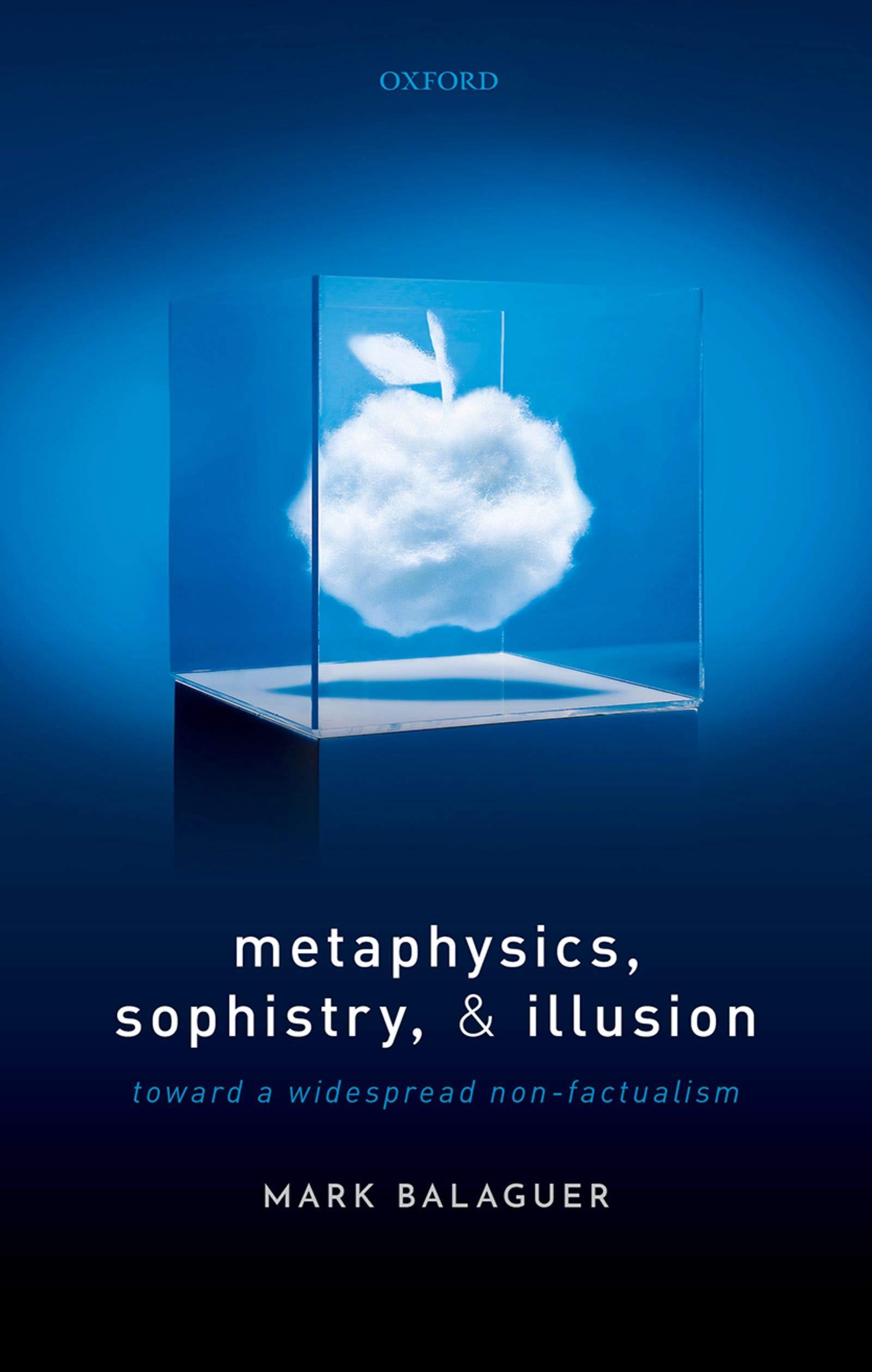
Inconnectionwiththislastpoint,I’dliketosayafewwordstodistancemyself fromthetitleofthisbook and,inparticular,fromanyaccusationsofsophistry. IpickedthetitlebecausethemetaphilosophicalviewthatI’marguingforissimilar inobviouswaystoHume’sviewand,tobeperfectlyhonest,becauseI liked thetitle andbasicallycouldn’thelpmyself.ButIemphaticallyrejecttheideathatphilosopherswhodometaphysics(andwhorejectanti-metaphysicalism)areengaged insomesortofsophistry.Ithinkthatanalyticmetaphysicsisburstingattheseams withextremelygoodphilosopherswhodisagreewithmyanti-metaphysicalism. Also,aswillbecomeclearasweproceed(especiallyinChapters3and4),some oftheanti-metaphysicalviewsthatI’llbeputtingforwardinthisbookarejustas bizarre-sounding(fromacommonsensepointofview)asmanyofthebizarresoundingmetaphysicalviewsthatanti-metaphysicalistslikemewanttoreject. Indeed,itseemstomethatifwetaketheproblemsofmetaphysicsseriously andthepointI’mmakinghereispreciselythatI do takethemseriously thenin ordertowiggleoutoftheseproblems,weprettymuch have tosaythingsthat soundbizarrefromacommonsensepointofview.Thisisbecausemostmetaphysicalproblems(andmaybe all ofthereallyrich,long-standingones)are generatedbyinconsistenciesinourcommonsensebeliefs.Soinordertoresolve
⁴ IthinkthatUnger(2014)isaparadigmcaseofthedismissive/eye-rollingkindofantimetaphysicalist;buthe’scertainlynottheonlyphilosopherwhowritesdismissivelyofmetaphysical problems.
theseproblems,wehavetorejectobvious-seemingcommonsensebeliefs.Which meansthatwehavetosaythingsthatsoundbizarrefromacommonsensepoint ofview.Andanti-metaphysicalviewsarenoexceptiontothis theycansound justasbizarreasthe fi rst-ordermetaphysicaltheoriesthatthey ’redesigned toavoid.
Inanyevent,torepeat,Idon’tthinkthattypicalmainstreammetaphysicians areengagedinsophistry,andwhileIdothinkthattheysometimesfallpreyto illusions,I’msurethattheywouldsaythesamethingaboutme.
1.3WhatISayHereIsn’tReallyTrue
InChapters4and5,I’mgoingtoarguethatthere’snofactofthematterwhether thereareanycompositeobjectsorabstractobjects.Butit’sveryhardtosay anythingwithoutreferringtosuchthings.E.g.,asIpointedoutabove,werefer tothesethingsallthetimeinourmathematicalandempiricaltheoriesandin ourordinarydiscourse.But,again,IargueinChapter3thatwecanadmitthat ourtheoriesandordinaryclaimsaren’tstrictlyspeakingtrue(becausetheyrefer tocompositeobjectsandabstractobjectsandarguablyothernon-existent things orotherthingsaboutwhichthere ’snofactofthematterwhetherthey exist)andstillmaintainthatthere ’sasortofcorrectnessthatattachestoour theoriesandordinaryclaims.Above,Isaidthatthiskindofcorrectnessisakind of for-all-practical-purposestruth.Wecanalsothinkofitasakindof truthin thestory;for,roughly,thesentencesthatarecorrectinthissensearetheones that wouldhavebeentrueifcompositeobjec tsandabstractobjectshadexisted. I’llmakethismorepreciseinChapter3,butthepointIwanttomakehereis thatIadoptthesameattitudetoward myownclaimsinthisbook thatIadopt towardourempiricalscientifi ctheories.Itwouldbeextremelyawkwardforme towriteinawaythatavoidedreferenceto,andquantifi cationover,composite objectsandabstractobjects;ifIdidthat,thisbookwouldbeunreadable.But theargumentsofChapter3showthatthere ’snoreasonformetodothis.For, again,Icanjustsaythatmyclaimsinthisbookhavethesamestatusthatour empiricaltheorieshave theymightnotbestrictlyspeakingtrue,butthey ’ re for-all-practical-purposestruebecausethey’ retrueinthestoryofcomposite objectsandabstractobjects.Formoreonthis,seeChapter3.
Here’sanexampleofthis:IsaidabovethatItaketheneo-positivistviewthat IintroduceinChapter7tobeanempiricalclaim;moreover,aswe’llseein Chapter7,Iwouldsaythesamethingaboutmynon-factualistviews e.g.,nonfactualismabouttheabstract-objectquestion.Butyoumightwonderhowthis couldberight;for(a)neo-positivismandnon-factualismabouttheabstract-object questionareclaimsabout questions,and(b)questionsarepresumablyabstract objects.Myresponse:(i)allofourbestempiricaltheoriesmakereferenceto
abstractobjectsaswell,andChapter3explainswhythisisn’taproblemforme; and(ii)Iendorsethesameviewofneo-positivismandmynon-factualistviews thatIendorseofotherempiricaltheoriesthatmakereferencetoabstractobjects, e.g.,quantummechanics.Inparticular,onmyview,thesetheoriesaren’tstrictly true,butthat’sOKbecausethey’refor-all-practical-purposestrue.Again,formore onthis,seeChapter3.