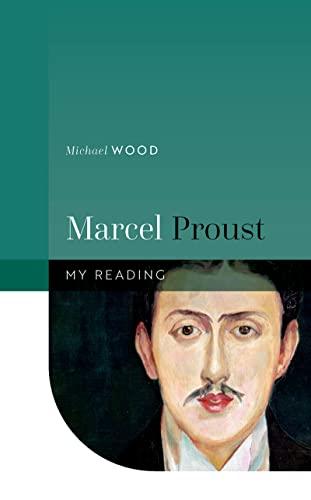
https://ebookmass.com/product/marcel-proust-michael-wood/
Instant digital products (PDF, ePub, MOBI) ready for you
Download now and discover formats that fit your needs...
The Engineer's Wife Tracey Enerson Wood [Wood
https://ebookmass.com/product/the-engineers-wife-tracey-enerson-woodwood/
ebookmass.com
Master Your Mind Marcel Danesi
https://ebookmass.com/product/master-your-mind-marcel-danesi/
ebookmass.com
Complete Italian Grammar 2nd Edition Marcel Danesi
https://ebookmass.com/product/complete-italian-grammar-2nd-editionmarcel-danesi/
ebookmass.com
Nutrition for Healthy Living Updated with 2015-2020 Dietary Guidelines for Americans 4th Edition – Ebook PDF Version
https://ebookmass.com/product/nutrition-for-healthy-living-updatedwith-2015-2020-dietary-guidelines-for-americans-4th-edition-ebook-pdfversion/ ebookmass.com
Nanostructured, Functional, and Flexible Materials for Energy Conversion and Storage Systems 1st Edition Alagarsamy Pandikumar
https://ebookmass.com/product/nanostructured-functional-and-flexiblematerials-for-energy-conversion-and-storage-systems-1st-editionalagarsamy-pandikumar/
ebookmass.com
De-Sequencing: Identity Work with Genes Martina Von Arx
https://ebookmass.com/product/de-sequencing-identity-work-with-genesmartina-von-arx/
ebookmass.com
Food Supply Chains in Cities: Modern Tools for Circularity and Sustainability 1st ed. Edition Emel Aktas
https://ebookmass.com/product/food-supply-chains-in-cities-moderntools-for-circularity-and-sustainability-1st-ed-edition-emel-aktas/
ebookmass.com
Gaz do dechy Joe Hill
https://ebookmass.com/product/gaz-do-dechy-joe-hill-2/
ebookmass.com
Freedom's Crescent: The Civil War and the Destruction of Slavery in the Lower Mississippi Valley John C. Rodrigue
https://ebookmass.com/product/freedoms-crescent-the-civil-war-and-thedestruction-of-slavery-in-the-lower-mississippi-valley-john-crodrigue/
ebookmass.com
https://ebookmass.com/product/feminist-ai-critical-perspectives-onalgorithms-data-and-intelligent-machines-jude-browne/
ebookmass.com
Published:May2023
Subject: LiteraryStudies(European) Collection: OxfordScholarshipOnline
GreatClarendonStreet,Oxford,OX26DP, UnitedKingdom
OxfordUniversityPressisadepartmentoftheUniversityofOxford. ItfurtherstheUniversity’sobjectiveofexcellenceinresearch,scholarship andeducationbypublishingworldwide.Oxfordisaregisteredtrademarko OxfordUniversityPressintheUKandincertainothercountries ©MichaelWood2023
Themoralrightsoftheauthorhavebeenasserted Allrightsreserved.Nopartofthispublicationmaybereproduced,storedi aretrievalsystem,ortransmitted,inanyformorbyanymeans,withoutth priorpermissioninwritingofOxfordUniversityPress,orasexpresslyperm bylaw,bylicenceorundertermsagreedwiththeappropriatereprographic rightsorganization.Enquiriesconcerningreproductionoutsidethescopeo aboveshouldbesenttotheRightsDepartment,OxfordUniversityPress,at addressabove
Youmustnotcirculatethisworkinanyotherform andyoumustimposethissameconditiononanyacquirer
LinkstothirdpartywebsitesareprovidedbyOxfordingoodfaithand forinformationonly.Oxforddisclaimsanyresponsibilityforthematerials containedinanythirdpartywebsitereferencedinthiswork.
Preface
JohnForresterwritesevocativelyofthefigurehecalls‘theinternalhistorianofscience’.Thisperson‘becomesthepastscientist, repeatstheprocessesofstruggle,failureandeventualapparent success’[1].ForrestergoesontoquoteapassagefromMichelFoucaulttowhichIshallreturn.Iamnotahistorianorascientist, andIdon’thaveanyhopeofbecomingMarcelProust,butIwas muchtakenbythechallengestomemoryandimagination,bythe interrogationoftheactofreading,thataliteraryanalogueofForrester’sdescriptionwouldimply,andIbegantothinkaboutacertainquestion,notunrelatedtomorefamiliaronesbutdifferentin toneandimpulse.Thequestionis:whatwouldtheworldbelike withoutthiswork?Wherewouldwebeifithadn’thappened?This ishowIfoundmyselfwritingaboutProust’sworkasaneventand abouteventsinrelationtothatworkitself.
Thelargestandmostobviousmeaningoftheword‘event’in thiscontextwouldbe:thelifeandworkofMarcelProust(1871–1922);thewritingthatleduptoandturnedinto Alarecherchedu tempsperdu;thepublicationofthatworkandearlierones;thelater appearanceofmanuscriptdraftsandunpublishedstories;the recreationofthisopus(orpiecesofit)inthemindsofreaders, earlyandlate.Myworkconcernsthiseventbutsodoallother booksonProust,andIshouldtrytobealittlemorespecificabout whatIhaveinmind.
Forsomereaders,theeventreallywouldbealloftheabove.This waswhatBernarddeFalloismeantwhenhesaid‘Proust’sunpublishedworkdoesn’texist’[2].Provocativewordssincehewas introducingawholevolumeofsuchmaterialand,twoyearsearlier,hadbroughtout JeanSanteuil,anunfinishednovelthatProust workedonbetween1895and1899.Thereisalotoftruthinde Fallois’schallengingremark.Theyear‘wheneverythingchanged’ [3]hadalonghistory,andBenjaminTaylorisrighttosuggestthat evensomeofthemostcasualmomentsofProust’searlysocial lifeturnedouttobepartofan‘essentialpreparation’forhislater writing[4].Andyet,allowingfordifferentpremisesandframings, wecouldinvertdeFallois’spropositionentirely.Theeventthat finallycreatedthefigureweknowasProustdidnottakeawhole lifetime;itoccupiedcertainmonths,perhapscertainweeks,ofa certainyear,1908.
Ihopethisbookasawholewillsaysomethingabouttheevent asalifetimeaffair,andIshalltrytoshowinmyfirstchapterwhat thesuddenchangeof1908lookslike.Otherchaptersexplore eventsthatProustcreatedordefinedorcommentedon,significantmomentsofreadingand/orwritingthatwouldnotexist withouthim.Togivesimplenamestorathercomplexoccurrences,weshallsee:achangeoftrack,adistantcause,anational crisis,anincompleteoccurrence,asuspensionoflife,adisplacementofjustice,aparadeofappearances.Therecouldbemany moremomentsofthiskind.Thechaptersmovebroadlybetween worlds—betweenneurosisandpolitics,let’ssay—andbetween romanceandthelaw.Buttheworldsmeetupquiteoften,and botharefullofmetaphorsandmythologies.Acentralchapter seekstoexplorethisprofusioninitsownright.
Prousthimselfoffershelpfulostensivedefinitionsoftheword ‘event’.HeevenborrowstheEnglishword.Anobituaryforhis characterCharlesSwannsaysthatthestyleandreputationofthe deceased‘couldnotfailtoarousethecuriosityofthepublicin every greatevent ofmusicandpainting’[5].OftenProustfindsthat thewordneedsanadjectivetopointusintherightdirection, andthenhewritesofeventsthataredaily,dramatic,important, indifferent,theatrical,historic,useless,great,slender,minimal. Sometimes,theimplicationtiltstheotherwayasifeventschoose theirownrankamonghappenings.‘Thesevisitswereanevent’; ‘itwouldrequireanevent,itwouldrequireawar’.And,attimes, theword‘event’carriesawholearrayofironiesorcomplications withit,aswiththepersonwho‘isnolongerawomanbutaseries ofevents’(GW460;SG477;P92).
Philologistsarewaryoftheword‘event’,asifperturbedby itspronenesstoexaggeration.‘Somethingthathappensortakes place’,the OxfordEnglishDictionary says,‘anincident,anoccurrence’.Well,yes,butaneventisdifferentenoughfromother incidentsandoccurrencesforustowanttocallitanevent.Thisis oftenamatterofpublicrelationsorjustboasting,andthedictionarydoesinclude‘somethingsignificantornoteworthy’among itsdefinitions.Proustoffersanironicversionofthissensewhen hehashisnarratorexplainthatwhatwasaneventforhim(his arrivalinwhatseemedanimpenetrablezoneofhighsociety) wasnothingofthekindfortheDuchessedeGuermantes:‘things whichhadconstitutedeventsformehadpassedunnoticedbyher’ (FT319).
Thisisexactlywheretheinterestofthewordlies.Whogetsto sayanoccurrenceisanevent,andwhyandwhendowebelieve themornot?Thedictionary’sreferencetoparticlephysicsbrings
usclosertotheaction.Aneventis‘ahighlyenergeticcollision betweensubatomicparticlesthatproducesparticlesoftypesnot involvedinthecollision’.Nowwe’retalking:energy,collision,and newtypesofparticles.
Insideandoutsideofphysics,suchaneventiswhatmarksthe arrivalofanewparadigmorwhatMichelFoucaultcallsanepisteme.Hedoesn’tusetheword‘event’,buthisdescriptionin Les motsetleschoses (1966)meetsallthecriteriafortheterm.Itbegins withanactofreadingandlaughing.
ThisbookfirstaroseoutofapassageinBorges,outofthelaughter thatshattered,asIreadthepassage,allthefamiliarlandmarksof mythought—our thought,thethoughtthatbearsthestampofour ageandourgeography…Inthewondermentofthistaxonomy,the thingweapproachinonegreatleap,thethingthat,bymeansof thefable,isdemonstratedastheexoticcharmofanothersystem ofthought,isthelimitationofourown,thestarkimpossibilityof thinking that [6].
Thetextinquestionisaparagraphregarding‘acertainChinese encyclopedia’inwhichanimalsareclassifiedinthefollowingway:
(a)thosethatbelongtotheEmperor,(b)embalmedones,(c)those thataretrained,(d)sucklingpigs,(e)mermaids,(f)fabulousones, (g)straydogs,(h)thosethatareincludedinthisclassification, (i)thosethattrembleasiftheyweremad,(j)innumerableones, (k)thosedrawnwithaveryfinecamel'shairbrush,(l)others, (m)thosethathavejustbrokenaflowervase,(n)thosethatresemble fliesfromadistance[7].
FoucaultgoesontosaythatBorges’smischiefdoesn’tsomuch wrecktheideaoftaxonomyoritscontentastakeawaythespace whereeitherofthemcouldexist.
Borgesaddsnofiguretotheatlasoftheimpossible…Hedoesaway withthe site,themutegrounduponwhichitispossibleforentities tobejuxtaposed…
Fromthere,Foucaultmovesontohisownpreoccupation,the eventthatresembleshiseventofreading.Thisisthecreationof an‘archeology’thatwillsomehowcircumventtheimpossibility ofconventionalintellectualhistory.
Quiteobviously,suchananalysisdoesnotbelongtothehistory ofideasorofscience:itisratheraninquirywhoseaimistorediscoveronwhatbasisknowledgeandtheorybecamepossible…I amrestoringtooursilentandapparentlyimmobilesoilitsrifts,its instability,itsflaws;anditisthesamegroundthatisoncemore stirringunderneathourfeet[8].
IknewwithoutcountingthatProustusestheword‘event’alotin A larecherche andthatheloveditsmixedimplicationsofcertaintyand slippage.ButitwasonlywhenIstartedwriting(andcounting)that IrecognizedhowmuchProustianworkthewordisdoing,how provocativelyitbecomesasortofinterpretativemagicwand.Here isafurtherexampleofProust’sintriguingusage:‘Eventsmodify themselves,eitherbecausefailureamplifiesthemforusorbecause satisfactionreducesthem.’EventsforProustarenotjustwhathappens,theyarealsowhathappenstothem.Thenarratorof Ala recherchedutempsperdu hasbeentalkingofastrangeformofsatisfactionthatIthinkmostofuswillrecognize:theweirdpleasure ofseeinghowbadthingscanget.Thenhesays:
Therearemomentsinlifewhenakindofbeautyisbornofthemultiplicityofthetrialsthatassailus,interwovenlikeWagnerianleitmotifs,aswellasofthesimultaneousrealizationthateventsdonot fitintothepatternofreflectionspicturedinthepoorlittlemirror
thatintelligencecarriesbeforeitandcallsthefuture,thattheyare outsideusandappearasabruptlyassomeonewhohascometo observeacrimeintheact.
(F411)
ThecontextofFranzKafka’sunsentlettertohisfatherisquitedifferent,butthetoneisremarkablysimilar.WhenKafkasaysthat allhisbadexperiencescome‘magnificently’(großartig)together, hisadverbistheperfectcompanion(theletterwaswrittenin1919) tothemusicofProust’smultiplyingtrials[9].
Ihavenotdistinguisheddogmatically,orallthetime,between MarcelProustandthenarratorsofthefictionandessays.Thereare manyvoiceshere,andsomearenodoubtProust’sown.Butthere isanimportantsenseinwhichProustthepersonisnotProustthe writer:thefirstofthesefiguresisnotmadeentirelyofwords,and wecanknowthesecondinwayswecannotknowthefirst.Proust himselfgivesusachoicebetweenwhathappenswhenwewrite andwhenwesocialize:
Infact,itisthesecretionofone’sinnermostlife,writteninsolitude andforoneselfalone,thatwhatonegivestothepublic[…]What onebestowson[…]conversation[…]orinthosedrawing-room essays[…]istheproductofaquitesuperficialself,notoftheinnermostselfwhichonecanonlyrecoverbyputtingasidetheworldand theselfthatfrequentstheworld.
(BW79)
Asimilarchoiceisonoffer(fromthenarrator)inthefollowinglate passagefrom Letempsretrouvé:
Iwasthinkingaboutmybookinmoremodestterms,anditwould evenbeamistaketosaythatIwasthinkingofthosewhowould bemyreaders.Fortheywouldnotbe[…]myreaders,somuch
asreadersoftheirownselves,mybookbeingmerelyoneofthose magnifyingglassesofthesorttheopticianatCombrayusedtooffer hiscustomers[…]Iwouldnotaskthemtopraisemeordenigrate me,onlytotellmeifitwasright,ifthewordstheywerereadingin themselveswerereallytheonesIhadwritten. (FT343)
Iamnotwriting Alarecherchedutempsperdu asIreadit.ButIam readingmyselfasIreadProust,andIamreading,ascloselyand imaginativelyasIcan,thewordshewrote.Forthisreason,Ihave takenmostofmycuesfromProust’sactuallanguage,andthis bookis,inasense,alexicalenterprise.Everytermwescrutinize leadsusintoawaitinglabyrinth,andsomeofthem,likeAriadne’s thread,evenhelpustofindourwayout.
WhenVirgilismentioned,wearenottounderstandthepersonof afamouspoetcalledbythatname,butonlycertainsheetsofpaper, boundupinleather,containinginprinttheworksofthesaidpoet.
JonathanSwift
ImpossibleMusic
The1908eventinProust’slifeisdramaticandcomplex:it includesmostofthefeaturesthat,aswesawinthepreface, mayinhabittheterm.Thereisacollisionbetweentypesofwritingthatproducesatypenotincludedinthecollision;thereis adisturbanceoffamiliarthoughtandacontemplationofvariousimpossibilities.ThegroundmovesbeneathProust’sfeet,and uncertaintyhoversroundtheeventintheshapeofchance,the friendandenemythatProustcan’tstoptalkingabout,theagency thatkeepsremindingusthatallofthismightnothavehappened. AntoineCompagnonsuggeststhathopingto‘findthekeyto thismiraculouspassage’isa‘crazydream’andperhapsthevery ideaofakeyshowsamisunderstandingofwhatwasgoingonin Proust’smindandlife.ButsinceBernarddeFallois’spublicationof ContreSainte-Beuve in1954,mostofthetextshavebeenbeforeour eyes,andthestylisticeventisnotamystery,atleastinhindsight. Whatisinterestingisthechoiceofdescriptionsonoffer.CompagnonsaysthatProustis‘juxtaposingphilosophyandnovel, memoryandcriticism,withoutunitingthem’[1].Thisistrue, butIalsowanttosaythatsomethingvanisheshere:thesiteon whichProustcouldwritethenovelhethoughthewaswriting.He registersthisdisappearanceanddecidestowritecriticisminstead.
Atthispoint,atleastthreethingshappen.First,writingcriticismrevealstoProustthatwhathehadbeenworkingonwasnot his novel—or wasjust anovelinaconventionalsense.Fiveyears later,abouttopublish DucôtédechezSwann,herecognizesand thencontextualizeshisdeparturefromtheoldnovel—itisstill theformhisworkdepartsfromleast(‘c’estencoreduromanque celas’écartelemoins’)[2].Second,hiswritingaboutwhathe can’tdo,hislyricalfarewelltohisoldproject,issowonderfulthat itcan’tbeasecond-bestoptionofanykindandindeedhintsat aliteraryplot:failureisagreattopic.Andthird,Proustbeginsto elaborateinthiswritingasenseofsignificantimpossibility,which hoversinhisworkfromthistimeon.
Imayneedtosaysomethinghereaboutthevarietiesofmodernistfiction.Thereistheflagrantlymodernistkind,theonethat openlyabandonsoldmodes.WriterslikeWoolf,Joyce,Kafka,and Musilareintenselypreoccupiedwiththeirversionofthenon-site ofclassification,thehomeofconfusion.Bycomparison,Proust andThomasMannlookratherlikenineteenth-centuryrelics,late, stubbornavatarsofBalzacorStifter.Mannhimselfthoughtas muchforquitealongtime—untilhereadHarryLevin’s1939book onJoyce,whenhebegantoseesimilaritieswherehehadonlyseen dramaticdifference.Herealizedthathealsowasamodernist,far tooironictobeanythingelseandmoredevotedthananyoneto whatT.S.Eliotcalled‘themythicmethod’,therecoursetoold storiesas‘awayofcontrolling,ofordering,ofgivingashapeand asignificancetotheimmensepanoramaoffutilityandanarchy whichiscontemporaryhistory’[3].Mann,perhaps,wouldnot havespokenofcontrolling.
Proust’ssituationisnotquitethesameasMann’s,although therearemanyresemblances.BothwerewritingwhatMann calledtime-novels,andinhisforewordto TheMagicMountain, Mannevokes‘theextraordinarypastness’ofthestoryheisabout totell.
Ittakesplace...longago,intheolddaysoftheworldbeforethe GreatWar,withwhosebeginningssomanythingsbeganwhose beginnings,itseems,havenotyetceased.Ittookplacebeforethe war,then,thoughnotlongbefore[4].
Longago,notlongago,beginningsthatdonotend.Thislooks, atfirstglance,likeamuddledattempttothinkaboutchange,but wequicklyrealizeitissomethingelse:asubtleparodyofsucha muddleandapictureofhowwedothinkofsuchthings—allthe time.
Inthefirstpagesof Alarecherche,weread:
Asleepingmanholdsinacirclearoundhimthesequenceofthe hours,theorderofyearsandworlds.Heconsultstheminstinctively ashewakesandreadsintheminasecondthepointonearthhe occupies,thetimethathaselapseduptohiswaking;buttheirranks canbemixedup,broken.
(WS9)
Thenarratorgoesontosaythatsometimeshismind‘wouldletgo ofthemapoftheplacewhereIhadfallenasleep’andthat,onwaking,‘sinceIdidnotknowwhereIwas,Ididnotevenunderstand inthefirstmomentwhoIwas’.ThereisnoparodyherethatIcan see,butthereisProust’srecurringequivalent,asortofrhetorical extravagance,asenseofhavingdiscreetlylefttheliteralworld.In
away,eachofthechaptersofthisbooktracksthisextravagance, which,Iamsuggesting,isamajorelementinProust’smodernism. Compagnon,revisingthesenseofmerejuxtapositionhehadseen inthedrafts,suggeststhat‘Proustisourbookofbooksbecausehe readslikeBalzacandBlanchotatthesametime’[5].
II
Thestoryofthemanuscriptsof1908isperhapsmoreinterestingthanthestoryinthemanuscripts,atleastasfarasthedrafts oftheabandonednovelareconcerned.Amongthesourcesfor thematerialBernarddeFalloisputtogetherunderthetitle ContreSainte-Beuve werewhathecalled‘seventy-fivelarge-format pages,containingsixepisodesthatwillallbetakenupagainin theRecherche’[6].DeFalloisprintedexcerptsfromtwoofthem. Therestofthebook,acreativelyeclecticaffair,consistsbothof subtleessaysonliteratureandcriticismandgarruloussketches forarticlesofsocialgossip.TherearechaptersonSainte-Beuve’s criticalmethod,onNerval,Baudelaire,andBalzac.Thereareshort chaptersonsleep,rooms,days,apersoncalledthecountess,and whatitwasliketoseeyourownarticleappearin LeFigaro.The collectionalsoregistersProust’sdeclarationofwarontheintelligenceandoffersabriefelaborationofthememorytheorythat willcometoresolvethesupposedriddleof Alarecherchedutemps perdu: wherearewriterstoturnwhentheyhavelostallfaithin theirtalentandallinterestinreality?[7].
Sometimeafter1954,whendeFallois’sbookwaspublished,the seventy-fivelargepagesdisappeared,althoughallofthemanuscriptmaterialwaslaternotionallydepositedintheNational
Library.Biographersandcriticsroutinelymournedtheirloss, and,asNathalieMauriacDyer,theskillfuleditorofthefinally publisheddocuments,says,‘thevaininquiriesconductedbyseveralgenerationsofscholarssincethebeginningofthe1960s[...] imprintedonthe“seventy-fivepages”aspecialmysteryandaura’ (Feuillets 199).Whathadhappened?
InJanuary2018,deFalloisdied,andmanyofhispaperswent totheLibrary.Thereisstillsomequestion,apparently,aboutthe rangeandthestatusofthesurvivingProustmanuscripts.The knownpaperscontained,amongmanyotherthings,somestories Prousthadchosennottoprint—editedbyLucFraisseandpublishedinavolumecalled TheMysteriousCorrespondant (2019)—and ...theseventy-fivepages.HaddeFalloisforgottenhehadthem? Weretheylostamonghisownpapers?BothFraisseandMauriac DyerpickupaninterestingarchaicFrenchphraseinthiscontext: ‘par-deverslui’.Itmeans‘tohimself’butisalittlemoreformal thanthatandetymologicallysuggestsaturninginwardsrather thanoutwards.FraisseusesitofProust’streatmentofthepieces hedidn’twanttopublish.MauriacDyerusesitofdeFallois:‘A Proustianwithtaste,BernarddeFallois(1926–2018),hadnotkept tohimselfformorethanahalf-centurytheleastremarkableofthe manuscriptsoftheauthorof Swann’(Feuillets 199).Thetwoscholarsarealmostcertainlyrememberinganexchangeinthememoir ofProust’shousekeeper,CélesteAlbaret,whereheasksherifshe isburninghisnotebooksasrequested.Hesuspectsher,shesays, ofkeepingthemtoherselforforherself,‘par-deversmoi’[8].
Thereareapparentlyseventy-sixlargepageswithwritingon them,butMauriacDyerandGallimardkeptthemagicalnumber seventy-fivefortheirtitle.Theeditorcallsthesixepisodes‘An eveninginthecountry’,‘TheVillebonwayandtheMeségliseway’,
‘Astayattheseaside’,‘YoungGirls’,‘Noblenames’,and‘Venice’. Accordingtoherthoughtfulchronology,Proustcouldhavebegun workonthismateriallatein1907,butmostofitwouldhavebeen writteninthecourseof1908.ByNovemberofthatyear,hehad temporarilyabandoned(orwasabandoning)itinordertoturn tohisbookonSainte-Beuve.Jean-YvesTadiéasksanastutequestionaboutthismaterialandthismove.‘Whatwasthereinthese seventy-fivepagesthatwassogoodthathewouldwritethem,so badthathewouldstopworkingonthem?’(Feuillets 12).Wecould amplifythequerybywonderingalsohowtherecouldbesomuch ofthethematicmaterialof Alarecherche alreadyinthesepagesand solittleofthestyleandmoodofthenovel.Thereisthebeginning ofananswerintherestof ContreSainte-Beuve.
III
ThelanguageofProust’searlydescriptionofwhatisleftforthe failedwriterofnovelstodoisasymptom,amimesisoflogicaldisarray.‘Ihavereachedthemoment’,Proustwrites,‘when[...]one maybepreventedfromsaying[...]thethingsonemostwantedto say.’Thatisabrutalparsingofthemainclause.HereisanEnglish versionoftheactualsentence:
Ihavereachedthemoment,or,ifyoupreferit,Ifindmyselfincircumstanceswhereonemayfearthatthethingsonemostwantedto say—oratleastifnottheythemselves,shouldaflaggingsensibility, whichbankruptstalent,nolongerallowit,thenintheirsteadthose thatstoodnext,whichbycomparisonwiththishigherandholier ideal,onehadcometothinklittleofbutwhichafterallonehasnot readanywhere,whichonemaysupposemayneverbesaidunless onesaysthemoneself,andwhichobviouslystemjustasmuchfrom
one’smind,thoughfromanevenshallowerregionofit—onemay suddenlybepreventedfromsaying.
(BW72)
Givingupallhopeofdoinganythingabouthis‘higherandholier ideal’,Proustturnstowhathetakestobethemostpracticalalternative:acriticalworkcentredonSainte-Beuve,althoughitwould be‘muchmoreinrespectofSainte-Beuvethanabouthim’.Of course,Proustmaynotmanagethisoptioneither(anddidn’t), buttheoddslookalittlebetterfornow.Hecontinues,‘Imight managetosaysomethings[...]aboutwhatcriticismshoulddo andwhatartis.’Hewouldalsohopetotalkabout‘certainforms oflife’,andfinally,‘leavingSainte-Beuvequiteoutofit,Iwouldtry tosaywhatartmighthavebeentomeif[...]’.
Atalatermoment,thedistinctionisnotbetweenonekind ofwritingandanotherbutbetweenworkingandnotworking: ‘NeverhavingbeenabletoworkIwasnogoodasawriter’(BW 193).ThisinabilityiswhatProustelsewhererepeatedlycallshis laziness.Still,aswereadthematerialsselectedbydeFallois,we donoticealessenedawkwardnessinthewriting,andbythetime wecometothelastwordsof ContreSainte-Beuve,weknowweare stylistically(andcritically)inquiteadifferentplace:
Thefinethingsweshallwriteifwehavetalentenough,arewithin us,dimly,liketheremembranceofatunewhichcharmsusthough wecannotrecallitsoutline,norhumit,norevensketchitsmetrical form,sayiftherepausesinit,orrunsofrapidnotes.Thosewhoare hauntedbythisconfusedremembranceoftruthstheyhavenever knownarethemenwhoaregifted;butiftheynevergobeyondsayingthattheycanheararavishingtune,theywillconveynothing toothers,theyarewithouttalent.Talentislikeakindofmemory whichintheendenablesthemtocallbackthisconfusedmusic,to
hearitdistinctly,towriteitdown,toreproduceit,tosingit.There comesatimeinlifewhentalent,likememory,fails,andthemuscle inthemindwhichbringsinwardmemoriesbeforeonelikememoriesoftheouterworld,losesitspower.Sometimes,fromlackof exerciseorbecauseofatooreadyself-approval,thistimeoflife extendsoverawholelife-time;andnoone,notyouyourselfeven, willeverknowthetunethatbesetyouwithitsintangible,delightful rhythm.
Thereareamazingformulationshere.Wearetobehauntedby truthswehaveneverknown,andwearetomakethesetruths availabletoothersinwriting.Ifthetruthsremainelusive,wehave nothing.Iftheybecomeclear,theyareprobablythewrongtruths. ‘Talentislikeakindofmemory.’Aboveall,itisaformoflabour, oftheworkthatProusthadearliersaidhecouldn’tdo.Andthe notionoftimeinitsmostobvious,leastreparablesense,allows himthetender,ironicthoughtthatsomeofuswillhavebeen ancientallourlives,evenwhenwereyoung.Toobad.Themusic wasthereandweweren’tlistening.
WillProustescapethisfate?Weknowtheanswer,andprobably hedoestoo,atthispoint.Orsoonwill.Thisperfectpictureofa missedmeetingisalsothepromiseofanewstart,acommitment toimpossiblemusic.
‘EverydayIsetlessstoreonintelligence’(BW17).Thisishow ContreSainte-Beuve begins.ThestatementseemstoreflectProust’s ideasabouttimeandquantitycloselyenough,butit’salittle tooperemptorytodomuchelse.Theintelligencehereisthe
(BW201)
Sainte-BeuveofourmentalapparatusorwhatSainte-Beuvemight beifherepresentedFrenchclarityandsocialgoodsenseattheir best.Attheendofhispreface,Proustinsistsonthe‘inferiority oftheintelligence’butalsoremindsusthatthisassessmentitself belongstotheintelligence.‘Itisintelligencewemustcallonto establishthisinferiority’(BW21).
BothTownsendWarnerandSturrocktranslate‘intelligence’as ‘intellect’.Therearegoodgroundsforthismovesinceitsignals somethingofthedifferenceinmeaningbetweentheFrenchand Englishwords‘intelligence’,identicalintheirspelling.Butthere isalsoarestrictioninsuchachoicesincetheintellect,inFrench andinEnglish,isamorelimitedaffairthantheintelligence.Itis also,especiallyinEnglish,moreeasilyseeninanegativelight, whilenoone,toadaptDescartes,wantsalowerIQthanthey alreadyhave.Thepracticeofintelligencetesting,incidentally, beganinFrancewithAlfredBinet,whose Etudeexpérimentalede l’intelligence appearedin1903andwhointroducedtheBinet–Simon intelligencetestthefollowingyear.Proustwasnotattackingan easilyattackablefeatureofthemind;hewasattackingthemind atwhatalmosteveryonethoughtwasitsreflectiveandpractical best,andIthinkweneedtostaywith‘intelligence’toallowthis polemicitsfullrange.Arathercasualremarkin ContreSainteBeuve,almostajoke,isveryhelpfulhere.Ifwearespeakingabout abook,Proustsays,‘itisalmostasstupidtosay,“Itisveryintelligent”as“Hewasveryfondofhismother”’(BW198).Thereis quitealotgoingonhere,butthemajorpointinvolvesthestatementoftheobvious.Ofcourse,booksareintelligent,atleastthe goodonesare—it’stheleastonecanask.Therealquestionis whatelsetheyare,whatotherreachesofthemindtheyreflect orrepresent.
ForProust,theintelligenceisrelatedtoconsciousness,thewill, naming,understanding,andmuchofwhatitusedtobefashionabletoassociatewiththeconceptofreason.Proust’snextparagraphaftertheoneaboutstupidityoffersalucidifslightlyromanticizeddistinction:
Booksaretheworkofsolitudeandthechildrenofsilence.The childrenofsilenceshouldhavenoportionwiththechildrenofthe word—thoughtsthatowetheirbeingtoawishtosaysomething, toadisapproval,oranopinion;thatis,tovagueidea.
(BW201)
Thereisawonderfulgive-awayinProust’sfirstquotationfrom Sainte-Beuve.Proustreportsthatitwassaidofthefamouscritic thathehad‘carriedthemethodsofnaturalhistoryintothehistory ofmoralphilosophy’(BW73).Intheprocess,hemadeanimportantdistinctionbetweentheAncientsandModernsoftraditional criticaldebates.ThesnagwiththeAncientsisthatwecan’tknow thempersonallyandcan’texaminethemasiftheywerealiving species.Weare,Sainte-Beuvesaid,‘reducedtocommentingonthe works’(BW74).Reduced?IimaginewholearmiesofNewCritics shriekingwithindignation,andmanyreadersofotherschoolsand temperamentsmaythinkthatSainte-Beuvehasmadeanimpeccablecaseagainsthimself.
Sainte-Beuvecontinues:
Idonotthinkofliteratureasathingapart,detachablefromthe restofthemanandhisnature[...]Solongasonehasnotasked anauthoracertainnumberofquestionsandreceivedanswersto them,thoughthesewereonlywhisperedinconfidence,onecannotbecertainofhavingacompletegraspofhim,eventhoughthese questionsmightseematthefurthestremovefromthenatureofhis writings.Whatwerehisreligiousviews?Howdidhereacttothe
sightofnature?Howdidheconducthimselfinregardtowomen, inregardtomoney?Washerich,washepoor?Whatgovernedhis actions,whatwashisdailywayoflife?Whatwashisviceorhis weakness?
(BW75)
Sainte-Beuve’serror,Proustargues,wasnotsomuchintheapplicationofhismethodasinthemethoditself,whichrestsona categorymistake.Booksarenotwrittenbythesocialselfevoked above—oratleastgreatbooks,orthebookswecareabout,are not.This,Proustsayswithdelicateirony,is‘whataveryslight degreeofself-acquaintanceteachesus’:‘thatabookistheproductofdifferent self fromtheselfwemanifestinourhabits,inour sociallife,inourvices’(BW76).
ThisideadoesnotbelongtoProustalone.WefindanearlierversionofitinYeats,whosaidthatthepoet‘isneverthe bundleofaccidentandincoherencethatsitsdowntobreakfast’[9];andHenryJameswrote‘ThePrivateLife’,awonderful shortstorybasedonasimilarprovocation.AversionoftheargumentunderliesRolandBarthes’smetaphorofthedeathofthe author.Proust’semphasisisdifferent,though.InSainte-Beuve’s method,asinthesocialchatterProustlovestowriteabout, thefalseauthorisalltooalive,andindeedunavoidable.Proust insistsonhowwrongallthisis.Sainte-Beuvecouldnotsee‘the gulfthatseparatesthewriterfromthemanoftheworld’,could notunderstandthat‘thewriter’strueselfismanifestedinhis booksalone’(BW81).Sainte-Beuvewasnotentirelyconsistent inthisfailure,though,sincehedidwritethefollowingsentence, whichProusthimselfwouldnothavedisowned:‘LaBruyèrelives entirelyinhisbook;itisthere,andnowhereelse,thatonemust seekhim’[10].
Proust’stheoryoftheauthoriscloselyrelatedtohispracticeas acritic,whichiswhatalargepieceof ContreSainte-Beuve shows insomedetail.Thesepages,wearetoimagine,wouldhavebeen attheheartofthecriticalworkProustthoughthemightwrite oncehehadgivenuponthegreatnovelthatwasescapinghim. Thereissomeremarkableclosereading.OfBaudelaire’sgift,for example,forslowingdownonelineinordertolaunchanassertioninthenext,whichProustcomparestothesoaringmovement ofatrapeze;and,conversely,ofthesuddenendingsofmany ofBaudelaire’spoems,theirsuggestionofbrokenwingsand failedflight(BW104–105).Aboveall,thereisthe tourdeforce of theessayonBalzac,sorichthatIcansketchhereonlysomeof itsqualities.
Ittakestheformofa(ratherone-sided)conversationwith thecritic’smother,whodiedin1905.‘You’refrowning’,Proust says,havingjustmentionedBalzac.‘Youdon’tcareforhim,I know’(BW118).Andforfourpagesafterthis,andatvariouslater momentsintheessay,Proustdescribes,withasortofkindly patience,allthereasonswhyhismotherisrightnottolikeBalzac, especiallyhisvulgarity.Hedoestreathischaracters‘withthe naiveteofachildwho,havegivennamestoitsdolls,thinksthey reallycomealive’.Heoffersusa‘half-bakedrealism,toofabulousforlife,tooprosaicforliterature’(BW124).Balzac’swriting isprettyloosetoo.‘Heisinsuchahurrytostatethefactsthat thesentenceislefttoshiftforitself’(BW128).Butallthisis,for Proust,inseparablefromwhatisgreataboutBalzac.‘Butyousee, thestrengthofsomeofhispicturesmaybeduetothatsamevulgarity.’‘Balzac’sstyle,properlyspeaking,doesnotexist[...]In Balzac[...]alltheelementsofastylewhichisstilltocomeexist together,undigested,untransformed’(BW120,127).Wesubmit
toawriterlikeTolstoy,Proustsays,regardinghimasgreaterand strongerthanweare:
WithBalzac,weknowallhisvulgaritiesandatfirstwererepelledby them;thenwebegantolovehim,thenwesmiledatallthosesillinesseswhicharesotypicalofhim;welovehim,withalittledashof ironymixedinouraffection;weknowhisaberrations,hisshabby littletricks,andbecausetheyaresolikehimwelovethem.
(BW133)
Thetoneheremayseemalittlecondescending,tooflavoured bythewriter’sdesiretoincorporatehismother’sview,butthe finaleffectisjustthereverse.Proustwantsustoidentifywith thewriter—withthewriteraswriter,thepersonfoundinthe wordsofthepoemorthenovel—andwhenwedothat,asLudwig Wittgensteinremarkedinanothercontext,therearealotofthings weshallnotsay.
Proustisidentifying,inhisway,andinvitingustoavoidwhat latercametobeknownastheintentionalfallacy,thebeliefthat themotiveandreasonsofthesocialandhistoricalpersonknown astheauthorwereeitheravailableorrelevantforliterarycriticism. Orishe?Surely,consideringliteraryworks‘fromthepointofview ofthosewhowrotethem’ispreciselytheintentionalfallacywrit large?Itis,untilweconnecttheremarktoProust’scommentson thedifferent,secretselfofthewriterandonlisteningtothemusic ‘beneaththewords’ofanytext.MysenseisthatProustisactuallysayingthatrealwritersareinlargepartthereader’sinvention (althoughthereverseisalsotrue)andthatiswhyweshouldand doembracetheirdefects:notbecausetheyarevirtuesafterallbut becausetheyareanessentialaspectofwhoandwhatawriteris.
In1908,Proust’swritingaboutimpossibilityismostcloselyassociatedwiththeworkofNerval.MauriacDyersaysthat,atone point,‘ProusthasbecomeNerval’ (Feuillets 231),andI’dliketoconnectthisthoughttothreetextualoccasionsin ContreSainte-Beuve. First,ProustsaysthatwhenwereadNerval,‘ourpleasureisfull ofperplexity’.TheFrenchwordis‘trouble’,whichhealsouses forhismemoryexperiences.Second,heassociatesNerval’swork withtheevocationofwhatcannotbesaid:‘Whenallissaid,itis onlytheinexpressible,thethingonebelievesonecannotsucceed ingettingintoabook,thatremainsinit[...]Butitisnotinthe words,itisnotsaid,itisallamongthewords.’Orbeneaththe words,asProustsayselsewhereinthiswork.Andthirdhecites afamouslinefromNerval’spoem‘Fantaisie’inordertoshow howun-FrenchanduntraditionalNervalis,inspiteofhisreputationforbeingtheromanticrepresentativeofOldFrance.‘What wehavehereisoneofthoserainbow-paintedpictures,neverto beseeninreallife,orevencalledupbywords,butsometimes broughtbeforeusinadreamorcalledupbymusic’(BW113,17, 114–115,110–111).
Wecouldtaketheprovocationofthispoemfurther,buildingon theintriguingmixtureoftrouble,theinsufficiencyofwords,and thereturnofthemusicalsimile.Thepoem’sfirststanzarunsas follows:
Ilestunairpourquijedonnerais ToutRossini,toutMozartettoutWeber, Unairtrèsvieux,languissantetfunèbre, Quipourmoiseuladescharmessecrets.