Editor’sIntroduction
0.1 Łaski’sFamily,Education,SurvivingtheHolocaust, andFirstPost-warEngagements
Thelecturesthatfollowarethefruitofthe finalyearsofanextraordinarylife devotedtopoliticaleconomyandunderstandingideasthatweretestednot onlyinscholarshipbutalsointragicadversity.Inparticularthelecturesreflect theirauthor’sclosecollaborationwithMichał Kaleckiinthelastdecadeanda halfofKalecki’slife.1
Kazimierz ŁaskiwasborninaPolishsoutherncityofCzęstochowaintoa lower-middleclassfamilyasHendelCygler.Hisfather,Szmul,wasashopkeeper,andhismother,Rywa,ranasmallshirt-sewingshop.Thefamilycould affordamaid,andsentHendelandhisolderbrother,MajerGodel,tothelocal lyceum school.Theschool,combinedwiththecareofhisCatholicmaidwho readforhimPolishfolkstoriesandtales,sanglocalsongsandconstantly talkedtohim,removedanytraceofJewishaccentfromhisspokenPolish. AlthoughwellreadinPolishliteratureandhistory,hewasmoreinterestedin mathematicsandsciencethanarts.
EarlyintheWorldWarII,hisparentsweredeportedandgassedinTreblinka andhisbrotherwaskilledbytheGermans. Łaski’sthengirlfriend,subsequentlywife(from1947)andlifelongtruecompanion,IrenaWolfowicz, foundrefugefromtheNazisataconventinWarsaw.InMarch/April1943, withassistanceofthePolishUndergroundState, ŁaskiwasgivenafalseRoman Catholicbirthcertificateandresidenceregistrationdocumentsissuedinthe nameofamanhisage.That,togetherwiththeaforementioned fluencyin thePolishlanguageandhisblueeyes,ashelaterrecalled,allowedhimto survivetheHolocaustundertheNazioccupationinPoland.Hewasthesole survivorofhisfamilyandrelativesthathadnumberedaboutthirtypeople. InthecourseoftheWarsawUprising(August1–October3,1944)hefoughtin acombatunitofthePeople’sArmyandwaswoundedinthelastdaysofthe
1 TheauthorisgratefulforhelpfulcommentstoAmitBhaduri,MartinRiese,JanToporowski, andHerbertWalter.
Uprising.2 Afterthewar, Łaskikepthisassumedname,althoughhenever deniedhisfamilyone.
The firstuniversitytoopeninPolandafterthewarwasinLublinand Łaski wentthereintendingtostudymedicine.However,inLublinhemetpeople fromhiscombattroopintheWarsawUprising,andaclosefriendfrombefore thewar.Theyallarguedthatacivilwarhadstartedinthecountryandthe obligationoftheleftwasto fightforthenewPoland,nottostudy. Łaskiwas persuaded(forreasonshelatercouldnotwellexplaineventohimselfand thoseclosesttohim)andinFebruary1945hetookajobintheEconomic DepartmentoftheMinistryofPublicSecurity.Heworkedthereuntil1950as theheadofasectionthatreviewedprojectsofnewlegislationthatpriorto beingenactedwerecirculatedthroughallministries.
0.2FromMarxtoLifelongEngagementwithKalecki
Although Łaskinever finishedhissecondaryeducation,oncethewarended universityenrolmentwasopenedalsoforthosewhohad finishedonlythe firstgradeofsecondaryschools.ThusintheAutumn1945hestartedstudying economicsatthePolishWorkers’ PartyAcademyforPoliticalSciencein Warsaw.AtaboutthesametimehereadKautsky’s EconomicDoctrinesofKarl Marx whichimpressedhim “notonlybecauseitexplainedpasteconomicand socialdevelopmentbut,moreover,alsoitsfuture.”3 Thus “enlightened” by
2 ThePeople’sArmy(AL)wasthesecond-largestundergroundcombatformation fighting againstNazioccupants(1943–5).ItwasformedbythecommunistPolishWorkersParty.The dominantPolisharmedresistancemovementwastheHomeArmy(AK,1942–5)whichwasloyal tothePolishGovernment-in-Exile,andconstitutedthearmedwingofthe “PolishUnderground State.” InhisinterviewgiventoKowalik,hisfriendandclosecollaborator,whenaskedwhyhedid notjointheAKandfoughtinsteadintheALformation, Łaskireplied:
ItwasknownthatonthewholetheHomeArmydidnotreadilyenrolJewsandIhadnosuch option.Moreover,IwasawareofwhatPolandwasduringtheinterwarperiod,andespecially intheyearsbeforethewar,anddidnotidealizeit.Politicalforcesthatsoughttorestorethe pre-warsysteminPolandwerenotappealingtome.BynatureItendedleft.Vaguelybut clearlyleft.MycontactswerewiththePeople’sArmyandnotwiththeHomeArmyandIdid notseekcontactwiththelatter.IknewthePeople’sArmyhadnotpressedtostarttheWarsaw Uprising.ButwhenitbrokeoutIhadnodoubtwhatsoeverthatImustfightinit.Therewas notimethenforexploringpoliticaldifferences.OurparticipationintheWarsawUprisingwas acceptedbytheHomeArmyHighCommandandthatwasenoughforus.(ŁaskiandKowalik 2011:21–2)
Kowalikstartedinterviewing Łaskiin2010butneverreallyfinished.AfterKowalik’sdeathin2012 ŁaskiaskedOsiatynskitoreviseandcopy-edittheinterviewwhichhethoughtunpublishablein its2011form.However,revisingitrequired Łaskitofillinmanyfactualgapsandprovide additionalinformation.Becauseof Łaski’smanyotherpressingengagements,andthenhisdeath in2015,thisinterviewhasnotbeenrevised.
3 ŁaskiandKowalik(2011:27–8).
Kautsky,heturnedtovolumesIIandIIIofMarx’s DasKapital whichhereadin German.In1947hestartedattendingaseminarattheCentralCommitteeof thePolishWorkersPartythatdiscussedMarx’stheory.Theseminarwasrunby WlodzimierzBrus.4
In1948 Łaskigothis firstuniversitydegree(theAcademyhadnolicenceto conferMastersdegreesonitsstudents).Thefollowingyearhestartedteaching asBrus’sassistantattheMainSchoolofPlanningandStatistics(SGPiS).In1950 theAcademywasturnedintotheInstituteforTrainingScientificCadres(IKKN, renamedin1954intoInstituteforSocialSciences),and ŁaskiandBrusalso taughtthere,asdidOscarLange,thegodfatheroftheconceptofMarket Socialism,whofrom1951hadtaughtthehistoryofeconomicthoughtinIKKN.
Thesubjectof Łaski’s firstlectureswasMarx’sschemesofreproduction whichheusedtodiscussintersectoralbalancesandeconomicdevelopment.
Marx’sschematawerealsothekeyanalyticalframeworkof Łaski’smaster’s dissertation,andthenofhisdoctoralthesisoncapitalaccumulationand economicdynamicsinthecourseofthefastindustrializationofPolandin the1950s.HewasawardedhisPhDattheMainSchoolofPlanningand Statisticsin1954.Soonafterhewasappointedtothepositionofassistant professorandthentoafullprofessorship.AttheMainSchoolin1959–68he headedtheChairofPoliticalEconomy,andin1961–3heservedasthe School’sdeputyrectorforthecurriculumandresearch.
Łaskihimselfsegmentedhisresearchoutputintothreeperiods:(i)priorto Kalecki,(ii)withKalecki,and(iii)afterKalecki.5 InNovember1955Kalecki
4 WlodzimierzBrus(BeniaminZylberberg,1921–2007)wasthenaneditorof NoweDrogi,the maintheoreticalmonthlyofthePolishCommunistParty,whichcalleditselfthePolishWorkers’ Party.Hewas Łaski’s firstgreatmentorandwithyearsbecamehistruefriend.Aneconomistand high-rankingCommunistPartyfunctionary,afterStalin’sdeathin1953Brusbecamearevisionist andardentsupporterofeconomicdecentralizationthatwouldcombinecentralplanningwith marketmechanisms.Followingpoliticalandanti-SemiticpurgesinPolandin1968,in1972he emigratedtoBritainwherehetaughtattheuniversitiesofGlasgowandOxford.Brus’s1951PhD thesiswason “TheLawofValueintheSocialistEconomy.” TheMarxistlawofvalueandthescope ofitsoperationinacommandeconomybecamethecentralsubjectofhisstudies,includinghis mostinfluentialwork,publishedin1961, TheMarketintheSocialistEconomy (foranEnglish translationseeBrus1972).Hesaw “thesystemoffunctioningofthesocialisteconomy [as]the mechanismofallocationofresourcesandco-ordinationofeconomicactivity” (Brus1993:379)and arguedthatbothdemocracyandmarketmechanismswereindispensableinasocialistsystem (aviewthatconvergedwiththemainthesisoftheKalecki’s1956paperon “Workers’ Councils andCentralPlanning,” seeKalecki1992).Thisspecificperspectiveofeconomicandpolitical reasoningalsoexplainswhymuchofthePolishpost-1956economicdecentralizationdebatewas conceivedintermsofthe “roleoflawofvalueinacentrallyplannedeconomy”––aterminology thatwashardlyunderstandabletoWesterncontemporaryeconomics(seeOsiatynski,in:Kalecki 1992:276;formoreonBrus,seehis1993autobiographicalpaper,andToporowski2007).
5 KaleckireturnedtoPolandinFebruary1955havingspentnineyearsintheSecretariatofthe UnitedNationsinNewYorkwherehewasdeputydirectorofitsEconomicDepartment.Hebecame personaladvisortotheDeputyPrimeMinisterHilaryMincwhosecareerasthepoliticaland economicoverlordofthePolisheconomywascomingtoanend.Kalecki’sotherassignmentwas toexamineeconomicdevelopmentsinWesterncountries.FormoreonKalecki’sworkforthe UnitedNations,seeKalecki1993A:Part3,andthecorrespondingeditor’snotestherein.
gavetwolecturesattheInstituteforSocialSciences(theformerAcademyof PoliticalScienceswhere Łaskihadstudied)onthe “ImpactofMilitarizationon theBusinessCycleaftertheSecondWorldWar.”6 Łaskiandothersinthe lecturehallknewwellwhothelecturerwas.Theyalsoknew,however,thathe wasnotaCommunistPartymemberandthis filledthehallofaspiring Communistscholarswithanauraofsomemistrustinthespeaker.Thisis howhalfacenturylater Łaskirememberedthis firstencounterwithKalecki:
Itisdifficulttodescribethe firstimpressionKalecki’slecturemadeuponme.Isaw infrontofmeamanofrathersmallstaturewhospokeinaloudvoice,butwas intellectuallyakindofsorcererwhoplayedwiththefamiliarschemesofreproductionbutusedthemforaskingthemostimportantandpertinenteconomicquestionsinordertoarriveatconclusionsthatwerecompletelyopposedtothecanons ofthe ‘Marxianfaith’ ... Iwasamazed.Kalecki’slogicwas flawless,but “thatwhich mustnot,cannotbe.” Ilookedforthetrickandbelievedforawhiletohavefound it.Kaleckislightlyredefinedthenotionoftwodepartmentsbyassumingthat theywereverticallyintegrated,eachofthemproducingonly finalgoods,while inMarx’sschemesofreproductionthe firstsectorproducesnotonly finalgoods butalsointermediarygoodsforbothsectors.However,Irealizedveryquicklythat mycriticismwaschildish.ThesmallchangeintroducedbyKaleckiclarified immenselythemeaningofMarx’sschemesofreproductionandputinthecentre ofanalysistherelationbetweeninvestmentgoods(producedbyDepartment1) andconsumptiongoods(producedbyDepartment2),i.e.therelationwhich becamethecornerstoneofKalecki’stheoryofeffectivedemandintheearly1930s.7
InJune1956,attheSecondCongressofPolishEconomists,Kaleckireadhis paperonthe “DynamicsofInvestmentandNationalIncomeinaSocialist Economy.”8 Thistime Łaskiwastrulyimpressed.First,becauseKalecki’sconclusionsclearlycontradictedthesacreddogmaonthenecessityofthefaster developmentofthedepartmentproducinginvestmentgoodsthanthedepartmentproducingconsumptiongoods.Second,becauseoftheanalyticapparatususedbyKalecki,closelyakintoMarx’sschemataofreproduction.This wasterritorywellknownto Łaskiwhoimmediatelysawtheessenceof Kalecki’sargument,appreciatedtheimportanceofitsconclusions,andin thecourseofCongressstronglysupportedKalecki.Manyyearslater Łaski admittedthatthissecondencounterwithKaleckiconstitutedawatershedin hisdevelopmentasamacroeconomist.9
Intheacademicyear1961/2,astheSGPiS’sdeputyrector, Łaskipersuaded KaleckitoacceptaprofessorshipatSGPiSandstartregularteachingthere.
6 SeeKalecki(1991). 7 Łaski(2006asreproducedin Łaski2015:7).
8 SeeKalecki(1956(1992:Part4andthecorrespondingeditor’snotes,pp.360–2));seealso Łaski(2006).Kalecki fi rstreadthatpaperatthemeetingofthePolishEconomistAssociation,on September20,1955(seeKalecki1992:363–5).
9 See ŁaskiandKowalik(2011:39);seealsoKalecki(1968(1991)).
’sIntroduction
Thatwasatellingexperience,recalled Łaski,sincehavingalreadyacceptedthe offer,Kaleckichangedhismindbecause,heargued,hewouldneedafewyears toprepareasinglelecture-course.Kalecki’sreluctancearosebecauseheonly taughtwhatwashisowncontributiontomacroeconomics.Followingthe publication,in1963,ofhis IntroductiontotheTheoryofGrowthinaSocialist Economy Kaleckitaughtinonetermonlyhistheoryofbusinesscycleand economicdynamics,andintheothertermonlyhistheoryofgrowthina socialisteconomy.
ŁaskialsopersuadedKaleckitobetheintellectualleaderofasmallresearch centeronunderdevelopedeconomies.ThecenterwassetupjointlybySGPiS andWarsawUniversity. Łaskiwasoneofthecenter’sfounders.Kaleckiwas chairmanofitsresearchboard(ofwhich Łaskiwasamember)andtookan activeinterestintheactivitiesofthecenter.AsrecalledbyIgnacySachs, Kalecki’sclosecollaboratoranddirectorofthecenter:
ThestandardsimposedbyKaleckiwerestringentandhiscriticismwasverysharp. Buthewassogenerouswithhistimeandsoobjectiveinhisjudgmentsthatmost ofusconsideredhisproverbiallyuncompromisingattitudeasauniqueopportunitytolearnfromhim.SomeofKalecki’sownpaperswerepromptedbytheresearch projectscarriedoutatthecenter.”10
FollowingKalecki’sregularteachingatSGPiSandatthecenter, Łaskibecamea memberoftheinnercircleofKalecki’scollaborators,andespeciallyofateam thatfocusedonthetheoryofgrowthofasocialisteconomy.In1962 Łaskiand BrusauthoredoneofthekeypresentationsattheCongressofInternational EconomicAssociationinVienna,whichaddressed “ProblemsinEconomic Development.” Later Łaskipublishedseveralpapersonfactorsofgrowthina socialisteconomy,ontherelationbetweenforeigntradeandtherateof economicgrowth,ontheimpactofthechoiceofmethodsofproductionon fullemployment,andontheproportionsofgrowthofinvestmentandconsumptioninthecontextofgrowthaccelerationunderunemploymentand underfullemployment.
Thosestudiesingrowththeoryculminatedin Łaski’s1965 Outlineofthe TheoryofSocialistReproduction.ItdevelopedandextendedKalecki’sformal analysisoffactorsofgrowthinasocialisteconomyandexaminedtherelationshipsbetweencurrentinvestmentandconsumption.The Outline was consideredinPolandaclassicworkonthetheoryofgrowthinsocialismand wasusedasatextbookatPolishuniversities.TogetherwithKalecki’s1963 Introduction,bothbooksprovidedtheformalbasisforcriticismoftheillbalancedproportionsofgrossnationaloutputinPolandinthe1960sthat ledtoshortagesofconsumergoods.
10 Sachs(1977:48).
Followingthepublicationofthosebooksaworkshopwasorganizedto studyproblemsofgrowthandlong-termplanningofasocialisteconomy. Theworkshopwasco-chairedbyKaleckiand ŁaskiandattendedbyKalecki’s collaboratorsfromthePlanningCommission,theEconomicCouncil,which advisedtheGovernment,theteachingstafffrom Łaski’schairofpolitical economyatSGPiS,andbylecturersfromotheruniversities.UnderKalecki’s intellectualleadershiptheworkshopdiscussedindetailKalecki’s Introduction (whichtheyalsotaughtintheircourses).Theworkshop’soutputwaspublishedinnumerousjournals,andgaverisetosomerevisionsinthesecond editionofthe Introduction (Kalecki1967),aswellasintheaforementioned publicationsby Łaski:11
Thesignificanceof[Łaski’s]studieswentfarbeyondacademia.Theysettheoretical limitstovoluntaryeconomicdecision-makinganddemandedthatcentralplannersaccepttheconstraintsimposedbycost-benefitanalysis ... Kalecki, Łaski,and theirclosecollaboratorsaskedthepoliticaldecision-makerswhoinsistedoneverlargerinvestmentstoconsidertheresultingshort-termchangesinconsumption. Althoughfromtoday’sperspective,thepracticalimpactofthesuggestedconstraintsonpoliticallymotivatedinvestmentdecisionswasnegligible,thisinsubordinationofeliteeconomicsprofessorsinfuriatedthecommunistpolitical leadership.Atthesametime,however,thisdistinguishedPolandfromother centrallyplannedcountries,pavingnewwaysineconomictheorizing.Moreover, aquarterofacenturylater,inPolandthosepost-1956bulwarksofeconomic “revisionism” facilitatedthecountry’stransitionfromacentrallyplannedtoa marketeconomy.Thestudy FromMarxtotheMarket (Brusand Łaski1989)gives anexcellentaccountoftheratherdramaticendtothetotalitariansocialist searchforeconomicrationalityandsocialjusticeundertotalitariansocialism.
(Osiatynski2015:3–4)
In1960asaFordscholar ŁaskivisitedtheInstitutedescienceséconomiques appliquésinParis,in1964hewasvisitingprofessorattheInstituteforHigher StudiesandScientificResearchinVienna,andintheacademicyear1966/7he taughtatÉcolePractiquedeshautesétudesattheSorbonne.Hardlyawareof theanti-SemiticcampaignthatbeganinPolandin1967followingtheArab–IsraeliSix-DayWar,hereturnedwithhisfamilytoPolandinthelatesummer of1967to findhimselfinanalienandhostileenvironmentatSGPiS,an environmenttotallydifferenttowhatithadbeenayearearlierwhenheleft toteachattheSorbonne.AttheendoftheyearhesurrenderedhisCommunistPartycardexplainingthiswasnolongerthepartyheenteredin1946.The followingyearKalecki’snetworkofintellectualassociateswaspurgedfrom membershipintherulingpartyandpositionsintheuniversitiesonthe pretextthattheyweresowing “intellectualconfusion” amongyoungpeople
11 FormoreontheSeminar’soutputseeeditor’snotestoKalecki(1993:249–52).
xviii
andpartycadres,eventhoughKaleckiandhisassociatestookadefinitely pro-socialiststance.Buttherealreasonwastheirintellectualautonomyand determinationtodisagreewiththeauthoritarianaspectsofthesystem.In protestKaleckiresignedfromhisprofessorshipatSGPiSandwentintoearly retirement.
0.3TeachingandDevelopingKalecki’sTheoriesafter1968
InNovember1968 ŁaskiemigratedtoAustria.HeleftPolandwithaletterof recommendationfromKalecki.InVienna ŁaskiknewJosephSteindlpersonallyastheyhadmetintheearly1960s.SteindlhadbeenKalecki’sfriendand admirersinceWorldWarIIwhentheywerebothworkingattheOxford InstituteofStatistics,andhevisitedKaleckiinPolandinthemid-1960s. SteindlworkedintheAustrianInstituteofEconomicResearch,whichwas expandingitsnewlyestablishedDepartmentforInternationalComparative Studies.FranzNemschak,thedirectoroftheInstitute,wassearchingfornew qualifiedstaffforthisDepartment.Thus,ontherecommendationofSteindl andKalecki,twoweeksafterarrivinginVienna Łaskiwasofferedasenior researchfellowshipattheAustrianInstitute.In1973theDepartmentbecame theViennaInstituteforComparativeEconomicStudies(WIIW),wherehe workeduntilhisretirementandwherein1991–6heservedasitsresearch director.
However, Łaskithoughtofhimself firstofallasanacademicteacherandhe soughtaprofessorialposition.In1971heassumedthechairofeconomics atJohannesKeplerUniversityinLinzwherehetaughtuntilretirementin 1991.TheotherchairofeconomicsinLinzUniversitywasheldbyanoutstandingeconomist,KurtW.Rothschild.LikeSteindl,Rothschildhadescaped toBritainfromAustriain1938,spentthewaryearsattheUniversityof GlasgowandcollaboratedwiththeOxfordInstituteofStatisticswhere Kaleckiwasworking.12 Rothschildand Łaskiwerebothofaleftishpersuasion, withsolidbackgroundsinmainstreammacro-andmicroeconomics.In Łaski’sopinionthetwotogethermade “aratherinterestingconstellation. Mypersonalexperiencewithreformingthecentrallyplannedeconomy mademeverycautiousregardingradicalreformsthataimedatrevolutionary bettermentoftheworld,andIwas,andstillam,againstsuchrevolutionary attempts.Ithinkgradualimprovementsbringbetterresultsthangrand schemesofsalvationoftheworld.Rothschildwaspoliticallymoreradical. However,regardingeconomicviews,Iwasmoreradicalthanhim” (Łaskiand
12 IamgratefultoJanToporowskifordrawingmyattentiontothatlinkbetweenRothschild, Kalecki,andSteindl.
Kowalik2011:54–5).Overtheyears ŁaskiandRothschildbecamegood friends.
InLinz,nexttomainstreammacroeconomics, Łaskitaughtthetheoriesof Keynes,Kalecki’stheoryofbusinesscyclesandeconomicdynamics,and Marxianeconomics.TogetherwithRothschildtheyranaregularseminarfor postgraduatestudents.Severalofhisformerstudentsbecameuniversityprofessors,economicpolicymakers,andgovernmentofficials.Reflectingonthat work Łaskiwrote:
TogetherwithKurtRothschildweofferedattheLinzUniversity,toabouttwenty generationsofstudents,notonlyacriticalreviewofmainstreameconomicsbut alsoaradicaltheoreticalalternativeintheformofKalecki’stheory.Ihavemadeit mydutytopassonKalecki’steachingtoothers,andlookingbackIhavethefeeling thatmyeffortwasnotfruitless.(Łaski2006,asin2015:9)
WheninLinz, ŁaskicontinuedhisinvolvementwiththeViennaInstitutefor whichheservedasaresearchconsultant.Alongsideanalyticalpapers,the InstitutepublishedregularsurveysofeconomicdevelopmentsinEastEuropeancountries.Under Łaski’sintellectualleadershipinthe1970sand1980s theInstitutearguedformarket-orientedreformsandanalternativepolicy frameworkinthosecountries.Increasinglydisillusionedbysuccessivefailures ofattemptedreformsthere,Brusand Łaskiwrotetheirstudy FromMarxtothe Market thatexaminedtheaxiomsattherootofthefailureoftheMarx-inspired socialisteconomicsystem,aswellasofthemarket-orientedattemptsto reformit.13 Theauthors’ concernwithbasicsocialistvalues,suchasfull employment,equalopportunities,socialcare,etc.,madethemputforwarda modelofwhattheycalledadecentralized “marketsocialismproper.” The publicationofthebookcoincided,however,withthefallofcommunismin Poland,shortlytobefollowedinothercountriesintheregionandtheir transitiontofree-marketcapitalism.
Followingthecollapseofcommunism, ŁaskiandtheViennaInstitute focusedonthetransitionofCentralandEastEuropeancountriestomarket capitalism. ŁaskiwasahardcriticoftheWashington-Consensus-oriented shocktherapies,especiallyinhishomecountry.Heproposedafarmilder strategyofrestoringashort-periodequilibriuminPolandatthestartof transition,whenontheinvitationofthePoland’sministerforplanninghe preparedareportontheexpectedresultsofthe “shock-therapypackage.” In thatreporthewroteamongotherthings:
IcametotheconclusionthatGDPwouldfallover1990by15percentto20 percentinsteadofthetacitlyassumed(althoughnotpublished)5percent In
13 TheirbookshouldbereadtogetherwithBrus’s1993autobiographicalpaper, “TheBaneof ReformingtheSocialistEconomicSystem.”
fact,in1990GDPfellby11.6percentandin1991byanother7percent.Asfaras Iknow,therewasnoothereconomisttoforeseethisdevelopment Myexpertise wasofcoursecompletelyignoredandshelved.14
HeandhisteaminWIIWforesawaprolongedrecessionthatwouldfollow shocktherapiesappliedintheregion,andtheytriedtopreventit.Onlywith EUaccessionofthosecountriesthatbeganin2004,andtheaccompanying largeEU financialassistance,hastheeconomicsituationintheregionsignificantlyimproved.
Byemphasizingtheroleofeffectivedemandinmacroeconomicsandeconomicpolicymaking, ŁaskigavetheoutputoftheViennaInstitutearather uniquetrademark.This,aswellastheaccuracyofforecastsbasedonthose theoreticalfoundations,madetheInstitutearespectedresearchcenterinthe fieldofstudyofeconomicandsocialdevelopmentsinEastEuropeancountries before,during,andaftertheirtransitiontocapitalistsystem.
InLinzandVienna ŁaskiadvocatedadaptingKalecki’stheoreticalframeworktoneweconomicrealitiesandusedthatframeworktoexamineeconomicdevelopmentsintheUnitedStatesandWesternEurope.Amonghis papersonthatsubject Łaskiselectedtwoinwhichhebelievedhehadachieved someprogress.Hewrote:
Keynes’steachingwasabsorbedbymainstreameconomicsandemasculated(contrarytoKalecki’s,whichwassimplyignored).Thespectacularresultofthisoperationwas interalia theaggregatedemandversusaggregatesupplyanalysis,with macroeconomicequilibriumbeingachievedsimilarlytothatinamarketforan individualgood,bytherightpriceadjustment.TogetherwithAmitBhaduriand MartinRiese(Bhadurietal.1999)weprovedthatthewholeconstructionsuffers fromabasicinconsistency.Itdidnotchangeacademicteachinginanyway;there existsalmostnomacroeconomictextbookthatdoesnotrepeattheevidentmistakedemonstratedbyus.AttheseminardevotedtothecentenaryofKalecki’s birthday(1999)Ipresentedthepaper, “ThreeWaysto ... Unemployment” (Łaski 2000)inwhichIarguedthatinthemajorityofcountriespracticaleconomic policymakingdoesnotonlydisregardKalecki’sproposalsforfullemployment butthatitsimplycontradictshisadvice.InthatpaperIdisclosedthatthepropensitytosavestartedtoplayanimportantrolethathadnotbeenknownpreviously. Insomecountries(suchasintheUnitedStates)thedeclineinthesavingsrategave apushtoconsumptiongrowthinthelate1990swhichinturnledtoanincrease ininvestmentandacceleratedgrowthofGDP.Insomeothercountries(e.g., Germany)theincreaseinthesavingsratelimitedtheconsumptiongrowthand wasconducive,underlowpropensitytoinvest,toaslowingdownoftheGDP growthandincreasingunemployment.(Łaski2006,asin2015:9–10)
14 Łaski(2006(2015):10).Thesummaryofhisreportwaspublishedin1990andearned Łaski highrespectfortheaccuracyofitsanalysisandrecommendations(see Łaski(1990),seealso Riese(2017)).
The2008economiccrisisarousedsomeinterestinKalecki’stheories. Łaski sparednoefforttoadvanceandpopularizetheminanenvironmentinwhich, despitetheprolongedcrisisandthesubsequentbusinessrecession,anddespitetheinabilityofmainstreameconomicstoexplainthecausesofthecrisis orprovidepolicyrecommendationsastohowtoovercomeit,globalmacroeconomicscontinuedtobedominatedbytheneoliberaldoctrine.Hebelieved Kalecki’stheoreticalframeworkofferedchancesforfullemploymentina capitalisteconomythatwouldmeetthestandardsofeconomicefficiency, socialjustice,andequalopportunities.Withtheseprioritiesinmind,hewas consistentlyinfavourofbroadgovernmentinterventiontocounterhighand lastingunemployment,shouldtheneedarise,evenattheexpenseofcontrolledexpansionofgovernmentdeficits.Healsoadvocatedmoderationof householdincomedisparities.
Throughouthislife Łaskiwasveryactive,givingguestlecturesandattendingconferencesandseminars.Notwithstandingthebitterexperienceof1968, withnoothercountrydidhefeelascloselyconnectedashedidwithPoland. Invitedbyresearchinstitutionsandassociations,includingthePolishEconomistAssociationandtheInstituteforAdvancedStudiesoftheleftistthink tankinWarsaw,KrytykaPolityczna,togetherwiththeauthorofthisIntroduction,in2013–15heconductedacourseonpost-KaleckianandpostKeynesianeconomics,inwhichprominentforeigneconomistswereguest lecturers.Shortlybeforehepassedawayhecompletedhis LecturesinMacroeconomics whichrepresentthefruitofthelastyearsofhislife anupdated versionofKalecki’stheoryofbusiness fluctuationsandeconomicdynamics ofacapitalisteconomy.HislastprofessionalappearancewasinJune2015,at theageof93,inBuenosAires.AttheMoneyandBankingConference tocommemoratetheeightiethanniversaryoftheCentralBankofArgentina hearguedforre-establishing fiscalpolicyinitsroleasaninstrumentfor regulatingthecourseofthebusinesscycleandsecuringthemaintenanceof fullemployment.
0.4MakingtheProjectTakeOff
Adistinguishingfeatureof Łaski’s LecturesinMacroeconomics isthattheyoffer asystematicpresentationofthetheoryofeffectivedemandthatisfoundedon thetheoryofMichał Kalecki,whoseapproachisinmanywaysricherand morecomprehensivethanthatofJohnMaynardKeynes.Beingaleading followerofKaleckiandhisclosefriendandcollaborator, Łaskipresents Kalecki’stheory asnotedbyoneoftheOxfordUniversityPress(OUP)externalreviewers “withanamazingclarity,takingthereaderfromthemostbasic
’sIntroduction
issuestorathermoredifficultoneswithastyleandapedagogicalcapacity IhavenotseenbeforeinotherexpositionsofKalecki’stheory.” OtherOUP reviewerssharedthatjudgment.
InhisPrefaceto Lectures Łaskinotesthattheyaremerelyhiscontributionto aninternationaltextbookinEnglish “thatagroupofmycolleaguesandIare stilldeveloping.” Apartfrom Łaski,thegroupconsistedofAmitBhaduriofthe JawaharlalNehruUniversityinNewDelhi,MartinRieseoftheJohannes KeplerUniversityofLinz,andHerbertWaltheroftheWirtschaftsuniversität inVienna. Łaski,Riese,andWalther(thelattertwobeingformerassistantsand closecollaboratorsof Łaski)startedtomeetregularlyfrom2009,onceevery otherweek.Bhadurijoinedthemeetingsirregularly,onceortwiceayearwhen hevisitedEurope,butparticipatedinthediscussionsthroughemailcorrespondence.Mostattentionwasgiventothe2008 financialcrisis,especiallyits courseinGreece,Spain,andPortugal,andtheinabilityofmainstreameconomicstoprovideasatisfactoryexplanationforwhythecrisishadarisenand whatwerethewaysoutofit.
RieseandWaltherrecollectthatintheirmeetingstheyregularlydebatedon PaulKrugman’s NewYorkTimes columnandthe SocialEuropeJournal publications.TheyalsodiscussedThomasI.Palley’swebsite “EconomicsforDemocraticandOpenSocieties”,andespeciallyhisconceptofGattopardo economics(Palley2013),RichardC.Koo’sideaofbalance-sheetrecession (presentedinseveralofhispapersandinhisbook, TheHolyGrailofMacroeconomics,2008),andvariouspiecesbyJörgBibowpublishedbytheLevy InstituteofEconomics.OfotherreadingsRieseandWalthermentionJames Galbraith’s(whoalwaysconnectedwith ŁaskiwhenvisitingVienna),and ThomasPiketty’s CapitalintheTwenty-FirstCentury (ofwhichtheywererather critical).Finallythegroupalsotriedtogetfamiliarwithmodern financevia INET’scoursebyPerryG.Mehrling(EconomicsofMoney&Banking:PartOne), “butdidnotendure.”15
AccordingtoRieseandWalthertheideaofwritingtogetheranonmainstreamtextbookinmacroeconomicsthatwouldrepresentthepresentdaydevelopmentofKaleckianeconomicsandgiveanalternativeinsightto thecrisisappearedonlywhenthePolisheditionof Łaski’sbookwasalready welladvanced.Waltherarrangedfundingforthebook’sEnglishtranslation, whichwastobediscussedbyitsfutureco-authors.However,thetranslation wasnotreadybefore Łaskipassedaway.Exceptforageneralpresumptionthat thecoreofthejointprojectwouldbethePolisheditionof Lectures,therewas nodiscussionregardingsubjectstobedevelopedbyotherco-authors,nor onwhatshouldberevisedinchaptersalreadywrittenby Łaski.Thus,
15 TheiremailcommunicationwithOsiatynskiofMarch26,2018.
notwithstandingtheirdiscussionofissueselaboratedin Lectures,theprojectof writingacombinedtextbooknevertookoffandwith Łaski’sdeaththeopportunityofwritingsuchabooktogetherwasgone.
Nevertheless, Łaski’stextbookoffersthereaderacomprehensive,unique, anddetailedexpositionoftheKaleckianapproachtomacroeconomics.Italso examinesfactorsthatpreventdevelopedcapitalisteconomiesfromachieving andmaintainingfullemployment.ItsclarityandpedagogicalrigorofargumentassistinunderstandingKalecki’stheoryatitsbasicandintermediate level.Finally,itoffersitsreadersanalternativetothemainstreameconomics ofthepresentday.Allthesemeritshavebeenrecognizedbythepublisherin offeringthisbookfarbeyondthePolishreadingaudience.Ofcourse,withthe author’sdeath,itwasnotpossibletointroducesubstantialrevisionsorextensions,evenwhere Łaskihimselfmighthavethoughtthemnecessary.Economicsisnotaloneamongthehumansciencesinthatnoworkcanbe definitive.Theeditorofthepresentvolumehaslimitedhisinterventionsto correctingsomeprintingslipsandanerrorinthePolisheditionof Lectures.Jan Toporowskicarefullycheckedthetypescriptandhelpedtoputitintolucid English.
Naturally,thequestionarisesoftherelevanceofKalecki’stheoryandits policyrecommendationsinpresent-day finance-dominatedcapitalism.Thisis nodoubtacriticalquestionthatattractsmuchattentionamongmanypostKeynesians,post-Kaleckians,andothernon-mainstreammacroeconomists andpolicymakers.Theirstudiesaddressmanyissuesofwhichonlytwowill bementionedhere.The firstfocusesonformalseparationofthe “real” andthe “financeandbanking” sub-sectorsoftheeconomyinaKaleckian-typemodel, andexaminingtheirinterrelations.TheleadingeconomistinthatareaisAmit Bhaduri(see,e.g.,BhaduriandRaghavendra2017).Theotherfocuseson examiningtheimpactof financializationonthebusinesscycleandlong-run growth(seee.g.,Hein2014)andonpotentialmeasuresaimedatcounteractingglobal financialization(seee.g.,Sawyer2016andSawyerandPassarella 2015).Needlesstosay,therearemanyoverlapsinthosestudiesandthe divisionsuggestedaboveisratherarbitrary.
Asshownby Łaskiinthisbook,inKalecki’stheorythekeydeterminantof business-cycleandeconomicdynamicsisprivateinvestmentin fixedcapital. Kalecki’sinvestmentdecisionfunctionisdeterminedinturnbyenterpriseretainedprofit,theexpectedprofitabilityofnewinvestmentprojects,the degreeofutilizationoffactorsofproduction,andbytechnicalprogress.Itis the “realeconomy” sectorthatruleseconomicdynamicsandtheSchumpeterianentrepreneuristhecentral figureonthescene.Aslongasthesupply ofcreditissufficientlyaccommodativetokeepthelong-terminterestrate stable, financialandcapitalmarketsareofsecondaryimportanceonly.To useKeynes’s well-knownpropheticwarning, financialspeculatorsaremerely
“bubblesonasteadystreamofenterprise.”16 Withtheglobalizationof financialandcapitalmarketsthesituationhasradicallychangedandMinskian financialinstability17 hasgainedprominence.Whatisthentheprivateinvestmentdecisionfunctionunder financialcapitalism?HowmaytheKaleckian “realeconomy” determinantsoftheprivateinvestmentdecisionfunctionbe combinedwiththe “investment” decisionfunctionof financialspeculators impliedinMinsky’s “financialinstabilityhypothesis”?
Wedonothavesatisfactoryanswerstothosequestionsyet.However,to appreciatetheimportanceofissueswhichareunderthatdebaterequiresa goodunderstandingoftheaxiologyofKalecki’stheory,ofitsunderlying assumptionsandconclusions.Thisispreciselywhat Łaski’s Lectures offer. Evenameresummaryoftheabove-mentioned financialstudiesgoeswell beyondthescopeofthisIntroduction.
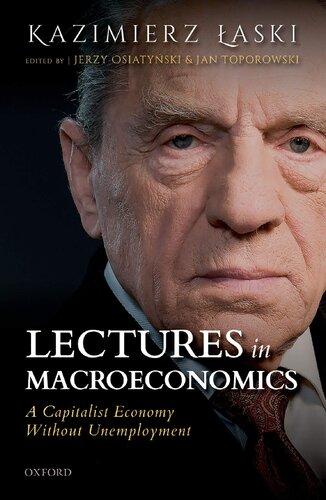
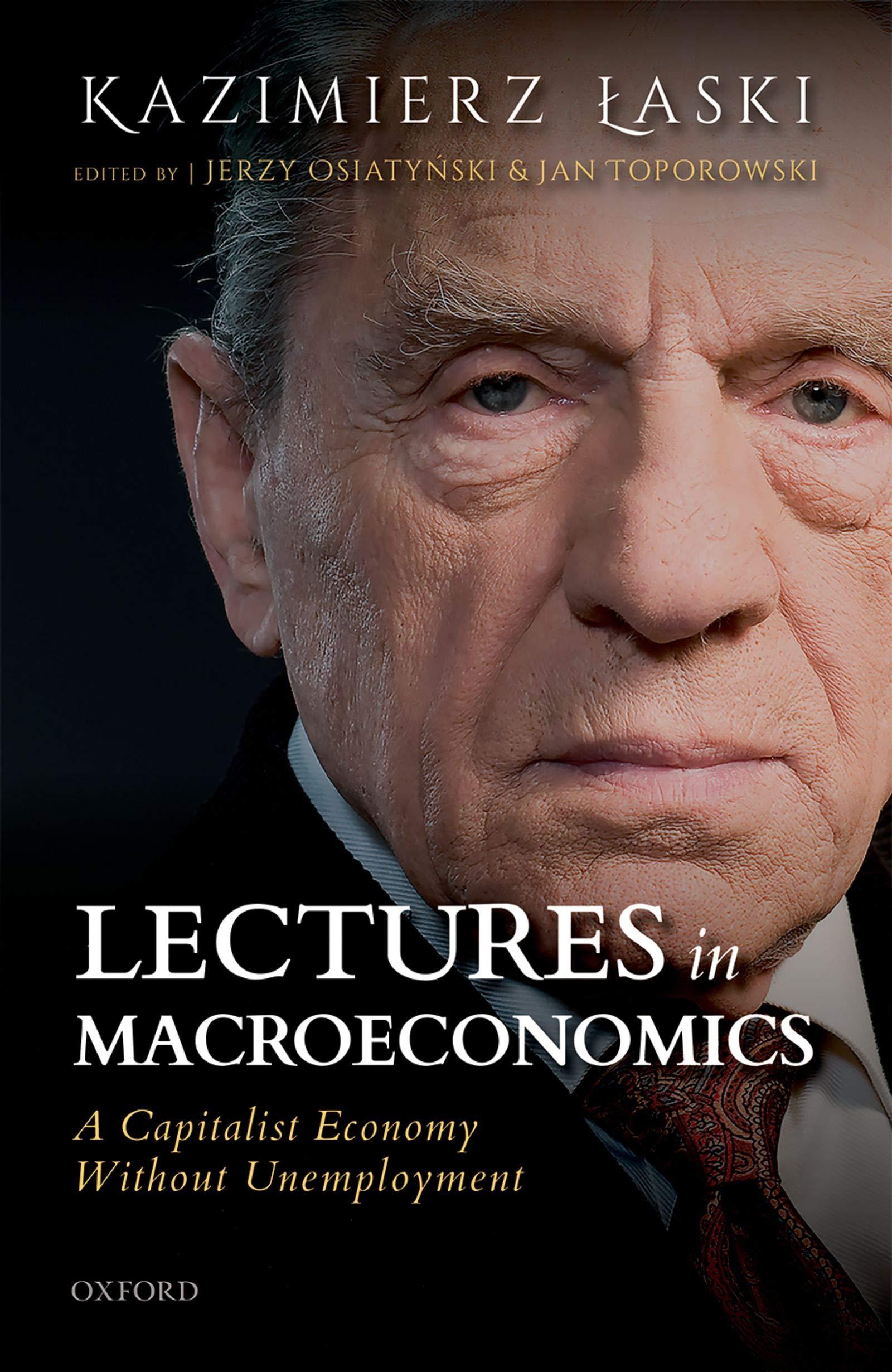
Thefulltitleof Łaski’sbookis LecturesinMacroeconomics:ACapitalistEconomywithoutUnemployment,anditsmainconcernistodemonstratethat followingKaleckianmacroeconomicsanditspolicyrecommendationsthe achievementandmaintenanceoffullemploymentinacapitalisteconomy ispossible.Moreover, Łaskihasalwaysthoughtfullemploymentwasof criticalimportancefornotmerelyeconomicreasonsbutprimarilyforpolitical ones.InthisrespecthecloselyfollowedKaleckiwhoendshisrenowned1943 “PoliticalAspectsofFullEmployment” withthefollowingsentence: “The fightoftheprogressiveforcesforfullemploymentwasatthesametimea wayof preventing therecurrenceoffascism.”18 In Łaski’sopinion,oncethe “goldenage” ofcapitalistdevelopmentendedinthemid-1970sthethreatofa recurrenceoffascismwasontherise.Hewasalertedbynationalistandfascist politicalmovementsgainingpoliticalgroundacrossEuropeandelsewhere, andhethoughtincreasingunemployment,risingincomedisparities,and decayincommonaccesstopublicserviceswereimportantstimulantsof thosemovements.His Lectures,inwhichhearguesforfullemployment,are inaway Łaski’sresponseasascholartothatthreat.
References
Bhaduri,Amit,Kazmierz Łaski,andMartinRiesew,1999, “EffectiveDemandversus ProfitMaximizationinAggregateDemand/SupplyAnalysis:ADynamicPerspective,” BancaNazionaledelLavoroQuarterlyReview,52(210):281–93.
16 Inhis GeneralTheory Keyneswrote: “speculatorsmaydonoharmasbubblesonasteady streamofenterprise.Butthesituationisseriouswhenenterprisebecomesthebubbleona whirlpoolofspeculation.Whenthecapitaldevelopmentofacountrybecomesaby-productof theactivitiesofacasino,thejobislikelytobeill-done” (1936(2003):140).
17 SeeMinsky(1986and1992). 18 Kalecki(1943(1990):352);Kalecki’semphasis.