Lagrangian&HamiltonianDynamics
PeterMann UniversityofStAndrews
GreatClarendonStreet,Oxford,OX26DP, UnitedKingdom
OxfordUniversityPressisadepartmentoftheUniversityofOxford. ItfurtherstheUniversity’sobjectiveofexcellenceinresearch,scholarship, andeducationbypublishingworldwide.Oxfordisaregisteredtrademarkof OxfordUniversityPressintheUKandincertainothercountries
©PeterMann2018
Themoralrightsoftheauthorhavebeenasserted
FirstEditionpublishedin2018
Impression:1
Allrightsreserved.Nopartofthispublicationmaybereproduced,storedin aretrievalsystem,ortransmitted,inanyformorbyanymeans,withoutthe priorpermissioninwritingofOxfordUniversityPress,orasexpresslypermitted bylaw,bylicenceorundertermsagreedwiththeappropriatereprographics rightsorganization.Enquiriesconcerningreproductionoutsidethescopeofthe aboveshouldbesenttotheRightsDepartment,OxfordUniversityPress,atthe addressabove
Youmustnotcirculatethisworkinanyotherform andyoumustimposethissameconditiononanyacquirer
PublishedintheUnitedStatesofAmericabyOxfordUniversityPress 198MadisonAvenue,NewYork,NY10016,UnitedStatesofAmerica
BritishLibraryCataloguinginPublicationData Dataavailable
LibraryofCongressControlNumber:2017960667
ISBN978–0–19–882237–0(hbk.)
ISBN978–0–19–882238–7(pbk.)
Printedandboundby CPIGroup(UK)Ltd,Croydon,CR04YY DOI10.1093/oso/9780198822370.001.0001
LinkstothirdpartywebsitesareprovidedbyOxfordingoodfaithand forinformationonly.Oxforddisclaimsanyresponsibilityforthematerials containedinanythirdpartywebsitereferencedinthiswork.
FormybeautifuldaughterHallie.
PARTIIICANONICALMECHANICS
18.3
20Liouville’sTheorem&ClassicalStatisticalMechanics
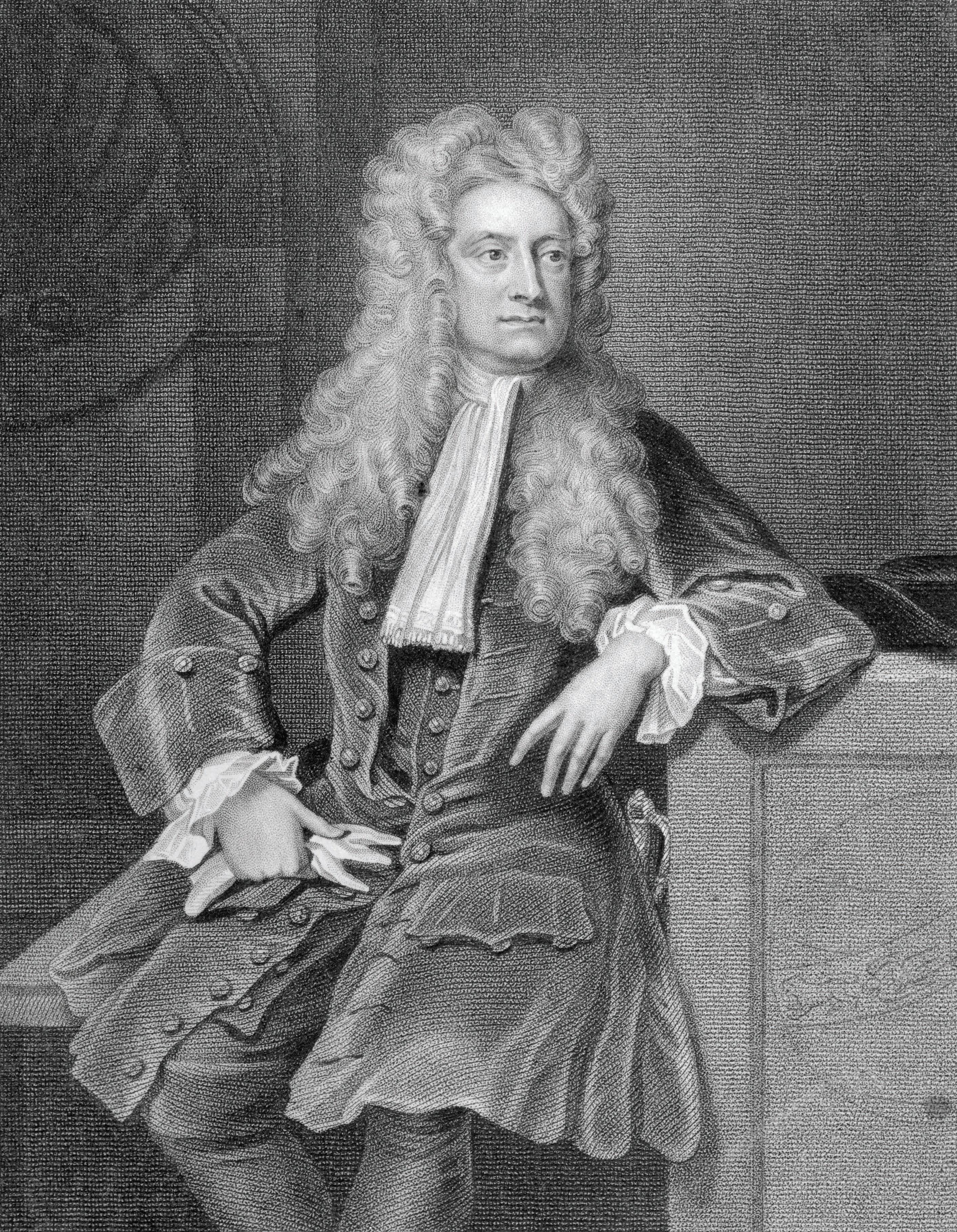
H.1SirIsaacNewton
H.2LeonhardEuler 515
H.3Jeand’Alembert 516
H.4Joseph-LouisLagrange 517
H.5CarlGustavJacobi 519
H.6SirWilliamHamilton 520
H.7SiméonDenisPoisson 522
H.8AmalieEmmyNoether 522
H.9LudwigEduardBoltzmann 524
H.10EdwardRouth 525
H.11HendrikavanLeeuwen 526
Preface
The purposeofthisbookistointroduceandexplorethesubjectof Lagrangianand Hamiltoniandynamics tosciencestudentswithinarelaxedandself-containedsetting forthoseunacquaintedwithmathematicsoruniversity-levelphysics.Lagrangianand HamiltoniandynamicsisthecontinuationofNewton’sclassicalphysicsintonewformalisms,eachhighlightingnovelaspectsofmechanicsthatgraduallybuildincomplexitytoformthebasisforalmostalloftheoreticalphysics.LagrangianandHamiltonian dynamicsalsoactsasagatewaytomoreabstractconceptsroutedindifferentialgeometryandfieldtheoriesandcanbeusedtointroducethesesubjectareastonewcomers.
Inthisbookwejourneyinaself-containedmannerfromtheverybasics,throughthe fundamentalsandonwardstothecuttingedgeofthesubjectattheforefrontofresearch. Alongtheway,thereaderissupportedbyallthenecessarybackgroundmathematics, fullyworkedexamplesandthoughtfulandvibrantillustrations,aswellasaninformal narrativeandnumerousfresh,modernandinterdisciplinaryapplications.Forexample, thesubjectisrarelydiscussedwithinthescopeofchemistry,biologyormedicine,despite numerousapplicationsandan absolute relevance.
ThebookcontainsaverydetailedandexplicitaccountofLagrangianandHamiltoniandynamicsthatventuresaboveandbeyondmostundergraduatecoursesinthe UK.Alongsidethis,therearesomeunusualtopicsforaclassicalmechanicstextbook. Themostnotableexamplesincludethe“classicalwavefunction”Koopman-vonNeumanntheory,classicaldensityfunctionaltheories,the“vakonomic”variationalprinciplefornon-holonomicconstraints,theGibbs-Appellequations,classicalpathintegrals, Nambubrackets,Lagrangian-Hamilton-Jacobitheory,Diracbracketsandthefullframingofmechanicsinthelanguageofdifferentialgeometry,alongsidemanymoreunique features!
Thebookfeaturesmanyfullyworkedexamplestocomplementthecorematerial; thesecanbeattemptedasexercisesbeforehand.Itisherethatmanymodernapplicationsofmechanicsareinvestigated,suchasproteinfolding,atomicforcemicroscopy, medicalimaging,cellmembranemodellingandsurfaceadsorbateanalysis,toname butafew!Keyequationsarehighlightedthroughoutthetext,andcolourisusedin derivationsthatcouldotherwisebehardtofollow.Atthebackofthebookthereare vastmathematicalchaptersthatcoverallthematerialthatisrequiredtounderstand classicalmechanics,sothatthebookisaself-containedreference.
Themotivationforwritingthistextwasgeneratedduringmyundergraduatedegreeinchemistry.Often,Iwouldtrytoresearchfurtherinformationonmyquantum
mechanicscourses,onlytobeinundatedwithinsurmountablewallsofequationsand complexideaswhichresultedinmanyopenedWikipediatabs!Outoffrustration,Ibegancompilingasetofnotestoaidmyunderstanding;naturally,itgotcompletelyout ofhandandresultedinthecurrentwork!Ifoundmyselfreferringbacktomyownnotes inordertounderstandnewconceptsand,veryquickly,Ifellinlovewithmechanics, appreciatingitsbeautymoreandmorewitheachnewformulationIstudied.Itishence forthosewithoutformaltrainingbutwhowishtounderstandmoreaboutphysicsthat Iwrotethisbook.Itisforthisreasonthateverymathematicalstepis fully detailed, andplentyofdiagramsandexampleshavebeenpackedintothebooktohelpalongthe way!Abriefbiographyofthecharacterswhodevelopedtheideaswepresentisgiven atthebackofthebook,forthoseinterestedinthehistoryofphysics.
Idon’tthinkIcouldpicka“favouriteequation”outofthebook,orevenafavourite formulation-eachbringtheirowneleganceanduniquefeatureswhichstandoutamong therest!Koopman-vonNeumanntheoryisextremelyinterestingandisusefulforprobingthestructuralfeaturesofmechanicsbut,ontheotherhand,d’Alembert’sprinciple andtheGibbs-Appellequationsaresimplybeautiful!Ihappentothinkhoweverthat NewtonandEulerarepossiblythetwocleverestindividualsinthehistoryofnatural philosophy,as,withoutthem,wewouldhavenomechanics!
Thebookcanbeusedinmanywaysandfordifferentaudiences;foraninterested individual,itcanprovidefurtherinformationonaparticulartopic;alternatively,it canserveasasupportforundergraduatecoursesinclassicalmechanics.Thereareperhapsthreetypesofcoursesthisbookwouldsuit:(i)coursesonNewtonianmechanics andclassicalmathematicalphysics;(ii)introductoryLagrangianandHamiltoniandynamicscoursesattheundergraduatelevel;(iii)advancedcoursesonmechanicsatthe postgraduatelevel.
IwouldliketothankDuncanStewartforhisillustrations,whichfarexceededmy expectationsandcrudedrawings.IwouldliketothankElizabethFarrellforcorrecting myferociouslackofpunctuationandterriblegrammar.Iwouldalsoliketothank AniaWronskiandLydiaShinojfortheirhelpinthefinalstagesofthebook.Thank RenaldSchaubandCollinBleakfortheirkindencouragementsandJohnMitchell, BerndBrauneckerandJonathanKeelingfortheirsupportivefeedback.InadditionI wouldliketothankmytutorsatLiverpoolCollegeandmylecturersattheUniversity ofStAndrews,whosepassionandenthusiasmforscienceIhaveinherited.Iwouldlike tothankallmyfriendsfortheirencouragementandforalwaysbeingupforakick aboutwiththefootballatanyspontaneousmoment—inparticularGiorgioandJosh. Aboveall,Iwouldliketothankmyparentsandmybeautifulwife,whoselove,support andencouragements,fromtheopeninglinestothefinaledits,madethisbookareality!
Soherewego—IhopeyouenjoyreadingitasmuchasIenjoyedwritingit!
PeterMann
Newton’s ThreeLaws
Fig. 1.1:SirIsaac Newton(1643–1727).
In1687thenaturalphilosopherSirIsaacNewton(seefigure1.1)publishedthe PrincipiaMathematica andwithit sparkedtherevolutionaryideaskeytoallbranchesofclassicalphysics.InthelateseventeenthandearlyeighteenthcenturyNewtondevelopedhisfindingsintothreefundamental lawsofthemotionofmatter;however,beforedelvinginto themlet’sfirstdiscusssomegeneralconcepts.
Dynamics isconcernedwiththepropagationofsystems inasmooth,continuousandthereforemathematicallydifferentiableevolutionoftime.Thetimecanbedividedup intointervalstoconsiderthemotionofparticlesbetween boundaryconditions,e.g. t1 and t2.The system isour objectofinterestandforthischapterisconsideredtobe eitherasingleoracollectionofgenericparticlesthatare notgovernedbyquantummechanics,forquantumsystems donotfollowtheselawsexplicitly.
Wecanusea coordinatesystem togivethelocationofasingleparticlemeaning ina configurationspace byspecifyingthree Cartesiancoordinates (x,y,z).Figure1.2illustratesthisforacartesiancoordinatesystem;theparametersthatdescribe thelocationoftheparticle(coordinates)inthethree-dimensionalspace(configuration space)areitspositions(time-dependentvectors)alongeachaxis.Specifyingaconfigurationforasystemofparticlesisspecifyingtheirpositionsataninstant.Fortwofree particlestheconfigurationspaceissix-dimensional;for N freeparticles,apointinthe 3N -dimensionalconfigurationspacefullydescribesthesystem’spositions,asthereis asingledimensionforeachdimensioninwhichthesystemisfreetomove.Thecoordinatesofconfigurationspacedon’thavetobeCartesian;anyvalidsetofparameters thatidentifythelocationofaparticlecanbeusedtospanthespace.
Astheparticleevolvesthroughtimeweaimtocharacteriseitsbehaviourwithan equationofmotion,whichwhenappliedtothesystemwillresultin deterministic differentialequationsthatgivecompletepredictabilityforthescenario.Whenasystem isdeterministic,thismeansthat,ifthecurrentstateofasystemisknownandthe
Lagrangian &HamiltonianDynamics
equationsofmotionthatdescribetheevolutionofthesystemareknown,pastandfuture statescanbedeterminedwithcompletepredictability.Forasystemof n dimensionsto bedeterministic,weneedtoknow 2n piecesofinformationaboutthesystem.So,for afreeparticlethatcanmoveinthree-dimensionalspace,wemightchoosetheposition andvelocitiesalongeachaxis x,y and z orthepositionandmomenta.
Fig. 1.2:ACartesiancoordinatesystemandaparticle’strajectorybetweentwotimes.
The position ofaparticle ⃗r waschosenbyNewtontobethefundamentaldynamicalvariableandcanbedividedintothreevector components;almostalltheoriesof classicalmechanicsdescribetheevolutionofpositioninsomewayorother.A trajectory γ(t) isaparticle’spaththroughspaceasafunctionoftime.Itmapstwopositions togetherviaacollectionofintermediatestates.Itisthereforethegoalofclassicalmechanicstoidentifythetrajectoryofthesystem. Velocity ⃗v isthetimederivativeof position,therateofchangeofpositionwithrespecttotime,andcansimilarlybesplit intocomponentsineachdirection.Itisavectorquantitysometimessignifiedbyadot abovethepositioncharacter: vi =˙ ri Speed isthemagnitudeofvelocity.
The acceleration ⃗ a ofaparticleisthetimederivativeofitsvelocity,therateatwhich thevelocityischanging.Iftheparticleisstationaryoristravellingatconstantspeed anddirection thenthereisnoacceleration.Sinceposition,velocityandaccelerationare vectorquantities,achangeinthedirectionofthevelocityconstitutesanacceleration; hence,particlesundergoingcircularmotionareconstantlyacceleratingevenifthespeed isconstant.
Wecanrecovervelocityfromaccelerationbyintegrationandlikewiserecoverpositionfromvelocity.Thisisperhapsthemostimportantconceptandismostlyoverlooked;
Newton’s ThreeLaws 5 whenwetalkofsolutionstoanequationofmotion,wearetryingtoobtaintheaccelerations,velocitiesandpositionsasfunctionsoftime,thereforegivingusdeterminism overthesystem.
Exercise 1.1 Toillustratetheserelationslet’ssupposethatwehaveanequationofmotion foraparticleinonedimensionasafunctionoftime ⃗r(t):
Differentiatingthiswithrespecttotimegivesthevelocity ˙ r(t)= b +2ct,andaseconddifferentiationgivestheacceleration ⃗r(t)=2c.At t =0 theparticleisatposition a,withavelocity of b.Theparticleisunderauniformaccelerationof 2c.Itiseasytointegratewithrespectto timetoobtainthevelocityandagaintoobtainanexpressionfortheparticle’sposition.
A particle’s inertia isitsresistancetochangeinitsstateofmotion,whetheritbe atrestoratacertainvelocity.Itisquantitativelymeasuredbytheparticle’smass;the moremassiveanobjectis,thelargerthe force requiredforagivenacceleration.Forces areinfluencesthatcanchangethestateofmotionofasystem,providedtheyovercome otherforcesthatmayactinoppositiononthebody.
Newton’sthreelawsofmotion areneatlypresentedbelow:
• Anobjectwillremainatrestorconstantvelocityunlessacteduponbyanexternal force,whenviewedinaninertialreferenceframe.
• Thevectorsumoftheforcesonanobjectisequaltotherateofchangeofvelocity multipliedbythemassoftheobject.
• Whenabodyexertsaforceonasecondbody,thesecondbodyexertsaforceequal inmagnitudeandoppositeindirectiononthefirstbody.
AninertialreferenceframeisoneinwhichNewtonianphysicsisvalid.Thethirdlaw tellsusstraightawaytoignorethoseforcesthatdonotconservetotalmomentum,even beforewehaveconsideredtheirdynamics.Newton’ssecondlawiswherehisfamous equationoriginates:thenetforceonabodyistheproductofitsmassandacceleration. Theaccelerationistheresponsetoaforceinagivendirection.
When thenetforceiszerothesystemisin equilibrium.Itmayappearthatthefirst lawissimplyaspecialcaseofthesecondlawwhentheresultantforceonthebodyis zero,setting ⃗ F =0 andsubstituting ⃗a for d⃗v/dt:
0 (1.0.3)
Wecanthereforeseethatifthetimederivativeofvelocityiszerothenthevelocity willhavethesamevalueitdidat t =0,aspredictedbyandqualifyingthefirstlaw.
⃗ F = m⃗a Newton’ssecondlaw (1.0.2)
Lagrangian &HamiltonianDynamics
Thisdoesnotnegatetheneedforthefirstlaw,however,sincethefirstlawgivesusthe notionofinertialframes.Wecannowimagineascenarioofaconstantappliedforce, Fx,foraparticlefreetomoveinonedimension;weaimtoarriveataformulafor themotionofaparticleasafunctionoftimeandwedothisasfollows.Werearrange Newton’ssecondlawtogiveusanexpressionforaccelerationintermsoftheapplied force:
Wenowintegratebothsideswithrespecttotime,betweenthelimitsof t and 0:
Evaluationofthelimitsgivesusanexpressionwecanrearrangetoequalthevelocity attime t:
Anotherintegrationwithrespectto t andsubsequentsolvingfor rx(t) givesus,
Remembering Fx = max wecansubstitutethisintoourequationtogive,
This resultisthe Verletalgorithm,whichisthebasicwaytointegrateanequation ofmotion.ThisdemonstratesthepredictabilityofNewton’sformalism:byknowinga fewparametersofoursystemwecanpredictexactlywhatwillhappenunderaknown appliedforce.Pleasenote,however,weareassumingthatthemassisconstantandthat wedo,indeed,understandtheforceweareapplying.
Someequationsofmotiongenerallyhavemorethanonesolution;itisthechoiceof the initialconditions whichprovidethespecificsolution.Inthiswaywecanfollow auniquepathbetweentwopointsinconfigurationspacefromanynumberoffeasible trajectoriesthatwouldalsoprovideasolution.
1.1PhaseSpace
Momentum ⃗p istheproductoftheparticle’smassanditsvelocity;itisthereforea vectorquantity,evenifwelaterbecomecarelesswiththeassignationofthevectorial notationinfollowingchapters:
If wenowtakethetimederivativeofbothsidesweobtain
WeuseNewton’ssecondlawtoseethatthetimederivativeofthemomentumisequal totheresultantforceonthesystem.WecanthereforerewriteNewton’ssecondlaw bysaying forceistherateofchangeofmomentum.Wenowhavetwoveryimportant relationsthatformthebackboneoftheNewtonianformalism:
Together,theyincorporatetheessenceofNewton’sformalismandallowustomakea statement:
KnowingthepositionandmomentumprovidesuswithcompleteLaplaciandeterminismof thesystem,providedweknowtheequationsofmotionandhavechoseninitialconditions. Wecompilethisintotheideaof phasespace.Consideraparticlefreetomovein onedimension.Itcanmovebackandforthbutlet’ssaythatitslocationiswithin somespecificareaatagiventimealongthe x-axis.Wecanalsoconsidertheparticle’s momentum.Weknowthatit’sgoingtobewithincertainvaluesandthatthere’sgoing tobeamaximum,aminimumandasortofaveragemomentum.Ifwemakeaplot of x-dimensionalmomentumontheverticalaxisversus x-dimensionalpositiononthe horizontalwearegoingtoendupwitharegion,apatch,wherealltheactualvaluesof both px and rx arecontained.Thistwo-dimensionalpatchiscalleda phaseplane and, forourone-dimensionalparticleonaline,itcontainsalltheconfigurationsofposition andpossiblevaluesofmomentumforthatdimension.Formotioninonedimensionthe phaseplaneisatwo-dimensionalspaceandwecantalkof‘theareaofthephaseplane thesystemoccupies’asittracesouttrajectories.
Now,imaginethesameplotforeachdimension x,y and z inCartesiancoordinates andtheirrespectivemomentumcoordinates.Theparticlewillnowoccupysome volumeofphasespace whichisinterpretedascontainingallofitspossibleconfigurations inmomentumandpositionoverthesix-dimensionalspace(positionandmomentafor eachdimension).Tryingtoimaginegraphicallyofwhatthislooklikeisimpossible; rather,wejustacceptthatitisaspaceofstates.Eachpointinphasespacedescribes the state oftheparticle.Thestateofthesystemisdescribednotonlybyitsposition butalsobyitsmomentum(wecouldalsochooseavelocityphasespace,whichispositionversusvelocity).Thestateofasystemof n degreesoffreedomisdescribedbya
Fig. 1.3:Theextendedphasespaceofaparticleevolvingduringthetimeinterval [t1,t2]
volumein 2n-dimensionalphasespace,adegreeoffreedombeing x,y,z,etc.Because wecan’tdrawsuchadiagramformorethanonedimension,wecanuseboldsymbolled characterstorepresentallthedimensionsintoatwo-dimensionalrepresentation;and thenplotthattwo-dimensionalplaneagainstatimeaxistorepresenttimeevolution. Suchaphasespacewithatimeaxisisan extendedphasespace,asdepictedinfigure 1.3.
So,configurationspaceisallthepossiblepositionsofthesystem,andphasespaceis allthepossiblepositions and allthepossiblemomentathesystemcantakeon.Wewill comebacktotheideaofphasespacelaterwhendiscussing Hamiltonianmechanics andthengiveitadeepermeaningwhenwediscussstatisticalentropy,butfornowour definitionisenough.Youseethatknowingthepointinphasespaceasystemoccupies satisfiestheconditionsnecessarytobedeterministic.Apointinconfigurationspace doesnotsatisfythis.Thinkofitthisway:isitenoughtoknowthepositionofamoving bodytoknowwhereitisgoing?No;weneedtoknowitsvelocity(ormomentum),in additiontotheposition,todeterminewhereitwillbe.
1.2SystemsofParticles
Newton’sthirdlawistrickyatfirstbutifwetakesometimewithitwecanseeitis ratherintuitive,especiallyforasystemofparticles,whichwenowturntoconsider.We usethenotation i and j torepresentdifferentparticles,andthesubscript ij under F reads theforceon i dueto j,while ji reads theforceon j dueto i.Forparticles i and j thethirdlawcanbestatedas
The forceonparticle i duetoparticle j isequalyetopposite,hencethenegative sign,totheforceon j dueto i.Thisbegsthequestion,why,ifforcesareseemingly
Newton’s ThreeLaws 9 alwaysbalancedinthesepairsactinginoppositedirections,dowegetresultantforces onbodies?Theanswerisbecausetheyactondifferentparticles,soeachindividual particleexperiencesaresultantforce.Beforewemoveonwemustclarifywhatwe meanby internalforces and externalforces forasystemofparticles.Ifweconsider agasinaboxasoursystemof N particlesthenan externalforce actsontheentire system(i.etheentirebox),whilst internalforces occurwithinthesystem(i.emolecular collisionsorinteractions).
Thetotalinternalforceonaparticleisthesumofalltheforcesactingonitdueto alltheotherparticlesitisinfluencedby:
where ⃗ Fi isthetotalinternalforceonparticle i and ⃗ Fij istheforceon i duetoparticle j.Thesummationisoverall j = i,whichjustmeansovereveryotherparticlethat actson i exceptfortheparticleitself,asyoucan’tconsideraparticle’scollisionwith itself.Thetotalrateofchangeofmomentumforallparticlesisgivenbythesumover i ofthechangeofmomentumofthe ithparticle ⃗pi andisequaltothesumofallthe internalforcesduetoalloftheparticlecollisions:
Sincewearenowcountingover i aswell,weareincludingallthereactiveforcesaswell (i.etheforceon j dueto i).ByNewton’sthirdlawthesumoverbothofthesewill bezero,sinceeveryforceiscountedtwice,butoneis+andtheother-.Thisleaves uswiththe conservationofmomentum:thetotalmomentumofanisolatedsystem neverchanges:
Conservationlaws statethatthesystemretainsinformationaboutthevalueofa quantityasthedynamicsplaysout.Wecantesttoseeifagivenquantityisaconserved quantitybytakingitstimederivative;ifitiszerothenthequantitydoesnotchange withtimeandwillhavethesamevalueoveratimeinterval ∀ t ∈ [t0,t1] between t1 and t2 (∀ means‘forall’, t ‘times’, ∈ ‘in’,the‘interval’ [t0,t1]).
Wenowconsiderexternalforcestoo.Thesecondlawforsuchasystemiswrittenin equation1.2.5,where ˙ pi isnowthetotalrateofchangeinmomentumoftheindividual particle.Thisisthesumofinternalandexternalforces,where F (e) i isthenetexternal forceactingonparticle i,and ∑ Fij isthetotalinternalforce.
Lagrangian &HamiltonianDynamics
Usingthethirdlawandsummingoverall i particleswecanwriteanexpressionfor thetotalrateofchangeofmomentumofthesystemasfollows.Theleft-handsideis writteninequation1.2.6,butnotethat j = i,sinceitissillytothinkoftheforcea particleisexertingonitselfviaacollisionwithitself;so,thesumisfrom j =1 to j = N ,excluding j = i:
Sinceweknowbythethirdlawthat
assumingthemassisconstantwecansumovertheright-handsideofequation1.2.5:
Forasystemwithadistributionofmasswecandefineapointwherethe weighted positionofthemassalladdedupisequaltozero;itisasortofmassbalancepointif youlike.For N identicalparticleswithcoordinates ri wherethecentreofmass relative totheoriginofthecoordinatesystemisgivenby ⃗ R
where M is totalmass,thesumofalltheparticlesofthesystem.Thiscoordinateis definedfrommassbalancetheoryor moments.Thecoordinatesaredefinedbysolving for ⃗ R inthefollowingrelation:
Thevector ⃗ R isamass-weightedaverageofthepositions.Wenowsubstitutethisinto equation1.2.8toobtainanexpressionforthetotalexternalforceactingonthesystem intermsofthecoordinatesofthecentreofmassandthetotalmassoftheparticles.
This resulttellsusthatthecentreofmassmoveslikeapointparticlewithamassequal tothesumofalltheparticlesandwithalltheexternalforcesactingdirectlyonit.This
Newton’s ThreeLaws 11
isveryusefulforasystemwithalargenumberofdegreesoffreedomwherewewishto characterisethedynamicsoftheoverallsystemwithoutallthecomputationalcost.
Wecomebacktotheconservationoflinearmomentumusingtheexpressionforthe totalmomentumandsumtheright-handsideover N particlestogivethetotalrateof changeofmomentumofthesystem:
If thetotalexternalforceonasystemiszerothenthetotallinearmomentumis conserved(sincethetimederivativeiszero)whichcanbeseenbysimpleintegrationof theequationbelow,itisaconstant:
WhenweattempttosolveproblemsinNewtonianmechanicswestartbysolvingthe secondlawforthetrajectoryandoncewehavetheequationofmotionitissimplya mathematicalexercisetofindasolution.Thegeneralproblemiswrittenbelowforthe ithparticle.Thesumoverallparticlescancelsthefirsttermbythethirdlaw:
In general,however,when constraints arepresentwemaynotfullyunderstandthe formoftheexternalforces.WewillnotconsiderconstraintsintheNewtonianformalism butwillcoverthemextensivelyinanalyticalframeworks.Youmustagreethattheabove proofoftheconservationofmomentumisabitcontrivedbut,alas,thereisnoother wayinNewtonianmechanicstofindconservationlawsthanbrutishcalculations;this isnotsoofLagrangianmechanics!
1.3TheN-bodyProblem
Weconcludethissectionbylookingatasystemof N particlesthathaveacentralforce ⃗ F actingbetweenthem.Theforcehasconstantcoefficients κij suchthat
TheequationsofmotionareformedfromNewton’ssecondlawandcanbewrittenas asystemof N -coupledequationswith i = k:
This isknownasthe N-bodyproblem forasetofinitialpositionsandvelocities. MotivatedbyNewton’s Principia,thesolutiontotheproblemwasthesubjectofaprize