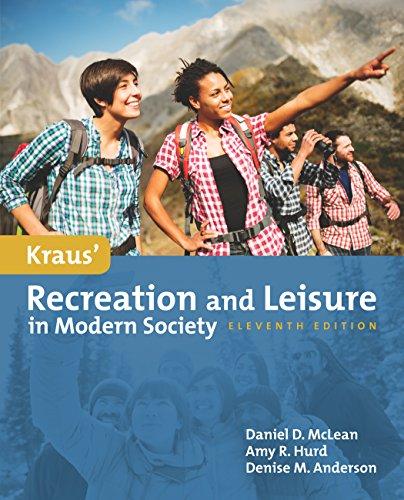
Daniel D. McLean, PhD University of Nevada, Las Vegas
Amy R. Hurd, PhD, CPRE Illinois State University
Denise M. Anderson, PhD Clemson University
World Headquarters
Jones & Bartlett Learning
5 Wall Street
Burlington, MA 01803
978-443-5000
info@jblearning.com www.jblearning.com
Jones & Bartlett Learning books and products are available through most bookstores and online booksellers. To contact Jones & Bartlett Learning directly, call 800-832-0034, fax 978-443-8000, or visit our website, www.jblearning.com.
Substantial discounts on bulk quantities of Jones & Bartlett Learning publications are available to corporations, professional associations, and other qualified organizations. For details and specific discount information, contact the special sales department at Jones & Bartlett Learning via the above contact information or send an email to specialsales@jblearning.com.
All rights reserved. No part of the material protected by this copyright may be reproduced or utilized in any form, electronic or mechanical, including photocopying, recording, or by any information storage and retrieval system, without written permission from the copyright owner.
The content, statements, views, and opinions herein are the sole expression of the respective authors and not that of Jones & Bartlett Learning, LLC. Reference herein to any specific commercial product, process, or service by trade name, trademark, manufacturer, or otherwise does not constitute or imply its endorsement or recommendation by Jones & Bartlett Learning, LLC and such reference shall not be used for advertising or product endorsement purposes. All trademarks displayed are the trademarks of the parties noted herein. Kraus’ Recreation and Leisure in Modern Society, Eleventh Edition is an independent publication and has not been authorized, sponsored, or otherwise approved by the owners of the trademarks or service marks referenced in this product.
There may be images in this book that feature models; these models do not necessarily endorse, represent, or participate in the activities represented in the images. Any screenshots in this product are for educational and instructive purposes only. Any individuals and scenarios featured in the case studies throughout this product may be real or fictitious, but are used for instructional purposes only.
10687-9
Production Credits
VP, Executive Publisher: David D. Cella
Publisher: Cathy L. Esperti
Acquisitions Editor: Sean Fabery
Editorial Assistant: Hannah Dziezanowski
Director of Production: Jenny L. Corriveau
Director of Vendor Management: Amy Rose
Vendor Manager: Juna Abrams
Director of Marketing: Andrea DeFronzo
VP, Manufacturing and Inventory Control: Therese Connell
Library of Congress Cataloging-in-Publication Data
Names: McLean, Daniel D. | Hurd, Amy R., author. | Anderson, Denise M., 1970, author.
Title: Kraus’ recreation and leisure in modern society / Daniel D. McLean, PhD, University of Nevada, Las Vegas Amy R. Hurd, PhD, CPRE, Illinois State University, Denise M. Anderson, PhD, Clemson University.
Description: Eleventh edition. | Burlington, Massachusetts : Jones & Bartlett Learning, [2018] | Includes bibliographical references and index.
Identifiers: LCCN 2017020271 | ISBN 9781284106817 (pbk. : alk. paper)
LC record available at https://lccn.loc.gov/2017020271
6048
this page left intentionally blank
Preface ix
Acknowledgments xv
1 Foundations of Recreation and Leisure 1
Introduction 2
Varied Views of Recreation and Leisure 3
An Analysis of Play, Recreation, and Leisure 5
The Meaning of Play 7
Early Theories of Play 7
Concepts of Play in Modern Society 8
Psychological Analysis of Play 11
The Meaning of Leisure: Six Views 14
The Meaning of Recreation 17
Contemporary Definitions of Recreation 18
Relationships Among Play, Leisure, and Recreation 20
Summary 21
Questions for Class Discussion or Essay Examination 21
Endnotes 22
2 Leisure Motivation 23
Introduction 24
Motivation: What Is It? 24
Physical Motivators 25
Social Motivators 29
Psychological Motivators 30
Emotional Motivators 32
Serious Leisure 35
Taboo Recreation 36
Summary 39
Questions for Class Discussion or Essay Examination 39
Endnotes 40
3 Sociocultural Factors Affecting Leisure 43
Introduction 43
Age Factors Influencing Leisure 44
Gender Factors Influencing Leisure 52
Sexual Orientation Factors Influencing Leisure 55
Race and Ethnicity Factors Influencing Leisure 57
Socioeconomic Factors Influencing Leisure 60
Progress in the New Millennium 61
Summary 62
Questions for Class Discussion or Essay Examination 62
Endnotes 64
4
History of Recreation and Leisure 67
Introduction 67
The Play of Early Societies 68
Origins of Games and Sport 68
Recreation and Leisure in Ancient Civilizations 68
Early Christian Era: Dark and Middle Ages 70
The Renaissance 71
Influence of the Protestant Reformation 72
Recreation in America: The Colonial Period 73
Nineteenth-Century Changes: Impact of the Industrial Revolution 75
Changing Attitudes Toward Play 77
Growth of Commercial Amusements 78
Effects of R acial and Ethnic Discrimination 83
Recreation and Parks: Early Twentieth Century 83
Emergence of the Recreation Movement: Three Pioneers 84
Emerging New Lifestyles 85
Public Concerns about the Use of Leisure 86
Major Forces Promoting Organized Recreation Services 87
Impact of the Great Depression 89
A Nation at War 92
Post–World War II Expectations 92
Expansion of Recreation and Leisure 93
Trends in Program Sponsorship 93
Meeting Age-Group Needs 95
Counterculture: Youths in Rebellion 97
Drives For Equality By Disadvantaged Groups 98
Austerity and Fiscal Cutbacks: 1970s and 1980s 101
Expansion of Other Recreation Programs 103
Trends in the 1990s and Early Twenty-First Century 104
Recreation and Wellness Revisited 110
Summary 111
Questions for Class Discussion 112 Endnotes 115
5
Social Functions of Community Recreation 117
Introduction 117
Emphasis on Community Benefits 117
Function 1: Enriching the Quality of Life 118
Function 2: Contributing to Personal Development 119
Function 3: Making the Community a More Attractive Place to Live and Visit 121
Function 4: Providing Positive Opportunities for Youth Development 122
Function 5: Educating and Uniting Community Members 124
Function 6: Strengthening Neighborhood and Community Ties 126
Function 7: Meeting the Needs of Special Populations 127
Function 8: Maintaining Economic Health and Community Stability 128
Function 9: Enriching Community Cultural Life 129
Function 10: Promoting Health and Wellness 130
Summary 132
Questions for Class Discussion or Essay Examination 133 Endnotes 133
6 The Leisure-Service System 137
Introduction 137
Key Elements in the Leisure-Service System 138
Public Recreation, Park, and Leisure Services 141
Role of the Federal Government 141
Recreation-Related Functions of State Governments 146
The Role of County and Local Governments 149
Municipal Recreation and Park Departments 150
Nonprofit Organizations: Organizing the Voluntary Sector 155
Types of Nonprofit Youth-Serving Agencies 156
Commercial Recreation 162
Differences and Similarities Among Agencies 166
Partnerships Among Major Leisure-Service Agencies 167
Summary 169
Questions for Class Discussion or Essay Examination 171
Endnotes 172
7 Specialized Leisure-Service Areas 175
Introduction 175
Therapeutic Recreation Service 176
Armed Forces Recreation 182
Employee Services and Recreation Programs 184
Campus Recreation 188
Private-Membership Recreation Organizations 190
Comparisons Among Special-Focus Agencies 192
Summary 193
Questions for Class Discussion or Essay Examination 194
Endnotes 196
8 Travel and Tourism 198
Introduction 198
Scope of Tourism 199
Tourism Types 201
Technology and Tourism 209
Summary 210
Questions for Class Discussion or Essay Examination 210
Endnotes 211
9 Sport as Leisure 213
Introduction 213
Sport as Popular Recreation 213
Patterns of Sport Involvement 215
Team Sport Participation 218
Sport Spectators 222
Emergence of Sport as a Reflection of Society 226
Future Trends in Sport 229
Summary 230
Questions for Class Discussion or Essay Examination 231
Endnotes 232
10
Leisure as a Profession 234
Introduction 234
Recreation as a Career 235
Professional Identification in Recreation 236
Need for a Sound Philosophical Basis 247
Operational Philosophies of Recreation and Leisure 247
Summary 252
Questions for Class Discussion or Essay Examination 252
Endnotes 253
11
Future Perspectives 255
Introduction 255
Key R ationale Guiding Leisure-Service Delivery Today 256
Facing the Challenge of the Future 257
Efforts to Predict the Future 258
Challenges and Strategies for the Future 260
Technology and Time 279
Leisure Issues in the Twenty-First Century 284
Summary 291
Questions for Class Discussion or Essay Examination 291
Endnotes 292
Index 297
Preface
Recreation and leisure touch the lives of almost everyone, whether through participating in sports and games, attending a theater production, visiting an art museum, traveling to another country, attending a street concert, or simply enjoying a local park. A world without recreation and leisure is unfathomable— no parks, no open space, no swimming, no lounging on beaches, and no traveling to other parts of the world just for fun. We often take these things for granted. The purpose of Kraus’ Recreation and Leisure in Modern Society, Eleventh Edition, is to assist students in achieving an understanding and appreciation of the value of leisure and the leisure-service industry from multiple perspectives. This text provides a comprehensive survey of the leisure spectrum and profession, exploring its foundation, history, expansiveness, and continuing evolution. Leisure participation is viewed from the perspective of age, race, gender, and ethnicity and includes societal and personal benefits. It will demonstrate that recreation and leisure is a viable career option employing hundreds of thousands of people in North America. A career overview includes knowledge about public, commercial, nonprofit, and therapeutic recreation and the growing areas of tourism and sports.
This is the eleventh edition of a text that has been used by hundreds of departments of recreation, parks, and leisure studies at colleges and universities throughout the United States. It is designed for use in courses covering the history and philosophy of recreation and leisure and the role of organized leisure services today in American communities. This text is revised to reflect recent societal changes and the challenges that face leisure-service managers in the twenty-first century. It also provides an in-depth analysis of the basic concepts of recreation and leisure, the motivations and values of participants, and trends in the overall field of organized community services. Throughout the text, several important themes and emerging issues are emphasized, including the following:
◆ The dynamic dialogue surrounding the nature of the political, economic, and social environment that has forced parks and recreation agencies to reevaluate traditional approaches to delivering public park and recreation services by becoming simultaneously innovative, responsive, and entrepreneurial.
◆ Recreation and leisure are increasingly tied to the maturing fields of tourism and sport. Understanding these relationships is important for the success of leisure service managers.
◆ Wellness continues to be a major issue in the field, with obesity being the most immediate concern facing public parks and recreation agencies. Major efforts are being made to provide health and wellness opportunities, control obesity, and preserve cardiovascular health through parks and recreation. Well-being has become an inclusive term, looking beyond traditional wellness indicators.
◆ Tourism is the world’s largest economy. Many communities are presenting themselves as a tourist destination in order to increase resources available to community members through jobs, attractions, and revenue generation.
◆ The baby boomers are retiring at a rate of more than 10,000 per day, and the millennial generation has become the largest generation. The impact and influence of these two generations on the parks and recreation profession requires organizations to rethink traditional service models. Boomers have more discretionary income than ever before and are willing to spend it on experiences— through travel and tourism, participating in programs, health and fitness activities, and adventure recreation. Millennials expect “now” activities and opportunities that simultaneously offer individual and group engagement, and they are impatient for change.
◆ Sport is increasing its influence and importance in the local, national, and international arena. Youth sport is taking on the forms and actions of professional sport, frequently to the detriment of the participants. Sport and tourism have become major community partners emphasizing economic community development. However, youth sport influence and participation has begun to wane as parents have become aware of life-changing injuries happening at young ages that may appear immediately or years later.
◆ There is a loss of an environmental ethic in the United States. Open space is shrinking due to community development of subdivisions, businesses, and more. Americans are using more than their share of natural resources: They comprise only 5% of the world’s population but use 25% of all natural resources.
◆ The growth of the nearby nature and nature deficit disorder movements recognize the negative impacts of not having contact with nature.
◆ Globalization has impacted leisure through the ability to share models, lessons learned, adaptation to local settings, and the greater awareness that a global perspective brings to the profession.
◆ Socioeconomic status impacts leisure through available opportunities, activity choices, and the ways in which leisure is experienced. Urban communities often provide expanding services at increasing consumer costs, while inner-city urban areas continue to struggle to provide basic leisure services to residents.
Society is changing so rapidly that it is a challenge to capture the diversity and depth of change. The latest research, trends, and issues in the field are included in this edition. The parks and recreation profession is continually faced with providing services to a diverse population expanding far beyond race and gender. The latest edition of this text focuses on service provision for all people. A considerable amount of discussion is aimed at the role of parks and recreation departments on the health and wellness of our communities, as well as a means to combat the obesity epidemic that is plaguing North America. New case studies incorporated in the chapters allow students to apply knowledge of technology in leisure, the value and benefits of play, and changing family structures, to name a few.
Recreation’s expanding roles in health, wellness, the obesity epidemic, quality of life, and environmental awareness and disengagement are examples of the breadth of the profession. Where once recreation professionals delivered programming and provided areas, facilities, and resources, they now face the need to partner, nurture, follow, and lead into new opportunities. Gone are the old socially contrived boundaries between disciplines and professions, replaced by a fluid composite of public, private, and nonprofit organizations and ever-growing numbers of unique stakeholders, all with a claim on recreation and leisure. Expectations of recreation professionals involve knowing about its history and foundations while embracing today’s emerging social and physical challenges. It involves simultaneously honoring what was known yesterday and selectively engaging what will be known tomorrow. The fluidity of change in the leisure profession is captured in this text and challenges the reader to look to the past in looking to the future, ultimately learning from that past to strengthen the future. The text concludes with a strong assessment of the challenges and opportunities the future may promise.
WHY WE STUDY RECREATION AND LEISURE
This text is intended to provide comprehensive information that will help its readers develop sound personal philosophies, gain a broad awareness of the leisure service field, and answer questions, not with learned-by-rote solutions, but rather through intelligent analysis, critical thinking, and problem solving. Leisure-service professionals should have an in-depth understanding of the full range of recreational needs and motivations as well as agency programs and outcomes. This understanding should be based on a solid foundation with respect to the behavioral and social principles underlying recreation and leisure in contemporary society. To have a sound philosophy of the goals and values of recreation and leisure in modern life, it is essential to understand recreation’s history and to be aware of its social, economic, and psychological characteristics in today’s society. Should recreation be regarded chiefly as an amenity, or should it be supported as a form of social therapy? What are the recreation needs of populations such as girls and women, those who are aging, those who are disadvantaged, ethnic and racial minorities, persons with disabilities, or others who have not been fully served in the past?
Throughout this text, these contemporary issues are discussed in detail. This text promotes no single philosophical position; its purpose is to clarify the values promoted by recreation and leisure in modern society. What environmental priorities should recreation and park professionals fight to support, and how can outdoor forms of play be designed to avoid destructive ecological outcomes? How can leisure-service practitioners strike a balance between entrepreneurial management approaches, which emphasize fiscal self-sufficiency, and human service programming that responds to individual and
community needs? Ultimately, these values are responsible for the field’s ability to flourish as a significant form of governmental or voluntary agency service or as a commercial enterprise.
KEY FEATURES
◆ Learning Objectives: Guide the reader through the content and set the stage for focused reading. The learning objectives are provided as a guide to assist students in identifying key learning outcomes.
◆ Case Studies: Provide the reader a basis for in-depth exploration of current issues that are relevant to each chapter. The questions that follow the case studies allow the reader to apply the knowledge gained to real life scenarios, provoking further discussion and exploration.
◆ Side Bars: Highlight important information on current and related topics.
◆ Questions for Class Discussion or Essay Examination: Feature critical thinking questions to spark discussion and classroom engagement with the topics presented in the chapter.
ORGANIZATION
In the following chapters, this text focuses on multiple aspects of leisure and recreation. The content provides the reader with an in-depth discussion of present-day recreation, leisure, sports, tourism, and parks in American culture. The intended outcome is for the reader to gain an enhanced appreciation and understanding of how leisure affects individuals, groups, and society, and the roles that leisure plays in people’s lives and in our society. This text looks at the roles of leisure in everyday life; the impacts of leisure on our culture; and how leisure influences individual choice, society mores, social engagements, the economy, and individual and community quality of life.
Chapter 1 introduces the concept of recreation and leisure. It discusses what recreation and leisure means to different people, along with who participates in recreation and why. It also introduces the reader to theories of play and leisure, focusing on their origins, influences, and importance to earlier and contemporary society. Six views of leisure provide students with insights into how theorists, practitioners, and participants view leisure today. The foundation provided in this chapter prepares the student to understand how leisure fits into our society, is influenced by societal change, and influences society and individuals. The terms leisure, play, and recreation and their various interpretations are also discussed in this chapter, providing the reader with insights into their use by researchers, practitioners, and participants.
Chapter 2 is an introduction to motivations for participating in leisure and recreation. It includes an in-depth discussion of physical, social, and psychological motivation as it relates to recreation participation. The chapter also examines motivation from the perspective of taboo recreation and serious leisure.
Chapter 3 recognizes the growing influence cultural and social factors have on leisure. Included in this chapter are discussions of gender, sexual orientation, race and ethnicity, and socioeconomic status. Understanding how these factors have traditionally affected leisure is as important as understanding how the factors are changing the perceptions of leisure and recreation in the twenty-first century.
Chapter 4 narrates the history of recreation and leisure from early civilizations to the present day. It is influenced by a European and North American perspective but recognizes the increasing influences from other cultures emerging in local and national society. The discussions of modern-day leisure are American, focusing on the influences of religion, colonization, and societal organization, and trace how different historical periods have acted on our perceptions of leisure and recreation. The chapter focuses on the dramatic changes that have occurred since World War II, recognizes the growing influence of globalization, and introduces the impact of technology on how people play and recreate.
Leisure and recreation traditionally have been represented from a community perspective and as a community resource. In Chapter 5, the 10 social functions of leisure are discussed. Social functions of leisure influence public policy, public commitment to organized leisure and recreation, and community development, all of which are critical in the twenty-first century.
Chapter 6 presents the different types of leisure-service organizations. The three organizational types include government, nonprofit, and commercial. This chapter identifies the three types of organizations, expands on them to address subtypes, compares and contrasts them, discusses their purpose,
and generally identifies who is served, types of programming, types of services and areas, and intended outcomes.
Specialized leisure service organizations and areas are discussed in Chapter 7. Included are therapeutic recreation services for people with disabilities, armed forces recreation for military personnel and their dependents, employee services recreation for corporate employees, campus recreation for university students, and private-membership recreation for private club members. This chapter concludes with a comparison of the different types of organizations.
Chapters 8 and 9 address travel, tourism, and sport. Both of these industries have grown independent of leisure and recreation in recent years, yet their roots remain firmly within the leisure field. Chapter 8 provides an overview of the travel and tourism aspect of the hospitality and leisure industries. This approach allows the reader to better understand how travel, tourism, and leisure complement each other. Chapter 9 shows how sport has grown into a major commercial enterprise over the last 30 years and is increasingly seen as an economic engine versus a leisure experience. However, much of sport remains strongly fixed in the leisure sector. This chapter explores the growth of sport as a worldwide phenomenon, its place in the business sector, its roots in the leisure context, and the role of participation and spectating. Finally, it looks at sport from a business perspective.
Chapter 10 considers the leisure industry, what makes it a profession, and philosophies of leisure service delivery. Finally, Chapter 11 addresses the future of leisure and recreation and specifically looks at trends, influences, economic impacts, societal impacts, and predictions for the future. The chapter presents the influence of technology; how demographics and the growth of minorities are changing the way leisure is perceived and delivered; the impact of youth and a youth culture on society, especially as it contrasts with the baby boomer culture; global climate change issues, local environmental concerns, and how they relate; and finally, globalization and its influence on leisure and recreation.
NEW TO THE ELEVENTH EDITION
For the Eleventh Edition we have added a new coauthor to provide a fresh view of leisure. Among the most notable changes, we have condensed four of the chapters into two chapters, while other chapters have been rearranged to create a better flow of content. We feel the changes are advantageous to the text and the student and allow the instructor greater flexibility in the delivery of the material.
Many of the case studies have been replaced, with the previous ones now appearing in the instructor materials. Other case studies have been updated to reflect recent trends. In general, chapter content has been updated to reflect changes in the field since the last edition. Chapter 11 includes a limited discussion of how the 2016 presidential election might impact parks and recreation, but as this text goes to press, much is still being decided by the new administration.
◆ Chapter 1 combines what was previously Chapters 1 and 2. These have been integrated in order to strengthen the text’s introduction. New first-person case studies have been added with a focus on individual perceptions of the leisure experience and planning a leisure experience from a senior’s perspective.
◆ Chapter 2 provides updates on physical activity and health data, including obesity rates, and incorporates two new case studies.
◆ Chapter 3 features an expanded discussion of race and ethnicity, as well as their implications for leisure. New case studies have been developed.
◆ Chapter 4 combines the previous edition’s two history chapters, providing one comprehensive look at the history of the field from early civilization through the present day. New case studies and a timeline have been added, along with new trend information related to health, diverse populations, and other areas of relevance to today’s practitioners.
◆ Chapter 5 incorporates changes to two of the functions discussed. “Improving intergroup and intergenerational relations” has been expanded to “educating and uniting community members” to showcase the role parks and recreation plays in this important function within a community. The last function has been expanded from promoting health and safety to also include wellness, as parks and recreation is a key player in overall community wellness.
◆ Chapter 6 creates a foundation for the delivery of leisure by looking at 10 major elements of the delivery system. Added for the first time are small business enterprises, which have been a mainstay of
the commercial aspect of recreation and leisure. Updates have been incorporated into the sections on different agencies in government providing recreation services, as well as the private and nonprofit sector.
◆ Chapter 7 includes new statistics on the impact of travel and the ever-evolving trends in the industry as well as new case studies emphasizing these trends.
◆ Chapter 8 adds new information on ADA and the therapeutic recreation job analysis, as well as data on inclusion practices. New case studies have been added, and more current information related to MWR programming and employer-provided benefits related to wellness was added.
◆ Chapter 9 features updated sport participation levels, as well as the removal of the Sport Fan Index. The content has been refreshed with new and updated information.
◆ Chapter 10 showcases a new set of professionals and what their careers are like on a day-to-day basis. They are all young professionals that current students can aspire to be in the near future.
◆ Chapter 11 updates the future challenges presented and examines mandates. It reorganizes, updates, and presents twenty-first century agendas from a new perspective, demonstrating how they interact. This chapter reflects that the millennial generation has come of age and taken its rightful place as a key influencer of leisure. An aging society remains a key component of the leisure fabric, and coverage of this facet in this chapter has been updated and strengthened. Detailed information about each agenda has been updated with current data and expanded where necessary. Climate change remains an important focus. The “Technology and Time” section has also been significantly revised.
FOR THE INSTRUCTOR
Qualified instructors can receive access to the full suite of instructor resources, all of which have been revised to reflect the content of the Eleventh Edition. These resources include the following:
◆ Instructor’s Manual, including chapter outlines, suggested assignments and projects, and additional case studies
◆ Slides in PowerPoint format, incorporating more than 400 slides
◆ Test Bank, featuring more than 300 questions
◆ Sample Syllabus
FOR THE STUDENT
Additional resources are available online for the student, including the following:
◆ Interactive eBook, featuring embedded weblinks and practice Knowledge Check questions tied to specific sections of the text
◆ Flashcards
◆ Slides in PowerPoint format
◆ Lecture Outlines
Recreation and Leisure in Modern Society is meant to make readers think about the field and how it impacts their lives on a daily basis. Its aim is to make the reader appreciate the recreational opportunities that are available in North America and to educate each reader on what it means to be a parks and recreation professional.
this page left intentionally blank
Acknowledgments
There is little more valuable to the completion of this text than the stories, examples, brochures, reports, photos, and information provided by the numerous public, private, nonprofit, commercial, and other organizations that have given material to us. Although it is difficult to thank everyone who has supported this edition, we truly appreciate the support of the University of Nevada (Las Vegas), Illinois State University, and Clemson University, as well as our families who understand the sacrifices needed to complete this project. In addition, we thank the National Recreation and Park Association and SHAPE America for providing examples of their services.
In addition to these sources, we also acknowledge the important contributions made by a number of leading recreation and leisure-studies educators whose writings—both in textbooks and scholarly ar ticles—influenced our thinking. While it is not possible to name all of these individuals, they include the following: Lawrence Allen, Maria Allison, John Crompton, Dan Dustin, Geoffrey Godbey, Tom Goodall, Karla Henderson, Debra Jordan, John Kelly, Leo McAvoy, James Murphy, Ruth Russell, Wayne Stormann, and Charles Sylvester.
We welcome Denise Anderson of Clemson University as our new coauthor. She brings a rich knowledge of parks, recreation, and leisure that helps to keep this text current and relevant. Finally, Dan McLean, who is retiring with this edition, thanks all of the professionals, educators, students, volunteers, and others it has been his pleasure to work with and call colleagues since his first part-time playground leader summer job in Modesto, California, in 1965. That experience changed his life and focus forever.
We thank the reviewers of the Eleventh Edition, whose comments and suggestions have truly made this a better text:
◆ Paul Ankomah, PhD, of North Carolina A&T State University
◆ Glen Bishop, PhD, of Arkansas Tech University
◆ T. Jason Davis, PhD, of East Tennessee State University
◆ Gwendolyn S. Dawkins, EdD, CTRS, LRT, of Jackson State University
◆ Carla Jellum, PhD, of Central Washington University
◆ Larry McFaddin, MEd, of North Country Community College—SUNY
◆ Anna Park, MA, of Manchester Community College
◆ Paulette Shuster, MS, RTC, RC, of California State University, Northridge
◆ John Valentine, EdD, of Kean University
◆ Debbi Ware, EdD, of Gardner-Webb University
This text could not have been published without the efforts of the staff at Jones & Bartlett Learning: Sean Fabery, Acquisitions Editor; Hannah Dziezanowski, Editorial Assistant; Juna Abrams, Vendor Manager; Robert Boder, Rights & Media Specialist; Shannon Sheehan, Media Development Editor; Andrea DeFronzo, Director of Marketing; and Dhayanidhi Karunanidhi, Project Manager.
We are particularly indebted to the late Dr. Richard Kraus, who has left a tremendous gap in the parks and recreation field. To carry on his work is both important and critical. His efforts for more than 40 years as a writer, practitioner, and educator helped to shape this profession. This text has become a standard, and as future editions are prepared, we hope to stay close to the roots that Dr. Kraus nurtured while remaining current with the changes in the profession.
this page left intentionally blank
CHAPTER 1
Foundations of Recreation and Leisure
My Passion: My Guitar
I am fairly certain that everyone in life has a passion, and if you don’t have one, you haven’t found it yet. If you haven’t, I highly suggest exploring to find it to increase the quality of your life. From a very young age mine has been playing the guitar. I am definitely by no means a virtuoso and you won’t hear me on next week’s Top 40, but I absolutely love it.
Playing the guitar helps me in many ways. In my case it not only gave me a constructive activity to do, it kept me out of trouble as a youth. It helps me to relieve stress and escape from the daily struggles in life. The creativity and possibility for creativity are endless, the amount of things that you can learn are immense. No matter how good you get, or how good you think that you are, there is always a style of play or music that you can learn and improve on.
My father has played guitar for the majority of his life, and growing up in the house we were always around the guitar. At family get-togethers it was always something that we would do as a family and extended family. My father gave me a ukulele at the age of 7, but I didn’t really become interested until the age of ten. He showed me three chords: G, D, and C , and told me that if I practiced these three chords, I could learn a great deal of songs. I practiced and practiced until my fingers were raw, and finally I learned the chords. After that, there was no stopping me, I couldn’t get enough. I taught myself how to read and before long I was accompanying my Dad. This was the best part, I got to share something with him, spend time with him, and to this day we still play when we get together. As a teen it was how I communicated with my father, and I will forever have fond memories of these times spent with him, quality time.
Not only do I have this passion that I share with my father, I am passing the love for music and the guitar to my daughter. In the evening , when I pull out the guitar, my daughter is often found strumming along with me or dancing to the music that is played. She often strums along with her toy guitar and I can see how the passion for the guitar is being passed from one generation to another.
When I started practicing and practicing , my parents and I realized that I reached the ceiling of what I would be able to attain without formal lessons. We looked for a while and finally found one. This really helped because I learned not only about the guitar, but the theory behind it. How to read music and understand why certain notes sound good together. My understanding skyrocketed and soon I was learning more and more. My playing improved as well as my understanding of Music.
I took lessons for years and in high school stopped taking lessons when other activities such as sports took my time. I have never stopped playing and to this day I pick up the guitar whenever I have a chance. My love for the guitar has extended past playing. I have been so intrigued by the guitar that I would like to learn how to build them. When I retire, I would love to use my Montgomery GI Bill that I will have received from serving my country in the U. S. Marine Corps to learn how to become a master craftsman. This way I can build the instrument that has greatly improved the quality of my life and the people around me from the joy to me. This way I can give that joy to others.
– “My Passion, My Guitar,” Courtesy of D. Dunn
Learning Objectives
1. Discuss the motivations for participation using the concepts of presence of diversity, and participation in leisure and recreation.
2. Coherently express the development of the theories of play and how the theories contributed to contemporary views of play.
3. Discuss how an understanding of the flow principle impacts and influences individual and group perception of participation.
4. Explain individually and collectively how the six views of leisure meaning contribute to the definition of leisure.
5. Articulate and defend the meaning (definition) of recreation.
6. Acknowledge that play, leisure, and recreation have similarities and differences; explain the relationships between the three concepts and the importance and value of their study.
7. Link the theories, views, and definitions of play, leisure, and recreation into a coherent and defensible “first” philosophy of recreation and leisure.
INTRODUCTION
Recreation and leisure have multiple meanings based on individual experiences and perceptions. Recreation is defined from an individual perspective. It could include watching television, attending an opera, base jumping, mowing the lawn, taking your children to the zoo, playing checkers, downloading music, writing a book, spending an evening on the town, or whatever one chooses to make it. Leisure theorists struggle to agree on what to call these types of experiences. Is it recreation, leisure, free time, available time, creativity, selfishness, or hedonism? One’s own perceptions are so important in the defining of leisure and recreation that researchers continue to debate their meaning to society, individuals, and culture. However, as this text will show, recreation, parks, and leisure services have become an important part of government operations and a vital program element of nonprofit, commercial, private-membership, therapeutic, and other types of agencies. Today, recreation and leisure constitute major forces in our national and local economies and are responsible for millions of jobs in such varied fields as government, travel and tourism, popular entertainment and the arts, health and fitness programs, hobbies, participatory and spectator sports, and travel and tourism. Beyond its value as a form of sociability, recreation also provides major personal benefits in terms of meeting physical, emotional, philosophical, and other important health-related needs of participants. In a broad sense, the leisure life of a nation reflects its fundamental values and character. The very games and sports, entertainment media, and group affiliations that people enjoy in their leisure help to shape the character and well-being of families, communities, and society at large.
For these reasons, it is the purpose of this text to present a comprehensive picture of the role of recreation and leisure in modern society, including (1) the field’s conceptual base, (2) the varied leisure pursuits people engage in, (3) their social and psychological implications, (4) both positive and negative outcomes of play, (5) the network of community organizations that provide recreational programs and related social services, (6) the development of recreation as a rich, diversified field of professional practice, and (7) trends influencing the future of recreation and leisure.
VARIED VIEWS OF RECREATION AND LEISURE
For some, recreation means the network of public agencies that provide facilities such as parks, playgrounds, aquatic centers, sports fields, and community centers in thousands of cities, towns, counties, and park districts today. They may view these facilities as an outlet for the young or a means of achieving family togetherness; pursuing interesting hobbies, sports, or social activities; or as a place for growth and development for all ages.
For others, recreation may be found in a senior center or golden age club, a sheltered workshop for people with cognitive disabilities, or a treatment center for physical rehabilitation. For some, traveling, whether it be by trailer, motorcoach, airplane, train, or cruise ship, is the preferred mode of recreation. The expansion of the travel and tourism industry has been staggering. Travel clubs have become increasingly popular, with several airlines built around short trips through extended travel. Disney has initiated a line of cruise ships that focuses on family, and has extended the idea of travel and tourism yet again. Resort destinations from Vail, Colorado, to Orlando, Florida, to Las Vegas, Nevada have developed travel and tourism with new levels of services and lodging, including a dramatic growth in timeshares.
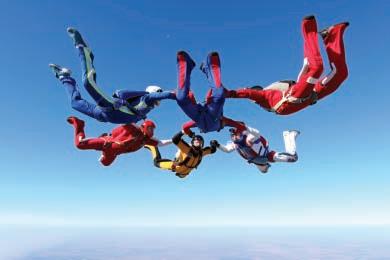
Recreation occurs in many forms with group involvement highly desirable for some individuals.
For a growing generation of young people, recreation and leisure have taken on new meanings of adventure, risk, excitement, and fulfillment as they seek to meld technology and recreation. The idea of recreation participation may not include any physical activity, but focus instead on Internet-based games, social networking, sharing music, instant messaging, and new ventures yet to emerge. The activity may be as dissimilar as sitting in front of a computer to being involved in extreme activities such as skateboarding on a Bob Burnquist–designed and –built 360-foot skateboard ramp with a 70-foot gap that must be negotiated to safely complete the experience. It may involve participation in ESPN’s X-Games as a participant, spectator, or video game player. ESPN has used key sponsorships and promotion to give extreme sports a cultural definition. The X-Games include activities such as inline skating, BMX racing, snow sports including snowboards and free-style skiing, surfing, streetball, and motorcycles.
Environmentalists may be chiefly concerned about the impact of outdoor forms of traditional and emerging play on our natural surroundings—the forests, mountains, rivers, and lakes that are the national heritage of all Americans. More frequently, the environmental movement includes a growing awareness and global perspective.
Without question, recreation and leisure are all of these things. They represent a potentially rewarding and important form of human experience and constitute a major aspect of economic development and government responsibility today. It is important to recognize that this is not a new development. Recreation and leisure are concepts that have fascinated humankind since before the golden age of ancient Athens. Varied forms of play have been condemned and suppressed in some societies and highly valued and encouraged in others.
Today, for the first time, there is almost universal acceptance of the value of play, recreation, and leisure. As a consequence, government at every level in the United States has accepted responsibility for providing or assisting leisure opportunities through extensive recreation and park systems, tourism support systems, and sport facilities and complexes. Nonprofits and a wide variety of commercial enterprises provide recreation opportunities and experiences. Twenty years ago, the breadth of recreation and leisure opportunities was just beginning to explode.
Diversity in Participation
Often we tend to think of recreation primarily as participation in sports and games or in social activities, and ignore other forms of play. However, recreation includes an extremely broad range of leisure pursuits, including travel and tourism, cultural entertainment or participation in the arts, hobbies, membership in social clubs or interest groups, nature-related activities such as camping or hunting and fishing, attendance at parties or other special events, and fitness activities. What was considered nontraditional 10 years ago has become mainstream. Today’s recreation opportunities and experiences are expanding in ways not conceivable as little as 10–30 years ago.
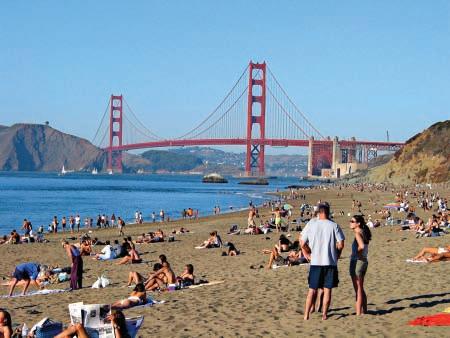
Recreation can occur anyplace and includes a variety of activities.
Recreation may be enjoyed along with thousands of other participants or spectators or may be an intensely solitary experience. It may be highly strenuous and physically demanding or may be primarily a cerebral activity. It may represent a lifetime of interest and involvement or may consist of a single, isolated experience.
As discussed elsewhere in this text, the diversity and depth of participation are similar to looking inside a three-dimensional box (Figure 1.1) and seeing on the horizontal plane the diversity represented by the different kinds of activities and experiences one might engage in as part of recreation and along the vertical plane the depth or intensity of participation. On the third plane, which gives the box dimension, the aspect becomes more complex because one has to take into account why people participate (psychological aspects) as well as with whom they participate (social aspects), the time (free time versus obligated time) spent in the activity, and the costs associated with involvement or away from other activities (economic). Figure 1.1 shows in a very simple way the challenges faced when exploring a leisure activity. Researchers have invested years and written thousands of articles attempting to explain the leisure experience. Figure 1.1 depicts that challenge but fails to take into account individual perceptions of the experience, which are all-important. This text explores each of these aspects in detail. By the conclusion, readers will have gained an understanding of the diversity and complexity of the leisure environment, services, involvement, and participation.
Motivations for Recreational Participation
Many participants take part in recreation as a form of relaxation and release from work pressures or other tensions. They may be passive spectators of entertainment provided by television, movies, or other forms of electronic amusement. Other significant leisure motivations are based on the need to express creativity, develop hidden talents, enhance physical skills, or pursue excellence in varied forms of personal expression. For some participants, active, competitive recreation may offer a channel for releasing frustration and aggression, or for struggling against others or the environment in adventurous, high-risk pursuits. Others enjoy recreation that is highly social and provides opportunities for making new friends or cooperating with others in group settings. Other individuals take part in leisure activities that involve community service or that permit them to provide leadership in fraternal or religious organizations. Still others take part in activities that promote health and physical fitness as a primary goal. A steadily growing number of participants enjoy participation in the expanding world of computer-based entertainment and communication, including CD-ROMs, Internet games, video FIGURE 1.1 Simplistic Representation of
AN ANALYSIS OF MY PASSION, MY GUITAR
The introduction to this chapter provides an excellent opportunity to analyze a leisure experience. The experience is a lifetime engagement with a leisure activity, beginning as a young child. The exposure of the narrator’s father playing the guitar was a motivation to “try it” for himself. The author draws on the ukulele experience of learning how to play the instrument, sharing the discovery of learning the three chords and the motivation to learn more coming from that experience.
◆ Can you relate to a leisure experience in your life where you have been motivated to learn more after mastering the basics? Did you experience a greater intensity or depth as a result of your motivation? How did you feel as you became more competent and comfortable with your skill set? It doesn’t matter if it was playing a guitar, skiing down a bunny slope, drawing a picture, playing a sport, or any myriad of leisure activities.
◆ In regard to Figure 1.1, there is an intensity related to this experience. There is also longevity to the experience. The depth can relate to the intensity of feeling toward the music being played. It can also relate to the technical challenge of a piece of music and, as it is practiced and perfected, a sense of mastery. The author related the social psychological implications when sharing feelings of stress relief and escape from daily struggles. Yet, the need to learn “there was no stopping me” addresses self-development and mastery.
◆ Finally, the author talks of sharing the music and playing with his father. He already anticipates sharing his love with his daughter and mastering the construction of guitars. As will be discussed later in this text, the author has moved to “serious leisure,” a form of leisure that takes the participant to deeper and constructive levels of experience.
games, smart phones with applications, iPods, the Internet, and much more. Others are deeply involved in forms of culture such as music, drama, dance, literature, and other forms of fine arts. Exploring new environments through travel and tourism or seeking self-discovery or personality enrichment through continuing education or various educational activities represents other important leisure drives.
AN ANALYSIS OF PLAY, RECREATION AND LEISURE
Any consideration of the broad field of recreation and leisure should include a clarification of terms and concepts. The words play, leisure, and recreation are frequently used interchangeably, as if they mean the same thing. However, although related, they have distinctly different meanings and it is important for both students and practitioners in this field to understand their varied implications and the differences among them.
PLAY AND DEVELOPMENT
“Many children in public school are getting less and less time outside, despite the documented benefits of free play.”1 Play has long been determined essential for physical and emotional development of children. During the past two decades, play fell out of favor among some educators and parents, but not among park and recreation professionals. Today, there is a resurgence of research across many fields about the value and importance of play. By play, we mean unstructured or “free play,” unbound from parental perceptions, video intrusions, planned activities, and the like. Researchers are suggesting that play is an organic way of learning, that unstructured play builds skills that will create happy and productive adults, and that under the right conditions, schools that integrate play will enhance the learning, self-awareness, and confidence of their students. Play, long a fabric of cultures across the world, is finding greater evidence to support its importance to children and adults.
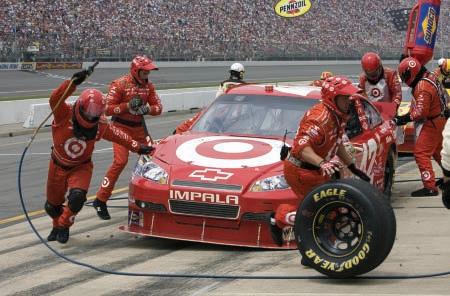
Watching a pit crew is part of the experience for NASCAR fans.
It sometimes feels like I have been taking photos for an eternity. I purchased my first "good" camera while I was in college, but I had been exposed to photography for years. My grandfather took photos for as long as I can remember. They were almost always photos of friends and family, but on occasion they were photos of scenes. I have inherited many of his photos from the 1940's, all of them taken as 35mm slides. As opposed to today, all photos were taken using film and you could do 24 or 36 photos to a roll. The film was expensive as was the processing, but when you got the photos back in slide format (for viewing through a projector) it was all worth it. Because of the expense we didn't take a lot of photos of the same subject. We took time to compose and think about the photo - much like the best photographers still do. Somewhere in my younger years I became fascinated with photography, but could not afford a good camera. I read books, took a college course, and finally purchased my first 35 mm single-lens reflex (SLR) camera. Ansel Adams, a noted western landscape photographer, was one of my heroes, as was Alfred Eisenstaedt, a noted photojournalist.
Having my own camera opened a whole new world for me. Learning to see the world through a viewfinder changed the way I saw the world! I wanted to take lots of "great" photos, but learned early on that great was in the eyes of the beholder. As a young father I took lots of photos of family, photos that years later have great meaning to myself and my family. At the time I was just trying to capture experiences. Now, as I near retirement, my children and grandchildren have fond memories. I would never have thought how my old family photos would find their way onto Facebook and other sites and bring meaning to so many people.
I've never really asked myself why I take photos. It was just something I wanted to do. I enjoyed the experience. Sometimes, like on a cold winter morning before dawn, I hoped that the clouds would be just right for photos of a desert mountain. Other times I hoped I could capture a special moment in one of my children's lives, one that could be shared. I originally took photos for selfish reasons - because I wanted to. It was not long, however, before I realized that I was helping to build family history and contributing to knowing who we were. These reasons became important to me.
Photography really is a single person activity. There may be lots of people around, but the act of shooting a photo is a single person activity (for me). I choose the location, I choose the time of day, I choose the day of the week, I choose the camera lens, I choose the lighting, the color, and so much more. For landscape photography I am at the mercy of the environment. I may want a calm clear day with no clouds, but instead get a blustery and overcast day. I have to learn how to adapt, to change my expectations, and to focus my creativity in a different way to achieve the results I hope for. The same is true for portrait photography, except the person being photographed has a significant influence on the outcome.
At the end of the day I pull my SD card out of the SLR and drop it into my computer, download the photos (no longer waiting for a week or more to see my photos), look at them, use various software to alter the light, the saturation, the contrast, the size, style and on and on. What used to take hours of time and experimentation in the darkroom can now be accomplished in minutes on a computer. On one trip returning from Europe I was able to sort, catalog, select, adjust, and have photos ready for processing by the time the airplane landed.
Why do I shoot pictures. It really gets down to the experience. It makes me feel good. It is something I like to do. It provides me with a sense of accomplishment and creativity. It builds my awareness of the world around me. It allows me to feel creative. At the end of a session of working with photos, whether shooting or adjusting, I feel positive about who I am and what I have accomplished
Questions to Consider
1. When you participate in recreation how are your feelings and motivations similar or different to those described in this case study? Why do you think they might be similar? Different?
2. Select a recreation activity you enjoy and write about it. Answer the following questions:
a. When did you begin to participate in the activity?
b. How do you feel when you participate? Is it a different feeling than when you first started to participate?
c. Why do you participate in the activity?
d. How do you feel when you are done with the activity? Is there any carryover of feelings to a later time?
e. Look at Figure 1.1 and place your activity on the graphic. Explain why you placed it where you did.
The rationale for stressing such conceptual understanding is clear. Just as a doctor must know chemistry, anatomy, kinesiology, and other underlying sciences to practice medicine effectively, so too the recreation and park professional must understand the meaning of leisure and its motivations and satisfactions if he or she is to provide effective recreation programs and services. Such conceptual understandings are critical to the development of a sound philosophy of recreation service and to interpreting leisure-service goals and outcomes to the public at large.
THE MEANING OF PLAY
The word play is derived from the Anglo-Saxon plega, meaning a game or sport, skirmish, fight, or battle. This is related to the Latin plaga, meaning a blow, stroke, or thrust. It is illustrated in the idea of striking or stroking an instrument or playing a game by striking a ball. Other languages have words derived from a common root (such as the German spielen and the Dutch spelen) whose meanings include the playing of games, sports, and musical instruments. Although play is traditionally considered a child’s activity, it is often recognized that people of all ages take part in play.
It is difficult to arrive at a single definition of play because it takes so many forms and appears in so many contexts. However, a general definition would describe play as a form of human or animal activity or behavioral style that is self-motivated and carried on for intrinsic, rather than external, purposes. It is generally pleasurable and often is marked by elements of competition, humor, creative exploration and problem solving, and mimicry or role playing. It appears most frequently in leisure activities but may be part of work. It is typically marked by freedom and lack of structure but may involve rules and prescribed actions, as in sport and games.
Historical Perspectives
In ancient Greece, play was assigned a valuable role in the lives of children, based on the writings of Plato and Aristotle. The Athenians placed great value on developing qualities of honor, loyalty, and beauty and other elements of productive citizenship in children. For them, play was an integral element of education and was considered a means of positive character development and teaching the values of Greek society.
Later, as the Catholic Church gained dominance among the developing nations of western Europe, play came to be regarded as a social threat. The body was thought to detract from more spiritual or work-oriented values, and every effort was made to curb the pleasurable forms of play that had been popular in the Greek and Roman eras.
Gradually, however, educators and philosophers such as Froebel, Rousseau, and Schiller came to the defense of play as an important aspect of childhood education. For example, Froebel wrote of play as the highest expression of human development in childhood:
Play is the purest, most spiritual activity of man at this stage. . . . A child that plays thoroughly with self-active determination, perseveringly until physical fatigue forbids, will surely be a thorough, determined man, capable of selfsacrifice for the promotion of the welfare of himself and others.2
EARLY THEORIES OF PLAY
In the nineteenth and early twentieth centuries, a number of influential scholars evolved comprehensive theories of play that explained its development and its role in human society and personal development.
Surplus-Energy Theory
The English philosopher Herbert Spencer, in his mid-nineteenth-century work Principles of Psychology, advanced the view that play was primarily motivated by the need to burn excess energy. This theory asserts that running, playing soccer, or jumping rope on the playground are done because people have excess energy to use. A criticism of this theory is that play also occurs in people with little energy and does not account for nonphysical play.
Relaxation Theory
An early explanation of play that was regarded as the converse of surplus energy was relaxation theory. Rather than to burn excess energy, play was done to restore it. Play was seen as a means to energize a person who was exhausted from work, school, or the stresses of daily life. It was believed that when a person is either mentally or physically tired, play can restore energy. So, exercising after a long day at work can serve to help an individual relax and restore. Spending time on Facebook during a study break or playing after school are both examples of relaxation theory.
Preparation Theory
Preparation theory suggests that play is a means for children to practice adult life. Children who play house, doctor, or school are preparing to experience these things as older children or adults. Preparation theory also suggests that people learn teamwork and role playing in their play. A weakness of this theory is that it does not account for adult play.
Catharsis Theory
The catharsis theory is based on the view that play—particularly competitive, active play—serves as a safety valve for the expression of bottled-up emotions. Among the ancient Greeks, Aristotle saw drama as a means of purging oneself of hostile or aggressive emotions; by vicarious sharing in the staged experience, onlookers purified themselves of harmful feelings. Biking a long distance after a hard day at work, playing a musical instrument after an argument with a friend, and hitting a bucket of golf balls to blow off steam after a nonproductive meeting are all examples of the catharsis theory of play.
Coupled with the surplus-energy theory, the catharsis theory suggests a vital necessity for active play to help children and adults burn excess energy and provide a socially acceptable channel for aggressive or hostile emotions and drives.
CONCEPTS OF PLAY IN MODERN SOCIETY
During the first three decades of the twentieth century, a number of psychologists and educators examined play, particularly as a developmental and learning experience for children.
Self-Expression Theory
Two leading physical educators, Elmer Mitchell and Bernard Mason, saw play primarily as a result of the need for self-expression. Humans were regarded as active, dynamic beings with the need to find outlets for their energies, use their abilities, and express their personalities. The specific types of activity that an individual engaged in were, according to Mitchell and Mason, influenced by such factors as physiological and anatomic structure, physical fitness level, environment, and family and social background.3
Play as a Social Necessity
During the late nineteenth century, leaders of the public recreation movement called for the provision of organized recreation for all children. Joseph Lee, who is widely regarded as the father of the play movement in America and who promoted the establishment of numerous playgrounds and recreation centers, was instrumental in the public acceptance of play as an important force in child development and community life. Jane Addams, founder of the Hull House Settlement in Chicago and a Nobel Peace Prize winner, advocated the need for organized play opportunities that served as an alternative to the difficult life children living in poverty faced on the streets. These values continue to be embraced by contemporary communities, as is evidenced by public and private support of parks and recreation departments, community recreation programs, after-school programs, and other play-based activities.
Typologies of Play Activity
In the twentieth century, more and more social and behavioral scientists began to examine play empirically. One such investigator, the French sociologist Roger Caillois, examined the play experience itself by classifying the games and play activities that were characteristic of various cultures and identifying their apparent functions and values. Caillois established four major types of play and game activity: agon, alea, mimicry, and ilinx.
Agon refers to activities that are competitive and in which the equality of the participants’ chances of winning is artificially created. Winners are determined through such qualities as speed, endurance, strength, memory, skills, and ingenuity. Agonistic games may be played by individuals or teams; they presuppose sustained attention, training and discipline, perseverance, limits, and rules. Clearly, most modern games and sports, including many card and table games involving skill, are examples of agon.
Alea includes games of chance—those games or contests over whose outcome the contestant has no control; winning is the result of fate rather than the skill of the player. Games of dice, roulette, and baccarat, as well as lotteries, are examples of alea.
Mimicry is based on the acceptance of illusions or imaginary universes. Children engage in mimicry through pretend play. This category includes games in which players make believe, or make others believe, that they are other than themselves. For children, Caillois writes:
Exploring the Variety of Random Documents with Different Content