Kingship, Society, and the Church in Anglo-Saxon Yorkshire
MEDIEVAL HISTORY AND ARCHAEOLOGY
General Editors
John Blair Helena Hamerow
The volumes in this series bring together archaeological, historical, and visual methods to offer new approaches to aspects of medieval society, economy, and material culture. The series seeks to present and interpret archaeological evidence in ways readily accessible to historians, while providing a historical perspective and context for the material culture of the period.
RECENTLY PUBLISHED IN THIS SERIES
ANGLO-SAXON FARMS AND FARMING
Debby Banham and Rosamond Faith
THE OPEN FIELDS OF ENGLAND
David Hall
PERCEPTIONS OF THE PREHISTORIC IN ANGLO-SAXON ENGLAND
Religion, Ritual, and Rulership in the Landscape
Sarah Semple
TREES AND TIMBER IN THE ANGLO-SAXON WORLD
Edited by Michael D. J. Bintley and Michael G. Shapland
VIKING IDENTITIES
Scandinavian Jewellery in England
Jane F. Kershaw
LITURGY, ARCHITECTURE, AND SACRED PLACES
IN ANGLO-SAXON ENGLAND
Helen Gittos
RURAL SETTLEMENTS AND SOCIETY IN ANGLO-SAXON ENGLAND
Helena Hamerow
PARKS IN MEDIEVAL ENGLAND
S. A. Mileson
ANGLO-SAXON DEVIANT BURIAL CUSTOMS
Andrew Reynolds
BEYOND THE MEDIEVAL VILLAGE
The Diversification of Landscape Character in Southern Britain
Stephen Rippon
WATERWAYS AND CANAL-BUILDING IN MEDIEVAL ENGLAND
Edited by John Blair
KINGSHIP, SOCIETY, AND THE CHURCH IN
ANGLO-SAXON
YORKSHIRE
THOMAS PICKLES
Great Clarendon Street, Oxford, OX2 6DP, United Kingdom
All rights reserved. No part of this publication may be reproduced, stored in a retrieval system, or transmitted, in any form or by any means, without the prior permission in writing of Oxford University Press, or as expressly permitted by law, by licence or under terms agreed with the appropriate reprographics rights organization. Enquiries concerning reproduction outside the scope of the above should be sent to the Rights Department, Oxford University Press, at the address above
You must not circulate this work in any other form and you must impose this same condition on any acquirer
Published in the United States of America by Oxford University Press
198 Madison Avenue, New York, NY 10016, United States of America
British Library Cataloguing in Publication Data Data available
Library of Congress Control Number: 2018941897
ISBN 978–0–19–881877–9
Printed and bound by CPI Group (UK) Ltd, Croydon, CR0 4YY
Links to third party websites are provided by Oxford in good faith and for information only. Oxford disclaims any responsibility for the materials contained in any third party website referenced in this work.
Acknowledgements
The seeds from which this book grew were sown during undergraduate tutorials on early medieval history and archaeology, which inspired BA, M.St., and D.Phil. dissertations on aspects of the church in Anglo-Saxon Yorkshire. Twelve years of teaching and research at four universities have contributed to its final form. Many debts of gratitude are owed, institutional and personal.
Wadham College, Oxford, was my home for BA, M.St., and D.Phil. degrees, elected me to a Senior Scholarship, and employed me as a Lecturer from 2004 to 2005. First and special thanks are owed to my Wadham tutors Cliff Davies, Jane Garnett, Matthew Kempshall, Jörn Leonhard, and Alexander Sedlmaier. John Blair was an outstanding supervisor and has been an unfailing source of help and advice. John Nightingale nurtured my early medieval interests in tutorials and wrote references. Juliane Kerkhecker provided excellent Latin teaching. Richard Sharpe introduced me to Diplomatic. Tyler Bell oversaw the construction of a relational database linked to GIS software. Jane Hawkes and John Maddicott examined the D.Phil. thesis, provided excellent suggestions, and wrote references.
Without financial support from several institutions the research would not have been completed. The Arts and Humanities Research Council funded my M.St. and D.Phil. research. The Vaughan Cornish Bequest provided money for visiting sites with Anglo-Saxon stone sculpture in Yorkshire. The book evolved during Lectureships at St Catherine’s College, Oxford (2005–9), the University of York (2009–12), Birkbeck (2012–13), and the University of Chester (2013–present). At Chester it benefited from the Faculty of Humanities Research Fund and was completed during my first period of research leave. Amongst the many wonderful people at these institutions, some deserve special mention: my St Catherine’s History colleagues—Marc Mulholland and Gervase Rosser; my Head of Department at Birkbeck—John Arnold; and three History colleagues at York—Katy Cubitt, Guy Halsall, and Craig Taylor. The Centre for Medieval Studies at York is an extraordinary place and I hope its staff will not mind receiving collective mention.
Many individuals have contributed to the genesis of this book. Philip Rahtz, Richard Morris, and Lorna Watts met with a green second-year undergraduate in 1999 and all three have been generous with time and ideas. Lesley Abrams began as a reserve supervisor for my D.Phil. but quickly became a friend, a travelling partner, and an intellectual inspiration. Mary Garrison offered invaluable comments on a letter of Abbess Ælfflæd of Streoneshalh (Whitby). Matt Townend
Acknowledgements
shared a draft of his excellent book Viking Age Yorkshire before publication. Jo Buckberry and Lizzie Craig-Atkins allowed me to use the results of their unpublished doctoral dissertations. Steve Bassett, Stephen Baxter, Betty Coatsworth, Rosemary Cramp, Tom Lambert, Ryan Lavelle, Steve Sherlock, and Alex Woolf supplied copies of their work and answered queries by e-mail. Participants in three Research Networks discussed some of the ideas: Ian Forrest and Sethina Watson’s ‘Social Church’ network; Roy Flechner and Máire Ní Mhaonaigh’s ‘Converting the Isles’ network; and Gordon Noble and Gabor Thomas’ ‘Royal Residences 500–800 AD’ network. Informal conversations with the following people have shaped my thinking: Philip Bullock, Thomas Charles-Edwards, Marios Costambeys, Andrew Dilley, Simon Ditchfield, Roy Flechner, Robin Fleming, Sally Foster, Helen Gittos, Meggen Gondek, Jenny Hillman, Charles Insley, George Molyneaux, Christopher Norton, Tom O’Donnell, David Parsons, Chris Renwick, David Rollason, Sarah Semple, David Stocker, Alice Taylor, Alan Thacker, Gabor Thomas, Elizabeth Tyler, Zoë Waxman, William Whyte, Howard Williams, and Barbara Yorke. Students at Oxford, York, Birkbeck, and Chester have taught me innumerable things. Dan Smith read and commented on a complete draft.
Oxford University Press have been patient in awaiting the manuscript and efficient in processing it. John Blair and Helena Hamerow supported the initial proposal for the series. The two anonymous readers provided very positive and helpful comments on the initial draft. Stephanie Ireland, Cathryn Steele, Santhosh Palani, and Dorothy McCarthy have been exemplary editors. The Corpus of Anglo-Saxon Stone Sculpture supplied most of the images and Derek Craig was wonderfully efficient on their behalf. The Whitby Literary and Philosophical Society and Whitby Museum gave permission to use the cover image. Paul Gwilliam allowed me to use his images of the Dewsbury sculpture.
The greatest debt is to my family and the book is dedicated to them—my parents, Uncle Graham, Anne, and Antony and Michelle and their families. My father inspired my love of history and he and my mother have been unfailingly supportive: I wish that she had lived to see the D.Phil. and book completed, but I am extremely fortunate that he will read and appreciate the book. My wife Katherine shares my passion for history and is responsible for this book in too many ways to mention: I am even more fortunate that we will continue thinking about it together. My daughter Isla should never have to read it, but if she glances at the acknowledgements she will be reminded how important she is to both of us.
5.
6.
List of Images
1. CASSS VIII: Dewsbury 9A.
2. CASSS VIII: Dewsbury 4A.
3. CASSS VIII: Dewsbury 5A. 168
4. CASSS VIII: Dewsbury 3A. 169
5. CASSS VIII: Otley 1cA. 170
6. CASSS VI: Masham 1. 171
7. CASSS VIII: Collingham 1D. 172
8. CASSS VIII: Melsonby 1CD. 173
9. CASSS VIII: Ilkley 1C. 174
10. CASSS VIII: Sheffield 1A.
11. CASSS VI: York Minster 38A.
12. CASSS III: Nunburnholme 1aB–1bD.
13. CASSS III: York Minster 2A.
14. CASSS III: York Minster 34A.
15. CASSS III: York Minster 34D.
16. CASSS VIII: Addingham 1A.
17. CASSS VIII: Ripon 3A.
18. CASSS VIII: Ripon 4.
19. CASSS VIII: Barwick in Elmet 2A.
20. CASSS VI: Coverham 1.
21. CASSS VIII: Bramham 1A.
22. CASSS VIII: Bilton in Ainsty 3A.
23. CASSS VIII: Kirkby Wharfe 1A.
24. CASSS III: Kirkdale 1A.
25. CASSS VIII: Leeds 1C–6C. 263
26. CASSS III: Skipwith 1.
27. CASSS VI: Brompton 3D.
28. CASSS VI: Kirklevington 4A.
List of Maps
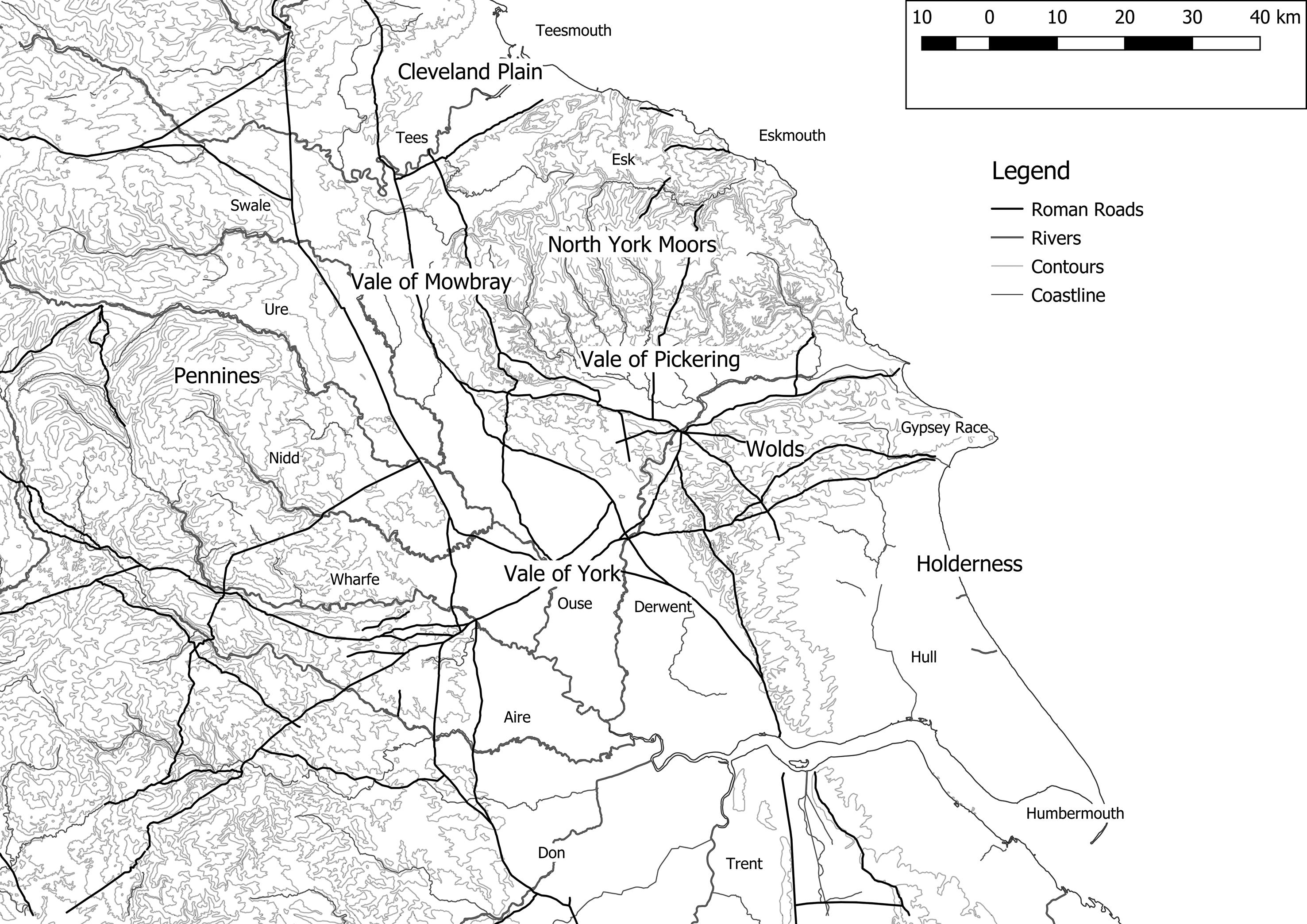
1. The topographical regions of Yorkshire. xix
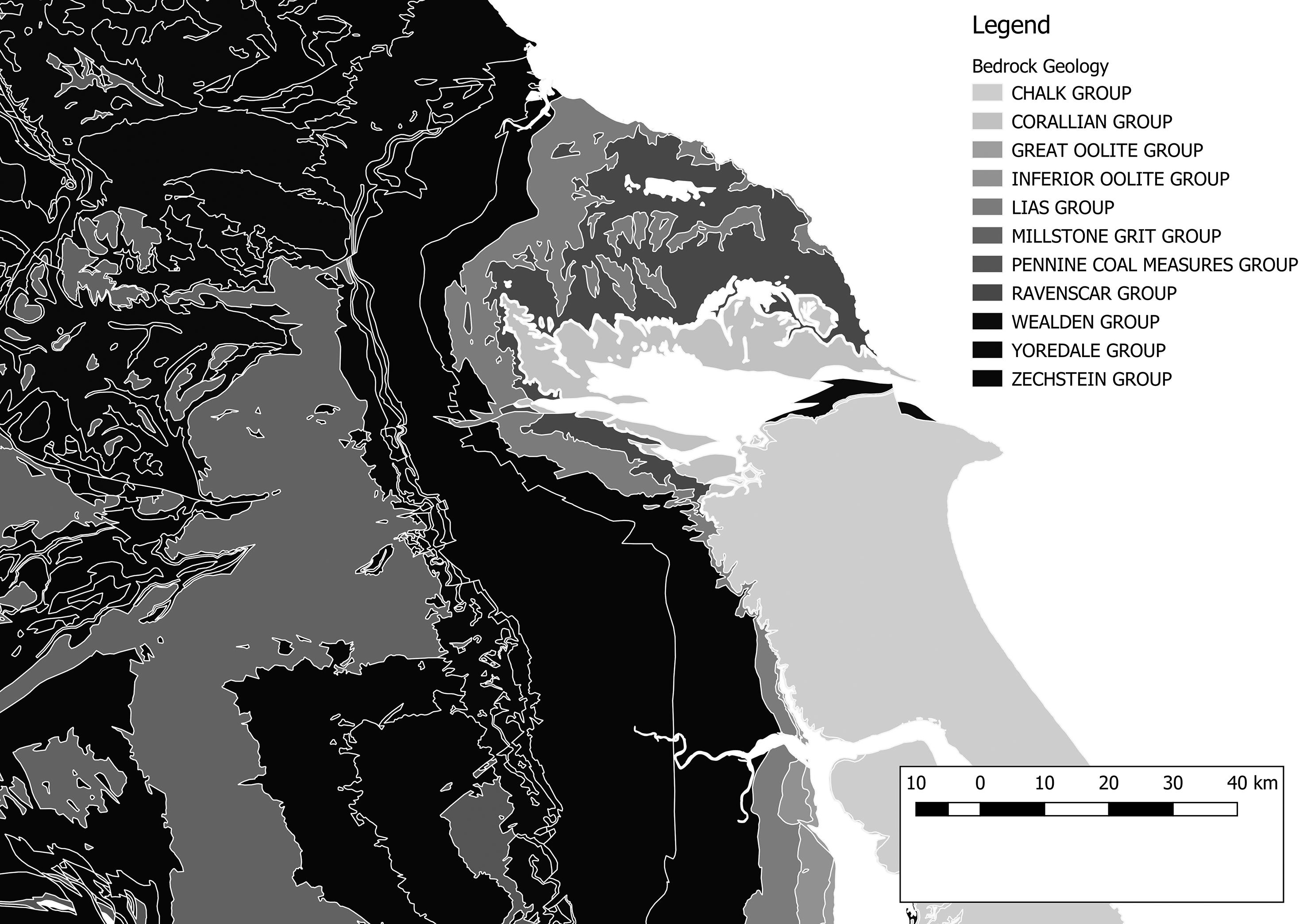
2. The bedrock geology of Yorkshire. xx
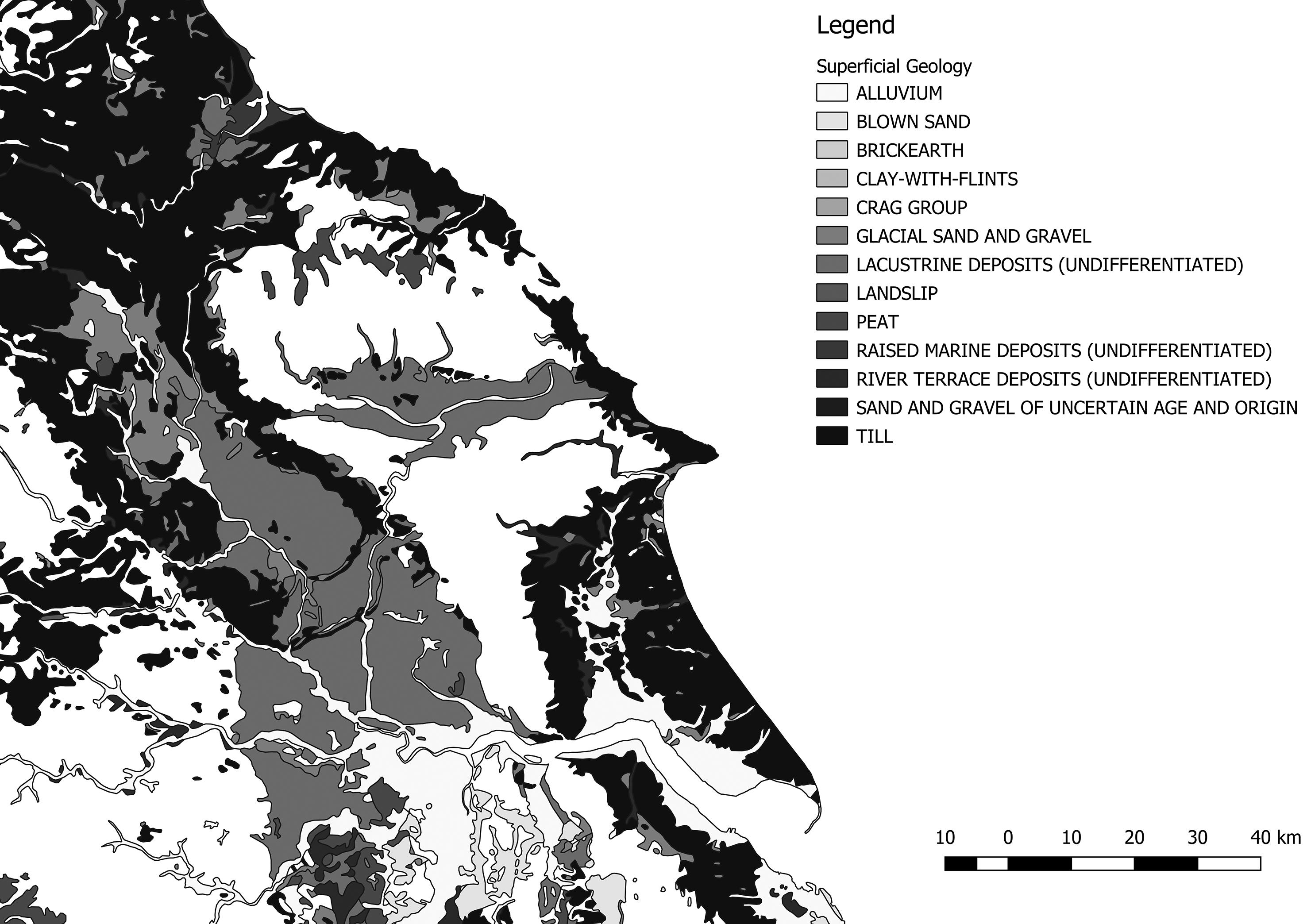
3. The superficial geology of Yorkshire. xx
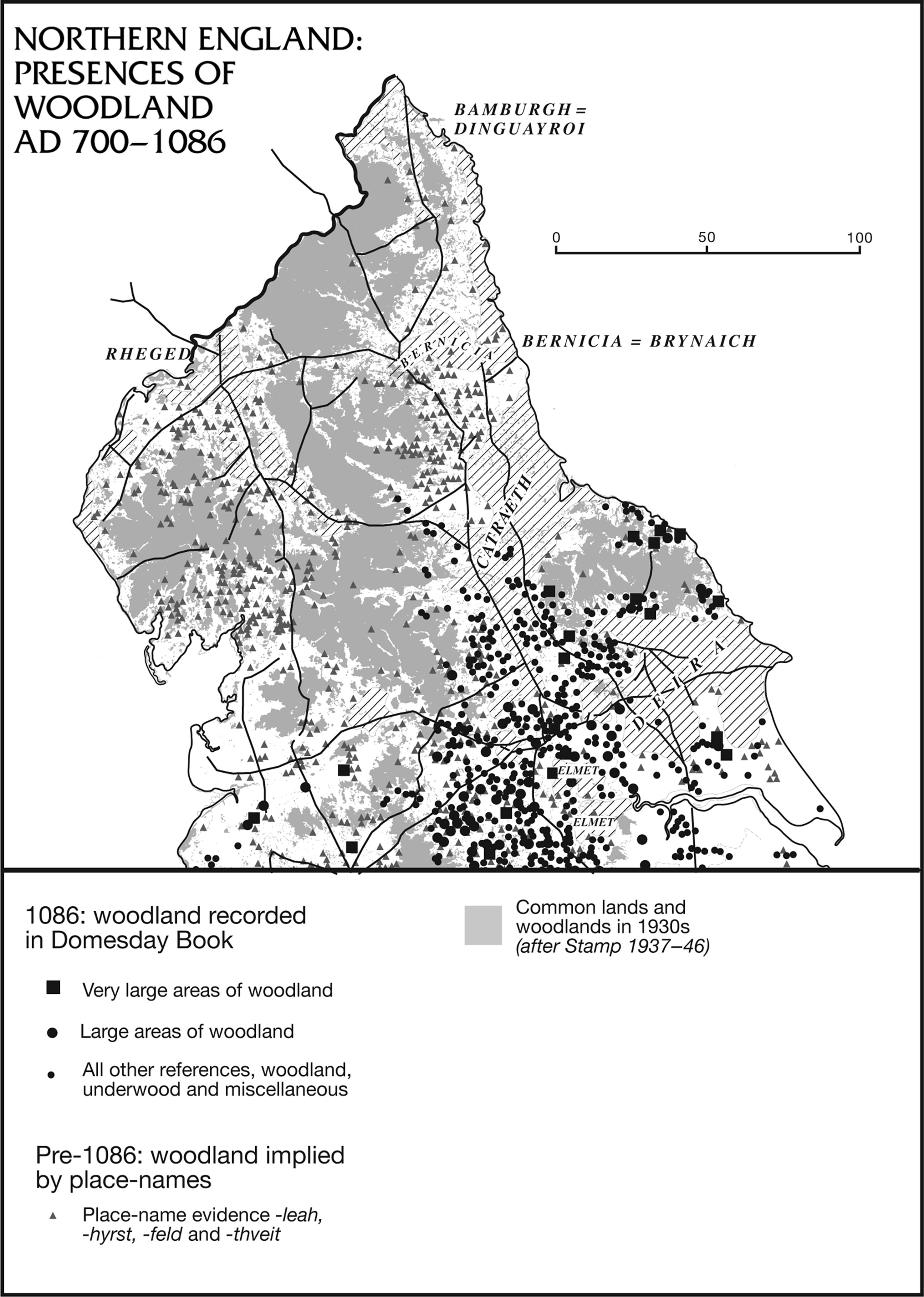
4. The vegetation of Anglo-Saxon Yorkshire. xxi
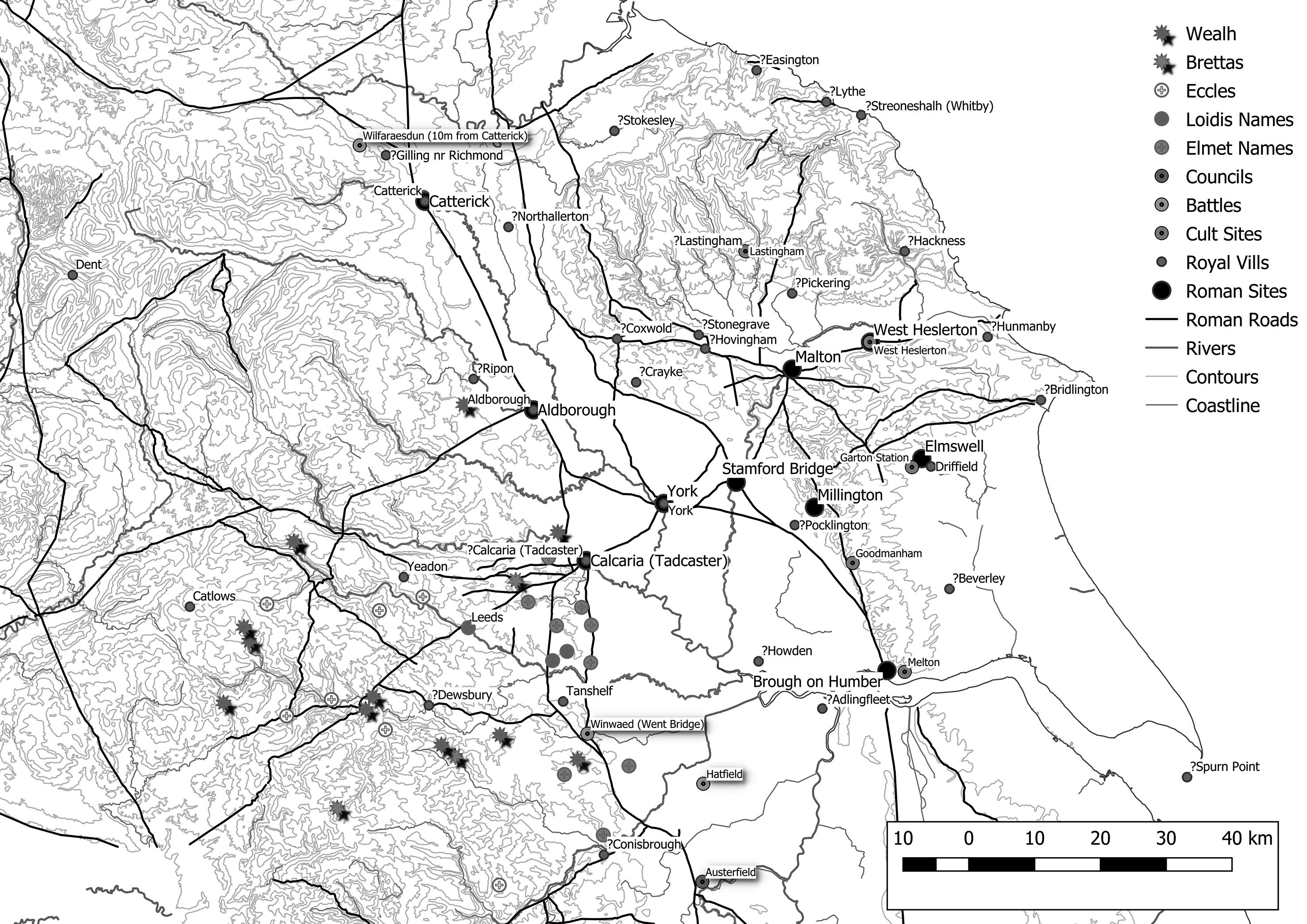
5. British and Anglo-Saxon Yorkshire, c.450–c.650. xxii