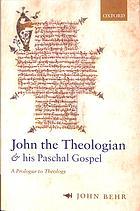
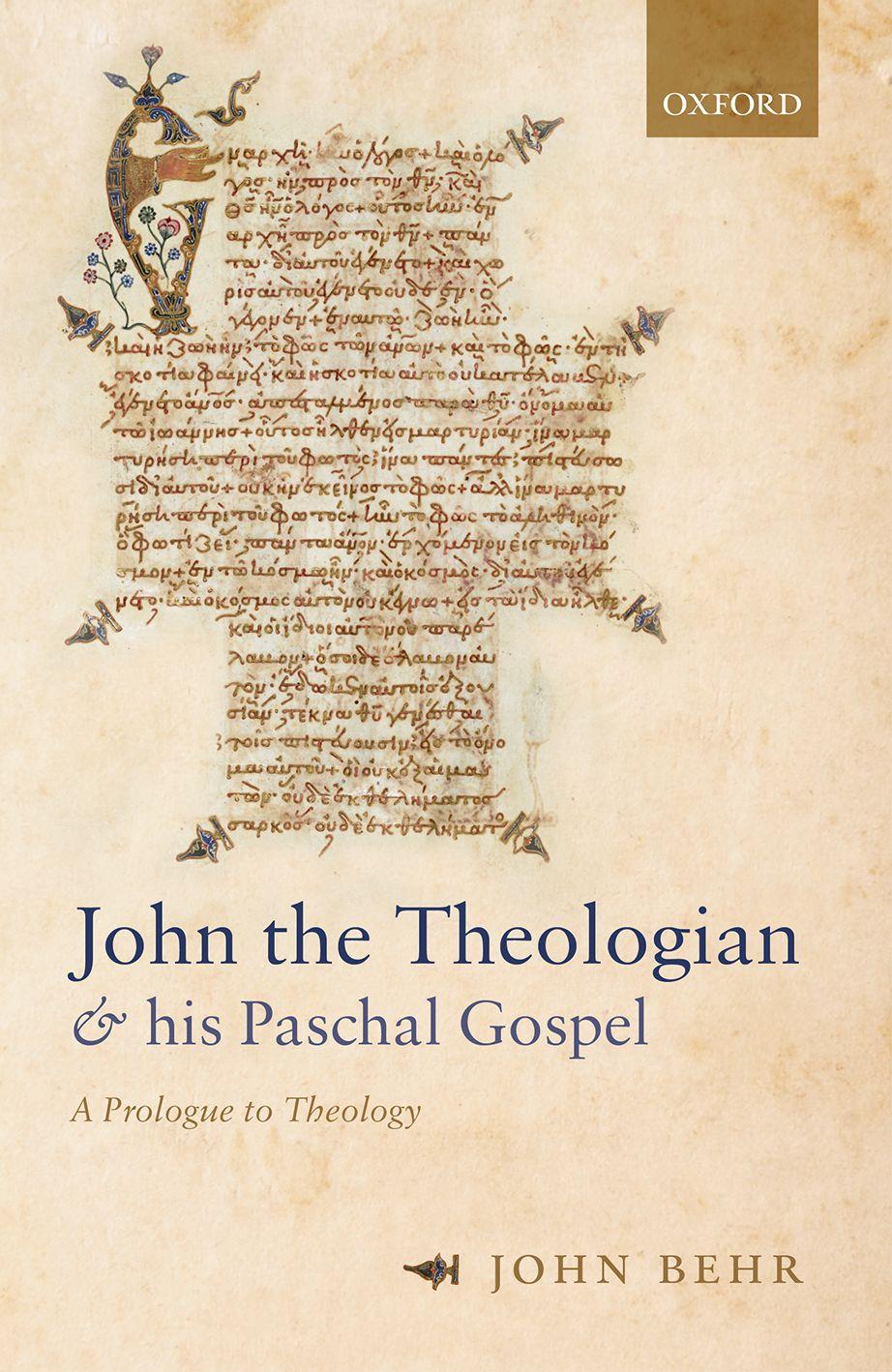
JohnthetheologianandhisPaschalGospel:a prologuetotheologyFirstEdition.EditionBehr
https://ebookmass.com/product/john-the-theologian-and-hispaschal-gospel-a-prologue-to-theology-first-edition-editionbehr/
Instant digital products (PDF, ePub, MOBI) ready for you
Download now and discover formats that fit your needs...
John Webster: The Shape and Development of His Theology: The Shape and Development of His Theology Jordan Senner
https://ebookmass.com/product/john-webster-the-shape-and-developmentof-his-theology-the-shape-and-development-of-his-theology-jordansenner/ ebookmass.com
John Webster: The Shape and Development of His Theology Jordan Senner
https://ebookmass.com/product/john-webster-the-shape-and-developmentof-his-theology-jordan-senner/
ebookmass.com
Becoming John. The Making of a Passion Gospel Syreeni
https://ebookmass.com/product/becoming-john-the-making-of-a-passiongospel-syreeni/
ebookmass.com
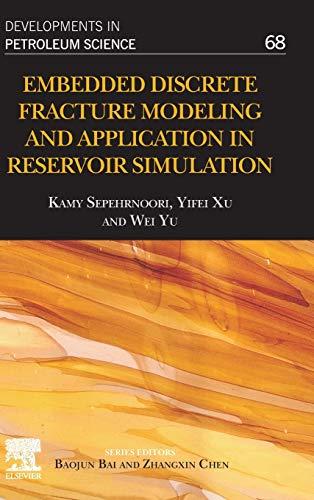
Embedded Discrete Fracture Modeling and Application in Reservoir Simulation (Volume 68) (Developments in Petroleum Science, Volume 68) 1st Edition Kamy Sepehrnoori
https://ebookmass.com/product/embedded-discrete-fracture-modeling-andapplication-in-reservoir-simulation-volume-68-developments-inpetroleum-science-volume-68-1st-edition-kamy-sepehrnoori/ ebookmass.com
Behavioral Health Services with High-Risk Infants and Families: Meeting the Needs of Patients, Families, and Providers in Fetal, Neonatal Intensive Care Unit, and Neonatal Follow-Up Settings Allison G. Dempsey
https://ebookmass.com/product/behavioral-health-services-with-highrisk-infants-and-families-meeting-the-needs-of-patients-families-andproviders-in-fetal-neonatal-intensive-care-unit-and-neonatal-followup-settings-allison-g/ ebookmass.com
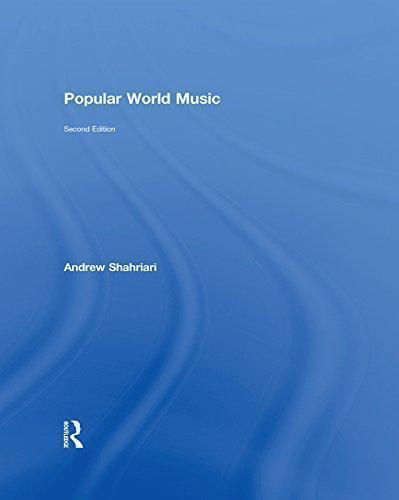
Popular World Music, 2nd Edition u2013 Ebook PDF Version
https://ebookmass.com/product/popular-world-music-2nd-edition-ebookpdf-version/
ebookmass.com
Food Fortification in a Globalized World M G Venkatesh Mannar
https://ebookmass.com/product/food-fortification-in-a-globalizedworld-m-g-venkatesh-mannar/
ebookmass.com
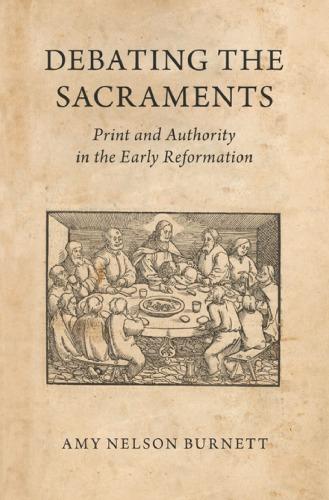
Debating the Sacraments: Print and Authority in the Early Reformation Amy Nelson Burnett
https://ebookmass.com/product/debating-the-sacraments-print-andauthority-in-the-early-reformation-amy-nelson-burnett/
ebookmass.com
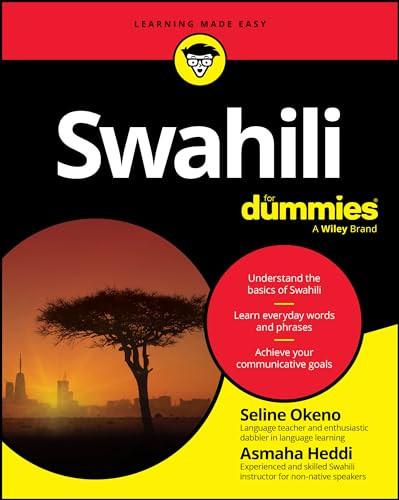
Swahili For Dummies 1st Edition Okeno
https://ebookmass.com/product/swahili-for-dummies-1st-edition-okeno/ ebookmass.com
Quality Management in Plastics Processing https://ebookmass.com/product/quality-management-in-plasticsprocessing-kent/
ebookmass.com
JOHNTHETHEOLOGIANAND HISPASCHALGOSPEL JohntheTheologianand hisPaschalGospel AProloguetoTheology JOHNBEHR
GreatClarendonStreet,Oxford,OX26DP, UnitedKingdom
OxfordUniversityPressisadepartmentoftheUniversityofOxford. ItfurtherstheUniversity’sobjectiveofexcellenceinresearch,scholarship, andeducationbypublishingworldwide.Oxfordisaregisteredtrademarkof OxfordUniversityPressintheUKandincertainothercountries
©JohnBehr2019
Themoralrightsoftheauthorhavebeenasserted
FirstEditionpublishedin2019
Impression:1
Allrightsreserved.Nopartofthispublicationmaybereproduced,storedin aretrievalsystem,ortransmitted,inanyformorbyanymeans,withoutthe priorpermissioninwritingofOxfordUniversityPress,orasexpresslypermitted bylaw,bylicenceorundertermsagreedwiththeappropriatereprographics rightsorganization.Enquiriesconcerningreproductionoutsidethescopeofthe aboveshouldbesenttotheRightsDepartment,OxfordUniversityPress,atthe addressabove
Youmustnotcirculatethisworkinanyotherform andyoumustimposethissameconditiononanyacquirer
PublishedintheUnitedStatesofAmericabyOxfordUniversityPress 198MadisonAvenue,NewYork,NY10016,UnitedStatesofAmerica
BritishLibraryCataloguinginPublicationData Dataavailable
LibraryofCongressControlNumber:2018955389
ISBN978–0–19–883753–4
PrintedandboundinGreatBritainby ClaysLtd,ElcografS.p.A.
LinkstothirdpartywebsitesareprovidedbyOxfordingoodfaithand forinformationonly.Oxforddisclaimsanyresponsibilityforthematerials containedinanythirdpartywebsitereferencedinthiswork.
ForLeonLysaghtandJohnBarnet Preface AfterIletitbeknownafewyearsagothatIwaswritingabookonJohn,Iwas oftenaskedhowmycommentaryiscomingon.Toavoiddisappointmentor confusion,Ishouldmakeitclearup-front:thisisnotacommentaryonJohn! ItisratheranattempttoputintodialoguevariousreadersofJohn,ancientand modern Fathers,especiallyfromthesecondandthirdcenturiesbutalsolater figures,andmodernscripturalscholars,theologians,andphilosophers with, ultimately,atheologicalgoal:thatofunderstandingwhatismeantbyIncarnationandhowitrelatestothePassion,howthisisconceivedofasrevelation, andhowwespeakofit,thatis,therelationshipbetweenscripturalexegesisand theologicaldiscourse.
ThegenesisofthisvolumeliesprimarilyintheworkinwhichIhavebeen engagedoverthepastdecadesontheFathersofthe firstcenturies,especially IrenaeusandOrigen.Havingmademywayinaseriesofpublicationsthrough tothecontroversiesofthesixthcentury,Irealizedthattogofurthermeant returningbackwards,toreconsiderOrigen’ s OnFirstPrinciples.Duringthe preparationofaneweditionofthatwork,Iwasalsoaskedtowriteanew volumeonIrenaeus,takingmebackevenearlier.Thisimmersioninthe literatureofearlyChristianitypersuadedmethattheywerenotreading John,andespeciallytheProloguetohisGospel,inthewaythatweoften presumetoday.Thatis,theydidnotreadthePrologueasanarrativeofa ‘ preIncarnateWord’ (aphraseIhaveyettoencounterintheFathers)who subsequentlybecomesincarnatebybeingbornintheworldtoreturnlater onthroughthePassiontotheFather,suchthat ‘Incarnation’ is ‘anepisodein thebiographyoftheWord’,asRowanWilliams(negatively)characterizedit. Indeed,somuchisthisnotthecase,thattheclassicworkdevotedtothetopic, OntheIncarnation byAthanasius,speaksofcreationashavingbeeneffected by ‘ourLordJesusChrist’ andbarelyevenmentionsthebirthofJesus!
Persuadedthatsomethingmoreisgoingon,Ibeganreadingthrough modernscripturalscholarshiponJohn,andfoundthat,evenwhilesucha pictureisoftenpresumed,freshavenuesofreflectionhaveopenedupinrecent decades,especiallywiththeworkofJohnAshtonandthosewhomhehas inspired,seeingtheGospelofJohnintermsoftheapocalypticliteratureof thelate firstcentury.Atthesametime,RussHittingerrecommendedthat Iread IAmtheTruth byMichelHenry;fascinatedbythiswork,Ifound myselfgoingevenfurtherback,thistimetomyinitialstudiesincontinental philosophy,toretracethepaththatledtoHenryandhiswork.Itisthese threadsthatarebroughttogetherinthispresentvolume.Itscentralargument
isthatIncarnationshouldbeunderstoodnotasapastevent,butastheongoing embodimentofGodinthosewhofollowChrist.
TheworkbeginswithvariousmethodologicalconsiderationsintheIntroduction,inparticularQuentinSkinner’scautionregardingthe ‘mythologyof doctrines’ andHans-GeorgGadamer’snotionofthe ‘effective-history’ always atworkintheprocessofunderstanding.Italsoconsidersbrieflywaysinwhich earlyFathersunderstoodtheidentityofJesusastheWordofGodotherthan as ‘anepisodeinabiography’,thenotionof ‘pre-existence’ and ‘incarnation’ as analysedbyHebertMcCabe,andconcludeswithasectiononthereaderswe haveinvitedtothistheologicalsymposium.PartIisdevotedtothequestionof theidentityofJohnandtheparticularcharacterofhisGospel.Itbeginsin Chapter1,buildingupontheworkofRichardBauckhamandCharlesHill,by consideringtheidentityofJohn,asheisrememberedinthesecondcentury, especiallybythosewhotracetheirlineagetohim.Ofparticularinteresthereis thattheylookbacktohimnotonlyastheauthoroftheGospel(andthe Apocalypse),butastheonewhoseobservanceofPascha,Easter,theyclaimto follow,andindeeditseemsthatinitiallytheyweretheonlyonestokeepthis feast.Chapter2picksupAshton’ssuggestionthattheGospelshouldbe understoodas ‘anapocalypse inreverse,upsidedown,insideout’ inthe lightofmorerecentworkonthesubjectofapocalypticliteratureandapocalypticism(‘themotherofallChristiantheology’,asErnstKäsemannputit), therelationshipbetweentheApocalypseattributedtoJohnandtheGospel, theparticularcharacterofhisGospelasa ‘paschalgospel’,andwhatisentailed byallthisforthedisciplineofreadingScripture asScripture.PartIIturnstothe GospelofJohn,consideringitundertwodifferentfacetsofembodimentthat are ‘finished’ atthecross:theTempleandthelivinghumanbeing,theSonof Man,thislastcategorybeingoneofthemoresignificantplaces(alongsidethe treatmentofJohn6)whereinsightsfromIrenaeusandothersarebroughtto bearuponthetextsfromJohn.The finalchapterofPartIIsuggeststhatifthe Gospelcanbeconsideredasapaschalgospel,thePrologueisbestunderstood asa ‘paschalhymn’,andoffersawayofreadingthistextverydifferenttothose usuallygiventoday,despitealltheirvariety.PartIIIexploresMichelHenry’ s readingofJohn,bringingtheworksofardevelopedintodialoguewithhisown phenomenologicalreading,givingfurtherclaritytothelifethattheWordoffers andthe fleshthattheWordbecomesandinturnclarifyingsomeaspectsof Henry’sphenomenologicalpresentationofChristianity.TheConclusiondraws our findingstogetherandofferssomesuggestionsregardingthenatureand taskoftheology.Thethreepartsofthisworkarethuseachengagedwitha differentbodyofscholarship respectively:historicalinvestigation,scriptural exegesis,andphilosophicalreflection thoughthereisofcourseoverlap, especiallybetweenthe firsttwoparts.Thesethreedifferentdisciplinesare broughttogetherwith,ultimately,aconstructivetheologicalpurpose.As such,thisworkisunderstoodasitselfaprologuetotheology.
ItshouldbenotedthatIusethetermsthe ‘Passion’ and ‘Pascha’ (‘Easter’)to refertothesingulareventembracingtheCrucifixion,Resurrection,Ascension, andPentecost.Idothisfortworeasons.First,becausethisis,aswewillsee, howthewritersoftheearlycenturiesspeak,andcontinuetodosoevenwhen, fromthefourthcenturyonwards,thissingularfeastofPaschaisrefracted,asit were,intoaspectrumofparticularfeasts.The ‘Passion’ doesnotrefer,atleast forthesewriters,tothesufferinginGesthsemaneandonthecross indistinctionto theresurrectionandthejoyitbrings:thecrossisthesignofvictory,the meansoflife,andthesourceofjoy.Thesecondreasonisthatevenwhen refractedintodifferentcommemorations,thecrucifixionandresurrectionstill holdtogetherintheunityofthesingleevent;theyare,indeed,aspectsofit. Thisisparticularlyimportantinregardtothequestionofthatmostnotable themecomingfromtheGospelofJohn,theIncarnation.Itwasmanycenturies beforeafeastofthenativitywasaddedtotheliturgicalcalendar,andwhenit is,itiscelebratedasseenthroughtheprismofthePassion,asanaspectof Pascha.Skinner’scautionregardingthemythologyofdoctrinesholdswith regardtoliturgyaswell:nowthatwehaveafullcycleofliturgicalcelebrations fromtheAnnunciationtoPentecost(andbeforeandafterthis,fortheMarian feasts),itisveryhardtothinkotherwisethanintermsofaseriesofdiscrete eventsleadingfromconceptionandbirth(thisbeingtakenasthemomentof ‘Incarnation’)todeathandresurrection.Yet,asscripturalscholarshavelong pointedout,theGospelsaretoldfromtheperspectiveoftheend.Likewise,the liturgicalyearopensoutfromPascha,the firstfeasttobecelebrated(in particular,ifnotuniquely,bythosefollowingJohn),extendingbothbackwardsandforwards.Pascha,bothhistoricallyandtheologically,thiswork argues,isthestartingpointandregisterinwhichtoheartheGospelofJohn andalsoitsPrologue.ItisonlymorerecentlythattheProloguehascometobe readastheChristmasreading,reinforcingtheideathat ‘Incarnation’ canbe separatedfromthePassion:intheWesterntradition,fromaroundthethirteenthcentury,itwasthereading,the ‘secondgospel’,thatconcludedthe celebrationoftheMass,theWordbecoming fleshinthebreadoftheeucharisticcelebrationandinthecommunicant;intheEasterntradition(inwhich Istand),itisthePaschalreading,readatthemidnightliturgy,thetransition fromdarknesstolight aPaschalhymnandaprologuetotheology.
Thisworkhasbeenmanyyearsinpreparation,andsothereareagreat manypeopletothank.Theseedfortheideasweredevelopedinaseminar IgaveatStVladimir’sSeminaryonthePaschalChrist;thequestionsaskedby thestudentsandtheensuingdiscussionwereinstrumentalinhelpingshape theworkinitsinitialstages.Astheworkdeveloped,Ibenefittedconsiderably frommanycolleagues,especially:BishopSuriel,ConorCunningham,Crina Gschwandtner,PhilipKariatlis,AndrewLouth,GeorgeParsenios,PaulSaieg, andRichardSchneider.Ihadtheopportunitytopresentakeypartofmywork asmyinaugurallectureastheMetropolitanKallistos(Ware)Chairof
OrthodoxTheologyattheVrijeUniversiteitinAmsterdam,andIthankmy colleaguesthereforthehonourofappointingmetothisChairandforthe feedbacktheygavemeduringawonderfulseminar.Ialsohadtheopportunity topresenttheworkasawholetomembersoftheUniversityofDivinityin Sydneyand,inMoscow,tomembersoftheSaintsCyrilandMethodius PostgraduateSchoolandtheStPhilaret’sInstitute,andtotheCommunity oftheServantsoftheWillofGodinCrawleyDown,andbenefittedconsiderablyfromthewide-rangingdiscussionstheseopportunitiesgenerated.No workofthisscale,ofcourse,couldbecompletedwithoutthesupportof librarians;IthankEleanaSilkforallthematerialsthatshetrackeddown forme.MygratitudeisalsoowedtoTomPerridge,atOxfordUniversity Press,forhisencouragementregardingthisworkoverthepastyears,andto allthoseatthePresswhohavehelpedseethisworkintoprint.Thiswork, furthermore,hasbene fittedimmenselyfromthevariousreaders’ reports: theirinput,especiallywhentheworkwasstillinprocess,wasvitalinhelping focusandsharpentheargumentsdevelopedtherein.Lastly,thisbookis dedicatedtotwocolleagues,indifferentcapacities,andfriends JohnBarnet andLeonLysaght withoutwhosesupportandencouragementoverthepast yearsthisworkwouldneverhavebeenwritten. x Preface
PARTI.JOHNTHETHEOLOGIANANDHIS ListofAbbreviations AbbreviationsforclassicalandPatristictextsarethosefoundinthefollowing:
TheSBLHandbookofStyleforAncientNearEastern,BiblicalandEarlyChristian Studies,ed.P.H.Alexanderetal.(Peabody,MA:Hendrickson,1999).
Fortextsnotlistedinthishandbook,thefollowinghavebeenused:
H.G.LiddellandR.Scott, AGreek-EnglishLexicon,rev.H.S.Joneswith R.McKenzie,9thedn,withrevisedsupplement(Oxford:ClarendonPress,1996).
G.W.Lampe, APatristicGreekLexicon (Oxford:ClarendonPress,1961).
ScripturalreferenceshavebeengivenaccordingtotheLXX;thisprincipallyaffectsthe numerationofthePsalmsandthenamingof1and2Samueland1and2Kingsas1–4 Kingdoms.
ACWAncientChristianWriters
ANFAnte-NiceneFathers
ATANTAbhandlungzurTheologiedesAltenundNeuenTestaments
BBETBeiträgezurbiblischenExegeseundTheologie
BETBibicalExegesisandTheology
BETLBibliotecaEphemeridumTheologicarumLovaniensum
BISBiblicalInterpretationSeries
BJSBrownJudaicStudies
BZBiblischeZeitschrift
BZNWBeiheftezurZeitschriftfürdieneutestamentlicheWissenschaft
CBQCatholicBiblicalQuarterly
CBRCurrentsinBiblicalResearch
CCSGCorpusChristianorum:SeriesGraeca
CCSLCorpusChristianorum:SeriesLatina
CHChurchHistory
CRINTCompendiaRerumIudaicarumadNovumTestamentum
CSCOCorpusScriptorumChristianorumOrientalum
CSELCorpusScriptorumEcclesiasticorumLatinorum
CSHBCorpusScriptorumHistoriaeByzantinae
ETEnglishtranslation
ExpTimExpositoryTimes
FCFathersoftheChurch
xiv
ListofAbbreviations
FRLANTForschungenzurReligionundLiteraturdesAltenundNeuenTestaments
GCSDiegriechischenchristlichenSchriftstellerderersten[drei]Jarhunderte
GNOGregoriiNysseniOpera
GOTRGreekOrthodoxTheologicalReview
HSSHarvardSemiticStudies
HTRHarvardTheologicalReview
JBLJournalofBiblicalLiterature
JECSJournalofEarlyChristianStudies
JETSJournaloftheEvangelicalTheologicalSociety
JSJJournalfortheStudyofJudaism
JSNTJournalfortheStudyoftheNewTestament
JSNTSupJournalfortheStudyoftheNewTestamentSupplementSeries
JSOTJournalfortheStudyoftheOldTestament
JSOTSupJournalfortheStudyoftheOldTestamentSupplementSeries
JTSJournalofTheologicalStudies
LCLLoebClassicalLibrary
LNTSLibraryofNewTestamentStudies
LSJHenryGeorgeLiddellandRobertScott,revisedbyHenryStuartJones, AGreek-EnglishLexicon (Oxford:ClarendonPress,1996)
LXXSeptuagint
MansiJ.D.Mansi,ed., Sacrorumconciliorumnovaetamplissimacollectio (Florence,1759–98)
MTMasoreticText
NFNeueFolge
NovTNovumTestamentum
NPNFNiceneandPostNiceneFathers
NTSNewTestamentStudies
OCAOrientaliaChristianaAnalecta
OCPOrientaliaChristianaPeriodica
OECSOxfordEarlyChristianStudies
OECTOxfordEarlyChristianTexts
PGPatrologiaGraeca
PLPatrologiaLatina
POPatrologiaOrientalis
PPSPopularPatristicSeries
PTSPatristischeTexteundStudien
RBRevuebiblique
RevistBRevistabíblica
RSRRecherchesdessciencereligieuse
SBLSocietyofBiblicalLiterature
SBLMSSocietyofBiblicalLiteratureMonographSeries
SBLSPSocietyofBiblicalLiteratureSeminarPapers
SBLDSSocietyofBiblicalLiteratureDissertationSeries
SCSourceschrétiennes
SJLAStudiesinJudaisminLateAntiquity
SJTScottishJournalofTheology
SNTSMSSocietyforNewTestamentStudiesMonographSeries
SPCKSocietyforthePromotionofChristianKnowledge
STIStudiesinTheologicalInterpretation
SupNovTSupplementstoNovumTestamentum
SupVCSupplementstoVigiliaeChristianae
SVTQStVladimir’sTheologicalQuarterly
TDNTTheologicalDictionaryoftheNewTestament.Ed.G.Kitteland G.Friedrich;ETG.W.Bromiley,10vols.(GrandRapids,MI:Eerdmans, 1964–76)
TUTexteundUntersuchungen
VCVigiliaeChristianae
WGRWWritingsfromtheGreco-RomanWorld
WMANTWissenschaftlicheMonographienzumAltenandNeuenTestament
WTJWestminsterTheologicalJournal
WUNTWissenschaftlicheUntersuchungenzumNeuenTestament
ZACZeitschriftfürAntikesChristentum
ZKTZeitschriftfürkatholischeTheologie
ZNWZeitschriftfürdieneutestamentlicheWissenschaftunddieKundeder älterenKirche
Thewayupanddownisoneandthesame Heraclitus,61[F38]
SincethenGodbecamehuman thehumanendsupasGodtomyhonour.
GregorytheTheologian, CarminaDogmatica 1.1.10, Deincarnatione,adversusApollinarium (PG37.465a)
Tobesure,thegreatEvangelistJohn,throughtheSpirit,mysticallygave theliteralwordofthenarrativethewordlesscharacterofacontemplation, sothatthroughithemightguideourintellecttothetruthofitsintelligible meaning.
MaximustheConfessor, Ad.Thal. 4.2
Introduction TheGospelofJohnandChristianTheology Christiantheology,asweknowit,isinconceivablewithouttheGospelofJohn andespeciallyitsPrologue.Withinacenturyorsoafteritscomposition,itwas describedas ‘thespiritualgospel’ andinthefollowingcenturiesitsauthorwas referredtosimplyas ‘thetheologian’.Itsopeninglinespresentthebasic lineamentsofChristiantheologythereafter,instrikingandbeguilinglysimple words.ItbeginswiththeWordinthebeginning,withGod,andasGod.All thingsweremadebyhim,wearetold,theonewhoisthelifeandlightofall humanbeings,shininginthedarknessofthisworld,butnotovercomebyit. AfterafewlinesaboutJohntheBaptist,whichmanyscholarsthinkarelater additionstoanoriginalpoemorhymnabouttheWord,wehearthatthe Wordbecame flesh,enablingustoseehisglory,fullofgraceandtruth,by whichwearegiventhepossibilityofbeingbornofGod.Afterfurtherwords abouttheBaptist,alsopossiblyaddedlater,thisshorttextconcludesthat, whiletheLawwasgiventhroughMoses,graceandtruthhavecomethrough JesusChrist(nowmentionedbynameforthe firsttime),andso,althoughno onehaseverseenGod,theonly-begottenGod,restinginthebosomofthe Father,hasnow,nevertheless,madehimknown.TheWord,withGodandas God,andthebecoming fleshofthisWord,statedhereinsimpleandbeautiful prose,arethekeypointsthattheologywouldgrapplewithinsubsequent centuries,incontroversiesthatresultedinimperiallyconvokedworld-wide councilswhichdefined,dogmatically,thechiefarticlesoftheChristianfaith: TrinityandIncarnation.
ThisdramaticopeningtotheFourthGospel,beginninginthedivinerealm ratherthanonearth,isquiteunlikethatoftheotherthreecanonicalGospels, anditsuniquenesscontinuesinthenarrativethatfollows.For,unlikethe Synoptics,theChristwhoappearsonthepagesofJohnmanifeststhegloryof Godateverypoint,suchthatErnstKäsemannwouldnotoriouslydescribehim
2 as ‘aGodstridingovertheearth’.¹HefurtherassertsthatthePassionisbut ‘ a merepostscript[totheGospel]whichhadtobeincludedbecauseJohncould notignorethistraditionnoryetcouldhe fititorganicallyintohiswork’,and sodecriestheGospelaslittlemorethan ‘naïveDocetism’.²Andyet,inthis Gospel,asLukeTimothyJohnsonpointsout,Jesusoftenappearsmorehuman thanintheothers:herealonehehasfriendsandevencriesatthedeathofone ofthem.³WritingoverhalfacenturybeforeKäsemann,Harnack,inwords echoedbyKäsemann,statedtheparadox,andproblem,forcefully:
Lookingatitfromaliterary-andsystematic-historicalstandpoint,theformation ofJohn’sGospelisincidentallythegreatestriddlethatChristianity’smostancient historyoffers:ItdepictsaChristwhoputstheindescribableintowordsand proclaimsashisownwitnesswhatistheverybasisofthiswitnessandwhathis disciplessensedofhim:aPaulineChristwalkingupontheearth,speakingand acting,farmorehumanthanthatoneandyetfarmoredivine,[with]an abundanceofconnectionstothehistoricalJesus,yetatthesametimethemost sovereigntreatmentanddisplacementofhistory.⁴
TheGospel,Harnackcontinues,reachesitapogeeintheseventeenthchapter, thechapterthatKäsemannfocuseduponinhisstudy:here ‘onefeelsthatitis Christwhoawokeinthedisciplewhathehasreturnedtohiminwords.But wordanddeed,historyanddoctrineareenvelopedinthelightmistofwhatis ecclesial-historical,trans-historical,butalsoun-historicalandspectral,while embeddedinahardandunrealcontrast’.OveracenturylaterthanHarnack, BartEhrmancametoasimilarconclusion,describinghisshockathisrealization,afterreadingonlytheSynopticsforthreeyearsandthenturningto theGospelofJohn(‘InGreek.Inonesitting’,noless!),thathereJesushimself hasbeenelided,forhiswords ‘arenotJesus’swords;theyareJohn’swords placedonJesus’slips’.Itisthisrewritingofhistory,andofJesushimself,that enablesJohn,Ehrmanasserts,tomake ‘baldstatementsthatequateJesuswith Godandsaythathewasapre-existentdivinebeingwhocameintothe world ... [that]JesuswasequalwithGodandevensharedhisnameandhis gloryinhispreincarnatestate’ . ⁵ TheGospel,itsorigins,presentationofthe
¹ErnstKäsemann, TheTestamentofJesus:AStudyoftheGospelintheLightofChapter17, trans.GerhardKrodel(Philadelphia:Fortress,1968[German1966]),9(‘schreitend’,translated byKrodel,as ‘goingabout’).InanearlierarticleKäsemannhadspokenofChrist,inJohn,as ‘walking’ (wandelnd): ‘AufbauundAnliegendesjohanneischenProlog’,inWalterMatthiasand ErnestWolf,eds, LibertasChristiana:FriedrichDelekatzum65.Geburtstag,Beiträgezur evangelischenTheologie26(Munich:Kaiser,1957),75–99.
²Käsemann, Testament,7,26.
³LukeTimothyJohnson, TheRealJesus:TheMisguidedQuestfortheHistoricalJesusandthe TruthoftheTraditionalGospels (SanFrancisco:HarperCollins,1997),156.
⁴ AdolfvonHarnack, LehrbuchderDogmengeschichte ,4thedn(Darmstadt:WissenschaftlicheBuchgesellschaft,1964[Tübingen1909]),1.108(Prolegomena,§5,Zusatz4).
⁵ BartD.Ehrman, HowJesusBecameGod:TheExaltationofaJewishPreacherfromGalilee (SanFrancisco:HarperCollins,2014),270–1.
humanityofChrist,andindeedwhatitistobehuman,andalsoitshandling ofhistoryandtheology,timeandeternity,remainverymuchariddle, ‘the greatestriddle’ ofearlyChristianity.
Andyet,thereisunanimousagreementthattheGospelofJohnistheprime exampleofa ‘highChristology’:itbegins ‘fromabove’,withadivinepreexistent figure,theWord,whothenbecomesahumanbeinginourowntime, thoughnowintimespast.Duringthelastcenturythiswasoftenviewedasa betrayaloftheactualhuman figureofJesusandthe ‘lowChristology’ of primitiveChristianity.Morerecentscholarship,however,hasbecomeincreasinglyawareofthecomplexworld,orworlds,ofancientJudaism,andthe backgroundofearlyChristianityinSecondTempleJudaism,itsliturgy,and its,oftenapocalyptic,mysticism,andithasbecomemoreaccustomedtoliving in(oratleastthinkingintermsof)aworldinwhichdivineheavenly figures mightdescendfromaboveorvisionariesandmysticsmightascendfrom below.ItiscertainlythecasethatsomeoftheearliestChristianproclamations spokeofthecrucifiedJesusbeing ‘madeLordandChrist’ (Acts2:36)orbeing appointedtodivinesonshipathisresurrection(Rom.1:3–4).Butitisnow generallyacceptedthatitisnotthecasethatanoriginally ‘lowChristology’ developedovertimeintoa ‘highChristology’,forsomekindofdivinepreexistencewasascribedtoChrist,ifnotfromtheverybeginning,thenatleast fromtheearliestChristianwritingswehave,thelettersofPaul:whetherasone who,whilebeing ‘intheformofGod’ , ‘loweredhimself ’ bytakingontheform ofaservantandundergoingcrucifixion,tothenbeingexalted,orhyperexalted, tobeartheverydivinenameitself(Phil.2:5–11),orastheagentofcreation (1Cor.8:6),orasthespiritualrock,providingspiritualwaterstotheIsraelites inthewilderness(1Cor.10:4),orthehumanbeingwhocame ‘fromheaven’ , ratherthanfromtheearthasdidAdam(1Cor.15:47),onewhoisperhapsan ‘angelofGod’ (Gal.4:14).⁶ Moreover,thispre-existentdivinebeingdidnot simplyappearamongus,butwasaffirmedtohavebeen ‘bornofawoman’ (Gal.4:4).Andyet,evenacknowledgingthatthepre-existenceofChristwas affirmedearlierthanhadearlierbeenthought,itisclearthatJohnhastakena furtherstep:thispre-existentdivinebeingishimselfnolessthanGodwith God,andbecomesincarnatetodwellamongusonearth,as,inRowan Williams’ arrestingphrase, ‘anepisodeinthebiographyoftheWord’ , ⁷ before
⁶ Theliteraturejustfromrecentdecadesisimmense.Foracomprehensiveandcompelling presentation,andreferencestoanabundanceofsecondaryliterature,seeLarryHurtado, Lord JesusChrist:DevotiontoJesusinEarliestChristianity (GrandRapids,MI:Eerdmans,2003)and LarryHurtado, AncientJewishMonotheismandEarlyChristianJesus-Devotion:TheContextand CharacterofChristologicalFaith,LibraryofEarlyChristianity(Waco,TX:BaylorUniversity Press,2017);andRichardBauckham, JesusandtheGodofIsrael:GodCrucifiedandOtherStudies ontheNewTestament’sChristologyofDivineIdentity (GrandRapids,MI:Eerdmans,2008).
⁷ RowanWilliams, Arius:HeresyandTradition,2ndedn(London:SCMPress,2001[1987]), 244;thecontextofthisphraseisnegative,forreasonswewillconsiderinthesecondsectionof thischapter.
returningtoheaven,takinghishumannaturewithhim. ‘IncarnationalChristology’ beginswiththePrologueofJohn,and,itisheld,quicklycomesto predominate,replacinganexaltationmodelastoolowaviewoftheSonand WordofGod.
SofertileistheGospelofJohnthatitwasthe firstGospeltoreceivea commentary,alreadyinthesecondcentury,andofcourseinnumerabletimes thereafterthroughouttheages.Sowhatmorecanbesaid?Asitturnsout,there ismuchmoretobesaid.Johanninescholarship,aswewillsee,hasdeveloped remarkablyoverthelastcoupleofdecades,inwhatconstitutesnothingless thanacompleteparadigmshift.ForemosthereisJohnAshton,whosebook UnderstandingtheFourthGospel hasbecomealandmarkandtheauthor himselfcharacterizedas ‘oneofthejuggernautsofJohanninescholarship’ . ⁸ Inthe firsteditionofhiswork,the firstpartofthebookwasdevotedto reviewingthepreviouscenturyofJohanninescholarship,aspanthatAshton dividesaroundthe figureofRudolfBultmann—‘BeforeBultmann’ and ‘After Bultmann’—themostimportantofalltwentieth-centuryJohanninescholars.⁹ Itisperhapsnottoofar-fetchedtosaythatAshton’sownworkisalsosucha turningpoint,sothatworkhereafterwillbedescribedas ‘AfterAshton’ . Buildinguponrecentscholarship,inparticularthatofJ.LouisMartyn,and drawingupontherevivalofinterestinapocalypticism,Ashtonconcludedthat ‘thefourthevangelistconceivesofhisownworkasanapocalypse inreverse, upsidedown,insideout’.¹⁰ Thisisindeedafascinatingsuggestion,andone thatwewillexplorefurtherinsubsequentchapters.Andyet,whiletakingback someofhispreviousclaimsabouttheGospelasanapocalypse,Ashton concludesthemorerecent,popularversionofhiswork,byassertingthat ‘despitewhatseemstobeageneralconsensusamongJohanninescholarsthe fourthevangelistwasnotatheologian’,not,atleast,ifbythatonemeans someonerationallyreflectingaboutGodorworkingout ‘aconsistentand satisfactoryChristology’.¹¹
Andhere’stherub.WhatarewetomakeofthisGospelanditsauthor:ishe, orishenot,atheologian?Howdowereadthisapparentlymostsimple,and yetmostperplexingofGospels?Whatarewetomakeofhis ‘incarnational’ theology?Whatismeantby ‘Incarnation’ anyway,despiteitbeingsucha beguilinglyeasyconcepttouse?WhoisthisWordandwhatisthe ‘flesh’ that theWordbecomes?IsitreallythecasethatthePassionisuneasilyappended totheGospelasamerenodtotradition,anddoesan ‘incarnational’
⁸ ThewordsarethoseofTomThatcher,quotedbyJohnAshtonin, ‘SecondThoughtsonthe FourthGospel’,inTomThatcher,ed., WhatWeHaveHeardfromtheBeginning:ThePast,Present, andFutureofJohannineScholarship (WacoTX:BaylorUniversityPress,2007),1–18,at1.
⁹ JohnAshton, UnderstandingtheFourthGospel (Oxford:OxfordUniversityPress,1991).
¹
⁰ JohnAshton, UnderstandingtheFourthGospel,newedn.(Oxford:OxfordUniversityPress, 2007),328–9.HereafterIwillbereferringtothisedition.
¹¹JohnAshton, TheGospelofJohnandChristianOrigins (Fortress,2014),201.
ChristologyreallyreplaceonefocusedonthePassionandexaltation?Andif heistoberecognizedas ‘atheologian’,ormorecorrectly ‘the theologian’,what doesthismeanforourunderstandingofChristiantheologyandthenatureof itsdiscourse?Thesearethequestionsthatthisbookaddresses,andits argumentisthattheGospel,togetherwithitsPrologue,infactpivotsupon thePassion itisa ‘paschalgospel’—suchthatthebecoming fleshoftheWord speaksnotofthebirthofa ‘pre-incarnateWord’,butofJesus’ ascendingthe crosstotheFathertobeidentifiedastheapocalypticSonofManwhose fleshis inturnbroughtdownfromheaventobeeaten,sothathedwellsinthosewho seehisgloryandwhothemselvestakeupthecrosstobecomehiswitnesses, bornofGodintheirownmartyrdomandbornintolifeaslivinghuman beings,thegloryofGod,thecompletionoftheTemple,andperfectionof God’sstatedpurposeintheopeningchapterofScripture,thatis,tomake humanbeingsinhisimage.TheIncarnation,inbrief,isnot ‘anepisodeina biography’,aneventnowinthepast,buttheongoingembodimentofGodin thosewhofollowChrist.Thisisaboldargumentanditfurtherentails,aswe willsee,carefulattentiontohowScriptureisread asScripture andwhatwe understandtobethenatureofthediscourseoftheology.
But,beforewecanturntoJohnandhisGospel,weneed firsttoconsider carefullywherewestandinsuchaninvestigation,andinparticularhowour ownpresuppositionsforreadinghim,andindeedhisearlyreaders,havebeen shapedbythecenturiesoftheologicalreflectionthatfollowed.Wewillbegin thistaskwithsomemethodologicalconsiderations,drawingespeciallyfrom QuentinSkinnerandhiscautionabout ‘themythologyofdoctrines’,and Hans-GeorgGadamerandtheroleoftraditioninunderstanding,andlook atsomeexamplesofhowneglectofthishasadverselyaffectedstudiesof earlyChristiantheologyanditsrelationtoscripturalexegesis.Wewillthen turn,insectiontwo,toconsiderhowthe ‘mythologyofdoctrines’ hasledto arathermythologicalunderstandingof ‘Incarnation ’ bywayofaprovocative essaywrittenbyHerbertMcCabeandsomefurtherexamplesfromtheearly centuriesofhowtheidentityofJesusastheWordofGodwasthought otherwisethanasan ‘episodeinabiography’.Thischapterconcludeswitha thirdsectionconsideringthedifferentkindofreadersofJohnwhoare broughtintodialogueinthisvolumeandtheconstructivetheologicalproject tobeaccomplished.
METHODOLOGYANDMYTHOLOGY Thepicturedescribedintheopeningparagraphofthischapterisreadily recognizabletoallwithevenonlyapassingacquaintancewiththeChristian faith.TheWordofGod,whoiswithGodfromalleternity,atacertain
momentintimebecame flesh,becomingincarnateasahumanbeing(presumablybybeingbornoftheVirginMary,althoughtheProloguedoesnotin factmentionabirthanymorethantheinfancynarrativesinMatthewand Luke,recountingthebirthoftheSonofGod,mentiontheWordofGod)and, afterfulfillinghisworkuponearth,thenreturnstotheFatherbyascending, withhishumanity,tothedivinerealm,sothattheIncarnationis ‘anepisodein thebiographyoftheWord’.Putthisway,the ‘Incarnation’,alongwiththe Trinity foritisthesecondpersonoftheTrinitywhobecomesincarnate is presupposedasastandardarticleofChristiandoctrine.Sostrongisthis presuppositionthatitisalmostinconceivabletothinkofChristiantheology withoutit.
ButpreciselyforthisreasonduecautionisneededwhenreadingtheGospel ofJohn,andindeedotherearlyChristiantextscontributingtothehistoryof Christiantheology.ParticularlyhelpfulhereisQuentinSkinner’sanalysisof thevariousmythologies,especially ‘themythologyofdoctrine’,thatoperate whenduecareisnottaken.¹²Althoughhisconcernisprimarilywithearly modernsocialandpoliticalthought,hiscommentsarealsosalutaryfor theologicalinvestigation.By ‘themythologyofdoctrines’,Skinnermeans ‘theexpectationthateachclassicwriter ... willbefoundtoenunciatesome doctrineoneachofthetopicsregardedasconstitutiveofthesubject’.¹³Itis impossibletostudyanytextwithoutbringingourownexpectationsandprejudgementsaboutwhatisbeingsaidinthetext,for,asSkinneracknowledges, ‘themodelsandpreconceptionsintermsofwhichweunavoidablyorganise andadjustourperceptionsandthoughtswillthemselvestendtoactas determinantsofwhatwethinkandperceive’.¹⁴ However,theproblemthis raisesforintellectualhistoryisthat ‘ourexpectationsaboutwhatsomeone mustbesayingordoingwillthemselvesdeterminethatweunderstandthe agenttobedoingsomethingwhichtheywouldnot orevencouldnot have acceptedasanaccountofwhatthey were doing’.¹⁵ Presumingthatourwayof organizingorclassifyingourunderstandingofadisciplineanditscomponent elements,our ‘paradigm’ touseKuhn’sword,isessentialtothediscipline itself,assomekindofeternally fixedconstellationofthemesinwhichevery previouswriterhasalsoworked,istolabourundera ‘mythologyofdoctrines’ . Doingsoleadsintovarioushistoricalabsurdities.Thereis,forinstance, ‘the dangerofconvertingsomescatteredorincidentalremarksbyclassictheorists intotheir “doctrine” ononeoftheexpectedthemes’,oftenresultingintheclaim thatwritersheldaviewaboutsomethingwhich,inprinciple,theycannothave
¹²QuentinSkinner, ‘MeaningandUnderstandingintheHistoryofIdeas’ , HistoryandTheory 8(1969),3–53;reprintedinamuchabbreviatedandextensivelyrevisedversioninQuentin Skinner, VisionsofPolitics,vol.1, RegardingMethod (Cambridge:CambridgeUniversityPress, 2002),57–89;itistothislatterversionthatIwillrefer.
¹³Skinner, ‘Meaning’,59.¹⁴ Ibid.58.¹⁵ Ibid.59,italicsoriginal.
possiblymeant,oralternatively,havingassumedthattheydidindeedmeanto giveanaccountofacertaindoctrine,thehistorianislefttoexplainwhythey failedtodosoandtoreconstructtheirunderstandingofthedoctrine ‘from guessesandhints’.¹⁶ Ideasanddoctrineshavebeen ‘hypostasisedintoanentity’ sothat ‘itbecomesalltooeasytospeakasifthedevelopedformofthedoctrine hasalwaysinsomesensebeenimminentinhistory’,whiletheactualthinking agentdropsoutofsight ‘asideasgettodobattleontheirownbehalf ’.¹⁷ When investigationofaclassictextproceedsbyelaboratingtheauthor’sdoctrinesof eachofthethemesassumedtobepropertothesubject,the ‘mythologyof coherence’ arises,inwhichthehistoriansuppliesthetextswithacoherencethat ispresupposedbutwhichthetextsinfactlack.Suchinvestigations,Skinner notes,arehabituallyphrasedintermsofeffortandquest: ‘Theambitionis alwaysto “arrive” at “aunifiedinterpretation”,to “gain” a “coherentviewofan author’ssystem”’,butwhichtheymayneverevenhavehadinview.¹⁸ Initsmost extremeform,itleadsto ‘theassumptionthatitmaybequiteproper,inthe interestsofextractingamessageofmaximumcoherence,todiscountstatements ofintentionthattheauthorsthemselvesmakeaboutwhattheyaredoing,or eventodiscountwholeworksthatmayseemtoimpairthecoherenceoftheir systemsofthought’.¹⁹ Wewillseelaterinthissectionjustsuchanexampleand onepertainingtotheclassicworkonourtopic,Athanasius’ OntheIncarnation. Takinghisargumentfurther,Skinnerrehabilitatesanuancednotionof authorialintentormeaning.Unlesssuchmeaningistakenintoaccount, Skinnerargues,afurthermythologyarises,thatofprolepsisoranticipation. Thisisgenerated,asSkinnerputsit, ‘whenwearemoreinterestedinthe retrospectivesignificanceofagivenepisodethanitsmeaningfortheagentat thetime’.²⁰ SkinnergivestheexampleofPetrarch’sascentofMountVentoux, whichisroutinelydescribedasthedawningoftheageoftheRenaissance;we couldeasilysubstitutetheequallyroutineassertionthatsomepre-Nicene writeranticipatedthecreedofNicaea,asifthatiswhattheywereaimingat allalong.Itiscertainlytruethatanauthormayhavepennedsomethingthat latercomestohavegreatersignificancethanwasknownatthetimeofwriting, butthatcannotbeusedtounderstandwhattheauthorintendedbysowriting, for,asSkinnerpointsout, ‘anyplausibleaccountofwhattheagentmeantmust necessarilyfallunder,andmakeuseof,therangeofdescriptionsthattheagent couldinprinciplehaveappliedtodescribeandclassifywhatheorshewas sayingordoing’.²¹Tostrengthenthisappealtoauthorialintentorintended meaning,SkinnerdrawsuponWittgensteinandJ.L.Austin,tofocusthe appealnotoninaccessiblementalacts(asisoftencaricaturedinthefashionablerejectionof ‘authorialintent’)butontextsasintentionalandmeaningful
¹⁶ Ibid.62.¹⁷ Ibid.¹⁸ Ibid.68.¹⁹ Ibid.69. ²⁰ Ibid.73.²¹Ibid.