https://ebookmass.com/product/institutions-andorganizations-a-process-view-trish-reay/
Instant digital products (PDF, ePub, MOBI) ready for you
Download now and discover formats that fit your needs...
Overpressure Protection in the Process Industry: A Critical View Marc Hellemans
https://ebookmass.com/product/overpressure-protection-in-the-processindustry-a-critical-view-marc-hellemans/ ebookmass.com
Doing Process Research in Organizations: Noticing Differently Barbara Simpson
https://ebookmass.com/product/doing-process-research-in-organizationsnoticing-differently-barbara-simpson/
ebookmass.com
Constructing Organizational Life: How Social-Symbolic Work Shapes Selves, Organizations, and Institutions Thomas B. Lawrence And Nelson Phillips
https://ebookmass.com/product/constructing-organizational-life-howsocial-symbolic-work-shapes-selves-organizations-and-institutionsthomas-b-lawrence-and-nelson-phillips/ ebookmass.com
ISE A History of Europe in the Modern World R.R. Palmer
https://ebookmass.com/product/ise-a-history-of-europe-in-the-modernworld-r-r-palmer/
ebookmass.com
Burn Book: A Tech Love Story Kara Swisher
https://ebookmass.com/product/burn-book-a-tech-love-story-karaswisher/
ebookmass.com
Violets And Violence: MM Paranormal Mystery Romance (Tokyo MPD Mysteries Book 3) M. Kato
https://ebookmass.com/product/violets-and-violence-mm-paranormalmystery-romance-tokyo-mpd-mysteries-book-3-m-kato/
ebookmass.com
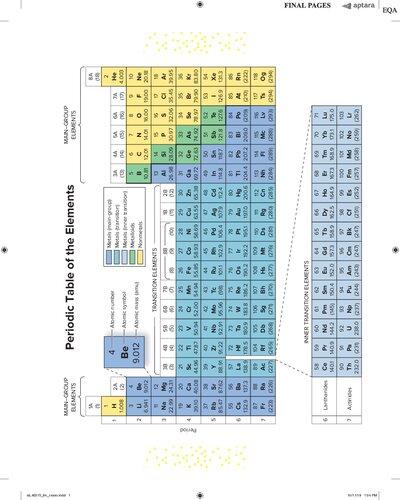
Chemistry The Molecular Nature of Matter and Change 9th Edition Martin Silberberg
https://ebookmass.com/product/chemistry-the-molecular-nature-ofmatter-and-change-9th-edition-martin-silberberg/
ebookmass.com
Pai Rico Pai Pobre: O que Os Ricos Ensinam a Seus Filhos Sobre Dinheiro Robert Toru Kiyosaki
https://ebookmass.com/product/pai-rico-pai-pobre-o-que-os-ricosensinam-a-seus-filhos-sobre-dinheiro-robert-toru-kiyosaki/
ebookmass.com
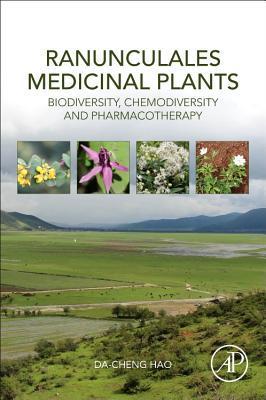
Ranunculales Medicinal Plants: Biodiversity, Chemodiversity and Pharmacotherapy Da-Cheng Hao
https://ebookmass.com/product/ranunculales-medicinal-plantsbiodiversity-chemodiversity-and-pharmacotherapy-da-cheng-hao/
ebookmass.com
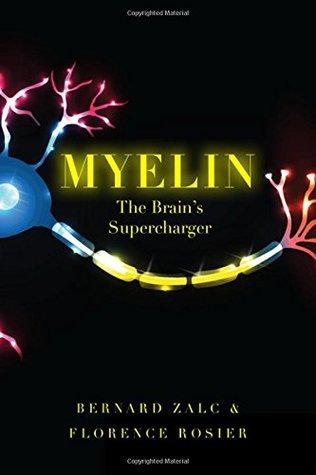
Myelin: The Brain’s Supercharger Bernard Zalc
https://ebookmass.com/product/myelin-the-brains-supercharger-bernardzalc/
ebookmass.com
InstitutionsandOrganizations
PerspectivesonProcessOrganizationStudies
SeriesEditors:AnnLangleyandHaridimosTsoukas
PerspectivesonProcessOrganizationStudies isanannualseries,linkedtotheInternational SymposiumonProcessOrganizationStudies,andisdedicatedtothedevelopmentof anunderstandingoforganizationsandorganizingatlargeasprocessesinthemaking. Thisseriesbringstogethercontributionsfromleadingscholars,whichfocusonseeing dynamicallyevolvingactivities,interactions,andeventsasimportantaspectsof organizedaction,ratherthanstaticstructuresand fixedtemplates.
Volume1:Process,Sensemaking,andOrganizing
Editors:TorHernesandSallyMaitlis
Volume2:ConstructingIdentityinandaroundOrganizations
Editors:MajkenSchultz,SteveMaguire,AnnLangley,andHaridimosTsoukas
Volume3:HowMatterMatters:Objects,Artifacts,andMaterialityin OrganizationStudies
Editors:PaulR.Carlile,DavideNicolini,AnnLangley,andHaridimosTsoukas
Volume4:LanguageandCommunicationatWork:Discourse, Narrativity,andOrganizing
Editors:FrançoisCooren,EeroVaara,AnnLangley,andHaridimosTsoukas
Volume5:TheEmergenceofNoveltyinOrganizations
Editors:RaghuGarud,BarbaraSimpson,AnnLangley,andHaridimosTsoukas
Volume6:OrganizationalRoutines:HowTheyAreCreated, Maintained,andChanged
Editors:JenniferHoward-Grenville,ClausRerup,AnnLangley,andHaridimos Tsoukas
Volume7:SkillfulPerformance:EnactingCapabilities,Knowledge,Competence,andExpertiseinOrganizations
Editors:JörgenSandberg,LindaRouleau,AnnLangley,andHaridimosTsoukas
Volume8:Dualities,Dialectics,andParadoxesinOrganizationalLife
Editors:MosheFarjoun,WendySmith,AnnLangley,andHaridimosTsoukas
Volume9:InstitutionsandOrganizations:AProcessView
Editors:TrishReay,TammarB.Zilber,AnnLangley,andHaridimosTsoukas
InstitutionsandOrganizations
AProcessView
Editedby TrishReay,TammarB.Zilber,AnnLangley, andHaridimosTsoukas
GreatClarendonStreet,Oxford,OX26DP, UnitedKingdom
OxfordUniversityPressisadepartmentoftheUniversityofOxford. ItfurtherstheUniversity’sobjectiveofexcellenceinresearch,scholarship, andeducationbypublishingworldwide.Oxfordisaregisteredtrademarkof OxfordUniversityPressintheUKandincertainothercountries
©OxfordUniversityPress2019
Themoralrightsoftheauthorshavebeenasserted
FirstEditionpublishedin2019
Impression:1
Allrightsreserved.Nopartofthispublicationmaybereproduced,storedin aretrievalsystem,ortransmitted,inanyformorbyanymeans,withoutthe priorpermissioninwritingofOxfordUniversityPress,orasexpresslypermitted bylaw,bylicenceorundertermsagreedwiththeappropriatereprographics rightsorganization.Enquiriesconcerningreproductionoutsidethescopeofthe aboveshouldbesenttotheRightsDepartment,OxfordUniversityPress,atthe addressabove
Youmustnotcirculatethisworkinanyotherform andyoumustimposethissameconditiononanyacquirer
PublishedintheUnitedStatesofAmericabyOxfordUniversityPress 198MadisonAvenue,NewYork,NY10016,UnitedStatesofAmerica BritishLibraryCataloguinginPublicationData
Dataavailable
LibraryofCongressControlNumber:2019930210
ISBN978–0–19–884381–8
Printedandboundby CPIGroup(UK)Ltd,Croydon,CR04YY
LinkstothirdpartywebsitesareprovidedbyOxfordingoodfaithand forinformationonly.Oxforddisclaimsanyresponsibilityforthematerials containedinanythirdpartywebsitereferencedinthiswork.
Contents
ListofFigures vii
ListofTablesandBoxes ix
ListofContributors xi
SeriesEditorialStructure xvii Endorsements xix
1.Introduction:InstitutionsandOrganizations:AProcessView1 TrishReay,TammarB.Zilber,AnnLangley,andHaridimosTsoukas
2.WorkingInstitutions12 StephenR.Barley
3.AProcessualViewonInstitutions:ANotefrom aPhenomenologicalInstitutionalPerspective33 RenateE.Meyer
4.OnDoingInstitutionalAnalysiswithoutInstitutionalTheory42 TimHallett
5.Storiesof(andInsteadof)Process61 FrancescaPolletta
6.Processes,Life,andthePracticePlenum79 TheodoreR.Schatzki
7.BringingProcessintoStructure:CombiningNetworkAnalyses withProcessLensestoExploreField-LevelEvolutionandChanges100 AmalyaL.Oliver
8.TheInterpretationofDesign-BasedCues:AProcessualApproach118 MickiEisenman,MichalFrenkel,andVardaWasserman
9.TheLongWalktoAleppo:InstitutionalMyths,Inhabited Institutions,andIdealsintheRealWorld134 MarkdeRondandTimHallett
10.TheDiscourseofRiskandProcessesofInstitutionalChange: TheCaseofGreenChemistry154
SteveMaguireandCynthiaHardy
11.MakingandRegulatingBusinessJudgment:JudicialPractice, Logics,andOrders174
TerryMcNultyandAbigailStewart
12.SystematicHeterogeneityintheAdaptationProcessof ManagementInnovations:InsightsfromtheItalian PublicSector194
DavideNicolini,AndreaLippi,andPedroMonteiro
13.DataasProcess:FromObjectiveResourcetoContingent Performance227
MatthewJones,AlanF.Blackwell,KarlPrince,SallyanneMeakins, AlexanderSimpson,andAlainVuylsteke
Index 251
ListofFigures
2.1.1986diagram,fromBarley,1986:10813
2.2.Nestedinstitutionsandthematrixofsocialworlds16
2.3.DiagramfromBarleyandTolbert,199722
2.4.Strategiesforinstitutionalwork23
2.5.WorkprocessofpublicaffairsprofessionalsafterKaynak andBarley,forthcoming27
7.1.Field-levelchangesinnetworksovertime anillustration112
9.1.CarryingCMFA flagswhilewalkingthroughSerbia.April2017, ©MarkdeRond135
9.2.Cookingeggsforbreakfast.Serbia,April2017,©MarkdeRond138
9.3.Makingbreakfastafteranightonthebeach.Thessaloniki, Greece,April2017,©MarkdeRond138
9.4.Stillasleepearlyonemorninginahaybarn.Serbia,March2017, ©MarkdeRond140
9.5.DecidingontheCMFA’sgoalsduringthe “summit.” Thessaloniki,April2017,©MarkdeRond142
12.1.Numberofentriesforterm “bestpractice” inFactiva205
12.2.NumberofbestpracticeprojectsinItalyaccordingtooursurvey205
12.3.Amodelofadaptationdynamics218
13.1.Thebecomingofdata233
13.2.Themakingofdata234
ListofTablesandBoxes
Tables
12.1.Datasources202
12.2.Characteristicsofadaptationpatterns210
12.3.Distributionofadaptationpatternsacrosscases210
Boxes
10.1.Changingpractices:theexampleofplastics163
10.2.Changingpractices:theexampleofBisphenolA166
12.1.Exampleofbestpracticeinventory208
12.2.Exampleofbestpracticenetworkingspace209
ListofContributors
StephenR.Barley istheChristianA.FelipeProfessorofTechnologyManagementat theCollegeofEngineeringattheUniversityofCaliforniaSantaBarbara.Heholdsan AB.inEnglishfromtheCollegeofWilliamandMary,anM.Ed.fromOhioState University,andaPh.D.inOrganizationStudiesfromtheMassachusettsInstituteof Technology.HeisalsotheRichardWeilandEmeritusProfessorofManagementScience andEngineeringatStanfordUniversity.Barleyco-foundedandco-directedtheCenter forWork,TechnologyandOrganizationatStanford’sSchoolofEngineeringfrom1994 to2015.Hewaseditorof AdministrativeScienceQuarterly from1993to1997andthe foundingeditorofthe StanfordSocialInnovationReview from2002to2004.
AlanF.Blackwell isProfessorofInterdisciplinaryDesignintheDepartmentofComputerScienceandTechnology,UniversityofCambridge.Afteranearlycareerasan artificialintelligenceengineerworkingmainlyinfactoryautomationandtransport, furtheracademicstudyincomparativereligion,performingartsandpsychologyledto hiscurrentresearchinterestsinthebroadestquestionsoftechnologyinsociety.His groupisdedicatedtoactionresearch,designingnewtechnologiesasexperimental socialinterventions,workinginthe fieldtounderstandcontextsinwhichtheSustainableDevelopmentGoalspresentchallengestoprevailingtechnocraticimaginations. HeisResearchDirectoroftheCambridgeGlobalChallengesinitiative,Co-directorof theCrucibleNetworkforResearchinInterdisciplinaryDesign,aboardmemberof CambridgeEnterprise,andatrusteeoftheCentreforGlobalEquality.
MarkdeRond isProfessorofOrganizationalEthnographyatJudgeBusinessSchool, CambridgeUniversity.Hestudiespeoplebylivingwiththemundersimilarconditions soastounderstandhowtheyexperience,anddevelopmeaningfulrelationsto,the worldaroundthem.Asidefromthepeaceactiviststhatfeatureinhischapter,his fieldworkhasincludedstintswithwarsurgeonsinHelmand(2009–11),aCambridge BoatRacecrew(2006–8)andan “enactiveethnography” ofrowingthelengthofthe AmazonRiver(2013).Hiscurrent fieldworkrevolvesaroundonlinechildsexual exploitationand,specifically,thephenomenonofpedophilehunting.
MickiEisenman isSeniorLecturerintheOrganizationalBehaviorandStrategygroups attheHebrewUniversity’sJerusalemSchoolofBusinessandDirectoroftheAsper CenterforEntrepreneurshipandInnovation.Herworkhasappearedinthe Academy ofManagementReview, AdministrativeScienceQuarterly, JournalofManagementStudies, ResearchintheSociologyofOrganizations, HumanRelations,andthe JournalofDevelopmentalEntrepreneurship .Shewasawarded firstplaceinthe2004INFORMSOrganization ScienceDissertationProposalcompetitionandherworkwasnominatedforthe
AcademyofManagementReview’sBestPaperof2013,AcademyofManagement’s WilliamH.NewmanAwardforOutstandingDissertation-BasedResearch,andthe ManagerialandOrganizationCognitionDivision’sBestStudentPaperaward.Additionally,Dr.Eisenmanisaregularreviewerforleadingmanagementjournalsandserveson theboardofthe AcademyofManagementReview.
MichalFrenkel isAssociateProfessorandChairoftheDepartmentofSociologyand AnthropologyattheHebrewUniversityofJerusalem.Shehaspublishedextensivelyon organizationalaesthetics,center-peripheryrelationsinorganizationstudies,internationalmanagement,gender,ethnicity,race,andreligiosityinandaroundorganizations.Herpapershaveappearedinthe AcademyofManagementReview, Organization Science, OrganizationStudies, Organization,andmanyothers.Shehasbeenavisiting fellowattheHarvardCenterforEuropeanStudies,theHadassah-BrandeisInstitute,and atSmithCollege.Sheservesontheeditorialboardsof OrganizationStudies and SociologicalTheory.
TimHallett isAssociateProfessorintheDepartmentofSociologyatIndianaUniversity.Heismostknownforhiseffortstodevelop “inhabitedinstitutionalism” (American SociologicalReview,2010, TheoryandSociety,2006,withMarcVentresca),andhis researchonsymbolicpower,organizationalculture,andthemicro-politicsofschools (SocialPsychologyQuarterly,2007, SociologicalTheory,2003).Hiscurrentresearchdevelopsaninhabitedinstitutionalapproachtounderstandingprofessionaleducation, basedonatwo-yearethnographicstudyofaMastersofPublicAffairsprogram.
CynthiaHardy isaLaureateProfessorinManagementattheUniversityofMelbourne andProfessoratCardiffBusinessSchool.Herresearchinterestsrevolvearounddiscourse,power,andrisk.Shehaspublishedoversixtyjournalarticlesandtenbooks, includingthe HandbookofOrganizationStudies,whichwontheGeorgeR.TerryBook Award,andthe HandbookofOrganizationalDiscourse,whichwonOutstandingBookat theNationalCommunicationAssociation.Sheisco-founderoftheInternational CentreforResearchinOrganizationalDiscourse,StrategyandChange,andwas recentlyawardedtheTrailblazeroftheYearawardbytheOrganizationandManagementTheorydivisionoftheAcademyofManagement.
MatthewJones isReaderinInformationSystemsattheJudgeBusinessSchool, UniversityofCambridge.Hisworkfocusesontherelationshipbetweeninformation technologyandorganizationalandsocialchange.Themainfocusofhisresearchin recentyearshasbeeninthehealthcaresector,particularlyacutehospitals,buthehas previouslyundertakenstudiesinthepressandbroadcastingmedia,management consultancy,andthephotographicindustry.Hisresearchtendstoinvolveengaged fieldworkinorganizationsandhehaspublishedonmethodologicalandtheoretical issuesinsuchresearch.
AnnLangley isProfessorofManagementatHECMontréal,Canadaandholderofthe chairinstrategicmanagementinpluralisticsettings.Herresearchfocusesonstrategic change,interprofessionalcollaboration,andthepracticeofstrategyincomplexorganizations.In2013,shewasco-guesteditorwithCliveSmallman,HaridimosTsoukas,and AndrewVandeVenofaspecialresearchforumofthe AcademyofManagementJournal onProcessStudiesofChangeinOrganizationsandManagement.Sheisalsoco-editor
ofthejournal StrategicOrganization,andco-editorwithHaridimosTsoukasofthebook series PerspectivesonProcessOrganizationStudies publishedwithOxfordUniversityPress. SheisAdjunctProfessorattheUniversitédeMontréalandUniversityofGothenburg.
AndreaLippi isAssociateProfessorofPoliticalScienceattheDepartmentofPolitical andSocialSciences,UniversityofFlorenceandScientificCoordinatorofPublicPolicy attheNationalSchoolofAdministration(SNA-ItalianCentralGovernment)in Rome.Hisinterestsincludepublicpolicyandpolicyevaluation,publicadministrationreforms,andlocalgovernance.Recentpublicationsinclude “HowPolicyInstrumentsAreChosen:PatternsofDecisionMakers’ Choices” (PolicySciences,2017,with G.Capano)and LocalPublicServicesinTimesofAusterityacrossMediterraneanEurope (2018,editedwithT.Tsekos).
SteveMaguire isProfessorofStrategy,Innovation,andEntrepreneurshipandFellowof MultidisciplinaryInnovationattheUniversityofSydneyBusinessSchool.Hisresearch focusesontechnologicalandinstitutionalchangedrivenbytheemergenceofnovel riskstohumanhealthandtheenvironment.Hehaspublishedoverfortypeer-reviewed articles,chapters,andconferenceproceedings,aswellasfoureditedvolumes.His scholarshiphasearnednumerousawardsanddistinctions,includingthe2014Page PrizeforIntegrationofSustainabilityIssuesintoBusinessCurriculaandthe2010Greif ResearchImpactAward.
TerryMcNulty isProfessorofManagementandCorporateGovernanceattheUniversityofLiverpoolManagementSchool.Hisresearchinterestscoverprocessesofpower, influence,andaccountabilityincorporategovernance.Hisworkaboutboards,directors,andotheractorsinvolvedingovernancehasbeenpublishedbyscholarlyjournals, policymakers,andpractitionerorganizations.
SallyanneMeakins isSeniorClinicalDataManageratRoyalPapworthHospital,PapworthEverard,Cambridge.
RenateE.Meyer isProfessorofOrganizationStudiesatWUViennaUniversityof EconomicsandBusiness.SheisalsoProfessorattheDepartmentofOrganization, CopenhagenBusinessSchoolandCo-DirectoroftheResearchInstituteforUrban ManagementandGovernanceatWUVienna.Herresearchfocusesonmeaningstructuresandshehasrecentlystudiedstructuralformsofinstitutionalpluralism,institutionsasmultimodalaccomplishments,novelorganizationalforms,andpatternsof managementideasmostlyinareasofurbangovernancechallengessuchasopen government,sharingeconomy,orcollaborativegovernance.Renateisasenioreditor of OrganizationStudies
PedroMonteiro iscurrentlyapost-doctoralfellowatEMLYONBusinessSchoolin France.Heisanorganizationalethnographerinterestedinbureaucracyandformal organizationalstructuresandtheirimplicationsforcross-expertisecollaboration,learning,innovation,andknowledgework.Heistheco-founderofthe Talkingabout Organizations podcastwhichbroadcastsideasfrommostlyclassicorganizationalscholarshiptoawideaudience.Hehaspublishedininternationaljournalsandhandbooks. HerecentlyreceivedtheGrigorMcClellandAwardandtheAcademyofManagement’s LouisPondyAwardforhisdoctoralwork.
DavideNicolini isProfessorofOrganizationStudiesatWarwickBusinessSchoolwhere heco-directstheIKONResearchCentreandco-ordinatesthePractice,Processand InstitutionResearchProgramme.InthepasthehasheldpositionsandvisitingappointmentsattheUniversityofOslo,theTavistockInstituteinLondon,ESADEinBarcelona, andtheUniversitiesofTrentoandBergamoinItaly.Hiscurrentresearchfocusesonthe developmentofthepractice-basedapproachanditsapplicationtophenomenasuchas expertise,managerialknowingandattention,collaboration,safety,andtechnological innovationinorganizations.Heisalsointerestedintherefinementandpromotionof processual,relational,andmaterialistresearchmethods.Hehasusedtheseapproaches tostudyhealthcareorganizations,managerialwork,constructionsites,factories,public organizations,cybersecurity,pharmacies,andscienti ficlabs.
AmalyaL.Oliver isFullProfessorinthesociologyofinnovation,networks,and entrepreneurshipattheDepartmentofSociologyattheHebrewUniversityofJerusalem.Hercurrentstudiesfocusonknowledge-intensiveentrepreneurialorganizations andtheirnetworks,innovationingeneral,andinthespecificcontextofsocialentrepreneurship,cityinnovation,ethnicentrepreneurship,andthefactorsthatareassociatedwithinnovationinperipheralregions.Shehaspublishedin OrganizationScience, OrganizationStudies, JournalofManagementInquiry, JournalofManagementStudies, Social StudiesofScience, Minerva,and ResearchPolicy amongothers.Shealsopublishedthree books: NetworksforLearningandKnowledgeCreationinBiotechnology (2009); Fraudand MisconductinResearch:Detection,Investigation,andOrganizationalResponse (2017,with Beh-Yehuda);and SocialLeadersinIsrael (2011,withZilberandDe-shalit).
FrancescaPolletta isProfessorofSociologyattheUniversityofCalifornia,Irvine.She istheauthorof FreedomIsanEndlessMeeting:DemocracyinAmericanSocialMovements (2002), ItWasLikeaFever:StorytellinginProtestandPolitics (2006),andeditor,withJeff GoodwinandJamesM.Jasper,of PassionatePolitics:EmotionsandSocialMovements (2001).Shestudiessocialmovements,cultureinpolitics,andinstitutionalexperiments inradicaldemocracy,andiscompletingamanuscriptonhowimaginedrelationships shapemoralaction.
KarlPrince isDirectorofKnowledgeInnovationatCambridgeDigitalInnovation, CambridgeJudgeBusinessSchoolandHughesHall,UniversityofCambridgewherehis focusisondevelopingresearchondigitalinnovationandadvancingthetranslational impactofsuchresearch.Hisresearchinterestsincludethedynamicsofinnovation, digitalinnovation,andinformationsystemsmorebroadly.Healsoteachesonthese topicsonvariousprograms.HehaspreviouslyheldresearchpositionsatLeedsUniversityBusinessSchool,WarwickBusinessSchool,andCambridgeJudgeBusinessSchool, andhasextensiveindustryexperience,includingintheengineering, finance,and technologyconsultancysectors.
TrishReay isProfessorinStrategicManagementandOrganizationattheUniversity ofAlbertaSchoolofBusinessinEdmonton,Canada.ShealsoholdsaVisitingDistinguishedProfessorappointmentatWarwickBusinessSchool.Shecurrentlyservesas Editor-in-Chiefat OrganizationStudies.Herresearchinterestsincludequalitative researchmethods,organizationalandinstitutionalchange,professions,and
professionalidentity.Shestudiesthesetopicsinthecontextofhealthcareandfamily firms.Publishedarticlesfromtheseresearchstreamsappearinthe AcademyofManagementJournal, OrganizationStudies, JournalofManagementStudies, WorkandOccupations, EntrepreneurshipTheoryandPractice,and FamilyBusinessReview.
TheodoreR.Schatzki isasocialtheoristwhoworksasProfessorofGeographyandof PhilosophyandSociologyattheUniversityofKentucky.Heistheauthorof Social Practices (1996), TheSiteoftheSocial (2002), MartinHeidegger:TheoristofSpace (2007), TheTimespaceofHumanActivity (2010),and SocialChangeinaMaterialWorld (forthcoming),aswellastheco-editorof,amongotherworks, ThePracticeTurninContemporaryTheory (2001)and TheNexusofPractices (2017).Herecentlyconcludedalong stintasadean.
AlexanderSimpson isResearchAssistantattheComputerLaboratory,Universityof Cambridge.
AbigailStewart isLecturerattheUniversityofLiverpoolManagementSchool.Her researchinterestscoverboardsofdirectors,corporategovernance,andtheroleofthe lawinrelationtothese.Shehaspreviouslyworkedasabarrister,solicitor,andasan in-housecounselinanumberoforganizationsinbothAustraliaandtheUK.
HaridimosTsoukas holdstheColumbiaShipManagementChairinStrategicManagementattheDepartmentofBusinessandPublicAdministration,UniversityofCyprusand isDistinguishedResearchEnvironmentProfessorofOrganizationStudiesatWarwick BusinessSchool.Heistheco-founderandco-organizeroftheInternationalSymposium onProcessOrganizationStudieswithAnnLangley.Hisresearchisinformedbyprocess philosophy,phenomenology,andneo-Aristotelianperspectivesonreasonandthesocial. Hisinterestsincludeknowledge-basedperspectivesonorganizationsandmanagement; organizationalbecoming;practicalreasoninmanagementandpolicystudies;andmetatheoreticalissuesinorganizationalandmanagementresearch.
AlainVuylsteke isConsultantIntensivistandClinicalDirectorofClinicalandDiagnosticServicesatRoyalPapworthHospitalandAssociateLecturer,Universityof Cambridge.
VardaWasserman isAssociateProfessorattheOpenUniversityofIsraelintheDepartmentofManagementandEconomics.Sheisanorganizationalsociologistspecializing inorganizationalaesthetics,organizationalcontrolandresistance,embodiment,and genderidentities.Herrecentpublicationsarein OrganizationScience, Organization Studies, GenderandSociety,and Organization.
TammarB.Zilber isAssociateProfessorofOrganizationTheoryattheJerusalem SchoolofBusiness,theHebrewUniversityofJerusalem.Herresearchfocusesonthe dynamicsofmeaningandactionininstitutionalprocesses.Focusingonthemicrofoundationsofinstitutions,andusingqualitativemethods,sheexaminestheroleof discursiveacts(likenarrating)inconstructinginstitutionalrealities;theinstitutional workinvolvedincreatingandmaintaining fields,given fieldmultiplicity;spatialand emotionalmediationsofinstitutionaldynamics;theinterrelationsbetweeninstitutionallogicsandinstitutionalwork;andthetranslationofinstitutionsovertimeand acrosssocialspheres.
SeriesEditorialStructure
Editors-in-Chief
AnnLangley,HECMontréal,Canada,ann.langley@hec.ca
HaridimosTsoukas,UniversityofCyprus,CyprusandUniversityofWarwick,UK, process.symposium@gmail.com
AdvisoryBoard
HamidBouchikhi,ESSECBusinessSchool,France
MichelCallon,CSI-EcoledesMinesdeParis,France
RobertChia,UniversityofStrathclyde,UK
ToddChiles,UniversityofMissouri,USA
FrançoisCooren,UniversitédeMontréal,Canada
BarbaraCzarniawska,UniversityofGothenburg,Sweden
MarthaFeldman,UniversityofCalifornia,Irvine,USA
RaghuGarud,PennsylvaniaStateUniversity,USA
SilviaGherardi,UniversityofTrento,Italy
CynthiaHardy,UniversityofMelbourne,Australia
RobinHolt,UniversityofLiverpool,UK
PaulaJarzabkowski,AstonBusinessSchool,UK
SallyMaitlis,UniversityofBritishColumbia,Canada
WandaOrlikowski,MIT,USA
BrianT.Pentland,MichiganStateUniversity,USA
MarshallScottPoole,UniversityofIllinois,USA
GeorgSchreyögg,FreieUniversitätBerlin,Germany
BarbaraSimpson,UniversityofStrathclyde,UK
KathleenSutcliffe,UniversityofMichigan,USA
AndewVandeVen,UniversityofMinnesota,USA
KarlE.Weick,UniversityofMichigan,USA
EditorialOfficerandProcessOrganizationStudies SymposiumAdministrator
SophiaTzagaraki,process.symposium@gmail.com
Endorsements
“Aswebecomemorewillingtoconvertreifiedentitiesintodifferentiatedstreams,the resultingimagesofprocesshavebecomemoreviableandmoreelusive.Organization becomesorganizing,beingbecomesbecoming,constructionbecomesconstructing. Butasweseeourselvessayingmorewordsthatendin ‘ing,’ whatmustwebethinking? Thatisnotalwaysclear.Butnow,undertheexperiencedguidanceofeditorsLangley andTsoukas,thereisanannualforumthatmovesustowardcontinuityandconsolidationinprocessstudies.Thisbookseriespromisestobeavigorous,thoughtfulforum dedicatedtoimprovementsinthesubstanceandcraftofprocessarticulation.”
KarlE.Weick,RensisLikertDistinguishedUniversityProfessorofOrganizationalBehaviorandPsychology,UniversityofMichigan,USA
“Inrecentyearsprocessandpracticeapproachestoorganizationaltopicshave increasedsignificantly.Theseapproacheshavemadesignificantcontributionsto alreadyexisting fieldsofstudy,suchasstrategy,routines,knowledgemanagement, andtechnologyadoption,andthesecontributionshavebroughtincreasingattention totheapproaches.Yetbecausethecontributionsareembeddedinavarietyofdifferent fieldsofstudy,discussionsaboutthesimilaritiesanddifferencesintheapplicationof theapproaches,theresearchchallengestheypresent,andthepotentialtheyposefor examiningtakenforgrantedontologicalassumptionsarelimited.Thisserieswill provideanopportunityforbringingtogethercontributionsacrossdifferentareasso thatcomparisonscanbemadeandcanalsoprovideaspacefordiscussionsacross fields. ProfessorsLangleyandTsoukasareleadersinthedevelopmentanduseofprocess approaches.Undertheireditorship,theserieswillattracttheworkandattentionofa widearrayofdistinguishedorganizationalscholars.”
MarthaS.Feldman,JohnsonChairforCivicGovernanceandPublicManagement, ProfessorofSocialEcology,PoliticalScience,BusinessandSociology,Universityof California,Irvine,USA
“PerspectivesonProcessOrganizationStudies willbethedefinitiveannualvolumeof theoriesandresearchthatadvanceourunderstandingofprocessquestionsdealing withhowthingsemerge,grow,develop,andterminateovertime.IapplaudProfessors AnnLangleyandHaridimosTsoukasforlaunchingthisimportantbookseries,and encouragecolleaguestosubmittheirprocessresearchandsubscribetoPROS.”
AndrewH.VandeVen,VernonH.HeathProfessorofOrganizationalInnovationand Change,UniversityofMinnesota,USA
“Thenewseries PerspectivesonProcessOrganizationStudies isatimelyandvaluable additiontotheorganizationstudiesliterature.Theascendancyofprocessperspectives inrecentyearshassignifiedanimportantdeparturefromtraditionalperspectiveson organizationsthathavetendedtoprivilegeeitherself-standingeventsordiscrete entities.Incontrast,byemphasizingemergentactivitiesandrecursiverelations,process perspectivestakeseriouslytheongoingproductionoforganizationalrealities.Sucha performativeviewoforganizationsisparticularlysalienttoday,giventheincreasingly complex,dispersed,dynamic,entangled,andmobilenatureofcurrentorganizational phenomena.Suchphenomenaarenoteasilyaccountedforintraditionalapproaches thatarepremisedonstability,separation,andsubstances.Processperspectiveson organizationsthuspromisetoofferpowerfulandcriticalanalyticalinsightsintothe unprecedentedandnovelexperiencesofcontemporaryorganizing.”
WandaJ.Orlikowski,AlfredP.SloanProfessorofInformationTechnologiesand OrganizationStudies,MassachusettsInstituteofTechnology,USA
“Therecentdecadeswitnessedconspicuouschangesinorganizationtheory:aslowbut inexorableshiftfromthefocusonstructurestothefocusonprocesses.Thewhirlwinds oftheglobaleconomymadeitclearthateverything flows,evenifchangeitselfcan becomestable.Whiletheinterestinprocessesoforganizingisnotnew,itisnow acquiringadistinctpresence,asmoreandmorevoicesjoinin.Aforumistherefore neededwheresuchvoicescanspeaktooneanother,andtotheinterestedreaders.The series PerspectivesonProcessOrganizationStudies willprovideanexcellentforumofthat kind,bothforthoseforwhomaprocessualperspectiveisamatterofontology,and thosewhoseeitasanepistemologicalchoice.”
BarbaraCzarniawska,ProfessorofManagementStudies,SchoolofBusiness,Economics andLawattheUniversityofGothenburg,Sweden
“Wearelivinginaneraofunprecedentedchange;onethatischaracterizedbyinstability,volatility,anddramatictransformations.Itisaworldinwhichtheseemingly improbable,theunanticipated,andthedownrightcatastrophicappeartooccurwith alarmingregularity.Suchaworldcallsforanewkindofthinking:thinkingthatissues fromthechaotic, fluxingimmediacyoflivedexperiences;thinkingthatresistsor overflowsourfamiliarcategoriesofthought;andthinkingthatacceptsandembraces messiness,contradictions,andchangeasthe sinequanon ofthehumancondition. Thinkinginthesegenuinelyprocessualtermsmeansthatthestartingpointofour inquiryisnotsomuchaboutthe being ofentitiessuchas ‘organization,’ buttheir constantandperpetual becoming.Iverymuchwelcomethislongoverduescholarly effortatexploringandexaminingthefundamentalissueof process anditsimplications fororganizationstudies.HariTsoukasandAnnLangleyaretobecongratulatedon takingthisveryimportantinitiativeinbringingtheprocessagendaintothesystematic studyofthephenomenonoforganization.Itpromisestobeapath-breakingcontributiontoouranalysisoforganization.”
RobertChia,ProfessorofManagement,UniversityofStrathclyde,UK
“Thisnewseries fitstheneedforagoodannualtextdevotedtoprocessstudies. Organizationtheoryhaslongrequiredavolumespecificallydevotedtoprocessresearch thatcanaddressprocessontology,methodology,researchdesign,andanalysis.While manyauthorscollectlongitudinaldata,therearestillinsufficientmethodologicaltools andtechniquestodealwiththenatureofthatdata.Essentially,thereisstillalackof frameworksandmethodstodealwithgoodprocessualdataortodevelopprocess-based insights.Thisserieswillprovideanimportantresourceforallbranchesoforganization, management,andstrategytheory.Theeditorsoftheseries,ProfessorsAnnLangleyand HariTsoukasareexcellentandverycrediblescholarswithintheprocess field.Theywill attracttopauthorstotheseriesandensurethateachpaperpresentsahighqualityand insightfulresourceforprocessscholars.Iexpectthatthisserieswillbecomeastaplein libraries,PhDstudies,andjournaleditors’ andprocessscholars’ bookshelves.”
PaulaJarzabkowski,ProfessorofStrategicManagement,AstonBusinessSchool,UK
1 Introduction:InstitutionsandOrganizations
AProcessView
TrishReay,TammarB.Zilber,AnnLangley, andHaridimosTsoukas
1.1Introduction
Institutions thetaken-for-grantedstructures,practices,andmeaningsthat definewhatpeopleandorganizationswithintheirjurisdictionthink,do,and aspireto areallaboutprocess,eventhoughthismaynotalwayshavebeen evidentinsomeoftheinstitutionaltheoryliterature(Surachaikulwattanaand Phillips,2017).Institutionscometobethroughaprocessofinstitutionalization(DiMaggioandPowell,1983).Theyare “workinprogress” (DiMaggio, 1988),theunfoldingoutcomeofpeople’sandcollectiveactors’ continual effortstomaintain,modify,ordisturbthem(LawrenceandSuddaby,2006). Institutionallogics(Thorntonetal.,2012)arealsoinmotion holdingvarying degreesofdominancein “constellations” thatchangeovertime(Goodrickand Reay,2011).Andtheconversationsthatconstituteinstitutional fields where muchoftheinstitutionaldramaunfolds areeverunfolding(Hoffman,1999).
Still, “process” asananalyticconceptisquiterarelydiscussedwithin institutionaltheory.Thereisnoentryfor “process” inthe2008SageHandbook ofOrganizationalInstitutionalism(Greenwoodetal.,2008),jumpingfrom “principlesofscientificmanagement” to “professionalservicesandpractices.” Whileawholesectionoftherevisedandupdated2017secondedition(Greenwood etal.,2017)isentitled “InstitutionalProcesses,” thereareonlytwoentries aboutprocess—“processmodels” discussedinachapteroninstitutionaltheory andthenaturalenvironment;and “processstudies” discussedintheintroduction.Clearly,institutionalprocessesarediscussedinmanyofthechaptersin botheditionsofthe “Greenbook.” Whatwe findinterestingisthemissing
discussionofprocessasananalyticconceptwithininstitutionaltheory. Indeed,moststudieswithinneo-institutionalismtakewhatLangley(2009: 410)termed “aweakprocessview,whereemphasisisplacedonthechange anddevelopmentofexistingentities.” Inthisintroduction,ourfocuswillbe onexploringthefruitfulnessofa “‘strong’ processontology” ofinstitutions, “wherethingsareconsideredtobesubordinatedtoandconstitutedbyprocess” (seealsoLangleyandTsoukas,2017:3–4).
Inthisintroduction,wecallforastrongprocessapproachtoinstitutional dynamics,onethathighlightsinstitutionsasemergent,generative,political, andsocial.We firstrelate “weak” and “strong” processviewswiththetwo metaphorscommonlyusedtoexplaininstitutionalization diffusionand translation.Afterreviewingsomeoftherecentdevelopmentswithininstitutionaltheorythatsetthegroundforastrongprocessview,wemoveto exemplifythepotentialofastrongprocessviewforinstitutionaltheory, usingthechaptersinthisbook,basedontheNinthInternationalSymposium onProcessOrganizationStudies.Weendthisintroductionwithsomesuggestionsthatwebelievewillcontributepositivelytotheongoingdevelopmentof institutionaltheorythroughastrongprocessview.
1.2AStrongProcessViewofInstitutions
Inthelingoofinstitutionaltheory,thedifferencebetween “weak” and “strong” processorientationcanbelikenedtothedifferencebetweenthetwomain metaphorsthathavedominatedinstitutionalthinking—“diffusion” versus “translation” (CzarniawskaandJoerges,1996).Whilebothdiffusionandtranslationcapturetheessenceofinstitutionsasongoingprocesses,theyconceive thisprocessinverydifferentways,giventheirdifferentparadigmaticstands. Drawingona “diffusion” metaphor,earlierstudiesconceptualizedinstitutionalizationasthetransmissionofagivenentityfromonearenatoanother. Moststudiesinthistraditionusequantitative,longitudinal,andmacro-level methodologies.Whiletheytellusmuchaboutpatternsofspread,likespeed andratesofdiffusionandtimingofadoption,andtheantecedentsand consequencesofinstitutionalization(seereviewsbyStrangandSoule,1998; BoxenbaumandJonsson,2008),theywerecriticizedforconceptualizing diffusionasabinaryevent(e.g.adoptionversusnon-adoption,Fissetal., 2012:1094),andforassumingthatstructuresandpracticesareadoptedby playerswithina fieldwithoutmodifications, “uncriticallyandintoto” (Fiss etal.,2012:1077).Thus,whileaccountsofdiffusiontakeaprocessview,they arealsooverlysimplifying(Ansarietal.,2010:67)andoffera “contextand scalefree” depictionofprocess(Whitsonetal.,2013:141).
Incontrasttothismainstreaminstitutionalanalysis, “Scandinavianinstitutionalism” (BoxenbaumandJonsson,2008;SahlinandWedlin,2008)departed fromthediffusionmodelaltogether,advancing “translation” asamoreappropriatemetaphorfortheprocessofinstitutionalization(Czarniawskaand Joerges,1996).AdaptedfromLatour(1986),thisperspectiveconceptualizes institutionalizationasaformofsocialaction.Ratherthanassumingthatmaterialandideationalobjectstravelacrossboundariesintact,theargumentisthat theyarecreativelytransformedontheirwayfromsourcetotarget(SahlinAndersson,1996).Accordingly,scholarshaveexaminedtheactiveeffortsof variouspersonsandcollectiveactorstomakesenseofstructures,practices,and ideasastheyareadoptedandadaptedinlocalcontexts(forreviews,seeSahlin andWedlin,2008;Zilber,2008).
Overthepastyears,attentionininstitutionaltheorytothecomplexityand heterogeneityoftheinstitutionalorder(BoxenbaumandJonsson,2008; Greenwoodetal.,2011;Zilber,2011)andtoagency(BattilanaandD’Aunno, 2009;Lawrence,2008;Reayetal.,2013)hasresultedinagrowinginterestin themicro-foundationsofinstitutionsandinstitutionalization(Powelland Colyvas,2008).Suchcontext-sensitive,particularisticapproachesenablea deeperunderstandingofinstitutionaldynamicsaspoliticalandeverchanging,andfacilitatemuchcloserattentiontothewaysorganizationsand institutionsconstructeachothersimultaneously(Zilber,2008).
1.3TheValueAddedofaStrongViewonInstitutions
Severalchaptersinthisbookhighlightthepotentialofsuchastrongprocess viewofinstitutions,particularlyintwodomains.Intellectually,suchaprocess viewhelpsusreconnectwithoriginalformulationsofinstitutionaltheorythat mayhavebeen “lostintranslation” withtheiruse(andmisuse)withinthe bigtentofinstitutionaltheory(Barley,thisvolume;Hallett,thisvolume;Meyer, thisvolume).Astrongprocessviewcanalsohelptorekindleinstitutionaltheorybyborrowingfromothertheories(Eisenmanetal.,thisvolume;Oliver, thisvolume;Polletta,thisvolume;Schatzki,thisvolume).And,itallowsusto challengeandrethinkourunderstandingofcentralconceptswithininstitutionaltheory,suchas “loosecoupling” (deRondandHallett,thisvolume), “institutionalwork” (MaguireandHardy,thisvolume),theworkofinstitutional logicsontheground(McNultyandStewart,thisvolume),andinstitutionalizationbetweendiffusionandtranslation(Nicolinietal.,thisvolume).Finally,it stimulatesustoquestionsomeofthefoundationsofourownacademicinstitutionsbydrawingattentiontotheprocessualnatureofmanyofourtaken-forgrantedcategoriessuchas “data” (Jonesetal.,thisvolume).