https://ebookmass.com/product/the-theology-of-debt-in-latemedieval-english-literature-schuurman/
Instant digital products (PDF, ePub, MOBI) ready for you
Download now and discover formats that fit your needs...
Sincerity in Medieval English Language and Literature 1st ed. Edition Graham Williams
https://ebookmass.com/product/sincerity-in-medieval-english-languageand-literature-1st-ed-edition-graham-williams/
ebookmass.com
The Clash of Legitimacies: The State-Building Process in Late Medieval Lombardy Andrea Gamberini
https://ebookmass.com/product/the-clash-of-legitimacies-the-statebuilding-process-in-late-medieval-lombardy-andrea-gamberini/
ebookmass.com
Justification in Late Medieval Preaching: A Study of John Geiler of Keisersberg Rcds
https://ebookmass.com/product/justification-in-late-medievalpreaching-a-study-of-john-geiler-of-keisersberg-rcds/ ebookmass.com
Garden of the Cursed (Volume 1) Katy Rose Pool
https://ebookmass.com/product/garden-of-the-cursed-volume-1-katy-rosepool/
ebookmass.com
Management Principles for Health Professionals 7th Edition, (Ebook PDF)
https://ebookmass.com/product/management-principles-for-healthprofessionals-7th-edition-ebook-pdf/ ebookmass.com
Cultural Participation: The perpetuation of middle-class privilege in Dublin, Ireland Kerry Mccall Magan
https://ebookmass.com/product/cultural-participation-the-perpetuationof-middle-class-privilege-in-dublin-ireland-kerry-mccall-magan/
ebookmass.com
eTextbook 978-0323088541 Pathophysiology: The Biologic Basis for Disease in Adults and Children (Pathophysiology the Biologic Basis)
https://ebookmass.com/product/etextbook-978-0323088541pathophysiology-the-biologic-basis-for-disease-in-adults-and-childrenpathophysiology-the-biologic-basis/ ebookmass.com
eTextbook 978-0134444284 Cryptography and Network Security: Principles and Practice (7th Edition)
https://ebookmass.com/product/etextbook-978-0134444284-cryptographyand-network-security-principles-and-practice-7th-edition/
ebookmass.com
Policy, Program and Project Evaluation: A Toolkit for Economic Analysis in a Changing World Anwar Shah
https://ebookmass.com/product/policy-program-and-project-evaluation-atoolkit-for-economic-analysis-in-a-changing-world-anwar-shah/ ebookmass.com
Whispered Darkness (The Curse of Hallows Hill Book 2)
Jessica Sorensen [Sorensen
https://ebookmass.com/product/whispered-darkness-the-curse-of-hallowshill-book-2-jessica-sorensen-sorensen/
ebookmass.com
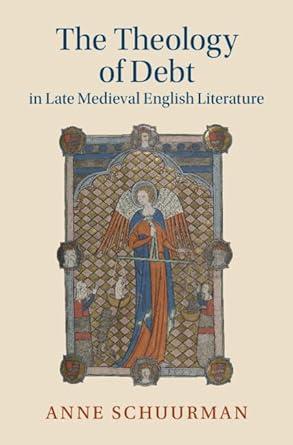
THETHEOLOGYOFDEBTINLATE MEDIEVALENGLISHLITERATURE
Exploringdebt’spermutationsinMiddleEnglishtexts,Anne Schuurmanmakestheboldclaimthatthecapitalistspirithasits rootsinChristianpenitentialtheology.Herargumentchallengesthe longstandingbeliefthatfaithandtheologicaldoctrineintheMiddle Ageswereinimicaltothedevelopmentofmarketeconomies,showingthatthesameideaofdebtisinfactintrinsictoboth.Thedouble penitential–financialmeaningofdebt,andthespiritualparadoxesit creates,isalinchpinofscholasticandvernaculartheology,andof theimaginativeliteratureoflatemedievalEngland.Focusingonthe doublenessofdebt,thisbooktracesthedynamicbywhichthe Christianasceticideal,initsrejectionofmaterialprofitandwealth acquisition,endsupproducingpreciselywhatitcondemns.Thistitle ispartoftheFlipitOpenProgrammeandmayalsobeavailable OpenAccess.CheckourwebsiteCambridgeCorefordetails.
isAssociateProfessorofEnglishattheUniversity ofWesternOntario.Sheistheauthorof ShameandGuiltinChaucer ()andco-editorof AnEpistleofNoblePoetrye ().
FoundingEditor
AlastairMinnis, YaleUniversity
GeneralEditors
MarisaGalvez, StanfordUniversity
DanielWakelin, UniversityofOxford
EditorialBoard
AnthonyBale, Birkbeck,UniversityofLondon
ZygmuntG.Barański, UniversityofCambridge
ChristopherC.Baswell, BarnardCollegeandColumbiaUniversity
MaryCarruthers, NewYorkUniversity
RitaCopeland, UniversityofPennsylvania
RobertaFrank, YaleUniversity
AlastairMinnis, YaleUniversity
JocelynWogan-Browne, FordhamUniversity
Thisseriesofcriticalbooksseekstocoverthewholeareaofliteraturewrittenin themajormedievallanguages – themainEuropeanvernaculars,andmedieval LatinandGreek – duringtheperiodc.
.Itschiefaimistopublishand stimulatefreshscholarshipandcriticismonmedievalliterature,specialemphasis beingplacedonunderstandingmajorworksofpoetry,prose,anddramain relationtothecontemporarycultureandlearningwhichfosteredthem.
Recenttitlesintheseries
JenniferA.Lorden FormsofDevotioninEarlyEnglishPoetry:ThePoeticsofFeeling
HarrietSoper TheLifeCourseinOldEnglishPoetry
TaylorCowdery MatterandMakinginEarlyEnglishPoetry:LiteraryProduction fromChaucertoSidney
OliviaHolmes BoccaccioandExemplaryLiterature:EthicsandMischiefinthe “Decameron”
JosephTaylor WritingtheNorthofEnglandintheMiddleAges
MarkFaulkner ANewLiteraryHistoryoftheLongTwelfthCentury:Languageand LiteraturebetweenOldandMiddleEnglish
MarkChincaandChristopherYoung LiteraryBeginningsintheEuropeanMiddle Ages
AndrewM.Richmond LandscapeinMiddleEnglishRomance:TheMedieval ImaginationandtheNaturalWorld
DavidG.Lummus TheCityofPoetry:ImaginingtheCivicRoleofthePoetin Fourteenth-CenturyItaly
RichardMatthewPollard ImaginingtheMedievalAfterlife
Acompletelistoftitlesintheseriescanbefoundattheendofthevolume.
THETHEOLOGYOFDEBT INLATEMEDIEVAL
ENGLISHLITERATURE
ANNESCHUURMAN
TheUniversityofWesternOntario
ShaftesburyRoad,Cambridge ,UnitedKingdom
OneLibertyPlaza, thFloor,NewYork, ,USA
WilliamstownRoad,PortMelbourne, ,Australia
–, rdFloor,Plot ,SplendorForum,JasolaDistrictCentre,NewDelhi – ,India
PenangRoad,#–/,VisioncrestCommercial,Singapore
CambridgeUniversityPressispartofCambridgeUniversityPress&Assessment, adepartmentoftheUniversityofCambridge.
WesharetheUniversity’smissiontocontributetosocietythroughthepursuitof education,learningandresearchatthehighestinternationallevelsofexcellence.
www.cambridge.org
Informationonthistitle: www.cambridge.org/
©AnneSchuurman
Thispublicationisincopyright.Subjecttostatutoryexceptionandtotheprovisions ofrelevantcollectivelicensingagreements,noreproductionofanypartmaytake placewithoutthewrittenpermissionofCambridgeUniversityPress&Assessment.
Firstpublished AcataloguerecordforthispublicationisavailablefromtheBritishLibrary.
LibraryofCongressCataloging-in-PublicationData
:Schuurman,Anne,author.
:ThetheologyofdebtinlatemedievalEnglishliterature/AnneSchuurman, TheUniversityofWesternOntario. :Cambridge;NewYork,NY:CambridgeUniversityPress, .|Series: Cambridgestudiesinmedievalliterature|Includesbibliographicalreferencesandindex.
(print)|
(ebook)| (hardback)| (paperback)|
(epub) : :Englishliterature–MiddleEnglish, -–Historyandcriticism.| Debtinliterature.|Penanceinliterature.|Theologyinliterature.|Economicsinliterature.| LCGFT:Literarycriticism.
: . (print)|LCCPR.D (ebook)|
LCrecordavailableat https://lccn.loc.gov/
LCebookrecordavailableat https://lccn.loc.gov/
Hardback CambridgeUniversityPress&Assessmenthasnoresponsibilityforthepersistence oraccuracyofURLsforexternalorthird-partyinternetwebsitesreferredtointhis publicationanddoesnotguaranteethatanycontentonsuchwebsitesis,orwill remain,accurateorappropriate.
Contents
Acknowledgements page viii
ListofAbbreviations ix
Introduction:MiddleEnglishDebtandtheSpirit ofCapitalism
CounterfeitMoney:DebtandFormintheMiddle EnglishCharterLyrics
SecretDebts:CreditandFaithintheSpendthrift KnightRomances
HomeEconomics:TheMarriageDebtin TheWifeof Bath’sPrologue and Tale and TheMerchant’sTale
“Whatisynoghtomene”:MeasuringDebtinLangland’ s PiersPlowman
PiersPlowman andtheInappropriable
Epilogue
Notes
Bibliography
Index
Acknowledgements
Mydebtofgratitudehasbeenaccruingformanyyears,butitisonethatIam happytoowe.Theresearchandwritingofthisbookweresupportedbya generousgrantfromtheSocialScienceandHumanitiesResearchCouncil ofCanada.ThelineofinquirythatendedupherebeganattheUniversityof AlbertawhenIwas finishingmydoctoraldissertationonshameandguilt inChaucer’snarrativepoetry,andforthisIamgratefultoStephenR.Reimer; hisinsightfulcommentsandquestions,manyofwhichIhadnoanswersfor atthetime,broughtmetotherightpointofdeparture.Iwouldliketothank AndrewGallowayforchairingafruitfulsessiononeconomicsandMiddle EnglishliteratureattheIMCinLeedsandKaraGastonforinvitingmetospeak attheUniversityofToronto’sPremodernResearchSymposium,where IreceivedkindencouragementandexcellentquestionsabouttheMiddle Englishcharterlyrics.AttheUniversityofWesternOntario,Iamgratefulto mycolleaguesfortheirsupportandhelpfulcommentsonvariousaspectsofthe project,particularlyJaneToswell,RichardMoll,AlisonConway,BryceTraister, KateStanley,MaryHelenMcMurran,andMatthewRowlinson.Warmest thankstoEmilyPezandRebeccaPowerfortheircarefuleyesandmeticulous workincopy-editingthebookandpreparingtheindex.EmilyHockleyand GeorgeLaveratCambridgeUniversityPresswereamiablysupportiveduringthe reviewprocessandhaveguidedthebooktoproductionwithunfailingcompetence.Thebookwasgreatlyimprovedthankstotheastuteandgenerous suggestionsoftwoanonymousreadersforthePress.Iamcontinuallydazzled andhumbledbythelearnednessandintegrityofmyfellowmedievalists.
IwouldliketothankmyfatherHenrySchuurmanforthegeneraland theparticular – forbeingmy firstteacherandforinvaluableconversations aboutdebt,theFranciscans,andthenatureofmoney.ToSofia,Isabel, andAda,Iamdeeplyandaffectionatelythankfulforthegiftofperspective.
Finally,thedebtIowetomywifeZoëSinel,myidealinterlocutor,mymost incisiveandfaithfulreader,istrulymeasureless.Everygoodideatookshape inourconversations.Anyerrorsoroversightsthatremainareminealone.
Abbreviations
AFHArchivumFranciscanumHistoricum
CCSLCorpuschristianorum.Serieslatina
CSELCorpusscriptorumecclesiasticorumlatinorum
EETSEarlyEnglishTextSociety
MEDMiddleEnglishDictionary
OEDOxfordEnglishDictionary
PLPatrologiaecursuscompletus.Serieslatina,generaleditorJ.P. Migne(Paris,
)
Introduction
MiddleEnglishDebtandtheSpiritofCapitalism
Mensalalswayhelderekkenyngessere OfalgudesþatGodhasgefenþamhere, Alsofgudesofkyndeandgudesofgrace Andgudesofhapþatmenpurchace. [...]
Idredemanyinarriragemonfalle Andtilperpetueleprisongang, Forþaidespendedþagudswrang. ForwhiGodhasgyfenherenathyng. Ofwhilkhewillenoghthafrekkenynge. ThePrickofConscience,lines –
Thispassage,fromthepopularmid-fourteenth-centuryNorthumbrian poem ThePrickofConscience,depictsthelastjudgmentasacosmicaudit andChristasanaccountantofsouls,weighingdebitsagainstcreditsand measuringprofits. ThosewhoinvestedwiselythegoodsofGodare blessed,whilethosewhofailedtoturnaprofitorwhofellintodebtare damnedforeternity.Asitinstructsitsreadersonthe “wrechednes” of humannature,thedayofjudgment,thetormentsofhell,andthejoysof heaven,thepoemcontinuallyremindsthemthat “Nasynþanunrekend salbe.” ThisrefrainconjuresanimageofChristianmoralityasaledger,a businessofmathematicalcalculations,butitalsoinstillsaprofound penitentialself-awareness,sinceallsins,nomatterhowsmallorhidden, willbecountedonthedayofreckoning. ThePrickofConscience thus articulateswithstarkandterrifyingclaritytheeconomicformulaethat providetheessentialscaffoldingoflatemedievalpenitentialdoctrine. The poemdrawsonJesus’steachingsintheNewTestament,suchasthe parableofthetalents,which,withitsinjunctiontomakethemostof one ’sGod-givengoods,providesthemostdirectBiblicalsourceofthe passagequotedabove.TheideaofsinasadebtisenshrinedintheLord’ s Prayer,whichasks, “foryyuetovsouredettis,asweforyyuentooure
dettouris”;andtheideathatthesacrificeofChristisapaymentforthis debtofsin,apaymentthatredeemsthesoulsofsinnersconsignedtohell, isdevelopedextensivelyinthewritingsofPaul.
AsIwillshowinthisbook,latemedievalwriters,bothpoetsand theologians,followedBiblicaltraditionandputtheideaofdebtatthe centreoftheirsoteriological,economic,andpoeticvisions.Geoffrey ChaucerandWilliamLanglandweretwosuchfourteenth-century Englishwritersforwhomdebtservedasakeymetaphor,aproductive economictool,andatheologicallinchpin.Bothusecommercialand economiclanguagetodescribethedebtofsinandthemechanismsof the finalreckoning.Langland’smonumentaldream-vision PiersPlowman concludeswiththeLatinphrase “Reddequoddebes” (paywhatyouowe) repeated fivetimesinthe finaltwopassūs.Chaucer’sParson,hisideal representativeoftheclericalestate,definessinasthatwhichdeprivesman ofhisabilityto “paye[...]hisdettetoGod.” FortheParson,thegiftof lifeitselfcreatesadebt,onethatsincompoundsbyexpendingthespiritual creditwemightusetopayforourlives. InMiddleEnglishromance,the knight’sobligationstohisfellowsandhiskingareoftenframedasdebts,so thattheabilitytorepaywhatoneowesfunctionsasacrucialmarkerof individualhonour.Infabliaux,unpaiddebtsare,likewise,asourceof shame,whilethepowerthatacreditorwieldsoverhisdebtorisafrequent sourceofironyandhumiliation.AndintheMiddleEnglishdevotional lyricsknownasthe “ChartersofChrist,” themetaphorofsinasadebtis extendedtoimaginetheredemptionasalegallandtransferandthedutyof charityasarentpaidtoChrist.
ThelanguageofdebtispervasiveinMiddleEnglish,asitisintheBible, andyetintheformidablebodyofscholarshiponthesacramentandhistory ofpenance,thereisnoworktodatethatfocusesspecificallyonthe conceptualizationofsinasadebt. The fieldofeconomichistoryoffers richlydetailedstudiesofdebtandcreditinmedievalEnglishandEuropean economies,butthegrowingnumberofliterarystudiesoneconomic themeshaveyettograpplewiththecentralityofdebtinMiddleEnglish writing. MuchofthisliterarycriticalworkfocusesontheriseofcommercialisminlatemedievalEnglandandseekstounderstandtheattitudes andresponsesofMiddleEnglishwriterstomercantilismand monetization,butscholarshaveyettoconsidertheimportanceofdebt inthesecontexts,ortheremarkablefactthat,forlatemedievalwriters,the penitentialandthe financialmeaningsofdebtwereinextricable.
Onthecontrary,debtistypicallyassumedtofunctionmerelyasa metaphorinMiddleEnglishliterature,asawell-worn figureofspeech
thatdoesnottellusanythingnewaboutthenatureofsinintheological terms,orabouttherealitiesofdebt,credit,andexchangeineconomic terms.CriticalreadingsofLangland’sinsistencethatsalvationdependson payingone’sdebts,forexample,orofChaucer’sdefinitionofsinasadebt toGod,tendtotakeforgrantedaone-waymetaphoricalrelationbetween thespiritualtenorandtheeconomicvehicle.Christ’sbloodisnotaliteral paymentbuta figurativeone.Inadebtofsinoneowescontritionbutnot money.DerekPearsall,forinstance,notingthat “commercialmetaphors arethestock-in-tradeofbothbiblicalparablesandFranciscanexempla,” warnsagainstgivingtoomuchweight “totheliteralsignificanceofpoetic metaphor.” Andyet,MiddleEnglishwritersconsistentlydeploydebt languageinawaythatexposestheslipperinessofvehicleandtenorin economicmetaphors.AsIwillshow,muchoffourteenth-centuryspiritual vocabularyiseconomicpreciselybecauseeconomicsareaspiritual business,justas,in ThePrickofConscience,mattersofthesoulare inherentlyeconomic.
Theallegoricalslipperinessofdebtmaybeunderstoodbyanalogywith thedoctrineoftheIncarnation,insofarastheembodimentofthedivinein humanformservedasa figureoflinguistic figurationinmedievaltheories ofsignification.Inhiswell-knownformulationofthis figuration, Augustinewrites,
Whenwespeak,thewordwhichweholdinourmindbecomesasoundin orderthatwhatwehaveinourmindmaypassthroughtheearsof fleshinto thelistener’smind:thisiscalledspeech.Ourthought,however,isnot convertedintothesamesound,butremainsintactinitsownhome, sufferingnodiminutionfromitschangeasittakesontheformofaword inordertomakeitswayintotheears.InthesamewaythewordofGod sufferednochangealthoughitbecame fleshinordertoliveinus.
AsMarkD.Jordanputsit,forAugustine,itisnotonlythatthewordsof theBible “conveytheWord,itisthattheyare like theWord.” God representsHimself,makesHimselfaccessibletohumankind,inthe figure andformofChrist,justaslanguagerepresentsthingsinsignssotheymay beapprehendedbythehumanmind.Andyet,atthesametime,the Incarnationisalsoanevent,arealthinginitself;accordingtothepatristic theologianTertullian, “thevirginconceivedinthewomb,not figuratively [non figurate];andshebroughtforthEmmanuel,GodJesuswithus,not metaphorically[nonoblique].” AsCristinaMariaCervoneobserves,for medievaltheologians, “Logosissubstantive,notlinguistic.”
Bothsignifierandsignified,andmetaphorofmetaphor,theIncarnation generatesdizzyingparadoxes.Similarlydestabilizingandcapacious,debt
or,inLatin, debitum,isbothametaphorandathinginitselfinmedieval Christiantheology.Asametaphorforsin,itcontrastswithorcomplementsotherBiblicalimages,suchasburden,stain,orpollutant,usingthe economicconditionofowingorbeinginarrearstoillustratethecondition ofguiltorlack.Asathinginitself,adebtissimplysomethingowedto another,anobligationordutyassuch,andnotnecessarilyonethatcanbe quantifiedmonetarily.Inthisway,initssemanticrelationtosin,debtisa Janus-word,atoncetheobligation and thebreakingoftheobligation, simultaneouslydenotingandallegorizing.AnditissonotonlyinEnglish andinLatinbutinmostIndo-Europeanlanguages:forexample,inGreek, opheilō designatesthestateofbeinga financialdebtoraswellashavinga duty,whileinGerman, Schuld meansbothmoralguiltand financialdebt. Inthislight,thereseemslittledangerofpushingtoofar “theliteral significanceofpoeticmetaphor.” Indeed,tracingtheworkingsandsignificanceofdebtinlatemedievalliteraturerequiresthatweextendtheliteral significanceofpoeticmetaphorasfarasitwillgo,andbeyond,evenas MiddleEnglishwritersdissolvedstableboundariesbetweenspiritualallegoryandeconomicrealityintheirrepresentationsofdebt.
When,inhisfragmentaryessay “CapitalismasReligion,” Walter Benjamininvitedusto “considerthedemonicambiguity” ofthe Germanword Schuld,hewasreflectingontheword’sdoublereligious andeconomicmeaning. Recentscholarshipsuggeststhatdebtisdefined bydoublenessinotherways,too.Scholarsanalyzingtheworkingsofthe new “debtage” orthe “contemporarycultureofdebt” oftenfocusondebt asatoolofpoliticaloppressionandadriverofunjustandunsustainable economicgrowth. Butaprominentthreadweavingthroughthiscritique ofdebtistheideathatdebthasbecomethecentralfactandproblemof twenty-first-centurysocial,political,andeconomiclife,notonlybecauseof theinjusticeanddespairitinflictsbutalsobecauseoftheconsolationand enjoymentitoffers.Ontheleveloftheindividual,inaneconomiccontext ofwagestagnation,jobinsecurity,andrisingcostsofliving,indebtedness –borrowingtopayfortheessentialsoflife,aswellasforprestigeorluxury consumergoods – is,often,theonlyavenueofparticipationintheglobal capitalisteconomy;inthiscontext,debtappearstobetheonlypathto human flourishing. Thefactthattheliberatorypotentialofdebtis usuallyshort-livedorevenillusory,andoftenservesinfacttocompound theburdenofdebt,hasprovennodeterrenttoever-greateramountsof borrowing.Onthecorporatelevel,thelevelofthestateandthe financial industry,theseoperationswritlargemakepossiblemyriadformsofprofit andproduction.Entirefederalbudgetshavebecomesinglelinesin
SeparateSpheres?
sovereigndebtssolargetheyseemtoexistonlyinarealmofpure abstraction;newmoneyitself,increasingly,iscreatedthroughdebt.The productivecapacityofdebtis,inessence,a “powertoturnideasinto realitiesthroughinvestingandpurchasing,creatingtheeconomicworld –apowerthatMarxdidnothesitatetocalldivine.”
SeparateSpheres?
Theallegoricalslippageinherentindebtiscounter-intuitivebecauseweare accustomedtothinkingofthedomainsofreligionandeconomicsas utterlyandideallyseparate,andweowethisnotionofseparatenessinno smallparttomedievaltextsandtheologiansthemselves.Inotherwords, debtistypicallyreadasmeremetaphorpreciselybecausemedievalwriters sooftencondemnedthematerializationofspiritualthingsasatypeof corruption.Evenasheinscribesaneconomyofsalvationthatvalorizes labour,venture,andwagepayment,Langland’ssharpandfrequentattacks ondishonestmerchants,bribe-takers,simoniacs,andespeciallyonfriars whocarryouttheirspiritualofficesinserviceofcrasslymaterialistmotives, seemtoevincearejectionoftheburgeoningprofiteconomy “inthe interestsofwhathecalls ‘truth’– thatvalueofanidealfeudalsociety whichencompassesbothjusticeandfeudalloyalty.” Langland’ sprotest, moreover,alignsatmanypointswiththeChurch’ sown “historicalresistancetothemoneyeconomy” andwiththeologians’ andpreachers’ condemnationofmerchantsandprofit-motivatedactivity.Indeed,thelate medievalsuspicionofmoney,markets,andcommercialismseems,at first blush,tobeunanimousandubiquitous,anditisbuttressedbyalong historyofChristianexhortationstootherworldliness.Gratian’ s Decretum statesthat “amerchantisseldom,ornever,abletopleaseGod.” St. Franciscomparesmoneytoexcrement; PeterDamianrecountsavision inwhichapieceofsilvergiventohimbyanabbotcauseshisintestinesto swarmwithvermin TheChurch’ sofficialprohibitionofusuryinvoked theunnaturalnessofgeneratingmoney,notfromlabourorproduction, butfrommoneyitself,andthewrongfulnessofsellingtime. Jesusmay haveusedeconomicmetaphors,buthealsooverturnedthetablesofthe moneychangersinthetempleandinstructedhisdisciplestogiveupallof theirmaterialpossessionsinordertofollowhim.Thecurrentsof asceticismand contemptusmundi rundeepintheBiblicaltraditionand inmedievalChristianthought.
Incriticalreadingsoflatemedievaltexts,theperceptionofaninherent tensionbetweentheologyandeconomicsproducesaninterpretive
paradigmrootedinadichotomyofspiritandmatter,androotedalsoinan imperativetoclearlydistinguish “temporalþing” from “goostlyþing.” Insuchreadings,theproblemwithLangland’scorruptfriarsandtheireasy penanceisnotonlythattheypursuepersonalgainwhentheyshouldbe shepherdingsoulsbutalsothattheyreifyspiritualtruthsandelevategross matteraboveinnerfeeling.Likewise,theproblemwith ThePrickof Conscience’scalculatingChrististhathumanactions,bothgoodandsinful, arereducedtotalliesonaledgerwithnoregardtocontextoreven, possibly,intention.LeePattersonarguesthatthemostimportantaspect oflatemedievalEnglishreformistthinkingis “itsinsistenceonthepriority oftheinnertotheouter,ofthemeaningtotheform,ofthespirittothe letter,ineveryaspectofreligiouslife.” Similarly,DavidAerscontends thattheearlycapitalistethos,withitsemphasisonindividualismandthe productionandconsumptionofmaterialgoods,wasalientoLangland’ s “neo-Franciscan” valuesofpoverty,penitence,andcommunity AccordingtoPearsall,Langland’ s “socialidealsalwaysremainthoseof agrarianandmanorialculture,revealingthepoet’sinabilitytoapproveof mercantilisminanyformbeyonda ‘primitiveformofbarteror exchange.’” AndJohnA.YunckcharacterizesLangland’ssatireasan “instinctivelyconservative” outcry “againstaworlddominatedbymoney ormeed[...][Langland’s]isthevoiceoftheCommonChristianMan cryingintheeconomicwilderness.” Thesecriticalperspectivesarebased implicitlyontheassumptionthatinnerspiritandoutermattercanand shouldbeconceptualizedasdistinct,andthatconfusionbetweenthetwo categoriesinmedievaltextsmustbeaneffectofsatireorcomplaint,or,if theconfusionisuncriticalandunironic,asinthecaseof Conscience, ofa crudeandharshpenitentialdoctrine.ModernreceptionofChaucer’santiclericalsatire,too,hasdependeduponaclearconceptualdivisionbetween matterandspirit,economicsandreligion.InChaucer’ s TheFriar’sTale and TheSummoner’sTale,theclericalabuseofpenitenceconsistsof extortingmoneyandmaterialgoodsfromsinnersinplaceofspiritual payment;in TheSummoner’sTale,extortionplaysoutinpassive-aggressive terms,inthefriar’spastoraleffortstoconvinceThomasthathe ought to givetothefriary,sothattheirprayerswillpaythedebtthatheowesforhis bodilyhealthandhiseternalsoul.ThepunchlinesofChaucer’sjokesseem todependonthebeliefthatameasuring,quantifyingtheologyisa perversionof “ true ” spirituality.JohnV.Fleminghasarguedthat “thereal thrustofthecomedyis[its]exposureofliteralism.” AsGlendingOlson putsit,forChaucer, “Godisbeyondrationalcalculation.” Aswith Langland’sattacksonthefriars,theproblemwithChaucer’sclergyisthat
SeparateSpheres?
theyattempttoquantifytheunquantifiable,andtheyconfusethe “letter” forthe “spirit” fortheirownselfishends.
Thisinterpretiveparadigmreliesimplicitlyonadisciplinarydivision betweeneconomicsandtheology,orbetween fieldsofinquirybasedon quantificationandmeasurementandthosebasedonspeculationand hermeneutics.Builtintothisdivisionisthepreeminenceoftheeconomic overthetheological,insofarasthecausalitymovesinonedirection: economicforcesshape(orpervert)theologicalideas.Aclearexampleof thiseconomicpreeminencecanbefoundinJoelKaye’sexcellentand influentialbook, EconomyandNatureintheFourteenthCentury.Kaye arguesthattheincreaseduseofmoneyinEuropeaneconomiesinthe thirteenthcenturyimportedintootherspheresofknowledgeapropensity forcalculationandquantification.Heexplainsthe “measurementfrenzy” ofthenaturalphilosophersassociatedwithMertonCollegeinthefourteenthcentury,theso-calledOxfordCalculators,as,inpart,aresultof monetization. Theimplicationhereisthatsuchquantitativepreoccupationshadnotbeenatheologicalactivitypriortotherapidexpansionofthe marketeconomy.DescribingthemovementofideasfromOxfordtoParis, Kayewrites, bythesecondquarterofthefourteenthcentury,mastersattheUniversityof ParisbegantoadopttheintellectualinterestsandmethodsoftheEnglish Calculators.Astheydidso,thepassiontomeasureandquantify[...] quickly invaded everyrealmofscholasticthought,includingtheology. Soonnotonlyentitiesthathadneverbeenmeasuredbefore,butalsothose thathaveneverbeenmeasuredsince,weresubjectedtoakindofquantitativeanalysis[...]suchasthestrengthofChristiancharity,[...]orthe meansbywhichthequalityofgraceincreasesinthesoul
KayeemphasizesthevitalcontributionsoftheseOxfordscholarsto modernscienceandmathematics,andyettheupshotofhiscausalaccount isthattheattempttomeasuretheologicalentitieswasaninterimstepon thewaytocastingoff theologyaltogether,ameanstotheendofliberating quantitativemethodsfromtheologicalaimsthatwouldallowscienceand mathematicstoprogressunfettered.
Iproposetocallthisinterpretiveparadigmthe separatespheres paradigm, insofarasitconceivesofeconomicsandtheologyasconstitutiveoftwo ideallyseparatemodes.Inthisparadigm,theshiftfromfeudalismto capitalismisashiftfromthetraditionalbondsofhierarchyandcommunalism(theological,non-rational,medieval)toindividualismandcompetitiveacquisition(economic,calculatingrationality,modern);feudalism correspondstothe “religious” mode,andcapitalismtothe “rational”
mode.LesterK.Littlelocatesthedivisioninthemid-eleventhcentury, arguingthatadvancesincommerce,industry,andbanking “markedthe emergenceofawhollydifferentattitude,onethatcalculatedvaluestosee whetheranyparticularactivityortransactionwouldbeprofitable.”
InLittle’saccount,the “ neweconomy ” renderedmanyaspectsof Christianmoralityobsoleteandsetordinarypeopleadriftinthefaceof “acuteproblemsinvolvingimpersonalism,money,andmoraluncertainty.” LittlearguesthattheChurch’smoralteachinghadtocatchup toneweconomicrealities,andthatitwastheFranciscanandDominican orderswho,paradoxically,intheiradherencetovoluntarypoverty,succeededinformulating “anewmoraltheology” inwhichmercantileactivitieswerepermissibleandevenlaudatory. Little’sthesisisimportantand fruitfulinmanyways,butthepointIwishtoemphasizeisthathe,too, considerstheologytobereactiveto,notgenerativeof,economicchange. TheparadigmofseparatespheresisimplicitinLittle’sanalysisbecausehe explainsthecomparativesuccessoftheFranciscansandDominicansasa resultoftheir “rationality” inconfrontingtheprofiteconomy, “insharp contrasttothepuzzlementandconfusionofthosewhosoughtuniquely religioussolutions.” ForLittle,themendicantorderssucceededinadaptingtheirspiritualideasandpracticetotheneweconomyonlybymaking thoseideasandpracticeslessspiritual,strictlyspeaking,andmorerational, moreinlinewiththecalculatingethosoftheage.
TheideathatthereligiousfaithandtheologicaldoctrineoftheMiddle Ageswereessentiallyinimicaltothedevelopmentofmarketeconomies wasgivenitsmostfamousarticulationbytheGermansociologistMax Weber.InWeber’sprofoundlyinfluentialthesis,moderncapitalism emergedinProtestantsocietieswiththedemiseoftheRomanCatholic Church’sauthority,resultinginthesecularizationoflabourandthe liberationfromreligiouscensureoftradeandwealthaccumulation. WebersingledoutCalvinisminparticularasthedenominationwiththe closest “inneraffinity” withcapitalistcommerce “Here,” writesWeber ofCalvinistpiety, “isthemostfertilegroundforthegrowthofthat attitudetoworkasanendinitself,asa ‘calling, ’ thatcapitalism demands.” Bycontrast,accordingtoWeber,the “traditionalist” medievalattitudetowardworkseesitasameanstotheendofmeetingone’ s basicneeds,whileeveninfourteenth-centuryFlorence, “thecenterofthe ‘capitalist’ worldatthattime,” money,trade,andmarketswereseenas “morallydubious.”
ApplyingWeber’sthesistotheEnglishcontext,ChristopherHillargued thatonlyfollowingtheReformationwas “thesordidsinofavarice
SeparateSpheres?
transmutedintothereligiousandpatrioticdutyofthrift.” Richard Tawneylikewiseemphasizedtheincommensurabilityofmedievaltheology andmoderneconomy,contendingthattheReformationinEngland “broke” the “theologicalmouldwhichshapedpoliticaltheoryfromthe MiddleAges.” Freedfromthemoralrestraintsimposedoneconomic behaviourbytheCatholicChurch,andcalledforthbyrevolutionsin agriculture,commerce,andurbanization,inTawney’ saccount homoeconomicus emergessometimeinthesixteenthorseventeenthcentury,using means–endrationalitytopursuegoalsdictatedbyself-interest.Thisrational,self-interestedindividualisthebasicunitofmodernity,andregardshis medievalancestorasabeingwhollyalien.Overthecourseofthetwentieth century,thisessentialview,thatmedievaleconomicgrowthwasstifledby religiousstricturesandsocialdisapproval,wasrefinedandrestatedin variousformsbyeconomichistorians.
Arguably,theseparatespheresapproach,particularlyinitsWeberian form,isoutofstepwithmorerecentworkinmedievaleconomichistory, workthathasincreasinglyclarifiedourpictureofthesophisticationand complexityofthelatemedievalEnglisheconomy. Thereisnodoubtthat theentireWesternChristianworldunderwentprofoundandradical changesineconomicandsocialorganizationfromthe firstfeudalage (roughly –)tothelatemedievalperiod(–).Thislatter periodwascharacterizedaboveallbyacommercialrevolutionthatdid indeedtransformEnglandwiththeemergenceofmorehighlyorganized markets,includingcreditmarkets;anincreaseinthevalueandvolumeof coinageincirculation;urbanexpansionandtheriseofnewtowns;the proliferationofnon-agriculturaloccupations;andamarket-orientedpeasantry. But,asstudiesbyBolton,Britnell,Davis,Nightingale,Wood,and othershaveshown,thesechangesemergedfarearlierthanwaspreviously thought – farearlier,thatis,thantheProtestantReformation – developed graduallyandunevenly,and,farfromsupplantingfeudalism,weretypicallysupportedbyfeudalstructuresandvalues.Consequently,thegeneral movementineconomichistoryinrecentdecadeshasbeeninthedirection ofdismantlingornuancingthedichotomiesthatstructuredearlier accountsofthetransitionfromfeudalismtocapitalism.Viewsoftheearly MiddleAgesasnon-commercialorasgovernedbya “natural” economy havebeendiscountedascaricatures,ashaveviewsofanopposition betweenaninnovativeurbaneconomyandastubbornruralfeudalism. Historiansnowrecognizetheinterdependenceofruralandurbaneconomies,aswellasthecentralroleplayedbymarketsandtrade,bothwhen urbanpopulationsburgeonedfromtheeleventhtothethirteenthcenturies
andinthedemographiccollapsethatfollowedtheBlackDeath.Money andcreditwerewidespreadinruralareas,andthereismuchevidencethat peopleatalllevelsofsociety,includingthepeasantry,hada firmunderstandingofmarketmechanismsmuchearlierthanwaspreviouslyrecognized. Atthesametime,townswereembeddedinfeudalhierarchies boththroughtheirgoverningstructuresandthroughlocaltradingnetworks. Increasingly,anynotionofasharpdistinction,letalonea rupture,betweenanagrarianMiddleAgesandaproto-capitalistearly modernityisdifficulttomaintain.Rather,feudalstructures,monetization, andvariousformsofmercantilismco-existedforcenturies,wellbeforeand beyondthefourteenthcentury,defyingclearperiodization.Inwhatfollows,Idrawonthisworkineconomichistory,particularlyinsofarasit supportsarejectionofperiodization,tocontextualizemyreadingsof MiddleEnglishliteratureandtheologicaltexts.AsIaimtoshow,the persistenceofperiodization – thewaysinwhichitprovidesthevery structuralfoundationsofliteraryhistory – hasobscuredtherelevanceof medievaltheologyforunderstandingtheemergenceofcapitalistforms, ideas,andbehaviours.Oncewebegintoreadoutsidethetheoretical structureofperiodization,well-knowntextsthathavelongbeenthought tolamenttheriseofthemarketorthelossoffeudalbondsofloyalty,orto critiquethecommodificationofhumanvaluesandrelationships,become legibleandmeaningfulinnewandoftensurprisingways.
Weberdoesnothaveaprominentplaceinmedievalstudiesinanydirect way:literaryhistoriansoftheMiddleAgesrarely,ifever,citehiswork. Andyet,hispremisethatmedievaltheologyisfundamentallyatoddswith theforcesofmonetizationandmercantilismremainsdefinitiveanddeterminativeinliterarystudies.AsKathleenDavishasshown,thedivision between “areligiousMiddleAges” and “asecularmodernity” isremarkably persistent,survivingaveritableonslaughtofcritiquesof “teleologicaland stage-orientedhistories,” andcontinuingtoshapestudiesofthepoliticsof time. Notonlydoesthisdivisioninformreadingsofanti-fraternaland anti-clericalsatireinLanglandandChaucer;itcanalsobediscernedinthe factthattheologicalideasandreligiouspracticesareroutinelyhivedoff as irrelevantinscholarshipontheriseofthemarketeconomyinlatemedieval literature.Theeditorsofarecentcollectionofessayson Money,Commerce, andEconomicsinLateMedievalEnglishLiterature,forinstance,acknowledgethattraditionalperiodization,whichmarkstheperiodof – asthetransitionfromfeudalismtocapitalism,is “oversimplified”;andthey note,too,thatcurrentmedievalcriticismisincreasinglyawareofthe “sophisticationofmedievaleconomicthought.” Butthefourkeyfactors
SeparateSpheres?
theyidentifyaseconomicallysalientareclimatic,demographic,political, andcommercial,whilethescholasticsThomasAquinas,JeanBuridan, ThomasofChobham,AlbertusMagnus,andPeterJohnOliviarecredited merelywithseekingto “reconcile,atvaryinglevelsofspecificity,the practicesofmerchantsandtraderswithmedievalChristianprinciples.” Again,medievaltheologycanonlybeatoddswithorreactiveto,not generativeof,economicreality.
Thepassagesquotedabovefrom ThePrickofConscience, TheParson’ s Tale,and PiersPlowman,inkeepingwiththepictureofacomplexand mercantileMiddleAges,suggestthatinlatemedievalculture,theological andeconomicmodesandobjectsofinquirywerenotaseasilydistinguishedasmoderndisciplinaryboundarieswouldhavethem.Kayeidentifiesmonetizationasawell-definedseriesofmaterialchanges,changes thatpromptedinturnakindofmisplacedrationalizationinthe fieldof theologicalspeculation.Butmedievalthinkersdidnot,themselves,considertheologyandeconomicstobeseparate fieldsofthought;onthe contrary,asDianaWoodpointsout, “themedievalworldwasnotoneof econometricsandglobalmarkets,butoneof ‘theologicaleconomy.’”
Ideasaboutmaterialgoodsandresources – ideasaboutacquisition,consumption,supply,anddistribution,aswellasthemechanismsandprinciplesatworkintheprocessofmonetization – allsuchideasdidnot “invade” theologybutwereaspects of theology.Theologicalspeculation providedtheintellectualsoiloutofwhichthepassiontomeasureand quantifygrew.TheOxfordCalculatorsweretheologians firstandforemost,theproductsofmedievalscholasticism,forwhomthemeasuringof spiritualquantawasneitherimpossiblenorabsurd,andforwhomthe managementofmaterialresourcesforthecommongoodwasamoraltask thatusedpracticalandmathematicaltoolstoachievespiritualends. And yet,thelatemedievalchorusofcomplaintandanxietyaboutmoneyand merchantshasmadethelongstandingassociationofProtestantismand capitalismhardtoshake,seemingtolendsupporttotheseparatespheres paradigminspiteoftheeconomicevidencethatbeliesit.Thischorus raisesimportantquestionsabouttherelationshipbetweentheologicalideas andeconomicrealities.DidtheteachingsoftheChurchagainst mercantilismandacquisitionfallondeafears?Dotheyreflecttheinsularityandhypocrisyofacloisteredreligiouselite?IsthelongstandingperceptionofmedievalCatholicotherworldlinesssimplyamatterof confusionbetweenprescriptiveanddescriptivetextualevidence?
Theargumentofthisbookisthatanswerstothesequestionsmaybe foundinthelatemedievalideaofdebt,asthatideaisworkedoutnotonly
inscholastictheologybutalsoinvernaculartheology,intheimaginative literatureoflatemedievalEngland.Inthisidea,Iargue,wecanseethe dynamicbywhichtheChristianasceticideal,initsrejectionofmaterial profitandwealthacquisition,endsupproducingpreciselywhatitcondemns.Onthesurface,itseemsthatEngland’sbustlingtextileindustryor theweeklyprofitsofafourteenth-centuryLondonalewifehavelittletodo, conceptuallyandpractically,withscholastictheoriesofsinandatonement, orwithpenitentialinstructiononthevicesandtheirremedies.Andyet,the sameconceptofdebtisintrinsictoboth.Regularbullionshortages throughoutthelatemedievalperiodmeantthatthecurrencyoftenused incommercialtransactionswasmoneyofaccount:thesystemofpounds, shillings,andpencegivenprominenceinthelateeighthcenturyby Charlemagne.Accountmoneyworksessentiallyasasystemofcontinually circulatingIOUs;itis,inotherwords,asystemofdebtandcredit.Thisis thesameperiodinwhichthenatureofsinasaspiritualdebttoGodis expoundedcountlesstimesinpenitentialmanualsandhandbooks,homileticliterature,andpoetryforthepurposesofeducatingthelaityonthe matterofwhattheyoweandhowtheymightpayit,whetherinalmsgiving orotheractsofpenance.Spiritualandmaterialquantawerenoteasily distinguished,asdebatesoverpardonsandindulgencesandthedoctrineof transubstantiationattest.Thedoublepenitential–financialmeaningofdebt, andthemoralparadoxesitcreates,wascertainlynotlostonChaucer,whose sharppsychologicalexplorationsofclericalcorruptionminetheironies bornofthelatemedievalChurch’ssacramentalmaterialism.Norwasit lostonLangland,whosevisionoftheidealsocialordertransformsthedebt ofsinintoaneconomicvirtueandasourceofprofit.
Thereislittleevidencethattheeconomicchangesthatbeganinthe eleventhortwelfthcenturyinfactinvolvedalossofcommunalbondsora newfoundcapacityforrationalcalculation.Iftheshiftfromfeudalismto capitalismcannotbechartedinthisway,andiftheemergenceofeffective marketingsystemsandamoneyeconomywerenotnovelupheavalsofthe earlymodernperiodbuthadinfactbeenunderwayinvariousstagesfor centuries,thenwemustre-thinktheassumptionthatmedievaltheology wasinimicaltoeconomicgrowthandtothedevelopmentofthestructures andmindsetsthatmadecapitalismpossible.Inthechaptersthatfollow, Ireadkeyliterarytextsofthelatefourteenthcenturyasworksofeconomic theology,tracingthewaysinwhichthesetextsinscribedebtasaproductive,evenatransformative,economicrelationpreciselythrough,notin spiteof,theirexpressionofpenitentialthemes.Suchafocusonimaginative,theological,anddevotionaltextsinsiststhattheeconomicisnot
separatefromthesocialandthemoral;rather,inthelatemedievalworld, economyisbornoutofapenitentialethosthatisbothdescribedand prescribedintheliteratureoftheperiod.Atthesametime,thisfocus showsata finegrainhowpoetryandtheologydonotsimplyreactto economicchangeswithlament,nostalgia,orcritique;theyalsoserveto shapeeconomicvalues.
EconomicTheologyandtheSpiritofCapitalism: WeberRevisited
Thedistinctionbetween “themodern” and “thetraditional” isfoundationalandalmostabsoluteinWeber’svastcorpus,anditisthisdistinction thateffectivelyrulesoutmedievaltheologyandliteratureassourcesof insightorevidenceinWeber’ssociologyofeconomics.Thisfactseems,on itsface,tomakeWeberirrelevantinturnforastudyoflatemedieval economictheology.AttheheartofWeber’sanalysisin TheProtestantEthic andtheSpiritofCapitalism,however,isthecrucialperceptionthatcapitalismasaneconomicsystemisgroundedonandanimatedbya “spirit,” or Geist,whichliesoutsideandpriortoanyparticulareconomicdevice, practice,orstructure.Thisspiritwemaydefineas “anembodiedmoral sensibility,whichprecedesactionororganisationandamountstoacollectivepsycho-moraldisposition.” Thesecondcrucialperceptionthatwe cantakefromWeberisthatthespiritofcapitalismworksdiachronicallyto turnasceticismintounbridledconsumptionandgratification,calculation intoplay,andmeans–endrationalityintotheirrationalpursuitofprofitfor profit ’ssake.WebermakesthissecondpointexplicitlywhenhedistinguishestheaimsofCalvinistreformersfromtheconsequencesoftheir purelyreligiousmotives: “Andweshallthereforehavetobepreparedfor theculturaleffectsoftheReformationtobeinlargemeasure – perhaps even,fromourparticularpointofview,predominantly – unforeseenand indeed unwishedfor consequencesoftheworkoftheReformers,oftenfar removedfrom,oreveninvirtualoppositionto,everythingthatthey themselveshadinmind.” Weberclarifiedandstrengthenedthispoint insubsequentresponsestocritiquesofhiswork,critiquesinwhichthe otherworldlypietyofCalvinistreformerswasheldupasevidencethattheir worldviewandtheirdoctrinecouldhavenothingtodowiththeworldly excessesofmoderncapitalism. Indeed,theprimaryaimof TheProtestant Ethic,aswellasmuchofWeber’swritingsonrationalizationandsecularization,wastoworkoutprecisely how theChristianasceticidealendsup producingpreciselywhatitcondemns.
Tothisend,Weberidentifiesatypeofself-governing, “inner-worldly” asceticastheagentofcapitalism.Intheopeningpagesof TheProtestant Ethic, Weberproposesagenealogyofthistype:
Today’scapitalism,then,whichhascometodominanceineconomiclife, createsandtrains,bymeansof “economic selection” theeconomicsubjects –entrepreneursandworkers – thatitneeds.[...]Inorderthatthiskindof conductoflifeandattitudetoone’ s “profession,” adaptedasitistothe peculiarrequirementsofcapitalism,couldbe “selected” andemergevictoriousoverothers,itobviouslyhad firsttocomeintobeing,andnotjustin individuals,butasanattitudeheldincommonbygroupsofpeople.The originofthisattitudeisthereforewhatneedstobeexplained
InWeber’sunderstandingofcapitalismasaformofsubjectivization,a processofcreatingandtrainingtheeconomicsubjectsitrequires,the “spirit” ofcapitalismisatoncean “attitude” (Einstellung)andan “ethic” constitutedbythepursuitofprofitasanenditself.Crucially,forWeber, thisethicis not aninstrumentalistethic.Thepursuitofprofitheidentifies asthedominantfeatureoftheCalvinistethicis “socompletelydevoidof alleudaemonistic,letalonehedonist,motives,somuchpurelythoughtof asanend initself thatitappearsassomethingwhollytranscendentand irrational,beyondthe ‘happiness’ orthe ‘benefit ’ ofthe individual. ” Inits irrationalelementandaim,thespiritofcapitalismtransformspracticesof themethodicalconductoflifeintoatranscendentend-in-itself.
Notsurprisingly,therefore,Webercontendsthattherationalasceticism ofmedievalmonasticism,particularlythatoftheBenedictines,Cluniacs, andCistercians, “wasalsothedecisivepracticalidealofPuritanism.” Bothaimedatreleasing “manfromthepowerofirrationalimpulsesand fromdependencyontheworldandnature,tosubjecthimtothesupremacyofthepurposefulwill,andtosubordinatehisactionstohisown continualcontrolandtotheconsiderationoftheirethicalconsequences. ” MonasticismservesasaspiritualprecursortoCalvinist Puritanism,asamodelofamethodicalconductoflifethatnevertheless remainedcloisteredfromtheworldandtheeconomicorder,whereas Puritanismimportedsuchconductintosecularlife. Weberheredraws acleardistinctionbetweentheidealsofmonasticismandthoseof “ordinarymedievalman,” whoselifewascharacterizedby “anunsystematic seriesofindividualactionsthathecarriedouttomakeupforparticular sinsorasadvisedbythepriest,or,towardtheendofhislife,asakindof insurancepolicy.” ForWeber,therationalizingmentality,the “ systematisationoftheethicalconductoflife” thatwastobecomethespiritual impetusofcapitalism,remainedhermeticallysealed,asitwere,withinthe
monasterywallsuntiltheruptureoftheReformationsetitlooseuponthe worldatlarge. Thushecitestheseventeenth-centuryEnglishwriterJohn BunyanastheoneresponsibleforenshriningtheimageofGodasa bookkeeper:inBunyan’sdepictionofthesalvationeconomy,Weber notes, “Anyonewhogoesintotheredmayjustbeabletopayoff the accumulatedinterestwiththeproceedsofhisownmerits,butwillneverbe abletopayoff theprincipal.”
Infact,thisimageofGodandtheconcomitantunderstandingofsinasa debtthatcannotbefullydischargedis firstelaboratedanddisseminated en masse inthelatemedieval floweringofvernacularliteratureinEnglandand inEurope.This,Iargue,istheculturalsitewherethesystematizationof theethicalconductoflifeisimaginedforthe firsttimenotonlyasa possibilityforallpeoplebutasarequirement.TheimageofGodasa bookkeeperisenshrinedandtaughtto “ordinary” peoplenotforthe first timebyBunyanbutinsuchtextsas ThePrickofConscience,inFranciscan preachingmanuals,penitentialhandbooks,formsofconfession,andabove all,invernacularpoetry.WeberpinpointstheReformation,andPuritan theologyinparticular,becauseofwhatheperceivedasitstendencyto transform,inthewordsofArjunAppadurai, “salvationaluncertaintyinto capitalistmethodicality.” ItispreciselythelossoftheChurch’spenitentialapparatusthatleads,inthisaccount,totheProtestant’slonelysearch forsignsofhiselectioninthetangibleprofitsofworldlysuccess.My challengetoWeber,then,isnotonlyachallengeonthegroundsof periodization;Iamnotarguingsimplythatthehistoricaltimelineofthe “spiritofcapitalism” mustbeextendedbackwardintimetoinclude medievalasceticism,althoughthisispartofit.Moreimportantistheidea thatmedievalpenitentialtheologyworkstoengenderandpromotethe spiritofcapitalism,notbysowingsalvationaluncertaintybutbymarking thesinner,thatis,theindividual,asadebtor.
ThisbookreconsidersandrevisesWeber’sspiritofcapitalisminorder tounderstandandtheorizelatemedievaldebt.Indoingso,itmakesuseof recentworkinculturaltheory,philosophy,andanthropologythathas identifiedWeber’ssociologyofeconomicsasanecessaryandvitalresource forunderstandingthecontemporaryglobalizedeconomyandthedebt crisesthatcharacterizeit.Inhisanalysisoftheroleoflanguageinthe marketplace,AppaduraiengagesWeberontheroleofuncertaintyand calculationtoarguethatthefailureoftheUS financialsystemin
was “primarilyafailureoflanguage,” focusingonthecentral roleplayedbyderivatives,writtencontractswhosevalueisbasedonan agreed-uponunderlying financialasset,inthecontemporaryeconomy.