https://ebookmass.com/product/the-political-economy-of-foodsystem-transformation-pathways-to-progress-in-a-polarizedworld-resnick/
Instant digital products (PDF, ePub, MOBI) ready for you
Download now and discover formats that fit your needs...
The Political Economy of Geoeconomics: Europe in a Changing World Milan Babi■
https://ebookmass.com/product/the-political-economy-of-geoeconomicseurope-in-a-changing-world-milan-babic/
ebookmass.com
The Political Economy of Agricultural and Food Policies Johan Swinnen
https://ebookmass.com/product/the-political-economy-of-agriculturaland-food-policies-johan-swinnen/
ebookmass.com
The Political Economy of Sanctions: Resilience and Transformation in Russia and Iran Ksenia Kirkham
https://ebookmass.com/product/the-political-economy-of-sanctionsresilience-and-transformation-in-russia-and-iran-ksenia-kirkham/
ebookmass.com
Hacking Darwin Jamie Metzl
https://ebookmass.com/product/hacking-darwin-jamie-metzl-2/
ebookmass.com
https://ebookmass.com/product/ox-the-ahole-club-series-saffire/
ebookmass.com
Vocabulary in Curriculum Planning: Needs, Strategies and Tools 1st ed. Edition Marina Dodigovic
https://ebookmass.com/product/vocabulary-in-curriculum-planning-needsstrategies-and-tools-1st-ed-edition-marina-dodigovic/
ebookmass.com
Finding God in All Things: Celebrating Bernard Lonergan, John Courtney Murray, and Karl Rahner Mark Bosco (Editor)
https://ebookmass.com/product/finding-god-in-all-things-celebratingbernard-lonergan-john-courtney-murray-and-karl-rahner-mark-boscoeditor/
ebookmass.com
Since You: A Novel Sarah Hill
https://ebookmass.com/product/since-you-a-novel-sarah-hill/
ebookmass.com
Stop. Think. Invest.: A Behavioral Finance Framework for Optimizing Investment Portfolios Michael Bailey
https://ebookmass.com/product/stop-think-invest-a-behavioral-financeframework-for-optimizing-investment-portfolios-michael-bailey/
ebookmass.com
Hands-On Python for DevOps: Leverage Python's native libraries to streamline your workflow and save time with automation Roy
https://ebookmass.com/product/hands-on-python-for-devops-leveragepythons-native-libraries-to-streamline-your-workflow-and-save-timewith-automation-roy/
ebookmass.com
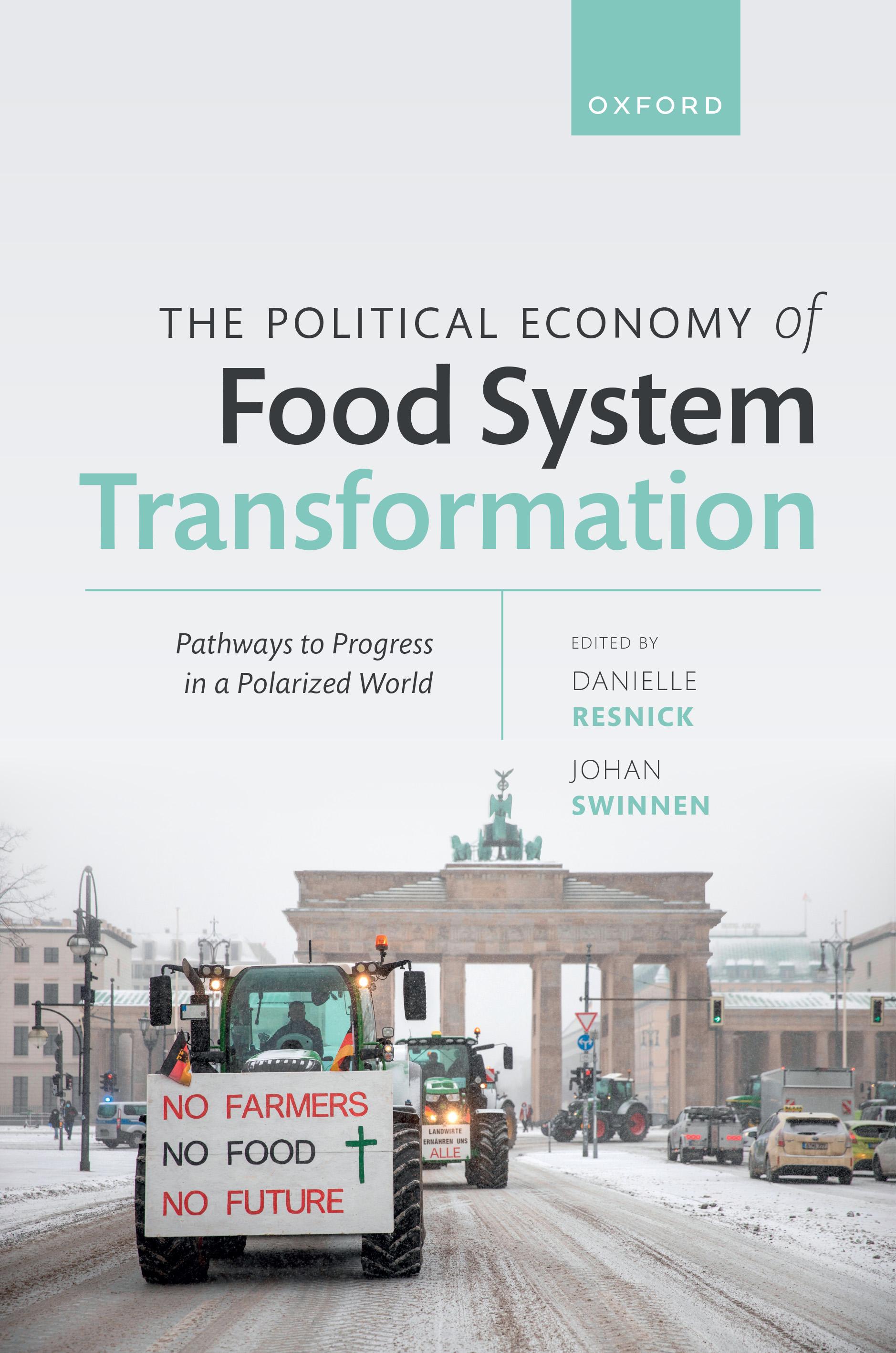
ThePoliticalEconomyofFoodSystem Transformation
ThePoliticalEconomyof FoodSystem Transformation
PathwaystoProgressinaPolarizedWorld
Editedby DANIELLERESNICK AND JOHANSWINNEN
GreatClarendonStreet,Oxford,OX26DP, UnitedKingdom
OxfordUniversityPressisadepartmentoftheUniversityofOxford. ItfurtherstheUniversity’sobjectiveofexcellenceinresearch,scholarship, andeducationbypublishingworldwide.Oxfordisaregisteredtrademarkof OxfordUniversityPressintheUKandincertainothercountries
©InternationalFoodPolicyResearchInstitute2023
Themoralrightsoftheauthorshavebeenasserted Somerightsreserved.Nopartofthispublicationmaybereproduced,storedinaretrieval system,ortransmitted,inanyformorbyanymeans,forcommercialpurposes,withoutthe priorpermissioninwritingofOxfordUniversityPress,orasexpresslypermittedbylaw,by licenceorundertermsagreedwiththeappropriatereprographicsrightsorganization
Thisisanopenaccesspublication,availableonlineanddistributedunderthetermsofaCreativeCommons Attribution-NonCommercial4.0Internationallicence(CCBY-NC4.0),acopyofwhichisavailableat https://creativecommons.org/licenses/by-nc/4.0/
Enquiriesconcerningreproductionoutsidethescopeofthislicence shouldbesenttotheRightsDepartment,OxfordUniversityPress,attheaddressabove
PublishedintheUnitedStatesofAmericabyOxfordUniversityPress 198MadisonAvenue,NewYork,NY10016,UnitedStatesofAmerica Dataavailable
LibraryofCongressControlNumber:2023943204
ISBN9780198882121
DOI:10.1093/oso/9780198882121.001.0001
Printedandboundby CPIGroup(UK)Ltd,Croydon,CR04YY
LinkstothirdpartywebsitesareprovidedbyOxfordingoodfaithand forinformationonly.Oxforddisclaimsanyresponsibilityforthematerials containedinanythirdpartywebsitereferencedinthiswork.
Anyopinionsstatedinthebookarethoseofthe author(s)andarenotnecessarilyrepresentative oforendorsedbyIFPRI.
2.Facts,Interests,andValues:IdentifyingPointsof
4.4ContributionsofVariousPolicyInstrumentstoNational ProducerandConsumerSupportEstimates
5.PolicyCoalitionsinFoodSystemsTransformation
JohanSwinnenandDanielleResnick
5.1Introduction
5.2PolicyCoalitionsandEffectivenessofCollectiveAction
5.3VerticalPolicyCoalitionsAlongtheValueChains
5.4Cross-IssueCoalitions
6.GovernmentResponsetoUltra-ProcessedandSugar BeveragesIndustriesinDevelopingNations:TheNeedto BuildCoalitionsacrossPolicySectors
EduardoJ.Gómez
6.1Introduction
6.2ThePoliticsofPolicyoftheFoodSector:MultipleStreams
6.3ContrastingGlobalAttentionandSupportforNCDPolicies
7.Ultra-ProcessedFoodEnvironments:AligningPolicy BeliefsfromtheState,Market,andCivilSociety
JonathanMockshellandTheaNielsenRitter
8.AsymmetricPowerinGlobalFoodSystemAdvocacy
JodyHarris 8.1ContrastingFoodPolicyObjectives
9.ThePoliticalEconomyofBundlingSocio-Technical InnovationstoTransformAgri-FoodSystems
ChristopherB.Barrett
9.1TheImperativeandChallengeofAgri-FoodSystemsTransformation
9.2WhySocio-TechnicalBundles?
9.3BuildingCoalitionsforBundling:Insightsfromthe Kaldor-HicksCompensationPrinciple
9.4TheRolesofInstitutions,Power,Information,andTrust
9.5SomeEmpiricalIllustrations
10.SustainableFoodandFarming:WhenPublicPerceptions DepartfromScience
RobertPaarlberg 10.1ThePoliticalEconomyofScienceAcceptanceinFarming
11.EnablingPositiveTippingPointsinPublicSupportfor FoodSystemTransformation:TheCaseofMeatConsumption
LukasPaulFesenfeldandYixianSun
12.UrbanFoodSystemsGovernanceinAfrica:Towarda RealisticModelforTransformation
GarethHaysomandJaneBattersby 12.1Introduction
12.3FoodGovernanceinAfricanCities
MisalignmentinGlobalProcesses
13.ThePoliticalEconomyofFoodSystemTransformationin theEuropeanUnion
AlanMatthews,JeroenCandel,NeldeMûelenaere,and PaulineScheelbeek
DanielleResnickandJohanSwinnen
ListofFigures
1.1.Politicaleconomyconsiderationsforfoodsystemreforms 11
2.1.Prioritizationofenvironmentversuseconomicgrowthwithinandacross countries 41
3.1.Agriculturalproducersupportbymaintypesofsupport,2019–2021 (billionsofUS$peryear) 55
3.2.Agriculturalproducersupportbymaincountriesandcountrygroupings, 2019–2021(billionsofUS$peryear) 56
3.3.Globalimplicationsofrepurposingdomesticsupport(%changerelativeto baselineprojectionsfor2040) 59
3.4.Identifyingpoliticaleconomyinfluencesonpolicyoptions 61
3.5.China’ssupporttoagriculture,1981–2017 68
4.1.Nominalratesofborderprotectionandofoverallassistancetoagriculture (greysolidandblackdottedlines)andagriculturalconsumertaxequivalent (greydashedline),OECDCountries,1955–2020(%) 91
4.2.ComponentsharesofPSEinJapan,EU,USA,andallOECD,1986/88, 2001/03and2018/20(%) 93
4.3.Relativerateofassistancetoagriculturevsnon-agriculture,high-income countriesanddevelopingcountries,1955–2018(%,five-yearaverages) 95
8.1.TimelineofZambianfoodandnutritionpolicysinceindependence 192
8.2.Changingnationalnutritionpolicyfocusovertime 193
8.3.AdvocacycoalitionsinZambia’sfoodpolicysubsystem 194
8.4.Mechanismsandpowerofpolicytransferthroughadvocacycoalitions 197
11.1.Aframeworkofframing,designandfeedbackforfoodsystemtransformation 264
11.2.Willingnesstopaymore(in%)byaddingataxtoreducemeatconsumption 270
11.3.Averagepolicysupporttoreducemeatconsumptionandpromotedifferent typesofmeatalternativesinChina,Germany,andtheUnitedStates 271
11.4.Effectsofpolicydesignandframingattributesonrespondents’support rating(China) 272
11.5.Effectsofpolicydesignandframingattributesonrespondents’support rating(Germany) 273
11.6.Differenceinmarginalmeansbetweenthecontrolandframingconditions fordifferenttaxlevelsonmeat(Germany) 274
11.7.Effectsofpolicydesignandframingattributesonrespondents’support rating(UnitedStates) 275
11.8.Differenceinmarginalmeansbetweenthecontrolandframingconditions fordifferenttaxlevelsonmeat(US) 276
11.9.MoststringentpolicypackageproposalsinChina,Germany,andUS receivingclearpublicsupport(i.e.,aratingof5orhigherona7-pointscale) 277
12.1.Stylizedviewofurbanfoodgovernancethroughactivatingandauthorizing environments 302
14.1.Theaccountabilitycycle 340
14.2.Examplesofdatapresentedinhigh-levelreports(top)andonline dashboards(bottom) 342
14.3.FrameworkfortheGlobalFoodSystemsCountdownto2030Initiative 348
ListofTables
2.1.Threesourcesofdisagreementandpotentialpolicyapproaches
4.1.Agriculturalnominalratesofassistancebycountry,1986/88,2001/03, 2017/19,and2020(%,weightedaverageusingvalueofproductionwithout assistanceasweights) 92
4.2.Componentsharesofagriculture’sPSE,bycountry,2019(%) 94
4.3.Elasticitiesofrealincomesoffarmersandindustrialcapitaliststochangesin thepricesoftheirproductsinapooragrarianeconomyandarichindustrial
4.4.SubsidiesandimporttariffsintheupdatedGTAPDataBase,primary agriculture,processedfoods,andnon-agrifoodgoods,2017(%)
4.5.SimulatedchangesinrealGDPfromtheeliminationofdomesticsubsidies, importtariffsandexportsubsidiesonallagriculturalandfoodproducts,2017 (US$millionand%) 99
4.6.DistributionofchangesinrealGDPfromregionalandglobaleliminationof domesticsubsidies,importtariffsandexportsubsidiesonagriculturaland foodproducts,2001and2017(%) 99
4.7.Sharesofdomesticsubsidies,importtariffsandexportsubsidiesinthe regionalandglobalGDPeffectsoffullliberalizationofagriculturalandfood policies,2001and2017(%) 100
4.8.Changesinrealoutputofselectedfoodsfromtheeliminationofdomestic subsidies,importtariffsandexportsubsidiesonallagriculturalandfood products,2017(%) 100
7.1.Interviewedstakeholdersforin-depthinterviews 162
7.2.Participantsinthediscoursecoalitions(identifiedbyclusteranalysis)(N=22) 164
7.3.Foodenvironmentpolicybeliefsidentifiedbyfactoranalysis 165
8.1.Studydesignframework 185
11.1.Overviewofpolicydesignattributesintheconjointexperiment
13.1.GreenDealfoodsystemobjectives
Preface
Thecurrentstructureoftheglobalfoodsystemincreasinglyisrecognizedas unsustainable.Inadditiontotheenvironmentalimpactsofagriculturalproduction,unequalpatternsoffoodaccessandavailabilityarecontributingto non-communicablediseasesinmiddle-andhigh-incomecountriesandinadequatecaloricintakeanddietarydiversityamongtheworld’spoorest.Tothisend, therehavebeenagrowingnumberofacademicandpolicyinitiativesaimedat advancingfoodsystemtransformation,includingthe2021UNFoodSystems Summit,theSustainableDevelopmentGoals(SDGs),andseveralUNClimate conferences.Yet,thepolicypathwaysforachievingatransformedfoodsystemare highlycontested,andtheenablingconditionsforimplementationfrequentlyare absent.Furthermore,abroadrangeofpolarizingfactorsaffectdecisionsoverthe foodsystematdomesticandinternationallevels—fromdebatesovervaluesand (mis)information,toconcernsoverfoodself-sufficiency,corporateinfluence,and humanrights.
Thiseditedvolumeexplicitlyanalyzesthepoliticaleconomydynamicsoffood systemtransformationwithcontributorswhospanseveraldisciplines,including economics,ecology,geography,nutrition,politicalscience,andpublicpolicy.The chapterscollectivelyaddresstherangeofinterests,institutions,andpowerinthe foodsystem,thediversityofcoalitionsthatformaroundfoodpolicyissuesand thetacticstheyemploy,thewaysinwhichpoliciescanbedesignedandsequenced toovercomeoppositiontoreform,andprocessesofpolicyadaptationandlearning.Drawingonoriginalsurveys,interviews,empiricalmodeling,andcasestudies fromaroundtheworld,thebooktouchesonissuesaswiderangingasrepurposingagriculturalsubsidies,agriculturaltrade,biotechnologyinnovations,redmeat consumption,sugar-sweetenedbeveragetaxes,andmuchmore.
Acknowledgments
ThisbookwouldnothavebeenpossiblewithoutfundingfromtheCGIAR’s researchprogramofPolicies,Institutions,andMarkets(PIM),whichwasledby theInternationalFoodPolicyResearchInstitute(IFPRI)from2012to2021.SpecialthanksinparticulartothePIMDirector,FrankPlace,forsupportingand encouragingthework.WealsoacknowledgetheDavidM.RubensteinfellowshipoftheBrookingsInstitution,whichpartiallysupportedthetimeofoneofthe editors(D.Resnick)toworkonthisvolume.
WearealsogratefulforthefeedbackfromanonymousreviewersatOxford UniversityPressandfromIFPRI’sPeerReviewCommittee,whichcollectively strengthenedthevolume’skeymessages.WethankGillianHollerichatIFPRIfor herexcellenteditorialassistanceaswellasMichaelGoatIFPRIandAdamSwallowatOUPforbelievingintheconceptofthebook.VictoriaSunteratOUPhelped shepherdthebookthroughthepublicationprocess,andtheteamatIntegraprovidedinvaluablecopyeditingservices.Whererelevant,individualchapterauthors alsoacknowledgeattheoutsetoftheirchaptersspecificfundersandcolleagues whohelpedstrengthentheircontributionstothisvolume.
Somepartsofafewchaptershaveappearedindifferentformatsinalternative publications.ForChapter 2,wethanktheOrganizationforEconomicCooperationandDevelopment(OECD)forallowingthereproductionofanalytical materialthatoriginallyappearedintheirpublication, MakingBetterPoliciesfor FoodSystems(2021).ForChapter3,wethankIFPRIforallowingthereproduction ofsomematerialthatappearedinIFPRI’s2022GlobalFoodPolicyReport:Climate ChangeandFoodSystems. WearegratefultoOUPforallowingthere-production ofFigures8.2and8.3inChapter8,whichoriginallyappearedinHealthPolicyand Planning (“AdvocacyCoalitionsandtheTransferofNutritionPolicytoZambia”). AdditionalpermissionswereprovidedforreproducingTable11.1inChapter 11, whichfirstappearedin NatureFood (“PolicyPackagingCanMakeFoodSystem TransformationFeasible”),andFigure11.9,whichtheauthorsoriginallyproduced forthe2021 MeatAtlas, publishedbytheHeinrichBo¨llStiftung,Friendsofthe EarthEurope,andBundfu¨rUmweltandNaturschutzunderaCreativeCommons (CCBY4.0)license.InChapter 14,severalfigureswerereproducedfromopen accessresources.TheseincludeFigure14.1fromtheAccountabilityPact(2021), aswellasthedifferentpanelsinFigure14.2fromtheFoodandAgriculturalOrganization(StateofFoodandAgricultureReport2021),DevelopmentInitiatives
xivACKNOWLEDGMENTS
(GlobalNutritionReport2020),GAINandJohnsHopkinsUniversity(FoodSystemsDashboard2020),andtheInstituteforHealthMetricsandEvaluationatthe UniversityofWashington(GBDcompare2021).
ListofContributors
KymAnderson istheGeorgeGollinProfessorEmeritusintheSchoolofEconomicsand PublicPolicyattheUniversityofAdelaide,Australia,anHonoraryProfessorintheArndtCordenDepartmentofEconomicsattheAustralianNationalUniversityinCanberra,and aResearchFellowintheCenterforEconomicPolicyResearch(CEPR).
ChristopherB.Barrett istheStephenB.andJaniceG.AshleyProfessorofAppliedEconomicsandManagementandInternationalProfessorofAgricultureattheCharlesH. DysonSchoolofAppliedEconomicsandManagement,andaProfessorintheJebE.Brooks SchoolofPublicPolicy,allatCornellUniversity,USA.
JaneBattersby isanurbangeographerbasedintheDepartmentofEnvironmentaland GeographicalScienceattheUniversityofCapeTown,SouthAfrica.
JeroenCandel isanAssociateProfessorofPublicAdministrationandPolicyatWageningen University,theNetherlands.
KoenDeconinck isanEconomistattheOrganizationforEconomicCo-operationand Development(OECD)inParis,France.
NeldeMûelenaere isanAssistantProfessorofHistoryatSocialandCulturalFoodStudies (FOST)attheVrijeUniversiteitBrussel,Belgium.
JessicaFanzo istheProfessorofClimateandFood,theDirectoroftheFoodforHumanity Initiative,andtheDirectoroftheInternationalResearchInstituteforClimateandSociety atColumbiaUniversity’sClimateSchool,NewYork,USA.
LukasPaulFesenfeld isanenvironmentalgovernanceandpoliticaleconomyresearcher attheOeschgerCentreforClimateChangeResearchandPolicyAnalysisandEnvironmentalGovernancegroupattheUniversityofBern,aswellasalectureratETHZurich, Switzerland.
EduardoJ.Gómez isaProfessorandDirectoroftheInstituteforHealthPolicyandPolitics atLehighUniversity,Pennsylvania,USA.
JodyHarris isseniorfoodsystemsresearcherattheWorldVegetableCenterinThailand, andanAssociateResearchFellowattheInstituteofDevelopmentStudiesintheUK.
GarethHaysom isaResearcherattheAfricanCentreforCitiesattheUniversityofCape Town,SouthAfrica.
WillMartin isaSeniorResearchFellowintheMarkets,Trade,andInstitutionsDivisionof theInternationalFoodPolicyResearchInstitute(IFPRI),Washington,DC,USA.
AlanMatthews isProfessorEmeritusofEuropeanAgriculturalPolicyintheDepartment ofEconomicsatTrinityCollege,Dublin,Ireland.
JonathanMockshell isaResearchScientist–AgriculturalEconomistattheInternational CenterforTropicalAgriculture(CIAT),Cali,Colombia.
StellaNordhagen isaSeniorTechnicalSpecialistattheGlobalAllianceforImproved Nutrition(GAIN),Geneva,Switzerland.
RobertPaarlberg isanEmeritusProfessorofPoliticalScienceatWellesleyCollege,an AssociateintheSustainabilityScienceProgramattheHarvardKennedySchool,andan AssociateatHarvard’sWeatherheadCenter,USA.
DanielleResnick isaDavidRubensteinFellowattheBrookingsInstitutionintheGlobal EconomyandDevelopmentProgramandaNon-ResidentFellowwiththeInternational FoodPolicyResearchInstitute(IFPRI),Washington,DC,USA.
TheaNielsenRitter isanAgriculturalEconomistConsultantattheInternationalCenter forTropicalAgriculture(CIAT),Cali,Colombia.
PaulineScheelbeek isanAssociateProfessorinNutritionalandEnvironmentalEpidemiologyattheLondonSchoolofHygieneandTropicalMedicine,UK.
AnnaStrutt isaProfessorofEconomicsattheUniversityofWaikato,NewZealand.
YixianSun isanAssistantProfessorinInternationalDevelopmentattheUniversityofBath, UK.
JohanSwinnen isDirectorGeneraloftheInternationalFoodPolicyResearchInstitute (IFPRI),andGlobalDirectoroftheSystemsTransformationScienceGroupatCGIAR, Washington,DC,USA.
RobVos istheDirectoroftheMarkets,Trade,andInstitutionsDivision(MTID)atthe InternationalFoodPolicyResearchInstitute(IFPRI),Washington,DC,USA.
Introduction
PoliticalEconomyofFoodSystemTransformation
DanielleResnickandJohanSwinnen
1.1 Introduction
InAugust2022,the Razoni cargoship,ladenwith26,000tonsofgrain,navigated anarrowcorridorofminedwatersoutsideUkraine’sportofOdessa.AfterRussia’s February2022invasionofUkraineexacerbatedrisingfoodprices,threateningto plungemillionsintohunger,the Razoni wasthefirstshipallowedoutofUkraine undertheUN-brokeredBlackSeaGrainInitiative.Theship’sjourneysymbolized theworld’sdependenceongrainfromtheBlackSea—whichsupplies30percent oftheworld’swheatexportsandconstitutesthesourceof12percentofgloballytradedcalories(GlauberandLaborde2022)—andrevealedthevulnerability ofcountriestodependenceonconcentratedsupplysources(IPES2022).Moreover,itunderscoredthatfoodsecurityandfoodsystemsarerarelythebyproduct ofagriculturepolicyalonebutoftenintertwinedwithabroadsetofpolitical objectives.TheimpactsoftheUkrainewarreverberatedfarandwidein2022, amplifyingweaknessesinmanycountries’agriculturalandfoodstrategiesand generatingcitizendemandsforgovernmentaccountability.Frommassivefood protestsinTunisiathatthreatenedthecountry’sfragiledemocracytothesiegeof Ecuadoreancitiesbyindigenousgroupsdemandingmoreaffordablefood,global unrestremindedtheworldofthecentralityofpoliticaleconomytofoodsystems attheinternational,national,andlocallevels.
Ofcourse,foodsecurityandpoliticaleconomyhavebeencloselylinkedsince theearlydaysofhistory(Swinnen2018).Inmanyplacesandtimes,foodshortagestriggeredpoliticalunrestandrevolts,fromtheFrenchRevolutioninthelate 18thcenturytotheArabSpringintheearly21stcentury.Conversely,providingsufficient“breadforthemasses”hasconferredlegitimacyandsupportfor manypoliticalrulersandregimesoverthecenturies.Forinstance,thedramatic gainsinagriculturalproductivityatthestartofthereformsinChinaincreased ricesuppliesandfoodsecurityinruralandurbanareasandprovidedpopular supportforthebroaderreformsthattransformedChinaintoaglobalpowerhouse(RozelleandSwinnen2004).Yet,whiletherehavebeenmanystudiesonthe
politicaleconomyoffoodpricesandsubsidiesandhowtheyrelatetohunger,malnutrition,andglobalfoodproductionandconsumption,addressingtoday’sfood challengesnecessitatesabroaderperspectivethataccountsforboththegrowing diversityofactorswithinthefoodsystemandanexpansivesetofpolicyobjectives beyondjustprovidingsufficientcalories.
Consequently,thiseditedvolumedelvesintotheextensiverangeofpolitical economyfactorsthataffectfoodsystemtransformationandidentifiespathways towardenhancingthepoliticalfeasibilityofnecessarypolicyinterventions.The term foodsystem referstothecomplexwebofactorsandprocessesinvolvedin growing,processing,distributing,consuming,anddisposingofagriculturalcommodities,includingfoodbutalsotraditionalexportcropssuchascotton,tea,and coffee.Today,onlyaminorpartofconsumerspendingonfoodgoestofarmers; theaverageshareislessthan10percentinrichcountriesandaround30percentin manylower-andmiddle-incomecountries(Barrettetal.2022).Whileagriculture’s contributionintermsofemploymentislarger,itiscrucialtointegratetherestof valuechainactorsandfoodsystemparticipantsmorebroadlyintoouranalyses.A systemslensprovidesaholisticperspectiveontheseactors,includingtheirinterlinkageswithoneotherandwithawidersetofdevelopmentobjectives(Eriksen etal.2010; vonBraunetal.2021).
Thefocuson transformation reflectsagrowingconsensusthatcurrentfood systemobjectivesmustfundamentallyexpandtoimprovehumanandplanetary healthandresilience(Caronetal.2018;GLOPAN2020;Bentonetal.2021;Fanzo 2021; Yatesetal.2021).Theriseofnon-communicablediseases(NCDs)andobesitycombinedwithstubbornmicronutrientdeficienciesreflectsdietarypatterns dominatedbyultra-processedfoods(Pagliaietal.2021).Intensiveuseoffertilizer, pesticides,andherbicidestoincreasecropoutputcanunderminegroundwater qualityandcreatetoxicriskstofarmingcommunities(El-NahhalandEl-Nahhal 2021; Martı´nez-Dalmauetal.2021; Haggbladeetal.2022).Landuseexpansion oftenaffectsbiodiversityhabitatsandgreenhousegasemissions(GHGs),worseningtheeffectsofclimatechange(Ladeetal.2020).Thesechallengesco-existwith arangeofotherdevelopmentimperatives,includingcreatingdecentjobsforthe millionsofun-orunderemployed,mitigatinggenderinequalities,andtackling theeconomicandsocio-politicalmarginalizationofcertaincommunities.Consequently,therehavebeenagrowingnumberofhigh-levelinitiativestoadvance foodsystemtransformation,includingthe2021UNFoodSystemsSummitduring which147countriescommittedtoensuringtheirfoodsystemscollectivelyachieve theSustainableDevelopmentGoals(SDGs)by2030.
Catalyzingfoodsystemstransformationentails,ataminimum,policiesthat improveoneobjective(e.g.,health,incomes,environment)withoutworsening others,and,atbest,advancingprogressonmultipleobjectivessimultaneously. Doingso,however,requiresanticipatingthedistributionofwinnersandlosers fromcertainpolicyinterventionsandhowthosegroupsmightpropelorderail
implementation.Suchconsiderationslonghavebeenacentralfocusofextant scholarshiponthepoliticaleconomyofagricultureandfoodpolicy(Birnerand Resnick2010; Andersonetal.2013; Pinstrup-Andersen2015; Swinnen2018). Thisvolumebuildsontheseinsightsbyapplyingthemtofoodsystemswhilealso extendingthemtoincorporatemoreinterdisciplinaryperspectivesanddiverse methodologies.Theapplicationsofpoliticaleconomyanalysisinthisbookencompassinputsubsidies,geneticallymodifiedorganisms(GMOs),trade,meatconsumption,sugar-sweetenedbeveragetaxes,andecosystemservices,amongothers. Thebook’sglobalrangeofcountrycasestudiesfurtherallowsforprobinghow politicaleconomyfactorsvaryacrossdisparatelevelsofeconomicdevelopment andpoliticalsystems.
1.2 TheComplexitiesUnderlyingFoodSystemTransformation
Theneedforapoliticaleconomylensforthecontemporaryfoodsystemtransformationagendaderivesfromseveralfactors.First,thedynamic,complex,and comprehensivenatureoftheagendanecessitatesconcordanceandcoordination amongmultipleobjectivesandactors.Second,duetogrowingissuelinkage,the boundariesoffoodsystemdecisionsarefuzzy,touchingonnon-traditionalareas suchashumanrightsandjustice.Third,theinfluencersondecisionmakingprocessesaresimultaneouslymoreexpansiveandmorepolarizedduetoagrowing dependenceonsocialmediaforinformation,increaseddensityanddiscordwithin transnationaladvocacynetworks,andpopulistimpulsesthatdenigrateevidencebasedpolicymaking.Finally,thenormsandinstitutionsofmultilateralismhave becomeincreasinglystressedinrecentyears,underminingcoordinatedeffortsto addressfoodsystemissuesthattranscendbordersandleadinginsteadtoavariety ofmulti-stakeholderinitiativesthatmaylackaccountabilitymechanisms.Eachof theseissuesarediscussedinmoredetailbelow.
1.2.1 DynamicandMulti-facetedNatureofFoodSystem Transformation
Foodsystemsarerarelystatic,butthepaceofchangeforfoodsystemshasacceleratedinrecentdecades,withseveral“revolutions”inlivestock,aquaculture,and foodretail(Garlocketal.2020;Reardonetal.2003;Reardon2015;Béné2022).In low-andmiddle-incomecountries,agri-foodvaluechainshaveundergonenotable changes,includingmoreexpansivefoodsafetystandards,greaterverticalintegrationbetweenlargeprocessors,supermarkets,andrestaurantchains,andmore diversityofthefoodservicessector(Barrettetal.2022).Disruptivetechnologieshaveresultedintheemergenceofplant-basedproteinalternativestomeat,
improvedfoodtraceabilitysystems,andmoretargeteduseofagricultureinputs (Rowan2021).Insomeregions,theCovid-19pandemicspurredadaptationsby foodindustriesthatmayensurefoodsystemsaremoreresilienttofutureshocks (Reardonetal.2021).
Thisdynamisminagriculturevaluechainsandfoodindustriesholdstremendousopportunitiesbutalsoengendersamorecomplexsetofpoliticaleconomy considerations.Forinstance,whiletraditionalpoliticaleconomydichotomiesthat contrastedproducerinterestsagainstthoseofconsumerswerealwaystoosimplistic,thishasbecometruerinrecentdecadesduetothegrowthofchemical, finance,insurance,andstandardscompaniesinthefoodindustry,amongothers (Andersonetal.2013; Swinnen2015).Thishasresultedinamorevariedsetof interestgroups,leadingtounexpectedalliancesamongactorsinsomecasesand oftenrequiringabroaderrangeofvetoplayerswhoseconcordanceisneededto generatepolicychange.Complicatingthislandscapeisthatpoliticalpartiesand politiciansaresometimesamongthesevetoplayers,especiallyiftheyaredirectly involvedinagricultureandfoodindustriesthrough,forinstance,directcompany ownershiporseatsoncompanyboards(Behuria2020; Whitfieldetal.2015).For instance,inMaharashtra,India,amajorityofprivatesugarmillshistoricallyhave beenownedby“sugarbarons”whoarealsomembersoftheCongressParty,ensuringthattheindustryhasretainedpoliticalsupportdespitethenegativehealthand environmentalconcernsofsugarconsumptionandproduction(Leeetal.2020; Sukhtankar2012).
Moreover,sincefoodsystemtransformationincreasinglyisexpectedtoaddress awiderangeofdevelopmentobjectives,itexplicitlyinvolvesmulti-sectoralpolicyinterventions,spanningagriculture,health,environment,trade,finance,and socialprotection.Coherenceacrosssuchabroadswathofpolicydomainsnot onlyischallengingbutalsoleadstotrade-offsinpolicyprioritization(Sachs 2015).Thesugarsectoragainoffersacaseinpoint.InSouthAfrica,thesector directlyandindirectlycontributestothelivelihoodsofalmosthalfamillionpeople,includingmanywomenindeepruralareas(SouthAfrica,Departmentof Trade,Industry,andCompetition2020).Nonetheless,itishighlywater-intensive andcontributestothecountry’srisingobesitylevels(Hessetal.2016; Myers etal.2017).In2018,thegovernmentthroughtheMinistryofHealthadopted aHealthPromotionLevy,whichpromptedfoodandbeverageprocessorsto switchtosugaralternatives.Subsequentdeclinesinsugarproduction,however, promptedtheDepartmentofTradeandIndustrytolaunchtheSugarIndustryValueChainMasterplan,whichaimstoincreasedomesticsugarproduction andretainjobsforsmall-scalegrowersthroughtariffprotection(Sikuka2021; Gabela2022).Inotherwords,differentministerialanddevelopmentgoalscan bedifficulttoreconcile,andmovingtowardhealthierfoodsystemscansometimesthreatenindustrialcompetitivenessandemploymentprospectsforpoor populations.
Thespreadofdecentralizationinitiativesoverthelasttwodecades(Roddenand Wibbels2019)requirespolicycoherenceacrossscaleaswell.Localgovernments increasinglyhavebothgreaterpoliticalautonomyfromnationalauthoritiesand moreresponsibilityforagricultureandhealthfunctions(WorldBank2014; Kyle andResnick2019;Resnick2022a).EffortssuchastheC40initiativeandtheMilan UrbanFoodPolicyPacthavegivengreatervisibilitytocities,manyofwhichare forgingtheirownfoodandenvironmentalgoalsthroughdeliberativeplatforms (e.g.,foodpolicycouncils)thatbringtogetherlocalgovernments,theprivatesector,andcivilsociety(Moragues-FausandMorgan2015; Cohen2022).Yet,while suchinitiativesareimportantforaddressingissuesrelatedtofoodenvironments andurbanagriculture,theyarelessabletoaddresscross-jurisdictionalissuesinthe foodsystem,suchaswaterconsumption,soildepletion,andpesticideandfertilizer use(Cohen2022).
1.2.2 IssueLinkageandTransnationalAdvocacyNetworks
Whileagri-foodsystemsaremostcentrallyconcernedwithimprovinglivelihoods andnutrition,theyhavebecomeentangledwithabroaderrangeofsocietalgoals duetotheexpansionoftransnationaladvocacynetworksandissuelinkage.Issue linkagereferstotheinter-dependenciesamongpolicydomainsthatmightnot beimmediatelyapparent.Transnationaladvocacynetworkstranscendnational boundariesandrelyonframes—strategicmodesofconveyingideasandnorms— tomobilizeseeminglydisparategroupsofpeople,experts,andorganizationsfor acommonpurpose(KeckandSikkink1999).Someoftheseadvocatesonenvironmentalorlaborissueshavegainedgreaterlobbyingpowerthantraditional agriculturalinterestgroups,upendinghistoricalformsofpolicynegotiationand consensus.
Severalframesrelatedtofoodsystemshavegainedresonanceamongadvocacy networks.Oneiscorporatesocialresponsibility(CSR),whichfocusesontheneed forcompaniestobasetheirvalueonnotonlyfinancialconsiderationsbutalso ecologicalandsocialdimensions(BairandPalpacuer2015).Aspartoftherapid expansionoffoodstandardsinrecentdecadesbyprivatecompaniesandpublic regulatorstoensurefoodsafetyandquality(Swinnen2015),CSRledtoarange ofstandardcertificationstoensurefoodisproducedethicallyandtoserveasa formofmarketdifferentiationtoattractconsumers(Utting2015).Thesestandardsmayexacerbateinequalityamongsmallerandpoorersmallholdersunable tomeetstandardrequirements,buttheycanalsoserveasamechanismtoupgrade poorfarmersintohighervaluechains(MaertensandSwinnen2009; Swinnen 2018; Hidayatietal.2021; Barrettetal.2022). Maier(2021) notes,however,that becauseCSRdependsonanenvironmentofopendeliberationthatallowsforpublicconcernsaroundissuessuchaslaborconditionsorenvironmentalpollution, theyhavebeenconstrainedamongbusinessesoperatinginauthoritariancontexts.
Moreover,asindustrialgovernanceinagriculturevaluechainsbecomesmore complex,sotoodoesthegovernanceofglobalnormsaroundCSR.
Anotherframethatmotivatestransnationaladvocacyrevolvesaroundthe“right tofood.”Development,humanitarian,andnutritionorganizationshaveclustered togetherinrecentdecadestoelevateaccesstofoodasahumanright.The1948UniversalDeclarationofHumanRightsprovidedthebasisforthe1976International CovenantonEconomic,Social,andCulturalRights(ICESCR),whichunderscorestherightofeveryonetobefreefromhunger.Transnationaladvocatesdrew ontheICESCRtolegitimatemobilizationtowardincluding“righttofood”provisionsincountryconstitutions,whichmorethan30countriescurrentlyhave(FAO 2019).However, Jurkovich(2020) examinestheimperfectnatureoftheframe: therighttofoodvariesfromtraditionalhumanrightsnormsbecausethelatter largelydependsonholdinggovernmentsaccountablewhiletherangeofactors involvedinthefoodsystem—andthestructureofinternationallaw—complicates enforcementofrighttofoodprovisions.
Therightsframehasbeenleveragedbythefoodsovereigntymovement,which emergedthroughtheadvocacyoftheViaCampesinamovementduringthe1996 WorldFoodSummit.Sovereigntyhasbeeninvokedbynation-statesforcenturies asajustificationforprotectingnationalindustryfrominternationaltradeand competitionthroughsubsidies,tariffs,andnon-tariffbarriersandremainsone ofthetopdefensescountriesusewhentheyopposeaWorldTradeOrganization (WTO)ruling(Sutherlandetal.2004).Thefoodsovereigntymovementlargely hassimilarobjectives—protectinglocalproductionandlivelihoodsandoften critiquingtheWTO—butitsrationaleandorganizationarequalitativelydifferent fromhistoricalantecedentsinseveralways.First,themovement’sadvocacydoes notcenteronpromotingnationalsovereigntybutoftenonempoweringlocal communitiestodefinetheirownfoodpoliciesandpracticesasademocraticright (Patel2009).Second,themovementtranscendstheboundariesofthenation-state andhasalliesbeyondthefarm,includingurban-basedcivilsociety.Third,the movementgoesbeyondtradetocritiquecertainscientificadvancements,suchas biotechnologyandlarge-scalefoodfortification,assolidifyingcontroloffoodand agribusinesscorporationsoversmallholders(Nestle2013; Rock2022).Although itisnotalwaysclearwhatspecifictypesofpoliciesmembersofthemovement wouldsupport(BurnettandMurphy2014),themovementhasexpandedcitizen engagementinthefoodsystem,particularlyintheGlobalSouth,andhaselevated introspectionaboutthepotentialimpactsonthepoorofcorporatepowerinthe foodsystem.
Overall,thegrowthandinclusionofcivilsocietyactorsandtransnationaladvocacynetworksfostersricherpolicydialogues,expandsthefoodsystemsagenda, andaugmentstheimportanceofaccountabilityforpolicychoices.However,the motivationsofsuchstakeholdersareoftennuancedandcomplex.Whiletheymay beprimarilyinterestedinpromotingabroadrangeofsocietalgoals,advocacy
organizations—likeprivateindustryandthepublicsector—typicallyrelyonmobilizingfinancialresourcestobeeffectiveandvisible,whichcanoftenshapethe choiceofissuesandframingsthattheytarget(Arvidsonetal.2018; Resnicketal. 2022).
1.2.3 Populism,Disinformation,andtheThreattoEvidence-Based Policymaking
Thelandscapeforengagingonfoodsystempolicyissuesisfurthermediatedby theglobalwaveofpopulismthatbegantosurgeinthe2010s(Moffitt2016; Plattner2019; Baueretal.2021).Therootsofthecurrentpopulistwavearetied tobothdemographictransitionsandpartisande-alignmentwherebytraditional class,ethnic,racial,andgeographicdividescannolongerbeeasilymappedalong aleft-rightideologicalspectrum(Goodwin2018; Goldberg2020; Garziaetal. 2022).Grievanceswith,anddecliningtrustin,traditionalpartiesfacilitatedthe riseofpersonalisticleadersreliantonManichean“us”versus“other”worldviews, promisingtorestorethewelfareofthemassesandtocounterthepowerofa“corruptelite.”Theextremistviewspushedbypopulists,andthegrowthinsocial mediaandnon-traditionalnewsnetworks,haveworsenedpoliticalpolarization (CarothersandO’Donohue2019; PersilyandTucker2020; KubinandvonSikorski2021).Inturn,thishascreatedmoreopportunitiesfordisinformationand biasinthepolicymakingsphere,reducingtheimpactofevidence-basedanalysis ondecisions.
Theimpactsofsuchdynamicsarereadilyapparentforthefoodsystem.Partisan de-alignmentmeansthathistoricalalliancesbetweenestablishedpartiesandparticularinterestgroups,suchasfarmers,havebecomeweakerinsomecountries. Ontheonehand,dislocation,neglect,anddeclinehaveaffectedrurallivelihoods andidentitiesinmanydevelopedcountries,increasingtheappealofpopulism andalternativemovements(Scoonesetal.2018).Ontheotherhand,dissatisfactionwithmainstreampartieshasalsofavoredincreasedsupportforgreenparties, whoarenowingoverningcoalitionsornationallegislaturesinatleast24countries(Bennhold2019; McBride2022).Whereboththesetrendshaveoccurred, polarizationbetweenenvironmentalgoalsandfarmerinterestscanbeparticularly intense.
Forinstance,inmanyEuropeancountries,thetraditionallinksbetweenfarmers,theirassociationsandChristianpartieshaveerodedovertime,creatingthe spacefornewmodesofrepresentation.AnexampleisfromtheNetherlands wheretheFarmersDefenseForce(FDF)emergedasanewpoliticalforcein2019, encompassingagribusinessgroups,largeentrepreneurialfarmers,farmworkers, andsmall-scalefamilyproducers.Thepoliticalmovementisguidedbyapopulistdiscoursethatportraysitsmembersasamarginalizedunderclassduetothe
risingprominenceoffoodconsumergroups,environmentalists,andanimalwelfareactivists(vanderPloeg2020).Thegroupreliesonlarge-scaleprotestsand theatricalantics,suchasbringingcowstoparliament,andquestionsthegovernment’snitrogenemissionsestimates.Thefarmershavereceivedsupportfromthe newlycreatedFarmer-CitizensMovement(BoerBurgerBeweging,BBB)partyas wellasright-winggroups,suchastheForumforDemocracy,whichdeclares“there isnoclimatecrisis”(Moses2022).TheFDFhelpedspurhighlydisruptiveroad blockadesaftertheDutchgovernmentannouncedplansinJune2022toreduce nitrogenemissionsby50percentby2030,andtheBBBshockedthepoliticalestablishmentbywinningseverallegislativeseatsintheNetherlands’2023provincial elections.
Opportunitiesfordisinformationandbiasareparticularlypronouncedfor issuessuchasclimatechange,redandprocessedmeatconsumption,GMOs,and genomeediting—issuesthatareespeciallytiedtopoliticalideologyandpartisanship(Huber2020).Despitethescientificcommunityhighlightingthenegative healthandenvironmentalimpactsofproducingandconsumingredandprocessed meat,thismessagehasbeenfilteredthroughanideologicalprism.Ananalysis ofmediareportsintheUS,UK,Australia,andNewZealandrevealedthatpublicviewsonredandprocessedmeatconsumptionarepolarizedbetween“meat lovers”andvegans,withtheformerviewingthelatterasimposingtheirworldviewsandlifestylesonothers(Sievertetal.2022a, 2022b). Michielsenandvan derHorst’s(2022) analysisofDutchsocialmediaonthesametopicrevealedthat thosewithright-wingaffiliationsviewedtheanti-meat/alternativeproteinmovementthroughapopulistlens,i.e.,drivenbyadetachedandunrepresentativeelite thatcontradictsthepreferencesofthemasses.Similarcaricatureshavealsobeen leveledatbothpro-andanti-supportersofGMOs,particularlyinEurope.With thegrowingsophisticationofartificialintelligencecapabilities,furtherpossibilitiesfordisinformationoncontroversialfoodissuesarelikelytobeonthehorizon (HsuandThompson2023).
Dataandpolicyinterventionstopromotegreaternutritionarelikewiseaffected bypopulistimpulsestodismissevidenceandpromotemisinformation.Soon afterhis2019inauguration,JairBolsonaro—Brazil’sformerright-wingpopulist president—abolishedtheNationalFoodandNutritionSecurityCouncil(CONSEA),whichwasestablishedin2003tomonitorthecountry’sfoodsecurity, nutritionlabeling,andgeneticallymodified(GMO)foodsandhadfacilitatedthe inclusionin2010oftherighttofoodinBrazil’sfederalconstitution.Bolsonaro claimedthebodywasnolongerusefulanddismissedas“lies”datafromtheUN’s FoodandAgricultureOrganizationshowingthatmorethanfivemillionBrazilians wereundernourished(AFP2019; FIAN2019).InAustralia,ananalysisofTwitter accountsofprominentultra-processedfoodindustryactorsrevealedthatsimilar discursivetacticshavebeenusedbyindustrytodismisspublichealthconcerns orpolicyproposals,suchassugar-sweetenedbeverage(SSB)taxes.Theseinclude
referringtohealthexpertsas“elites”andsupportersofa“nannystate,”labeling foodtaxesas“discriminatory”forthepoor,andheraldingtheircredentialsasjob creatorsforlocalcommunities(Hunt2021).Publicrelationscompaniescanfuel thesedividesbyfloodingthepolicylandscapewithalternativefactsviawell-placed opinionpieces,sponsoredevents,andnewsletters(AronczykandEspinoza2021).
Partisanshipevenaffectsconsumers’foodchoices.Consumerboycottshave longbeenawaytosignifydiscontentwithindustrystanceswhilebuycottsreward companiesforcertainbehaviorsandpractices(Copeland2014).Recentresearch thoughhighlightstheriseincorporatepoliticalengagementwherebyfoodindustryleadersexplicitlytakepartisanstancesthatgenerateconsumerpreference polarization(Schoenmulleretal.2022).Forinstance,Liaukonyteetal.(2022)find thataftertheCEOofGoyabeansexpressedsupportforformerPresidentTrump, thecompanyexperiencedasalesboostinheavilyRepublicancountiesintheUS.
1.2.4 FromMultilateralismtoMulti-stakeholderism
ThemultilateralworldorderthatemergedafterWorldWarIIwaslargelybasedon thenormofliberalinternationalismsupportedbypillarssuchastradeopenness, commitmenttorules-basedrelations,securitycooperation,multilateralinstitutions,anddemocraticsolidarity.However,theretreatofliberaldemocracyand theriseofpopulismandnationalismintheUSandelsewhere,aswellasthegrowingweightofmiddlepowers(Brazil,India,SouthAfrica,Turkey)excludedfrom majordecision-making,hasledmanyscholarstoraisealarmbellsaboutthecontinuationofthisorder(Ikenberry2018;Wright2021).Sluggish,disconnected,and nationalisticresponsestotheCovid-19pandemicandvaccinedistribution,stalled multinationalpeaceoperationsintheSahelandEastAfrica,andaninabilityof internationalorganizationstonavigatenewchallenges,likecybertechnologyand artificialintelligence,contributetoquestionsabouttherelevanceandlegitimacy ofextantmultilateralism(DworkinandGowan2019).
Multilateralinstitutions,includingtheUnitedNationsanditsfoodagencies (FAO,IFAD,andWFP),theWorldBank,andtheWorldTradeOrganization (WTO)havebeencentralininter-governmentalnegotiationsoveragricultural policyissuesthathaveinterjurisdictionalimplications(e.g.,subsidies,tariffs,climate).Moreover,severalmultilateralinitiativesareattheheartoffoodsystems commitments,includingtheParisClimateChangeAgreementsandtheUN’sSustainableDevelopmentGoals(Lele2021).However,multilateralengagementhas beenunderstrainforsometime,mostnotablywiththecollapseofthe2005 DohaRoundtradenegotiationsoftheWTOoveragriculturalissues.Amorepolycentricinstitutionalsettingnowexistsforintergovernmentaldecisionsaround food.TheforumoftheBRICScountries(Brazil,Russia,India,China,andSouth Africa)in2010resultedintheclub’sowndeclarationonagricultureandagrarian