PREFACE
Thisisatextbookforadvancedundergraduateandpostgraduatestudentsofengineering, appliedmathematics,andphysics.Itisnotintendedtobeencyclopaedicincoverageandso difficultchoiceshadtobemaderegardscontent.Thetopicsaddressedhavebeenchosen largelyonthegroundsthattheyhelpestablishthebroadconceptualframeworkofthe subject,exposekeyphenomena,andplayanimportantroleinthemyriadofapplications thatexistinbothnatureandtechnology.Ofcourse,thechoiceofmaterialisultimatelya personalone,andsotheauthorseekstheindulgenceofthosereaderswhofindthattheir favouritetopicisgivenlessspacethantheywouldhaveliked.
Intheprefacetohis1946text MechanicsofDeformableBodies,ArnoldSommerfeld comments:
Ishallnotdetainmyselfwiththemathematicalfoundations,butproceedasrapidly aspossibletothephysicalproblemsthemselves.Myaimistogivethereaderavivid pictureofthevastandvariedmaterialthatcomeswithinthescopeoftheorywhena relativelyelevatedvantage-pointischosen.
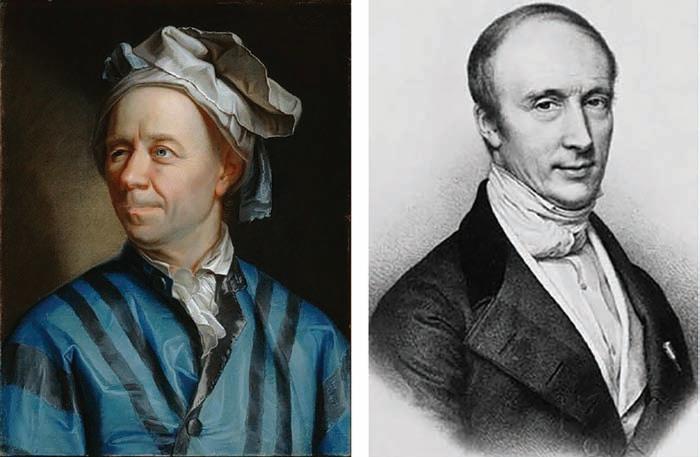
Thisauthorfullyendorsesthesesentiments,andsophysicalinsighthasbeengiven priorityovermathematicaldetail,asseemsappropriateforasubjectasphysicallyrichas this.Forexample,whenitcomestotheclassicaltheoryofpotentialflow,itisprobablyless importantforastudenttomastertheintricaciesofsomefiendishlycunning19th-century potentialthantoappreciatethat,outsidethefieldofwaterwavesandafewchoiceproblems inaerodynamics,anirrotationalanalysiswill,mostofthetime,utterlyfailtocapturethe realflow.Itisalsoimportantforthestudenttounderstandthatthisfailureisnotmerelyan embarrassinginconvenience,butrathertellsussomethingquiteprofoundaboutthenature offluiddynamics.Inthisrespectitis,perhaps,appropriatetorecallRayleigh’swhimsical, buttelling,observation:
Thegeneralequationsof(inviscid)fluidmotionwerelaiddowninquiteearlydaysby EulerandLagrange…(but)someofthegeneralpropositionssoarrivedatwerefound tobeinflagrantcontradictionwithobservations,evenincaseswhereatfirstsightit wouldnotseemthatviscositywaslikelytobeimportant.Thusasolidbody,submerged toasufficientdepth,shouldexperiencenoresistancetoitsmotionthroughwater.On thisprinciplethescrewofasubmergedboatwouldbeuseless,but,ontheotherhand, itsserviceswouldnotbeneeded.(1914,ScientificpapersofLordRayleigh,p237)
WithRayleigh’swarninginmind,theviscousequationsofmotionandtheassociated conceptsofboundarylayersandturbulenceareintroducedpriortopotentialflowtheory anditsapplicationsinaerodynamicsandsurfacewaves.Inthisway,itishopedthatthe
studentwillfullyappreciatethefundamentallimitationsofpotentialflowasthatsubject isdeveloped.Theauthorhaslivedlongenoughtorealizethatthisorderingofthematerial willnotbetoeveryone’staste,buthemakesnoapologyforthischoice.
Thiscaveataside,thefirsthalfthebook,inChapters1→7,followsarathertraditional route,coveringtopicsmetinmostundergraduatecoursesinengineeringandapplied mathematics.ThisincludestheinviscidequationsofEulerandBernoulli,theNavier–Stokes equationandsomeofitssimplerexactsolutions,laminarboundarylayersandjets,potential flowtheorywithitsvariousapplicationstoaerodynamics,thetheoryofsurfacegravity waves,andflowswithnegligibleinertia,suchassuspensions,lubricationlayers,andthin films.Throughout,acloselinkismaintainedbetweentheoryandapplications.
Thesecondhalfofthebookismorespecializedandhasoneeyetotheneedsofpostgraduatestudentsinengineering,appliedmathematics,andphysics.Vortexdynamics,which issoessentialtomanynaturalphenomena,isdevelopedinChapter8.Thisisfollowedby chaptersonstratifiedfluidsandflowssubjecttoastrongbackgroundrotation,bothtopics beingcentraltoourunderstandingofatmosphericandoceanicflows.Instabilitiesandthe transitiontoturbulencearethencoveredinChapters11and12,followedbytwochapterson fullydevelopedturbulence.Thetopicofturbulenceisintegraltomostengineeringcourses, onthegroundsthatturbulenceisbothubiquitousandimportant,butitislesscommonin textsaimedatstudentsofappliedmathematics,perhapsbecausethesubjectisinfamously resistanttomathematicalattack.However,toneglectsuchanimportanttopicistodeny thecentralnatureofeverydayfluidmechanics,andsoagentleintroductiontothisdifficult subjectisprovidedinChapters13and14.
IwouldliketothankallofthoseatOxfordUniversityPresswhoassistedinthepreparationofthisbook,aswellascolleagueswhohelpedsuggestthevariousscientistswhose imagesappearatthestartofeachchapter.Sadly,thoseportraitsareallofmen.However, Iamcertainthatthelegacyofthecurrentandfuturegenerationsoffluiddynamicistswill bemuchmoreevenlybalancedintermsofgender.Finally,Imustthankmylong-suffering wife,Catherine,forherenduringpatience.
Cambridge,2021
PeterDavidson
1.3.2Bernoulli’sEquationandMechanicalEnergyConservation
1.3.6MoreonMomentumConservation:InviscidFlowThrough aCascadeofBlades
1.4.1TheBorda–Carnot‘HeadLoss’inaSuddenPipeExpansion
2.2.1TwoThingsthatHappentoaFluidElementasitSlidesdownaStreamline
2.2.2TheRate-of-strainTensorandtheDeformationofFluidElements
2.2.3Vorticity:theIntrinsicSpinofFluidElements
2.4.1Newton’sLawofViscosity
2.4.2TheNavier–StokesEquationandtheReynoldsNumber
2.4.3Navier–StokesasanEvolutionEquationfortheVelocityField
2.4.4TheViscousDissipationofMechanicalEnergy
2.5TheMomentumEquationforViscousFlowinIntegralForm
2.6TheRoleofBoundariesandPrandtl’sBoundary-layerEquation
2.6.1TheNeedforBoundaryLayersatHighReynoldsNumber
2.6.2ChangesinFlowRegimeastheReynoldsNumberIncreases
2.7FromLineartoAngularVelocity:VorticityanditsEvolutionEquation
2.7.1TheBiot–SavartLawAppliedtoVorticity:anAnalogywith Magnetostatics
2.7.2TheVorticityEvolutionEquation
2.7.3WheredoestheVorticitycomefrom?
2.7.4EnstrophyanditsGoverningEquation
2.7.5AGlimpseatPotential(VorticityFree)FlowanditsLimitations
2.8Summingup:RealversusIdealFluidMechanics
3SomeElementarySolutionsoftheNavier–StokesEquation ..........
3.1SomeSimpleLaminarFlows
3.1.1PlanarViscousFlow
3.1.2TheBoundaryLayernearaTwo-dimensionalStagnationPoint
3.2TheDiffusionofVorticityfromaMovingSurface
3.2.1TheImpulsivelyStartedPlate:Stokes’FirstProblem
3.2.2TheOscillatingPlate:Stokes’SecondProblem
3.3TheNavier–StokesEquationinCylindricalPolarCoordinates
3.3.1MovingfromCartesiantoCylindricalPolarCoordinates
3.3.2Hagen–PoiseuilleFlowinaPipe
3.3.3RotatingCouetteFlow
3.3.4TheDiffusionofaLong,Thin,CylindricalVortex
3.3.5AThinFilmonaSpinningDisc
3.3.6TheAzimuthal–poloidalDecompositionofAxisymmetricFlows
4FlowswithNegligibleInertia
4.1MotionatLowReynoldsNumber:StokesFlow
4.1.1TheGoverningEquationsatLowReynoldsNumber
4.1.2FlowpastaSphereatLowReynoldsNumber
4.1.3TheOseenCorrectionforFlowoveraSphereatLowRe
4.1.4TheUniquenessandMinimumDissipationTheoremsforLow-ReFlows
4.1.5Two-dimensionalFlowinaWedgeatLowReynoldsNumber
4.1.6Suspensions
4.1.7TheSubtletiesofSelf-propulsionatLowReynoldsNumber
4.2LubricationTheory
4.2.1TheApproximationsandGoverningEquationsofLubricationTheory 105
4.2.2Reynolds’AnalysisoftheSlipperBearing
4.2.3Sommerfeld’sAnalysisoftheJournalBearing
4.2.4Rayleigh’sAnalysisoftheSteppedBearing
4.3ThinFilmswithaFreeSurface
4.3.1ApproximationsandGoverningEquations
4.3.2TheGravity-drivenSpreadingofaCircularPool
4.3.3AFilmonanIncline
4.3.4AThinFilmonaRotatingDisc(Reprise)
5LaminarFlowatHighReynoldsNumber
5.1Prandtl’sBoundaryLayerandaRevolutioninFluidDynamics
5.2TheArchetypalBoundaryLayer:aFlatPlateAlignedwitha UniformFlow
5.3AGeneralizationofPrandtl’sBoundaryLayertoOtherPhysicalSystems
5.3.1APopularModelProblemandtheConceptofMatched AsymptoticExpansions
5.3.2Prandtl’sGeneralizationoftheBoundaryLayer:Another ModelProblem
5.4TheEffectsofanAcceleratingExternalFlowonBoundary-layer Development
5.4.1TheFalkner–SkanSolutionsforFlowoveraTwo-dimensionalWedge
5.4.2TheBoundaryLayerneartheForwardStagnationPointofa CircularCylinder
5.5Jeffery–HamelFlowinaConvergentorDivergentChannel
5.6Boundary-layerSeparationandPressureDrag
5.7ThermalBoundaryLayers
5.7.1ForcedConvection
5.7.2FreeConvection
5.8SubmergedLaminarJets
5.8.1TheTwo-dimensionalJet
5.8.2TheAxisymmetricJet
6.1SomeElementaryIdeasinPotentialFlowTheory
6.1.1ThePhysicalBasisfor,andDangersof,PotentialFlowTheory
6.1.2TheRetrospectiveApplicationofNewton’sSecondLaw: BernoulliRevisited
6.1.3SomeSimpleExamplesofTwo-dimensionalPotentialFlow
6.1.4D’Alembert’sParadox
6.2TheKinematicsofTwo-dimensionalPotentialFlow
6.2.1TheComplexPotential
6.2.2SomeElementaryExamplesoftheComplexPotential
6.2.3FlowNormaltoaFlatPlateofFiniteWidth
6.2.4ANotsoSimpleExample:theIntaketoaSubmergedDuct
6.2.5TheMethodofImagesforPlaneandCylindricalBoundaries
6.3TheLiftForceExertedonaBodybyaUniformIncidentFlow
6.3.1Two-dimensionalFlowoveraCylinderwithCirculation: anIllustrativeExample
6.3.2FlowoveraPlanarBodyofArbitraryShape:theKutta–Joukowski LiftTheorem
6.3.3Kelvin’sCirculationTheorem
6.3.4TheRoleofBoundary-layerVorticityinEstablishingCirculation roundanAerofoil
6.3.5TheLiftGeneratedbyaSlenderAerofoil
7SurfaceGravityWavesinDeepandShallowWater
7.1TheWaveEquationandDispersiveversusNon-dispersiveWaves
7.1.1TheWaveEquationandd’Alembert’sSolution
7.1.2TwoClassesofWaves:DispersiveversusNon-dispersiveWaves 187
7.2Two-dimensionalSurfaceGravityWavesofSmallAmplitude
7.2.1SurfaceGravityWavesonWaterofArbitraryDepth
7.2.2Shallow-waterandDeep-waterWaves
7.2.3ParticlePaths,StokesDrift,andEnergyDensityinDeep-waterWaves
7.2.4WaveDraginDeepWater
7.3TheGeneralTheoryofDispersiveWaves
7.3.1Dispersion,WavePackets,andtheGroupVelocity
7.3.2TheEnergyFluxinaWavePacket
7.4TheDispersionofSmall-amplitudeSurfaceGravityWaves
7.4.1TheGroupVelocityandEnergyDensityforWavesonWater ofArbitraryDepth
7.4.2WavesApproachingaBeach
7.4.3TheInfluenceofSurfaceTensiononDispersion
7.5Finite-amplitudeWavesinShallowWater
7.5.1TheInviscidShallow-waterEquations
7.5.2Finite-amplitudeWavesandNon-linearWaveSteepening
7.5.3TheSolitaryWave1:Rayleigh’sSolution
7.5.4SolitaryWaves2:TheKdeVEquation
7.5.5MoreGeneralSolutionsoftheKdeVEquation:CnoidalWaves
7.5.6TheHydraulicJumpRevisited
8.2InviscidVortexDynamics
8.2.1TheClassicalTheoriesofHelmholtzandKelvin
8.2.3Steady,AxisymmetricFlowsandtheSquire–LongEquation
8.2.4ViscousversusInviscidVortexDynamics
8.3AQualitativeOverviewofsomeSimpleIsolatedVortices
8.3.2AGlimpseatVortexRings
8.3.3VorticesduetoBoundary-layerSeparation
8.3.4ColumnarVorticesintheAtmosphereandOceans
8.4ViscousVortexDynamicsI:thePrandtl–BatchelorTheorem
8.4.1ThePhysicalOriginsofthePrandtl–BatchelorTheorem
8.4.2AProofoftheTheorem
8.5ViscousVortexDynamicsII:Burgers’Vortex
8.5.1ADilemmainTurbulence:FiniteEnergyDissipationfor VanishingViscosity
8.5.2Burgers’AxisymmetricVortex
8.5.3TheRobustNatureofBurgers’Vortex
8.6MoreAxisymmetricVortices(bothViscousandInviscid)
8.6.1Hill’sSphericalVortex
8.6.2TheVelocityFieldandKineticEnergyofaThinVortexRing
8.7ViscousVortexDynamicsIII:theImpulseofLocalizedVorticityFields
8.7.1TheFarfieldofaLocalizedVorticityDistribution
8.7.2TheSpontaneousRedistributionofMomentuminSpace
8.7.3ConservationofLinearImpulseanditsRelationship toLinearMomentum
8.7.4ConservationofAngularImpulseanditsRelationship toAngularMomentum
8.7.5AxisymmetricExamplesofImpulseandVortexRingsRevisited
9.1TheBoussinesqApproximationandaSecondDefinitionofthe FroudeNumber
9.2TheSuppressionofVerticalMotion:aSimpleScalingAnalysis
9.3ThePhenomenonofBlocking
9.4.1LinearLeeWavesinTwoDimensions
9.4.2Finite-amplitudeLeeWavesinTwoDimensions
9.5InternalGravityWavesofSmallAmplitude
9.5.1LinearTheoryandSimpleExamples
9.5.2TheReflectionofInternalGravityWaves
9.6GeneralizedVortexDynamics:Bjerknes’TheoremandErtel’s
10.1Rayleigh’sStabilityCriterionforInviscid,SwirlingFlow
10.2TheEquationsofMotioninaRotatingFrameofReference
10.2.1TheCoriolisForceandtheRossbyNumber
10.2.2RapidRotation:theTaylor–ProudmanTheoremandDrifting TaylorColumns
10.3InertialWavesofSmallAmplitude
10.3.1TheirDispersionRelationship,GroupVelocity,andSpatialStructure
10.3.2TheFormationofTransientTaylorColumnsbyLow-frequencyWaves
10.3.3TheSpontaneousFocussingofInertialWavesandtheFormation ofColumnarVortices
10.3.4HelicityGenerationandHelicitySegregationbyInertialWaves
10.3.5Finite-amplitudeInertialWaves
10.5EkmanBoundaryLayersandEkmanPumping
10.5.1ConfinedSwirlingFlows:theSolutionsofKármán,Bödewadt, andEkman
10.5.2EkmanLayersasaMechanismforEnergyDissipation
10.6TropicalCyclones
10.6.1TheAnatomyofaTropicalCyclone
10.6.2ASimpleModelofa‘Dry’Cyclone
11.1TheCentrifugalInstability
11.1.1Rayleigh’sInviscidCriterionforAxisymmetricDisturbances
11.1.2Two-dimensionalInviscidDisturbances(Rayleighagain)
11.1.3ViscousInstabilityandTaylor’sAnalysis
11.1.4TheExperimentalEvidence
11.2TheStabilityofaFluidHeatedfromBelow
11.2.1Rayleigh–BénardConvection
11.3TheStabilityofParallelShearFlows
11.3.1Rayleigh’sInflectionPointTheoremforInviscid,RectilinearFlow
11.3.2TheSubtleEffectsofViscosity
11.4TheKelvin–HelmholtzInstability
11.4.1TheInstabilityofanInviscidVortexSheet
11.5TheStabilityofContinuouslyStratifiedShearFlow
11.5.1TheTaylor–GoldsteinEquationforFluctuationsinaStratified ShearFlow
11.5.2TheRichardsonNumberCriterionfortheStabilityofaStratified ShearFlow
11.5.3AnInterpretationoftheStabilityCriterionintermsofEnergy
11.6TheKelvin–ArnoldVariationalPrincipleforInviscidFlows
11.6.3SomeSimpleApplicationsoftheTheorem
11.7AVariationalPrincipleforInviscidFlowsbasedontheLagrangian
11.8TheStabilityofPipeFlow:aQualitativeDiscussion
12TheTransitiontoTurbulenceandtheNatureofChaos
12.1SomeCommonThemesintheTransitiontoTurbulence
12.3TheNatureofChaos:theLogisticMapasanExample
13.1ElementaryPropertiesofTurbulence:aQualitativeOverview 391
13.1.1TheNeedforaStatisticalApproachandtheProblemofClosure
13.1.2TheVariousStagesofDevelopmentofFreelyDecayingTurbulence 394
13.1.3Richardson’sEnergyCascade
13.1.4TheRateofDestructionofEnergyandanEstimate ofKolmogorov’sMicroscales
13.2ADigressionintotheKinematicsofHomogeneousTurbulence
13.2.1TwoUsefulDiagnosticTools:CorrelationFunctionsand
13.2.2TheSimplificationsofIsotropyandtheTaylorScale
13.2.3Scale-by-scaleEnergyDistributionsinFourierSpace:the EnergySpectrum
13.2.4RelatingReal-spaceandSpectral-spaceEstimatesof theEnergyDistribution
13.2.5ACommonErrorintheInterpretationofEnergySpectra
13.3Kolmogorov’sUniversalEquilibriumTheoryoftheSmallScales(K41)
13.3.1DoesSmall-scaleTurbulencehaveaUniversal,IsotropicStructure atLargeRe?
13.3.2Kolmogorov’sUniversalEquilibriumTheory:theTwo-thirdsand Five-thirdsLaws
13.3.3TheKármán–HowarthEquation
13.3.4Kolmogorov’sFour-fifthsLaw
13.3.5Obukhov’sConstantSkewnessClosureModel
13.4SubsequentRefinementstoK41
13.4.1Landau’sObjectiontoK41BasedonLarge-scaleIntermittency oftheDissipation
13.4.2Kolmogorov’s1961RefinementofK41basedonInertial-range Intermittency
13.5TheProbabilityDistributionoftheVelocityField
13.5.1TheSkewnessandFlatnessFactors
13.5.2TheFlatnessFactorasaMeasureofIntermittency
13.5.3TheSkewnessFactorasaMeasureofEnstrophyProduction
14.1ReynoldsStresses,EnergyBudgets,andtheConceptofEddyViscosity
14.1.1ReynoldsStressesandtheClosureProblem(Reprise)
14.1.2TheEddyViscosityModelofBoussinesq,Taylor,andPrandtl
14.2TheTransferofEnergyfromtheMeanFlowtotheTurbulence
14.3TurbulentJets
14.4TurbulentFlownearaSmoothBoundary:theLog-lawoftheWall
14.4.1TheLog-lawoftheWallinChannelFlow
14.4.2TheLog-lawandViscousSublayerforOtherSmooth-walledFlows
14.4.3InactiveMotion:aProblemfortheUniversalityoftheLog-law?
14.4.4EnergyBalancesandStructureFunctionsintheLog-lawLayer
14.4.5CoherentStructuresandNear-wallCycles 466
14.4.6TurbulentHeatTransfernearaSurfaceandtheLog-law forTemperature
14.5TheInfluenceofSurfaceRoughnessandStratification onTurbulentShearFlow 472
14.5.1TheLog-lawforFlowoveraRoughSurface 472
14.5.2TheAtmosphericBoundaryLayer,Stratification,andtheFlux RichardsonNumber
14.5.3Prandtl’sWeak-shearModeloftheAtmosphericBoundaryLayer
14.5.4TheMonin–ObukhovTheoryoftheAtmosphericBoundaryLayer
14.6ClosureModelsforTurbulentShearFlows:the
3Navier–StokesEquationinCylindricalPolarCoordinates
PROLOGUE
Thescopeoffluidmechanicsisvast,findingamultitudeofapplicationsinbiology,engineering,meteorology,geophysics,andastrophysics.Moreover,theseflowsvaryenormously inscale,withcharacteristiclength-scalesthatrangefrom0.001mm(swimmingbacteria) to1010 km(protoplanetaryaccretiondiscs)andvelocitiesthatvaryfrom0.1mm/s(convectioninthemoltencoreoftheEarth)to100km/s(theeruptionofasolarflare).Afew randomlychosenexamplesareshowninthetablebelow,arrangedmoreorlessbythescale ofthemotion.
TheClassofFlow TypicalScale
Theswimmingofmicroorganismssuchasbacteriaandsperm
Lubricationlayersinbearings
Therustlingofleaves,theflightofinsects,andthematingcallofmice1mm→1cm
Thefluiddynamicsofplanes,trains,andautomobiles 10cm→30m
Tidalvorticesintheoceansanddustdevilsindeserts 1m→10m
Flowdownthespillwayofadam 2m→30m
Vortexrings(smokerings)producedbyvolcaniceruptions 50m
Leewavesbehindmountainranges 1km
Tropicalcyclones 100km→103 km
ConvectioncellsinthemoltencoreoftheEarth 103 km
Large-scaleoceangyres 103 km→104 km
Aprotoplanetaryaccretiondiscrotatingaroundayoungstar 1010 km
Weoftenthinkoffluidmechanicsasbelongingtothedomainofengineering,anditis truethatitiscentraltomuchofmechanicalengineering(forexampleinlubricationtheory, naturalandforcedconvection,combustion,andpowergeneration),andtomuchofcivil engineering(riversandcanals,dams,surfacegravitywaves,coastalerosion).Italsoliesatthe heartofchemicalengineeringandaerodynamics.However,thereareprobablyjustasmany applicationsoutsideengineering.Forexample,inbiologyfluiddynamicsfindsapplications inthestudyofthecardiovascularsystem,respiratorydisorders,theswimmingoffishand micro-organisms,andintheflightofinsectsandbirds.Fluidmechanicsalsodominates ourstudyoftheatmosphereandtheoceans,includingtopicssuchasurbandispersion,the dispersalofpollutantsintheoceans,meteorology(includingextremeeventsliketornadoes andtropicalcyclones),andthelarge-scaleatmosphericandoceanicflowsthatcontrolthe weather.Evenastrophysicistscannotavoidthesubject,asitiscentraltosuchtopicsas magneticfieldgenerationwithintheconvectiveinteriorsofplanetsandstars,theviolent activityatthesurfaceoftheSun(solarflaresandcoronalmassejections),thesolarwind,
andthespirallingmotionwithinthosevastaccretiondiscsthatsurroundyounganddying stars.Itishardnottobeintriguedbyasubjectthatpervadessomanyaspectsofourlives.
Unfortunately,givenitscentralimportanceinsomanybranchesofscienceandtechnology,fluiddynamicsisnotaneasysubject,andattheheartofthatdifficultyliesthefactthat thegoverningequationsare non-linear.Itisalltooeasytounderestimatetheimportance ofthisstatement.Mostcommon linear partialdifferentialequations(PDEs)arephysically wellbehavedandsoarerelativelyeasytosolveanalytically.Indeed,inagivensituation, onecanoftendivinethephysicalcontentofalinearPDEwithouthavingtosolveitin anygreatdetail,byinvokingsuchconceptsasdiffusionlength,Green’sinversionintegral (theBiot–Savartlaw),ortheideasofgroupvelocityandwavedispersion.So,insubjects suchaselectrodynamicsorelasticity,wherethegoverningequationsarelinear,thereare hundreds,ifnotthousands,ofexact,non-trivialsolutions,andthereexistreferencebooks whosefunctionistosimplycataloguethiscornucopiaofexactsolutions.Influiddynamics, ontheotherhand,weknowofnomorethanacoupleofdozenexact,non-trivial,nonlinearsolutionsofthegoverningequations.(Iexcludehereinviscidpotentialflows,whose lineargoverningequationsreallybelongtotheworldofkinematicsratherthandynamics, asweshallsee.)Oneconsequenceofthedifficultyoffindingclosed-formsolutionsin fluidmechanicsisthatgreatemphasisisplacedontheroleofconservationprinciples andconservedquantities.Thehope,ofcourse,isthattheseconservationprincipleswill constrainthebehaviourofaflowsufficientlyforitsessentialfeaturestobeestablished. Thereisasecondconsequenceofnon-linearity,overandaboveadearthofclosedformsolutions.Unlesstheyareheavilydamped,non-linearsystemstendtoexhibitnonuniquenessandhysteresis,andsoitiswithfluidmechanics.Worsestill,ifthedampingissufficientlyweak,manynon-linearsystemsdevelopchaoticbehaviour,withallthecomplexities whichthatentails.Influidmechanicsthatchaosmanifestsitselfas turbulence,whichisthe naturalstateofnearlyallflowsinengineeringandappliedphysics.Whilearaindroprunning downawindowpanemaybelaminar(non-turbulent),thewindinthestreetoutside,the flowofwateroutofatap,andeventheflowofairinandoutofourlungs,areallexamples ofturbulentmotion.Inshort,turbulenceisthenormandnottheexception,andweare stilltryingtocometotermswiththecomplexitiesofturbulence.Indeed,thegreatEnglish appliedmathematicianHoraceLambisreputedtohavesaid:
Iamanoldmannow,andwhenIdieandgotoheaventherearetwomattersonwhichI hopeforenlightenment.Oneisquantumelectrodynamicsandtheotheristheturbulent motionoffluids.AbouttheformerIamratheroptimistic.(AttributedtoLambbySidney Goldstein,1932.)
Littlehaschanged.Turbulenceremainstothisdayaprofoundlydifficulttheoretical problemandweshallhavemuchmoretosayaboutitinduecourse.
Onereactiontothedifficultyofmakinganalyticalprogressinfluidmechanicshasbeena strongdrivetowardsnumericalsimulations,orperhapsweshouldsaynumericalexperiments Inmanysensesthishasbeenamajorsuccessstory,fuelledbythefactthatcomputing powerhasrisensorelentlessly.Aswithlaboratoryexperiments,thecarefuluseofnumerical simulationsasasourceofinformationcanprovidevaluableinsights,althoughofcoursethe
Figure1 Theself-induced,centrifugalburstingofaninviscid,axisymmetric,swirlingbloboffluid.
(a)Theinitialconditionconsistsofazimuthalmotion, uθ,only.(b)Asecondaryflow, up,develops whichsweepstheangularmomentumcontours, Γ =const.,radiallyoutward.(c)Theangular momentumcontoursformathinsheetandthefinalasymptoticstatetakestheformofamushroomshapedvortexsheetwhichthinsexponentiallyfast.
abilitytocomputeaflowisnosubstituteforunderstandingit.Numericalexperimentshave proventobeparticularlyimportantinthedifficultfieldofturbulence,andindeedtheyhave becometheresearchtoolofchoiceformanytheoreticians.However,theaccuratesimulation ofevensimpleflowsisnotalwaysasstraightforwardasonemightthink,asthefollowing rathertrivialexampleillustrates.
Consideraninviscid,axisymmetricflowwhoseinitialvelocityfieldis ur = uz =0 and uθ =Ωr exp( x2/δ2) incylindricalpolarcoordinates(r, θ, z).Thatistosay,theinitial flowissimplyaswirlingboboffluidcentredontheoriginandwhoseangularvelocityfalls offasaGaussianonthescaleof δ.Itisconvenienttointroducethenotation Γ= ruθ for theangularmomentumdensityaboutthe z-axisand up =(ur, 0,uz) forthesecondary (poloidal)motioninthe r–z plane.Wenowtreatthisasaninitial-valueproblemand integrateforwardintime,retainingaxialsymmetry.Giventhesmoothinitialconditions, onemighthaveexpectedthatanumericalsimulationofthissimpleflowwouldbestraight forward,butitisnot.Itturnsoutthattheswirlingfluidwantstocentrifugeitselfradially outward,anditdoesthisbycreatingasecondarypoloidalvelocityfield, up.Italsohappens thatthelinesofconstantangularmomentummovewiththefluid,asifeachatomwants toholdontoitsinitialvalueof Γ,andsothesecondaryflow, up,sweepsthecontoursof constant Γ radiallyoutward,asshowninFigure1.Sofarthereisnothingunusual.However, beforelongtheangularmomentumcontoursgetsweptuptoformathin,axisymmetric, mushroom-shapedvortexsheet,andthatsheetthenstartstothinexponentiallyfast,as discussedinExercises8.1and11.6.
Mostnumericalschemesnowrapidlyrunintotrouble,asitisextremelydifficulttoretain adequatespatialresolutionofavortexsheetthatthinsexponentiallyfast.Someschemes becomenumericallyunstableastheyloseresolution,whileothersartificiallysmearoutthe sheet,thusproducingerroneousresults.Yetotherschemestrytoretainbothaccuracyand stabilitybycontinuouslyrefiningthespatialresolution,butthisquicklycausesthetimestep requiredfornumericalstabilitytobecomeintolerablyshort.Clearly,noneoftheseoutcomes
issatisfactoryandthatsuchaformidablenumericalproblemcanemergefrombenigninitial conditionsgivesonecausetoreflect.
Thereisasecondconsequenceofthedifficultyofmakinganalyticalprogressinfluid dynamics,whichistheneedtomakeextensiveuseofdimensionalanalysis.Famously,dimensionalanalysishasbeencaricaturedasaprocedurebywhichonecanestablishthe scaling lawswhichgovernsomephysicalprocesswithoutanyunderstandingofthephenomenonin question.Perhapsthisissomewhatofanexaggeration,butitdoesatleasthighlightboththe powerofthemethodandthedisconcertingthoughtthat,incertainsituations,scalinglaws canbeestablishedwithminimalphysicalunderstanding.
Letusconsiderasimpleexample.Supposeweareinterestedinsurfacegravitywavesof wavelength λ propagatingacrossdeepwater,andwehave(somehow)decidedthatneither surfacetensionnorviscosityareimportantforthisparticularclassofwaves.Wemight thenask:howdoestheangularfrequencyofthesewaves, ϖ,dependontheirwavelength?
Detailedandnontrivialanalysis(eventually)showsthattheansweris ϖ = √2πg/λ, where g istheaccelerationduetogravity,asdiscussedinChapter7.However,thescalinglaw ϖ ∼ √g/λ canbeobtainedmuchfasterthroughsimpledimensionalconsiderations.The argumentproceedsasfollows.Weaskwhatphysicalparameters ϖ mightdependon,andthe answeristhat,sincewaveamplitudeshouldnotberelevantforalineartheory,andwehave excludedsurfacetensionandviscosity,theonlyrelevantquantitiesleftare λ and g.Wethen notethat ϖ, λ,and g containbetweenthemonlytwodimensions:lengthandtime,andso wewrite P =3 (forthreeparameters)and D =2 (fortwodimensions).The Buckingham Pitheorem thentellsusthatthenumberofdimensionlessgroups, G,thatwecanformfrom ϖ, λ,and g is G = P D =1,asdiscussedinAppendix1.Next,wenotebyinspection thatthisdimensionlessgroupcanbewrittenas Π= ϖ√λ/g.However,onedimensionless groupcandependonlyonanotherdimensionlessgroup,andinthiscasetherearenoother groupsavailabletous.So Π issimplyaconstantandthescalinglaw ϖ ∼ √g/λ follows.Of course,thisisarathertrivialexample,andtheapplicationofdimensionalanalysistomore complexproblemsisrarelysostraightforward.Nevertheless,itisthecasethat,inthehands ofanexpert,dimensionalanalysisprovidesaparticularlypowerfultool.
Onthatfinalnote,perhapsitistimetobringthisprologuetoacloseandinvitethereader toimmersethemselvesinatopicfullofsurprises.
ElementaryDefinitions,SomeSimple Kinematics,andtheDynamics
1.1ElementaryDefinitions
1.1.1WhatistheMechanicalDefinitionofaFluid?
Theanswertothisquestionmayseemtriviallyobvious,butitturnsouttobeworth pondering.Theterm fluid encompassesbothliquidsandgases,theformerbeingcharacterizedbytheexistenceofafreesurfaceandthelatterbytheeasewithwhichitmaybe compressed.Somewhatsurprisingly,themacroscopicdynamicsofbothliquidsandgases canbeaccountedforbymoreorlessthesametheory,withonlymodestdifferencesin emphasis.
Toconstructsuchatheoryweadoptthe continuumapproximation,whichassumesthat matterissmearedcontinuouslyacrossspace.Thisapproximationrestsonthelargedifferencebetweenthemolecularscale(thedistancebetweenmolecules)andthecharacteristic distanceoverwhichthe macroscopic propertiesofafluid,suchasdensityorpressure,vary. So,forexample,thedensityofafluidisdefinedasthemassperunitvolumemeasured overascalewhichislargeenoughforallmolecularfluctuationstobesmoothedout,yet smallenoughforthedensity, ρ,tobeconsideredasmoothlyvaryingfunctionofposition. Likewise,thestressesexertedbyonepartofafluidonanotherareconsideredtobeasmooth functionofposition,beingdefinedastheforceperunitareatransmittedacrossasmallplane surfacewithinthefluid,thesurfacebeinginfinitesimallysmallonthemacroscopicscale,yet largeonthemolecularscale.Thesemaybenormalstresses,arisingfromforcesperpendicular tothesurfaceinquestion,orshearstresses,arisingfromtangentialforces.
Thedistinctionbetweensolidsandfluidsis,atfirstsight,ratherobvious; i.e. solids exhibitrigidity,whilefluidsreadilydeformwhenacteduponbyaforce.However,there aresubtletiesinthisdistinctionthatareworthnoting.Forexample,wecannotdistinguish betweensolidsandliquidsifonlynormalstressesareinplay.Rather,itisthewayinwhich thesetwostatesrespondtoanimposed shearstress thatdistinguishesbetweenthetwo. Suppose,forexample,thatwehavetwocylinders,eachsealedbyamovablepiston.One cylinderisfilledwithoilandtheotherwithacylindricalblockofrubber.Wenowpressurize thecontentsofthetwocylindersusingthepistons.Evidentlybothsystemsbehaveinexactly thesameway:whenacompressivestressisimposedbythepistons,boththeoilandthe rubbercompressalittle,andthenreturntoastateofstaticequilibrium.
Nowconsideradifferentarrangement,consistingoftwolargeflatmetalplateswhichlie paralleltoeachotherandareseparatedbyasmallgap, d.Thebottomplateisfixedandthe toponeisfreetoslide,asshowninFigure1.1.Supposewehavetwosuchpairsofplates, d y u( y) Oil
Figure1.1 Thegap d betweentwoplatesisfilledwithoilandtangentialforcesestablishashear stress, τ ,withintheoil.Thisstresscauseslayersofoiltoslideoveroneanother.
andinonecasewefillthegapwithoilandintheotherthegapisfilledwitharubbersheet thatisbondedtothemetalplates.Wenowapplyequalandoppositetangentialforces, F,to thetwoplates,whichestablishashearstress, τ ,inboththeoilandtherubber.Thereisnow acleardifferenceinbehaviour.Therubberbehavesexactlyasbefore,givingalittlewhen thestressisfirstapplied,butthenremaininginequilibriumthereafter.Theoil,ontheother hand,behavesdifferently.Itstickstothetopandbottomplatesand,foraslongastheshear stressisapplied,layersofoilslideovereachother.Staticequilibriumisre-establishedonly whenthestressisremoved.Thisdifferenceinbehaviourprovidesthedefinitionofafluid: a fluid,unlikeasolid,continuouslydeformsundertheactionofashearstress.Thereisanimportant corollarytothis,whichis: ifafluidisinstaticequilibrium,theshearstresseswithinitmustbe zeroeverywhere
Figure1.1alsoservestointroduceanotherimportantpropertyofallfluids:thatof viscosity.Supposethat y isthedistancefromthelowerplate, V thespeedofthetopplate, and u(y) thedistributionofhorizontalvelocityofthefluid.Itisobservedthat,fornearlyall commonfluids,thevelocitygradient, du/dy = V /d,isproportionaltotheappliedshear stress, τ .Thisis Newton’slawofviscosity anditiswrittenintheform
wheretheconstantofproportionality, µ,isthe dynamicviscosity ofthefluid,andtherelated property, ν = µ/ρ,isknownasthekinematicviscosity.Somefluidsareclearlyviscous,others lessobviouslyso,butitisimportanttorealizethat all fluids(exceptsuperfluidhelium) have some viscosity,eveniftheyappeartobevery‘thin’.Indeed,thekinetictheoryofgases explicitlypredictsthatthekinematicviscosityisproportionaltotheproductofthemean freepathlengthandthemeanthermalvelocityofthemolecules.
Actually,notallsubstancescanbeclassifiedassimplyassuggestedabove.Forexample,on shorttimescalesasphaltbehaveslikeasolid.Youcanwalkonitwithoutleavingfootprints, andifstruckbyahammeritshatterslikeglass.Ontheotherhand,ifsubjectedtoforces forlongperiodsoftime(years),asphaltflowscontinuouslylikeafluid.Moreover,some thixotropicsubstancesbehavelikeanelasticsolidifallowedtosettleforlongenough,yet flowlikeafluidifsubjecttosignificantstresses.Weshallnotconsidersuchcomplexfluids inthisbook.
1.1.2FluidStaticsandOneDefinitionofPressure
Beforediscussingthedynamicsoffluids,perhapsitisworthmakingafewcommentsabout hydrostatics,ifonlytoreinforcethenotionsofpressureandofstressesactingwithinafluid. Letusstartwith Pascal’slaw forstationaryfluids.
Wehavealreadyseenthatshearstressesareeverywherezeroinastationaryfluid.Pascal’s lawfollowsdirectlyfromthisandstatesthatthemagnitudeofthenormalstressactingatany givenpointisindependentofdirection.Theproofistrivial.Letususe σ todenoteanormal stressandreserve τ forshearstress.Considerasmallwedgeoffluidofmass m surrounding thepointofinterest,asshowninFigure1.2.Letthewedgehavesides δx, δy,and δz,andlet
Figure1.2 Forcesactingonawedgeofstaticfluidarisingfromthenormalstresses.
σx, σz,and σα bethenormalstressesinthe x and z directionsandontheinclinedsurface.
Astherearenoshearstresses,verticalequilibriumdemands
andasthesizeofthewedgetendstozerotheweight mg dropsoutof(1.2)togive
σα = σz.Similarly,horizontalequilibriumrequires σα = σx.So,weconcludethatbecause oftheabsenceofshearstress,thenormalstress, σ,isthesameinalldirections.Influid dynamicsthenormalstressesarecompressive,andsowedefinethefluidpressuretobe p = σ,andPascal’slawissometimesparaphrasedassayingthat thepressureatanygiven pointisthesameinalldirections.
Perhapssomecommentsareinorder.First,themechanicalpressureasdefinedaboveis thesameasthethermodynamicpressure.Second,sometimesitisconvenienttopretend thatafluidhaszeroviscosity(aso-called idealfluid),inwhichcasetherearenoviscous stresseswithinthefluidwheninmotion.Onceagaintheshearstressesvanishandthenormal stressatanygivenpointisthesameinalldirections.(Notethatanyinertialforcevanishes toleadingorderinalocalforcebalancelike(1.2),justastheweightdropsoutof(1.2)as thevolumeofthefluidelementgoestozero.)Forahypotheticalinviscidfluid,then,the mechanicalpressureisonceagainsimplydefinedas p = σ,whetherthatfluidisstationary orinmotion.Conversely,ifa real fluidisinmotionthere will,ingeneral,beshearstresses actingwithinthefluid.Thenormalstressesatagivenpointthendependondirectionand itismeaninglesstodefinemechanicalpressureinthisway.Weshallreturntothispointin Chapter2,wherewerefineourdefinitionofpressure.
Letusnowreturntohydrostaticsandgotothenextorderinourforcebalance,gathering termsoforder δxδyδz.Wemustnowallowforspatialgradientsinpressureifwewant tobalancetheweightofasmallfluidelement.Theeasiestwaytoseethisistoconsider thecylindricalelementoffluidshowninFigure1.3,ofcross-sectionalarea A,mass m,and height δz.Clearlythepressureatthebottomoftheelementmustexceedthatatthetopin ordertobalancetheweightofthefluidinbetween.Indeed,averticalforcebalancerequires
Thehorizontalgradientsinpressure,bycontrast,arezero,andsoournethydrostaticforce balanceis
Figure1.3 Theverticalforcebalanceforacylindricalelementinastationaryfluid.
p = ρg,
where g = g ˆ ez isthegravitationalacceleration.
Thereisamoremathematicalwayofgettingtothesameresultthatisworthoutlining, asweshalldosomethingsimilarwhenitcomestodynamics.Considerasmallvolume, V , withinthefluidwhichhassurface S andisofarbitraryshape.Thepressureforceexertedby thesurroundingfluidonapartof S,say dS,isthen pdSn = pdS,where n isanoutward pointingunitnormalto S.Thusthetotalpressureforceactingonthefluidwithin V isthe surfaceintegralof p.ThisthenconvertsintoavolumeintegralusingavariantofGauss’ theorem: netpressureforceactingon V = S
Wenowignoresecond-orderderivativesinpressureonthegroundsthat V issmall,sothe netpressureforcebecomes (∇p)V .Sincethisforce,plustheweightofthefluid, ρV g, mustsumtozero,weconcludethat ∇p = ρg,whichbringsusbackto(1.4).
Forthespecialcaseofafluidofuniformdensity,(1.3)integratestogive p = p0 ρgz, where p0 isareferencepressure.Whendealingwith liquids thisisnormallyrewrittenas p = ρgς,where ς isthedepthbelowthefreesurfaceand p isnowinterpretedasgauge pressure, i.e. thepressureoverandaboveatmosphericpressure.Thisreflectsthefactthatan upwardforceperunitareaof p = ρgς isrequiredtobalancetheweight mg =(ρς)g ofan overlyingcolumnoffluid.Thus,forexample,thepressureatthebaseoftheMarianatrench, whichisaround10kmdeep,is108 N/m2,or103 atmospheres.Notethatthepressureforce actingonasubmergedbodyisnowdeterminedbythesurfaceintegral
forceonasubmergedbody = pdS = (ρgς)dS. (1.6)
Inpractice,however,itisofteneasiertouseArchimedes’principletofindthenetpressure forceonsuchabody.Thisstates: ifabodyispartiallyorwhollyimmersedinafluidthenit receivesanupwardpressureforceequaltotheweightofdisplacedfluid,withthatforceacting throughthecentreofgravityofthedisplacedfluid.Readersmaywishtoprovethisprinciple forthemselves.Ifso,notethattheproofrequiresnomathematics.
Letuscloseourdiscussionofhydrostaticswithawhimsicalparadox,devisedbyDen HartogandbasedonArchimedes’principle.ConsiderFigure1.4,whichshowsaboxin