The Arras Witch Treatises: Johannes Tinctor's Invectives
Contre La Secte De Vauderie and the Recollectio Casus, Status Et Condicionis Valdensium Ydolatrarum ... Arras (1460) (Magic in History Sourcebooks) Andrew Colin Gow
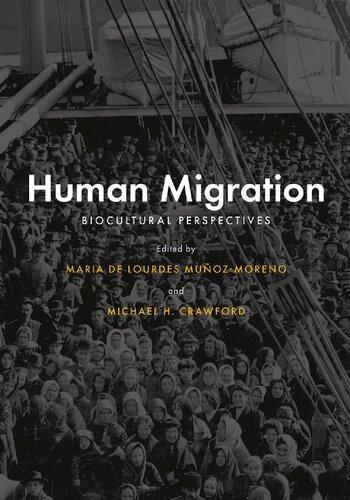
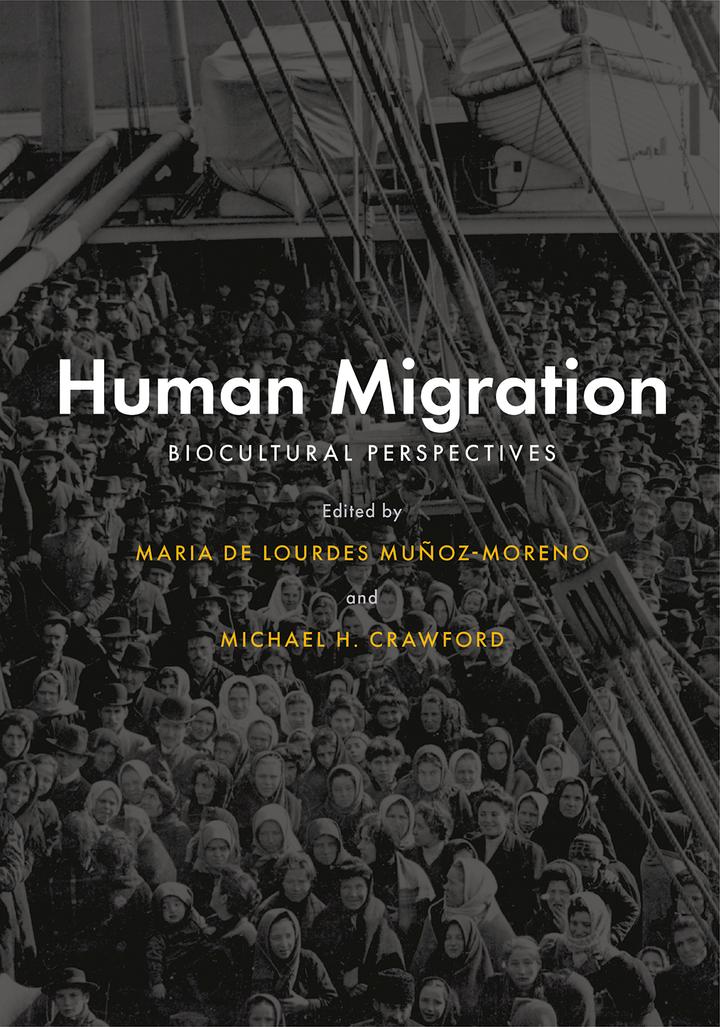
Edited by MARIA DE LOURDES MUÑOZ- MORENO AND MICHAEL H. CRAWFORD
Oxford University Press is a department of the University of Oxford. It furthers the University’s objective of excellence in research, scholarship, and education by publishing worldwide. Oxford is a registered trade mark of Oxford University Press in the UK and certain other countries.
Published in the United States of America by Oxford University Press 198 Madison Avenue, New York, NY 10016, United States of America.
All rights reserved. No part of this publication may be reproduced, stored in a retrieval system, or transmitted, in any form or by any means, without the prior permission in writing of Oxford University Press, or as expressly permitted by law, by license, or under terms agreed with the appropriate reproduction rights organization. Inquiries concerning reproduction outside the scope of the above should be sent to the Rights Department, Oxford University Press, at the address above.
You must not circulate this work in any other form and you must impose this same condition on any acquirer.
Library of Congress Control Number: 2021941963
ISBN 978–0–19–094596–1
DOI: 10.1093/oso/9780190945961.001.0001
Printed by Integrated Books International, United States of America
Preface
Contributors
Introduction: What Can Research on Genomic and Cultural Diversity Tell Us About the Process of Migration? 1
Maria de Lourdes Muñoz-Moreno and Michael H. Crawford
I. THEORETICAL OVERVIEW
1. Genomic Insights into the Out-of-Africa Dispersal(s) of Modern Humans 9 Mark Stoneking
2. Unangan (Aleut) Migrations: Causes and Consequences 20 Michael H. Crawford, Sarah Alden, Randy E. David, and Kristine Beaty
3. Early Peopling of the Americas: A Palaeogenetics Perspective 32 Constanza de la Fuente, J. Víctor Moreno-Mayar, and Maanasa Raghavan
II. ANCIENT DNA AND MIGRATION
4. An Arctic Lens for American Migration: Integrating Genomics, Archaeology, and Paleoecology 47 Dennis H. O’Rourke, Justin Tackney, and Lauren Norman
5. Mitochondrial DNA Analysis and Pre-Hispanic Maya Migrations: Languages and Climate Influence 56
Maria de Lourdes Muñoz-Moreno, Mirna Isabel Ochoa-Lugo, Gerardo Pérez-Ramírez, Kristine G. Beaty, Adrián Martínez Meza, and Michael H. Crawford
6. Mitochondrial DNA Haplotypes in Pre-Hispanic Human Remains from Puyil Cave, Tabasco, Mexico 68 María Teresa Navarro-Romero, Maria de Lourdes Muñoz-Moreno, and Enrique Alcalá-Castañeda
III. REGIONAL MIGRATION
7. A Genetic Perspective on the Origin and Migration of the Samoyedic-Speaking Populations from Siberia 83
Tatiana M. Karafet, Ludmila P. Osipova, and Michael F. Hammer
8. Linguistic Diversity and Human Migrations in Gabon 99 Franz Manni and John Nerbonne
9. Migration Patterns in the Republic of Sakha (Yakutia) 115
Larissa Tarskaia, A. G. Egorova, A. S. Barashkova, S. A. Sukneva, and W. Leonard
10. Rapid, Adaptive Human Evolution Facilitated by Admixture in the Americas 122
Emily T. Norris, Lavanya Rishishwar, and I. King Jordan
11. Diversity of Mexican Paternal Lineages Reflects Evidence of Migration and 500 Years of Admixture 139 R. Gómez, T. G. Schurr, and M. A. Meraz-Ríos
12. Migration of Garifuna: Evolutionary Success Story 153
Michael H. Crawford, Christine Phillips-Krawczak, Kristine G. Beaty, and Noel Boaz
IV. CULTURE AND MIGRATION
13. Out of Africa, Again: Leaving Africa; or Why Do African Youth Migrate? 169
Abdelmajid Hannoum
14. A Sociogenetic Approach to Migration and Urbanization in Peruvian Amazonia: Implications for Population Architecture 180 Randy E. David and Bartholomew Dean
15. Causes of Migration to and from the Ch’orti’ Maya Area of Guatemala, Honduras, and El Salvador 197
Brent E. Metz
16. Evidence of Human Migration: Xibalbá in the Puyil Cave, Puxcatán, Tabasco 212 Enrique Alcalá-Castañeda
17. Migration of the Zoques to the Mountain Region of Tabasco, Mexico: Linguistic and Archaeological Perspectives 223 Eladio Terreros-Espinosa
V. DISEASE AND MIGRATION
18. Impact of Human Migration on the Spread of Arboviral Diseases on the United States–Mexico Border
Alvaro Diaz-Badillo and Maria de Lourdes Muñoz-Moreno
19. Major Impact of Massive Migration on Spread of Mycobacterium tuberculosis Strains 255 Igor Mokrousov
Conclusion
Michael H. Crawford and Maria de Lourdes Muñoz-Moreno
Preface
The first international conference on migration was held in Lawrence, Kansas, on March 1–2, 2010. The primary emphasis of the conference was the consequences of worldwide cultural diversity and evolution for migration, particularly from a molecular perspective. More than 100 scholars from 12 countries and 24 institutions participated in the conference. A volume based on the proceedings of the conference, Causes and Consequences of Human Migration: An Evolutionary Perspective, was published by Cambridge University Press in 2012.
This new volume on migration, Human Migration: Biocultural Perspective, published by Oxford University Press, compiles 21 chapters focusing on what research on genomic and cultural diversity can tell us about the process of migration. The chapters were written by participants in an interdisciplinary conference on human migration held at the Center for Research and Advanced Studies of the National Polytechnic Institute (CINVESTAV-IPN) in Mexico City from October 17 to 21, 2017. The conference was organized by Maria de Lourdes Muñoz-Moreno and was funded by the following programs and Institutions: CINVESTAV-IPN, the Instituto Politécnico Nacional, the University of Kansas (Lawrence), Consejo Mexiquense de Ciencia y Tecnología EdoMex, Red Mexicana de Virologia, Red Temática: Envejecimiento, Salud y Desarrollo Social, Instituto Nacional de Antropología e Historia, and DNS Microgenomic S.A. de C.V. Inc. More than 200 scholars from 11 different countries and 27 institutions attended the formal portion of the 4-day conference. In addition, the conference included a strong multidisciplinary plenary approach to human migration with the participation of anthropologists, molecular anthropologists, archaeologists, molecular geneticists, and human biologists.
In this volume, migration is defined as the mass directional movements of large numbers of species and populations from one location to another. Communities that respond to changes in resource availability or habitat quality over the course of time are included. From the earliest human existence to contemporary times, migration (voluntary or involuntary) has been a basic survival strategy. Humans migrate to search for work, land, education, safety, and new opportunities. Migration research recognizes the effects of culture, language, genetics, law, economics, and the environment. The primary aim of this book is to examine the causes and consequences of ancient and contemporary human migration from a multidisciplinary perspective. This includes hominin spread from Africa to the far reaches of the world. Human dispersion through time resulted in the transfer of genetic variation from one population to another (gene flow), genetic admixture, and genetic drift in smaller populations. Sociocultural consequences of migration include language
Preface
transfers and dispersion of diseases like tuberculosis, dengue fever, chikungunya, Zika, and West Nile virus infection (as well as disease transmission by mosquito vectors like Aedes aegypti, A. albopictus, and Culex spp.). Importantly, leading academic scientists, researchers, and research scholars have contributed to this volume their vast experience and knowledge of the broad range of genomic studies on migration and culture as well as social structures of the past and present. Therefore, this book will aid a better understanding of human migration from ancient times until the present, and of migration as a major contributor to globalization, and it will serve as an excellent tool for researchers, professionals, and students from different study areas.
The organizers of the second conference plan to continue the exploration of the causes and consequences of migration with another international meeting and a third volume, this time emphasizing the causes and consequences of human population movements in Africa. The forthcoming conference, to be held in Morocco, is being organized by Dr. Abdelmajid Hannoum (University of Kansas).
Contributors
Enrique Alcalá-Castañeda
Department of Archaeologic Studies, Instituto Nacional de Antropología e Historia, Mexico City, Mexico.
Sarah Alden
Laboratory of Biological Anthropology, University of Kansas, Lawrence, KS, USA
A. S. Barashkova
Scientific-Research Institute of Regional Economy of the North, North-Eastern Federal University, Yakutsk, Russia.
Kristine G. Beaty
Laboratory of Biological Anthropology, University of Kansas, Lawrence, KS, USA; Laboratory of Anthropology, University of Oklahoma, Norman, OK, USA.
Noel Boaz
Anatomy Laboratory, Emory & Henry College School of Health Sciences, Marion, VA, USA.
Michael H. Crawford
Laboratory of Biological Anthropology, University of Kansas, Lawrence, KS, USA.
Randy E. David
Laboratory of Biological Anthropology, Department of Anthropology, University of Kansas, Lawrence, KS, USA
Bartholomew Dean
Laboratory of Biological Anthropology, Department of Anthropology, University of Kansas, Lawrence, KS, USA
Alvaro Diaz-Badillo
Department of Human Genetics & South Texas Diabetes and Obesity Institute, The University of Texas Rio Grande Valley, McAllen, TX, USA.
A. G. Egorova
Yakut Science Centre of Complex Medical Problems, Yakutsk, Russia.
Constanza de la Fuente
Department of Human Genetics, University of Chicago, Chicago, IL, USA.
R. Gómez
Department of Toxicology, Centro de Investigación y de Estudios Avanzados del IPN, Mexico City, Mexico.
Michael F. Hammer
Interdisciplinary Program in Statistics, University of Arizona, Tucson, AZ, USA.
Abdelmajid Hannoum
Department of Anthropology, University of Kansas, Lawrence, KS, USA.
I. King Jordan
School of Biological Sciences, Georgia Institute of Technology, Atlanta, GA, USA; IHRC-Georgia Tech Applied Bioinformatics Laboratory (ABiL), Atlanta, GA, USA; PanAmerican Bioinformatics Institute, Cali, Valle del Cauca, Colombia.
Tatiana M. Karafet
University of Arizona, Tucson, AZ, USA.
W. Leonard
Anthropology Department, Northwestern University, Evanston, IL, USA.
Franz Manni
CNRS UMR 7206, Département «Homme et Environnement», Musée de l’Homme, National Museum of Natural History, University of Paris-Diderot, Paris, France.
Adrián Martínez Meza
Department of Physical Anthropology, Instituto Nacional de Antropología e Historia, Mexico City, Mexico.
M. A. Meraz-Ríos
Department of Toxicology, Centro de Investigación y de Estudios Avanzados del Instituto Politécnico Nacional, Mexico City, Mexico.
Brent E. Metz
Department of Anthropology, University of Kansas, Lawrence, KS, USA.
Igor Mokrousov
Laboratory of Molecular Epidemiology and Evolutionary Genetics, St. Petersburg Pasteur Institute, St. Petersburg, Russia.
J. Víctor Moreno-Mayar
Lundbeck Foundation GeoGenetics Centre, Globe Institute, University of Copenhagen, Copenhagen, Denmark.
Maria de Lourdes Muñoz-Moreno
Department of Genetics and Molecular Biology, Centro de Investigación y de Estudios Avanzados del Instituto Politécnico Nacional, Mexico City, Mexico.
María Teresa Navarro-Romero
Department of Genetics and Molecular Biology, Centro de Investigación y de Estudios Avanzados del Instituto Politécnico Nacional, Mexico City, Mexico.
John Nerbonne
Germanistische Linguistik, Albert Ludwigs University of Freiburg, Freiburg im Breisgau, Germany.
Lauren Norman
Department of Anthropology, University of Kansas, Lawrence, KS, USA.
Emily T. Norris
School of Biological Sciences, Georgia Institute of Technology, Atlanta, GA, USA; IHRC-Georgia Tech Applied Bioinformatics Laboratory (ABiL), Atlanta, GA, USA; PanAmerican Bioinformatics Institute, Cali, Valle del Cauca, Colombia.
Dennis H. O’Rourke
Department of Anthropology, University of Kansas, Lawrence, KS, USA.
Mirna Isabel Ochoa-Lugo
Department of Genetics and Molecular Biology, Centro de Investigación y de Estudios Avanzados del Instituto Politécnico Nacional, Mexico City, Mexico.
Ludmila P. Osipova
Institute of Cytology and Genetics, Siberian Branch of the Russian Academy of Sciences, Novosibirsk, Russia.
Gerardo Pérez-Ramírez
Departement of Genetics and Molecular Biology, Centro de Investigación y de Estudios Avanzados del Instituto Politécnico Nacional, Mexico City, Mexico.
Christine Phillips-Krawczak
Laboratory of Biological Anthropology, University of Kansas, Lawrence, KS, USA.
Maanasa Raghavan
Department of Human Genetics, University of Chicago, Chicago, IL, USA.
Lavanya Rishishwar
School of Biological Sciences, Georgia Institute of Technology, Atlanta, GA, USA; IHRC-Georgia Tech Applied Bioinformatics Laboratory (ABiL), Atlanta, GA, USA; PanAmerican Bioinformatics Institute, Cali, Valle del Cauca, Colombia.
T. G. Schurr
Department of Anthropology, University of Pennsylvania, Philadelphia, PA, USA.
Mark Stoneking
Department of Evolutionary Genetics, Max Planck Institute for Evolutionary Anthropology, Leipzig, Germany.
S. A. Sukneva
Scientific-Research Institute of Regional Economy of the North, North-Eastern Federal University, Yakutsk, Russia.
Justin Tackney
Department of Anthropology, University of Kansas, Lawrence, KS, USA.
Larissa Tarskaia
Laboratory of Biological Anthropology, University of Kansas, Lawrence, KS, USA.
Eladio Terreros-Espinosa
Templo Mayor Museum, Instituto Nacional de Antropología e Historia, Mexico City, Mexico.
Introduction
What Can Research on Genomic and Cultural Diversity Tell Us About the Process of Migration?
Maria de Lourdes Muñoz-Moreno and Michael H. Crawford
Human migration is a major contributor to globalization that facilitates gene flow and the exchange of culture and ideas. This edited volume compiles research on many aspects of migration, population development, and human genetics. It also provides an interdisciplinary platform for researchers, professionals, and students from different fields to review and discuss the most recent innovations and trends, as well as practical challenges encountered in the fields of migration, demography, and human genetics. Leading academic scientists, researchers, and research scholars contributed to this volume based on their vast experience and knowledge of the broad range of genomic studies on migration, culture, and social structures in the past and present. The volume first presents a theoretical overview of the genomic evidence related to the out-of-Africa dispersal of modern humans (Chapter 1), followed by investigations into human migration using ancient mitochondrial DNA (mtDNA) sequences distributed from the Arctic to South America. The evolutionary consequences of the settlement of the Aleutian Islands are discussed, indicating the loss of genetic variability stimulated by population fission and founder effect. These conclusions are confirmed by data demonstrating the loss of mitochondrial haplogroup B in contemporary Aleuts, although it was present in prehistoric Aleut populations. Crawford et al. (Chapter 2) discuss a key factor, the genetic consequence of kin migration, which caused rapid genetic differentiation of the more distant island populations along the Aleutian insular chain.
Regional Dimensions of Migration
The next section includes chapters on regional migration in Samoyedic-speaking populations from Siberia, early human migrations in Gabon Africa and the Republic of Sakha (formerly, Yakutia), and African migration to Europe during the 21st century. Several chapters discuss human adaptive evolution, the influence of admixture, the high endogamy index of the Yakut (Sakha) and the Russian population of
the Republic of Sakha (Yakutia) (Chapter 9), and the Y-chromosome diversity in Aztlan descendants associated with the history of Central Mexico (Chapter 10). The volume also focuses on how human migration is influenced by cultural practices. Biocultural approaches to migration and urbanization in the Peruvian Amazonia and the Ch’orti’ Maya diaspora in search of fertile forests and political security are discussed. Evidence of human migration in the Puyil cave (Puxcatán, Tabasco) and migration of the Zoques to the mountain region of Tabasco (from linguistic and archaeological perspectives) are also considered. Two chapters document the effect of the migration of specific populations on the geographic distribution of diseases like dengue and mycobacterial infections.
Theoretical Overview
Mark Stoneking’s chapter examines theories on the origin and earliest migration and expansion of anatomically modern humans, such as how the “out-of-Africa” hypothesis (OOA) is in agreement with the more recent single-origin hypothesis (RSOH), in conjunction with other theories on the origin and the earliest migration of anatomically modern humans (Homo erectus). Stoneking (Chapter 1) discusses the theories and presents arguments in support of one of the models that best describes the origins of our species (i.e., the recent African origin model), followed by assimilation of archaic humans as modern humans dispersed across and out of Africa. Although numerous questions remain, the chapter focuses on one significant question: Was there a single dispersal or multiple dispersals of modern humans from Africa? Stoneking weighs the evidence derived from genomic research.
Stoneking’s chapter is followed by an overview by Maanasa Raghaven (Chapter 3) on the early peopling of the Americas. Her chapter includes the genomic evidence for human migration from the Bering Strait to South America, thousands of years before Clovis—the earliest widespread cultural manifestation south of the glacial ice. In the Americas, the evidence from human remains documents the path that the Native American ancestors followed to reach South America. Two of the chapters in this volume include ancient DNA evidence from Native Americans. The chapter by Dennis H. O’Rourke and his colleagues (Chapter 4) focuses on migration in the Arctic, and the chapter integrates genomic, archaeological, and paleo-ecological data. The authors discuss the timing and mode of arrival of the first people into the Western Hemisphere. The current understanding of the early peopling of the Americas is summarized. This includes the sources, numbers, timings, and routes of the early migrations into the Americas, mainly in light of recent genome-wide ancient DNA studies using diversification models of the founder population(s) and the past population structure, including ancient DNA from the continents.
The Maya populations have some of the most influential cultures of Mesoamerica. Muñoz et al. (Chapter 5) examined migration based on mtDNA sequencing of the
hypervariable region from ancient osseous remains found in different Maya archaeological sites. This research suggests that communication occurred among the Maya populations represented by different archeological sites and that there was migration from north to south and from south to north. Navarro et al. also discussed recent studies of the genetic origins of pre-Hispanic human remains from Puxcatán, Tacotalpa, Tabasco, Mexico (Chapter 6).
Local migration of different populations is highly significant from an evolutionary perspective, and the migrations of the Samoyedic-speaking populations from Siberia were reconstructed from a genetic perspective. Tatiana Karafet et al. (Chapter 7) examined 567,096 autosomal genome-wide SNPs and 147 Ychromosome data from 15 Siberian and 12 reference populations to assess the affinities of Siberian populations and to address hypotheses on the origin of the Samoyedic peoples.
Linguistic data have been utilized to reconstruct patterns of human migration. In their chapter, Franz Manni and John Nerbonne (Chapter 8) focus on the early migrations of Bantu-speaking populations from Gabon, Africa, based upon linguistic diversity. They suggest that the first Bantu-speaking groups spoke KOTAKELE (B20) languages. The other varieties concern four different immigration waves (B10; B30; B40; B50-B60-B70—Guthrie nomenclature) that penetrated Gabon later in history.
The chapter by Norris et al. addresses how rapid, adaptive evolution was accelerated by admixture in the Americas. The authors present evidence for the contribution of gene flow between archaic and modern human populations and the admixed populations in the Americas (formed relatively recently via admixture among African, European, and Indigenous American ancestral populations) in driving rapid, adaptive evolution in human populations (Chapter 10).
The chapter on local migration by R. Gómez and her colleagues focuses on Y-chromosome diversity in descendants of populations from Aztlan and its implications for the history of Central Mexico (Chapter 11). The authors examined Y-chromosome variation in 1,614 Mexican mestizos from different geographic regions to delineate the indigenous and colonial history of Mexico. Their findings reveal considerable diversity of paternal lineages within Mexican males, as well as a limited number of shared haplotypes among them.
The chapter by Crawford et al. (Chapter 12) examines a series of local migrations and relocations of the Garifuna (Black Caribs) from St. Vincent to the Bay Islands and to the coast of Honduras. The migrants from St. Vincent were forcibly relocated by the British and intermixed in Central America with Creole and Native American populations. This triracially admixed population resulted in high levels of genetic diversity and a relatively high incidence of hemoglobinopathies (Hb S and C), which gave an evolutionary advantage to these populations in malarial environments when compared to the hemoglobin monomorphic Native American populations. The establishment of this Afro-Native American hybrid population
resulted in high fertility and massive geographical expansion of Garifuna along the coast of Central America.
Sociocultural Dimensions of Migration
The comparison of migration studies using sociocultural dimensions is important in detecting the effects of cultural variables resulting from unprecedented flows of contemporary human migration. This volume has five chapters that focus on migration consequences based on sociocultural anthropology. The authors attempt to answer questions like: Why do African youth migrate? Even taking into account the great danger and high risk associated with the migration from North Africa to Europe, why do so many youth migrate? They ignore the risks of migration because of the religious belief that death is a destiny awaiting us all, and its timing is not up to us. This belief mirrors part of their culture and is discussed by Abdelmajid Hannoum in his chapter, “Out of Africa, Again: African Migration to Europe in the Twenty-first Century (Chapter 13).”
The chapter by Randy David and Bartholomew Dean focuses on contemporary Amazonian population mobility and urbanization in Peru in the historically important urban centers, such as Yurimaguas and the Huallaga Valley. They describe the influence of population adaptation to diverse ecosystems, political-economic constraints and opportunities, novel infrastructure, changing lifeways, and violence and social upheaval in shaping the migratory histories of the people in those urban centers. The chapter integrates genetic and cultural dimensions of the migration of populations into an urban setting (Chapter 14).
In his chapter, Brent Metz explains the causes of migration to and from the Ch’orti’ Maya area located on the borders of Guatemala, Honduras, and El Salvador. The longitudinal research for this history was based on ethnography, ethnohistory, review of official documents, and a compilation of secondary historical, demographic, and genetic sources. Metz (Chapter 15) shows how immigrants like Ch’orti’s, Pipils, Spaniards, and Ladinos have been attracted to the region for its minerals and agricultural potential. He also explains the immigrants’ reasons for leaving their residences, which include flight from oppression and economic exploitation, lack of opportunities, epidemics, climate change, crime, and rapidly expanding populations.
Enrique Alcalá-Castañeda (Chapter 16) presents archaeological evidence of human migration over time found in the Puyil cave, Puxcatán, Tabasco, where osseous materials from different time periods have been discovered in conjunction with an assortment of cultural offerings. In addition, skulls with different forms of deformation have been identified, suggesting that some practices probably started earlier than was originally thought.
The last chapter of this section, by Eladio Terreros-Espinosa, describes the migration of the Zoques to the mountain region of Tabasco. The discussion focuses
on the linguistic and archaeological evidence. Linguistic evidence suggests that the Proto-Mixe-Zoque speakers from several centuries BC were among the first foreign groups to migrate to Tabasco, and they merged with the local inhabitants. In addition, the author presents analysis of pre-Hispanic pottery recovered in this region and proposes a chronology from the Early Preclassic to the Protoclassic period, continuing into the Late Terminal-Classic through the Late Postclassic period (Chapter 17).
Migration and Disease
The last section of the book discusses the relationship between human migration and disease, which has been increasing recently due to greater in-migration flow toward specific regions, such as North America and Europe. This form of migration has increased the risk that the native populations will be infected by new pathogenic microorganisms, because the countries fail to implement a good surveillance system to detect emergent and re-emergent infections, and because of faulty response of the healthcare systems, poor vector control, and lack of education programs to inform the population about strategies to avoid infections. Therefore, infectious diseases associated with population mobility represent an important cause of morbidity and mortality and the geographic establishment of specific infectious diseases. This section has two chapters. The first, by Alvaro Diaz-Badillo and Maria de Lourdes Muñoz-Moreno (Chapter 18), focuses on the impact of human migration and the spread of arboviral diseases on the border of the United States and Mexico. They establish how virus dispersal on the border is associated with the distribution of the mosquito vectors Aedes aegypti and A. albopictus
The second chapter, by Igor Mokrousov, examines the impact of massive migration on the spread of Mycobacterium tuberculosis strains. Mokrousov included in his study the M. tuberculosis strains resistant to antibiotics and the distribution of the most important strains and diseases throughout the world (Chapter 19).
In summary, the various approaches to human migration included aspects as population development, human genetics, archaeology, anthropology, biology, linguistics, diseases, a broad range of genomic studies, and cultural and social structures in the past and present. They also explain human migration as a major contributor to globalization that facilitates gene flow and exchange in ideas and culture.
PART I THEORETICAL OVERVIEW
1
Genomic Insights into the Out-of-Africa Dispersal(s) of Modern Humans
Mark Stoneking Background
A question that occupied a great many of us for many years was how our species, modern humans, originated. While many different ideas have been proposed over the years, beginning in the 1980s, three major hypotheses were hotly debated, all based on fossil and archaeological evidence (for more detail, see Stoneking 2008). The evidence showed that all human evolution took place in Africa until ~ 2 million years ago (mya), when fossils and stone tools attributed to one or more species of Homo begin to spread outside Africa. The various groups of pre-modern Homo, referred to here as “archaic humans,” became widespread both outside and within Africa, and the three different hypotheses about modern human origins (multiregional evolution, recent African origin with replacement, and recent African origin with assimilation) differ in the extent to which archaic humans inside vs. outside Africa would have directly participated in human origins. The multiregional evolution (MRE) hypothesis is based primarily on claims of regional continuity in the fossil record, which holds that there are features in the skeletons of modern humans living in a particular region of the Old World that are characteristic of archaic humans from that same region, and so modern humans in Africa, Europe, Asia, etc., are descended primarily from the archaic humans in Africa, Europe, Asia, etc., respectively. However, modern humans are clearly one interbreeding species, and so they could not have evolved independently in different parts of the Old World. Therefore, to account for the traits that all modern humans share, MRE invokes extensive gene flow and selection. Gene flow (migration) is necessary to spread the traits that all modern humans share across the Old World, while selection is necessary to maintain regional continuity despite persistent gene flow, which should erase (or at least minimize) regional differences. According to MRE, then, regardless of where a particular trait or mutation originally arose, it was spread quickly by gene flow to other populations, and so all of the Old World populations of archaic humans—spread across thousands and thousands of kilometers, from sub-Saharan Africa, to western Europe, to eastern Asia and Australasia—evolved in concert by this complicated interplay of gene flow and regional selection to become modern humans.
Mark Stoneking, Genomic Insights into the Out-of-Africa Dispersal(s) of Modern Humans In: Human Migration
In contrast to MRE, which holds that archaic humans who were spread across all the Old World by 1–2 mya were involved in the origin of modern humans, the recent African origin (RAO) hypothesis holds that the transformation from archaic to modern humans occurred in a single place, Africa, and that this occurred relatively recently, 250–300 thousand years ago (kya) or so. Although the fossil evidence used to support the RAO is the same as that used to support MRE, obviously the interpretations are different: whereas proponents of MRE pointed to skeletal features that they interpreted as indicating regional continuity in the fossil record, proponents of RAO instead pointed to skeletal features that they interpreted as indicating that “modern humans” first appeared in Africa, and that the earliest modern human fossils outside Africa are more similar to early modern Africans than to archaic non-Africans.
RAO comes in two flavors: RAO with replacement (hereafter referred to as “replacement”) and RAO with assimilation (hereafter referred to as “assimilation”). The replacement hypothesis holds that, after modern humans originated in Africa, they spread across and out of Africa, and completely replaced all the archaic nonAfrican humans they may have encountered, without any interbreeding. By contrast, the assimilation hypothesis agrees with the replacement hypothesis that modern humans originated in and spread from Africa, but it differs in proposing that some interbreeding took place between the modern humans coming from Africa and the archaic non-Africans. There are a variety of assimilation hypotheses, varying in the amount of interbreeding invoked and where it did or did not occur, but they all agree on the most important distinction from the replacement hypothesis—that at least some archaic non-Africans contributed some ancestry to some modern non-African populations.
It is important to emphasize that the three hypotheses—MRE, RAO with replacement, and RAO with assimilation—were all first proposed based solely on fossil and archaeological evidence. However, it proved impossible for such evidence to resolve the fierce debates over the merits of the three hypotheses; instead, genetic evidence provided the answer. This is not surprising, because the three hypotheses make different predictions about the genetic contributions of non-African archaic humans to modern humans. MRE explicitly rejects any special role for Africa in the origin of modern humans, and instead posits that all archaic human groups, both in and outside Africa, contributed to the process of becoming modern; replacement posits that all modern human ancestry is from Africa and there was no contribution from archaic non-Africans; and assimilation posits that the majority of modern human ancestry is from Africa, but there was still some (small) contribution from archaic non-Africans. Thus, to distinguish among the three hypotheses, one should turn to the genetic evidence.
The first genetic evidence to weigh in on the debate over modern human origins came from mitochondrial DNA (mtDNA). The seminal studies (Cann, Stoneking, and Wilson 1987; Vigilant et al. 1991) of human mtDNA variation found that the greatest diversity among mtDNA sequences occurred in Africa, with the variation
outside Africa a subset of the variation within Africa; that phylogenetic trees indicated a likely African ancestor; and that a molecular clock approach estimated that it would have taken ~200 ky to produce all of the mtDNA variation present in contemporary populations. Although these initial studies were inevitably questioned, there is now little doubt that there was a recent African origin of modern human mtDNA (Ingman et al. 2000), and moreover there is no evidence of any contribution of archaic human mtDNA to contemporary populations (Krings et al. 1997). Studies of mtDNA were soon followed by high-resolution studies of Y-chromosome variation (Underhill et al. 2000), which came to the same conclusion, namely a recent African origin of human Y-chromosome variation. The single-locus studies were soon followed by genome-wide studies (Jakobsson et al. 2008; Li et al. 2008; Rosenberg et al. 2002); to make a long story short, genetic studies of contemporary populations have convincingly found an overwhelming signal of a recent African origin all across the genome. Genomic evidence thus firmly rejects MRE in favor of RAO. However, it was not possible to convincingly distinguish between the replacement vs. assimilation versions of RAO by studying only contemporary populations. Instead, it took technical advances in the extraction, sequencing, and analysis of ancient DNA from Neandertal bones to provide the final answer: there is a small (~ 2% on average) but definite contribution of Neandertal ancestry in all non-Africans (Green et al. 2010). Moreover, genomic analysis of the DNA obtained from an undiagnostic finger bone from Denisova Cave in southern Russia identified a previously unknown hominin group (Denisovans) who contributed ancestry to groups throughout Asia and Oceania, with the highest amounts (~ 4%–6%) observed in Australians and New Guineans (Reich et al. 2010, 2011). Thus, the genomic evidence from archaic humans firmly rejects RAO with replacement in favor of RAO with assimilation, which is now the generally accepted model for the origin of our species.
As is so often the case in science, once this supposedly important question about modern human origins was answered, the answer was thought to be trivial, and other questions that were deemed even more important were raised. One of these questions is: How many times did our ancestors leave Africa? While there are a variety of lines of evidence that could be used to address this question, the discussion here is limited to what the genomic evidence tells us.
Single vs. Multiple Dispersals
Rather than focusing on the actual number of dispersals, the question is usually phrased as follows: Was there a single dispersal of modern humans from Africa, or more than one dispersal? At first glance, this seems to be a rather ridiculous question, because, after all, if our ancestors could leave Africa once, surely they did it more than once. And yet, the initial genetic evidence pointed to just a single dispersal. The first genetic evidence for a single dispersal came from mtDNA; a wide