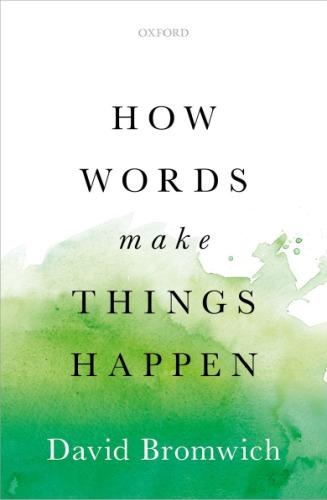
https://ebookmass.com/product/how-words-make-things-happendavid-bromwich/
Instant digital products (PDF, ePub, MOBI) ready for you
Download now and discover formats that fit your needs...
Your Career: How to Make it Happen (MindTap Course List) 10th Edition Lisa Owens
https://ebookmass.com/product/your-career-how-to-make-it-happenmindtap-course-list-10th-edition-lisa-owens/
ebookmass.com
How Could This Happen? 1st ed. Edition Jan U. Hagen
https://ebookmass.com/product/how-could-this-happen-1st-ed-editionjan-u-hagen/
ebookmass.com
Cowboy Christmas Homecoming June Faver [Faver
https://ebookmass.com/product/cowboy-christmas-homecoming-june-faverfaver/
ebookmass.com
Elements of Chemical Reaction Engineering, Global Edition, 6th Edition H. Fogler
https://ebookmass.com/product/elements-of-chemical-reactionengineering-global-edition-6th-edition-h-fogler/
ebookmass.com
Agatha Christie and the Guilty Pleasure of Poison Sylvia A. Pamboukian
https://ebookmass.com/product/agatha-christie-and-the-guilty-pleasureof-poison-sylvia-a-pamboukian/
ebookmass.com
5G Wireless Network Security and Privacy Dongfeng Fang
https://ebookmass.com/product/5g-wireless-network-security-andprivacy-dongfeng-fang/
ebookmass.com
Media Ethics: Key Principles for Responsible Practice (Ebook PDF)
https://ebookmass.com/product/media-ethics-key-principles-forresponsible-practice-ebook-pdf/
ebookmass.com
Shorter Oxford textbook of psychiatry 7th Edition Tom Burns
https://ebookmass.com/product/shorter-oxford-textbook-ofpsychiatry-7th-edition-tom-burns/
ebookmass.com
Wolf Betrayed (Betrayed by Blood Book 2) Bethany Shaw
https://ebookmass.com/product/wolf-betrayed-betrayed-by-bloodbook-2-bethany-shaw/
ebookmass.com
Modern diesel technology : heavy equipment systems Third Edition Sean
Bennett
https://ebookmass.com/product/modern-diesel-technology-heavyequipment-systems-third-edition-sean-bennett/
ebookmass.com
ToEdwardMendelson
Preface
ThisbookisarevisedandexpandedversionoftheClarendon LecturesthatIgaveintheMichaelmasterm,2013,attheUniversity ofOxford.Thetopicgrewoutofaquestionthathaspuzzledme fromthetimeIbegantostudyliterature.Everywritermusthave recognizedtheforceofYeats’sdeclaration “Wordsalonearecertain good.” Butwhatdoesthesayingmean?Wordsdrawnfromthought andfeeling,wordscomposedwithoutthedirectstimulusofutilitarian purpose,mayseemtostandclearofthemixedmotivesandcompromisesthatbelongtotheworldofaction.Admitthisuncontroversialfact,however,andimmediatelyyouarefacedwithachallenge.
Yeatsmeanttocontrastapossiblepurityinwordswiththeimpurity ofdeeds.Yetwordsarevaluedbecausetheymoveus,andwhocansay whetherorwhenthethoughtstheypromptwillmoveusto act?Some ofthewriterswhowillbeconsideredhere(Burke,Lincoln)intended bywordstoaffecttheactionsoftheiraudience;others(HenryJames, Yeatshimself)appealedtothoughtandfeelingwithoutapragmatic interestinchangingtheopinionsoftheirreaders.Butnoconceptual category,noenforceabledistinction,cansealofflanguagefromits effects.Tosayitadifferentway:whateveranauthormayhavemeant, theconsequencesoflanguagearenotcontrolledbytheauthor.Thisis oneofthethingsweoughttomeanby “thefreedomofthewriter,” but itisapparentlynotsomethingwewanttomean.Theadmissionofa necessarylackofcontrolissureto flatterneitherthevanityofauthors northeself-respectofreaders.
“Thephilosophers,” wroteMarxinhisThesesonFeuerbach, “have only interpreted theworldinvariousways;thepointisto change it.” He spokeasarevolutionistwhosawthedistancebetweenthediscoveryof atrueanalysisofsocietyandthewilltoactonit.Thisexpression ofdoubtregardingtheefficacyofpersuasionoughttogiveuspause coming,asitdoes,fromaninterpreterwhowouldsoonassist incomposingoneofthemostdemonstrablyinfluentialofpoliticalwritings.Marxknewthateverycalculationofrhetoricassumes thatpersuasioncansometimesoccur;buttheassumptionitselfis
surprisinglyhardtoprove.Nodoubt,peoplemaycometothinkin waystheyneverthoughtbefore,butthecausemaybeareligious conversion,anintensefriendship,aspellofsicknessoranxiety in short,manythingsbesidesachangeofmindaccomplishedbywords. Allwecansayaboutthetransitionisthatsomethinghaschangedin someone ’sbeliefs.
Justastheattemptatpersuasionmayfailtopersuadeormaydrag thereaderinadirectionunanticipatedbythewriter,soaliterary productionthataimsatnothingbutthoughtandfeelingmay finditself doing something,havinganeffectonthereaderquiteotherthanit imagined.Thiscanbeembarrassingtoadmit,inviewofthemore exaltedclaimsthathavebeenmadeforliterature. “Allvaluesultimatelycomefromourjudicialsentences,” wroteEzraPoundinaletter of1922;andGeoffreyHillinhisessay “OurWordIsOurBond” offeredanecessarycorrective: “Inapoet’sinvolvementwithpoetry, [thereis]anelementofhelplessness,ofbeingatthemercyofaccidents,thepreyofone’sownpresumptuousenergy.” Hillendedby approvingamodifiedversionofPound’sdictum: “Allvaluesultimatelygointoourjudicialsentences.” Butwhatdotheydo,oncethey areinthere?Andwheredotheygoafterward?
SimilarquestionsarepromptedbySeamusHeaney’ sessay “The GovernmentoftheTongue.” Thetitleitselfisapunthatmarksthe author’sambivalenceregardingtheboundarybetweenidealand worldlyauthority.Heaneywantedtopreserveadistinctionbetween theimaginativeandthepersuasiveusesofwords,andyetheknewthat suchadistinctionisdifficulttosustain.Theessaysuggestsasolution maycomefrom “theideathatpoetryvindicatesitselfthroughthe exerciseofitsownexpressivepowers.” Aestheticrightnessandrhetoricalefficacywouldthusbeseentocoincide.Butthen,most strangely,Heaneychoosesasanepitomeoftheself-vindicationof poetrythepassageoftheGospelofJohnaboutthewomantakenin adultery.
ThepassagebeginswiththescribesandPhariseescitingthecommandmentwhichrequiresthatthewomanbestoned;theysaythisto temptJesus, “thattheymighthavetoaccusehim.” ButJesus “stooped down,andwithhis fingerwroteontheground,asthoughheheard themnot.” Anattitudeofunconcernandapparentdetachmentmay havebeenusefulforhissurvival,anditalsogoeswiththelessonhe
meanstoimpart:judgenot,lestyebejudged.Theyprodhimuntilhe replies, “Hethatiswithoutsinamongyou,lethim firstcastastoneat her”;atwhichtheelusivestagedirectionisrepeated: “Andagainhe stoopeddown,andwroteontheground.” Themenfeelthemselvesto be “convictedbytheirownconscience,” andtheyleavethescene, “onebyone,beginningattheeldest,evenuntothelast.” Jesusnow raiseshimselfand,seeingthatheisalonewiththewoman,heasks, “Hathnomancondemnedthee?” Sherepliesthatnonehas. “Neither doIcondemnthee:go,andsinnomore.”
ThescribesandPhariseesevidentlyplannedtoaccuseJesusafter hearinghimutteranewlawcontrarytotheirown.Heoutwitsthem bysayingnothingnew,directingtheminsteadtotheuniversalityof theirlaw:itappliestoeachofthemasmuchastothewoman.Heaney takesthepassagetodemonstratethenon-literalyetvastandunassailablepowersthatresideinpoetry.ButhowdoestheactivityofJesus resembletheactivityofapoet? “Thedrawingofthosecharactersis likepoetry,” writesHeaney, “abreakwiththeusuallifebutnotan abscondingfromit.” Thisseemsaperverseemphasis.Thewritingby Jesusonthegroundsurelyisanabscondingifweconsideritin isolation;whereaswhathappensafterwardbringshimintothecommonlife.Hesavesthewomanfrombeingstonedtodeathbydispersingthecrowdofheraccusers.Hedoesitbytheforceofhisspoken challenge.Butitistheundecipheredcharacters “writtenwithhis finger ” thatinterestHeaney: “Poetryholdsattentionforaspace[as Jesusdoeswhenhewritesontheground],functionsnotasdistraction butaspureconcentration,afocuswhereourpowertoconcentrateis concentratedbackonourselves.” Thispeculiarreadingobeysan anomalousmotiveoftwentieth-centurydefensesofliterature.Words areatoncepraisedfortheirethicalvalueandacquittedofthecharge thattheydosomething.
Torepeat:theGospelpassageoweslittleofitsforcetothewriting onthegroundthatHeaneyassociateswithpoetry.Itisconcernedwith theworldofaction,thepracticalmeaningofthelawthatJesus publiclyinterpretsinordertosavethewoman’slife.Blakesaidthat forgivenessofsinsistheonlyteachingbywhichChristianityoffersa moralprincipledistinctfromthepaganphilosophies. “Thereisnot oneMoralVirtuethatJesusinculcatedbutPlato&Cicerodidinculcatebeforehim.WhatthendidChristinculcate?ForgivenessofSins.
Preface
ThisaloneistheGospel&thisistheLife&Immortalitybroughtto lightbyJesus.” This,too,isthedoctrinepromulgatedbyJesuswhen hepointstotheuniversalityofthelawofforgiveness.
IhavesingledoutHeaneyandHillbecausetheyweregiftedwriters whoaimedtothinkclearlyabouttheeffectsofwords.Thesame perplexitiesoccurwhencommentatorsoflesserstatureaddressthe subject.Weareapttotreatwithmockery,orwithcasualdismissal,the ideathatpoetsare “unacknowledgedlegislators.” Butifwetrytodo justicetotheinfluenceofliteratureonlife,wearefatedtorepeatthe claim,inhoweverdisguisedaform;anditlooksasifShelleywasright afterall:wecannotestimatewhatweowetotheunacknowledged(and unacknowledgable)legislatorswhoaffectusthroughlanguage. Asimilarunderstandingappliestotheeverydayspeakersofrememberedwords.Somebodyishearingthemandgettingasensationthat mayhardlybediscerned.Languageaffectshumanaction,itis involvedinalmosteverythingwedo,anditsmeaningsareimperfectly determined,bothamelioratedanddegraded,bythosewhowriteand thosewhoread. “Forgivethem,fortheyknownotwhattheydo” in thepresentcontextmayseemanexcessiveplea,butitistrueenough thatonlypartiallyandinthewebofcorrigibleerrorscanwepretend toknowwhatwearedoingwithwords.
IshouldliketothanktheOxfordFacultyofEnglishfortheinvitation todelivertheClarendonLectures.Thelecturesarenowcalledchapters,butIhavenotconcealedindicationsthatthebookoriginatedin talkstoadiverseaudienceofscholarswhomIhopedtoconvinceby illustrativequotationsofsomelength.Theresultisanextendedessay, notatreatise,andIhavekeptthenotestoaminimumbylargely confiningthereferencestoquotationsoftwosentencesormore.Ihave formalizedthelooseepistolaryspellinginaletterbyBurke,and punctuatedthesentencesabovebyBlake,butthecommentaryavoids anachronismbyrespectingtheverbalhabitsoftheauthorsinparaphraseaswellasquotation.A finalchapter,writtenlater, isincluded heretounderscoreawarningagainstcensorshipwhichthepreceding chaptersmaybefelttoimply.Recentattemptstocontrolthespreadof dangerouslanguageshouldbeunderstoodinthesamelightasallthe otherreligiousormoralcodesthathistoricallyhavesoughttoshelter
humanconductfrompollutionbyforceswecannotsee,hear,smell, touch,ortaste.
IamgratefultoSeamusPerryforhiswarmhospitalityandmany kindnessesduringmyresidenceinOxford,andfordetailedcomments whichconvincedmetheargumentwasapproachingthecoherence Ihopedfor.IhaveprofitedfromconversationswithSharonAchinstein, MatthewBevis,EricaMcAlpine,TimothyMichael,DavidNorbrook, SophieRatcliffe,andDavidWomersley.HaroldBloomgaveanimpetus tothoughtsinthisbookthatwillcontinuebeyondit.GeorgannWitte readthemanuscriptatanearlystageandcontributedseveralimprovements.RossBordenreadalatedraftwithhisusualcare,andIhave followedmanyofhissuggestions.JacquelineNortonandAimee WrightatOxfordUniversityPressweremosthelpfulontheway topublication,andSarahBarrett’scopy-editingstrengthenedthe clarityandconsistencyofthetext. “Spain ” and “InMemoryof W.B.Yeats” arequoted,inChapter4,withpermissionoftheEstate ofW.H.Auden.Chapter5isreprinted,withminorchanges,fromthe LondonReviewofBooks (22September2016),andIthanktheeditorsfor theirsupport.
1.DoesPersuasionOccur?Austin,Aristotle,Cicero1
2.SpeakersWhoConvinceThemselves:Shakespeare, Milton,James21
3.PledgingEmotionforConviction:Burke, Lincoln,Bagehot42
4.PersuasionandResponsibility:Yeats, Auden,Orwell62
5.WhatAreWeAllowedtoSay?Rushdie, Mill,Savio83
Therhetoricianwoulddeceivehisneighbours, Thesentimentalisthimself.
Yeats, EgoDominusTuus
Nothingwillcomeofnothing:speakagain.
Shakespeare, KingLear
DoesPersuasionOccur?
Austin,Aristotle,Cicero
Iborrowthetitleofthisseriesoflecturesfromtwowell-known phrases.W.H.Auden,inhiselegyforWilliamButlerYeats,deplored theemotionalextravaganceandmoralrecklessnessofthepoetwhose deathhemourned,butheendedbygrantingapartialexoneration. WhateverYeats’smotivesmayhavebeen,Audendeclared,hecould notbeaccusedoffomentingwickedness,since,afterall, “poetrymakes nothinghappen.” Thismaximwasassimilatedtocriticaldoctrinein the1950sandbecamepartofthecommonsenseofliterarystudies; andthedefenseofpoetryitimplieswasstillgoingstrongageneration later,whenoneofmyteachers,W.K.Wimsatt,memorablydefineda poemasaverbalobjectwhoseonlyendistobeknown.Apoem, Wimsattmeant,isn’tproperlyunderstoodasthecauseofeffectsworth lookinginto.Agreatpoemshouldn ’tmakeyouwanttojoinamovement,ortochangeyourlife;itsnatureisnottopersuade;andevenifit hasthateffectonsomepeople,thatisnotwhyitmatters,notwhatwe cometovalueitfor.Thinkofreadersofpoetrywho are affectedsoas tobelievesomething readerswhobelievesoastobeconvincedand possiblytoactontheirconviction andyouarethinkingofuntutored persons.Theydon’tknowhowtotakethewordsofapoem.
TheotherhalfofmytitlecomesfromJ.L.Austin’sbook HowtoDo ThingswithWords.Thoughinstructionondoingthingswithwordsmay cutagainsttheideathatwordsmakenothinghappen,Austin’ssenseof thewaycertainwordsperformspecificactionswasquitecompatible withAuden ’sdictumthatwordsofanothersortreliablyactsoasto bringaboutnoeffect.Austinwasnottalkingaboutpoetry.Rather,his surveycoveredalimitedsetofverbalformulaethataccomplish somethingconcreteinthecourseoftheirsayingorbyvirtueofcertain
wordshavingbeensaid.Hemainlydrewhisexamplesfromsmalland largeceremonialoccasions:saying “Welcome” topeopleinorderto welcomethem,saying “Thankyou” wherethesayinggivesthe thanks sofar,thepointissoclearitmayhardlyneedexplaining.
Butwecaneasilycalltomindinteractionsthathaveamoreformal character.Apolicemansaystoaculprit, “Iarrestyou,” andindoing soarrestshim;apriestaffirmstoacouple, “Inowpronounceyouman andwife,” andtheyaremarried.Itisn’thardtopickoutthefamily resemblanceamongsituationsinwhichwordseitherperformanaction orconstituteanecessarypartofaperformanceinwhichtheiractual forceisprovedbytheappropriateaccompanyingmeasuresorgestures.
At firstglance,theonly poems thatwouldseemtodothisarepoems intheshapeofapreordainedblessingorcurse,apetitionorprayer, suchasMilton’ssonnet “OntheLateMassacreinPiedmont” :
AvengeOLordthyslaughteredsaints,whosebones LiescatteredontheAlpinemountainscold, Eventhemwhokeptthytruthsopureofold WhenallourFathersworshippedstocksandstones, Forgetnot.1
Milton’scallfordivineretributionagainstthekillersoftheWaldensianhereticsisinseparablefromtheprayer-likecommand, Avenge! But Godisnothisonlylistener.Remembrance,sofarasitcanbe performed,turnsintoafactthroughtheutteranceoftheimperative Forgetnot! Foralessweightyinstance,compareTennyson’saffirmation inhislovelyverses “ToE.FitzGerald” thatthepoemheiswritingwill itselfbehisappropriategift: “AndsoIsendabirthdayline/Of greeting.” Heknowsthathisoldfriendwillwelcomethespecialgiftin accordancewiththepatternoftheirfriendship,
When,inouryoungerLondondays, Youfoundsomemeritinmyrhymes, AndImorepleasureinyourpraise.2
Thewordsbothanticipateandprovethecontinuityofareciprocal feeling.
ContemporarytheoristsoftextualinterpretationhaveshownconsiderableinterestinAustin’sideaofthe “performativeutterance.” IhaveinmindparticularlythewritingsofQuentinSkinnerand
J.G.A.Pocock,whichinterprettextsinthecanonofpoliticalthought asspeechactsdirectedtoacertainaudienceatacertaintime.The readersofapersuasivetext,itisargued,learnhowtoreadtheverbal cuesinaspecialandalmost-explicitway;persuasion,onthisview, functionssothatthereadercompletesaperformanceintendedbythe writer.Myargumenttakesasimilarstartingpointwithouttryingto establishasetofgenericconstraintsorallusivesignalsthatopenapath ofcommunicationbetweenwriterandreader.Iamconcernedrather withoccasionsonwhichwordsmaypersuadeinspiteofthemselves, andofteninspiteoftheiravowedintention.
Anyonewhohaseverbeenaskedtoprovethatpersuasionoccurs willrealizehowharditistotakethe firststepsinsuchaproof.Ifound thisoutinmy firstyearsofteaching,whenacolleagueinthephilosophydepartmentdeniedthatpeople’smindswereeverchangedbythe thingsotherpeoplesaid.Ithoughttheoppositewastrueandcitedthe exampleofMartinLutherKing hadn’tKingchangedthemindsofa greatmanypeople?Thephilosopherdeniedit.Hemadenopretense ofhavingmasteredanysociologicalorpoliticaldatathatcouldshed lightonthecase.Ontheoreticalgroundsalone,hesimplydidnot believethatmindscouldbechangedbywords.Myresponse,that therewerepeoplewho testified totheimpactofKing’sspeeches,failed tosettlethedispute.
Irecallthisdeadlockpartlyasawarningaboutthereadingsthat supportmyargument.Nowordscansufficeasproofoftheconsequencesofwords.Theveryideaofpersuasionismetaphorical it supposesabridgebetweentwominds andonthisground,aliteralist canalwaysstopyoushort.ButIaminterestedinthehalfmetaphorical,half-literalusagesthatmarkaboundarybetweenrhetoricandpoetry,orbetweenthepersuasiveandtheimaginativeusesof words aboundarywegenerallyacknowledgetoexistwhilerecognizingthatitisexceedinglydifficulttolocate.Iwillaskwhatitisabout anattemptedactofpersuasion and,inthemindsofsomereaders,a demonstrablysuccessfulact thatmakesitsohardforussayforsure whetherthewordsarefancifuloraccurate, fictionalormatter-of-fact, plainlyfalseormanifestlytrue.Persuasivewordsmaybeboththings, ofcourse theymaybeatoncefancifulandtrue buttheydon’t showtheircolorswithasatisfyingclarityonewayortheother. Allowingforthisnecessaryqualification,Iproceedontheassumption
thatpersuasiondoesoccur,andthatwecanknowitdoesbyintrospection,evenifweheednoothertestimony.Atthesametime,the resultsofagivenattemptatpersuasionareuncontrollable.Itiseasier tosaythatcertainwords will affectpeoplethanitistosay how the wordswillaffectthem.
Consideranextremeexampleofpersuasionthatwasprobably unintended.Neartheendof ALettertoaNobleLord, EdmundBurke imagineswithsensationalvividnessthedemolitionofthelanded estatesofhisenemyanddetractorthedukeofBedford.Burke supposestheagentsofdestructiontobetheFrenchJacobinswho willhaveinvadedandconqueredEngland anactiontheradical politicsoftheyoungdukemightbetakentohaveencouraged.The passagebegins, “ HisGrace ’ slandedpossessionsareirresistiblyinvitingtoan agrarian experiment ” ;andthephantasmagoriathatunrolls musthaveseemedtoBurke’ sfollowersabrilliantvindicationofhis counter-revolutionaryargument,adeservedsatireonthedangerous pretensionsofmenofprivilegewho “ commitwasteontheinheritance. ” Yetweknowthatthesamepassagewascapableofhavinga differenteffect.ToRomanticradicalsofthenextgenerationsuchas theyoungWilliamHazlitt,itexempli fiedtheascendancyofindividualgeniusoverinheritedpowerandprivilege.Burkewasuttering fearlesstruthsagainsttheunmeriteddistinctionofaristocracy;whateverhisintentionmayhavebeen,oneeffectofthe Letter wasto underminethepretensionsofthenobility. ALettertoaNobleLord is asatiricalpolemicwithanovertly politicalsubject;itwouldnowbe classi fi ed(inthecrudestterms)asnon- fiction;butthathelpsvery littleingaugingtheconsequencesofBurke’ simaginings.Evena propergeneric “ frame ” cannotpreventaresponsethatgoesaslant ofanythingtheauthorintended.Wordsactindivergentwayson intelligentreaders.
Considernowaquitedifferentexamplefromtheartof fiction. HenryJamesinhisnovelsandstoriesdrewmanyportraitsofthe “collector,” theman(itisusuallyaman)whoexhibitsawonderful curatorialconcernwithhisimpressions,orwithhisacquisitionofrare ordelicateobjects.Thereislikelytobesomeinitialagreementon whichcharacterswejudgetobespecimensofthetype.GilbertOsmond
in ThePortraitofaLady isone;anotheristhenameless “publishing scoundrel” of TheAspernPapers.Butsubsequentdisagreementmay coverawiderange.HowdowejudgethemoralcharacterofAdam Ververin TheGoldenBowl?Theanswerwilldependinlargemeasureon whatwemakeofhisrelationshiptohisdaughter,Maggie,arelationship thatbordersontheincestuous.Whenthetwoofthemmanipulatetheir respectivepartnersinordertorestoretheintegrityofMaggie’ smarriage,theirsecretintimacyoutweighsthelovetheyfeelfortheirmates. Thiswillappeartosometastesperverse,toothersatransubstantiation oflovetoahigherregister.Ourjudgmentnecessarilybringsintoplay manythingsabout us,quiteapartfromonourgraspofwhatJames wantedustothink evenifwecouldbesurewhathewasaimingatin TheGoldenBowl.Inacaselikethis,thedisputeaboutmeaningturnsus backtoirreducibleintuitionsabout “howtoliveandwhattodo,” the actionsweadmireandthethingswecareformost.
Andthecauseswearewillingto fi ghtfor.Thoreau’ sgreatessay “ CivilDisobedience” wascreditedbyGandhiwithhavingexerteda majorin fluenceonhisthought;amongthefewotherwritingshe placedinthesamecategorywasRuskin’ s UntoThisLast. Thoreau, whosaidthehangingofJohnBrown,theanti-slaveryterrorist, would “ makethegallowsasgloriousasthecross, ” andRuskin,the feudalcriticofhighcapitalism,wouldhavebeenequallysurprisedat theiroffspring:adoctrineandpract iceofnon-violentresistancethat endedBritishruleinIndia.Theuncontrollabilityofpersuasion, however,doesn’ tcomeundertheheadingofambiguity;though thetwoarerelated,theyindicateseparatekindsofuncertainty.An ambiguity,evenifunconsciousonthepartoftheauthor,musthave been allowedfor bytheauthor.Itpicksupplausibilityfromthewords themselvesandfromsomethingab outthenatureofthework:the relevantcontextbeingtakenintoaccount,wedecidethatthewords inviteanambiguousreading.Bycontrast,theunanticipatedconsequencesorvagrantby-productsofpersuasionmayinterestusmost intenselywhentheycounteracttheauthor ’sevidentwish.When,in short,theygivethereadersomet hingmoreorsomethingotherthan theauthorbargainedfor.
Persuasionisanecessarywordnodoubt,butdullandrather ungainlyasitiscommonlyused.Webringitintosharperfocusifwe thinkoftrackingapossibleconversionofthereadertoadefinitebelief.
Butthisisnotexactlyacaseofbelief in,aswewouldsayofasubscriber toasettleddoctrine,norisitacaseofbelief that,aswewouldsayofa propositionabouttheworldthatcanbeputintoanindicativesentence.ThereisasubtlerunderstandingaboutbeliefthatIthink powerfulwritersandspeakersshare,whethertheyknowitornot.
Manisabelievinganimal.Itishumanto want tobelievethings,anda hungerforbeliefdrivesmuchofhumanconduct.Thisfactalone explainsmuchofthecontentofreligionandpolitics,andagood dealoftheinterestinworksoftheimaginationthatwerecognizeas bringingwiththemnopracticaldirective.Iwoulddistinguishthe hungerforbelieffromwhatWilliamJamescalled “thewilltobelieve,” bywhichhemeantthedesireforasolidfaithinwhichtogroundour mostconsequentialactions.Jameswaspointingtoasourceofthe convictionthatwepossessfreedomofthewill,asourcethatwould allowustoanchorthatfeelinginsomethinggreaterthanourselves. Iamdescribingsomethingmuchlessavailabletoconsciousawareness: aneagerreadinessforcontactwithapparentrealities,butareadiness thatdoesn ’tinvolvecredenceortheputtingapropositionintopractice.Thinkofthecommonexpression “You’rekidding!” Whenwesay itinacertainway,closertolaughterthanalarm,wealwaysmeanthe samething: “Ihopeit’strue buttrueornot,howluckytobehearing ofanythingsofascinatingandimprobable.” You’rekidding:welikeit bestifthethingistruebut(sogreatisourhungerforbelief)wegivethe speakercreditevenifheorshewasputtinguson.Thejokewasonus, anditisalmostasgoodasifitweretrue.Wetreatasamanifestationof wit therecountingofapossiblytruestoryand,equally,asuccessfullie whichwe findgripping.ThatmusthavebeenonereasonwhyAristotleinhis Rhetoric definedwitas “well-bredinsolence.” Supposea speakerhasembarrassedusbyelicitingourbeliefinalie.Whatofit? Thebeliefitselfstillinterestsusandwepardonthetrespass. Skepticism,whichalongsidecuriosityistheparentofscience,isa latedevelopmentinhumannature.
Believing,however,isonlyhalfthepuzzle.Inafewpersons,whose importanceisoutofproportiontotheirshareofthehumangroup, thereisahungertobebelieved.Itellyouastory,maybeatruestory, becauseIwantyoutohearitapprovingly;andthesuresignofyour
approvalwillbeyourbelief.Thepressingdesiretobebelieved so Iwillargueinthesecondlecture isasourceofourfascinationwith dramaticsoliloquiesthatexhibitindetailtheprocessofrationalization orself-justification.Wecanseethesamedesireatworkinthesearch forexplanationsthatlooktoward first-personaction.Whenweare hardatworkpersuadingourselves,wetalktoourselvessilently;but thisinwarddialoguefollowsnoneoftheprotocolsofempiricalprudenceordisinterestedmorality;itmayignoreeventhedemandsof simpleself-interest.Insuchdeliberations,wesee ourselves aspeople whowanttobebelieved.Ofallthegreatnovelists,HenryJames excelledintheportrayalofaconsciousnessthatisatoncethesubject andtheobjectofahungerforbelief.
Followingthetreatment,inthe firsttwolectures,ofpersuasion, action,andbeliefingeneral,andofspeakerswhoconvincethemselves,suchasShakespeare’sBrutusandMilton’sSatan,thethird lectureaimstoillustrateasimilarprocessbutnowinvolvingahigh degreetheatricalartificeandpremeditation.Here,thespeaker appealstoanaudiencefromexplicitknowledgeoftheircommon situation,andtheperformanceinseparablymixeslogical,ethical, andemotionallinesofaddress.Inpursuingthistopic,unlikethe others,Iwillstaymostlywithintheboundsofrhetoricalanalysis properlyspeaking.Evenhere,theanalysiswillshow,therearepossible inferencesfromawell-plottedspeechthatwouldstartlethespeaker whosawthembeforehand.Thisisageneraltruthaboutwordsthat exciteus,andatruthcertainlyknowntotheancients:notearsinthe speaker,notearsinthelistener.Horacealsoexpectedustoknowthat tearsaffectusmostwhentheycomeunbidden.
Thefourthlecturedealswiththedifficultyofapplyingourusual canonsofresponsibilitytoapoemthatworkslikeanorationora formalapology,apoemthatisinfactworkingtoconvinceitselfandits readersofapracticaltruthitcannotbeartospecify.WhenJohnStuart Millsaidthat “eloquenceis heard,poetryis overheard,” hemadeno allowanceforthoseoccasionswhenapoettalkshimselfintoan impassionedandinfluentialattitudeonapublicquestion,andconsentstobeoverheardbyreaderswhilehedoesso.Thepractical influenceofaliterarywork,asthecauseofaneffectthatgoesbeyond attitude,maycallintoquestionourusualideasabout “aesthetic distance” andtheseparationbetweentheaestheticandtheethical.
Wemay findithardtoavoidtheconclusionthattheartisthas done somethingwrongwithwords. ***
Whenlanguageisbothimaginativeandpersuasive,itsmeaningscan’t beconfinedwithinthelimitsthatgrammariansandcriticsliketoset. Thismaystillbethecasewhenweareintenselyconsciousofourwish tocontroltherangeofourmeanings.Burke’ s EnquiryintotheSublime andBeautiful comparesaverbaldescriptiontoapaintinginorderto convinceusthatthepainting,justbecauseitproducesvisibleeffects,is lesseffectivethanwordsatraisingstrongemotions.Wordsaresuperiorparadoxically,saysBurke,becausetheyyieldamoreobscure imageoftheirobject;theythereforeleavemoretotheimagination; theyarebettersuitedtofeedingthepassionsfortheveryreasonthat theyhaveahardertimeapproachingclarityandtruth.Thediscussion occursinasectionofthe Enquiry whereBurkedrawsheavilyon Longinus,asectionoftenrememberedfortheaphorism “weyieldto sympathywhatwerefusetodescription.” Butevenaverbaldescriptiononthisviewwantstobepicture-like:itistryingforsharp definitionandthatistheproblem(theproblem,Imean,forsomeone interestedinraisingstrongemotions).Drawouttheobservationalittle furtherandBurkewillseemtobeimplyingthatgreateffectsare incompatiblewithanystretchofwordsthatpleasestoomuchby beingmerelyaccountable.
Infact,Burkemakesaninferencestillmoreradicalwhenhe resumesthecomparisonofwordandpictureinthe finalpartofthe Enquiry.Herehisdeclaredsubjectis “Words.” Werelyonwordsas universals,hesays,andsothoroughgoingisthisreliancethatwords mayshedallpretenseofreferringpreciselytoanything.Onthis account,thepassagefromdesignationtoabstractionishardlyconscious.Thefrequentfailureofwordstodelivertheliteralvaluethey promise,ortheliteralhelpwewronglyexpectofthem,turnsouttobe aperverseconveniencefortheimagination. “Thesoundsbeing oftenusedwithoutreferencetoanyparticularoccasion,andcarrying stilltheir firstimpression,theyatlastutterlylosetheirconnection withtheparticularoccasionsthatgaverisetothem.” Thegradual processofdissociationovertime,whichturnsaptmetaphorsinto deadmetaphors,worksalsototurnreferringintonon-referring
literalisms.Icalleditaperverseconveniencebutitisalsoanordinary conveniencetobeforeversendingandreceivingtheapproximate signalsthatformourlinguisticcurrency.Wefeelnocauseforalarm sinceitisopentoustochecktheworthofthesignalsbyother means detectabletonesofvoice,acquaintancewiththespeaker, andsoon.
“Nothing”—thisismorefromBurkeonwords –“isanimitation furtherthanasitresemblessomeotherthing;andwordsundoubtedly havenosortofresemblancetotheideasforwhichtheystand.” Just becausewordsareunmeaninginthissense,theyarewell fittedto conveyastrongchargeofirregularpassion.Soweyieldourselvesto thesympathyevokedbywords;weyieldforbetterandalsoforworse. Butamasterofpersuasionwhorecognizesthistruthmustacceptthe uncertaintyofsuccessinachievinga desired effectfromwords.Burke, inhisownrhetoricalpractice,wasparticularlyanxiousaboutthat uncertainty,andinhis SpeechonFox’sEastIndiaBill,inthemiddleofhis attackonthecommercialempireoftheEastIndiaCompany,he pausedtowonderatthewayavividdescriptionofcrueltymight counteractthepropereffectsofsympathy:
Ithasbeensaid(and,withregardtooneofthem,withtruth)that TacitusandMachiavel,bytheircoldwayofrelatingenormouscrimes, haveinsomesortappearednottodisapprovethem;thattheyseema sortofprofessorsoftheartoftyranny,andthattheycorrupttheminds oftheirreaders,bynotexpressingthedetestationandhorrorthat naturallybelongtohorribleanddetestableproceedings.3
Strongdisapprovaldoesattachtosuchcrimes,asweexperienceor witnessthem;butowingtotheuncertaintyofwordsandournonmoralcuriosityregardingnewobjects,thenaturaloperationofthe emotionsissuspendedwhenfascinatingatrocitiesareimpartially recounted.Wedonotknowquitewhatwearefeelingthen.
Onecan findarelatedthoughtinBurke’sletterofNovember1789 toCharles-Jean-FrançoisDepont theletterthatwasthegermof ReflectionsontheRevolutioninFrance.Burkehadhesitatedtosendit,he tellshisyoungcorrespondentinFrance,because “inseasonsofjealousy,suspicionisvigilantandactive,” andiftheauthoritiesinterceptedthelettertheymightpiecetogetherindicationsthatcouldbe usedagainstitsrecipient.