Published in the Oxford Philosophical Concepts Series
Efficient Causation
Edited by Tad Schmaltz
Sympathy
Edited by Eric Schliesser
The Faculties
Edited by Dominik Perler
Memory
Edited by Dmitri Nikulin
Moral Motivation
Edited by Iakovos Vasiliou
Eternity
Edited by Yitzhak Melamed
Self-Knowledge
Edited by Ursula Renz
Embodiment
Edited by Justin E. H. Smith
Dignity
Edited by Remy Debes
Animals
Edited by G. Fay Edwards and Peter Adamson
Pleasure
Edited by Lisa Shapiro
Forthcoming in the Oxford Philosophical Concepts Series
Health
Edited by Peter Adamson
Persons
Edited by Antonia LoLordo
Evil
Edited by Andrew Chignell
Space
Edited by Andrew Janiak
Teleology
Edited by Jeffrey K. McDonough
Love
Edited by Ryan Hanley
Human
Edited by Karolina Hubner
Health
A History
Edited by Peter Adamson
1
Oxford University Press is a department of the University of Oxford. It furthers the University’s objective of excellence in research, scholarship, and education by publishing worldwide. Oxford is a registered trade mark of Oxford University Press in the UK and certain other countries.
Published in the United States of America by Oxford University Press 198 Madison Avenue, New York, NY 10016, United States of America.
All rights reserved. No part of this publication may be reproduced, stored in a retrieval system, or transmitted, in any form or by any means, without the prior permission in writing of Oxford University Press, or as expressly permitted by law, by license, or under terms agreed with the appropriate reproduction rights organization. Inquiries concerning reproduction outside the scope of the above should be sent to the Rights Department, Oxford University Press, at the address above.
You must not circulate this work in any other form and you must impose this same condition on any acquirer.
Library of Congress Cataloging-in-Publication Data
Names: Adamson, Peter, 1972– editor.
Title: Health : a history / edited by Peter Adamson. Description: New York : Oxford University Press, 2019. | Series: Oxford philosophical concepts | Includes bibliographical references and index. Identifiers: LCCN 2018016069 (print) | LCCN 2018022021 (ebook) | ISBN 9780190921293 (online content) | ISBN 9780199916436 (updf) | ISBN 9780190921286 (epub) | ISBN 9780199916443 (pbk. : alk. paper) | ISBN 9780199916429 (cloth : alk. paper) Subjects: LCSH: Medicine—Philosophy. Classification: LCC R723 (ebook) | LCC R723.H394 2018 (print) | DDC610.1—dc23 LC record available at https://lccn.loc.gov/2018016069
1 3 5 7 9 8 6 4 2
Paperback printed by Sheridan Books, Inc., United States of America
Hardback printed by Bridgeport National Bindery, Inc., United States of America
Contents
Contributors vii
Introduction 1
Peter Adamson
1. Health and Philosophy in Pre- and Early Imperial China 7
Michael Stanley-Baker
2. Medical Conceptions of Health from Antiquity to the Renaissance 43
Peter E. Pormann
3. The Soul’s Virtue and the Health of the Body in Ancient Philosophy 75
James Allen
Reflection: Phrontis: The Patient Meets the Text 95
Helen King
4. Health in Arabic Ethical Works 103
Peter Adamson
Reflection: The Rationality of Medieval Leechbooks 136
Richard Scott Nokes
5. Health in the Renaissance 141
Guido Giglioni
Reflection: Early Modern Anatomy and the Human Skeleton 174
Anita Guerrini
6. Health in the Early Modern Philosophical Tradition 180
Gideon Manning
7. Health in the Eighteenth Century 222
Tom Broman
Reflection: Pictures of Health? 246
Ludmilla Jordanova
8. Freud and the Concept of Mental Health 251
Jim Hopkins
Reflection: Portrait of the Healthy Artist 282
Glenn Adamson
9. Contemporary Accounts of Health 289
Elselijn Kingma
Bibliography 319
Index of terms 353
Index of Authors and Works 359
Contributors
Glenn Adamson is the twin brother of Peter Adamson. He is also a curator, writer, and historian who works across the fields of design, craft, and contemporary art. Currently Senior Scholar at the Yale Center for British Art, Adamson has been Director of the Museum of Arts and Design, New York; Head of Research at the V&A; and Curator at the Chipstone Foundation in Milwaukee. His publications include Fewer Better Things: The Importance of Objects Today (2018); Art in the Making (2016, co-authored with Julia Bryan Wilson); Invention of Craft (2013); Postmodernism: Style and Subversion (2011); The Craft Reader (2010); and Thinking Through Craft (2007).
Peter Adamson is the twin brother of Glenn Adamson. He is also Professor of Late Ancient and Arabic Philosophy at the Ludwig Maximilians Universität in Munich. With G. Fay Edwards, he is the co-editor of another volume in the Oxford Philosophical Concepts Series, entitled Animals: The History of a Concept (2018), and the author of the book series A History of Philosophy Without Any Gaps, published by Oxford University Press. Two volumes collecting his papers on late ancient philosophy and philosophy in the Islamic world appeared recently with the Variorum Series published by Ashgate.
James Allen is Professor of Philosophy at the University of Toronto and was formerly Professor of Philosophy at the University of Pittsburgh. He is the author of Inference from Signs: Ancient Debates About the Nature of Evidence (2001) and the co-editor of Essays in Memory of Michael Frede (special issue of Oxford Studies in Ancient Philosophy, 2011). He has published articles about ancient skepticism, Stoicism, Epicureanism, Plato, Aristotle and the relations
between ancient medicine and philosophy spanning topics in ethics, logic, and natural philosophy.
Tom Broman is Emeritus Professor of History of Science and History of Medicine at the University of Wisconsin, Madison. He is the author of The Transformation of German Academic Medicine, 1750–1820 (1996) and co-editor of Science and Civil Society (2002). He has authored articles that analyze the constitution of scientific and medical expertise, the early history of scientific journals, and the history of the public sphere in the eighteenth century. He is currently writing a comprehensive survey of science in the Enlightenment.
Guido Giglioni is Associate Professor of History of Philosophy at the University of Macerata, Italy. His research is focused on the interplay of life and imagination in the early modern period, on which he has written and edited several contributions. He has published two books, on Jan Baptiste van Helmont (2000) and Francis Bacon (2011).
Anita Guerrini is Horning Professor in the Humanities and Professor of History at Oregon State University. She has published widely on the history of animals, medicine, food, and the environment. Her books include Experimenting with Humans and Animals: From Galen to Animal Rights (2003) and The Courtiers’ Anatomists: Animals and Humans in Louis XIV’s Paris (2015). Current research projects concern skeletons as scientific and historical objects (for which she recently won a grant from the National Science Foundation) and the role of history in present-day ecological restoration. She blogs at anitaguerrini.com/anatomia-animalia.
Jim Hopkins is Reader Emeritus in Philosophy at King’s College and Visiting Professor in the Psychoanalysis Unit of the Research Department of Clinical and Health Psychology at University College London. His main work has been on psychoanalysis, consciousness, Wittgenstein, and interpretation.
Ludmilla Jordanova is Professor of History and Visual Culture and Director of the Centre for Visual Arts and Culture at Durham University. Her books include Lamarck (1985), Sexual Visions (1989), History in Practice (2000, 2006, with the third edition near completion), The Look of the Past (2012), and Physicians and their Images (2018). Her research interests include portraiture and the cultures of science and medicine since 1600.
Helen King is Professor Emerita in Classical Studies, the Open University, and a Visiting Professor in Politics and International Studies, University of Warwick. She has published widely on gender and sexuality, myth, and ancient gynecology and obstetrics, and their reception into the early modern period and beyond. Her books include The One-Sex Body on Trial: The Classical and Early Modern Evidence (2013) and, co-edited with M. Horstmanshoff and C. Zittel, Blood, Sweat and Tears: The Changing Concepts of Physiology from Antiquity into Early Modern Europe (2012).
Elselijn Kingma is Associate Professor in Philosophy at the University of Southampton and Socrates Professor in Philosophy and Technology in the Humanist Tradition at the University of Eindhoven in the Netherlands. She leads a major research project on the metaphysics of pregnancy and has published numerous articles on the philosophy of medicine and biology.
Gideon Manning is a Visiting Scholar at the Claremont Graduate University, having previously taught at the University of Pittsburgh, the College of William and Mary, and the California Institute of Technology. His recent publications include “Descartes and the Bologna Affair,” “Descartes’ Metaphysical Biology,” and the edited volume Professors, Physicians and Practices in the History of Medicine: Essays in Honor of Nancy Siraisi (2017). He is co-editor with Lisa Jardine of the forthcoming volume Testimonies: States of Body and States of Mind in the Early Modern Period .
Richard Scott Nokes is an Associate Professor of Medieval Literature at Troy University and founder of Witan Publishing. He is co-editor of Global Perspectives on Medieval English Literature, Language, and Culture and Conflict in Southern Writing (2007), and is the academic editor and publisher of multiple volumes of medieval scholarship on subjects as varied as medieval combat, manuscript production, and linguistics.
Peter E. Pormann is Professor of Classics and Graeco-Arabic Studies at the University of Manchester. Recent publications include special double issues The Arabic Commentaries on the Hippocratic “Aphorisms” co-edited with Kamran I. Karimullah (2017), and Medical Traditions (co-edited with Leigh Chipman and Miri Schefer-Mossensohn, 2017–2018); and edited books: La construction de la médecine arabe médiévale (with Pauline Koetschet, 2016); Medicine and Philosophy in the Islamic World (with Peter Adamson; 2017); 1001
Cures: Contributions in Medicine and Healthcare from Muslim Civilisation (2017); and the Cambridge Companion to Hippocrates (2018).
Michael Stanley-Baker is an Assistant Professor in the History Program at Nanyang Technological University, Singapore, and formerly a postdoctoral researcher at the Max Planck Institute for the History of Science, Berlin. With Vivienne Lo, he is the co-editor of the Routledge Handbook of Chinese Medicine (2017), and also co-editor with Pierce Salguero of a volume provisionally titled Situating Religion and Medicine Across Asia . He is project lead for the Drugs Across Asia digital platform, in collaboration with the Max Planck Institute, National Taiwan University and Dharma Drum Institute for Liberal Arts, and serves as the Vice-President of the International Association for the Study of Traditional Asian Medicine. He publishes on Daoism and Chinese medicine in early imperial China, on practice theory, close reading, and Digital Humanities.
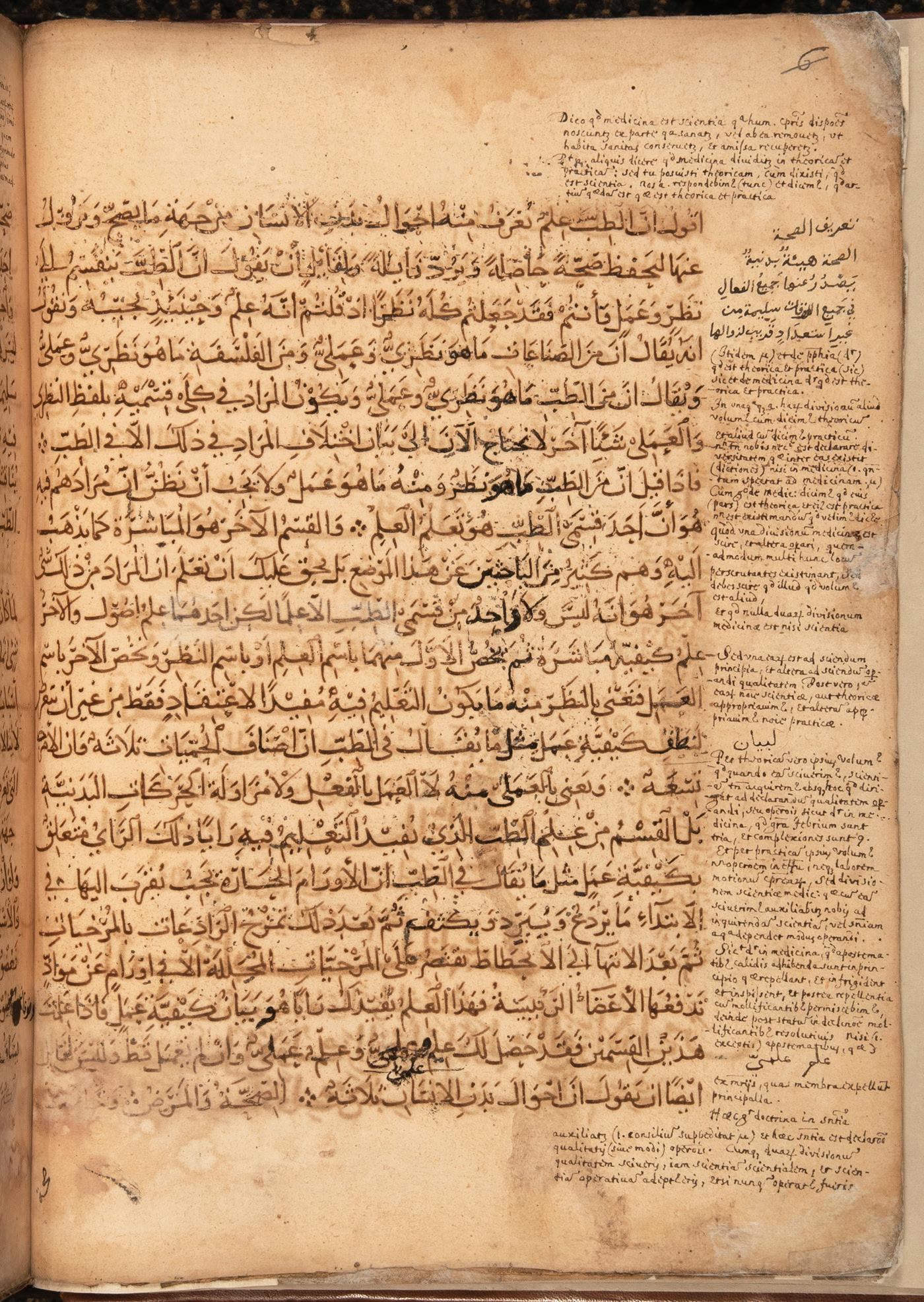
Plate 2 Avicenna, Canon, MS Tritton 12, fol. 1b. Royal College of Physicians, London.
3
plate 4
plate
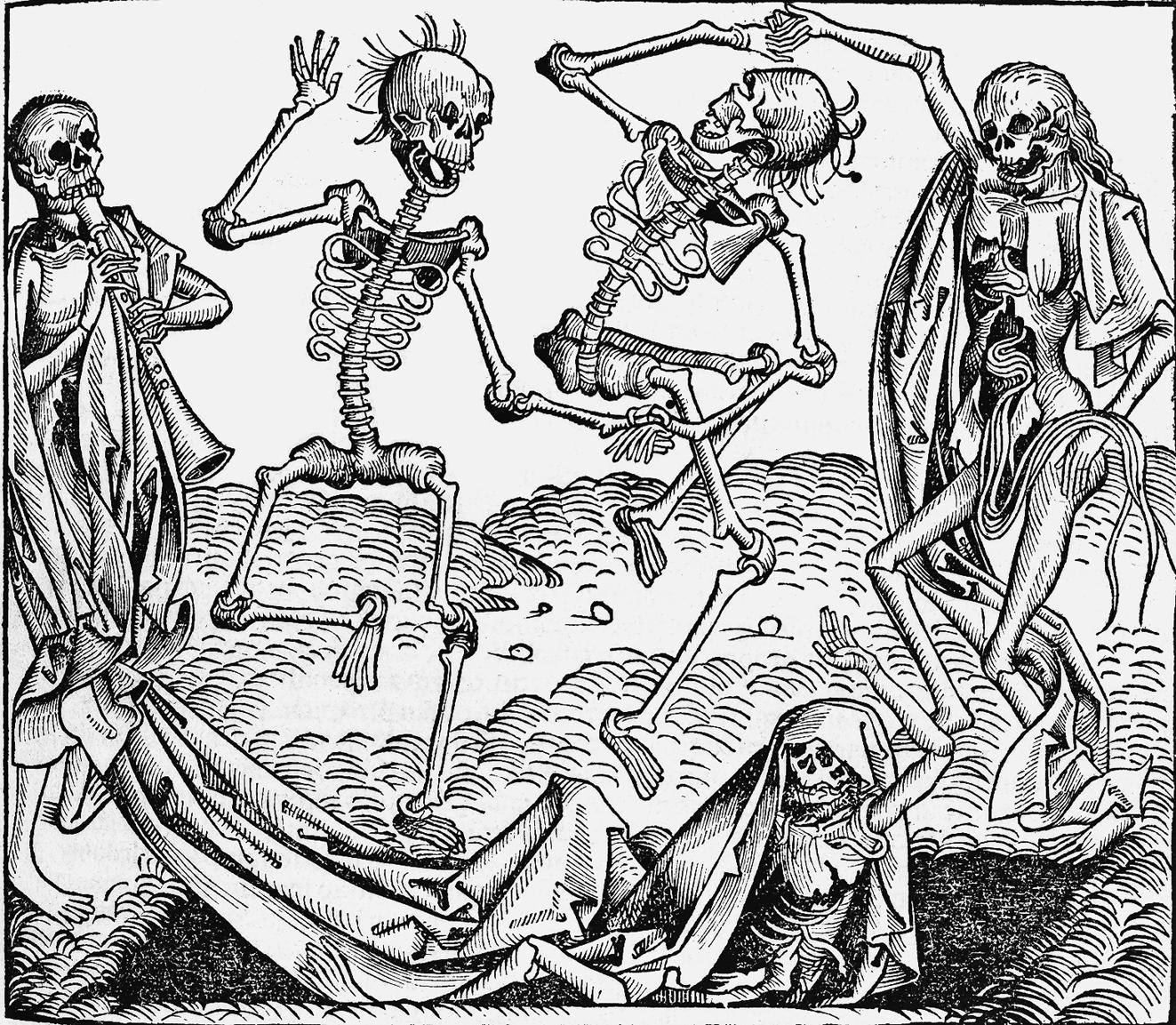
Liber chronicarum, “Dance of Death,” 1493. Wellcome Library, London.
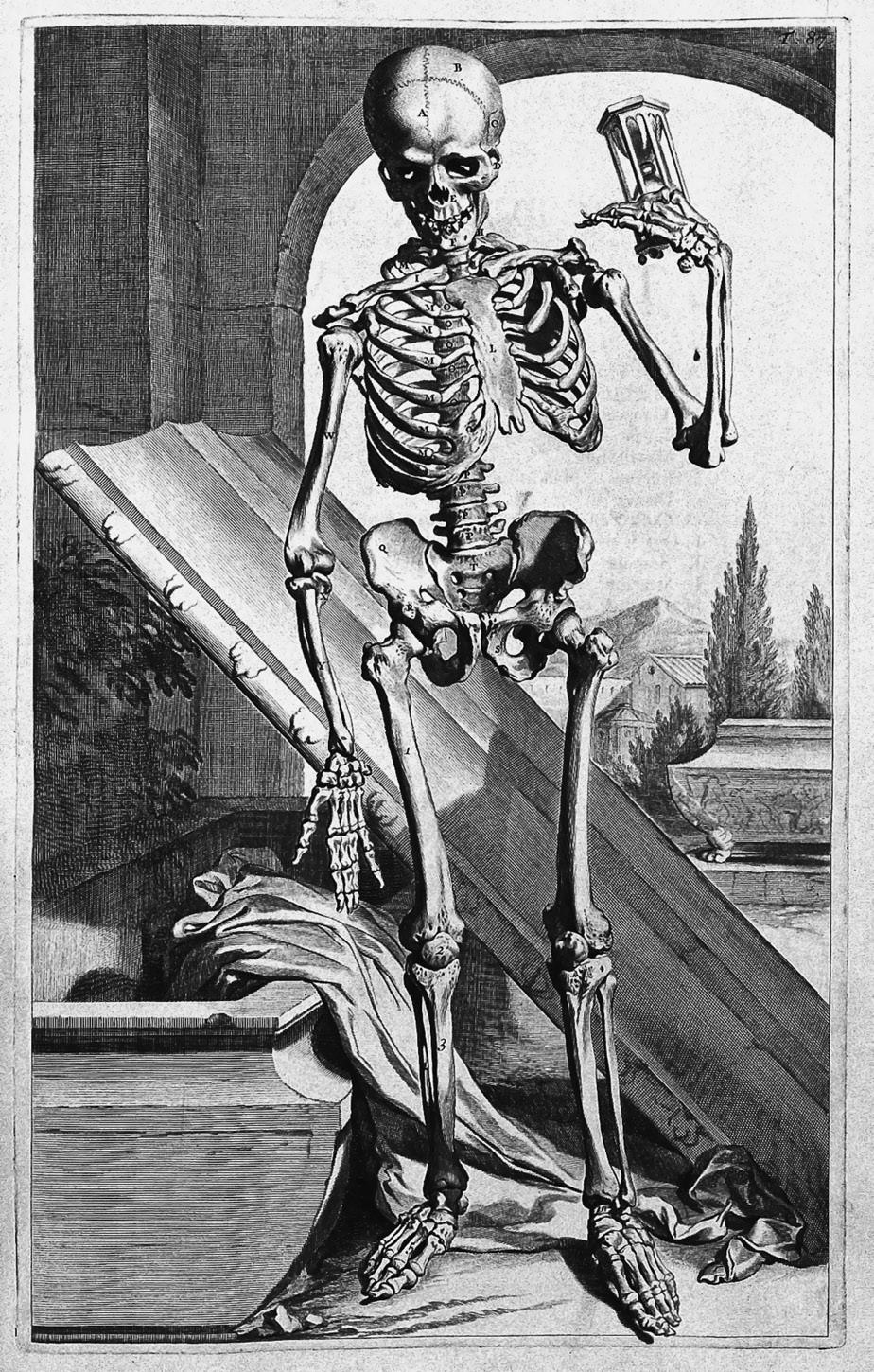
Anatomia humani corporis, engraved plate by Gerard de Lairesse, 1685. Wellcome Library, London.
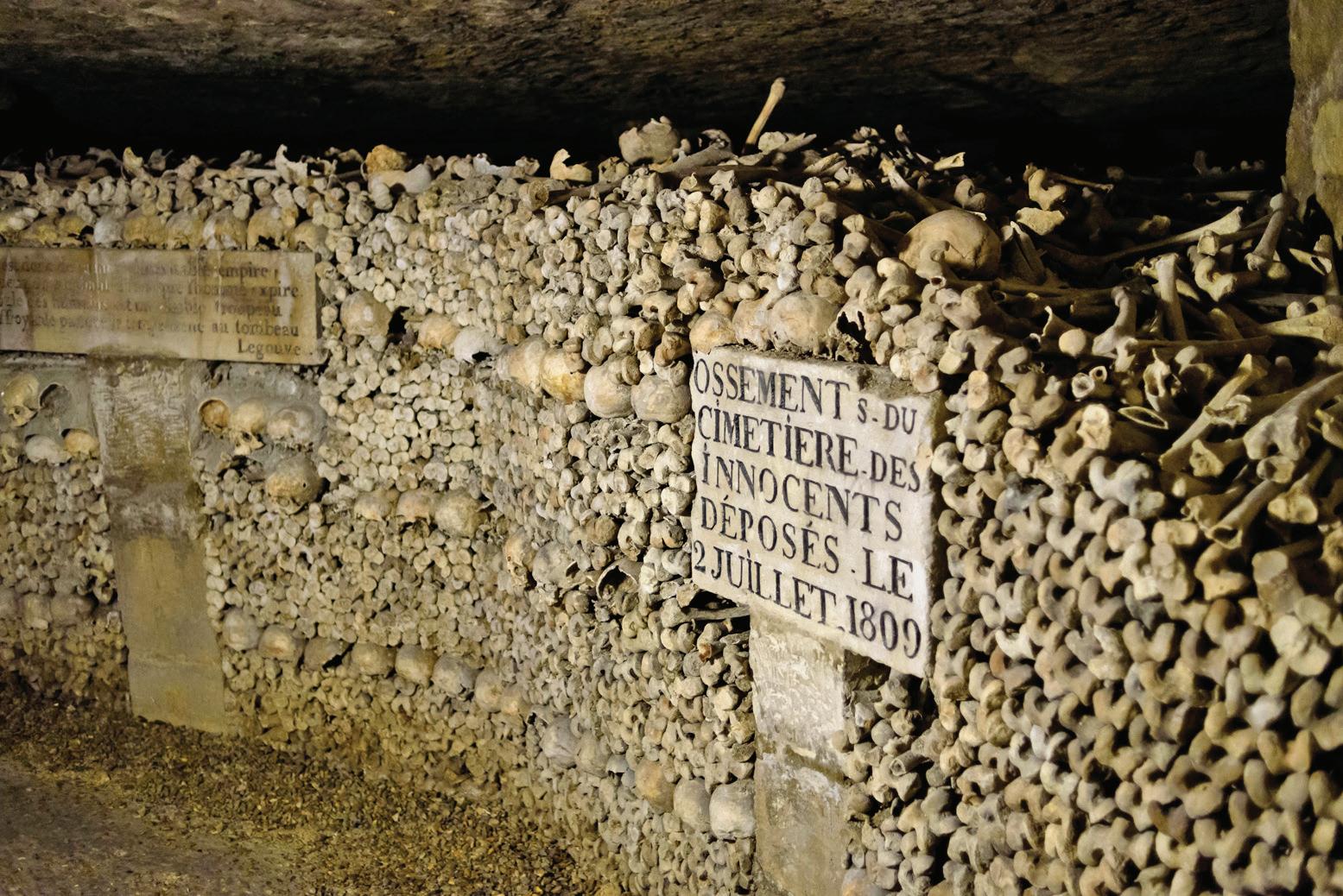
plate 5 Paris Catacombs (bones deposited 1787–1859). Wikimedia Commons.
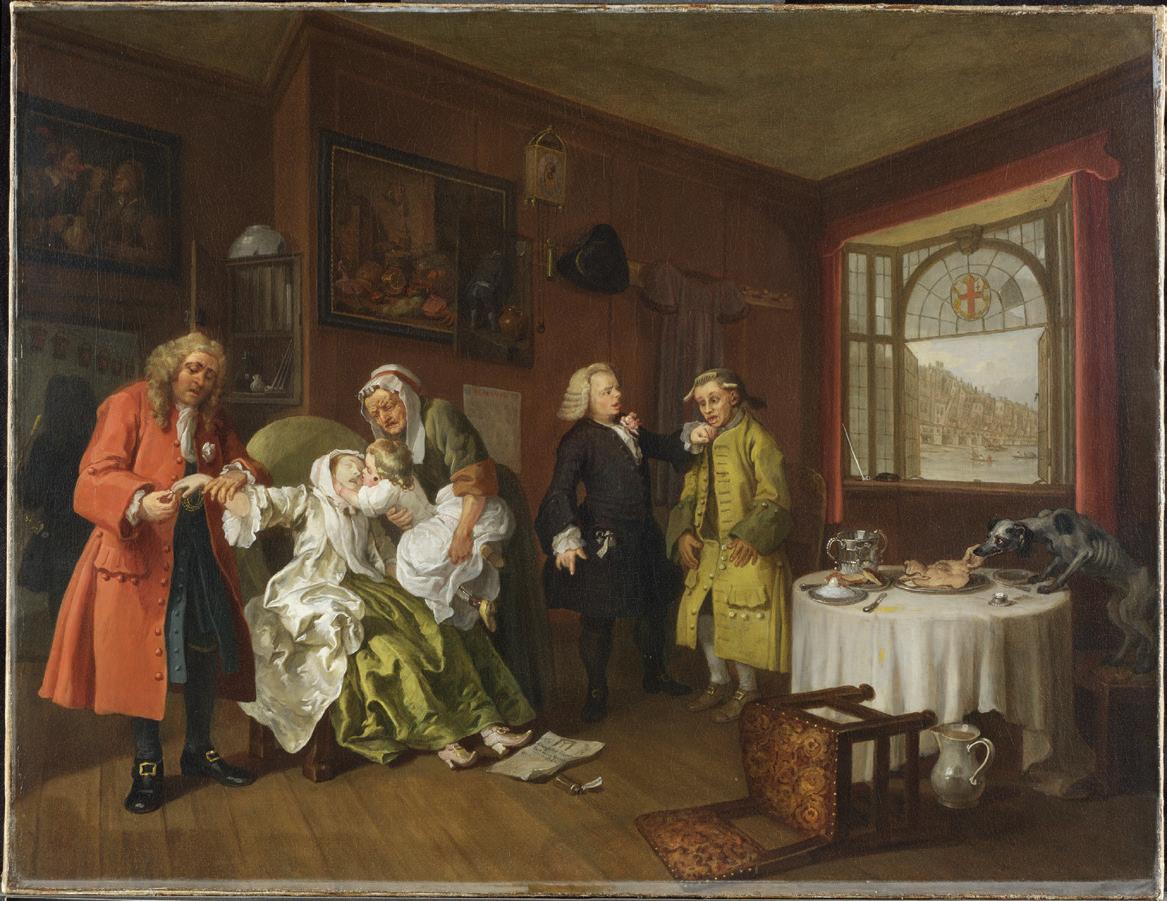
plate 6 William Hogarth, Marriage à la Mode: The Lady’s Death, ca.1743. National Gallery, London.
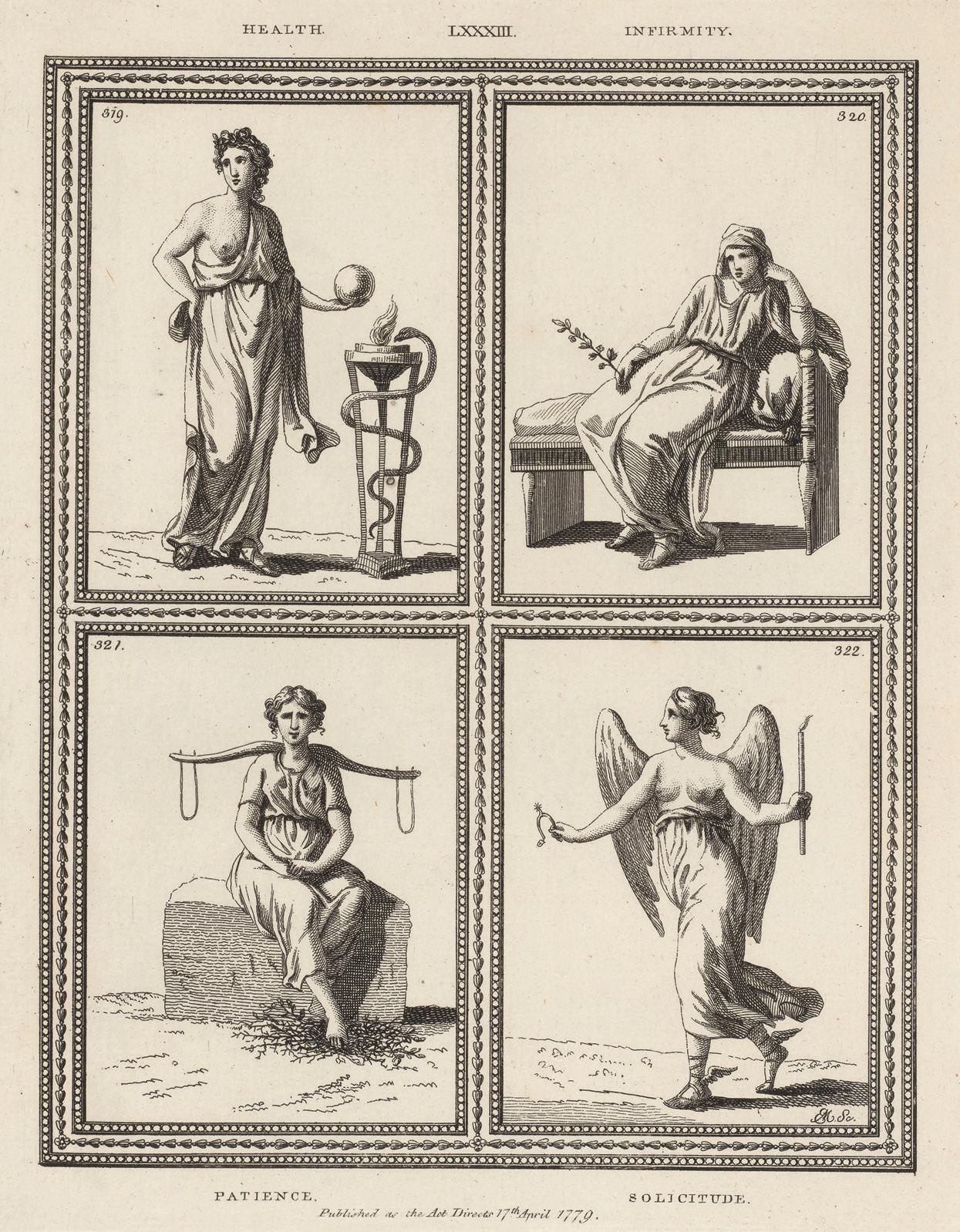
plate 7 George Richardson, Iconologia: “Health,” “Infirmity,” “Patience,” and “Solicitude,” 1779.
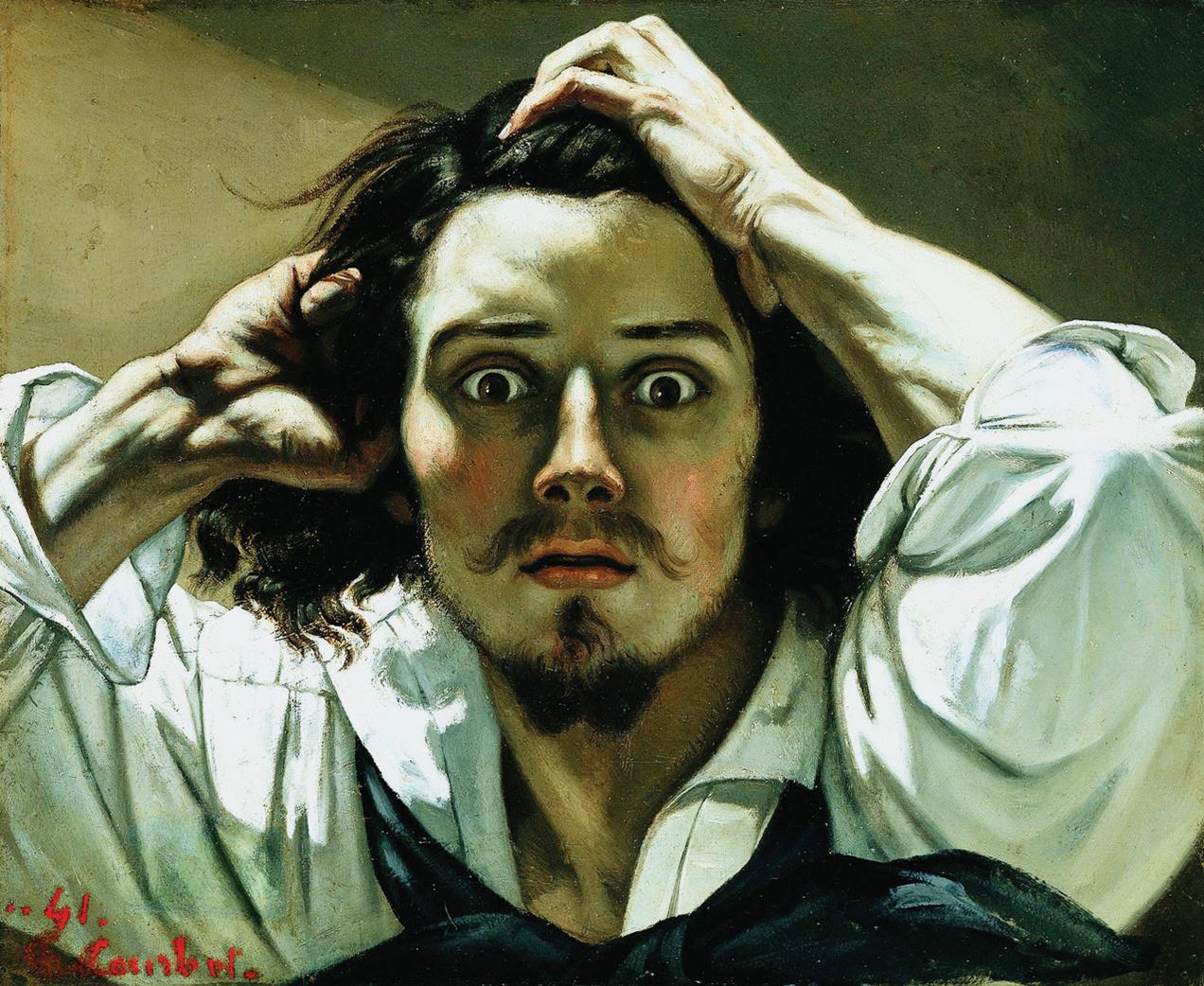
plate 8 Gutsave Courbet, Le Déséspère (The Desperate Man), 1845.
Introduction
Peter Adamson
j
A striking feature of the history of philosophy, stretching from the ancient period through medieval times and up to the modern period, is the fact that so many great philosophers had interests in medicine or were practicing doctors. Ancient and medieval examples include Empedocles, Aristotle, Sextus Empiricus, Philoponus, Avicenna, and Maimonides—not to forget the intertwining of medical and philosophical ideas in Indian Ayurveda and the Chinese traditions studied in this volume by Stanley-Baker.1 As for the modern period, a few striking examples include Descartes, who commented to the Marquess
1 For Ayurveda see the texts gathered in D. Wujastyk, The Roots of Āyurveda (New Delhi: Penguin, 1998), and for connections to philosophy G. J. Larson, “Āyurveda and the Hindu Philosophical Systems,” in T. P. Kasulis et al. (eds), Self as Body in Asian Theory and Practice (Albany: SUNY Press, 1993), 103–21; Dagmar Wujastyk, Well-mannered Medicine: Medical Ethics and Etiquette in Classical Ayurveda (Oxford: Oxford University Press, 2012); Dominik Wujastyk, “Medicine and Dharma ,” Journal of Indian Philosophy 32 (2004), 831–42; K. Zysk, Asceticism and Healing in Ancient India: Medicine in the Buddhist Monastery (New York: Oxford University Press, 1991).
of Newcastle, “the preservation of health has always been the principal end of my studies”; Locke, who served as a personal physician and worked closely with Sydenham; Boyle, who wrote about the methods of Galen; Berkeley, who worked on tar water; and Leibniz, who claimed repeatedly that he was a Hippocratic. Conversely, prominent figures who were primarily doctors had interests in philosophy. In the ancient and medieval periods one could name Hippocrates (or at least some authors of the Hippocratic Corpus), Galen, and Abū Bakr alRāzī, whose translated works made him a medical authority for readers of Latin under the name “Rhazes.” For the modern period, examples would include English physicians like Harvey and Charleton, and early Cartesians like Regius and de la Forge. It is thus unsurprising that philosophical ideas often affected medical ones and vice versa.
At the heart of this fruitful interchange between medicine and philosophy is the concept of health. Needless to say, health is a medical concept, indeed, the concept that gives medicine both its definition and its raison d’être. Yet it is also a philosophical concept, and an intriguing one at that. Health is unusual in seeming to straddle the divide between descriptive, empirical concepts and normative, valueladen concepts. When your doctor gives you a clean bill of health, you probably think of her as just giving you an objective scientific description of the state of your body. Yet it is almost irresistible to think of health as a way we “ought” to be, that there is some standard the unhealthy person is failing to meet. After all nearly everyone wants to be healthy, and we go to great lengths to avoid or recover from illness and injury.
The interrelation between these two ways of thinking about health is something of a leitmotif in the papers collected here. We will see thinkers of different cultures offering a range of scientific accounts of what it means to be healthy, from the idea of circulating qi in ancient China, to the humoral theory of Galen and the long-lived tradition of Galenic medicine he inspired, to the new physiological and pyschotherapeutic theories that emerged in the nineteenth century.
At the same time, we will see how normative implications were routinely drawn from these descriptive theories, as when the balance of humors was compared to (and seen as a causal basis for) a good balance in the soul by Galen and his heirs in the Islamic world. As shown in the chapters by Giglioni and Manning, robust connections between “sound mind” and “sound body” were still fundamental to Renaissance philosophy and lived on as a “medicine of the mind” in early modernity.
The contrast between normative and descriptive accounts of health is however addressed most explicitly by Kingma in her concluding chapter. As she shows in her examination of modern-day attempts to define health, both approaches face serious objections. The descriptivist must meet the challenge of giving objective criteria for measuring health, but the criteria suggested by philosophers of medicine would seem vulnerable to counter-examples. For instance defining health as adherence to a statistical average would mean saying that high-performance athletes are unhealthy. The normative account of health has its own problems though, not least because of its implied prescriptivism. The doctors, scientists, and philosophers who determine what it means to be healthy would effectively be telling us how to live our lives. Kingma’s paper opens with a notorious example, namely the fact that homosexuality was until recently considered a disease. Kingma also reminds us of debates over how we should conceive of people who have “disabilities.” Is it really useful to conceive of, say, blindness as a lack of “health”?
Such difficulties notwithstanding, most of the figures covered in this volume would have taken it for granted that health is a concept with both a normative and a descriptive dimension. In this sense health is like nature, another scientific concept that has often been taken to have normative standing. Again homosexuality would be a case in point, given that its supposed sinfulness has often been linked to its purportedly being “unnatural.” The kinship between health and nature is no coincidence. As we shall see, many thinkers identified the
healthy state of the body or soul with a natural state. Another powerful intuition that encourages us to think of health as a value-laden concept emerges from the aforementioned fact that nearly everyone wants to be healthy. In this respect, health is unusual among life goals. It is easy to imagine someone preferring not to be wealthy or powerful. Nor is it difficult to think of people who have no wish to be virtuous, given that the tyrannical souls so vividly described by Plato still thrive on the contemporary political scene. By contrast, having a preference for illness over health would in itself probably be taken as a sign of mental illness. Beginning in the ancient tradition, the philosophical schools sought to explain the nearly undeniable goodness of health, with some schools finding the challenge easier than others. Aristotelians gave health as a key example of the way normativity applies to physical states and saw health as illustrating their teleological approach to nature. The Stoics agreed about the value of nature but saw human normativity as being grounded in virtue. So they had to devise a special category to handle health and a few other goals: these are “preferred indifferents,” which are rational to pursue even though their absence does not preclude happiness.
Even though health is most obviously a concept applied to bodies, we already noted that in the history of philosophy it has often been applied to psychological states too. We still speak today of “mental illness” of course, but in the ancient, medieval, and early modern periods even ethical vice was seen as a sort of disease. Many authors have envisioned a kind of medicine that applies to souls rather than, or in addition to, bodies. One might be tempted to take this as a mere metaphor. On this reading, talk of “health” in the case of the soul would simply be a way of referring to the soul’s best state. But authors also detected an intimate causal relationship between bodily health and psychological health, such that a temperate body is a necessary (even sufficient?) condition for a temperate character. Some thinkers also exploited the parallel between physical and psychological health to suggest that bodily treatments have analogues at the psychological
level. Because of these powerful links between the health of body and the health of soul, the skilled doctor can manipulate both. In both ancient Chinese texts and in Galen, it is thus said that a good diet leads to physical well-being and wisdom or virtuous character.
Because the history of philosophical reflection on health is bound up with the development of medicine—and because, as noted at the outset, so many authors were both doctors and philosophers—the contributors to this volume include both historians of philosophy and historians of medicine. In examining the history of health, they touch on many philosophical questions raised by the discipline of medicine. To take just one example, one reason to discount medicine’s claims to be a “science” in the full and proper sense was that effective medical treatment was seen as highly responsive to the particularities of each patient. A good doctor would tailor the cure to the victim of the illness, not just the illness itself, and the same for prescriptions of prophylactic regimen. Indeed many doctors prided themselves on their patient-sensitive expertise and emphasized the need for long practice to achieve it. But the same feature of medicine could be used to suggest that medicine is more like a knack than a proper science. A related notion, which again raises the question of how medicine relates to ethics, is that doctors had themselves to be virtuous in order to perform successful diagnosis and to effect a cure.
The concerns of ancient and medieval authors lived on into the early modern period, which is no wonder given that some of these authors (especially Hippocrates, Galen, and Avicenna) remained key sources into the seventeenth century and even later. As late as the nineteenth century, Galen, Hippocrates, and even Paul of Aegina were still printed, at least in part with medical ends in mind and not simply for antiquarian interest. And as Hopkins reminds us in his study of Freud in this volume, the Freudian approach to the mind is apt to remind us of the Platonic tripartite soul. Yet significant changes in philosophy did bring changes in medicine, and vice versa. As we move into the Renaissance and the early modern period, we find that the
emerging naturalistic, even mechanistic, world picture had significant implications for medicine. To the extent that early modern thinkers moved away from a teleological or normative understanding of nature and toward a physical conception in which bodies simply interacted according to laws of nature, their conception of health was bound to change. Here we see authors grappling with the problem of defining health in the absence of a teleological account of the nature of the human.
Nowadays, when it would be a rare person who could claim specialism in both medicine and philosophy, the old philosophical issues regarding health remain with us. Just consider the movement toward emphasizing a holistic and patient-specific understanding of health or disputes about how health should be balanced with other human goods. Debates about the quantity of life as opposed to the quality of life cannot be resolved simply by an account of what health is. It is our hope that a better understanding of health as a concept in the history of philosophy will help shed some light on such issues. At the same time, our ambition has been is to survey attitudes toward health across an unprecedentedly broad chronological range, which we hope will be of interest to both historians of philosophy and of medicine, and, of course, to the general reader.2
2 My thanks to Gideon Manning for help with this introduction, to Hanif Amin for extensive assistance in getting the volume ready for press, and to Michael Lessman for preparing the index. I would also like to thank King’s College London for hosting an initial workshop on the topic.
CHAPTER ONE
Health and Philosophy in Pre- and Early Imperial China
Michael Stanley- Baker
Freedom from disease, physiological signs of well-being, and avoidance of death appear as consistent themes in many writings from preimperial and imperial China, but there were no direct analogues to a conceptual category like the English term “health.” These themes do not appear under a universally consistent term or bounded theoretical formulation. Instead they appear as common technical terms or practical foci across different literary genres. Chinese writers refer to material forces like breath (qi 氣), the force of life (sheng 生), and inner nature (xing 性), which are cultivated or nourished ( yang 養) in the body, to lengthen one’s life (ming 命). Engagement with health was as a quantitative object that could be stored in the body, as a processual goal rather than a conceptual object. While the term “nourishing life” ( yangsheng 養生) only came to refer to a common, recognizable set of practices after the first century CE , the practices and goals themselves were understood to be coherent in sources as early as 400 BCE .
In this chapter I argue that three major periods in pre- and early imperial China produced dominant modes of writing on bodily ideals that have continued until the present day. These include philosophical works, self-cultivation manuals, canonical medical writings, transcendence writings, and formal Daoist texts. While different authors and communities adopted a variety of positions regarding the political, social, and moral values of robust bodily function, these negotiations took place through a roughly common and emergently coherent set of terms, concepts, and assumptions about the nature of the body, its functions, and relatedness to the cosmos. The three periods include two periods of political disunity—the Warring States 戰國 (475–221 BCE) and the early period of the Northern and Southern dynasties 南北朝 (220–589 CE)—and the first founding and expansion of the unified Chinese empire under a relatively stable, centralized, and highly bureaucratized government during the Qin-Han 秦漢 period (221 BCE–200 CE). The discourses and practices that emerged during this time set the tone for the rest of imperial Chinese history, which built on and grew out of these earlier currents.1
Qi in Warring States Philosophical Works
Although writings on health and philosophy differed at many points, there is one central topic that they shared in common—the material force called qi, and the best way to cultivate it. The Warring States period saw the most wide-ranging and varied debates on philosophy,
1 I would like to gratefully acknowledge financial support during the writing of this paper from the Max Planck Institute for the History of Science in Berlin, and the KFG for Multiple Secularities at Leipzig University. Thanks are also due for comments on earlier versions of this paper are due to Vivienne Lo, Pierce Salguero, and Dolly Yang. I found particularly useful for structuring this paper, L. Raphals, “Chinese Philosophy and Chinese Medicine,” in E. N. Zalta (ed.), The Stanford Encyclopedia of Philosophy, 2015, http://plato.stanford.edu/entries/chinese-phil-medicine/#Rel An in-depth study worth consulting on the transition of embodiment theory through the period covered is O. Tavor, “Embodying the Way: Bio-Spiritual Practices and Ritual Theories in Early and Medieval China” (PhD diss., University of Pennsylvania, 2012).
ethics, and statecraft, which was referred to as the Hundred Schools (Baijia 百家). During this time, the various fiefdoms and principalities of the Zhou 周 dynasty became consolidated into seven major states, each embroiled in heightened rivalry and factionalism in their bids for power.2 Nobles of the various duchies and marquisates would host at their courts “masters” or “nobles” (zi 子) of warfare, economics, statecraft, as well as “technical masters” ( fangshi 方士) of divination, medicine, and dietary culture. It is in these contexts that much of the philosophical and technical literature that survives was produced.3 This culture is evidenced in a number of texts excavated from numerous sites in central China, mostly in Hubei, dating from the fourth to the second century BCE . 4 These texts are often mixed or appear in collections containing manuals of different types. Practices advocated in these texts include breathing exercises, diet, stretching, massage, sexual cultivation, numerological divination, drug therapy, and hemerology.
2 M. E. Lewis, “Warring States Political History,” in M. Loewe and E. L. Shaughnessy (eds), The Cambridge History of Ancient China: From the Origins of Civilization to 221 B.C. (Cambridge: Cambridge University Press, 1999).
3 Variously translated as “recipe masters,” “masters of esoterica,” “masters of methods,” fangshi have been the subject of biographical studies and broad histories of technology. K. J. DeWoskin, Doctors, Diviners, and Magicians of Ancient China: Biographies of Fang-shih (New York: Columbia University Press, 1983); G. Lloyd and N. Sivin, The Way and the Word: Science and Medicine in Early China and Greece (New Haven, CT: Yale University Press, 2002). Sivin argues that the pejorative connotations of fangshi as subaltern to elite literati meant that no actors self-identified with the moniker, and therefore it had no coherence or social force and did not refer to a discrete, identifiable, body of actors. N. Sivin, “Taoism and Science,” Medicine, Philosophy and Religion in Ancient China (Aldershot: Variorum, 1995), 303–30. Also see M. E. Lewis, Writing and Authority in Early China (Albany: State University of New York Press, 1999), 53–98. The definitive studies on the technical arts ( fangshu 方術) are Li Ling 李零, Zhongguo fang shu xu kao 中国方术续考 (Beijing: Zhonghua shuju, 2000); Li Ling 李零, Zhongguo fang shu kao (xiuding ben) 中国方术正考 (修訂本) (Beijing: Dongfang chubanshe, 2001).
4 D. Harper, “The Textual Form of Knowledge: Occult Miscellanies in Ancient and Medieval Chinese Manuscripts, Fourth Century B.C. to Tenth Century A.D,” in F. Bretelle-Establet (ed.), Looking at It from Asia: The Processes That Shaped the Sources of History of Science (Dordrecht: Springer, 2010); D. Harper, Early Chinese Medical Literature: The Mawangdui Medical Manuscripts (London: Kegan Paul, 1998); V. Lo 羅維前 and Li Jianmin 李建民 , “Manuscripts, Received Texts, and the Healing Arts,” in M. Nylan and M. Loewe (ed.), China’s Early Empires: A Re-appraisal (Cambridge: Cambridge University Press, 2010).