Instant digital products (PDF, ePub, MOBI) ready for you
Download now and discover formats that fit your needs...
Marketing Mistakes and Successes, 12th Edition
https://ebookmass.com/product/marketing-mistakes-and-successes-12thedition/
ebookmass.com
The Four Ages of American Foreign Policy: Weak Power, Great Power, Superpower, Hyperpower 1st Edition Michael Mandelbaum
https://ebookmass.com/product/the-four-ages-of-american-foreignpolicy-weak-power-great-power-superpower-hyperpower-1st-editionmichael-mandelbaum/
ebookmass.com
The Great Free Trade Myth: British Foreign Policy And East Asia Since 1980 1st Edition Edition Michael Reilly
https://ebookmass.com/product/the-great-free-trade-myth-britishforeign-policy-and-east-asia-since-1980-1st-edition-edition-michaelreilly/ ebookmass.com
Cobertu2019s Manual of Drug Safety and Pharmacovigilance 3rd Edition, (Ebook PDF)
https://ebookmass.com/product/coberts-manual-of-drug-safety-andpharmacovigilance-3rd-edition-ebook-pdf/
ebookmass.com
Hume's Imagination Tito Magri
https://ebookmass.com/product/humes-imagination-tito-magri/
ebookmass.com
Sherlock Holmes e l’avventura dell’interprete tedesco
Orlando Pearson
https://ebookmass.com/product/sherlock-holmes-e-lavventuradellinterprete-tedesco-orlando-pearson/
ebookmass.com
Source Separation in Physical-Chemical Sensing Christian Jutten
https://ebookmass.com/product/source-separation-in-physical-chemicalsensing-christian-jutten/
ebookmass.com
Blind Spot (The Technicians, #10) Olivia Gaines
https://ebookmass.com/product/blind-spot-the-technicians-10-oliviagaines/
ebookmass.com
5 Steps to a 5: AP Psychology 2021 Elite Student Edition
Laura Lincoln Maitland & Laura Sheckell
https://ebookmass.com/product/5-steps-to-a-5-ap-psychology-2021-elitestudent-edition-laura-lincoln-maitland-laura-sheckell/
ebookmass.com
The
https://ebookmass.com/product/the-revenge-agenda-accidental-lovebook-3-saxon-james/
ebookmass.com
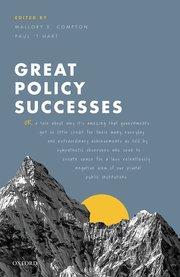
GreatPolicySuccesses
GreatPolicySuccesses
Or,ATaleAboutWhyIt’sAmazingThatGovernmentsGetSoLittle CreditforTheirManyEverydayandExtraordinaryAchievementsas ToldbySympatheticObserversWhoSeektoCreateSpaceforaLess RelentlesslyNegativeViewofOurPivotalPublicInstitutions
Editedby
MALLORYE.COMPTON
PAUL ‘ THART
GreatClarendonStreet,Oxford,OX26DP, UnitedKingdom
OxfordUniversityPressisadepartmentoftheUniversityofOxford. ItfurtherstheUniversity’sobjectiveofexcellenceinresearch,scholarship, andeducationbypublishingworldwide.Oxfordisaregisteredtrademarkof OxfordUniversityPressintheUKandincertainothercountries ©theseveralcontributors2019
Themoralrightsoftheauthorshavebeenasserted FirstEditionpublishedin2019
Impression:1
Somerightsreserved.Nopartofthispublicationmaybereproduced,storedin aretrievalsystem,ortransmitted,inanyformorbyanymeans,forcommercialpurposes, withoutthepriorpermissioninwritingofOxfordUniversityPress,orasexpressly permittedbylaw,bylicenceorundertermsagreedwiththeappropriate reprographicsrightsorganization.
Thisisanopenaccesspublication,availableonlineanddistributedunderthetermsofa CreativeCommonsAttribution – NonCommercial – NoDerivatives4.0 Internationallicence(CCBY-NC-ND4.0),acopyofwhichisavailableat http://creativecommons.org/licenses/by-nc-nd/4.0/.
Enquiriesconcerningreproductionoutsidethescopeofthislicence shouldbesenttotheRightsDepartment,OxfordUniversityPress,attheaddressabove. PublishedintheUnitedStatesofAmericabyOxfordUniversityPress 198MadisonAvenue,NewYork,NY10016,UnitedStatesofAmerica
BritishLibraryCataloguinginPublicationData Dataavailable
LibraryofCongressControlNumber:2019946747 ISBN978–0–19–884371–9
PrintedandboundinGreatBritainby ClaysLtd,ElcografS.p.A.
LinkstothirdpartywebsitesareprovidedbyOxfordingoodfaithand forinformationonly.Oxforddisclaimsanyresponsibilityforthematerials containedinanythirdpartywebsitereferencedinthiswork.
Acknowledgements
Wearegratefultothecaseauthorswhodisplayednotonlyzealandinsightin craftingtheircasestudychapters,butalsoprovedincrediblygenerousand responsivetooureditorialprodding,whichoddlyenoughoftenurgedthemto belessratherthanmoreexplicitlyanalyticalintheirapproach.Theyshareour commitmenttoprovidingrich,teachablecasenarratives.
ThisprojecthasreceivedfundingfromtheEuropeanResearchCouncil(ERC) undertheEuropeanUnion’sHorizon2020researchandinnovationprogramme (grantagreementno.694266).TheERC’ssupportforthelargerSuccessfulPublic Governance(SPG)researchprogrammeofwhichthisvolumeformsapartisgratefullyacknowledged.Thissupporthasalsoenabledustopublishthisbookandeachof theindividualcasesinopenaccessformonline.Seewww.successfulpublicgovernance. comforfurtherinformationaboutSPG’sactivitiesandoutputs.Wearegratefultothe collegialsupportwehavereceivedfromourSPGcolleagues.
Eachofthecasechapterswillalsoappearinabbreviatedandmodi fiedformat thePublicImpactObservatorywebsite,aninitiativefromtheCentreforPublic Impact(CPI)thatbringstogetherhundredsofcasesofpublicpolicyandpublic governancefromacrosstheworld.WewelcomethesmoothcooperationwithCPI, whichservestogreatlyincreasethepublicandprofessionalexposurethatthese caseswillreceive.Consulttheobservatoryat:https://www.centreforpublicimpact. org/observatory/.
Finally,a ‘companion ’ volumedevotedexclusivelytopolicysuccessesin AustraliaandNewZealandhasbeenproducedinparalleltothisglobalvolume. IthasbeenpublishedasJoLuetjens,MichaelMintrom,andPaul ‘tHart(eds), SuccessfulPublicPolicy:LessonsFromAustraliaandNewZealand(Canberra: ANUPress2019),andittooisanopenaccesspublication,witheachcase individuallydownloadabletofacilitateinclusioninsyllabiandcourseguides (seehttps://press.anu.edu.au/publications/series/anzsog/successful-public-policy). TheNewZealandeconomicreformand ‘MarvellousMelbourne ’ casesappearin bothvolumes.Paul ‘tHartwouldliketothankhisco-editorforthatproject, MichaelMintrom(AustraliaNewZealandSchoolofGovernmentandMonash University)andJoLuetjens(UtrechtUniversity)fortheirexemplarycollaboration.Thetwoprojectshavefedoffeachother,andithasbeenajoyworking onboth.
Utrecht July2019
1.Howto ‘See’ GreatPolicySuccesses:AFieldGuidetoSpotting PolicySuccessesintheWild 1 MalloryE.ComptonandPaul ‘tHart
2.Brazil’ s BolsaFamília Programme 21 LuisHenriquePaiva,TerezaCristinaCotta,and ArmandoBarrientos
3.TheRemarkableHealthcarePerformanceinSingapore 42 M.RameshandAzadSinghBali
4.CuttingtheWait atLeastforaWhile:TheNHS’sAssaulton WaitingTimes 63 AdrianKay
5.TheTransformationofUKTobaccoControl 84 PaulCairney
6.The ‘SocialWarfareState’:Americans’ MakingofaCivic Generation 104 MalloryE.Compton
7.TheFinnishComprehensiveSchool:Conflicts,Compromises, andInstitutionalRobustness 122 JaakkoKauko
8.Estonia’sDigitalTransformation:MissionMystiqueandthe HidingHand 143 RainerKattelandInesMergel
9.InfrastructurePartnershipSuccessinSouthernCalifornia: BuildingandPayingfortheAlamedaCorridorRailProject161 RichardF.Callahan
10. ‘MarvellousMelbourne’:MakingtheWorld’sMostLiveableCity180 EmmaBlomkampandJennyM.Lewis
11.TheDutchDeltaApproach:TheSuccessfulReinvention ofaPolicySuccess201 ArwinvanBuuren
12.TheCopenhagenMetropolitan ‘FingerPlan’:ARobustUrban PlanningSuccessBasedonCollaborativeGovernance 218 EvaSørensenandJacobTorfing
13.TheNorwegianPetroleumFundasInstitutionalizedSelf-Restraint244 CamillaBakkenØvald,BentSofusTranøy,andKetilRaknes
14.NewZealand’sEconomicTurnaround:HowPublicPolicy InnovationCatalysedEconomicGrowth 264 MichaelMintromandMadelineThomas
15.Germany’sLabourMarketPolicies:HowtheSickManof EuropePerformedaSecondEconomicMiracle 283 FlorianSpohr
16.HealingtheOzoneLayer:TheMontrealProtocolandthe LessonsandLimitsofaGlobalGovernanceSuccessStory304 FrederikeAlbrechtandCharlesF.Parker
ListofFigures
7.1PercentageofdaysinofficeofMinistersofEducationinthepost-warera (1944–2018)inFinnishgovernments
12.1Illustrationofthe1947FingerPlan
13.1ThemarketvalueoftheGovernmentPensionFundGlobal,1996–2017245
13.2Norwegianvoters’ attitudestowardstheusageof ‘oilmoney’ (1997–2013) (inpercent)
13.3TimelineoftheestablishmentoftheGovernmentPetroleumFund
13.4Thenetgovernmentcash flowfrompetroleumactivities,1971–2017
13.5Governmentspendingofoilrevenueasmeasuredbythestructural, non-oilbudgetdeficit,andtheexpectedrealreturnofthePension Fundinbillion2017kroner
15.1Germany’sandEUunemploymentrates,1998–2016(percentage ofactivepopulation)
15.2Germany’semploymentrates,1998–2016(percentageofpopulation)285
1.1Apolicysuccessassessmentmap 6
3.1Healthcareexpendituresinselectedcountries44
3.2PolicytoolsinSingapore’shealthcaresystem49
4.1NHSexpenditure,1999–2010(inGBPbn,realtermsusing2015prices)66
5.1Ashiftofpolicytowardscomprehensivetobaccocontrol 91
9.1PolicysuccessassessmentmapappliedtotheAlamedaCorridor 175
10.1KeychangesandelectionsinMelbourneCityandVictorianState governments,1981–2001 186
11.1AssessingthesuccessoftheDutchDeltaapproach 205
ListofContributors
FrederikeAlbrecht isapostdoctoralresearcherattheDepartmentofSecurity,Strategyand LeadershipattheSwedishDefenceUniversity,researcherattheDepartmentofEarth Sciences,andresearchfellowattheCentreofNaturalHazardsandDisasterScience, Sweden.
AzadSinghBali isaLecturerinPublicPolicyattheUniversityofMelbourne,Australia.
ArmandoBarrientos isProfessorinPovertyandSocialJusticeattheGlobalDevelopment InstituteattheUniversityofManchester,UnitedKingdom.
EmmaBlomkamp isanHonoraryFellowatTheUniversityofMelbourneandCo-Design andEvaluationLeadatstrategicdesignconsultancyPaperGiant,Australia.
PaulCairney isProfessorofPoliticsandPublicPolicy,UniversityofStirling,Scotland.
RichardF.Callahan isaProfessorintheSchoolofManagementattheUniversityofSan Francisco,UnitedStates.
MalloryE.Compton isapostdoctoralresearcherwiththeSchoolofGovernanceatUtrecht University,Netherlands.
TerezaCristinaCotta isapermanentcivilservantfromtheBrazilianMinistryofEconomy.
Paul ‘tHart isProfessorofPublicAdministrationatUtrechtUniversityandAssociate DeanoftheNetherlandsSchoolofPublicAdministration(NSOB)inTheHague.
RainerKattel isProfessorofInnovationandPublicGovernanceattheInstitutefor InnovationandPublicPurpose,UniversityCollegeLondon,andResearchProfessorat RagnarNurkseDepartmentofInnovationandGovernance,TallinnUniversityofTechnology,Estonia.
JaakkoKauko isProfessorofEducationPolicyattheFacultyofEducationandCulture, TampereUniversity,Finland.
AdrianKay isProfessorofGovernmentintheCrawfordSchoolofPublicPolicyatthe AustralianNationalUniversity.
JennyM.Lewis isProfessorofPublicPolicyintheSchoolofSocialandPoliticalSciencesat TheUniversityofMelbourne,Australia.
InesMergel isfullProfessorofPublicAdministrationintheDepartmentofPoliticsand PublicAdministrationattheUniversityofKonstanz,Germany.
MichaelMintrom isProfessorofPublicSectorManagementatMonashUniversity, Australia.
CamillaBakkenØvald isAssistantProfessoratKristianiaCollege,Norway.
LuisHenriquePaiva isapermanentcivilservantfromtheBrazilianMinistryofEconomy.
CharlesF.Parker isAssociateProfessorofPoliticalScienceattheDepartmentofGovernmentandservesasthevice-chairoftheboardfortheCentreofNaturalHazardsand DisasterScienceatUppsalaUniversity,Sweden.
KetilRaknes isaPhD-candidateatKristianiaUniversityCollege,Norway.
M.Ramesh isProfessorofPublicPolicyandUNESCOChaironSocialPolicyDesignin AsiaattheLeeKuanYewSchoolofPublicPolicy,NationalUniversityofSingapore.
EvaSørensen isaProfessorwiththeDepartmentofSocialSciencesandBusiness,Roskilde University,Denmark.
FlorianSpohr isapostdoctoralresearcherattheChairofComparativePoliticsattheRuhr UniversityBochum,Germany.
MadelineThomas isaresearchofficerandresearchcoordinatorattheAustraliaandNew ZealandSchoolofGovernment.
JacobTorfing isProfessorinPoliticsandInstitutionsintheDepartmentofSocialSciences andBusiness,RoskildeUniversity,Denmark.
BentSofusTranøy isProfessorofPoliticalScienceatInlandNorwayUniversityofApplied SciencesandKristianiaUniversityCollege,Norway.
ArwinvanBuuren isProfessorattheDepartmentofPublicAdministrationandSociology oftheErasmusUniversityRotterdam,Netherlands.
Howto ‘See’
GreatPolicySuccesses
AFieldGuidetoSpottingPolicySuccessesintheWild
MalloryE.ComptonandPaul ‘tHart
ShiftingFocus
Forthosewantingtoknowhowpublicpolicyismadeandhowitevolvesfrom aspirationsandideastotangiblesocialoutcomes,the1970sproducedsomeclassic accounts,whichbecameestablishedinacademiccurriculumsandpartofthe canonofacademicresearchworld-wide.Thetwobestknownworksfromthis eraarePressmanandWildavsky’ s Implementation (whoseiconicepicsubtitle inspiredours)andPeterHall’ s GreatPlanningDisasters (theinspirationforour book’smaintitle).PressmanandWildavskywroteabook-lengthintensivecase studyrevealinghowafederalemploymentpromotionpolicy,whichwaslaunched withagreatsenseofurgencyandmomentum,playedoutonthegroundwithvery limitedeffectinOakland,California.Hallpresentedgrippingaccountsofpublic policyfailuresfromaroundtheAnglosphere: ‘positive ’ planningdisasters(planningprojectsthatranintocostescalation,underperformance,withdrawalof politicalsupport,orunintendedconsequencessobigastocompletelydwarfthe intendedaims),and ‘negative’ planningdisasters(instanceswhereplansmadein responsetopressingpublicproblemsnevergotoffthedrawingboarddueto politicalstalemate).
Takentogether,thesestudieswereemblematicofanerainwhichthealleged ‘ungovernability’ ofWesternsocietiesandtheirwelfarestateswasadominant theme(Crozieretal.1975;Rose1979;Offe1984).Havingseizedamuchmore prominentroleinpubliclifefollowingtheSecondWorldWar,Westerngovernmentswereambitioustoachieveplannedchange,butinternalcomplexitiesand vagariesofdemocraticpoliticaldecision-makingoftenthwartedthoseambitions. Generationsofpublicpolicyandpublicadministrationstudentsweresteepedin pessimisticdiagnosesfromtheseclassicstudies.Wavesofsimilarstudiesinthe 1990s(Butleretal.1994;Bovensand ‘tHart1996;Grayand ‘tHart1998)andthe 2010s(AllernandPollack2012;CreweandKing2013;Light2014;Schuck2014; OppermannandSpencer2016)followed.Theseworksfurtherimplythatgovernmentsareuptonogood,incompetent,politicallyparalysed,and/orchronically riskoverreachmuchofthetime(e.g.Scott1998;Schuck2014).
Andyetinmanypartsoftheworld,acrossmanypublicpolicydomains,the bulkofpublicprojects,programmes,andservicesperformnotsobadlyatall,and sometimesevenquitesuccessfully(Goderis2015).Theserealitiesarechronically underexposedandunderstudied.Majorpolicyaccomplishments,striking performanceindifficultcircumstances,andthousandsoftaken-for-granted everydayformsofeffectivepublicvaluecreationbyandthroughgovernments arenotdeemednewsworthy.Theycannotbeexploitedforpoliticalgainby oppositionsandcriticsofincumbentoffice-holders.Curiously,academicstudents ofpublicpolicyhavehadalmostnothingtosayaboutthem(cf.Bovensetal. 2001;McConnell2010;Moore2013),despitevigorouscallstorecognizethe majorandoftenhiddenandunacknowledgedcontributionsofgovernmentsto successesclaimedbyandwidelyattributedtonowreveredcompanieslikeGoogle (Mazzucato2013).
Wecannotproperly ‘ see ’,letalonerecognizeandexplain,variationsingovernmentperformancewhenmedia,political,andacademicdiscoursesalikeare saturatedwithaccountsoftheirshortcomingsandfailuresbutremainnearly silentontheirachievements.Negativelanguagedominates:publicandacademic discourseaboutgovernment,politics,andpublicpolicyisdominatedbydisappointment,incompetence,failure,unintendedconsequences,alienation,corruption,disenchantment,andcrisis(Hay2007).Onthecontrary,themannerin whichwelookat,talkabout,think,evaluate,andemotionallyrelatetopublic institutionsriskscreatingself-ful fillingprophecies.Thecurrentascentof ‘antisystem’ populistsspeaksvolumes,andthemessageishardlyreassuring.The ‘declinist’ discourseofthecurrentagehaspermeatedourthinkingaboutgovernmentandpublicpolicy.Itpreventsusfromseeing,acknowledging,andlearning frompastandpresentinstancesofhighlyeffectiveandhighlyvaluedpublic policymaking.
Withthisbookwewanttoshiftthefocus.Weaimtoinfusetheagendafor teaching,research,anddialogueonpublicpolicymakingwithfoodforthought aboutwhatgoeswell.Wedothisthroughaseriesofclose-up,in-depthcasestudy accountsofthegenesisandevolutionofstand-outpublicpolicyaccomplishments, acrossarangeofcountries,sectors,andchallenges.Withtheseaccounts,we engagewiththeconceptual,methodological,andtheoreticalchallengeswhich haveplaguedandconstrainedresearchersseekingtoevaluate,explain,anddesign successfulpublicpolicy.
Therearemanywaysto ‘getat’ thesequestions.Existingconceptualand comparativestudiesofpublicpolicysuccess(Bovensetal.2001;Patashnik2008; McConnell2010)suggestthatachievingsuccessentailstwomajortasks.One entails craftwork:devising,adopting,andimplementingprogrammesandreforms thathaveameaningfulimpactonthepublicissuesgivingrisetotheirexistence. Theotherentails politicalwork:formingandmaintainingcoalitionsofstakeholderstopersuasivelypropagatetheseprogrammes.Thispoliticalworkextends
tonurturingandprotectingeliteandpublicperceptionsofthepolicy’s/programme ’sideology,intent,instruments,implementation,andimpactduringthe oftenlongandtenuousroadfromideastooutcomes.Successmustbeexperienced andactivelycommunicated,oritwillgounnoticedandunderappreciated.Inthis volume,weaimtoshedlightonhowthesetwofundamentaltasks programmeand processdesign;andcoalition-buildingandreputationmanagement aretakenup andcarriedoutininstancesofhighlysuccessfulpublicpolicymaking.
FollowinginthefootstepsofPressmanandWildavskyandHall,thisvolume containsin-depthcasestudiesofprominentinstancesofpublicpolicymakingand planningfromaroundtheworld.Byofferinginsightintooccurrencesofpolicy successacrossvariedcontexts,thesecasestudiesaredesignedtoincreaseawarenessthatgovernmentandpublicpolicyactuallyworkremarkablywell,atleast someofthetime,andthatwecanlearnfromthesepractices.Beforewegetinto thesecases,however,itisnecessarytoequipreadersofthisbookandfuture researchersofpolicysuccesswithaguideonhowtogoaboutidentifyingand analysinginstancesofpolicysuccess.Thechiefpurposeofthischapteristooffer researchers,policy-makers,andstudentsa fieldguidetospottinggreatpolicy successesintherealworld inthewild sothatwecanbegintoanalysehowthey cameaboutandwhatmightbelearnedfromthem.
HowDoWeKnowa ‘GreatPolicySuccess’ WhenWeSeeOne?
Policysuccessesare,likepolicyfailures,intheeyeofthebeholder.Theyarenot merefactsbutstories.Undoubtedly ‘events’—realimpactsonrealpeople area necessaryconditionfortheiroccurrence.Butintheend,policysuccessesdonotso muchoccurastheyaremade.Toclaimthatapublicpolicy,programme,orproject Xisa ‘ success ’ iseffectivelyanactofinterpretation,indeedofframing.Tosaythis inapubliccapacityandinapublicforummakesitaninherentlypoliticalact:it amountstogivingastrongvoteofconfidencetocertainactsandpracticesof governance.Ineffectitsinglesthemout,elevatesthem,validatesthem.
Forsuchanacttobeconsequential,itneedstostick:othersmustbeconvinced ofitstruthandtheyneedtoemulateit.Theclaim ‘Xisasuccess’ needstobecome amorewidelyacceptedandsharednarrative.Whenitdoes,itbecomesperformative:Xlooksbetterandbetterbecausesomanysayso,sooften.Whenthe narrativeendures,Xbecomesenshrinedinsociety’scollectivememorythrough repeatedretellingandotherrituals.Examplesofthelatterincludetheconferralof awardsonpeopleororganizationsassociatedwithX,whothensubsequentlyget invitationstocomebeforecaptiveaudiencestospreadtheword;thehighplace thatXoccupiesinrankings;thefavourablejudgementsofXbyofficialarbitersof publicvalueinasociety,suchasauditagenciesorwatchdogbodies,notto mentionthecourtofpublicopinion.Oncetheyhaveachievedprominence,
successtales nomatterhowselectiveandbiasedcriticsandsoftvoicesmayclaim themtobe(seeSchramandSoss2001) cometoserveasimportantartefactsin theconstructionofself-imagesandreputationalclaimsofthepolicy-makers, governments,agencies,andsocietalstakeholdersthatcrediblyclaimauthorship oftheirmakingandpreservation(VanAsscheetal.2012).
Wemusttreadcarefullyinthistreacherousterrain.Somehow,weneedtoarrive atatransparentandwidelyapplicableconceptualizationof ‘policysuccess’ tobe deployedthroughoutthisvolume,andabasicsetofresearchtoolsallowingusto spotandcharacterizethe ‘ successes ’ whichwillbestudiedindetailthroughoutthis book.Togetthere,weproposethat policyassessmentisnecessarilyamultidimensional,multi-perspectivist,andpoliticalprocess.Atthemostbasiclevelwe distinguishbetweentwodimensionsofassessment.First,theprogrammatic performance ofapolicy:successisessentiallyaboutdesigningsmartprogrammes thatwillreallyhaveanimpactontheissuestheyaresupposedtotackle,while deliveringthoseprogrammesinamannertoproducesocialoutcomesthatare valuable.Thereisalsothepolitical legitimacy ofapolicy:successistheextentto whichboththesocialoutcomesofpolicyinterventionsandalsothemannerin whichtheyareachievedareseenasappropriatebyrelevantstakeholdersand accountabilityforumsinviewofthesystemicvaluesinwhichtheyareembedded (Fischer1995;Houghetal.2010).
Therelationbetweenthesetwodimensionsofpolicyevaluationisnotstraightforward.Therecanbe(andoftenare)asymmetries:politicallypopularpoliciesare notnecessarilyprogrammaticallyeffectiveorefficient,andviceversa.Moreover, thereisrarelyonesharednormativeandinformationalbasisuponwhichallactors inthegovernanceprocessesassessperformance,legitimacy,andendurance (Bovensetal.2001).Manyfactorsinfluencebeliefsandpracticesthroughwhich peopleformjudgementsaboutgovernance.Heterogeneousstakeholdershave variedvantagepoints,values,andinterestswithregardtoapolicy,andthus mayexperienceandassessitdifferently.Anappealto ‘thefacts’ doesnotnecessarilyhelpsettlethesedifferences.Infact,likepolicymaking,policyevaluation occursinacontextofmultiple,oftencompeting,culturalandpoliticalframesand narratives,eachofwhichprivilegessomefactsandconsiderationsoverothers (HajerandWagenaar2003).Itisinherentlypoliticalinitsapproachandimplications,nomatterhowdeeptheespousedcommitmenttoscientificrigourof manyofitspractitioners.Thisisnotsomethingwecangetaround;itissomething wehavetoacknowledgeandbemindfulofwithoutslidingintothinkingthatitis allandonly political,andthattherefore ‘anythinggoes’ whenitcomesassessing thesuccessorotherwiseofapolicy(Bovensetal.2006).
BuildinguponBovensand ‘tHart’sprogrammatic–politicaldichotomy, McConnell(2010)addedathirdperspective,processsuccess,toproducea three-dimensionalassessmentmap.Wehaveadaptedthisthree-dimensional assessmentforourpurposes(seealsoNewman2014)andaddedan
additional temporal dimension.Assessingpolicysuccessinthisvolumethus involvescheckingcasesagainstthefollowingfourcriteriafamilies:
Programmaticassessment Thisdimensionreflectsthefocusof ‘classic’ evaluationresearchonpolicygoals,thetheoryofchangeunderpinningit,andthe selectionofthepolicyinstrumentsitdeploys allculminatinginjudgements aboutthedegreetowhichapolicyachievesvaluablesocialimpacts.
Processassessment Thefocushereisonhowtheprocessesofpolicydesign, decision-making,anddeliveryareorganizedandmanaged,andwhetherthese processescontributetobothitstechnicalproblem-solvingcapacity(effectiveness andefficiency)andtoitssocialappropriateness,andinparticularthesenseof proceduraljusticeamongkeystakeholdersandthewiderpublic(VandenBos etal.2014).
Politicalassessment Thisdimensionassessesthedegreetowhichpolicymakersandagenciesinvolvedindrivinganddeliveringthepolicyareableto buildandmaintainsupportivepoliticalcoalitions,andthedegreetowhichpolicymakers’ associationwiththepolicyenhancestheirreputations.Inotherwords,it examinesboththepoliticalrequirementsforpolicysuccessandthedistributionof politicalcosts/benefitsamongtheactorsinvolvedinit.
Enduranceassessment Thefourthdimensionaddsatemporalperspective.We surmisethatthesuccessorotherwiseofapublicpolicy,programme,orproject shouldbeassessednotthroughaone-offsnapshotbutasamulti-shotsequenceor episodic filmascertaininghowitsperformanceandlegitimacydevelopovertime. Contextschange,unintendedconsequencesemerge,surprisesarethrownat history:robustlysuccessfulpoliciesarethosethatadapttothesedynamicsthrough institutionallearningand flexibleadaptationinprogramme(re)designanddelivery, andthroughpoliticalastutenessinsafeguardingsupportingcoalitionsandmaintainingpublicreputationandlegitimacy.
Takingthesedimensionsintoaccount,weproposethefollowingdefinitionofa (‘great’)policysuccess:
Apolicyisacompletesuccesstotheextentthat(a)itdemonstrablycreateswidely valuedsocialoutcomes;through(b)design,decision-making,anddeliveryprocessesthatenhancebothitsproblem-solvingcapacityanditspoliticallegitimacy; and(c)sustainsthisperformanceforaconsiderableperiodoftime,eveninthe faceofchangingcircumstances.
Table1.1presentsanassessmentframeworkthatintegratesthesebuildingblocks. Articulatingspecificelementsofeachdimensionofsuccess programmatic,process,political,endurance inunambiguousandconceptuallydistinctterms,this frameworklendsastructuretobothcontemporaneousevaluationanddynamic considerationofpolicydevelopmentsovertime.Allcontributingauthorshave drawnuponitinanalysingtheircasestudiesinthisvolume.
Table1.1 Apolicysuccessassessmentmap
Programmaticassessment: Purposefulandvalued action
• Awell-developedand empiricallyfeasible public valueproposition and theoryofchange (interms ofends–means relationships)underpins thepolicy
• Achievement of(or considerablemomentum towards)thepolicy’ s intendedand/orother beneficialsocialoutcomes
• Costs/benefitsassociated withthepolicyare distributedequitablyin society
Processassessment: Thoughtfulandfair policymakingpractices
• Thepolicyprocess allowsfor robust deliberation about thoughtful consideration of:the relevantvaluesand interests;thehierarchy ofgoalsandobjectives; contextualconstraints; the(mixof)policy instruments;andthe institutional arrangementsand capacitiesnecessaryfor effectivepolicy implementation
• Stakeholders overwhelmingly experiencethemaking and/orthedeliveryof policyas justandfair
TemporalAssessment
Politicalassessment: Stakeholderandpublic legitimacyforthepolicy
• Arelativelybroadanddeep political coalition supports thepolicy’svalue proposition,instruments andcurrentresults
• Associationwiththepolicy enhancesthepolitical capital oftheresponsible policy-makers
• Associationwiththepolicy enhancestheorganizational reputation oftherelevant publicagencies
• Enduranceofthe policy’svalueproposition (i.e.theproposed ‘high-level’ ends–means relationshipsunderpinningitsrationaleanddesign,combinedwiththe flexible adaptationofits ‘on-the-ground’ and ‘programmatic’ features tochangingcircumstances andinrelationtoperformancefeedback).
• Degreetowhichthepolicy’sprogrammatic,process,andpolitical performanceis maintained overtime.
• Degreetowhichthepolicyconfers legitimacyonthebroaderpoliticalsystem.
StudyingPolicySuccess:MethodologicalConsiderations
Nowthatwehaveaworkingmethodof ‘seeing’ policysuccessinoperational terms,thenextstepistoapplytheconceptinstudyinggovernanceandpublic policymaking.Beforewedoso,however,itisimportanttopointoutthatthereare rangeofmethodswhichresearchershaveemployedinthistask.Theseeffortscan begroupedintothreetypesofapproach.
Atthe macro-level,studiesofoverallgovernmentperformanceusuallytakethe formofcross-nationalandcross-regionalcomparisonofindicatorspublishedin largedatasets.Someresearchersfocusontheinputsandthroughputsideof government.AprominentexampleistheQualityofGovernmentdatasetthat capturescross-nationaldifferenceinthetrustworthiness,reliability,impartiality,
incorruptibility,andcompetenceofpublicinstitutions(Rothstein2011).Ofmore directrelevancefromapolicysuccesspointofviewaredatasetsandbalanced scorecardexercisesfocusingonaggregategovernanceoutputs,outcomes,and productivityinspecificdomainsofgovernmentactivity,performedandpropagatedbye.g.theWorldBank,theOECD,andmanynationalauditofficesand governmentthinktanks(Goderis2015).
Atthe meso-level,socialproblems,policydomain,andprogrammeevaluation specialistsregularlyexaminepopulationsofcasestoidentifycasesandareasof highperformance.Forexample,commonareasoffocusincludecrimeprevention programmes,adultliteracyprogrammes,refugeesettlementprogrammes,and earlychildhoodeducationprogrammes.Withthismethod,scholarsexamine ‘whatworks’ andassesswhethertheseprogrammesorkeyfeaturesofthemcan bereplicatedandtransferredtoothercontexts(e.g.Light2002;Isaacs2008; Lundinetal.2015;Blunch2017;Weisburdetal.2017).
Finally,atthe micro-level,researchersprobedeeplyintothecontext,design, decision-making,implementation,reception,assessment,andevolutionofsingle oralimitednumberofpoliciesorprogrammes.BothHall’sandPressmanand Wildavsky’sseminalstudiesareexamplesofmicro-levelstudies.
Eachofthesethreeapproacheshasadistinctivesetofpotentialstrengthsand weaknesses.Macrostudiesofferaviewofthebigpicture,withahelicopter perspectiveoflinkagesbetweengovernanceactivitiesandsocialoutcomes.They lendinsightintothesocialandeconomicconsequencesofinstitutionaldesignand theeffectofpublicspendingpatterns.Thisapproachgenerallyofferslittleorno insightintowhatoccursinthe ‘blackbox’ inwhichtheselinkagestakeshape. Meso-levelstudies,ontheotherhand,drilldowntothelevelofprogrammesand comeclosertoestablishingthenatureofthelinksbetweentheirinputs,throughputs,outputs,andoutcomes.Structuredandfocusedcomparativecasedesigns whichcontrolforinstitutionalandcontextualfactorscanyieldricherpicturesof ‘whatworks’.Alimitationofthesepopulation-levelcomparisonsistheconsequenceofparsimony,whichlimitsthedepthofattentionpaidtocontext,chance, choice,communication,cooperation,andcon flictwithineachunitinthesample. Asaresult,itoftenprovesdifficultformeso-levelstudiestoconvincinglyanswer why thingsworkwellornotsowell.
Thelatteristhemainpotentialstrengthofmicro-level,single,orlow-ncase studydesigns.Thisapproachoffersthegreatestleverageinopeningtheblackbox, andexaminingthestakeholderinterests,institutionalarrangements,powerrelationships,leadershipanddecision-makingprocesses,andtherealitiesoffront-line servicedeliveryinvolved.Thisgivesanalystsinthistraditionabettershotat reconstructingtheconstellationsoffactorsandsocialmechanismsthatareat workinproducingpolicysuccesses.Thechieflimitationofmicrostudiesofpolicy successliesinthelimitedpossibilitiesforcontrolledhypothesistestingandthe impossibilityofempiricallygeneralizingtheir findings.Thisvolumeissetinthe
microtradition.Wehopetodeliveronitspotentialstrengthswhileresponsibly navigatingnotonlyitsinherentlimitationsbutalsoitsmethodologicalchallenges.
CaseSelection
Conceptualdefinitionoftheoutcomeofinterest policysuccess isjustthestart ofthebattleforvalidinference.Withdefinedconceptsinhand,aresearcher mustnextchooseanappropriatesamplefromwhichtodrawconclusions.Ifthe firstlessoninanyundergraduateresearchmethodscourseisthat ‘correlationis notcausation’,thesecondissuretobeinthespiritof ‘thoushaltnotselecton thedependentvariable’.Thoughcriteriaforsampleselectionvaryacrossthe quantitative–qualitativedivide(MahoneyandGoertz2006),itisagreedthat ‘thecasesyouchooseaffecttheanswersyouget’ (Geddes2003).Themessageis hammeredintothemindsofyoungscholarsthat,forwellunderstoodreasons, selectingcasesbasedonthevalueofthedependentvariablecanprofoundlybias statistical findings,foulinggeneralizationandaverageeffectestimation(Heckman 1976).Andyet,howaresearcherselectstheircasesshouldbeprincipallydrivenby theresearchquestion.Caseselectionshouldbeadeliberateandwell-considered proceduretailoredtothespecificresearchquestionathandandtypeofexplanationsought(BradyandCollier2010;Kingetal.1994).Therearedefensible reasonstoviolatethedependentvariableruleandselectonlyormostly ‘positive ’ cases(BradyandCollier2010).Inthismultiple-casesproject,weare not seeking causalexplanationorformalcomparison.Nordoweendeavourtoarriveat universal(orevenexternal)generalizabilityorestimationofaverageeffects,let aloneaimtoidentify(probabilistic)empiricalregularities.Weare,instead,interestedindocumenting,understanding,andproblematizingtheactors,contexts, ideas,andinstitutionsthatinteracttoproducetheoutcomeof(intrinsicand theoretical)value:successfulpublicpolicy.Ourcaseselectiondecisionswere madewiththatchiefgoalinmind.
Ourmainconcernwasthateachcasebeidentifiedasa ‘greatpolicysuccess’ by expertscholarsintherelevantpolicydomainalongmorethanonebutpreferably allofthefoursuccessdimensionsdistinguishedabove:procedural,programmatic, political,andenduranceassessment.Completesuccessonallfourdimensionsis unusual;thesearethetrulyexceptionalaccomplishments.Wesoughtcasesof seen successes,whicharenotonlysuccessful(whichwemightpositisamorecommon conditionthanispopularlyacknowledged),butalso recognized assuch.To find thesegems,weaseditorsconsultedwithexpertsandacademicsinarangeof policydomains(environmental,publicworksorinfrastructure,socialwelfare, healthcare,technology,andeconomicpolicy)toidentifycasesmeetingourcriteria for ‘policysuccess’.Intheeventofdisagreementbetweenexpertsonacase’slevel ofsuccess,thecasewasremovedfromourlonglist.
Wealsopaidattentiontoboththepolicydomainanddiversityofnational institutionalcontextin finalizingoursetofcases.Thoughoursampleisquasihomogeneousintermsofthe ‘dependentvariable’ (success),weexplicitlyaimed forvariationinthefactorswhichmightplayanimportantexplanatoryrole including,butnotlimitedtoproblemtypespolicysectors/subsystems,natureand strengthofpoliticalinstitutions,levelsofeconomicdevelopment,andadministrativecapacity(Bovensetal.2001;LodgeandWegrich2014).Becausethis researchprojectisprimarilypedagogicalandexploratoryratherthanexplanatory andpredictive,wedonottesthypothesesorconcludewithanycertaintyaboutthe causesofsuccess.Ouraimistobringtolifecasesofunusualpolicysuccessandget readerstoconsider(a)thedimensionsalongwhicheachcaseismostand somewhatlesssuccessful;(b)howandwhysuccesswasachievedineachof theseinstances,takingintoaccountthecontextinwhichtheyaroseandevolved, andtherolesofparticularinstitutions,actors,andpracticesinbringingthem about.
TemporalComplexity
Inassessingpolicyoutcomes,whatyouseeoftendependsuponwhenyoulook, andwithwhatkindoftemporalperspectiveinmind.Withthepassingoftime, publicandpoliticalperceptionsoftheprocessesandoutcomesofapubliccan shift.AcaseinpointistheconstructionoftheSydneyOperaHouse(1954–73). Duringtheconflict-riddenandtraumaticimplementationphaseofthishighly adventurousarchitecturalproject,itwasconsideredamajor fiasco.Construction tooktenyearslongerthaninitiallyplannedandthecostsexplodedfromthe1954 tenderof7millionA$towellover100millionA$uponcompletionin1973. Significantly,thearchitecthadwalkedoutmidcoursefollowingaseriesofconfrontationswiththeministerofpublicworkswhosepartyhadwontheNewSouth Waleselectionthatyearpromisingtoreininthe ‘outofcontrol’ OperaHouse project.Notsurprisingly,HalldutifullyincludedtheOperaHouseprojectinhis GreatPlanningDisasters,publishedin1981.
Thisperspectiveoffailurewasshort-lived,however.Duringthe1980sthe uniquedesignoftheOperaHousebecameaglobalarchitecturaliconandtourist attraction.Itsgrowingfameandthecashitgeneratedeclipsedtheoriginalbudget overruns,politicalcontroversies,andfunctionallimitationsofthebuildingcomplex.Thefactthatmostofthebuildingcostshadnotcomefromthepublicpurse butfromaseriesofdesignatedpubliclotteries,longwilfullyoverlookedinthe politicaldebate,madeacomeback.Overtime,theweightaccordedto ‘project management’ criteria wheresuccessisdefinedasdeliveryaccordingtospecifications,ontimeandwithinbudget receded.Thedominantevaluativelens becamestrategic,macro-economic,andsymbolic.
Thisisanexampleofhowpolicyassessmentcanbefundamentallyshapedby variationintimehorizonsandtherealizationofvariouspolicyeffectsovertime. Policyobjectivesmayvaryintemporalscope(ineconomicpolicyplanning,a differentiationbetweenshort-term,medium-term,andlong-termpoliciesis quitecommon)andtemporalquality(unique/non-recurrentversuspermanent/ iterativepolicies).Thisaffectsthetimingandnatureofassessmentsoftheireffects. Policy-makersareinfactcontinuouslyvacillatingbetweendifferenttimehorizons insettingpriorities,allocatingbudgets,andmakingdecisions.Atthesametime, manyelectedofficialsandotherssubjecttothevagariesoftheelectoralcyclewill bepredisposedtojudgepolicyproposalsorfeedbackaboutpastpolicies firstand foremostintermsoftheirshort-termpoliticalimplications.
Short-termeffectsarealsomoreeasilyregisteredthanlong-termeffects, whicharelikelytobecomeintertwinedwithotherphenomenaincomplexand oftenunintendedways.Moreover,short-termandlong-termeffectsmayin somecasesbeatoddswithoneanother,thelatterreversingorneutralizing theformer.Ingeneral,thelongerthetimeframeusedfortheassessmentof policyoutcomes,thebiggerthescopeforcontroversyabouttheirmeaningand evaluationislikelytobe.Similarly,theprocessesandoutcomesofone-off policies(suchastheconstructionofabuilding,thesecuritymeasuressurroundingaglobalsummitconference,ortheresponsetoanaturaldisaster)tendtobe moreeasilygraspedthanthoseofpolicieswithiterativeobjectiveswhichare constantlybeingrenegotiatedandadaptedbydifferentparticipantsandinthe faceofchangingcircumstances(suchasurbanplanningstrategies, fiscaland monetarypolicies,orsocialsecuritypolicies).Inevaluatingeffortstosignificantlychangethebehaviouroflargenumbersofpeople(suchasreducing smoking,drunkdriving,ordomesticviolence)inparticular,alimitedtime frameisinappropriatebecauseitneglectsboththeseverityoftheinitialadministrativeproblemsandthepossibilityoflearningbydoing.Forexample,US presidentFranklinRoosevelt’sresettlementprogrammeforblackagricultural labourersfailedtomeetitsshort-termpoliticalobjectives,yetithadthelatent effectofgeneratingablackmiddleclasswhichlaterwouldbecomethebackbone ofthecivilrightsmovement(Salomon1979).
Conversely,considertheexampleoftheAmericanenergypolicy,whichshows yetanotherwayinwhichtimehorizonscanconsiderablychangetheevaluationof outcomes.Inmanyrespectsthispolicywasverysuccessfulinthe1960s.Through pricecontrols,allocationschemes,andthenon-inclusionofexternalcosts,consumerswereprovidedwithinexpensivepetroleumproducts.Butseenfrom theperspectiveofwhathappenedinthenextdecade,thepicturebecameless sanguine: ‘Thesebenefitscreatedincentivestorelyontheautomobilefortransportation,andoilandnaturalgasforheating,whileignoringmasstransitand coal.Thesuccessofonepolicyhasnowledtotherealisationofitsharmful consequences:anationshackledtooilandnaturalgasandunpreparedtopay
therealcoststhatsuchdependencedemands,i.e.subserviencetoforeign producersandthecoststheyimpose’ (IngramandMann1980:14).
AndthenthereiswhatWildavskysoaptlycalledtheparadoxoftime:past successesleadtofuturefailures.Toillustratethis,heprovidestheexampleof theironiesofachievingsuccessinpublichealthcarewhichcometohauntpolicymakersadecadeorsolater.Theessay’stitlereflectsthesenseofdespair policy-makersmayfeelwhentheyunderstandtheparadoxoftime.Itiscalled Doingbetter,feelingworse: ‘Aslifeexpectancyincreasesandasformerlydisabling diseasesareconquered,medicineisfacedwithanolderpopulationthosedisabilitiesaremoredifficulttodefeat.Thecostofcureishigher,bothbecausetheeasier illshavealreadybeendealtwith,andbecausethepatientstobetreatedareolder. Eachincrementofknowledgeisharderwon;eachimprovementinhealthismore expensive.Thus,timeconvertsonedecade’sachievementsintothenextdecade’ s dilemmas’ (Wildavsky1987:283).
Thereisnohardandfast,universallyapplicablewayofdealingwithtemporal complexityinpolicyevaluation.Overall,however,analystsareprobablybestoffif theyconsciouslyemploybothshort-termandlong-termperspectives,andempiricallyexamineifandhowthe(mixof)criteriawhichpolicy-makers,stakeholders, andthepublicemployedtoascertaintheperformanceofapolicychangedover timeinthecasetheystudy.Thisistheprincipalreasonforincludinganendurance dimensioninthepolicyassessmentframeworkdepictedinTable1.1.
OutlineofThisVolume
Sincethemid-1990stherehasbeenastronginterestintracking ‘good/best’ practiceswithanaimtowardscustomizingandtransplantingthemtoother contexts.Theliteratureonpolicytransfershowsthatthishasmetwithlimited success.Muchofthisworklacksasystematicanalysisoftheconstructed,potentiallycontested,anddynamicnatureofthese ‘bestpractices’.Norhasitdrilled downdeeplyandmethodicallyintotherolesofchanceandchoice,structureand agency,institutionsandpeople,politicsandprofessionsinproducingthese performances.
Inthisvolume,wetrytoaddressboththeselimitationsbyofferingaseriesof grounded,in-depth,andreflectivecasestudies.Itfeaturescasesdeliberately chosentocoverabroadrangeofissuesandpolicysectors.Theseincludecases ofdifferentmodes(fromtop-downcentralsteeringtoopen,deliberative,and collaborativeprocesses)andlevels(fromurbantotheglobal)ofgovernance. Thoughsomewhatskewedtocountriesconsistentlyrankingamongthebest governedintheworld,thevolumeincludescasesoffederalandunitary,parliamentaryandpresidential,andWestminsterandconsensualsystemsofgovernment.Shortdescriptionsofthe fifteencasesareincludedhere.