https://ebookmass.com/product/gravitational-wave-astronomyexploring-the-dark-side-of-the-universe-nils-andersson/
Instant digital products (PDF, ePub, MOBI) ready for you
Download now and discover formats that fit your needs...
Long Non-Coding RNA: The Dark Side of the Genome Morillon Antonin
https://ebookmass.com/product/long-non-coding-rna-the-dark-side-ofthe-genome-morillon-antonin/
ebookmass.com
Horizons : Exploring the Universe Fourteenth Edition Michael A. Seeds
https://ebookmass.com/product/horizons-exploring-the-universefourteenth-edition-michael-a-seeds/
ebookmass.com
The Dark Side of the Hive The Evolution of the Imperfect Honey Bee Robin Moritz
https://ebookmass.com/product/the-dark-side-of-the-hive-the-evolutionof-the-imperfect-honey-bee-robin-moritz/
ebookmass.com
Intelligenza Artificiale. Un Approccio Moderno. Ediz. Mylab 4th Edition Stuart J. Russell
https://ebookmass.com/product/intelligenza-artificiale-un-approcciomoderno-ediz-mylab-4th-edition-stuart-j-russell/
ebookmass.com
Hydrogen Sulfide: Chemical Biology Basics, Detection Methods, Therapeutic Applications, and Case Studies
Michael D Pluth
https://ebookmass.com/product/hydrogen-sulfide-chemical-biologybasics-detection-methods-therapeutic-applications-and-case-studiesmichael-d-pluth/ ebookmass.com
Pro Jakarta EE 10: Open Source Enterprise Java-based Cloud-native Applications Development Peter Späth
https://ebookmass.com/product/pro-jakarta-ee-10-open-sourceenterprise-java-based-cloud-native-applications-development-peterspath/
ebookmass.com
(Original PDF) Ethical Dilemmas and Decisions in Criminal Justice 10th Edition
https://ebookmass.com/product/original-pdf-ethical-dilemmas-anddecisions-in-criminal-justice-10th-edition/
ebookmass.com
A
Touch Dazzled (Zodiac Cove Book 5) Sonia Hartl
https://ebookmass.com/product/a-touch-dazzled-zodiac-covebook-5-sonia-hartl/
ebookmass.com
Between Laughter and Satire: Aspects of the Historical
Study of Humour Conal Condren
https://ebookmass.com/product/between-laughter-and-satire-aspects-ofthe-historical-study-of-humour-conal-condren/
ebookmass.com
The Fall of the Roman Republic: Roman History, Books 36-40 (Oxford World's Classics) Dio
https://ebookmass.com/product/the-fall-of-the-roman-republic-romanhistory-books-36-40-oxford-worlds-classics-dio/
ebookmass.com
GRAVITATIONAL-WAVEASTRONOMY
Gravitational-WaveAstronomy
ExploringtheDarkSideoftheUniverse
NilsAndersson
MathematicalSciencesandSTAGResearchCentre, UniversityofSouthampton,Southampton,UK
GreatClarendonStreet,Oxford,OX26DP, UnitedKingdom
OxfordUniversityPressisadepartmentoftheUniversityofOxford. ItfurtherstheUniversity’sobjectiveofexcellenceinresearch,scholarship, andeducationbypublishingworldwide.Oxfordisaregisteredtrademarkof OxfordUniversityPressintheUKandincertainothercountries ©NilsAndersson2020
Themoralrightsoftheauthorhavebeenasserted
FirstEditionpublishedin2020 Impression:1
Allrightsreserved.Nopartofthispublicationmaybereproduced,storedin aretrievalsystem,ortransmitted,inanyformorbyanymeans,withoutthe priorpermissioninwritingofOxfordUniversityPress,orasexpresslypermitted bylaw,bylicenceorundertermsagreedwiththeappropriatereprographics rightsorganization.Enquiriesconcerningreproductionoutsidethescopeofthe aboveshouldbesenttotheRightsDepartment,OxfordUniversityPress,atthe addressabove
Youmustnotcirculatethisworkinanyotherform andyoumustimposethissameconditiononanyacquirer PublishedintheUnitedStatesofAmericabyOxfordUniversityPress 198MadisonAvenue,NewYork,NY10016,UnitedStatesofAmerica
BritishLibraryCataloguinginPublicationData Dataavailable
LibraryofCongressControlNumber:2019945425
ISBN978–0–19–856803–2
DOI:10.1093/oso/9780198568032.001.0001
Printedandboundby CPIGroup(UK)Ltd,Croydon,CR04YY
LinkstothirdpartywebsitesareprovidedbyOxfordingoodfaithand forinformationonly.Oxforddisclaimsanyresponsibilityforthematerials containedinanythirdpartywebsitereferencedinthiswork.
Preface
Wheneveryouarewritingabook,peopleareboundtoask:‘Whatkindofbookisit?Who isitfor?’Thesequestionsarereasonable,buttheanswersmaynotbethatobvious.You may,forexample,haveembarkedontheprojectsimplybecauseitseemedlikeagood ideaatthetime.So,withthisinmind,whatkindofabookisthis?Havinglivedwithit forlongerthanIcaretofigureout,Istillfinditdifficulttogiveaclearanswer.Itismuch easiertoexplainwhatitisnot.Thisbookisnotanexhaustivereviewofgravitationalwaveastronomy.Atleastnotinthesensethatitprovidesa‘complete’referencelistand adetailedaccountofthehistoricaldevelopmentsoftheideasandthescopeofthefield. Itismuchmore‘subjective’thanthat.Thismaybefrustratingtocolleaguesthathave contributedtothedevelopmentsoverthelastseveraldecades,buttherealityisthatIhad tomakechoices.Itwassimplynotmanageabletopeekinto(andreportbackon)every nookandcranny,nomatterhowfascinatingthismighthavebeen.Instead,Ihavetried toprovideanentrypointtothevast(andrapidlygrowing!)literatureonthedifferent aspectsofgravitationalwavesandrelatedastrophysics.
Inessence,Ihavetriedtobuildabridgeacrossdifferentareasofphysicsthathave fascinatedmeforalongtime.Ontheonehand,wehavegravity—withEinstein’swarped spacetimeprovidinganastonishingexampleofwhatthehumanmindiscapableof.On theotherhand,thereistheextraordinaryrangeofastrophysicsandcosmologythatcomes intoplaywhenwetrytounderstandthegravitational-wavesky.Andfinally,weneedto considerthesublimetechnologythatwasdevelopedtocatchthesefaintwhispersfrom thedistantUniverse.Thisbookmapsoutajourneythroughthiscomplexlandscape— introducingacombinationofoverlappingareasofresearch,manyofwhichrequiretheir separatebooksforafairtreatment.Thedifferentchapters(especiallyinthesecondpart) areintendedtonarrowthegapbetweenabasicunderstandingandcurrentresearch.An importantpartofthisinvolvesintroducingtherelevantlanguage—makingtheinvolved conceptsless‘mysterious’.
Thebookisintendedtoworkasaplatform,sufficientlylowthatanyonewithan interestingravitationalwavescanscrambleontoit,butatthesametimehighenough thatitconnectswithcurrentresearch—andexcitingdiscoveriesthatarehappeningright now.Itmayonlybeanintroduction,butIthinkithaspotential...Ifyouareanastronomer andyouwantabasicunderstandingofthisnewwindowtotheUniverse,includinga brief(relativelyself-contained)glimpseatEinstein’stheory,thenthisbookmaywork foryou.Similarly,ifyouspendmostofyourtimeanalysingdatafromgravitationalwavedetectorsandyouwouldlikeabetterpictureofwhatyouarelookingfor(and perhapswhytheoristsfinditsodifficulttomakefirmpredictions)thenotherpartsof thebookcouldworkforyou.Finally,thereisaconnectiontonuclearphysics—whichis natural,sincegravitational-wavesignalsfromneutronstarsmayhelpconstrainourideas
formatteratextremedensities.Relevantaspectsareaddressedatvariousplacesinthe book,whichmayhelpnuclearandparticlephysicistsappreciatehowtheirworkfitsinto thebiggerpicture.Whicheverdirectionyouarecomingfrom,andregardlessofwhere youaregoing,thisbookmaybeofinteresttoyou.
Intermsofteaching,thescopeofthebookislikelytoovastforasingleundergraduate ormasters-levelcourse.Butthematerialisflexible.Thefirstpartintroducesthekey ideas,followingageneraloverviewchapterandincludingabriefreminderofEinstein’s theory.Thispartcanbetaughtasa(fairly)self-containedundergraduateonesemester course.Infact,thematerialisbasedonacoursewehavehadonthebooksforovera decade.SoIknowitworks.Dependingonthebackgroundandinterestofthestudents, Iwouldselecttopicsfromthesecond(muchlonger)partofthebooktoconnectwiththe actualstateoftheart.Thechaptersarewrittentoworkas‘setpieces’withcorematerial thatcanbeadaptedtospecificlecturesandadditionalmaterialthatprovidecontextand depth.Atleastthat’sthewayIliketothinkaboutit.Someofthechaptershavebeen road-testedatsummerschoolsandothereventssoIamconfidenttheywork.Theone thingthatismissingintermsofteachingmaterialisexercises.However,itisquiteeasy toidentifystepsthatneedfillinginandtocomeupwithquestionsthatgobeyondthe material,sothisshouldnotbeamajorissue.
Beforeweembarkonthejourney,itisusefultomakeafewcommentsonnotationand conventions.ThroughoutthebookIhavechosentoworkwithaspacetimemetricwith signature +2.Thereisoneexception:ThediscussionoftheNewman–Penroseformalism usedtodiscussthedynamicsofspinningblackholes.Ihaveadoptedtheconventionthat spacetimeindicesaregivenbylettersfromthebeginningofthealphabet, a, b, c,...,while spatialindicesstartwith i , j , k,... .ManytextbooksuseGreeklettersfortheformer. Repeatedindices(spacetimeorspatial)indicatesummation.
Withtheseformalitiesoutoftheway,let’sgetstarted.
1Openingthewindow 1
1.1Thebeginning1
1.2Anewkindofastronomy3
1.3Audionotvideo6
1.4Onthebackofanenvelope7
1.5Binaryinspiralandmerger10
1.6Supernovae14
1.7Spinningneutronstars15
1.8Fundamentalphysics18
1.9Manydifferentmessengers18
1.10Thegoldenbinary19
Part1Fromtheorytoexperiment
2Abriefsurveyofgeneralrelativity
25
2.1Asimplethoughtexperiment27
2.2Thetidaltensor28
2.3Introducingthemetric31
2.4Thefour-velocity34
2.5Thecovariantderivative39
2.6Thegeodesicequation41
2.7Curvature43
2.8Alittlebitofmatter45
2.9GeodesicdeviationandEinstein’sequations47
3Gravitationalwaves 51
3.1Weakwavesinanotherwiseflatspacetime52
3.2Effectonmatter54
3.3Thewaveequation56
3.4Transverse-traceless(TT)gauge58
3.5Thequadrupoleformula61
3.6Theenergycarriedbygravitationalwaves64
3.7Theradiationreactionforce67
3.8Theradiatedangularmomentum70
3.9Astabatperturbationtheory71
4Fromblackholestostars andtheUniverseatlarge 73
4.1TheSchwarzschildsolution73
4.2Relativisticfluids75
4.3Howtobuildastar77
4.4TheNewtonianlimit78
4.5ModellingtheUniverse82
4.6WasEinsteinright?85
5Binaryinspiral 90
5.1Basiccelestialmechanics90
5.2Circularorbits95
5.3TheBinaryPulsar98
5.4Eccenticorbits99
5.5Theorbitalevolution102
6Spinningstarsandcosmicrecycling 105
6.1Rotatingdeformedstars105
6.2TheCrabPulsar110
6.3Contactbinaries112
6.4Cosmicrecycling116
6.5Spin–orbitevolution119
7Catchingthewave 125
7.1Resonantmassdetectors126
7.2Gravitationalwavesandlightbeams128
7.3Advancedinterferometers133
7.4Aninternationalnetwork137
7.5Theantennapattern140
7.6Theroadtothefuture142
7.7Dopplertracking148
7.8Pulsartimingarrays149
8Miningthedata 150
8.1Randomnoise151
8.2Matchedfilteringandtheoptimalsignal-to-noiseratio153
8.3Applicationsofmatchedfiltering157
8.4Burstssearches161
8.5Stochasticbackgrounds163
8.6Avoidingfalsealarms165
8.7Bayesianinference167
8.8Geometryinsignalanalysis171
12.1Matteratsupranucleardensities250 12.2Asimplemodelfornpematter252 12.3Determiningtheequationofstate254 12.4Observationalconstraints259 12.5Theslow-rotationapproximation260 12.6Thevirialtheorem262
x Contents
12.7TheKeplerlimit266 12.8Rotatingrelativisticstars268 12.9Thequasiradialinstability272 12.10Superfluidsandglitches274
13Fromoscillationstoinstabilities 282
13.1Thefundamentalf-mode282
13.2Generalnon-rotatingstars:p/g-modes287
13.3Calculatingstellaroscillationmodes292
13.4Ther-modes295
13.5Gravitational-waveemission298 13.6Whatdowelearnfromtheellipsoids?299
13.7Lagrangianperturbationtheoryforrotatingstars305 13.8TheCFSinstability309
14Buildingmountains 312
14.1Thecrust312 14.2Energetics316 14.3Modellingelasticdeformations320 14.4Searchesforknownpulsars327 14.5All-skysearches329 14.6Themagneticfield333 14.7Thebirthofamagnetar337 14.8Modellingaccretion339
14.9Thelow-massX-raybinaries344 14.10Magneticfieldburialandconfinement348 14.11Persistentsources351 14.12Freeprecession353 14.13Evolutionofthewobbleangle357
15Ther-modeinstability 361
15.1Theinstabilitywindow362 15.2Complicatingfactors367 15.3Asimplespin-evolutionmodel372 15.4Nonlinearsaturation377
15.5Arethegravitationalwavesdetectable?381 15.6Astrophysicalconstraintsforyoungneutronstars383 15.7r-modesinaccretingsystems387
16Black-holedynamics 391
16.1Issuesofstability391 16.2Scalarfielddynamics392
16.3Gravitationalperturbations400 16.4Quasinormalmodes405 16.5Testparticlemotion407 16.6Takingtheplunge410 16.7Theself-forceproblem412
17Spinningblackholes 418
17.1TheKerrsolution418 17.2Inertialframedragging419 17.3Kerrgeodesics421
17.4TheNewman–Penroseformalism428 17.5TheTeukolskyequation434 17.6Kerrquasinormalmodes439 17.7GW150914:Afaintfingerprint440
18Relativisticasteroseismology 443
18.1Relativisticfluidperturbations443 18.2f-andp-modesinrelativity447 18.3Theinverseproblem451 18.4Thew-modes454
18.5Theevolvingspectrumofadolescentneutronstars457 18.6Magnetarseismology461
18.7Therelativisticr-modes466
18.8Theunstablef-modes470
19Collidingblackholes 479
19.1The3+1decomposition482 19.2Evolvingthespacetime484 19.3Initialdata486
19.4Slicingconditions489 19.5Waveextraction491
19.62 + 2andtheBondinews493
19.7Milestonesandbreakthroughs496 19.8Recoilandkicks502
20Cosmicfireworks 508
20.1Simulatingfluids508
20.2Thebar-modeinstability513 20.3Tidaldisruption516
20.4Blackhole–neutronstarmergers519 20.5Magnetohydrodynamics522 20.6Themagnetorotationalinstability525
Contents
20.7Gravitationalcollapse528
20.8Supernovacorecollapse531 20.9Hypernovae539
21Anatomyofamerger 541
21.1GW170817541
21.2Tidaldeformation543
21.3TherelativisticLovenumber551
21.4Dynamicaltides:resonances556
21.5Shatteringthecrust563
21.6Mergerdynamics565
21.7Gamma-raybursts572
21.8Thesignatureofakilonova578
22WhispersfromtheBigBang 581
22.1Thestandardmodelofcosmology583 22.2Thecosmologicalredshift587
22.3Scalingthedistanceladder589 22.4Standardsirens591
22.5Geometricalopticsandlensing594 22.6Astrophysicalbackgrounds598 22.7Pulsartimingarrays602 22.8AC/DC609
22.9Astrometry609
22.10Detectingaprimordialbackground611
22.11Parametricamplificationofquantumfluctuations613 22.12Phasetransitions616
22.13Cosmicstrings617
22.14E/B-modes619
22.15Twenty-ninedecadesoffrequency620 Apologiesandthanks
Alongtimeago,inagalaxyfaraway,thetwoblackholesedgedcloser.Dancingaroundeach otherinanearlyperfectcircle.Drawntogetherbygravity,throughtheemissionofgravitational waves.Faintripplesencodedthechangeingravityovereons.Inthelastfewmomentsthemotion grewfrantic.Astormofwarpedspaceandtimeragedasthetwoobjectscametogether.Anenergy equaltotheobliterationofseveralsunswasreleasedinafractionofasecond.Thenitwasover. Allthatremainedwasasingleblackhole.Andemptyspace.
Thesignalmovedunchangedoverthevastdistancesofspaceuntil,aftermorethana billionyears,itreachedtheEarth.Whenthesignalwascreated,thisinsignificantblueplanet hostedsinglecellorganisms.Whenthesignalarrived,therewasanadvancedcivilization.A civilizationcuriousabouttheUniverse.Acivilizationwithtechnologytocatchtheelusive spacetimewhisper.Theiradvanceddetectorsregisteredadisturbance.
Thiswasthebeginning.
Openingthewindow
1.1Thebeginning
Thefirstdirectdetectionofgravitationalwaveswasannouncedtotheworldonthe11th ofFebruary2016withatriumphant‘Wedidit!’.Thesignal,whichhadbeenpicked upbythetwoLIGOdetectorsonthe14thofSeptember2015,matchedthepredictions fromnumericalsimulationsofthemergerofapairofblackholeswithmasses 36M and 29M ,formingalargerblackholewithmass 62M (Abbott etal.,2016b).Themissing mass—theequivalentofabout3solarmasses—hadbeenradiatedasgravitationalwaves. Thisextraordinaryevent,whichonlylastedafractionofasecond,wasthemostpowerful astronomicaleventeverobserved.Itwasthebeginningofanewkindofastronomy.
ThebreakthroughdetectioncamenearlyacenturyafterEinstein’spredictionthat changesingravityshouldpropagateaswaves(Einstein,1916).Itwasanextraordinary momentofsuccess,followingdecadesoftechnologydevelopment,politicalwranglingto securefunding,andseveralfalsestarts.Itwasamomentofglory,rewardinganenormous amountofpatientandhardworkfromalotofpeople.
TheLIGOprojectwasinitiatedintheearly1990sAbramovici etal. (1992)and thefirstgenerationofkilometre-scalegravitational-waveinterferometersreachedtheir initialdesignsensitivityinabroadfrequencywindowinNovember2005(duringthe fifthsciencerun,S5).Morethanoneyear’sworthofqualitydatawastakenduring thefollowingsciencerun(S6)in2009–10.Manyresearchpaperswerewritten,butno signalswerefound.Afteracoupleofyears’downtimetoimprovethetechnology,the first‘observingrun’(O1)oftheadvancedinterferometersstartedinSeptember2015. Theimmediatedetectionoftheblack-holesignalledtoacollectivesighofrelief.Ithad beenalongjourney.
Thefirstdetectionbroughtthepromiseofgravitational-waveastronomyintosharp focus.Itwasmuchmorethanaconfirmationthatgravitationalwavesexistandthatwe cancatchthem.Welearnedthattherearedoubleblack-holesystemsintheUniverseand thattheymergeduetotheemissionofgravitationalradiation.Theobservedsignalagreed withthepredictionsfromgeneralrelativity,showingtheexpectedinspiral,merger,and ringdownphasesseeninnumericalsupercomputersimulations(Chapter19).Itwasthe firsttestofEinstein’stheoryinadynamical,strong-fieldsetting.Thesignalallowedusto identifymoremassiveblackholesthansofarfoundinX-raybinaries,anditalsoprovided interestingconstraintsonthespinoftheindividualblackholes.
Openingthewindow
Theunderlyingtheorymaybecomplex,buttheobservedsignalwassimple.Itswept upwardsinamplitudeandfrequencyfrom30to250Hzinaperfectexampleofthe anticipatedchirp(seethetime-frequencyplotsinthelowerpanelsofFigure1.1).Atits peak,thegravitational-wavestrain, h ≈ 1021 ,correspondedtoaluminosityequivalentto emittingthemass-energyofabout200sunsinasecond.Theeventtookplace1.3billion lightyearsfromtheEarth(Abbott etal.,2016b).IntermsoftheUniverse,itwasancient history.
Binarysignals,likeGW150914,carryuniqueinformationonthemassesandspins ofthesources.Inthecaseofneutronstars,thegravitationalwavesalsoencodethe internalstructure,whichdependsonthestateofmatteratextremedensities.Inessence, gravitational-waveobservationshavethepotentialtoprobemanyfundamentalphysics issues.Giventheweaklyinteractingnatureofgravitationalwaves,theinformationthey carryprovidesanimportantcomplementtoelectromagneticobservations.Infact,they 1.0
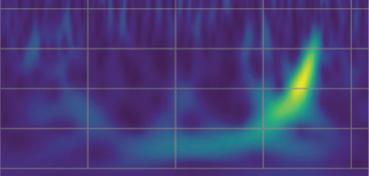
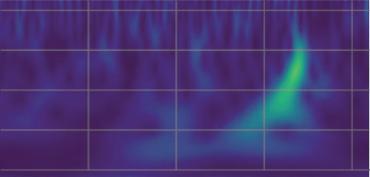
Figure1.1 Thefirstgravitational-wavesignal(GW150914)observedbytheLIGOHanford(H1,left) andLivingston(L1,right)interferometers.Thetoprowshowshowthegravitational-wavestrainvaried withtimeinthetwodetectors(withadirectcomparisonafteratimeshiftof10mscorrespondingtothe traveltime—atthespeedoflight—betweenthetwoinstruments).Themiddlerowcomparesthesignalto resultsfromnumericalrelativitysimulations,showinginspiral,merger,andringdownoftwocoalescing blackholes.Thebottomrowgivesatime-frequencyrepresentationofthegravitational-wavestrain, againshowingthesignalfrequencyandstrengthincreasingwithtime.(ReproducedfromAbbottetal. (2016b),CreativeCommonsAttribution3.0License.)
shedlightonaspectsthatcannotbeprobedbytraditionalmeans,liketheinternal dynamicsofasupernovaexplosionorquantumfluctuationsintheveryearlyUniverse justaftertheBigBang.Inordertounderstandthewiderangeofpossibilities,weneed toexplorethemechanismsthatgenerategravitationalwavesinthefirstplace.Weneed tobeabletopredictthecharacterofthesignalsandconsiderthechallengesassociated withdetectingthem.Asthisinvolvesmanycomplexquestions,anditisimportantto appreciatethecontext,weneedtostartfromthebeginning.
1.2Anewkindofastronomy
Withhistheoryofgeneralrelativity,Einsteinrevolutionizedourviewofspaceandtime (Einstein,1915).Byexplaininggravityintermsofthegeometryofacombinedspacetime heprovidedafreshperspectiveontheUniverse.Thisledtotheintroductionofexciting conceptsthathavebecomepartofmainstreamculture.Mostnotably, blackholes,formed whenmassivestarsdie,andthe BigBang,theexplosionwhichgavebirthtotheUniverse some14billionyearsago.Moreover,Einstein’sgeneralrelativityisa dynamic theoryof gravity,wherespaceandtimeareflexibleconcepts.Thetheorypredictsthatchanges ingravitypropagateaswaves,ripplesinspacetimemovingatthespeedoflight.These gravitationalwaves areelusive.Fordecadestheycauseddebateandcontroversy1 and, untilrecently,attemptstodetectthemprovedfutile.
Itisnotreallysurprisingthatthedetectionofgravitationalwavesprovedsucha challenge.Earlygenerationsofinstrumentsmayhavebeenremarkablysensitive—from aneverydaylifepointofview—buttheywouldstillonlyhavebeenabletocatchunique eventsinourownGalaxyanditsimmediateneighbourhoodandsucheventsarerare. Takesupernovaexplosions,whichoccuronlyafewtimespercenturyinatypicalgalaxy, asanexample.Populationmodellingandourunderstandingofstellarevolutiontellus thatweneedtoreachfurtheroutintotheUniverseifwewanttodetectsuchevents. Exactlyhowfar,wedonotknowatthispoint.Itisrelativelyeasytoworkouttheenergy thatmustbereleasedinorderforagivensourcetobedetectable,butverydifficultto provideareliablemodelofthecomplexphysicsassociatedwithmostgravitational-wave scenarios.Yet,itisclearthatwewillalwaysbedealingwithfaintsignals.Thisisinsharp contrastwithmainstreamastronomy,whereobservationsaretraditionallymadeatlarge signal-to-noiseratios.
Asthesensitivityoftheavailabledetectorsimproved—gradually—welearnedvaluable lessons.Itisfairlyeasytoidentify‘milestone’resultsleadinguptothebreakthroughin 2015.Forexample,theinitialLIGO–Virgodetectorsweresensitiveenoughthatthey wouldhavebeenabletocatchagravitational-waveburstfromaMilkyWaysupernova, shouldonehaveoccurredduringtheseriesofscienceruns(Abadie etal.,2012).The absenceofdetectionshardlychallengedourviewoftheUniverse,butitwasnevertheless animportantstep.Thefactthatthegravitational-wavecontributiontothespin-downof
1 AmeetingatChapelHillinJanuary1957isoftenseenastheturningpoint.Inparticular,RichardFeynman famouslyprovideda‘stickybead’argumenttodemonstratethatgravitationalwavesmustcarryenergy.
theCrabPulsar—aneutronstarborninasupernovarecordedbyChineseastronomers in1054—canbeconstrainedtobelessthanafractionofapercentoftheobservedrate (Abbott etal.,2008a)mayonlybemildlyinterestingfromtheastrophysicspointofview, butitwasneverthelessamilestoneachievementasitconstrainedtheasymmetryofa distantastronomicalobjectinawaythatcouldnotbedonebyothermeans.
Gravitational-waveastronomyisafascinatingareathatinvolvesarangeofcomplex issues,fromthedevelopmentofdetectortechnologytodata-handlingtechniquesand theorymodelling.Inordertoprogress,weneedtoimproveonalltheseaspects.Aswe celebratethefirstsuccessfuldetections,itisusefultokeepinmindtheeffortbehindthe success.Overdecades,generationsofscientiststurnedanimpressiveengineeringproject intoanastronomicalobservatory.Thiswasaspectacularachievement,butwearefar fromdone.Futureobservingrunswillprobeamuchlargervolumeofspace.Wewillhave more,betterquality,data.Conservativepopulationsynthesismodelssuggestthatwewill detectmanyinspirallingcompactbinaries(consistingofblackholesand/orneutronstars) everyyear.Giventhatsuch‘breadandbutter’binarysignalsarewellunderstood(and dependverylittleonthecompositionofthebinarycompanions)andthedataanalysis algorithmsare(moreorless)developed,thisshouldallowustoprobetheparametersof suchsystems,sheddinglightonthecosmiccompactbinarypopulationandtherelevant formationchannels.
Thewiderrangeofgravitational-wavesourcesputmoreemphasisontheinvolved physicsandhigh-qualitymodellingofrelevantastrophysicalscenarios.Inevitably,this requiresanexchangeofexpertisewithmainstreamastronomers.Foralongtimethe emphasiswasondetectordevelopmentanddataanalysisstrategies.Asweestablish thisnewareaofastronomy,weneedrapidchange.Weneedtoaddresschallenging modellingproblems.Manyrelevantgravitational-wavescenariosinvolveextremephysics thatcannotbetestedinthelaboratoryandprecisionsearchesrequireanunderstanding beyond‘orderofmagnitude’precision.
Thefutureis,ofcourse,bright.Oncethird-generationdetectors,liketheEinstein Telescope(Punturo etal.,2010;Sathyaprakash etal.,2012)ortheCosmicExplorer (Abbott etal.,2017c),comeon-linewewillfirmlybeintheeraofgravitational-wave astronomy.Theseinstrumentswillimprovethebroadbandsensitivitybyanotherorderof magnitude,reachinganotherfactorof1,000involumeofspace.Thismayseemremote, giventhatsuchdetectorsarestillatthedesignstage,butweneedtoconsidertheirpromise now.Wearetalkingabout‘bigscience’andweneedtounderstanditspotentialinorderto arguethecaseforbuildingsuchhugelyexpensiveinstruments.Itisrelevanttoaskwhat wecanhopetoachievewithanEinsteinTelescope,butnot(necessarily)withAdvanced LIGO.Howmuchbettercanwedowith(roughly)anorderofmagnitudeimprovement insensitivity?Aretheresituationswherethisimprovementisneededtoseethesignalsin thefirstplace,orisitamatterofdoingbetterastrophysicsbygettingimprovedstatistics andmorepreciseparameterextraction?Therearemanyinterestingandcomplicated issuestoconsider.
Perhapsincontrast,itisstraightforwardtoarguethecaseforaspace-baseddetector, liketheLISAprojectwhichisexpectedtolaunchin2034toaddresstheEuropean
SpaceAgency’ssciencethemeoftheGravitationalUniverse(Amaro-Seoane etal., 2017).Sensitivetolow-frequencygravitationalwaves,LISAisperfectlytunedtotypical astronomicaltimescales(hourstominutes).Iftheinstrumentworksasplanned—and thereisnoreasontothinkthatitshouldnot,giventheimpressiveresultsfromtheLISA Pathfinder(Armano etal.,2018)—detectionisguaranteed.Infact,manyknownbinary systemscanbeusedtoverifythatthedetectorisworkingasintended.Thechallenges thattheLISAprojectfacesaredifferent.Giventhenumberof,inprinciple,detectable binariesintheGalaxy,thedataanalystmaysufferanembarrassmentofriches.The sciencemay(tosomeextent)beconfusionlimited.However,thefactthatLISAis sensitivetosignalsfromsupermassiveblackholes(eithermergingorcapturingsmaller objects)throughouttheUniversemakesitanextremelyexcitingmission.
Onatimescaleof20yearsorsoweshouldhaveanetworkofhigh-precision instrumentssearchingtheskiesforgravitational-wavesignalsoverarangeofuptoeight decadesinfrequency;seeFigure1.2.Thesedetectorswillprovideuswithunprecedented insightsintothedarksideoftheUniverse,andallowustoprobemuchexcitingphysics. Furtherimprovementsindataqualitymayallowustoextractthegravitational-wave componentinthecosmicmicrowavebackground.Inaddition,ultra-low-frequency gravitationalwavesarelikelytohavebeendetectedbypulsartimingarrays.Inparallel, wecanexpecttoseebreakthroughsinrelatedareasofphysics.Followingthedetectionof theHiggsbosonbytheLargeHadronCollider,thecollidersprobehigherenergiesand mayeventuallyfindevidenceforsupersymmetry.Experimentsaimedatdetectingdark
Figure1.2 Thespectrumofanticipatedgravitational-wavesourcesandthedifferentmethodsthatmay beusedtodetectthem,acrossmorethan20decadesinfrequency.Thephysicaltimescalesrangefromthe ageoftheUniversetoafractionofamillisecond.
mattersignalsmayprovideindisputabledata.Weoughttohaveabetterunderstanding ofdarkenergy,e.g.aconstraintonthecosmic‘equationofstate’.Thesedevelopments willstimulatetheoristsaswellasexperimenters,leadingtodramaticimprovementsin ourunderstandingoftheUniverseinwhichwelive.
1.3Audionotvideo
MostoftheinformationwehaveabouttheUniversewasgleanedfromelectromagnetic signals;frombeautifulhigh-resolutionimagesfromtheHubbleSpaceTelescopetoX-ray timingwiththeRossiX-rayTimingExplorer(RXTE)andspectrafromChandra, frompulsartimingwithradiodishestothecosmicmicrowavedatafromtheWilkinson MicrowaveAnisotropyProbe(WMAP)andthePlanckexperiment,theSloaneDigital SkySurvey,andsoon.Inthepast50yearswehavelearnedthattheUniverseisaviolent placewherestarsexplodeandgalaxiescollide.Therearemassiveblackholesatthecentre ofmostgalaxies,andtheirevolution(throughaccretionormergers)maybecloselylinked totheformationoflarge-scalestructuresinthefirstplace.Theamountofinformation wehavegatheredistrulyawesome.Yet,ourcurrentUniverseisnolessmysteriousthan thatoftheearly1960s.Asweimproveourunderstanding,therearesurprisesandnew questions.Atthepresenttime,specificquestionsconcernthedynamicsofblackholesand theirroleinevolutionaryscenarios,andthestateofmatterundertheextremeconditions inaneutronstarcore.Thebigpuzzlesconcerndarkenergyand(obviously)thestill uncomfortablemarriagebetweengravityandphysicsatthequantumscale.
Thegravitational-waveeffortshouldbeviewedfromthisperspective.Itisnaturalto startbycomparingandcontrastingsignalscarriedbygravityandelectromagneticones. Fromthetheorypointofview,thereisacloseanalogybetweenelectromagneticand gravitationalwaves.However,onemustnotpushthistoofar.Thetwoproblemsare conceptuallyratherdifferent.Electromagneticradiationcorrespondstooscillationsof electricandmagneticfieldspropagating in agivenspacetime,whilegravitationalwaves areoscillations of thespacetimeitself.Inordertoidentifyagravitationalwaveonemust identifyanoscillatingcontributiontospacetime,varyingonalengthscalemuchsmaller thanthatofthe‘background’curvature(whichweexperienceasoureverydaygravity). Thisdistinctioncanbeconfusing.Otherdifferenceshintatthepromisesandchallenges ofgravitational-waveastronomy:
(i)Whileelectromagneticwavesareradiatedwhenindividualparticlesareaccelerated,gravitationalwavesareduetoasymmetricbulkmotionofmatter.Inessence, theincoherentelectromagneticradiationgeneratedbymanyparticlescarry informationaboutthethermodynamicsofthesource.Gravitationalradiation probeslarge-scaledynamics.
(ii)Theelectromagneticwavesthatreachourtelescopeswillhavebeenscattered manytimessincetheirgeneration.Incontrast,gravitationalwavescoupleweakly tomatterandarriveattheEarthinpristinecondition.Theycarrykeyinformationaboutviolentprocessesthatotherwiseremainhidden,e.g.associatedwith
theheartofasupernovacorecollapseormergingblackholes.Ofcourse,the wavesalsointeractweaklywithourdetectors,makingtheirdetectionachallenge.
(iii)Mainstreamastronomyisbasedondeepimagingofsmallfieldsofview,while gravitational-wavedetectorscovervirtuallytheentiresky.Aconsequenceofthis isthattheabilitytopinpointasourceintheskyisnotparticularlygood.On theotherhand,anysourceintheskywillinprinciplebedetectable,notjust onestowardswhichweaimthedetector(whichwecannotdoanyway!).This couldleadtodifficultiesifthesourcesareplentiful,whichmaybeaproblemfor space-basedinstrumentslikeLISA.
(iv)Electromagneticradiationtypicallyhasawavelengthmuchsmallerthanthesize oftheemitter.Meanwhile,thewavelengthofagravitationalwaveisusually comparabletoorlargerthanthesizeoftheradiatingsource.Hence,gravitational wavescannotbeusedfor‘imaging’.Gravitational-waveastronomyismorelike listeningtotheradiothanwatchingtelevision.Itmaybeamatteroftaste,butlet usnotforgetthatradiooffersqualityentertainment...
Thebottomlineisthat,gravitationalwavescarryinformationaboutthemostviolent phenomenaintheUniverse;informationthatiscomplementaryto(infact,verydifficult toobtainfrom)electromagneticdata.
1.4Onthebackofanenvelope
Without(atthispoint)gettingimmersedintechnicaldetail,letusoutlinethekey ideasinvolvedinmodellinggravitational-wavesourcesandatthesametimetakethe opportunitytogetaroughideaofthestrengthandcharacteroftypicalastrophysical signals.Aswewillderivethekeyresultslater—afterdevelopingtherequiredtools—this alsoprovidesuswithanideaoftheroadahead.
Westartbynotingthat,sincegravitational-wavesignalstendtobeweak,itisoften sufficienttoworkattheleveloflinearperturbationsofagivenspacetime.Inessence, onemakesadistinctionbetweena(known)backgroundspacetimeandadeviationthat livesinthisspacetime.Intermsofthemetric gab ,whichprovidesdistancemeasurements inthecurvedspacetime,wethenhave gab = g B ab + hab ,(1.1)
where g B ab issomeknownbackgroundmetricand |hab | issuitablysmall.Themetricis, ofcourse,atensorandeachindexrunsfrom0to3torepresentthefourdimensions ofspacetime.ItmustalsosatisfyEinstein’sfieldequations,essentiallyasetof10 couplednonlinearpartialdifferentialequations.Massagingtheseequations(bychoosing aparticularlyusefulsetof‘coordinates’)onecanshowthat hab satisfiesawaveequation. Changesinthegravitationalfieldpropagateaswaves,travellingatthespeedoflight.
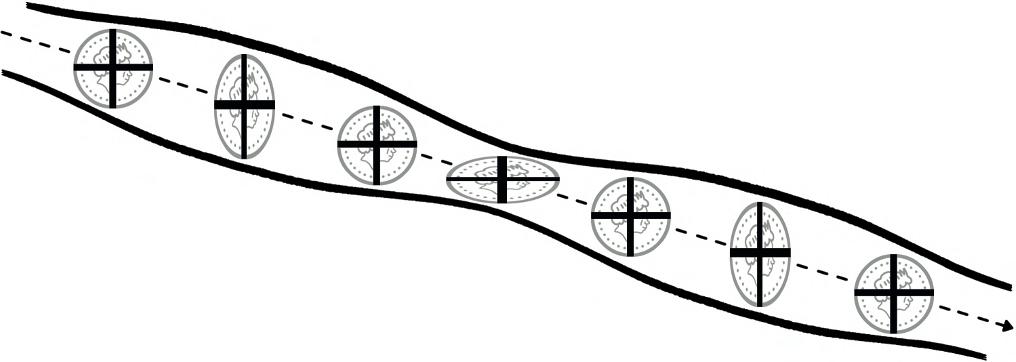
Ifweconsidertheeffectthatthewavesofgravityhaveonmatter,wefindthatthey aretransverseandhavetwopossiblepolarizations.Theyactlikeatidalforce,which meansthattheychangealldistancesbythesameratio.Ifweconsidertwo‘freemasses’ adistance L apart,thenthegravitational-waveinducedstrain h ∼|hab | leadstoachange L suchthat
Thisallowsustoquantifytheeffectthatapassingwavewillhaveonadetector(see Figure1.3forasimplethoughtexperiment).Ofcourse,todothisweneedanestimate ofthetypicalmagnitudeof h.Wegetthisfromawell-knownformulathatrelatesthe gravitational-waveluminosity(theenergyradiatedperunittime)tothestrain h
where G isNewton’sgravitationalconstant, c isthespeedoflight, d isthedistancetothe source,andthedotsrepresenttimederivatives.Thisrelationisexactfortheweakwaves thatbathetheEarth.
Supposewecharacterizeagiveneventbyatimescale τ andassumethatthesignalis monochromatic,withfrequency f .Thenwecanuse ˙ E ≈ E /τ and ˙ h ≈ 2π fh.Introducing therelevantscalesintheproblem,wefindthat
Figure1.3 Inordertoillustratetheeffectthatagravitationalwavehasonmatter,letusconsidera simplethoughtexperiment.Paintacrossonacoinandplaceitonatable.Thenwaituntila gravitationalwavepassesthroughthecoin.Somewhatsimplistically,thegravitationalwavewill alternatelystretchandsqueezethecoin(asshownintheillustration)andweshouldbeabletomonitor howthecrosschangesshapeasaresult.Ofcourse,theimpactofgravitationalwavesfromastrophysical sourcesisfartoominusculetobedetectedthisway.Nevertheless,theprinciplebehindthisexperimentis thesameasthatusedinbardetectors.(IllustrationbyO.Dean.)
wherewehavescaledthedistancetotheVirgocluster,thenearestsuperclusterofgalaxies about15Mpcawayfromus.Thiskindofscalingisnecessarytoensureareasonableevent rateformanyastrophysicalscenarios.Forexample,atthisdistanceonewouldexpectto seeseveralsupernovaeperyear,whichmeansthatonecanhopetocatchthebirthofa fewneutronstars/blackholesduringoneyearofobservation.Wehavetakentheenergy radiatedtobeathousandthoftheenergyequivalentofthemassoftheSun(M c2 ), whichwouldrepresentaverypowerfulevent,andassumedthatthetypicaltimescaleof thedynamicsthatgeneratedthegravitationalwavesisamillisecond.
Welearnthattheeffectthewaveswillhaveonaterrestrialdetectorisminuscule. Theywouldstretchaonemetrerulerbyapuny 1022 m,muchlessthanthediameter ofthenucleithatmakeuptheatomsoftheruler.Thishighlightstheseverechallenge associatedwithdetectingthiskindofsignal.Fortunately,wecandobetter.Wecandefine an‘effectiveamplitude’thatreflectsthefactthatdetailedknowledgeofthesignalcanbe usedtodigdeeperintothedetectornoise.Atypicalexampleisbasedontheuseof matchedfiltering(seeChapter8),forwhichtheeffectiveamplitudeimprovesroughlyas thesquarerootofthenumberofobservedsignalcycles, N .Thisisagoodapproximation when N islarge,sotheestimatewillbereliableforpersistentsources(likeaslowly evolvingsource)butobviouslylesssoforshortburstsassociatedwithexplosiveevents. Anyway,using N ≈ f τ wearriveat
Thisrelationshowsusthattheeffectivegravitational-wavestrain,essentiallythe ‘detectability’ofthesignal,dependsonlyontheradiatedenergyandthecharacteristic frequency.Thisallowsustoassesstherelevanceofarangeofproposedsourceswithout havingtoworkoutthedetailedsignals.
Tomakeprogressweneedabetterideaofthetypicalfrequenciesassociatedwith differentclassesofsources.Luckily,thisisstraightforward.Weonlyhavetonotethat thedynamicalfrequencyofanyself-boundsystemwithmass M andradius R canbe approximatedby
Giventhis,thenaturalfrequencyofa(non-rotating)blackhole(forwhich R = 2GM /c2 ) shouldbe
Openingthewindow immediatelysuggestingthatmedium-sizedblackholes,withmassesintherange 10100M ,shouldbeprimesourcesforground-basedinterferometerssincethe “sweetspot”ofthesedetectorstendstobelocatedaround100Hz;seeFigure1.4. Basically,theseinstrumentsareperfectlytunedtoeventslikeGW150914.Wealsosee thatneutronstars,withatypicalmassof 1.4M compressedinsidearadiusof10kmor so,wouldbeexpectedtoradiateat
Inotherwords,theyrequiredetectorsthataresensitiveathighfrequencies.Thisisakey sciencetargetforfutureground-basedinstruments.
Compactobjectbinaries—involvingblackholes,neutronstars,orwhitedwarfs— provideparticularlypromisingsources.Onereasonforthisisthatthesignalstrength iscalibratedbythemasses,soitisfairlyeasytoassessthedetectability.Wehavealready seenthatthesignalfromapairofblackholeswithmassoforder 10M arewithin reachoftoday’sground-baseddetectors.Asimplescalingargumentthentellsusthat supermassiveblack-holebinaries—resultingfromgalaxymergers—radiateintheLISA frequencyband.Infact,thefrequencyrangeofthespace-basedinterferometer(down to 104 Hz)isagoodmatchtothetimescaleofmanyknownastronomicalsystems. DifferentclassesofgalacticbinarysystemsradiategravitationallyintheLISAbandand shouldleadtodetectablesignals.Themostcommonsuchsystemsare(i)binarywhite dwarfs,(ii)binariescomprisinganaccretingwhitedwarfandaheliumdonorstar,and (iii)low-massX-raybinaries.Theremaybemorethanabilliongalacticbinariesinthe LISArange.Finally,pulsartimingarraysallowustoprobeultra-lowfrequencies(nanoHz)forsignalsfromtrulygiganticblackholes.
Theseback-of-the-envelopeestimatesprovideasketchofthegravitational-wavesky. Theydonottellusthewholetruthbutservetomotivatemoredetailedthinking. Unfortunately,thenextsteptendstobedifficult,eitherinvolvingpoorlyunderstood physics(asinthecaseofneutronstars)orcomplexnonlineardynamics(asforblackholecollisions),orboth(asinthecaseofneutronstarmergersandsupernovacore collapse).Theserequirementshaveledtothedevelopmentofnumericalrelativityas ahigh-poweredtoolforastrophysicalsimulations(seeChapters19and20).Atthe sametime,arangeofissuesbridgingnuclearphysics,particlephysicsandquantum fieldtheory,low-temperaturephysics,andhydrodynamicsrelevantforneutronstarsare beinginvestigated.FundamentalphysicsassociatedwiththeearlyUniverseandthedark matter/energymodelsinmoderncosmologyisalsoundervigorousscrutiny.
1.5Binaryinspiralandmerger
Beforeweturntothedetailedtheory,letussketchasetofproblemsthatprovide interestingmodellingchallenges.Theseproblems(obviously)donotprovideacomplete listinanysense.Rather,theyhavebeenselectedtoillustrateparticularaspectsand provideanideaofthebiggerpicture.
Binaryinspiralandmerger 11
Itisnaturaltostartwithinspirallingbinaries.Longbeforethefirstdetectionof gravitationalwaves,compactbinariesprovidedconvincing—althoughindirect—support forEinstein’stheory.DetailedmonitoringofthefamousBinaryPulsarPSRB1913+16, discoveredindatafromtheAreciboradiotelescopein1974(HulseandTaylor,1975), andthemorerecentlyfound(andmorerelativistic)DoublePulsarPSRJ0737-3039 (Lyne etal.,2004),providesclearevidenceoforbitsdecayingataratethatagreeswith thepredictionsofgeneralrelativity.
However,incontrasttoNewtoniangravity,thetwo-bodyproblemremains‘unsolved’ ingeneralrelativity.GiventhelackofsuitablesolutionstotheEinsteinfieldequations, significantefforthasgoneintodevelopingapproximationsandnumericalapproachesto theproblem.Fortheinspiralphaseofabinarysystem,thepost-Newtonianexpansion (essentiallyalow-velocityexpansion;seeChapter11)isparticularlyuseful.Withinthe post-Newtonianscheme,theleadingorderradiationeffectsaredescribedbytheso-called quadrupoleformula,accordingtowhichthegravitational-wavestrainfollowsfromthe secondtimederivativeofthesource’squadrupolemoment
where xi isthepositionvectorand ρ isthemassdensity.Ifweconsiderthesimplesituation oftwo(effectively)pointmasseswithmass M separatedbyadistance a (seeChapter5 foradetaileddiscussion),thenweseethat
Thegravitational-wavestrainfollowsfrom
where d isthedistancetothesourceandwehaveusedthefrequencyforaKeplerian orbit f ∼ M /a3
Asthesystememitsgravitationalwaves,itlosesenergyandtheorbitshrinks.From (1.3) weseethat
Balancingtherateofenergylosstotheorbitalenergy, E
a,wearriveatan evolutionarytimescaleforthedecay