EuropeagainstRevolution.Conservatism, Enlightenment,andtheMakingofthePastMatthijs Lok
https://ebookmass.com/product/europe-against-revolutionconservatism-enlightenment-and-the-making-of-the-pastmatthijs-lok/
Instant digital products (PDF, ePub, MOBI) ready for you
Download now and discover formats that fit your needs...
A Conspiratorial Life: Robert Welch, the John Birch Society, and the Revolution of American Conservatism
Edward H. Miller
https://ebookmass.com/product/a-conspiratorial-life-robert-welch-thejohn-birch-society-and-the-revolution-of-american-conservatism-edwardh-miller/ ebookmass.com
Muslims and the Making of Modern Europe Emily Greble
https://ebookmass.com/product/muslims-and-the-making-of-modern-europeemily-greble/
ebookmass.com
Poet of Revolution: The Making of John Milton Nicholas Mcdowell
https://ebookmass.com/product/poet-of-revolution-the-making-of-johnmilton-nicholas-mcdowell/
ebookmass.com
Sims' Symptoms in the Mind: Textbook of Descriptive Psychopathology 7th Edition Femi Oyebode
https://ebookmass.com/product/sims-symptoms-in-the-mind-textbook-ofdescriptive-psychopathology-7th-edition-femi-oyebode/
ebookmass.com
Starfall Point 1 - Witches Get Stuff Done Molly Harper
https://ebookmass.com/product/starfall-point-1-witches-get-stuff-donemolly-harper/
ebookmass.com
The State of China’s State Capitalism: Evidence of Its Successes and Pitfalls 1st ed. Edition Juann H. Hung
https://ebookmass.com/product/the-state-of-chinas-state-capitalismevidence-of-its-successes-and-pitfalls-1st-ed-edition-juann-h-hung/
ebookmass.com
Illiberal Trends and Anti-EU Politics in East Central Europe 1st ed. Edition Astrid Lorenz
https://ebookmass.com/product/illiberal-trends-and-anti-eu-politicsin-east-central-europe-1st-ed-edition-astrid-lorenz/
ebookmass.com
Gray's Anatomy: The Anatomical Basis of Clinical Practice 42th Edition Susan Stranding
https://ebookmass.com/product/grays-anatomy-the-anatomical-basis-ofclinical-practice-42th-edition-susan-stranding/
ebookmass.com
Environmental Organizations and Reasoned Discourse Richard M. Robinson
https://ebookmass.com/product/environmental-organizations-andreasoned-discourse-richard-m-robinson/
ebookmass.com
Napoleon's Hundred Days and the Politics of Legitimacy 1st
Edition Katherine Astbury
https://ebookmass.com/product/napoleons-hundred-days-and-the-politicsof-legitimacy-1st-edition-katherine-astbury/
ebookmass.com
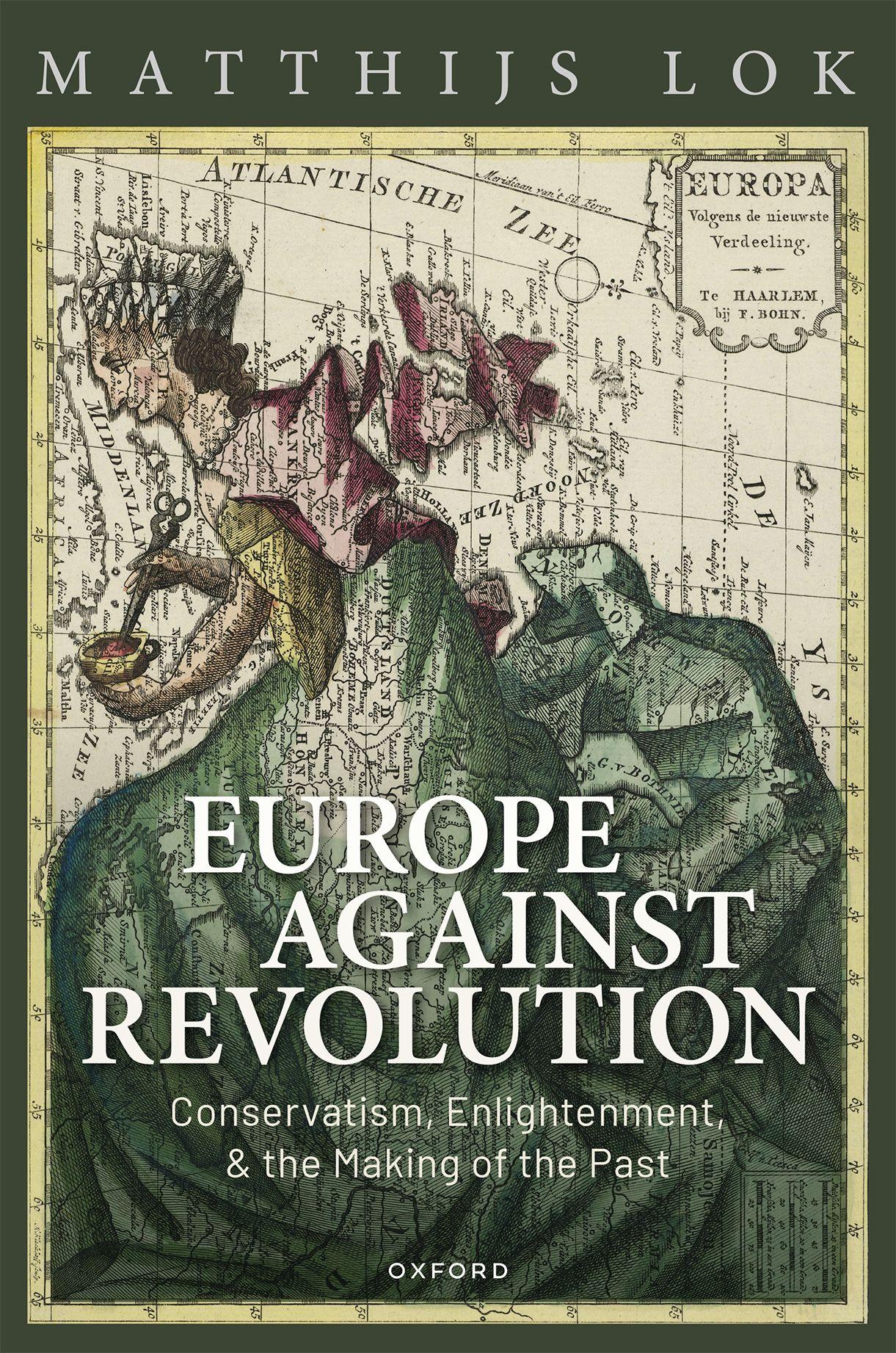
EuropeagainstRevolution
Europeagainst Revolution Conservatism,Enlightenment, andtheMakingofthePast
MATTHIJSLOK
GreatClarendonStreet,Oxford,OX26DP, UnitedKingdom
OxfordUniversityPressisadepartmentoftheUniversityofOxford. ItfurtherstheUniversity’sobjectiveofexcellenceinresearch,scholarship, andeducationbypublishingworldwide.Oxfordisaregisteredtrademarkof OxfordUniversityPressintheUKandincertainothercountries
©MatthijsLok2023
Themoralrightsoftheauthorhavebeenasserted FirstEditionpublishedin2023
Impression:1
Allrightsreserved.Nopartofthispublicationmaybereproduced,storedin aretrievalsystem,ortransmitted,inanyformorbyanymeans,withoutthe priorpermissioninwritingofOxfordUniversityPress,orasexpresslypermitted bylaw,bylicenceorundertermsagreedwiththeappropriatereprographics rightsorganization.Enquiriesconcerningreproductionoutsidethescopeofthe aboveshouldbesenttotheRightsDepartment,OxfordUniversityPress,atthe addressabove
Youmustnotcirculatethisworkinanyotherform andyoumustimposethissameconditiononanyacquirer
PublishedintheUnitedStatesofAmericabyOxfordUniversityPress 198MadisonAvenue,NewYork,NY10016,UnitedStatesofAmerica
BritishLibraryCataloguinginPublicationData Dataavailable
LibraryofCongressControlNumber:2022947763
ISBN978–0–19–887213–9
DOI:10.1093/oso/9780198872139.001.0001
Printedandboundby CPIGroup(UK)Ltd,Croydon,CR04YY
LinkstothirdpartywebsitesareprovidedbyOxfordingoodfaithand forinformationonly.Oxforddisclaimsanyresponsibilityforthematerials containedinanythirdpartywebsitereferencedinthiswork.
ForMartine,Neelie,andWisse
Acknowledgements
Likethewritingsstudiedinthiswork,thisbookisacosmopolitanendeavour, firmlyrootedinalocalcontext.Mostoftheresearchoverthepastdecadehasbeen doneintheresearchtimeallottedtomebymyemployer,theUniversityof Amsterdam.Ihavebeensupported financiallyinvariouswaysbythe AmsterdamInstituteforHumanitiesResearch(AIHR),theAmsterdamSchool forRegional,TransnationalandEuropeanStudies(ARTES),andtheAmsterdam CentreforContemporaryEuropeanStudies(ACES).ThecosmopolitanatmosphereoftheAmsterdamEuropeanStudiesdepartmentprovidedtheinstitutional context.Thisinterdisciplinaryandmultilingualdepartment,populatedbyhistorians,literaryspecialists,lawyers,politicalgeographers,politicalscientists,and economists,formsatwenty-first-centuryembodimentofthelateeighteenthcenturyenlightenedidealofintegrallystudyingEuropeinitsentiretyrather thanfromoneperspective.
IhavebeenabletowritechaptersduringsabbaticalsaccordedmebytheFaculty ofHumanities.ParticularlyusefulwasaresearchstayattheNetherlandsInstitute forAdvancedStudies(NIAS)inthespringof2020,whichwasunfortunatelycut shortbytheCOVID-19pandemic.Notwithstanding,Iwouldliketothankthe fellowsoftheyeargroup2019–20,inparticularMarijnKruk,MirjamKünkler, AnoukdeKoning,NadimRouhana,Jean-MarcDreyfus,andLuigiCorrias,and theexcellenthostsJanWillemDuyvendakandFennekeWekker,fortheirencouragementofslowscience,assuchwasthisbookproject.
EvenintimesofCOVID,Ibenefittedfromaresearchfellowshipatthe LichtenbergKollegandMoritzSternInstituteinGöttingen(Autumn2021,as guestofMartinvanGelderen),followedbyanETEEexchangeinLeuven (Autumn2022,hostedbyPatrickPastureandGustavoMüller).Researchtrips havebeenmadetoLondon(BritishLibraryandtheNationalArchives),Brussels (KoninklijkeBibliotheek),Rome(KNIRRoyalNetherlandsInstituteandVatican Library),Oxford(BodleianLibrary),Vienna(ÖsterreichischeNationalbibliothek), Berlin(StaatsbibliothekzuBerlin),Paris(BibliothèquenationaledeFranceand Archivesnationales),Groningen(UniversityLibrary),DenHaag(Koninklijke Bibliotheek),andAmsterdam(UniversityLibrary)andIamgratefulforthe assistanceofthestaffoftheseinstitutions.
Thebookisasmuchtheresultofsocialinteractionasitisanindividual achievement.Firstofall,Iamgratefultotheco-convenersoftheAmsterdamUtrecht(-Groningen)GlobalIntellectualSeminarforprovidingthebestpossible, enjoyable,academicenvironmentforconductingintellectualhistory:Anneliende
Dijn,BoydvanDijk,RenéKoekkoek,CamilleCreyghton,LuciaAdmiraal,Arnab Dutta,andLissaKattenberg.Ihavediscussedmyresearchwiththemany renownedscholarsfromaroundtheworldwhohaveacceptedourinvitationto speakattheseminar,amongthemDavidArmitage,JenniferPitts,Georgios Varouxakis,RichardWhatmore,IsaacNakhimovsky,ShrutiKapila,Andrew Fitzmaurice,DominicSachsenmaier,andStellaGhervas.Specialthanksgoto DarrinMcMahonwhohassupportedmywritingsandprojectsovermanyyears andinmanyways,andwhose EnemiesoftheEnlightenment (OUP,2001)formed animportantinspirationforthisbookproject.
ThebookhasbeenshapedbythevariousconferencesIorganizedinthe precedingyearsandthecollaborativeresearchprojectsIwasinvolvedin,which coveredvariousaspectsrelatedtothethemeofthisbook.In2018,JulietteReboul andIorganizedtheconferenceon ‘cosmopolitanconservatism’ inthemonastic RavensteinconferencecentreoftheRadboudUniversity,attendedbymany leadingscholarsinthe field.ThisconferenceresultedintheBrillvolume(2021), co-editedwithFriedemannPestel,whichcanberegardedasacompaniontothe presentbook.In2016,IdodeHaanandIorganizedaworkshoponthepoliticsof moderation,attendedbythemainauthorityonthesubject,AurelianCraiutu,who hascontinuedtoprovideintellectualencouragement.Thisworkshopalsoculminated inaneditedvolume(publishedbyPalgravein2019).CollaborationwithLotteJensen resultedinaworkshoponEarlyModernEuropeanismsin2014inAmsterdam.
Furthermore,panelswereheldattheconferencesoftheCouncilforEuropean Studies(Amsterdam2013,Washington2014)andtheConsortiumofthe RevolutionaryEra(Atlanta2019andonline2021).Ithanktheparticipants. WithEuropeanStudiescolleaguesRobindeBruinandMarjetBrolsma,moreover, Ieditedavolumeon EurocentrisminHistoryandMemory (AUP2019),inhonour ofMichaelWintle,whichincludesmanycontributionsthatdealwithtopicsinthis study.IparticularlythankStefanBergerforhischapteronEuropeanhistoriography.WithJorisvanEijnatten,IeditedaspecialissueontheglobalCounterEnlightenment,withcontributorsfromallovertheglobe.WithIasonZarikosand CarolinaArmenteros,Iamcurrentlyeditingvolumesonconservatismandthe makingofAtlanticmonarchism,tobepublishedbyBloomsburyPublishing. LecturesontheseparatechaptershavebeengivenalloverEuropeandthe Americas.Ithankallparticipantsfortheirinvitations,comments,andsuggestions.
MyspecialthanksalsotoAnneliendeDijn,fororganizingamanuscript workshopintheAutumnof2020,atrulyintensiveexperiencethatgreatly improvedthemanuscriptandclarifiedtheargument.Chaptersinvariousstages havebeencriticallyreadandcommenteduponbyAnneliendeDijn,René Koekkoek,CamilleCreyghton,FlorisSolleveld,BeatricedeGraaf,Annie Jourdan,IdodeHaan,WygerVelema,EleádelaPorte,MorganGolf-French, MartinGierl,MichaelWintle,RobindeBruin,MarleenRensen,MarjetBrolsma, JoepLeerssen,FriedemannPestel,TomVerschaffel,Robbert-JanAdriaansen,
MichielvanDam,LienVerpoest,AliciaMontoya,CarolinaArmenteros,andJan Drentje.Ofcourse,Iamsolelyresponsiblefortheresult.Usefulcommentshave, moreover,beenmadeonvariousoccasionsbyEmilyJones,BrianVick,Quentin Skinner,ErikdeLange,OzanOzavci,TheoJung,JörnLeonhard,RemiegAerts, GlaucoSchettini,AmerigoCaruso,WesselKrul,HancoJürgens,NiekvanSas, AmbrogioCaiani,IasonZarikos,TillvanRahden,PaulineKleingeld,LaurentNagy, EmmanuelFureix,BirgitAschmann,MartinaSteber,Matthewd’Auria,Jan Vermeiren,OlivierTort,andMonikaBaár.Nodoubtothernamesshouldbeadded tothislist.
Thebookhasverymuchprofitedfromtheintellectualexchangeandfriendship overmanyyearswithCarolinaArmenteros,BeatricedeGraaf,NatalieScholz, NeerajaSankaran,MartijnvanderBurg,DanielGutiérrezArdila,JorisOddens, EarleHavens,JeroenvanZanten,SebastiaanTijsterman,MargrietvanderWaal, andStefanCouperus.Inparticular,IwouldliketothankGijsKruijtzer,myunique Amsterdamroommateandglobalhistorian,forhishospitabilityattheOudezijds Voorburgwal,livelyconversationsoverdinner,andanimatedtalksaboutreferencesystemsandbooktitles.Moreover,Ihadtheprivilegeofdiscussingmy researchwiththenicestandbrighteststudentsfromalltheworldduringmy variouscoursesoverthepastdecade.Inparticular,IwouldliketothankOliver Callaghan,CorentinLécine,DavidReuter,DieksvanGogh,MaxLokin,andPuck vanLimburgforreadingchaptersandprovidingassistanceinvariousways.
IamproudthatthisbookispublishedwithOxfordUniversityPress.Iwouldlike tothankthetwoanonymouspeerreviewersfortheirthoroughandin-depthcommentsonmymanuscript,whichwereveryhelpfulinthepreparationofthe final manuscript.Moreover,IwouldliketothankmyeditorCathrynSteeleforproviding enthusiasticsupportforthisprojectfromthestart,andVasukiRavichandranfor efficientlymanagingtheproductionofthisbook.JenniferHinchliffe,furthermore, copy-editedthemanuscriptinathoroughmanner.KateDelaney, finally,hasprovided indispensablecorrectionsofmyEnglishwordingandgrammar.
MostofthewritinghasbeendoneathomeintheHelpmanquarterofthelively cityofGroningenintheNorthoftheNetherlands.Overthepastdecade,my solitarystudieshavealternatedwiththeenjoyabledutiesoffamilylife,suchasbike journeystoprimaryschool,sportingevents,musiclessonsand,inthesummer,to thelocaloutdoorswimmingpoolwithmydaughterNeelieandmysonWisse. IamalsogratefultomyfamilyandfriendsinGroningen,DenHaag,Leiden, Amsterdam,andelsewhere,fortheirinterest,patience,andsupportoverthepast years.Finally,Iwouldliketothankmypartner,architectMartineDrijftholt,a proudnorthernerwithanopenviewoftheworld,forkeepingahealthybalance betweenacademiclifeandtheworldoutsideit.
Groningen&Amsterdam,1August2022
Prologue
PoliticsofthePast
On3and4February2020,aninternationalconferenceofEuropean ‘national conservatives’ washeldinRome,organized ironically bytheAmerican ‘EdmundBurkeFoundation’.Amongthetwohundredparticipantswerethe HungarianprimeministerViktorOrbanandthethenhopeoftheFrenchfar right,MarionMaréchal-LePen,aswellasthecontroversialright-wingDutch politicianandpublicistThierryBaudet.¹Theseself-proclaimed ‘conservatives’ , despitetheirdifferentoutlooksandbackgrounds,allsharedaviewof ‘European civilization’ asessentiallyconsistingofhomogeneousandprimordialnational statescurrentlyunderthreatfromadeadlycocktailofmassmigrationofnonEuropeanssupportedbyaliberalpoliticalinternationalorderandrootlesscapitalism.TheymostlydefendedacertainChristian-inspiredandanti-modern nationalismasthetrueEuropeanhistoricalheritage,whichwasinneedof protectionagainstitsmortalenemies.²
Afurthercommonelementunitingthesenationalistswashostilitytowardsthe EuropeanUnionandthepost-warprocessofEuropeanintegration.Theselfappointed ‘conservatives’ objectedtotherepresentationoftheEuropeanpastas exhibitedintheBrusselsMuseum’ s ‘HouseofEuropeanHistory’.ThisHouse wastheresultofaninitiativeoftheEuropeanparliamentfrom2007toexplainthe Europeanpasttoitscitizens.Thecuratorsofthismuseumunderscored ‘the sharedEuropeanexperience’ throughouthistory.³Underlyingtheexhibitionwas anarrativeofaninevitablesuccessful,peacefulintegrationaftercenturiesof internalconflictandwar,inparticularthehorrorsoftwentieth-centurytotalitarianism,genocide,andfascism. ⁴ Inthisstory,theprojectofintegrationbrought
¹IwillnotgointotheextensivedebateontheterminologyoftherightincontemporaryEurope, whichhasbeenlabelled ‘farright’ , ‘radicalright, ‘newright’ , ‘hardright’ , ‘neo-nationalist’ , ‘authoritarian’ , ‘anti-liberal’ , ‘nativist’,and ‘populist’:recentstudiesinclude:Caiani, ‘RadicalRight’,394–411; LagenbacherandSchellenberg, EuropeontheRightPath?;Zielonka, Counter-Revolution;Mudde, PopulistRadicalRightParties.Onthedividedcharacterofearlytwenty-first-centuryconservatism andtherightintheWest:Fawcett, Conservatism,328–414.
²Seehttps://nationalconservatism.org/natcon-rome-2020(accessed6November2020);Lievisse Adriaanse, ‘Eenculturelewapenstilstand’;Applebaum, Twilight,138–41.Onthepopulistusesof Europeanheritage:deCesariandKaya, EuropeanMemory.Onthe ‘crisis’ oftheideaofthe ‘West’ in thetwenty-firstcentury:Boutellier, Westen.
³VovkvanGaal, ‘Commentforgerunréciteuropéen?’,57–68.
⁴ Bialasiewicz, ‘Spectres’,98–119;Dinan, EverCloserUnion.
EuropeagainstRevolution:Conservatism,Enlightenment,andtheMakingofthePast.MatthijsLok,OxfordUniversityPress. ©MatthijsLok2023.DOI:10.1093/oso/9780198872139.003.0001
prosperityandpeaceaswellasdemocracyandhumanrightstotheinhabitantsof theEuropeancontinent.⁵ RatherthanforcingallEuropeancountriesintoone centralizedandhomogeneous ‘empire ’,theBrusselspresentationunderlined,the EUallegedlyprotecteditspoliticalandcultural ‘diversity’ . ⁶ Thiswasinlinewith theEU’sofficialmottoof ‘UnityinDiversity’ (‘Invarietateconcordia’ inLatin), whichhadbeenadoptedbytheEuropeanparliamentin2000.⁷
Radicallydisagreeingwiththis finalistandsomewhattriumphalist ‘post-war’ historyofEurope,the ‘nationalconservatives’ meetinginRomein2020emphasized,bycontrast,therecenthistoryofEuropeasoneofdeclineandbetrayalbyits cosmopolitanliberalelites.⁸ TheGerman AlternativefürDeutschland (AfD)party hasonceagainstartedtoinvoketheconceptofa(secular)Christian Abendland underthreatfromaninvasionofIslamicmigrants. ⁹ Baudet,afterwinningthe Dutchprovincialelectionson20March2019,gaveaninfamousspeechinwhich heinvokedtheruinsofaonceproudEuropeancivilization.Thepoliticaland intellectualeliteshadcausedthedownfallofthisexceptionalcivilizationthrough their ‘oikophobia’,oraloathingofone’snativeculture,apathologyallegedly uniquetoWesternelites.¹⁰ However,Baudetalsobroughtamessageofhopeand redemption.LikeHegel’sowlofMinerva,spreadingitswingsonlyatthefallingof dusk,theDutchelectoratehadrealizedattheeleventhhourthatradicalchange wasnecessaryandputtheirtrustinanewmessiah,Baudethimself.¹¹Other Europeanself-proclaimedanti-liberalpoliticiansalsourgedaregenerationof Europebyreturningtoitsprimordial,national,and inmanybutnotall cases itsChristianroots.
Thepresentstudyseekstouncovertherootsofthesehistoricallyinformed ideasofEuropeandofEuropeanhistory,whileatthesametimeunderliningthe fundamentaldifferencesbetweenthewritingsoftheoldercounter-revolutionary
⁵ Judt, ‘ThePastIsAnotherCountry’;Judt, Postwar.OnEuropeanpost-warhistoriography: Ifversen, ‘MythandHistory’;Woolf, ‘EuropeandItsHistorians’
⁶‘TheHouseofEuropeanHistoryisdedicatedtotheunderstandingofthesharedpastanddiverse experiencesofEuropeanpeople.It’saplacewhereyoucandiscoverdifferentpointsofviewand commongroundinEuropeanhistory.’ Seehttps://historia-europa.ep.eu/en/mission-vision(accessed 27August2018).Seealso:BuildingaHouseofEuropeanHistory.AProjectoftheEuropeanParliament (BrochureEuropeanParliament2013;doi:10.2861/67140).
⁷ Sassatelli, BecomingEuropeans,36.
⁸ Zielonka, Counter-Revolution;KrastevandHolmes, LightThatFailed;ZiblattandLevitsky, How DemocraciesDie,238–40.Theideaofdeclinehasmanyprecedentsinanti-liberalthought.Seefor instance:Holmes, AnatomyofAntiliberalism.
⁹ Weiß, autoritäreRevolte.Ontheconceptof ‘Abendland’:Rößner, GeschichteEuropas
¹
⁰ Baudet, Oikofobie.
¹¹SpeechbyThierryBaudet,20March2019(https://www.trouw.nl/nieuws/spreektekst-thierrybaudet-verkiezingsavond-20-maart-2019~be2a1539/).Baudetisagoodexampleofaradicalnationalist politicianwhosituateshimselfinavenerableEuropean ‘conservative’ tradition,publishingedited volumeson ‘conservativeauthors’ intheeighteenth,nineteenth,andtwentiethcenturies.Accordingto Baudet,thesethinkerstaughtimportantlessons,whicharestillrelevanttoday,onthedangersof abstractutopiaandtheperiloushubrisofmodernism.BaudetandVisser, RevolutionairVerval;Baudet andVisser, ConservatieveVooruitgang.Ontheideologicaldevelopmentofthe ‘ new ’ Dutchconservatismsincethe1990s:Oudenampsen, conservatieverevolte.
Europeanistsandtheirself-appointedsuccessorsinthetwenty-firstcentury.This bookexaminesideasofEuropeinthedecadesaround1800whentheEuropean pastalsowasthetopicof fiercediscussion,contestation,andpolitical(ab)use.¹² Theseyearsweredominatedby,intheeyesofmanycontemporaries,theshocking eventsoftheFrenchRevolutionanditsviolentaftermathinEuropeandbeyond. TheEuropeanorder,aswellasEurope’splaceintheworld,wasdestroyed,rebuilt, andredefinedatthismoment.PerhapscomparabletothememoryoftheSecond WorldWarandtheHolocaustinthetwentiethcentury,theFrenchRevolution, andinparticulartheTerror,actedasa ‘foundationalpast’ forinhabitantsofthe longnineteenthcenturyuntiltheFirstWorldWar.¹³
Parallelshavebeendrawnbetweenthedecadesaround1800andthereconfigurationofEuropeduringandintheaftermathofthetwentieth-centuryworld wars.¹⁴ After1918and1945,aswellasafterthe finalcollapseoftheNapoleonic Empirein1815,Europe’spastwasseenasasourceofinspirationandorientation atatimewhenallpoliticalauthorityandbeliefsseemedtohavedisappeared. Institutionsandcustomslosttheirself-evidentform,andeverythingseemed possible,orsothecontemporariesbelieved.¹⁵ Alsointhesedecades,a floodof ideasandblueprintsforanewinternationalorderandculturalrenewalwere published,ashappenedduringandimmediatelyaftertheworldwars.¹⁶ The twentieth-centuryEuropean ‘CivilWar’,liketheNapoleonicandrevolutionary wars,wasasmuchaboutideasasitwasaboutarms.¹⁷ Intellectualsoftherightand theleftyearnedforaculturalandpoliticalregenerationofacorruptandrotten Europeancivilization.Ideasofpastandfuturewereinvokedintheimaginingof Europeanditsplaceintheworld.¹⁸ After1815,1919,and1945theideasof ‘stability’ , ‘forgetting’,and ‘moderation ’,oftenincombinationwithastrongstate andarenewedemphasisonmorality,werekeyconceptsinapost-warorder.¹⁹
Intheageofeighteenth-centuryrevolutions,justasaftertheworldwarsofthe twentiethcentury,contemporariesturnedtohistory,thatoftheirownlivesaswell asthatofsociety,tomakesenseofaconfusingandtroublingworld,where previouslyunimaginablepossibilitiesaswellashorrorshadopenedup.The
¹²AsKeithBakerwrote: ‘PoliticalContestationtakestheformofcompetingeffortstomobiliseand controlthepossibilitiesofpoliticalandsocialdiscourse,effortsthroughwhichthatdiscourseis extended,recastand onoccasion evenradicallytransformed.’ Baker, InventingtheFrench Revolution,32.
¹³Confino, FoundationalPasts;Steinberg, Afterlives
¹⁴ Stråth, UtopiasofPeace;Ikenberry, AfterVictory;Macmillan, Peacemakers.Thetemporalaspect, inparticulartheexpectationsofthefuture,ofEuropeanpeaceagreementssincetheeighteenthcentury wasalsounderlinedbyStellaGhervasinher ConqueringPeace.Ofcourse,ahistoricalcomparisonof thiskinddoesnotimplythatthetwoperiodsinhistoryarealsocomparableinamoralway.Cf.de Haan, Politiekereconstructie.
¹⁵ DeHaan, PolitiekeReconstructie.¹⁶ Rosenboim, EmergenceofGlobalism
¹⁷ Mazower, DarkContinent.¹⁸ SeeChapter9.
¹⁹ Stråth, UtopiasofPeace;deGraaf, FightingTerror;deGraaf, Tegendeterreur;deHaanandLok, PoliticsofModeration.
mainthesisofthisbookisthattheEuropeanpastandtheideaofEuropeasan essentially ‘historicalcontinent ’ was(re)inventedbythecriticsoftheFrench RevolutionaspartoftheirideologicalstruggleagainsttheRevolution.Forthese ‘counter-revolutionaries’,theRevolutionstoodforafalseideaoffreedom anddemocraticsovereignty,whichledtoanarchyanddespotismatthesame time.Inoppositiontothenewrevolutionaryworldofuniversalprinciples,the counter-revolutionarypublicistsproclaimedtheconceptofagraduallydeveloping Europeansocietyandpoliticalorder,foundedonasetofhistoricaland ultimatelydivine institutionsthathadguaranteedEurope’suniquefreedom, moderation,diversity,andprogresssincethefalloftheRomanEmpire.²⁰
Thesecounter-revolutionaries(ab)usedandtransformedanolderhistorical narrativethathadbeendevelopedintheprecedingcenturybyenlightened historians.Boththe ‘Enlightenment’ andwhatisconventionallycalledthe ‘Counter-Enlightenment’,ormorehistoricallyaccurate ‘anti-philosophy’ ,were sourcesofthiscounter-revolutionaryconstructionoftheEuropeanpast.²¹The importanceofthedecadesaround1800layinthefactthattheseolder Enlightenmenthistoriesbecamepoliticizedinresponsetotheperceivedthreat ofRevolutiontothisEuropeansociety.Intheseyearsofideologicalconflictand war,theideaofEuropeanhistory,andEuropeasanessentially ‘historicalcontinent’,wasrethoughtand(re)constructed.Althoughtheworldoftheeighteenthandearlynineteenth-centuryCounter-Revolutionwasradicallydifferentfromour own,thiscounter-revolutionary ‘historicalEuropeanism’ hashadalongafterlife andenjoyedrevivals,stillinfluencingthedebateontheEuropeanpastinthe nineteenth,twentieth,andtwenty-firstcenturies.²²
Thisstudywillmakeclearthatthecounter-revolutionaryEuropeanistsofthe revolutionaryagealsodifferedmarkedlyfromtheirself-appointedsuccessorsin latercenturies.Tobeginwith,counter-revolutionariesaroundtheturnofthe centurywerecertainlynotardentnationalists,whowereashorrifiedby ‘ cosmopolitanism ’ asthenew ‘nationalconservatives’ ofthetwenty-firstcentury.Onthe contrary,theyregardedunqualifiedexpressionsof ‘nationalism’ and ‘patriotism ’ asexcessive,immoderate,andfanatical.Aconceptsuchas ‘nationalconservatism’ wouldthusbeincomprehensibleforthem.²³Also,theyprimarilyassociated theglorificationofthenationstateandstatepowerwiththeirideological enemies,therevolutionaries.Thecounter-revolutionaryauthorscitedinthis studyingeneralstroveforanewsynthesisof ‘enlightenedcosmopolitanism’ withloyaltytothe patria,whetherthiswasacountry,acity,oranentitylike theHolyRomanEmpire.
²⁰ Seefortheelasticityoftheconceptof ‘counter-revolutionary’:Chapters1and4.
²¹Lok, ‘Laconstructiondel’Europemoderne’.²²SeeChapter9.
²³Theprotagonistsofthisstudyclearlydonot fitinthetwenty-first-centurydivisionofthepolitical positionsinWesternsocietiesbetween ‘cosmopolitans’ and ‘conservatives’,astheycanbeconsidered both.Seehttps://www.bbc.com/news/uk-politics-32021853(accessed22June2021).
Counter-revolutionaryEuropeanists,perhapscounter-intuitivelymoreover, overalldidnotaimforareturntoaprimordialorderofEuropeancivilization, astwenty-first-century ‘conservatives’ oftendo.TheyregardedtheRevolution insteadasathreattoagradualdevelopmentandimprovementofEuropean institutions,whosereformtheygenerallyapplauded.Beingoftenmigrants,refugees,andexilesthemselves,theydidnotentertainananti-immigrationdiscourse. Also,thepopulistcriticismofa ‘treacherouselite’ cannotbefoundintheirworks: thesecounter-revolutionariesblamed,bycontrast,therevolutionariesforgiving ‘uncultured ’ commonpeople,whowereunabletocontroltheiremotions,asayin politicaldebate,leadingtoanarchyanddespotism.²⁴ Insteadtheyaimedforthe legitimationofthetraditionalelitesandtheirproperty,aswellasthehistorical institutions,againsttheonslaughtofmasspolitics.
Furthermore,althoughanti-philosophicalelementscanbefoundintheir works,overalltheprotagonistsstudiedinthisbookdidnotrejectthelegacyof Enlightenmentbutinsteadredefineditfortheirownpurposes.Onlyintheirfear ofculturaldecadence,andstrivingformoralandspiritualrenewal,canwe find somesimilaritieswiththeirself-appointedhomologuesinthetwenty-firstcentury, buttheseideascanalsobefoundamongtherevolutionariesaswell.Finally,this moralregenerationwas firmlyunderstoodfromtheframeworkoftheChurch,the instituteofthepapacyandtheChristianreligion.Thecounter-revolutionaries wouldprobablyhavebeenhorrifiedbythe ‘secularChristianity’ ofmanytwentyfirst-centuryWestEuropeanconservatives,regardingitastheultimatetriumphof revolutionaryideology.²⁵
Theconclusionsofthisbookcanbeinterpretedinvariousways.Tobeginwith, criticalreaderscanunderstandthisstudyasanattempttouncoverthehidden conservativeandcounter-revolutionaryagenda’sunderlyingmainstreamideasof EuropeandnarrativesofEuropeanhistory,andthusunderminingtheirlegitimacyandself-evidence.² ⁶ Inadifferentvein,readerssympathetictoconservative ideas,canreadthisstudyasevidencethatconservatismisnotinherentlyinimical tocosmopolitanismandinternationalism.Moreover,Europeanismcanbe recoveredasaright-wingtraditionratherthanadominantlyprogressiveand liberaloneasitisthebeginningofthetwenty-firstcentury.Athirdwayoflooking atthisstudyistolearnmoreabouttheunexpectedandcounter-intuitiveaspects offamiliarandtopicalhistoricalthemesandasproofoftheinsightthatthepastis
²⁴ Müller, WhatisPopulism?
²⁵ Roy, IsEuropeChristian?
²⁶ In2021,DavidGraeberandDavidWengrow,forinstance,publishedtheirinfluential ‘newhistory ofhumanity’,inwhichtheyextensivelycriticizedtheenlightenedhistoriesofmankindandtheir successorsastheproductsofaconservativebacklash.While,inmyview,theirbookisasmucha politicalstatementastheEnlightenmenthistoriestheauthorscriticize,thisstudyagreeswithGraeber andWengrowinemphasizingtheusesmadeofenlightenedhistoriographybypoliticalconservatives andcounter-revolutionaries.GraeberandWengrow, DawnofEverything,494–9.
alwaysmorecomplicatedandambivalentthanlaterinterpretationshavemadeit outtobe.ItisthislastperspectivewhichIpersonallymostidentifywith.
Inthisbook,weshalltraveltotheviolentandtumultuousyearsaround1800, thecriticaljunctureatwhichideasofEuropeandEuropeanhistorywerebeing forgedanewonolderfundaments.Itismyconvictionthatbystudyingearlier momentsofpoliticizationofEuropeanhistory,aswellasexcavatingthehistoryof theideaEuropeanhistory,twenty-first-centurypeoplecanbecomemoreawareof theirownhistoricalunderstandingand,hopefully,takeamorecriticallookat thoseattemptstouseandabusetheEuropeanpastfortheirownpoliticalgain. ThepastisalwaysanintegralpartofthepoliticalorderingofEurope,notasa passiveechobutasanactiveforcedriving,aswellasresisting,politicalchange.
TheAncientEdifice
1.HistoricalEuropeanism
In1809,whentheNapoleonicEmpirereacheditszenith,theGöttingenhistorian ArnoldHermannLudwigHeeren(1760–1842)publishedhis Manualofthe PoliticalSystemofEuropeanditsColonies.¹Inthisbook,Heerengaveanaccount ofthedevelopmentofEuropeasastatesystemoverthecenturies.Hedidnot merelyprovideasummaryofdifferentnationalhistories,ashistoriansofEurope haddonebeforehim.Hisambitionwas,inhisownwords,toconnectthe historicalfactstounderlying ‘ideas’,aswellastothegeneral ‘spiritoftheage’ TheEuropeanstatesystemwasuniqueinworldhistory,accordingtothe Göttingenhistoryprofessor,duetothelibertyandindependenceoftheindividual stateswhichjointlyformedthepoliticalbalancewithinapluriformcommon cultural,religious,andmoralframework.TheconceptunderlyingtheEuropean systemwas,forHeeren, ‘equilibrium ’ (Gleichgewicht).
WhenHeerenpublishedthe firsteditionofhis Manual in1809,hesomewhat melancholicallydescribedaworldthat,inhisview,nolongerexisted.Onthetitle pageheplacedacitationfromapessimisticpoembyFriedrichSchilleronthestart ofanew nineteenth century,thatcapturedhisuncertaintyandsenseofloss: ‘thebondofthenationswasbroken,andtheancientedificeoverthrown!’²The Europeancommonwealthanalysedinhisbookhadbeendestroyedasaresultof thephenomenalriseofNapoleonandhisEmpire,createdafewyearsearlierin 1804,endingtheRevolutionaryRepublicbornin1792.Heerencontrastedthis new ‘despotic’ hegemonwiththetraditionalmonarchicalEuropeanregimes, whichwere,againinhisview,characterizedbyamoderateandboundedexercise ofpower.
Thepurposeofhisbookwastomakereadersunderstandwhythisfreesystem hadfallenintodeclineandhad finallycollapsed.³Theearlierriseofanallegedly
¹Heeren, HandbuchEuropäischenStaatensystems.Ihaveusedtheversioninthecollectedworks: Heeren, HistorischeWerke, volVIII-IX.The HistorischeWerke willbeabbreviatedhenceforthas HW In1834and1846,Englishtranslationsappeared.Earlier,in1821,aFrencheditionwaspublished: Manuel Historiquedusystèmedesétatsdel’Europe (...),andaDutchversionappearedin1822: Handboekder geschiedenisvandestaatsgesteldheidvanEuropa.
² ‘UnddasBandderStatenwardgehoben,unddiealtenFormenstürzenein!’ Seeforthecompletetext ofthepoem:Schiller, ‘DerAntrittdesneuenJahrhunderts’,497.TheEnglishtranslationofSchiller’ s citationwastakenfromtheEnglisheditionof1846.OnSchiller:Albrecht, Kosmopolitismus,106–50. ³Heeren, HandbuchEuropäischenStaatensystems, ‘Vorrede’ ,x.
EuropeagainstRevolution:Conservatism,Enlightenment,andtheMakingofthePast.MatthijsLok,OxfordUniversityPress. ©MatthijsLok2023.DOI:10.1093/oso/9780198872139.003.0002
atheisticenlightenedphilosophyintheeighteenthcenturyhadunderminedthe foundationsoftheEuropeaninstitutionaltraditionsinthedecadesbefore1789, despitetheiroutwardappearanceofopulenceandthesplendourofthe eighteenth-centuryprincelypalaces.Theinstitutionsofthemonarchyand thestatehad,furthermore,beenhollowedoutintheprecedingcenturybythe introductionofdangerousconceptssuchas ‘popularsovereignty’.Secretsocieties hadplottedthedownfalloftheexistingorderformanyyears.Exceptforahandful ofvisionaries,however,fewcontemporariesforesawthedangersoftherevolution thatunfoldedinFrancefrom1789onwards,termedthe ‘greatcatastrophe’ by Heeren.Thisrevolution,accordingtohimwithoutprecedentinEuropeanhistory, resultedinacontinent-wide ‘warofideasandmen’ thathaddestroyedthelast vestigesofthecommonwealth.⁴
Theforewordofthethirdeditionof1819waswritteninanentirelydifferent tonefromthatofthe firsteditionof1809.ThemightyNapoleonicEmpirehad suddenlycollapsedin1814–15,duetomilitarydefeatsatthehandsoftheallied coalition,andwasreplacedbyanew ‘Restoration’ orderofmonarchicalregimes. Heeren ’ s Manual wasnolongeramelancholystoryaboutalostworld.Itinstead becameaforward-lookingstatementonhowtoorganizeanewinternational system.HishistoricalaccountoftheEuropeanstatesystembecameasourceof inspirationandhistoricallegitimationfortheparticipantsoftheViennaCongress of1814–15.ThefortunesofHeeren’ s Manual formedthusatellingexampleofthe closeintertwiningofEuropeanhistorywritingandinternationalpolitics.
AlthoughHeeren ’sfamesoonevaporatedafterhisdeathin1842,andhisworks arenowalmostexclusivelyreadbyacademicspecialistsinhistoriography,his influenceisnottobeunderestimated.Hisbooksweretranslatedintoseveral Europeanlanguages.ManyofhisstudentsatGöttingenwouldlaterholdimportantpositions.Hisworkswerebuiltuponbynoneotherthantheinfluential historianLeopoldvonRankeinhismanifoldpublicationsonEuropeanhistory. Heerenhasevenbeencreditedwith,orblamedfor,theinventionofthemodern ideaofthestatesystemthroughhisallegedinfluenceonthe ‘Englishschoolof internationalrelations’ . ⁵
Ratherthanbeingmerelyreactionary,Heerenandhisworkswerecharacterized byanambivalentattitudetowardsthepast.Hisideaswereshapedbytheheritage oftheenlightenedhistorians,classicists,andlawyers,particularlythoseworkingat theuniversityofGöttingen.HeerenopposedtheFrenchRevolutionbecause,inhis eyes,theseradicalrevolutionarieshaddestroyedEurope’sfreedom,usheringinan eraofdarkterror,anarchy,andabovealldespotism.Hedidnotadvocatean
⁴ OnHeerenandhisworks,seemoreextensivelyChapterVII.
⁵ Internationalhistorians,sincetheturnofthetwenty-firstcentury,haveunderscoredthe ‘ reactionary’ and ‘Eurocentric’ originsofideaoftheinternationalsystemandlaw,givingHeerencentre stageinthisanalysis.Keene, AnarchicalSociety,14–26;Armitage, Foundations,40–1.Cf.ChapterVII.
unequivocalreturntothe ancienrégime butexplicitlyarguedinsteadthatthe orderthatwastoreplacetheNapoleonicEmpireshouldbeanimprovedversionof thepre-revolutionarysystem,and ‘oldabuses’ andinjusticesweretobereformed. Atthesametime,healsobelievedthatthisnewordermustbebuiltonEurope’ s age-oldconstitutionalandlegaltraditionsandinstitutions,the ‘ancientedifice ’ .
Heeren’sambivalentviewontheroleofEuropeanhistoryintheshapingofthe internationalorderwasnotunique.Inthisstudy,Iexaminehowself-appointed counter-revolutionariesmadeuseofEuropeanhistoryfortheirownspecific politicalpurposes,andindoingso,createdtheirownversionofthepolitical Europeanpast.Throughthewritingofhistory,theauthorsstudiedinthisbook imaginedtheirideaofthepresentandfuturestateofEurope.Thesecounterrevolutionaryauthorshavebeentermedhere ‘historicalEuropeanists’,although theydidnotusethistermthemselves.⁶ AccordingtotheMerriamWebster Dictionary,theword ‘Europeanism ’ canhavetwomeanings.The firstdefinition, ‘theidealoradvocacyofthepoliticalandeconomicintegrationofEurope’,is clearlynotrelevantinthiscontext.⁷ Theseconddefinition, ‘attachmentorallegiancetothetraditions,interests,oridealsofEuropeans’ , firstarticulatedin1824, isusedhere.⁸
‘HistoricalEuropeanism ’ isunderstoodhereasthearticulationofideasof Europethroughhistorywritingandthedefinitionof ‘Europe’ predominantlyin historicalandtemporalterms.Asthisstudywillshow,atleastfourvariationsof historicalEuropeanismcanbediscerned.Intheneutralvariation,historical EuropeanistsregardEuropemerelyastheoutcomeofalonghistoricaldevelopmentandusehistoricalwritingstoexpresstheirviews.Amoreconservative variationpositivelyvaluesthisallegedhistoricalcharacter,andferventlydefends thisvaluableandsupposedlyfreecivilizationwithitsgraduallyevolvinginstitutionsagainstperceivedthreatssuchasthoseposedbytheFrenchRevolutionand itsadherents,whoradicallywishedtobreakwiththistradition,orsothese conservativesfeared.⁹ Athird,andpotentiallymoreradical,formproposesthe existenceofalost ‘GoldenAge’ intheEuropeanpast,andtheneedforregenerationandrenewaltorecoverandrestorethisidealizedmoment.Afourth, ‘ eurocentrist’,variationmanifestsitselfbyunderscoringtheallegeduniqueand superiorhistoricalnatureoftheEuropeancontinentthatsetsitapartfromthe othercontinentsthateitherlackaproperhistoryorhavebecomestagnantand arrestedintheirdevelopment.Thefourvariationsdidnotappearseparatelyfrom eachother,butcoexistedinthewritingsofthevariousprotagonistsinthisstudy.
⁶ Formydefinitionof ‘conservatism’,seetheendofthischapter.
⁷ Seeforthiscontemporaryinterpretation:McCormick, Europeanism. ⁸‘Europeanism’ Merriam-WebsterDictionary.Seehttps://www.merriam-webster.com/dictionary/ Europeanism(accessed14June2021).
⁹ Seefortheconceptof ‘historicalEuropeanism’ inrelationtotheworkofMaistre:Armenteros, FrenchIdea,115–55.
HistoricalEuropeanismcanbefoundamongadherentsofvariousideologies andpersuasions,butinthisstudymainlycounter-revolutionaryspecimenshave beendissected.¹⁰ Thereasonforthischoiceisthekeyroleplayedbycounterrevolutionarypublicistsintheperiodaround1800inthe(re)makingandtransmissionofthistradition,aswellastheirrelativeneglectbylaterhistorians.The usesoftheEuropeanpastbycounter-revolutionaryauthorsinabroadsense, however,havesofarnotyetbeenexaminedinasystematicmannerbeyonda nationalorbiographicalperspective.Theideasofthesecounter-revolutionary ‘historicalEuropeanists’ weregenerallyforgottenanddiscardedbyanineteenthcenturyposteritythatundervaluedtheirworkasbeinginsufficientlynationalor liberal,orbothatthesametime.Inthetwentiethcentury,theseauthorswereoften understoodanachronisticallythroughtheprismofthecontemporaryriseof continentalfascism,anti-liberalism,andauthoritarianism.
Thepurposeofthis firstchapteristosituatethisstudyinthewiderscholarly debates,aswellastoclarifytheconceptsIamusingandexplainmyoverall approach.Thisbookforthe firsttimecombinestheexaminationofthreekey historicalproblems:theconstructionofaEuropeanpluralistpast,thepolitical legaciesoftheEnlightenment,andthetransnationalhistoryofcounterrevolutionarythoughtandtheconservativetradition.Whileusuallythesetopics areanalysedinisolationfromeachother,thesethemeswereinfactcloselyrelated andshouldthereforebestudiedjointly.
2.ConstructingEuropeanHistory
Inthe1980sand1990s,undertheinfluenceofthedynamicofEuropeanintegrationinthesedecades,scholarlyinterestsurgedinthehistoryoftheideaof Europe.¹¹FollowingGerardDelanty’ s InventingEurope (1995),mostofthese historieshaverightfullytakenade-constructivistapproach,overallprovidinga criticalandnon-essentialistaccountofEuropeanidentity.¹²Europeanidentitywas seenbythesecriticalscholarsas ‘invented’ bypoliticiansandsocialgroupsfor theirownpurposes,usuallyexcludingother,disadvantaged,groupsintheprocess. However,theselong-termhistoriesoftheideaofEuropetendtoplacemore emphasison ‘progressive’ , ‘Enlightened’,and ‘liberal’ versionsoftheEuropean ideal,neglectingimportantconservative,anti-liberal,reactionary,and ‘anti-
¹⁰ Fornineteenth-centuryliberalandevensocialistformsofhistoricalEuropeanisms,see ChapterIX.
¹¹Forexample:Duroselle, Europe.Cf.Verga, Storied’Europa,166–79.
¹²Delanty, InventingEurope;onthehistoryoftheideaofEurope:vanderDussenandWilson, HistoryoftheIdea;Pagden, IdeaofEurope;Pagden, PursuitofEurope;Wintle, ImageofEurope; Pasture, ImaginingEuropeanUnity.Anexcellentolderworkis:Hay, Europe. ‘Constructive’ accounts continuetobepublished.Anexampleis:Arjakovsky, Histoiredelaconscienceeuropéenne.
Enlightened’ formsofEuropeanism,whicharejustasmuchpartoftheEuropean legacy.¹³Thisstudy ’sambitionisto fillpartofthislacuna.
Thisstudywill,furthermore,demonstratethat,farfromreplacingChristianity asacommondenominator,ideasofanenlightenedEuropewereoftenfusedwith conceptsofaChristiancommonwealth.Post-revolutionaryEuropeanhistorical narrativesusuallycarriedstrongreligiousandevenesotericovertones.Progress andprovidencewerenotregardedasantagonistic,butfoundeachotherinthe developmentofEuropeanhistory,theprotagonistsofthisstudyargued. Moreover,despitetheappearanceofsomanypublicationsonthehistoryofthe ideaandidentityofEurope,westilllackacomprehensiveandcritical ‘historyof theideaofEuropeanhistory’.¹⁴ ItisstilloftenoverlookedthatEuropeanhistory andEuropeanmemory hasahistorytoo.¹⁵
Theyearsaround1800formedacrucialhistoricaljunctureinthisconstruction oftheideaofaEuropeanpast.Thisis,initself,notanewinsight.TheGerman post-warhistorianReinhardKoselleck(1923–2006)alreadyfamouslydrewattentiontowhathecalledthe ‘temporalization’ (Verzeitlichung)andchangingexpectationsofthepast,present,andfuturein whathetermed the ‘Sattelzeit’,the yearsaround1800(c.1750–1850).¹⁶ Koselleckhasarguedthatthesemanticstruggleforthedefinitionofapoliticalpositionbelongstoalltimesofcrisis;however, ‘sincetheFrenchrevolution,thisstrugglehasbecomemoreacuteandhas undergonestructuralshifts:conceptsnolongerservemerelytodefinegivenstates ofaffairsbutreachintothefuture( ...)’.¹⁷ Koselleckalsoobservedashiftfroma traditionalcyclicaltoamodernlinearideaoftimeintherevolutionaryage.¹⁸ Moreover,anewphilosophyofhistorydeveloped,accordingtohim,asaresponse tothecrisiscreatedbythetensionbetweeneighteenth-centuryenlightened criticismandanunresponsiveabsolutistpoliticalsystem.¹⁹
¹³AnexceptionisGosewinkel, Anti-liberalEurope.Inthiseditedvolume,unfortunately,only twentieth-centuryexamplesarediscussed.
¹⁴ Onthe ‘historyofEuropeanhistory’:d’AuriaandVermeiren, ‘NarratingEurope’;Duchhardtand Kunz, EuropäischeGeschichte;Duchhardtetal., Europa-Historiker,3vol.
¹⁵ ByhistoricizingtheideaofEuropeanhistory,thisstudyalsotiesinwithattemptsofmemory scholarstocriticizetheconstructionofanewEuropean ‘ memory ’ onthemodelofthenineteenthcenturynationalhistoricalnarratives,which,sincethe1970s,haveaccompaniedEuropeanpoliticaland administrativeinstitutionbuilding.Forcriticismofattemptstocreatea ‘Europeanmemory’:Rigney, ‘TransformingMemory’;PakierandStråth, EuropeanMemory?;Berger, ‘ThePastandPresent’;Feindt, Krawatzek,Pestel,andTrimçev, ‘EuropeanMemory:UniversalisingthePast?’;Müller, Memoryand Power.
¹⁶ Koselleck, VergangeneZukunft;Koselleck, ‘Einleitung’,13–27.Cf.Fritzsche, Strandedinthe Present;Ankersmit, SublimeHistoricalExperience;Schiffmann, BirthofthePast;SalberPhillips, HistoricalDistance
¹⁷ Koselleck, ‘BegriffsgeschichteandSocialHistory’,80.
¹
⁸ Foracriticismoftheuniquenessoftherevolutionaryexperienceandapleaforthecoexistenceof formsofhistoricalthinking:KuijpersandPollmann, ‘Introduction’,1–24.
¹⁹ Koselleck, CritiqueandCrisis,127–87.SeeChapterIXforananalysisofKoselleckasahistorical Europeanisthimself.
Koselleck’sargumentthat,inthisperiod,perceptionsoftimeandthepast changedandwereforegroundedisstillwidelyaccepted.Politicalturningpoints suchas1789,1792,1799,1804,and1815resultednotonlyinnewpolitical systems,butalsoinnew ‘historicalregimes ’.²⁰ Whatwastoberemembered,and alsowhatwastobeforgotten,wasredefinedintheseshortperiodsofunstableand fluidpolitics,whentheancientinstitutionaledificewasdestroyed,butaneworder hadnotyetappeared.²¹Toacertainextent,thisbook,bypointingtotheyears around1800asacrucialmomentinthereconstructionofaEuropeanhistory, fits the Sattelzeit thesis.AstheGermanhistorianHeinzGollwitzer(1917–99)already observedinthe1950s,inthisera,Europeevolvedfromageographicalintoa temporalidea:ageopoliticalconceptdeterminedbytimeratherthanspaceonly.²² However,thisstudywillalsoshowthatolderprovidentialandcyclicalnarratives coexistedinthisperiodwithlinearhistoricalnarratives,callingintoquestionthe notionofaradicalshiftinexpectationsoftimeinthisera.
Sincethe1980s,moreover,the ‘construction’ ofnationalhistoryinvarious Europeancountrieshasbeenstudiedindepthbyagreatmanyresearchers.²³Itis nowgenerallyacceptedthatthedevelopmentofnationalidentitieswas,aboveall, apan-Europeanandtransnational,perhapsevenglobal,development,inwhich thedevelopmentofonenationaltraditioninfluencedanotherwithoutaclear hierarchyofcentreandperiphery.²⁴ AsStefanBerger,furthermore,haspointed outfornationalhistory:historiographydidnotmerelyreflectpoliticalcircumstances,butalsoshapedpoliticsinitsownterms.²⁵ However,thefocusof researchersofhistoriographyisstillalmostexclusivelyonthenationasthesubject andmodusofnineteenth-centurynarratives.Alternativeformsofnineteenthcenturyhistorywritingbeyondthenationalframeworkhavereceivedfarless attention,althoughglobalhistoryincreasinglyisintheacademicspotlight.²⁶ Historywriting,however,formedacrucialsourceforthestudyofthehistoryof Europeanideasandidentities,too.
‘Europeanhistory’ isusuallyregardedbyresearchersofthehistoryofhistoriographyasavariationof ‘national’ history,hardlyworthyofstudyonitsown.²⁷ In manyways,thiscontentionistrue.Thenationaldimensionwasnodoubtan essentialelementinthehistoriographyofEurope:oftenthecountryortheregion
²⁰ FureixandLyon-Caen, ‘1814–1815:Expériencedediscontinuités’;PestelandRausch, ‘PostRevolutionaryExperience’ .
²¹Lok ‘“Unoublitotaldupassé”’.Cf.Hartog, Régimesd’historicité;deHaan, Politiekereconstructie ²²Gollwitzer, Europabild,64–7.²³Berger, PastasHistory.
²⁴ Berger, PastasHistory;Thiesse, Créationdesidentitésnationales;Leerssen, Nationaaldenken;for hisonline EncyclopediaofRomanticNationalisminEurope,seehttps://ernie.uva.nl/viewer.p/21 (accessed20January2020).BergerandStorm, HistoryofNationalism
²⁵‘Therelationshipbetweenhistoryandpoliticshasnotbeenaone-waystreet.’ Berger, Pastas History,1.Cf.Berger, HistoryandIdentity.Seealso:Creyghton, Résurrections.
²⁶ MiddellandRouraAulinas, TransnationalChallenges.
²⁷‘(...) Europeasaspatialentitydifferentfromthenationstatewaseffectivelynationalised.’ Berger, PastasHistory,365.
theauthorconsiders ‘home’ wasregardedasthe ‘ essence ’ ofEuropeanhistory. AgoodexampleofthisscalingmechanismcanbefoundintheworkofNiklas Vogt(1756–1836),professorofhistoryatMainzandtheteacheroftheAustrian statesmanClemensvonMetternich.² ⁸ VogtconsideredthecityofMainztobe theheartoftheRhineland,theRhinelandthekerneloftheHolyRomanEmpire, theEmpireinitsturntobethecentrepieceofEurope,and, finally,Europeto bethecentrestageofworldhistory.LeadinghistoriansofEuropeusuallyalso publishedonlocal,regional,national,colonial,anduniversal(world)history. TheirworksofEuropeanhistorycannotthereforebeinterpretedinisolation fromtheirotherhistoricalpublications.
Thisstudycontends,nonetheless,thatnational,universal,andEuropeanhistoriesdonotentirelyoverlap. ‘Europeanhistory’ became,fromtheeighteenth centuryonwards,aseparate,relativelyautonomoushistoriographicalgenre.This genrepossesseditsown ‘ canon ’ ofeminenthistorians,asweshallseeinthenext chapter,andexcludedthosewhoweredeniedauthorityashistoriansof,and expertson,Europe.StuartWoolfdefined ‘Europeanhistories’ as ‘historiesof Europeviewedasaunitarywholeandunderstoodtosignifyfarmorethanthe aggregateofitsstates’.²⁹ HereIwillnotprovideananachronisticdefinitionof ‘Europeanhistoriography’,butinsteadwillletthesourcesthemselvesspeakand answerthequestionofwhatconstituted,orshouldconstitute,Europeanhistory. CountriesandregionswereincludedorexpelledfromtheEuropeanpastdependingonpoliticalcircumstances.Inthisstudy,thehistoricalprotagoniststhemselves definethe ‘boundaries’ ofEuropeanhistory,aswellaswhatconstitutedthe ‘ core ’ andthe ‘periphery’ ofthiscontinentanditspast.³
3.TheFragmentedContinent
TheaccountsofEuropeanhistorywrittenbythecounter-revolutionaryprotagonistsofthisbookclearlyshowagreatdiversityintheirchoicesoftopics,actors, andeventsaswellasinterpretations.Nonetheless,fourkeyelementskeep reappearingintheirhistoricalnarrativesofEuropeinsomeformoranother. Firstly,mostauthorsstudiedheredescribedEuropeoftenasa ‘fragmented’ and dynamiccontinent,uniquelyshapedbypluriformityanddiversity,andbycontrastsandantagonisms.ThisEuropeanpluriformitywasusuallycontrastedwith thehomogeneouscentralismanddespoticunityfoundinAntiquityorinAsia. Asecondkeyelementwasthecrucialroleof ‘freedom ’ intheEuropeanpast. FreedomhadbeenpresentinEuropeanhistoryfromitsbeginnings,allauthors seemedtoagree,butitwasalsoconstantlythreatened.Obviously,thecounter-
²⁸ SeeChapterVI.²⁹ Woolf, ‘EuropeandItsHistorians’,325. ³⁰ LokandMontoya, ‘CentreandPeriphery’.SeealsoChapterIX.