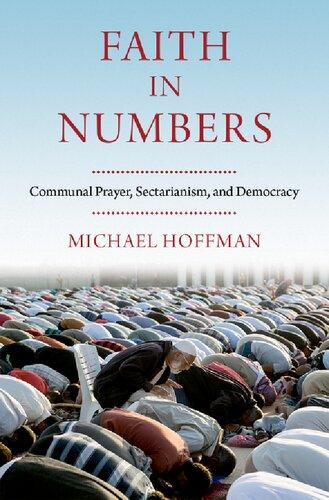
https://ebookmass.com/product/faith-in-numbers-religion-
Instant digital products (PDF, ePub, MOBI) ready for you
Download now and discover formats that fit your needs...
Religion, Law, and Democracy: Selected Writings ErnstWolfgang Böckenförde
https://ebookmass.com/product/religion-law-and-democracy-selectedwritings-ernst-wolfgang-bockenforde/
ebookmass.com
The New Politics Of Numbers: Utopia, Evidence And Democracy 1st Edition Andrea Mennicken
https://ebookmass.com/product/the-new-politics-of-numbers-utopiaevidence-and-democracy-1st-edition-andrea-mennicken/
ebookmass.com
Articles of Faith: Religion, Secularism, and the Indian Supreme Court Ronojoy Sen
https://ebookmass.com/product/articles-of-faith-religion-secularismand-the-indian-supreme-court-ronojoy-sen/
ebookmass.com
Essentials of Health Care Finance 8th Edition, (Ebook PDF)
https://ebookmass.com/product/essentials-of-health-care-finance-8thedition-ebook-pdf/
ebookmass.com
The Oxford History of the Ancient Near East Volume V: The Age of Persia Karen Radner (Eds.)
https://ebookmass.com/product/the-oxford-history-of-the-ancient-neareast-volume-v-the-age-of-persia-karen-radner-eds/
ebookmass.com
Keeper of the Hearth (The Three Sisters MacBeith Book 2)
Laura Strickland
https://ebookmass.com/product/keeper-of-the-hearth-the-three-sistersmacbeith-book-2-laura-strickland/
ebookmass.com
All the Promises We Break (The Desire Series Book 2) Ariana Rose
https://ebookmass.com/product/all-the-promises-we-break-the-desireseries-book-2-ariana-rose/
ebookmass.com
The Oxford Handbook of Meaning in Life Iddo Landau
https://ebookmass.com/product/the-oxford-handbook-of-meaning-in-lifeiddo-landau/
ebookmass.com
The French Centre Right and the Challenges of a Party System in Transition 1st ed. Edition William Rispin
https://ebookmass.com/product/the-french-centre-right-and-thechallenges-of-a-party-system-in-transition-1st-ed-edition-williamrispin/
ebookmass.com
Line of Glory: A Story of the Alamo Thomas D. Clagett
https://ebookmass.com/product/line-of-glory-a-story-of-the-alamothomas-d-clagett/
ebookmass.com
ForKathy
5.AfterSyria:CommunalReligionandDemocracy
Figures
4.1PopulationandParliamentaryNumbers,bySect56
4.2SectarianAttitudesin2005ZogbyPoll59
4.3AverageMonthlyIncome,bySect(inLebanesePounds)64
4.4MarginalEffectsofCommunalPrayeronSupportforDemocracy70
4.5MarginalEffectsofCommunalPrayeronProtestParticipation72
5.1SupportforDemocracy,bySectandAttendance(Observed)91
5.2AverageTreatmentEffects(SupportforDemocracy)98
5.3FrequencyofCommunalPrayerandLinkedFate100
5.4“Friday”Effect,byWeeklyAttendance102
5.5AverageTreatmentEffects(LinkedFate)104
5.6FrequencyofCommunalPrayerandPerceivedBenefitsfrom Democracy105
5.7FrequencyofCommunalPrayerandAttitudestowardEnding SectarianSystem107
5.8FrequencyofCommunalPrayerandAttitudestowardNewCensus107
5.9FrequencyofCommunalPrayerandAttitudestowardEconomic Inequality109
5.10FrequencyofCommunalPrayerandAttitudestoward RedistributiveDemocracy110
6.1AverageIncomebySect126
6.2IraqiDistricts,byOilReservesandMajorSects127
6.3MarginalEffectsofCommunalPrayeronSupportforDemocracy, bySect131
6.4MarginalEffectsofCommunalPrayeronSupportforDemocracy, byPerceptionsofDemocracy135
6.5“CandidateSectImportant,”bySectandCommunalPrayer136
6.6CandidateSectorPietyImportant,bySectandCommunalPrayer137
6A.1ConditionalProbabilitiesofSupportforDemocracy144
7.1MarginalEffectsofAttendance,byGroupSize147
7.2ConditionalEffectsbyLevelsofDemocracyandReligious Polarization149
7.3ConditionalEffectsbyLevelsofReligiosityandReligious Affiliation150
Acknowledgments
Lookingbackattheprocessofwritingthisbook,Iamamazedbythe generosityIhaveencounteredfromallkindsofsources.Thisprojectwould nothavebeenpossiblewithouthelpandsupportfromcountlesspeople (certainlymorethanIcanrecounthere)ateverystage.
First,Iwishtothankthemembersofmydissertationcommittee, whohavesufferedthroughmoreversionsofthesechaptersthananyone else.AmaneyJamalhasbeenthemostvaluablementorIcouldpossibly haveimagined.Fromthebeginningofmytimeasagraduatestudentat Princeton—actually,evenbeforethen—sheconsistentlytreatedmeasa colleagueandofferedunwaveringsupportandadviceonallaspectsofmy professionaldevelopment,allofwhichcontinuestothisday.Iknowofno otheradvisorwhoisasgenerouswithherstudentsinprovidingresearch resources,professionalconnections,andopportunitiesforco-authorship. ItgoeswithoutsayingthatIwouldnotbeinthispositiontodayifitwere notforherenthusiasm,input,andsupport.ChrisAchenhasbeenavital sourceoffeedbacksincemysecondyearatPrinceton,readingfarmore ofmywritingthancouldbeconsideredreasonable,andnotlettingme cutanycorners—allofthisdespitethefactthatIamanalumnusand anemployeeoftheUniversityofNotreDame,theone-timerivalsofhis belovedMichiganWolverines.CarlesBoixencouragedmetolookatthis projectfromdifferentperspectives,andhasbeenexceedinglygenerouswith histimeandenergyinworkingtomakethebookbetter.BobWuthnow providedawonderfulenvironmentattheCenterfortheStudyofReligion, allowingmetobringtogetherinsightsaboutreligionfrommanyother disciplines.Myunderstandingofreligionhasimprovedimmeasurablyasa result.
AtPrinceton,Ibenefitedfromalargeandvibrantintellectualcommunity. IreceivedvaluablefeedbackonpiecesofthisprojectfromtheComparative PoliticsGraduateResearchSeminar,theReligionandPublicLifeWorkshop attheCenterfortheStudyofReligion,theArabPoliticalDevelopment Workshop,andtheFellowshipofWoodrowWilsonScholars.Thereare fartoomanyindividualstonameamongthesegroups,butspecialthanks
xivacknowledgments
gotoChantalBerman,JohnChin,ColbyClabaugh,SharanGrewal,Sam Jaroszewski,KevinMazur,DanTavana,MattTokeshi,andAlienorvanden Bosch,justafewofthemanygradschoolcolleaguesandfriendswho haveofferedadvice.LizNugentdeservesspecialacknowledgment,having enduredanespeciallylargenumberofchapterdraftsandpresentations.
Myteachersandadvisorsatearlierstageswerealsoinstrumentalin makingthisbookpossible.Myeighth-gradeteacher,FrankMerk,inspired myinterestinpolitics.WhileIwasastudentatNotreDame,Fr.BobDowd tookachanceonmeasaresearchassistantandgavemetheopportunity todivehead-firstintoseriouspoliticalresearch.FranHagopiandevoteda considerableamountofenergytomakingsurethatIgotintogradschool, andhelpedmewiththeprocessofobtainingaNationalScienceFoundation GraduateResearchFellowshipthatendedupfundingaconsiderableportion ofmydissertationresearch(I’dneverheardofit).Mostofall,Michael Coppedgetransformedmefromapoliticalsciencestudenttoapolitical scientist.Lookingback,Ifindalmostunthinkabletheamountoftimehe spentwithmeworkingonmyseniorthesis,graduateschoolapplications, andotherprojects.Theawardhereceivedforundergraduatementoringwas welldeserved.I’vesincehadthepleasureofteachingalongsidehim,andhe hascontinuedtoserveasanessentiallifelineasInavigatethechallengesof anacademiccareer.
Inadditiontothosealreadymentioned,thecommunityatNotreDame hasbeenextraordinarilysupportiveandinspiring,frommydaysasan undergradthroughtoday.ThefriendsandcolleaguesI’vefoundatNDarefar beyondanythingIcouldeverhaveexpected,andithasbeenanindescribable pleasuretoworkandlivehereforthepastseveralyears.Amongmany others,Ihavereceivedvaluablefeedback,mentoring,andfellowshipfrom JaimieBleck,DaveCampbell,MichaelCoppedge,DarrenDavis,BobDowd, AmitavaDutt,HannahEarlyBagdanov,VictoriaHui,TahirKilavuz,Karrie Koesel,GeoffLayman,ScottMainwaring,JimMcAdams,ClareO’Hare,Joe Parent,DanPhilpott,BenRadcliff,EmmaRosenberg,LuisSchiumerini, TimScully,JazminSierra,NateSumaktoyo,SusanneWengle,andChristina Wolbrecht.Thebookhasalsobenefitedfromgenerousfundingfromthe KelloggInstituteforInternationalStudies,theInstituteforScholarshipin theLiberalArts,andNotreDameResearch.
Othercolleaguesandfriendsinthedisciplinehavelikewisebeen abundantlygenerouswiththeirtimeandinsight,includingLisaBlaydes,
StevenBrooke,MelaniCammett,YoussefChouhoud,DanCorstange,Tarek Masoud,ChristianaParreira,TomPepinsky,andMarkTessler.
Ihavebeenblessedtobesurroundedbysuchasupportivefamily.My parents,PollyandJohn,alwaysmadetheirchildren’seducationatoppriority, andhaveworkedtirelesslytomakeiteasyforustoobtainasmucheducation aswewanted.Mymompassedawaybeforethepublicationofthisbook, butherfingerprintsarepresentthroughoutitspages.Mygrandparentson bothsidesmademajorsacrificestoprovideaneducationformyparents, withoutwhichIwouldneverhavereachedthispoint.Throughtheirpride andencouragement,mygrandmother(“Mom-Mom”)andlategrandfather (“Poppy”)inspiredmetokeeppushingthroughasometimesfrustrating process.Mybrotherandsister-in-law,BryanandKathleen,havebeenvital sourcesofsupportandentertainmentsincewellbeforeIbeganthisproject, andtheirdaughterLeah,whowasbornin2018,hasbeenanabsolutejoyfor allofus.
Morethananyone,Iwishtothankmywife,Kathy.Thesheervolumeof annoyance,frustration,and,frankly,nonsensethatIhaveputherthrough duringthisprocess(andbefore)willsurelyputheronthefasttrackto canonization.Thefactthatshehasenduredallofthiswhileoftendealing withmedicaldifficultiesmakeshersacrificeallthemoreimpressive.She allowedmetoforgoarespectablesalaryinfavorofsixyearsofgraduate school,spendmoneyfromourownsavingsonasurvey,andmoveher acrossthecountryjustsothatIcouldworkinajobthatIlove.Most amazingly,shehasdonesowithasmileonherface.Veryfewpeoplewould bewillingtomakethosekindsofsacrifices,andthatisnotlostonme.Our wonderfulson,Luke,cameintoourlivesasIwasfinishingthefinalrevisions tothisbook,andKathyhas(tonoone’ssurprise)provenherselftobethe bestmotherimaginable.ThereisnoacknowledgmentthatIcouldgivethat wouldadequatelycapturetheloveandsupportthatshehasshownbothofus.
1 Introduction
Isorganizedreligiontooinextricablyboundtothestatusquotosave ournationandtheworld?
—MartinLutherKing,Jr., LetterfromBirminghamJail
InOctober2015,foreignministersfrommorethanadozeninternational powersissuedanimportantstatementontheongoingSyrianconflict.In thisstatement,theydeclaredthat“Syria’sunity,independence,territorial integrityandsecularcharacterarefundamental.”1 Thefirstthreefeaturesare straightforward:forSyriatoestablishpeace,stability,andfreedom,itmustbe united,independent,andfirmlyincontrolofitsterritory.Thelastcriterion isfarmoreperplexing.Whymustafree,peacefulSyriaalsobesecular?This seeminglybenignstatementhighlightsanoftenunspokenassumptionabout theroleofreligion.Formanypublicfiguresandcasualobservers,religionis inherentlythreateningtopeaceandfreedom.AsKarlMarx(1970[1843]) famouslydeclared,“Religionisthesighoftheoppressedcreature itisthe opiumofthepeople.”Inotherwords,religioncreatesweak,passivecitizens, unwillingandill-equippedtoresistdominationatthehandsofunjustrulers. Democracy,inparticular,issaidtodependonsecularization.
TheseclaimsareparticularlycommoninreferencetotheMiddleEast. Islam,itissooftenargued,2 standsinthewayofdemocracy.Suchargumentsaretypicallybuiltonculturalpremises:Islamisincompatiblewith democracybecauseitdoesnotallowforanynotionofseparationofreligion andstate,orperhapsbecauseitdoesnotcontainbuilt-inideasofhuman rightsandfreedoms.Islam,andsometimesotherreligions,aresaidtoshift believers’focusawayfromthehereandnowandtowardthehereafter.In theseaccounts,religionseemstobeanobstacletodemocracy,incapableof contributinganythingtothedemocraticcause,andfarmorelikelytobreed submissiveorevenpro-authoritariancitizens.
FaithinNumbers.MichaelHoffman, OxfordUniversityPress(2021).©OxfordUniversityPress. DOI:10.1093/oso/9780197538012.003.0001
Butevenacasualglanceatthehistoricalevidencerevealsthatthepicture isfarmorecomplicatedthanthesetheoriesimply.Inmanycasesthroughout theworld,religion—includingIslam—hasprovidedenormoussupportfor democraticmovements.InBrazil,Chile,Poland,andmanyothercountries, theCatholicChurchplayedakeypartindemocratization(Philpott,2007). IntheMuslimworld,religiousfactorshavemotivatedandfacilitatedantiauthoritarianmobilizationinTunisia,Pakistan,andMalaysia,tonamejust afewexamples(Nasr,2005).Theseexamplesflyinthefaceofsimplistic argumentslinkingreligionwithauthoritarianism.Abetterexplanationis neededinordertoaccountforthevarietyofoutcomesthatcountries haveexperienced:religioncan,andoftendoes,producepro-authoritarian citizens,butitoftendoesexactlytheopposite.
KeyObservations
Religionhasbeenapowerfulforceforauthoritarianruleinmanycases, anddemocracyinmanyothers.Whatexplainsthispuzzlingvariation?I willarguethatrecognizingafewsimplefactswillgoalongwaytoward explainingtheconsiderableambiguityinreligion’sroleinregimepolitics, andparticularlyinthewayindividualsviewdemocracy.
Thefirstkeyobservationisthat religiousgroupsmatter.Individed societies,people’sreligiousidentitiesaffecttheirpoliticalpreferences;this relationshipisperhapsuniquelystrongintheMiddleEasterncountries thathavethesharpestsectariandivisions.Citizensdonotassessregime possibilities—orotherpoliticalissues,forthatmatter—throughapurely individualisticlens.Rather,theirpreferencesaremotivatedinpartbythe wayinwhichpoliticalchangewouldaffectthemembersoftheirreligious groupingeneral.Accountsofregimepreferencesthatonlytakeintoaccount individualcharacteristics(mostcommonly,income)areinsufficientto explainattitudesinsettingswhereidentitygroupsareimportantsocialand politicalcategories.Forreasonsoutlinedsubsequently,religionmaybea particularlypowerfulidentitywithregardtopoliticalpreferences.
Second,acomprehensiveaccountofreligionanddemocraticattitudes mustacknowledgetheuncomfortablerealitythat notallgroupshavereasons tofavordemocracy.Innon-democraticsocietiesdividedbysect,some groupswillhavemorepowerthanothers,andsomegroupswillbelarger thanothers.Inmanycases,theincentivesfacedbyeachgroupwillpoint
inoppositedirections.Forlargegroupsthatareleftoutofpower(for instance,Shi‘aMuslimsinSaddamHussein’sIraq),thereisconsiderable motivationtounderminetheregimeandpushfordemocracy.Thisincentive derivesfromthesimplearithmeticofelectoralpolitics:largergroupswill bemorelikelytowinelections,soatransitiontodemocracywouldmean thatthelarge,disenfranchisedgroupwouldhaveagoodchanceoftaking power.Theothersideofthecoin,however,isthatforprivilegedorsmaller groups,democracymaybeseenasathreat.Forthesesects,theprospect ofdemocratizationcancreatefearsofa“tyrannyofthemajority,”where theirreligiousfreedom,property,andevenlivesmightbeinjeopardy.It isimperative,therefore,toconsiderwhatdemocracy means inagiven contextaswellashowindividualsrespondtovariouspossibleimplicationsof democracy.Despitethenormativevalueofdemocracy,itdoesnotrepresent thesamepossibilitiesforeveryone.
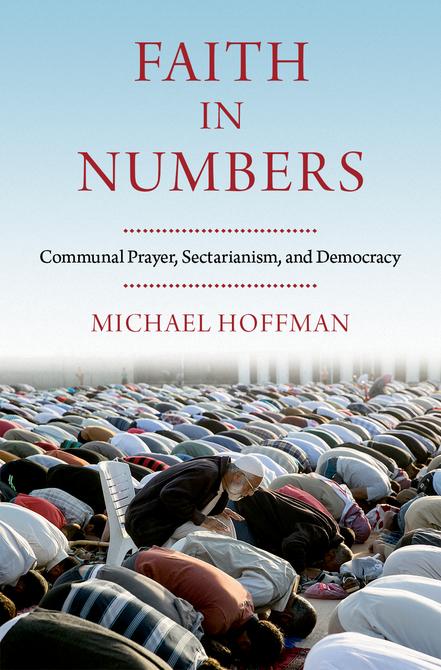
Third, religiousbehaviorsaffectgroupidentity.Inparticular, communal religiouspracticetendstoheightensectarianidentityindividedsocieties. Theactofcommunalworshipinvolvesanexperienceshared,bydefinition, withmembersofthesamesect.Insomecases,thewaysthatsuchpractices buildsectarianidentityarestraightforward:religioussermonsoftencontain group-centricorevenexplicitlypoliticalcontent,andcongregantsmay discusspoliticalorsectarianissueswithothersinthegroup.Eveninthe absenceofsuchon-the-noseinfluences,however,communalworshipcan enhancesectarianidentity.Thesharedexperienceofworshipincreases feelingsof“closeness”withothersinthegroup,anditismorethanlikely thatthisclosenesswillspilloverintotherealmofpoliticalpreferences. Acorollaryofthisclaimisthatindividualswhofrequentlyparticipatein communalworshipwilltendtoviewpoliticsinamoresectarianway. Theirpreferenceswillbeshapedmorebygroupconcernsthanwillthose ofindividualswhodonotparticipateingroupworship.Forissuesof democracy,thischangeinviewpointisofconsiderableimportance:the moreanindividualattendscommunalworshipservices,themoreclosely herregimepreferenceswillalignwiththeinterestsofhersect.
Takentogether,theseobservationscanhelptoaccountfortheambiguous relationshipbetweenreligiousbehaviorsandregimepreferences.Communalreligiouspracticepushesindividuals’politicalattitudesintocloser alignmentwiththeinterestsoftheirsects,butthedirectionofthiseffect onanygivenpoliticalissueisnotinitiallyclear.Thedirectionofthe effectdependsonhoweachpoliticalpossibilitywouldaffecteachsect.
Forgroupsthatwould“win”intheeventofdemocratization(typicallylarge groups,underrepresentedgroups,orpoorgroupshopingforredistribution), communalpracticewouldincreasesupportfordemocracy.Insuchcases, theindividual’sgrouphasreasonstofavordemocratization,andthemore theindividualidentifieswithhersect,themoreshewilltendtoespousethat view.Ontheotherhand,forsmall,overrepresented,orwealthygroups,the exactoppositeincentiveswillbepresent.Inthesecases,communalprayer willhavean anti-democraticeffect,duetopreciselythesamelogic.
Thistheoryinevitablyconfrontsaninferentialproblem.WhileIwillargue thatparticipationincommunalworshipheightensthesalienceofsectarian identityand,throughthismechanism,promotespoliticalpreferencesthat areresponsivetosectarianinterests,itispossiblethatthecausalarrow pointstheotherway.Inotherwords,itispossiblethatindividualswho arealready“moresectarian” choose toparticipateincommunalprayer preciselybecauseofthispreexistingsectarianidentification.Akeyfocus oftheempiricalportionsofthisbook—especiallychapter5—willbethe selectionissuesthatcouldunderminetestsofthistheory.Throughavariety ofstatistical,experimental,quasi-experimental,andqualitativetechniques, Iwillattempttodemonstratethatwhileselectioneffectsmightbepresent toacertainextent,thereisasubstantialindependenteffectofcommunal worshiponsupportfordemocracy,andthatthiseffectischanneledthrough amechanismofsectarianidentity.
Importantly,theargumentofthisbookisnotbasedonculture.Itis possiblethatdistinctvaluesofdifferentreligiousgroupsaffectregime attitudesinonewayoranother,butargumentsofthatkindtendtoobscure morethantheyreveal.Rather,followingagrowingliteratureonrationalist orsemi-rationalistapproachestoreligionandpolitics,Iamsuggestinga descriptionofreligionandregimepreferencesthatisbasedon identities and interests.Thereasoningdescribedpreviouslydoesnotpresumeany particularpoliticaltheology.Instead,itaddresseshowacommonbehavior (communalpractice)sharedbymostoftheworld’smajorreligionscan affectdemocraticpreferencesinapredictableway.Itdoessothrougha mechanismthatdoesnotdistinguishbetween“pro-democratic”and“antidemocratic”religiousgroupsfroma theological perspective,butinstead highlightsreligion’sroleasan identity.
Religiousanddemocraticconceptsmaysometimesbeintertwinedin whatseemtobetheleastlikelyenvironments.In1979,duringtheIranian Revolution,AyatollahRuhollahKhomeinibegantoinvokedemocratic
conceptsinreligioussettings,atonepointgoingsofarastodeclareduringa sermonthatdemocracyisaninherentfeatureofIslam,saying:“Democracy isincorporatedintotheQuranandpeoplearefreetoexpresstheiropinions andtoconducttheiracts.UndertheIslamicgovernment,whichisa democraticgovernment,freedomofexpression,opinion,andpenwillbe guaranteedforeveryone”(quotedinKian,2014,p.181).Thisstatement, deliveredbyafigureconsideredintheWesttobeastalwartautocrat, highlightsthewaysinwhichdemocracyandreligioncaninteractfor strategicpurposes.Inothersettings,Khomeinivocallyopposeddemocracy asaforeign,anti-Islamicformofgovernment,butwhenhehadinstrumental reasonstopromotedemocraticprinciples,hepresenteddemocracyasnot onlycompatiblewithIslam,butanessentialpartofit.
Thistypeofdemocratic-religiousshape-shiftingiscommon.Religious leadersandordinaryreligiousindividualswilloftenviewthelinkbetween religionandpoliticsthroughafilterofinstrumentalcalculations.When democracyisdesirableforonereasonoranother,religiontendstobeusedto supportit;whendemocracyisathreat,however,religionisoftenpresented asareasontoopposedemocracy.Bothextremesofthisrelationshipcan bepresentwithinthesamereligioustradition,indicatingthattheological differencesaretypicallynottoblameforpro-oranti-democraticsentiments. AstheexampleofKhomeinidemonstrates,eventhesameindividualmay usereligionforseeminglypro-democraticpurposesatonepoint,butargue againstdemocracyonreligiousgroundsatanotherpoint.Attheheightof theIslamicRevolution,Khomeiniwasarevolutionary;oncehisregimewas consolidated,hewasanautocrat.Inbothcases,religionservedhispolitical purposes.
ReligionandPolitics:Individuals,Identities,andInterests
Despitethepredictionsofsecularizationtheorists,therearemore“traditionallyreligious”peopleontheplanetthaneverbefore,andtheyrepresenta growingshareoftheglobalpopulation(NorrisandInglehart,2004,p.5). Moreover,thedifferencesbetweenreligiousandnonreligiousindividualsare inmanywayssharperthanpreviouslyrealized.3 Thesetwintrendsmakeit moredangerousthanevertoignoretheroleofreligioninpubliclife.At thesametime,however,thereislittlereasontotreatreligionasapurely “irrational”phenomenon,separatefromthecalculationsofeconomicand
politicallife.Althoughreligioninevitablyinvolvesnormsandvaluesthat cannotbeunderstoodthroughalensofpurerationality,certainreligious behaviorsandpreferencesmayneverthelessberelatedtoself-interest.4 Such featuresarelikelytooperateunconsciously;thatis,individualsthemselves maynotbeawarethatrationalconsiderationsarepartiallyresponsiblefor theirbehavior.Rationalitymayoperate“beneaththesurface”withregardto religion,butitcanstillprovideaneffectivelensthroughwhichtoanalyze theconsequencesofreligiousbeliefsandpractices.
Fortunately,recentwork5 hasbeguntoconsiderhowtraditionally“rational”considerationsmightinteractwithreligiontodeterminepoliticaland socialoutcomes,andthisbookbuildsontheinsightsofthosestudies.Inparticular,anumberofworkshighlightthewaysinwhichrationalcalculations influencereligion-staterelations.UsingtheexampleoftheCatholicChurch inEurope,Kalyvas(1996)pointsoutthatreligiousgroupsdonotapproach democracysolelyfromanideologicalperspective;theyalsoconsiderhow theprospectofdemocratizationwouldaffecttheirinstitutionalinterests. InLatinAmerica,Gill(2001)argues,theCatholicChurchrespondedto pressureforregimechangedifferentlybasedonthelevelofcompetitionit facedfromothergroups.6 Toftetal.(2011)suggestthatpoliticaltheology alonedoesnotexplaintherolethatreligiousgroupschoosetoplayin democratizationprocesses;theirrelationshipswiththestatearealsohighly important.
Importantlyforthisbook,somestudieshaveconsideredthelinksbetween religiousandrationalfactorsatthe individual7 ratherthan group level. ScheveandStasavage(2006)arguethatreligiosityinfluencesattitudes towardstate-providedsocialinsurancethrougharationalmechanism: religioncompensatesindividualsinthecaseofadverselifeevents,effectively substitutingforstatesupport.Ontheissueofleftvoting,DeLaOand Rodden(2008)suggestthatreligion“cross-cuts”self-interestedpreferences forredistribution,addinga“moralvalues”dimensiontoindividuals’beliefs (seealsoStegmueller,2013).
Eachoftheseworksunderscoresanimportantpoint:religionandrationalityarenotnecessarilyseparatespheres.Interest-basedconcernsarenot alwaysanathematoreligion,butthe types ofinterestsvaluedbybelievers mightbesystematicallydifferentfromthoseofnonbelieversormembers ofothergroups.Thisbookexploreshowreligiousbehaviorsheightenthe importanceofgroup-centricinterests,translatingspiritualpracticesinto politicalpreferencesthroughadecidedlyrationalmechanism.
Inthisbook,religionistreatedasamultilevelphenomenonthatinteracts withpoliticsinseveralways.Mostimportantly, individual beliefsand behaviorsinfluencepoliticalattitudes.Theissueofindividualregimepreferencesisacrucialone,andhasfortunatelybeguntoreceivemoreattention inrecentyears.Traditionally,theattitudesof“themasses”havebeen regardedasrelativelyunimportant,particularlyindevelopingcountries whereinstitutionsareoftenillequippedfor(ordownrighthostileto)the representationoftheinterestsofordinarypeople.Inthewakeofsubstantial socialmovementsacrossmuchofthedevelopingworld—mostdramatically intheMiddleEast—wenowknowbetter.Recentmassprotestactivities acrosstheworldhighlightthecontinuedimportanceoftheattitudesof ordinarycitizens;viewstowardregimesareofparticularimportance.In additiontothemuch-discussed“ArabSpring,”widespreadprotestshave threatenedgovernmentsinGreece,Turkey,Brazil,andelsewhere.The uncertaintyaboutthetypesofregimesthatwillsucceedthenow-deposed autocratsinseveralcountriesintheregionmakesunderstandingcitizens’ attitudesaboutdemocracyallthemoreimportant:ifthepeoplewereableto bringdownentrencheddictators,whattypeofregimewouldtheydemand asareplacement?Inmanyofthesemovements,religionhasbeenatthe center,eitherexplicitlyorimplicitly—butlittleisknownabouthowreligion motivatespro-oranti-regimebehavior.Thisbookrepresentsarareattempt toexplainsystematicallywhyreligionsometimesbolstersdemocracyand sometimesundercutsit.
Theseoutcomesareimportant.IntheMiddleEastandelsewhere,ordinarycitizenswerefortoolongpresumedtobepassive,powerlesssubjects incapableofeffectingrealpoliticalchange.ButrecentexperiencesinTunisia, Egypt,Libya,Algeria,Sudan,andelsewherehaveshatteredthisassumption. Ithasbecomeclearthattheattitudesofthemassescanhaveadecisive impactonthesurvivalordestructionofexistingleadersandinstitutions.For dictatorsacrosstheregionandbeyond,thethreatofrevolutionhasbecome real.Preferencesanddemandsfordemocracyserveasaconstraintonregime behavior(BesleyandPersson,2019)andasignaltoothercitizensabout thepotentialcostsandbenefitsofmobilization(Welzel,2007).Support fordemocracyandforthenormsthatgoalongwithitiswidespread,but farfromuniversal(WikeandFetterolf,2018),andmaybedeclining(Foa andMounk,2017).Moreover,recentresearchsuggeststhatpublicsupport fordemocracyhelpsdemocraciesto survive (Claassen,2019a,2019b).The mechanismsthroughwhichpublicsupportpromotesdemocratizationor
protectsdemocracyfromthreatsarenotalwaysdramatic,buttheyare importantinbothnon-democraciesandtheincreasinglylargecategoryof at-riskdemocracies.Ifreligiousfactorscanexplainvariationsinsupportfor democracy,thentheymayalsohaveimportanteffectsonmacro-political outcomes.
PlanoftheBook
Theremainderofthisbookwillexploretheissuesdescribedinthis introduction,presentingandtestingatheoryofreligionanddemocracy.It willdosoinseveralsectariancontextsacrossanumberofdimensionsof politicalcompetition.
Chapter2presentsanewtheoryofreligion,sectarianinterests,and regimepreferences.Religiousbehaviorsshaperegimepreferences,anddo sothroughasectarianlens.Communalreligiouspracticeheightensthe intensityofsectarianidentity,and,indoingso,framesregimepoliticsas agroupissue.Dependingontheinterestsofthegroupwithrespectto democracy(namely,therightsandprivilegesthatagroupwouldgainor loseintheeventofdemocratization),communalprayermayhavepro-or anti-democraticeffects.Anumberofpotentialbenefitsandthreatsmay accompanydemocracy;certaingroupsmaygainorlosepoliticalvoice, whileothersmaybenefitorsufferduetoeconomicredistribution.Ineither case,groupinterestshelptopredictwhenreligionwillenhancesupportfor democracy—andwhenitwilldojusttheopposite.
Chapter3describesthereligiousexperienceinsectarianenvironments asexpressedbytheparticipantsthemselves.Thischapterprovidesessential texture totheanalysisbyallowingworshiperstospeakforthemselves. Usingresponsesfromopen-endedinterviewquestionsinbothLebanonand Iraq,itrevealsthewaysinwhichcommunalworshippromotessectarian solidarityandgroup-centricpoliticalpreferences.TheLebaneseinterviews illustratethelinkbetweencommunalworshipandpoliticalpreferences. Distinctthemesemergedbetweensects;whilecommunalprayerheightened sectarianidentityforallsects,eachsectreporteddifferentpoliticalmessages. ForChristians,theemphasiswasonpreservingtheircommunity’sprivileges inachangingpoliticallandscape.ForSunnis,theemphasiswasonavoiding divisionsimposedfromoutside.ForShi‘a,politicalmessagesstressedpoliticalandeconomicmarginalizationandcalledforanendtothesectarian
system.Ineachofthesecases,interviewsindicatedthatreligious-political messaginginplacesofworshipclearlyreflectspoliticalcircumstancesand sectarianinterests,arelationshipexploredindepthinsubsequentchapters.
Chapter4examinesperhapsthemostfamousillustrationofsectarian politics:Lebanon.ItprovidesanaccountofLebanonbeforetheSyrianCivil WarusingdatafromthefirstwaveoftheArabBarometer,conductedin 2007.Thischapterconsiderscommunalprayerandsupportfordemocracy throughaChristian-Muslimsectarianlens.BeforethewarinSyria—which pittedSunnisandShi‘aagainsteachotherinamoreseverewaythananytime inthecountry’srecenthistory—itwaspossibleforbothSunnisandShi‘ato considerissuesofrepresentationthroughaChristian-Muslimperspective ratherthanthroughtheSunni-Shi‘adivide.SincebothMuslimsectswere underrepresentedinpoliticsandrelativelypoorerthanChristians,their incentiveswithrespecttodemocracywerealigned,despitetheirdifferences onotherissues.Communalprayerthereforehadapro-democraticeffect amongMuslims,whiletheoppositewastrueforChristians,whosoughtto maintaintheirdisproportionateinfluenceinLebanesepoliticsaswellastheir greaterwealth.
Chapter5revealshowchangingpoliticalcircumstances—anewaxis ofpoliticalcompetition—dramaticallyalteredthepoliticalinterestsof Lebanon’ssectsandthereforeadjustedtheeffectofcommunalprayeron regimepreferences.Usinganoriginal,nationallyrepresentativesurveyof over1,200Lebaneserespondents,IshowthattheSyrianconflicthascentered politicalcontestationaroundtheSunni-Shi‘acleavage,withChristians dividedontheirrelationshipwitheachofthesesectsandontheSyrian conflictitself.Sunnis,relativelybetterrepresentedandwealthierthanShi‘a, nowhavereasontofearShi‘aascendanceinLebanesepolitics.Sincethe newlinesofpoliticalconflicthavecreatedazero-sumsituationbetween thesetwosects,democracyisnolongerapalatableoptionformanySunnis. Consequently,theeffectofcommunalprayeronregimeattitudeshasshifted: forShi‘a,mosqueattendancecontinuestohaveapro-democraticeffect,but forSunnis,thiseffecthasreversed;fearingShi‘adominance,practicing Sunnisnowtendtoopposedemocracymorethantheirlessobservant counterparts.
Chapter6considersIraq,acaseinwhichmajoritarianandredistributive understandingsofdemocracyimplyverydifferentpreferencesforthemain sects.Whendemocracyisbelievedtobeafundamentally political arrangement(elections,freedomtocriticizegovernment,etc.),Shi‘a(themajority