OverthepasttwentyyearsIhavetaughtengineeringethicsinthreecountries:theUnitedStates,theNetherlands,andSweden The topicscoveredinallmycourseshavebeenroughlythesame;soeventhoughthisbookisprimarilywrittenfortheAmericanmarket, thematerialislikelytoberelevantinmanypartsoftheworld Asiscustomaryintextbooks,Idonotadvocateanyparticularposition
on issues in which there is substantial disagreement, but I do try to make the reader familiar with what I believe to be the best argumentsforandagainstthemajorviewsoncontroversialtopics.
Some of the forty case studies discussed in the “boxes” are classic cases that have shaped the discipline for decades Others originatefromthecourseinengineeringethicsmycolleaguesandIteachatTexasA&MUniversity Althoughthefactualaspectsof mostcasesarewidelyknown,IhavetriedtofocusonwhatIbelievetobethemostinteresting ethical aspects Technicaldetailscan sometimesbecrucial,butitisimportantnottolosesightofthewoodsforthetrees Instructorslookingforadditionalcasesmaywish tofamiliarizethemselveswiththecollectionofalmostfivehundredcasesanalyzedbytheNationalSocietyofProfessionalEngineers’ (NSPE) Board of Ethical Review over the past six decades Many of the Board’s analyses, which are based on the NSPE Code of Ethics,areveryinstructive.
AfewsectionsofthebooksummarizeideasIhavediscussedelsewhere Forinstance,someofthematerialinchapter5drawsona textonutilitarianismoriginallywrittenforaDutchtextbook, Basisboek ethiek (Amsterdam:Boom2014,ed.vanHeesetal.);andthe finalsectionofchapter4isbasedonmybook, The Ethics of Technology: A Geometric Analysis of Five Moral Principles (OUP2017) Ideasfromsomepreviouslypublishedresearchpapersalsofigurebrieflyinotherchapters.
Iwouldalsoliketothankmycurrentandformercolleaguesforintroducingmetosomeofthecasestudiespresentedhere,aswell asforchallengingmyperspectiveonmanyofthetheoreticalissuesdiscussedinthebook Debatesonengineeringethicscanbenefit enormouslyfromdiscussionsofreal-worldcases and ethicaltheories
Forhelpfulcommentsonearlierdrafts,IamdeeplyindebtedtoNeelkeDoorn,BarbroFröding,WilliamJordan,GlenMiller,Per Sandin,BritShields,JamesStieb,DianaYarzagaray,andsixanonymousreviewers Iwouldalsoliketothankmyassistant,RobReed, for helping me to edit and prepare the final version of the entire manuscript Finally, I would like to thank Robert Miller and his colleaguesatOxfordUniversityPressfortheirinvaluablesupportthroughouttheproductionprocess
I ETexas,July2018
CHAPTER1
Introduction
ngineersdesignandcreatetechnologicalsystemsaffectingbillionsofpeople Thispowertochangetheworldcomeswithethical obligations According to the National Society of Professional Engineers (NSPE), “engineers must perform under a standard of professional behavior that requires adherence to the highest principles of ethical conduct”1 Other professional organizations use similarlanguageforarticulatingtheethicalobligationsofengineers.Forinstance,theInstituteofElectricalandElectronicsEngineers (IEEE),theworld’slargestprofessionaltechnicalorganizationwithmembersin160countries,writesinitscodeofethicsthat“We, themembersoftheIEEE, commitourselvestothehighestethicalandprofessionalconduct”2
Itisuncontroversialtomaintainthat,underordinarycircumstances,engineersshallnotlietoclients;stealideasfromcolleagues; jeopardize the safety, health, and welfare of the public; break the law; or perform acts that are widely considered to be unethical in other ways However, engineers sometimes face ethical issues that are remarkably complicated and cannot be easily resolved by applyingstraightforward,common-senserules ThecrisisattheCiticorpCenterinManhattanisaninstructiveillustration(SeeCase11 on the next page) Although this case occurred many years ago, the ethical issues faced by William LeMessurier, the structural engineeratthecenterofthecrisis,areasrelevanttodayasever
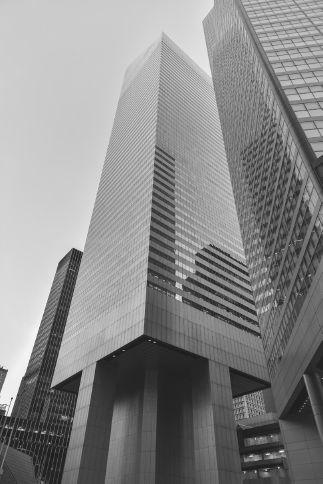
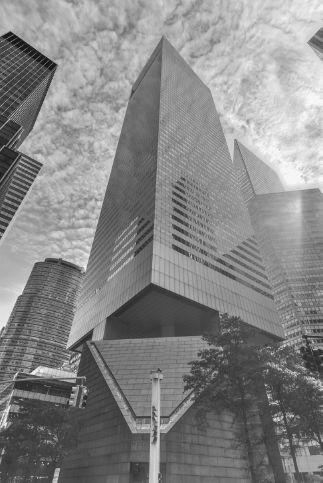
When the Citicorp Center opened on LexingtonAvenue in NewYork in 1977, it was the seventh tallest building in the world Today, more thanfortyyearslater,itisstilloneofthetentallestskyscrapersinthecitywithaheightof915feetand59floors St Peter’sEvangelicalLutheranChurchoriginallyownedtheLexingtonAvenuelot TheChurchrefusedtoselltoCiticorpbuteventually agreed to let the bank construct its new headquarters on its lot on the condition that they also built a new church for the parish next to the
skyscraper Tomaximizefloorspace,WilliamLeMessurier(1926–2007),thestructuralengineerinchargeofthedesignoftheCiticorpCenter, cameupwiththeinnovativeideaofplacingthebuildingonnine-story-high“stilts”andbuildthechurchbeneathoneofitscorners(seeFigure 11) Toensurethattheload-bearingcolumnswouldnotpassthroughthechurchbeneath,theywereplacedinthemiddleofeachsideofthe tower (seeFigure12) LeMessurier’s groundbreaking design was less stable than traditional ones in which the columns are located in the corners Tounderstandwhy,imaginethatyouaresittingonachairinwhichthelegsareplacedinthemiddleofeachsideinsteadofthecorners
Around the time the Citicorp Center opened, Diane Hartley was working on her undergraduate thesis in civil engineering at Princeton University Hartley studied the plans for the building and noticed that it appeared to be more likely to topple in a hurricane than traditional skyscrapers AlthoughHartleywasnotcertainhercalculationswerecorrect,shedecidedtocontactLeMessurier’soffice DesignengineerJoel WeinsteinansweredHartley’sphonecallandassuredherthatherfearsweregroundless However,whenLeMessurierheardabouttheunusual phonecallhedecidedtodoublecheckthecalculations Tohissurprise,hefoundthatHartleywasright Thecalculationshadbeenbasedonthe falseassumptionthatthestrongestwindloadswouldcomefromperpendicularwinds LeMessuriernowrealizedthattheunusuallocationofthe load-bearing columns made the tower significantly more vulnerable to quartering winds, that is, to winds hitting the tower at an angle of 45 degrees
LeMessurieralsodiscoveredthattheload-bearingcolumnshadbeenboltedtogetherinsteadofweldedasspecifiedinhisdrawings.Under normalconditions,thiswouldhavebeenanacceptablemodification;butbecausetheboltedjointswereconsiderablyweaker,andbecausethe wind loads were higher than originally anticipated, the situation was now critical After analyzing the situation carefully, LeMessurier concludedthatifasixteen-yearstorm(ie,astormthatoccursonaverageeverysixteenyears)weretohitthetower,thenitwouldtoppleifthe electrically powered tuned mass damper on the roof stopped working in a power fallout LeMessurier also estimated that winds capable of taking down the tower even when the tuned mass damper worked as specified would hit the building every fifty-five years on average The probabilitythatthetowerwouldtoppleinanygivenyearwas,thus,roughlyequaltotheprobabilitythatthekingofspadeswouldbedrawn fromaregulardeckofcards
LeMessurier became aware of all this at the beginning of the hurricane season in 1978 At that time, the NewYork building code only requireddesignerstoconsiderperpendicularwinds;soinastrictlegalsense,hehadnotviolatedthebuildingcode However,LeMessurierwas convinced that as the structural engineer responsible for the design, he had a moral obligation to protect the safety of those working in the tower He also realized that his career as a structural engineer might be over if it became publicly known that the tower could topple in a moderatehurricane
Who should be informed about the problem with the wind-bracing system? Did the public have the right to know that the building was unsafe?WasLeMessuriertheonlypersonmorallyobligedtoremedytheproblem,ordidhesharethatresponsibilitywithothers?
The ethical questions LeMessurier asked himself in the summer of 1978 are timeless and equally relevant for today’s engineers After thinking carefully about how to proceed, LeMessurier decided to contact the senior management of Citicorp to explain the possible consequences of the problem with the tower’s structural design Before the meeting, LeMessurier worked out a detailed plan for fixing the problem His solution, which Citicorp immediately accepted, was to reinforce the structure by welding thick steel plates to each of the two hundredboltedjointsoftheload-carryingcolumns TheweldingstartedatthebeginningofAugustandtookplaceatnightwhenthetowerwas empty
OnSeptember1,HurricaneEllawasapproachingNewYork LeMessurier’smeteorologistswarnedhimthatthewindspeedwouldalmost certainly exceed the critical limit if the hurricane continued along its predicted path However, just as LeMessurier was on the verge of evacuatingthetower,thehurricaneluckilychangeditspathafewhoursfromManhattan.
ThepublicandCiticorpemployeesworkinginthebuildingwerekeptinthedarkaboutthetruepurposeofthenightlyweldingjobs,which were completed in October Neither LeMessurier nor Citicorp felt it was necessary to reveal the truth to those not directly involved in the decision-makingprocess ThefullstoryaboutthecrisisintheCiticorpCenterwasnotrevealeduntilseventeenyearslater,in1995,when The New Yorker ran a lengthy article by Joe Morgenstern He describes the press release issued by Citicorp and LeMessurier as follows: “In language as bland as a loan officer’s wardrobe, the three-paragraph document said unnamed ‘engineers who designed the building’ had recommended that ‘certain of the connections in Citicorp Center’s wind-bracing system be strengthened through additional welding’ The engineers,thepressreleaseadded,‘haveassuredusthatthereisnodanger’”3
DidLeMessurier(seeCase1-1)doanythingmorallywrong?AccordingtotheNSPEcodeofethics,engineersshall“issuepublic statementsonlyinanobjectiveandtruthfulmanner”4 Thisseemstobeareasonablerequirement,atleastinmostsituations,butthe pressreleaseissuedbyCiticorpandLeMessurierclearlymisleadthepublic.Theclaimthat“thereisnodanger”wasanoutrightlie. Thissuggeststhatitwaswrongtolietothepublic However,onecouldalsoarguethatitwas morally right ofLeMessuriertomislead thepublicandemployeesworkinginthebuilding.Bykeepingthesafetyconcernswithinhisteam,LeMessurierpreventedpanicand unnecessarydistress Thismighthavebeeninstrumentalforkeepingthepublicsafe,whichisakeyobligationemphasizedinnearly everyprofessionalcodeofethics,includingtheNSPEcode Accordingtothislineofreasoning,preventingpanicoutweighedtelling the truth Of all the alternatives open to LeMessurier, the best option was to fix the problem without bringing thousands of people workingintheareatofearacollapsingskyscraper
We could compare LeMessurier’s predicament with that of an airline pilot preparing his passengers for an emergency landing
Sometimes it may be counterproductive to reveal the truth to the passengers Their safety might be better protected by just giving precise instructions about how to behave, meaning that it might, in some (rare) situations, be morally acceptable to lie or deceive passengersorothermembersofthepublic
The take-home message of these introductory remarks is that engineers sometimes face morally complex decisions Not all of them can be resolved by appealing to common sense Although many of LeMessurier’s actions seem to have been morally praiseworthy,hisdecisiontolietothepublicwascontroversial It might havebeenmorallyrighttodoso,buttoformulateaninformed opinion,weneedtolearnabitmoreaboutappliedandprofessionalethics Bystudyingethicalconceptsandtheoriesmoreclosely,we canimproveourabilitytoanalyzecomplexreal-worldcasesandeventuallyprovideamorenuancedanalysisofLeMessurier’sactions
THEENGINEERINGPROFESSION
Onaverygenerallevel,anengineerissomeonewhoappliesscienceandmathforsolvingreal-worldproblemsthatmattertous,the membersofsociety.WilliamLeMessurierclearlymeetsthischaracterization.Amoreformaldefinition,taken fromthedictionary,is thatanengineerissomeonewhoappliesscienceandmathinwaysthat“makethepropertiesofmatterandthesourcesofenergyin natureusefultopeople”5Accordingtothisdefinition,itisprimarily(butperhapsnotexclusivelyanduniversally)thefocuson useful applications that distinguishes engineers from scientists The latter occasionally study matter and energy for its own sake, but engineersbytradeseekapplications
Having said that, other professionals, such as doctors, also apply science and math for solving real-world problems; and some engineersbasetheirworkonapproximaterulesofthumbratherthanmathandscience Thisshowsthatitisnoeasytotasktogivean uncontroversial definition of engineering.Aradically different approach could be to say that an engineer is someone who has been awardedacertaintypeofacademicdegree,orisrecognizedbyothersasanengineer
In the United States, the practice of engineering is regulated at the state level. Each state has its own licensure board, and the licensure requirements vary somewhat from state to state However, candidates typically need to take a written test and gain some workexperience Oncetheengineerhasobtainedhisorherlicense,heorshehastherighttousethetitle Professional Engineer or PE Onlylicensedengineersareauthorizedtoofferengineeringservicestothepublicandtosignandsealconstructionplansandotherkey documents
Perhaps surprisingly, no more than 20 percent of those who graduate with a BS in engineering in the United States become licensed engineers There are two significant factors here First, engineers working for the government are exempted from the requirement to be licensed. Second, the so called “industry exemption” permits private engineering firms to employ unlicensed engineers to research, develop, design, fabricate, and assemble products as long as they “do not offer their services to the general publicinexchangeforcompensation”6 Becauseofthisexemption,aprivateengineeringfirmcanintheoryemployonlyonelicensed PE toreviewandsignallthecompany’splans Asthelawiswritten,thissinglePE canbetheindividualwhoofficiallyoffersthe company’sengineeringservicestothepublic
TheregulationsinCanadaresemblethoseintheUnitedStates;butinothercountries,therulesareverydifferent Incountriessuch as the United Kingdom, Germany, and Sweden, anyone can set up an engineering business, regardless of education and actual competence The absence of regulations is to some extent mitigated by university degrees in engineering and membership in professional organizations Such pieces of information can help potential customers understand if the person offering engineering serviceshasthenecessaryknowledgeandexperience.
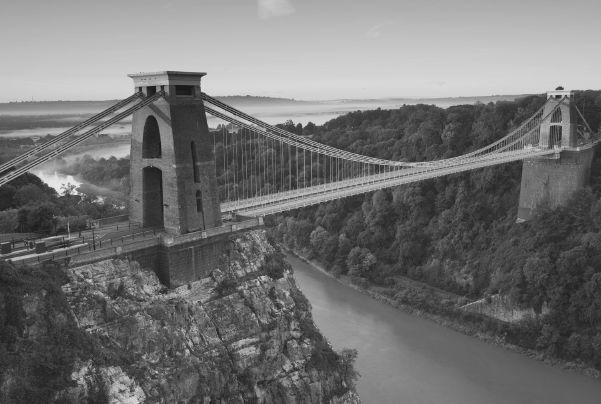
Althoughtheregulationsengineersmustfollowvaryfromcountrytocountry,onethingthatdoesnotvaryistheimpactengineers have,andhavehadforcenturies,onsociety.Railways,electricity,telephones,spacerockets,computers,andmedicalx-raymachines havetransformedthelivesofbillionsofpeople Thelistoffamousengineersinventingtheseandotherrevolutionizingtechnologiesis long and growing.Almost everyone in the United States has heard of John Ericsson’s (1803–1889) propeller,Alexander Graham Bell’s (1847–1922) telephone, and Thomas Edison’s (1847–1931) lightbulb In the United Kingdom, Isambard Kingdom Brunel (1806–1859)designedbridges(seeFigure13),tunnels,shipsandrailwaysthatradicallytransformedthetransportationsystem Inthe Netherlands,theinfluenceoftheDutch“superstarengineer”CornelisLely(1854–1929)wassogreatthatoneofthecountry’smajor citieswasnamedinhishonorafterhisdeath:Lelystad Inmorerecentyears,engineerslikeSteveJobs(1955–2011)andElonMusk(b 1971)havetransformedtheirindustriesinfundamentalways
Figure1.3
The Clifton Suspension Bridge in Bristol in South West England was designed by Isambard Kingdom Brunel in 1831 With a total length of 1,352 ft , it was the longest suspension bridge in the world when it opened after 33 years of construction in 1864 Source: iStock by Getty Images
While the history of engineering is dominated by male engineers, revolutionary contributions have also been made by female engineers MaryAnderson (1866–1953) invented and obtained a patent for automatic windshield wipers for cars In 1922, Cadillac becamethefirstcarmanufacturertoadoptherwipersasstandardequipment EmilyRoebling(1803–1903)playedacrucialroleinthe construction ofthe Brooklyn Bridge in NewYork,and Martha J Coston (1826–1904)made a fortune by inventing a type of signal flarestillusedbytheUSNavy Morerecently,numerouswomenhavemadeittothetopofmultinationaltechcorporationssuchas Hewlett-Packard,Google,Facebook,andYahoo
Thesubjectmatterofengineeringethicsprimarilyconcernsquestionsabouttheprofessionalobligationsengineershavebyvirtueof being engineers To fully understand these obligations, it is helpful to ask some broader questions about the role of technology in society
A few decades ago, many of the technologies we now take for granted, such as cell phones and the Internet, were beyond everyone’simagination Manyofuswouldprobablysaywithoutmuchhesitationthatthesetechnologieshavechangedtheworldfor the better. However, in the 1960s and ‘70s a series of engineering disasters triggered fundamental concerns about the value of engineeringandtechnologicaldevelopment Itwaswidelyrealizedthatpowerfultechnologiessuchasnuclearbombsandelectronic surveillance systems can be used in morally problematic ways. Some argued that weapons of mass destruction and other military technologieshelpprotectourfreedomandindependence,butotherspointedoutthatthepotentialnegativeconsequencescouldbeso severethatitwouldbebettertobanorabolishthosetechnologies.
Thedebateovertheprosandconsof technology as such issometimescharacterizedasadebatebetween technological pessimists and optimists Technologicalpessimistsquestionthevalueoftechnologicalprogress Apessimistmay,forinstance,arguethatweare nobetterofftodaythanwewereahundredyearsago,atleastifweexcludemedicaltechnologiesfromthecomparison Althoughitis goodtocommunicatewithfriendsandrelativesaroundtheglobeviatheInternet,thistechnologyalsodistractsusfromvaluablesocial interactionsinreallife
Technological optimists point out that while it is true that some technological processes are hard to control and predict, and sometimesleadtounwantedconsequences,theworldwouldhavebeenmuchworsewithoutmanyofthetechnologicalinnovationsof thepastcentury Medicaltechnologiessavethelivesofmillionsofpeople,andothertechnologiesmakeitpossibletotravelfastand communicate with people far away. So even if it is sometimes appropriate to think critically about the negative impact of specific technologies,technologicaloptimistsbelievewehavenoreasontoquestionthevalueoftechnology as such
The type of ethical questions technological pessimists and optimists discuss are very different from the moral questions LeMessuriersoughttoaddressduringtheCiticorpcrisis Toclarifythedifferencebetweentheseissues,moralphilosopherssometimes distinguish between micro- and macroethical issues7 Thisdistinctionisinspiredbythe analogousdistinction in economicsbetween micro- and macroeconomics Microethical issues concern actions taken by single individuals, such as LeMessurier’s actions in the Citicorpcrisis Amacroethicalissueis,incontrast,amoralproblemthatconcernslarge-scalesocietalissues,suchasglobalwarming
In engineering ethics, discussions over the moral goodness or badness of specific technologies are examples of macroethical issues If you, for instance, worry about a future in which autonomous drones equipped with artificial intelligence pose threats to lawful citizens, then your worry concerns a macroethical problem. Whether such autonomous drones will be developed does not dependondecisionstakenbysingleengineers Whattechnologieswillbedevelopedinthefuturedependoncomplexsocialprocesses thatnosingleindividualcancontrol.
The distinction between micro- and macroethics issues is useful for several reasons It can, for instance, help us to understand
discussions about moral responsibility In some of the microethical issues discussed in this book, it is the engineer facing a tricky ethical choice who is morally responsible fortheoutcome.WhenLeMessurierdecidedtocontactCiticorptoletthemknowthatthe tower had to be reinforced to withstand strong winds, it was LeMessurier himself who was morally responsible for doing the right thing However,indiscussionsofmacroethicalissues,itissometimesunclearwhoismorallyresponsibleforamoralproblem Who is,forinstance,morallyresponsibleformakingairtravelenvironmentallysustainable?Whoeveritis,itisnotasingleengineer We willdiscussthenotionofmoralresponsibilityingreaterdetailinchapter12
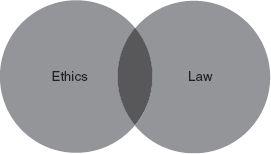
The relation between ethical and legal norms is illustrated by the Venn diagram in Figure14 Acts that are ethically wrong but legally permitted are represented in the leftmost (light gray) part of the figure Acts that are illegal and unethical are located in the overlapping(darkgray)areainthefigure Inmanycasesourethicalverdictscoincidewiththeprescriptionsofthelaw IntheUnited States (and many other countries), it is, for instance, illegal and unethical to discriminate against female engineers because of their gender Anotherexampleisnegligence Inengineeringcontexts,negligencecanbedefinedas“afailuretoexercisethecareandskill that is ordinarily exercised by other members of the engineering profession in performing professional engineering services under similarcircumstances.”8 Engineerswhofailtomeetthis standard of care,thatis,whoaresignificantlylesscarefulandskillfulthan their peers, violate the law and act unethically If you, for instance, design a bridge, it would be illegal and unethical to propose a designthatissignificantlylesssafethanother,similarbridgesdesignedbyyourpeers.
Figure1.4
The leftmost part of the figure represents acts that are ethically wrong but legally permitted The dark gray area represents acts that are illegal and unethical, and so on The size of each area may not reflect the actual number of elements in each set
Therelationbetweenethicsandthelawcanbefurtherclarifiedbyconsideringtwoprominentviewsabouthowmoralclaimsare relatedtolegalnorms: natural law theory and legal positivism Accordingtonaturallawtheory,moralitydetermineswhatis,orshould be, legally permissible and impermissible. On this view, legal rules are formal codifications of moral standards. It is, for instance, legally impermissible to use your employer’s credit card for private expenses because this is morally wrong There is a necessary connectionbetweenmoralverdictsandtheirlegalcounterparts Giventhatthemoralaspectsofasituationarewhattheyare,thelegal rulescouldnothavebeendifferent Putativecounterexamplestothisthesis,suchastheobservationthatitisnotillegaltolietoyour colleagues or be rude to customers,can be dealtwith by pointing out that legal norms must be simple and enforceable It would be impractical tobanalltypesofimmoralbehavior
Legalpositivistsrejectthepicturejustsketched Theybelievethatlawandmoralityareentirelydistinctdomains,meaningthatwe cannotinfer anything aboutwhatis,orshouldbe,legallypermittedfromclaimsaboutwhatismorallyrightorwrong Onthisview, lawsaremorallyneutralconventions Thefactthatourlawstendtomirrorourmoralstandardsisacontingenttruth Everylawcould have been different. If we ask why something is illegal, the answer is not that it is so because the activity is morally wrong. The explanation has to be sought elsewhere: what makes a legal rule valid is, according to legal positivists, the fact that some political assemblyhasdecidedthattheruleisvalidandthreatenstopunishpeoplewhoviolateit.
Engineeringethicistsseektoarticulatemoralrules,notlegalones;soinwhatfollows,wewilldiscusslegalaspectsofengineering decisions only when doing so is helpful for understanding ethical issues. However, being legal or illegal alone never makes an act morallyrightorwrong,oneitherofthetwoviews Toarguethatitismorallyimpermissibleforengineerstobribebusinesspartners because briberyisillegalisabadargumentnomatterwhetheroneisanaturallawtheoristorlegalpositivist Accordingtonaturallaw theorists, it is illegal to bribe people because it is morally impermissible For the legal positivist, the two claims are conceptually unrelated
ONETHICSANDMORALITY
Theword“ethics”stemsfromtheancientGreekword ethikos (ἠθικός),whichmeanshabitorcustom Theword“morality”tracesits origins to the Latin term moralis, which is a direct translation of ethikos. From an etymological perspective, the claim that an engineer’s behavior is “ethically and morally wrong” is therefore no more informative than saying that it is “ethically and ethically wrong,”or“morallyandmorallywrong.”Inthisbook,weshallrespecttheoriginalmeaningofthetermsanduseethicsandmorality
synonymously This conforms to the dominant practice in applied ethics today However, note that other authors reserve the term ethics forthe theoretical reflection onmoralrulesthatgovernoureverydaylife.Nothingimportanthingesonthisterminologicalissue aslongaswemakeitclearhowthewordsareused
Moral commands sometimes go above and beyond legal rules. InApril 2000, Dr. BernardAmadei, a professor of civil engineering at the UniversityofColorado,wasonatriptoBelize Hediscoveredthat950MayanIndianswerelivinginthejunglewithoutreliableaccesstoclean drinkingwater Asaresultofthis,childrencouldnotattendschoolbecausetheyhadtocollectwaterfrommilesaway Althoughthecommunity had the motivation and natural resources needed for solving the problem, Dr Amadei realized they lacked the technical skills required for designingalastingsolution
Overthepasttwodecades,EWBUSAhasgrownconsiderablyandcurrentlyhasabout16,000members,manyofwhichareengineering students and academics EWB International is an international association of sixty-three national EWB organizations, all of which strive to improve the quality of life for people in disadvantaged communities by designing and implementing sustainable engineering solutions The international EWB network is inspired by, but not connected with, the French organization Doctors Without Borders (Médecins Sans Frontières).
Gayton,C M,andR C Vaughn 2004 Legal Aspects of Engineering Dubuque,IA:KendallHunt Harris,C E,Jr,M S Pritchard,M J Rabins,R James,andE Englehardt 2014 Engineering Ethics: Concepts and Cases Boston:CengageLearning Herkert,J R 2001 “FutureDirectionsinEngineeringEthicsResearch:Microethics,MacroethicsandtheRoleofProfessionalSocieties” Science and Engineering Ethics 7,no 3:403–414 Morgenstern,J 1995 “TheFifty-Nine-StoryCrisis” The New Yorker,May29,1995,45–53 vandePoel,I,andL Royakkers 2011 Ethics, Technology, and Engineering: An Introduction NewYork:JohnWiley&Sons
NOTES
National Society of Professional Engineers, Code of Ethics for Engineers (Alexandria, VA, 2018), 1 Available online: https://wwwnspeorg/resources/ethics/code-ethics
The Institute of Electrical and Electronics Engineers, Inc, IEEE Polices 2018 (New York, 2017), sect 78 Available online: https://wwwieeeorg/content/dam/ieee-org/ieee/web/org/about/whatis/ieee-policiespdf NSPE, Code of Ethics,1 JoeMorgenstern,“TheFifty-NineStoryCrisis,” The New Yorker,May29,1995,45–53
Thedistinctionbetweenmicro-andmacroethicshasbeencarefullyexploredbyJosephR Herkert See,forinstance,Herkert(2001) J Dal Pino, “DoYou Know the Standard of Care?,” Council forAdvancement and Support of Education (CASE) White Paper (Washington, DC: AmericanCouncilofEngineeringCompanies,2014),4
ProfessionalCodesofEthics
Nearly every professional association for engineers has its own code of ethics In this chapter, we discuss three of the most influentialcodesembracedbysomeofthelargestengineeringorganizationsintheUnitedStates:theNSPE,IEEE,andACM.
NSPEstandsforthe National Society for Professional Engineers Ithasabout31,000members,anditsmissionistoaddressthe professionalconcernsoflicensedengineers(calledProfessionalEngineers,orPEsforshort)acrossalldisciplines.IEEEstandsforthe Institute of Electrical and Electronics Engineers Asmentionedin chapter1,theIEEEistheworld’slargestprofessionalorganization for engineers, with 395,000 members in nearly every country in the world In addition to electrical and electronics engineers, thousands of computer scientists, software developers, and other information technology professionals are members of IEEE ACM standsfor Association for Computing Machinery Ithasabout100,000members,ofwhomabouthalfresideintheUnitedStates
Unsurprisingly, the codes adopted by the NSPE, IEEE, andACM partly overlap Some ethical concerns are unique to specific engineeringdisciplines,butmanyaregeneric However,itwouldbeoverlysimplistictothinkthatallethicalissuesfacedbyengineers canbeadequatelyresolvedbylookingupthe“correctanswer”intherelevantcode.Manycodesadoptedbyprofessionalsocietiesare betterinterpretedasethicalchecklists Onsuchareading,acodeofethicsprovidesapointofdepartureforfurtheranalysis,butitdoes notbyitselfgivethefinalanswerstoallethicalissuesengineersmayfaceintheircareers.Whenconfrontedwithsome“easy”ethical problems, it may suffice to consult the relevant code; but in more complex situations, two or more principles may clash In those cases,additionalreflectionandanalysisisrequired,asexplainedinthelastpartofthischapter.
Theanalogywithpromisesneedstobehandledwithcare,however Imagine,forinstance,thatyoupromisetodosomethingvery immoral:youpromisetocommitacrime Nevermindwhyyoumadethisimmoralpromise;allthatmattersforthe example isthat youhavepromisedtodosomethingdeeplyimmoral,whichsomepeople(suchascriminalgangmembers)dofromtimetotime The factthatyouhavepromisedtocommitacrimemaygiveyou a reasontokeepyourpromise,butthatreasonisclearlyoutweighedby other,strongerreasons.Allthingsconsidered,yououghtnottodowhatyouhavepromised.Therefore,itisnottruethatyoualways oughttofulfillyourpromises,underallcircumstances,regardlessofwhatyouhavepromised Whetherweoughttokeepourpromises dependspartlyon what wehavepromised 2
Somethingsimilarappliestoprofessionalcodesofethics,althoughthemoralrequirementsofacodearetypicallynotcontroversial ThecodesadoptedbytheNSPE,IEEE,andACMhavebeendraftedbyhighlycompetentprofessionals Thereisnoreasontothink that any principle listed in those documents is immoral However, during the apartheid era in SouthAfrica, some local professional organizations developed deeply immoral, racist codes, which are no longer in force This shows that the analogy with promises is valid Youclearlywouldhavenoobligation,allthingsconsidered,tocomplywithanunethicalcode Themerefactthatthemembers ofanorganizationhaveagreedonamorallycontentiouscodedoesnotmakethecontentofsuchacoderight
However, given that your professional organization’s code does not demand you to do anything immoral, why should you then honor and promote the code if you already know how to tell right from wrong? This question is relevant because nearly no code comprises moral principles that new members of the organization are likely to be (entirely) unaware of before they enter the profession PhilosopherMichaelDavis’sansweristhatengineerswillbebetteroff as a group iftheyallrespectandpromotethecode ofethicsadoptedbytheirprofessionalorganizations,eveniftheyalreadyknowhowtotellrightfromwrong.Hereishisargument:
Without a professional code, an engineer could not object [to doing something unethical] as an engineer An engineer could, of course, still object“personally”andrefusetodothejob Butifhedid,hewouldriskbeingreplacedbyanengineerwhowouldnotobject Anemployeror client might rightly treat an engineer’s personal qualms as a disability, much like a tendency to make errors The engineer would be under tremendouspressuretokeep“personalopinions”tohimselfandgetonwiththejob3
Davis’s point is that engineers whose actions are governed by a code of ethics will find it easier to say no and thereby avoid temptationstomakeunethicalchoices If everyone isrequiredtobehaveinthesameway,andallmembersoftheorganizationknow thistobethecase,thenengineerswillfinditlessdifficulttoexplaintoclientsandotherstakeholderswhytheyareunabletoperform immoralactions Byactingasmembersofagroup,eachmemberwillbemorepowerfulthanheorshewouldhavebeenasasingle individual Thepersonalcostofrefusingtoperformimmoralbutprofitableactionsdecreasesifoneknowsthateveryoneelsewillalso refusetodoso.
Notethatthisargumentworksonlyaslongasacritical mass ofengineersremainloyaltothecode Iftoomanymembersviolate the code,then those who abide by itwillbe worse off than those who don’t.Moreover,if an engineer can violate the code without being noticed or punished, he or she may sometimes have an incentive to do so For reasons explained in the discussion of the prisoner’s dilemma (at the end ofchapter 5), it may hold true that although it is in the interest of every engineer to respect a professional code of ethics, rational individuals motivated by their self-interest may sometimes have compelling reasons to refrain
THENSPECODE
TheNSPEcodebeginswithsix Fundamental Canons,whicharefurtherspecifiedinanumberof Rules of Practice and Professional Obligations ThesixFundamentalCanonsfollow Theentiredocument,withallofitsRulesofPracticeandProfessionalObligations, isincludedinappendixA
Themoralprinciplesexpressedinaprofessionalcodeofethicstypicallyfallwithinoneofthreecategories Inaninfluentialtextbook on engineering ethics, Harris et al introduce the terms prohibitive, preventive, and aspirational principles for describing the three typesofprinciples.4
Prohibitive principles describe actions that are morally prohibited For instance, the requirement that engineers shall “avoid deceptiveacts”isaprohibitiveprinciple.Ifyouviolatethatprinciple,youdosomethingyouarenotmorallypermittedtodoaccording totheNSPEcode
Preventiveprinciplesseektopreventcertaintypesofproblemsfromarising ThesecondFundamentalCanonoftheNSPEcode (engineersshall“performservicesonlyinareasoftheircompetence”)isapreventiveprinciple OneoftheRulesofPracticelinkedto this Fundamental Canon holds that “Engineers shall undertake assignments only when qualified by education or experience in the specifictechnicalfieldsinvolved”Atthebeginningofthenineteenthcentury,engineersoftenoverestimatedtheirknowledge,causing numerous fatal accidents By explicitly stating that engineers must be qualified “in the specific technical fields involved,” many accidentscanbeavoided.
Finally, aspirational principles state goals that engineers should strive to achieve An example of an aspirational principle is the sixth NSPE canon, according to which engineers shall “enhance the honor, reputation, and usefulness of the profession.” It is not unethicaltonotenhancethehonor,reputation,andusefulnessofaprofession,althoughitisdesirabletodosoifonecan Nomatter howmucheffortanindividualengineerputsintorealizingthisgoal,heorshewillneverreachastateinwhichthehonor,reputation, andusefulnessoftheengineeringprofessionismaximized Whatmakesthesegoalsaspirationalisthefactthattheycontainidealistic elements,whichwewillneveractuallyachievetothehighestpossibleextent
Noneoftheprincipleslistedinaprofessionalcodeofethicsislegallybinding Forinstance,issuingpublicstatementsthatarenot “objectiveandtruthful”isperfectlylegal(butviolatesthethirdFundamentalCanon) Undermostcircumstances,engineersandothers arelegallypermittedtolieandissuemisleadingpublicstatements Apossibleexceptionwouldbeifyouarecalledtotestifyincourt However, in the absence of written contracts or other legally binding agreements, engineers are almost always legally permitted to violatevirtuallyeveryprincipleoftheirprofessionalorganization’scodeofethics However,andasnotedin chapter1,justbecausean actionislegallypermitted,itdoesnotfollowthatyou ought toperformthataction Ifyoudosomethingthatviolatesyourprofessional organization’scodeofethics,thenthisisa strong indication thattheactionisunethical.Noteveryunethicalactionisillegal.
No code of ethics can cover all the unforeseeable moral problems that may confront an engineer, and nearly every code has multipleinterpretations.Acodeofethicsisnofull-fledgedethicaltheory.Toillustratethedifficultyofapplyingacodetoreal-world cases,itishelpfultorecalltheCiticorpcasediscussedinchapter1 WilliamLeMessurierdiscoveredin1978,rightbeforethestartof thehurricaneseason,thattheinnovativeskyscraperhehaddesignedforCitibankinNewYorkcouldtoppleinamoderatehurricane LeMessurierquicklyimplementedaplanforstrengtheningthebuildingbyweldingtheboltedjointsofthesteelstructure Forthishe later received well-deserved praise However, LeMessurier also misled the public about the true purpose of the nightly welding activities InthepressreleasejointlyissuedbyCitibankandLeMessurier’soffice,itwasstatedthat“thereisnodanger”tothepublic, whichwasanoutrightlie
LetusanalyzetheCiticorpcasethoughthelensoftheNSPEcode Clearly,thepressreleaseviolatedthethirdFundamentalCanon oftheNSPEcode,whichholdsthatengineersshall“issuepublicstatementsonlyinanobjectiveandtruthfulmanner”Thefullextent of this requirement is clarified by the following Rule of Practice (AppendixA, “A.II. Rules of Practice,” 3a): “Engineers shall be objective and truthful in professional reports, statements, or testimony They shall include all relevant and pertinent information in such reports, statements, or testimony, which should bear the date indicating when it was current.” Although LeMessurier was objectiveandtruthfultohisclient,Citibank,heliedtothepublicanddidnotinclude“allrelevantandpertinentinformation”inthe pressrelease.
DoesthisshowthatLeMessurierviolatedhisprofessionalobligations?No,thatdoesnotfollow LeMessurier’soverarchingaim wastocomplywiththefirstFundamentalCanonoftheNSPEcode,to“holdparamountthesafety,health,andwelfareofthepublic” Itseemslikelythatthedecisionnottorevealthetrueextentofthestructuralproblemshelpedtoprotectthepublic’ssafety,health,and welfare Justlikeanairlinecaptainmayrightlychoosenottodisclosealldetailsaboutatechnicalproblemtothepassengerstoprevent panic, LeMessurier may have correctly concluded that full disclosure would have made it more difficult to complete the repairs on time It is also possible that it was his client, Citibank, who explicitly asked LeMessurier to mislead the public If so, LeMessurier could have defended himself by quoting the Rule of Practice (3a) listed in the NSPE code holding that “engineers shall not reveal facts,data,orinformationwithoutthepriorconsentoftheclientoremployerexceptasauthorizedorrequiredbylaworthiscode” LeMessurierwas,arguably,notrequiredbylawortheNSPEcodetorevealanyinformationtothepublic.
Tosumup,itseemsthatLeMessurierfacedaconflictbetweentheRuleofPracticeholdingthatengineersshall“notrevealfacts, data, or information without the prior consent of the client or employer” and the Fundamental Canon requiring that engineers must
“issue public statements only in an objective and truthful manner” As explained at the end of this chapter, potential conflicts or inconsistenciesinacodecanberesolvedinanumberofdifferentways.Thereisnoconsensusonhowengineersshouldbehaveiftwo ormoreprinciplesintheirprofessionalcodeclash
TheABCPipeCompanyisinterestedinbecomingknownwithintheengineeringcommunityand,inparticular,tothoseengineersinvolvedinthe specification of pipe in construction ABC would like to educate engineers about the various products available in the marketplace: the advantages and disadvantages of using one type of pipe over another ABC sends an invitation to EngineerA, as well as other engineers in a particulargeographicarea,announcingaone-daycomplimentaryeducationalseminartoeducateengineersoncurrenttechnologicaladvancesin the selection and use of pipe in construction ABC will host all refreshments, buffet luncheon during the seminar, and a cocktail reception immediatelyfollowing EngineerAagreestoattend WasitethicalforEngineerAtoattendtheone-daycomplimentaryeducationalseminar hostedbytheABCPipeCompany?
The Board pointed out that the following Rule of Practice is applicable: “Engineers shall not solicit or accept financial or other valuable consideration,directlyorindirectly,fromcontractors,theiragents,orotherpartiesinconnectionwithworkforemployersorclientsforwhich theyareresponsible.”5
TheCodeunequivocallystatesthatengineersmustnotacceptgiftsorothervaluableconsiderationfromasupplierinexchangeforspecifyingits products However,inthiscasewearedealingwithamaterialsupplierwhoisintroducinginformationaboutpipeproductstoengineersin the community and haschosen the form ofan educationalseminarasitsvehicle WhileABC Pipe Company willseek to presentits particular productsinafavorablelightandpointouttheirmanyadvantagesoverothers’,acomplimentaryinvitationtosuchaseminarwouldnotreachthe level that would raise an ethical concern We note, however, that had EngineerAagreed to accept items of substantial value (eg, travel expenses,multi-dayprogram,resortlocation,etc)ourconclusionwouldhavebeenquitedifferent
toseek,accept,andofferhonestcriticismoftechnicalwork,toacknowledgeandcorrecterrors,andtocreditproperlythecontributionsofothers; to treat fairly all persons and to not engage in acts of discrimination based on race, religion, gender, disability, age, national origin, sexual orientation,genderidentity,orgenderexpression;
TheACM code is more complex Just like the NSPE code, it consists of a small set of foundational principles supplemented by a largersetofmorespecificrules Inwhatfollows,wewillfocusonwhattheACM referstoasitseight General Moral Imperatives (TheentirecodeisincludedinAppendixA)
However,as noted previously, the principles of a code may sometimes yield conflicting advice The structure of such conflicts is usually the following:accordingtosomeprincipleX,yououghttoperformsomeactionA;butaccordingtosomeotherprincipleYinthesame code,yououghttonotperformactionA Howshouldsuchclashesbetweenconflictingmoralprinciplesbedealtwithandanalyzed?
Case2-2(onthenextpage)isanexampleinwhichtwooftheprinciplesintheIEEEcodegiveconflictingadvice.Unlikemost other case studies in this book, this is a fictional case The aim ofCase2-2 is to show that internal conflicts in the IEEE code are possible,notthattheyoccurfrequently
Similarexamplescanbeconstructedfornearlyallprofessionalcodesofethics Itis,forinstance,easytoimaginecasesinwhich thesecondprincipleoftheACMcode(“avoidharmtoothers”)andthethirdprinciple(“behonestandtrustworthy”)clash Wejust havetoimaginethatthe only way toavoidharmtoothersisto not behonestandtrustworthy Hereisanattempttoconstructsucha case:youknowthattheseniormanagementofyourcompanywilldonothingtopreventaseriousaccidentfromoccurringunlessyou exaggerate the magnitude of the threat somewhat To do so would not be honest, but it would be necessary for avoiding harm to others
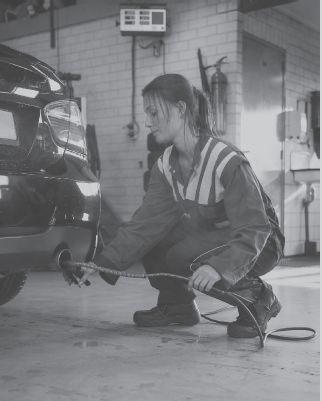
Imagine that you work for a US subsidiary of a large German automaker Rumor has it that engineers responsible for the software controlling the company’s diesel engines have manipulated the software. By using clever algorithms, the software detects if the car is being driveninregulartrafficorisundergoingatestcycleofthetypeprescribedfortheEnvironmentalProtectionAgency’s(EPA’s)emissionstest If the car senses that it is undergoing an emissions test, the software instructs the engine to develop very little power, which reduces the emissions However,ifthesoftwaresensesthatthecarisbeingdrivenonanormalroad,thesoftwareinstructstheenginetoworkasnormal, withemissionsthatarefarabovethoseallowedbytheEPA
Your method for verifying the truth of your hypothesis violates principle 9 of the IEEE code because you have, by “false or malicious action,”obtainedinformationthatisverylikelytoinjure“others,theirproperty,reputation,oremployment”However,perprinciple1ofthe IEEE code, you did nothing wrong because you have merely fulfilled your obligation to “disclose promptly factors that might endanger the publicortheenvironment”
Theupshotisthatnomatterwhatyoudo,youwillviolateatleastoneprincipleoftheIEEEcode Thefactsjusthappentobesuchthatyou will either violate the first or the ninth principle of the IEEE code. There is no alternative action you could perform that would satisfy all principlesofthecode
Discussionquestion:WhatwouldyoudoifnoactionavailabletoyoumeetsallprinciplesoftheIEEEcode?What should youdo?
Thesuggestiontoreformulateorreinterpretthecodeisprobablytheoptionthatfirstcomestomind IntheLeMessuriercase,itcould, forinstance,bearguedthattheNSPERuleofPracticeholdingthat“engineersshallnotrevealfacts,data,orinformationwithoutthe priorconsentoftheclientoremployerexceptasauthorizedorrequiredbylaworthisCode”shouldbe reinterpreted tomeanthatit would have been permissible for LeMessurier to reveal all facts about the Citicorp building to the public, even if the client had instructedhimnottodoso ThereasonforthiscouldbetheemphasistheNSPEcodeputsonholdingparamount“thesafety,health, andwelfareofthepublic”
However,thismaneuverisnotlikelytoworkineachandeverypossiblecase Justconsidertheexamplediscussedintheprevious section Insituationsinwhichthe only way toavoidharmtoothersisto not behonestandtrustworthy,noreasonablereinterpretation oftheACMcodecouldrestoreitsinternalcoherenceandconsistency Anotherproblemisthatthisstrategyreducestheusefulnessof thecode Acodethatcannotbereadliterally,becauseitneedstobeinterpretedorreformulatedbeforeitisapplied,islessusefulthan one that doesn’t require such maneuvers. Moreover, if the code can be interpreted in many ways, different members of the organizationwilllikelypreferdifferentinterpretations
Apossiblestrategyforaddressingtheseproblemsistoletaspecialcommittee(anethicscommittee)decidehowthecodeshould beinterpretedandapplied However,thisusuallytakestime Anengineerwhoneedsethicaladvice now cannotaskacommitteefor adviceabouthowtointerpretthecode.
The second alternative for resolving internal conflicts in a code is to introduce some mechanism that tells the engineer which principle to give priority to when two or more principles clash It could be argued that the requirement in the NSPE code to “hold paramount” the safety, health, and welfare of the public should always carry more weight than all other principles The remaining principlescouldbesimilarlyorderedhierarchically,fromthemostimportanttotheleastimportant Suchahierarchicalapproachcould intheoryresolveallpotentialconflictsbuiltintoacode
Still,nothingindicatesthattheorganizationsadvocatingtheseethicalcodesactuallyconsidersomeprinciplessuperiortoothers It seems arbitrary toinsistthattheprinciplesshouldbeorderedhierarchically Howdowetellwhichismostimportant:tobe“honest and trustworthy” (principle 3 in theACM code) or “avoid harm to others” (principle 2 in theACM code)? It seems that a nuanced answertothisquestionshouldbesensitivetohow much harmtootherstheengineercouldavoidbynotbeinghonestandtrustworthy. Ifyoucansavethelivesofthousandsofinnocentcitizenswhoareabouttobekilledinaterroristattackbynotbeingentirelyhonest whenyouinformyourmanageraboutthethreat,thentherequirementtoavoidharmtoothersarguablyoutweighstherequirementto behonestandtrustworthy Butiftheamountofharmyoucanavoidissmall,thismaynotbeso
Generally speaking, the problem with ordering conflicting moral principles hierarchically is that the relative weight of the conflictingprinciplesmayvaryfromcasetocase Sometimesoneprincipleismoreimportantthananother;butinothercases,some other principle carries more weight This makes it difficult to determine a single, fixed, hierarchal order of conflicting moral principles
Thethirdmethodforaddressingclashesbetweenconflictingprinciplesistoreadthecodeasalistof contributory moralreasons insteadof conclusive ones Acontributorymoralreasonspeaksfororagainstanactionbutdoesnotbyitselfentailanymoralverdict about what one ought to do For instance, if an engineer is lying, this could be a contributory reason for thinking that the action is wrong;butiftheengineerliestoprotectthehealth,safety,andwelfareofthepublic,thenthiscouldbeanothercontributoryreason
indicating that the action is not wrong To tell whether the engineer’s action is right or wrong all things considered, we have to balanceallapplicablecontributoryreasonsagainsteachother.Metaphorically,wecanthinkofcontributoryreasonsas“moralforces” thatpullusindifferencedirections
Conclusivemoralreasons(sometimescalled“overall”reasons)directlyentailamoralverdictabouttherightnessorwrongnessof the action If, for instance, an engineer performs an action that violates someone’s human rights, then that could be a conclusive (overall)reasonthatdirectlyentailsthattheactioniswrong
The upside of thinking of the elements of a code as contributory reasons is that apparent conflicts can be resolved by balancing clashingprinciplesagainsteachother Whatappearstobeanirresolvablemoralconflictmaynotalwaysbeso,allthingsconsidered Thedownsideis,however,thatthecodebecomeslessinformative.Itdoesnotdirectlytelluswhatweoughttodo.Itisnoeasytaskto balanceconflictingcontributoryreasons,soengineerswhoseekguidancefromthecodemaybenotbeabletofigureoutwhattodoby justreadingthecode.
Moralphilosophersusetheterm“moraldilemma”asatechnicaltermforreferringtocasesinwhich all alternativesarewrong By definition, moral dilemmas are irresolvable: each option entails doing something morally impermissible In everyday language, the term “moral dilemma” is often used in a broader and less strict sense In such nontechnical contexts, a moral dilemma is a tricky situationinwhichitisdifficulttoknowifsomeactionisrightorwrong.Everydaydilemmasarenotmoralblackholes.
Thebestargumentforthinkingthatgenuinemoraldilemmasexistis,perhaps,thatwesometimes feel and believe thatalloptions arewrong.Ethicsisnotlikephysics.Itissimplyfalsethatconflicting“moralforces”canalwaysbebalancedagainsteachotherina manner that makes at least one action come out as right Moral principles or considerations are not like apples and pears on your kitchen scales: despite being very different, apples weigh at least as much as pears or pears weigh at least as much as apples. However, moral principles are multidimensional entities that resist binary comparisons Although one alternative scores better with respecttooneprinciple,andsomeotheralternativescoresbetterwithrespecttosomeotherprinciple,thinkerswhobelieveinmoral dilemmas conclude that no action is, all things considered, entirely right or morally permissible Each alternative is, all things considered,somewhatwrongorimpermissiblefromamoralpointofview
CASE2-3
TheChallengerDisaster
The Challenger disaster is one of the most well-known and widely discussed case studies in the field of engineering ethics Although the accidentoccurredmanyyearsago,wecanstilllearnimportantlessonsfromit(seeFigure22)
OnJanuary28,1986,theChallengerspaceshuttleexplodedshortlyaftertake-offfromCapeCanaveral,killingitscrewofsevenastronauts MillionsofpeoplewatchedthelaunchliveonTV ThedirectcauseofthecrashwasaleakingO-ringinafueltank,whichcouldnotcopewith theunusuallylowtemperatureofabout26°F(or–3°C)atthedayofthetake-off.Aboutsixmonthsbeforethecrash,engineerRogerBoisjoly atMortonThiokol,thecompanyresponsibleforthefueltank,realizedthatlowambienttemperaturesposedapotentialhazard Boisjolywrotea memoinwhichhewarnedthatlowtemperaturesattake-offcouldcausealeakintheO-ring:“Theresultwouldbeacatastropheofthehighest order loss of human life”6 However, Boisjoly was not able to back up this claim with actual test results His warning was based on extrapolationsandeducatedguessesratherthanhardfacts
At the prelaunch teleconference the night before take-off, Boisjoly reiterated his warning to NASA officials and colleagues at Morton Thiokol Boisjolywasstillunabletobackuphisconcernswithdata NoadditionalresearchintotheO-rings’performancehadbeenconducted since Boisjoly wrote the original memo However, it was well known that small leaks, known as “blow-by,” were common at higher temperatures Boisjolypointedoutintheteleconferencethatitwasreasonabletobelievethattherecouldbeacorrelationbetweentheambient temperatureandtheamountofleakedfuel Whenpressedonthisissuebytheparticipantsinthemeeting,Boisjolyadmittedthatthiswashis professionalopinion,notaprovenfact ThereweresimplynohardfactsavailabletohimoranyoneelseabouthowtheO-ringwouldperformat lowtemperatures.
After some discussion back and forth, the teleconference was temporarily suspended at the request of Morton Thiokol The managers at Morton Thiokol knew that NASAwould not launch the shuttle unless everyone agreed it was safe to do so However, NASAwas Morton Thiokol’slargestandmostimportantcustomerandNASAwasunderoflotofpressure ThemanagersatMortonThiokolfelttheyneededa successfulflighttosecureanextensionoftheircontractwithNASA
Just before the teleconference with NASAwas about to resume and a decision had to be made, Morton Thiokol’s Senior Vice-President GeraldMasonturnedtoBoisjoly’ssupervisorRobertLundandsaid,“Takeoffyourengineeringhatandputon yourmanagementhat.” The messagewasclear:becausetheycouldnotproveitwasunsafetolaunch,theyhadtolookatthisfromamanagementperspective Withouta successfullaunch,thecompany’sfuturecouldbeatstake
After the accident, Roger Boisjoly felt he had done everything he could to inform his supervisors about the problem with the O-ring Despitethis,hefeltguiltyforthetragicoutcome Hewasmorallyobligedtoprotectthesafetyoftheastronauts,andhehadtriedhisverybestto doso,buthefailed.Becausehecouldnotconvincehissupervisorthatitwasunsafetolaunch,itwasimpossibleforhimtofulfillhisobligation to the astronauts A possible (but controversial) conclusion could thus be that Boisjoly was facing a moral dilemma: no course of action availabletohiminthefatefulmeetingwasmorallyacceptable Accordingtothisanalysis,doingthebestonecanisnotalwayssufficient
If you are faced with a genuine moral dilemma, no code of ethics will be able to resolve your predicament Jean-Paul Sartre, a famous existentialist philosopher, claims that the only way to cope with such situations is to accept the fact that your dilemma is irresolvable AccordingtoSartre,“youarefree,thereforechoose,thatistosay,invent Noruleofgeneralmoralitycanshowyouwhat yououghttodo”7
In hindsight, it is easy to say that it would have been good to listen to Boisjoly’s unproven warning about the looming Challenger disaster.Butwasit unethical nottodoso?Andcouldthedisasterhavebeenavoidedbypayingmoreattentiontoprofessionalcodesof ethics?
To begin with, we should note that it would be unreasonable to maintain that safety concerns must never be ignored. For a somewhatextremeexample,imaginethatadrunkpassengeronacruiseshipintheCaribbeanwarnsthecaptainforthepossibilityof hittinganiceberg.Althoughitistruethaticebergscanbedangerous,thecaptainhasnoreasontolistentothedrunkpassenger.The captainknowsthattherearenoicebergsintheCaribbean,andthepassengerhasnorelevanttechnicalexpertise However,Boisjoly’s warningwasverydifferent BoisjolywasatechnicalexpertonO-rings,andheexpressedhisconcernsaboutthecoldweatherinhis role as a technical expert Boisjolynodoubthadthetechnicalknowledgerequiredformakinganinformedassessmentoftherisk
About seventeen years after the Challenger disaster, on February 1, 2003, space shuttle Columbia broke apart over Texas sixteen minutes before scheduled touchdown in Florida.All seven astronauts aboard were killed. During the launch two weeks earlier, a chunk of insulating foamhadfallenofffromtheexternalfueltank Thefoamwassoftandlight;butbecauseithittheshuttleataspeedof500mph,thedebris
createdaholeinthewing ThisleftacrucialpartofColumbiawithnoprotectionagainsttheheatgeneratedbyfriction It was not uncommon for pieces of foam to fall off during the launch procedure NASAcalled this “foam shedding” It had occurred in sixty-five of the seventy-nine launches for which high-resolution imagery was available; this was yet another example of normalization of devianceatNASA
Rodney Rocha was NASA’s chief engineer for the thermal protection system While the shuttle was orbiting Earth, Rocha and his team studiedimagesfromthelaunch.Theyconcludedthattheywouldneedadditionalimagestoassesshowmuchdamage,ifany,hadbeencaused bythefoam WhenRochasuggestedthatNASAshouldaskthecrewtoconductaspacewalktoinspecttheshuttle,orasktheDepartmentof Defensetousemilitarysatellitesfortakinghighresolutionimagesofthedamagedarea,hisrequestwasturneddown Rocha’ssupervisorLinda Hamtoldhimthat“evenifwesawsomething,wecouldn’tdoanythingaboutit”8Accordingtotheinvestigationboard’sreport,thisstatement was incorrect Although it would have been difficult to repair the shuttle in space, the NASAteam knew that another shuttle,Atlantis, was scheduledtolaunchwithinthenextcoupleofweeks.AccordingtoanalysesperformedbyNASAafterthecrash,itwouldhavebeenpossibleto launchtheAtlantisearlierthanplannedtorescuetheastronautsaboardColumbia(seeFigure23)9
Inmyhumbletechnicalopinion,thisisthewrong(andborderingonirresponsible)answerfromtheSSP[SpaceShuttleProgram]andOrbiternot torequestadditionalimaginghelpfromanyoutsidesource Imustemphasize(again)thatsevereenoughdamage(3or4multipletilesknocked outdowntothedensificationlayer)combinedwiththeheatingandresultingdamagetotheunderlyingstructureatthemostcriticallocation(viz, MLG [Main Landing Gear]door/wheels/tires/hydraulicsortheX1191 sparcap)could presentpotentially grave hazards The engineering team will admit it might not achieve definitive high confidence answers without additional images, but, without action to request help to clarify the damagevisually,wewillguaranteeitwillnot.CanwetalktoFrankBenzbeforeFriday’sMMT[MissionManagementTeam]?Rememberthe NASAsafetyposterseverywherearoundstating,“Ifit’snotsafe,sayso”?Yes,it’sthatserious10
Was the decision not to request additional images a proper engineering decision or a proper management decision? Clearly, because it requiredtechnicalexpertiseandsignificantlyaffectedthehealth,safety,andwelfareoftheastronauts,itwasaproperengineeringdecision It shouldhavebeenmadebyengineers,notbymanagers IfNASAhadfollowedRocha’siteratedrecommendationstorequestadditionalimages, itmighthavebeenpossibletosavethesevenastronauts
Discussion question: What can, and should, engineers do if they find out that the distinction between proper engineering decisions and proper managementdecisionsisbeingviolated?
ThisexamplesuggeststhatwhatmadeGeraldMason’sdecisiontorejectBoisjoly’sunprovenwarningethicallyproblematicwas the fact that it did not respect the distinction between what Harris et al. call proper engineering decisions and proper management decisions 11 A proper engineering decision is a decision that (a) requires technical expertise; and (b) may significantly affect the health,safety,andwelfareofothers;or(c)hasthepotentialtoviolatethestandardsofanengineeringcodeofethicsinotherways A properengineeringdecisionshouldbetakenbyengineers
When Gerald Mason told Boisjoly’s supervisor Bob Lund to “take off your engineering hat and put on your management hat,” Masonactedlikeamanager,eventhoughitwasclearthatthedecisiontolaunchwasaproperengineeringdecision Thepurposeof theprelaunchmeetingwastodetermineifitwassafetolaunch,butMasonusedhismanagementskillstoreversetheburdenofproof.
Boisjolywasaskedtoprovethatitwas not safetolaunch,whichhewasofcourseunabletodowithoutconductingadditionaltests If the distinction between proper engineering decisions and proper management decisions had been respected, the disaster could probablyhavebeenavoided
Although the term “proper engineering decision” is not used in the NSPE code, the rationale behind this distinction is arguably influencedbythefollowingNSPERuleofPractice:
The official report on the Challenger accident was presented to President Reagan six months after the disaster The Presidential Commission,ledbyWilliamRogers,pointedoutthattheproblemwithleakingfuelcausingblow-byintheO-ringshadbeenknown and tolerated for several years Sociologist Diane Vaughn coined the term normalization of deviance for describing the process in whichatechnicalerrorisacceptedasnormal,eventhoughthetechnologicalsystemisnotworkingasitshould Foranotherexample ofnormalizationofdeviance,considerthe“foamshedding”describedinCase2-4,whichwastherootcauseoftheColumbiadisaster Thisphenomenonwastoleratedforyearsuntilitleadtothelossofsevenastronauts
What is a moral dilemma (in a strict philosophical sense), and why could the concept of moral dilemmas be important for understandingtheNSPE,IEEE,andACMcodes?
Davis,M Spring1991 “ThinkingLikeanEngineer:ThePlaceofaCodeofEthicsinthePracticeofaProfession” Philosophy & Public Affairs 20,no 2:150–167
Gehman,H W,Jr,J L Barry,D W Deal,J N Hallock,K W Hess,G S Hubbard,J M Logsdon,D D Osheroff,S K Ride,andR E Tetrault 2003.ColumbiaAccidentInvestigationBoard(CAIB).NASA:Washington,DC.
Gotterbarn,D 1999 “NotAllCodesAreCreatedEqual:TheSoftwareEngineeringCodeofEthics:ASuccessStory” Journal of Business Ethics 22:81–89
Harris,C E,Jr,M S Pritchard,M J Rabins,R James,andE Englehardt 2014 Engineering Ethics: Concepts and Cases Boston:CengageLearning InstituteofElectricalandElectronicsEngineers,Inc 2017 IEEE Polices 2017 NewYork,sect7 Marcus,R B 1980 “MoralDilemmasandConsistency” The Journal of Philosophy 77:121–136 Martin,D February3,2012 “RogerBoisjoly,73,Dies;WarnedofShuttleDanger” New York Times McConnell,T “MoralDilemmas” The Stanford Encyclopedia of Philosophy EditedbyEdwardN Zalta https://platostanfordedu/ NationalSocietyofProfessionalEngineers.2007. Code of Ethics for Engineers .Alexandria,VA. Rogers,W P,etal 1986 “ReportofthePresidentialCommissionontheSpaceShuttleChallengerAccident,Volume1”Washington,DC:NASA Sartre,Jean-Paul 1960 Existentialism and Humanism London:Methuen,30
NOTES
Thequotecomefromthesectionentitled“IEEEGoverningDocuments”ontheIEEEwebpage:wwwieeeorg(lastaccessedOctober8,2018) The ethics of promises is discussed in greater detail inchapter6 in the discussion of Kantian ethics What would Kant say about a case in which someonepromisestodosomethingimmoral?
MichaelDavis,“ThinkingLikeanEngineer:ThePlaceofaCodeofEthicsinthePracticeofaProfession,” Philosophy & Public Affairs 20,no 2 (Spring1991):158
CharlesE HarrisJr etal, Engineering Ethics: Concepts and Cases (Boston:CengageLearning,2014),14–18 TherulequotedbyBERistheformulationusedbytheNSPEin1987 Inlatereditionsthisrulehasbeensplitintotwoseparaterules D Martin,“RogerBoisjoly,73,Dies;WarnedofShuttleDanger,” New York Times,February3,2012 Jean-PaulSartre, Existentialism and Humanism (London:Methuen,1960),30 HaroldW.Gehmanetal.,“ColumbiaAccidentInvestigationBoard(CAIB)”(Washington,DC:NASA,2003),152.
Historiansseektounderstandandexplainchangeovertime Bylearningmoreaboutthehistoryofengineering,webecomebetter equipped to manage ethical issues related to the introduction of new technologies in society However, there is no consensus in the literatureonwhatcausestechnologicalchange Someinfluentialhistorians,whoshapedthedisciplineinthe1960sand᾿70s,subscribe to a view known as technological determinism Inspired by the works of Karl Marx and others, they argue that technological innovationsdeterminesocialdevelopments Onthisview,itwouldbeamistaketothinkthatwecancontroltechnologicaltransitions Technologygovernsus;wedonotgoverntechnology Consider,forinstance,thenuclearbomb Iftechnologicaldeterminismistrue,a wide range of political decisions made after World War II were ultimately triggered by the mere existence of the nuclear bomb.
According to technological determinism, technology is the driving force in societal transitions and decision-making processes, and indirectlyresponsibleforthedevelopmentofnewtechnologies.
Another group of historians, whom we will call social constructivists, believe that human decision makers shape technological innovation processes and give meaning to new technologies. On this view, human action drives societal transitions, as well as the development of new technologies Consider, for instance, the telephone, invented in 1876 The invention of the telephone was not predeterminedbysomesetofpastevents Onthecontrary,thetelephonewasinventedbyAlexanderGrahamBellasanaidforpeople hardofhearing Bellcouldnotforeseethatitwouldbewidelyusedbythegeneralpublicformakinglong-distancephonecalls Social constructivists argue that this and other examples indicate that technology is socially constructed, in the sense that users often give technologiesadifferentroleormeaningthantheywereoriginallydesignedtohave
The co-constructivist stance is an intermediate position between technological determinism and social constructivism Coconstructivistsbelievethattechnologicalinnovations together with socialprocessesshapesocialandtechnologicaltransitions Neither elementisthesolecause Toexplainchangeovertime,wethereforeneedtopayattentiontothetechnologicalaswellasthesocietal dimension.
Because the co-constructivist position is the least radical alternative, and includes all the considerations emphasized by technological determinists and social constructivists, we will in what follows discuss the history of engineering from a coconstructivistperspective,meaningthatwewillhighlightbothtechnologicalandsocialprocessesforexplainingchangeovertime
PREHISTORICTECHNOLOGY
Prehistorichumanswerehunter-gatherers About500,000yearsago,theybegantousetoolsforawiderangeofpurposes Ingravesin China and Europe, archeologists have found stone-tipped spears, cudgels, and other weapons, as well as stone tools for cutting and grindingwood Thearcheologicalevidencealsosuggeststhatourancestorsknewhowtomakeandtransportfire Prehistorichumans mostlylivedincaves,andsometimesinprimitivetents Theywerenomadswhofollowedmigratinganimalherds,meaningthatthey neversettledinvillages.Around20,000BC,theglobalpopulationwasabouttwomillion.(Todayitisabouteightbillion;aroundtwo hundredcitiesintheworldhaveapopulationexceedingtwomillion1)
Althoughhunter-gathererswhomadestone-tippedspearswerebynomeansengineers,thefactthattheyusedtoolsforhuntingis worthemphasizing Someotheranimalsoccasionallyusetools,butnootherspeciesdependsontoolsasheavilyandsuccessfullyaswe do Withouttools,itwouldhavebeenimpossibletodevelopthetechnologieswenowtakeforgranted Inasense,itisthefactthat humans continuously develop new tools that make us humans The stone-tipped spear was just the first step on a very long but remarkablyfastjourney
Oncesettleddowninvillages,thesettlershadstrongerincentivesthanbeforetoinvesttimeandeffortinimprovingtheirtoolsand agriculturaltechnologies Ifoneknowsthatonewillliveinthesameplaceforalongtime,itbecomesmoreattractivetothinkabout howtoensuresafeandcontinuousaccesstofoodinthatlocation Asaresultofthis,irrigationmethodsweredevelopedandimproved, as were primitivewooden scratch plows that could loosen up the top two inches of the soil for planting Clay was used for making bricks,andweavingtechniqueswerealsodeveloped
Thewheelwasinventedaround4500–3500BCinMesopotamia,probablybyapeoplecalledtheSumerians Thefirstwheelswere madeofwoodandusedinsimpletwo-wheelcarts,sometimesdrawnbytamehorses.ThisenabledtheSumerianstotransportfoodand othergoodsoverlongerdistances This,inturn,madeitpossibletomakethesettlementslarger TheSumerians,whowererelatively well-organized,builtthefirstcitieswithtemplesandotherlargeceremonialstructures.TheSumeriansalsodiscoveredhowtocastand mold bronze products, which enabled them to develop more efficient tools In addition, they developed one of the first written languages
The Egyptian civilization emerged approximately 3500 BC along the banks of the Nile River The favorable agricultural conditionsmadeitpossibletoproducelargequantitiesoffoodwithrelativelylittleeffort TheEgyptiansocietywaswell-organized,
with clear (but nondemocratic) hierarchical structures Egyptian rulers used the excessive supply of human labor for building cities and,famously,mausoleumsintheformofgiganticpyramids.
Thepyramidswerebuiltbythousandsofslavesusingropes,sledges,rolls,andbronzechisels,butnowheelsordraftanimals A mancalledImhotep,whodesignedsomeoftheearlierpyramids,isoftencreditedwithbeingtheworld’sfirstengineer Imhotepwas alsoapriestandgovernmentminister.
BecausetheeconomicconditionsfortheSumeriansandEgyptiansweredifferent,itwasattractiveforthetwocivilizationstoopen trade routes. The Egyptians had plenty of wheat and papyrus, and they were skilled shipbuilders. The Sumerians produced large quantities of bronze and flax (which was useful for making textile) However, rather than trading directly with each other, a third group of people, the Phoenicians, acted as agents. The Phoenicians learned from the Egyptians how to build ships, and they also figuredouthowtonavigateatnightbylookingatthestars ThePhoenicianseventuallyopenedtraderoutestoseveralcitiesaroundthe Mediterranean,whichhelpedtoquicklyspreadtechnicalknow-howfromcitystatetocitystate
Around 2500 BC, the population around the Indus River in today’s India and Pakistan also began to grow Just as for the Sumerians, the agricultural revolution made it possible to feed a larger population living in an urban area Somewhat later, around 2000 BC, a similar agricultural revolution took place along theYellow River in China, which also led to important technological innovations The Indian and Chinese civilizations remained isolated from each other, as well as the rest of the world, so it took thousandsofyearsbeforetheChineseinventionsofink,porcelain,andgunpowderreachedtheWest.
The Sumerians never developed weapons or other technologies for warfare This was a fatal mistake Around 2000 BC, the Sumerians were defeated by theAkkadians, who used bows and arrows for conquering the Sumerian’s land. The Egyptians made a similartacticalmistake Around1700BC,theywereinvadedbytheHyksos,whousedhorse-drawnchariotsandcompositebows The Egyptiantechnologyofwarfare(mostlyspearsandclubs)wasoutdated.
While Egyptian engineers used trial and error for improving their technical know-how, Greek engineers relied on math and science Pythagoras(c 570–495BC)isbelieved to be the firstto prove thatineveryright-angledtriangle,thesquareofthelongest sideisequaltothesumofthesquaresofthetwoshortersides Egyptiansandotherswerefamiliarwiththismathematicalfact,butdid notproveit In Elements,arelativelyshortbookwrittenc 300BC,Euclidpresentedanaxiomaticaccountofgeometry Formorethan twothousandyears,alleducatedpeopleintheWestwereexpectedtoreadandbefamiliarwithEuclid’stextbook Duringthisperiod, Greekthinkersalsomadegoodprogressonsomephilosophicalissuesandinventedaformofdirectdemocracy(althoughwomenand slaves did not have voting rights) Plato founded theAcademy inAthens, which was one of the world’s first institutions of higher education.
Theword“technology”stemsfromtheGreekword technê,whichcanbetranslatedasthecraftorarttobuildormakethings By combiningpracticalknow-howwithscience,Greekengineersmadeseveralcrucialbreakthroughs.Forinstance,Archimedes(287–212 BC) discovered that the upward buoyant force of an object fully or partially immersed in a fluid is equal to the weight of the fluid displaced by the object (Whether he took to the streets naked yelling “Eureka!” remains somewhat unclear) Archimedes also constructed a large hollow screw for raising water, which could be used as a pump; and he built a water supply system that passed throughatunnelthatwasmorethan½milelong Slavelaborplayedacrucialroleinalloftheselarge-scaleengineeringprojects
Greek engineers built numerous temples, theaters, and other impressive structures, many of which still stand One of the most famous and beautiful buildings is the Parthenon on theAcropolis inAthens It was completed in 438 BC after just nine years of construction.Atotalof22,000metrictonsofmarbleweretransportedfromMountPantelakos,morethantenmilesaway,forbuilding the temple Compared to the pyramids, the Greek temples are more complex structures, which were significantly more difficult to build.
During this period, the Chinese civilization was relatively isolated from the rest of the world To unify the country, but also to protect China from attacks by Mongolian nomads, Shi Huangti (“the First Emperor”) ordered the construction of the Great Wall around 200 BC Most of the wall that remains today was built much later, c 1500AD The construction of the wall was to a large extentmotivatedbythepoliticalandsocialconditionsintheregion
MEDIEVALENGINEERING(C.500 AD–1400 AD)
TheRomanEmpirecontinuedtoexpanduntilitssheersizemadeitdifficultforasinglepersontogoverniteffectivelyfromRome Around 300 AD, the empire was split in two halves. Rome continued to be the capital of the Western Roman Empire, while Byzantium(Constantinople,Istanbul)becamethenewcapitaloftheEasternEmpire TheEasternEmpirecontinuedtoprosperfrom more than one thousand years until the Ottomans gained control of Constantinople in 1453. However, the Western Empire quickly began to decline Historians disagree on why this happened, but some of the factors that may have played a role were increased military pressure from “barbarians” in the outskirts of the empire, increased corruption and inefficiency in the civil administration, increasedsocialinequalities,andastringofweakemperorswhoweresimplyunfitforthejob TheWesternRomanEmpirecollapsed asafunctioningstatearound476–487AD
CASE3-1
RomanEngineering
Around 300 BC, the political and economic importance of the Greek civilization began to decline The Romans gradually gained influence, mostly because their armies were larger and better equipped The Romans made fewer scientific breakthroughs than the Greeks, but their
engineerswereremarkablysuccessful Overapproximately600years,Romanengineersconstructedanetworkofroadsthatstretched60,000 miles and connected 4,000 towns and cities all over Europe The city of Rome alone had a population of approximately 800,000–1,200,000 people
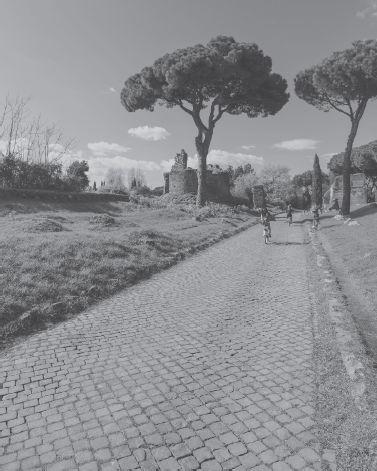
Goodroadswereessentialforsupplyingthecapitalwithfoodandothergoods Theroadswerealsousedbymerchants,taxcollectors,and thearmy Unlikeroadsbuiltbypreviouscivilizations,Romanroadscouldbeusedinallweatherconditionsandrequiredlittlemaintenance(see Figure3.1).Normalhighwayswere12–15ft.wide;mainhighwayswereupto27ft.wide.Thelayerofcrushedstone,concrete,andsandused forconstructingthehighwayswastypically4–5ft thick ManyoftheRomanroadsremainedinuseformorethanathousandyearsafterthe empire collapsed, with no or little maintenance The poet Statius gave a detailed description of how the roads were constructed Here is an excerpt:
Nowthefirststageoftheworkwastodigditchesandtorunatrenchinthesoilbetweenthem Thenthisemptyditchwasfilledupwithother materialsviz thefoundationcoursesandawatertightlayerofbinderandafoundationwaspreparedtocarrythepavement(summum dorsum) For thesurfaceshouldnotvibrate,otherwisethebaseisunreliableorthebedinwhichthestonesaretoberammedistooloose.2
Roman engineers also built aqueducts and bridges that proved to be of exceptionally high quality, some of which are still in use The main aqueduct that supplied Constantinople (present-day Istanbul, which was a Roman city at the time) with fresh water was more than 80 miles long
OneofthekeyfactorsbehindtheRomans’manysuccessfulengineeringprojectswastheinventionofdurablecement Withoutcement,it would have been impossible to build the arches, domes, and vaults that are central to Roman architecture One of the best examples is the ColosseuminRome.Thishugearena,whichstillstandsatthecenterofRome,seats80,000spectatorsandwascompleted80AD,afterjust eightyearsofconstruction ThestoneblocksusedforbuildingthearenaweretransportedmorethantwentymilesfromTivolitoRome The Colosseum was mainly used for gladiator games, but also for theater performances, public executions, and mock sea battles As with many otherlargebuildingsfromtheancientera,theColosseumwasbuiltwithslavelabor,andmorethan9,000wildanimalswerekilledduringthe inauguralgladiatorgames TheColosseumcontinuedtobeuseduntilthesixthcentury Itsactiveservicelifewasthusnearly500years (The brand-newfootballstadiumatTexasA&MUniversity,theauthor’shomeinstitution,seatsabout106,000people Itwillcertainlynotlastfor 500years.)
None of these technological improvements occurred in a social or political vacuum The Roman society was relatively stable and wellorganized, which seems to be key to technological progress Not everyone enjoyed a privileged lifestyle, and not everyone had the same opportunities; but the legal system was well developed and offered good protection to citizens. Business disputes could be settled in court, whichmadebusinessmenwillingtoinvestinlargeconstructionprojects ManyofthelegalprinciplescodifiedinRomanlawsarestillupheld todaybymoderncourts WecannotunderstandthetechnologicalachievementsoftheRomanswithoutalsounderstandingthelegal,economic, andsocialconditionsthatmadetheirlarge-scaleengineeringprojectspossible
Discussion question: Can you think of any a modern building that you believe will last as long as the Colosseum in Rome? If not, why are modern buildingslessdurable?Isthissomethingweshouldregret?
Figure31
From an engineering perspective, the most important changes occurred in the Middle East The teachings of the Prophet Muhammedspreadquickly;andbetweenapproximately700ADand1200AD,Islamictechnologywasmoreadvancedthanthatof medieval Europe Scholars in the Middle East began to use Indian number symbols; and in addition to 1, 2, , 9, they also introducedthenumber0,whichtheynoticedhassomequiteinterestingproperties Anobviousobstaclewiththenumbersystemused bytheRomansisthatonlyexpertscantellwhatMCXItimesVIIis Ittakeslessefforttoseethat1,111times7equals7,777 Another importantachievementwastheintroductionofstandardizedweightsandmeasurements (Itisworthnotingthatengineeringprojectsin theUnitedStatesstillfailfromtimetotimebecauseengineersforgettoconvertgallonstolitersandfeettometers)Islamicscholars studiedclassicGreekphilosophy,andtheMiddleEastbecametheintellectualcenteroftheworld
In Europe, the iron plow was introduced around 600AD Unlike wooden plows, it cut deeper into the soil (up to 1 ft) This triggered an agricultural revolution in Northern Europe Previously it had not been possible to cut sufficiently deep into the soil in those heavily forested parts of Europe Other important innovations were the iron horseshoe and the horse collar, which made it possible to use horses for a much wider range of purposes Farmers also began to use blowing air (windmills) as a reliable power source for grinding harvests, spinning wool, and pumping water The earliest references to windmills are fromArabic texts written before951AD.InEurope,severaldocumentsdatedaround1180ADmentionwindmillsinNormandyandYorkshire.Weknowwith certaintythathundredsofwindmillswerebuiltinEuropeinthenextonehundredyears
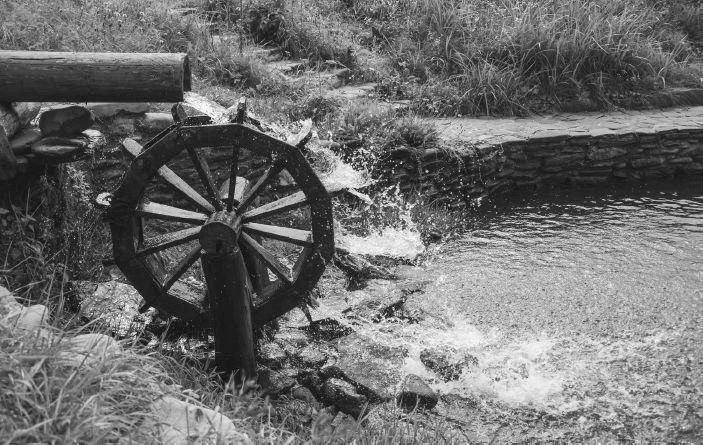
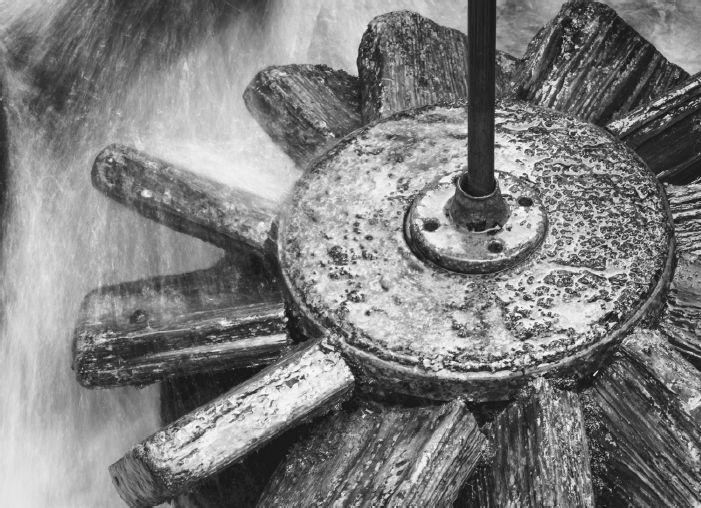
Flowingwater(waterwheels)wasanotherimportantpowersource.AlthoughwaterwheelshadbeenusedalreadybytheRomans, thistechnologybecameincreasinglyimportantinmedievalEurope Therewerethreetypesofwaterwheels:verticalundershotwheels, verticalovershotwheels,andhorizontalwheels.Thesimplestoneswereverticalundershotwheelsinwhichthewaterhitthepaddles from beneath The efficiency of these undershotwheels was low,approximately 22 percent,because mostof the energy was lost to turbulenceanddrag Theywerepopularbecausetheyweresimpletobuildandmaintain Verticalovershotwheels,inwhichthewater hit the paddles from above, were more efficient (up to 66 percent) but also more difficult to build and maintain The efficiency of horizontalwheelsisestimatedtohavebeenabout40percent(seeFigures32and33)
Figure3.2
The photo shows a medieval vertical overshot wheel Overshot wheels are more efficient than vertical undershot wheels and horizontal wheels (see Figure 3 3) Source: iStock by Getty Images
Figure3.3
A horizontal waterwheel Source: iStock by Getty Images
Duringthisperiodshipbuildingimprovedsignificantly Anewtypeoffreightship,thecog,firstappearedinthetenthcentury The VikingsalsobuiltothertypesofremarkablylightandfastshipsthatweredeployedfortripstoNorthAmericaintheWestaswellas ConstantinopleintheEast
Severalimpressiveconstructionprojectswereundertakenduringthemedievalera Thebestexamplesarethegreatcathedralsthat stillstandinmanycitiesinEuropeandEngland.Cathedralsweredesignedbyskilledcraftsmenwhowereinhighdemand.Itwasnot unusualfortheconstructionprocesstolastformorethanacentury Althoughthemastermasonswhosupervisedthebuildingprocess hadnoformaltraining(thenewlyfoundeduniversitiesinBologna,Paris,andOxfordtaughttheology,medicine,law,andphilosophy), wecanthinkoftheseindividualsasengineers Manyaspectsoftheconstructionprocesswereverycomplexandrequiredimpressive amounts of expertise. However, unlike contemporary engineering, there were no theories that helped the master masons to predict whatwouldworkandwhatwouldnot Manycathedralswerebuiltbytrialanderror Ithappenedfromtimetotimethatpartsofthe buildingcollapsedbeforeitcouldbecompleted
EARLYMODERNENGINEERING(C.1400–1700)
During the early modern era, Europe became the most prosperous and fastest developing region of the world Good ports and agriculturalconditionsledtoincreasedtrade Combinedwithincreasedrespectforprivateownership,andafunctioninglegalsystem, a new class of wealthy private families gained influence In cities such asVenice, Dubrovnik, Milan, and Florence, successful businessmen built private palaces and sponsored artists and scientists. For instance, the Medici family in Florence (who owned the largest bank in Europe) supported Michelangelo as well as Leonardo Da Vinci The latter was both a painter and engineer He produced drawings for war machines, helicopters, pumps, and even a 650 ft. long bridge across the Golden Horn in Constantinople (Istanbul) Mostofhisdesignswerebasedonsoundengineeringprinciples;butbecausetheywereperceivedasveryradical,fewofDa Vinci’smachineswereeverbuilt.
OneofthemostimportanttechnologicalinnovationsofthiserawasJohannesGutenberg’sinventionoftheprintingpressin1439 Up to that point, all books had to be written by hand, which made them very expensive, or printed with woodblocks, which were difficulttomassproduceandledtofairlypoorresults Byusingeasilymass-producedmetaltypes,whichcouldbemovedaroundand reusedfordifferentpages,aswellasanewtypeofoil-basedink,itsuddenlybecamepossibletomassproducebooksatafractionof thecostofahandwrittenmanuscript Inlessthanfiftyyears,tenthousandprintingpressesinEuropeprintedmorethantwenty-five million books Before books could be mass produced, less than 5 percent of the population was able to read; but in just two generations,literacyincreasedtoover50percent.JustastheInternetrecentlychangedthewaywecommunicatewitheachother,the printing press made it possible for new religious, political, and scientific ideas to spread much faster than before Scientists such as Copernicus, Kepler, Descartes, Newton, and Leibniz could disseminate their theories quickly to a large audience of peers, which benefitedscientificprogress
The need for pepper and other spices led explorers to search for new alternatives to the traditional Silk Road to the Far East. VascodaGamareachedIndiabyseain1498,andChristopherColumbuslandedinAmericabyaccidentonafailedattempttoreach theFarEastbysailingaroundtheworld Theseandotherlongjourneysovertheoceanswereriskybutimmenselyprofitable Onlya fractionoftheshipsthatsetofffromEuropecamebackwithspicesandothervaluablegoods Tomanagetheserisks,merchantsin Genoa,Amsterdam, and other commercial centers began to buy and sell insurance contracts This enabled the owner of a ship to spreadtheriskoveralargergroupofinvestors Inthelongrun,everyonebenefited