Introduction
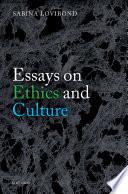
Thecontentsofthiscollectionareforthemostpartmorerecentthanthoseof my EssaysonEthicsandFeminism (2015).Sofarastheyinvolvecommentary onspecificphilosophers,themainpointsofreferenceare(thelater) WittgensteinandIrisMurdoch.
Thatjuxtapositionmayat firstsightappearratherunlikely:although Murdochoncedescribedherselfasa ‘Wittgensteinianneo-Platonist’,¹her attitudetotheauthorof PhilosophicalInvestigations wasdestinedtoevolve withthepassageoftimeintosomethingmoresuspiciousorevenhostile. However,sinceIhavenoambitiontoweavetheideasofthesetwothinkers intoanykindofunifiedsystem,Idonotundertaketomediatebetweenthem. Whatthecollectionhastoofferinthisrespectissimplyacontinuationoftwo largelyindependentlinesofworkwhichhaveoccupiedmesincetheturnof thecentury.
Largely,butofcoursenotentirelyindependent.Theessaysaredrawn togetherinamoreabstractwaybyacommoninterestinthelivedexperience ofthesociallysituatedindividual,alertinsomedegreetothefactofhisorher situatedconditionandperhapstothepossibilitiesofferedbyitsdiscursiveor artisticrepresentation,butnotnecessarilyenthusiasticaboutthecurrent assortmentofscriptsonoffer.Thetaketheircue,orcues,fromthekindof philosophythatpractisesaninformalhumanisticreflectiononsuchexperience,²usingamethodbroadlydescribableasphenomenological.Thephenomenainquestionarethosearisingfromourinvolvementinthe ‘morallife’ , thoughthistermhastobestretchedsoastocoverthelifeofvalue-perception ononehandandthatofpracticalreason,includingpoliticaldeliberation,on theother.Thatinvolvement,asrecordedorinterrogatedhere,showsavariety offacestotheworld moreorlesssceptical,moreorlessanxious,accessiblein
¹Ina1978interview:seeGillianDooley(ed.), FromATinyCornerintheHouseofFiction: ConversationswithIrisMurdoch (2003),92.
²IamindebtedheretoCoraDiamond,whohasdefendedtheclaimsofamethodsheassociates particularlywithMurdochandwhichshedescribesas ‘ reflectiveempiricism’—thepointbeingthat engagementwiththeempirical sciences isnottheonlywayto ‘taketheempiricalseriouslyin philosophy’ (‘MurdochofftheMap’:talkdeliveredatOxford,November2014).
EssaysonEthicsandCulture.SabinaLovibond,OxfordUniversityPress.©SabinaLovibond2022. DOI:10.1093/oso/9780192856166.003.0001
varyingdegreestothisorthatincomingdemandforachangeofintellectual direction.Butthecommonfactor,Ithink,isatruth-orientated(so,notpurely literary)studyofourdealingswithvalue where ‘ our ’ remainsindeterminate inhistoricalscope(so,itmayormaynotbepredominantlyaquestionofthe ‘humancondition’ incontrasttothespecific social conditionofpeoplealive hereandnow).Andthistruth-orientatedstudyisonethatconsentstowork fromapositioninternaltothesubject-matteronwhichitreflects,makingdo withjusttheconceptualandlinguisticresourcesavailable(forexample as here)toordinary,variouslyopinionatedparticipantsinmoral,political,or aestheticconversation.
Asupportive,andassuchnon-sceptical,engagementinthatconversationis mostclearlyrepresentedwithinthiscollectionbythephilosophyofIris Murdoch.Whichisnottodenytheimportantpresenceofacriticalstrand inMurdoch’swork,especiallyinitsearlierphaseinthe1950sand60s:infact, therevitalizedmoralrealistpositionthatdefinesherplaceinthehistoryof thesubjectwasarrivedatpreciselythroughahighlyoriginalaccountof whatsheconsideredtobetheshortcomingsofmid-twentiethcenturymoral philosophy,orratherofthe ‘existentialist-behaviourist-utilitarian’ consensus aroundwhichitwasorganized.Butourbestreasonforseekingtoemancipate ourselvesfromthisconsensus,inMurdoch’sview,isthatittendstounderminethesalutary(pre-theoretical)beliefinadomainofvalues,andof obligations,notcreatedbybuttranscendinghumanchoice.Thedefenceof thisgenuinelynaïverealism,andtheattempttorehabilitateitsessential contentinanon-naïve,yetlucidform to ‘dojusticetobothSocratesand thevirtuouspeasant’—mayberegardedasMurdoch’senduringproject,andas acharacteristically ‘Platonist’ featureofherthought.
Meanwhile(andsubsequently),thepossibilityofcombiningalucidmoral realismwiththelaterphilosophyofWittgensteinhasremainedindispute. Therehasbeenmorethanonekindofgroundforscepticismaboutthis undertaking.Someofthescepticshavebeenswayedbysystematicanti-realist considerations purportedlyinthespiritofWittgenstein aboutthearbitrarinessofhumanlinguisticconventionswithrespecttothenatural,or material,settingofourlifeasaspecies;thisgivesrisetovarious ‘expressivist’ , ‘projectivist’ ,or ‘communitarian’ positions,topic-neutralinthemselves,but withconsequencesforthetreatmentofevaluativethought-contentsalongside others.Theadoptionofsuchpositionsrepresents,asitwere,arefusalto succumbtotheconditionof mere internalitytothe ‘language-game’ , mere participationinexistingdiscursiveactivities;itexpressesawishforgreater sophisticationintheguiseof(whatJohnMcDowellhascalled)the ‘sideways-on
view’ ofthoseactivities.³Aswe’llsee,thisgenreofrefusal beingmetaphysicallymotivated istobedistinguishedfromthemoreordinarydesirenotto betoohopelesslynaïveinone’sattitudetothevarioussocialrelationshipsin whichone findsoneselfcaughtup,notablythoseimplicitinthemaintenance oflinguisticandcognitivenorms.⁴ Thepresentcollectionadmittedlytendsto hangbackfromthedustandheatofethicalnorm-enforcement,thistendency being(Isuppose)anormalmarkofSocraticdoubt oraswearemorelikely tonameitnowadays,criticalsocialawareness.ButthoughIcannot finda placeinmyownphilosophicallexiconforMurdoch’ s ‘virtuouspeasant’,Ido presumeinallmyreasoningthattherightplacetostandasanobserverofthe sceneofvalue criticalorconservative,forthispurposeitmakesno difference isnotsideways-ontothelanguage-game,butwithinit,looking outattheworld.
Thisanti-theoreticalstrain orperhapsbetter,thiswillingnesstofunction withoutapologyasauserofevaluativelanguage maybeunderstoodasthe fundamentalpointofdifferencebetweenHans-JohannGlockandmyselfin Essay1,whereIrespondtosomecriticismbyGlockofmy Realismand ImaginationinEthics (1983).Glock’swide-rangingdiscussionisbyno meansconfinedtotheviewsofLovibond,buthedoesregardthatbook (alongwithcertainwritingsofMcDowell)asrepresentativeofwhathecalls the ‘anti-anti-realist’,orAAR,approachtoWittgenstein.(Thattermisitself takenfromMcDowell,thoughIamnotsurehowlongashelf-lifeitwasreally intendedtohave.)Glock’sreviewofthe ‘insightsanderrors’ he findsinAAR promptsmetoreconsiderthisearlyspecimenofmyownworkandtoreflect (inhindsight)onitsphilosophicalmotivation especiallywithregardtothe ‘fact–valuedistinction’ inheritedfromtheBritishempiricisttradition,andto the ‘seamlessorhomogenous’ conceptionoflanguageproposedinthebook. Thisisaconceptionwhichcanrestoresomeunfamiliarcognitiveweightto thelanguageofvalue,andhencetoethics;butitdoesimposeonmethetaskof explainingwhereIstandinrelationtotheundeniablepluralismof Wittgenstein’slatermethod(hisinsistenceonthe ‘countlesskinds’ ofwords andsentenceswithwhichweoperate),and findingsomethingtosaytoGlock’ s objectionthatIrideroughshodoverthedifferenceof ‘roleorfunction’ that existsbetweenindicativestatementsin(say)naturalscienceononehand,and
³JohnMcDowell, MindandWorld (1994),34–6.
⁴ Thesetwotypesofnormmightstrikeusasquitedistinctinprinciple butrecallWittgenstein, PhilosophicalInvestigations,trans.G.E.M.Anscombe(1967),§242: ‘Iflanguageistobeameansof communicationtheremustbeagreementnotonlyindefinitionsbutalso(queerasthismaysound)in judgments.’
moralsontheother.Whatevertheultimateoutcomeofthisdiscussion,Essay1 maintainsthatthepointabout ‘roleorfunction’ canlegitimatelycallintoplay theideaof intellectualauthorityrelations,which figureinLovibond(1983)asa pervasive,yethighlyvariegatedfeatureofassertoriclanguage-games:afeature thatistobeconnectedbothwiththegeneralcharacterofWittgenstein’ s thoughtsonnormativity,andwithhisdeterminationto ‘teachusdifferences’ ortoaffirmthevalueof ‘looking’ ⁵ MyreplytoGlocklaysstressonanaspect ofthepluralityoflinguisticpracticeonwhichIamperhapsmoreinclined todwellthanheis namelytheradicallydifferentimplications,depending onwhatsortofactivityisinquestion,oftheattempttomakeus ‘gooninthe sameway ’
WittgensteintheculturalcriticisdescribedbyGlockasa ‘loosecannon’ , andIwouldnotdissentfromthatview.Hedoeshoweverhavethevirtuesof hisdefects,andnoonecouldaccusetherelevantpartofhisoutputofabland, normcoreatmosphere.Thisisespeciallytrueofthe CultureandValue anthology,inwhichtheconfessionalandintimatetonecharacteristicof Wittgenstein’slaterstyleisapplied,hereandthere,tomattersoftopical concernwhichhetakestoengagewithhisaestheticandconceptualenquiries. Essay2reflectsonsomeofthesepassages:itgivesacentralplaceto Wittgenstein’sresponsetothepotentially ‘apocalyptic’ aftermathofWorld WarII,startingwiththe(bynomeansinconceivable)furtheruseofatomic weaponsinthefairlynearfuture.Butintracinghisattempttorisetothe imaginativedemandsofthatsombrehistoricalmoment,theessayalsoseeksto addsomethingtoourunderstandingofWittgenstein’sreceptionofTolstoy. Justastheauthorof TractatusLogico-Philosophicus hastakentohearttheidea thatasolutiontotheproblemoflifewillconsistinthe ‘vanishingofthe problem’,sothewaspishcriticofliberal-humanistresistancetothepost-war (nuclear)armsraceiscontinuing,Isuggest,tochannelTolstoy’shostilityto theprogressiveandrationalistvaluesofnineteenth-centuryEurope. SomethinginWittgensteinreactstothecurrentevidenceofexistentialdanger tocivilizationwiththethought:letitgo,it’snotworthsaving;andinanycase, ‘whoknowsthelawsaccordingtowhichsocietydevelops?’ Peoplecandono morethanfollowtheirnaturalbentinthedirectionofmilitancyorofstoical acceptance,asthecasemaybe.YetWittgensteinseemseventuallytotake ownershipofthisreaction thisperceptionofthefragilityandinscrutability ofsocialorder andtoincorporateit,witharigourwaybeyondthereachof
⁵ Ibid.,§66: ‘[D]on’tthink,butlook!’
Tolstoy,intowhatwemightcallthe ‘deconstructedrationalism’ ofhislater philosophy:aboveall,intotherule-followingconsiderations.
Wittgenstein’ssenseofthedegradedordiminishedstateofWesternculture alsoprovidesastartingpointforEssay3,whichconsidersinwhatwayhislater philosophycanbeunderstoodas ‘naturalistic’.Clearlyourbusinessherewill notbewiththefamous ‘naturalisticfallacy’,theattempttoderive ‘evaluative’ conclusionsfrom ‘factual’ premises anundertakingtowhichWittgenstein bothearlyandlateisacompletestranger.Rather,itwillhavetodowith language-useas ‘partofournaturalhistory’ andwithmeaningful,rulegovernedactivityastheexpressionofasociallyconstructed ‘secondnature’ (our ‘firstnature’ beingdeterminedbymembershipofaparticularanimal species,onethathappenstoengageintherelevantkindofconstruction). However,mymainconcerninthisessayiswiththequestionofwhether Wittgenstein’slaterthoughtcanbesaidtoqualifyasnaturalisticinafurther sense:thatis,canweattributetohimtheideaofa ‘natural’ (normal,healthy, sound)conditionofhumanbeingswithregardtothelanguagetheyuse,andin contrasttothis,atroubledordubiouscondition?Irealizethattheremayat firstglanceappeartobepreciouslittlepointintryingtostudyWittgenstein throughthelensofAristotle,ofwhom,apparently,heclaimednottohaveread aword.Butthisneednotdeterusfromraisingthequestionofwhathemight haveassimilatedindirectly,duringhissecondperiodatCambridge,fromthat modernmanifestationofAristoteliannaturalismrepresentedbyMarxisteconomics.Andwhilequestionsof ‘influence ’ maybedoomedtoremainspeculative,wedoatleasthavesometextualbasis inWittgenstein’srecourseto ideasof ‘sickness’ and ‘therapy’—forthinkingofhimasinsomesensea contributortothetraditionoftwentieth-centurysocialcriticism.(Though Iacknowledgethatsincethe ‘bewitchmentofourintelligencebymeansof language’—andhencetheformoftherapyappropriatetoit doesnottakeon anyhistoricallyspecificcharacterinhiswritings,thestatusofWittgenstein’ s putativecontributionremainsunresolved.)
Essays4and5developaspectsoftheideaofaculturallyembeddedmoral intelligence,andconsidertheexposureofthisideatovariouscritical,sceptical, orreductivetendencies;theybothtakeasapointofdeparturethe ‘naturalism ofsecondnature’ onwhichmy EthicalFormation⁶ relies,butexaminesomeof thereasonswhywemightregardtheoutcomeofthatformationasproblematic.Myaiminthesediscussionsistoconnect(whatIhaverepresentedas)the
⁶ SabinaLovibond, EthicalFormation (2002).Theterm ‘naturalismofsecondnature’ isfrom McDowell, MindandWorld,91.
later-Wittgensteinianconceptionofnormativitywithsomeinputfrommore recentEuropeanthinkers Bourdieu,Gadamer,Derrida.
InthecaseofPierreBourdieu,thepointatissueiswhattomakeofhisclaim tohaveidentifiedaformof ‘practicalbelief ’ whichis ‘nota “stateofmind” ,... butratherastateofthebody’.Althoughweseemtobeconcernedherewith thesamephenomenathatleadWittgensteintospeakofobeyingarule ‘blindly’,itisnotobligatorytoinferfromourexperienceof actingwithout hesitation aslanguage-users,orasparticipantsinanyfamiliarsocial practice thatsuchactionmustbegovernedbyaspecial, ‘bodily’ or ‘practical’ , kindofnormativitylocated ‘below’ thelevelofdiscourseatwhichonecanbe saidtoemploysuchandsuchaconcept,ortomakeacorrectorincorrect judgement.Anditisnotobligatory,either,toreadWittgensteinasdrawing thisinference.InthecaseofBourdieu,ontheotherhand,thereseemstobe plentyoftextualevidencethathedoesindeeddrawit.Butmysuggestionin Essay4isthatthis fiercely ‘anti-scholastic’ sideofhisthoughtislesscompellingthanhisefforttounderstandempiricallyhowcertain(bad)featuresaccrue toourhistoricallyspecific ‘secondnature’,andthustoshowhowwemight interveneintherelevantformativeprocesses.Fortunately,thislatterpartof Bourdieu’swork hiscontributiontothe ‘longue-durée projectof Enlightenment’—seemstometobedetachablefromhisimplicitlyreductionist psychologicaltheory.
However,the ‘naturalismofsecondnature’—construedasabasisformoral realism,orforthe ‘practicalreasonviewofethics’,toswitchtoaperhapsmore accommodatingformofwords facesdifficultiesnotonlyofareductionist butofascepticalkind.Iamnotthinkinghereofanyglobalepistemological scepticism,orevenofneo-Humeanmoralphilosophyinparticular,butof doubtaboutthecredibilityoftheidealbywhichourrationalisttraditiontakes character-formationingeneraltoberegulated.Essay5focusesoncertain theoreticalanti-humanistconsiderationsrepresentedbyDerrida’scritiqueof J.L.Austinastheunwittinghostofaquestionable ‘philosophyofconsciousness ’:itreviewsthestand-off,previouslydiscussedinchapter5of Ethical Formation, betweenthislineofcriticismandtheconceptionofautonomy (thatis,of fullyresponsible actionorutterance)whichittakesasitstarget.
ScepticismwithregardtothePlatonic-Aristotelian ‘centred’ personality,or character,stemsfromaperceptionoftheformativeprocessasessentially incomplete.Imeanaperceptionofitnotmerelyastheadmittedlydifficult pursuitof ‘practicalwisdom’,butassomethingblockedoropposedinprinciplebythestructuralanonymityoflanguage:thefactthatanyresources availableto me fortheexpressionofmyindividualstatesofmindwillbe
available,inthe firstinstance,preciselybecausetheyarepublicproperty thoughcapablealsoofbeing ‘grafted’ intoanindefinitevarietyofnewcontexts.Appliedspecificallytoethicalformation,thisimpliestheexistenceofa permanentelementofalterityevenwithinwhatwewouldmostliketothinkof asthe ‘true’ (rational)self thelocusofourvaluesandconvictions.
Yetinthiscontexttoo,Iargue,thereisscopefora ‘deconstructedrationalism’.Wecanrespondtothescepticalimpactofpost-structuralism tothe thoughtthatourrationalsubjectivityisonlythatofplace-holderswithina structure byrecallingthatabackgroundofnot-yet-integrated ‘otherness’ is allowedforquitecalmlyinthePlatonic-Aristotelianmodel,forexampleinthe well-knownviewofAristotlethatwe becomevirtuous by practisingthevirtues (thatis:youcanpractisethemwithout yet ‘reallyhaving’ them);andthatifthe presenceofthisbackgroundcanrightlybeunderstoodasaconcessionto negativityorpessimismaboutourrelationtotheethical,thatconcessionhas beeninternaltotherationalistprogrammeallalong,despitetheedifying imageryandrhetoricofthelatter.AsGadamerremindsus,the ‘rational self ’ ofidealistphilosophymaybeanabstraction somethingisolatedfor intellectualpurposesfromthe apeiron,orformlesstotality,ofexperience but itisno more ofanabstractionthanthe ‘appetitiveself ’ whichmoralsceptics areapttocreditwithsuperiorontologicalstanding.
Essay6addressestheworrythatsofarfrompicturingourethical ‘second nature’ ashopelesslyweakandvague(byreasonofthestructuralanonymity justmentioned),the ‘practicalreason’ viewthreatenstoboxitintoarigid traditionalismthatwillbeincompatiblewiththedemocraticvaluesofrespect forprincipleandfor(explicit)law.Conservativethoughthasundoubtedly foundsomethingtoitsadvantageintheideathatmutualunderstanding and therefore,anysuccessfuldialogue reliesonabackgroundof ‘likemindedness’ whichgoesbeyondwhatwecanputintowords.Thisidea hasattimesbeenexploited,orweaponized,torepressthedemandfor rationaljustificationofpower-structuresthatcanreallybe ‘justified’ only bytheirimmensefamiliarity.However,Iarguethatthe ‘quietism’ ofthe laterWittgenstein hisdeclarationthatphilosophy ‘leaveseverythingasit is’—shouldnotbeconfusedwiththewishtokeepeverythingasitispolitically, or(ifthisisdifferent)withregardtothe ‘physiognomy’ ofexistinglanguagegames.Aphilosophythatseekstolimititselftothedescriptionoflinguistic practicecanhardlyundertaketowarnusagainstpracticesofcritical reflectioninwhich,asconscientiousthinkersandagents,wearealready unavoidablyengaged.Hence,regardlessofany first-orderviewsattributable toWittgensteinpersonally,his PhilosophicalInvestigations shouldnotbe
understoodasasourceofdialecticalsupportfor ‘traditionalism’ or ‘primitivism’ assubstantiveethicalpositions.
WittgensteindoesineffectfollowtheleadofPlatoandAristotleinbasing ourcapacityforsoundjudgement,suchasitis,ontheearlyacquisitionofa schemeofgoodhabits oneansweringtowhatever ‘spaceofreasons’ wewill eventuallybecalledontonegotiate.Butwhatemergesfromthatearlyprocess offormationisindeedacapacityfor judgement:theverythingwithwhichthe classicaltheoristsofpracticalreasonwantedtoendowatanyratetheir favouredspecimensofrationalhumanity,theonesdestinedtogiveordersto therest.Autonomy,or ‘knowing(withoutguidance)howtogoon’ , figures hereasaneducationalachievement;modern(post-Enlightenment)philosophyhasseizedontheideathatthisachievementcanbedemocratized.AsKant putsit: ‘Havecouragetouseyour own understanding!’ Mysuggestionisthat whatevergenuinelessonswecanlearnfromWittgensteinaboutthenatureof normativityandrule-governedpractices,theywillnotpersebeatvariance withthismaxim.
Thecollectionnowmovesontoquestionsofmoralepistemology,thus drawingalittleclosertothephenomenologyofactuallytryingtodotheright thing.Essay7,writteninresponsetoaninvitationtoreflectontheideaof ‘salience’,beginsbyconsideringtheroleassignedtothatideainacertain varietyofneo-Aristotelianethics,whereour ‘perceptionofsaliences’ isunderstoodasasomewhatpersonalmatter butalso,insomerespectsanyway,as opentocriticismforoutrightcognitiveinadequacy.Thatis:wemay(onthis view)bemoreorlesswellattunedtothe morallysalientfactsofagiven situation forexample,thatsomeoneneedshelp,orisbeingunjustlytreated.
Somuchisimplicitinthekindofmoralrealismissuingfroma ‘naturalism ofsecondnature’.However,myconcerninEssay7ismorespecificallywith theextentofthedemandsplacedonour ‘perceptionofsaliences’ oncewe acknowledgethisasadomaininwhichmoraleffort,success,andfailureareat stake.TakingahintfromRobertM.Adams,Iexplorethesuggestionthatwhat weneedtoworryaboutethically whatwecanbeblamedorreproachedfor isnotlimitedtoour voluntary acts(andomissions),buttakesinallthose attitudesorstatesofmindwhich reflectonus ethicallyevenifwedidnot choosetohavethem:ingratitude,disrespect,callousindifference,andthelike. Butnow,ifresponsibilityisnottobetiedtothevoluntary,whatcriterioncan beusedto fixthelimitsofthatwhich ‘ reflectsonus’?Theansweristhatwe oughttoconnectresponsibilitywiththe ‘possibilityofethicalappreciation’ ,or withtheavailabilityof ‘datathatarerichenough’ topermitsuchappreciation.
Iraisenoobjectiontothephilosophyexpressedinthispicture,sinceI find muchtoadmireinAdams’sviewofethicsashavingtodonotjustwithright andwrongactionbutwithwhatwearefororagainst ‘inourhearts’.Ithinkit isbynomeanseasy,though,todeterminewhatcouldqualifyasagoodenoughappreciationofthearrayofethical ‘data’ presentedtocontemporary, data-saturatedheartsandminds;nor,therefore,toexplainwhatitwouldbe liketogetasatisfyinggriponthemorallysalientfeaturesoftheworldinwhich we meaning we,inparticular havetoact.(Atleast,notwhenthatworld expandsbeyondtherangeofimmediate,domestic,orstrictlylocalclaims.)But noneofthisistodenythemerit,orindeedthefundamentalcorrectness,ofan ‘ethicsoftheheart’.Itistopointtowhatissoberingintheimplicationsofthat view butalsotoofferareminderthatthe ‘surpriseattackonconscience’ isa familiarelementindemocraticdialogue:wehaveplentyofexperience,after all,ofthenegotiationofcompetingclaimsonourethicalattention.
ThethemeofattentionlinksthisdiscussiontothephilosophyofIris Murdoch,withwhichthenextfourpiecesareconcerned.Essay8openswith someconsiderationofwhatMurdochwishestolearnfromSimoneWeil, whosewritingsinspireherclaimthatweneeda ‘newvocabularyofattention’—aclaimthatcanbereadbothintermsofherresistancetothe ‘thin’ ,or abstract,characterofmuchcontemporaryethicaltheory,andalsoinrelation toherpracticeasanovelist,whichisinevitablyopentoscrutinyinthelightof herstatedviewsonliteraryvalue.
Onthefaceofit,thelessonMurdochdrawsfromWeilisofanascetic nature,havingtodowiththesuppressionofpersonality(‘thepartofuswhich belongstoerrorandsin’)andwithrespect orbetter,love forwhatisother thanoneself.Inordertoescapetheselfandtoachievecontactwithreality,we needtoapplyourfullattentiontoagivenobjectofthoughtorcontemplation: suchattention, ‘takentoitshighestdegree,isthesamethingasprayer’;and becauseitisfreefromdesire,it ‘infalliblycontainsareward’.Theseideasrelate tointellectualandaestheticexperience,buttheirmaininterestforMurdoch liesintheirbearingonourperceptionofotherpeopleascentresofconsciousness: ‘Loveistheextremelydifficultrealisationthatsomethingotherthan oneselfisreal.’
However,Murdochthecreativeartistalso findsherselfdrawntoanaccount ofthis ‘love’ whichcelebratesexpansivenessandtolerance the ‘negative capability’ ofwriterssuchasShakespeareandTolstoy,whoseemableto disappearbehindthecharacterstheyinvent andwhichisthereforeobliged tocometosomesortofaccommodationwiththemoralambiguityand untidinessofthehumanscene.Thisliberal,oraffirmative,sideto
Murdoch’sartisticidealisnotaltogethereasytocombinewiththePlatonist contentofhermoralphilosophy,andthatdifficultysetstheagendafor The FireandtheSun, ⁷ inwhichshe(asitwere)invitesPlatotomoderatehis hostilityto ‘mimetic’ artin Republic X:torecognizethatdespitethevariedand oftenquestionablemotivationofourinterestin fictionanddrama, good artat anyratecanbetruth-orientated;thatitcanbringaboutapactbetweenreason andpleasure.
Essay8creditsMurdoch’supdatedPlatonistaestheticwiththeachievement ofanimpressivebalancingactorsynthesis.(Allthemoresooncewenoticethe partplayedinthatsynthesisbyhercleverdeploymentoftheKantian ‘sublime’,notincludedinmybriefoutlineabove.)Butitremarksonthewaythe exerciseof attention or attentiveness seemstoundergofragmentationas Murdoch’screativeprojectevolves sometimesstayingclosetotheWeilian demandforsubmissiontothe ‘otherness’ oftheworld(‘animals,birds,stones andtrees’),butoftenstrayingintoterritorymorefavourabletothe ‘badsideof humannature’ withits ‘gleefulenviousmalice’.Thoselastphrasesaretaken fromMurdoch’scritical yetalsosympathetic expositionofPlato’sartistic ‘puritanism’.Totheextentthatherattitudeissympathetic,itnaturallytends toprivilegetheactivityofselflesslydisciplinedobservationoverthatofbeadyeyed, ‘malicious’ tale-telling.Andmysuggestionhere drawingonwhatItake tobesomerelevantevidencefromthenovels isthatthefull-strengthWeilian idealisliabletomakeitspresencefeltpreciselyasanitemofdoctrine,a concession of ‘pleasure’ to ‘ reason ’,ratherthanasanintegralpartofthe emerginghedonisticoffer.(Irealizeofcoursethatdespitethemanyhappy hoursIhavespentwithit,Ihadbetternotputmyselfforwardasaninstanceof the ‘idealreader’ Murdochimaginesforher fiction.)
Isaidattheoutsetthatformyownpurposes,Idonotseektoextractany unifiedmoralphilosophyfromthethoughtofIrisMurdochandthatof Wittgenstein.Onewriterwhomightbesaidnotonlytodrawinspiration fromboththesesources,butinawaytosynthesizethem,isCoraDiamond. ButforDiamondamajorpartoftheimportanceofWittgensteinliesinthe ideathattheethicalisnot ‘intheworld’ , ⁸ andhenceisnot ordoesnot have adistinctsubject-matter:itiseverywhereandnowhere,amatterof ‘ perceptivenessinregardtothecurrentsoflife’ ortothe ‘irreduciblyparticular’ qualityoflivingthings.AlthoughMurdochdoesnotsharethisontological
⁷ IrisMurdoch, TheFireandtheSun:WhyPlatoBanishedtheArtists (1977).
⁸ SeeWittgenstein, TractatusLogico-Philosophicus, trans.D.F.PearsandB.F.McGuinness(1961), 6.41–7.
debttothe Tractatus,Diamondapplaudsherconceptionofthemorallifeas goingon ‘continually’ andassomething ‘connectedwiththewholeofour being’,not ‘intermittentorspecialised’:inthisrespect,Murdochcanbecalled uponasanallyagainstthecrude(thoughnodoubteducationallyconvenient) pictureofmoralityas ‘abranchofthought,onebranchamongothers’ (Diamond,incidentally,regardsLovibond(1983) discussedinEssay1 as committedtothiscrudepicturebyvirtueofitsrelianceontheideaof ‘moral discourse’.)
Essay9exploresthe ‘moralityeverywhere’ view,includingMurdoch’ s convictionthatwecanquiterightlyturntothenovel(atleastinitsfamiliar, humanistform)toshowus ‘theubiquityofthemoralqualityinherentin consciousness’.Adifficultywiththe ‘everywhere’ viewseemstometoarise fromthemanifest plurality ofvalue thatis,fromtheordinary-language evidencethatwedoindeedtakemoralvaluetobeonekindamongothers, andhencethatevenifouralertnessto value pervadeseveryaspectofcognition,thiswillnotputusinapositiontodispenseentirelywiththe ‘departmental’ conception.Infact,whilethenovelasaliteraryformoftenspeaksto ourcuriosityaboutunusual ‘moral’ attitudes(inthenon-departmental,or global,senseenvisagedbyMurdochandDiamond),wealsoappreciatethe spectacleof(departmental)moralitytakingitschanceswithintheoverall schemeofhumanmotivation,triumphantlyorotherwise,asthecasemay be.ThewisdomwedrawfromthisspectaclemayfeedintoaMurdochian strivingforthe ‘purificationofconsciousness’,butitmayequallywellbe divertedintotheprojectofbecoming inthewordsofHenryJames a person ‘onwhomnothingislost’.Sothemainpurposeoftheessayisto warnagainstattachinganinappropriatemoralismtotheidea initselfintriguingandpersuasive oftheubiquityof value inourthinking.Allthemoreso since ‘moralism’ isahazardaboutwhichDiamondherselfsometimesworries; butthen,asIsuggestinconclusion,theconvergenceofheragendaformoral philosophywiththatofMurdochisinanycasemoreaccidental lesssystemdriven thanitmayappearat firstsight.
Anovelistwhoisinnodangerofsuccumbingtomoralismisthecrime writerPatriciaHighsmith,thateeriespecialistintheportrayaloffrigid psychopathy.YetHighsmithandMurdocharelinkedforamomentaround 1950byasharedalertnesstoexistentialistideas,andbytheparttheyboth played howeverdifferentlyfromoneanother asmediatorsofthoseideasto theEnglish-speakingworld.Thisunexpectedlyrevealingjuxtapositionisthe subjectofEssay10,whichwaspromptedbyeventsin2019tomarkthe centenaryofMurdoch’sbirth.DrawingonherdiscussionofSartre’searly
novel Nausea,thisessaysuggestsacontrastbetweenthe ‘coolPlatonism’ whichshewillsoonbeelaboratingundertheinfluenceofWeil,andan alternative ‘ angry ’ PlatonismwhichseemstoafflictmenlikeSartre’ s Roquentin orlikeCharlesBrunoinHighsmith’ s StrangersonaTrain whorecoilindisgustfromthegrosscontingencyoftheembodiedcondition. Althoughitwillbelefttootherstoofferadiagnosisofthislatterstateofmind intermsofsexualpolitics,Murdoch’scommentarytakessomeinteresting first stepstowardsanethicalcritiqueofexistentialistmachismo.
Essay11returnstoMurdochonthevariablequalityofindividualconsciousnessandtothequestionofhowthatconsciousnessmaybeopento improvement.Isetthesceneherewithsomegeneralremarksonthehistoric roleofphilosophyasanaidtothe ‘struggleagainststupidity’,astupiditywhich resolvesitselfforMurdochintothemoreorlessfamiliararrayofmoral failingsrevealedby(self-)criticalreflection.Butthemainpointistobring outwhatlookslikeathematiccontinuitybetweenMurdoch’sidealistic,or Weilian,programmeof purification,and intheearlyformativebackground ofboththinkers theMarxistambitiontoimproveconsciousnessby raising it: thatis,byalertingustotheobjectiverealityofasystemofsocialrelations aboutwhichthedominantclassneedstokeepusmystified.
Bythetimeofthephilosophicalworkforwhichsheisremembered, MurdochisnolongeraMarxist,andhereventualattitudetothatstrainof politicsandcriticaltheoryisoneof fiercerejection.Still,thequestionof whatit takes tochangeone’sconsciousnessforthebetterremainsforsomeyears vividlypresenttoher.Inparticular,thecontrastingclaimsonnormative ethicaltheoryofarticulateunderstandingandofsimplegoodness thewish to ‘dojusticetobothSocratesandthevirtuouspeasant’—continuestoexercise herasphilosopherandnovelistalike.Astrikingexampleistobefoundin AFairlyHonourableDefeat⁹ withitsseeminglyironicreversalofmoral outcomes,theself-styled ‘intellectuals’ provingirredeemablylightweight, whilethesaintlyqualitiesoftheshambolicTallisBrowne whothoughan academicofsorts,displaysnointellectualpretensionswhatsoever aregraduallybroughttolight.Tallismaybeasocialist,orindeedaMarxist,by convictionbutheisevidentlynotendowedwiththeskillof ‘cognitivemapping’ inthehistorical-materialistmanner:theabilitytograspone’spositionin asocialtotality,withaviewtoactingonthattotalityandchangingit.Andwe areperhapsintendedtofeelthatthisgaporvoidinTallis’smentalendowment actuallycontributessomethingtohishumanmerit:itidentifieshimasa
⁹ IrisMurdoch, AFairlyHonourableDefeat (1970).
modernavatarofthat ‘virtuouspeasant’ fromwhomthechatteringclasses havesomuchtolearn.
However,thepresentcollectionisnotdonewithactivismorwithits possiblebearingonthedisciplineofphilosophy.Essay12originatedina commemorativeconferenceforanotherOxfordphilosopher,PamelaSue Anderson(1955–2017):ittakesitscuefromAnderson’sinterestinthefacts ofmutualvulnerabilityand ‘precariouslife’,whetherinsideoroutsidethe seminarroom.Ibeginherebynotingthattheclassic ‘dialectical’ encounter,in thesensebequeathedtousbyPlato’sSocraticdialogues,doesindeedinvolvea momentof aporia orbeing-at-a-loss butitowesitsdynamism,itsprogressiveambition,tothedesiretogetbeyond aporia andintothepossessionof somestabletruth.Ithenproceedtoaskwhy,nevertheless,writerslike Anderson(orlikeJudithButler,whoisoneofherinfluences)shouldstill findsomuchpotentialinthethemeofintellectualprecarity.Thisisbyno meansarhetoricalquestion,sinceitpointsustowardsthebusinessofinstitutionalcritique,andtotheunevenlevelofhospitalitywhich(academic) philosophyextendstodifferentsocialgroups.Thereistheexperienceof vulnerabilityappropriatetophilosophicalenquiryapriori butthereisalso thecontingent,all-too-familiarextralayerimposedby ‘stupid’ expectationsas tohowaphilosopheroughtingeneraltolook,sound,andsoforth:infact,the kindofcognitiveobstacletouchedoninEssay4inrelationtoBourdieu. (Andersonherselfmightofcoursefeelthatthesebriskremarksabout ‘obstacles’ and ‘stupidity’ dolessthanjusticetowhatwecan learn fromourown aporeticmoments.)
WeremaininactivistterritorywiththeworkofJudithButler,thesubjectof Essay13.Thisessayreturnstothepost-modernist ‘critiqueofreason’ on whichIwaswritinginthe1990s¹⁰ andtakesamoredetailedlookatButler’ s contributiontothatlineofthought.Inviewoftheframingofmyearlier discussions,Ioughttoemphasizethatwhatshehastooffercannotbe classifiedsimplyasavarietyoffeminism:itbelongstothemoreinclusive enterpriseof ‘queertheory’,viewingsubjectivityquitegenerallyasasocial artefact,something ‘producedinandasagenderedmatrixofrelations’.On thisbasisButlerdevelopsasubtleformofscepticismaboutthoseliberalhumanistnotionsofautonomy,bothintellectualandpractical,whichwe inheritfromtheEnlightenment.ShefollowsNietzsche(in TheGenealogyof Morals)inrejectingtheideaofa ‘doerbehindthedeed’.Butshedoesnot
¹⁰ See EssaysonEthicsandFeminism,especiallyEssays1–4.(Essay4, ‘MeaningWhatWeSay: FeministEthicsandtheCritiqueofHumanism’,ispartlyaboutButler.)
actuallywanttoeliminatesubjectivity,sinceanysuchmovewouldrender politicalagencyunintelligible:theaim,rather,istorethinkit.
Myownaiminthisessay,drawingmainlyontheintroductionto Bodies ThatMatter,¹¹istoclarifywhatButlerthinksiswrongwiththefamiliarkind offeminismthatopposes ‘ sex ’ (thebiologicaldatum)to ‘gender’ (thecultural construct).Althoughshedeniesthatherviewisaformoflinguisticidealism, shemaintainsthat ‘ sex ’ aswellas ‘gender’ iswithintheculturalsphere.Soshe canholdoutthehopefulprospectofanactive ‘disidentificationwiththose regulatorynormsbywhichsexualdifferenceismaterialized’.Shewishesto occupyapositionwhich ‘cannotbeconflatedwithvoluntarismor individualism ...andinnowaypresupposesachoosingsubject’,¹²yetwhich stillrespectsthegoalstraditionallyassociatedwithahumane,democratic politics.
Concerningthispicture,Iraisethequestion:isthereroomforasubjectthat is ‘innoway’ a choosing subject?Butlerisrighttoremindusthat,associally constructedbeings,wedonotprecede(anddonotchoosetoassume)our socialorintellectualidentity,consideredintheabstractorasatotality.Butthis doesnotentailthatthereisnosuchthingasthe ‘choice’ ofactioninamore modestandpartial ifyoulike,apost-metaphysical sense.(HereIam appealing,ineffect,tothepossibilitiesopenedupbya ‘deconstructedrationalism’ ofthekindalreadymentionedinconnectionwiththelater Wittgenstein.)Accordingly,mysuggestionisthatButlerexaggeratesthe ideologicaldifferencebetweenherselfandthosefeministswhohavefollowed SimonedeBeauvoirindeployingasex/genderdistinction.
Butperhapsevenadeconstructedrationalismisnowsurplustorequirements?ThatwouldbetheviewofRichardRorty,whoseworkchallengesthe gripexertedonphilosophyby ‘epistemological’ values truth,objectivity, accuraterepresentation,andthelike andcelebratestheachievementof ‘abnormal’ thinkerssuchasHeideggerandWittgenstein.Rortywouldliketo seeepistemologydislodgedfromitsprivilegedpositioninfavourofamore purelyconversationalstyleofthought,freeoftheresponsibilitiesattachingto philosophyasasupposedlyprogressive,truth-seekingdiscipline.Essay14 reflectsonthiscampaignandconsidersitsimplicationsforpolitical engagement.
InordertobringoutsomethingofthespecificityofRorty’sviews, Icomparethemwiththoseofanearliertwentieth-centuryphilosopher, R.G.Collingwood.SofarasIknow,Collingwoodisnotapersonofinterest
¹¹JudithButler, BodiesthatMatter:OntheDiscursiveLimitsof ‘Sex’ (1993).¹²Ibid.,15.
toRorty,andthisisunderstandableinthelightofhisunswervingcommitmenttotheteleologicalandsystem-buildinghabitofthoughtwhichRorty hopestosetaside.Yetthetwodohavecertainpointsincommon,notablyan irreverentnegativitytowardsmainstreamphilosophyandadesiretounderstandhistoricallyhowthedisciplinehascometolookthewayitdoesintheir owntime.Theybothacknowledgethestatusofphilosophyasa ‘branchof literature’ ,a fieldinwhichindividualexpressivequalitiesarerevealed.And despitethegulfthatseparatesthemintermsofpoliticalexperience,theyshare anidentity atleastnominallyandinprinciple as ‘liberals’
Itisnaturaltohesitateovertheswitchtoaformofphilosophyfromwhich epistemic ‘orientation’ hasbeenremoved.OnlywemustrealizethatRortyis notproposingtodoawaywithallstandardsofcorrectjudgement:farfromit, sincehethinks ‘normal’ discoursessuchasthatofnaturalsciencedependon therecognitionofcommon normsofassertibility.Whathedeploresisthe attempttogroundthesenormsinsomemorethanmerelylocalauthority to breakoutintoan ‘archê beyonddiscourse’,thisbeingthefaultwithwhichhe wouldnodoubtchargeKant’soriginalmanifestofor ‘orientationin thinking’.¹³
Collingwood’swritingsseemtometoprovideastrikinglessononthe practical,orcivic,valueof ‘orientation’.Particularlyinterestingfromthis pointofviewishis1939 Autobiography,whichbuildstowardsadiagnosisof thefascistphenomenonassymptomaticof ‘theendofclearthinkingandthe triumphofirrationalism’,andhenceasconstitutinganexistentialemergency forEuropeancultureandforphilosophyassuch.Heendshisbookonanote ofmilitancy(‘HenceforthIshall fightinthedaylight’),thoughasitturnsout hehasonlyafewmoreyearstolive.
HereasinEssay2,an ‘apocalyptic’ atmosphereispresentwhichisperhaps notsoforeigntoourownhistoricalmoment.Rorty,bycomparison,isabit disappointingasatheoristoftheimpendingexistentialcrisisofourspecies, sinceheholdsthatidentificationwith ‘humanityassuch’—asdistinctfromthe varioussmallerormorelocalgroupstowhichonemaybelong ispsychologicallyimpossible.(Itlooksasthoughhethinksonecangetasfaras identifyingwiththe ‘West’,butnofurther.)Thereisanelementofarbitrarinessherewhichisprobablyconsistentwithhisself-consciouslysubversive wishto ‘preventconversationfromdegeneratingintoinquiry’.Butintheend, Isuggest,wemaywonderifRorty’spessimismabouttheprojectof solidarity
¹³Kant, ‘WhatisOrientationinThinking?’,inHansReiss(ed.), Kant:PoliticalWritings (1991).
withthehuman isitselftobeunderstoodasaneffectofthe ‘badfaith’ whichhe claimsto findatworkinrationalistphilosophy.¹⁴
ItshouldbeclearbynowthatIhavenoverytechnicaldesignsontheword ‘culture’ that figuresinmytitle.Fewreaders,Iimagine,arelikelytoconnect thiswithMatthewArnold’sedifyingnotionofthe ‘greataimofculture’ asthat of ‘settingourselvestoascertainwhatperfectionisandtomakeitprevail’ , undertheauspicesof ‘art,science,poetry,philosophy,history,aswellasof religion’.¹⁵ Probablymorefamiliarnowadaysisthedescriptive,quasianthropologicalusagethatgivesussuchconceptsas ‘materialculture’ , ‘ popularculture’ , ‘rapeculture’—andofcoursetheubiquitous ‘culturewars’,evenif theseseemtoconsistmainlyinthereactionarybullyingofpeoplewhospeak upinvariouswaysforsocialjustice.However,Iassumethattheterm ‘culture’ canstillsometimesdenoteintellectualandartisticactivityinparticular,and thattouseitinthiswayisnotautomaticallytosignuptoadefensive or embattled contrastbetween ‘minorityculture’ andthemoreprimitivementallifeofthe ‘ masses ’.AsStefanCollinihasputit, ‘Writing,painting,composing,andsoonarelegitimate,ifsomewhatrarefied,humanactivities ...they areactivitiesthatmay,fromtimetotime,helppromptthekindofreflections on[other,morepracticalorinstrumental]aspectsofrealitythatimmersionin thoseaspectsthemselvesdoesnotsoreadilytendtofoster.’¹⁶ ‘Andinconclusion... ’ Well,whatexactly?Firstandforemostanyway, Iconsidermyselfveryfortunatetohavebeenpresentedwiththevariedwriting andlecturingopportunitiesthathaveensuredseveraloftheliveliestyears Icouldhavewishedforinretirement.IrealizethatMurdochandeven,to someextent,Wittgensteinarenicheinterestswithinprofessionalphilosophy, butthesehaveprovedimmenselyrewardingnichesormicro-environmentsin whichtowork.InconjunctionwithothertopicstowhichIhavebeeninvited toapplymyself,theyhaveencouragedmetothinknewthoughtswithout seemingtoimposethe(evermoreunfeasible)obligationtokeepabreastof ‘currentdevelopmentsinethics’.Ifthereareanycurrentdevelopmentsthat
¹⁴ Itmaybepointedoutthat ‘solidaritywiththehuman’ fallswellshortofacommitmenttodefend the naturalworldasawhole.Thisisanimportantlineofcriticism,butmydiscussionofRortydidnot seemtobetheplacetopursueit.
¹
⁵ CultureandAnarchy:AnEssayinPoliticalandSocialCriticism (1938; firstpublished1869),11. ThesameidealisticconceptionformsthebasisofT.S.Eliot’ s NotestowardstheDefinitionofCulture (1948),whichventuresto ‘assertwithsomeconfidencethatourperiodisoneofdecline;thatthe standardsofculturearelowerthantheywere fiftyyearsago;andthattheevidencesofthisdeclineare visibleineverydepartmentofhumanactivity’.Eliotgoeson,though,toarguethat ‘cultureistheone thingthatwecannotdeliberatelyaimat.Itistheproductofavarietyofmoreorlessharmonious activities,eachpursuedforitsownsake’ (19).
¹⁶‘DefendingCulturalCriticism’,in NewLeftReview (NewSeries)18(2002),91;seealsohis ‘CultureTalk’,in NewLeftReview (NewSeries)7(2001),esp.47.
positively demand ourattention,Itendtolookforthem(asinEssay7)outside ratherthaninsidethestudy,andhencetolocatethemwithinthatgenreof ‘worldlyphilosophy’ whichIinvokedintheintroductionto EssaysonEthics andFeminism.
Thepresentcollectiontooowesmuchtotheinvolvementoflectureand seminaraudiences,andtothecarefulworkofeditors,forwhichIamvery grateful.Thiskindofgratitudeinevitablyremainsrathervagueandabstract, butjustoccasionallyIhavecreditedaparticularpointtosomenamedreader orcommentator,oraddedsomerecentafterthoughtindicatedbyanasterisk andthewords ‘2022note’.However,nosubstantivechangeshavebeenmade toworkalreadyinprint;inafewcaseswherethereissomethematicoverlap betweentheintroductoryparagraphsofdifferentessays,Ihopethiscanbe toleratedasamatteroforientationorstage-settingforthoseapproaching particularpiecesindividually.
Essays2and6receivedhelpfulcriticaldiscussionatthephilosophers’ workin-progressgroupatWorcesterCollege,Oxford,convenedbySteven Methven.Thanksarealsodue,onceagain,toPeterMomtchiloffofOxford UniversityPressforhisgenerousinterestinthisproject;andasalways,to StephenWilliamsforunfailingphilosophicalinsightandentertainment.
Throughoutthisbook,emphasisinquotationsisintheoriginalunless otherwisestated.IntheIntroduction,wherereferencesarenotgivenforthe briefquotationsincluded,detailsaretobefoundwithintherelevantessayand intheBibliography.