https://ebookmass.com/product/essays-in-analytic-theology-
Instant digital products (PDF, ePub, MOBI) ready for you
Download now and discover formats that fit your needs...
Essays in Analytic Theology Michael Rea
https://ebookmass.com/product/essays-in-analytic-theology-michaelrea-2/
ebookmass.com
Selected Essays, Volume II: Studies in Theology Andrew Louth
https://ebookmass.com/product/selected-essays-volume-ii-studies-intheology-andrew-louth/
ebookmass.com
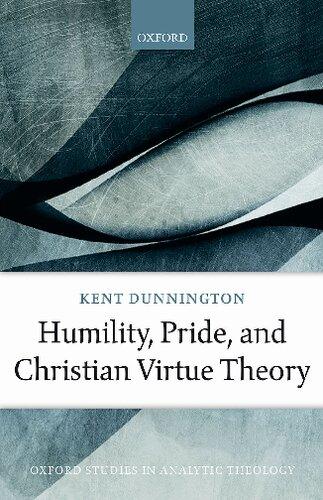
Humility, Pride, and Christian Virtue Theory (Oxford Studies in Analytic Theology) Kent Dunnington
https://ebookmass.com/product/humility-pride-and-christian-virtuetheory-oxford-studies-in-analytic-theology-kent-dunnington/
ebookmass.com
An Introduction to Clinical Trials 1st Edition Jonathan A. Cook
https://ebookmass.com/product/an-introduction-to-clinical-trials-1stedition-jonathan-a-cook/
ebookmass.com
2022 FRM© Exam Part I Valuation & Risk Models 1st Edition Garp (Global Association Of Risk Professionals)
https://ebookmass.com/product/2022-frm-exam-part-i-valuation-riskmodels-1st-edition-garp-global-association-of-risk-professionals/ ebookmass.com
The Politics of Place Naming: Naming the World Frederic Giraut
https://ebookmass.com/product/the-politics-of-place-naming-naming-theworld-frederic-giraut/ ebookmass.com
Panic Attack Dennis Palumbo
https://ebookmass.com/product/panic-attack-dennis-palumbo-3/
ebookmass.com
Statistics: A Tool for Social Research 10th Edition, (Ebook PDF)
https://ebookmass.com/product/statistics-a-tool-for-socialresearch-10th-edition-ebook-pdf/ ebookmass.com
Somber Prince Marina Simcoe
https://ebookmass.com/product/somber-prince-marina-simcoe/
ebookmass.com
https://ebookmass.com/product/sunny-song-will-never-be-famous-suzannepark/
ebookmass.com
SeriesEditors MICHAELC.REA and OLIVERD.CRISP
OXFORDSTUDIESINANALYTICTHEOLOGY AnalyticTheologyutilizesthetoolsandmethodsofcontemporaryanalytic philosophyforthepurposesofconstructiveChristiantheology,payingattention totheChristiantraditionanddevelopmentofdoctrine.Thisinnovativeseries ofstudiesshowcaseshighquality,cuttingedgeresearchinthisarea,inmonographs andsymposia.
: MetaphysicsandtheTri-PersonalGod WilliamHasker
TheTheologicalProjectofModernism
FaithandtheConditionsofMineness KevinW.Hector
TheEndoftheTimelessGod R.T.Mullins
RitualizedFaith EssaysonthePhilosophyofLiturgy TerenceCuneo
InDefenseofConciliarChristology APhilosophicalEssay TimothyPawl
Atonement EleonoreStump
HumilityandHumanFlourishing AStudyinAnalyticMoralTheology MichaelW.Austin
Humility,Pride,andChristianVirtueTheory KentDunnington
EssaysinAnalytic Theology Volume2 MICHAELC.REA
GreatClarendonStreet,Oxford,OX26DP, UnitedKingdom
OxfordUniversityPressisadepartmentoftheUniversityofOxford. ItfurtherstheUniversity’sobjectiveofexcellenceinresearch,scholarship, andeducationbypublishingworldwide.Oxfordisaregisteredtrademarkof OxfordUniversityPressintheUKandincertainothercountries
©MichaelC.Rea2020
Themoralrightsoftheauthorhavebeenasserted FirstEditionpublishedin2020 Impression:1
Allrightsreserved.Nopartofthispublicationmaybereproduced,storedin aretrievalsystem,ortransmitted,inanyformorbyanymeans,withoutthe priorpermissioninwritingofOxfordUniversityPress,orasexpresslypermitted bylaw,bylicenceorundertermsagreedwiththeappropriatereprographics rightsorganization.Enquiriesconcerningreproductionoutsidethescopeofthe aboveshouldbesenttotheRightsDepartment,OxfordUniversityPress,atthe addressabove
Youmustnotcirculatethisworkinanyotherform andyoumustimposethissameconditiononanyacquirer
PublishedintheUnitedStatesofAmericabyOxfordUniversityPress 198MadisonAvenue,NewYork,NY10016,UnitedStatesofAmerica
BritishLibraryCataloguinginPublicationData Dataavailable
LibraryofCongressControlNumber:2020944362
SetISBN978–0–19–886679–4
Volume1978–0–19–886680–0 Volume2978–0–19–886681–7
DOI:10.1093/oso/9780198866817.003.0001
PrintedandboundinGreatBritainby ClaysLtd,ElcografS.p.A.
LinkstothirdpartywebsitesareprovidedbyOxfordingoodfaithand forinformationonly.Oxforddisclaimsanyresponsibilityforthematerials containedinanythirdpartywebsitereferencedinthiswork.
Acknowledgements WiththeexceptionofChapter9andthepostscriptstoChapters7and8,allofthe essaysinthisvolumehavebeenpreviouslypublished.Ihavemadenochangesto thepreviouslypublishedmaterialexcepttocorrectafewminorerrors,addan occasionaleditorialnote,andmakesomeformattingchangesforthesakeof uniformity.Iamgratefultothefollowingpublishersforpermissiontoreprint themateriallistedhere.
‘TheMetaphysicsofOriginalSin’,pp.319–56in Persons:HumanandDivine, editedbyDeanZimmermanandPetervanInwagen(Oxford:OxfordUniversity Press,2007).ReprintedbypermissionofOxfordUniversityPress.
‘HylomorphismandtheIncarnation’,pp.134–52in TheMetaphysicsofthe Incarnation,editedbyAnnaMarmodoroandJonathanHill(Oxford:Oxford UniversityPress,2011).ReprintedbypermissionofOxfordUniversityPress.
‘TheIll-MadeKnightandtheStainontheSoul’ , EuropeanJournalforPhilosophy ofReligion 11(2019):1–18.
‘InDefenceofScepticalTheism:AReplytoAlmeidaandOppy ’ (withMichael Bergmann), AustralasianJournalofPhilosophy 83(2005):241–51.
‘WrightonTheodicy:Reflectionson EvilandtheJusticeofGod’ , Philosophia Christi 10(2008):461–70. PhilosophiaChristi isthejournaloftheEvangelical PhilosophicalSociety(http://epsociety.org).
‘SkepticalTheismandthe “Too-Much-Skepticism” Objections’,pp.482–506in TheBlackwellCompaniontotheProblemofEvil,editedbyJustinMcBrayerand DanielHoward-Snyder(Malden,MA:Wiley-Blackwell,2014).
‘Narrative,Liturgy,andtheHiddennessofGod’,pp.76–96in Metaphysicsand God:EssaysinHonorofEleonoreStump,editedbyKevinTimpe(NewYork: Routledge,2009).
‘HiddennessandTranscendence’,pp.210–25inA.GreenandE.Stump(eds), HiddenDivinityandReligiousBelief (Cambridge:CambridgeUniversityPress, 2015).CopyrightCambridgeUniversityPress.Reprintedwithpermission.
IamalsogratefultoMichaelBergmannforhispermissiontoreprintour ‘In DefenceofScepticalTheism:AReplytoAlmeidaandOppy ’,toOliverCrisp,Hud Hudson,andtheanonymousrefereesforOxfordUniversityPressforvery helpfulcommentsontheintroductionsandpostscripts,andtoCalliePhillips
forpreparingtheindex.Finally,IwouldliketothankOliverCrispforencouraging metopublishtheseessayshereandinthecompanionvolume,forourongoing collaborationonallthingsanalytic-theological,and,mostofall,forourmany yearsoffriendship.ItisingratitudeforallofthisthatIdedicatedthe firstvolume tohim.ThissecondvolumeIdedicatetomyyoungestson,Matthias.
To MatthiasRea Introduction Thisbookisthesecondoftwovolumescollectingtogetherthemostsubstantial workinanalytictheologythatIhavecompletedbetween2003and2019.Volume Icontainschaptersfocused,broadlyspeaking,onthenatureofGod;thissecond volumecontainschaptersfocusedmoreondoctrinesabouthumanity,thehuman condition,andhowhumanbeingsrelatetoGod.ThechaptersinPartIdealwith thedoctrinesoftheincarnation,originalsin,andatonement;thoseinPartII discusstheproblemofevil,theproblemofdivinehiddenness,andatheological problemthatarisesinconnectionwiththeideathatGodnotonlytoleratesbut validatesaresponseofangryprotestinthefaceoftheseproblems.Thesection headingsofthisintroductionmatchthepartdivisionsofthebook;but,asin VolumeI’sintroduction,theaimhereisnottosummarizethechaptersincluded ineachsection ’scorrespondingpart,butrathertosupplementthemwithamore generaldiscussionofsomeofmypastandcurrentthinkingonthevariousloci coveredbythechaptersinthevolume.¹
1.Incarnation,Sin,andAtonement TheWestminsterShorterCatechismopenswiththequestion, ‘Whatisthechief endofMan?’ andthenoffersthefollowinganswer: ‘ToglorifyGodandenjoyhim forever.’ Gender-exclusivelanguagenotwithstanding,thiscapturestheheartof Christianteachingaboutthehuman telos .Itimpliesthatwecannot flourish outsideofarelationshipwithGod,thatthepurposeforwhichwearecreatedis whollyorientedtowardsGod,thatwearecapableoflivingforever,andthatour purposeincludeseternal enjoyment ofGod.
ButChristianityalsoteachesthathumanbeingsarenotcapableontheirownof cominganywhereclosetorealizingtheir telos.Theyneeddivinehelp,owingtoa further(contingent)factabouthumannature.Inshort,humannaturehasbeen damaged,orbecomecorrupted.(DifferenttraditionswithinChristianityhave differentviewsbothaboutwhetheritisbettertosaythathumannatureis ‘wounded ’ or ‘corrupted’ andalsoabouttheprecisenatureandextentofthe
¹ForsomeofthecontentofthisintroductionIhavedrawnonpartofanotheressaynotincluded here onewhichIcharacterizedatthetimeIwroteitas ‘aminiaturesketchofapartialsystematic theology’ (Rea2017).Iamgratefultothepublisherforpermissiontoreusethismaterial.
EssaysinAnalyticTheology:VolumeII. MichaelC.Rea,OxfordUniversityPress(2020).©MichaelC.Rea. DOI:10.1093/oso/9780198866817.003.0001
woundorcorruption.²HenceforthIwillsimplyspeakof ‘damage’ inaneffortto straddlethelinesbetweenthesedifferentviews.)Thisdamageissupposedtobe somethingwearebornwith,aresultsomehowofthe firsthumansin,anda conditionthatmakesitverylikely manywouldsay inevitable thatwefallinto furthersin.Theseclaimsconstitutethemainpartofthedoctrineoforiginalsin.³
Theotherpart,morecontroversial,isthedoctrineoforiginalguilt,whichimplies thatthedamagetoournatureissufficient,evenintheabsenceofvoluntarysinin ourearthlylives,toprecludeusfrometernallifewithGodunlessitissomehow remedied.⁴
Bothpartsofthisdoctrinearepuzzling;bothpartsaretheologicallyimportant. Whyshouldthe firsthumansin(assumingtherewasasingle,definiteeventthat constitutedthe firstsin)resultin universal damage?Whyshouldsuchdamage presentinus frombirth poseanobstacletoourrelationshipwithGod eveninthe absenceofvoluntarysin onourpart?Therearenoeasyanswerstothesequestions, astheextendeddiscussionofalternativesinChapter1makesclear.Butneitheris iteasysimplytoabandonthedoctrine.Originalsin(takentoincludeoriginal guilt)issupposedtoexplaintwofactsaboutthehumancondition.First,sinis universal.Everyoneisdisposedtosin,andeveryonewholiveslongenoughto becomeafull-blownmoralagentdoessin.Second,everyoneneedssalvation.The suppositionthattherewasa firstsin thatdamagedhumannatureexplainsthe universalityofsinwithoutimplyingthatGodcreatedusinadamagedcondition, orthatitissheercoincidencethatwearealldamaged.Thesuppositionthatitis human nature thatgotdamaged,anddamagedinsuchawayastoseparateus fromGod,explainswhyeveryhumanbeingneedssalvation.
Ithinkthatthetwofactsjustmentionedcanbeacceptedindependentlyofthe doctrineoforiginalsin,simplyonthestrengthofthescripturalevidencethat supportsthem.Ialsothinkthatthedoctrineitselfcanbereasonablyacceptedas anarticleoffaith,evenintheabsenceofanswerstothechallengingquestions mentionedabove.Still,itwouldbenicetohaveatleastsomeideaofhowthe first sinmighthaveresultedintheconsequencesthatthedoctrineaffirms.⁵ Idonot haveafulltheorytooffer;butIcantakesomeinitialstepsinthatdirection.
²Forexample,theCatechismoftheCatholicChurchemphasizesthe ‘wound’ toournature,and explicitlydeniesthatitistotallycorrupted(see1.7.3,esp.para.405),whereastheologiansinthe Reformedtraditiontypicallyinsistthatoriginalsinisaformofcorruption.
³Or ‘ancestralsin’ inEasternChristianity;butmycharacterizationmorecloselyfollowsWestern linesofthought.
⁴ IntheconfessionsoftheReformedtradition,thedoctrineoforiginalguiltisnormallytakento includetheclaimthatweare guilty forthecorruptionofournature,orthatGod blames usforit.Itis alsocommonlysaidthatGodis angry withusforit.Idonotrejectthesestatementsoutright,butIthink thattheyareapttomislead;andIthinkthatthe ‘divinewrath’ claimsareparticularlyunfortunatein thisregard.SinceIcannotpossiblyhopetodothemjusticeintheshortspaceallottedhere,Isimplyset themaside.
⁵ Wemightalsoaskhowbeliefina ‘firstsin’ oran ‘historicalAdam’ couldbereconciledwith evolutionarytheory.Thisisamatterofinterestingcontroversy,andseveralproposalsstrikemeas promising;butIshallnotpursuethisissuefurtherhere.
Supposethatitispartofthehumandesignplanforustoexistinakindof emotionalandpsychologicalunionwithGod(analogoustobutdeepereventhan thesortofunionthattakesplacebetweenclosefriendsorspouses).Under ‘normal’ circumstances,wewouldexperiencethisunioninrudimentaryform fromthe firstmomentofourexistenceaspsychologicalbeings,andourexperienceofitwouldgrowstrongeranddeeperthroughoutourlivesasourcognitive capacitiesdevelopandmature.Furthermore,suchunionisabsolutelynecessary forpropermoralandpsychologicaldevelopment.Beingapartfromthisrelationshipislikedeepseadivingwithoutproperequipment:webecomedamaged, distorted,andsubjecttofurthermoralandpsychologicaldeteriorationforas longaswearewithoutit.Supposethatthe firsthumanperson(s)cameintothe worldalreadyunitedwithGodintherequisiteway,butthatoneconsequenceof the firstsinwasthatGodpartiallywithdrewGod’spresencefromcreation,sothat theunionforwhichweweredesignedwasnolongerreadilyavailable itcouldbe hadonlydimlyinthislifeandonlywithspecialdivinehelpandasaresultof activelyseekingGod.
Thisisastoryaccordingtowhichthe firstsindoesindeedresultinuniversal damage.Butisitalsoastoryonwhichthe firstsinresultsindamagetohuman nature?Despitetheprevalenceinthetraditionoftheideathathumannatureitself isalteredbytheFall,itisnotimmediatelyobvioushowthewithdrawalofGod’ s presence(apparentlyanextrinsicchange)couldbeorresultinsuchachange;and thereis,unfortunately,adearthofexplicitcommentaryonthisissueinthe tradition.Butperhapswemight(speculatively) fleshoutthestoryasfollows.Let ussimplydenythatthewithdrawalofdivinepresencewasanextrinsicchange:it was,beforetheFall,partofhumannatureitselftobe,inacertainway,imbued withthedivinepresence.Pre-Fallandpost-Fallhumanitybothcountas ‘versions ’ of humanity byvirtueoftheirdeepresemblancetooneanother.But,unlikepreFallhumans,post-Fallhumanbeingsarebynaturebereftofanintrinsicfeature thattheydesperatelyneedinordertoachievetheir telos,andtheyaredamaged andmovingtowardfurtherruinfromthe firstmomentoflife.⁶ Onthesupposition thatlivinginaworldapartfromthe(relevantmodeof)divinepresenceresultsin distinctivelymoraldamagesoutterlydevastatingastopervadeourentirepsyche, itisevenappropriatetosay,withCalvin,thatoneresultoftheFallisthe total depravity ofthehumanrace.
Thestoryjustgivenexplainstheuniversalityofsin.Sinisuniversalbecause humanscanavoiditonlybybeingfullyinthepresenceofGod,andthe firstsin
⁶ Howcouldbeingimbuedinacertainwaywiththedivinepresencebe intrinsic?Simple:Intrinsic propertiesareonesthatcannotdifferbetweenduplicatesor,followingLangtonandLewis(1998),ones thatareindependentofaccompanimentby contingentbeings.Itisnotimplausiblethattwohuman beingswhodifferwithrespecttotherelevantmodeofdivinepresencewouldnotcountasduplicates; forone,butnottheother,wouldbeboundforalifeofincreasingsinfulnessabsentdivinerescue. Likewise,if(asIthink)Godisanecessarybeing,itiseasytoseehowbeingimbuedwithGod’ spresence inacertainwaywouldbeindependentofaccompanimentbyothercontingentbeings.
resultedinthepartialwithdrawalofGod’spresence.Italsoprovidestheresources toexplainwhyGod’splanofsalvationisrelevanttoeveryone.StandardChristian soteriologymaintainsthattheworkofChristmakesus fitforGod’spresenceand contributestooursanctification.Wemightsuppose,then,thateveninfantswho diewithoutvoluntarilysinningrequire(asaresultoftheirbeingconceivedand bornintheconditionsjustdescribed)divinehelptobecome fitforthepresenceof God,withoutwhichhelptheywouldremaindamagedintheirafterlifeandwould experiencepreciselythesortofmoraldeteriorationandruinthatcharacterize naturalhumanlife.
Thehumancondition,then,fundamentallyincludessinandmisery.Theideais notthatweareconstantly committing sinand feeling miserable,neverexperiencingpleasure,neverdisplayingvirtues,alwaysdisplayingvices,andsoon.Rather, theideaisthis:First,ourlivesarecharacterizedbysin,inthatweareunable withoutdivineassistancetoorderourdesiresintherightway,anddoingthe rightthinginvolvesmoralstruggleagainststrongandpervasiveself-oriented inclinations.Second,thissituationisoneinwhichweare ‘objectivelymiserable’ , nothappyintheAristoteliansense,failingto flourish,andsubjectasaresultto feelingmiserablefarmoreoftenthanweshouldexpectinaworldcreatedbya lovingGod.
TheChristiangospel,however the goodnews isthatthistaleofsinand miseryisnotthewholestoryaboutthehumancondition.Therestofthestoryis that,despiteoursinanddespitehowthingsmaylook,Godstilllovesus,desires unionwithusandwantsusto flourish,andhasthereforeinterveneddramatically inhumanhistoryinordertosaveusfromourcondition.Theessentialdetailsof thispropitiousintervention,sans explanatorycomments,areasfollows.The secondpersonoftheTrinitybecamehumanandlivedamongusastheman, JesusofNazareth.Helivedaperfectlysinlesslife,andfulfilledthehuman telos, showingusintheprocessbothwhatGodtheFatherislikeandwhathuman beingsweremeanttobelike.Duringhislifeonearth,heworkedmiracles healingthesick,walkingonwater,feedinghisfollowers,raisingthedead,and muchelsebesides.Attheendhesufferedunjustpersecution,torture,anddeathat thehandsofhiscontemporaries,afterwhichherosebodilyfromthedeadand ascendedintoheaven.Allofthis,butperhapsespeciallyhissuffering,death,and resurrection,somehowdeliverusfromthepowerofsinanddeathandcontribute toreconcilingthewholeworldtoGod.Moreover,afterJesus’ ascension,theHoly Spiritcametodwellwithinindividualbelieversandtohelpthemrealizethesortof unionwithGodthattheywereintendedtohave.
Ibelievethisstory,asIhavetoldit,initsentirety;andIbelievethatthemiracles reportedthereinliterallyoccurred.IbelieveallofthisinpartbecauseItakethe NewTestamentauthorstobereliablereportersoftheeventsinJesus’ life.But,of course,thereismuchinthestorythatmeritsextendeddiscussion.
First,howshallweunderstandtheclaimthatthesecondpersonoftheTrinity becamehuman?AswiththedoctrineoftheTrinity,theChristiantraditiondoesnot
offerafull-blowntheoryoftheincarnationbutsimplyimposesboundariesonour theorizing.Whateverelsewesayabouttheincarnation,afullyorthodoxtheory (i.e.onethatrespectsthepronouncementsoftheecumenicalcreeds)mustatleast saythis:Inbecominghuman,thesecondpersonoftheTrinityretainedhisdivine nature,sothattheincarnateChristis oneperson with twonatures ratherthan (say)onepersonwithasinglehybridnature,ortwopersonsinonebody,each withhisownnature;and,whateverelseitinvolved,takingonhumannatureat leastmeantcomingtohavearationalsoul,ormind,andaphysicalhumanbody, andhavingtwowills,humananddivine.Chapter2offersamodelofwhatthis mightinvolve,onethatappealstothesameAristoteliandoctrinesaboutmatter andformthatundergirdmysolutiontotheproblemoftheTrinity.
Second,whatshallwesayabouthowthesuffering,death,andresurrectionof Jesuscontributetorectifyingthehumancondition?Ourcondition,again,isoneof sinandmisery,broughtonbyaprimordialchangeintherelationshipbetween Godandcreation.WhereasGod’spresenceintheworldandtohumanbeingswas oncevividandreadilyavailable,nowitishiddenandavailableonlywithdifficulty. ButscripturetellsusthattheworkofChristhaschangedallofthisforthebetter. AsaresultofChrist’swork,God’spresenceandassistanceisnowmorereadily available.WewhoembraceChrist’sworkonourbehalfhavebeenreconciledwith God;⁷ wethereforehaveaccesstothedivinehelpweneedinordertoavoidsinand reachour telos. Althoughwecannotfullyachieveour telos inthislife,weare assuredthatourliveswillcontinueafterourphysicaldeathandthatwewillinthe afterlifebeabletoreachit.TheNewTestamentemploysavarietyofterms(in additionto salvation)todescribewhattheworkofJesusaccomplishedonour behalf:e.g. justification, redemption or ransom , reconciliation withGod, deliverance fromsin, re-creation or rebirth,theofferingofan atoning sacrifice, abundant life,and eternallife.But,Itakeit,theverysimplemessageisthatsomehow, throughChrist,thehumanconditionhasbeenrectifiedsothatwearenowable ultimatelytoglorifyGodandenjoyGodforever.
Buthowexactlydoesitallwork?Whichoftheaforementionedtermsaretobe takenliterally,andwhicharemeremetaphors?Differentdecisionsonthese matterspushoneinradicallydifferenttheoreticaldirections.Takingthe justification and atoningsacrifice languagequiteliterallyandtreating ransom languageas moremetaphorical,forexample,tendstopushtheologiansinthedirectionofa penal-substitutionarymodel:Jesus’ deathonthecrosswasasacrificetoGodthe Father,whereinJesusboreinhisbodyandsoulexactlythepenaltythatwe ourselvesdeservedinordertosatisfythewrathofGod.Takingtheredemption andransomlanguagemoreliterally,ontheotherhand,pushesinthedirectionof
⁷ Andwhatofthosewho,forwhateverreason,havenotembracedChrist’swork?Mythoughtson thistopicarestillevolving;butIcansayatleastthismuchhere:IhavearguedinRea2018thatthereis goodreasontothinkthateveryonewhoatleast tries toseekGodwillultimatelyhaveasalvific relationshipwithGod,andIhavealsoarguedinRea(forthcoming)thatitisirrationaltohave(as Ido)theunconditionalhopethatsoteriologicaluniversalismistruewithoutbelievingthatitistrue.
a Christusvictor model,inwhichconcernsabout justification are(atleast)deemphasizedandJesus’ deathisseenasaliteral transaction ofsomesortwhich deliversusfromgenuinebondagetotheDevil,ortothepowerofsinanddeath,or tosomeotherkindofevilother-worldlyforce.
Theviewthatthelegal/penalimagerydeservesprideofplace,andthatthe justification ofsinnersis firstandforemostwhatwasaccomplishedbyChrist’ s atoningsacrificeonthecross,hassometimesbeenreferredtoasthe ‘Protestant Orthodoxy’.(Cf.Aulén1931.)Idonotdenythisview.But,atthisstageinmy thinkingaboutthematter,neithercanIdefendit.Foritisnotcleartomethat thereissufficientscripturaldataforelevating any oftheseimagesovertheothers fortheory-buildingpurposes.Furthermore,itseemsthatoneavailabletheoretical optionistosaysimplythis:ThemainsoteriologicalmessageoftheNew TestamentisthattheworkofChristaccomplished,insomesense, all ofthese thingsforus.⁸ ItmadeusjustifiedintheeyesofGod;itdeliveredusfromthe powerofsin,evil,anddeathandresultedintheirutterdefeatandhumiliation;and itbroughtusnewlife,eternalandabundant,andmadeusintonewcreations.But astohowandwhyandinexactlywhatsenseallofthesethingshappened,perhaps wecannotsaywithoutofferingamodelthatultimatelylapsesintometaphor, leavesoutimportanttruths,orotherwisemisleads.Thatsaid,however,Idothink thatitispossibletodeveloppartialtheoriesabouthowChrist ’sworkaccomplishes itseffectsthatdorealjusticetothevariousimagesusedtocharacterizeChrist’ s work without necessarilygivinganyofthemprideofplace.Chapter3offersan initialforayintosomeoftheseissuesinthecontextofaresponsetoEleonore Stump’srecentbook, Atonement (Stump2018).
2.Evil,DivineHiddenness,andWorship PartIIofthisbookdealswiththetwomostlong-standingandformidable challengestoChristianbelief,theproblemofevilandtheproblemofdivine hiddenness,aswellaswithsomepuzzlesthatariseinconnectionwiththeidea thatGodbothauthorizesandvalidatesaresponseofprotestinthefaceofthese problems.Chapters4,5,and6addresstheproblemofevil;Chapters7and8focus ontheproblemofdivinehiddenness.Chapter9addressestheconcernsabout protest.
Boththeproblemofevilandtheproblemofdivinehiddennessmightfruitfully becharacterizedasproblemsarisingoutofviolatedexpectationsaboutthe characterandlikelyobservableconsequencesofdivinelove,goodness,and power.Goodpeoplewhohavethepowertopreventverybadthingsfrom
⁸ Myviewoftheatonementresemblestheso-called ‘kaleidoscopictheory’ ofMarkBakerandJoel Green.SeeGreenandBaker2000andGreen2006.
happeningtothosetheylovegenerallydoso except,ofcourse,incertaincases wherethereisaspecial,goodreasonforallowingthebadthingtohappen.Good peoplewhohavethepowertocommunicatewiththosetheylovegenerallytendto dosooften,openly,andespeciallyintimesoftrouble except,again,incertain caseswherethereisaspecial,goodreasonfornotdoingso.Hencetheproblemsof evilanddivinehiddenness.WearetoldthatGodisperfectlygood,maximally powerful,andinfinitelyloving;wearetoldthatGodisourheavenlyparent.Why, then,dobadthings,evenhorrendousthings,happenintheworldwithsuchsoulcrushingfrequencyand,oftenenough,onastaggeringlygrandscale?Whydoesn’t Godcommunicateopenlyandfrequentlywithus,offeringcomfortintimesof sufferingandsorrowandassuranceofGod’sloveandprovidentialcontrolover theworld?These,inbrief,arethetwoproblems.
Itisfashionableinsomequartersnowsimplytodismisstheproblemofevilasa merephilosophers’ conundrum.N.T.Wright,forexample,maintainsthatthe real problemofevilissimplythatevilisbadandneedstobedealtwith(Wright2006, ch.1).Somegosofarastosuggestthateffortstoaddressthephilosophical problemofevilarecrass,orimmature,trivializingevilbytreatingitasamere puzzleforreligiousbelief.Thesuggestionisthatthosespendingtheirtimetrying tosolvethephilosophicalproblemofevilarenotbehavingwithmoralintegrity; theyshouldbereflectinginsteadonwhatGodhasdoneaboutevilandonwhat Godexpectsustodoaboutevil.ButIthinkthatthiscritiqueoftheliteratureis itselfguiltyoftrivializingsomethingimportant.Theproblemofevilismadeworse bythephenomenonofdivinehiddenness.Divinehiddennessmakestheexperienceofevilallthemoreagonizing;andourmostnaturalthoughtsaboutwhat perfectgoodnessandperfectlovewouldlooklikeconspire,inthefaceofeviland hiddennesstogether,tosteerusawayfrombeliefinGod.AsRobertAnderson wroteattheendofthenineteenthcentury,
ItisnonovelexperiencewithmenthatHeavenshouldbesilent.Butwhatisnew andstrangeandstartlingisthatthesilenceshouldbesoabsoluteandprolonged; thatthroughallthechangingvicissitudesoftheChurch’shistoryfornearlytwo thousandyearsthatsilenceshouldhaveremainedunbroken.Thisitiswhichtries faith,andhardensunfaithintoopeninfidelity.(Anderson1897:62–3)
And,towardstheendofthetwentiethcentury,G.TomMilazzoexpressedthe sameideaallthemorepointedlyasfollows:
TheGodthatchoosestobesilentinthepresenceofsufferinganddeathisaGod whosefaceisdarkenedbyouragonyandwhosehandsarecoveredwithour blood.IfthefaceofGodisdarkenedbyoursuffering,aGodwhosereasonand purposeisunknowntous,thefaithfulcannotbutprotestGod’sinjustice, hiddenness,andabsence.Yetinasmuchasthislamentisaprotestagainst
God’ssilence,itisalsoacalltoGodtocomeoutofthedarknessthatGodmight absolveitselfofcomplicityinoursufferingandtragedy....EitherGodisnot there,andGod’shiddennessisreallyabsence,ortheGodwhoisthereisacruel, angry,brutalGodthatseemstorelishhumansuffering.EitherGodisabsent,or Godisimplicatedin,ifnotresponsibleforourdeath.
(Milazzo1991:44–5)
AsIseeit,then,integrityinthefaithfulrequiresustograpplewiththeseproblems, notnecessarilybytryingtosolvethem(noteveryoneisaphilosopher-theologian), butatleastbyattendingtotheirseriousnessandrespectingtheactivityoftryingto solvethem.Moreover,bothproblemsarerichminesfortheologicalinsight. Arisingastheydooutofnaturalexpectationsondivinelove,goodness,and power,theyinviteustoreflecttheologicallyonthoseattributesandofferan accountingofthem.Indeed,Iwouldgosofarastosaythat,justasbelievers oughtnottogliblydismissthesetwochallengestotheirfaith,sotooatheistsand agnosticsoughtnottogliblytreatthemmerelyasreasonstodenytheexistenceof God.AsIhavesaidelsewhere,
ittakesaremarkableabundanceoffaithinhumantheoreticalcapacitiestogive upbeliefinGod,ortodeclinetoinvestigatethematterfurther,simplyonthe basisofone’sallegedrationalinsightintothepremisesofthehiddenness argument.GiventheimportanceandcomplexityofthequestionwhetherGod exists,itdoesnotseemrightorreasonabletothinkthatthemattercouldbe decidedbythehiddennessargumentintheabsenceofdetailed,historicallyand theologicallyinformedexplorationanddefenseoftheassumptionsaboutGod thatareembeddedinit.(Rea2018:7–8)
Inresponsetobothproblems,IaminclinedtoinvokeathesisIhaveelsewhere dubbed
:SupposeFisanallegedintrinsicattributeof God;andsupposewehaveformedexpectationsaboutthemanifestationofFnessonthebasisofourgraspofa non-revealed conceptofF-ness(i.e.,aconcept ofF-nesswhosecontentisnotfullygivenindivinerevelation).¹⁰ Inthatcase,the violationofthoseexpectationsdoesnotbyitselfsupport(i.e.,imply,render probable,orjustifybeliefin)theconclusionthatsentencespredicatingF-nessof Godarenottrue.
⁹ Rea2018:55–6.
¹⁰ Thecontentofaconceptis ‘fullygivenindivinerevelation’ justifthecompletecontentofthat conceptispartoforderivablefromthecontentofdivinerevelation.
Thisthesisbearsontheproblemofevilinthefollowingway.Suppose(asIthinkis correct)wehavenogoodreasontothinkthatthecontentofourconceptsof divinegoodness,love,orpowerare fully givenindivinerevelation.Thenweare notentitledtoinferthatGodisnotgoodorlovingorall-powerful,orthatGod doesnotexist,fromthefactthatourgraspoftheseconceptsleadsustoexpectthat Godcouldhavenojustifyingreasonforpermittingevilsofwhateversort figure intoourpreferredformulationoftheproblemofevil.Accordingly,Iendorsewhat isnowcommonly(evenifsomewhatmisleadingly)called ‘scepticaltheism’—the view(asIcharacterizeit)thatnohumanbeingisjustifiedinthinkingthefollowing aboutanyevil e thathaseveroccurred:thereis(orisprobably)noreasonthat couldjustifyGodinpermitting e.AsIargueinChapter6,thisviewdoesnotimply thatweknow nothing aboutwhatGodwouldorwouldnotpermit;butitdoes implythatthelimitsonourknowledgeundercutourabilitytodrawinferences fromactualinstancesofeviltothenon-existenceofGod.
Myresponsetotheproblemofdivinehiddennessislikewisegroundedin
,althoughthisfactdoesnotcomeoutasclearly asIwouldlikeittointhechaptersIhaveincludedinthisvolume.Chapter7was my firstattemptatgrapplingphilosophicallywiththeproblemofdivinehiddenness.Iformulatedtheprobleminanon-standardway Ifocusedontheproblem asIexperiencedit,ratherthanontheversionthathasdominatedtheliterature andIsolveditbysuggestingthatthegoodforthesakeofwhichdivinehiddenness wasjustifiedhadsomethingtodowiththeexpressionofGod’suniqueanddeeply alienpersonality.Ineffect,thissolutionmaintainsthatourexpectationsondivine loveshouldbetemperedbyhumilitybecauseGodisdeeplyotherthanweare. GivenGod’ s ‘otherness’,itshouldnotbeterriblysurprisingthatGodviolatesour expectationsinsignificantwaysinmanifestinglovetowardsus.Furthermore, Iargued,itmightbethatwhatjustifiestheseviolationsofourexpectationsisnot somegoodthatcomesto us asaresultofwhatwesuffer,butratherthegoodness involvedinGod’slivingoutthemaximallygoodandbeautifuldivinepersonality. Incomplementaryfashion,Chapter8focusesmoreonaversionoftheproblem thathasdominatedtheliteratureandgroundsthesolutiontotheproblem(again, anappealtosomethinglikeH
)moreexplicitlyin divinetranscendence.Asthepostscriptsmakeclear,neitherchapterisafully adequaterepresentationofmycurrentthinkingabouttheproblemofdivine hiddenness;nordotheyindividuallyortogetherfullyexpresswhatInowthink ofasthebestwayofaddressingtheproblem.¹¹
Thevolumeconcludeswithachapterthatexploresconcernsaboutwhether impiousprotestagainstGod protestthatdoesnotariseinacontextofsteadfast faithinGod’sloveandgoodness canpossiblycountas ‘well-formed’ prayerthat ¹¹Forthelatter,seeRea2018.
isconsistentwithourdutytoworshipGod.In TheHiddennessofGod (2018), IarguedthatonewayinwhichGodshowslovetopeoplewhoareangrywithGod asaresultofdivinehiddenness,suffering,orrelatedissuesisbyauthorizingand validatingaresponseofprotest.Istandbythisconclusion;but,asInoteatthe beginningofChapter9,theconclusionstandsintensionwithplausibleand widespreadassumptionsaboutourdutiestoworshipGodandaboutthenature ofwell-formedprayer.Theaimofthischapteristoaddressthosetensions.
References Anderson,Robert.1897. TheSilenceofGod.NewYork:Dodd,Mead,andCompany.
Aulén,Gustaf.1931. ChristusVictor:AnHistoricalStudyoftheThreeMainTypesof theIdeaoftheAtonement.London:SPCK.
Green,JoelB.2006. ‘KaleidoscopicView’.In TheNatureoftheAtonement:FourViews, editedbyJamesK.BeilbyandPaulR.Eddy,157–85.DownersGrove,IL:IVP Academic.
Green,JoelB.andMarkD.Baker.2000. RecoveringtheScandaloftheCross: AtonementinNewTestamentandContemporaryContexts.DownersGrove,IL: InterVarsityPress.
Langton,RaeandDavidLewis.1998. ‘Defining “Intrinsic”’ . Philosophyand PhenomenologicalResearch 58:333–45. Milazzo,G.Tom.1991. TheProtestandtheSilence:Suffering,Death,andBiblical Theology.Minneapolis,MN:FortressPress.
Rea,Michael.2017. ‘(Reformed)Protestantism’.In Inter-ChristianPhilosophical Dialogues,editedbyGrahamOppyandNickTrakakis,vol.4:67–88.London: Routledge.
Rea,Michael.2018. TheHiddennessofGod.Oxford:OxfordUniversityPress.
Rea,Michael.Forthcoming. “HopefulUniversalism.” ReligiousStudies Stump,Eleonore.2018. Atonement.Oxford:OxfordUniversityPress. Wright,N.T.2006. EvilandtheJusticeofGod.DownersGrove,IL:InterVarsityPress.
TheMetaphysicsofOriginalSin VariousdifferentdoctrinesinthehistoryofChristianthoughthavegoneunder thelabel ‘thedoctrineoforiginalsin’.Allofthemaffirmsomethinglikethe followingclaim:
(S0)Allhumanbeings(except,atmost,four)sufferfromakindofcorruption thatmakesitverylikelythattheywillfallintosin.
Many(perhapsmost)goontoaffirmthefollowingtwoclaimsaswell:
(S1)Allhumanbeings(except,atmost,four)sufferfromakindofcorruption thatmakesitinevitablethattheywillfallintosin,andthiscorruptionisa consequenceofthe firstsinofthe firstman.
(S2)Allhumanbeings(except,atmost,four)areguiltyfrombirthintheeyesof God,andthisguiltisaconsequenceofthe firstsinofthe firstman.
The ‘exceptions’ referredtoinS0–S2arethe firsthumanbeings(AdamandEve), JesusofNazareth,and(accordingtothosewhoendorsethedoctrineofthe ImmaculateConception)Mary,themotherofJesus.
S2isknownasthe doctrineoforiginalguilt.ItisnowcommonforS2tobe treatedasadoctrineseparatefromthedoctrineoforiginalsin,whichmany philosophersandtheologianssimplyidentifywithS0orS1.Butitwasnotalways so;anditwillbeconvenientforpresentpurposesjusttostipulatethatS2ispartof thedoctrineoforiginalsin.IwillalsostipulatethatS1ispartofthatdoctrine. Thus,forpurposeshere,nothingcountsasatheoryoforiginalsinorasan expressionofthedoctrineoforiginalsin(hereafter,DOS)unlessitincludes commitmenttobothS1andS2.Foreaseofexposition,Iwilltalkasifthestory oftheFallasrecordedinGenesis3isliterallytrue.Idonotthinkthatthisstory mustbeliterallytrueinallofitsdetailsinorderforS1andS2tobetrue.ButIwill notdiscussherequestionsaboutwhichdetailsarerequiredbysuitablydeveloped versionsofDOS,norwillIdiscussquestionsaboutwhichdetailswouldhavetobe modifiedif,asmanynowbelieve,theGenesisaccountofcreationwereliterally false.
DOShasplayedanimportantroleinthehistoryofChristianthought.Among otherthings,itprovidesanexplanationfortheuniversalityofsin,anditalso
providescriticalunderpinningfortheviewthatallhumanbeings eventhe youngestofinfants areinneedofasaviour.¹Itwasacceptedbymostofthe medievalphilosopher-theologiansfromAugustinethroughDunsScotus,anditis affirmedbymanyofthemostimportantpost-AthanasiancreedsoftheOrthodox, RomanCatholic,andevangelicalProtestantchurches.²Primafacie,however,it conflictswiththefollowingintuitivelyplausible ‘principleofpossibleprevention’ :
(MR)ApersonPismorallyresponsiblefortheobtainingofastateofaffairs SonlyifSobtains(orobtained)andPcouldhavepreventedSfromobtaining.
Thereasonissimple.AccordingtoDOS,humanbeingsarebornguilty.Butone cannotbeguilty simpliciter.Ifoneisguilty,thentheremustbesomething presumably,theobtainingofsomestateofaffairs forwhich oneisguilty.But, onemightthink,whateverstatesofaffairsobtainedatorbeforethetimewewere bornwerenotstatesofaffairswhoseobtainingwehadthepowertoprevent.Soif MRistrue,itwouldseemtofollowthatwecanbeguiltyonlyforthingsthat happen after weareborn.ButthenwecannotbeguiltyfrombirthasDOS requires.³
¹Hence,Augustinewritesinoneofhisanti-Pelagiantreatises: Now,seeingthat[thePelagians]admitthenecessityofbaptizinginfants findingthemselves unabletocontravenethatauthorityoftheuniversalChurch,whichhasbeenunquestionably handeddownbytheLordandHisapostles theycannotavoidthefurtherconcession,that infantsrequirethesamebenefitsoftheMediator,inorderthat ...theymaybereconciledto God. ...Butfromwhat,ifnotfromdeath,andthevices,andguilt,andthraldom,anddarkness ofsin?And,inasmuchastheydonotcommitanysininthetenderageofinfancybytheir actualtransgression,originalsinonlyisleft.
(OntheMeritsandForgivenessofSins,bk1,ch.39,inAugustine1999:30)
²See,forexample, TheCanonsandDecreesoftheCouncilofTrent,FifthSession(inSchaff1998a: 83–89); TheOrthodoxConfessionofFaith,ptI,Q.24(inMohila1975); TheActsandDecreesofthe SynodofJerusalem,ch.VI,DecreeXVI(OrthodoxEasternChurch1899:139–43); TheAugsburg Confession,ptI,ArtsII–III(inSchaff1998b:8–9); TheHeidelbergCatechism,Questions4–11(inSchaff 1998b:308–11); TheThirty-NineArticlesoftheChurchofEngland,Art.IX(inSchaff1998b:492–3); and TheWestminsterConfession,ch.VI(inSchaff1998b:615–17).
³IthasbeensuggestedtomethatperhapstheallegedconflictwithMRcouldbedismissedoutof handonthegroundsthatMRtalksabout ‘individualguilt’ whereasoriginalsinconcerns ‘collective responsibility’,theideabeingthatwehumansaresomehowcollectively,thoughnotindividually,guilty orresponsibleforthebehaviourofAdam.PeterForrest(1994)developsaviewoforiginalsinroughly alongtheselines,aviewaccordingtowhichasocietyitselfmightbeviewedasamoralpersonandthe individualswhocompriseitmight,accordingly,beheldcollectivelyresponsibleforitsacts.Myown inclination,however,istothinkthatgroupsofpersonsarenotthemselvesmoralpersons,andthat whatevercollectiveguiltorresponsibilitymightbe,itwill,inanycase,dependonfactsaboutindividual guiltorresponsibility.Forexample:Themobiscollectivelyguiltyforthedamagetothecity;butwhat thatmeansisjustthatvariousindividualswhowerepartsofthemobareindividuallyguiltyfortheir contributionstothedamage.Thenotionofcollective debt is,tomymind,morepromising.(Asisthe notionofcollective liability.See,onthis,Wainwright1988:45ff.)Agroupmightowe$1,000to someoneevenifthereisnospecificamountofmoneythatanyparticularmemberofthegroupowes tothatperson.ButasRichardSwinburne(1989)emphasizes,claimingthatwecollectivelyinheritonly a debt fromAdamispreciselytorejectthedoctrineoforiginalguilt,whichIamheretakingascentral toDOS.
Whateverscripturalorsystematictheologicalobjectionsonemighthave againstDOS,theapparentconflictwithMRisalmostcertainlytheprimarysource ofpurelyphilosophicalresistancetoit.Ontheotherhand,sometheologians, particularlyintheReformedtradition,treattheapparentconflictbetweenDOS andMRasreasontorejectMR.⁴ Inthehandsofthesetheologians,DOSplaysan importantroleinpavingthewayfortheviewthatmoralresponsibilityiscompatiblewithdeterminism aconclusionwhich,inturn,constitutesanimportant premiseindefenceoftheviewthatfreedomiscompatiblewithdeterminism. Thus,ChristianswhoareinterestedinpreservingtheircommitmenttoDOSwhile atthesametimeresistingcompatibilismaboutfreedomandmoralresponsibility woulddowelltoexaminecarefullythequestionwhetherthereisstraightforward conflictbetweenDOSandMR.
Inwhatfollows,Iwillshowthatthereisnostraightforwardconflict.My discussionwillbedividedintothreesections.InSection1,Iwillprovideabrief surveyoftheoriesoforiginalsin.WiththeexceptionofEdwards’stheory,which shallbedeferredtoSection2,allofthetheoriesthatIwilldiscusstherearein tensionwithMR.Wewillsee,however,thatnoneofthesetheoriesexplicitly contradictsMR.Rather,thetensionarisesbecausenoneofthetheoriesoffersthe resourcesfordenyingthefollowingveryplausibleassumptionwhich,inconjunctionwithDOS,doescontradictMR:
(A1)NohumanbeingwhowasbornafterAdam’ s firstsincouldhavedone anythingtopreventAdam’ s firstsin;andnohumanbeingwhoisborncorrupt couldhavedoneanythingtopreventherowncorruption.
Theconflicttoberesolved,then,isnot,strictlyspeaking,betweenDOSandMR; rather,itisbetweenDOS,MR,andA1.Ofcourse,itisahollowvictorytoshow thatDOScanbereconciledwithMRifthepriceforreconciliationisdenyingwhat anysanepersonwouldbeinclinedtoaccept.Amoresubstantivevictorywouldbe achievedifonecouldactuallydevelopatheoryoforiginalsinthatrestson metaphysicalassumptionsthatarebothdeservingofseriousconsiderationand inconsistentwithA1.Thus,inSections2and3Iwilldescribetwosuchtheories. OneisadevelopmentofaviewdefendedbyJonathanEdwards.⁵ Theother restsonassumptionsthatnaturallyaccompanyaMolinistaccountofdivine
⁴ JonathanEdwardsmostnotably(FreedomoftheWill,pt3,sec.4,inEdwards1992:47–51);butsee also,forexample,Hodge2001,ch.8,andSchreiner1995.
⁵ Interestingly,thefactthatEdwards’stheoryoforiginalsincanbereconciledwithMRisbadnews forEdwards,sinceEdwardswantstoappealtothealleged conflict betweenDOSandMRtosupportthe claimthatmoralresponsibilityiscompatiblewithdeterminism.Thus,anadditionalandimportant lessontobedrawnfromthediscussioninSection2isthat,givenEdwards’sownmetaphysical commitments,itturnsoutthatacrucialpremiseinhisdefenceofcompatibilismisundermined.
providence.Section2describestheEdwardsianview;Section3describesthe Molinistview.⁶
BothoftheviewsdescribedinSections2and3comewithsubstantialand controversialmetaphysicalcommitments.Butineachcase,thecommitmentsin questionareonesthathavebeenablydefendedandtakenveryseriouslyinthe contemporaryliterature.Idonot,intheend,claimthatanyofthesecommitments oughttobeaccepted;nordoIclaimthattheymustbeacceptedbyanyonewho wishestoendorsebothDOSandMR.ForallIamwillingtocommitmyselfto here,itmightbethatthereareotherwaysofreconcilingDOSandMR,andit mightalsobethatnoneofthewaysofreconcilingthosetwodoctrinesisworththe intuitiveprice.Myaim,again,issimplytoshowinsomedetailthatthere are ways ofreconcilingthosedoctrines,andthatthoserepresent ‘liveoptions ’ thatcannot simplybedismissedoutofhand.
1.TheoriesofOriginalSin Iwillbeginbyprovidingabriefsketchofthevariouslinesalongwhichthecentral claimsofDOS(i.e.S1andS2)havebeen fleshedout.⁷ Thepurposeofdoingsoisto helpmakeitclearwhereonthelandscapeofpossibleviewstheviewsdevelopedin Sections2and3willfall.Doingsowillalsomakeitclearjusthowharditisto generateaplausibletheoryoforiginalsinthatavoidsconflictwithMR.Iwill organizemydiscussionaroundthreequestionsthatmightberaisedaboutS1and S2:(i)WhatisthenatureofthecorruptionmentionedinS1?(ii)Whatisitthatwe areguiltyoffrombirth?and(iii)Iswhatweareguiltyofsomethingthat we have done,ornot?Itisperhapstemptingtothinkthatoncetheanswerto(ii)issettled, theanswerto(iii)willbesettledaswell.But,asweshallsee,thatisnotthecase.
1.1TheNatureofOurCorruption S1saysthatallhumanbeings(exceptthreeorfour)arecorrupt.Butthereareat leasttwodifferentwaysofunderstandingthenatureofthiscorruption.Onone view,Adam’ s firstsinbroughtaboutafundamentalchangeinhumannature. WhereashumanbeingspriortotheFalllackedtheinclinationtodisobeyGod,all
⁶ Incallingthesetheories ‘Edwardsian’ and ‘Molinist’,respectively,Idonotatallmeantosuggest thatEdwards,Molina,oranyoftheircontemporaryfollowerswouldnecessarilyendorsethesetheories asIamdevelopingthem.Edwards,Molina,andtheirfollowersmightbeblamedforsayingthingsthat inspiredandencouragedthedevelopmentoftheseviews,butthatisall.
⁷ Inadditiontothesourcescitedthroughoutthissection,thefollowingworkshaveinfluencedthe discussionofdifferenttheoriesoforiginalsininthissection:Adams1999;Kelly1978;Quinn1984, 1997;Urban1995;andWiley2002.
humanbeingsaftertheFallpossesssuchaninclination.Thus,forexample, Augustinewrites:
Man’snature,indeed,wascreatedat firstfaultlessandwithoutanysin;butthat natureofmaninwhicheveryoneisbornfromAdam,nowwantsthePhysician, becauseitisnotsound.Allgoodqualities,nodoubt,whichitstillpossessesinits make,life,senses,intellect,ithasofthemostHighGod,itsCreatorandMaker. Butthe flaw,whichdarkensandweakensallthosenaturalgoods,sothatithas needofilluminationandhealing,ithasnotcontractedfromitsblameless Creator butfromthatoriginalsin,whichitcommittedbyfreewill.
(OnNatureandGrace,ch.3inAugustine1999:122)
AndCalvin:
Originalsin,then,maybedefinedasthehereditarycorruptionanddepravityof ournature.Thisreacheseverypartofthesoul,makesusabhorrenttoGod’ s wrathandproducesinuswhatScripturecallsworksofthe flesh....Ournature isnotonlycompletelyemptyofgoodness,butsofullofeverykindofwrongthat itisalwaysactive.Thosewhocallitlustuseanaptword,provideditisalso stated...thateverythingwhichisinman,fromtheintellecttothewill,from thesoultothebody,isdefiledandimbuedwiththislust.Toputitbriefly, thewholemanisinhimselfnothingbutlust.
(InstitutesoftheChristianReligion,bk2,ch.1,sec.8inCalvin1986:90–1)
ThissortofviewwasalsoendorsedbyLuther,andithasbeenthetypicalviewof theologiansintheReformedtradition. ⁸
Anotherview,however,maintainsthatthechangebroughtaboutbytheFall wasnotsomuchthepositiveadditionofanewkindofwickednesstoaonce pristinehumannature,butratherthewithdrawalofacertainkindofgracethat madeperfectobediencetoGodpossible.OnAnselm’sview,forexample,original sinisthelossoforiginaljustice,whereoriginaljusticeisthe God-given rightnessof willthatAdamandEvepossessedbutlostforthemselvesandtheirposteritywhen theysinned.⁹ Aquinaslikewiseidentifiesoriginalsinwiththelossoforiginal
⁸ See,e.g.Luther1976:95;Edwards, TheGreatChristianDoctrineofOriginalSinDefended (in Edwards1992:146ff.);Shedd2003:577ff.;Turretin1992:639–40.Cf.also TheFormulaofConcord,Art. I(inSchaff1998b:97–106); TheHeidelbergCatechism,Questions4–11(inSchaff1998b:308–11);and TheWestminsterConfession,ch.VI(inSchaff1998b:615–17).
⁹ Seehis TheVirginConceptionandOriginalSin (1969).AsJeffBrowerexplains, Rightnessofwill,asAnselmconceivesofit,isnotsomethingthatrationalcreatures,atleastin the firstinstance,areresponsibleforacquiring;ratheritissomethingtheyareresponsiblefor preservingonceithasbeengiven.Inthisrespect,rightnessofwill,onAnselm’sviewismorelike whatAquinasandothermedievaleudaimonistswouldcallatheologicalvirtuethanitislikeone ofthecardinalvirtues thatistosay,itissomethingsupernaturallyinfusedasopposedto
justice,buthecharacterizesoriginaljusticenotasasortofGod-given rectitudeof will possessedbyour firstancestors,butratherasasupernaturalgiftthatmadeit possibleforAdamandEvetoappropriatelyorderthevariousinclinationsthat(in us)giverisetosin.Insofarastheywere,inEden,capableoforderingtheir inclinationsappropriately,AdamandEvewereabletorefrainfromsinning. ThecorruptionbroughtaboutbytheFallwasthedisorderingofourinclinations asaresultofthewithdrawalofthesupernaturalgift.¹⁰ Thissortofview,according towhichoriginalsinconsistsinthe lossofasupernaturalgift ratherthanthe acquisitionofanewkindofcorruptioninournature issometimescharacterized, bywayofcontrastwiththeAugustinianview,asoneaccordingtowhichhuman natureis wounded ratherthan totallycorrupted.¹¹Themajorconfessionsofthe RomanCatholicandEasternOrthodoxChurchesstronglysuggestthissortof view,anditwasalsotentativelyendorsedbyJamesArminius.¹²SofarasIcantell, theEdwardsiandevelopmentofDOSdescribedinSection2isneutralbetweenthe AugustinianandAnselmianviews.AsweshallseeinSection3,theMolinist developmentofDOScanbemadetoaccommodatebothviewsaswell.
1.2ForWhatAreWeGuilty? AccordingtoS2,weareguiltyfrombirth.Butforwhatareweguilty?Asfaras Iknow,alloftheexistingtheoriesoforiginalsingiveoneoftwoanswers:(i)weare guiltybothforthecorruptionthatmakesitinevitablethatwewillfallintosin,as wellasfortheparticularsinofAdamthatcausedthatcorruption,or(ii)weare guiltyonlyforourcorruption.Thedifferencebetweenthesetwoanswersis commonlycharacterizedasadifferencewithrespecttothequestionwhether theimputationofAdam’ssintohisposterityis immediate (answer(i))or mediate acquiredbyrepeatedaction.Indeed,accordingtoAnselm,Godcreatedrationalnature both angelsandthe firsthumanbeings withrightnessofwillpreciselybecausetheycouldnotbe happywithoutit. ...AccordingtotraditionalChristiandoctrine,the firsthumanbeingsand certainoftheangelsfellfromgracebysinning.Anselmexplainstheirsinintermsoftheir abandoning,orfailingtopreserve,rightnessforitsownsake. ...[I]nthecaseofthebadangels (i.e.,Satanandhiscohorts),Anselmthinkstheirlossispermanentorirretrievable.Incaseofthe firsthumanbeings,however,andtheirdescendants(towhomtheoriginallosswastransmitted), Anselmthinksthat,atleastpriortodeath,theirrightnessofwillcanberecovered thoughhere againtherecoveryisprimarilyamatterofgrace(co-operatingwithfreewill)ratherthanthe resultofanyeffortonthepartofindividualhumanbeings.(Brower2004:249–50)
¹⁰ See,especially,Aquinas, SummaTheologica,pt1ofpt2,Q.82,Art.2inAquinas1945:674–5. ¹¹Cf. TheCatechismoftheCatholicChurch,2ndedn,secs400and405(CatholicChurch1994:112, 114–15).
¹²See TheCanonsandDogmaticDecreesoftheCouncilofTrent,FifthSession(inSchaff1998a: 83–89); TheCatechismoftheCatholicChurch,2ndedn,secs.400and405(CatholicChurch1994:112, 114–15); TheOrthodoxConfessionoftheEasternChurch,Questions23and24(inMohila1975); The ActsandDecreesoftheSynodofJerusalem,ch.VI,DecreesVI,XIV,andXVI(OrthodoxEastern Church1899:118–119,132–5,139–43);andArminius1999:150–7,374–6,717.
(answer(ii)).¹³Onbothviews,ourowncorruptionisaconsequenceofAdam’ssin andsomethingforwhichweareguilty.Thus,eitherwaywebearguiltasaresultof somethingAdamhasdone.Thedifferenceisthatanswer(i),butnotanswer(ii), maintainsthatweare directlyaccountable forAdam’ s firstsin.
Augustine,Aquinas,Luther,andCalvinallexplicitlyendorsedthedoctrineof immediateimputation,andendorsementofthatviewistypicaloftheologiansin theReformedtradition.Itisharderto findtheologianswhoexplicitlyendorsethe doctrineofmediateimputation.Anselmdoes.¹⁴ So,too,doestheseventeenthcenturyReformedtheologian,JoshuaLaPlace,thoughhisviewwasformally condemnedattheNationalSynodofFrancein1645,andcondemnedagain shortlythereafterbyotherchurchesandtheologiansthroughoutEuropeinthe seventeenthcentury.¹⁵ Theviewisalsosometimes,thoughIthinkmistakenly, takentobetheofficialpositionoftheRomanCatholicChurch.¹⁶ TheMolinist viewthatIwilldevelopinSection3isalsocommittedtoit.
Themainquestionthatarisesinconnectionwiththedoctrineofimmediate imputationisthequestionof how wecanbeguiltyofAdam’ssingiventheapparent factthatnoneofusisidenticaltoAdamandnoneofusexistedwhenAdamsinned. Herethereareonlytwopossibilities.Oneistodenytheappearance,maintaining thatweareguiltyofAdam’ssinbecausethereissomemeaningfulsenseinwhich we ourselves committedorparticipatedinthecommittingofthatsin.Theotheristo claimthatitissomehowjustforGodtoimputetousguiltforasininwhose commissionwedidnotparticipate.AdaptingsometerminologyfromG.C. Berkouwer(1971,ch.12),wemayrefertoviewsthatembracethe firstpossibility as PersonalGuilt (PG)theoriesandtoviewsthatembracethesecondas AlienGuilt (AG)theories.IwilldiscusstheseviewsinreverseorderinSections1.3and1.4. Thedoctrineofmediateimputation,bycontrast,facesonlythegeneralproblem ofexplaininghowwecouldjustlybeheldresponsibleforastateofaffairsthatwe couldnothaveprevented.Inotherwords,itfacesonlythegeneralproblemof apparentconflictwithMR.Notably,AnselmseemscontenttorejectMR.¹ ⁷
¹³Cf.Crisp2003andQuinn1997forusefuldiscussion.
¹⁴ See TheVirginConceptionandOriginalSin,ch.22(inAnselm1969:197–8).
¹⁵ SeeHodge2001,vol.2:205ff.forusefuldiscussion.
¹⁶ SeeMurray1955:153–5.There,Murrayclaims(again,Ithinkmistakenly)to findtheposition expressedintheDecreeonOriginalSinproducedbytheCouncilofTrent.
¹
⁷ IndefendingtheviewthateveninfantsdeservecondemnationbyGod,hewrites: Ifyouthinkitover ...thissentenceofcondemnationofinfantsisnotverydifferentfromthe verdictofhumanbeings.Suppose,forexample,somemanandhiswifewereexaltedtosome greatdignityandestate,bynomeritoftheirownbutbyfavoralone,thenbothtogether inexcusablycommitagravecrime,andonaccountofitarejustlydispossessedandreducedto slavery.Whowillsaythatthechildrenwhomtheygenerateaftertheircondemnationshouldnot besubjectedtothesameslavery,butrathershouldbegratuitouslyputinpossessionofthegoods whichtheirparentsdeservedlylost?Our firstancestorsandtheiroffspringareinsucha condition:havingbeenjustlycondemnedtobecastfromhappinesstomiseryfortheirfault, theybringforththeiroffspringinthesamebanishment.
(TheVirginConceptionandOriginalSin,ch.28inAnselm1969:209–10) Seealsochapter22ofthesamework.
AGtheoriesoforiginalsinmaintainthatweareguiltybothforthecorruptionof ournatureandforthesinofAdam,andthatwearesoguiltydespitethefactthat weinnowayparticipatedinthecommittingofAdam’ssin.Themainchallenge forsuchatheoryistoexplainhowitcouldpossiblybejustforGodtoholda personguiltyforasinshedidnotcommit.Thestandardresponsetothischallenge istoclaimthatweareguiltyforAdam’ssinbecauseAdamisthe federalhead,or representative ofthehumanrace.ThebasicideaisthatAdamrepresentedus beforeGodinmuchthesamewaythataheadofstatemightrepresentonenation beforeanother.Ifaheadofstatecommitsacrimeagainstanothernation,the nationsherepresentsmaywellbeimplicatedinthatcrimeandbeheldaccountableforit.Warmightensue,anditmightturnoutthatpeacecanberestoredonly ifthenationwhoserepresentativestartedthewarmanagesto findanother representativewhocanbehaveinsuchawayastorectifythetrouble.Thus,for example,FrancisTurretinexplains:
[T]hebondbetweenAdamandhisposterityistwofold:(1)natural,asheisthe father,andwearehischildren;(2)politicalandforensic,ashewastheprinceand representativeheadofthewholehumanrace.Thereforethefoundationof imputationisnotonlythenaturalconnectionwhichexistsbetweenusand Adam(since,inthatcase,allhissinsmightbeimputedtous),butmainlythe moralandfederal(invirtueofwhichGodenteredintocovenantwithhimasour head).HenceAdamstoodinthatsinnotasaprivateperson,butasapublicand representativeperson representingallhisposterityinthatactionandwhose demeritequallypertainstoall.
ForAdamtobeapublicandrepresentativeperson,itwasnotnecessarythatthat officeshouldbecommittedtohimbyus,sothathemightactasmuchinour nameasinhisown.Itissufficientthatthereintervenedthemostjustordination ofGodaccordingtowhichhewilledAdamtobetherootandheadofthewhole humanrace,whothereforenotonlyforhimselfonlybutalsoforhis(posterity) shouldreceiveorlosethegoods.(Turretin1992:616)
Thisviewisknownasthe federalist theoryoforiginalguilt.Itisendorsedbymany theologiansintheReformedtradition(includingTurretin)andalsotendstobe endorsedbytheologiansintheArminiantradition(e.g.JohnWesleyandRichard Watson).¹
¹⁸ Wesley, TheDoctrineofOriginalSin,AccordingtoScripture,Reason,andExperience,especiallypt 3,sec.6(inWesley1978:332–4);Watson1834:52ff.