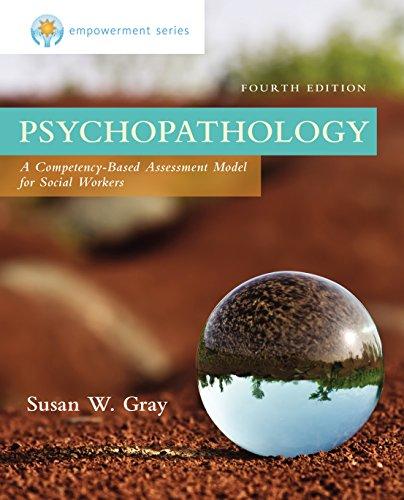
EmpowermentSeries:Psychopathology:ACompetency basedAssessmentModelforSocialWorkers4th Edition,(EbookPDF)
https://ebookmass.com/product/empowerment-seriespsychopathology-a-competency-based-assessment-model-forsocial-workers-4th-edition-ebook-pdf/
Instant digital products (PDF, ePub, MOBI) ready for you
Download now and discover formats that fit your needs...
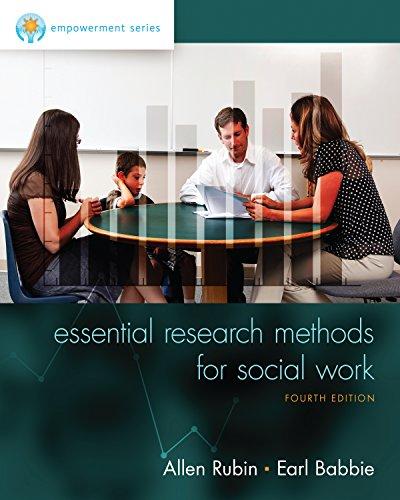
Empowerment Series: Essential Research Methods for Social Work 4th Edition, (Ebook PDF)
https://ebookmass.com/product/empowerment-series-essential-researchmethods-for-social-work-4th-edition-ebook-pdf/
ebookmass.com
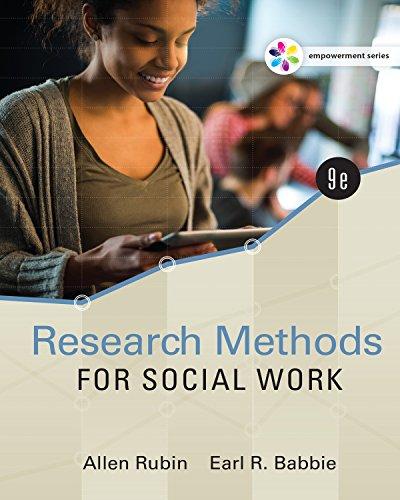
Empowerment Series: Research Methods for Social Work 9th Edition, (Ebook PDF)
https://ebookmass.com/product/empowerment-series-research-methods-forsocial-work-9th-edition-ebook-pdf/
ebookmass.com
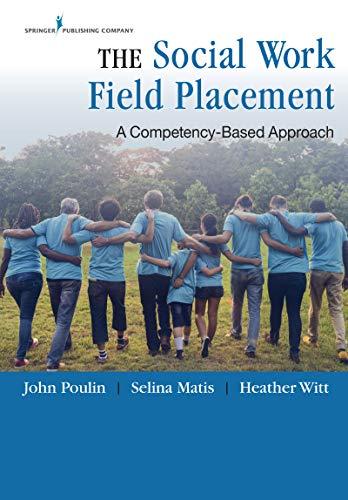
The Social Work Field Placement: A Competency-Based Approach
https://ebookmass.com/product/the-social-work-field-placement-acompetency-based-approach/
ebookmass.com
(eBook PDF) Nutrition Counseling and Education Skill Development 4th Edition
https://ebookmass.com/product/ebook-pdf-nutrition-counseling-andeducation-skill-development-4th-edition/
ebookmass.com
Pediatric Endocrinology and Inborn Errors of Metabolism
2nd Edition Kyriakie Sarafoglou
https://ebookmass.com/product/pediatric-endocrinology-and-inbornerrors-of-metabolism-2nd-edition-kyriakie-sarafoglou/
ebookmass.com
Electrical Properties of Materials (10th Edition) L. Solymar
https://ebookmass.com/product/electrical-properties-of-materials-10thedition-l-solymar/
ebookmass.com
College physics explore and apply Second Edition Eugenia Etkina
https://ebookmass.com/product/college-physics-explore-and-applysecond-edition-eugenia-etkina/
ebookmass.com
Biology: Concepts and Investigations 4th Edition Mariëlle Hoefnagels
https://ebookmass.com/product/biology-concepts-and-investigations-4thedition-marielle-hoefnagels/
ebookmass.com
Research Methods for Business Students, 9th Edition Mark Saunders
https://ebookmass.com/product/research-methods-for-businessstudents-9th-edition-mark-saunders/
ebookmass.com
Anatomy & Physiology: The Unity of Form and Function (loq quality) 9th Edition Kenneth Saladin
https://ebookmass.com/product/anatomy-physiology-the-unity-of-formand-function-loq-quality-9th-edition-kenneth-saladin/
ebookmass.com
CHAPTER 1
CHAPTER 2
PREFACE xvii
ABOUTTHE AUTHOR xxv
AnIntroductiontotheCompetency-BasedAssessmentModel1
Introduction1
TheDSM-5:ApproachestotheAssessment4
TheDSM-5DefinitionofMentalIllness6
HowtheDSM-5IsOrganized7
ACloserLookatSectionII8
UsingtheDSM-59
RefiningtheDiagnosis10
TheCompetency-BasedAssessmentModel12
TheBiopsychosocialFramework12
TheEcologicalPerspective19
TheStrengthsPerspective20
SystemsTheory21
UnderstandingtheClient24
Summary28
CompetencyNotes30
NeurodevelopmentalDisorders33
Introduction33
IntellectualDisability(IntellectualDevelopmentalDisorder)34
PrevailingPattern35
DifferentialAssessment35
OtherRelatedDisorders39
AutismSpectrumDisorder40
PrevailingPattern40
DifferentialAssessment41
Attention-Deficit/HyperactivityDisorder48
PrevailingPattern49
DifferentialAssessment49
OtherNeurodevelopmentalDisorders54
CommunicationDisorders55
MotorDisorders60
Summary61
Practitioner sReflections62
Activities62
CompetencyNotes63
CHAPTER 3 SchizophreniaSpectrumandOtherPsychoticDisorders66
Introduction66
Schizophrenia70
TheRoleofDopamine73
KeyFeaturesDefiningtheSchizophreniaSpectrum74
CulturalConsiderations78
PrevailingPattern80
DifferentialAssessment80
CatatoniaasaSpecifierandasaDisorder89
TheImpactofSchizophrenia:Suicide,Depression,andSubstanceUse91
DelusionalDisorder92
PrevailingPattern93
DifferentialAssessment93
BriefPsychoticDisorder96
PrevailingPattern96
DifferentialAssessment96
SchizophreniformDisorder97
PrevailingPattern98
DifferentialAssessment98
SchizoaffectiveDisorder100
PrevailingPattern100
DifferentialAssessment100
OtherDisordersofDiagnosticImportance104
Substance/Medication-InducedPsychoticDisorder104
PsychoticDisorderDuetoAnotherMedicalCondition104
OtherSpecifiedSchizophreniaSpectrumandOtherPsychoticDisorder104
UnspecifiedSchizophreniaSpectrumandOtherPsychoticDisorder105
Summary105
Practitioner sReflections106
Activities106
CompetencyNotes107
CHAPTER 4 BipolarandRelatedDisorders111
Introduction111
BipolarDisorders112
PrevailingPattern114
VariationsofBipolarDisorder114
BipolarDisorderSpecifiers115
CyclothymicDisorder121
PrevailingPattern121
DifferentialAssessment122
OtherBipolarandRelatedDisorders123
Substance/Medication-InducedBipolarandRelatedDisorder123
BipolarandRelatedDisorderDuetoAnotherMedicalCondition124
OtherSpecifiedBipolarandRelatedDisorder124
UnspecifiedBipolarandRelatedDisorder124
Summary124
Practitioner sReflections126
Activities126
CompetencyNotes127
CHAPTER 5 DepressiveDisorders129
Introduction129
DisruptiveMoodDysregulationDisorder129
PrevailingPattern130
DifferentialAssessment130
MajorDepressiveDisorder133
PrevailingPattern134
DifferentialAssessment134
PersistentDepressiveDisorder(Dysthymia)144
PrevailingPattern144
DifferentialAssessment144
TheMinorDepressiveDisorders148
PremenstrualDysphoricDisorder148
Substance/Medication-InducedDepressiveDisorder149
DepressiveDisorderDuetoAnotherMedicalCondition149
OtherSpecifiedandUnspecifiedDepressiveDisorders150
ComplicationsAssociatedwithMajorDepressiveDisorders150
MedicationsCommonlyAssociatedwiththeDepressiveDisorders154
Summary156
Practitioner sReflections157
Activities157
CompetencyNotes158
CHAPTER 6 AnxietyDisorders161
Introduction161
SeparationAnxietyDisorder162
PrevailingPattern163
DifferentialAssessment163
SelectiveMutism166
PrevailingPattern166
DifferentialAssessment166
CHAPTER 7
SpecificPhobia167
PrevailingPattern167
DifferentialAssessment167
SocialAnxietyDisorder(SocialPhobia)170
PrevailingPattern170
DifferentialAssessment171
PanicDisorder173
PrevailingPattern175
DifferentialAssessment175
Agoraphobia179
PrevailingPattern179
DifferentialAssessment179
GeneralizedAnxietyDisorder182
PrevailingPattern182
DifferentialAssessment183
OtherAnxietyDisorders185
Summary187
Practitioner sReflections188
Activities188
CompetencyNotes189
Obsessive-CompulsiveandRelatedDisorders191
Introduction191
Obsessive-compulsiveDisorder192
PrevailingPattern193
DifferentialAssessment193
BodyDysmorphicDisorder199
PrevailingPattern199
DifferentialAssessment199
HoardingDisorder204
PrevailingPattern204
DifferentialAssessment205
OtherObsessive-compulsiveandRelatedDisorders207
Summary209
Practitioner sReflections210
Activities210
CompetencyNotes212
CHAPTER 8 Trauma-andStressor-RelatedDisorders214
Introduction214
ReactiveAttachmentDisorder215
PrevailingPattern215
DifferentialAssessment216
DisinhibitedSocialEngagementDisorder218
PrevailingPattern219
DifferentialAssessment219
PosttraumaticStressDisorder221
PrevailingPattern223
DifferentialAssessment223
AcuteStressDisorder231
PrevailingPattern232
DifferentialAssessment232
AdjustmentDisorders236
PrevailingPattern237
DifferentialAssessment237
Summary239
Practitioner sReflections239
Activities240
CompetencyNotes241
CHAPTER 9 DissociativeDisorders244
Introduction244
CulturalPerspectivesandtheDissociationExperience248
DissociativeIdentityDisorder251
PrevailingPattern253
DifferentialAssessment253
DissociativeAmnesia258
PrevailingPattern259
DifferentialAssessment259
DissociativeAmnesiawithDissociativeFugue262
Depersonalization/DerealizationDisorder263
PrevailingPattern264
DifferentialAssessment264
Summary266
Practitioner sReflections267
Activities267
CompetencyNotes268
CHAPTER 10 SomaticSymptomandRelatedDisorders270
Introduction270
SomaticSymptomDisorder272
PrevailingPattern273
DifferentialAssessment273
IllnessAnxietyDisorder277
PrevailingPattern278
DifferentialAssessment279
ConversionDisorder(FunctionalNeurologicalSymptomDisorder)283
PrevailingPattern284
DifferentialAssessment284
PsychologicalFactorsAffectingOtherMedicalConditions287
DifferentialAssessment287
FactitiousDisorder290
PrevailingPattern291
DifferentialAssessment291
ClosingObservationsAboutNanFinkelhorn292
Summary293
Practitioner sReflections294
Activities294
CompetencyNotes295
CHAPTER 11 FeedingandEatingDisorders297
Introduction297
Pica299
PrevailingPattern300
DifferentialAssessment300
RuminationDisorder304
PrevailingPattern304
DifferentialAssessment304
Avoidant/RestrictiveFoodIntakeDisorder308
PrevailingPattern308
DifferentialAssessment308
AnorexiaNervosa311
PrevailingPattern312
DifferentialAssessment313
BulimiaNervosa319
PrevailingPattern320
DifferentialAssessment320
Binge-EatingDisorder325
PrevailingPattern326
DifferentialAssessment326
OtherFeedingorEatingDisorders331
OtherSpecifiedEatingorFeedingDisorder331
UnspecifiedFeedingorEatingDisorder332
TheRoleofObesity332
Summary333
Practitioner sReflections335
Activities335
CompetencyNotes336
CHAPTER 12 EliminationDisorders341
Introduction341
Enuresis342
PrevailingPattern342
DifferentialAssessment342
Encopresis346
PrevailingPattern346
DifferentialAssessment346
OtherRelatedDisorders349
Summary349
Practitioner sReflections350
Activities350
CompetencyNotes351
CHAPTER 13 Disruptive,Impulse-Control,andConductDisorders353
Introduction353
CulturalPerspectives354
OppositionalDefiantDisorder356
PrevailingPattern356
DifferentialAssessment357
IntermittentExplosiveDisorder360
PrevailingPattern360
DifferentialAssessment360
ConductDisorder363
PrevailingPattern363
DifferentialAssessment363
PyromaniaandKleptomania:AnOverview368
Pyromania368
Kleptomania369
Summary369
Practitioner sReflections369
Activities370
CompetencyNotes371
CHAPTER 14 Substance-RelatedandAddictiveDisorders373
Introduction373
TheEssentialFeaturesoftheSubstance-RelatedandAddictiveDisorders379
SubstanceUseDisorder380
Severity,Specifiers,andRecording381
Substance-InducedDisorders382
SubstanceIntoxication382
SubstanceWithdrawal382
Substance/Medication-InducedMentalDisorders384
OtherDiagnosticConsiderations386
Alcohol-RelatedDisorders387
PrevailingPattern387
AlcoholUseDisorder388
DifferentialAssessment388
AlcoholIntoxication389
AlcoholWithdrawal390
Long-TermEffectsofAlcoholUse395
Caffeine-RelatedDisorders396
PrevailingPattern396
CaffeineIntoxication397
DifferentialAssessment397
CaffeineWithdrawal397
DifferentialAssessment398
Cannabis-RelatedDisorders398
PrevailingPattern398
CannabisUseDisorder399
DifferentialAssessment400
CannabisIntoxication400
CannabisWithdrawal401
Hallucinogen-RelatedDisorders401
ThePhencyclidines401
PrevailingPattern402
PhencyclidineUseDisorder402
DifferentialAssessment403
PhencyclidineIntoxication404
TheOtherHallucinogens404
PrevailingPattern404
OtherHallucinogenUseDisorder405
HallucinogenIntoxication405
HallucinogenPersistingPerceptionDisorder406
Inhalant-RelatedDisorders406
PrevailingPattern407
InhalantUseDisorder407
DifferentialAssessment407
InhalantIntoxication408
Opioid-RelatedDisorders408
PrevailingPattern409
OpioidUseDisorder409
DifferentialAssessment410
OpioidIntoxication411
OpioidWithdrawal411
Sedative-,Hypnotic-,orAnxiolytic-RelatedDisorders412
PrevailingPattern412
CHAPTER 15
Sedative,Hypnotic,orAnxiolyticUseDisorders412
DifferentialAssessment413
Sedative,Hypnotic,orAnxiolyticIntoxication414
Sedative,Hypnotic,orAnxiolyticWithdrawal415
Stimulant-RelatedDisorders415
PrevailingPattern417
StimulantUseDisorder417
DifferentialAssessment418
StimulantIntoxication419
StimulantWithdrawal419
Tobacco-RelatedDisorders420
PrevailingPattern422
TobaccoUseDisorder422
TobaccoWithdrawal424
Other(orUnknown)Substance-RelatedDisorders424
Other(orUnknown)SubstanceUseDisorder425
Other(orUnknown)SubstanceIntoxication425
Other(orUnknown)SubstanceWithdrawal425
UnspecifiedOther(orUnknown)Substance-RelatedDisorder425
ConcludingCaseReview425
GamblingDisorder430
PrevailingPattern431
DifferentialAssessment431
Summary434
Practitioner sReflections435
Activities435
CompetencyNotes437
TheNeurocognitiveDisorders443
Introduction443
Delirium446
PrevailingPattern446
DifferentialAssessment447
TheNeurocognitiveDisorders450
DifferentialAssessment454
MildNeurocognitiveDisorder(MildNCD)456
MajorNeurocognitiveDisorder456
PrevailingPattern456
NeurocognitiveDisorderDuetoAlzheimer sDisease457
DifferentialAssessment458
VascularDisease465
NeurocognitiveDisordersOtherthanAlzheimer sandVascularDisease465
FrontotemporalNeurocognitiveDisorder465
NeurocognitiveDisorderwithLewyBodies466
NeurocognitiveDisorderduetoTraumaticBrainInjury466
Substance/Medication-InducedNeurocognitiveDisorder467
NeurocognitiveDisorderDuetoHIVInfection467
PrionDisease468
NeurocognitiveDisorderDuetoParkinson sDisease468
NeurocognitiveDisorderDuetoHuntington sDisease469
AdditionalNeurocognitiveDiseases469
Summary469
Practitioner sReflections471 Activities471
CompetencyNotes472
CHAPTER 16 ThePersonalityDisorders475
Introduction475
ClusterA:OddandEccentricPersonalityDisorders481
ParanoidPersonalityDisorder481
PrevailingPattern481
DifferentialAssessment481
SchizoidPersonalityDisorder486
PrevailingPattern486
DifferentialAssessment486
SchizotypalPersonalityDisorder490
PrevailingPattern491
DifferentialAssessment491
ClusterB:Emotional,Dramatic,orErratic496
AntisocialPersonalityDisorder496
PrevailingPattern496
DifferentialAssessment497
BorderlinePersonalityDisorder501
PrevailingPattern503
DifferentialAssessment503
HistrionicPersonalityDisorder508
PrevailingPattern508
DifferentialAssessment508
NarcissisticPersonalityDisorder512
PrevailingPattern513
DifferentialAssessment513
ClusterC:Anxious,Fearful517
AvoidantPersonalityDisorder518
PrevailingPattern518
DifferentialAssessment518
DependentPersonalityDisorder522
PrevailingPattern522
DifferentialAssessment523
Obsessive-CompulsivePersonalityDisorder527
PrevailingPattern527
DifferentialAssessment527
TheProposedAlternativeDSM-5ModelforDiagnosingthePersonality Disorders531
Summary534
Practitioner sReflections534
Activities534
CompetencyNotes536
APPENDIX 541
GLOSSARY 562
NAME INDEX 573
SUBJECT INDEX 580
PREFACE
INTRODUCTION
Allofusengageinbehaviorsthatweusuallydonotthinkalotabout fromeating, totalking,feeling,thinking,remembering,playing,buyingthings,orevengoingto thebathroom,tolistafew.However,thesebehaviorscanpotentiallyhaveamaladaptivecomponentthatcanbediagnosedasamentaldisorder.Thesedysfunctions areasourceofsubstantialconcerntomanydifferentmentalhealthprofessions whosemembersholddifferingopinionsregardingtheetiology,pathology,and treatmentofthesedisorders.Professionalsthinkintermsoftheir language, and inordertobeabletomeaningfullycommunicatewithoneanother,itisimportant toshareacommonvocabulary.The DiagnosticandStatisticalManualofMental Disorders (DSM)publishedbytheAmericanPsychiatricAssociation(APA,2013) offersanofficialdiagnosticnomenclature,makingitapowerfuldocument.Itplays asignificantroleinhowpractitioners,theiragencies,fundingsources,socialprograms,andthegeneralpublicconceptualizeandrespondtoproblematicandmaladaptivebehaviors(Schwartz&Wiggins,2002).
Amongthe500,000mentalhealthprofessionalsintheUnitedStateswhousethe DSM-5,thelargestgroupissocialworkers(U.S.DepartmentofLabor,Bureauof LaborStatistics,2010)followedbymentalhealthcounselors(AmericanCounseling Association,2011),psychologists(AmericanPsychologicalAssociation,2012),and psychiatrists(APA,2011).Moreover,socialworkpracticespecifictothefieldof mentalhealthisthelargestsubspecialtywithintheprofession(Whitaker,Weismiller, Clark,&Wilson,2006).Historically,theuseofthepsychiatricnomenclaturein socialworkpracticehasbeencontroversialandhasgeneratedconsiderablediscussion withintheprofession(Washburn,2013).Tosomeextent,mentaldisordersarethe constructionsofpractitionersandresearchersratherthanprovendiseasesandillnesses(Maddux,Gosselin,&Weinstead,2008).Ontheotherhand,thediagnoses foundintheDSMarenotnecessarilylackingcredibilityorempiricalsupport.
THE DIAGNOSTICANDSTATISTICALMANUALOFMENTAL DISORDERS ANDITSFIFTHEDITION
ThepublicationoftheDSM-5in2013isthefiftheditionoftheDSM,representing thefirstmajorrevisiontothemanualinmorethan30years(APA,2013).The DSMhasaprofoundinfluenceonallmentalhealthprofessions.Certainlythere
havebeennumerouscontroversiessurroundingtheDSM-5includingtheoverall reliabilityofthesystem,poorresearchforfieldtrials,itsseemingslanttowarda biologicalapproach,therelativelackofparticipationofprofessionalgroupsother thanpsychiatry,andtheinclusionanddefinitionofparticularmentaldisorders mostnotablytheautismspectrum(First,2010;Frances,2012,2013;Friedman, 2012;Jones,2012;Pomeroy&Anderson,2013).Admittedly,theDSM-5maycontainflaws,butforthemostpartitdescribeswhatisreasonablyunderstoodbymost practitionersandresearcherstobethepredominantformsofpsychopathology.The psychiatricdiagnosisisprimarilyawayofcommunicatingandthecategoriesofthe differentdisorderscanbeusefulwithoutnecessarilybeing thefinalword about howpeoplefunction.TheDSM-5maybeimperfectandsometimesbiased,butno onehasquestionedwhetherthemanualshouldbeusedatallorsuggestedthat thereisanalternativewaytomoveforward.Regardlessofthecriticisms,thereality isthattheDSMremainsastheprimaryclassificationsystemacrossthecounseling professionsfordiagnosisandreimbursementpurposes(Washburn,2013).Ifweare toprovideourclientswiththebestpossibleservices,thentheabilitytomakean accuratediagnosisisanimportantstepinthatdirection.Regardlessofwhereyou stand,itisessentialtobecomefamiliarwiththechangesintheDSM-5andits potentialimpactonclients.Infact,usingtheDSM-5isunavoidableformanyclinical socialworkers.Forinstance,theAssociationofSocialWorkBoards(ASWB) includesquestionsspecifictotheDSMonitslicensingexams,whicharerequired byalmosteverystate(Frazer,Westhuis,Daley,&Phillips,2009).Beginningin July2015,thelicensuretestquestionsshiftedtotestingknowledgeoftheDSM-5. RevisingtheDSMhasbeenanenormousundertakingandnodiagnosticprocessisperfect.Keepinmindthataworkofthismagnitudewillhavesomeerrors. TheAPAhasmadeeveryefforttokeepupwiththelistingoferrata,andyouare encouragedtochecktheassociation swebsite(http://www.dsm5.org),whichposts correctionstothemanual.Itisanticipatedthatminortexteditswillbecorrected inlaterpublications.
IntheprioreditionofthisbookIsharedtheexperienceofoneofmystudentsona fieldtripwetooktoanagencythatworkswiththeseverelyandpersistentlymentallyill organizedaroundtheclubhousemodel.Essentiallythisstudenthadreservations aroundworkingwith thosepeople untilshemetarealclientandhadthechanceto gettoknowhimalittlebetterasheproudlyshowedusaroundtheagency.Istill rememberthisclient sgreetingasweapproachedthefrontdooroftheagency.He hadabigsmileandproudlyannounced, Hi,I mDannyandIhaveschizophrenia. Welcometoourclubhouse.Ican twaittoshowyouaround. Irememberedthinking, whoknowsmoreaboutmentalillnessthansomeonewholiveswithadisorderona dailybasis?Danny ssymptomsmaywaxandwane,butultimatelytheydonotgo away.Thecompetency-basedapproachtotheassessmentprocesstakesintoaccounta client slivedexperienceswithadiagnosis.Fromthisperspective,Danny sdiagnosis becomesbutapartofhisidentityanddoesnotdefinehim.Theintentofthecompetency-basedmodelistoadvancetheassessmentprocesstoonethatrecognizeseach person suniquenessratherthantofocussolelyonadiagnosticlabel.
LacasseandGomory(2003)analyzedasampleofpsychopathologysyllabifrom topgraduateschoolsofsocialworkaroundthecountryandfoundthatthemostfrequentlyrequiredtextswereauthoredbypsychiatrists.Nocoursehadastand-alone
textauthoredbyasocialworker.Associalworkers,wearefamiliarwithworking fromastrengthsperspectivewithourclients,andthisorientationsomehowbecomes lostinbooksfromotherdisciplines.Thisbookiswrittenbyasocialworkerforsocial workers.Learningaboutpsychopathologyandrelateddiagnosesislikelearninga newlanguage.Besttolearnthislanguagewithasocialworkaccent!
THEBOOK SORGANIZATION
ThechangesintheDSM-5willrequirepractitionerstorelearnhowtoclassifyand conceptualizesomementaldisorders.Theaimofthisbook sfourtheditionisto helpreadersunderstandthenewfeaturesoftheDSM-5totheextentthatyoucan takethisinformationand,byincorporatingthecompetency-basedassessment model,applydiagnosescorrectly.Aswithprioreditions,casestudiesareprovided tohighlightdiagnosticcriteriaandtodifferentiateamongthedifferentdiagnoses.
Stigmaandmisunderstandingofmentalillnessispervasive,andmanystillconsidermentalhealthproblemstobetheresultofpersonalshortcomings.Thebookis organizedaroundthecompetency-basedmodel,whichhighlightsthebiological (includingneurological),psychological,andsocialaspectsofaperson slifeasapart ofthediagnosticprocess.Inthisway,understandingpsychopathologywillnotfocus oncharacterflawsorpersonalweaknessbutincludeastrengths-basedorientationto theassessment,whichlookstohowsomeonelikeDannycopeswithandrebounds fromthechallengesoflivingwithamentaldisorder.Thediagnosisunderstandsthe individual sbiopsychosocialmakeup,culturalandpoliticalinfluences,copingmethods,andfactorsthatareabasisforstrengths,resiliency,andresources.Thisorientationbalancespsychopathologywithaparallelappreciationoffactorsrelatedto strengthsandresiliency.ItgoeswithoutsayingthatusingtheDSMrequiresskillin ordertobeabletodistinguishtheclient ssymptompicture.Thecompetency-based assessmentextendsthisunderstandingandlooksbeyondareviewoftheclient s symptomstoconsiderhowadisorderisexperienced,howitisexpressed,andhow symptomsareinterpretedbythepersonandthoseclosetohimorher.
INTRODUCTIONTOENHANCEDCONTENT
Youwillfindanumberofchangesineachofthechapters.TheDSM-5definitionof mentalillnesstakesintoaccounttheneurologicalfeaturesofmentaldisorders.In ordertofamiliarizethesocialworkpractitionerwiththeneurologicalcontributions topsychopathology,Chapter1expandsthereviewofthebiopsychosocialframeworksupportingthecompetency-basedassessmentbyincludingcontentonthe roleofthebrainandrelatedsystemsinpsychopathology.Subsequentchapters includeadiscussionoftheseinfluencesaroundparticulardisorders.Areviewof changestothereorganizationoftheDSMarealsoincluded.
TheDSM-5classificationsystemcutsacrossalldevelopmentalstages,thuseliminatingtheneedforaseparatechapteronthedisordersofinfancy,childhood,and adolescenceasseenintheDSM-IV-TR.Fromalife-spanperspective,disordersspecifictoearlydevelopmentareplacedinthesecondchapteronneurodevelopmental disorders,andalaterchapteronneurocognitivedisordersaddresseslatelife
developments.ThisapproachtoDSMreorganizationalsoattemptstobetterreflectthe relativestrengthofrelationshipsamongdisordergroups.Forexample,althoughthereis anoverlapofsymptomsamongtheanxietydisorders,obsessive-compulsivedisorder, posttraumaticstressdisorder,andacutestressdisorder,each hasadifferentclinicalpresentationandarenowincludedinseparatechaptersonthebasisofovertsymptomsin theDSM-5.However,clientswithanyoneofthesecloselyrelateddisorderscanshow comorbiddisordersfromamongthisspectrum(Bienvenuetal.,2011).
ConsistentwiththisapproachtotheDSMclassificationsystem,newchapters havebeenadded;forexample,obsessive-compulsiveandrelateddisorders,and trauma-andstressor-relateddisorders,tolistafew.Toremainconsistentwithprior editions,allofthechaptersfrom2through16inthebookhavebeenorderedaround howtheyappearintheDSM.Youwillfindareviewofthespecificdisordersfollowedbyanupdateddiscussionofprevailingpatterns,andthedifferentialdiagnosis. Casevignettesarepresentedfollowedbyadiagnosisandthecompetency-based assessment.Anassessmentsummaryreviewspossiblealternativediagnosessothat readerscanbecomefamiliarwiththeprocessofdistinguishingsymptomsandclient competenciesinreality-basedsituations.Inthisway,readersmaylearntotakethe client s wholeperson intoaccountwhenmakingadiagnosisofmentalillness. NoteverydisorderaddressedintheDSM-5appearsinthebook.Theintentistoprovideamorein-depthreviewofthosesyndromessocialworkerswillmorethanlikely encounterintheireverydaypractice.Asbefore,eachchapterisdesignedtostand alone.Thisfeaturewaskeptinordertofacilitateindividualinstructorpreference aroundsequencingtheteachingofcontentaboutaparticulardisorder.Inaddition, itiseasierforreaderswhomightwanttore-reviewadiagnosis.
Newcasestorieshavebeenaddedthroughoutthebooktoillustratethenew diagnosesincludedintheDSM-5.Forexample,youwillnoticethecaseofJohn Laughlinhighlightingdisruptivemooddysregulationdisorderinthedepressivedisorderschapter,andLarryDalton sexperienceswithgamblingdisorderinthesubstance-relatedandaddictivedisorderschapter.Therearenumerousfamiliarcase studiesfromprioreditions,butthediagnosishasbeenupdatedtoreflecttheDSM-5 diagnosticcriteria.Forexample,RudyRosenstillstruggleswithschizophrenia,but thewayithasbeendiagnosedisdifferent.Toaddcontexttothediagnosticshifts, eachchapterendswithasummaryofthechangesfromtheDSM-IV-TRtothe DSM-5.Sometimesadiagnosisthatthepractitionerwillmorethanlikelynotseein theaveragepracticesituationwasreviewed,andthiswasdonetoexpandtheoverall understandingofthediagnosticcategoriesintheDSM-5.Forinstance,youwillfind PattyNemeth sstoryaboutseparationanxietyinthechapterfeaturingtheanxiety disorders,andMaryEllenCreamer sstruggleswithpicainthefeedingandeatingdisorderschapter.TheDSM-5hasmovedawayfromacategoricalapproachtothe diagnosis thatis,eitheryoumeetcriteriaforadiagnosisornot andmoretoward adimensionalperspective.Reflectiveofthisshift,youwillfindmorelistingsofdiagnosticspecifiersandseverityratingsforeachofthediagnoses.
ThefourtheditionofthebookremainsapartoftheCengageLearning EmpowermentSeriesandcontinuestointegratetheCouncilonSocialWorkEducation(CSWE)EducationalPolicyandAccreditationStandards(EPAS).However,in March2015,CSWEapprovedanewsetofstandards,referredtoaspracticecompetencies.Thisnewlyrevisedsetofpracticebehaviorshasbeenintegratedintoeach
chapter,thusfurthersupportingthebook semphasisonaperformance-basedorientationtolearningthatlinkstheoryandaction;thatis,usingreal-lifecaseexamplestohighlighttheassessmentprocess.Competencynotesareprovidedattheend ofeachchapterthatdescribeeachcompetenceanditsrelationshiptochaptercontent.TheAppendixcontainstestquestionsforeachchapter,andtheyhavebeen expandedtoreflecttherevisionstothisedition.
Whilethebooktargetssocialworkers,itcanbeusedbyallmentalhealthprofessionalstakingcoursesinpsychopathology,humanbehavior,ordirectpractice.Itis alsoagoodreferenceforpractitionerswhowanttoreviewthebasicsofpsychopathologyortoprepareforalicensureexam.Supervisorswillfinditausefulreference forpsychiatricdiagnoses.Thecasestudiesaredrawnfromreal-lifepracticeexperiences,andIhopereaderswillfindthediversityreflectiveofcontemporarypractice. Allcasestorieshavebeenchangedtoprotectanonymity,andsomerepresentacompendiumofdifferentclientexperiences.Anyresemblancetoareal-lifeclientisaccidentalandnotintentional.Thecasescanbeusedbybothinstructorsand supervisorsasapartofahomeworkassignment,tosupplementlectures,oradapted toprovideevidenceofstudents understandingoftheassessmentprocessinpractice.
INSTRUCTORSUPPLEMENTS
Forthiseditionofthetextbook,theauthorhascraftedadetailedInstructor sManualtosupportyouruseofthenewedition.Themanualincludeschaptersummaries,practitionerreflectionsthatcanbeusedasstudentexercises,suggestionsfor furtherstudy,andadditionalonlineandprintresources.Thereisalsoadetailed testbankandasetofclassroomPowerPointslidesthataccompanythetext.
Thismaterialcanbefoundathttp://www.cengagebrain.com.
ACKNOWLEDGEMENTS
TheDSM-5createdtheopportunityformakingsignificantchangesinthebook.It didnottakeverylongformetorealizethatanundertakinglikethiscouldbe accomplishedonlywithalotofhelpandsupport.Iwouldespeciallyliketo acknowledgeallofthehelpinghandsbehindthesceneswhoworkeddiligentlyto makethiseditionofthebookareality.Lookingback,Ifindithardtobelievethat 15yearshavepassedsincethefirsteditionwaspublished.BackthenIcouldnot havepredictedthatthecompetency-basedassessmentwouldmakesuchanenduring contributiontothementalhealthfield.Iamalwayscollectingcasestories from myownpractice,students,supervisees,andcolleagues andcontinuetobe impressedbythestrengthandresilienceofthosewhostrugglewithamentaldisorder.Thankyoutoallwhohavesharedtheir stories withme.
Diagnosingclientsisnotaneasytask.TheDSM-5providedanexcitingopportunitytolookatthisprocessthroughthelensofthevaluesofourprofessionand thenapplyingthosevaluesincontemporarypractice.Overandoveragain,readers havesharedthatthistextbook,withitsreal-lifecasestories,hashelpedthemto learnpsychopathologyinawaythatkeepsinmindtheuniquenessofeachperson whostruggleswiththechallengesassociatedwithlivingwithamentaldisorder.
Thankyouforencouragingmetocontinuethiswork.Wheneachclient sdiagnosisis individualizedthroughthecompetency-basedassessment,wemoveinthedirectionof asocietalculturethatencouragesachangeinthenegativeperceptionsofmentalillnessandthestigmathatsurroundsthosewhoseekhelpforthesechallenges.
IwouldliketothankGordonLee,ProductManager AnthropologyandSocial Work,whowasinvolvedattheoutset,andJulieMartinez,ProductManager Counseling,HumanServices,andSocialWork,whosawthiseditionthroughtoits successfulcompletion.Iwouldalsoliketoacknowledgethosewhoassistedwiththe productionphaseofthebook,includingTanyaNigh,SeniorContentProjectManager,JeffreyHahn,J.L.HahnConsultingGroup,andValarmathyMunuswamy, AssociateProgramManager,LuminaDatamatics,Inc.Iknowtherearemanyothers ontheCengageteamandIdowanttoacknowledgetheircontributions.
Asalaststep,Iwishtothankmyhusband,Kenneth,whosesupporthasmade allofthispossible.Aswithhisexperienceswithmyworkonprioreditions,there weremanytimeswewouldmissmeals,eattakeout,orhavelunchat3:00or4:00 p.m.becauseIwasonthecomputerand, justneedanotherminutetofinishthis thought. Heclaimsnottoknowanythingaboutsocialworkbutsomehowmanagestoprovidetherightwordsofencouragementattherighttime.Hisfaithin meissomethingspecial!
REFERENCES
AmericanCounselingAssociation.(2011). 2011statisticsonmentalhealthprofessions.Alexandria, VA:Author.
AmericanPsychiatricAssociation.(2011). American PsychiatricAssociation. RetrievedonMay1, 2015from:http://www.psychiatry.org/ AmericanPsychiatricAssociation(APA).(2013). DiagnosticandStatisticalManualofMentalDisorders (5thed.).Arlington,VA:Author. AmericanPsychologicalAssociation.(2012). Support Center:Howmanypracticingpsychologistsare thereintheUnitedStates? RetrievedonMay1, 2015from:http://www.apa.org/support/practice. aspx
Bienvenu,O.J.,Samuels,F.J.,Wuyek,A.,Liang, K-Y.,Wang,Y.,Grados,M.A., Nestadt,G. (2011).Isobsessive-compulsivedisorderananxietydisorderandwhat,ifany,arespectrumconditions?Afamilystudyperspective. Psychological Medicine, 41(1),33 40.
First,M.B.(2010).Clinicalutilityintherevisionof theDiagnosticandStatisticalManualofMental Disorders(DSM). ProfessionalPsychology: ResearchandPractice, 41,465 473. Frances,A.J.(2012).DSM-5isguidenotbible ignore itstenworstchanges. PsychologyToday.Retrieved
onMay1,2015from:http://www.psychology today.com/blog/dsm5-in-distress/201212/dsm-5-isguide-not-bible-ignore-its-ten-worst-changes
Frances,A.J.(2013).Twofataltechnicalflawsinthe DSM-5definitionofautism. HuffingtonPost. RetrievedonMay1,2015from:http://www.huf fingtonpost.com/allen-frances/two-fatal-technicalflaws_b_3337009.html
Frazer,P.,Westhuis,D.,Daley,J.,&Phillips,I. (2009).Howclinicalsocialworkersaresuing theDSM:Anationalstudy. SocialWorkinMental Health, 7,325 339.
Friedman,R.A.(2012).Grief,depression,andthe DSM-5. NewEnglandJournalofMedicine RetrievedonMay2,2015from:http://www .nejm.org/doi/full/10.1056/NEJMp1201794? query=TOC
Jones,K.D.(2012).AcritiqueoftheDSM-5field trials. JournalofNervousandMentalDisease, 200,517 519.
Lacasse,J.R.,&Gomory,T,(2003).Isgraduate socialworkeducationpromotingacritical approachtomentalhealth? JournalofSocial WorkEducation, 39,383 408. Pomeroy,E.C.,&Anderson,K.(2013).TheDSM-5 hasarrived. SocialWork, 58(3),197 200.
Schwartz.M.A.,&Wiggins,O.P.(2002).ThehegemonyoftheDSMs.InJ.Sadler(Ed.), Descriptionsandprescriptions:Values,mentaldisorders andtheDSM (pp.199 209).Baltimore,MD: JohnsHopkinsUniversityPress.
Maddux,J.E.,Gosselin,J.T.,&Weinstead,B.A.(2008). Conceptionsofpsychopathology:Asocialconstructionistperspective.InJ.E.Maddux&B.A. Weinstead(Eds.), Psychopathology:Foundationsfor acontemporaryunderstanding (2nded.,pp.3 18). NewYork:Routledge/Taylor&FrancisGroup. U.S.DepartmentofLabor,BureauofLaborStatistics. (2010). Occupationaloutlookhandbook:Social
workers.RetrievedonMay1,2015from:http:// www.bls.gov/ooh/Community-and-Social-Service/ Social-Workers.htm
Washburn,M.(2013).Fivethingssocialworkers shouldknowabouttheDSM-5. SocialWork, 58(5),373 376.
Whitaker,T.,Weismiller,T.,Clark,E.,&Wilson, M.(2006). Assuringthesufficiencyofafrontlineworkforce:Anationalstudyoflicensed socialworkers.Specialreport:Socialworkservicesinbehavioralhealthcaresettings . WashingtonDC:NationalAssociationofSocial Workers.
ABOUTTHE AUTHOR
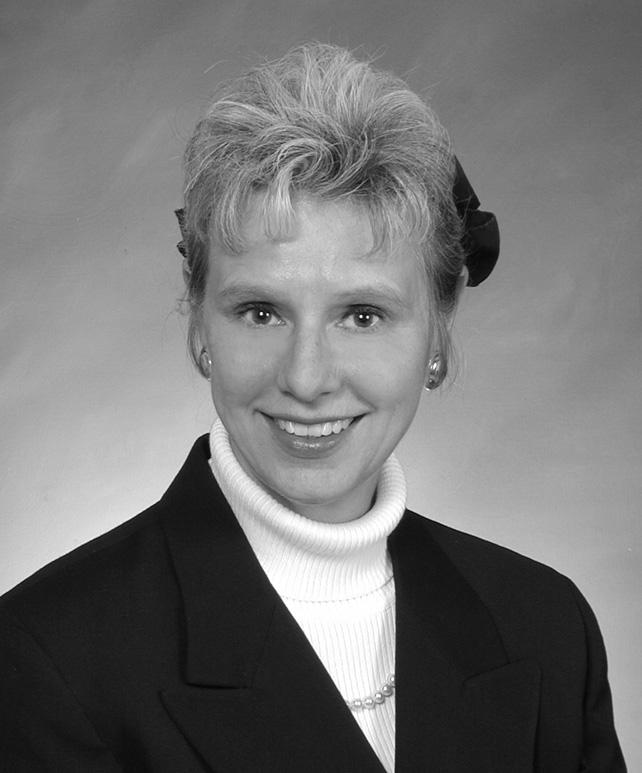
SusanW.Gray isProfessorEmeritaatBarryUniversity sEllen WhitesideMcDonnellSchoolofSocialWorkinMiamiShores, Florida.ShereceivedherPhDinsocialworkfromBarryUniversity withaspecializationinlicensure andprofessionalregulation,her EdDconcentratingonadulteducationfromNovaSoutheastern University,herMBAfromBarryUniversity,andherMSWin clinicalpracticefromRutgers theStateUniversity.Sheisamember oftheNationalAssociationofSocialWorkers,theAcademy ofCertifiedSocialWorkers,andtheCouncilonSocialWork Education.Shehasbeenamemberofthefacultysince1980, teachingavarietyofcoursesacros sthecurriculum,includingfoundationandadvancedclinicalsocialwork practicecoursesspecializingin workingwithindividuals,familiesandgroups,anelectivecourse incrisisintervention,andadoctoralcourseinsocialworkeducation.Amongher accomplishments,Dr.GraydirectedtheDoctoralProgramandspearheadedan extensiverevisionofitscurriculum.
Dr.GrayisaLicensedClinicalSocialWorkerandregisteredclinicalsupervisor inFlorida,whereshealsoservesasamemberoftheProbableCausePanelforthe statelicensureboard.Dr.Grayholdsawiderangeofexperienceindirectclinical practicewithindividuals,families,andgroups,havingworkedinavarietyofclinical andcommunitysettings,includingahalf-wayhouseforpregnantadolescents,family andchildrenoutpatientcounselingcenters,acutecaremedicalsettings,inpatient psychiatricunits,andprivatepractice.ShealsoservedasamemberoftheFlorida BoardofClinicalSocialWork,MentalHealthCounseling,andMarriageandFamily Therapy.
Herpracticeinterestsincludeherworkinsupervision,professionalregulation andlicensure,ruralpractice,bereavementgroups,intergenerationalfamilyassessment tools,thebriefsolution-focusedmodelofpractice,methodsofclassroomteaching, andaspectsofculturaldiversity.Dr.Gray scurrentresearchinterestsareinmental healthassessmentandpractice.Shehasauthorednumerouspublications,givenpresentationsatlocal,state,national,andinternationalsocialworkconferences,andis alsotheauthorof Competency-basedAssessmentsinMentalHealthPractice:Cases andPracticalApplications.Dr.Grayisknowntobeaninformativeandengaging speakerandhasreceivednumerousawards;mostnotably,shewashonoredasa mentorbytheCouncilonSocialWorkEducation sCouncilontheRoleandStatus ofWomeninSocialWorkEducationandreceivedthelifetimeachievementaward
PhotographybyMazrkSafra
fromtheFloridaMiami DadeNationalAssociationofSocialWorkers.Dr.Gray s decisiontobecomeateacherwasbasedonherwishtocontinuetoserveandtopay forwardallofthementoringandsupportshereceivedthroughoutherprofessional career.Lookingtothenewgenerationofgraduatingsocialworkersandexperienced practicingsocialworkers,shehopesthatthisbookwillsetthestageforreadersto findtheirwaytopositivelyinfluencetheprofessionbeginningeachclient,andone caseatatime.
1
AnIntroductiontothe Competency-Based AssessmentModel
INTRODUCTION
Thenowcentury-oldtraditionofpsychiatricsocialworkwasoneofseveralspecializations,includingmedicalsocialworkandchildwelfare,thatemergedduringthe earlypartofthetwentiethcentury.Whilethefieldofpsychiatricsocialworkgrew duringthe1900s,socialworkersstruggledwhenseekingemploymentbecauseof negativeprofessionalattitudesdirectedtowardthem.French(1940)identified someoftheproblemsassociatedwithearlypsychiatricsocialworkpositionssuch aslargecaseloads,lowpay,andinsomecasesrequirementstoliveontheinstitution spremisesandperformnonprofessionaldutieswithintheinstitution.
Theprofessionchangedovertime,andinthelastpartofthetwentiethcentury, socialworkerscouldbefoundservingallareasofthepublicandprivatemental healthsectors.Duringthepastfivedecades,socialworkershavehadconsiderable flexibilityinassessingclients,withthechoiceofusingdiagnosticcategoriesfound invariouseditionsofthe DiagnosticandStatisticalManualofMentalDisorders (DSM)(5thed., APA,2013[DSM-5])orotherpsychosocialorbehavioralcriteria. Lookingatpracticeinthetwenty-firstcentury,someofthewayssocialworkers havehistoricallyassessedclientsisinjeopardy,especiallyregardingspecificdiagnosticdescriptionsandinterventionsbasedonpresentingsymptoms.Inaneffort tomaketheprofessionaconvincingcompetitorinthemarketplace,accountability isoneofthecentralthemesforpresent-daycontemporarysocialworkpractice.The DSMclassificationsystemisoftenusedtomeettheseaccountabilityrequirements andforthird-partypayments.Asaconsequence,socialworkersarecalleduponto
balancetheprofession straditionalfocusonclientstrengthsandresiliencewiththe symptom-basedorientationorganizingtheDSM.
Lookingtothefuture,changesintheservicedeliverystructureofagencies,significantcostcontainmentefforts,andthefederalhealthcarereformsenactedin 2010havemovedtheprofessiontowardafurtherreevaluationoftheassessment processinclinicalsocialworkpractice.Thepushtowardreformoftheprivate healthinsurancemarket,andtoprovidebettercoverageforthosewithpreexisting conditionshassetthestageforquestionsaboutspiralingmedicalexpensesemerging intheformofincreasedcostsforemployeeinsurancecoverage,aswellascarefor thepooranduninsuredwhocurrentlyseekmedicaltreatmentatemergencyrooms andpublicclinics.Thefullextentoftherepercussionsoftheoverhaulofthe Americanhealthcaresystemareyettobedetermined.Nonetheless,theimplications oftheseinitiativesarethemergingofpublicandprivateservices;theshiftingof financialrisktoserviceproviders;thedevelopmentofcommunity-basedservice alternatives;andanincreasedemphasisonclientstrengthsandsocialsupports. Organizedaroundtheoreticalunderpinningsfamiliartoourprofession,thisbook isaboutacompetency-basedassessmentmodelthatkeepssightofthecomplexities oflifeinvulnerablepopulationssuchasthementallyillwhileformulatingadifferentialdiagnosisusingtheclassificationsystemfoundintheDSM.
Mentaldisordersarecommon,andinanygivenyear,about26.2percentof Americanadultsoverage18sufferfromamentaldisorder(NationalInstituteof MentalHealth[NIMH],2010).Lookingtotheratesofmentalillnessinchildren, approximately7percentofapreschoolpediatricsampleweregivenapsychiatric diagnosisinonestudyandapproximately10percentof1-and2-year-oldsreceiving developmentalscreeningwereassessedashavingsignificantemotional/behavioral problems(Carter,Briggs-Gowan,&Davis,2004).Despiteone scareerdirection withinthefieldofsocialwork,practitionersintoday spracticearenaaremorethan likelytoencounterclientswithmentalillness.ThosewhoworkwithindividualsconsideredmentallyillrecognizetheneedtolearnhowtodeciphertheDSMformat.Part oftheprobleminusingthemanualisthatonemightcomeawayfromitquestioning howthediagnosticcriteriapresentedtranslatetothereal-lifeclientsandtheirstrugglesseeninpractice.Socialworkersmustknownotonlyhowtoassessindividuals effectivelybutalsohowtodevelopanappropriateinterventionplanthataddresses clients needs.
TheDSMformatisnotforamateursandshouldnotbeconsideredasubstitute forprofessionaltraininginassessmentortheotherskillsneededtoworkwithclients.Forexample,taskssuchasperformingmentalstatusexamsandmonitoringof medication(historicallythesoledomainofpsychiatrists)arenowroutinelyhandled bysocialworkers.Itisimportanttorecognizethatusingaclassificationsystemcan neverreplaceanassessmentthatconsiders thebasicfactthatpeoplearequintessentiallysocialbeings,existingwitheachotherinsymbioticaswellasparasiticrelationships (Gitterman&Germain,2008a,p.41).Thatis,thepersonismuchmore thanhisorherdiagnosis.Therehavebeena numberoflong-standing criticismsofthe DSM(seee.g.,Dumont,1987;Kirk&Kutchins,1994; Kirk,Siporin,&Kutchins, 1989;Kutchins&Kirk,1987).Beingasocialworkpractitioneraswellasan educator,myprimaryreasonforwritingthisbookistohelpmaketheDSM formatmoreunderstandableandaccessibletoothersocialworkers.Thisbook
doesnottakealinearortraditionalpsychiatricapproach;rather,itincorporatesa competency-basedassessmentasavehicletosupporttheprofession shistoricalorientationtopractice.
Developingaworkingknowledgeofpsychopathologyissimilartomasteringa foreignlanguage;atfirsteverythingseemsconfusing,butgraduallythelanguage becomesunderstandable.Similarly,beginningsocialworkstudentsareoftenanxious whenaskedtoformulateaninitialdiagnosis,feelingtheyaresomehowperpetuating thetendencytopigeonhole,stereotype,orlabelpeople.Theprocessiscomplicated becausemosttextbooksaboutmentaldisordersarewrittenbypsychiatristsorpsychologistsandtendtobebiasedtowardtheirauthors ownprofessionalalliances.I recognizethatusingtheDSM-5formathasbeenacontroversialtopicwithinsocial workpractice(e.g.,seeFrances,2012;Frances,2013;Friedman,2012).Sincethe firstintroductionofthemanualintheearly1950s,ithasbeenusedtodescribeand classifymentaldisorders.Admittedly,theDSMisanimperfectsystem,andithasthe potentialtostigmatizeclientsthroughlabeling.However,despiteitsdrawbacks,the DSMcontinuestoserveasthestandardforevaluationanddiagnosis.Theaimin writingthisbookisnottoreinventtheproverbialwheelbycreatinga wannabe mini-DSM.Rather,myconcernforsocialworkpractitionersistheemphasisthat theDSMplaceson disease and illness obscuresourprofession sorientation, whichcentersonclientstrengths.Whilepracticingfromastrengthsperspective,the socialworkpractitionerdoesnotignorethehardshipspeoplelivingwithaparticular diagnosismustface.Schizophrenia,forexample,presentssomeveryrealchallenges. However,thecompetency-basedassessmentmodelexpandsthefocusofthe evaluationtoincludelookingataperson sabilities,talents,possibilities,hopes,and competencies.Saleebey(2012)pointsoutthatpeoplelearnsomethingvaluableabout themselveswhentheystrugglewithdifficultyastheymovethroughlife.Althoughthis bookisorganizedaroundtheDSM,Ihopetosimplifythelanguageofpsychopathologyinawaythatwillhelptoinfluencethekindsofinformationgathered,howitis organized,andhowitisinterpreted.Thisinterpretationincludeslookingatthose strengthsthatwouldbeusefultothepersonwhostruggleswithmentalillnessand helpsthesocialworkerfocusontheresourcefulnessofaperson,whichisabeginning stepinrestoringhope.Inessence,thesocialworkerlooksathowpeoplesurviveand copewithadiagnosisofmentalillness(Gitterman,2014).Aperson sresourcefulness, strengths,andcopingbecomeapartoftheassessmentprocess,ensuringthatthe diagnosisdoesnotbecomethecenterofhisorheridentity.The wholestory ofa personmustincludethepartsofhisorherstrugglethathavebeenusefultothemand thepositiveinformationtheyhaveyielded.




Thecompetency-basedassessmentincludestheabilitytodifferentiallyapply knowledgeofhumanbehavior(specificallybio-psycho-social-spiritualtheories)to betterunderstandtheclient scurrentfunctioning.FamiliaritywiththeDSMdiagnosticclassificationsystemisconsideredtobeapartofthiscomprehensive approachtotheassessmentprocess. Competency-basedpractice emphasizesthe importanceofidentifyingclientcompetencies,anditfocusesonassetsinsteadof deficits.Moreprecisely,itstrivestobuildandenhancetheclient sownskillsas theyattempttodealwithlifeconditions.
ThementaldisordersfoundintheDSMwillbepresentedherefromasocial workperspective.Sometimesinterestinghistoricalinformationwillbeincluded;at
Competency