https://ebookmass.com/product/the-suffragist-peace-howwomen-shape-the-politics-of-war-robert-f-trager/
Instant digital products (PDF, ePub, MOBI) ready for you
Download now and discover formats that fit your needs...
The Politics Of Peace: A Global Cold War History 1st Edition Edition Petra Goedde
https://ebookmass.com/product/the-politics-of-peace-a-global-cold-warhistory-1st-edition-edition-petra-goedde/ ebookmass.com
The Insiders' Game: How Elites Make War and Peace
Elizabeth N. Saunders
https://ebookmass.com/product/the-insiders-game-how-elites-make-warand-peace-elizabeth-n-saunders/
ebookmass.com
John F. Kennedy's 1957 Algeria Speech: The Politics of Anticolonialism in the Cold War Era Gregory D. Cleva
https://ebookmass.com/product/john-f-kennedys-1957-algeria-speech-thepolitics-of-anticolonialism-in-the-cold-war-era-gregory-d-cleva/ ebookmass.com
Role of Reinsurance in the World: Case Studies of Eight Countries
1st Edition Leonardo Caruana De Las Cagigas
https://ebookmass.com/product/role-of-reinsurance-in-the-world-casestudies-of-eight-countries-1st-edition-leonardo-caruana-de-lascagigas/ ebookmass.com
Quantum Physics of Semiconductor Materials and Devices
Debdeep Jena
https://ebookmass.com/product/quantum-physics-of-semiconductormaterials-and-devices-debdeep-jena/
ebookmass.com
Dutton’s Orthopaedic: Examination, Evaluation and Intervention, 4th Edition Mark Dutton
https://ebookmass.com/product/duttons-orthopaedic-examinationevaluation-and-intervention-4th-edition-mark-dutton/
ebookmass.com
Halloween is Coming! Cal Everett
https://ebookmass.com/product/halloween-is-coming-cal-everett/
ebookmass.com
The Challenges of Technology and Economic Catch-up in Emerging Economies Jeong-Dong Lee Keun Lee Dirk Meissner Slavo Radosevic Nicholas S. Vonortas
https://ebookmass.com/product/the-challenges-of-technology-andeconomic-catch-up-in-emerging-economies-jeong-dong-lee-keun-lee-dirkmeissner-slavo-radosevic-nicholas-s-vonortas/
ebookmass.com
Technology Adoption in the Caribbean Tourism Industry: Analyzing Service Delivery in the Digital Age 1st ed. Edition Andrew Spencer
https://ebookmass.com/product/technology-adoption-in-the-caribbeantourism-industry-analyzing-service-delivery-in-the-digital-age-1st-ededition-andrew-spencer/
ebookmass.com
Essentials of Nuclear Medicine and Molecular Imaging: Expert Consult - Online and Print 7th Edition Fred A. Mettler Jr. Md Mph
https://ebookmass.com/product/essentials-of-nuclear-medicine-andmolecular-imaging-expert-consult-online-and-print-7th-edition-fred-amettler-jr-md-mph/
ebookmass.com
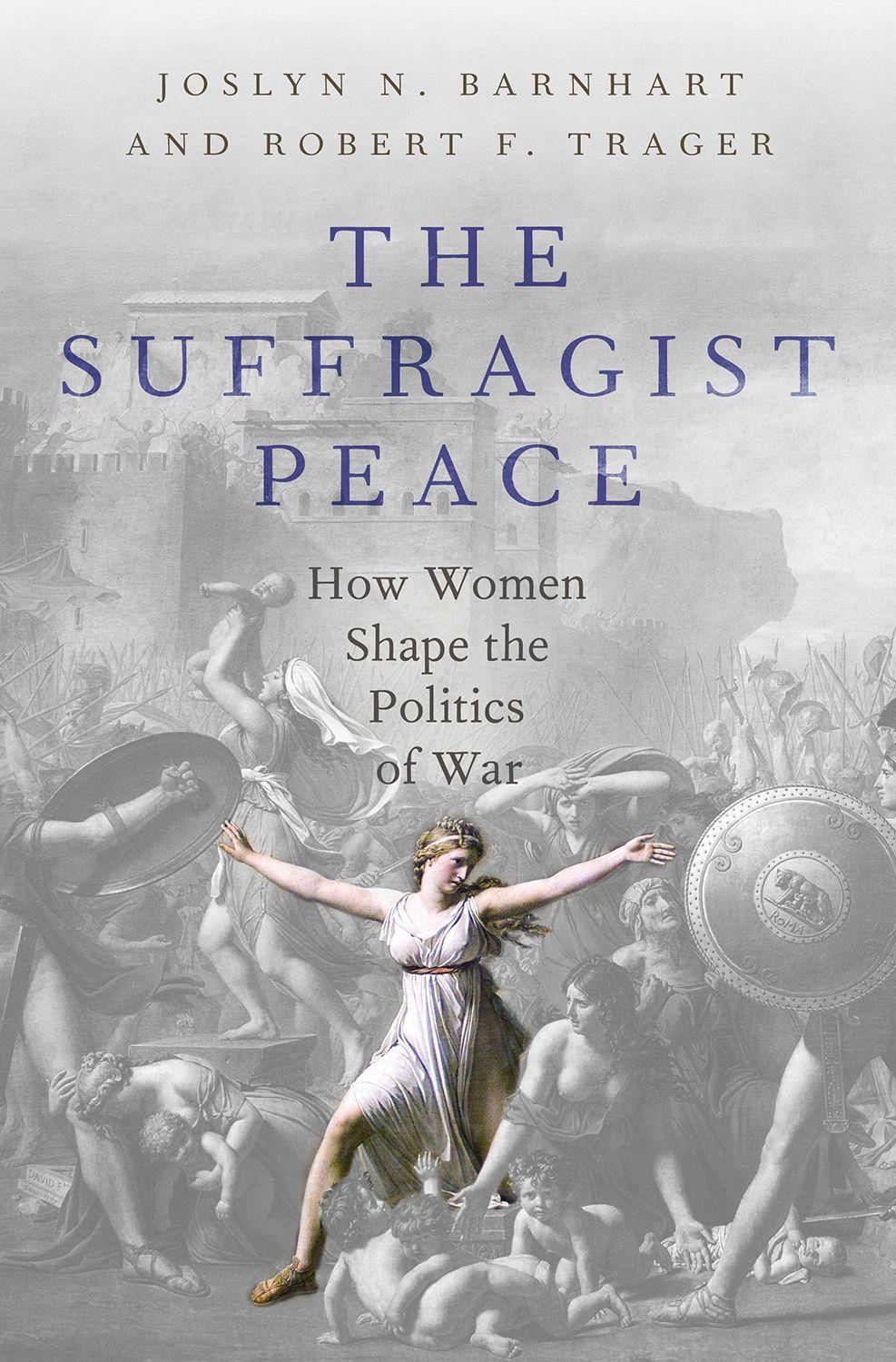
TheSuffragist Peace
HOWWOMENSHAPE THEPOLITICSOFWAR
JoslynN.Barnhart
RobertF.Trager
OxfordUniversityPressisadepartmentoftheUniversityofOxford. ItfurtherstheUniversity’sobjectiveofexcellenceinresearch,scholarship, andeducationbypublishingworldwide.Oxfordisaregisteredtrademarkof OxfordUniversityPressintheUKandcertainothercountries. PublishedintheUnitedStatesofAmericabyOxfordUniversityPress 198MadisonAvenue,NewYork,NY10016,UnitedStatesofAmerica.
©OxfordUniversityPress2023
Allrightsreserved.Nopartofthispublicationmaybereproduced, storedinaretrievalsystem,ortransmitted,inanyformorbyanymeans, withoutthepriorpermissioninwritingofOxfordUniversityPress, orasexpresslypermittedbylaw,bylicense,orundertermsagreedwith theappropriatereproductionrightsorganization.Inquiriesconcerning reproductionoutsidethescopeoftheaboveshouldbesenttothe RightsDepartment,OxfordUniversityPress,attheaddressabove.
Youmustnotcirculatethisworkinanyotherform andyoumustimposethissameconditiononanyacquirer.
LibraryofCongressCataloging-in-PublicationData Names:Barnhart,Joslyn,author.|Trager,RobertF.,author. Title:Thesuffragistpeace:/howwomenshapethepoliticsofwarJoslyn N.Barnhart,UniversityofCalifornia,SantaBarbara,RobertF.Trager, UniversityofCalifornia,LosAngeles.
Description:NewYork:OxfordUniversityPress,[2022]|Includes bibliographicalreferencesandindex.
Identifiers:LCCN2022027327(print)|LCCN2022027328(ebook)|ISBN 9780197629758(hardback)|ISBN9780197629765(ebook)|ISBN 9780197629772(epub)
Subjects:LCSH:Women—Suffrage—History—20thcentury.|Womenand war—History—20thcentury.|Women—Political participation—History—20thcentury. Classification:LCCJF851.B372022(print)|LCCJF851(ebook)|DDC 324.6/230973—dc23/eng/20220811 LCrecordavailableathttps://lccn.loc.gov/2022027327 LCebookrecordavailableathttps://lccn.loc.gov/2022027328
135798642
SheridanBooks,Inc.,UnitedStatesofAmerica
ListofFiguresvii
ListofTablesix
Introductionxi
1.TheHopeforDemocracy1
2.TheHopeforSuffrageandPeaceintheNewCentury22
3.GenderandAggression:NatureorNurture?40
4.Suffrage,Democracy,andWar66
5.Women’sVotesandtheWorldWars87
6.DoWomenLeadersSpelltheEndofWar?115
7.WomenandWarintheModernEra135
8.TheFuture157
Appendix168
Notes179 References219
Acknowledgements238
Index239
almostalways.
suffragearemarkedinwhite).
Notallradicalsocialchangesarerevolutionaryandnotallrevolutionary changesarenoticed.Profoundchangessometimesunfoldovertime; theymayevenremaininvisibleforcenturies.Whentheprintingpress wasinvented,nooneunderstoodthatahalfmillenniumlaterprinted materialwouldcreateanewformofpoliticalallegiance:nationalism. Andyet,thatseemstobewhathappenedastheprevalenceofprinted materialspurredliteracy,creatingcommonpoliticalnarrativesacross expandingrealms.Nationalidentitieseventuallycoveredtheglobe, redrawingpoliticalmapsandrecastingthesocialorder.Atthedawn oftheindustrialrevolution,manyrecognizedtheimpactsofthe“dark Satanicmills”onhumanlife.1 Butnooneunderstoodthattheresulting expansionofthehumanpopulationwoulddisruptplanetarysystems leadingtothesixthmassextinctionsincethebirthoflifeonearth.And yet,thatnowappearslikelytoo.
Theyear1893witnessedthedawnofanotherera—oneinwhich womenaroundtheworldenteredthepoliticalrealm.Atfirst,thisera seemedtohavelittleincommonwiththoseearliertransformations. Peopleexpectedprofoundsocialchangetofollow.Theyspokeinrevolutionaryterms—withexultancyorfear—ofthecomingfundamental reorderingofsociety.Womenvotingenmassewouldbringa“grand eraofmoralreform,” TheAtlantic wrotein1890.2 Theirvoteswould
giveriseto“anewevangelofwomanhood,toexaltpurity,virtue, morality...toliftmanupintohigherrealmsofthoughtandaction.”3 Politicalpartiescenteredsolelyaroundwomen’sissueswouldemerge overnight,punditspredicted,asformidable,unifiedforcesonthe politicalscene,enablingwomentodramaticallyremodeltheworldin theirmorevirtuousguise.
Butthisunderstandingofthemeaningofwomen’ssuffragedidnot last.Aswomenbecamevotersandleaders,nopowerfulwomen’sparties emerged.Women’spoliticslookedmuchlikemen’spolitics.Change seemedsodistantthatwomen’speriodicalsquestionedwhetherthe suffragemovementhadultimatelyfailedinitsobjectives.4 Andthisview persiststoday.Writingoftheearlyexpectationsinthe NewYorkTimes, GailCollinswentsofarastocallwomen’ssuffragea“bigflop.”5 A 1999Galluppollnamedwomen’ssuffrageasthesecondmostimportant eventofthetwentiethcentury(WorldWarIIwasfirst),tiedwiththe droppingoftheatomicbombsonHiroshimaandNagasaki.Butmany wouldbehardpressedtoidentifyalastingandsignificantsocialor politicalchangebroughtaboutbywomen’svotes.Suffrageisviewed narrowly,asamajorstepinwomen’slongmarchtowardequality,but notasourceoffundamentalpoliticalandsocialchange.Theadvocates ofwomen’ssuffragesawitasameans;wehavecometoseeitasanend.
Andyet,coulditbethatradicalchangehasgoneunnoticedand unappreciated?Perhapswomen’sentranceintopoliticallifehassomethingincommonwiththeselong-runprocesseswhoseimpactswere profoundbutdifficulttodetectatfirst.Perhapsthechangingpolitical statusofwomen—aprocesswhichisongoing—hascreatedthemodern worldmorethanwerealize.
Inthisbook,weaskwhetherwomen’spoliticalinfluenceischanging politicsbetweennations.Whileitistoosoontocharacterizethefull extent,andimpossibletoknowforsure,wefindthatthehistorical factsarestrikinglyconsistentwiththeideathatwomen’sinclusionin democraticelectorateshasbeenacauseofpeaceinthemodernera. Fromtheearlydaysofthesuffragemovement,thepursuitofpeace wasseenbymanytobeoneandthesamewiththepursuitofthe vote.JuliaWardHowe,authoroftheCivilWarsong“TheBattle HymnoftheRepublic”andeventualleaderoftheAmericanWomen SuffrageAssociation,anticipatedthatoncewomenfreedthemselves
fromtheiralmostmilitarysubjectiontomen,theywouldexercisetheir superiormoralforceinpursuitofglobalcooperationandcompromise.6 ElizabethCadyStantonpredictedin1872thatwomen’ssuffragewould bringnotonlyprosperitybuta“goldenageofpeace.”Suchexpectations werecommon,aswewillsee.Excessiveoptimismisindeedausefultrait foranyactivistand,alas,wedonotliveinaneraofglobalpeace.But, theevidencenow—overonehundredyearslater—suggeststhatthese earlysuffragistswereontosomething.
Decipheringtheleversofwarandpeace,conflictandcooperation, hasarguablyneverbeenmoreimportant.Withthenumberofnuclear weaponsontheplanetontheriseagain,afterdecliningbyover75% fromtheirColdWarpeak,andnewtechnologiesofviolencemade possiblebyadvancesinartificialintelligencenodoubtonthehorizon, warbetweengreatpowerstodaycouldverywellposeanexistential threattotheplanet.7 Themagnitudeofthisthreatmayinspirecaution amongworldleaders,butanyresultingpeaceisadevil’sbargain,struck onlythroughthealways-presentriskofcatastrophicwar.A“suffragist peace”providesafirmerfoundationforfuturesofhumanflourishing.
Democracyitselfisalsoatacrossroads.Signsofdisaffectionwith democraticruleareeverywhere,especiallyamongsttheyoung.TwothirdsofAmericansborninthe1930sbelievethatitisessentialto liveinademocracy.Lessthanone-thirdofthosebornhalfacentury lateragree.8 Thetrendissimilarlyacuteinotherdemocraciesaround theworld.MorethanhalfofrespondentsinArgentina,SouthKorea, Colombia,Mexico,SouthAfrica,Taiwan,India,andRomania,toname afew,believethathavingastrongleaderwhoisunconstrainedby parliamentsorelectionswouldbea“goodway”torunacountry.9 Yet, insomeplaceswheredemocracydoesnotexist,peopleremainwillingto takeimmenserisksinthehopethattheymightonedaybeabletocast aballotoftheirown.Asmanypeopleinlong-standingdemocracies believetheirvotetoovaluelesstobeworthcasting,peopleelsewhere hazardtheirlivesforthesameprivilege.Thisbookshowsuspartof whatsuchpeoplearefightingforandwhatthoseinexistingdemocracies wouldbegivingupinthetradeoffforthesupposedefficienciesofmore streamlined,lessdemocraticleadership.
Since1950,seventy-fourcountrieshaveelectedorappointeda womanasheadofstate.Thissoundslikealot,butitimpliesthat
over110countrieshavenot.AsofJanuary2021,theUNreported thatwomenwereservingasheadofstateinonlytwenty-twocountries ofthe193countriesaroundtheworld.Giventherecentannualrate ofincrease,genderparityintheworld’shighestofficeswouldnotbe reacheduntiltheyear2150.10 Buttherearesignsthattherateof changeisitselfchanging.In2020,sixwomenranforpresidentofthe UnitedStates,thehighestnumberever.Oneofthem,KamalaHarris, becamethehighest-rankedwomaninU.S.history.Roughly25%of allparliamentariansintheworldwerewomenin2020,morethan doublethenumberin1995.11 Thisbookhelpsusunderstandwhatthese changesmightmeanforthefutureofdemocracyandthefutureofthe internationalconflict.
Youwouldberightatthispointtofeelskepticalaboutsomeof thecoreconceptsexploredinthisbook.Suchskepticismshouldbe embracedwhenapproachinganynewexplanationofcomplexsocial phenomena.Youmightarguethattheworlddoesnotlookallthat peaceful.AccordingtotheBulletinofAtomicScientists,theworld ismorevulnerabletoexistentialdangerthanatanytimeinthelast seventy-fiveyears,aperiodwhichincludestheextremeperilsofthe ColdWar.Theorganization’sDoomsdayClockwassettoonly100 secondstomidnightin2020,downfromafarmorecomfortablesetting ofseventeenminutesin1991attheendoftheColdWar.12 The currentdangerstemsinlargepartfromthethreatofnuclearwarin aninternationalatmosphereofincreasingmistrustandcompetition.If thiscurrentoutlookistheproductofaworldcreatedbywomen’svotes, onemightarguethatsuchvoteshavenotgottenusveryfar.
Thereisspiriteddebateaboutifandhowtherateanddeadliness ofwarshavedeclinedinthemodernera.SomelikeStevenPinker andJohnLewisGaddisarguethatinternationalviolenceislowerat presentthaninanypriorperiodinhistory,thoughtheydisagreeamong themselvesaboutthetimescales.13 Othersarguethattheabsenceof greatpowerwarsince1945issimplyastatisticalartifactexplainedby randomchance.14 Inthisbook,wewillnotsettlethisdebate.What seemscertain,regardlessofbroaderglobaltrends,isthatindividualsin certainpartsoftheworldhavebeenfarlesslikelytodieinwarinthe twenty-firstcenturythaninanycenturyinthepast.Thecontinents
ofNorthandSouthAmericahavealsoexperiencedprolongedperiods withoutmajorwar.Thisbookwillnotsuggestthatmajorwarisunlikely tohappeninthefuture.Infact,itwillprovideinsightintowhywar mayemergealongthelinesthatitdoes.Butthebookdoesprovideone reasonwhywarissorarewhereitisso.
Youmightacceptthatyouarelivinginamorepeacefulerabut directyourskepticismattheideathatthispeaceisinpartaproduct ofthepreferencesofwomen.Tospeaksobluntlyaboutgendered preferencetodayistoinviteimmediatereaction.Andsuchreaction makessense,giventheinsensitiveandinaccuratewholesaleassignment ofcharacteristicsortraitstogroupsdefinedbysexorracethroughout muchofhumanhistory.AswewillseeinChapter3,andasweall knowfromexperiencedreality,thosewhoself-identifyaswomenarenot monolithicintheirpreferencesandtraits—justasthosewhoidentifyas menoraspartofotherlargeethnicorreligiousgroupsarenot.But theacknowledgedcomplexitiesofsexandgendershouldnotprevent usfromrecognizingdifferencesintheaveragepreferencesbetween groups.Suchdifferencescanprovidekeyinsightsintounderstanding thepreferencesofdemocraticelectoratesmorebroadlyandthepolitical outcomestheseelectoratesproduce.
Youmayevenacceptthatitmakessensetotalkaboutaverage differencesbetweenmenandwomenoncertaintraits,butdoubtthat attitudesaboutwarandpeaceisoneofthem.Manyearlysuffragists certainlyviewedwomenasinherentlypeaceful,buthowdowesquare suchaviewwiththehistoricalrecord?WhenElizabethCadyStanton andJuliaWardHowewerewritinginthe1870s,imperialismhadnot yetreacheditszenith.Greatpowerswouldsoonforcefullyoccupywhole continentsandprominentwomenonbothsidesoftheAtlanticwould vocallysupportthenecessitytospreadcivilizationabroadbyforce. SusanB.AnthonycondemnedtheU.S.Congressforembarkingon warinthePhilippinesin1898butatthesametimeviewedtheviolent suppressionoftheFilipinopeopleasanecessity.Toher,itmadenosense togivethebarbaric“guerillasinthePhilippines”liberty,fortheywould only“murderandpillageeverywhichpersonontheisland.”15 AsWorld WarIapproached,manyprominentactivistsinBritainimmediatelyput asidetheircampaignsforpeaceandvotingandvolunteeredtomakethe munitionstosupplythefrontlines.
Therecordofwomen’sleadershipmightalsogiveidealistspause. Womeninpositionsofpoliticalpower,thoughhistoricallyfewin number,haveoftenfailedtoexemplifyunusuallevelsofrestraint orserenity.InresponsetoRomanassaultsuponherlandandher daughters,QueenBoudicaoftheCelticIcenitribeinEnglandinthe firstcentury ad raisedanarmyofahundredthousandandleditin ascorched-earthcampaignagainstprominentRomantowns,burning themtothegroundandtorturingandslaughteringanestimated seventy-fivethousandinhabitants,inherquesttodrivetheRomansout ofBritain.16
TheRussianEmpressCatherinetheGreatwascertainlynoparagon ofinternationalcompromise,restraint,orcalm.Halfofherthirty-fouryearreignwasmarkedbywar—withtheOttomans,thePersians,the Swedes.Sherelentlesslysoughttheexpansionofherempire,violently suppressinguprisingsamongthepeoplesheconquered,includingthe peopleofPolandaftersheledthechargetocarveupanderasetheir countryfromthemap.17 WhenaPrussianprincevisitingtheRussian courtcommentedthattotakeland,“itseemsthatinPolandoneonly hastostoopandhelponeself,”EmpressCatherinesmuglyresponded, “Whyshouldn’twebothtakeourshare?”
Catherine’scontemporaryMariaTheresa,eventualHolyRoman Empress,QueenofBohemia,Austria,andHungary,certainlyshowed noreservationsaboutraisinganarmytofightagainsttheEuropean forcesencroachinguponherempirewhensheascendedtothethrone asayoungandinexperiencedqueenin1740.Farintopregnancyand facinginternalchallengersaswellasexternalpredators,Mariaspared nothingtokeepherkingdomintact.“Mymindismadeup,”shewrote totheBohemianchancellor.“Wemustputeverythingatstaketosave Bohemia.”Butshewasalsonotaboveexternalpredationherself.Her annexationofGaliciain1772pavedthewayforthetotaldestruction ofPoland.WhileCatherinetheGreatcarvedupPoland,MariaTheresa wasbyherside.“Shewept,”FredericktheGreatsnidelycommented, “butshetooknonetheless,”andthemapofEasternEuropewasredrawn toAustria’sadvantage.
Suchcasessuggestthelatterhalfoftheeighteenthcenturywasno morepeacefulbecausehalfofthemajorcontinentalEuropeanpowers wereruledbywomen.Whatthenarewetoexpectfromanyexpansion
ofwomen’spoliticalleadershipthatmighttakeplaceinthetwenty-first century?
Finally,youmightquestionthevalueofdemocracyitself.Women’s preferenceswould,afterall,havelittleeffectonourworldwithout democraticinstitutionstogivethemvoice.Democracyitselfhasbeen thetargetofsustainedskepticisminrecentyears.Whyputfaithin votingwhenthosewhogetelecteddon’tappeartoshareyourpriorities? Ampledatashowsthatdemocraticalignmentdoesnotalwayswork. Sometimesthewillofthepeoplegoesonewayandtheirleadersgo theotheronallsortsofdomesticandinternationalissues.Butaswe willsee,issuesofwarandpeacecantakeonunusuallyhighsalience amongvotersandwhentheydo,politicianswhofailtopayattention riskelectoraldefeat.
Eachofthesereasonableskepticismssuggestthatwehaveourwork cutoutforus.Wemustconvinceyouthatitmakessensetoeven talkaboutgenderdifferencesinpreferencesforwarandpeace.We mustalsoconvinceyouthatindividualcasesofwomen’svotescausing peacefuloutcomeswererepresentativeofabroadertrend,onethat cannotbeexplainedwithotherfactors.Andwemustconvinceyouthat democracy,asineffectiveasitmightsometimesseem,hasthepotential tobindnationalleaderstothewillofthepeople,justasearlyadvocates ofdemocracyhadhoped.
Thisbookpresentsevidencefromourownresearchontheeffectsof womenonworldaffairs,whilealsodrawingextensivelyontheworkof othersininternationalrelations,politicalscience,biology,psychology, genderstudies,economics,andhistory.Ultimately,wecannotbe100% certainthatthisevidenceisgettingatthetruth.Theworldasitis simplydoesnotallowforsuchcertaintyonthisissue.Wecannot randomlyassigndemocraticinstitutionsandwomen’ssuffragetoonly somecountriesaroundtheworldandthenwatchtoseewhathappens. Alas,wedonothavethatkindofpower.Butwecanexplorelife beforeandaftersuffragetooutlinetheimportantwaystheydiffer. Wecanexaminesystematictrendsthatdefinewhenmenandwomen’s attitudesaboutwarandpeacearemostlikelytodifferandwhenthey aremostlikelytobethesame.Andwecanputtogetherthepiecesof howsuchdifferencesmaytrickleuptoaffectgovernmentpolicyatthe
highestlevel.Muchcanbegainedfromexploringtheevidencetheworld presentstous.
Thetwentiethcenturywitnessedsomeofthemostradicaltechnological,economic,andpoliticalchangeinhistory.Nuclearweapons dramaticallyincreasedthescaleandspeedwithwhichcountriescould inflictpain.Capitalismspreadinunprecedentedwaysintheaftermaths ofWorldWarIIandtheColdWarandinternationalorganizations emergedwhichemphasizedopenness,diplomacy,andcompromise. Peoplearoundtheworldreplacedcenturiesofarbitrarymonarchical rulewithdemocraticinstitutionsaimedataligningthewillofthepeople withtheirleaders.Eachoftheseextraordinarychangeshasbeenperhaps rightfullycreditedwithreorderinginternationalaffairsandfostering internationalpeaceinthetwentiethcentury.Buttheseaccountshave longoverlookedoneofthemostdramatictransformationsofthetwentiethcenturyasapotentialsourceofpeace:themassiveredistribution ofpoliticalpowerasmillionsofwomenaroundtheworldgainedasay innationalpolitics.Thepersistentdeclineinwarbetweennations,we argue,isaworldmadeinpartbywomen.Understandingthestory ofhowandwhyisawindowontogenderdifferences,thesourcesof conflict,andthenatureofdemocracyitself.
TheHopeforDemocracy
Thespiritofmonarchyiswarandenlargementofdominion...peace andmoderationarethespiritofarepublic.
Montesquieu,1748
NordoIsay,withsome,thatpeaceiswhollybad.Evenamidthe horrorsofpeaceyouwillfindlittleshootsofcharacterfedbythe gentleandtimelyrainsofplagueandfamine.
“A[British]Patriot,”1900
Theimpactofwomen’sparticipationinpoliticallifecanbestbeunderstoodagainstthebackdropofwhatcamebefore.Untilthetwentieth century,mostpeoplewhohadeverlivedonearthhadlivedunder monarchyortyranny.1 TheUnitedStatesconstitutionin1787,with itsaffirmationof“wethepeople,”wasthefirstglimmerofradical politicalchange—peoplesseekingtooverthrowarbitraryrulersand establishmajorityrulebymen.Revolutionaryuprisingsspannedthe globethroughoutthenineteenthcentury.Butwomenwouldinmany waysbeexcludedfromtheseoriginalactsofliberation.Theywouldbe freedofmonarchicrule,butwouldremainundertheeconomicand legaldominionoftheirhusbands,unabletoownproperty,keeptheir ownwages,orhaveasayinthelawsorleaderswhogovernedthem.2 Theoptimismthatsurroundedthefirstdemocraticrevolutionwas neverthelessintense.Likethewomensuffragistswhocameafterthem, earlyliberaltheoristslikeThomasPainebelievedthatvotingwould bringfundamentalsocial,economic,andpoliticalchange.Monarchy
hadsatedtheinterestsofthefew,hebelieved.Butdemocracieswould pursuethegoodofall.Monarchshadstymiedcommerceandpurloined thepeople’swealthtomaintainagriponpower.Democraticleaders wouldredistributewealthandbringwidespreadprosperitytothe people.
Aboveall,monarchswagedwars—endlesswars—forthespoilsthat wouldenhanceroyalcoffers,fortheprideofvictoryandforthepleasureofrevenge.AccordingtoPaine’scontemporaryImmanuelKant, monarchsdidnot“loseawhitbywar.”Rather,theychosewar“for themosttrivialreasons,”asasortofdiversionorpleasure.Commoners facedtheconsequencesonthebattlefieldwhilethosetheyfoughtfor continuedtorevelinthedelightsof“theirtable,theirsport,andtheir palaces.”3 Accordingtothegrowingliberalfaith,oncethepeopleheld swayoverinternationalaffairs,warswouldcease.Governmentsofthe peoplewouldthinklongandhardbefore“decreeingforthemselvesall thecalamitiesofwar.”4 Thosewhoborethebruntofwarwouldrelish punishingwar-mongeringleadersatthepolls.Andwithcommerceand tradenolongerhamstrungbygreedymonarchs,peoplewouldbelifted frompovertyandthefeelingsofpride,revenge,hatred,andjealousythat fosteredwarwouldsimplyfadeaway.Beforetherewerekings,there werenowars,Paineargued.Thesamewouldbetrueafterkingsno longerruledtheearth.5
Paine’sideasaboutthevirtuesofdemocracywerenotjustthesubject ofscholarlydebate.Hispamphlet CommonSense wasreadbyhundreds ofthousandsofAmericancolonists—potentially20%oftheentire colonialpopulation—intheyearafteritwaspublishedin1776.6 His writingsindefenseoftherevolutioninFranceadecadelaterwould makehimsobelovedamongtheFrenchthathewouldbeelecteda membertothefirstNationalConventiondespitenotspeakingFrench. BythetimePaineandKantdied—in1809and1804respectively— bothhadlivedlongenoughtowitnessthefirstmanifestationsof democracy,howeverbloodytheymighthavebeen.Buttheydidnot livelongenoughfortheirfaithindemocraticinstitutionstobetruly tested.Theywoulddieoptimists,steadfastinthebeliefthatdemocracy wouldbringprosperityandperpetualpeace.Butasdemocracyamong menbegantospreadinfitsandstarts,wouldtheiroptimismprove warranted?Wouldcoolreasoncounselpeaceoutofselfinterestor
wouldinflamedpassionsmeanwar?Overthenextcentury,asmale democraticelectoratesexpanded,thisquestionwouldbeputtothetest timeandagain.
BritainandtheFateoftheOttomanEmpire
Forthoseseekingtoassessthetrueeffectsofdemocracyonwarand peace,thecaseofBritishdemocratizationisafascinatingone.7 While insomecountrieslikeFrance,dramaticpoliticaltransformationtook placeovernight,inBritain,democracycameinpiecemealfashion— inincrementalwavesofelectoralexpansionthatspannedcenturies. Witheachsuccessiveexpansionoftheelectorate,Britainincreasedthe numberofpeopleinvolvedingoverningmattersofwarandpeace.How manyvoterswouldbeenoughtocheckelites’hungerforexpansionand power?Wouldthevotesoftheworkingclass—thosemostlikelytoend uponthefrontlines—berequiredtoachievethepromiseofpeaceor wouldthevotesofthewealthiestandbesteducatedbeenough?The courseofBritain’sdemocracyprovidesafirstwindowontoanswers.
TheoriginsofdemocracyinBritainarerootedintheGlorious Revolutionof1688whentheconceptof“constitutionalmonarchy”was firstintroduced—atransformativeshiftinthedistributionofpolitical power.Althoughthekingwouldmaintainconsiderableinfluence,an electedparliamentwouldmakethelaws.Butwhowasnowresponsible forelectingtheparliament?Foroveronehundredandfiftyyears, anincrediblynarrowsliceofthepublic—roughly400,000menof propertyandwealth,orlessthan2%oftheBritishpopulation—shaped andcontrolledparliament.Bytheearly1800s,changewasinevitable. Theworkingandmiddleclasses,ignitedbytheeconomicinequalities broughtonbytheNapoleonicWarsandtheindustrialrevolution, begantodemandavoice.
In1831,politicaltensioncametoahead.Parliamentrefusedto expandsuffrage,resultinginthebloodiestandcostliestpoliticalevent ofthecenturyinEngland.Fearingfull-scalerevolution,parliament begrudginglypassedthefirstofthreemajorreformbills,increasingthe numberofparliamentaryseatsandexpandingthesizeoftheelectorate byroughly250,000men.AllBritishmenwithovertenpoundsto theirname—roughlyoneinfive—couldnowvote.Giventhescaleof
citizens’demands,theactwaspaltryandunsatisfying.Butforthosemen whodidmeetthenewcriteria,thelawprovidedthemwiththeirfirst opportunitytohaveasayingovernmentalaffairs.Wouldtheirinclusion beenoughtotipthescalestowardspeace?
Theirfirstserioustestcameintheaftermathofthislimitedelectoralreform.Bythemid-1800s,repeatedmilitarydefeats,unrelenting financialinsolvency,asuccessfulpushforindependencebytheGreeks, andviolentuprisingsbytheSerbshadlefttheOttomanEmpireweak andfragile.BritishdemocratsbelievedthatBritain’sinterestswould bestbemaintainedbythepreservationoftheautocraticempire—or attheveryleast,ademisefromwhichnootherEuropeanpowerwould benefitdisproportionately.TheseinterestswerethreatenedwhenRussia invadedOttomanterritory.Aftersuccessgainingmuchoftheeastern shoreoftheBlackSeaandthemouthoftheDanubeRiverin1829, TsarNicholasIappearedin1853tobegoingformore.Britishleaders wereforcedtodecideifandhowtorespond.Withreelectionalwaysa loomingprospect,voting-eligibleBritswouldplayaroleinshapingthat choice.
DebateonhowtorespondtoRussianassertivenesswasfull-throated andintense.StratfordCanning,theBritishambassadortotheOttoman Empire,andHomeSecretaryLordPalmerstonwere,ontheonehand, “bentonwar.”Theysoughtanassertive,ifnotaggressive,response todefendTurkishsovereigntyandtokeepRussiaoutoftheMiddle East,awayfromBritishtraderoutes,andfarawayfromIndia,thesocalledcrownjeweloftheBritishEmpire.8 TheprimeministerLord AberdeenandSecretaryforForeignAffairsClarendon,ontheother hand,professedan“unabateddesireforpeace.”Theysawnoimmediate demandforBritishmilitaryinvolvementintheconflict.Consistent diplomaticeffortswouldbesufficienttorestrainRussianambitions. AwartopreventaRussianexpansionthattheybelievedwouldnever occurwas,inBismarck’slaterphrase,akintosuicideforfearofdeath.
TheRussiansalsosoughttoavoidanunnecessaryfight.TsarNicholas wrotepersonalappealstoQueenVictoriaprofessingacommitment topeaceandawillingnesstocompromise.9 TheSultan,meanwhile, revealedhimselftobeaparticularlyunreliableanddisingenuousally whowasnotaboveinstigatingconflictinthehopesofobtaining
fullBritishmilitaryinvolvement.10 ButBritishleaderscontinuedto negotiatewithRussia,whilestillmakingtheirsupportfortheTurks clear.Despitethesediplomaticovertures,theywouldnotbeableto keeptheircountriesoutofwar.
Thereasonsforthismaybevaried.Whatisclearandconsistentacross essentiallyallmajorhistoricalaccountsofthewar,however,isthat theBritishpublicplayedapivotalrole.11 Anditwasnottherolethat Paineandhisoptimisticcontemporarieshadenvisioned.Enfranchised Britswerenotsentinelsofpeace,butratherahindrancetoit.Their “indisputablywarlike”mood,asPrimeMinisterAberdeencalledit, thwartedpeacefulcompromise.12 Hadhebeenproperlysupportedby thepublicduringthecourseofnegotiations,Aberdeenargued,“peace mighthavebeenhonourablyandadvantageouslysecured.”13 Butfear ofthepublic’sintensepatriotismandenthusiasmforwarforcedhimto abandonamorepeacefulapproach.14
Certainly,theBattleofSinope—duringwhicharmedRussianships chaseddownandsunkorgroundedthirteenTurkishshipsandkilled nearlythreethousandTurkishtroopsinamatterofhours—didlittle tohelpAberdeen’scase.15 FortheSultan,Sinopewasbutoneina longlineofmilitarydisastersinhisendlesswarsagainstRussia.But fortheBritishpublic,Russianactionamountedtocallousbutchery. Britishleadersperceivedthat,asaresult,adeclarationofwarwasthe onlyoption.16
WhatexactlymadeBritishvoterssobentonwar?Forstarters,these newvotersseemedreadytoembraceafightagainstanautocraticbully.17 TomanyBritish,TsarNicholasrepresentedmonarchy’svilenature. Hewasambitious,greedy,andindifferenttohumansuffering.“The firstblowhasprobablybeenstruckbyoppressiveabsolutismagainst thepeaceandlibertyofEurope,”the DailyNews decriedastheTsar’s forcesenteredtheDanubianprovincesin1853.18 Armedstruggleto “defendrightagainstmight,andjusticeagainstoppression”wasnoble, Palmerstonargued.TheBritishpeopledeservedcreditforwagingwar notoutofself-interestoradesiretooppress,butforthehighercauseof liberty.19 Inthisepisode,Nicholaswastheclearvillain,booedatpublic rallies,andtheSultan,whosenamefewcouldprobablypronounce, himselfnochampionofliberty,wasthenobleleader,reveredand greetedwithcheersusuallyreservedforfavoriteathletes.20
Butbeyondthispurenobilityofspirit,theBritishpublicwas alsoinfluencedbythevisceraldrawofwar.“Wehavebeensolong withouthavingexperiencedthehorrorsandmiseriesofwar,”Aberdeen observed,thatitwasalltoocommontolookuponitasasourceof “pleasurableexcitement.”21 Britishsoldiershadnotfoughtinaserious andprotractedmajorwarsince1815and“thelong,longcankerof peace,”asTennysoncalledit,haderodedBritishmen’senergyand haddegradedtheirmorals.22 Manyinthepublicsphereencouraged thepassionandmilitantgallantryofwarif,fornothingelse,thesake ofBritishcivilization.23 Warwouldrenewpatriotism,chivalry,and innovation.24 Itwouldbreakdownpoliticaldividesandrestorecourage andheroismwhileremovingthe“curseofprosperity”broughtaboutby modernityandindustrialization.TheChurchofEnglandevenpreached thatwarcouldbeasourceofsalvation.Godwouldobviouslygrant honorandglorytothosewhoviolentlydefendedthemoralorderagainst absolutism.25
Britishmenwhosetofftowarin1854werealsomotivatedbyadesire togainpersonalhonorinanepicstruggleagainsttheforcesofevil,while alsofightingforthehonoroftheirbelovednation.LordJohnRussell, whobecameForeignSecretaryin1859,wrotetoClarendoninlate1853 oftheessentialityofnationalhonor.“IknowsomethingoftheEnglish people,”hewrote,“andfeelsurethattheywouldfighttothestumpsfor thehonourofEngland.”26 TheTimes editorialpageagreed:“Wehave thoughtitourdutytoupholdanddefendthecauseofpeaceaslong aspeacewascompatiblewiththehonouranddignityofourcountry. Butnow,warmustbegininearnest.”Threemonthslater,thepublic indeedseemedreadytostandforthehonorofqueenandcountry,even asmanyintheBritishgovernmentwhohadhopedtoremainonthe sidelinesweremockedinthepressandtheHouseofCommons.Over 100,000BritishmenweresenttofightforBritishhonorandthestability ofafarawayempire.Overmorethantwoyearsoffighting,morethan 20,000ofthemlosttheirlives,sentofftobattlenotbymonarchsbut byanuproaramongtheBritishpublicandtheelectedrepresentatives ofthewealthierfractionofit.
TheCrimeanWardidnotresolvethefateoftheOttomanEmpire.The warmanagedtopropupanailingallyandwardofftheTsar.Butthese
featsweretemporary.Ifanything,thehumiliationwroughtbythewar’s aftermathlikelyredoubledRussia’scommitmenttoitsoriginalcause.27 Thevoicesofthepeoplehadfailedtostopwar—onthecontrary, politicalleadersbelievedthatpublicsentimenthadactivelyencouraged thefight.Perhapstheissuewasnotdemocracyitself,butratherthattoo fewBritshadbeenallowedtovote.Asmall,relativelywealthyminority stillheldswayoverthepoliticalprocess—not,asPainehadenvisioned, thosewhoshoulderedtheheaviestburdensofwarandwould,asaresult, bethemostzealousadvocatedforpeace.
FollowingtheCrimeanWar,theliberalfaiththattruedemocracy wouldbringpeacereceivedastrictertestwhenmoreBritsgainedthe righttovote.In1867,theBritishelectoratemorethandoubledto includeallmaleheadsofhouseholdover21withintownships—roughly twooutofeveryfiveBritishmen.Surelysomeofthesemen,who wouldbeamongthoseonthefrontlines,wouldgotogreatlengths topursuepeace.Theirappetiteforwarwouldbeputtothetestin 1871,whenNapoleonIIIwascapturedonthebattlefieldbyPrussian forcesduringtheFranco-PrussianWar.Napoleon’ssurrendersignaled thedemiseoftheFrenchEmpireandtheriseofthenewgovernment thatcaredfarlessaboutjoiningBritaintochecktheTsar’splansfor extendeddominationinEasternEurope.Withinadecade,Russiaand theOttomanEmpirewereatwaragain,exceptthistimewiththe independenceofBulgaria,Romania,Serbia,andMontenegroatstake. AsRussianforcesadvancedonConstantinople—afatefearedbyso manyBritsjustafewdecadesprior—Britaindidnothing.WhileRussia blatantlyfloutedBritain’sgroundsforpeace,Britishsoldiersstayed home.Hadthesemoreworking-classvoterssucceededincurbingthe bellicoseimpulsesofpriorBritishvoters?HadBritslosttheirappetite forwaraltogether?28
No,theBritishpublicwasnotquitereadytoacceptthecankerof peace.PublicreactiontoRussia’sdecisiontoremilitarizetheBlackSea in1870showedthatifnationalbellicosityandstronganti-Russian sentimenthadretreatedatallintheaftermathoftheCrimeanWar, ithadn’trecededveryfar.29 TheTsar’sdecisionwasmetwithnear unanimousoutrageinthepress.30 The SaturdayReview wassurethat Englandwoulddotherightthinganddeclarewar,giventheunanimity ofpopularityofsupportforwar.31 “England,ifchallengedbyadirect,