All rights reserved. No part of this book may be reproduced or transmitted in any form or by any means, electronic or mechanical, including photocopying, recording, or by any information storage-and-retrieval system, without written permission from the copyright holder.
Requests for permission to reproduce material from this work should be sent to permissions@press.princeton.edu
Library of Congress Control Number 2023943776
ISBN 978-0-691-24483-9
Ebook ISBN 978-0-691-24484-6
Typeset in Ulises and Autor
Printed and bound in Malaysia
10 9 8 7 6 5 4 3 2 1
British Library Cataloging-in-Publication Data is available
This book was conceived, designed, and produced by UniPress Books Limited
Publisher: Nigel Browning
Commissioning editor: Kate Shanahan
Art director: Alex Coco
Project manager: David Price-Goodfellow
Designer: Lindsey Johns
Editor: Susi Bailey
Illustrators: Martin Brown, Sarah Skeate and John Woodcock
Rivers, estuaries, and deltas comprise some of the most spectacular landscapes on Earth. Having acted as cradles of civilizations and now providing livelihoods for billions of people, they also lie at the very heart of human existence. This atlas examines their processes, form, and ecology, and their links with the human experience. It is a book about rivers, estuaries, and deltas—those elements of the landscape that connect the mountains to the oceans, and on which the world’s most diverse ecosystems thrive.
As it makes its epic journey across the landscape to the sea, water forms the unifying thread between the world’s rivers, estuaries, and deltas. Rivers are the conduits of water across the landscape, connecting to estuaries and deltas where they empty into lakes, seas, and oceans. Earth is the only known planet to have water in three phases—solid ice, liquid, and water vapor—and exists in a kind of a “sweet spot” of cosmic serendipity due to our distance from the sun. As such, water carves and molds the landscape through the erosion and deposition of sediment, permits the establishment of life, and generates conditions that have, over geological time, led to diverse ecosystems of global importance.
A living mosaic
River, estuary, and delta environments are also home to a teeming variety of life, supporting some of the most diverse ecosystems on our planet and creating a living mosaic of bewildering complexity and beauty. Yet not only are these environments home to great ecological diversity, but their evolution and character are also part of the very reason why such diversity has evolved. We have now come to realize that the ecosystems we live with today, and that provide humans with much natural capital—agriculture, water, food, materials, recreation—have been coevolving with the world’s rivers, estuaries, and deltas. The behavior and morphology of rivers, estuaries, and deltas are dependent on the characteristics of the physical, chemical, and biological processes that have been shaping these landscapes for many millions of years.
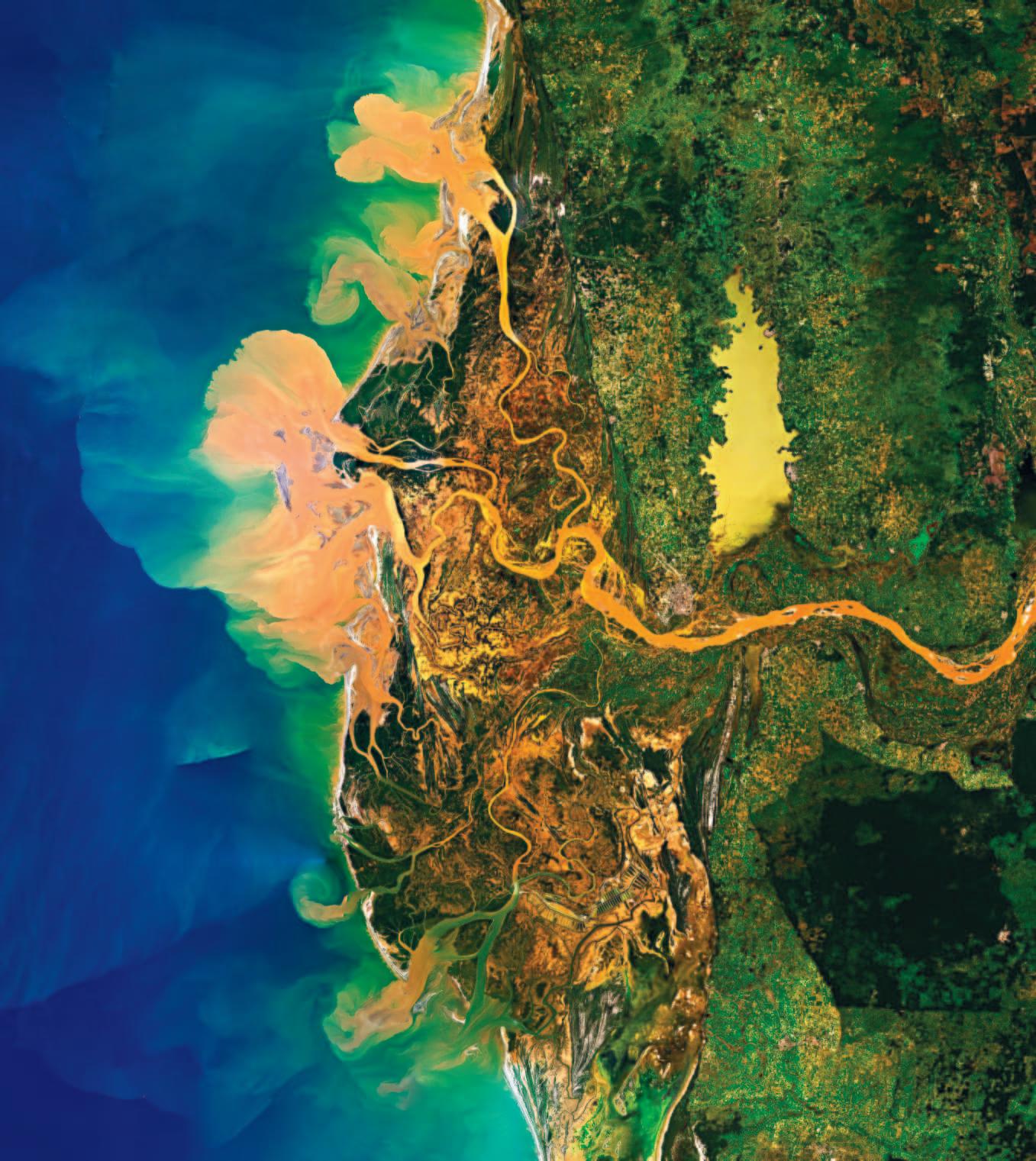
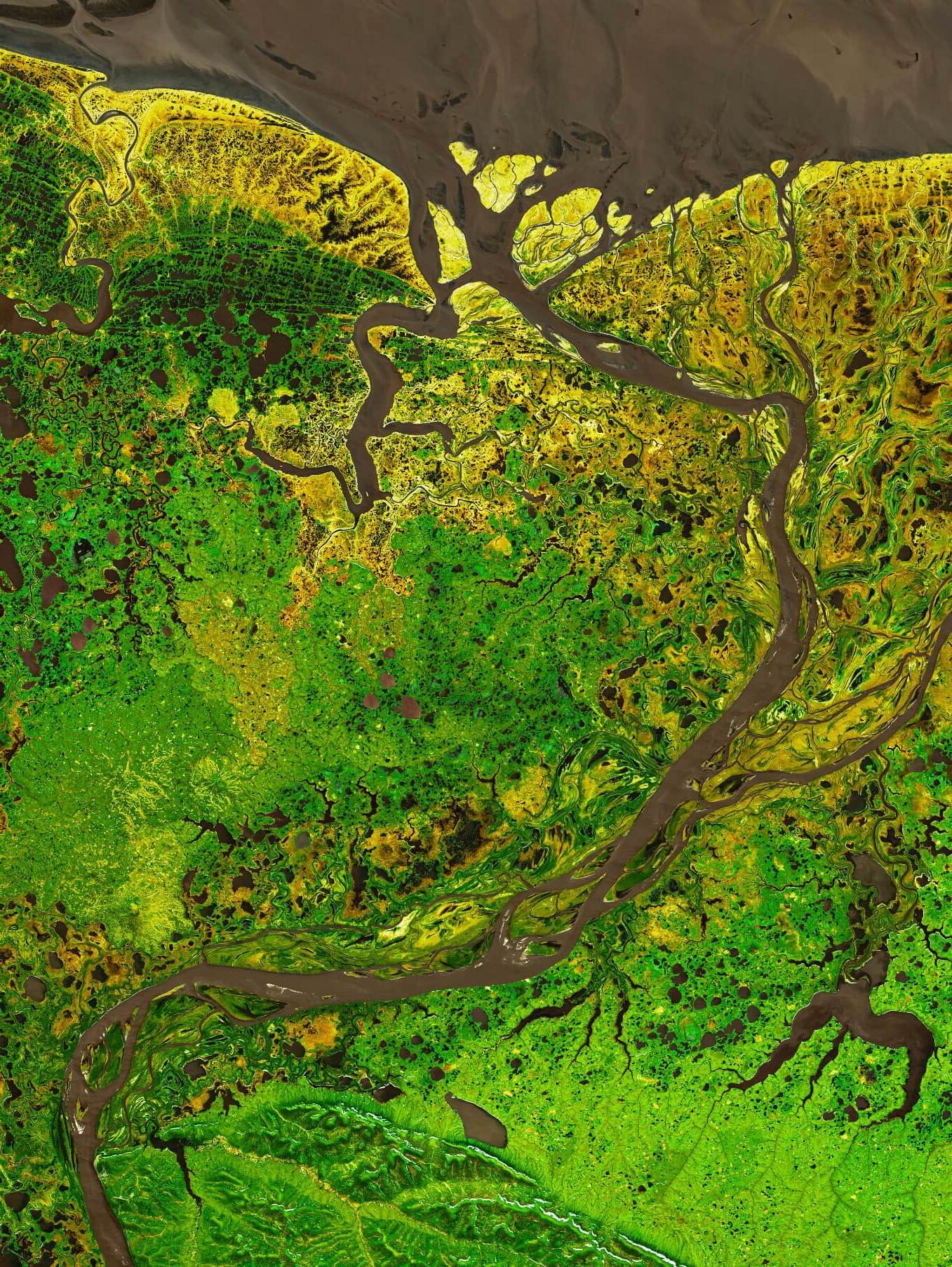
Spreading
out
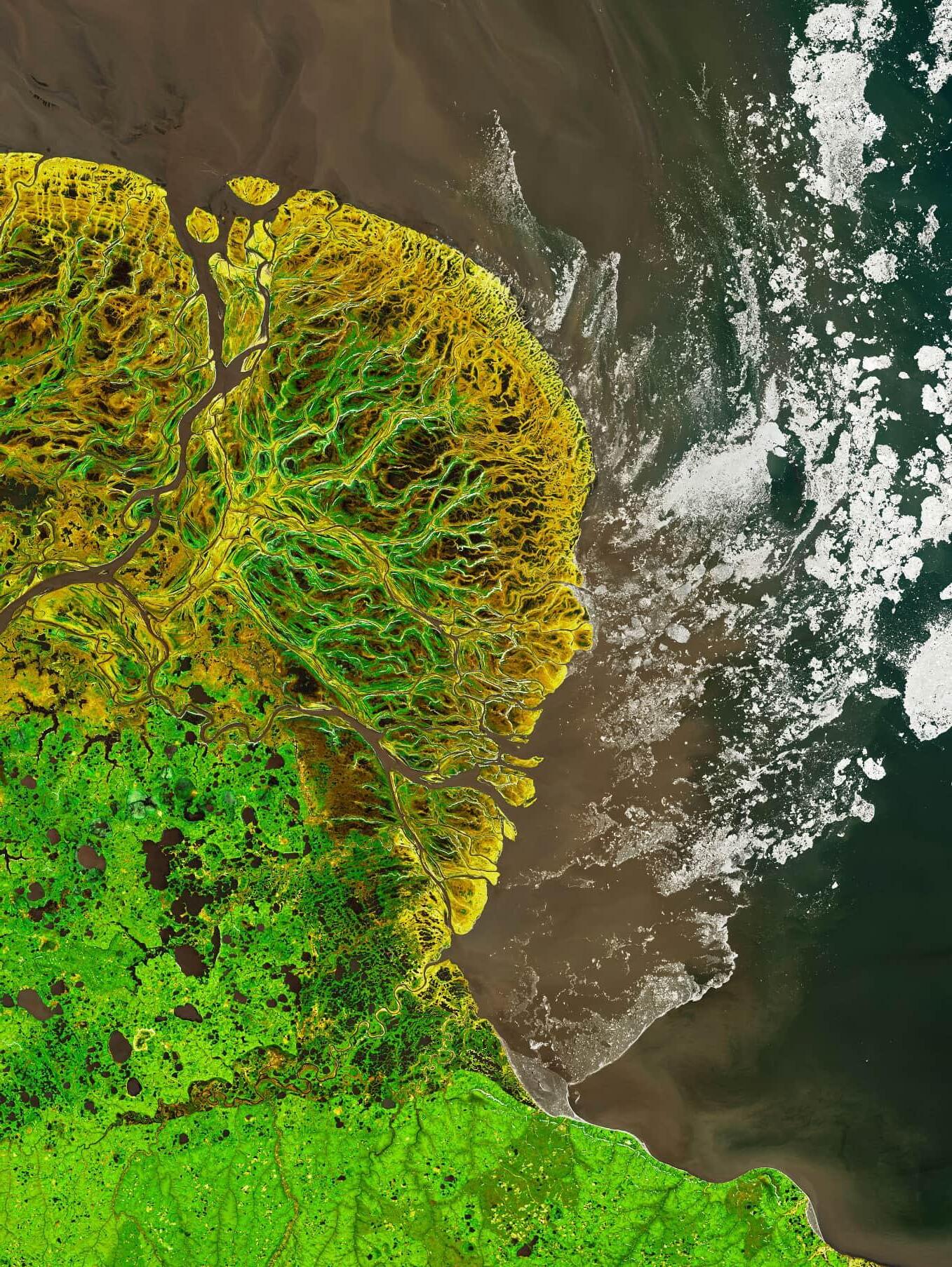
As rivers meet a body of water, they spread out and deposit sediment to form deltas. Here, the sedimentladen Tsiribihina River in Madagascar empties into the Mozambique Channel.
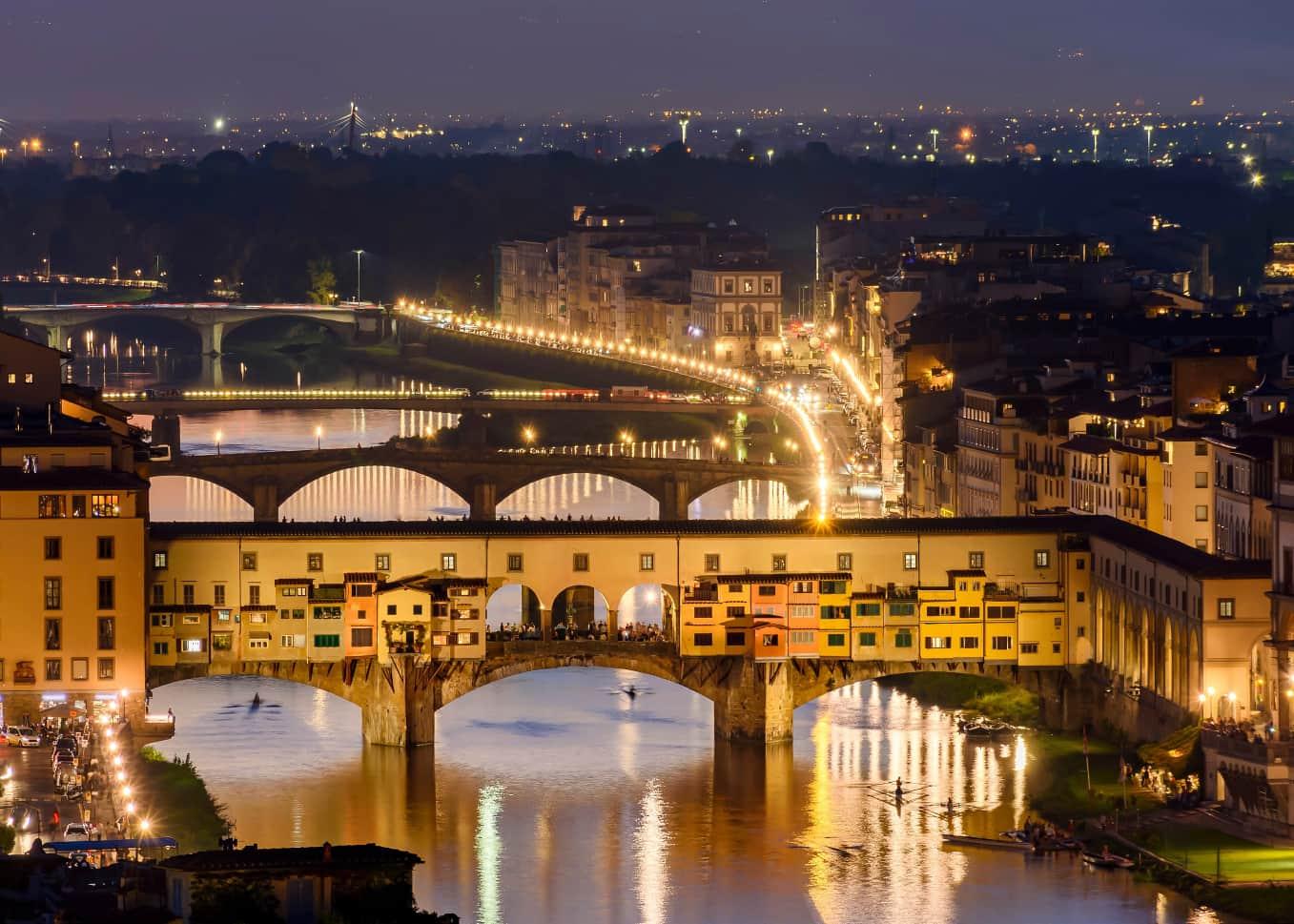
River culture
The Arno River snakes its way through the city of Florence, Italy, a center for the explosion of Renaissance science and art.
The human experience
More than this, however, rivers, estuaries, and deltas sit at the heart of human experience. They have formed routes for human migration across the globe, provided the water and fertile sediments needed to stimulate the growth of agriculture and cities, and acted as the inspiration of much human culture and art.
The natural patterns of rivers, estuaries, and deltas provide shapes and forms that are at once fascinating, reassuring, and thought-provoking. How did these patterns emerge? What controls their characteristics? How long have they existed and how have they changed over space and time in the past? And how is life entwined with the different facets of these landscapes? Philosophers, hunters, farmers, nomads, artists, scientists, poets, and travelers have all posed these same questions over the course of human history, seeking to gain both a better insight into the world as they have perceived it, and to use this understanding to look more closely into their own existence and experiences. Through this book, we will give our own answers to these questions.
Legendary links
Rivers, estuaries, and deltas have also served as objects of admiration and metaphors for much within the human condition throughout our history, holding importance for how we view ourselves and for the human journey through time. Rivers have held mythical significance since the earliest of times. They have, and still do, adopt a religious importance for billions of humans who have come to revere, respect, and worship these elements of the natural landscape.
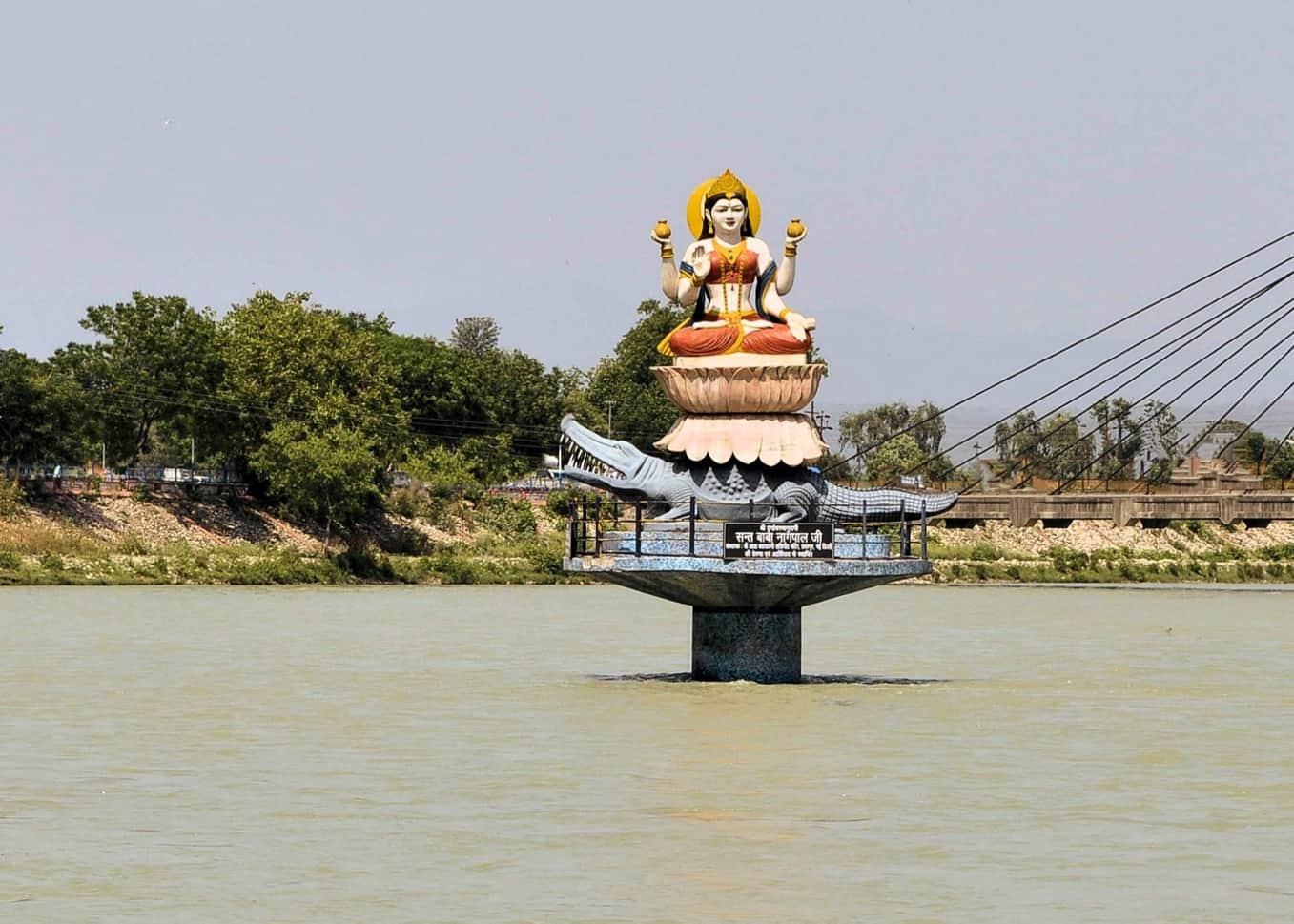
The Hindu goddess Ganga, the personification of the Ganges River, represents purification, wellness, and benevolence. Legend has it that Ganga came to Earth after hearing cries from people who were dying from drought. The great Hindu deity Lord Shiva divided Ganga into seven streams to flood the Earth, with part remaining in the heavens as the Milky Way. The rest flows through India as the Ganges River, where the goddess lives. The waters of this sacred river thus have religious and cultural significance for millions, who believe that bathing in its waters will bestow powers of protection, forgiveness, and good health. Hindu pilgrims cast the ashes of their kin into the river so that their souls are brought closer to liberation from the cycle of life and death. River, estuary, and delta landscapes are thus far more than the physical, chemical, and biological processes from which they originate.
Holy river Statue of the Hindu goddess Ganga on the Ganges River, Rishikesh, India.
Source of inspiration
Rivers, estuaries, and deltas have captured the attention and fascination of artists for centuries, presenting natural vistas captured on stone, canvas, paper, fabric, and film. Depictions of life in, on, and around these landscapes are portrayed in ancient stone carvings, in paintings, on film, and in words.
These landscapes also offer metaphors for many aspects of human existence. The beautiful poem “The Negro Speaks of Rivers,” written in 1920 by American poet Langston Hughes (1901–1967), traces Black history from the earliest moments of human civilization through to the horrors of slavery, and in doing so celebrates the strength and perseverance of Black heritage. Its lines compare the multilayered aspects of rivers and their progression through a landscape to the writer’s soul, which is like the most ancient and longest of rivers.
I’ve known rivers:
I've known rivers ancient as the world and older than the flow of human blood in human veins.
My soul has grown deep like the rivers.
I bathed in the Euphrates when dawns were young. I built my hut near the Congo and it lulled me to sleep. I looked upon the Nile and raised the pyramids above it.
I heard the singing of the Mississippi when Abe Lincoln went down to New Orleans, and I've seen its muddy bosom turn all golden in the sunset.
I've known rivers: Ancient, dusky rivers.
My soul has grown deep like the rivers.
The landscapes of rivers, estuaries, and deltas thus lie deep in our souls, being the origin of our evolution, where we have thrived and died, where we have coped with success and tragedy, and where we have seen great civilizations rise and fall.
The structure of this atlas will examine, in turn, rivers, estuaries, and deltas, following the journey of water downstream as it passes through these landscapes. In each landscape, we will examine the processes that control the flow of water and movement of sediment. This will then allow us to look at the shape and morphology of these landscapes—their anatomy—and consider the variety of life that exists in each, creating environments at a variety of scales in time and space. Novel technologies are providing us with fascinating new insights into these landscapes, enabling us to understand better their form and function.
We will then consider how humans live in these landscapes and the intimate links between natural processes and human wellbeing. In our rapidly changing world, river, estuary, and delta landscapes are among those under most pressure from a wide range of factors, from sea-level rise to global climate change, and from land-use change and urbanization to the construction of huge megadams. These anthropogenic stresses are placing huge pressure on our rivers, estuaries, and deltas, and in some cases are even threatening their very existence. It is no exaggeration to say that how we deal with these threats is critical to the future of humanity.
Finally, we will peer into the future worlds of rivers, estuaries, and deltas. We will consider how we can manage these environments, how we can better study and understand them, and what new tools we possess to aid us in this. In this way, we hope to focus our attention on how we can better live with these environments and progress toward a more sustainable future for rivers, estuaries, and deltas, their ecosystems, and ourselves.
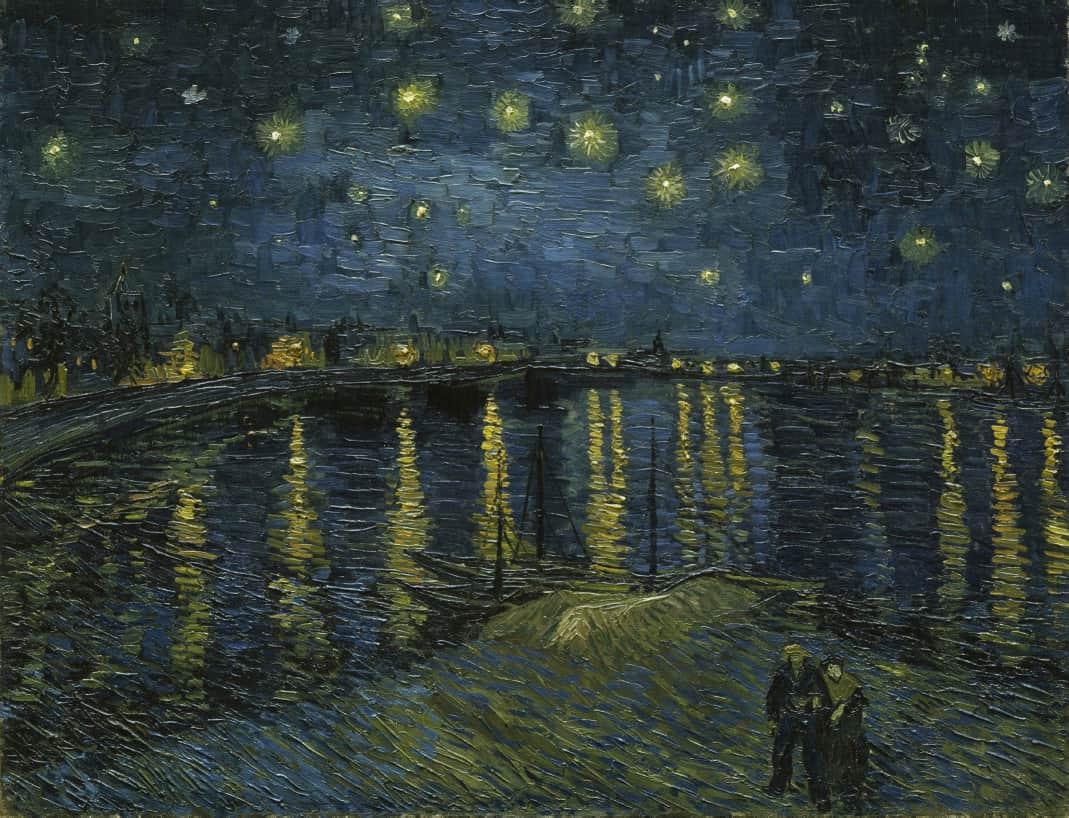
Starry Night Over the Rhône (1888) Vincent van Gogh’s (1853–1890) stunning depiction of night light over the River Rhône at Arles, France, at the head of the Rhône delta.
The World Atlas of Rivers, Estuaries, and Deltas provides a journey across these landscapes, guiding the reader through the unique conditions on Earth that permit their existence, how they change over time, and how the lives and livelihoods of humans are entwined with the lifeblood that water provides. Using maps, diagrams, and a range of beautiful images, we will guide you through the story of water and life in these landscapes. At the end of the atlas, we provide references to additional reading and several online resources for those who wish to pursue some of the aspects raised in this book further. The longevity of these landscapes reaches beyond human experience and history, and inspires us to view our stewardship of them through a lens that looks back into deep time and forward into the future.
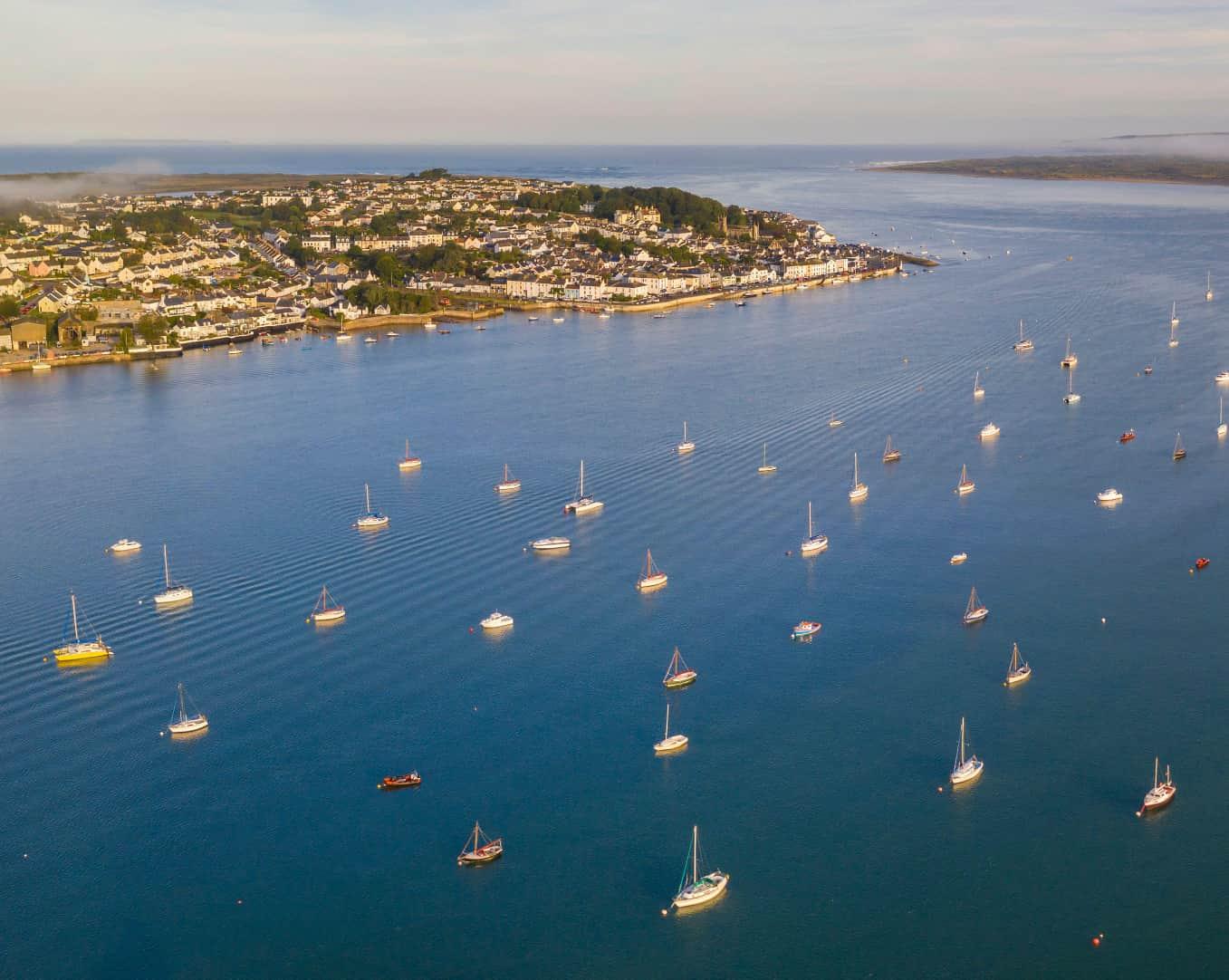
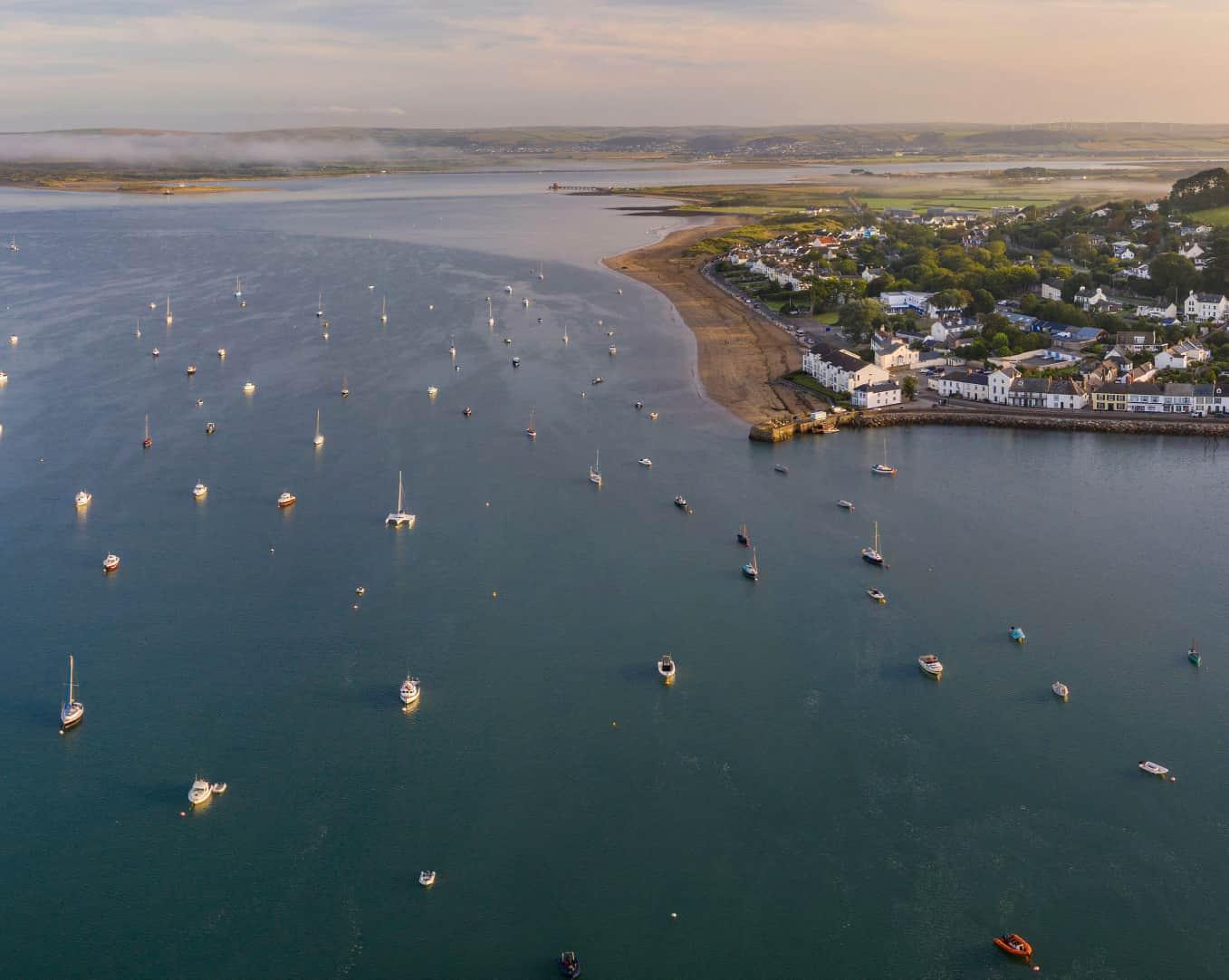
Safe haven
Estuaries such as the Taw–Torridge estuary in England have provided safe harbor for seafarers for centuries.
1
The World of Rivers, Estuaries, and Deltas
A historical context
Rivers, estuaries, and deltas have been regions of especial significance across the entirety of human history. They have been home to growing civilizations, now host modern megacities, and comprise sites of critical historical importance. As such, they form a lens by which we can look to the future but also gaze into the past.
River civilizations
Rivers, estuaries, and deltas provide environments in which human civilization has thrived over millennia. River valleys supply fertile soils and water for irrigation, and an abundant source of protein from fish, forming havens where the transition to agricultural societies could flourish. Deltas also constitute productive land and act as gateways for trade, with estuaries forming safe harbors for ships that ply the world’s oceans. Estuaries and deltas thus adopted a central place in the exploration of the world’s seas and continents, providing bases from which human expansion could proceed.
RIVER VALLEY CIVILIZATIONS
The ancient civilizations of the Old World were based around river valleys and their deltas, which provided fertile soils, water, and access, and where agriculture, transport, and trade could flourish. These river-valley
civilizations possessed very different languages, cultures, religions, and political systems, and were the birthplace of many advances in technology, agricultural practices, societal organization, science, and art.
Tigris-Euphrates (Mesopotamia and Babylonia) 3500–2000 bce
Yellow River (Shang) 2000–1027 bce
Nile (Ancient Egypt) 2920–1100 bce
Indus-Ganges (Harappan and Vedic Civilizations) 3000–150 bce
Some of the earliest civilizations thus lay in the great river valleys of the world: the Tigris and Euphrates rivers (Mesopotamia, meaning “between the rivers”), which were home to the Sumerian, Assyrian, Akkadian, and Babylonian civilizations; the Nile River valley, with its great Egyptian dynasties; the Indus valley, where the Harappan and Vedic societies developed; and the Huang He (Yellow) River in China. Newer civilizations also thrived in river valleys, including those of the Niger River in western Africa, and the Khmer and Funan societies in Southeast Asia.
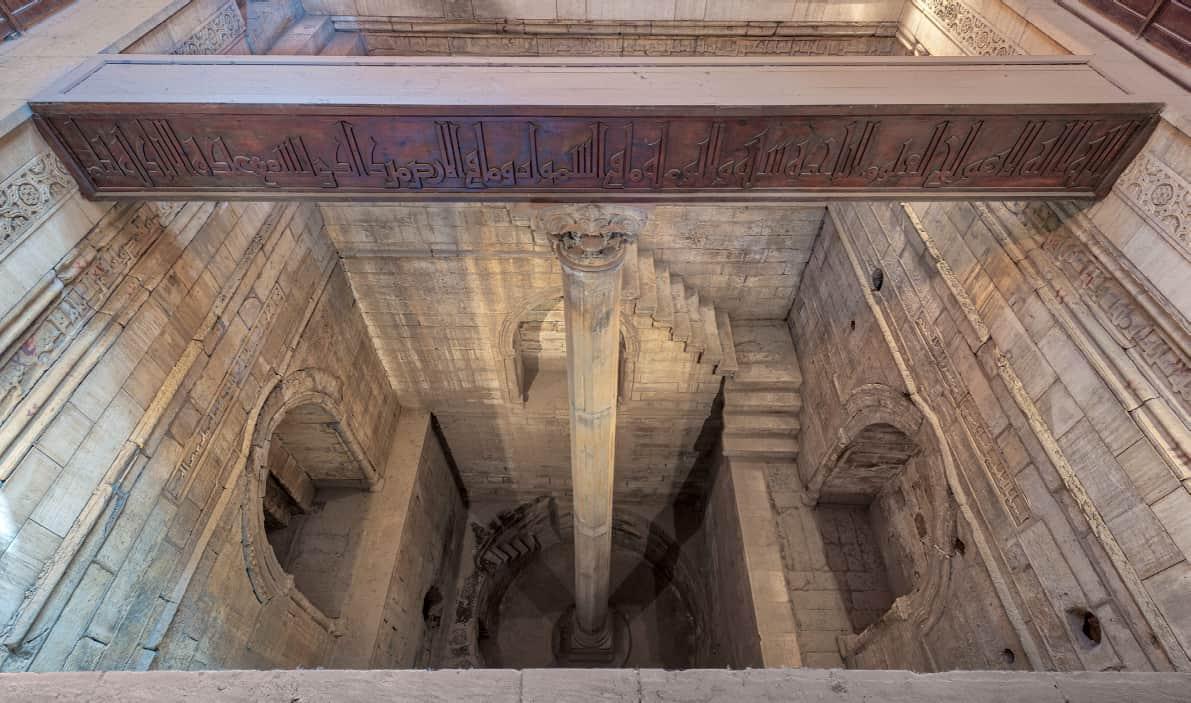
The Egyptian dynasties used the River Nile to manage and grow their kingdoms, and developed technologies for irrigating the river floodplain that allowed the practice of year-round agriculture. The ancient Egyptians also realized that measuring the height of the river, through gauges termed “nilometers,” made it possible for them to ascertain when the annual flood was coming. Not only did this enable them to manage water on the floodplain more effectively, but it also allowed them to predict the likely yield of the yearly crop, including its success or failure, and thus set taxes that could be levied on agricultural production.
Civilizations in the Americas also had an intimate relationship with rivers, in both their growth and, perhaps, their demise. Cahokia, in modern-day Illinois, was the largest city ever built north of Mexico in pre-Columbian times. It consisted of a series of massive square-bottomed, flat-topped earthen pyramids, with the largest—termed Monks Mound—around 31 m (100 ft) high. Agricultural intensification, expansion of settlements, and development of the city were based around the productivity yielded by the river and its floodplain, with a relatively dry climate from 600 ce to 1200 ce perhaps facilitating this growth. There is also debate as to the possible role of increasingly larger floods in aiding the demise of the city after 1200 ce
p Ancient measurements of river height
The nilometer at Rhoda Island in Cairo, Egypt, constructed in 861 ce, permitted the level of the River Nile to be measured using the octagonal vertical column, with the stilling chamber being linked to the river by three horizontal tunnels.
Mapping the world
As humans started exploring the globe, the access provided by deltas, estuaries, and rivers into continental interiors proved pivotal. Mapping of river courses and their exit into the oceans has thus charted the progression of human knowledge concerning the Earth’s surface.
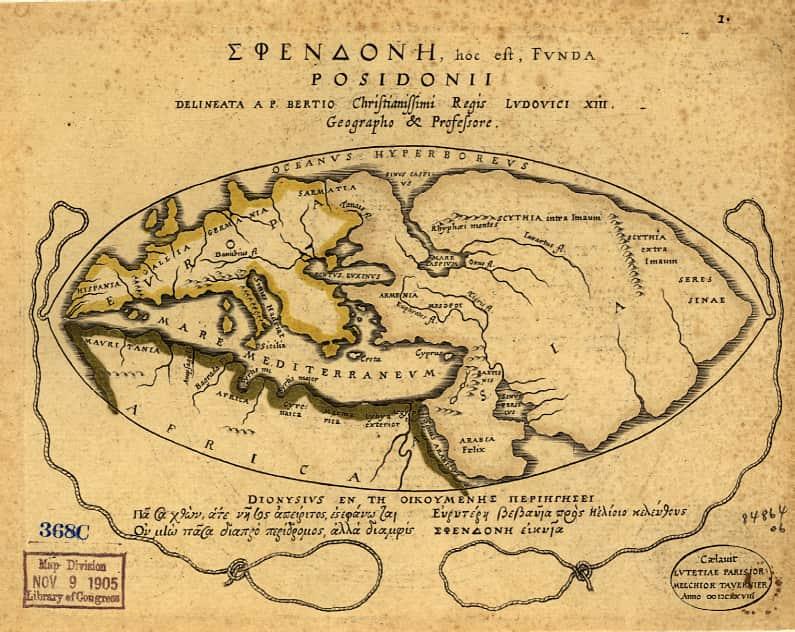
In depicting the geography of the world, early mapmakers relied on major physical features—oceans, mountains, and rivers—and tried to place them in their spatial context in light of existing knowledge and views of the time, which could include religious, social, and political doctrines. The map of the world according to the Greek philosopher, historian, geographer, and astronomer Posidonius (c 135–51 bce), as reconstructed and interpreted by the Flemish cartographer Petrus Bertius (1565–1629), was published in 1630. The map depicts Armenia at the center of the globe, with the Nile (including the great bend of the river), Tigris, Euphrates, and Danube Rivers clearly apparent.
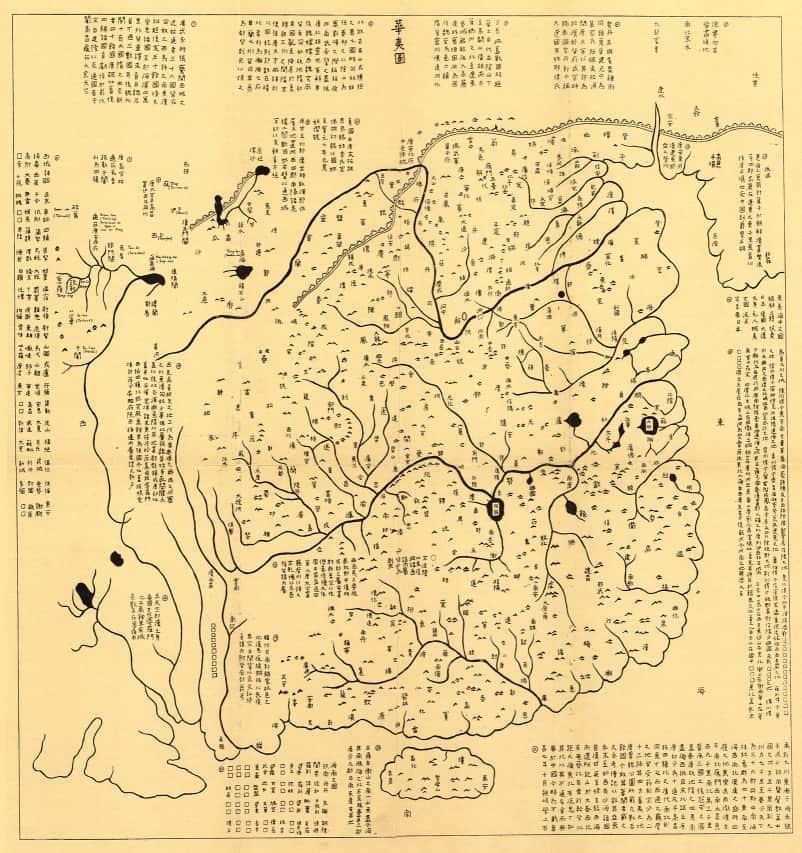
Some of the earliest maps were also engraved in stone; of these, “Yu ji tu,” or the “Map of the Tracks of Yu” is the oldest known and is exceptionally preserved. The map depicts the waterways in China, with nearly 80 rivers named.
A country dominated by a river
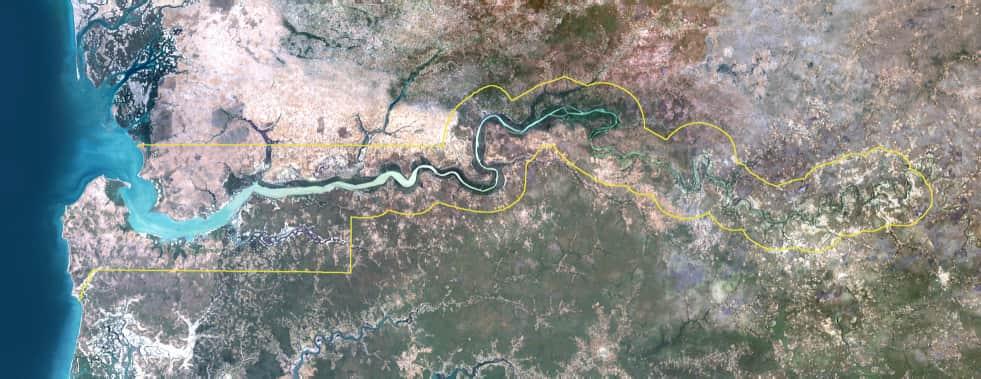
The Gambia in West Africa (outlined with yellow line), the smallest country of the African mainland, is only 475 km (295 miles) long and 25–50 km (15–30 miles) wide, and is surrounded by the country of Senegal. It is dominated by its river and estuary, with the Gambia River running the whole length of the country into its estuary on the Atlantic coast, where its capital, Banjul (1), is located on an island at the river mouth. The unusual shape of the country is a product of its imperialist colonial past, and agreements between Britain, which controlled the lower Gambia River, and France, which ruled Senegal. Until
2019, the only way to get from one side of the country to the other was by boat, or by making the overland journey through Senegal. Centuries of trading and travel using unreliable ferries ended in 2019 with the opening of the 1.9 km-long (1.2-mile) Senegambia Bridge (2), which now unites the two halves of The Gambia.
The Gambia
A country dominated by its river and estuary. The image depicts the border of The Gambia with Senegal.
An early world view
The world according to Posidonius (c. 135–51 bce) as drawn in 1628 by cartographers Petrus Bertius (1565–1629 ce) and Melchior Tavernier (1594–1665 ce). The map is surrounded by bowline knots that highlight the nautical emphasis of the Mediterranean region at the time.
Set in stone
Rubbing made in 1903 of the “Yu ji tu” map of China, which was engraved into the face of an upright stone in 1136 ce. The map depicts the deltas of China’s two major rivers (the Huang He/Yellow River and Chang Jiang/Yangtze River), the Great Wall of China, and more than 500 place names. The map is oriented with north at the top.
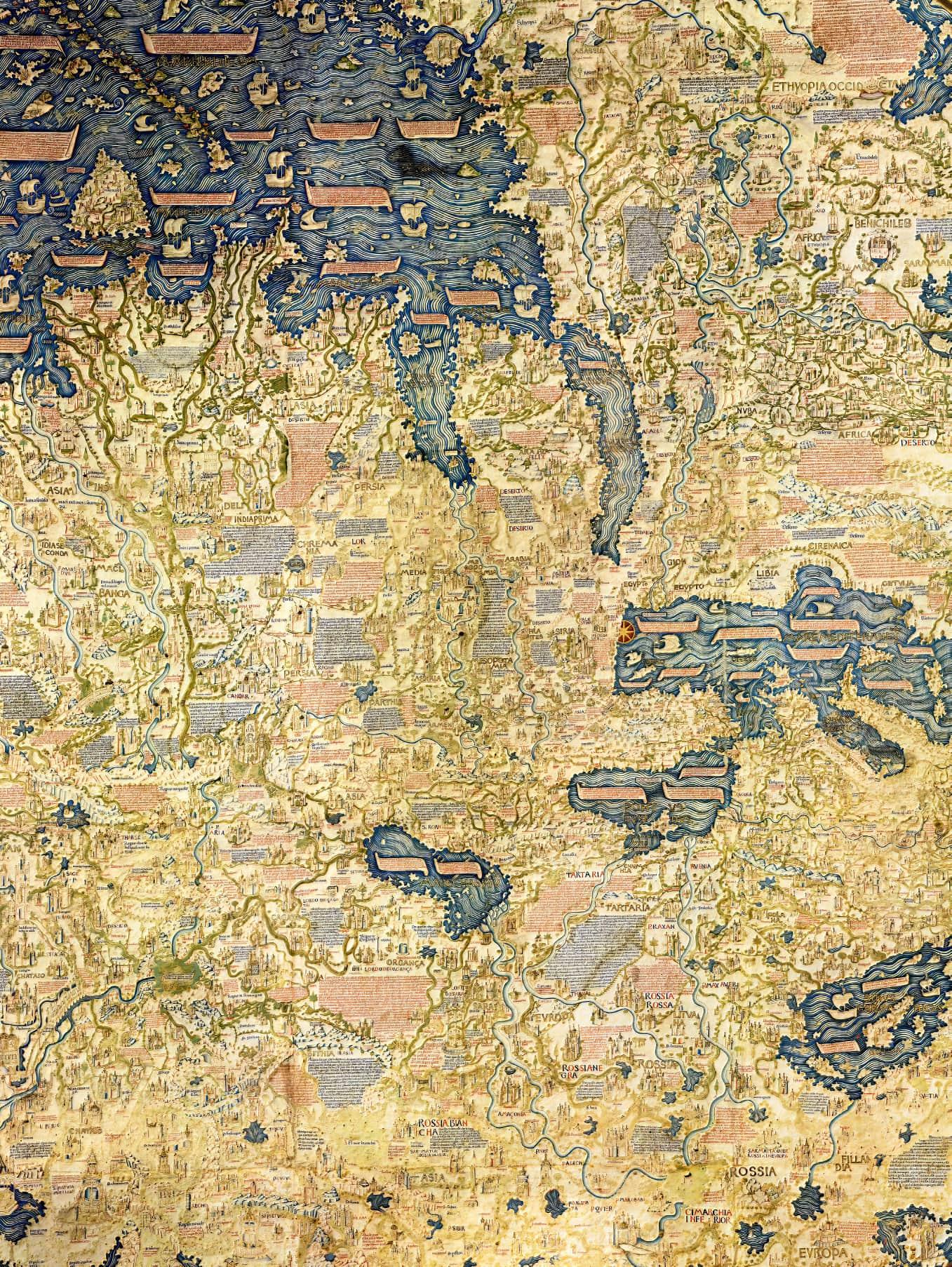
As human exploration expanded, cartographers began drawing maps using information gained from direct accounts of travels. One such pioneer was Fra Mauro, a fifteenth-century Camaldolese monk living on the island of Murano in the Venetian Lagoon, who was commissioned by King Alfonso V of Portugal to produce a map of the world. Using accounts of travelers and traders landing in the port of Venice from all over the world, and integrating this with knowledge from existing maps and books, Fra Mauro drew a map—measuring 2.4 m (7¾ feet) square—that placed cartographic accuracy ahead of religious or traditional beliefs. This astonishing map, first created c 1450 ce, depicts rivers, estuaries, deltas, and mountains, combined with hundreds of detailed illustrations and annotations. Rivers shown on the map, with names often different to their modern-day equivalents, include those in Eurasia (such as the Dnieper, Elbe, Rhine, Rhône, Oder, Po, Saône, Tagus, Tigris–Euphrates, Vistula), Africa (Jordan, Nile, Niger), Asia (Ganges, Helmund, Indus, Ayeyarwady), Russia (Volga) and China (Hong, Huang He/ Yellow, Chang Jiang/Yangtze), with the deltas of the Danube, Ganges, Ayeyarwady, Nile, Niger and Po Rivers also being shown. These maps thus capture landscapes at the time they were drawn, providing records of the world as known at the time.
Incredible map
Part of the world map created by Fra Mauro in 1450, oriented with north at the bottom. The Nile, Tigris-Euphrates, and Ganges rivers are all evident on the map.
Which is longer?
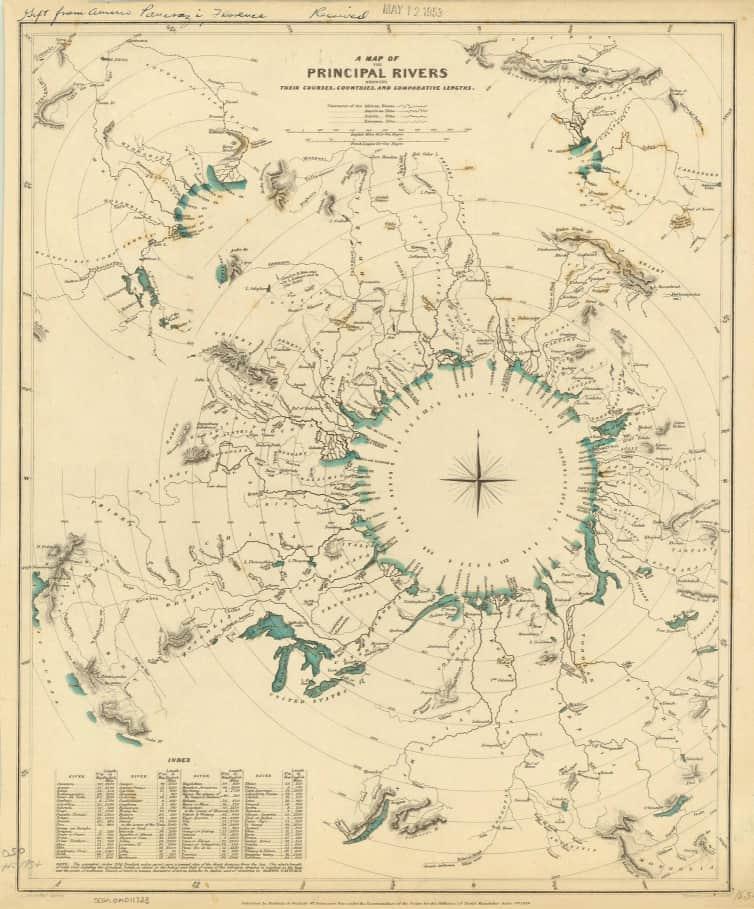
Chart printed in 1834 by the Society for the Diffusion of Useful Knowledge that visualizes and compares the length, planform shape, and general geography of the world’s major rivers, their estuaries, and their deltas. Concentric circles show the general lengths of the rivers, in miles, as the bird flies, with direction being illustrated visually.
Some watery essentials
Rivers, estuaries, and deltas are controlled by physical, chemical, and biological processes that shape their evolution. To understand their evolution, form, and functioning, we need to examine some common concepts concerning water that set the background for these landscapes.
Water cycle
Due to its distance from the sun (150 million km/91 million miles), Earth is the only planet in the solar system to have water in three states (frozen, liquid, and vapor). The water cycle describes how these three states move across the landscape, from evaporation out of large waterbodies, across the sky as clouds and water vapor, precipitation in either frozen or liquid form (depending on climate), runoff across the landscape due to the force of gravity, and percolation into the soil as groundwater. The water cycle also includes how water is drawn up from the soil by plants and its evaporation from leaves (a process called transpiration), as well as how humans have altered water flow pathways—for example, by placing dams across rivers, diverting water for crop irrigation, and extracting groundwater.
Salinity
Staying afloat
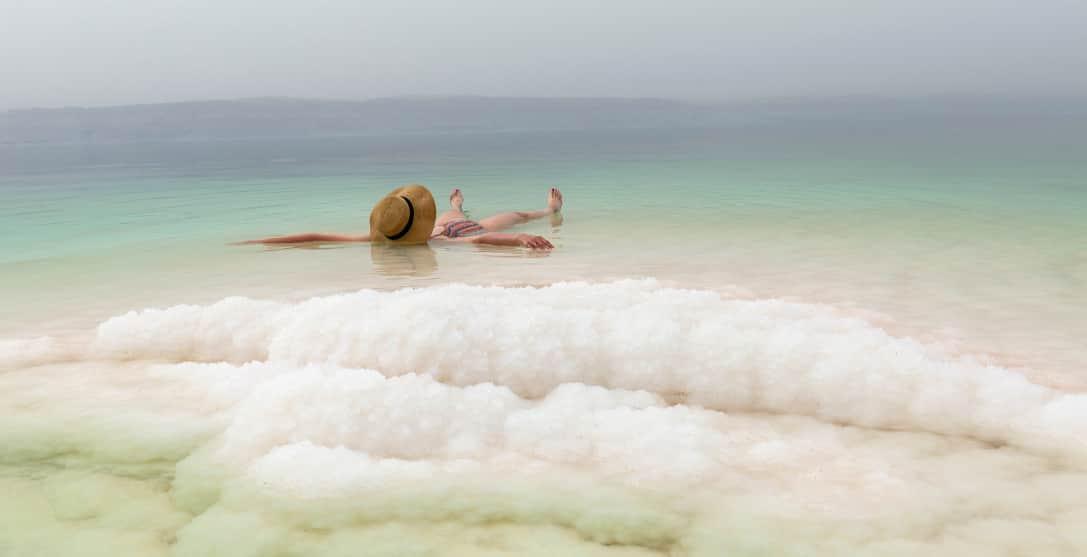
The hypersaline conditions in the Dead Sea between Israel and Jordan help keep swimmers afloat, due to the increased water density.
Pure water (H2O) comprises two molecules of hydrogen bound with one molecule of oxygen. However, several other ions can readily be dissolved in water, including salts such as sodium chloride (NaCl) and potassium chloride (KCl). Salinity describes how much salt (mostly Na+ and Cl– ions) is dissolved in water, and is typically measured in units of parts per thousand (ppt). Measurements start at 0 ppt for pure water, and range up to 33 ppt for seawater and >50 ppt for hypersaline conditions. Fresh water in rivers usually ranges from 0 ppt to 0.5 ppt, and brackish water (0.5–30 ppt) in estuaries is a mix of fresh water and seawater. The oceans have
greater salinity than rivers because of the concentration of ions delivered to them by rivers over millions of years. Hypersaline conditions are reached when river or oceanic water is subjected to intense evaporation, concentrating the salts. Salinity is a major factor influencing the distribution of flora and fauna, as although salt is a necessary nutrient, too much salt disrupts cellular functioning. Only specially adapted organisms thrive under saline and hypersaline conditions.
THE WATER CYCLE
Water moves across the Earth’s surface as water vapor evaporated from waterbodies, precipitation as rain or snowfall, surface runoff into rivers, and groundwater percolation and movement.
Words in bold indicate the main elements of the water cycle; other words explain the processes of water movement.