Instant digital products (PDF, ePub, MOBI) ready for you
Download now and discover formats that fit your needs...
Feminist AI: Critical Perspectives on Algorithms, Data, and Intelligent Machines Jude Browne
https://ebookmass.com/product/feminist-ai-critical-perspectives-onalgorithms-data-and-intelligent-machines-jude-browne/ ebookmass.com
Economics for the Real World Units 3 & 4 4th Edition Douglas Cave
https://ebookmass.com/product/economics-for-the-real-worldunits-3-4-4th-edition-douglas-cave/
ebookmass.com
Imagining the World from Behind the Iron Curtain Malgorzata Fidelis
https://ebookmass.com/product/imagining-the-world-from-behind-theiron-curtain-malgorzata-fidelis/
ebookmass.com
Abbatial Authority and the Writing of History in the Middle Ages Benjamin Pohl
https://ebookmass.com/product/abbatial-authority-and-the-writing-ofhistory-in-the-middle-ages-benjamin-pohl/
ebookmass.com
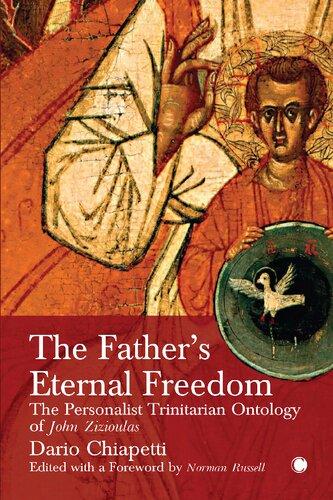
The Father's Eternal Freedom: The Personalist Trinitarian Ontology of John Zizioulas Dario Chiapetti
https://ebookmass.com/product/the-fathers-eternal-freedom-thepersonalist-trinitarian-ontology-of-john-zizioulas-dario-chiapetti/ ebookmass.com
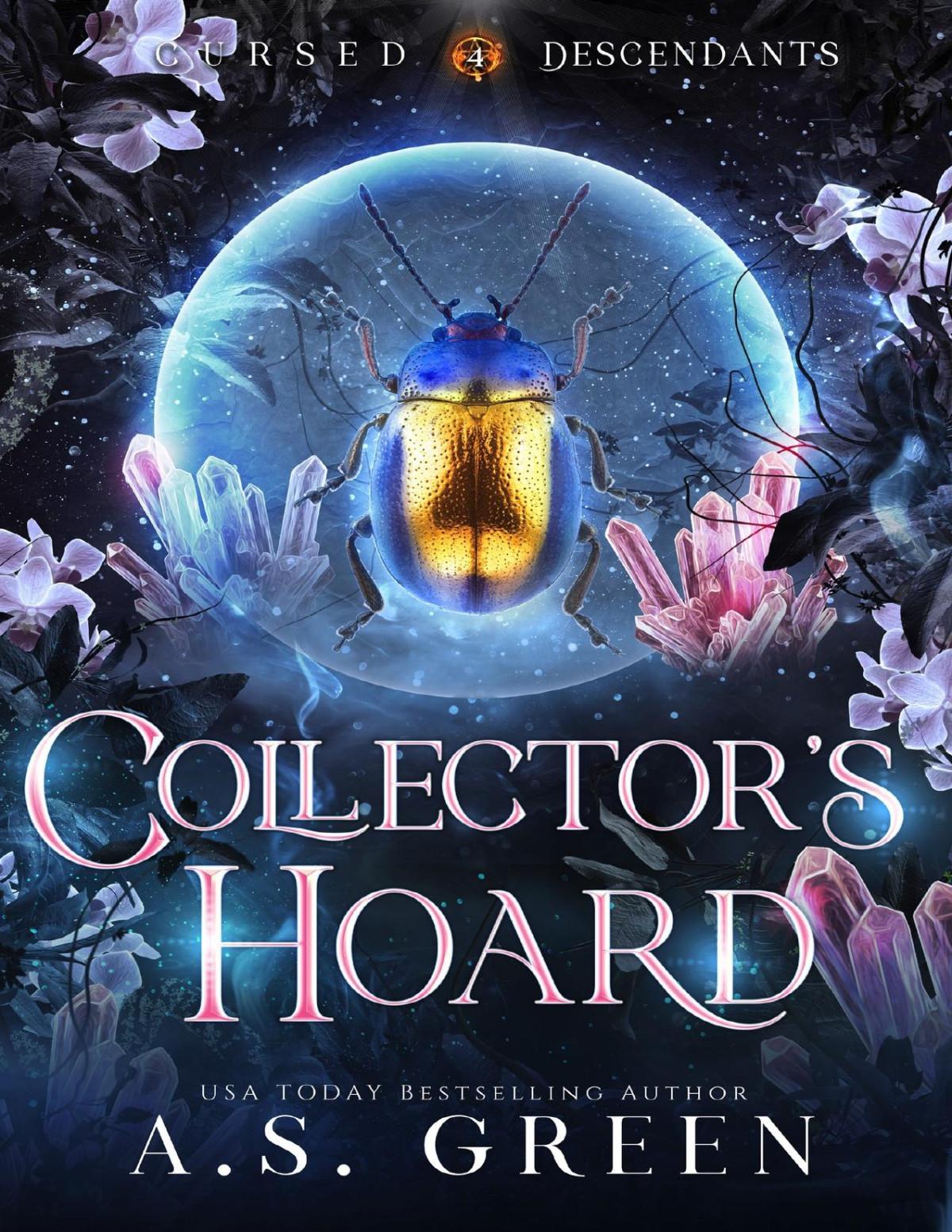
Collector's Hoard: a Spicy, Paranormal, Romantic Suspense (Cursed Descendants Book 4) A.S. Green
https://ebookmass.com/product/collectors-hoard-a-spicy-paranormalromantic-suspense-cursed-descendants-book-4-a-s-green/ ebookmass.com
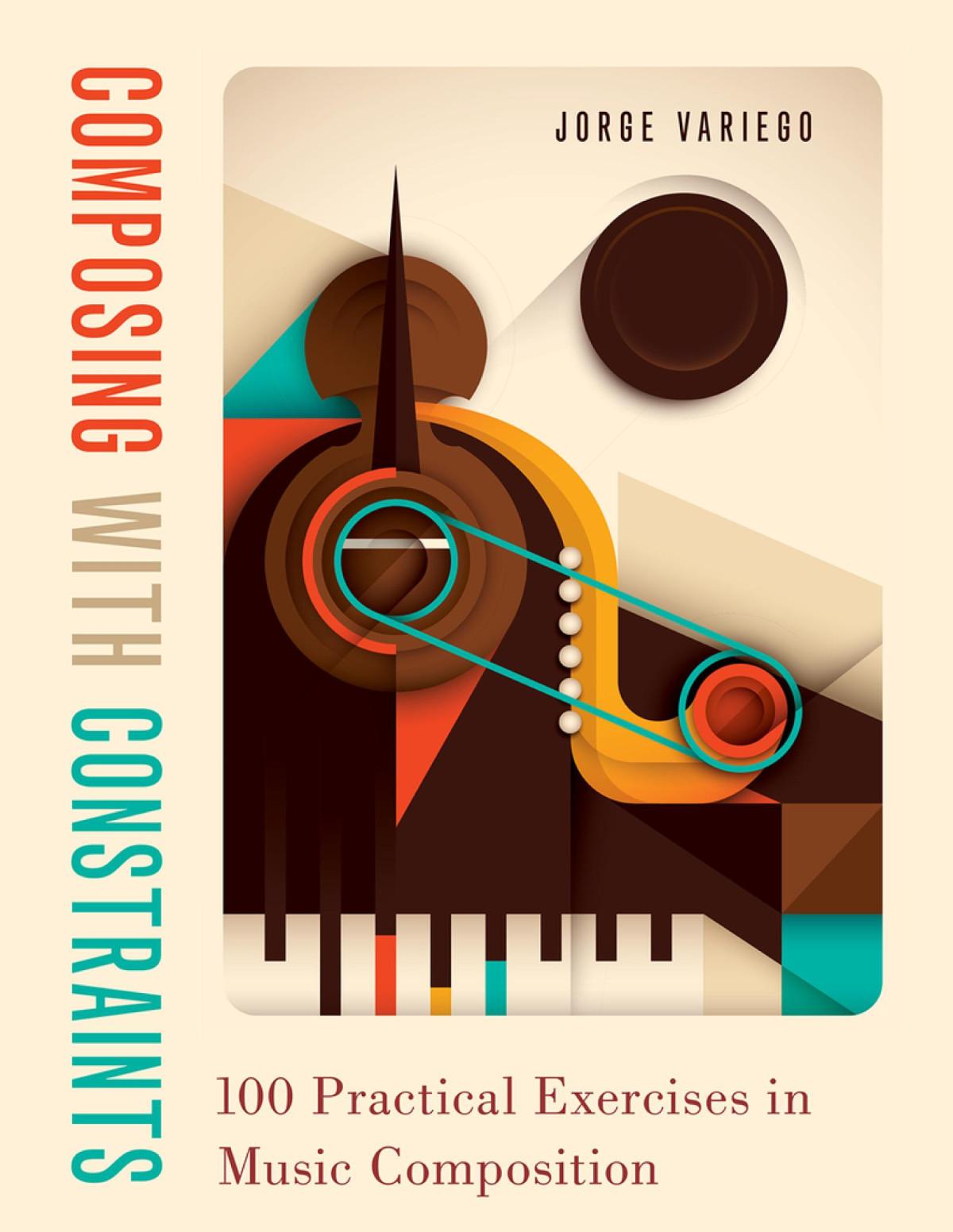
Composing with Constraints: 100 Practical Exercises in Music Composition Jorge Variego
https://ebookmass.com/product/composing-withconstraints-100-practical-exercises-in-music-composition-jorgevariego/ ebookmass.com
Dialogue of the Domestic; Final Visual Presentation for the degree of Master of Fine Arts: Painting House
https://ebookmass.com/product/dialogue-of-the-domestic-final-visualpresentation-for-the-degree-of-master-of-fine-arts-painting-house/ ebookmass.com
Multiphase Fluid Flow in Porous and Fractured Reservoirs 1st Edition Wu
https://ebookmass.com/product/multiphase-fluid-flow-in-porous-andfractured-reservoirs-1st-edition-wu/ ebookmass.com
The Trajectory of Global Education Policy: Community-Based Management in El Salvador and the Global Reform Agenda 1st Edition D.
Brent Edwards Jr. (Auth.)
https://ebookmass.com/product/the-trajectory-of-global-educationpolicy-community-based-management-in-el-salvador-and-the-globalreform-agenda-1st-edition-d-brent-edwards-jr-auth/
ebookmass.com
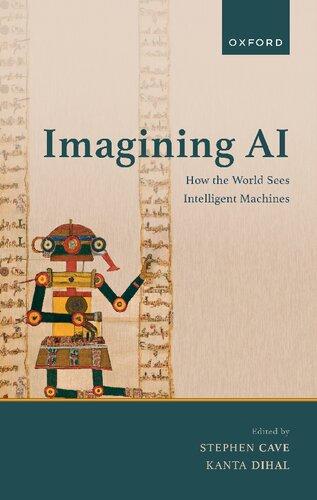
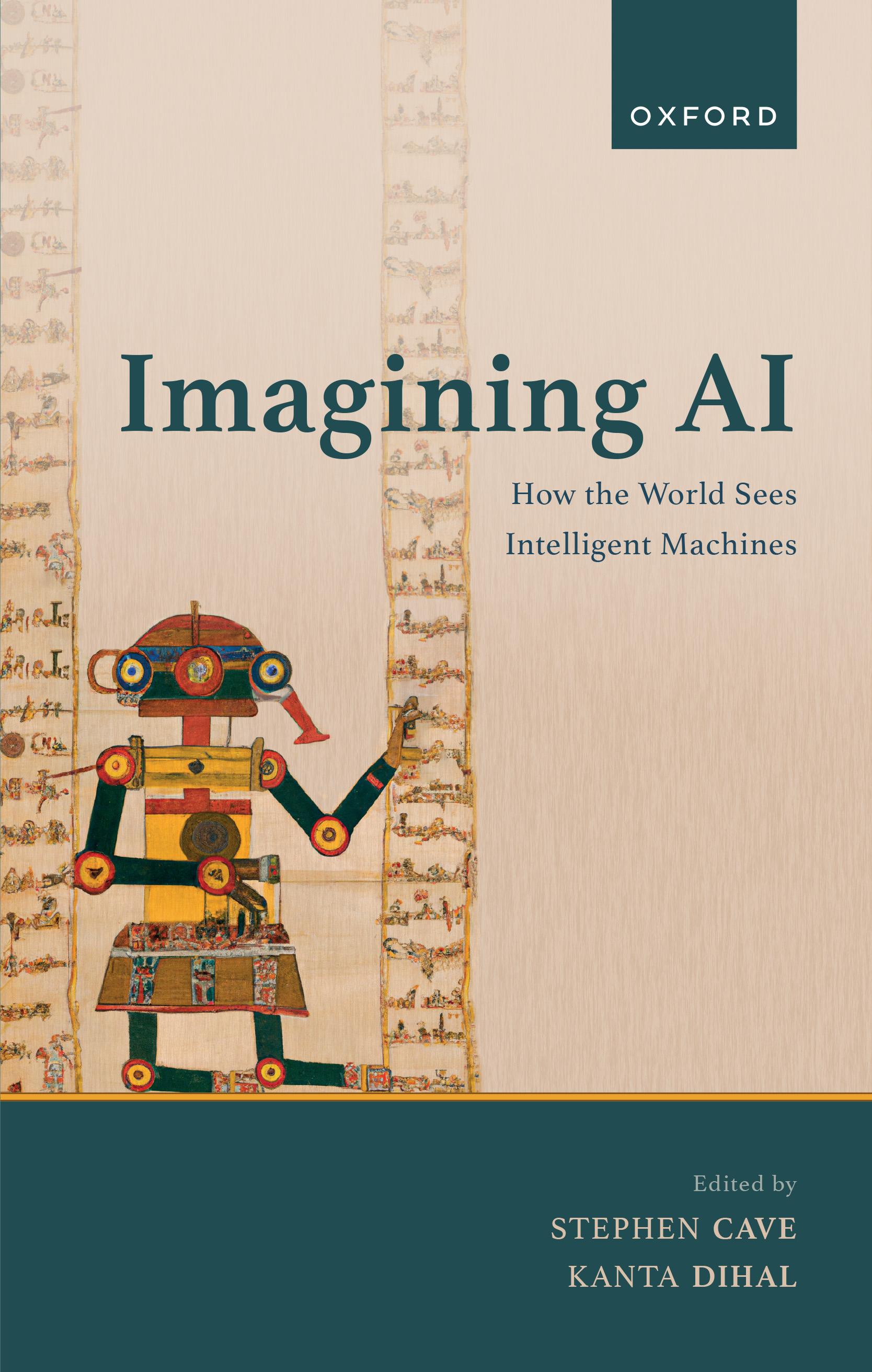
IMAGININGAI IMAGININGAI HowtheWorldSeesIntelligentMachines Editedby
StephenCave and KantaDihal
GreatClarendonStreet,Oxford,OX26DP, UnitedKingdom
OxfordUniversityPressisadepartmentoftheUniversityofOxford. ItfurtherstheUniversity’sobjectiveofexcellenceinresearch,scholarship, andeducationbypublishingworldwide.Oxfordisaregisteredtrademarkof OxfordUniversityPressintheUKandincertainothercountries ©OxfordUniversityPress2023
Themoralrightsoftheauthorshavebeenasserted Allrightsreserved.Nopartofthispublicationmaybereproduced,storedin aretrievalsystem,ortransmitted,inanyformorbyanymeans, withoutthepriorpermissioninwritingofOxfordUniversityPress,orasexpressly permittedbylaw,bylicense,orundertermsagreedwiththeappropriate reproductionrightsorganization.Enquiriesconcerningreproductionoruseoutside thescopeofthetermsandlicencesnotedaboveshouldbesenttothe RightsDepartment,OxfordUniversityPress,attheaboveaddress.
Chapter16,‘AlgorithmicColonizationofAfrica’and Chapter19,‘EngineeringRobotsWithHeartinJapan:ThePoliticsof CulturalDifferenceinArtificialEmotionalIntelligence’areavailableonlineand distributedunderthetermsofaCreativeCommonsAttribution–Non Commercial–NoDerivatives4.0Internationallicence(CCBY-NC-ND4.0),acopy ofwhichisavailableathttp://creativecommons.org/licenses/by-nc-nd/4.0/.
Youmustnotcirculatethisworkinanyotherform andyoumustimposethissameconditiononanyacquirer
PublishedintheUnitedStatesofAmericabyOxfordUniversityPress 198MadisonAvenue,NewYork,NY10016,UnitedStatesofAmerica
BritishLibraryCataloguinginPublicationData Dataavailable
LibraryofCongressControlNumber:2023930758
ISBN978–0–19–286536–6 DOI:10.1093/oso/9780192865366.001.0001
Printedandboundby CPIGroup(UK)Ltd,Croydon,CR04YY
Linkstothird-partywebsitesareprovidedbyOxfordingoodfaithand forinformationonly.Oxforddisclaimsanyresponsibilityforthematerials containedinanythirdpartywebsitereferencedinthiswork.
ToHuwPrice,whomadeallthispossible.
Introduction
1.HowtheWorldSeesIntelligentMachines:Introduction StephenCaveandKantaDihal
2.TheMeaningsofAI:ACross-CulturalComparison StephenCave,KantaDihal,TomaszHollanek,HirofumiKatsuno,Yang Liu,ApollineTaillandier,andDanielWhite
PartI:Europe 3.AINarrativesandtheFrenchTouch MadeleineChalmers
4.TheAndroidasaNewPoliticalSubject:TheItalian CyberpunkComic Ranxerox EleonoraLima
5.GermanScienceFictionLiteratureExploringAI: Expectations,Hopes,andFears HansEsselborn
6.TheGnosticMachine:ArtificialIntelligenceinStanisław Lem’s SummaTechnologiae BognaKonior
7.BoysfromaSuitcase:AIConceptsinUSSRScience Fiction:TheEvilRobotandtheFunnyRobot AntonPervushin
8.TheRussianImaginaryofRobots,Cyborgs,and IntelligentMachines:AHundred-YearHistory AnzhelikaSolovyevaandNikHynek
PartII:TheAmericasandPacific
9.FierytheAngelsFell:HowAmericaImaginesAI StephenCaveandKantaDihal
10.AfrofuturismoandtheAestheticsofResistanceto AlgorithmicRacisminBrazil EdwardKing
11.ArtificialIntelligenceintheArtofLatinAmerica
RaúlCruz
12.ImaginariesofTechnologyandSubjectivity: RepresentationsofAIinContemporaryChileanScienceFiction MacarenaAreco
13.ImaginingIndigenousAI JasonEdwardLewis
14.MaoliIntelligence:IndigenousDataSovereigntyandFuturity NoelaniArista
PartIII:Africa,MiddleEast,andSouthAsia 15.FromTafatoRobu:AIintheFictionofSatyajitRay UpamanyuPabloMukherjee
16.AlgorithmicColonizationofAfrica AbebaBirhane
17.ArtificialIntelligenceElsewhere:TheCaseofthe Ogbanje RachelAdams
18.AIOasis?:ImaginingIntelligentMachinesintheMiddle EastandNorthAfrica KantaDihal,TomaszHollanek,NaglaRizk,NadineWeheba, andStephenCave
PartIV:EastandSouthEastAsia
19.EngineeringRobotsWithHeartinJapan:ThePoliticsof CulturalDifferenceinArtificialEmotionalIntelligence HirofumiKatsunoandDanielWhite
20.DevelopmentandDevelopmentalismofArtificial Intelligence:DecodingSouthKoreanPolicyDiscourse onArtificialIntelligence SoYoungKim
21.HowChinesePhilosophyImpactsAINarrativesand ImaginedAIFutures BingSong
22.AttitudesofPre-QinThinkerstowardsMachineryand theirInfluenceonTechnologicalDevelopmentinChina ZhangBaichunandTianMiao
23.ArtificialIntelligenceinChineseScienceFiction:From theSpringandAutumnandWarringStatesPeriodsto theEraofDengXiaoping
YanWu
24.AlgorithmoftheSoul:NarrativesofAIinRecent ChineseScienceFiction
FengZhang
25.IntelligentInfrastructure,HumansasResources,and CoevolutionaryFutures:AINarrativesinSingapore
CherylJuliaLeeandGrahamMatthews
Index
Acknowledgements ThisbookoriginatedintheGlobalAINarratives(GAIN)projectattheLeverhulmeCentrefortheFutureofIntelligence,UniversityofCambridge.From 2018to2021,theGAINteamheldtwentyworkshopstoexplorehowAIisportrayedacrosscultural,geographical,regional,linguistic,andotherboundaries andborders,andhowtheseportrayalsaffectpublicperceptionsofAIaround theworld.Forhelpingusorganizeawonderfulseriesofevents—in-person, virtual,andhybrid,attimesinthefaceofpoliticalorsocialunrestandthe pandemic—wethankourcollaborators,includingNanyangTechnological UniversityandtheNTUInstituteforScienceandTechnologyforHumanity (NISTH),Singapore;WasedaUniversity,Tokyo;TeplitsaofSocialTechnologies,Russia;theAccesstoKnowledgeforDevelopmentCenter(A2K4D)atthe AmericanUniversityinCairo’sSchoolofBusiness;theVˉaMoanaPacificSpaces researchclusterandtheUniversityofAuckland,AotearoaNewZealand;the BerggruenChinaCenteratPekingUniversity;theDepartmentofSecurity StudiesatCharlesUniversity,Prague;theHumanSciencesResearchCouncil ofSouthAfrica;thePontificiaUniversidadCatólicadeChile;thePresentFuturesForumattheTechnischeUniversitätBerlin;andtheSchoolofArtsand SciencesatAhmedabadUniversity,India.Wealsothankallofthespeakers, someofwhoseworkisincludedinthisbook,aswellasthemanythousandsof peoplewhoattendedtheseworkshops.
Weacknowledgeadeepdebtofgratitudetothewonderfulteamofresearch assistantswhoworkedonthisproject:ToniiLeach(whoalsoassistedinthe preparationofthisvolume),ElizabethSeger,andTomaszHollanek.
Weareimmenselygratefultothemanycolleagueswhosefeedbackhasimprovedourunderstandingofthisfieldinsomanyways.Inparticular,for reviewingourowncontributionstothisvolume,wethankEleanorDrage, KerryMcInerney,TomaszHollanek,andMoritzIngwersen.
Themajorityofcontributionstothisbookarewrittenbycontributorswho donotspeakEnglishastheirfirstorprimarylanguage.WegratefullyacknowledgetheworkofourtranslatorsMayaFeileTomes,JackHargreaves,James Trapp,andJamesHargreavesfortheirexcellenttranslationsfromtheSpanish, Chinese,andGerman.
WealsoexpressourgratitudetotheteamatOxfordUniversityPressforonce againhavingfaithinus,andfortheirunfailinglyprofessionalandfriendlysupport.Inparticular,wethankSonkeAdlung,SeniorCommissioningEditor, andJohnSmallmanandGiuliaLipparini,SeniorProjectEditors.
WeacknowledgethegeneroussupportoftheTempletonWorldCharityFoundationandDeepMindEthicsandSocietyforfundingtheGlobalAI
x Acknowledgements
Narrativesproject;theLeverhulmeTrustthroughtheirgranttotheLeverhulmeCentrefortheFutureofIntelligence;andtheCambridge–Africa ALBORADAFundandtheBritishHighCommissionSingaporeforfunding theSub-SaharanAfricaandSingaporeworkshops,respectively.
Finally,wethankHuwPrice,formerBertrandRussellProfessorofPhilosophyatCambridgeandthefounderoftheLeverhulmeCentrefortheFuture ofIntelligence,forhisunflaggingsupport,andformakingallthispossible.It istohimthatthisbookisdedicated.
Contributors RachelADAMS, basedinCapeTown,SouthAfrica,isthePrincipalResearcheratResearchICTAfrica.SheisthePrincipalInvestigatoroftheGlobal IndexonResponsibleAI,anewglobalinstrumenttomeasurecountry-level progressinadvancingrights-respectingAI,andtheAfricanObservatoryon ResponsibleAI.Rachelistheauthorof Transparency:NewTrajectoriesinLaw (Routledge,2020),andtheleadauthorof HumanRightsandtheFourthIndustrialRevolution inSouthAfrica (HSRCPress,2021).SheiscurrentlyworkingonamonographexploringtheimperialforcesatworkinandthroughAI,andwhatisrequiredto decolonizethisnoveltechnologicalsuperpower.
MacarenaARECO isajournalistandFullProfessorofLatinAmericanLiteratureatthePontificalCatholicUniversityofChile,wheresheisalsoDirector ofExtensionandContinuingEducationattheUCCenterforChileanLiteratureStudies(CELICH).Sheistheauthorofthebooks Cartografíadelanovela chilenareciente (2015), Acuariosyfantasmas.Imaginariosdeespacioydesujetoenlanarrativaargentina,chilenaymexicanareciente (2017),and Bolañoconstelaciones:literatura, sujetos,territorios (2020),andco-editorwithPatricioLizamaof Biografíaytextualidades,naturalezaysubjetividad.EnsayossobrelaobradeMaríaLuisaBombal (2015).She haspublishedoverahundredarticlesandbookchapters,andcurrentlydirects theresearchproject‘Imaginariossocialesenlacienciaficciónlatinoamericana reciente:espacio,sujeto-cuerpoytecnología’.
NoelaniARISTA (‘Oiwi)isDirectoroftheIndigenousStudiesProgramat McGillUniversity,Montreal,andAssociateProfessorinHistoryandClassicalStudies.HerresearchfocusesonHawaiiangovernanceandlaw,indigenous languagetextualarchivesandtraditionalknowledgeorganizationsystems.Her workseekstosupportindigenouscommunitiesintheethicaltransmissionof knowledgeandtodevelopmethodsthatcanbeappliedinmultipleindigenous contexts.HernextbookprojectfocusesonthefirstHawaiianconstitutional period1839–1845.Sheisaco-authoroftheaward-winningessay MakingKin withtheMachines, andco-organizeroftheIndigenousAIworkshops.
AbebaBIRHANE isSeniorFellowinTrustworthyAIattheMozillaFoundation.Herinterdisciplinaryresearchexploresvariousbroadthemesincognitive science,AI,complexityscience,andtheoriesofdecoloniality.Birhaneexaminesthechallengesandpitfallsofcomputationalmodels(anddatasets)froma conceptual,empirical,andcriticalperspective.
StephenCAVE isDirectoroftheLeverhulmeCentrefortheFutureofIntelligenceattheUniversityofCambridge.Heisauthorofa NewScientist Bookof
theYear, Immortality (PenguinRandomHouse,2012),and ShouldWeWanttoLive Forever (Routledge,2023),aswellasco-editorof AINarratives:AHistoryofImaginingIntelligentMachines (OxfordUniversityPress,2020)and FeministAI (Oxford UniversityPress,2023).Hehaswrittenextensivelyforabroaderpublic,includingforthe NewYorkTimes and Atlantic,andhisworkisfeaturedinmediaaround theworld.Heregularlyadvisesgovernmentalandinternationalbodiesonthe ethicsofAI.
MadeleineCHALMERS isTeachingFellowinFrenchatDurhamUniversity, UK.Hercurrentbookproject UnrulyTechnics tracesagenealogyofthinkingand writingabouttechnicsthatgerminatesinFrenchavant-gardewritingsofthe latenineteenthandearlytwentiethcenturies,takesrootinthemid-twentieth centuryintheworkofmajorFrenchphilosopherssuchasGilbertSimondon andGillesDeleuze,andcontinuestobloominthecontemporary‘nonhuman turn’inAnglo–Americantheorythatdrawsinspirationfromthosephilosophers.HerworkontechnologyanditsintersectionswithFrenchliteratureand thoughthasappearedinjournalsincluding FrenchStudies, NottinghamFrenchStudies, and Dix-Neuf.
RaulCRUZ isanartistandillustratorborninMexicoCity.Hisworkisafusion offuturisticandsci-fiaestheticswiththeartofMesoamericanculturessuchas theMayaandAztecs,blendingpastandpresentwithunpredictablefutures. Hehasexhibitedatuniversities,galleries,andculturalspacesinMexico,New York,SanDiego,Chicago,LosAngeles,Texas,Cuba,Italy,andSpain.Hiswork appearsinpublicationssuchasNewYorkIllustratorsSociety, HeavyMetal magazine,SPECTRUMFantasticArt, TheFutureofEroticFantasyArtI and II;hasbeen compiledinavolumeeditedbytheUniversidadAutónomaMetropolitanade MéxicoandEditorialMilenioEspaña;andfeaturesintwobooksonMexican FantasticArt.HeparticipatedintheThirdSpectrumexhibition,galleryofThe SocietyofIllustrators,inNewYork,andwasselectedasoneofthe20bestartists inmanualtechniquesofFantasticArtbythebookFantasy + 3.
KantaDIHAL isLecturerinScienceCommunicationatImperialCollegeLondonandAssociateFellowoftheLeverhulmeCentrefortheFutureofIntelligence,UniversityofCambridge.Herresearchfocusesonsciencenarratives, particularlythosethatemergefromconflict.ShewasPrincipalInvestigator ontheproject‘GlobalAINarratives’from2018–2022.Sheisco-editorof AI Narratives:AHistoryofImaginingIntelligentMachines (OxfordUniversityPress,2020) andhasadvisedtheWorldEconomicForum,theUKHouseofLords,and theUnitedNations.SheholdsaDPhilfromtheUniversityofOxfordonthe communicationofquantumphysics.
HansESSELBORN isEmeritusProfessoroftheUniversityofCologneand specializesintheEnlightenment,JeanPaul,EarlyTwentiethCenturyGerman
Literature,Interculturality,andScienceFiction.HehasbeenavisitingprofessoratLawrence(Kansas),Nancy,Paris,Lyon,andKrakow.Heistheauthor of GeorgTrakl (PhD1981)and DasUniversumderBilder.DieNaturwissenschaftinden SchriftenJeanPauls (habilitation1989), DieliterarischeScienceFiction (2000), DieErfindungderZukunftinderLiteratur.Vomtechnisch-utopischenZukunftsromanzurdeutschenScience Fiction (2019).Heistheeditorof Utopie,AntiutopieundScienceFiction (2003), Ordnung undKontingenz.DaskybernetischeModelindenKünsten (2009),and HerbertW.Frankes SF-Werke (since2014).
TomaszHOLLANEK isadesignandtechnologyethicsresearcherwithabackgroundinculturalstudies,philosophy,UXdesign,andcommunications. Currently,heisaPostdoctoralResearchFellowattheLeverhulmeCentre fortheFutureofIntelligenceattheUniversityofCambridge.Hisongoingresearchexploresthepossibilityofreconcilinghuman-centrictechnologydesign principleswiththegoalsofsustainableandrestorativedesignforamore-thanhumanworld.Previously,TomaszwasaVice-Chancellor’sPhDScholarat CambridgeandaVisitingResearchFellowattheÉcolenormalesupérieurein Paris.Hehascontributedtonumerousresearchprojects,includingtheGlobal AINarrativesProjectatLCFIandtheEthicsofDigitalizationresearchprogram attheBerkmanKleinCenterforInternetandSocietyatHarvard.
NikHYNEK isProfessorspecializinginSecurityStudiesandaffiliatedwith MetropolitanUniversityPrague.Hereceivedhisresearchdoctoratefromthe UniversityofBradfordandwaspreviouslyaffiliatedwithSaltzmanInstitute ofWarandPeaceStudies(SIWPS)atColumbiaUniversity,theLondonSchool ofEconomicsandPoliticalScience(LSE),theAustralianNationalUniversity (ANU),CarletonUniversity,andRitsumeikanUniversity.Hislatestmonograph,co-authoredwithAnzhelikaSolovyeva,is MilitarizingArtificialIntelligence: Theory,Technology,andRegulation (Routledge,2022).
HirofumiKATSUNO isAssociateProfessorofAnthropologyandMedia StudiesintheFacultyofSocialStudiesatDoshishaUniversity,Kyoto.Hisprimaryresearchinterestisthesocio-culturalimpactofnewmediatechnologies, particularlyfocusingontheformationofimagination,agency,andpresence intechnologicallymediatedenvironmentsintheageofAIandrobotics.He isaco-organizeroftheethnographicresearchprojectModelEmotion(www. modelemotion.org)andaco-investigatoroftheinternationaljointresearch project RuleofLawintheAgeofAI:DistributivePrinciplesofLegalLiabilityforMultiSpeciesSocieties,fundedbyUKRI(UK)andJST(Japan).
SoYoungKIM isProfessorandformerheadoftheGraduateSchoolofScienceandTechnologyPolicyandthedirectoroftheKoreaPolicyCenterfor theFourthIndustrialRevolutionatKAIST.Herresearchdealswithhigh-stake issuesattheinterfaceofscienceandtechnology(S&T)andpublicpolicysuch
asresearchanddevelopmentfundingandevaluation,S&Tworkforcepolicy, science-basedofficialdevelopmentassistance,andthegovernanceofemerging technologies.Herscholarlyworkincludespublicationsin InternationalOrganization, JournalofAsianSurvey,and ScienceandPublicPolicy,aswellastheco-edited volumesof ScienceandTechnologyPolicy:TheoriesandIssues, TheSpecteroftheFourth IndustrialRevolution,and AReturnoftheFuture:COVID-19andtheFourthIndustrial Revolution [inKorean].Asapublicintellectual,shehasservedonnumerous committeesofgovernmentministriesandinternationalentities,includingthe WorldEconomicForum’sGlobalFutureCouncils.
EdwardKING isAssociateProfessorinPortugueseandLatinAmericanStudiesattheUniversityofBristol.Hisresearchexplorescontemporaryculturesof connectivity,withaparticularfocusontheuseofspeculativefictionandmultimediatextstoexposeandcontesttheshiftingpowerdynamicsofthedigital age.Hislatestmonograph TwinsandRecursioninDigital,LiteraryandVisualCultures (BloomsburyAcademic,2022)tracesthewaysinwhichtwinshavebeenusedin differentfieldsofknowledgeandrepresentationalpracticestomaptheincreasinglyintricateentanglementsofhumansubjectsandtheirtechnologicaland naturalenvironments.Hisco-authoredbook PosthumanismandtheGraphicNovel inLatinAmerica (UCLPress,2017;withJoannaPage)studiestheemergenceof thegraphicnovelinLatinAmericaasauniquelypowerfulmediumthrough whichtoexplorethenatureoftwenty-first-centurysubjectivityandespecially formsofembodimentormediatizationthatbindhumanstotheirnonhuman environment.
BognaKONIOR isAssistantProfessorattheInteractiveMediaArtsdepartmentatNewYorkUniversityShanghai,wheresheteachesclassesonemerging technologies,philosophy,humanities,andthearts.Shealsoco-directstheuniversity’sArtificialIntelligenceandCultureResearchCentre. www.bognamk. com
CherylJuliaLEE isAssistantProfessorwiththeEnglishdepartmentat NanyangTechnologicalUniversity,Singapore,andcriticaleditorof prose.sg HerresearchinterestsincludeSingaporeanandSoutheastAsianliterature.She haspublishedarticlesin TextualPractice and Asiatic.
JasonEdwardLEWIS isadigitalmediatheorist,poet,andsoftwaredesigner. Hisresearch/creationprojectsexplorecomputationasacreativeandculturalmaterial,andheisinterestedindevelopingintriguingnewformsof expressionbyworkingonconceptual,critical,creative,andtechnicallevels simultaneously.HeistheUniversityResearchChairinComputationalMediaandtheIndigenousFutureImaginaryaswellProfessorofComputation ArtsatConcordiaUniversity,Montreal,wherehedirectstheInitiativeforIndigenousFutures,andco-directstheIndigenousFuturesResearchCentreand
theAboriginalTerritoriesinCyberspaceresearchnetwork.HeisHawaiianand Samoan,bornandraisedinnorthernCalifornia.
EleonoraLIMA isResearchFellowinDigitalHumanitiesatTrinityCollege Dublin,wheresheispartoftheEU-fundedprojectKnowledgeTechnologies forDemocracy(KT4D).Sheiscurrentlyworkingonthefirstcomprehensive historyofcomputinginItalianliterature.Shehaspublishedontheinterconnectionsbetweenliterature,science,andtechnology,aswellasonItalian cinemaandvisualarts.EleonoraisamemberoftheEthicallyAlignedDesignfortheArtsCommittee,partoftheIEEEGlobalInitiativeonEthicsof AutonomousandIntelligentSystems.SheholdsaPhDinItalianandMedia Studies(UniversityofWisconsinatMadison,2015).ShewaspreviouslyanEU MarieSkłodowska-CuriePostdoctoralFellow(2018–2020)andaPostdoctoral FellowattheUniversityofToronto(2017–2018).
YangLIU 劉洋 isSeniorResearchFellowintheFacultyofPhilosophyand theLeverhulmeCentrefortheFutureofIntelligence.Hisresearchinterests includelogic,foundationsofprobability,mathematicalandphilosophicaldecisiontheory,andphilosophyofartificialintelligence(AI).Hiscurrentresearch issupportedbytheLeverhulmeTrustandtheIsaacNewtonTrust.Before movingtoCambridge,hereceivedhisPhDinPhilosophyfromColumbia University.Heisco-founderandco-organizerofaseminarseriesonlogic, probability,andgames,aswellasaconferenceseriesondecisiontheoryand AI.
GrahamMATTHEWS isAssociateProfessorinContemporaryLiteratureat NanyangTechnologicalUniversity,Singapore.Hisresearchinterestsinclude theliteraryrepresentationofscience,medicine,andtechnology,andperceptionsofrisk.Heistheauthorof WillSelfandContemporaryBritishSociety andhas contributedtojournalsincluding ModernFictionStudies, TextualPractice, Literature &Medicine, JournalofModernLiterature, EnglishStudies, Pedagogies,and Critique. UpamanyuPabloMUKHERJEE isProfessorofEnglishandComparativeLiteraryStudiesatWarwickUniversity.Heistheauthorof CrimeandEmpire:The ColonyinNineteenth-CenturyFictionsofCrime (OxfordUniversityPress,2003), NaturalDisastersandVictorianEmpire:Famines,FeversandtheLiteraryCulturesofSouthAsia (PalgraveMacmillan,2013),and FinalFrontiers:ScienceFictionandTechno-Sciencein Non-AlignedIndia (LiverpoolUniversityPress,2020).
AntonIvanovichPERVUSHIN (АнтонИвановичПЕРВУШИН) holdsan MScinEngineeringandisanindependentscholarandsciencefictionwriter. HeisamemberoftheSt.PetersburgWriters’Union,theSt.PetersburgUnion ofScientists,andtheRussianCosmonauticsFederation.Heresearchesthe historyofSovietcosmonautics,sciencefiction,andastroculture.Amonghis
xvi Contributors nonfictionbooks,thetwomostnotableare 12MythsaboutSovietScienceFiction (12 мифовосоветскойфантастике),and SpaceMythology:FromAtlanteans onMarstoLunarConspiracyTheory (Космическаямифология: отмарсианских атлантовдолунногозаговора).
NaglaRIZK isProfessorofEconomicsandFoundingDirectoroftheAccess toKnowledgeforDevelopmentCenter(A2K4D)attheAmericanUniversity inCairo’sSchoolofBusiness.Herresearchareaistheeconomicsofknowledge,technology,andinnovationwithemphasisonhumandevelopmentin thedigitaleconomyintheMiddleEastandAfrica.Herrecentworkfocuses ontheeconomicsofdata,AI,andinclusion.Sheauthoredthechapter‘ArtificialIntelligenceandInequalityintheMiddleEast’in TheOxfordHandbookof EthicsofArtificialIntelligence (MarkusDubberetal.(eds.),OxfordUniversityPress, 2020).SheisamemberoftheSteeringCommitteeoftheOpenAfricanInnovationResearchPartnershipandisFacultyAssociateatHarvard’sBerkmanKlein CenterforInternetandSociety.
AnzhelikaSOLOVYEVA isAssistantProfessorattheDepartmentofSecurityStudies,FacultyofSocialSciencesatCharlesUniversityinPrague.Shehas beenaffiliatedwiththeCharlesUniversityResearchCentreofExcellencededicatedtothetopicof‘Human-MachineNexusandtheImplicationsforthe InternationalOrder’.Herlatestmonograph,co-authoredwithNikHynek,is MilitarizingArtificialIntelligence:Theory,Technology,andRegulation (Routledge,2022).
SONGBing isSeniorVicePresidentoftheBerggruenInstituteandtheDirectoroftheInstitute’sChinaCenter.Sheisresponsibleforthestrategyand overalldevelopmentoftheInstitute’sChina-basedresearch,fellowshipprogrammes,andpublicengagement.PriortojoiningtheBerggruenInstitute, Bingcamefromalongstandinglegalandbankingcareer.Herresearchinterests lieintheintersectionofChinesephilosophy,frontiertechnologies,andgovernance.RecentlysheeditedavolumeonAIandChinesephilosophy,published byCITICPressandSpringer.
ApollineTAILLANDIER isaPostdoctoralResearchFellowattheLeverhulmeCentrefortheFutureofIntelligenceattheUniversityofCambridge andattheCenterforScienceandThoughtattheUniversityofBonn.Shealso holdsaffiliatedpositionswiththeDepartmentofPoliticsandInternational StudiesatCambridgeandtheCenterforEuropeanStudiesatSciencesPoin Paris.Previously,shewasaDoctoralFellowattheMaxPlanckSciencesPoCenteronCopingwithInstabilityinMarketSocieties,andheldvisitingfellowships attheUniversityofCalifornia,Berkeley,andCambridge.Sheiscurrentlywritingamonographontheintellectualhistoryofpostwartranshumanism.Inher newproject,shetracesfeministideasinthehistoryofAIandcomputerscience intheUS,theUK,andFrance.
MiaoTIAN isProfessoranddepartmentheadattheInstitutefortheHistoryof NaturalSciences,ChineseAcademyofSciences;hermainresearchareaisthe HistoryofScienceandTechnologyinChina,andshespecializesinthehistory ofmathematicsandmechanics,thehistoryofknowledgedissemination,and comparativestudiesofmathematicsinChineseandEuropeanhistory.
NadineWEHEBA isAssociateDirectorforResearchattheAccesstoKnowledgeforDevelopmentCenter(A2K4D)attheSchoolofBusinessoftheAmericanUniversityinCairo.Weheba’sresearchinterestsarethepoliticaleconomy ofinformationcommunicationtechnologies,innovation,anddevelopment. Shestudiesnewbusinessmodelsinthedigitaleconomy,newtechnologies, suchasartificialintelligence,andinclusioninthecontextofEgypt,Africa,and theregion.ShereceivedherMScinDevelopmentStudiesfromtheSchoolof OrientalandAfricanStudies(SOAS)attheUniversityofLondonandholdsa BAinEconomicsfromTheAmericanUniversityinCairo.
DanielWHITE isSeniorResearchAssociateintheDepartmentofSocialAnthropologyattheUniversityofCambridge.Heco-organizesanethnographic researchprojectcalledModelEmotion,inwhichheworksacrossdisciplines withanthropologists,psychologists,computerscientists,androboticsengineerstotraceandcritiquehowtheoreticalmodelsofemotionarebuiltinto machineswithemotionalcapacitiesforcareandwell-being.Hispublications, podcasts,andotherprojectsdocumenthowdifferentculturalimaginaries, largelyfromJapan,areshapingdiversefuturesforartificialintelligenceand canbefoundat www.modelemotion.org.
YanWU isProfessorattheCenterforHumanitiesatSouthernUniversityof ScienceandTechnologyinShenzhen.Heisalsoasciencefictionwriter,winner oftheChineseGalaxyandNebulaAwards,andthe2020ClaresonAwardofthe ScienceFictionResearchAssociation(SFRA).
FengZHANG isasciencefictionresearcher.Heisvisitingresearcheratthe HumanitiesCenterofSouthernUniversityofScienceandTechnologyin Shenzhen,chiefresearcherofShenzhenScience&FantasyGrowthFoundation,honoraryAssistantProfessoroftheUniversityofHongKong,SecretaryGeneraloftheWorldChineseScienceFictionAssociation,andeditor-in-chief of NebulaScienceFictionReview.HisresearchcoversthehistoryofChinesescience fiction,developmentofthesciencefictionindustry,sciencefictionandurban development,andsciencefictionandtechnologicalinnovation.
INTRODUCTION 1 HowtheWorldSeesIntelligent Machines Introduction 1.1 MythsandRealities Artificialintelligence(AI)wasaculturalphenomenonlongbeforeitwas atechnologicalone.Insomecultures,visionsofintelligentmachinesgo backcenturies,evenmillennia(LiveleyandThomas,2020;ZhangandTian, Chapter 22 thisvolume).Suchvisionsspreadwithindustrializationuntil,by thetwentiethcentury,afuturewithsuchmachineswasbeingrichlyimaginedaroundtheworld.Whentheterm‘artificialintelligence’wascoinedin theUSin1956,itwasnottonameanewinvention,butrathertoexpressa determinationtorealizealong-standingfantasy(Caveetal.,Chapter 2 this volume).
SomewouldsaythatAIisstillaculturalphenomenonandnotatechnologicalone:thatforalltheinnovationsincomputing,andallthehypein industryandpolicy,noexistingsystemsdeservetobecalledtrulyintelligent (e.g. SimkoffandMahdavi,2019; Taulli,2019).Others,however,arguethatwe aresurroundedbyAI:thatitpervadesourdailylives—throughoursmartphones,theonlineservicesweuse,andthehiddensystemsthatgovernus (e.g. Smith,2021).Itishardtothinkofanothertechnologyinhistoryabout whichsuchadebatecouldbehad—adebateaboutwhetheritiseverywhere, ornowhereatall.ThatitcanbeheldaboutAIisatestamenttoitsmythic quality.
Ofcourse,innovationindigitaltechnologyisrealandrapid,anditiscontinuallyininterplaywiththislong-standingmythologyofintelligentmachines. Thisculturalbackdropshapeswhatmotivatesfundersandengineers,how productsaredesigned,whetherandbywhomtechnologiesaretakenup,
StephenCaveandKantaDihal
howtheyareregulated,andsoon.Thenodesofproduction—academiaand industry,mediaandpolicy—areinterwovenandmutuallyinfluential.
Take,forexample,the2014Hollywoodfilm Transcendence,whichtellsthe storyofAIexpertWillCaster(JohnnyDepp),whohashismind‘uploaded’ ontoanAIsystembyhiswifeEvelyn(RebeccaHall)andhiscolleagueMaxWaters(PaulBettany)(Pfister,2014).Duringthefilm’sopeningweekend,three well-knownscientists,StephenHawking,MaxTegmark,andStuartRussell, publisheda HuffingtonPost articletitled‘TranscendingComplacencyonSuperintelligentMachines’(Hawkingetal.,2014).Laterrepublishedwiththename ofNobelPrizewinnerFrankWilczekadded,thearticlearguesthat:
AstheHollywoodblockbuster Transcendence debutsthisweekendwithJohnny Depp,MorganFreemanandclashingvisionsforthefutureofhumanity,it’s temptingtodismissthenotionofhighlyintelligentmachinesasmerescience fiction.Butthiswouldbeamistake,andpotentiallyourworstmistakeever. (Hawkingetal.,2014)
Thearticleisintendedtoconvincepolicymakersandotherpublicsofthe importanceofAI.Thatsamemonth,TegmarkfoundedtheFutureofLifeInstitute(FLI),whichaims‘toensurethattomorrow’smostpowerfultechnologies arebeneficialforhumanity’.ItispartlyfundedbyElonMusk,whoisareallifetechnologymagnateandpioneerofAI-drivencars.Muskalsoappearsina cameoin Transcendence,asanaudiencememberofalectureonAI.Inaddition, MorganFreeman,whoplaysoneofthefilm’sheroes,sitsonFLI’sBoard,alongsideMusk.Thefilmthereforeperfectlyreflectswhatwecallthe‘Californian feedbackloop’:themultipleentanglementsofHollywoodandthebroadercultureitreflects,ofacademicresearchandSiliconValleyindustrialproduction, ofnarrativeandthebillionaire-fundedfighttoshapethefuture.Storiessuchas Transcendence co-constructwhatAIisunderstoodtobe,embeddingordisputing existingattitudesandapproaches.
Butcrucially,theseattitudesandapproachesarenotthesamearoundthe world.Theyareshapedbytheparticularhistories,philosophies,ideologies,religions,narrativetraditions,andeconomicstructuresofdifferentcountries, cultures,andpeoples. Transcendence isaproductoftheUS,andtradesinwellwornHollywoodtropes,suchasAIastheultimatetechnology(andtherefore theultimatesolutiontoallproblems,i.e.pollution,theenergycrisis,disease), yetatthesametimetheultimatethreattohumanity;thereductionofthe individualtodataandcomputation,andthereforethepossibilityofdigitalimmortality;andthelonemalegeniusscientistandthesubordinatefemalewho mustinsomewaysacrificeherself.Individually,thesetropesarenotunique toHollywood—eachcanbefoundelsewhere—butcollectivelytheyformthe distinctivemythologyofAIinAmerica.
Inour2020volume(withSarahDillon) AINarratives:aHistoryofImaginativeThinkingaboutIntelligentMachines,wesurveyedthepredominantthemesin anglophoneWesternportrayalsofAI(Caveetal.,2020a).Inthisvolume, ImaginingAI:HowtheWorldSeesIntelligentMachines,welookbeyondthemainstreamtraditionsoftheUSandUKtohowothercultureshaveconceivedof thistechnology.Thereareanumberofmotivationsforthis.
First,AIisnowaglobalphenomenon.ThetermoriginatedintheUS,and muchofthetechnologycontinuestobedevelopedthere.Butthosesystems arebeingtakenuparoundtheworld,andothercountriesarescrambling todeveloptheirownAIindustries.Eachwilldosoinformedbytheirown mythologiesofAI—theconcatenationofdifferentstoriesandideologiesthat shapetheirexpectationsandanxietiesaroundwhatthistechnologycanbe. UnderstandinghowAIwilldeveloprequires,therefore,anunderstandingof themanysitesinwhichitsstoryisunfolding.
Second,thedebateabouthowAIisdevelopedresponsiblyandgoverned hasbeendominatedbyanglophoneactors.Thisisstartingtochange,asmore countriesdeveloptheirownAIstrategies.Buttheyareenteringaspaceshaped byanglophoneWesternassumptions.Thereisariskthateffortstoregulate AIwillfailastheseassumptionsareinsensitivetodifferentculturalcontexts, orthatsolutionsimposedwillunwittinglyprejudicesometraditions.Itisimperative,therefore,todevelopabetterunderstandingofthediversityofviews aboutwhatAIshouldbe.
Third,wehopethiscomparativeapproachwillshednewlightforscholars,whetheroftheanglophonetraditionorothers.Seeingwherecultures shareordifferintheirapproachestoAIgivesinsightintotheforcesthatshape thesetraditions.Forexample,wecouldlookatwhatnarrativesarecommon tocapitalistcountries,orcolonizingones.Thosewholiveandworkoutside theanglophonetraditionmaydiscoverinthiscollectionnarrativesfromelsewhereintheworldthatresembletheirownperspectivesandconcernsmuch moreclosely.Forinstance,wehaveincludedchaptersonanti-colonialordecolonialAInarrativesfromLatinAmerica,SouthAsia,Sub-SaharanAfrica, andIndigenousNorthAmericannations.Theyshowthatthisresistancecan takemanyshapes,butsharedthemesresonateacrosscontinents:theplatformingofnon-Westernknowledgeandformsofknowingwithrespectto AI‘tocriticallyreflectonsuchdesignationsas“advanced”and“backward”’ (Mukherjee,Chapter 15 thisvolume);there-appropriationoftechnologies fromtheanglophoneWestforpurposesandartformstheiroriginalcreators didnotenvisionorevenexplicitlyexcluded;andthedeploymentoffictional andnon-fictionalnarrativesofAIfortheexplicitpurposeofpost-colonialnationbuilding.Atthesametime,weseenarrativesabout‘catchingup’toother countries,particularlytheUSandUK,fromSouthKorea,India,andRussia alike.Ourcontributorsalsoshowhownarrativeshavehistoricallyresistedand
supportedawiderangeofideologies,fromcommunisminmid-twentiethcenturyChina,theSovietUnion,andItaly,toneoliberalisminChile,and technocracyinSingapore.
Fourth,eachculturalperspectiveislimitedandparticular,privilegingsome withinthatcultureandprejudicingothers.Certainlythisistrueofthe anglophoneWesterntradition,which,asweandothershavenotedelsewhere, isinflectedbyideologiesofracial,gender,andclasshierarchy,bypolarizingdichotomies,andafixationondominationandcontrol(Cave,2020; Cave andDihal,2020, 2019).Therehavethereforebeenmanyrecentcallsfornew imaginariesoftechnology.RacescholarRuhaBenjaminquotesproducerand activistKamalSinclair,‘storyandnarrativearethecodeforhumanity’soperatingsystem’,beforecallingto‘reimaginescienceandtechnologyforliberatory ends’(Benjamin,2019,pp.193–5).Foranygivenculture,inattemptingto imaginehowthefuturecanbedifferentfromwhatitsmainstreamprescribes, wehopeitwillbeilluminatingtoconsiderhowotherculturesimagineAI otherwise.
Ofcourse,thelimitationsofWesternnarrativeswillnotbesolvedsimplybyaddingaChineseworktoone’sreadinglist,consultinganIndigenous person,ormentioningUbuntuethicsataworkshoponAIregulation.Tokenisticapproachestothediversification,de-localization,anddecolonization ofAIhavebeenattemptedandcriticizedrepeatedlyinthepastdecade(Birhane andGuest,2020; Snell,2020).Nonetheless,asPriyamvadaGopalpointsoutin herdiscussionofcurriculumdecolonization,‘diversityis,infact,important bothforitsownsakeandforpedagogicalandintellectualreasons—alargely whiteorlargelymalecurriculumisnotpoliticallyincorrect,asisoftenbelieved,butintellectuallyunsound’(Gopal,2021,p.877). ImaginingAI addresses thisissueofdiversityontwolevels.First,atthelevelofthenarrativesthemselves:thiscollectionpresentsawealthofnovels,films,comics,visualart,and othermediafromoutsidetheanglophoneWest,many—thoughnotall—of whicharelargelyunknownoutsidetheirregion.Second,throughintellectualengagementwiththesesources:allofourauthorsengageinanalysisand contextualizationofthenarrativestheybringtothetable,bringingoutmotifsandargumentsthatintroducenewthemestothenow-growingfieldofAI narratives,orshednewlightonexistingthemes.
ItiswiththesefourmotivationsinmindthatwestartedtheGlobalAINarrativesresearchprojectattheUniversityofCambridge’sLeverhulmeCentre fortheFutureofIntelligence,incollaborationwithninepartnerinstitutions onsixcontinents.Theprojectaimedtounderstandandanalysehowdifferent culturesandregionsperceivetherisksandbenefitsofAI,andtheinfluences thatareshapingthoseperceptions.Weconvenedaseriesoftwentyworkshops acrosstheglobebetween2018and2021andbuiltaninternationalnetworkof expertsonportrayalsandperceptionsofAIbeyondtheEnglish-speakingWest,
manyrelatingthesediversevisionstopressingquestionsofAIethicsandgovernance. ImaginingAI istheproductoftheseworkshops,atwhichmanyofour contributorsfirstsharedtheworkcollectedhere.
Ourhighlyinterdisciplinarygroupofcontributorsconsistsofleadingexpertsfromacademiaandthearts,selectedfortheirexpertiseonagivenregion orculture.Asin AINarratives,thediscoursestheyanalyserangeacrossmyth andlegend;literatureandfilm,includingsciencefiction;andnonfictionsuch aspolicydocumentsandgovernmentpropaganda.Wedonotdrawaclear distinctionbetweenfictionandnonfictioninexaminingAInarratives:asthe chaptersshowindetail,andasourpreviousworkhasargued,fictionaland nonfictionalAInarrativestogetherform‘sociotechnicalimaginaries’(Jasanoff, 2015)thatshapepublicperceptionsofAIontheonehand,andthedirection technologydevelopmenttakesontheother(Caveetal.,2020b, 2019; Caveand Dihal,2020, 2019).
ItisofcoursenotpossibletoachieveacompletesurveyofAIimaginaries inallthemanyregionsandculturesoftheworld.Whilewehaveaimedto bebroadlygeographicallyrepresentative,weencounteredtheproblemthat someregionsaremuchmoreintenselystudiedthanothers.Wewerethereforeabletofindalargenumberofexcellentscholarswritingon,forexample, ContinentalEuropeorChina.Butitprovedmuchhardertofindcontributorson,forexample,theimaginariesofSub-SaharanAfricaorIndia.Forthis editedcollection,thisproblemwasexacerbatedbythefactthatthemostunderrepresentedculturesandregionswerealsothoseworsthitbytheCovid-19 pandemic,whichforcedsomeofourinitialcontributorstoinsteadattendto morepressingpersonalcircumstances.Itisasourceofgreatregrettousthat wecannotbetterrepresenttheseregionsinthisvolume,andwehopethatit willperhapsinspiremoreworkonsuchimportantbutunderstudiedareas.Despitetheselacunae,wehopethatreaderswillenjoytheunprecedentedwealth ofperspectivesonAIthatourcontributorsshareinthefollowingchapters.
1.2 OverviewoftheBook Thechaptersofthisbookareclusteredgeographically.1 Wehavechosenthisarrangement,ratherthanafocusonthemesorhistoricalperiods,toallowusto groupchaptersfromsimilarlinguisticorculturalbackgrounds.Forexample, wehavefourshortchaptersonChinathateachcoveradifferenthistorical period,togetherhighlightingarangeofaspectsofadeepnarrativehistory. Ofcourse,differentregionsorcountriesarenotpristineislandsofcultural uniqueness:eachisshapedbynewimmigrantsoritsowndiasporas,bythearrivalofnewreligionsandideologiesfromelsewhere,bylayersofconquestand